







The limitless world of aircraft and helicopter model building
The fascination of flying has accompanied humanity for generations. If you are enthusiastic about airplanes and rotorcraft, our range of model building offers you the perfect opportunity to understand these technical masterpieces in detail and to recreate them true to scale. Each kit tells its own story - from the daring aviation pioneers of the early 20th century to the strategic milestones of the world wars to the high-tech aircraft and rescue helicopters of the modern era.
As you put together the precisely manufactured individual parts, you will experience construction principles step by step. You will learn about aerodynamic shapes, complex chassis and cockpit fittings. It's not just about gluing things together: model building trains your patience, your fine motor skills and your understanding of industrial engineering. No matter whether you are planning your first model or have been implementing ambitious projects for years - building aircraft always offers new, rewarding challenges for you.
Iconic Airplanes: From the Pioneers to Modern Aviation
Historical and civil aviation is an enormous focus in our range. Depending on which era fascinates you most, different building types and construction methods are available to you:
- The pioneering era & biplanes: Delicate tension wires, delicate wing structures and exposed radial engines require a great deal of sensitivity. Models such as historical biplanes require a steady hand when rigging, but reward you with incomparable looks.
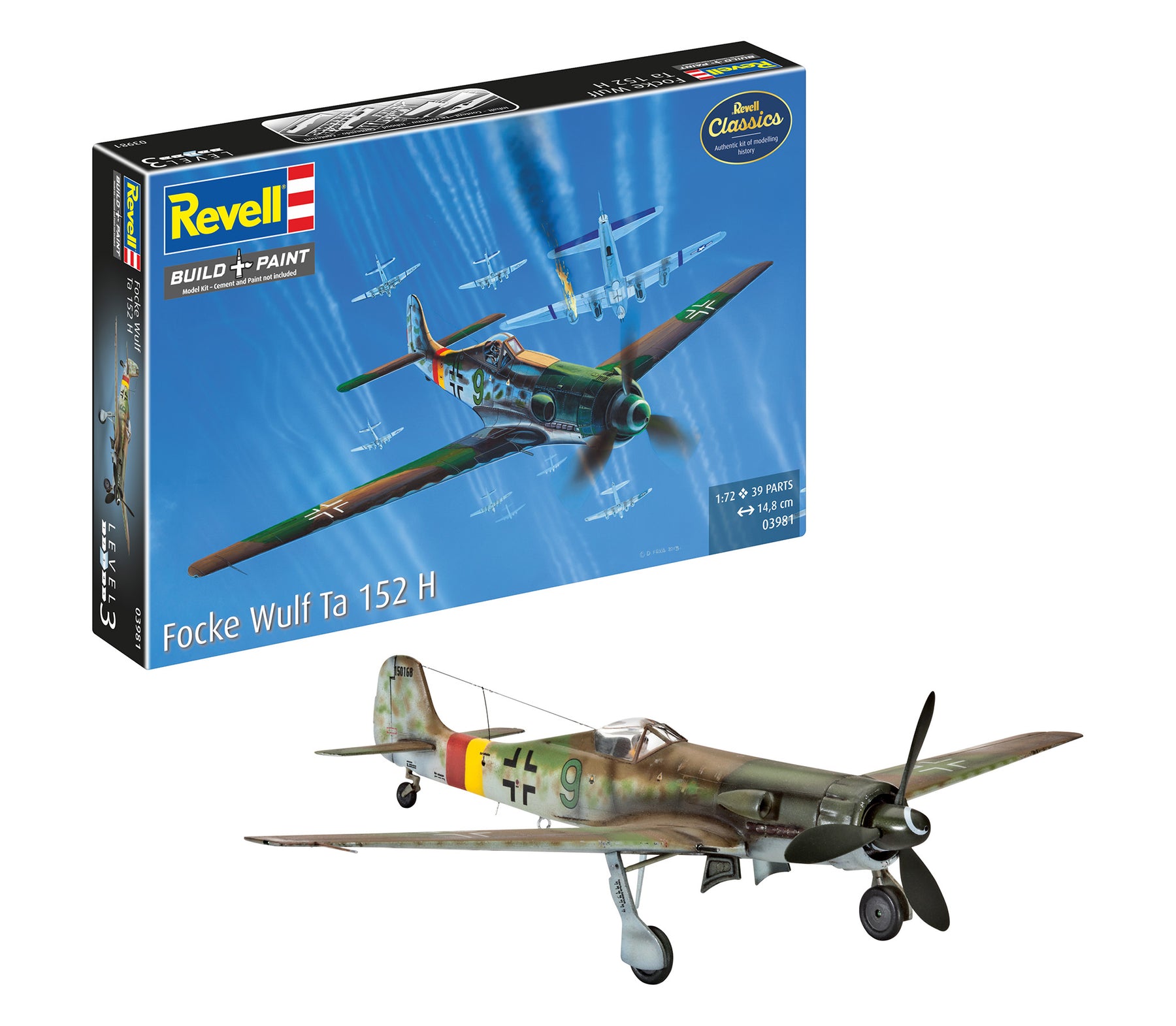
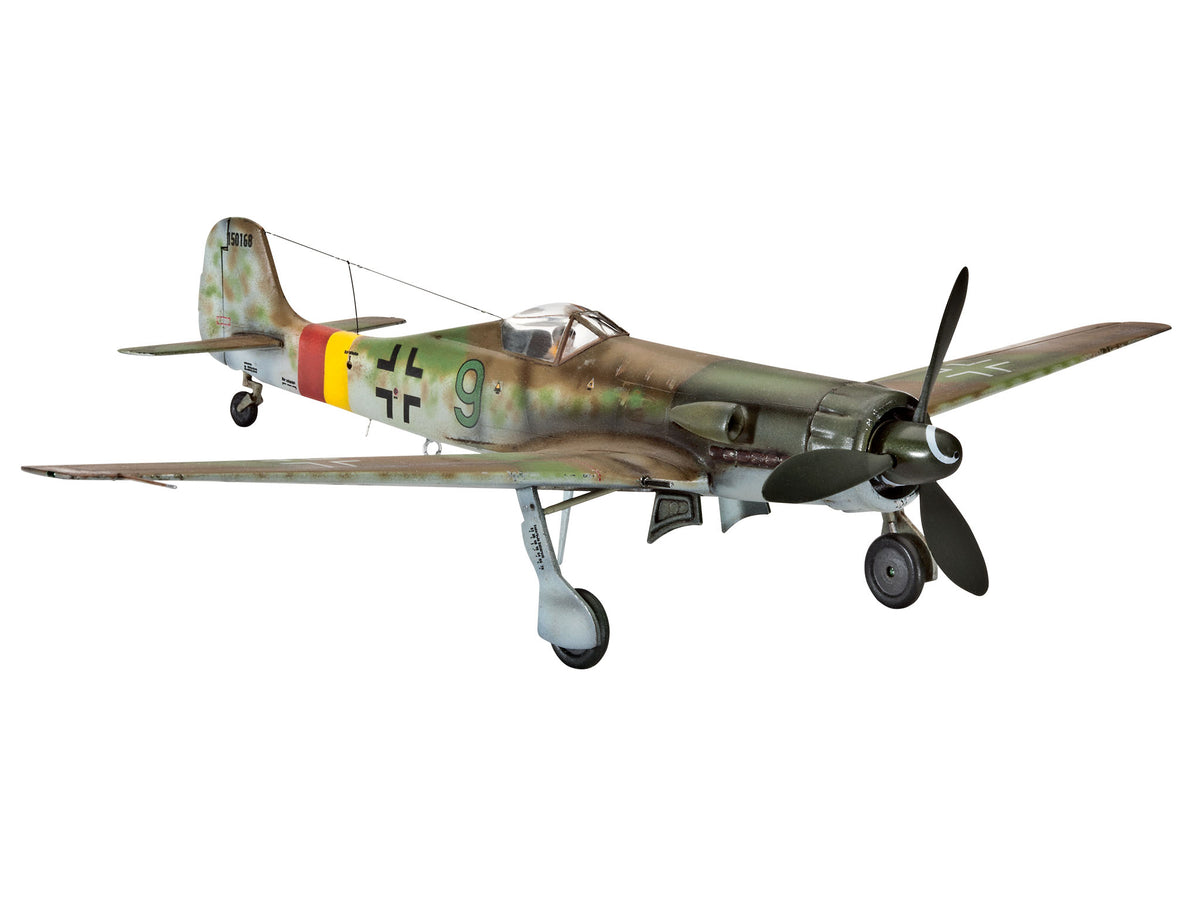
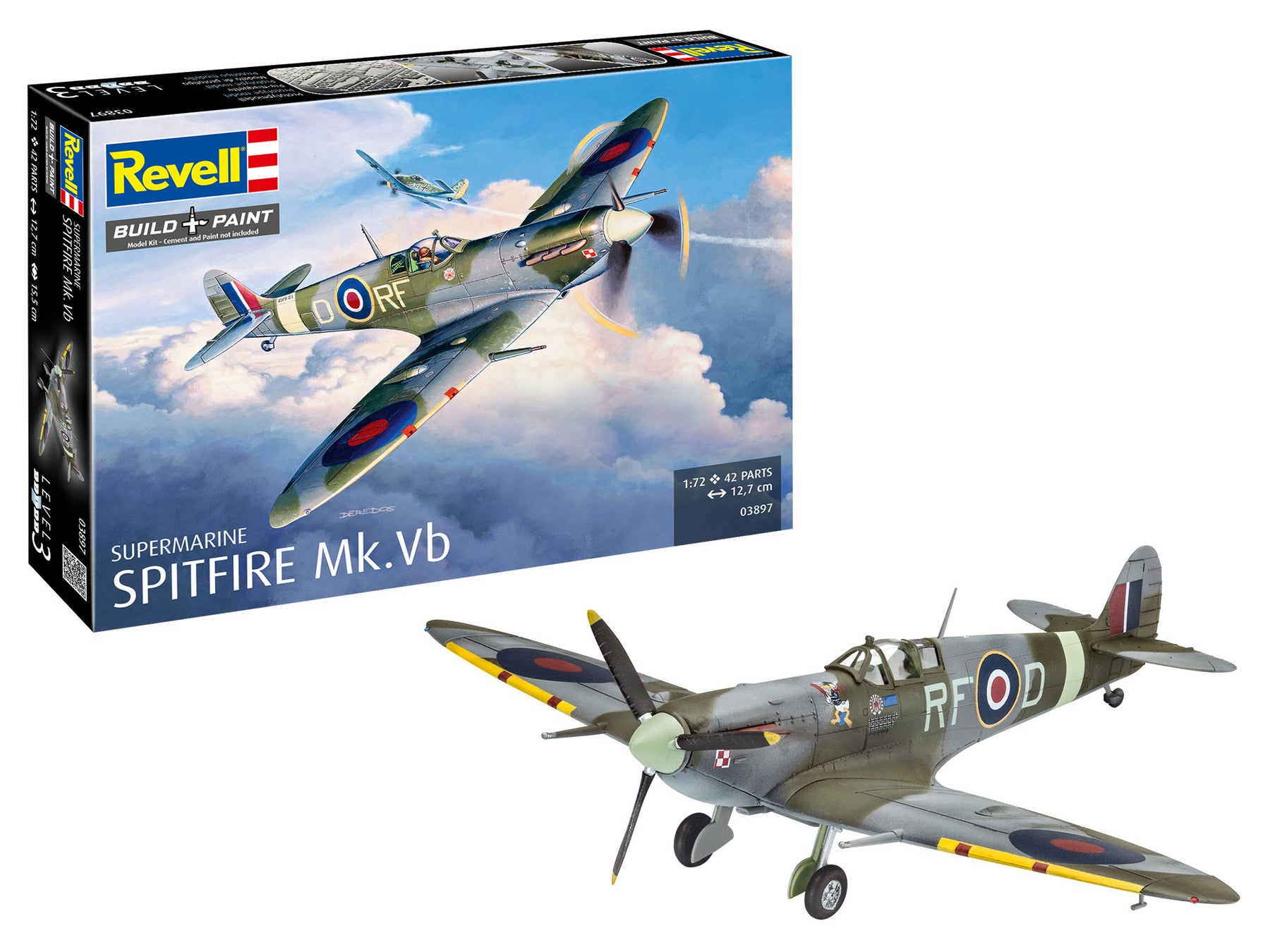
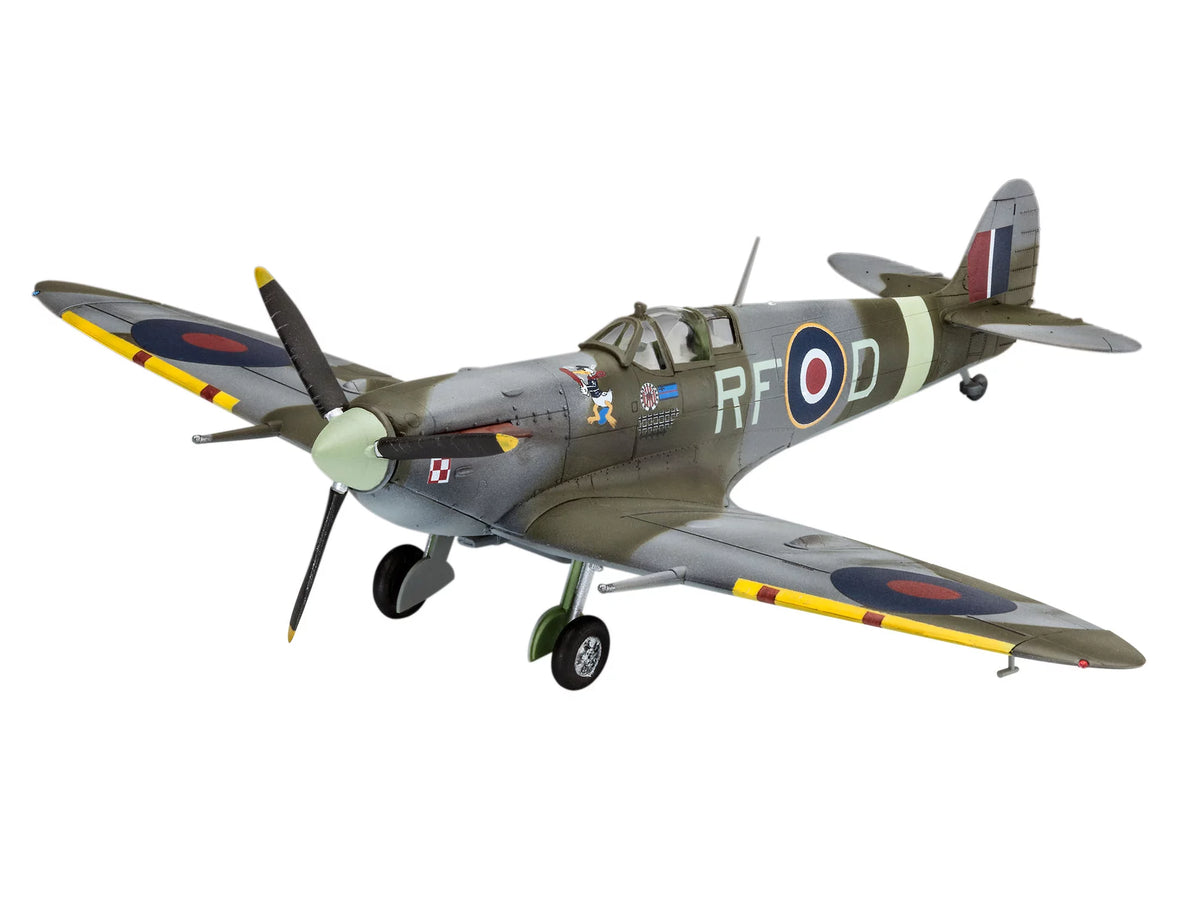
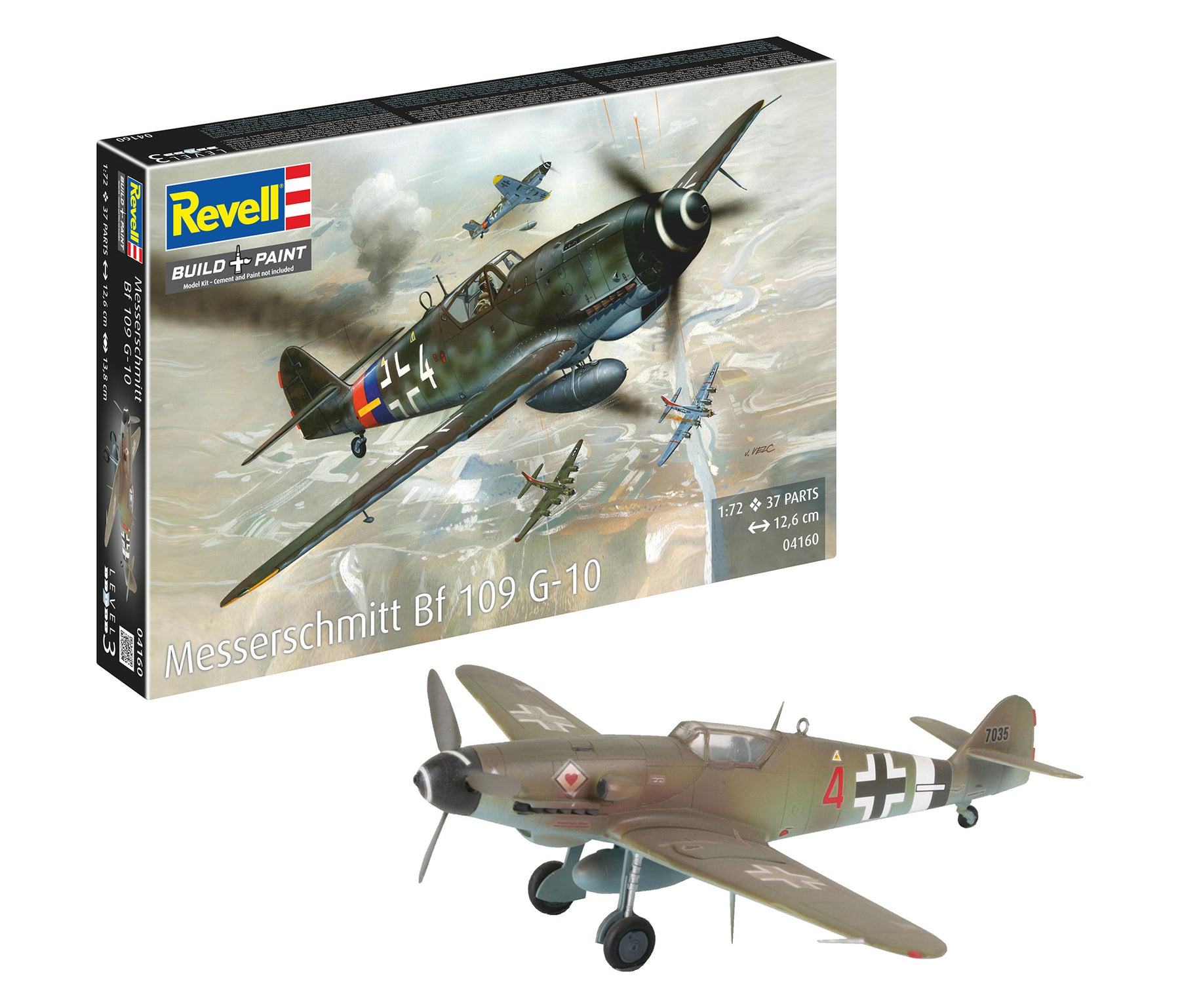
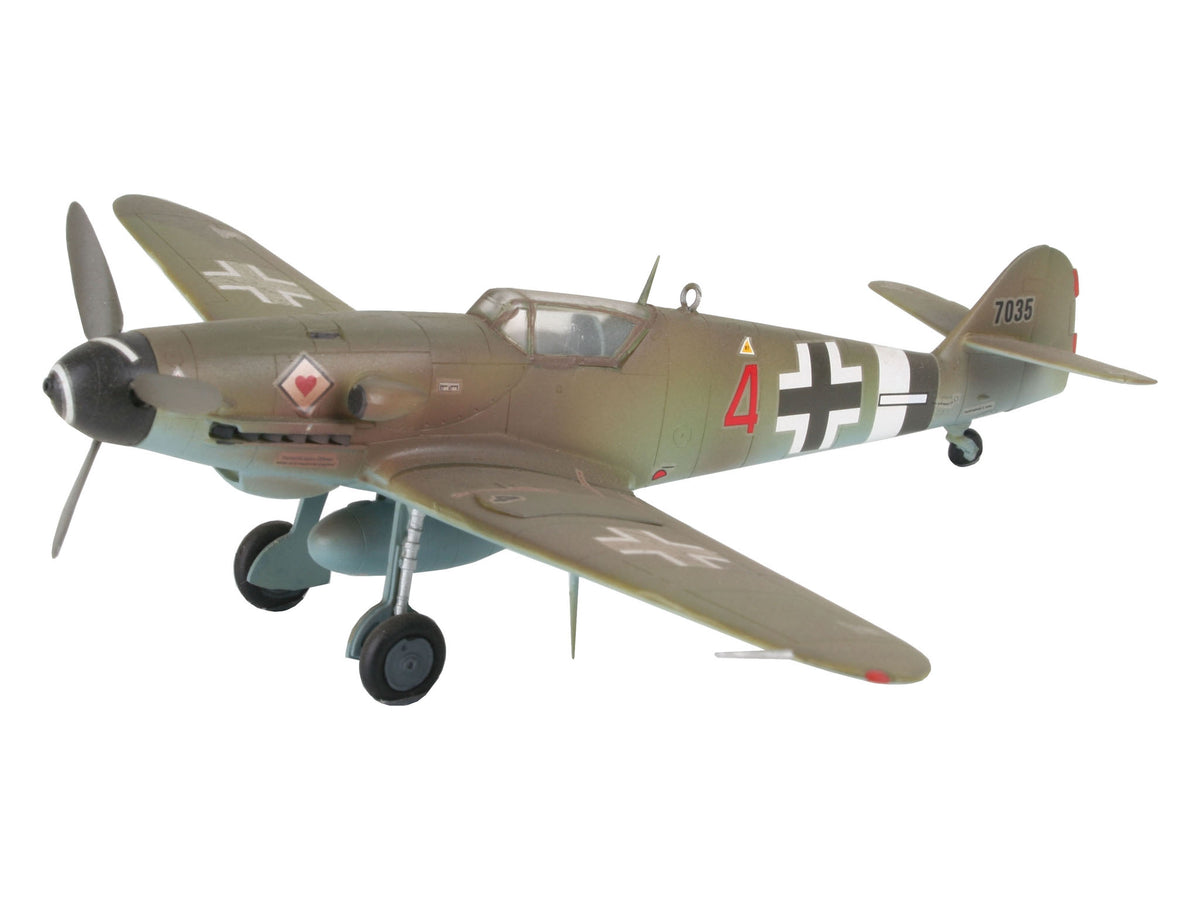
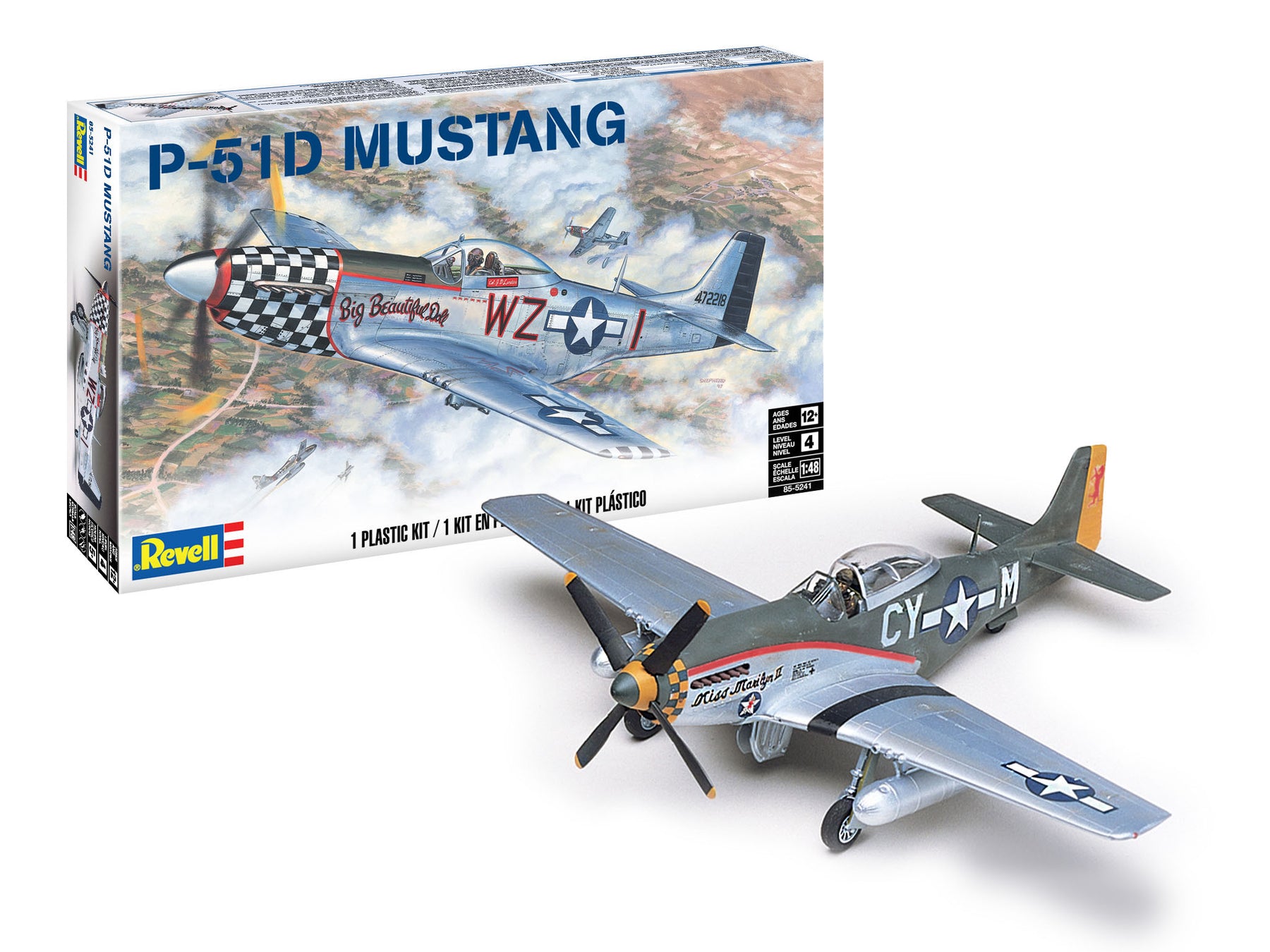
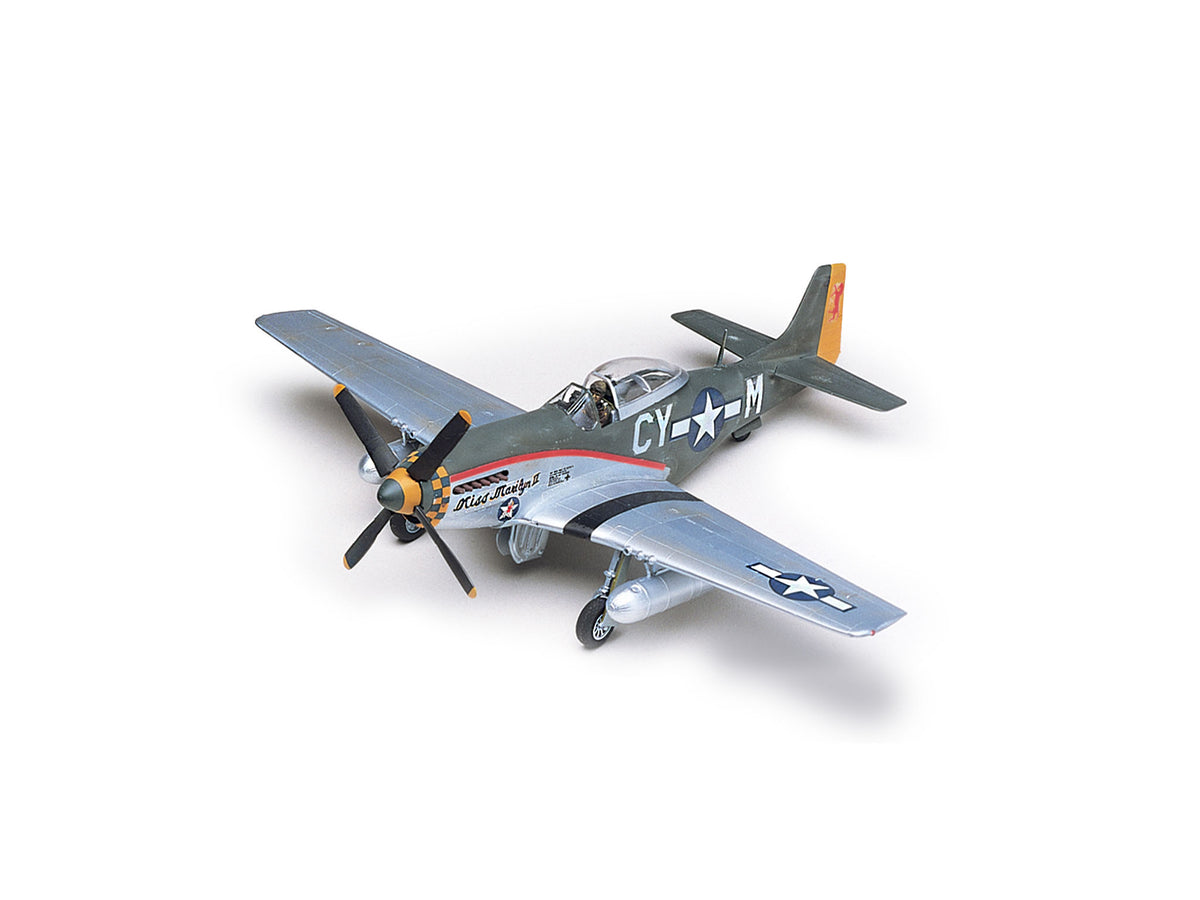
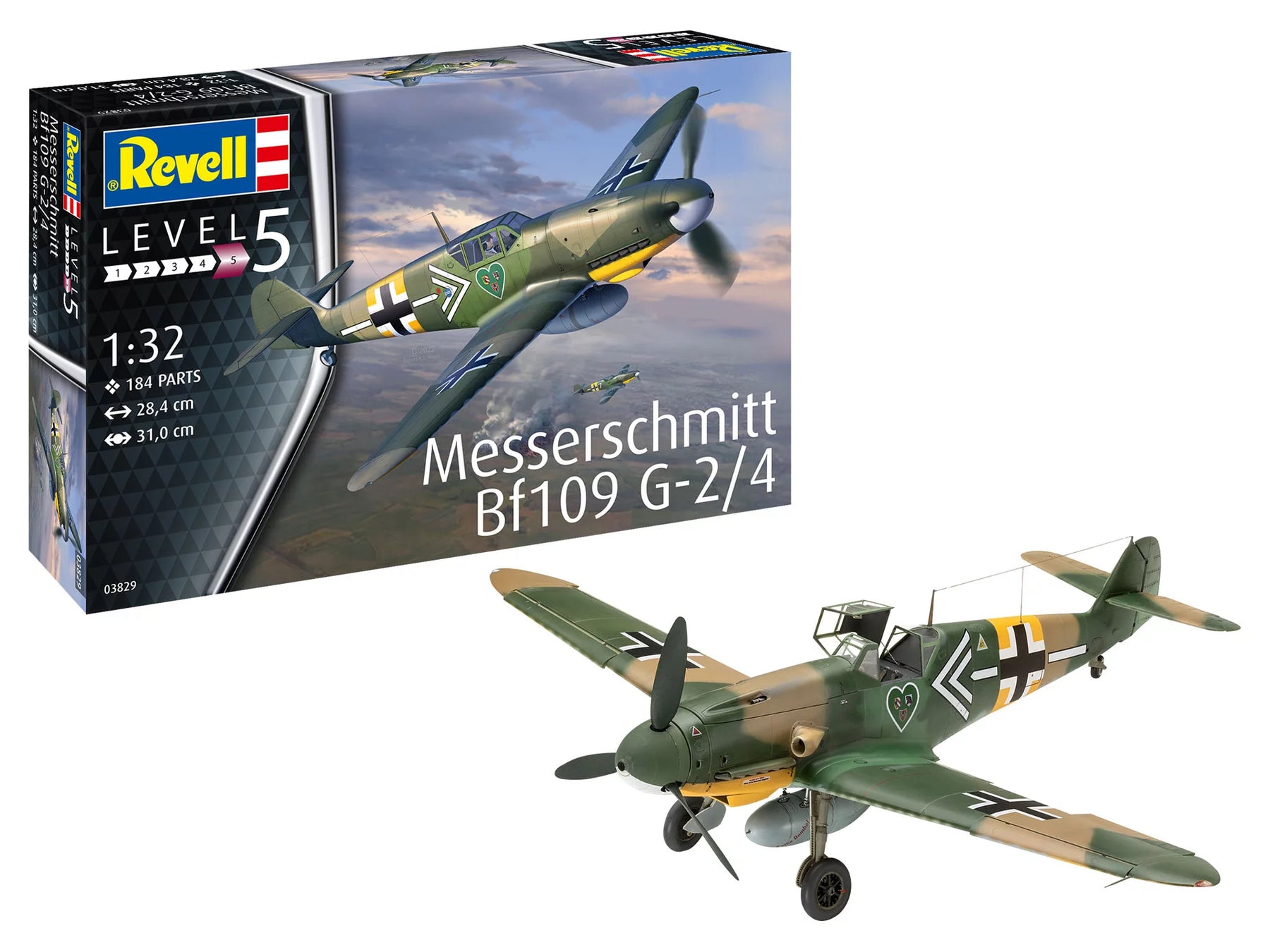
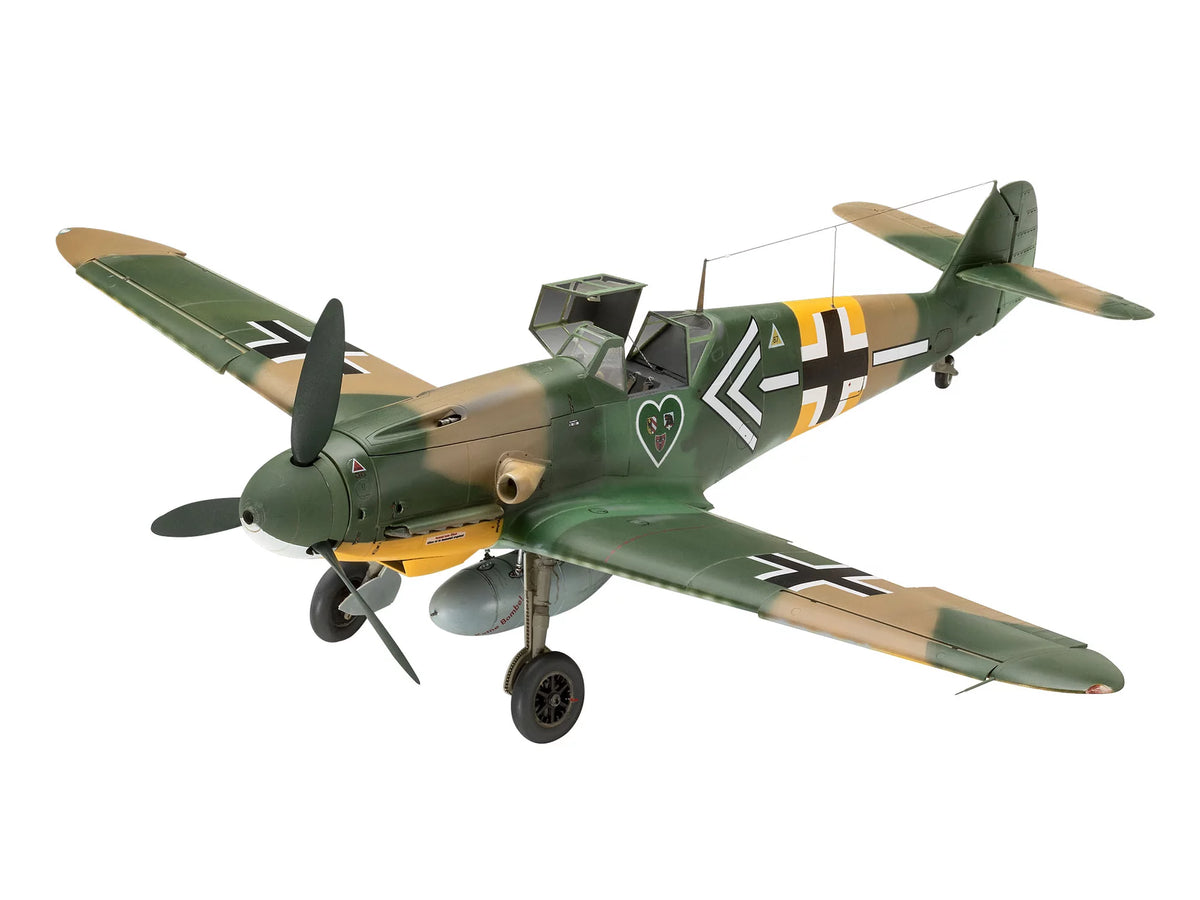
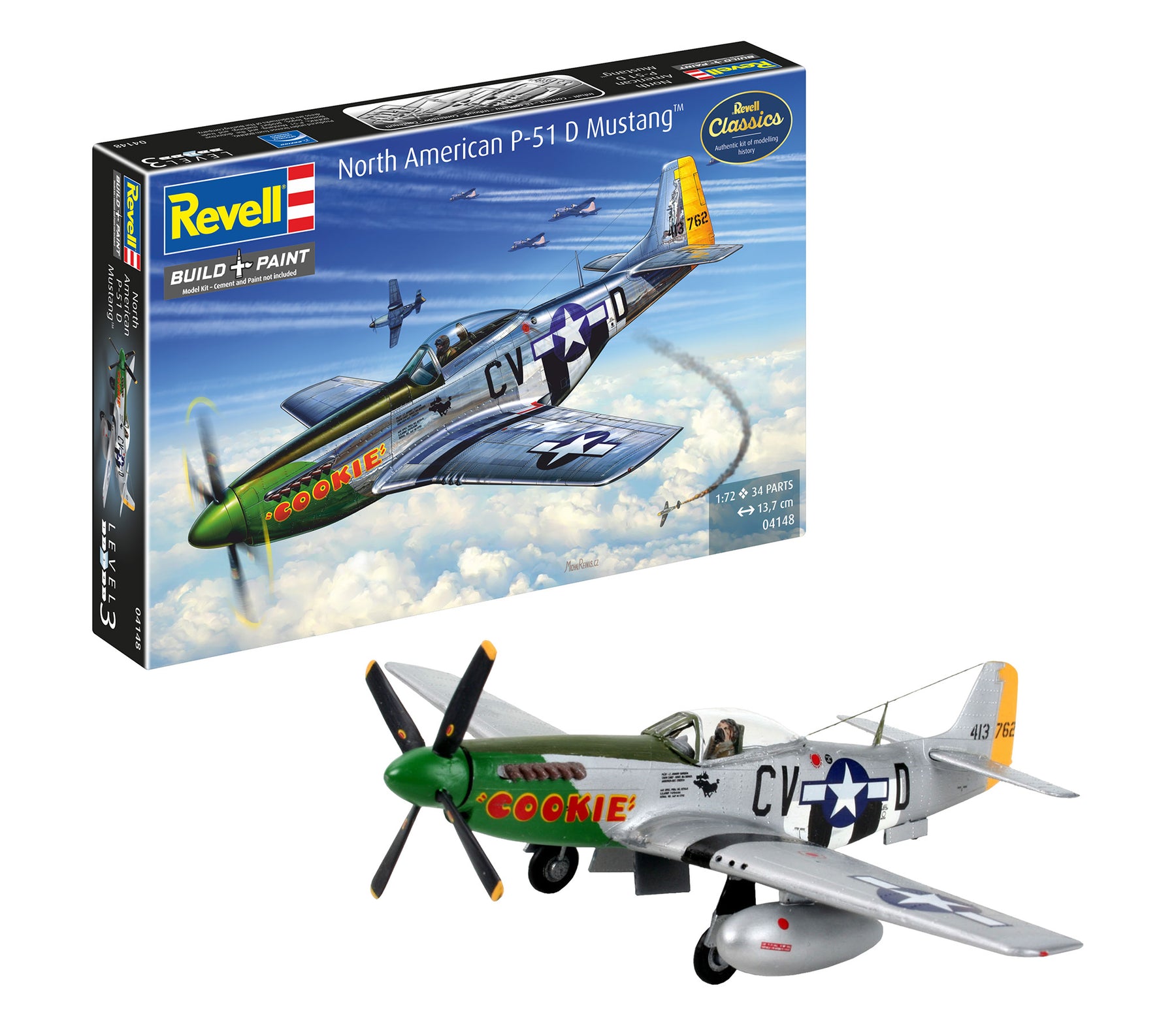
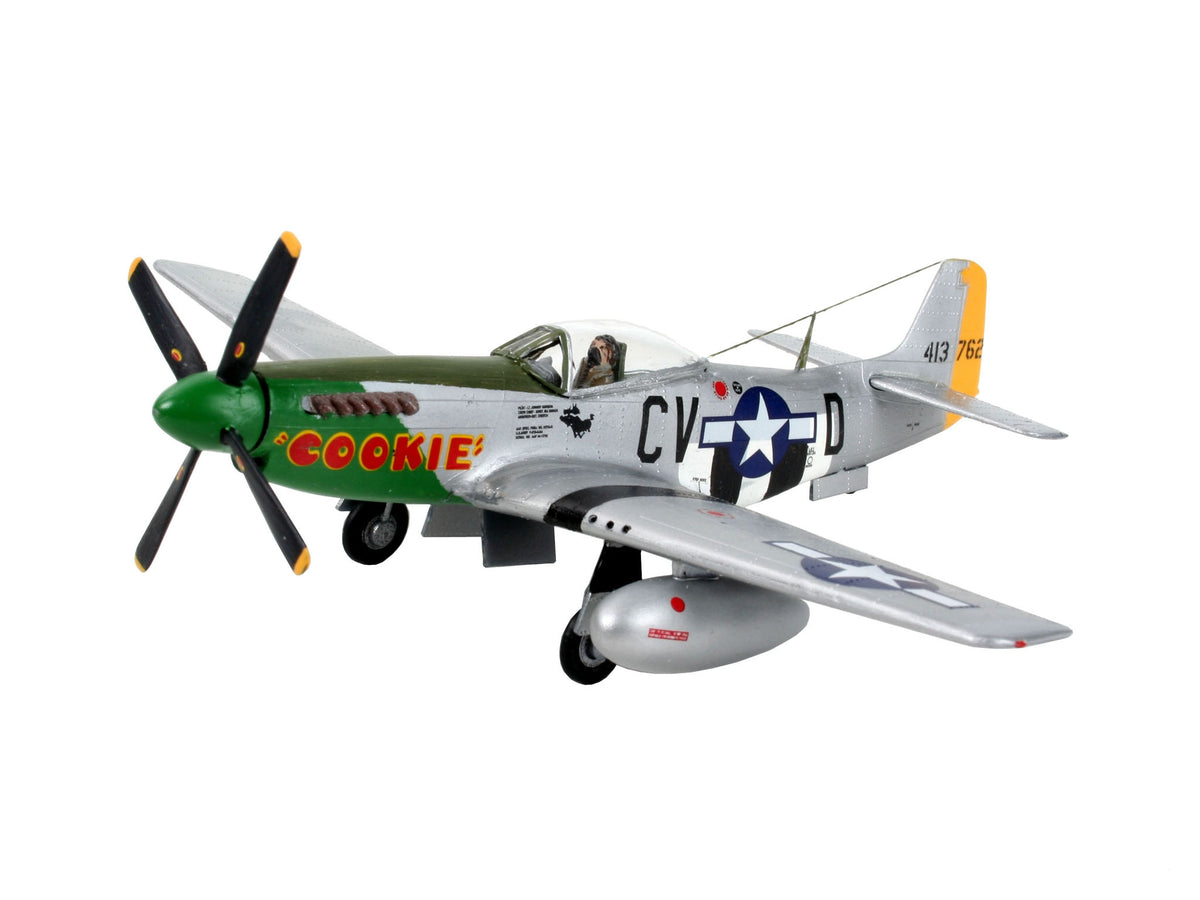
- The World War II era: Fighter aircraft such as the Supermarine Spitfire, Messerschmitt Bf 109 or P-51 Mustang are among the most popular classics. They offer you the opportunity to faithfully recreate historical camouflage patterns, rows of rivets and distinctive markings.
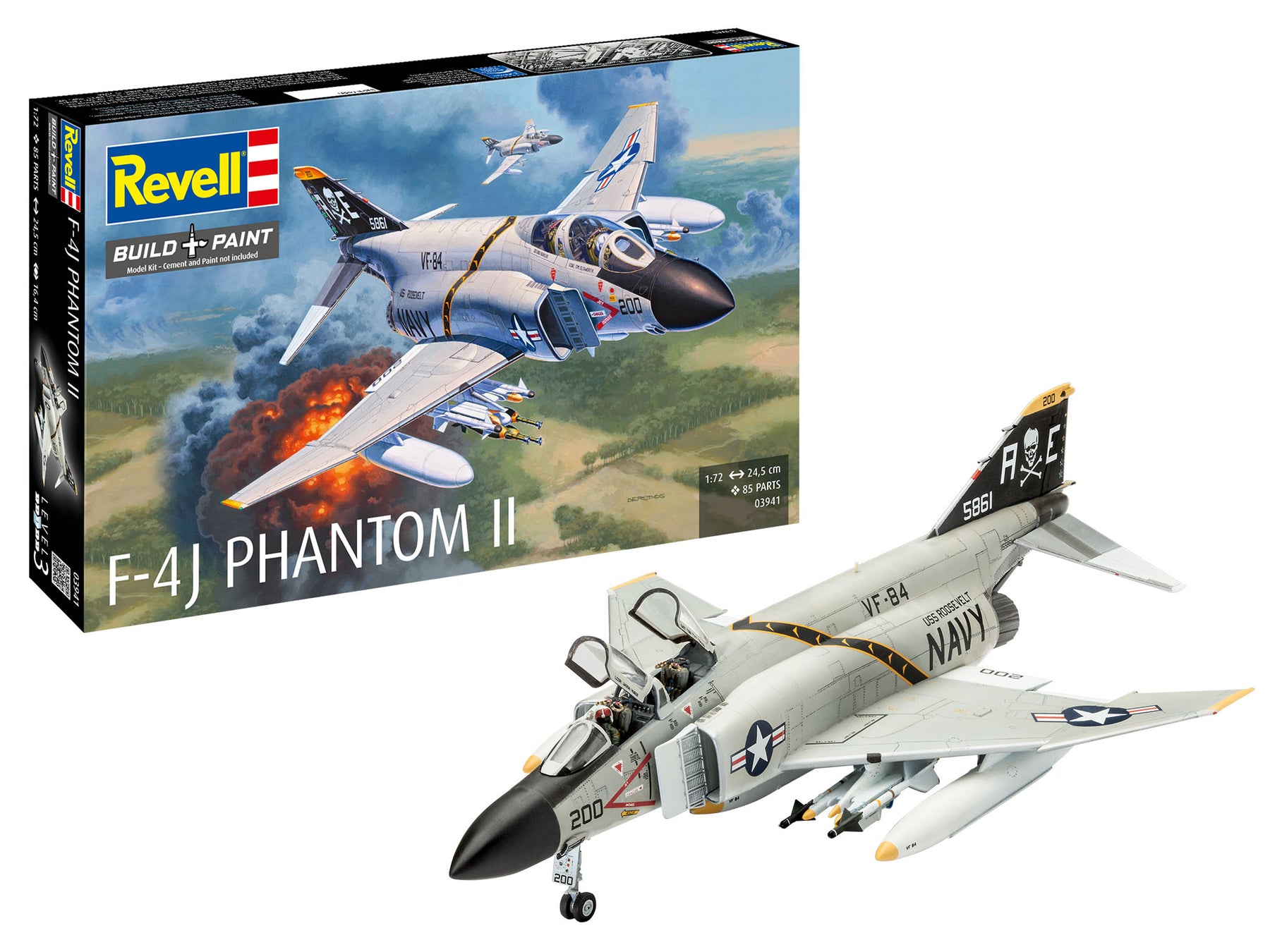
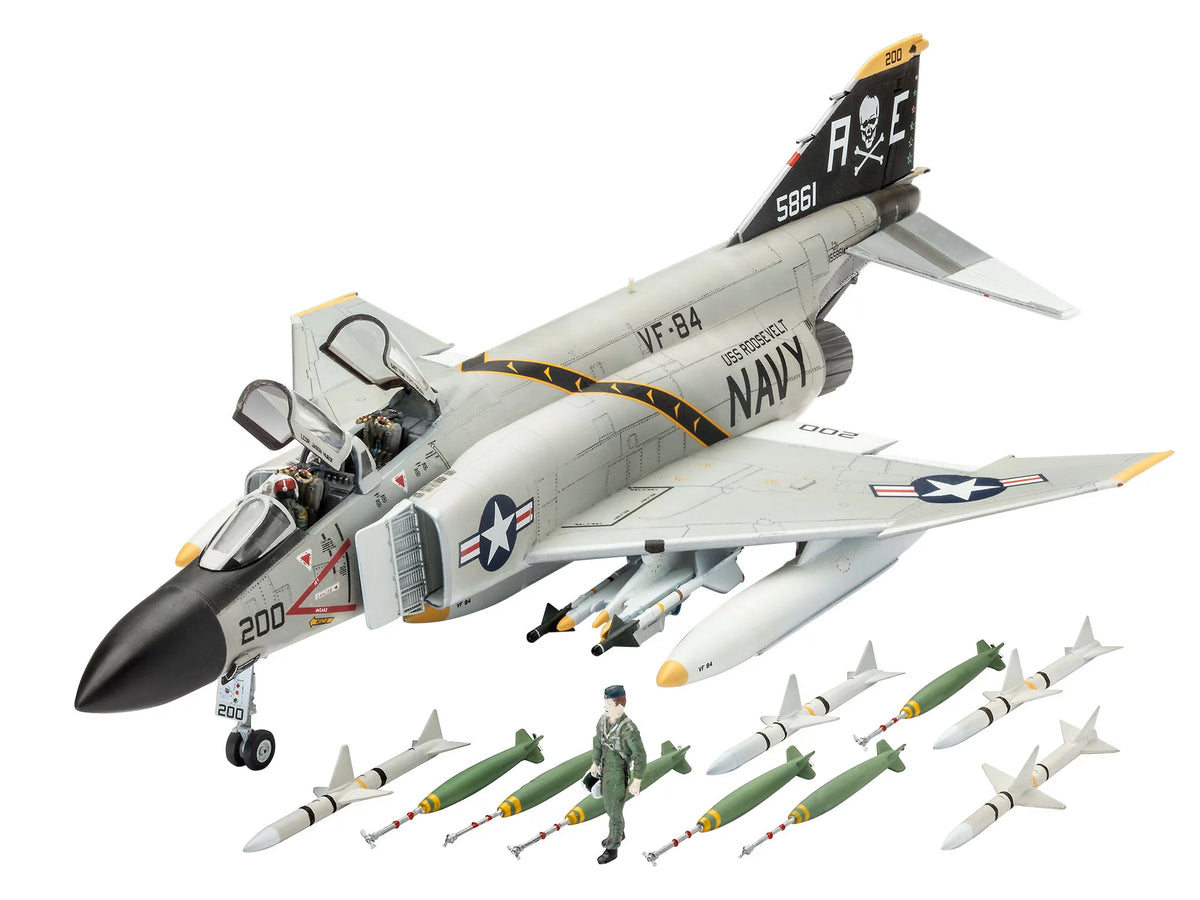
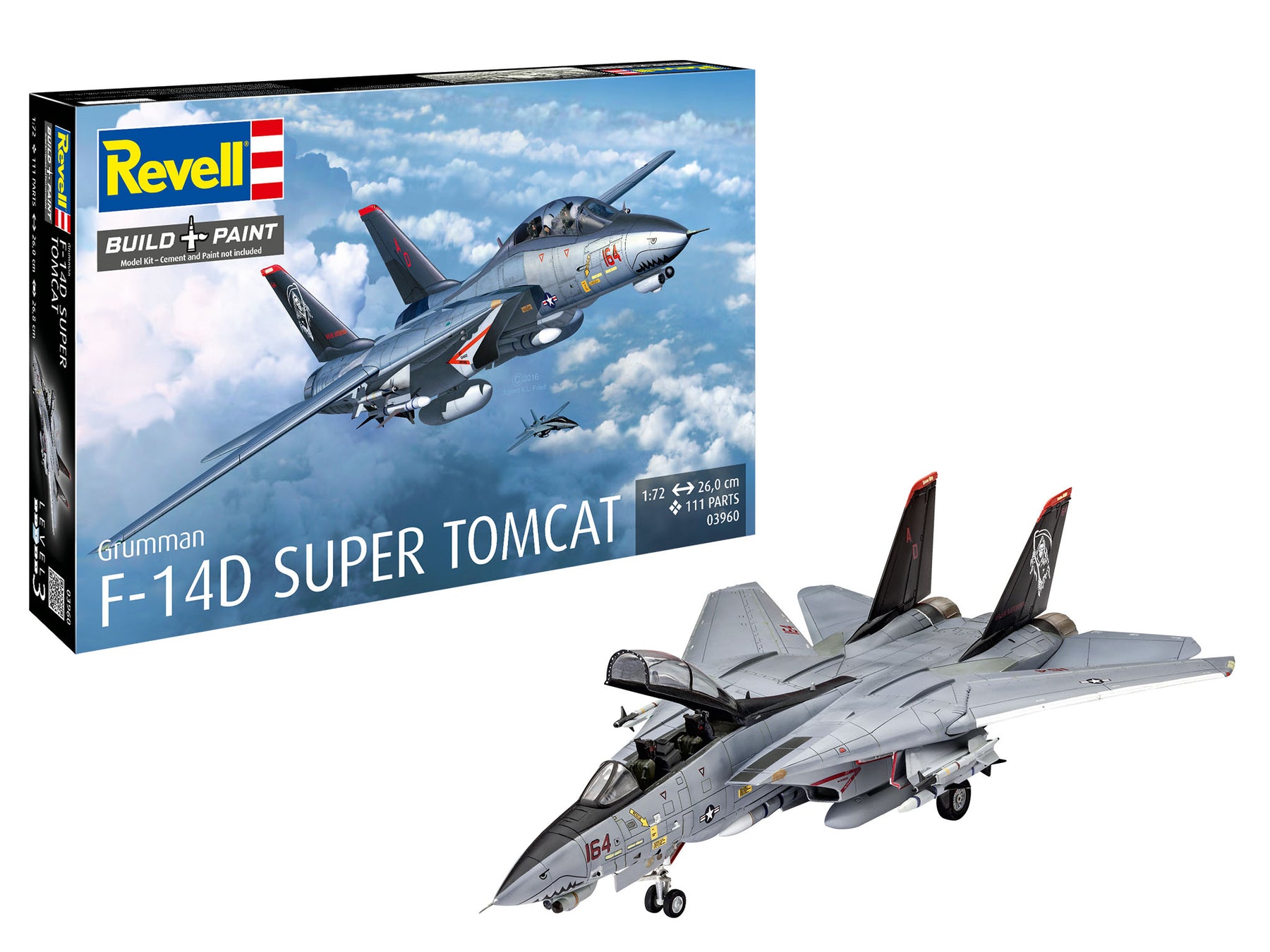
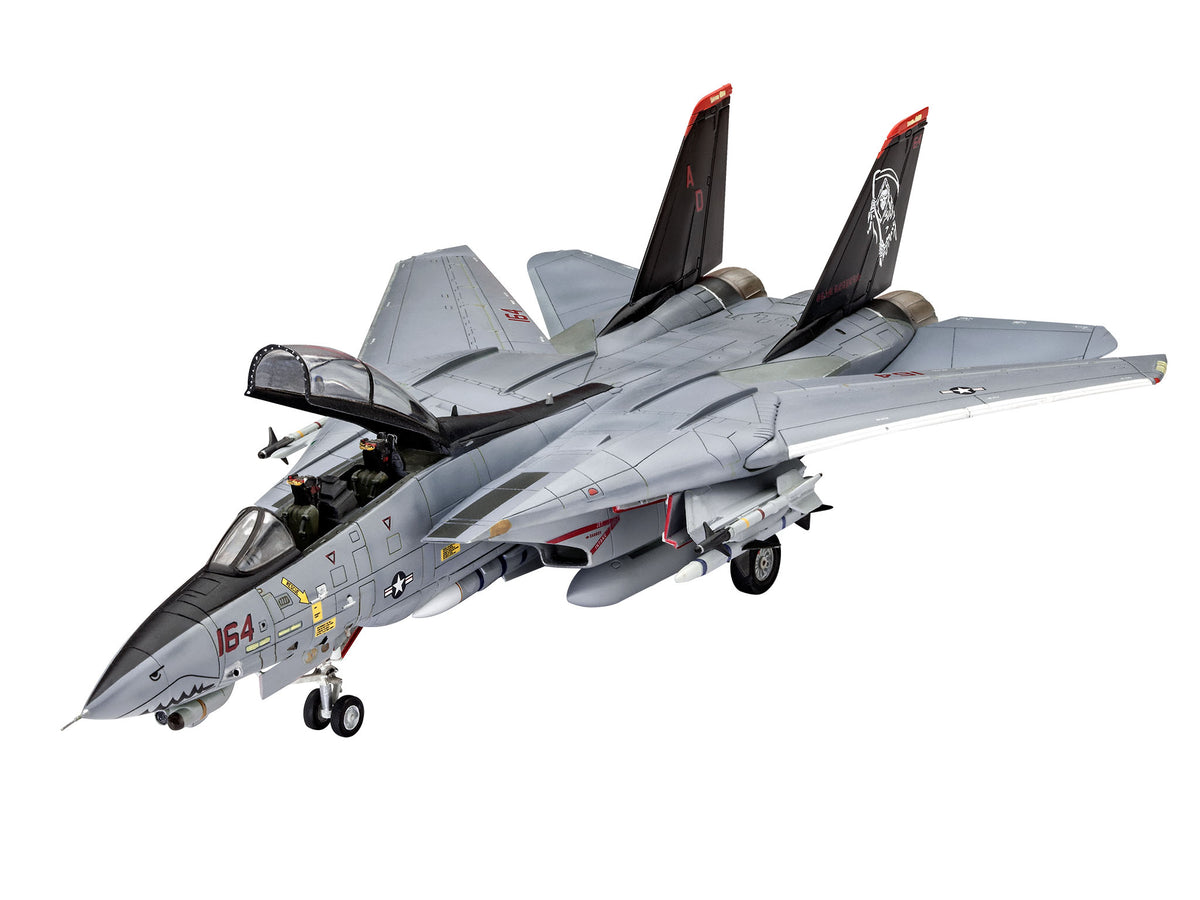
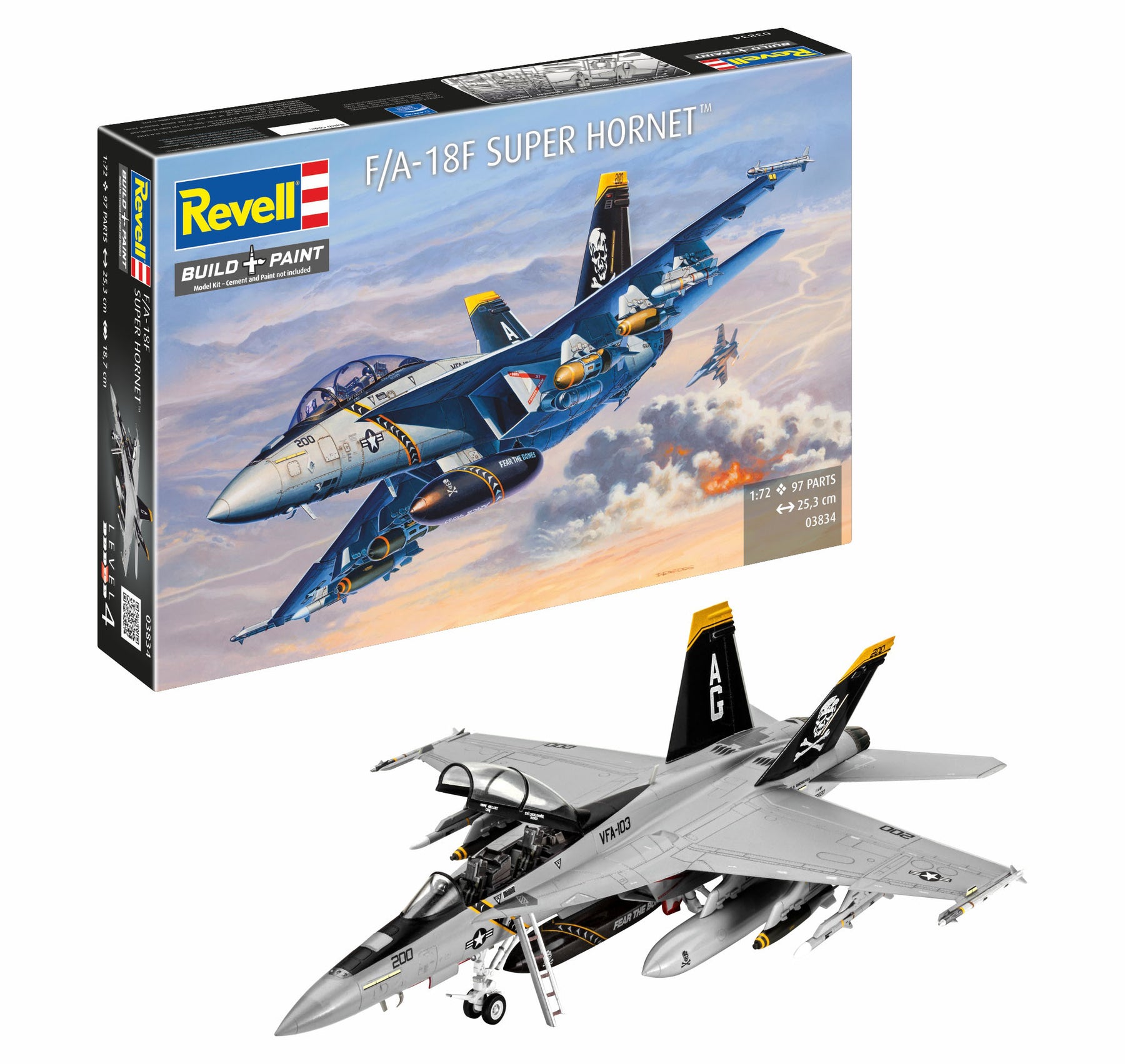
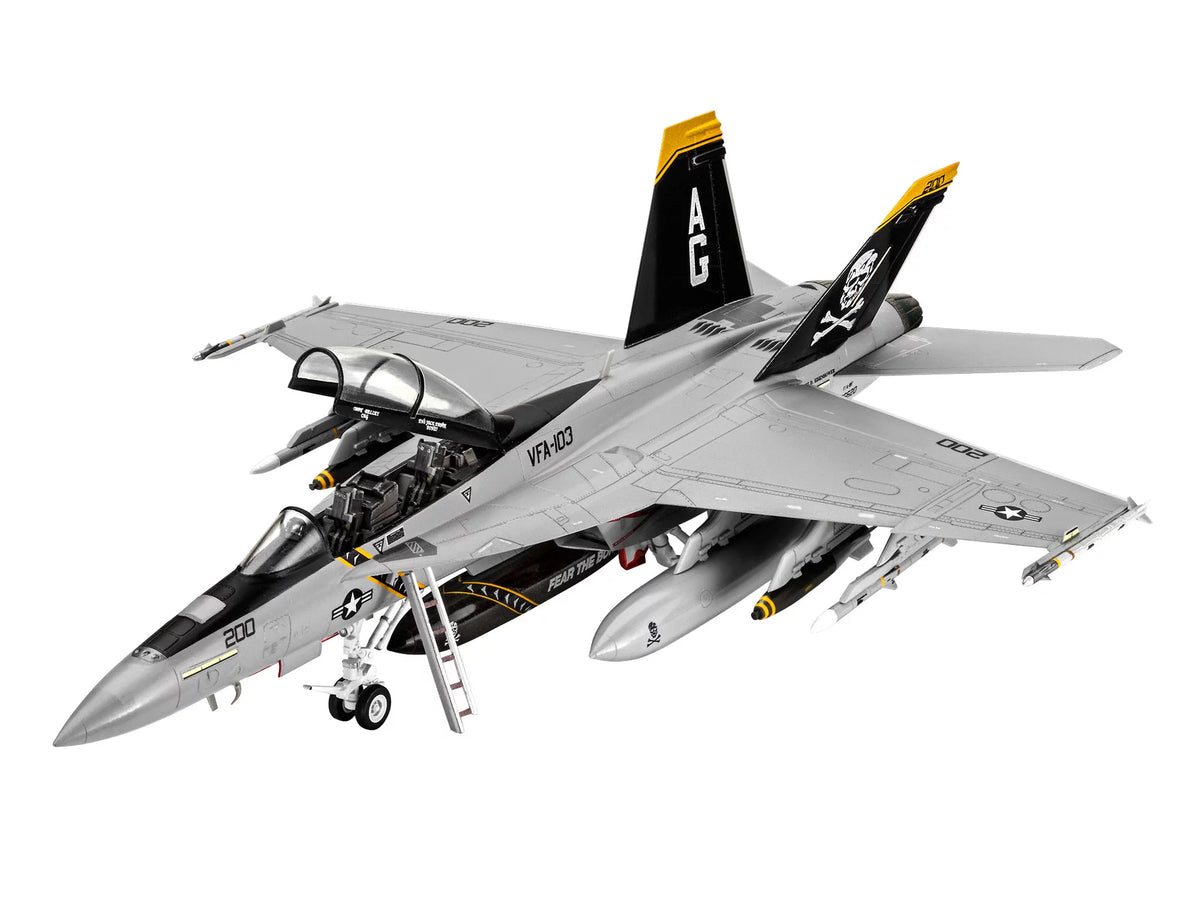
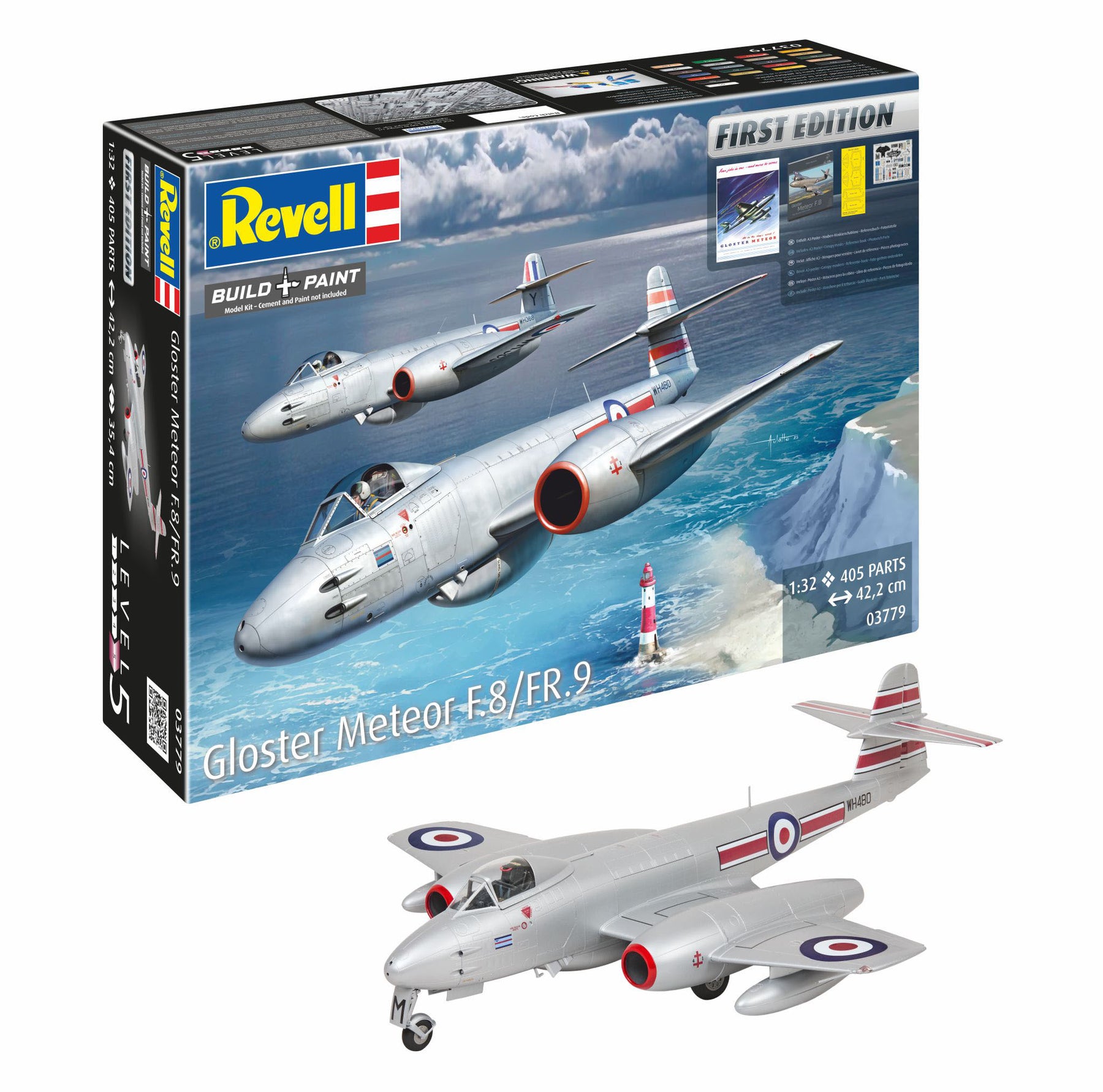
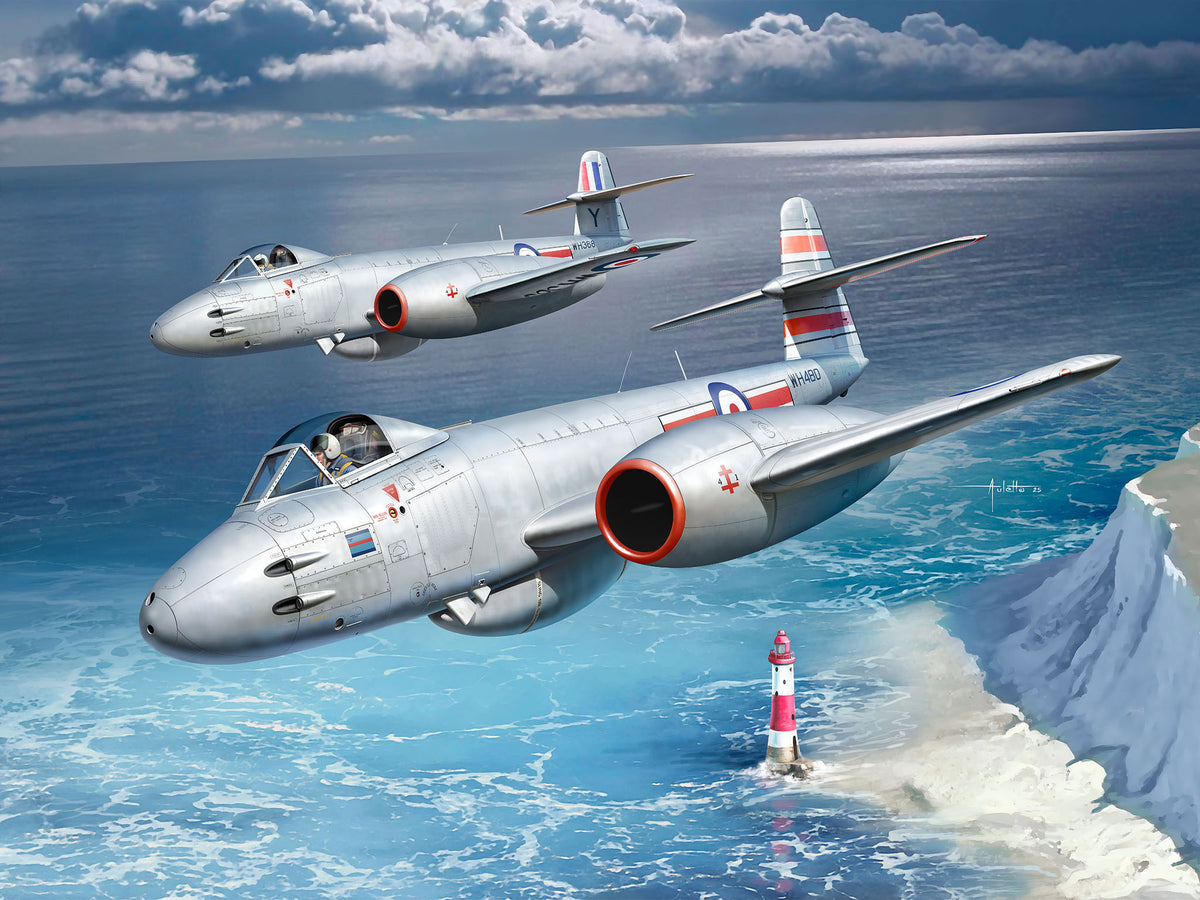
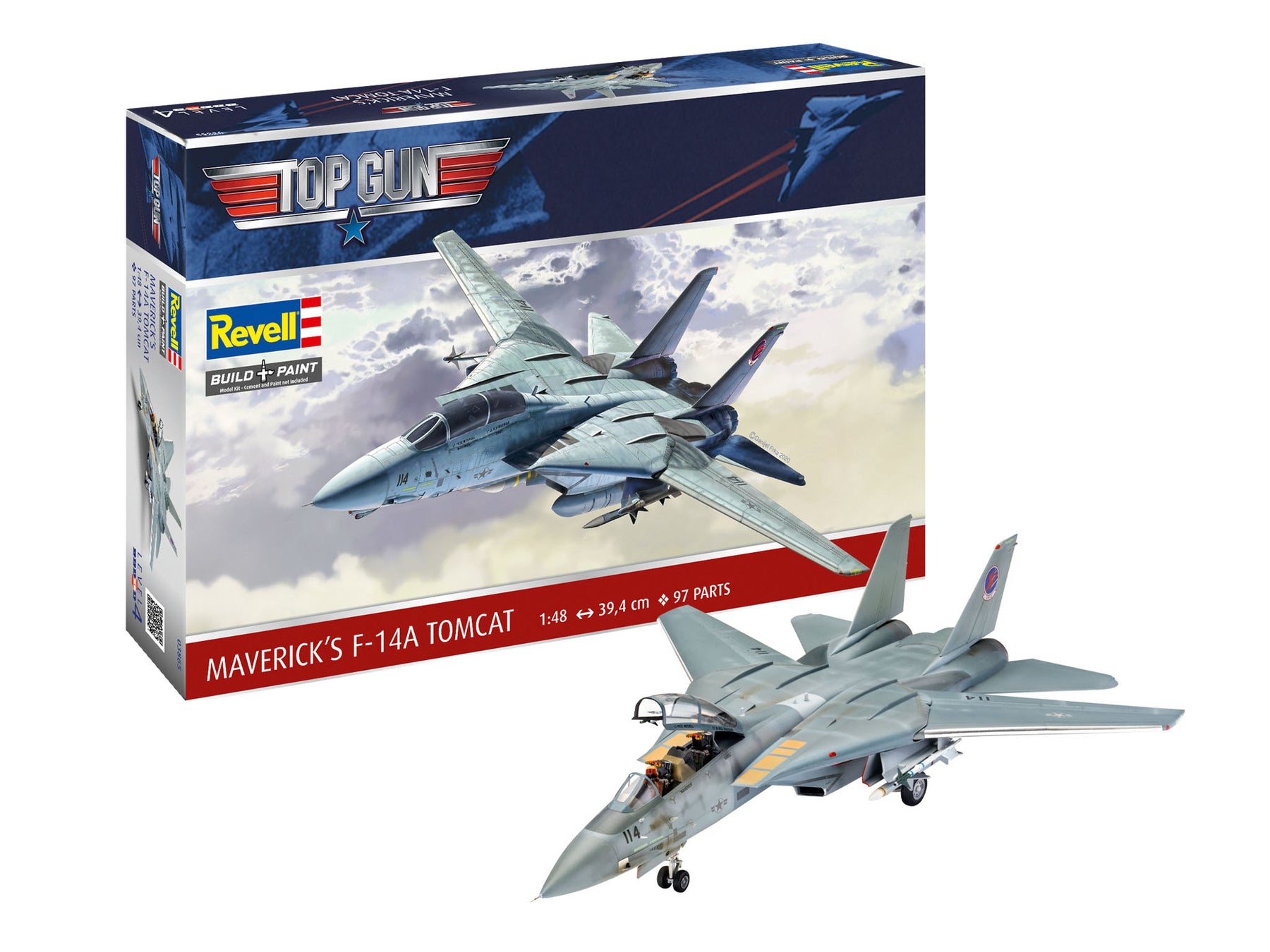
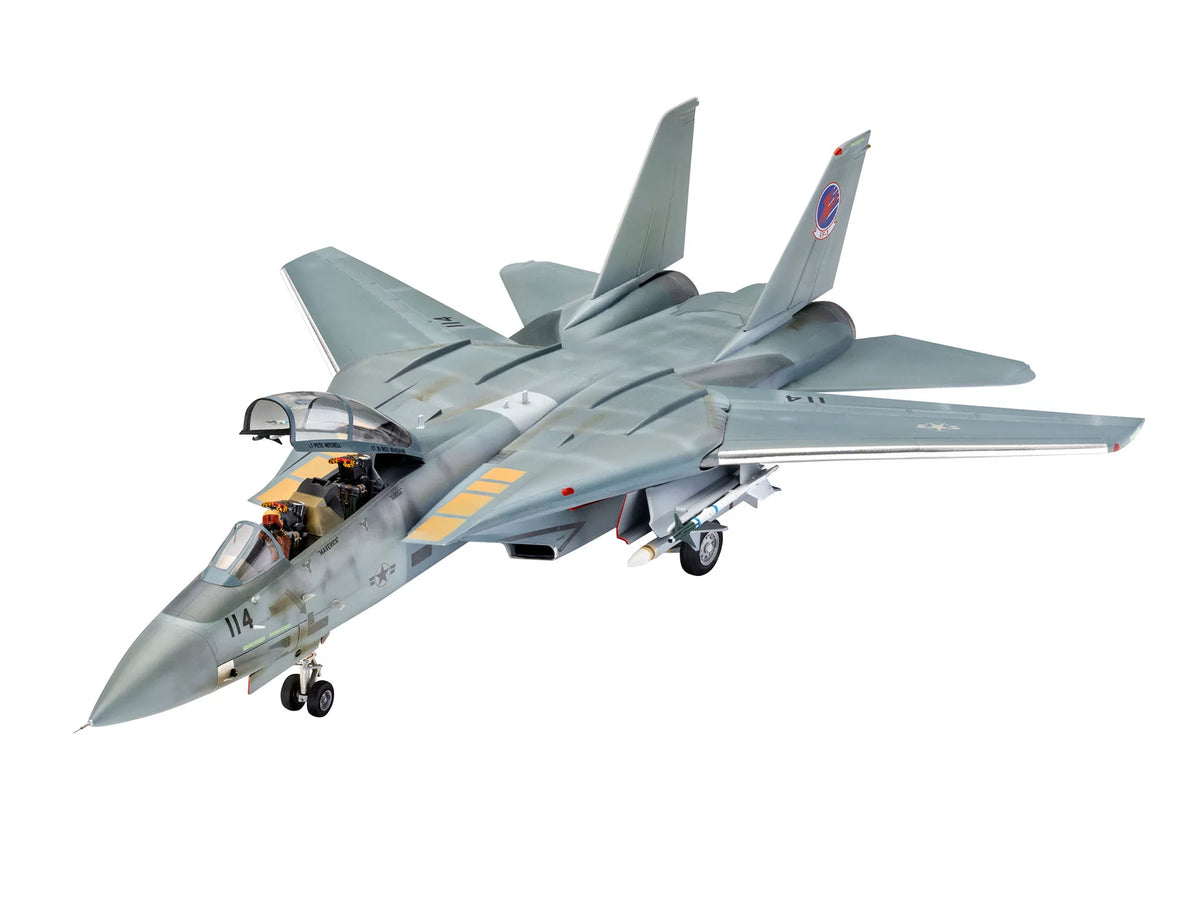
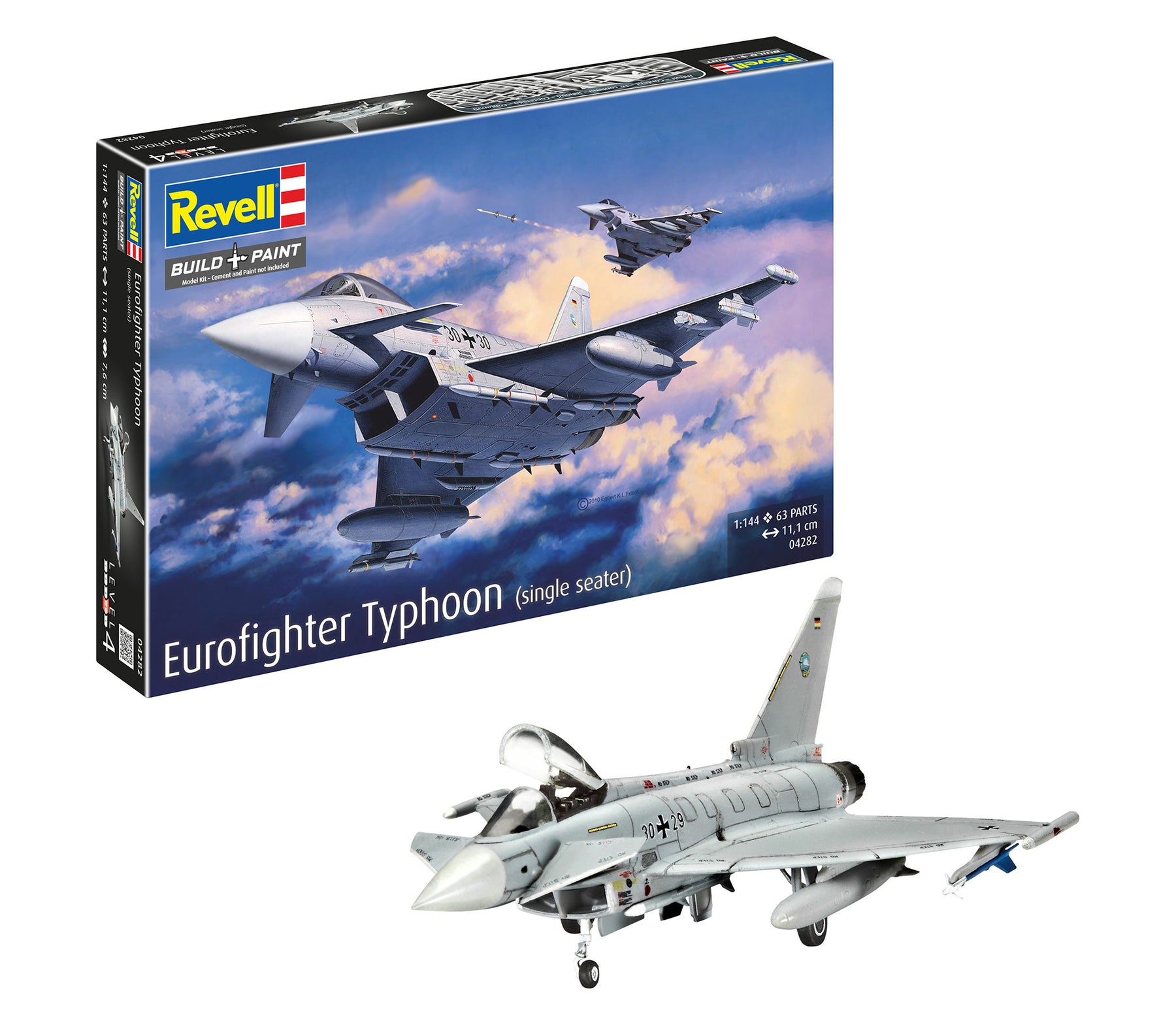
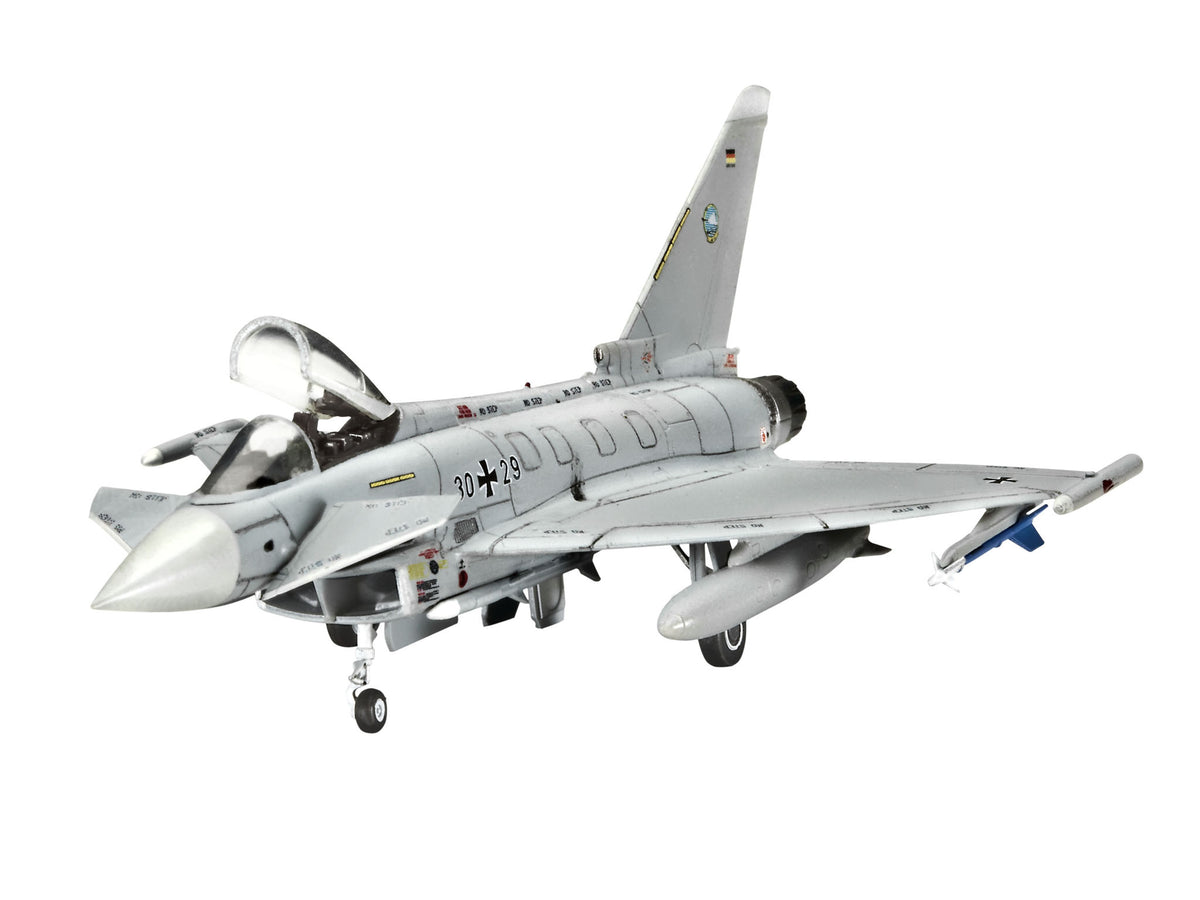
- The Jet Age & Modern Military Jets: From the Cold War to modern multi-role fighter aircraft, jets fascinate with sleek delta wings, detailed thrusters and state-of-the-art armament options. Here you can shine with cockpit displays and complex landing gear bays.
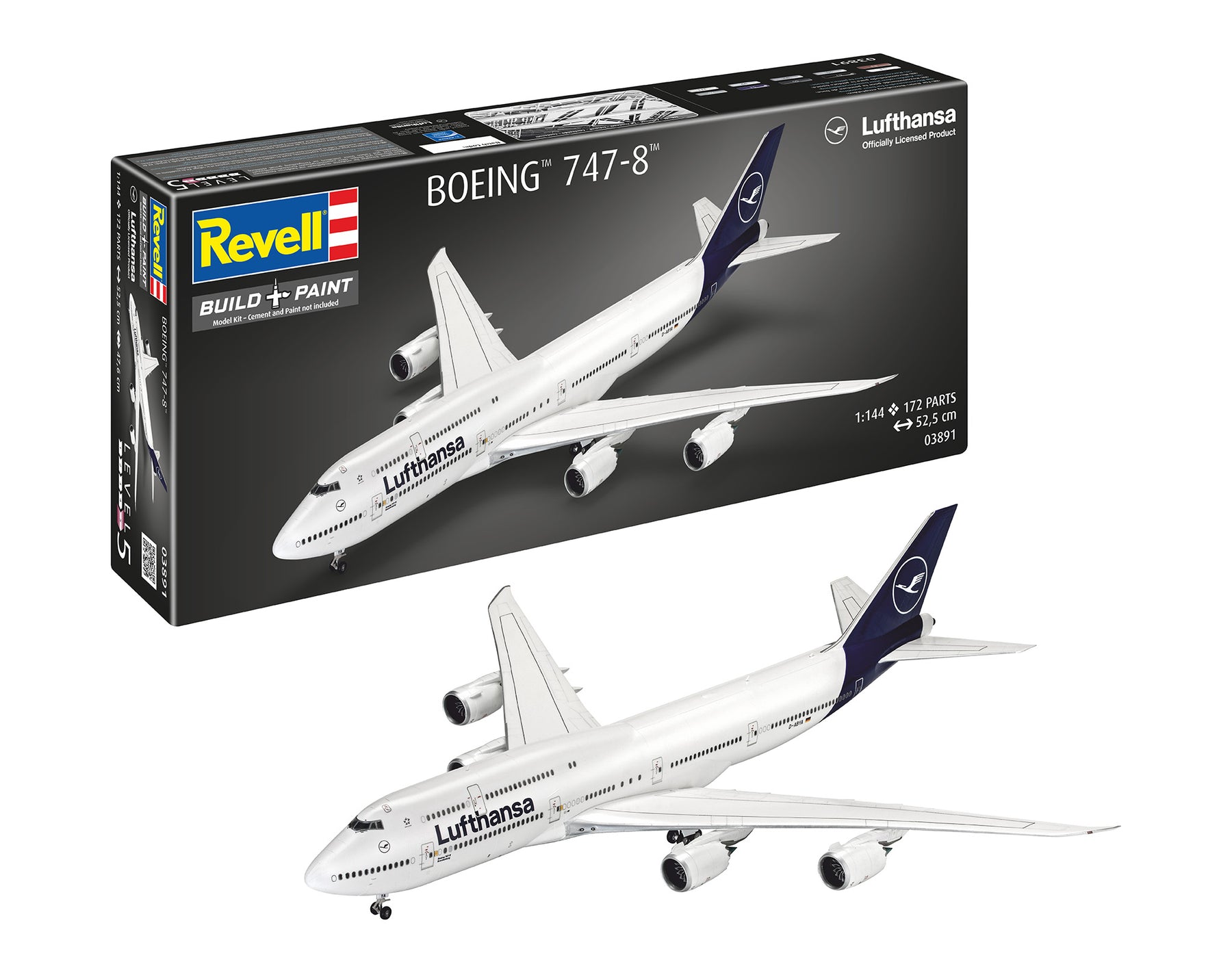
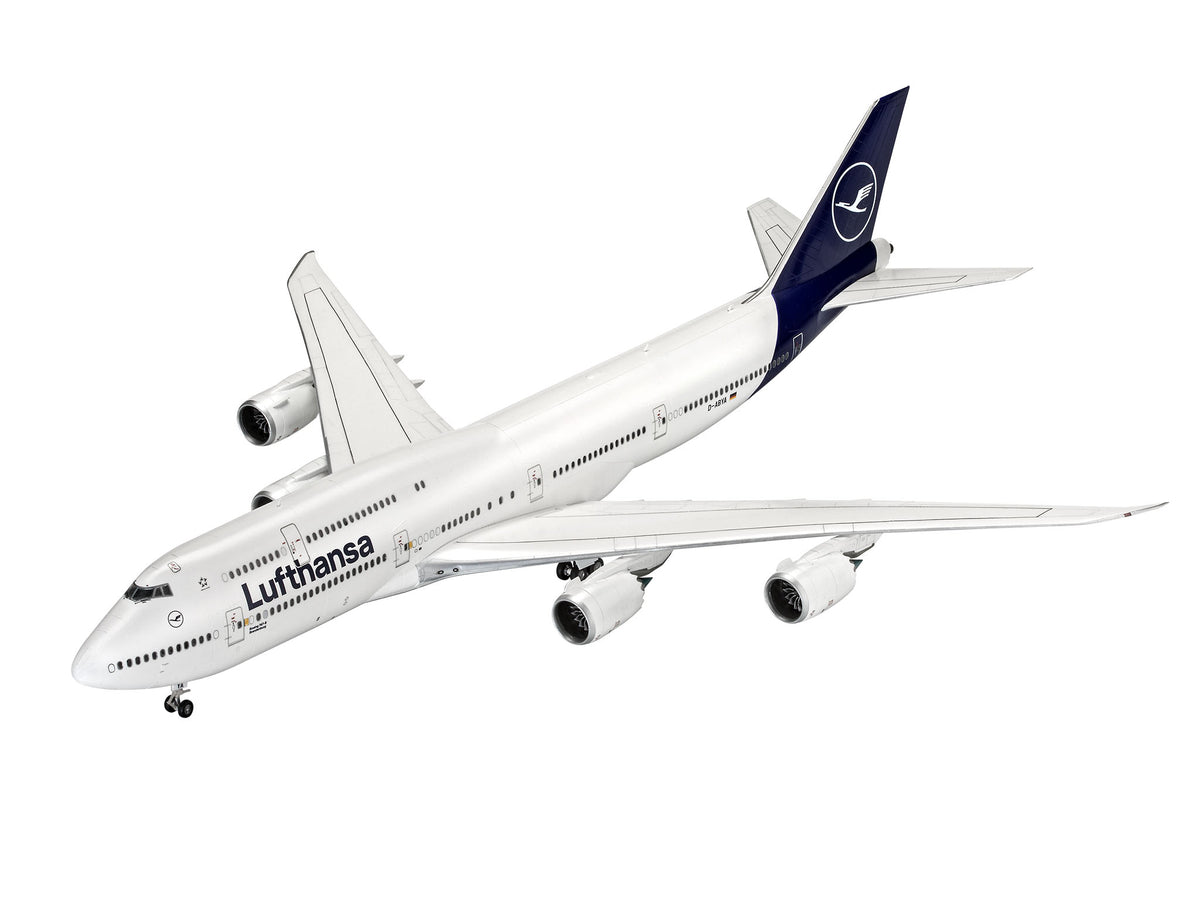
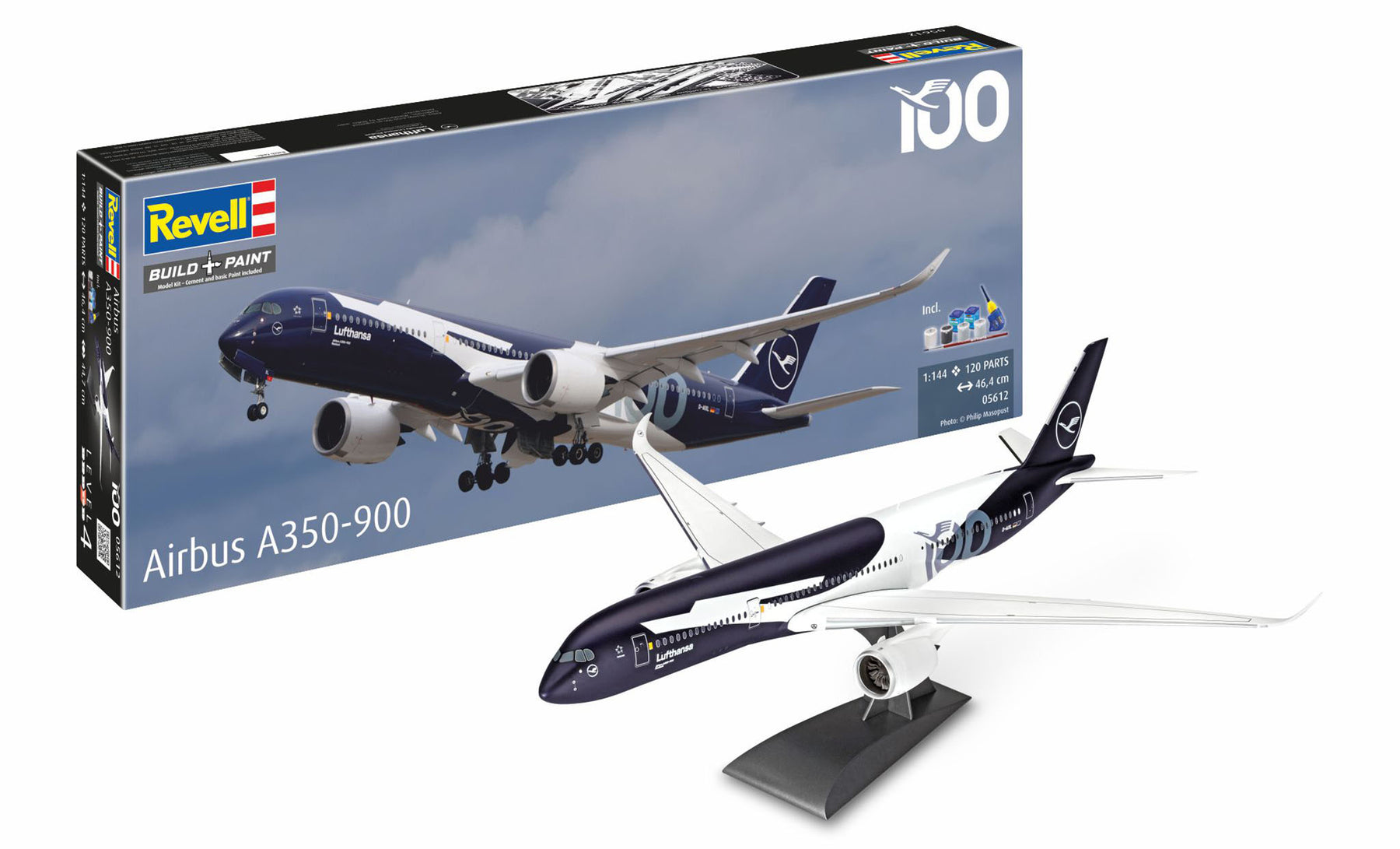
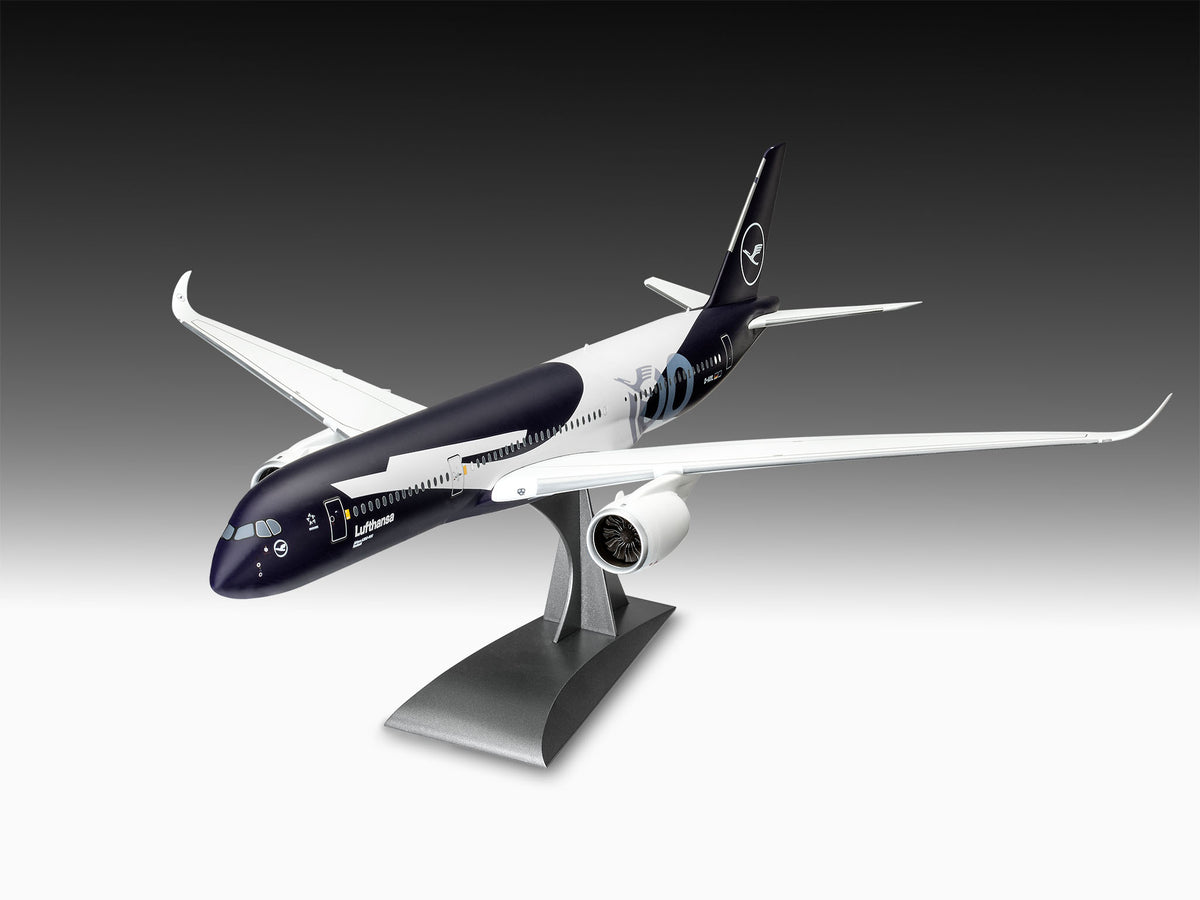
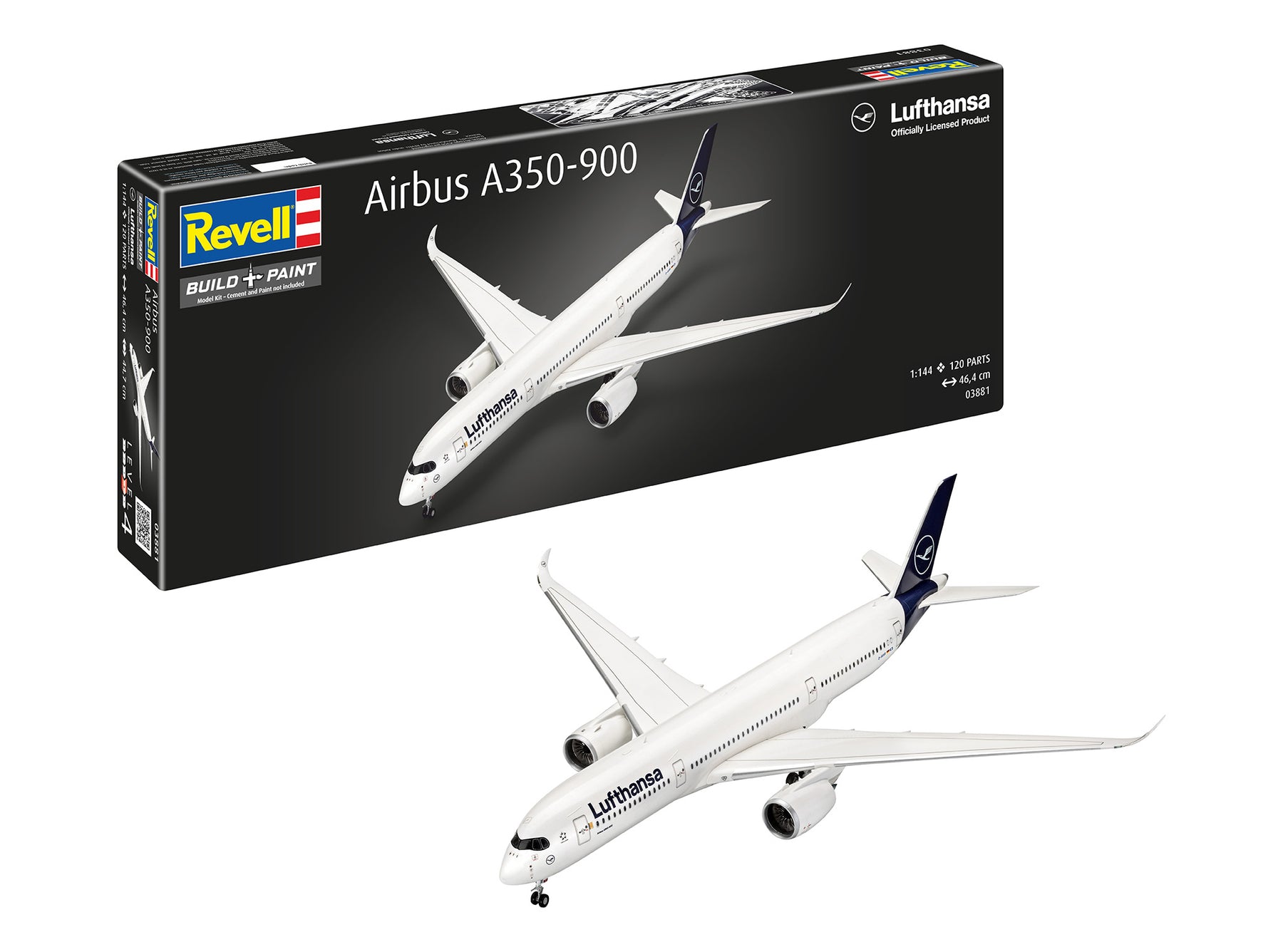
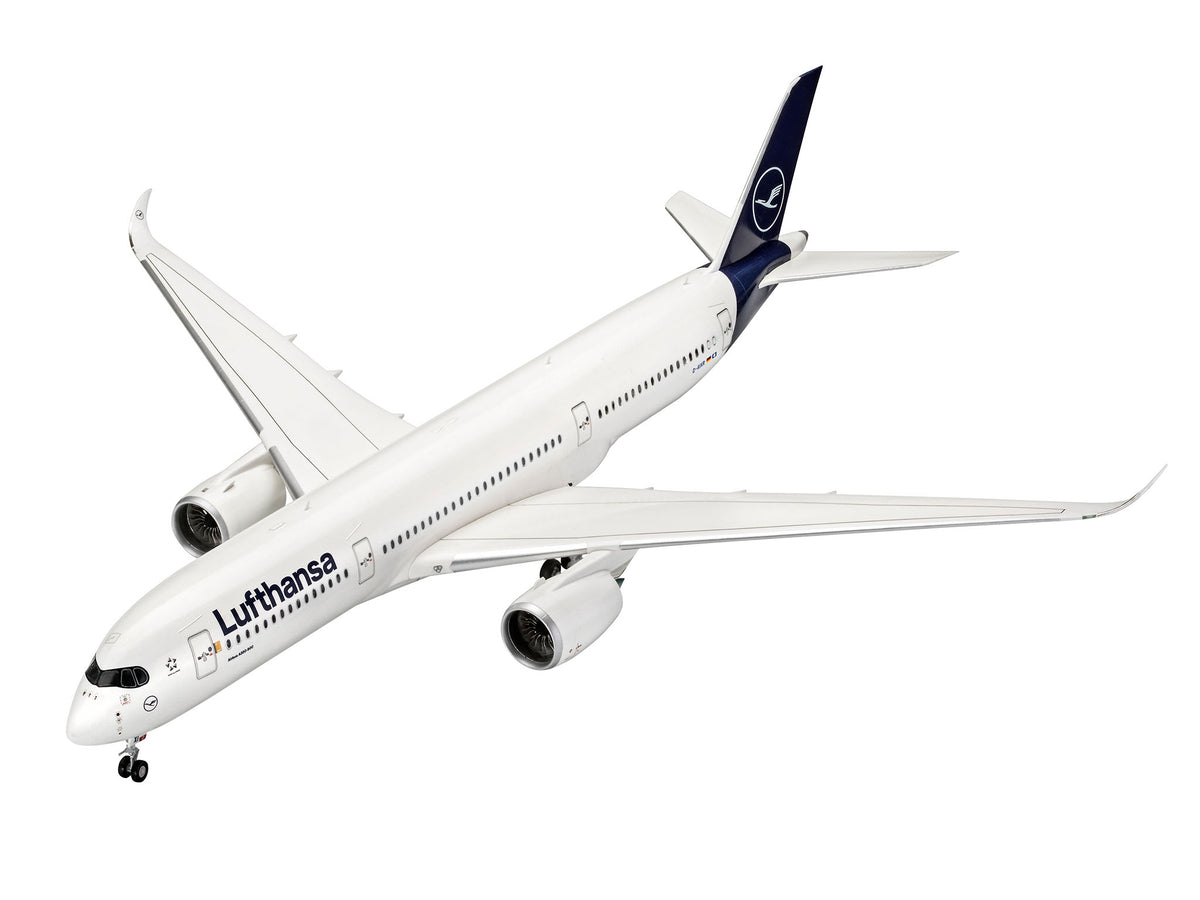
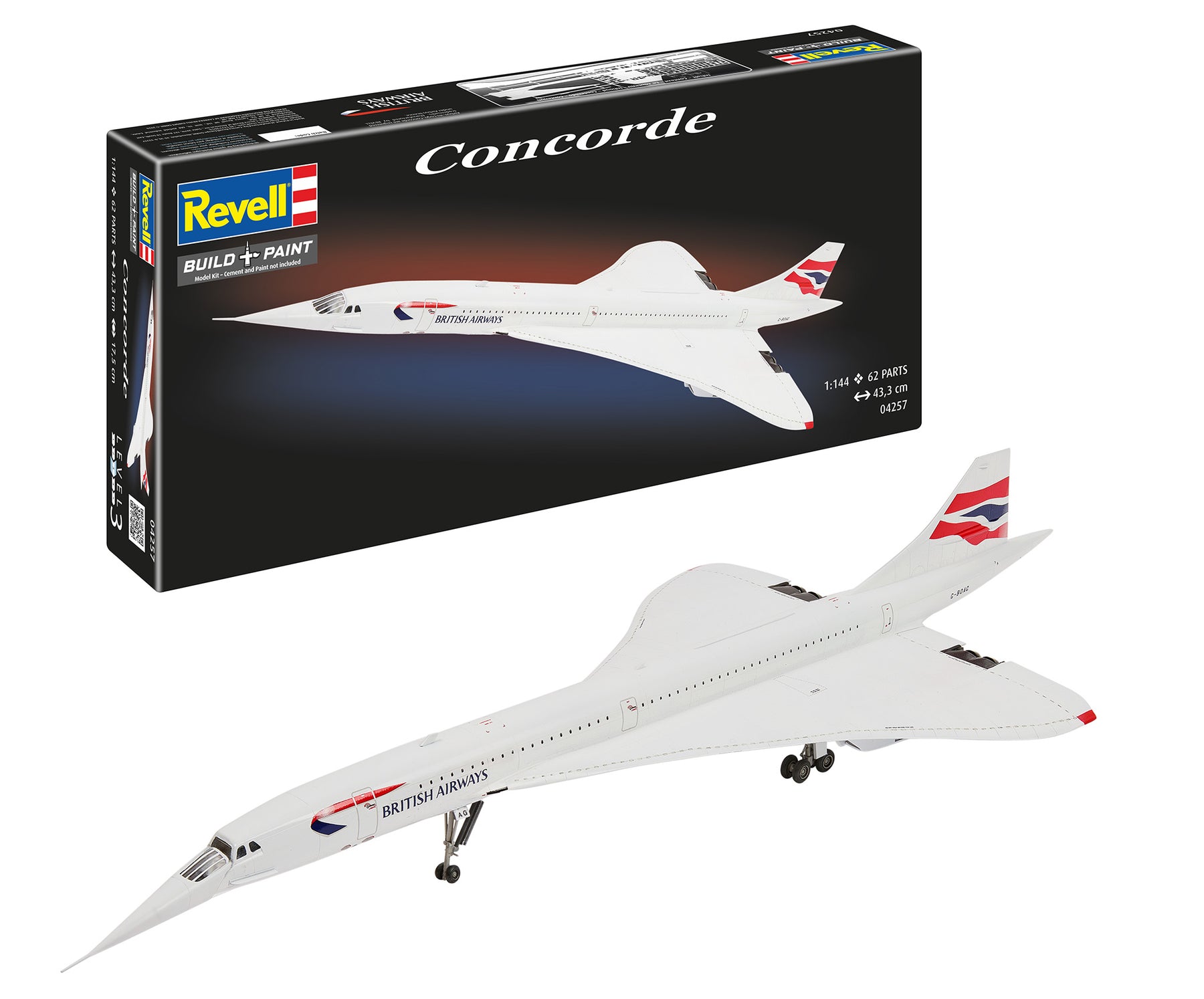
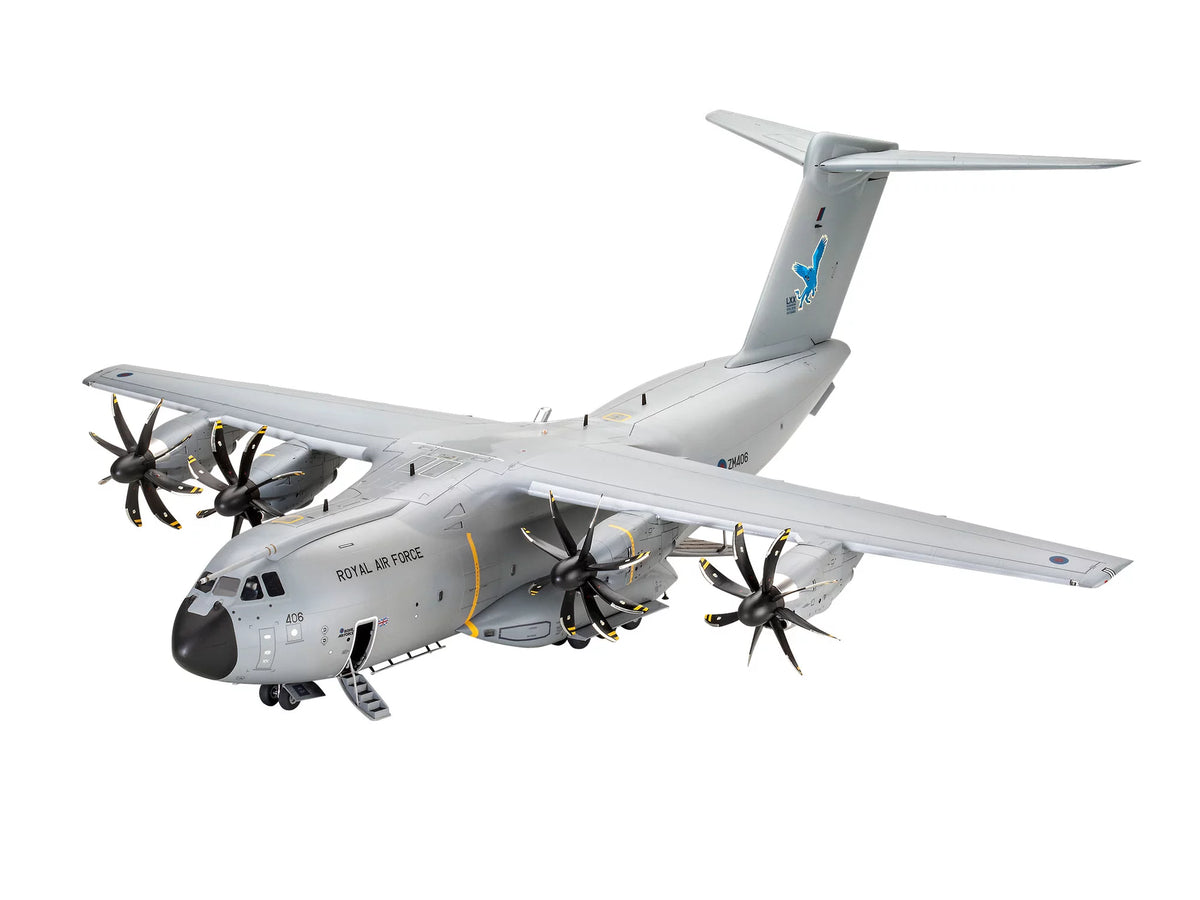
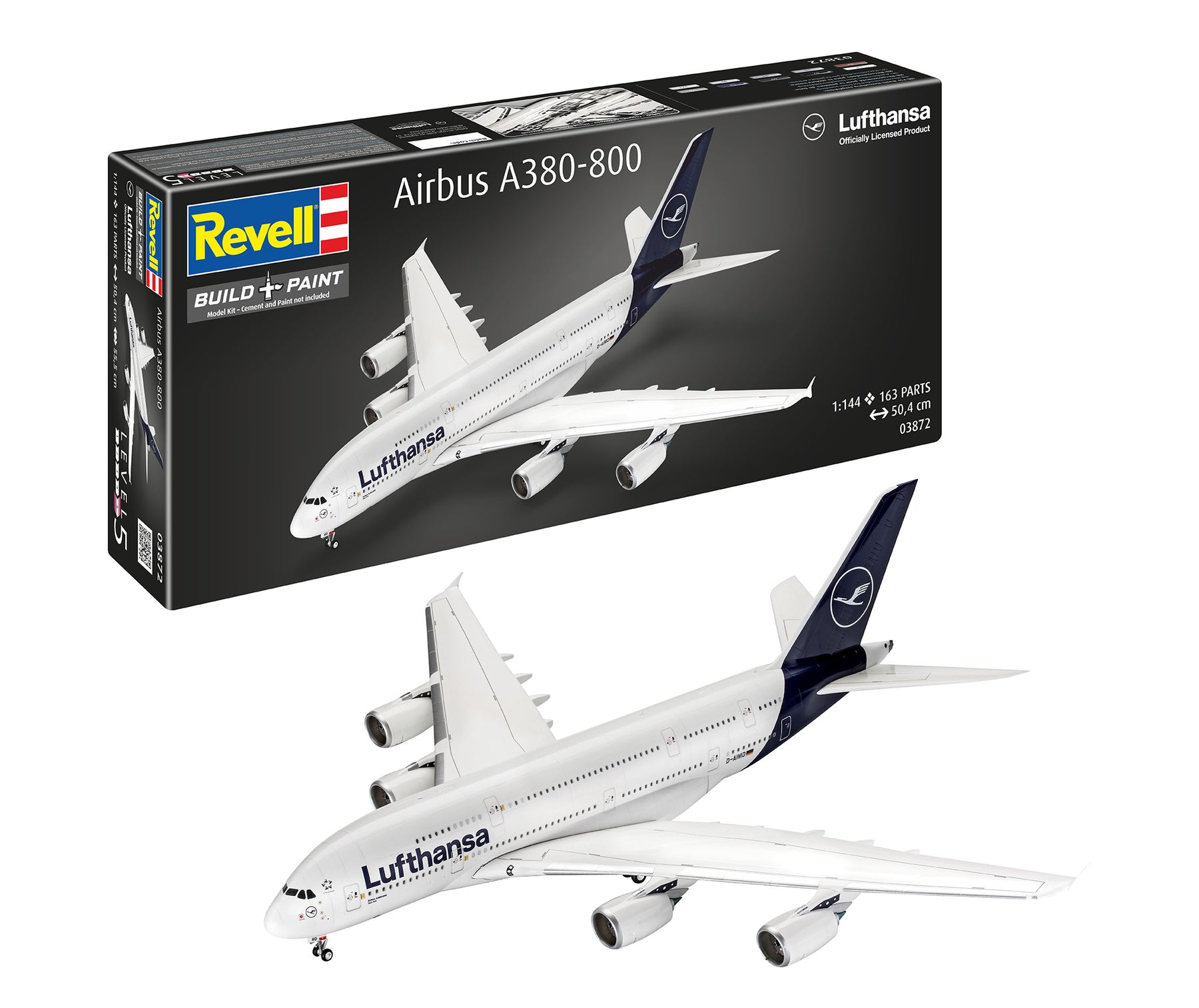
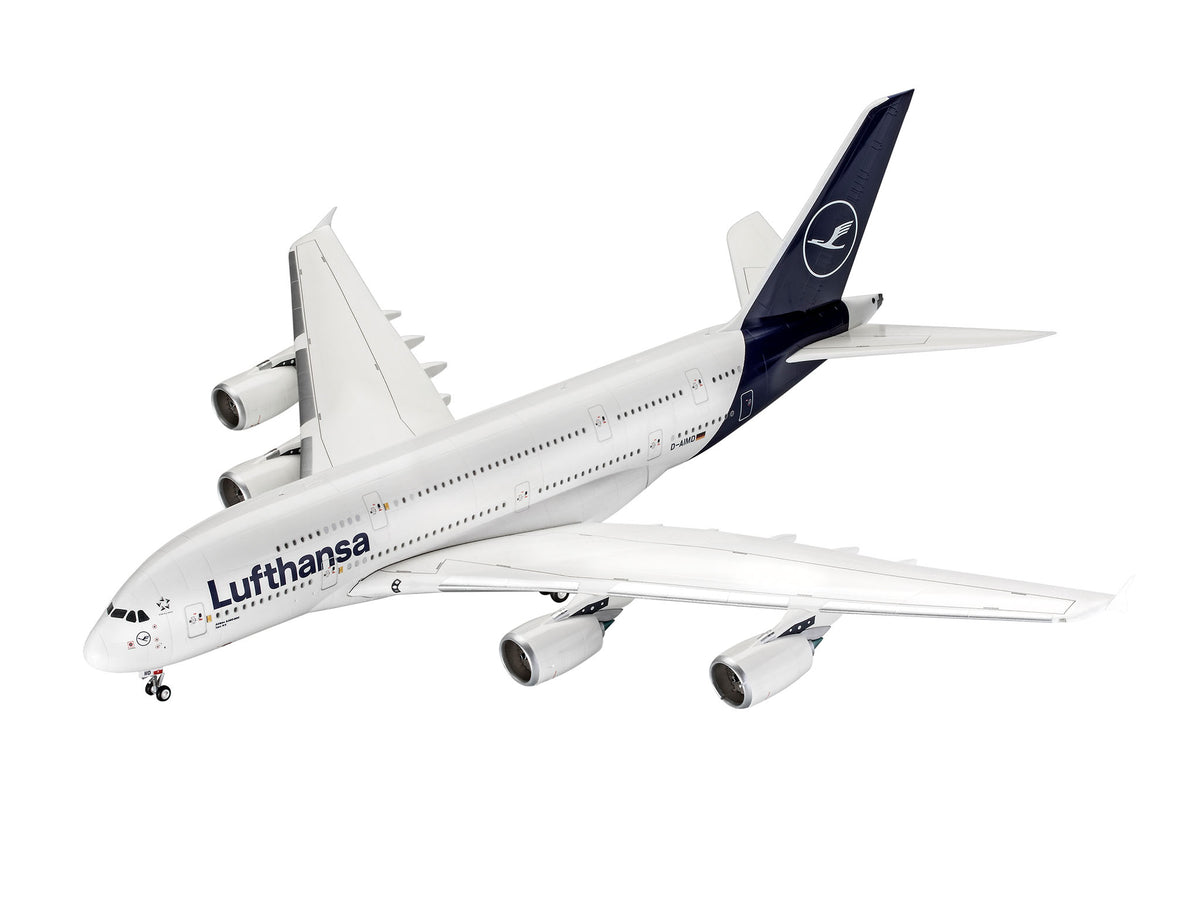
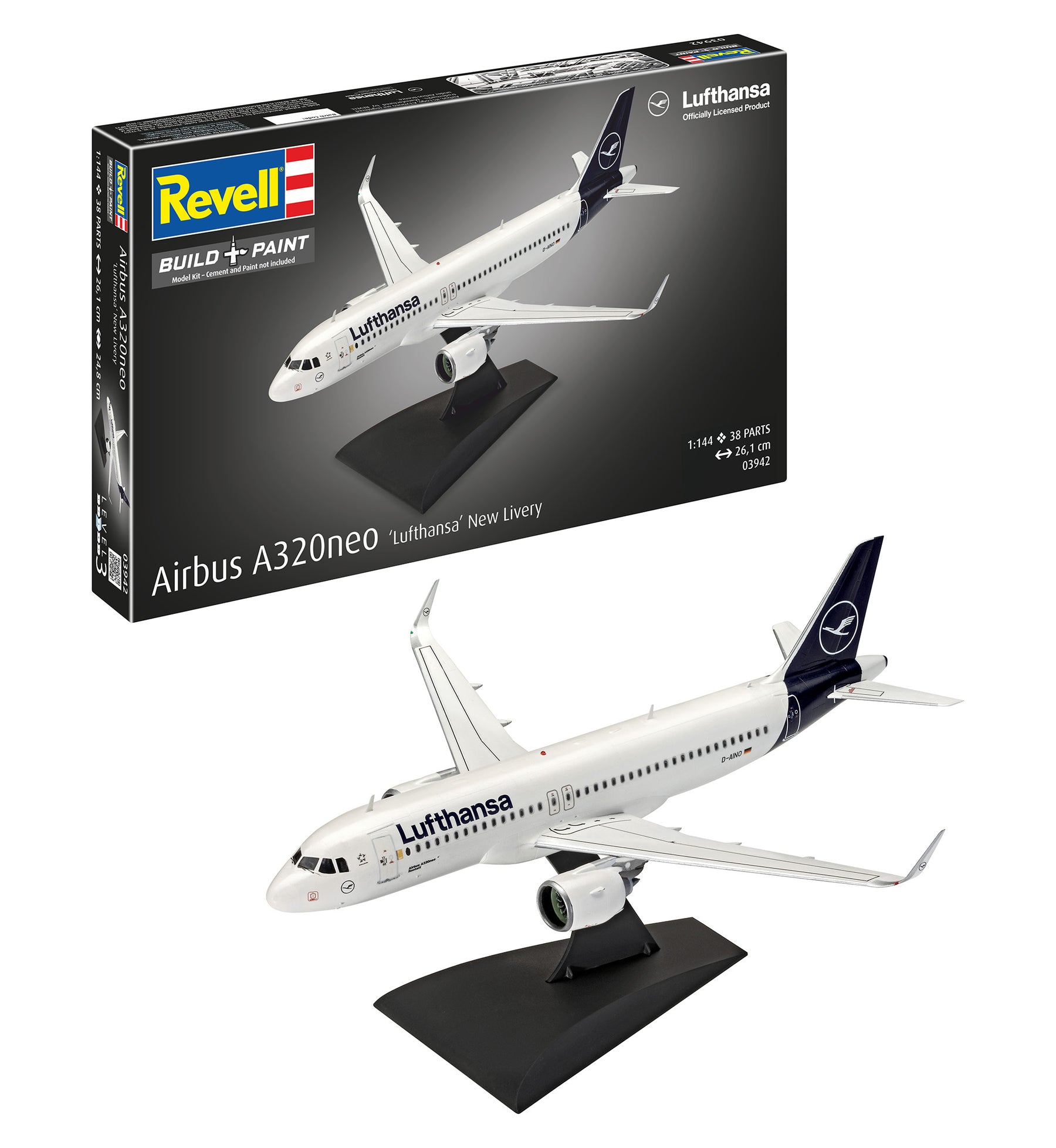
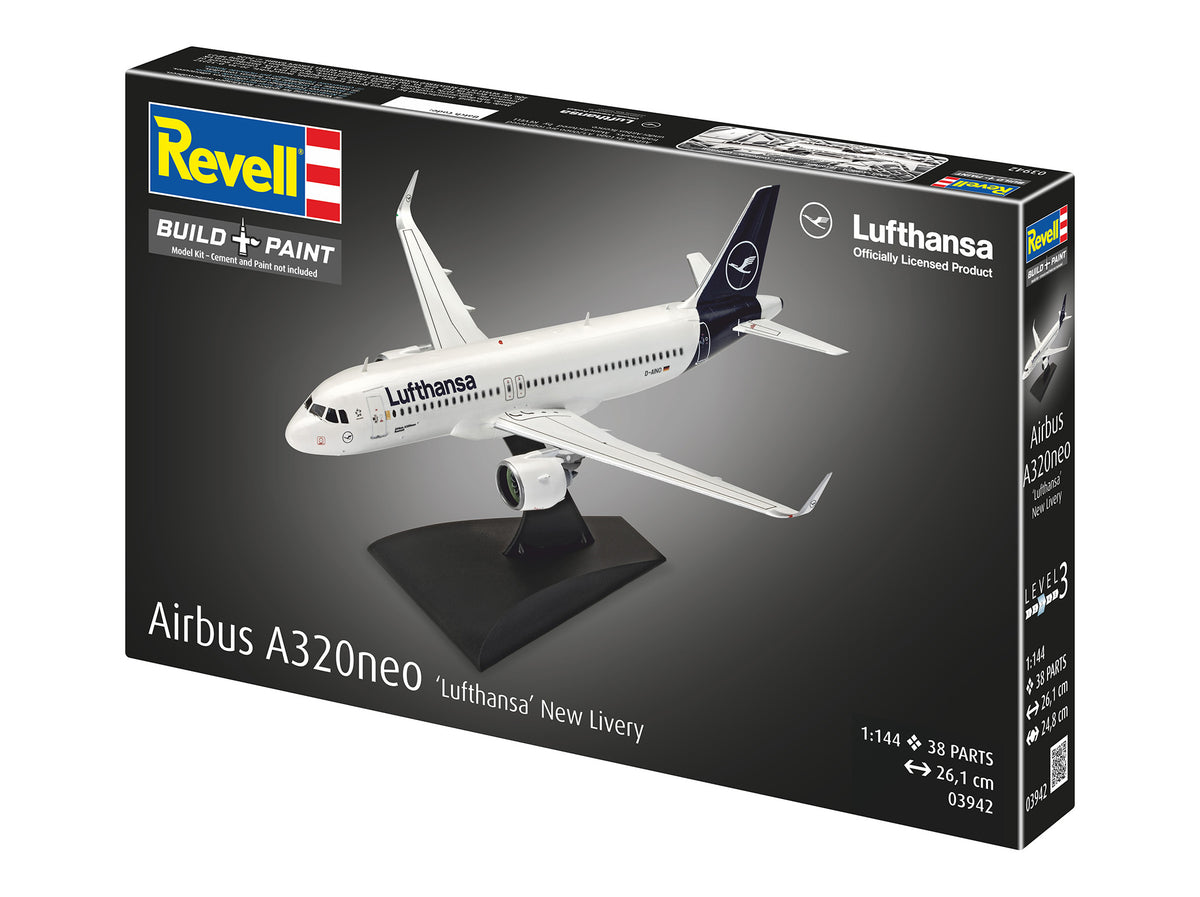
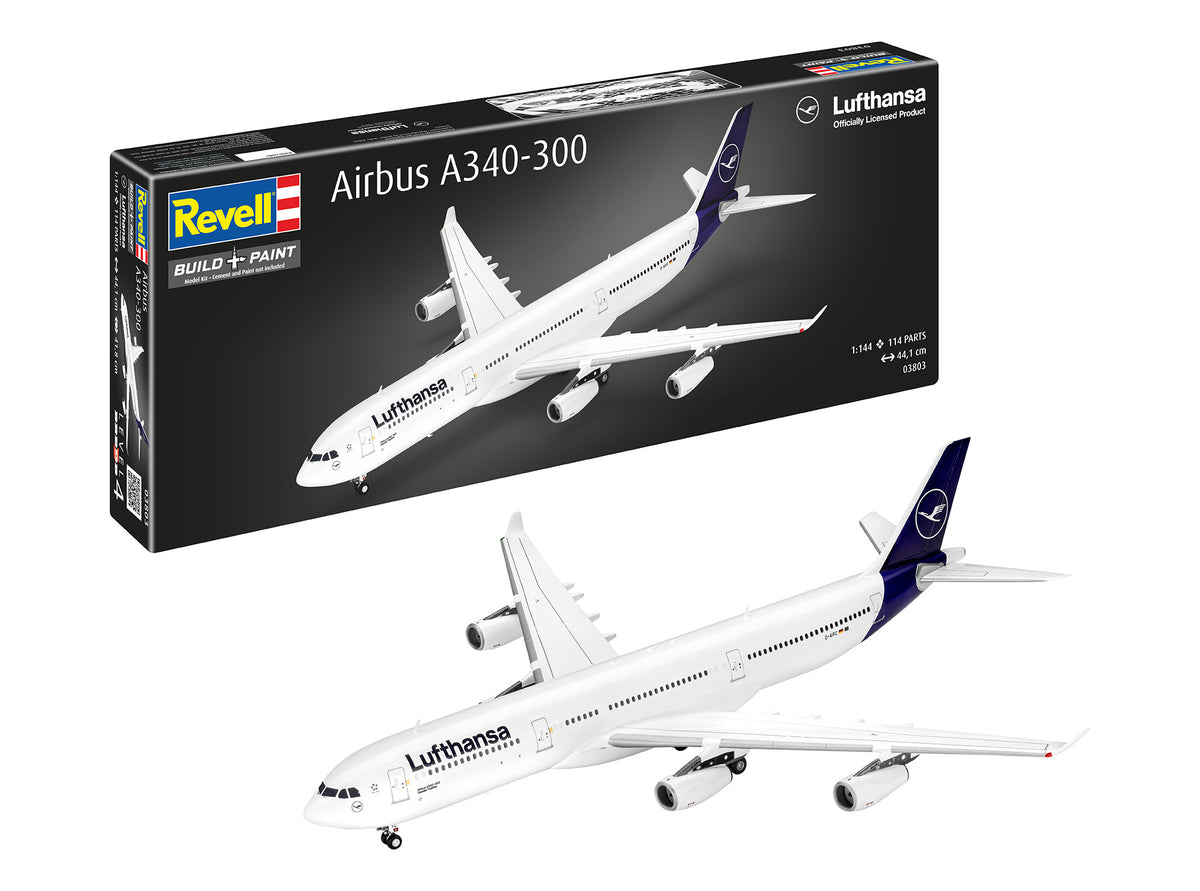
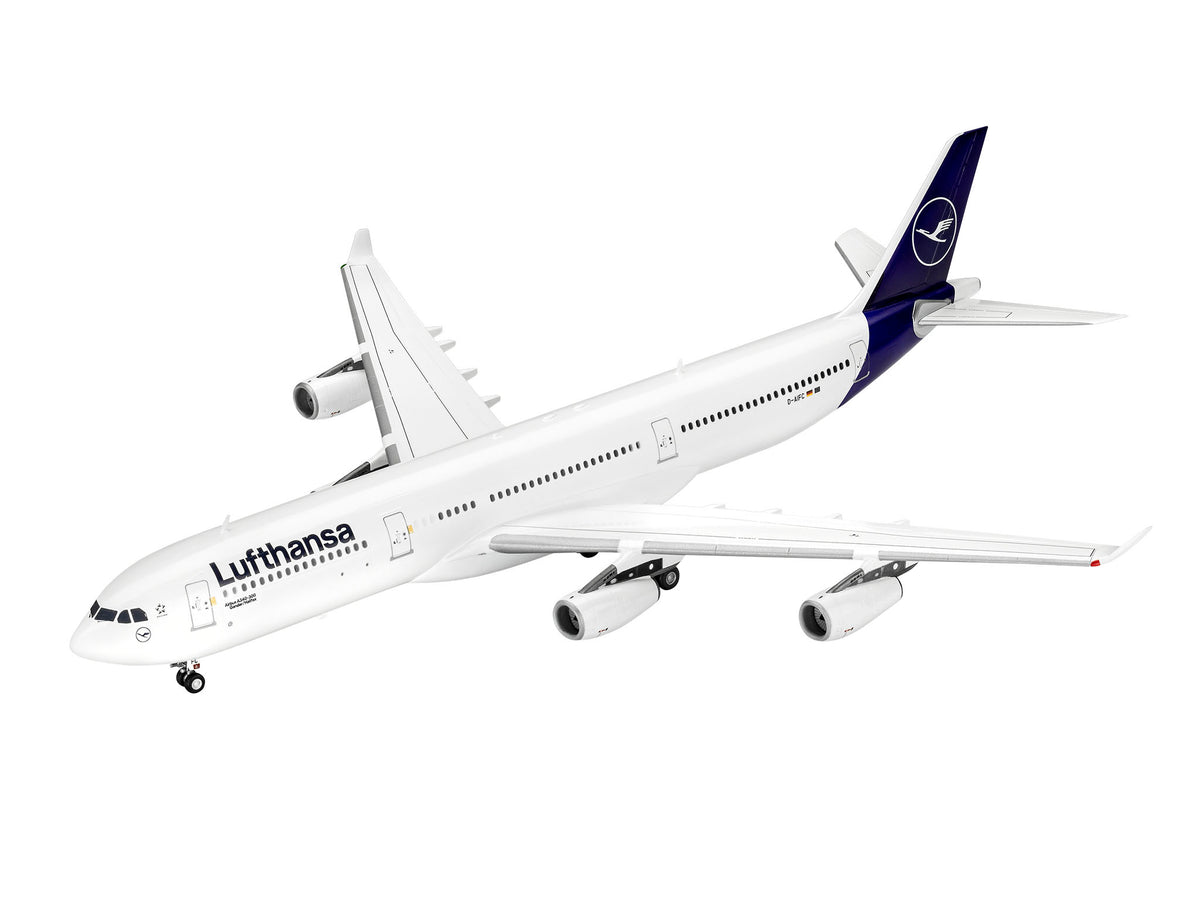
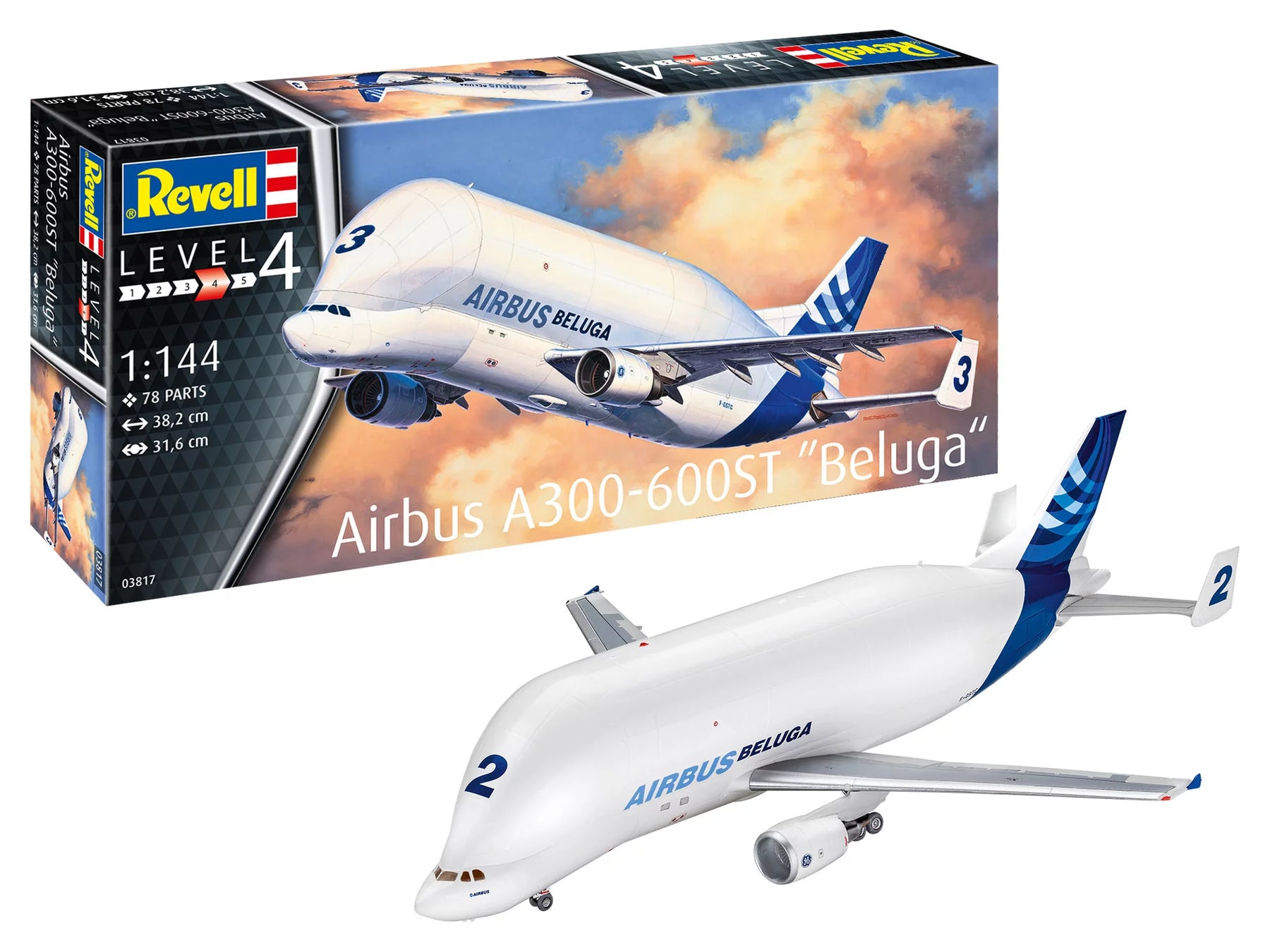
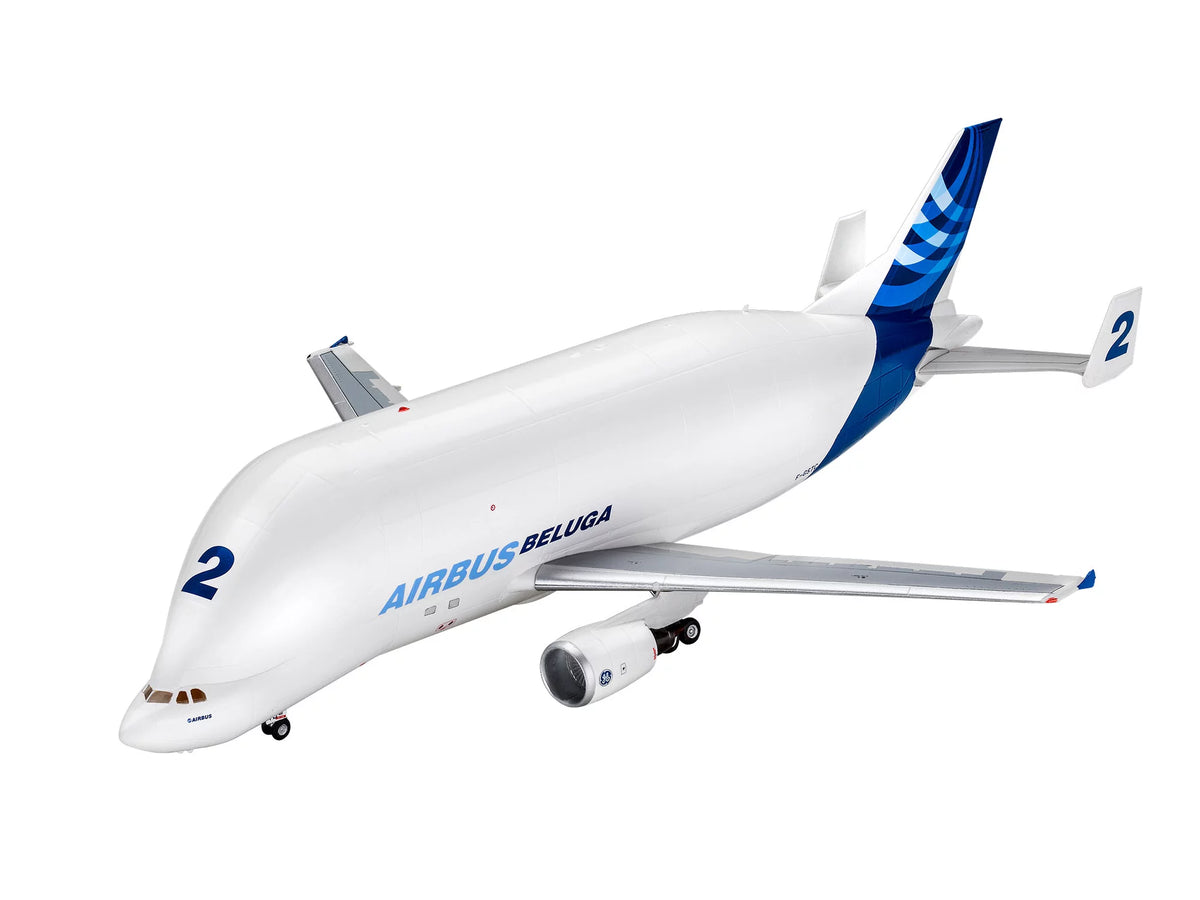
- Civil Aviation & Commercial Aircraft: Huge passenger aircraft impress with their elegant lines and shiny surfaces. From short-haul jets to gigantic wide-body aircraft, commercial aircraft offer relaxation when building and an impressive effect in every showcase.
Rotorcraft in detail: precision and technology of helicopters
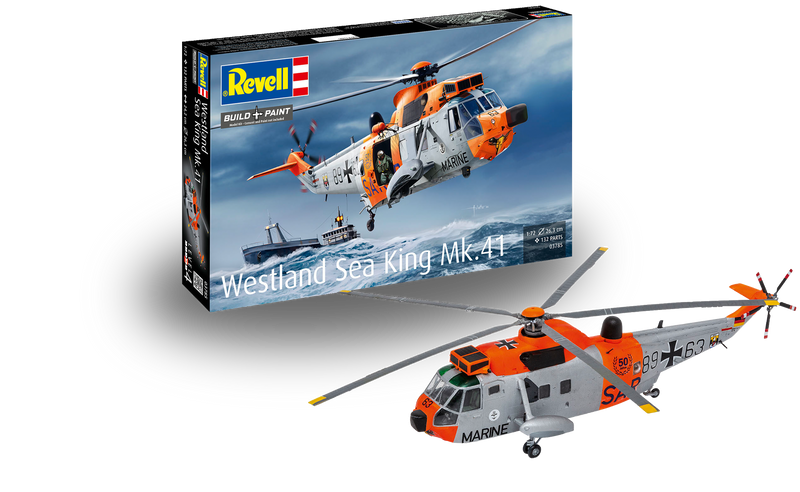
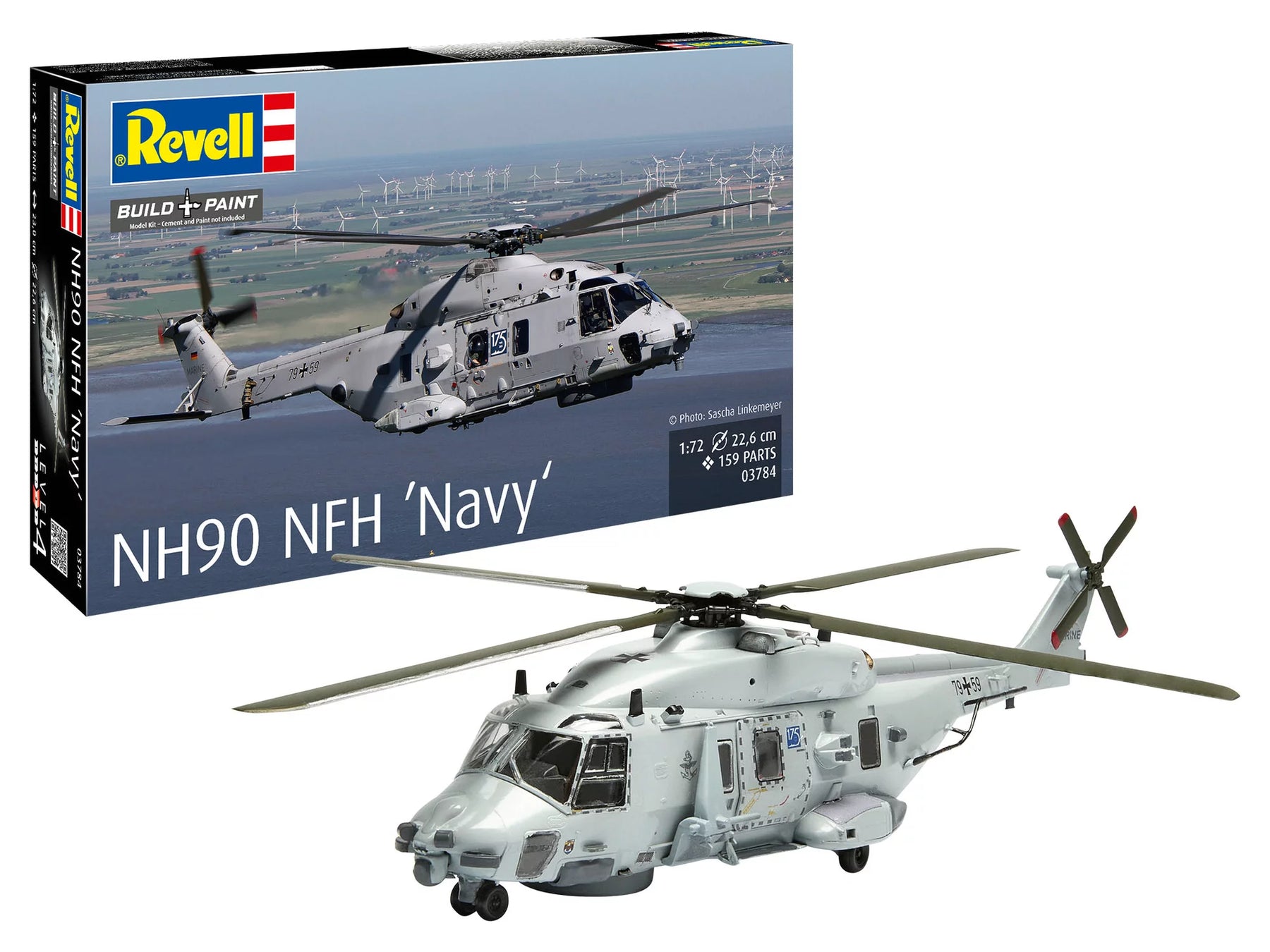
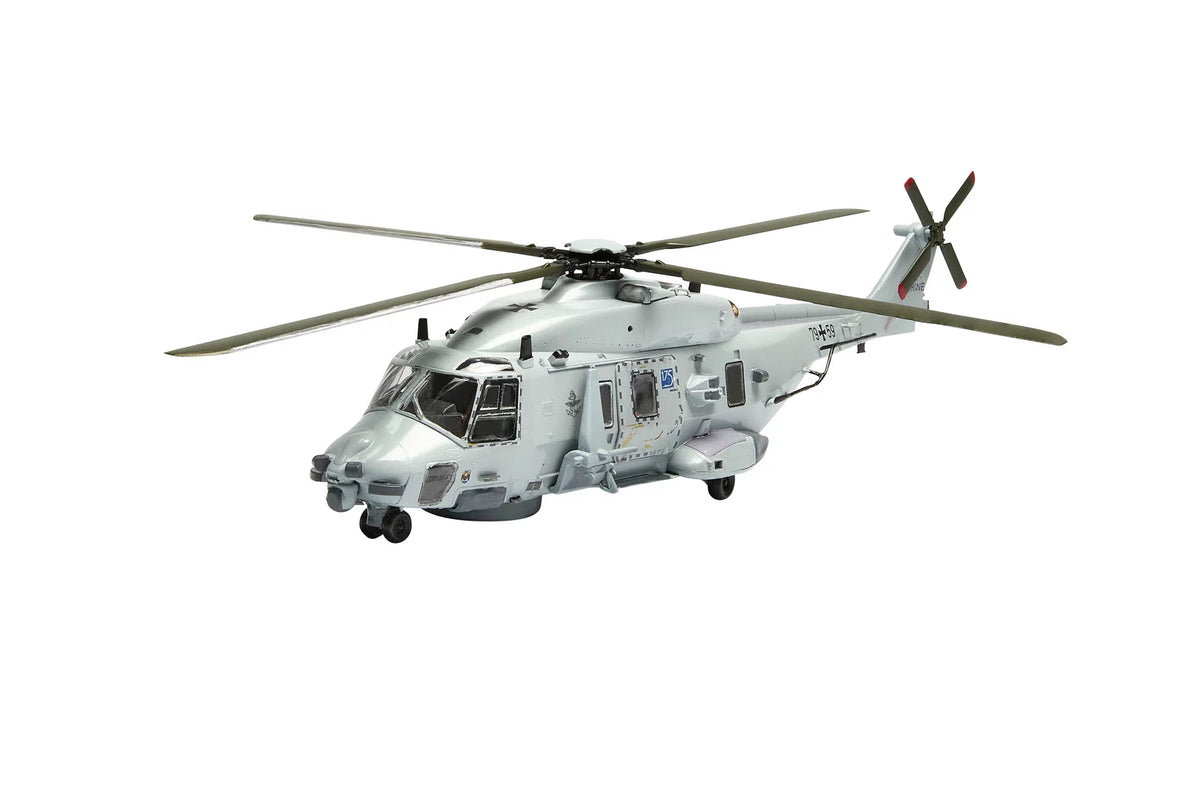
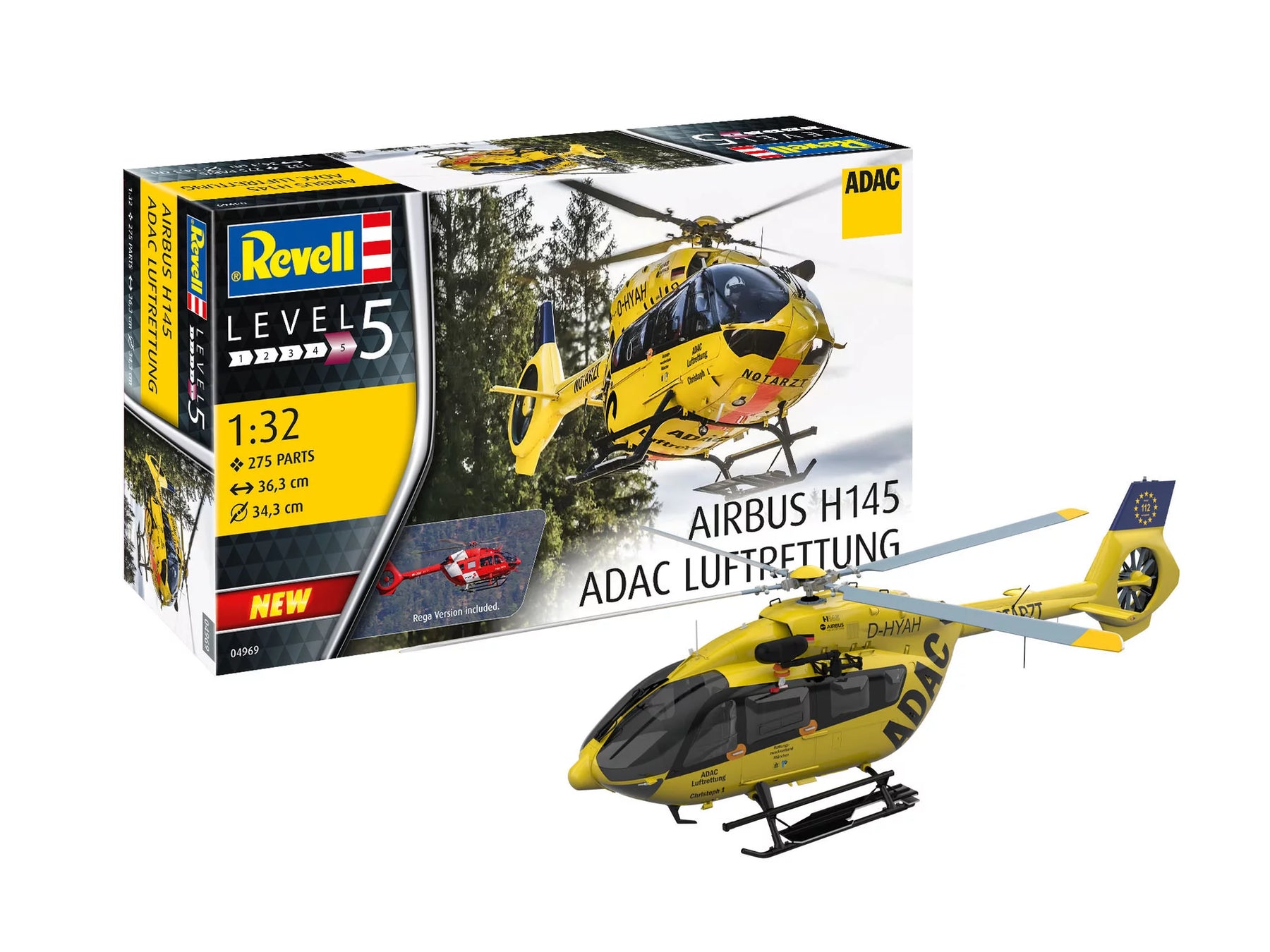
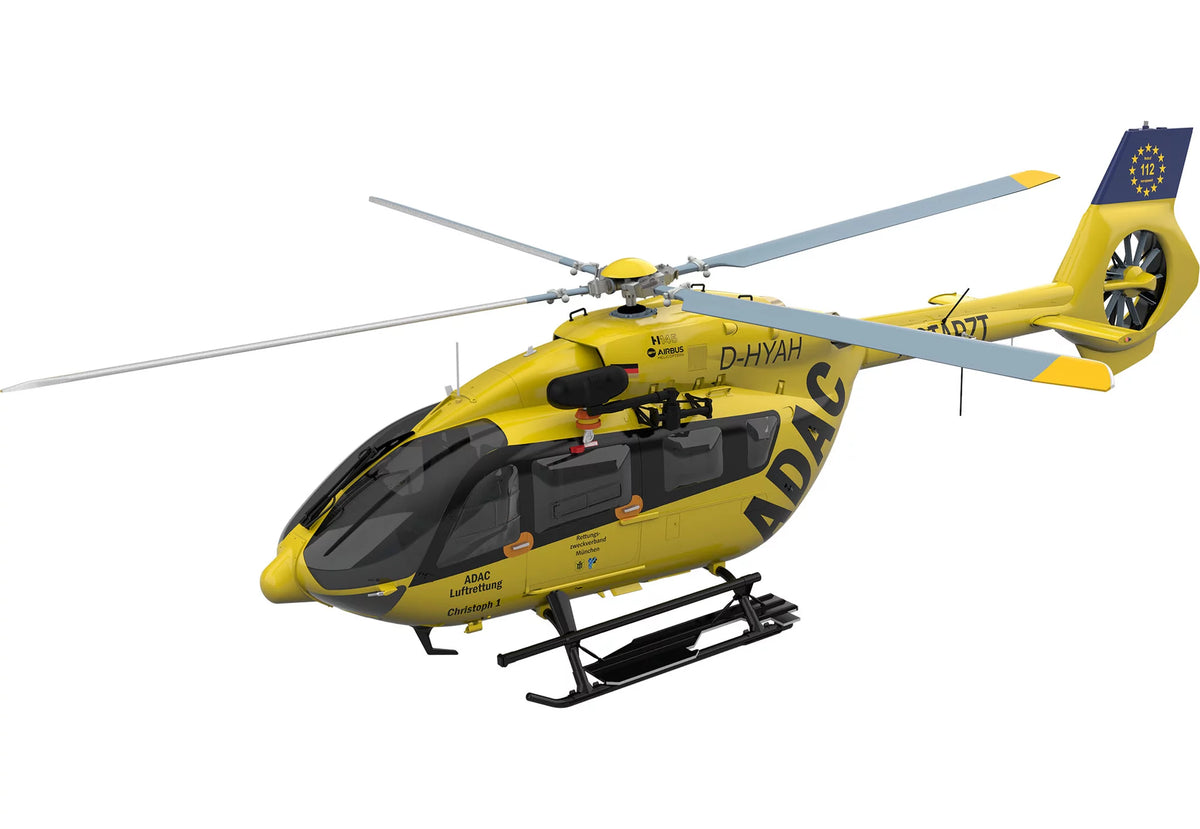
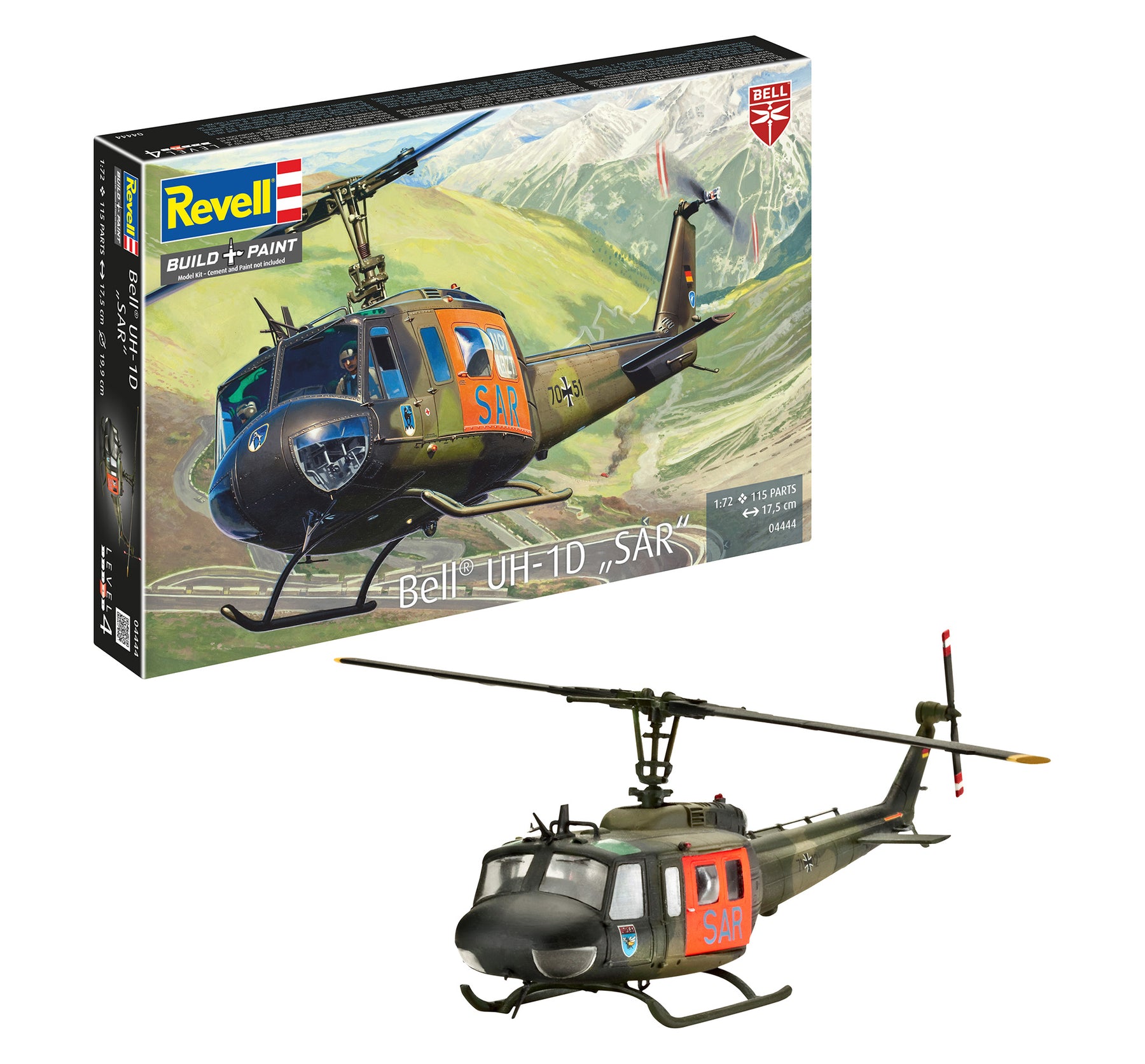
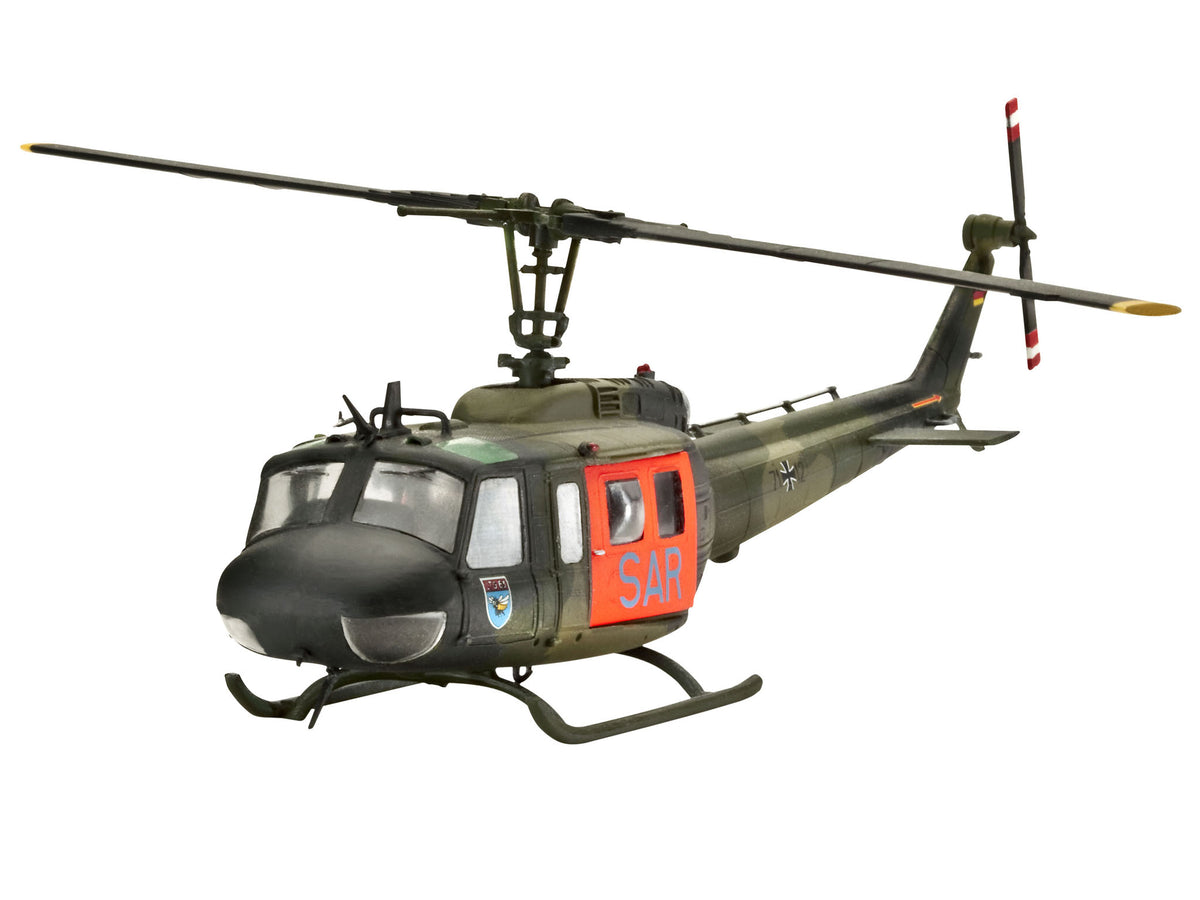
Helicopters fascinate with their unique mechanics and their diverse areas of application. In contrast to wing aircraft, building a rotorcraft requires special attention to rotor heads, swashplates, tail rotors and extensively glazed pilot cockpits. If you are specifically interested in these delicate machines, you can find them in our category Helicopter an extensive range of rescue, transport and combat helicopters.
The glazing in particular requires clean work without adhesive fumes, while the fine linkages of the rotor blade control require the highest precision. Popular models include maneuverable rescue helicopters that save lives every day in the mountains or in traffic, heavy transport helicopters with tandem rotors or heavily armed attack helicopters with complex sensor turrets. Each type offers you its own unique building experience.
The right scale: Which format suits your plans?
Choosing the right scale determines the size of your finished model, the level of detail and the space required in your display case. Standardized sizes have been established in aircraft and helicopter model building over decades and offer you various advantages:
- Scale 1:144: Ideal for gigantic passenger aircraft, heavy bombers or collectors with limited space. The kits can be completed quickly and are ideal for dioramas with airport scenarios.
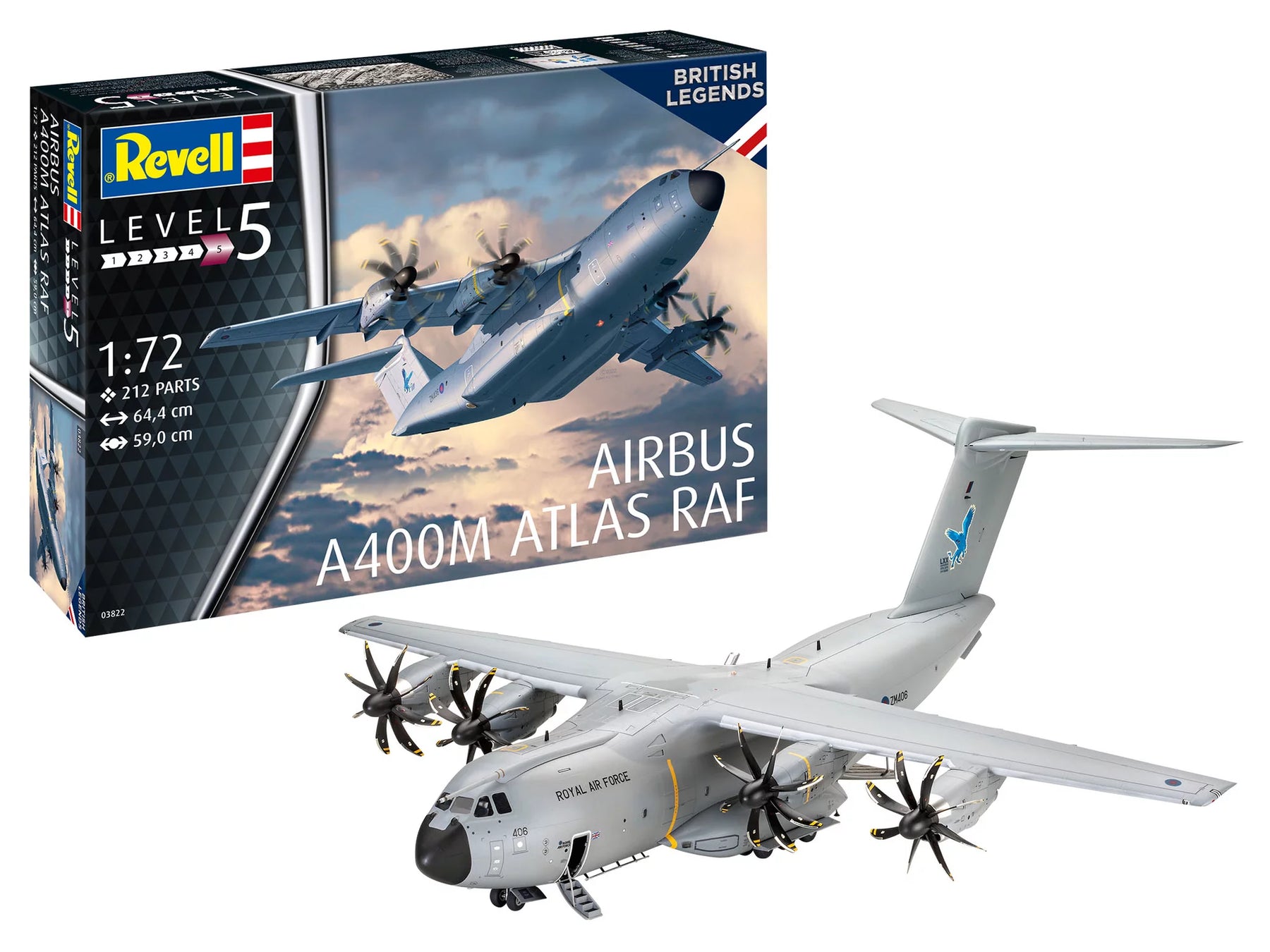
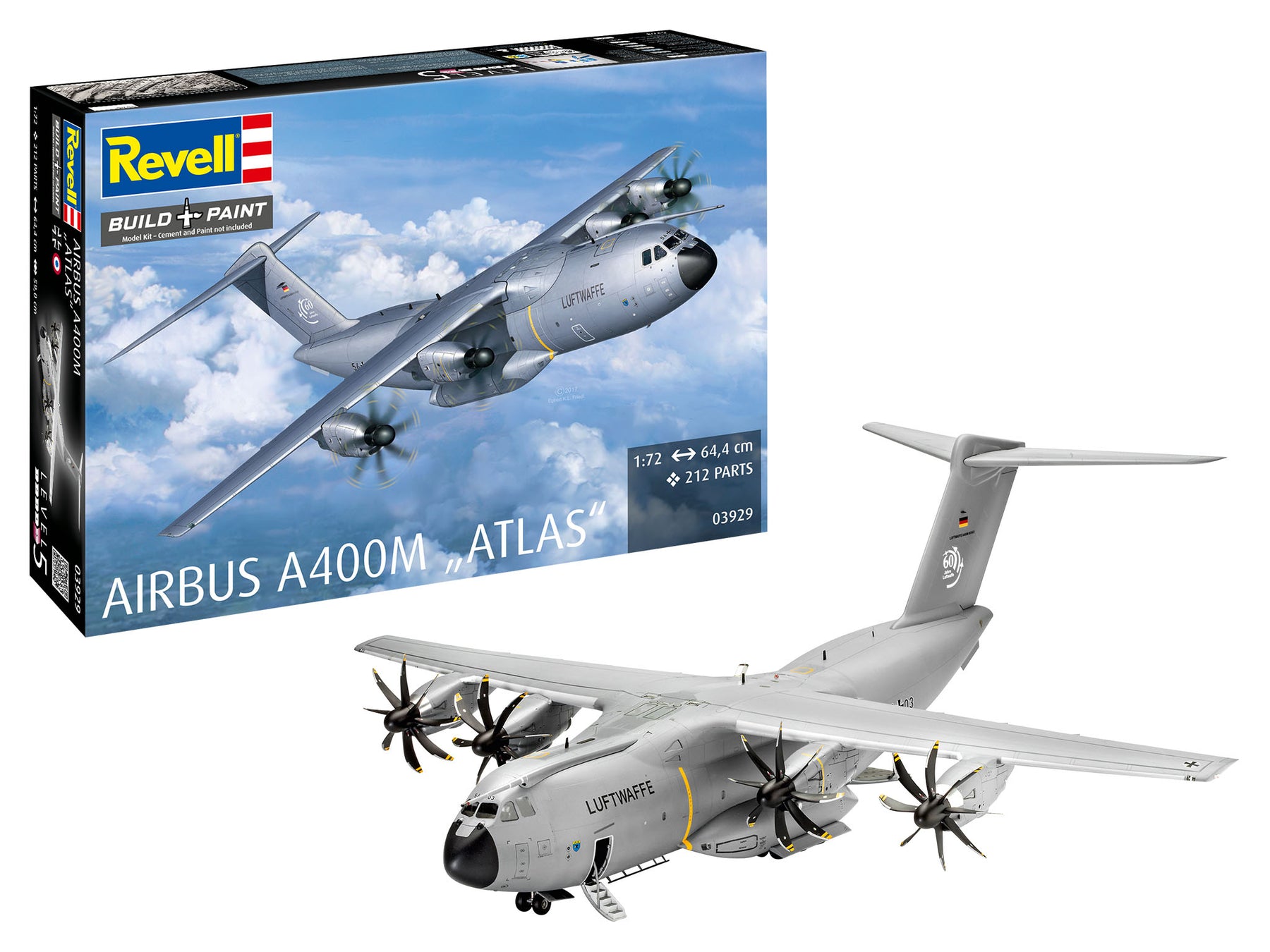
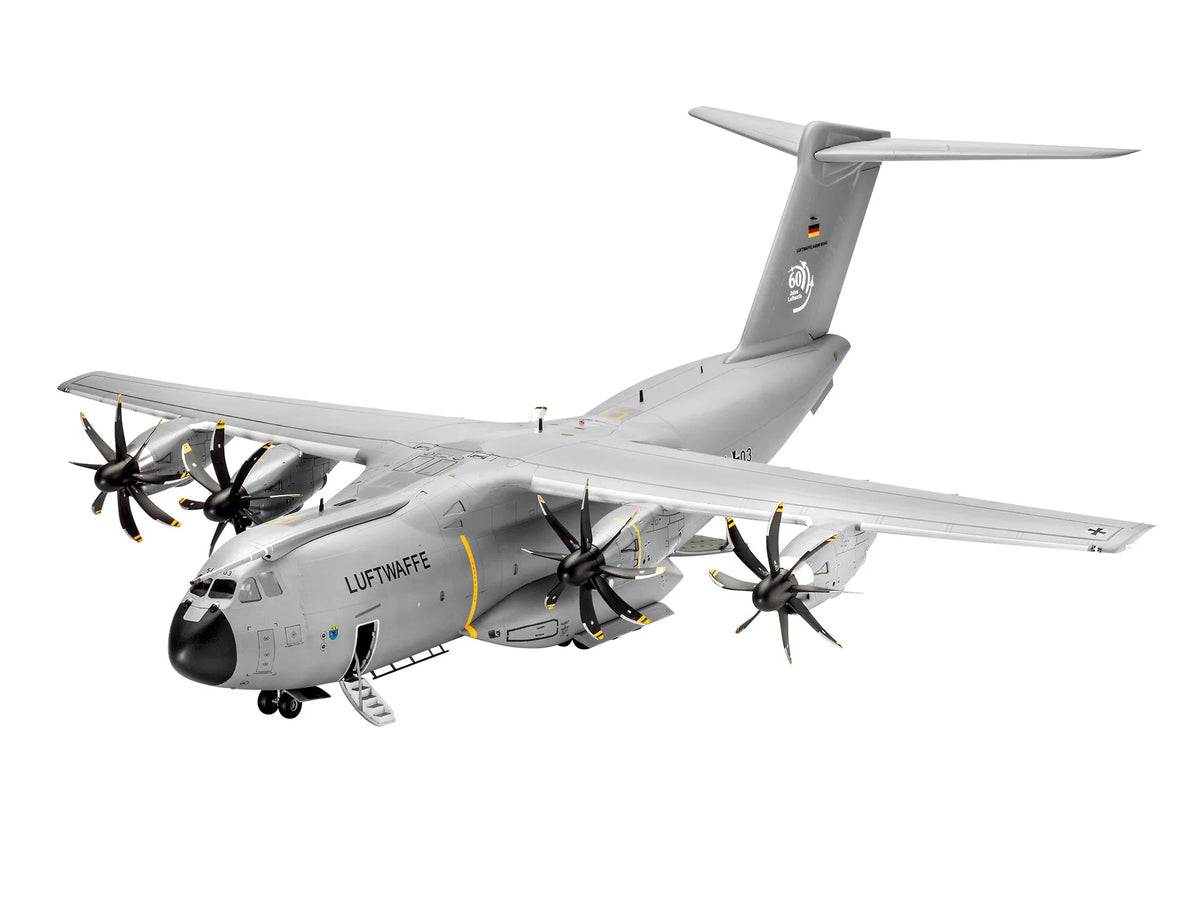
- Scale 1:72: The absolute classic for military aircraft and helicopters. This scale offers a perfect balance between rich detail and handy size. If you want to build an extensive collection, 1:72 is your first choice.
- Scale 1:48: The preferred scale for modelers who value highly detailed cockpits, open maintenance hatches and fine engravings. The models are present, manageable and offer plenty of scope for creative aging techniques.
- Scale 1:32: The large format for real enthusiasts. At this scale, every instrument panel, every rivet and every engine cylinder becomes a work of art. Here you can add cabling and create breathtaking showpieces.
Perfect for getting started: all-in-one sets for beginners
Getting started is easier than you think if you have the right material at hand. If you're just getting started in this fascinating hobby or are looking for a suitable gift, you don't have to laboriously collect all the components. For a stress-free start, we recommend practical ones Model sets, which, in addition to the precise plastic castings, already contain basic paints, glue and brushes.
This is an outstanding example of an uncomplicated and motivating entry into the world of rotorcraft Starter Kit Airbus Helicopters Ec135 Air Glaciers. With this kit you can build one of the most famous rescue helicopters in the Swiss Alps. Thanks to the included basic equipment, you can get started right at the kitchen table without having to worry about missing accessories.
Essential tools and finishing methods
Proper preparation and the right tools play a crucial role in turning an injection molded branch into a masterful exhibition piece. With the right tools, you can avoid frustration and achieve flawless edges and clean glued seams. Check out our section for Accessories to equip your workbench professionally.
The following tools and work steps accompany you in every project:
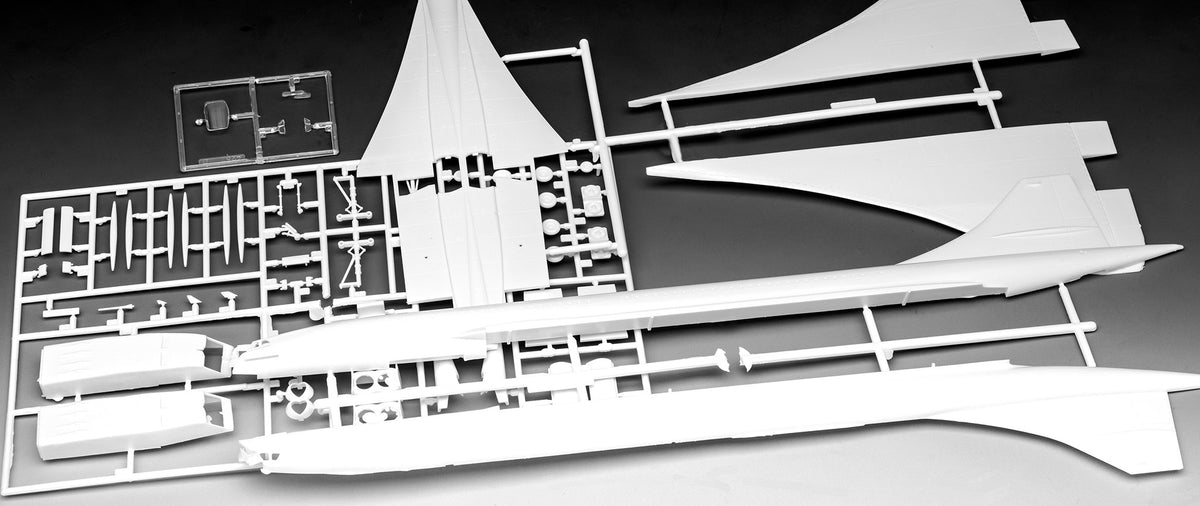
- Clean separation: Use sharp side cutters to loosen components close to the frame without crushing the plastic.
- Deburring and grinding: Use fine sandpaper and model making files to remove any residue from the sprue points and adjust the adhesive edges with millimeter precision.
- Precise gluing: Liquid adhesives with a fine cannula enable precise application. Capillary effects ensure that seams are welded tightly.
- Painting and masking: Masking tapes protect cockpit glazing and allow for sharp edges in camouflage schemes. Whether you work with a brush or airbrush – thin layers bring out the fine surface engravings to their best advantage.
- Decals and finish: Applying decals gives your aircraft a national emblem and maintenance instructions. Plasticizers help the decals nestle perfectly into fine joints, while a final clear coat protects the entire work.
Tips for your next model building project
Before you start assembling, it's worth following a structured process. First wash the cast branches in lukewarm water with a little detergent to remove any remaining release agent residue - this ensures optimal paint adhesion. Study the construction instructions carefully and plan in advance which components (such as the pilot's seat or dashboard) need to be painted before assembling the fuselage.
Take your time drying glue and paints. Model making rewards patience: clean drying phases prevent unsightly fingerprints on fresh paint. If you dare to tackle aging effects such as exhaust plumes, soot traces or weathered sheet metal joints, work your way slowly using heavily diluted washes or dry painting techniques. This gives your plane or helicopter a distinctive, lively look.