

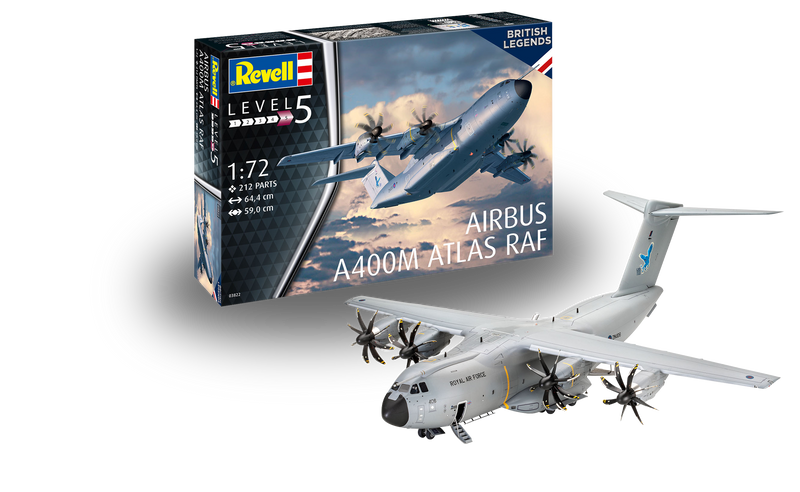








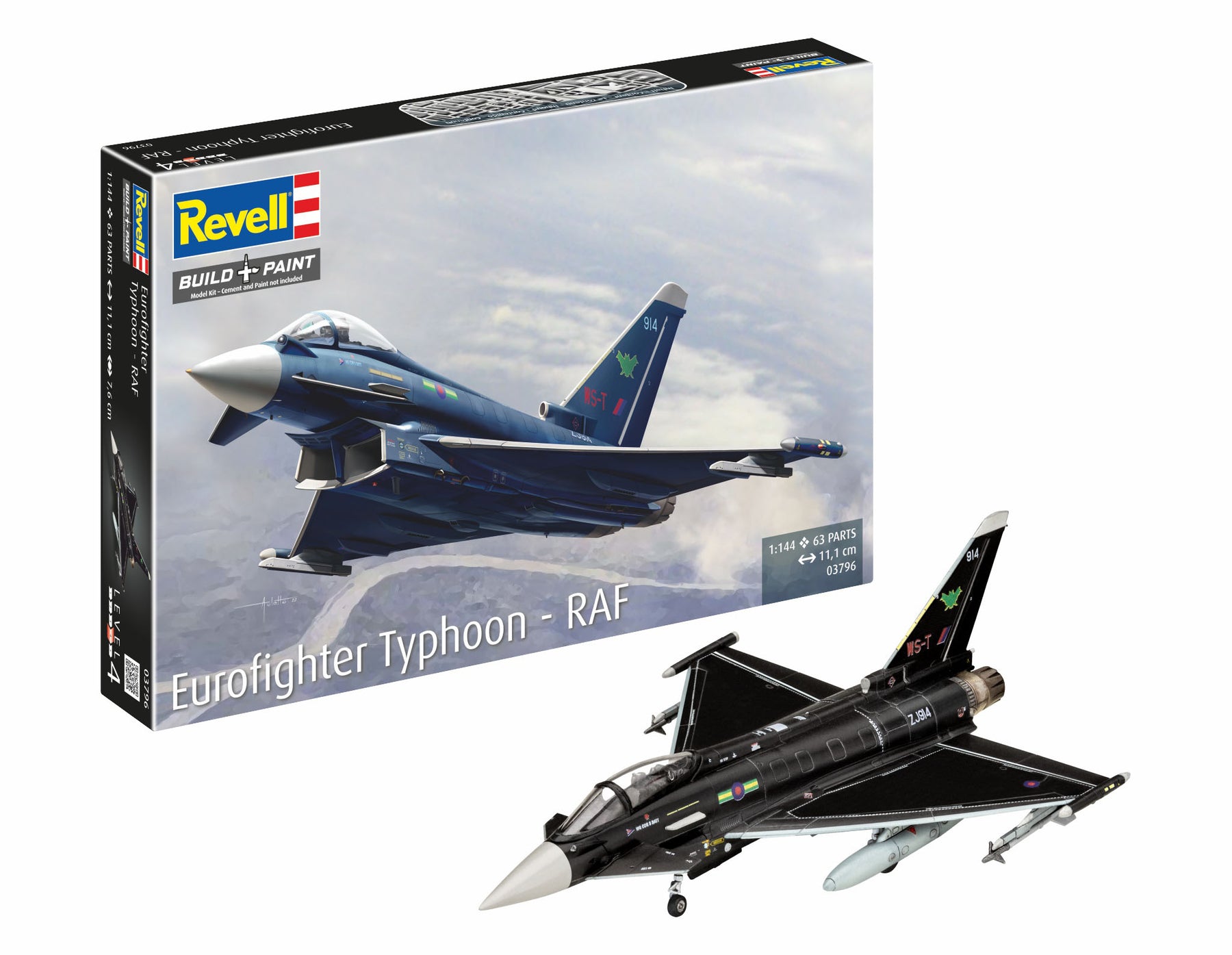
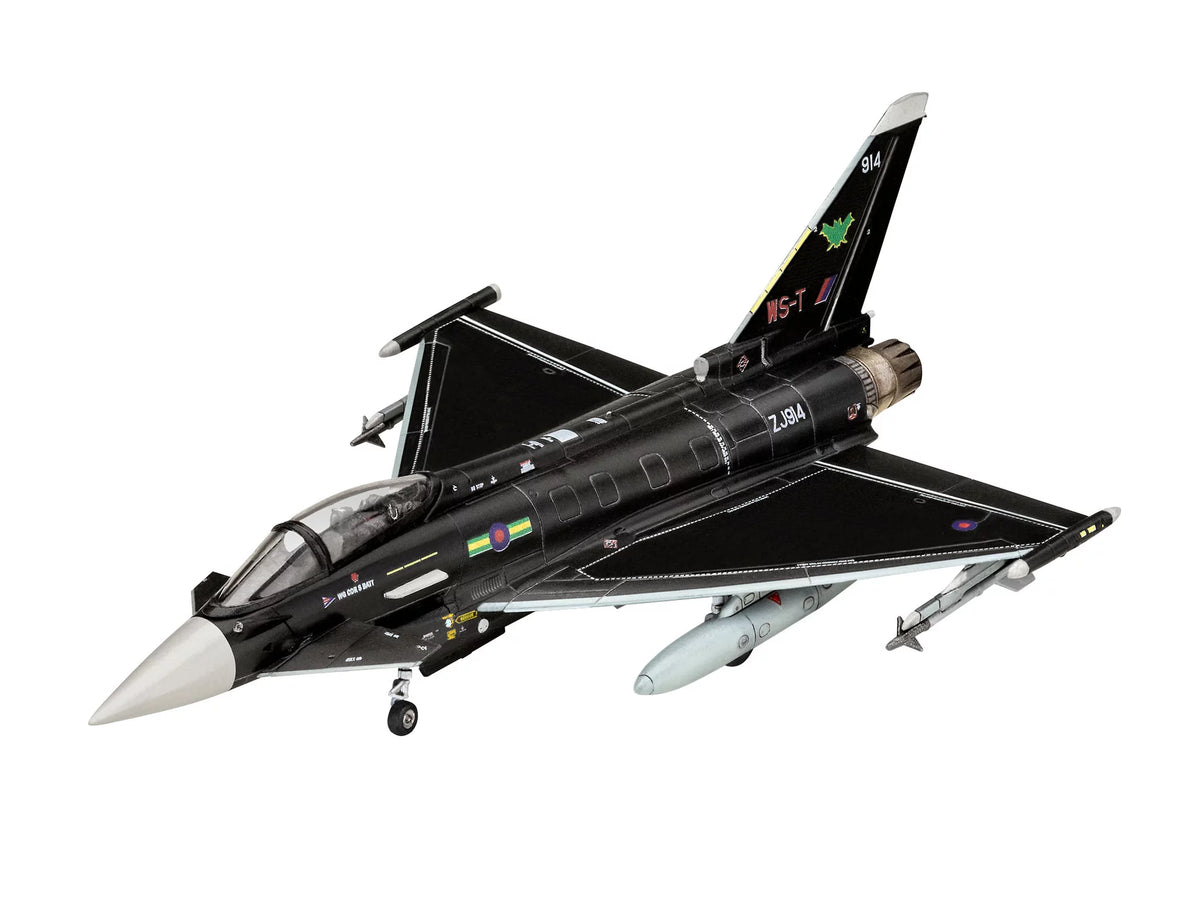
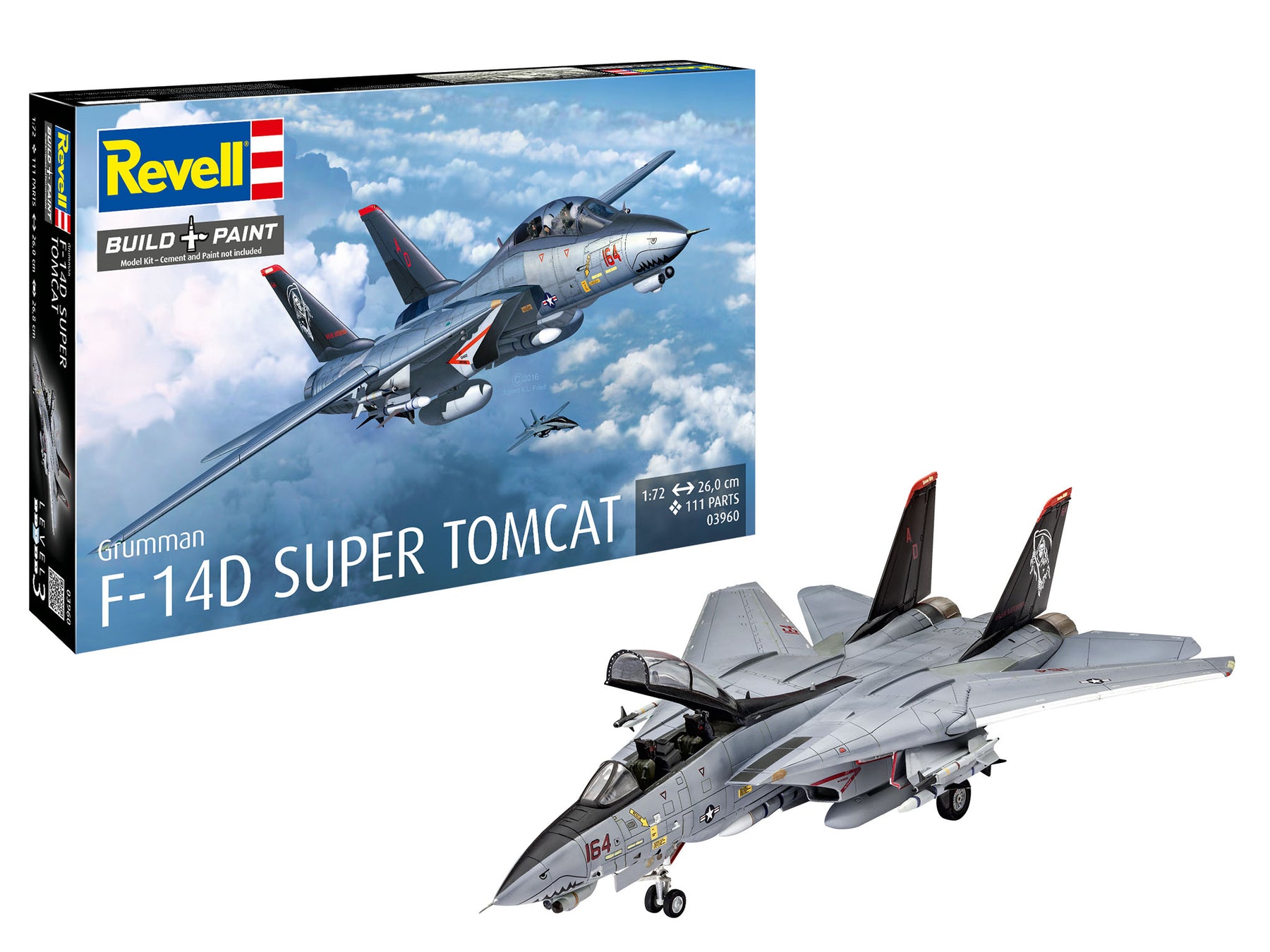
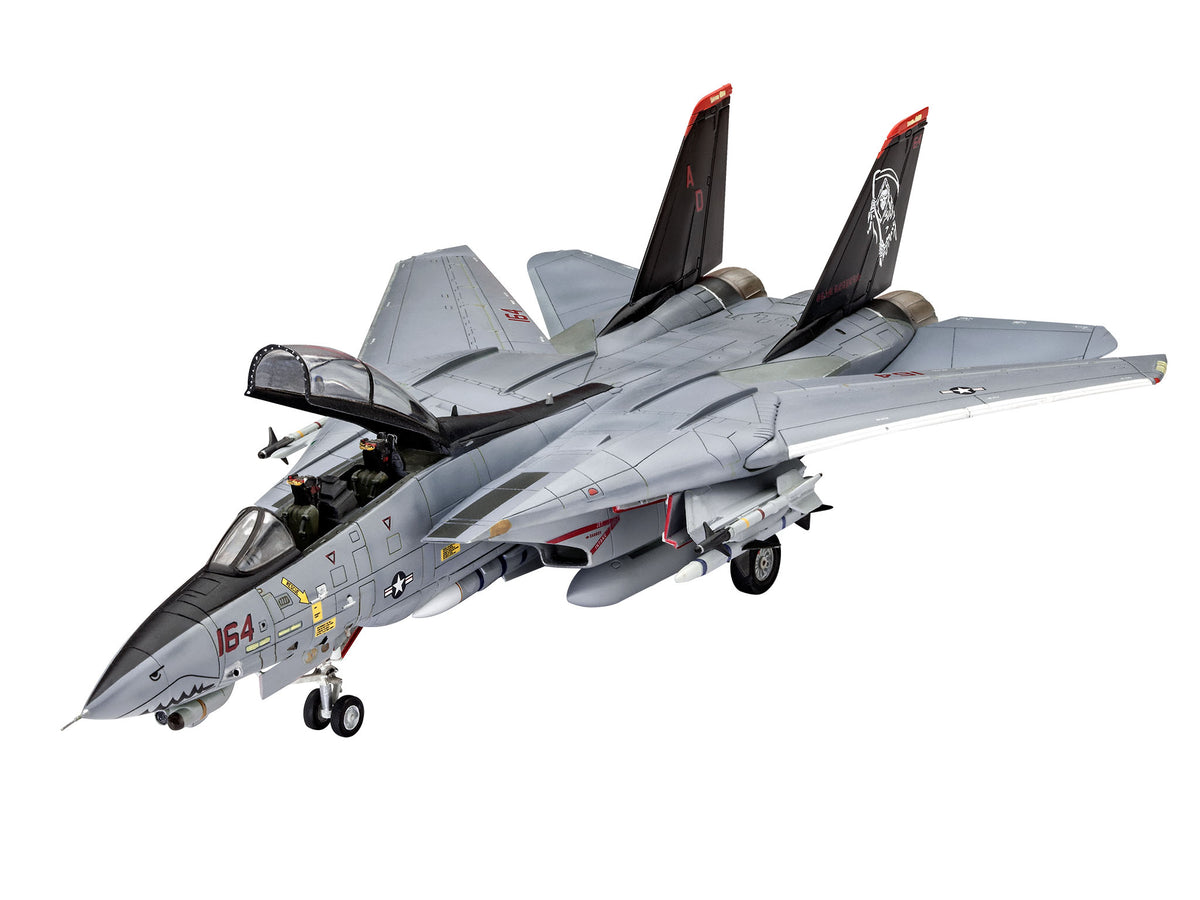
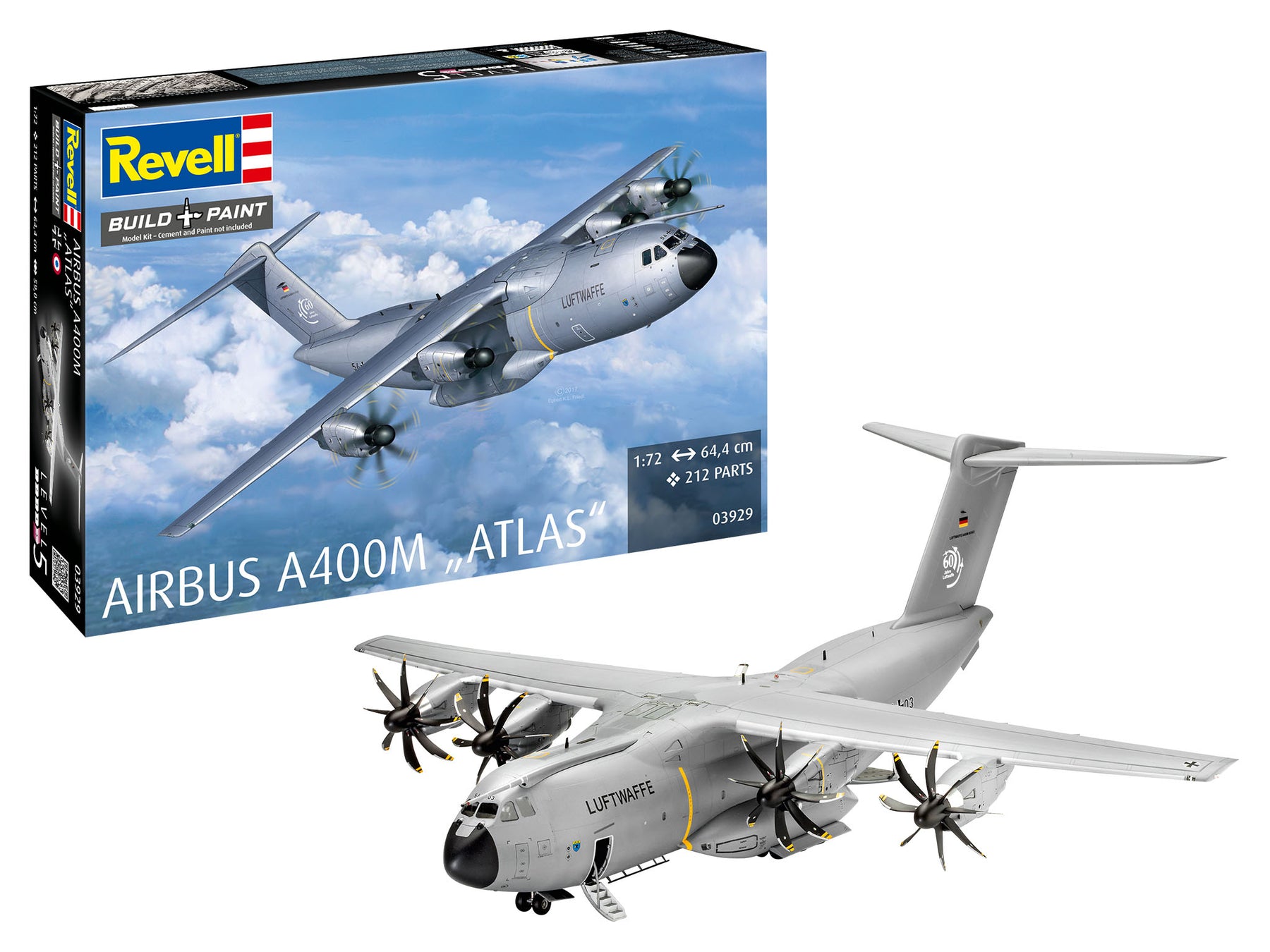
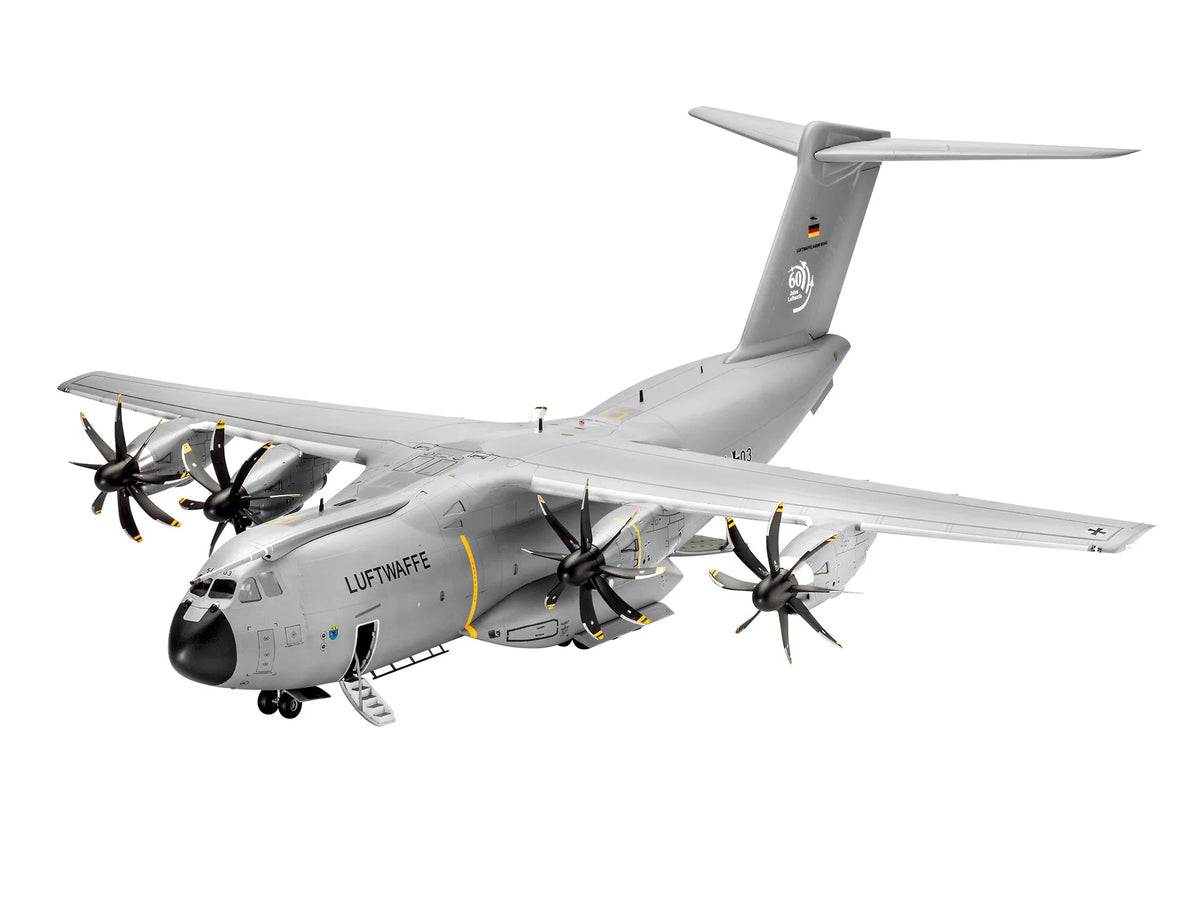
The fascination of modern military aircraft in model building
If you are enthusiastic about modern military aircraft, you will undoubtedly be fascinated by the interplay between extreme speed, pioneering aerodynamics and highly complex weapon technology. Modern combat aircraft are much more than just flying machines: they are flying high-performance computers that operate at the physical limits of what is possible. When building a model, you have the chance to understand this impressive engineering art down to the smallest detail. Every fuselage shape, every air intake geometry and every wing edge follows aerodynamic principles or the laws of radar reflection.
In our category for modern military aviation you will find a hand-picked selection of legendary models that today secure airspace around the globe or make history in worldwide missions. Whether agile interceptors, versatile multi-purpose combat aircraft or massive transport machines: the segment forms the heart of the modern armed forces. If you would like to expand your operational scenario beyond the runway, it is also worth taking a look at our overarching theme world Modern Military, where you can find suitable ground vehicles, tanks and support units.
High technology, aerodynamics and stealth design
The design of modern military jets is fundamentally different from aircraft of earlier eras. While pure engine power and cannon armament dominated in the Second World War and the early years of the jet age, today stealth properties, fly-by-wire control systems and long-range guided missiles determine the design. For you as a model maker, this means completely new, exciting challenges. The edges of the fuselage, wings and landing gear doors on fifth generation jets are aligned exactly parallel in order to specifically deflect radar waves. In the model kit, these razor-sharp angles are reflected in the finest engravings and perfectly fitting injection molded parts.
From interceptor to modern multi-role fighter aircraft
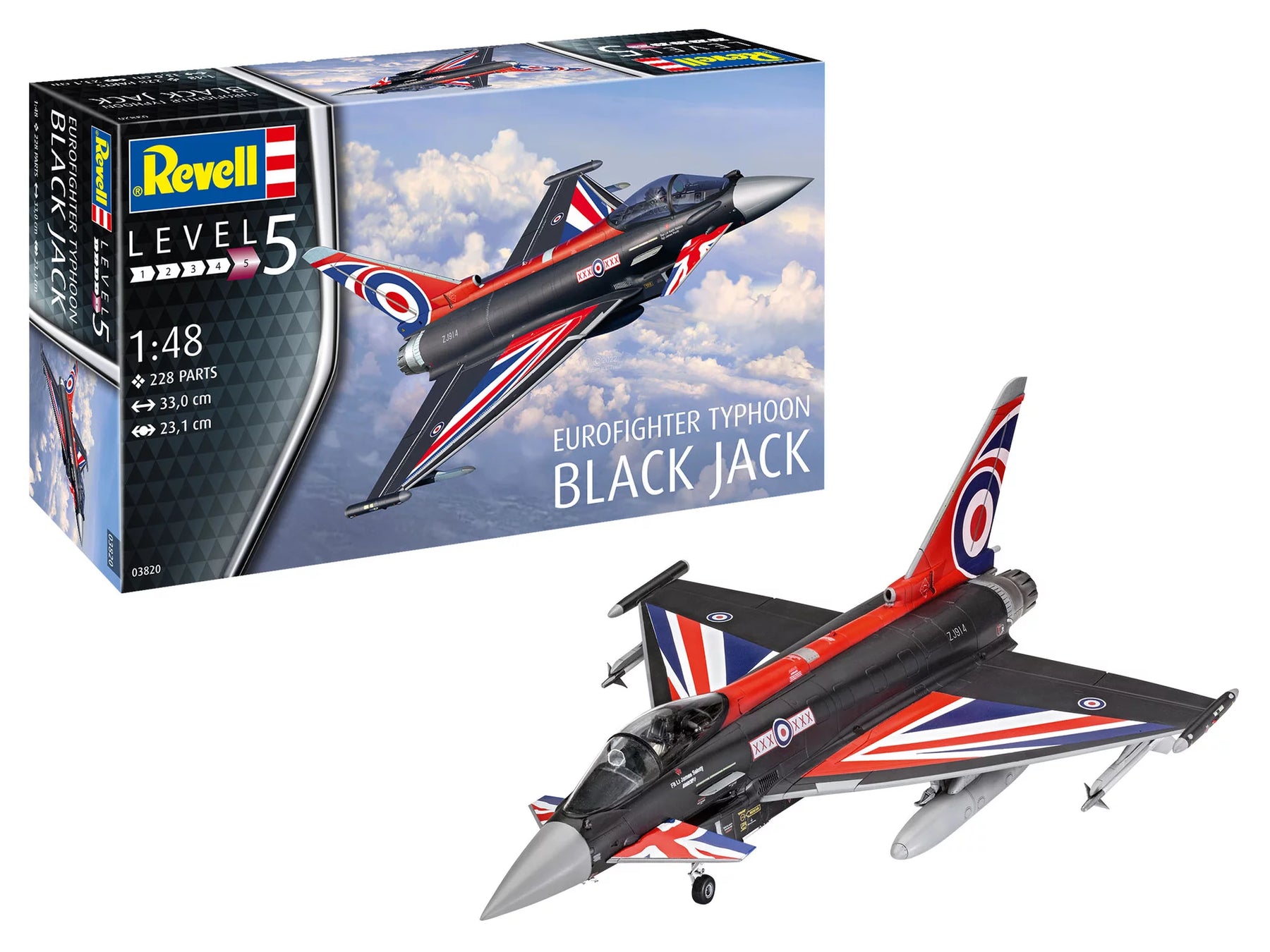
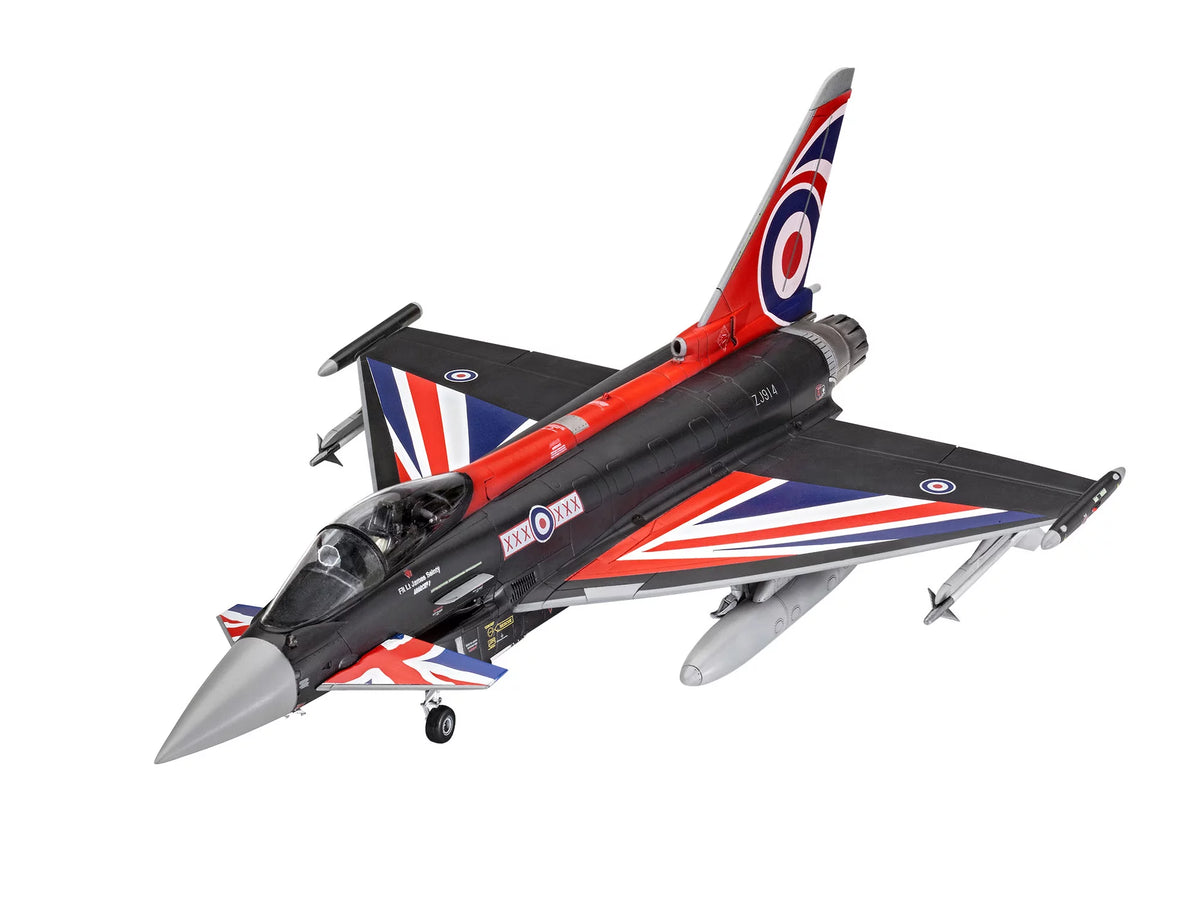
Modern air warfare demands flexibility. In recent decades, pure interceptors have been gradually replaced by so-called Multi-Role Combat Aircraft (MRCA). Aircraft such as the Eurofighter Typhoon or the F/A-18 Super Hornet can conduct dogfights, engage ground targets with laser-guided bombs and relay reconnaissance data in real time within a single mission. In the corresponding model kits you can see this versatility in the extensive weapons kits: from air-to-air missiles to cruise missiles to state-of-the-art target containers (targeting pods), you can design your model exactly according to the desired operational profile.
Scales at a glance: Which scale suits your building project?
Choosing the right scale determines how much space your finished model takes up, how long the construction time is and what level of detail can be achieved. Depending on personal preference and display case size, different scales are available:
Scale 1:72 – The classic for collectors and dioramas
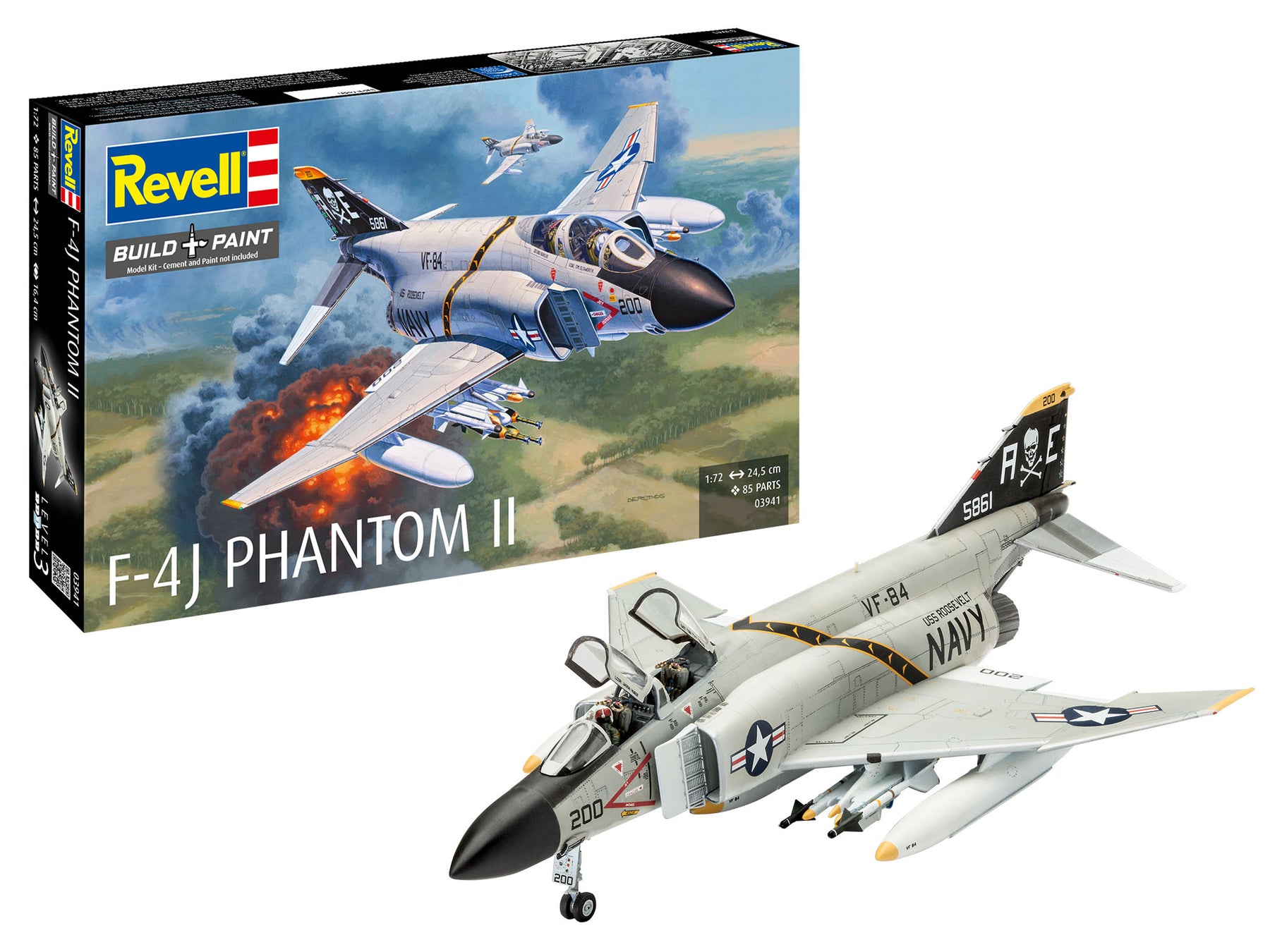
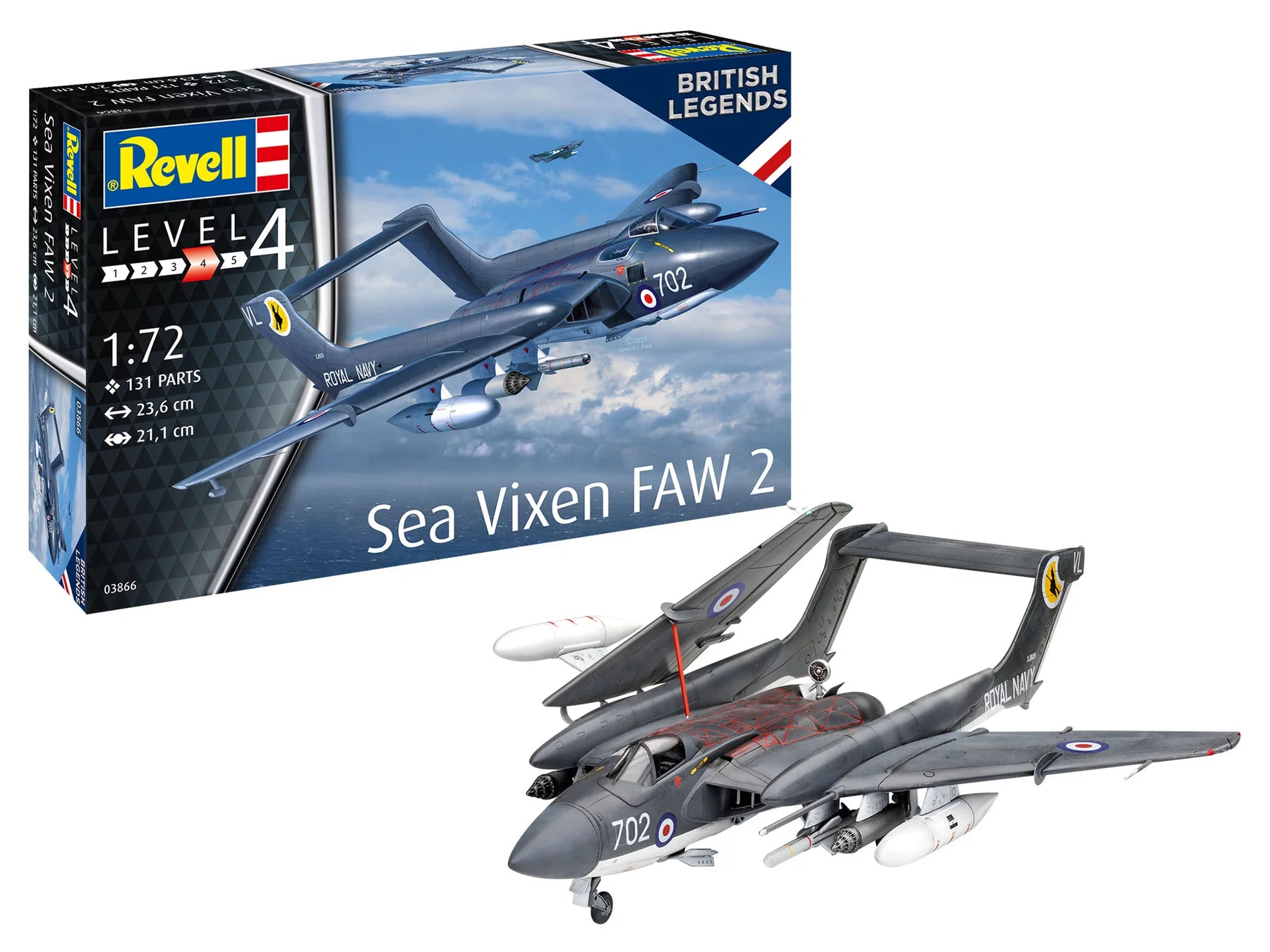
The 1:72 scale has been the absolute favorite for aviation enthusiasts who want to build a sizable fleet for decades. A modern jet like the Eurofighter or the F-16 reaches a length of around 20 to 25 centimeters. This makes the scale ideal for displaying several machines next to each other without running out of shelf space. In addition, 1:72 is ideal for dioramas with airfields, hangars and maintenance crews. Despite the compact dimensions, modern kits impress with amazing cockpit details, recessed sheet metal joints and fine weapon mounts.
Scale 1:48 – The golden mean of detail and size
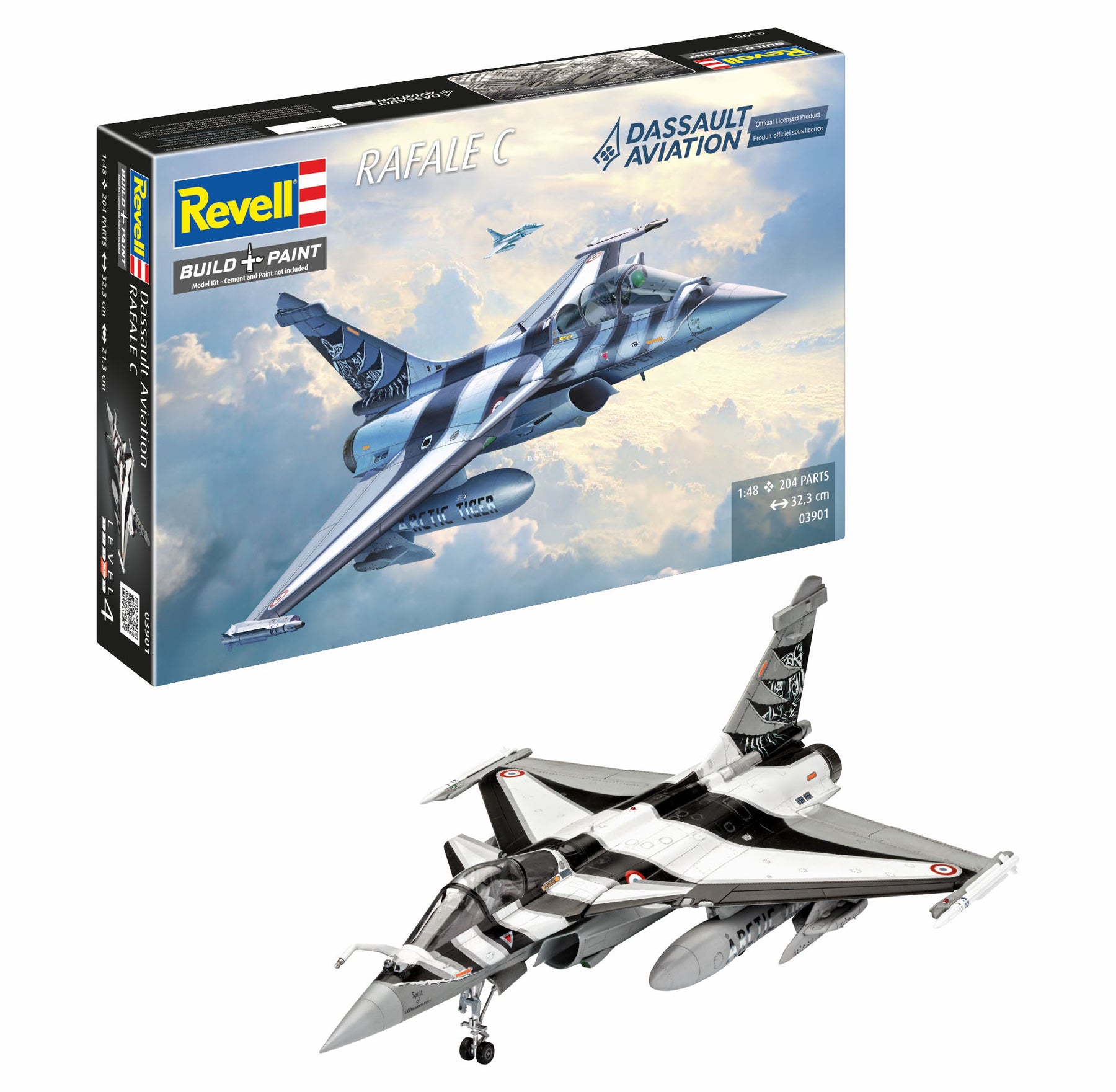
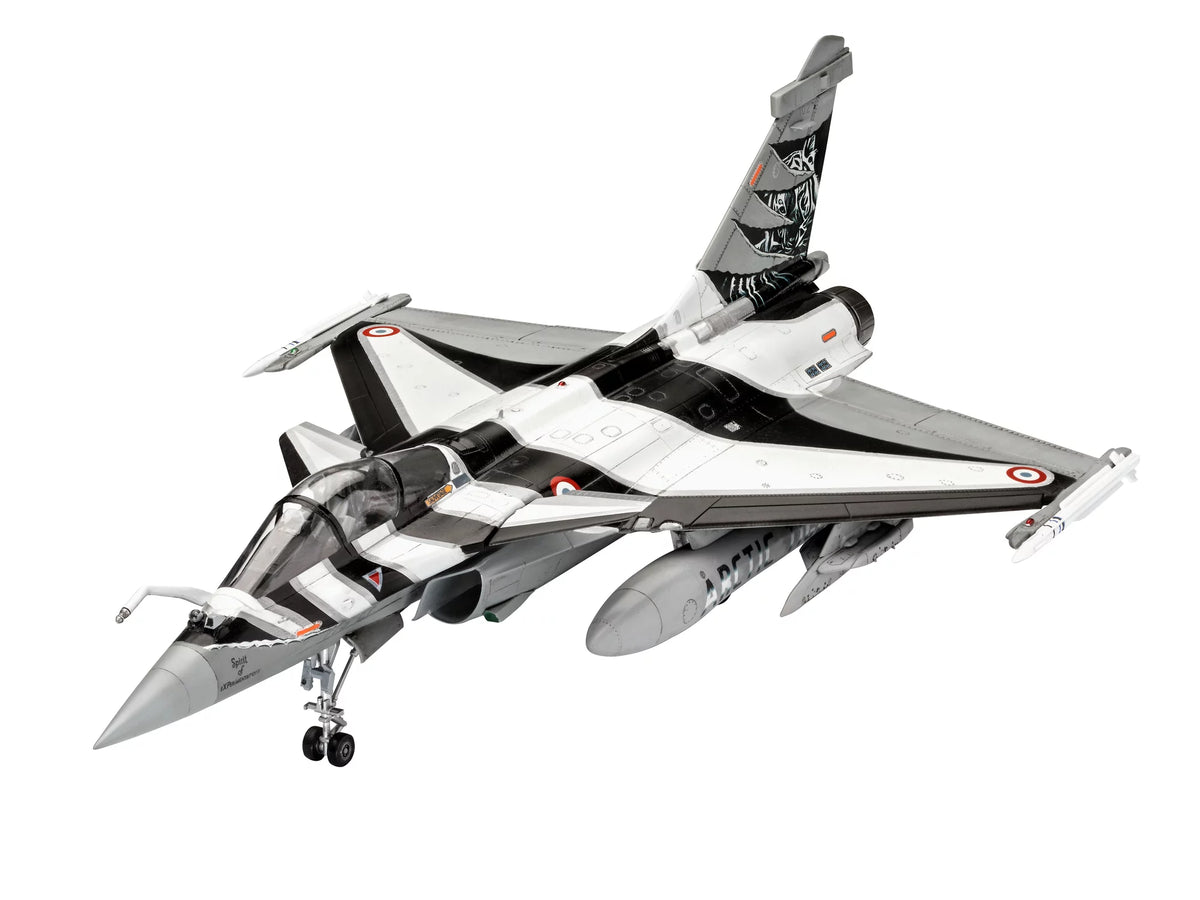
If you are looking for a perfect balance between considerable size and extreme detail, 1:48 is your first choice. Here, modern fighter jets grow to 35 to 45 centimeters. The enlarged components enable deeply structured ejection seats, fully developed landing gear shafts with hydraulic lines and open maintenance hatches with engine views. For demanding model makers, this scale offers the ideal canvas for complex paintwork, fine aging techniques and delicate etched parts.
1:32 scale & large models – maximum attention to detail for demanding professionals
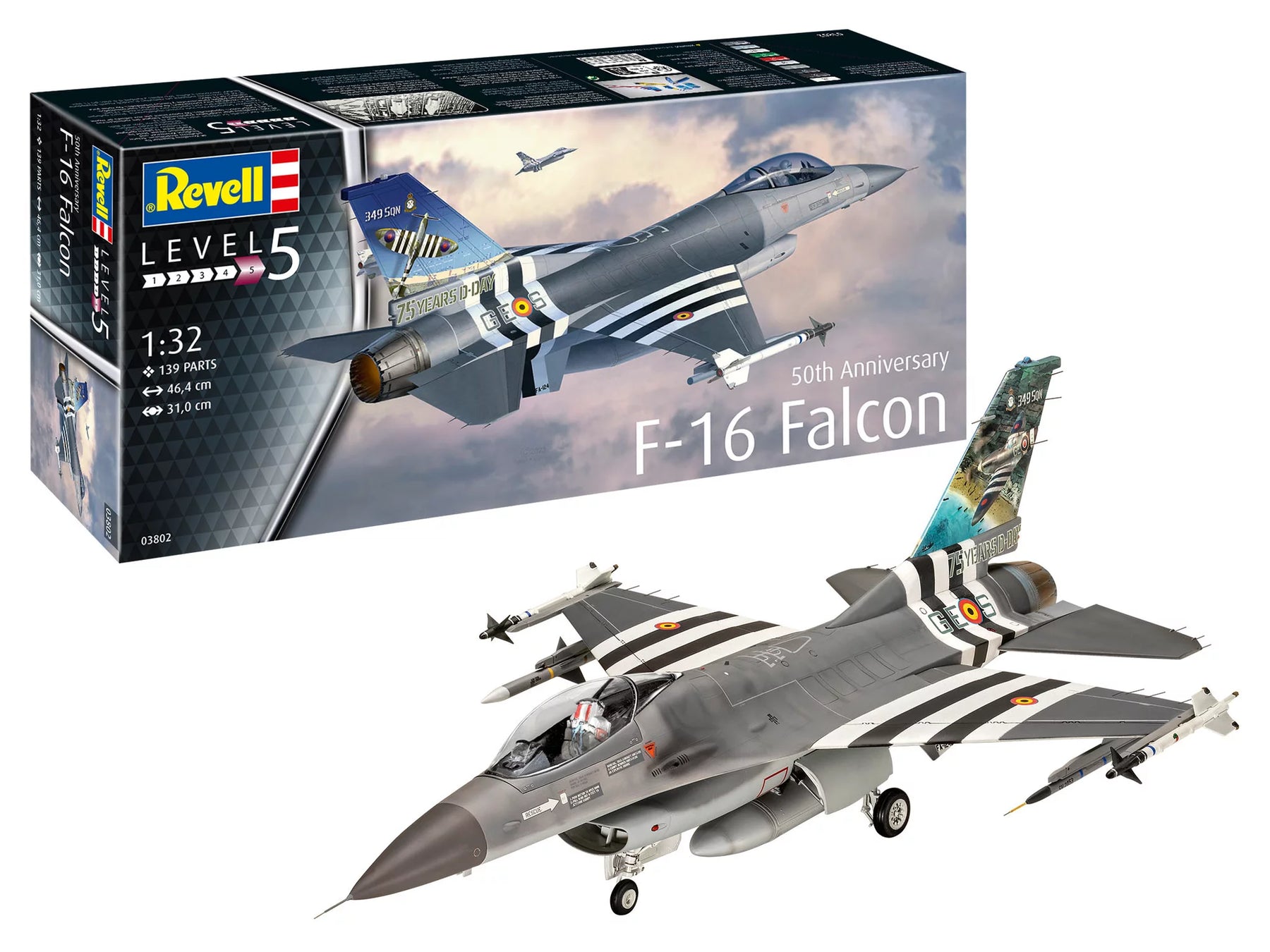
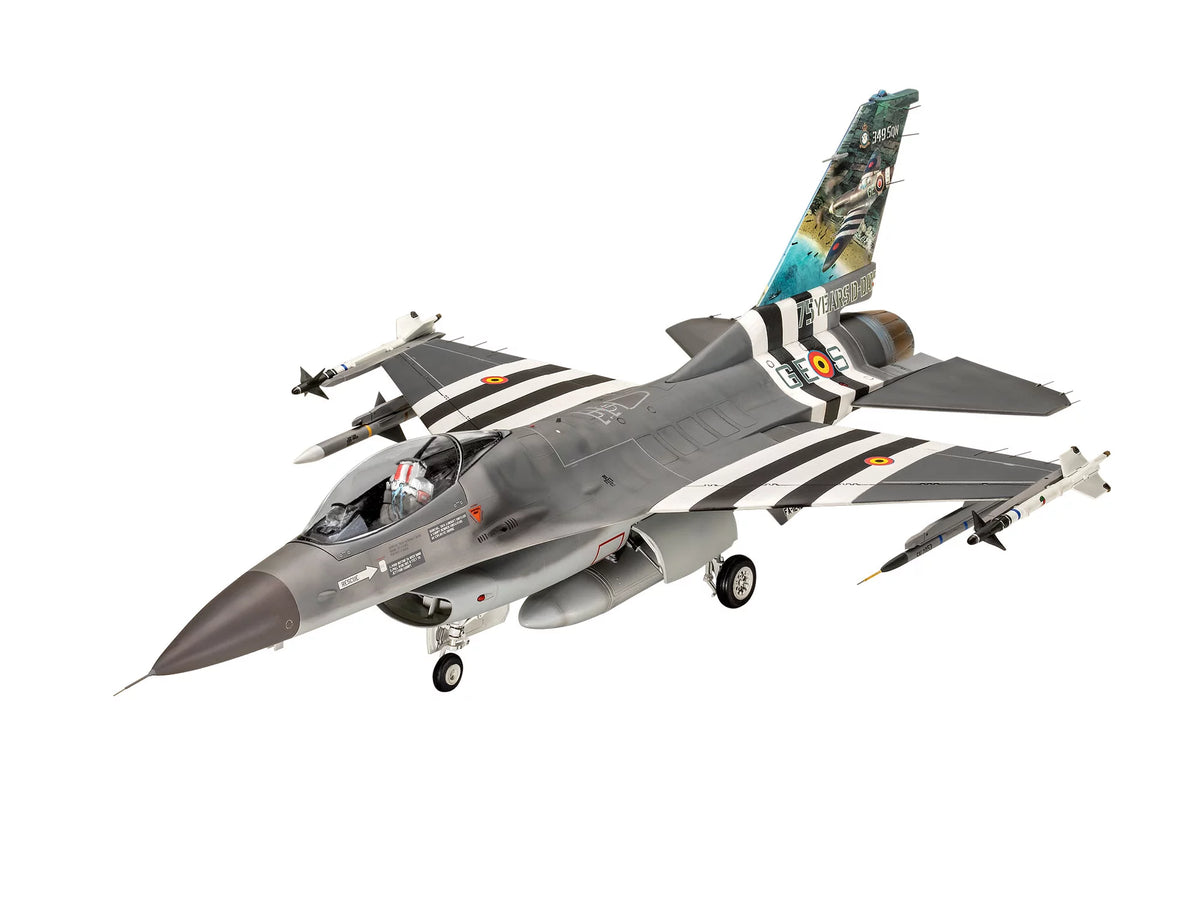
If you are looking for a real showpiece for your showcase, there is no way around large models in 1:32 scale. These kits represent top achievements in modern tool making. With a fuselage length of sometimes over half a meter, you can precisely carve out every instrument in the cockpit, every rivet on the air inlet and every mechanical linkage of the control surfaces. Large models require patience, experience and sensitivity, but reward you with a presence that captivates every viewer.
Scale 1:144 – Compact jets for quick construction success
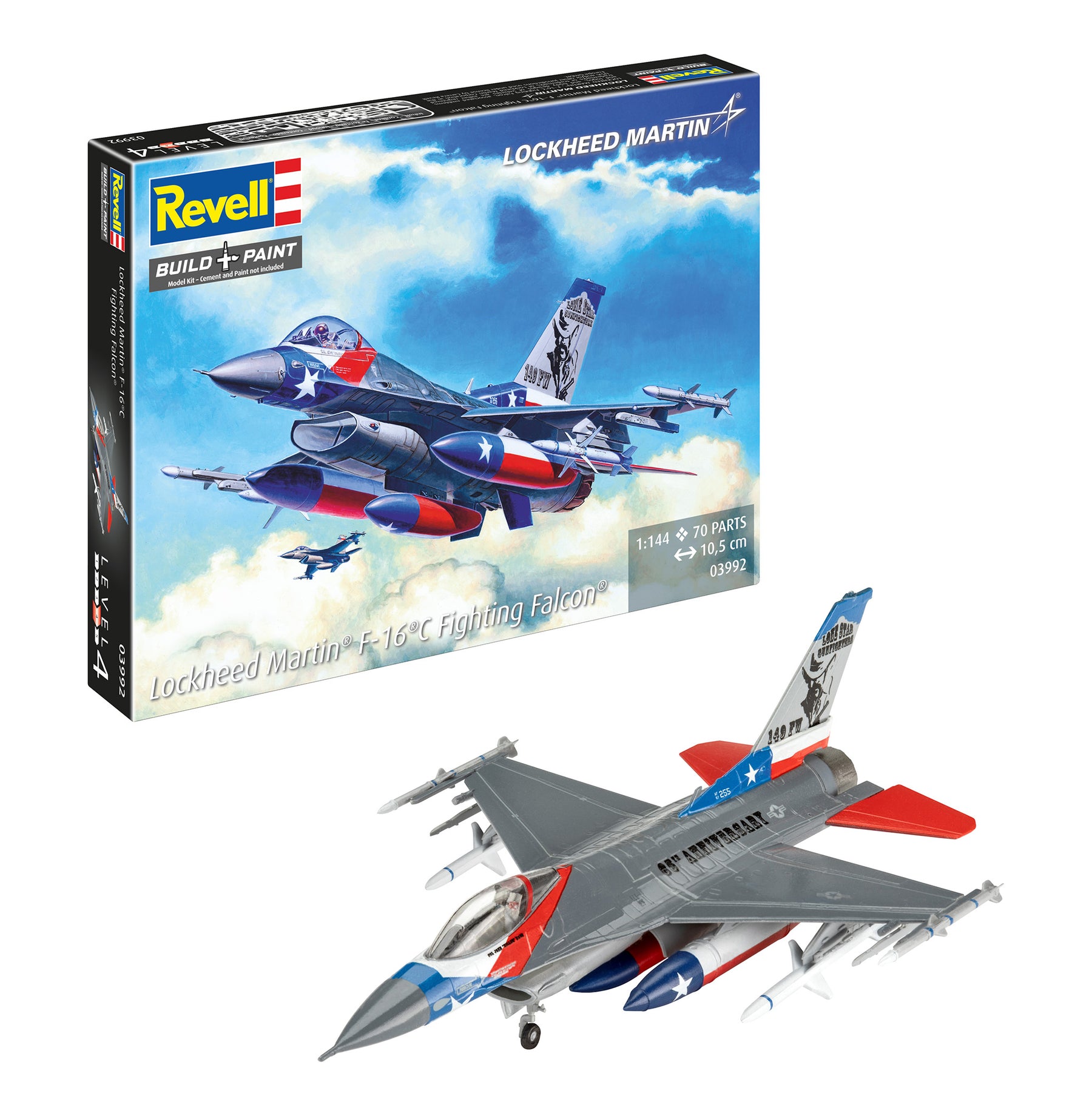
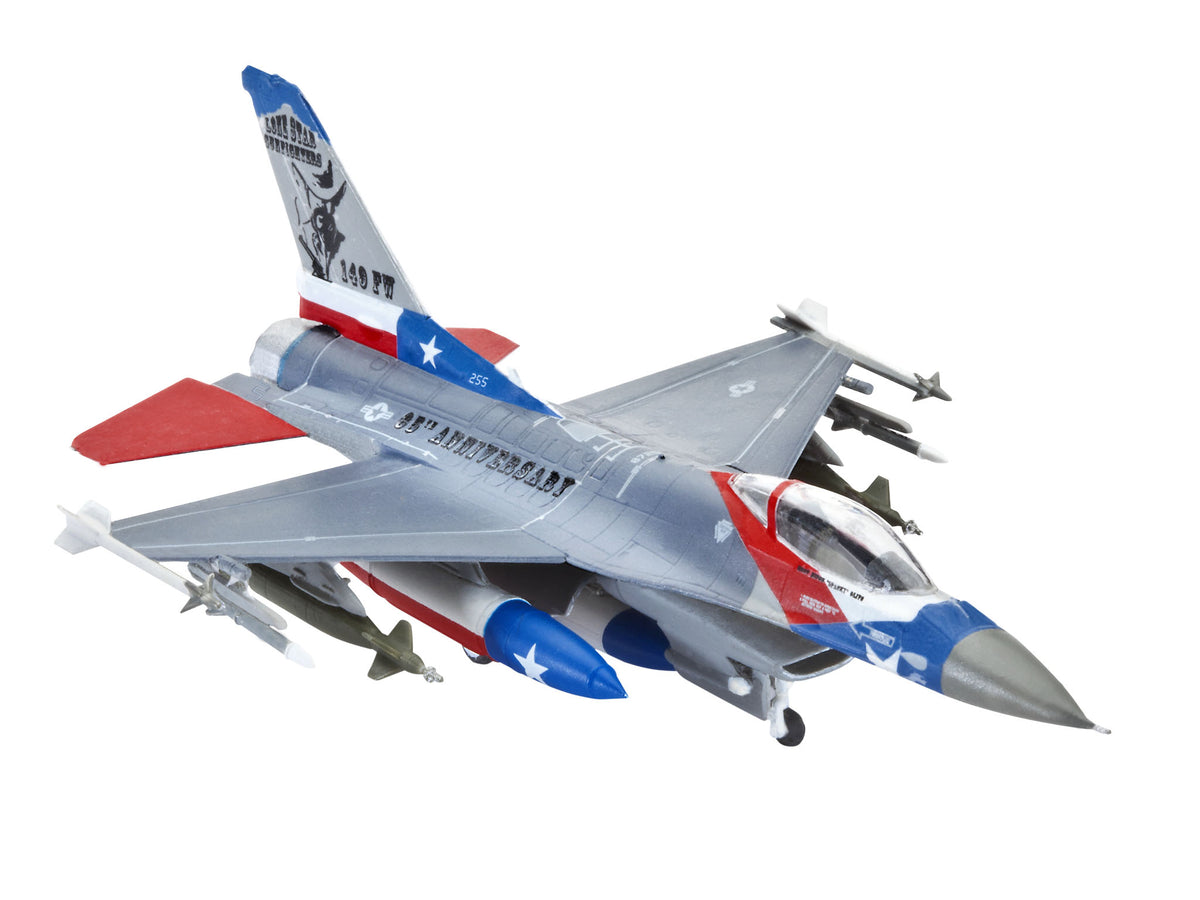
For hobbyists with limited space or beginners who want to try assembling a modern jet aircraft, the 1:144 scale is a great place to start. Despite their handy size, often only 10 to 15 centimeters, modern kits have clear contours and surprisingly sharp shapes. They're great for quick weekend projects or for practicing freehand painting.
Legendary types and icons of the modern air force
Modern military aviation is characterized by a number of iconic aircraft that set standards in their respective operational roles. Each type has characteristic identifying features that arouse pure enthusiasm when assembled:
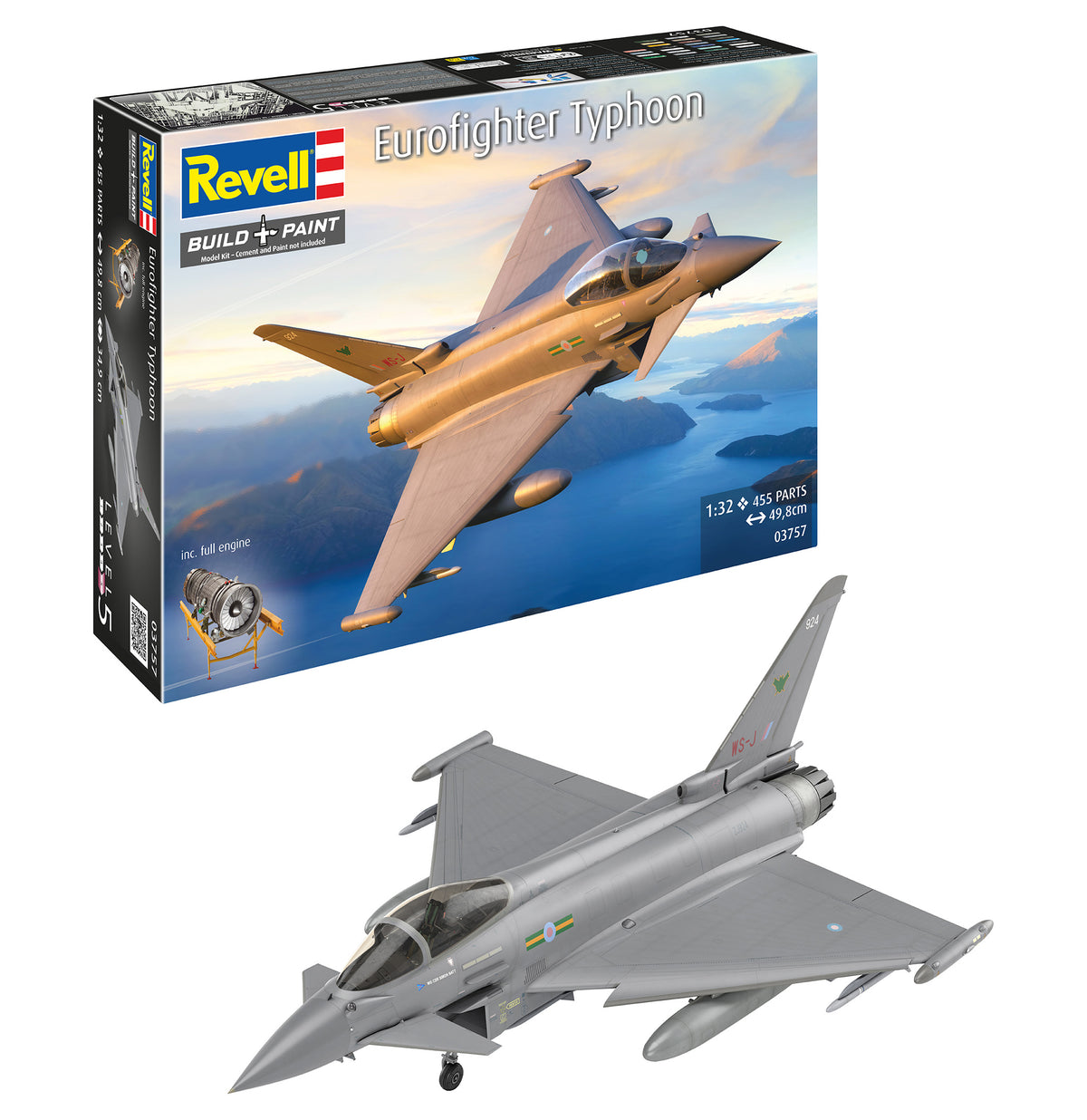
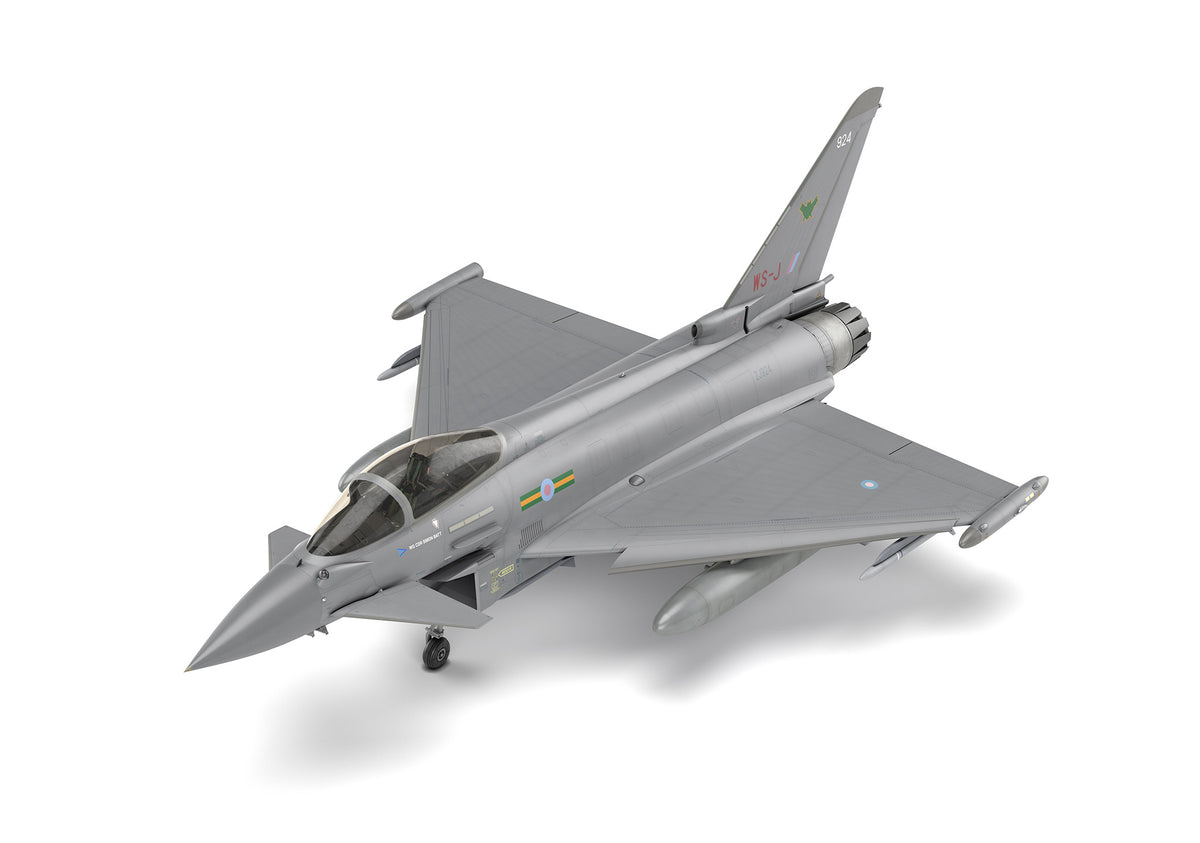
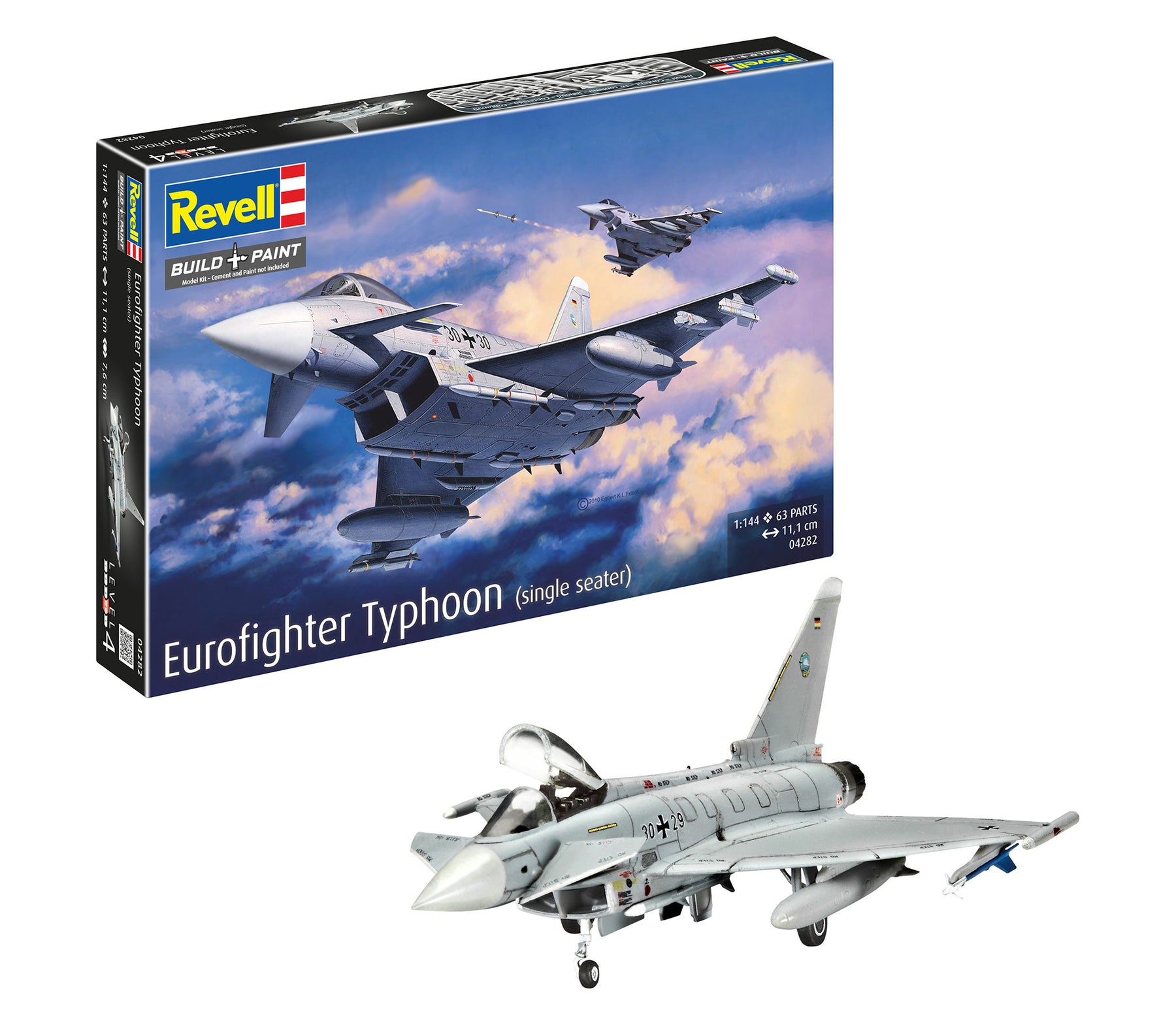
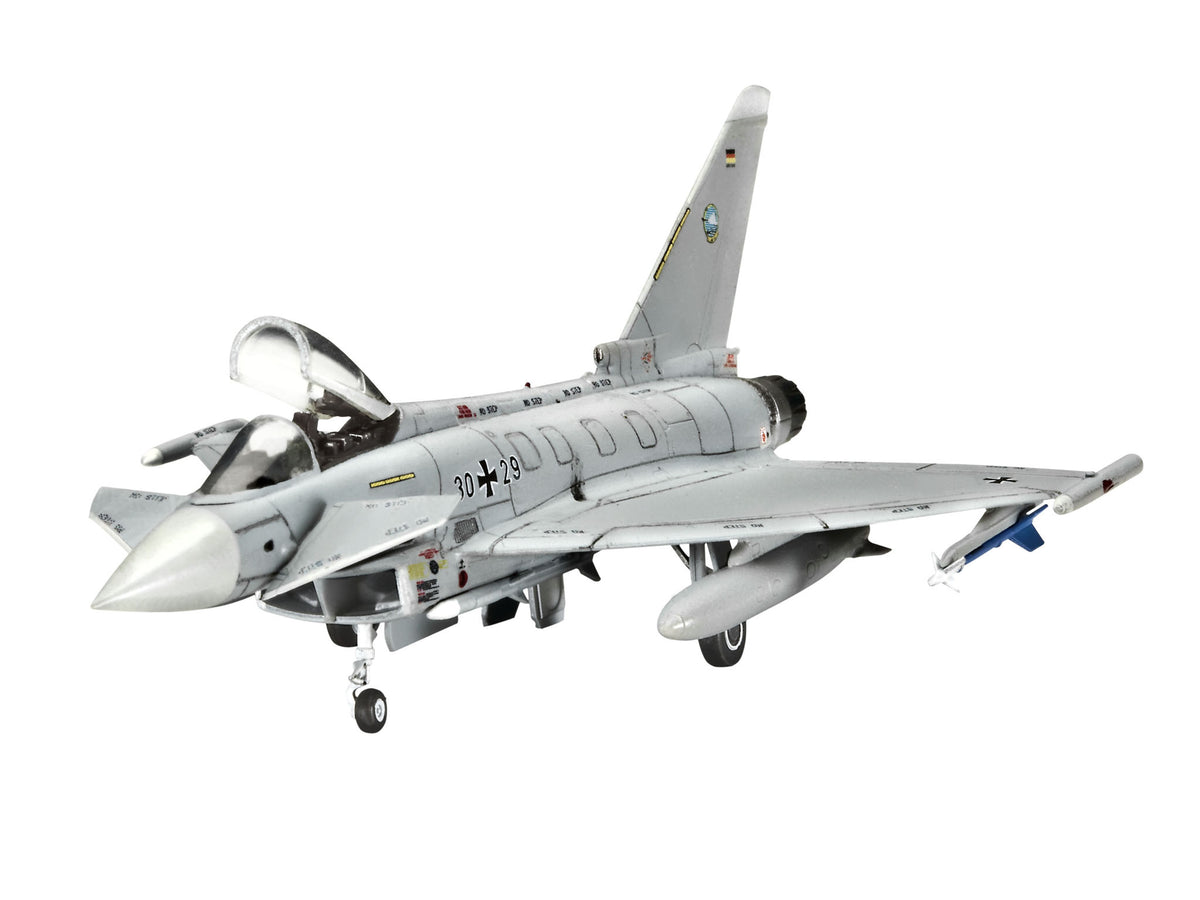
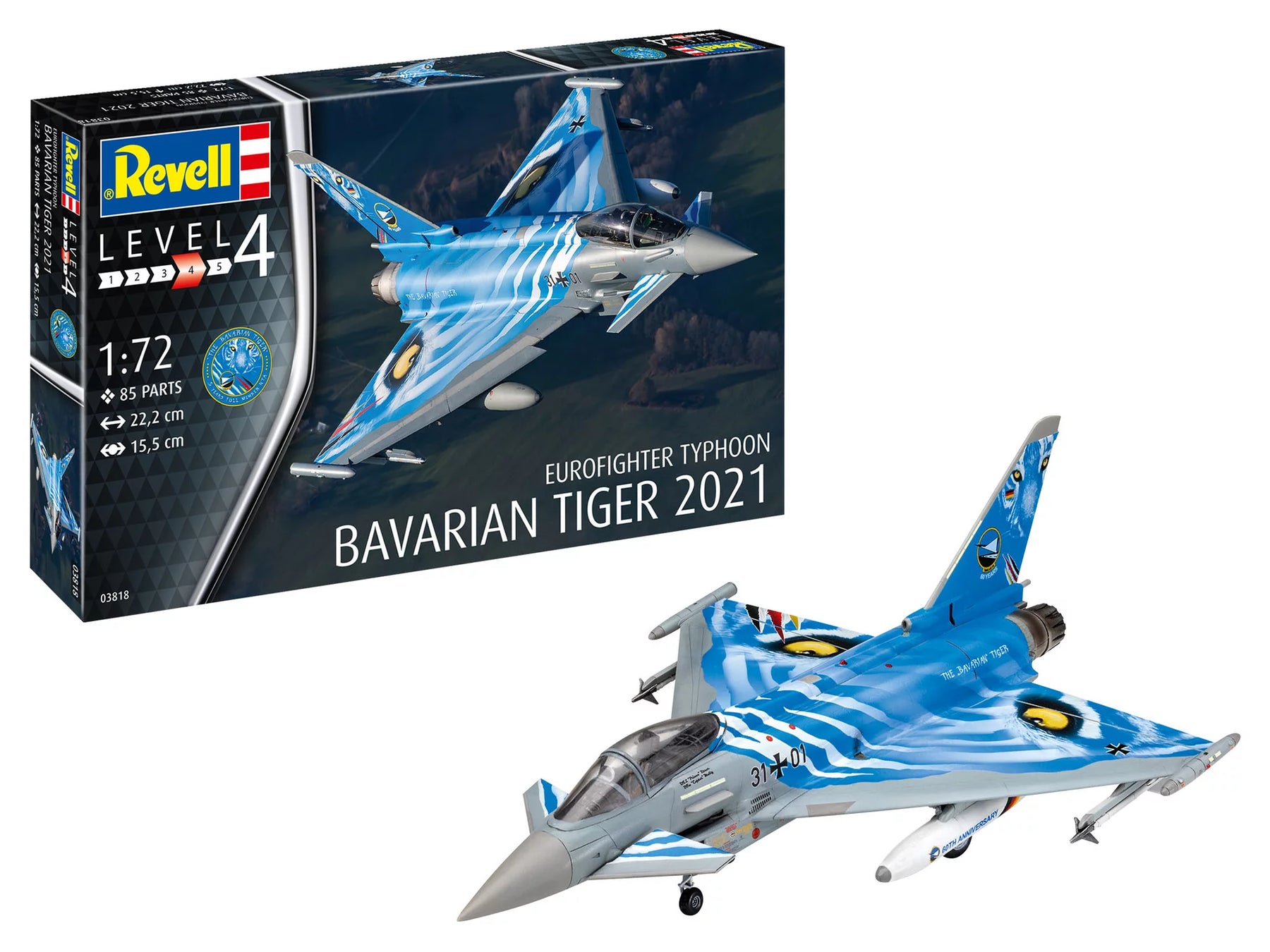
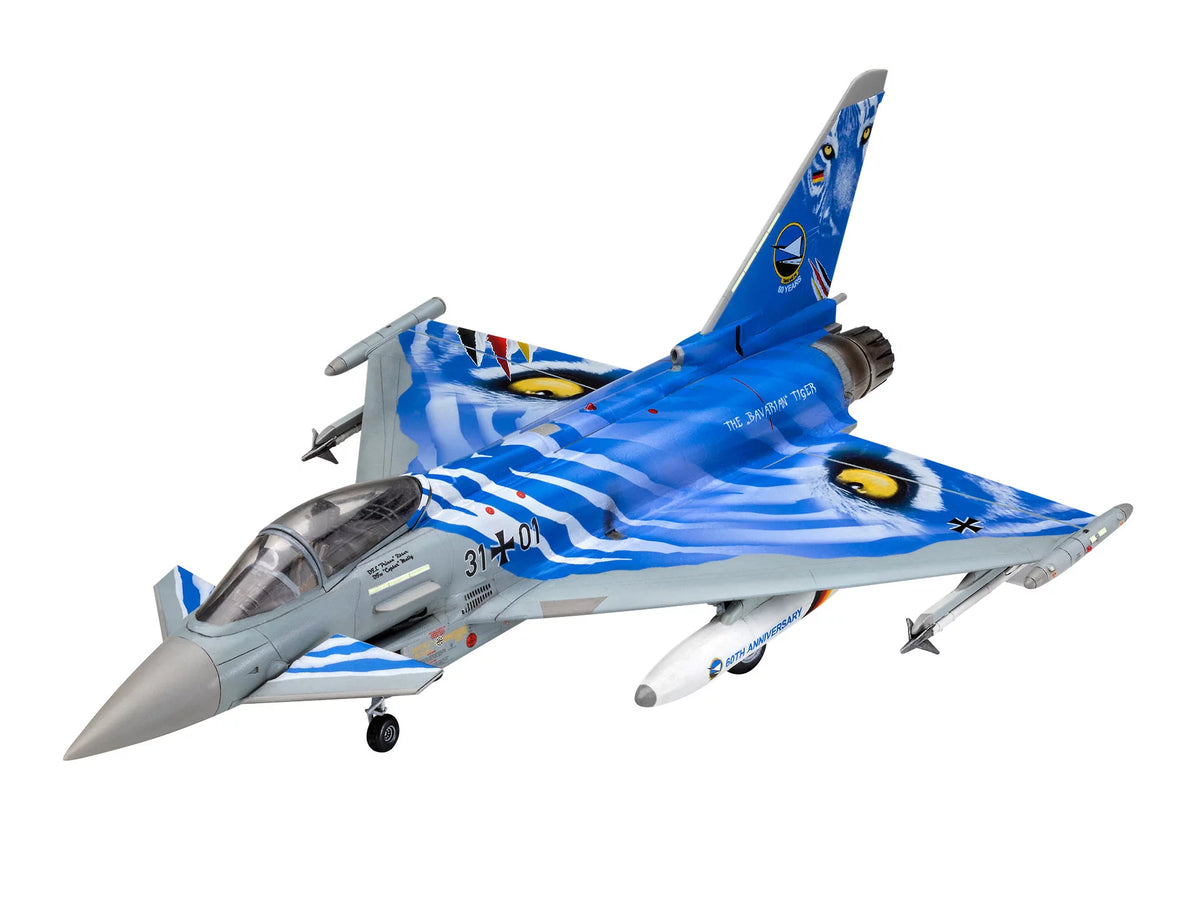
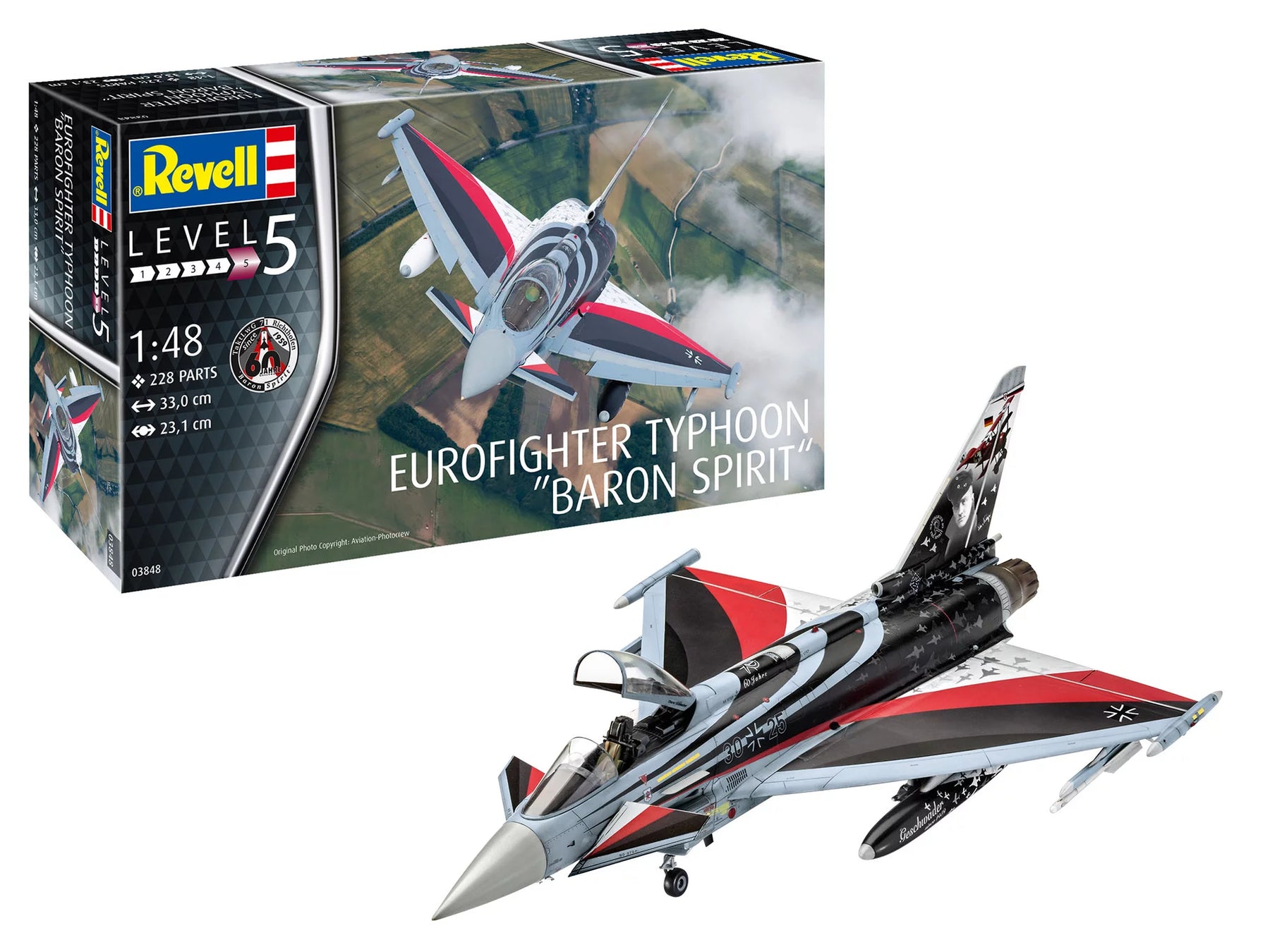
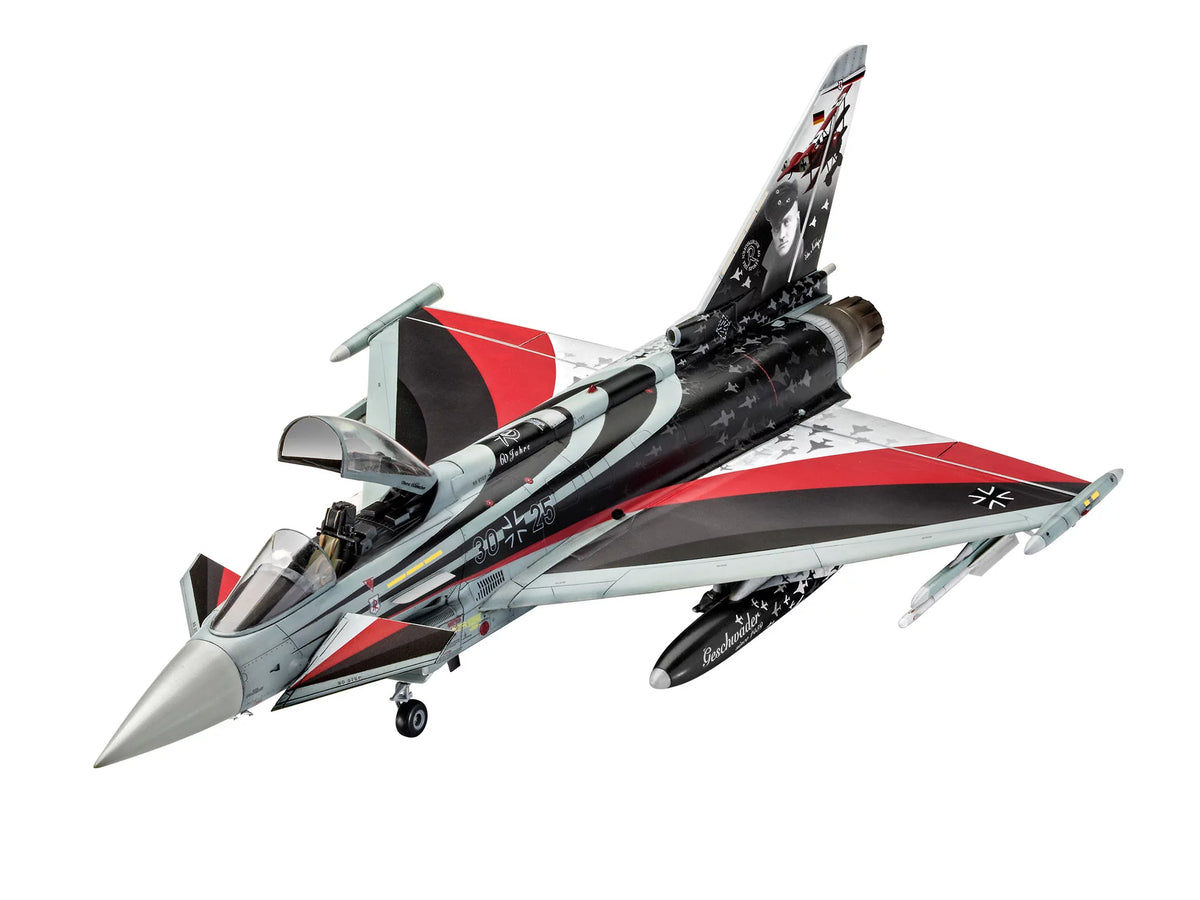
- Eurofighter Typhoon: The backbone of European air defense boasts a distinctive delta-wing canard configuration, giving it outstanding close-combat maneuverability and supercruise capabilities.
- Lockheed Martin F-35 Lightning II: As the world's most widespread stealth multi-role fighter, the F-35 combines the most advanced sensors, internal weapons bays and distinctive stealth geometry.
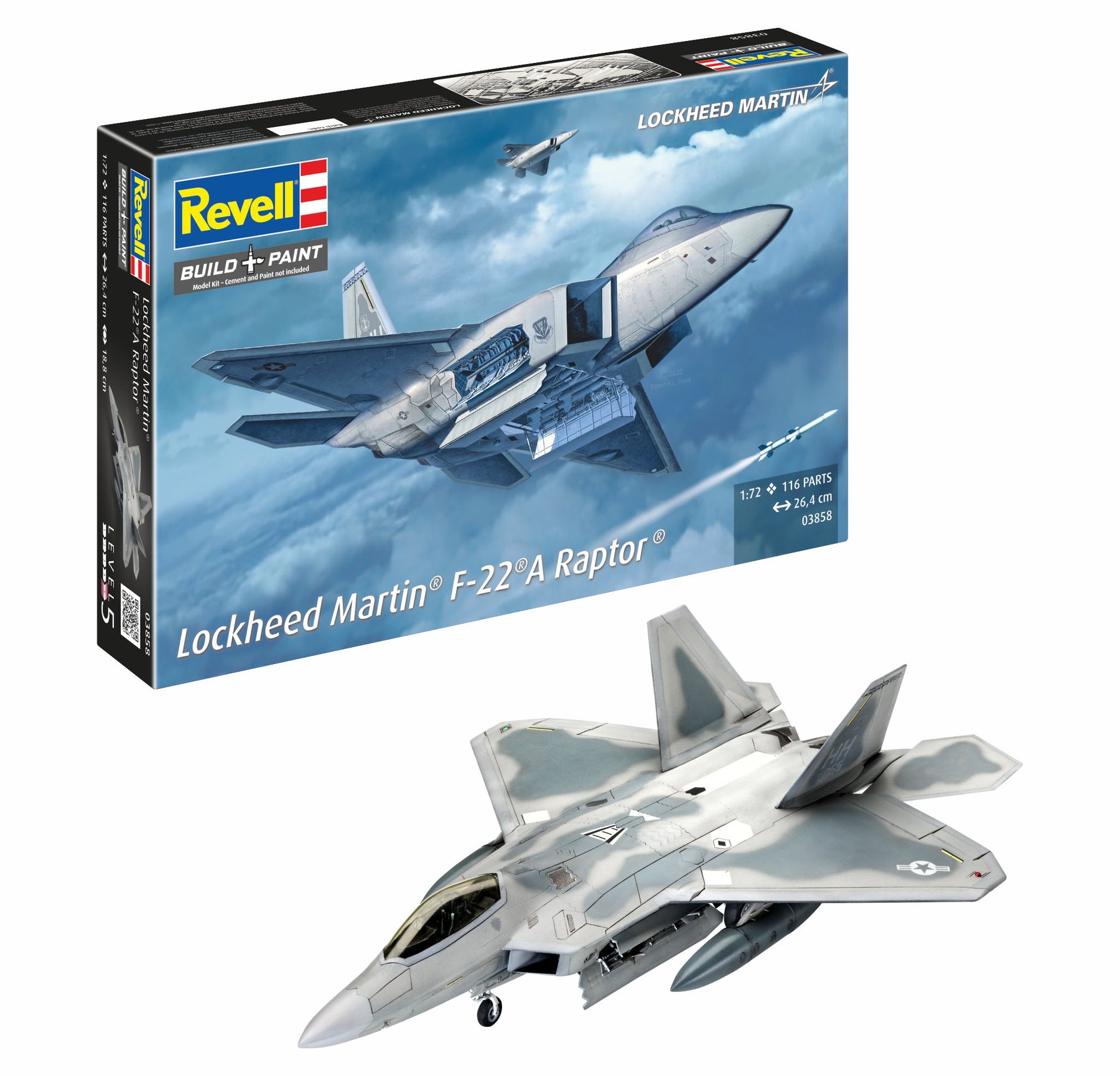
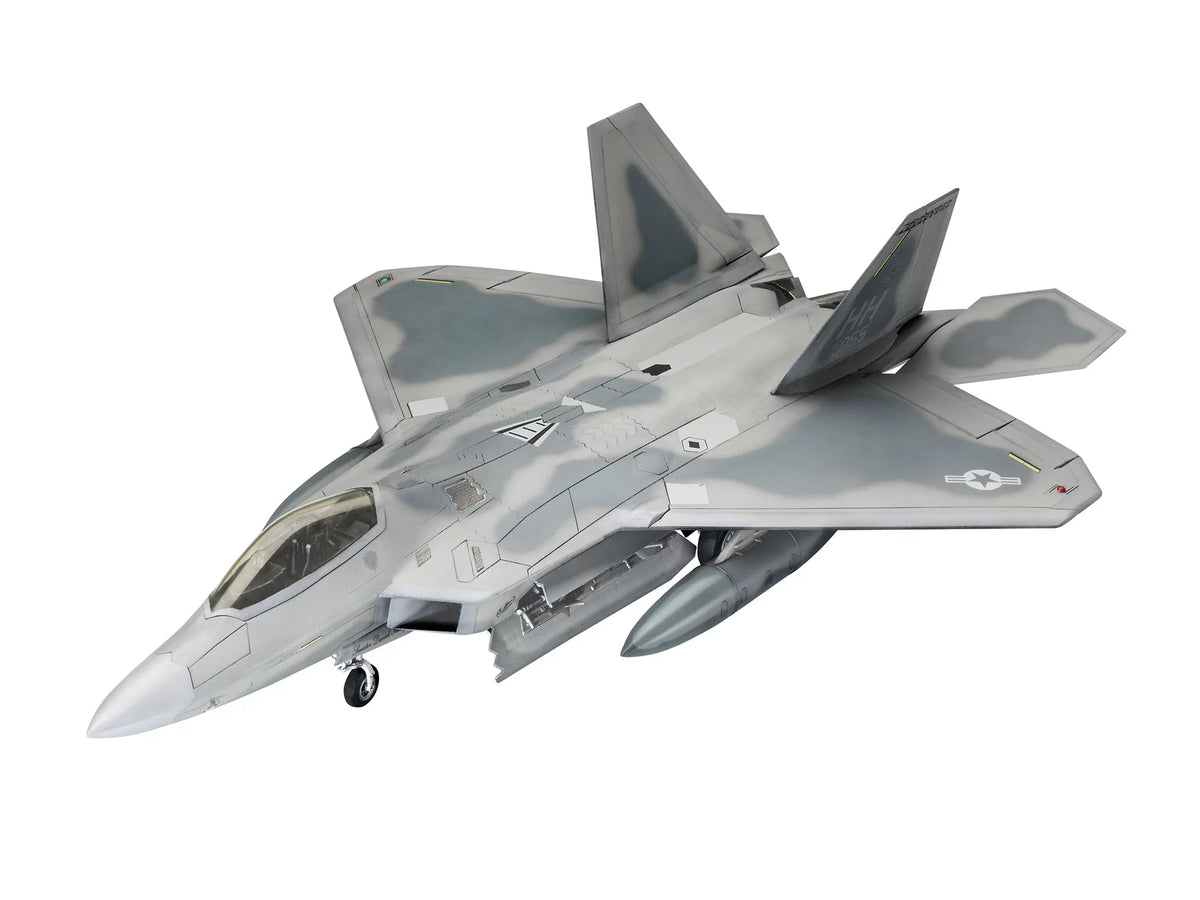
- F-22 Raptor: The undisputed king of air superiority fascinates with its thrust vector control, radar-absorbing outer skin and breathtaking flight performance in the supersonic range.
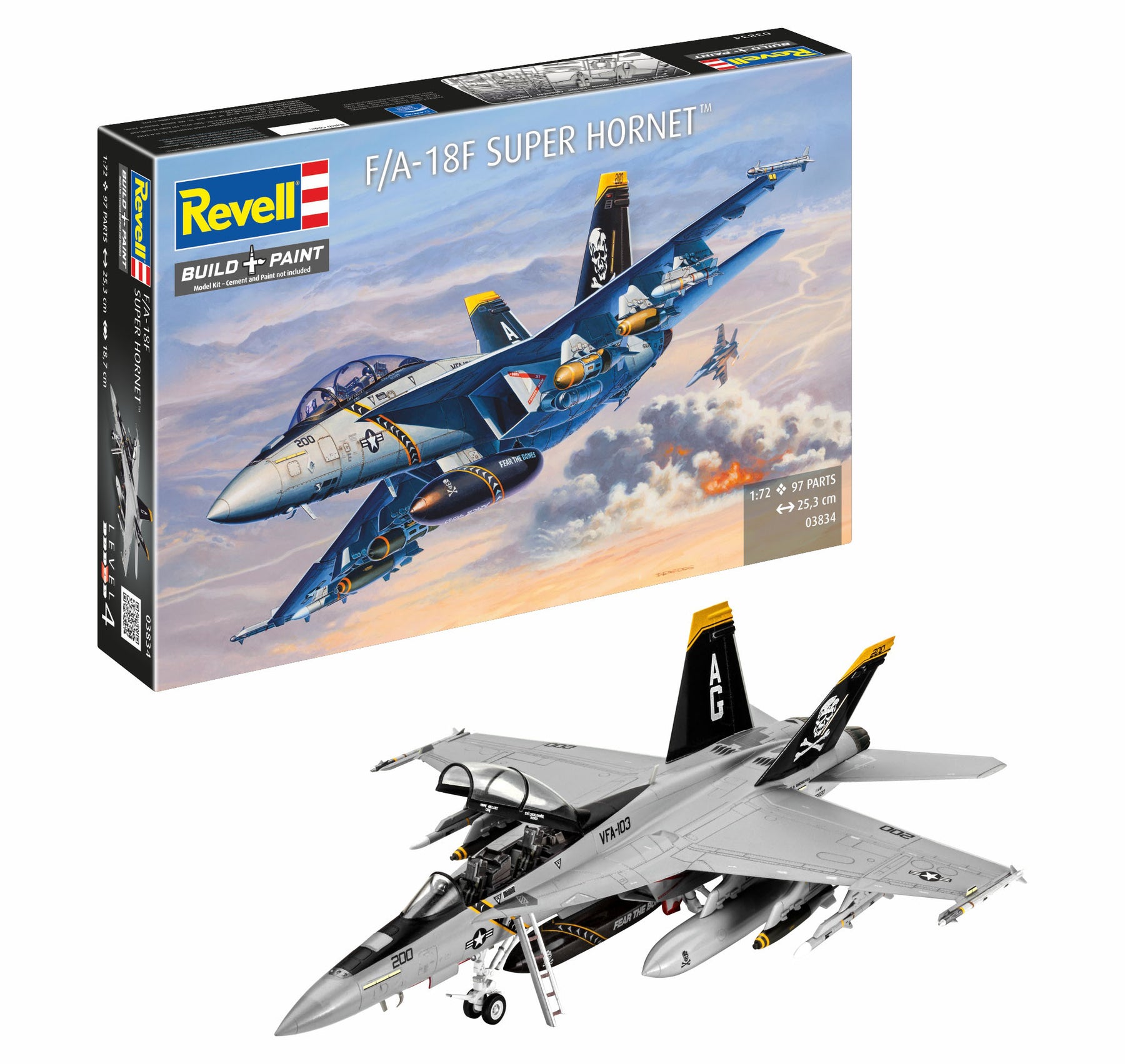
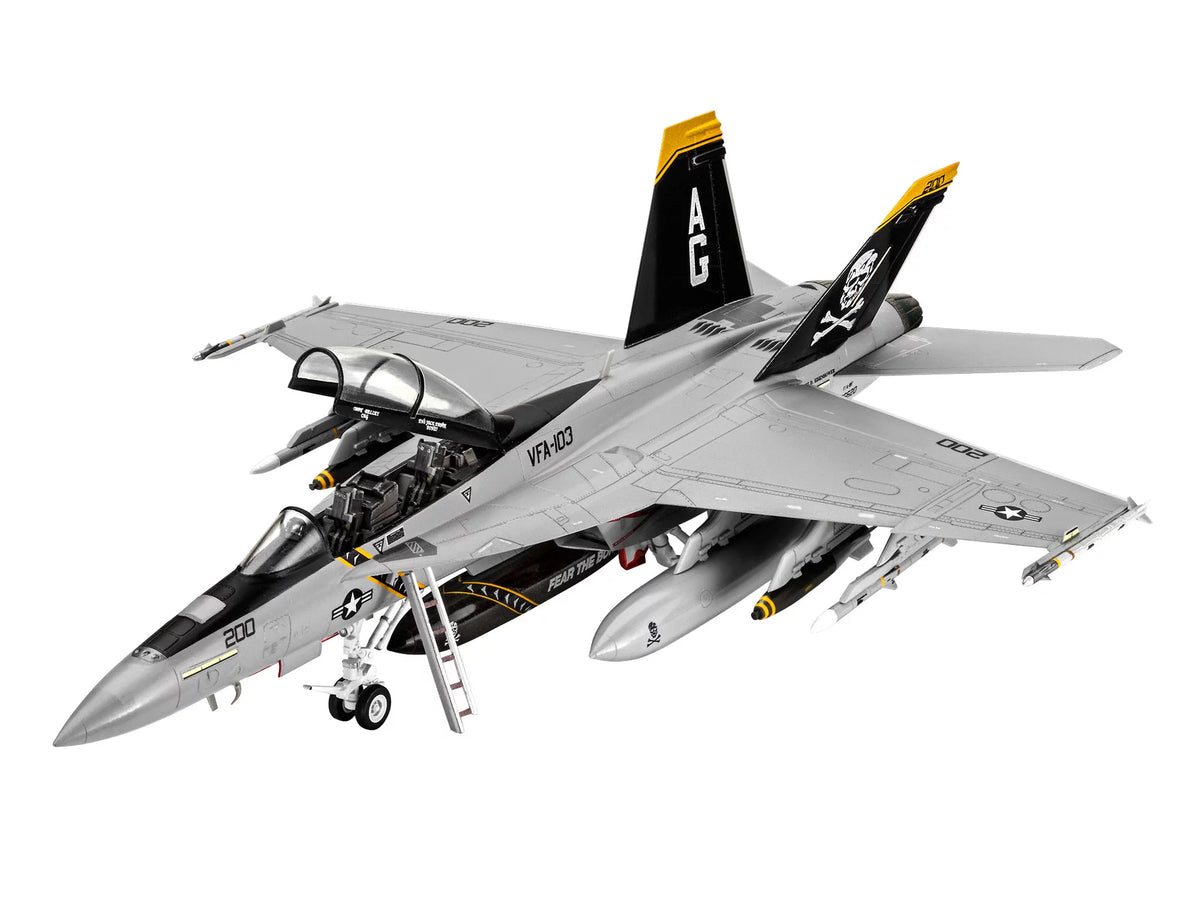
- F/A-18E Super Hornet: The proven workhorse of the US aircraft carrier fleet impresses with its robust landing gear, folding wing mechanisms and enormous payload capacity.
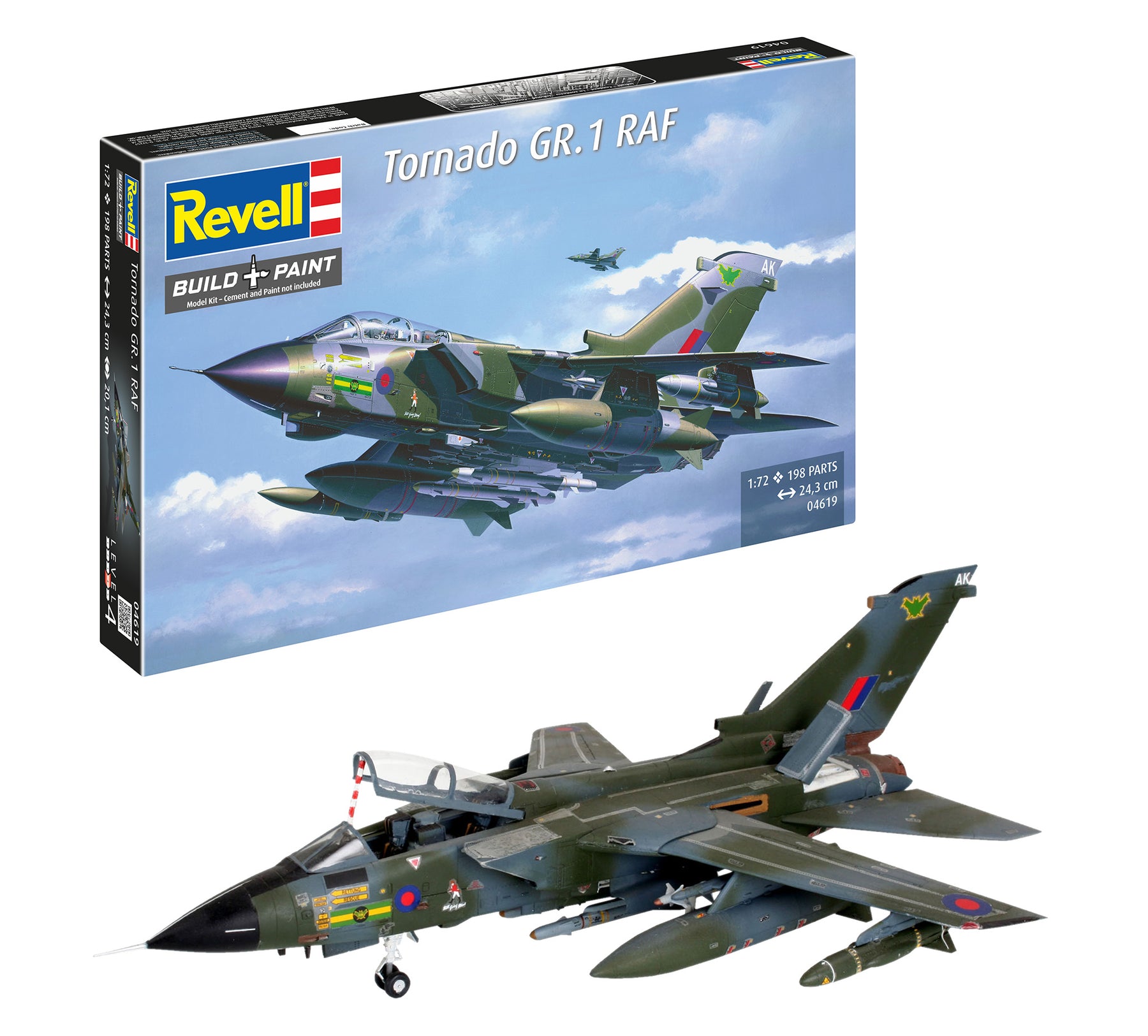
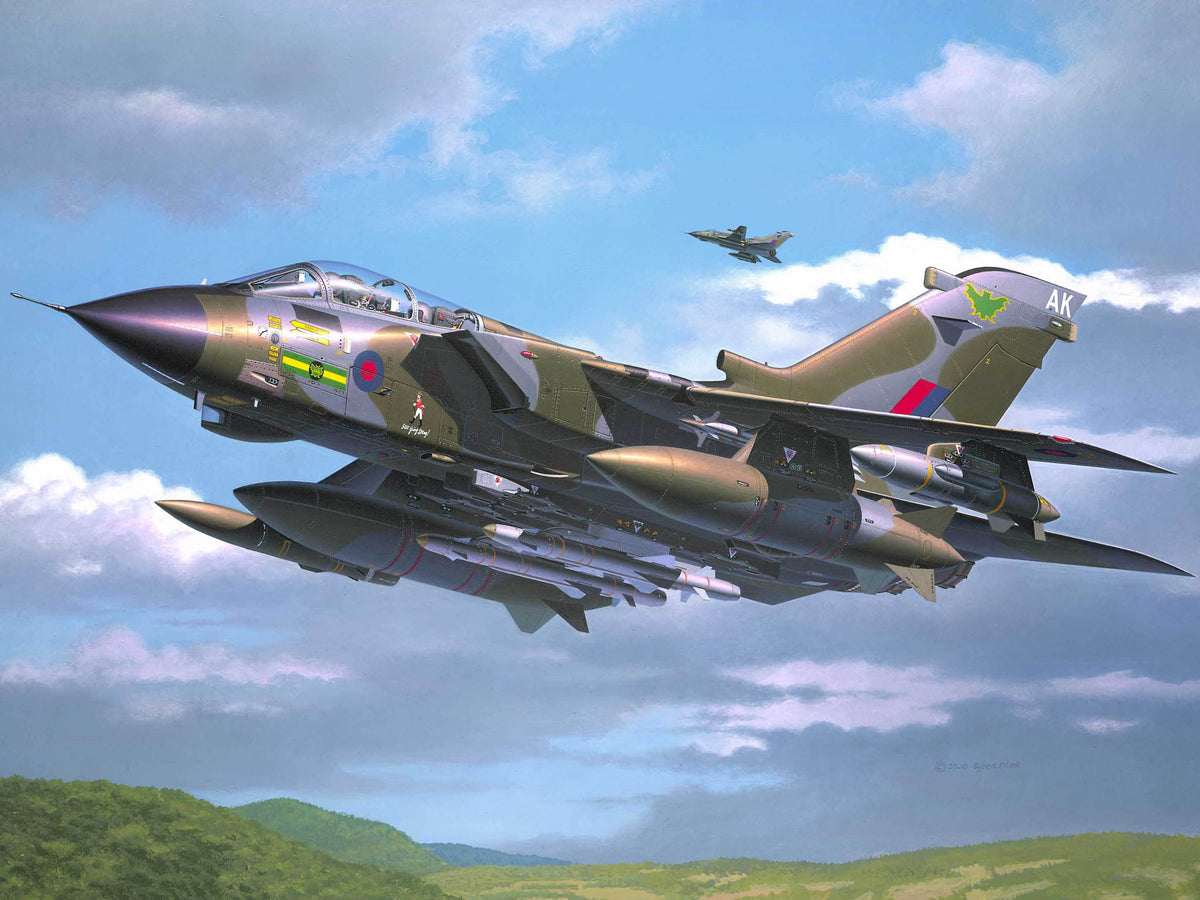
- Panavia Tornado: With its swivel wings and design for extremely low flight, the Tornado is a legend of the Cold War that still provides reliable service today.
If you would like to delve deeper into the development history of military aircraft, it is also worth taking a look at our general category Military, where you can discover kits from different eras and genres.
Precision and detailing: cockpit, avionics and armament
The special thing about building modern combat aircraft lies in the specific assemblies, which differ greatly from civilian machines or historical propeller aircraft. A modern jet requires a structured construction method in which you proceed step by step.
The cockpit as the technological heart
Assembly almost always begins with the pilot's cockpit. Modern cockpits are dominated by multifunction displays (MFDs), head-up displays (HUD) and complex HOTAS (Hands On Throttle And Stick) controls. With many kits you have the choice of displaying these screens with the included decals or highlighting fine button structures using a dry painting technique. A central eye-catcher is the ejection seat - such as the Martin-Baker or ACES II type. With multi-colored painted belts, trigger guards and neck cushions, you can give your cockpit an amazing depth effect even before you close the fuselage halves.
Complex landing gear and movable control surfaces
Modern fighter jets have to withstand extreme landing speeds and enormous impact loads on aircraft carriers. The undercarriages are designed accordingly to be massive and rich in detail. When assembling, pay attention to the correct alignment of the chassis legs, the pull-in struts and the delicate brake lines. Many kits also offer you the option of displaying control surfaces such as landing flaps, slats or rudder in a deflected state, which gives the model additional dynamism.
External loads and modern weapon configurations
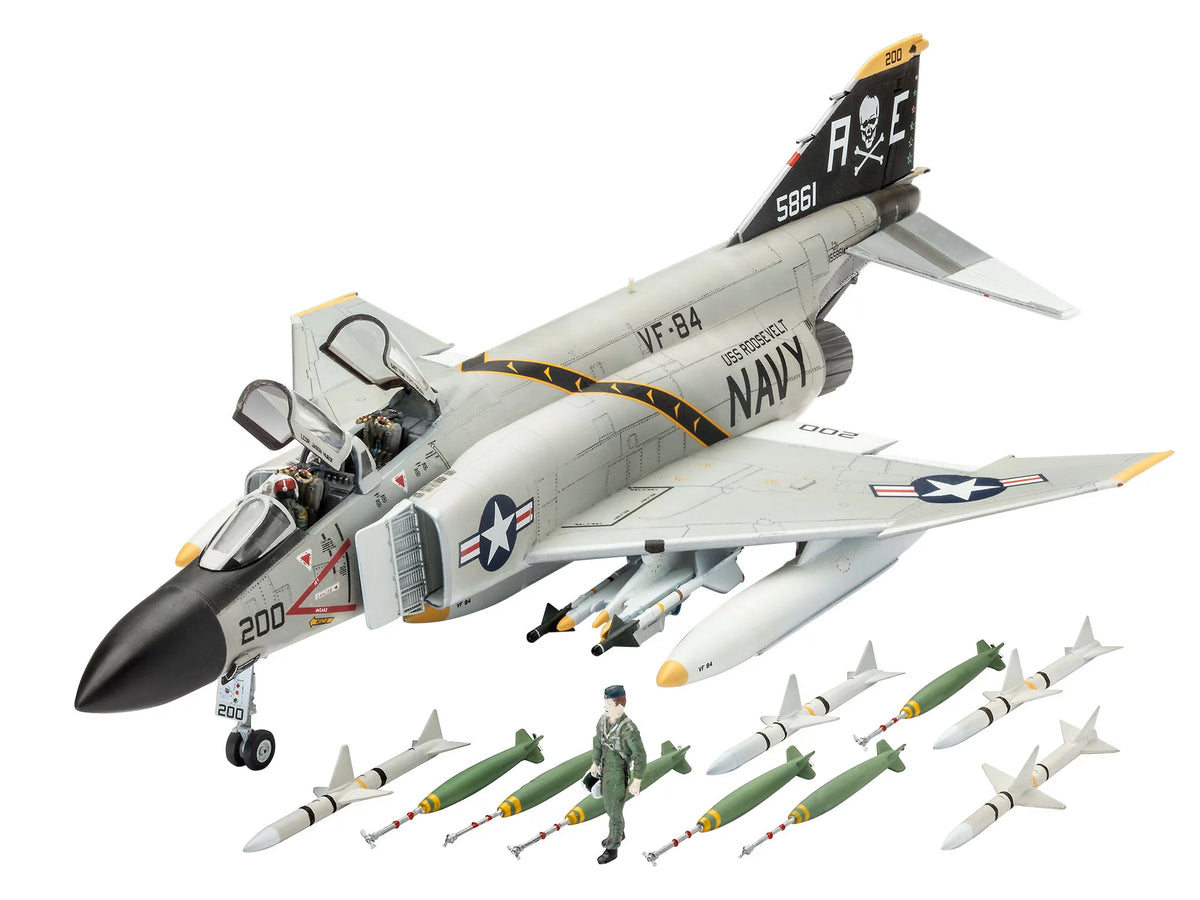
A modern military aircraft only comes to life through its armament. Depending on the mission, you equip your model with the latest air-to-air missiles (such as AIM-120 AMRAAM, Meteor or IRIS-T), laser-guided precision bombs (JDAM, Paveway) or massive underwing additional tanks. Pay attention to the correct coloring of the seeker heads and the typical marking rings that distinguish live warheads from training ammunition.
Painting techniques, camouflage schemes and weathering
The color scheme of modern fighter jets is an art in itself. Gone are the days of colorful squadron markings and glossy paint: modern operational aircraft wear matte, functional camouflage patterns in subtle shades of gray that are specifically designed to minimize visibility and heat signature.
Implement camouflage colors and RAM coatings in a prototypical manner
Stealth aircraft such as the F-35 or F-22 have a radar-absorbing coating (RAM – Radar Absorbent Material). Depending on the light, this paint creates a metallic, velvety-matt shimmer (“Have Glass” effect). To recreate this finish, we recommend working in layers with satin gray tones and the finest metallic pigments. To ensure clean transitions between different assemblies and colors, you should use high-quality primers and thinners. The extensive range in our section Accessories offers you suitable masking tapes, special glue and tools.
For special projects, such as gray undersides of the fuselage or replicating the inside of the cockpit and auxiliary units, experienced model makers like to use a variety of basic colors. This is how you can use the acrylic paint set, for example Model Color Modern Airliner 8X 18Ml Excellent for misuse: The high-coverage gray, white and black tones it contains are ideal for landing gear shafts, radomes, engine inlets and panel shades on modern military jets.
Pre-shading and panel lines for three-dimensional depth
Since modern jets are often painted a uniform gray, a model quickly runs the risk of appearing monotonous and flat. This is where so-called pre-shading comes into play: Before actually applying the paint, trace all the metal joints with a fine airbrush line in dark gray or black. If you then spray the top coat thinly and translucently, the shadows will shimmer gently through and create a fascinating three-dimensionality. After painting, a subtle panel line wash based on enamel or oil paint further emphasizes the engravings.
Decals and maintenance instructions (stencils)
A characteristic feature of modern military aircraft are the hundreds of tiny maintenance instructions (stencils) distributed across the fuselage and wings. They warn of air inlets, mark rescue points or mark lifting points. Take enough time to apply these decals with plasticizer. The plasticizer ensures that the film adheres perfectly to edges, rivets and recesses so that no silvery edges are left behind.
Expert tips for your construction progress
To ensure that your project is successful right from the start and that you can enjoy your modern military aircraft for a long time, you should follow a few tried and tested steps:
- Perform dry fitting: Temporarily put the fuselage halves, wings and air intakes together before gluing. Modern jet hulls are aerodynamically curved; A short fit test prevents later sanding work in hard-to-reach places.
- Paint assemblies separately: Assemble the cockpit, ejection seat, landing gear and external loads separately and paint them before inserting them into the fuselage. This means you can reach winding corners effortlessly.
- Protect transparent parts: Mask the cockpit canopy early with special model making masking tape. Never use superglue for transparent parts, as its fumes will irreversibly cloud the transparent polystyrene. Instead, use special transparent part glue or diluted wood glue.
- Don't forget the weight in the fuselage nose: Since modern fighter jets have a tripod landing gear and the engine is located far back, many models tend to do so-called “tailsitting” (they tip backwards). Place some balancing weight (e.g. fishing lead or modeling clay) in the tip of the fuselage in front of the cockpit in good time.