







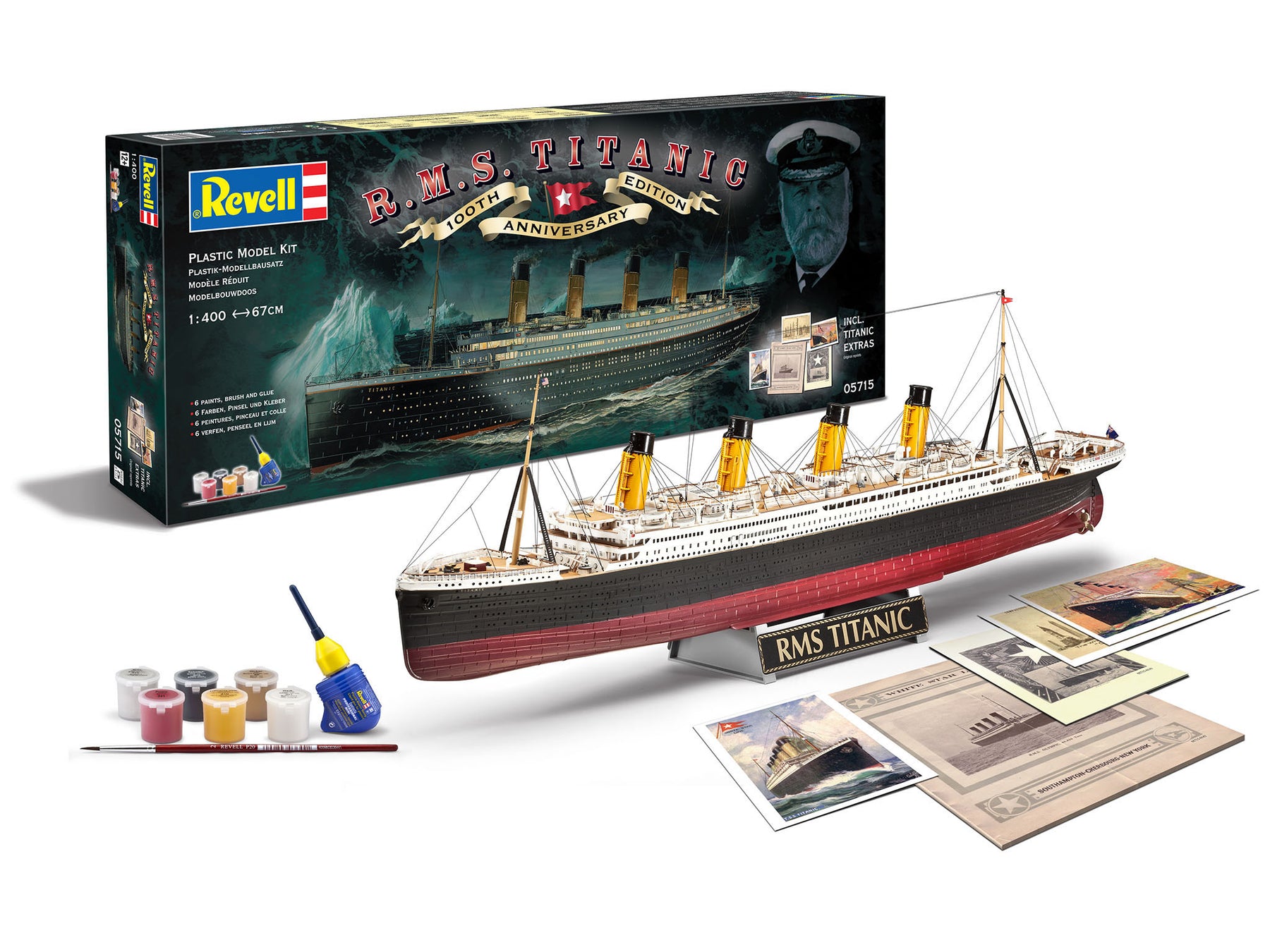
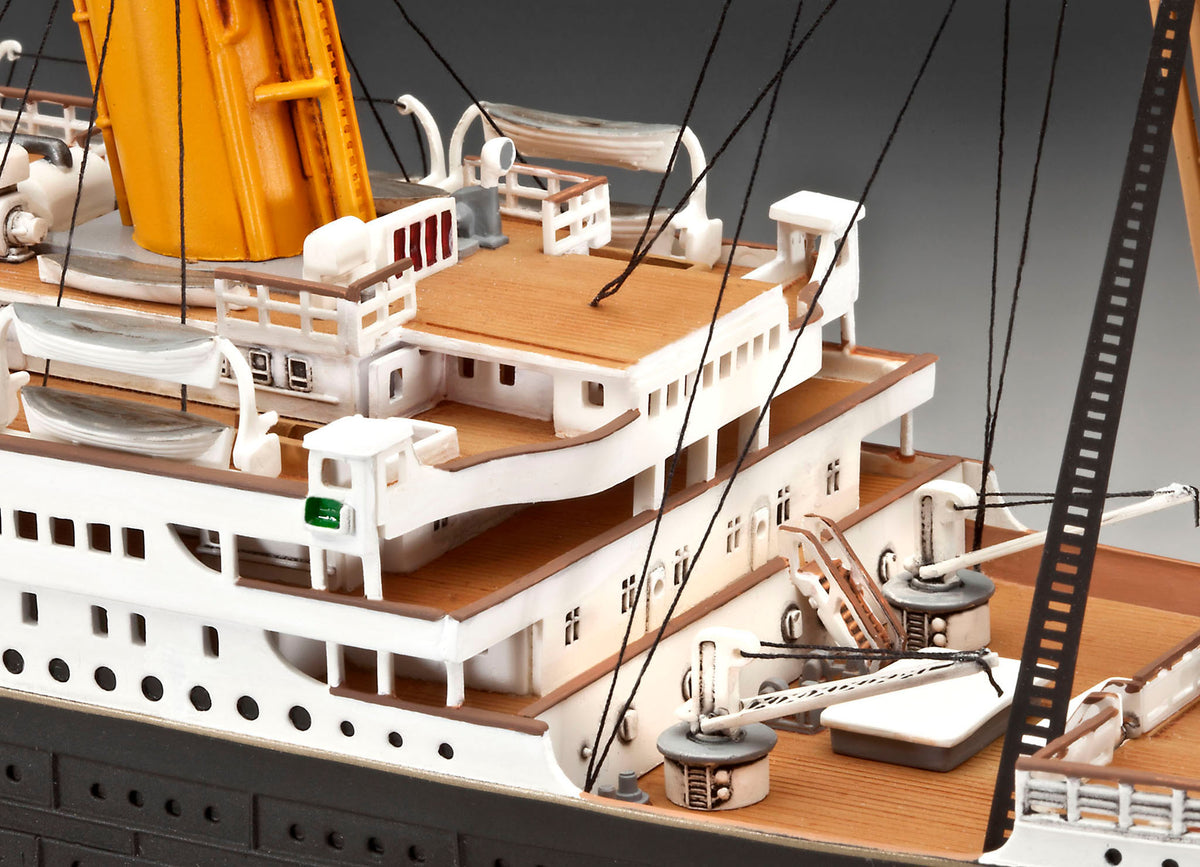
The fascination of civilian ship models: masterpieces of the sea in miniature format
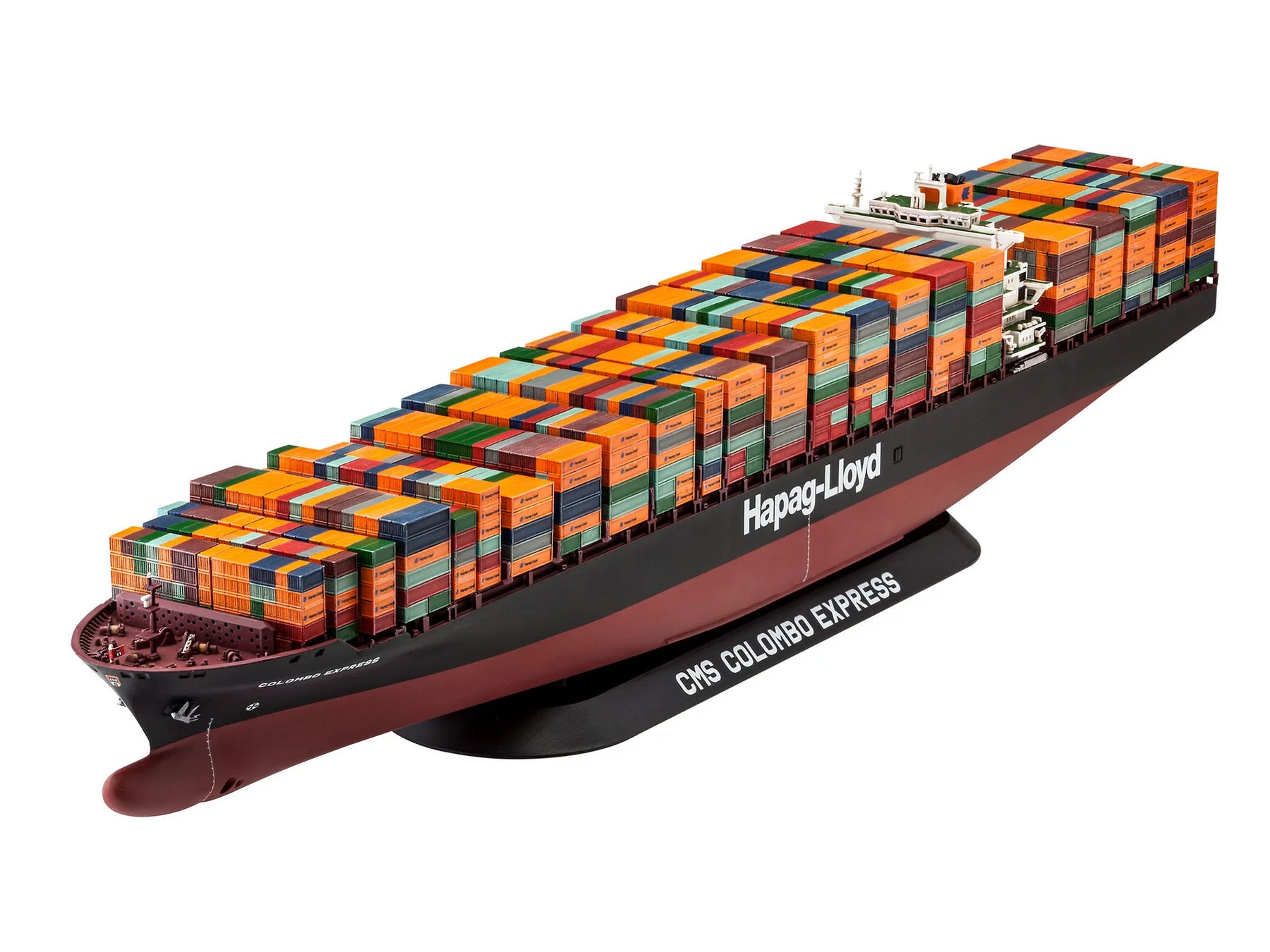
If you are passionate about plastic model building, you know that hardly any subject conveys as much elegance, history and engineering as civilian ships. While warships are usually characterized by functional armor, gray camouflage and heavy armament, civilian ships present a breathtaking architectural variety. Here you will encounter radiant white cruise palaces with curved rows of balconies, highly specialized research ships with complex crane systems or enormous container ships whose colorful cargo modules symbolize the global trade network.
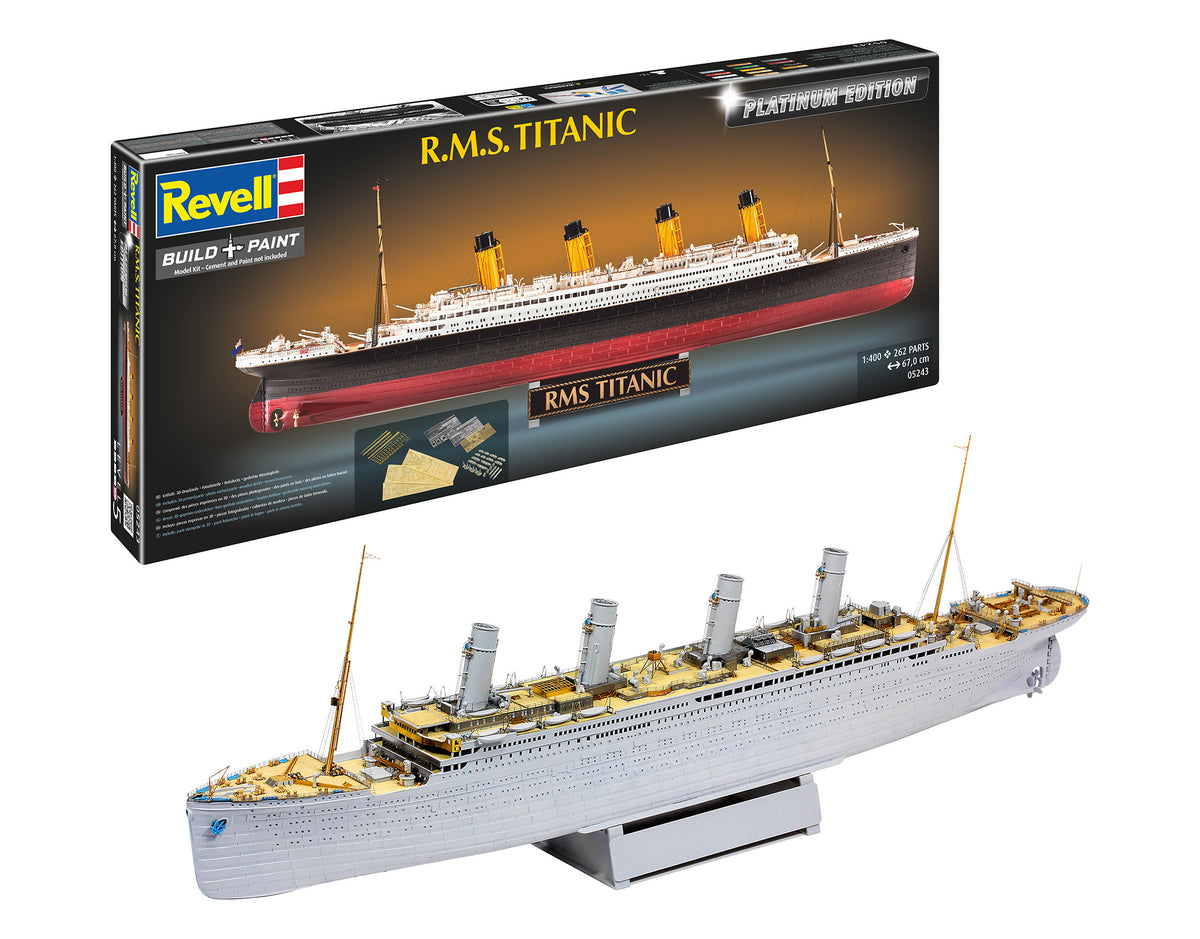
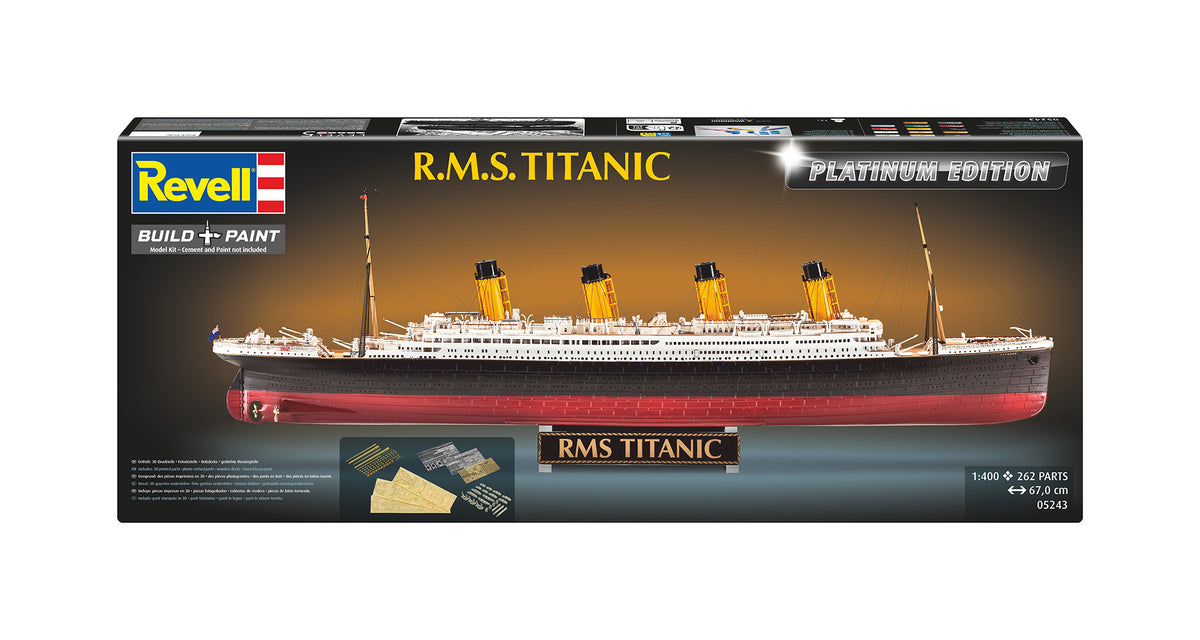
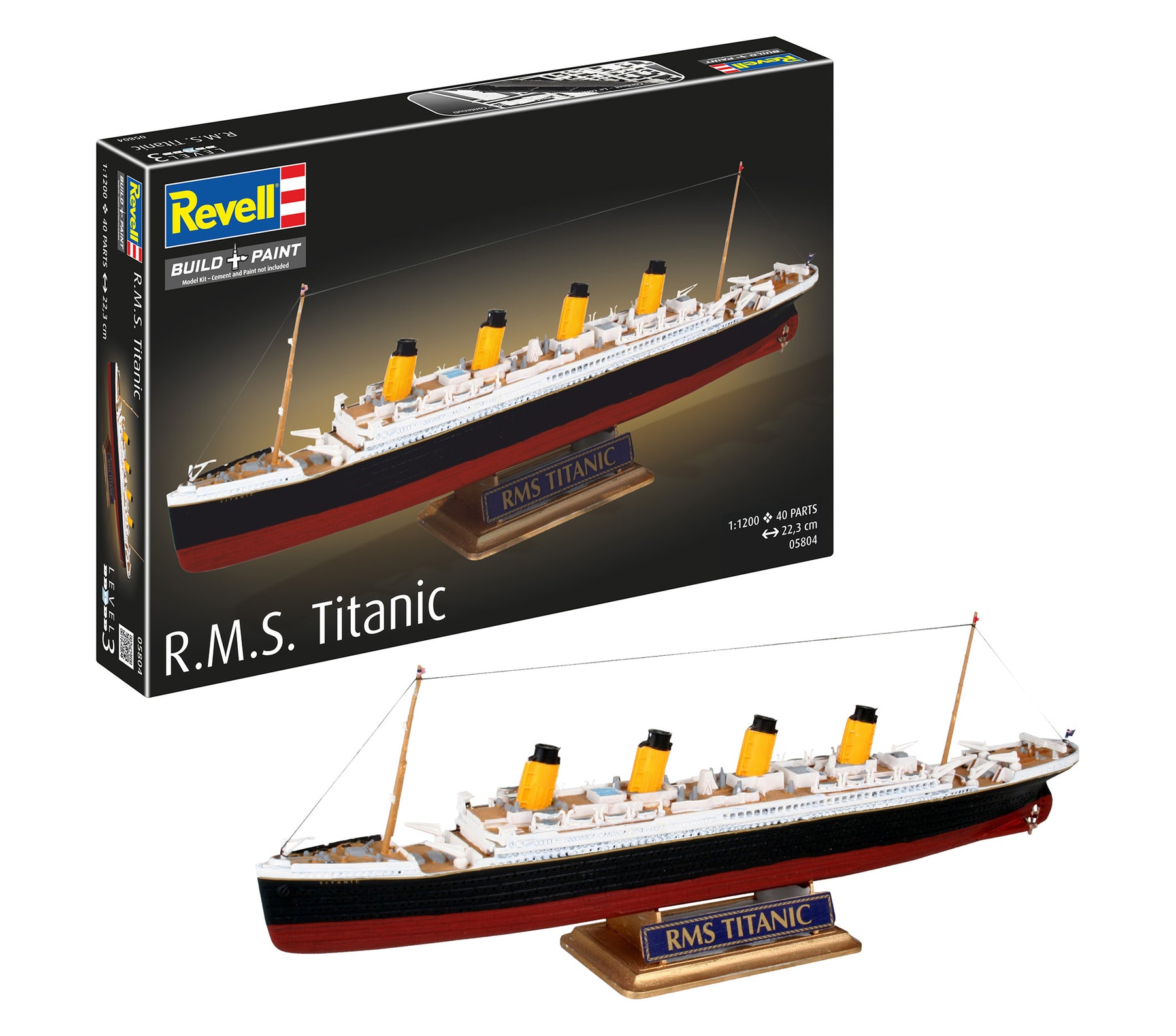
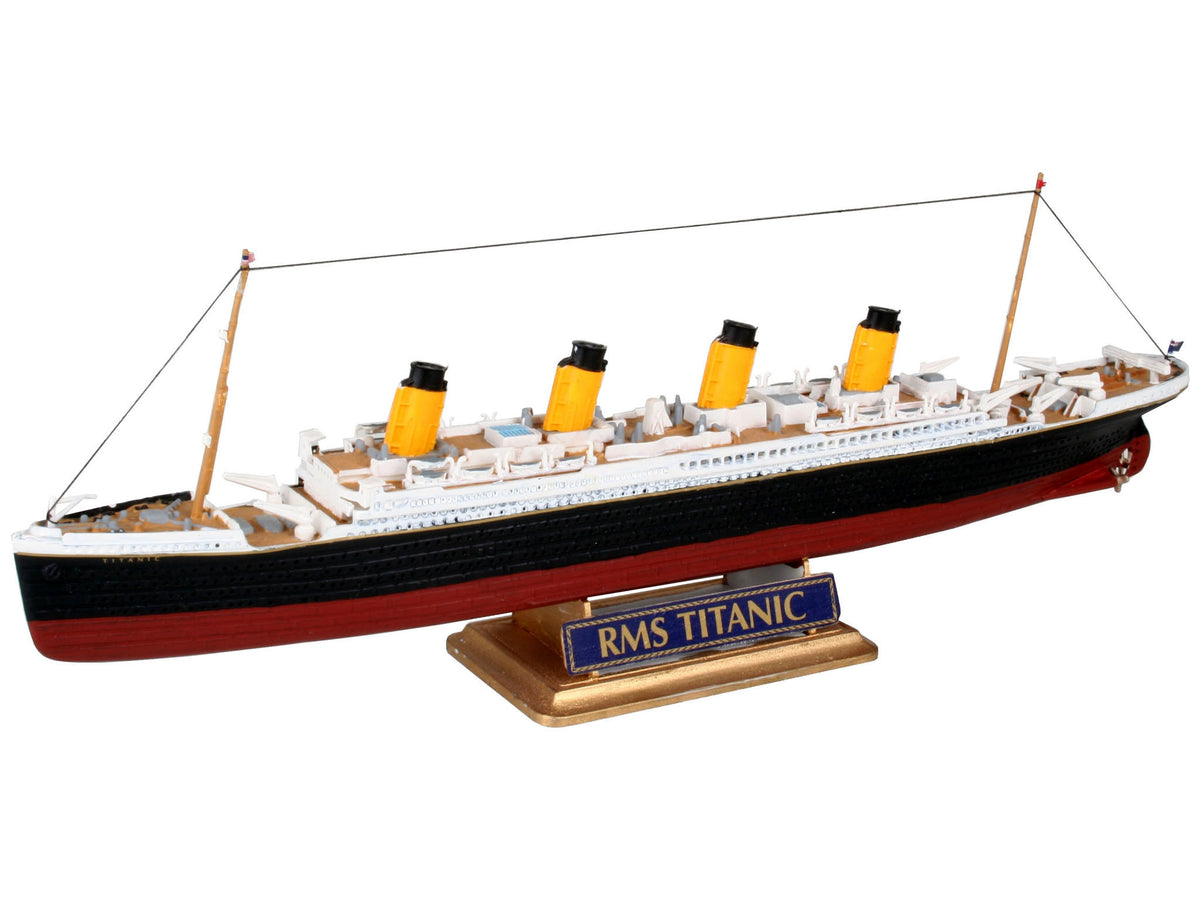
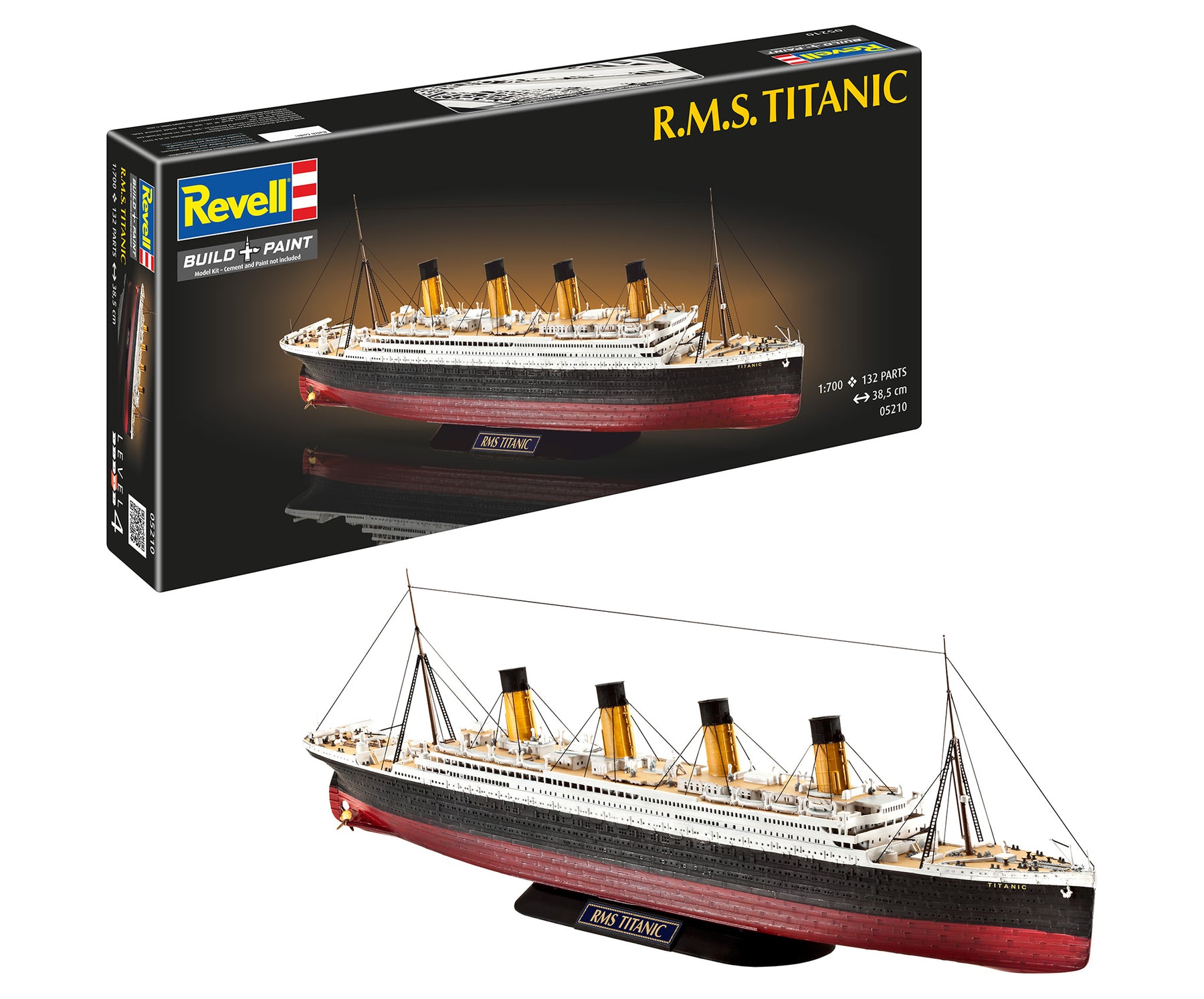
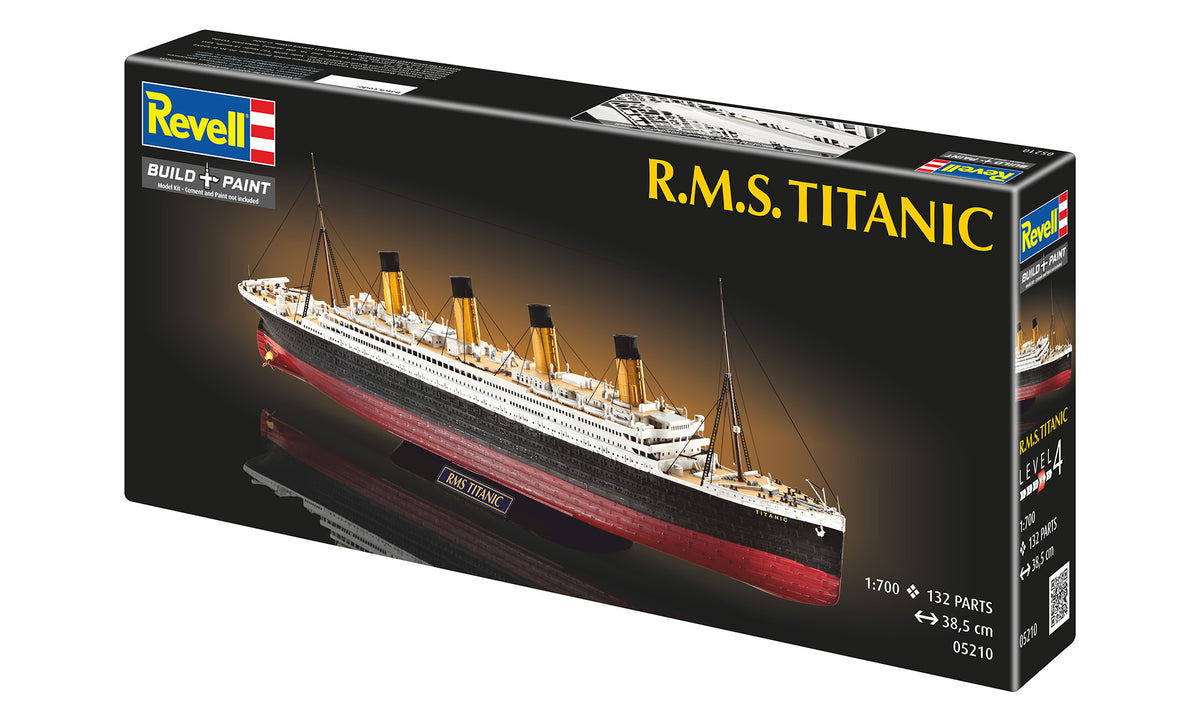
In the civil ship model building area, you can expect kits that will challenge and reward you from the very first minute. Assembling the hull, precisely placing hundreds of delicate railing parts and designing the lifeboats in detail make every project a meditative but thrilling journey. No matter whether you want to bring a historic passenger ship like the Titanic to life or dare to tackle modern icons like the AIDA fleet: you are your own shipyard manager here, writing maritime history with every dot of glue and brush stroke. If you are looking for other maritime legends in addition to civilian freighters and passenger ships, it is worth taking a look at our comprehensive range Ships Ships, which covers the entire range of model building on water.
Diversity on the world's oceans: What types of ships await you
Civilian shipping is extremely diverse. The range of models that you will find in our range is correspondingly large. Each type of ship has its own character and requires different techniques when building it. To make it easier for you to choose your next project, we will introduce you to the most important categories of civilian kits in detail.
Cruise ships and passenger liners
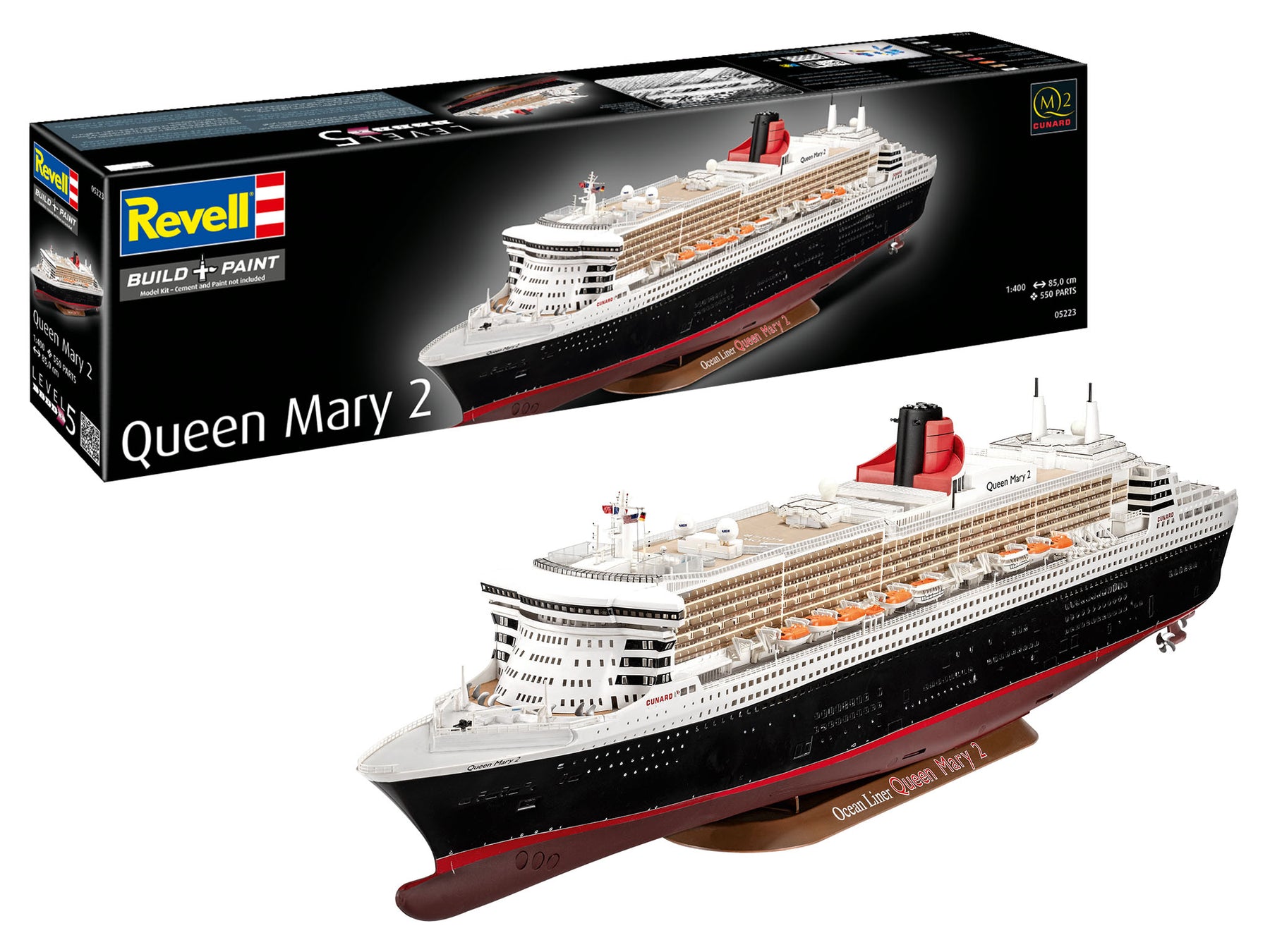
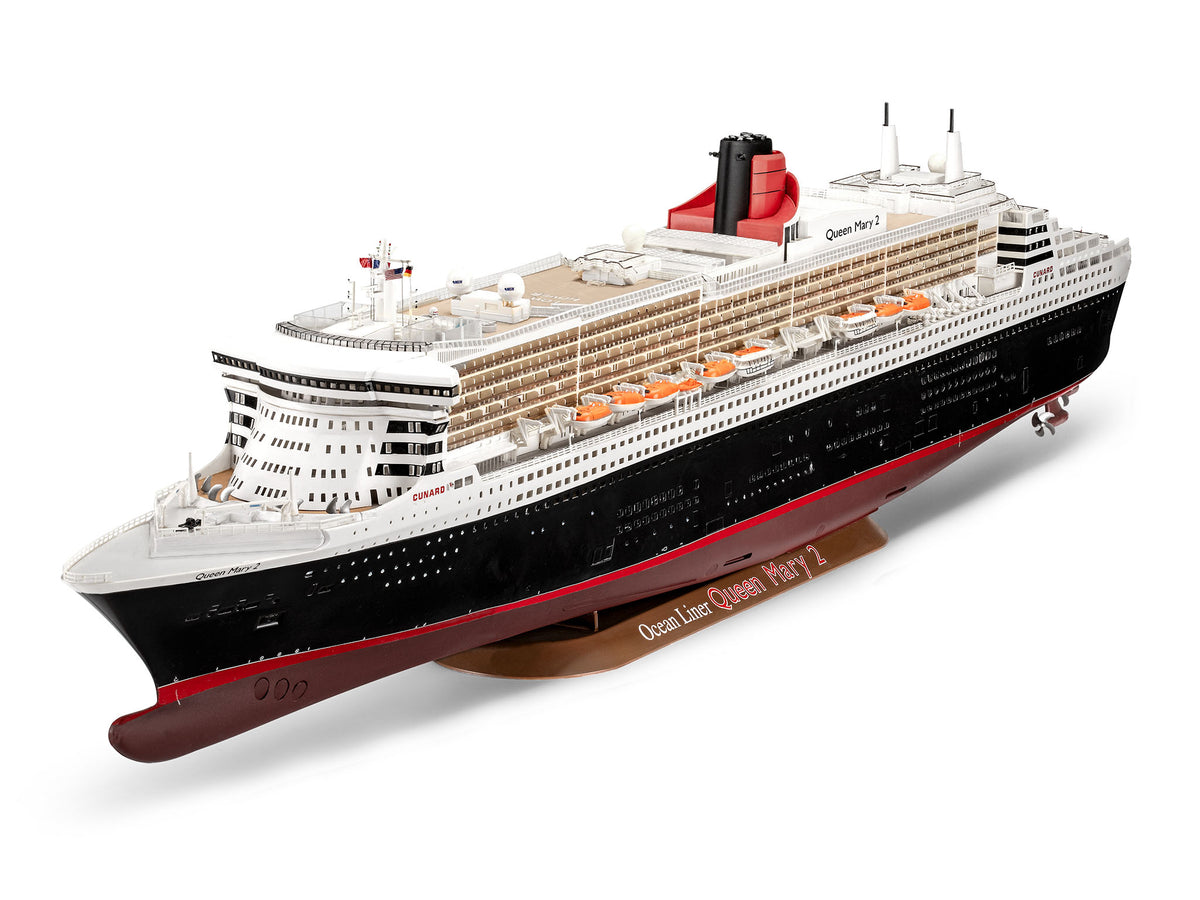
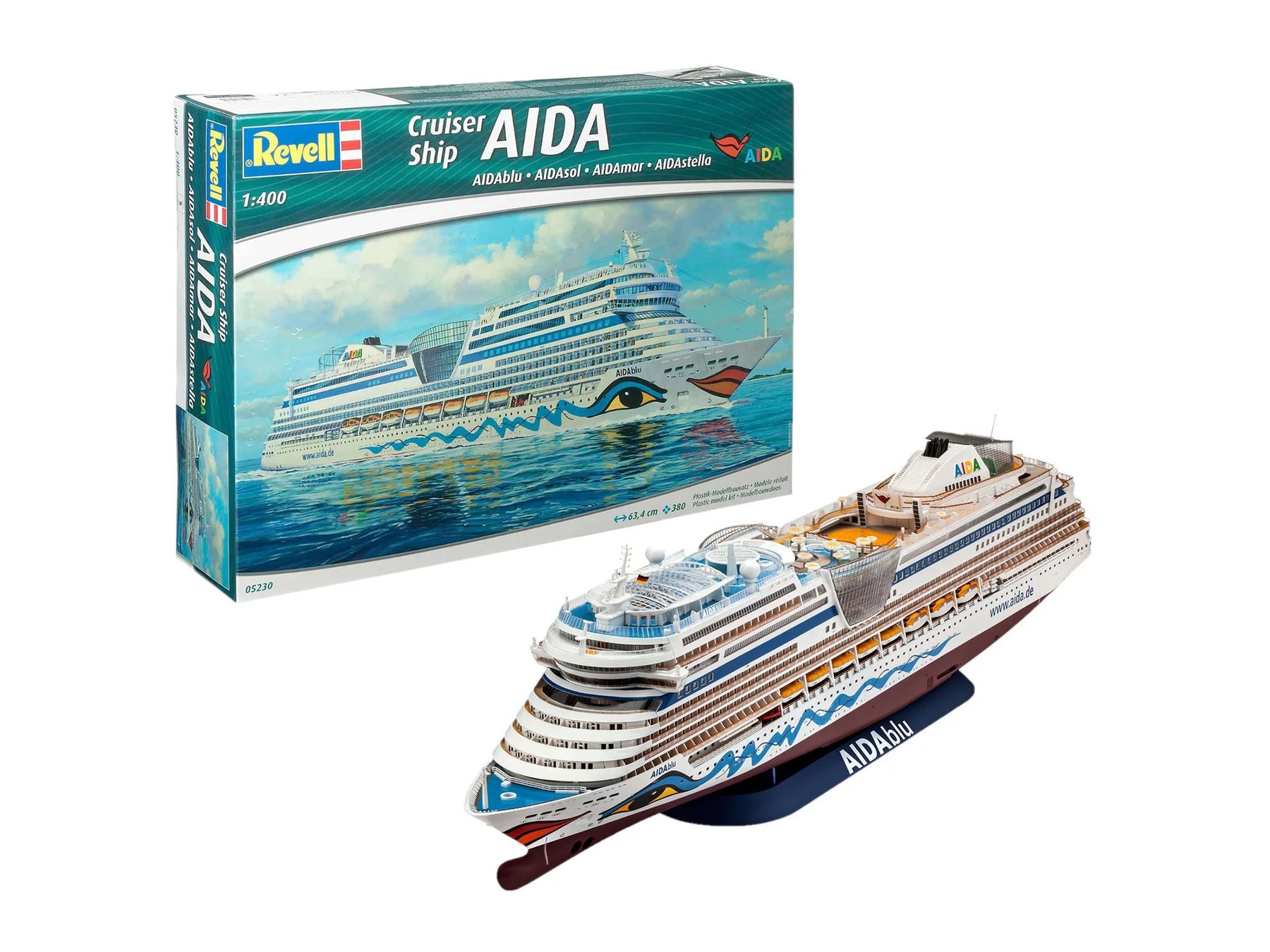
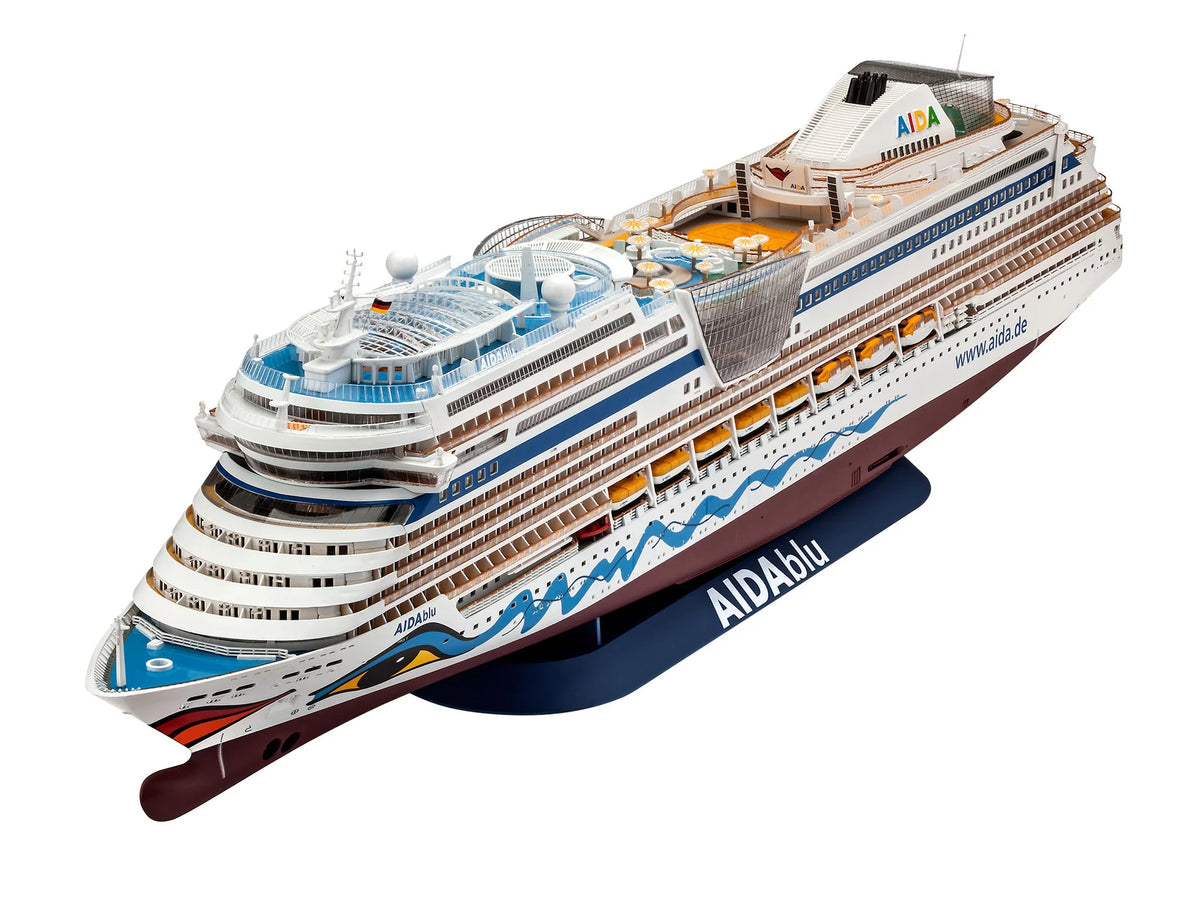
Cruise ships are undoubtedly the most dazzling representatives of civilian fleets. Building these floating cities is all about accurate finishes, countless rows of windows, detailed pool decks and expansive sun decks. Models like the AIDA class ships impress with their distinctive hull painting with kissing lips and eyes, while traditional ocean liners like the Queen Mary 2 radiate pure nostalgia with their noble hull line and classic chimney colors. These kits place special demands on your painting skills, as large, flawless white paintwork and accurate masking on the waterlines are required.
Merchant ships: freighters, container ships and tankers
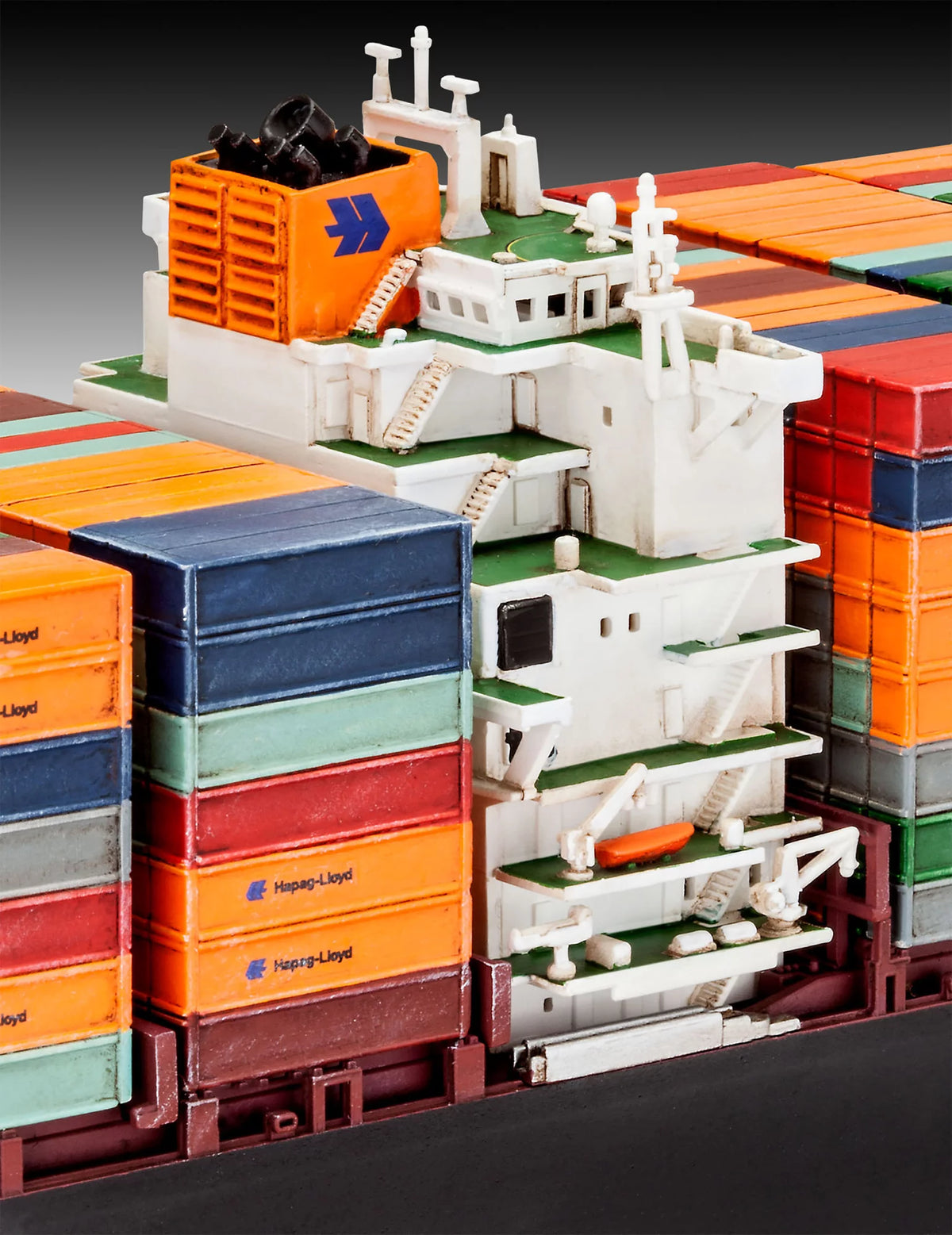
They are the tireless workhorses of the global economy. A kit of a modern container ship offers you an extraordinary building experience: In addition to the actual hull and the compact deck structures at the stern, you are dedicated to assembling and individually painting countless small container blocks. This mosaic of colorful splashes of color gives the finished model an incomparable vibrancy. Tankers and bulk carriers, on the other hand, impress with their extensive pipe systems, deck winches, loading cranes and massive hatch covers - perfect for modelers who love mechanical details.
Special ships: tugs, icebreakers and research ships
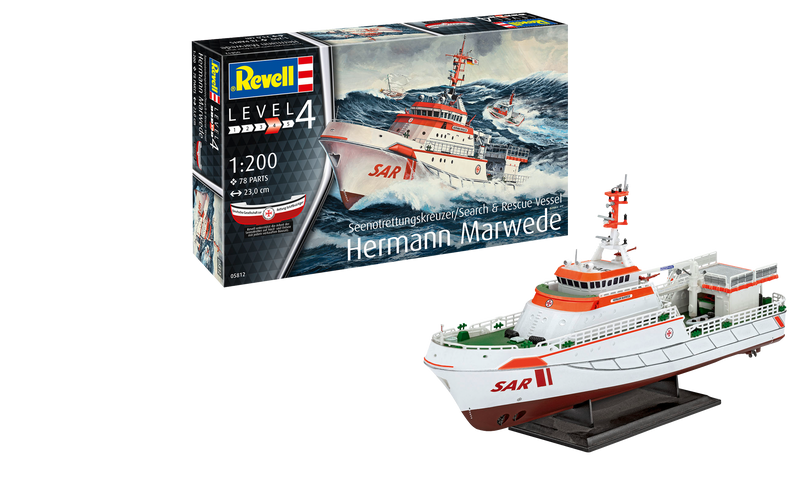
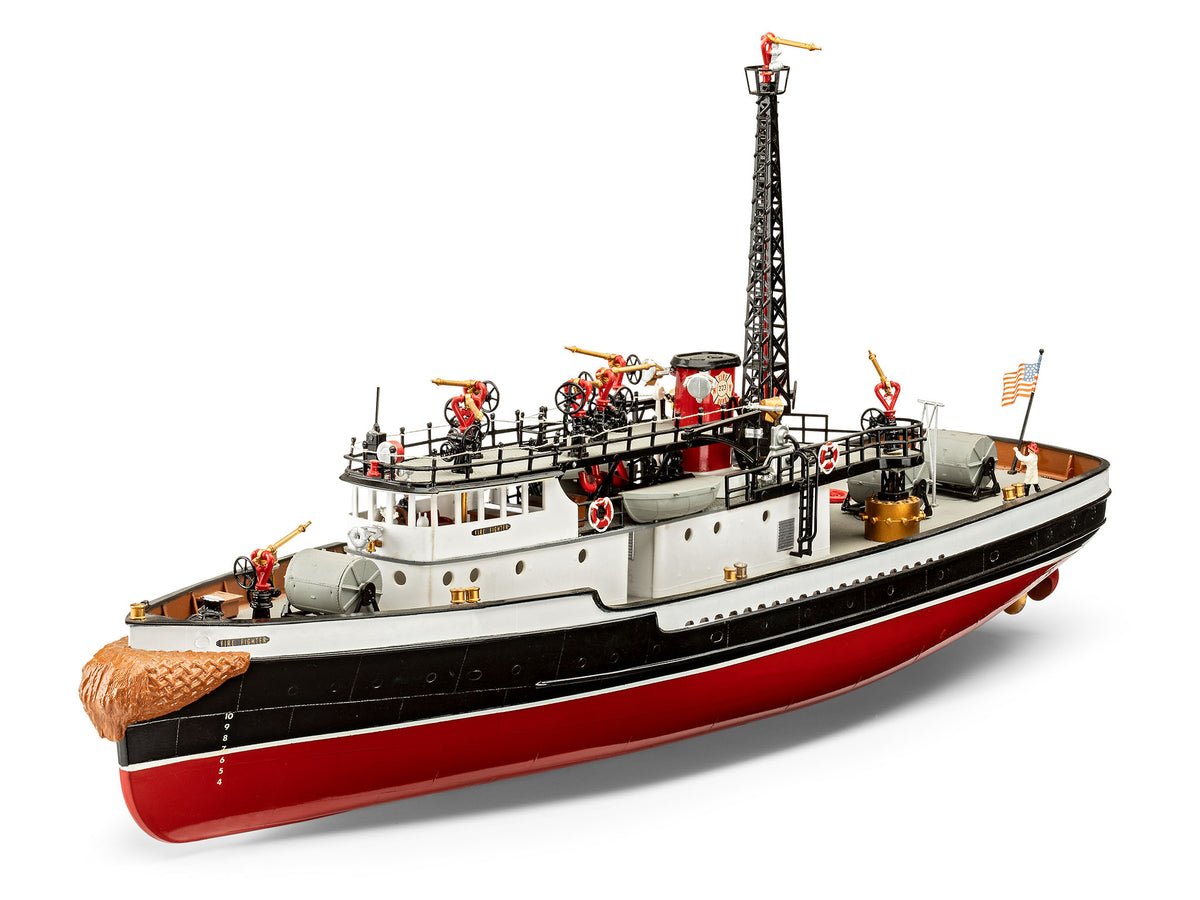
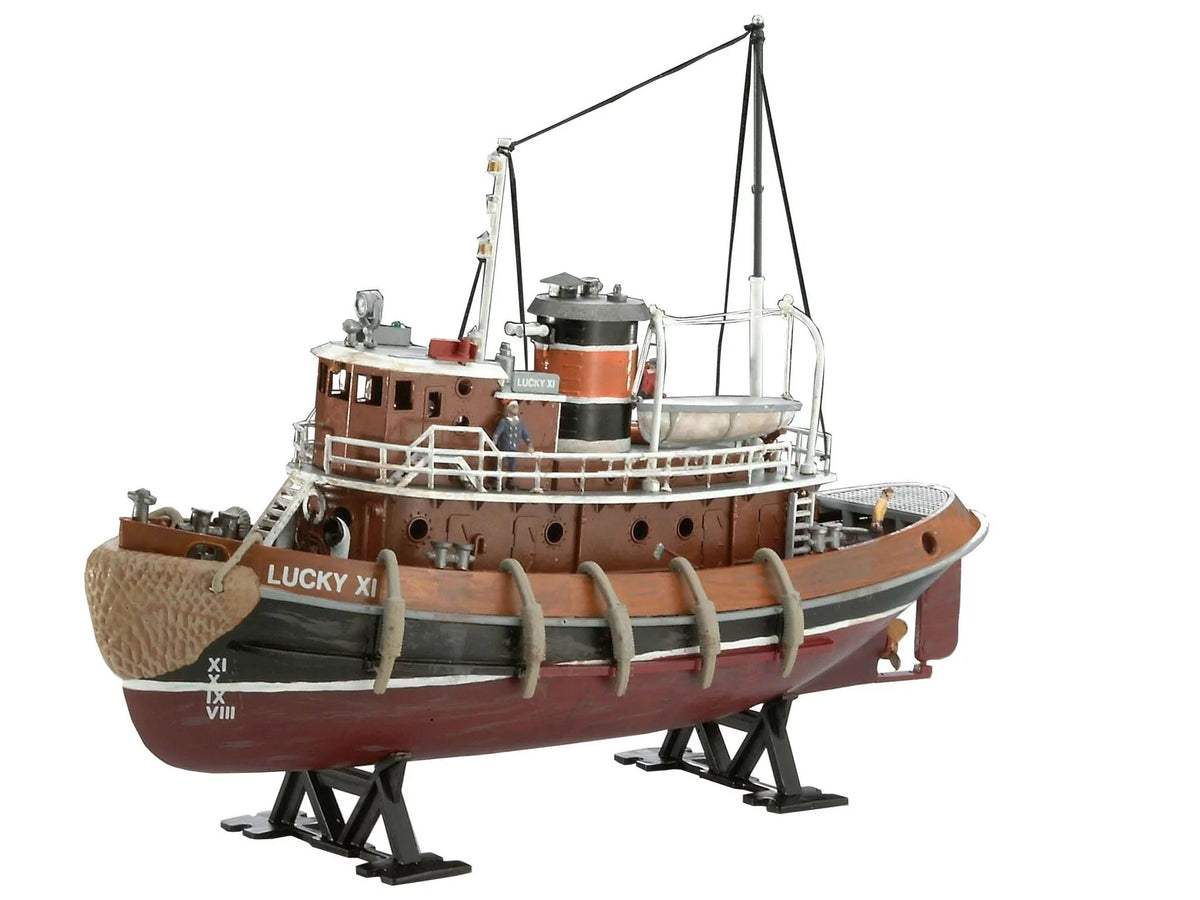
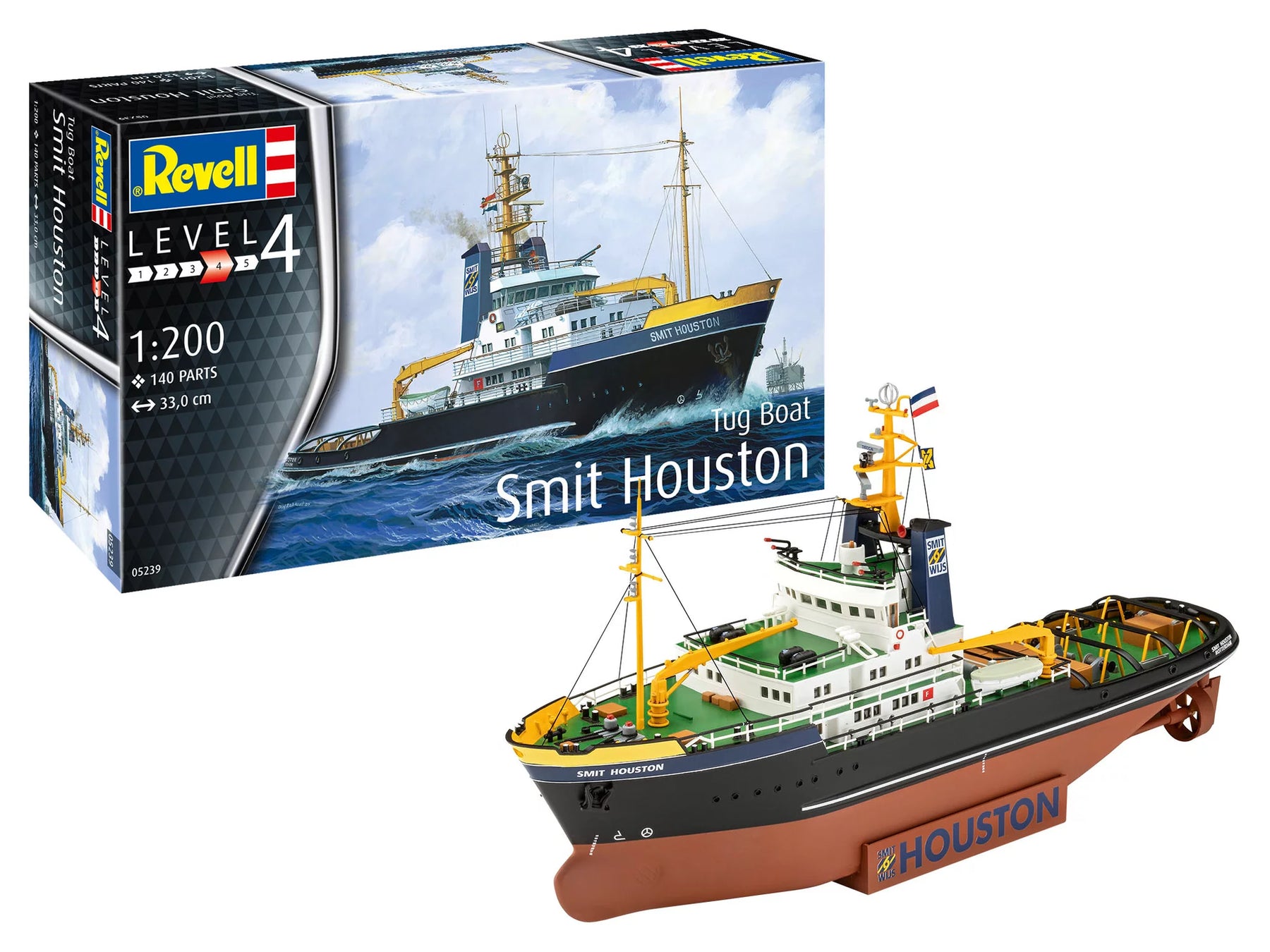
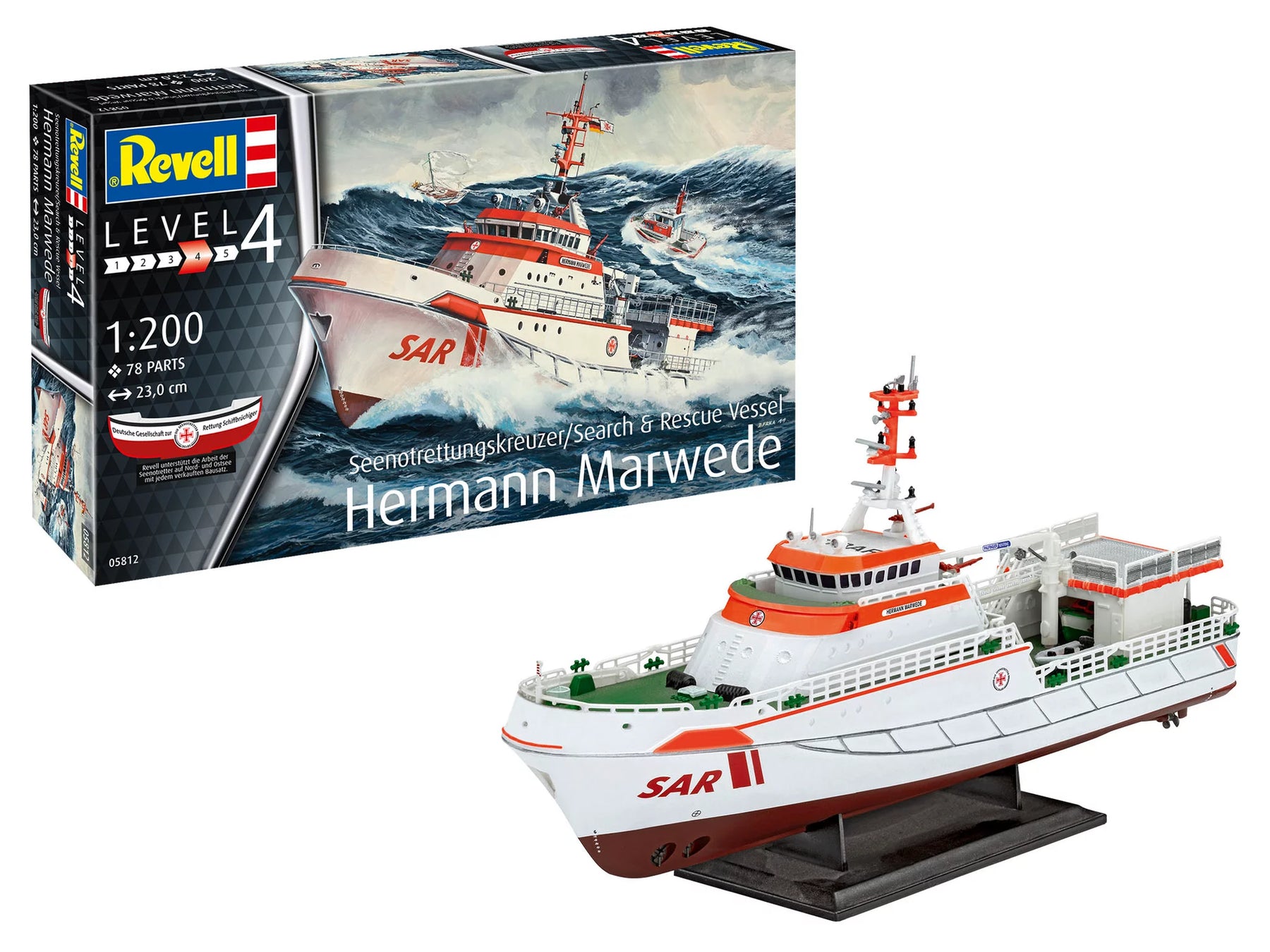
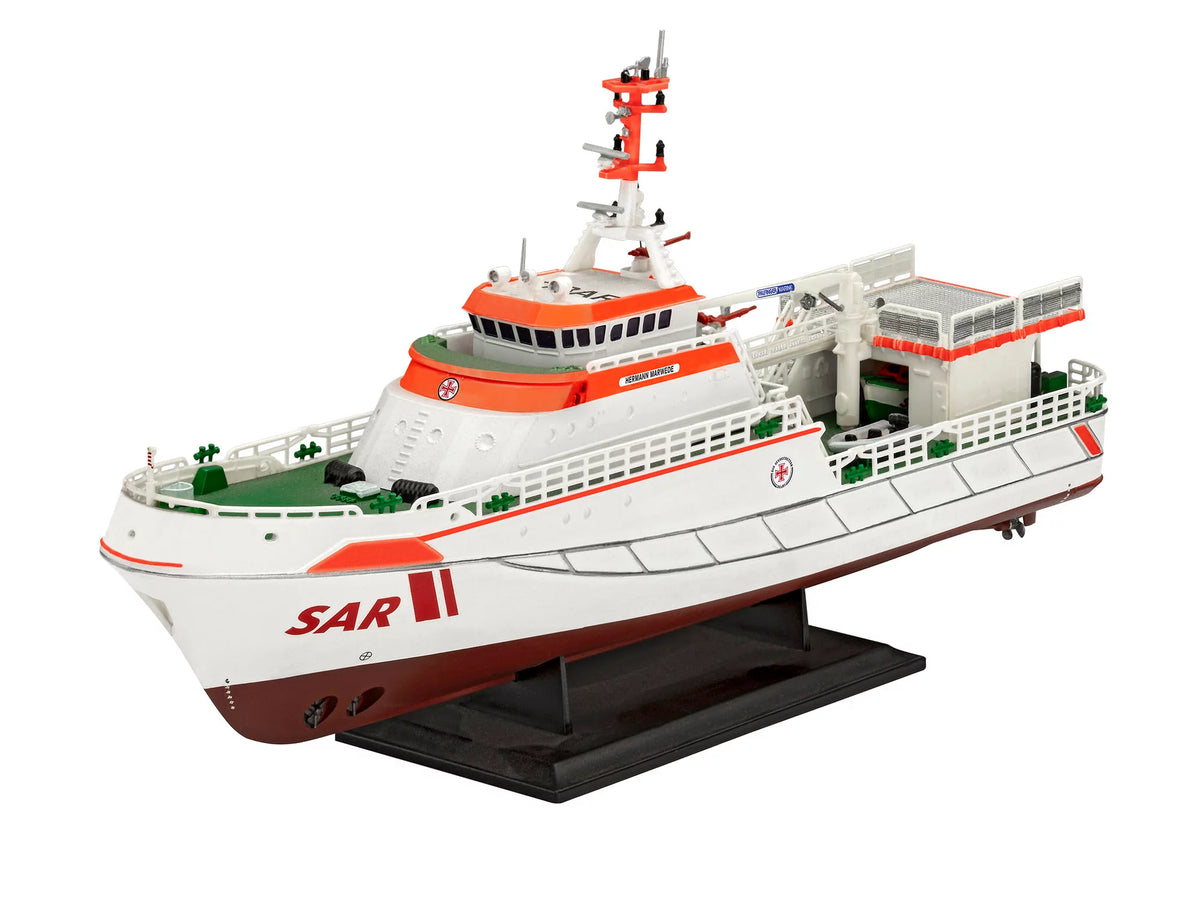
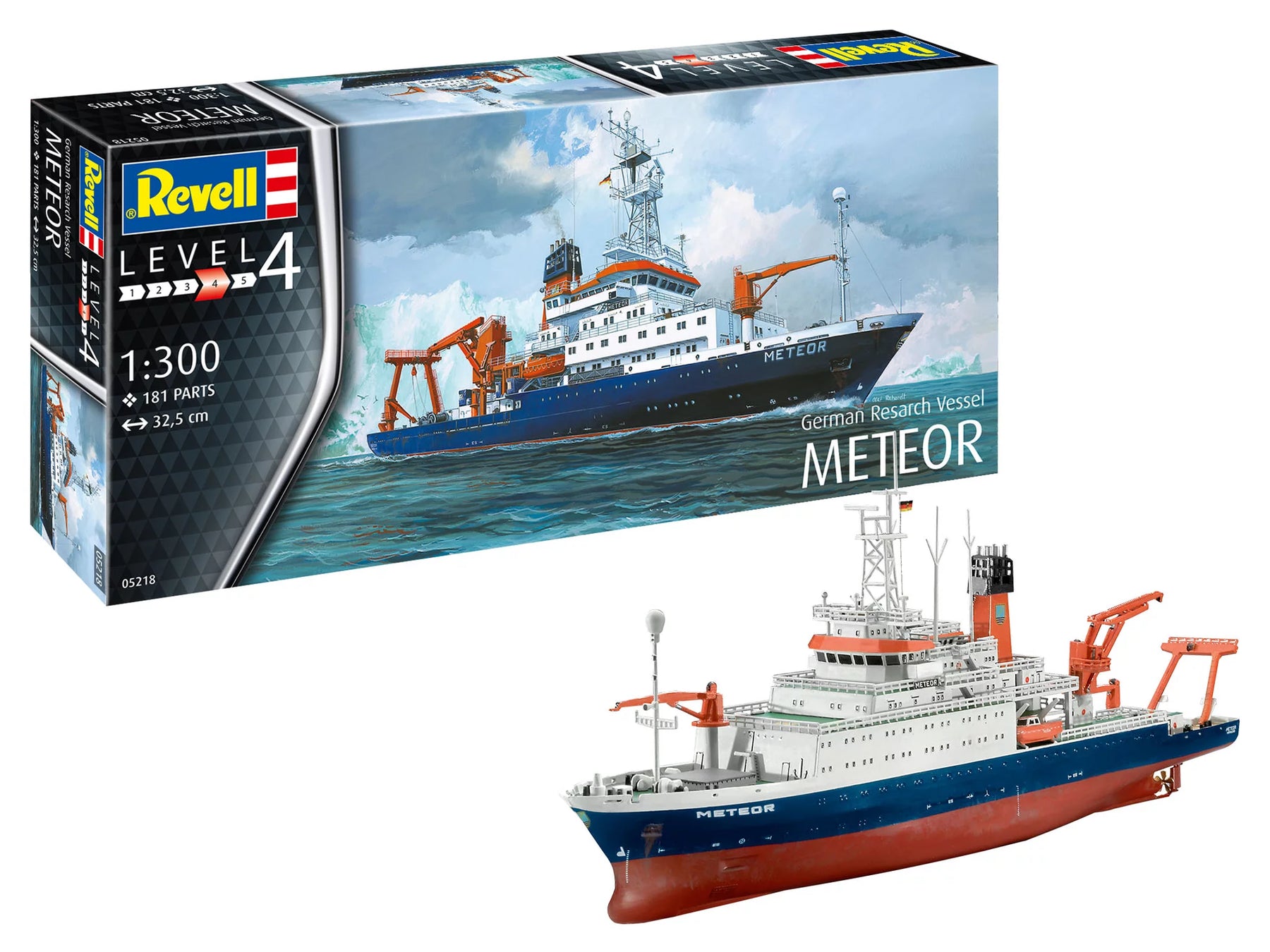
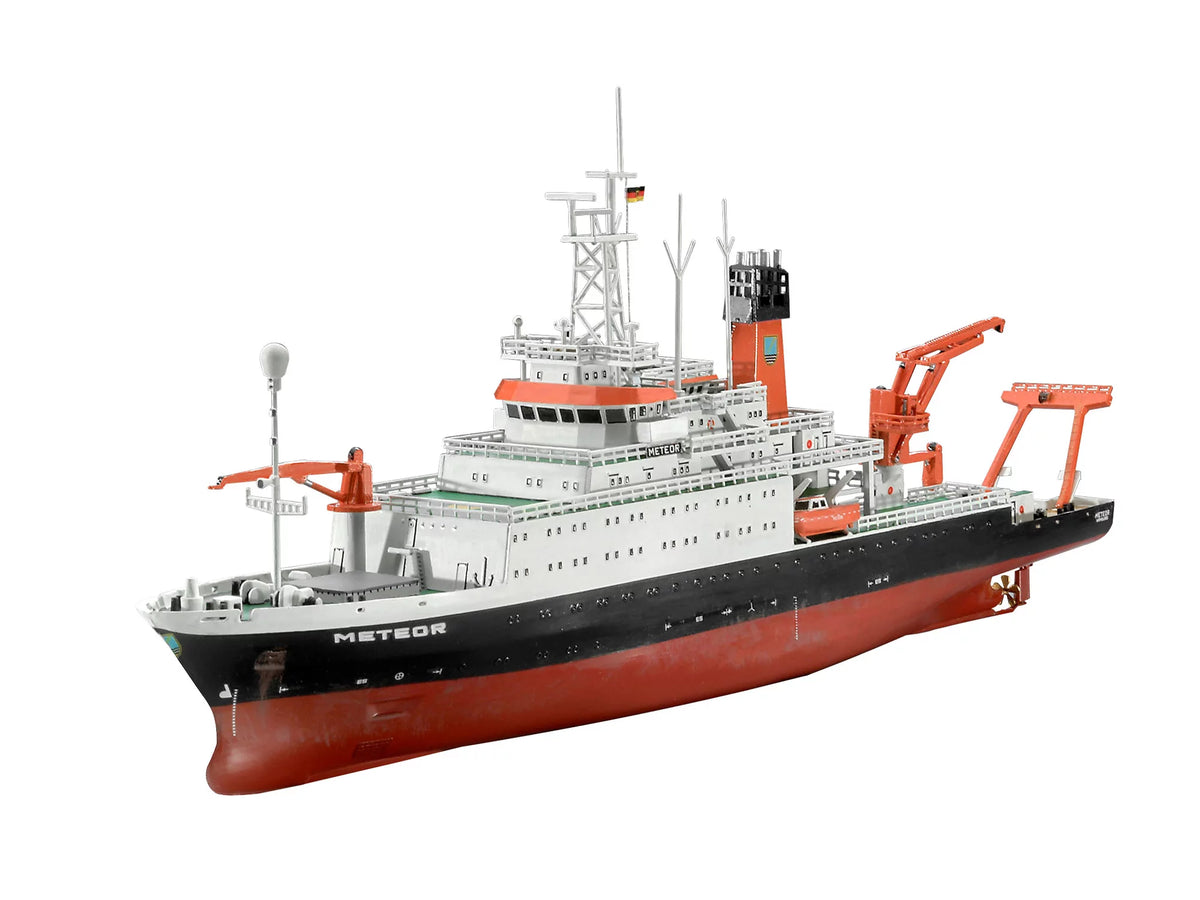
Anyone looking for compact models with immense technical depth likes to use special ships. Deep sea tugs, harbor tugs or famous research ships like the FS Polarstern offer you a completely different building experience. Work cranes, helicopter landing pads, radar systems, winches and special rescue equipment dominate here. Due to their often colorful signal paintwork in orange, yellow or red, these models immediately stand out in any collection. Thanks to their manageable hull lengths, they are also ideal for smaller weekend projects or for detailed dioramas in stormy seas.
The right scale: plan dimensions and space requirements correctly
Before you choose your desired model, you should think about the scale. In maritime model building, the scale determines how big the finished model will be, how much floor space you need and how delicate the individual components will be.
- Scale 1:700: The premier class for collectors with limited space. Even a 300 meter long ocean giant only measures around 40 to 45 centimeters. This scale allows you to display an entire fleet in a small space. The components are very fine, which requires a steady hand and sharp tools.
- Scale 1:400 and 1:350: The ideal middle ground between breathtaking detail and handy size. With a hull length of 60 to 80 centimeters, davits, lifeboats, staircases and railings can be perfectly displayed. Many accessories such as photo-etched parts or wooden decks are available specifically for this scale.
- Scale 1:200 and larger: For the ultimate show effect. Ship models of this size are well over a meter long and reproduce every detail, no matter how tiny. They require experienced hands and plenty of construction time, but are guaranteed to be the absolute eye-catcher in your home.
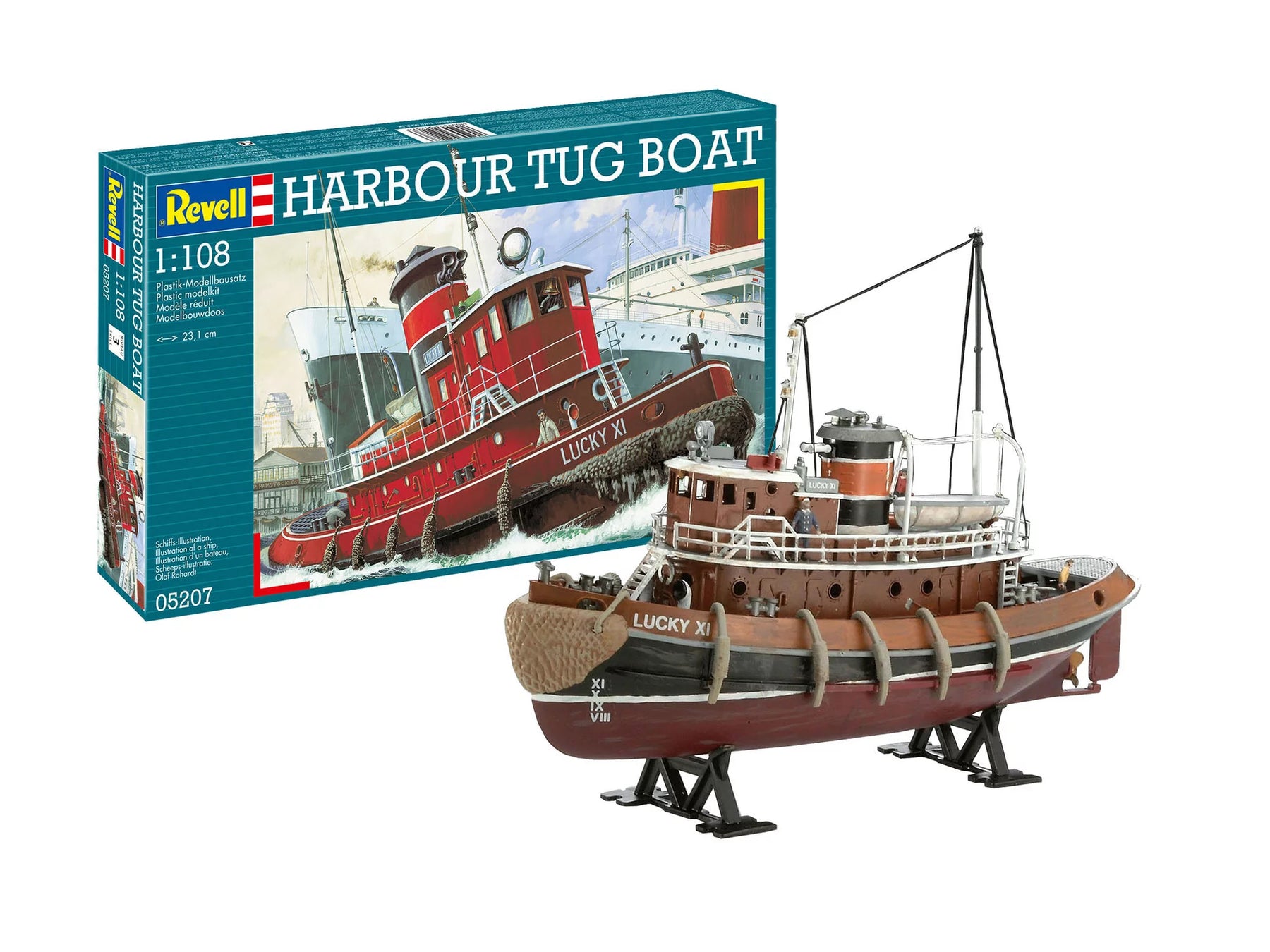
- Scales 1:108 to 1:144: You will find these standards especially on smaller models such as harbor and ocean-going tugs. This means that even a 30-meter-long tugboat becomes a stately model about 25 to 30 centimeters long, where you can fully see the wheelhouse with consoles and steering wheel.
Step by step to the perfect model: practical tips for your shipyard
Building a civilian ship model differs from military or vehicle models in some key ways. We accompany you through the individual assembly phases with practical experience so that your project is successful right from the start.
1. Hull assembly and stability
In most ship kits, the hull consists of two halves or a one-piece hull section with a separate deck. When gluing the fuselage halves together, be careful not to cause any distortion. We recommend working with staples or high-quality masking tape while the adhesive cures. For very long hulls, it is worth using additional cross struts made from leftover plastic on the inside to achieve maximum torsional rigidity. If you later want to present your model on a noble wooden base with brass supports, you should make the appropriate drill holes and fastening nuts in the fuselage floor now before the main deck is glued.
2. Deck structures and assembly principle
Never attempt to completely assemble a cruise ship or cargo ship and then paint it as a whole. The countless niches, deck levels and overhangs make it impossible to reach many places later. Instead, take a strictly modular approach: paint the deck before adding winches, cranes and benches. Build the deck structures on separate floors, paint the walls, window frames and railings gradually and only put the assemblies together at the end. There are practical options for beginners who want to get started straight away without having to spend a long time searching for the right colors Model sets which, in addition to the kit, already contain basic paints, brushes and precision glue.
3. The art of the perfect waterline
A distinctive feature of civilian ships is the multicolored hull paint: the underwater hull often in antifouling red or green, followed by a fine white or black decorative stripe (the waterline) and the actual surface hull in white, dark blue or black. To get this edge razor-sharp, you need elastic masking tape specifically for curves and edges. Place the model in the included stand, mark the height around the fuselage with a pencil attached to a wooden block and stick the masking tape exactly along this line. Press the edge of the ribbon firmly with a toothpick to prevent paint from running underneath.
Tools and accessories: The basic equipment for ambitious captains
Precision in ship model building depends on the right tools. Many components - such as radar antennas, companionways, flagsticks or lifebuoys - only measure a few millimeters. The following utensils belong in every well-stocked shipyard workplace:
- Fine side cutters & craft scalpel: For burr-free removal of delicate parts from the casting branch without bending sensitive struts.
- Sanding pads and nail files of different grits: Essential for neatly cleaning glued seams on the fuselage and creating a flat surface for painting.
- High quality tweezers: At least a pair of pointed tweezers and a pair of cross-tweezers for holding small fittings and rigging threads.
- Liquid glue with needle cannula: For precise dosing on the finest adhesive tabs.
- Filler: To seamlessly close the keel gap and transitions between hull segments.
You can find additional materials, abrasive fleeces, special adhesives and fillers in our section Accessories, with which you can professionally upgrade your home workshop.
Painting and aging: From shipyard shine to seaworthy original
How your civilian ship looks in the end depends largely on the finish. Basically, you have two design options: the immaculate shipyard condition or the realistic appearance after months of hard sailing on rough seas.
The elegant new car look
In real life, modern cruise ships such as the AIDA or TUI Cruises ships are meticulously maintained and cleaned regularly. A high-gloss or satin, flawless white is required here. The best way to apply this color is with an airbrush gun or a high-quality spray primer. It's better to spray on several very thin layers rather than risking a thick layer of paint that would clog engravings and fine window structures. After applying the decals, seal the entire model with a semi-matt clear varnish to make the edges of the films invisible and protect the colors from UV light.
Realistic weathering for work vessels
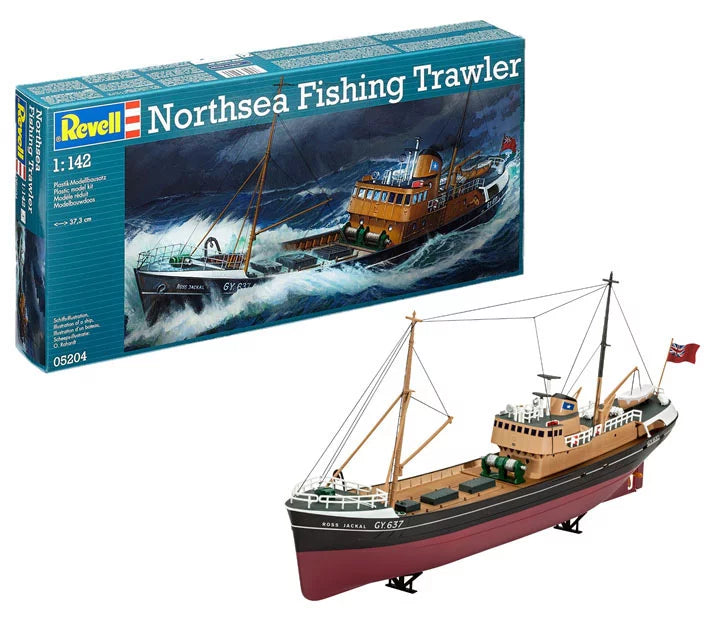
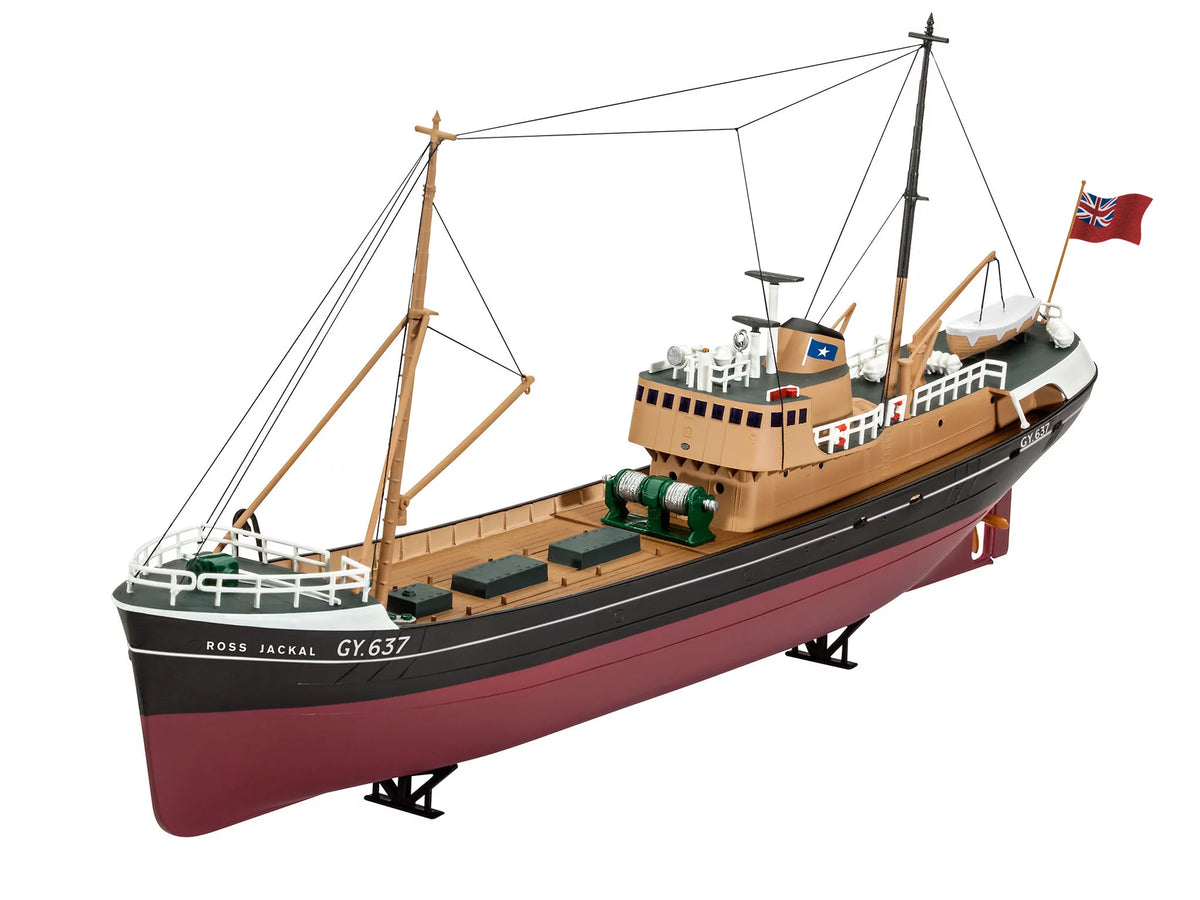
Freighters, trawlers and coasters bear the traces of the seas with pride. If you want to give your model more character, you can work with targeted aging techniques. Use diluted oil paint or special model building washes in dark earth tones to create a depth effect on ventilation grilles, cargo compartment hatches and winches. Tiny rust runners underneath hawseholes, water drains and anchor chains look extremely authentic when you blend rust-brown color pigments downwards with a fine brush. Always pay attention to the right size: Less is often more in maritime model building - subtle effects make a ship on a scale of 1:350 appear much larger and more powerful than exaggerated dirt surfaces.
Mastering special challenges: transparent parts and rigging
Civilian ships present you with specific tasks that are not available with tanks or military jets. Two of them particularly stand out: the design of transparent window surfaces and the rigging of delicate masts.
Large passenger ships often have hundreds of tiny cabin windows. Some kits solve this with transparent plastic strips, others with decals or open recesses in the fuselage. If the windows are open, you can work with special clear varnish or window maker fluids. You dip a toothpick into the liquid and pull a film over the tiny window opening - when it dries, a crystal-clear, transparent miniature pane is created, which greatly enhances the model.
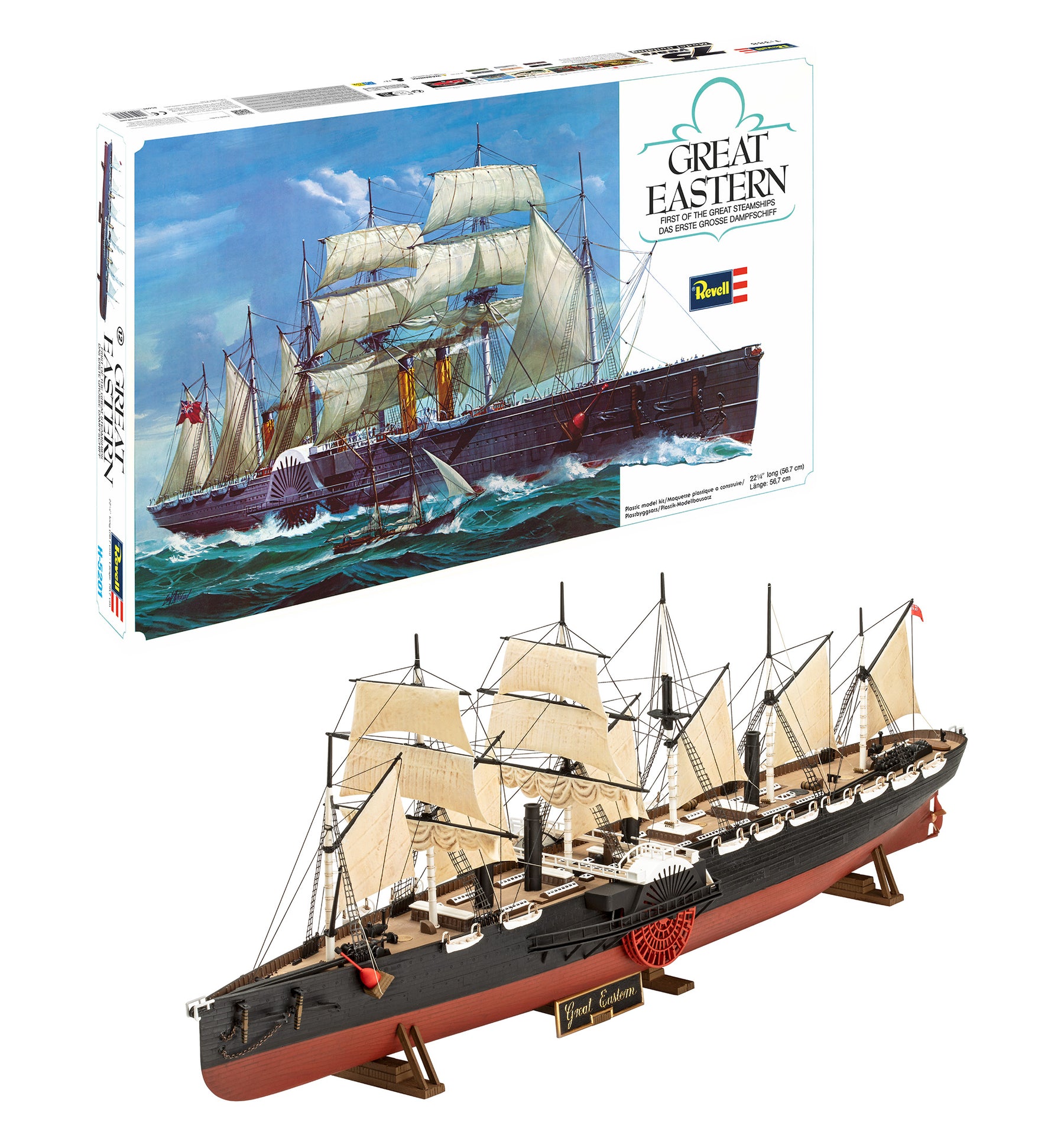
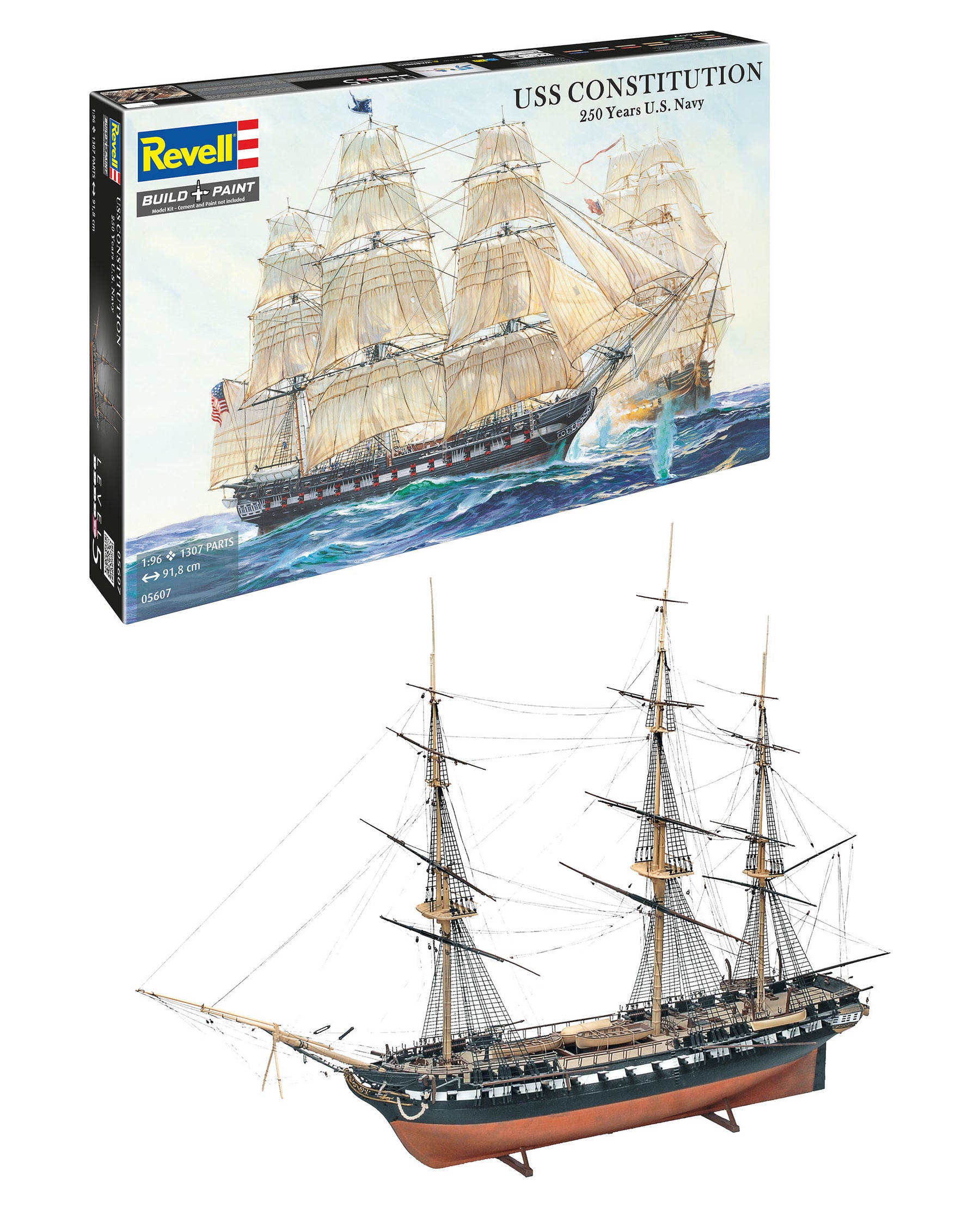
The rigging also plays a central role in freighters, historic schooners and tugs. Never use ordinary sewing thread for this as it has fine lint that ruins the scale effect. Instead, use elastic rigging thread made from synthetic fibers. This forgives accidental contact when dusting, does not sag and can be quickly attached to masts and booms with a drop of superglue.
Getting started made easy: From a quick construction project to a large model
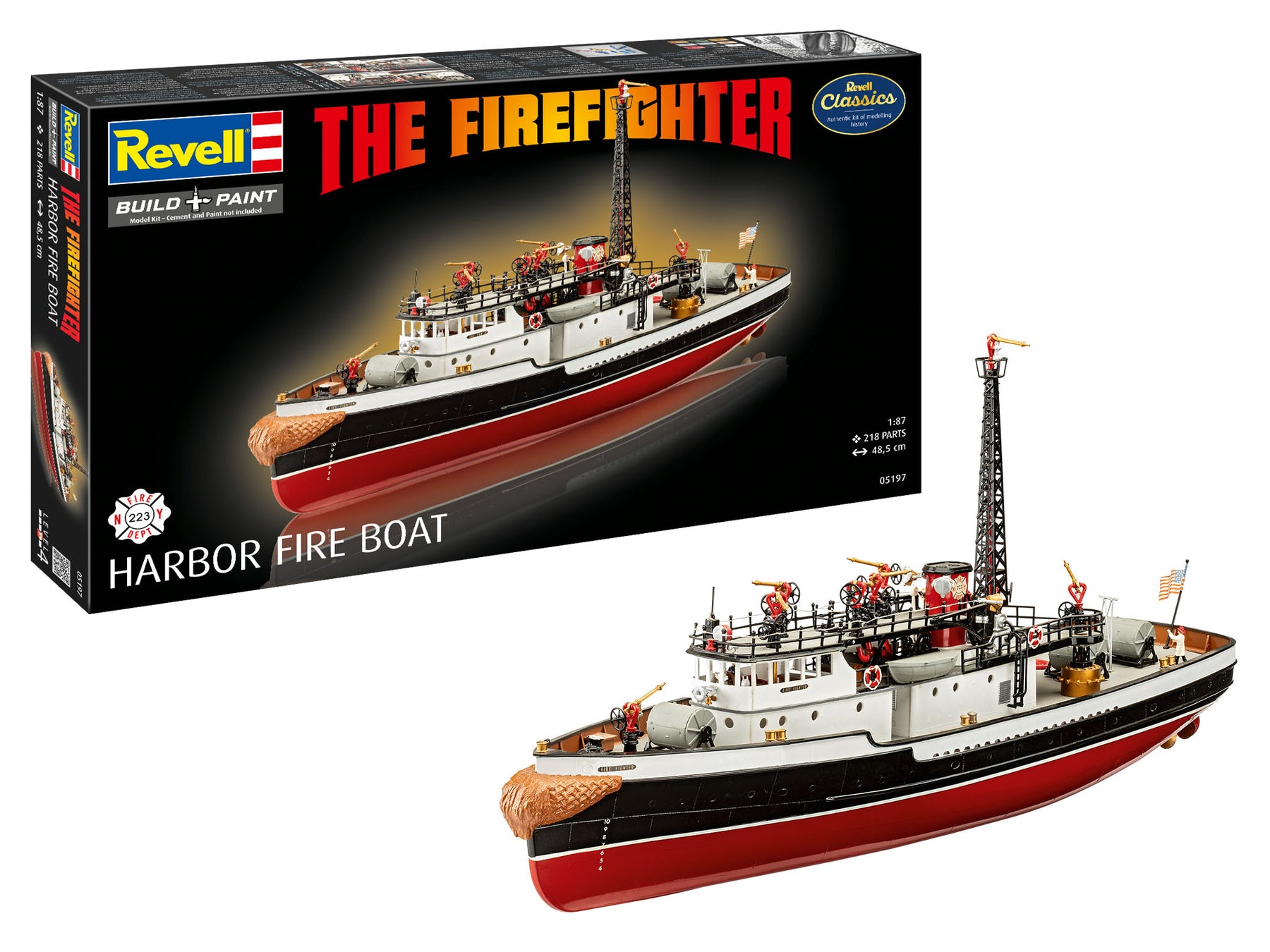
Are you still at the very beginning of your model making career or are you looking for a varied project in between? Then it is advisable to start with smaller ship types. A modern harbor tug usually consists of fewer than a hundred components, but includes all the typical construction steps of a large ship. This way you will learn about masking, deburring and dealing with delicate parts without having to spend months working on a huge project.
If, on the other hand, you want to gain a wide range of experience and compare different maritime construction types directly, mixed kit packages are a first-class solution. An excellent example of this is the model set Model building ships mix, which offers you several exciting ship types in one box. Such sets offer pure construction variety and are also ideal as a gift for model builders who are enthusiastic about technology and seafaring.
Presentation and value retention: Put your masterpiece in the limelight
Months of patience and craftsmanship precision have created an impressive model - now your work deserves the right frame. Because of the many railings, masts and ropes, a civilian ship model gets dusty extremely quickly and is difficult to clean with a soft brush or compressed air spray. We therefore strongly advise you to place your ship in a closed display case or under a custom-made acrylic glass hood.
A noble wooden base with a brass plate engraved with the ship's name, shipyard and year of commissioning gives your model a museum-like character. If you prefer something more dynamic, you can also display your ship as a waterline model on a simulated water surface. With modeling clay, acrylic gels for the spray and white dry paint on the bow wave, you can bring the rough seas directly into your living room at home. Start your next maritime project now and discover the fascinating world of civil shipping on the scale of your dreams!