









The fascination of model building military ships: maritime adventure on your workbench
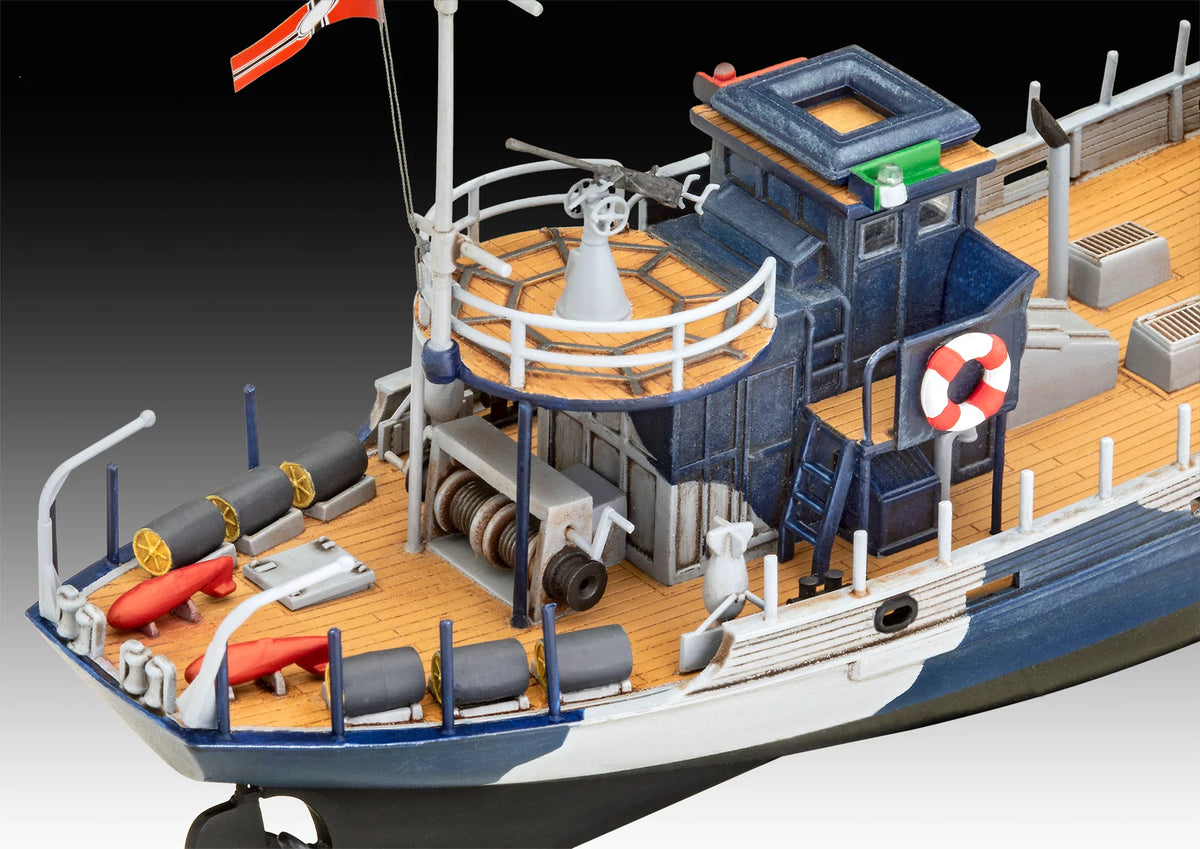
If you are for Model military ships If you decide, you will delve deep into the captivating history of seafaring and maritime warfare. Hardly any other area of plastic model making combines engineering precision, historical significance and design elegance as harmoniously as the construction of true-to-scale warships. Whether massive battleships of the Second World War, elegant cruisers, state-of-the-art guided missile destroyers or silent hunting submarines: each model tells its own story of tactical maneuvers, tough seas and technological development.
In our many years of model building experience, we have repeatedly noticed how much work on ship hulls, superstructures and delicate weapon systems slows things down. As you put together part by part, a masterful image of real models emerges before your eyes. It doesn't matter whether you are just assembling your very first frigate or are an experienced captain of your workshop looking for a new challenge with photo-etched parts and complex rigging. The variety of kits offers exactly the right project for every level of knowledge to transform your home dock into a living miniature shipyard.
From the Age of Sail to the Modern Age: Epochs and Types of Warships
The range of military ship models extends far beyond the well-known giants. Each operational period produced specific ship types that shaped the image of naval battles of their era. To make your selection easier, it's worth taking a structured look at the different genres that you can discover in our range.
Battleships: Monumental Giants of the Oceans
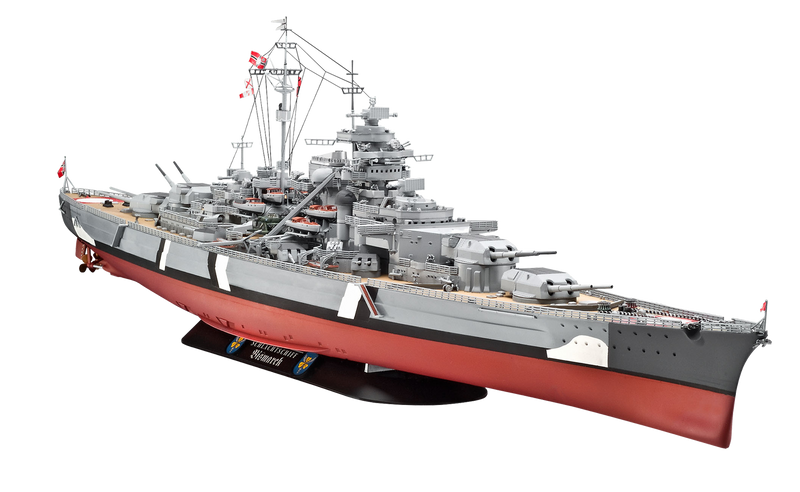
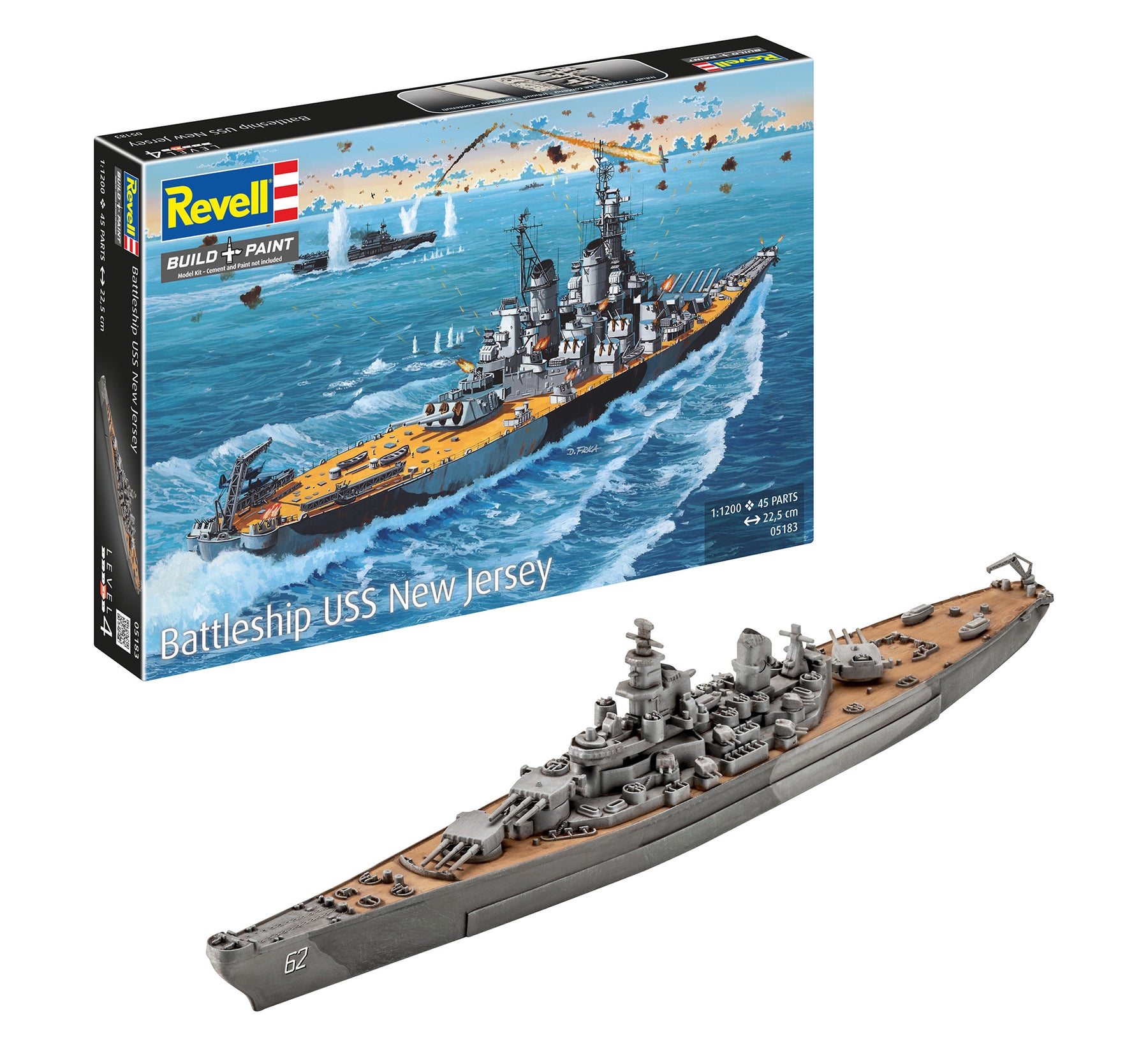
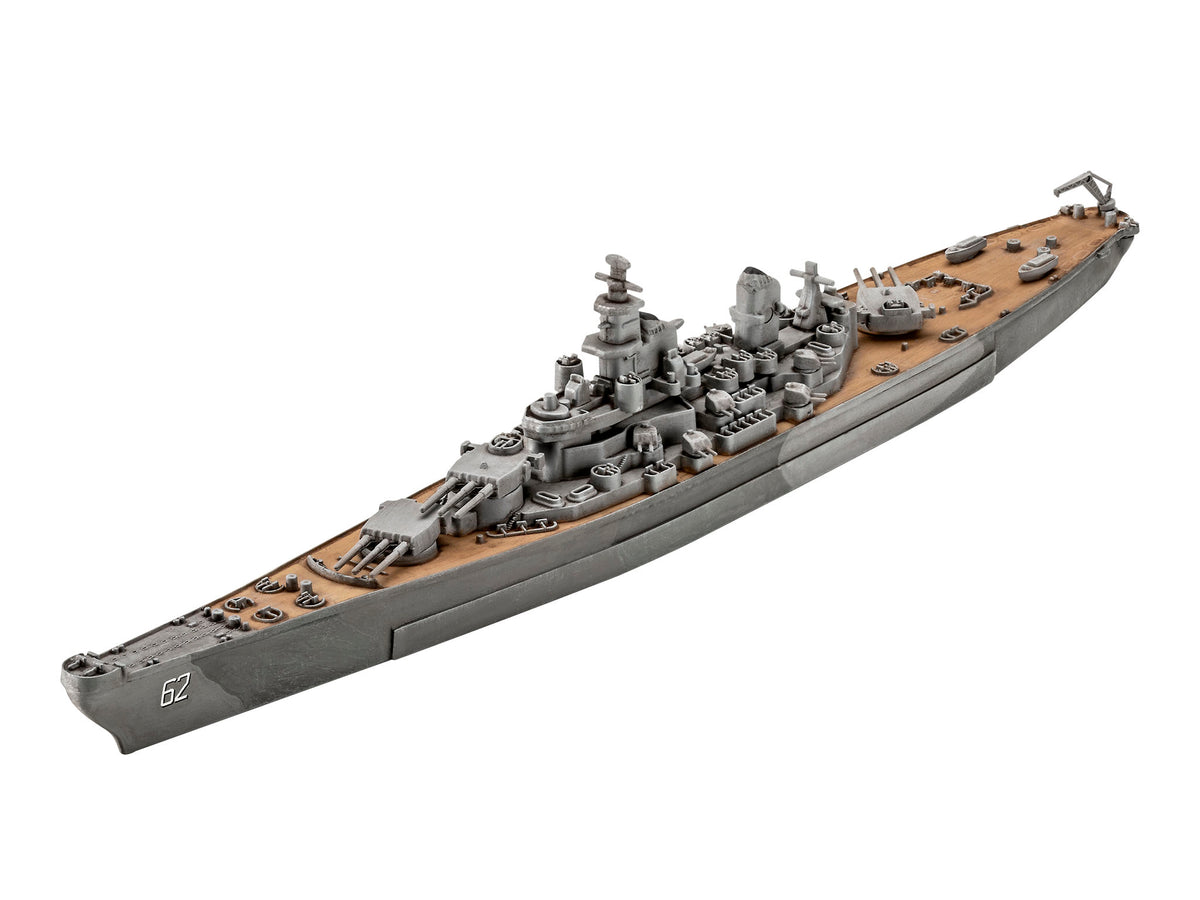
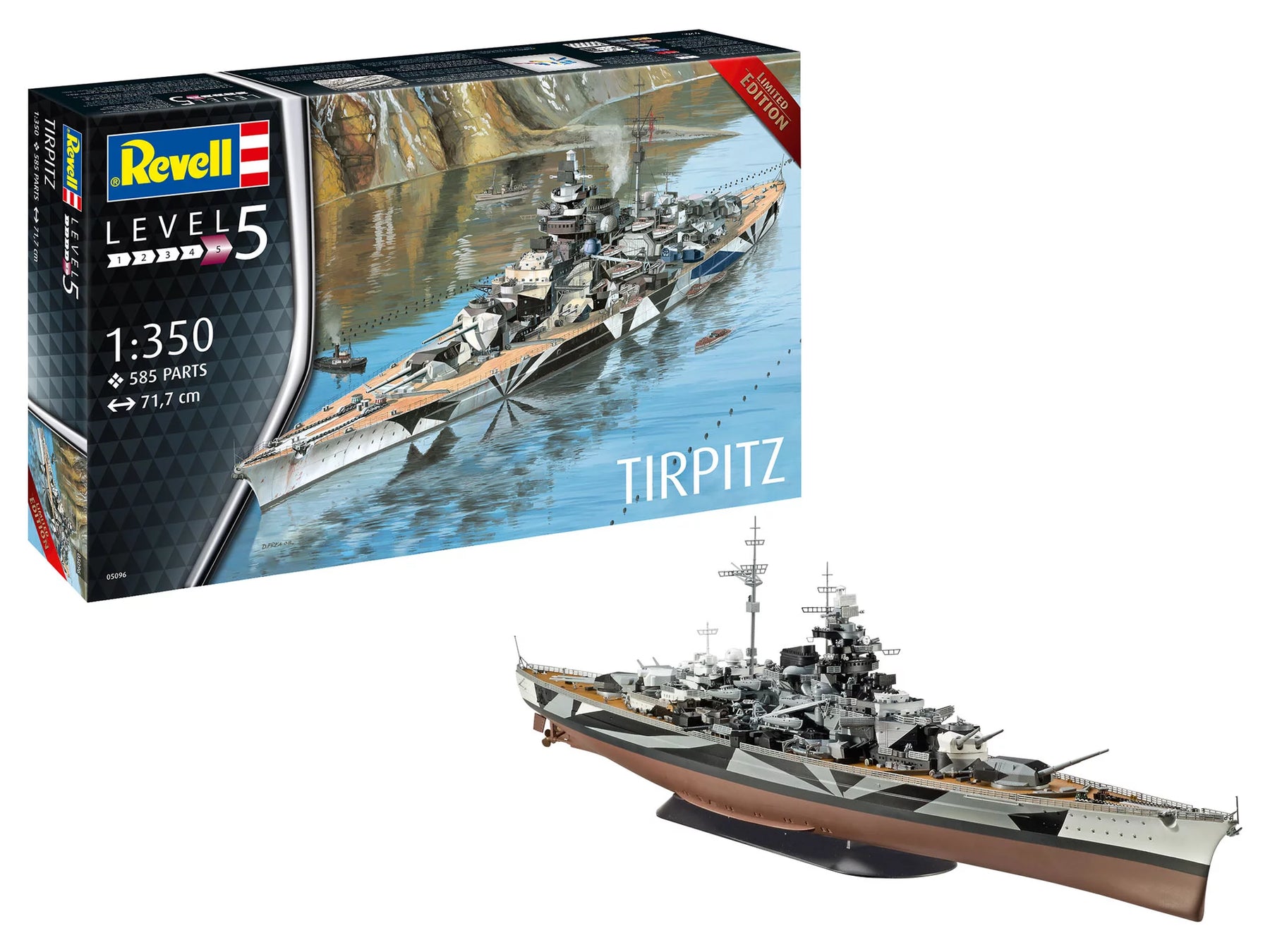
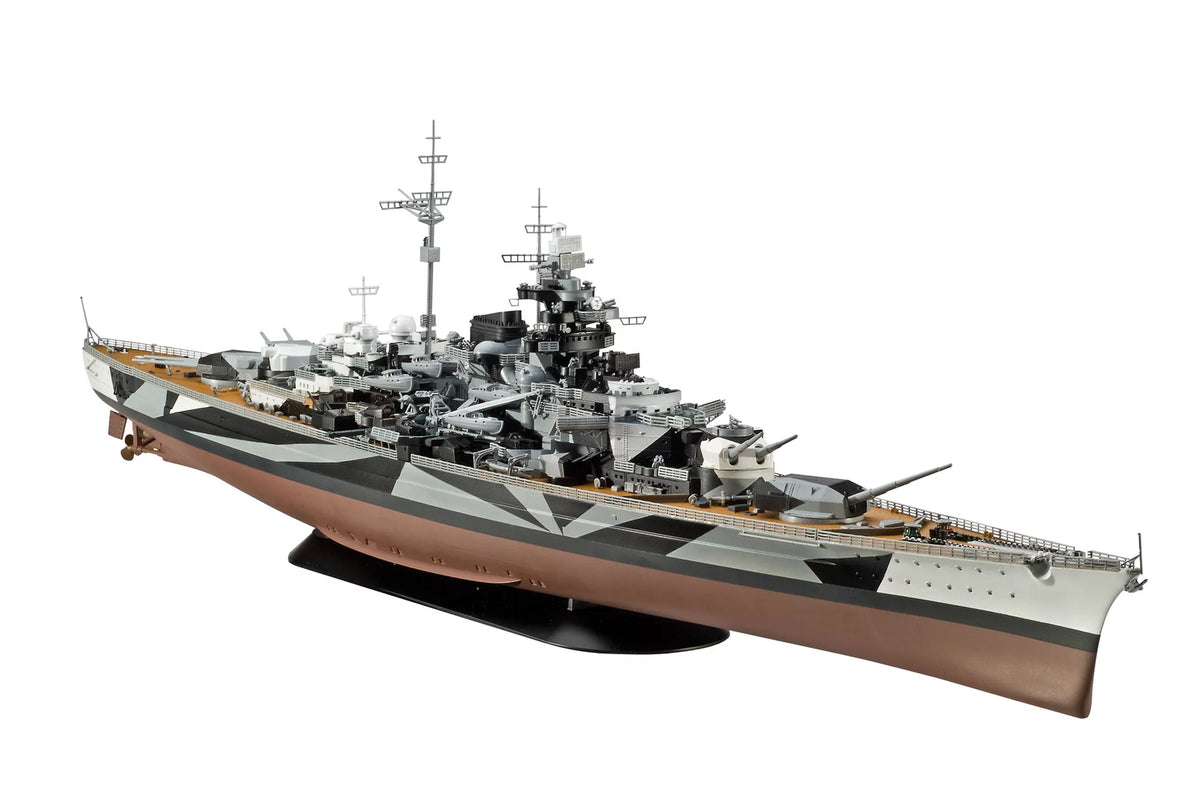
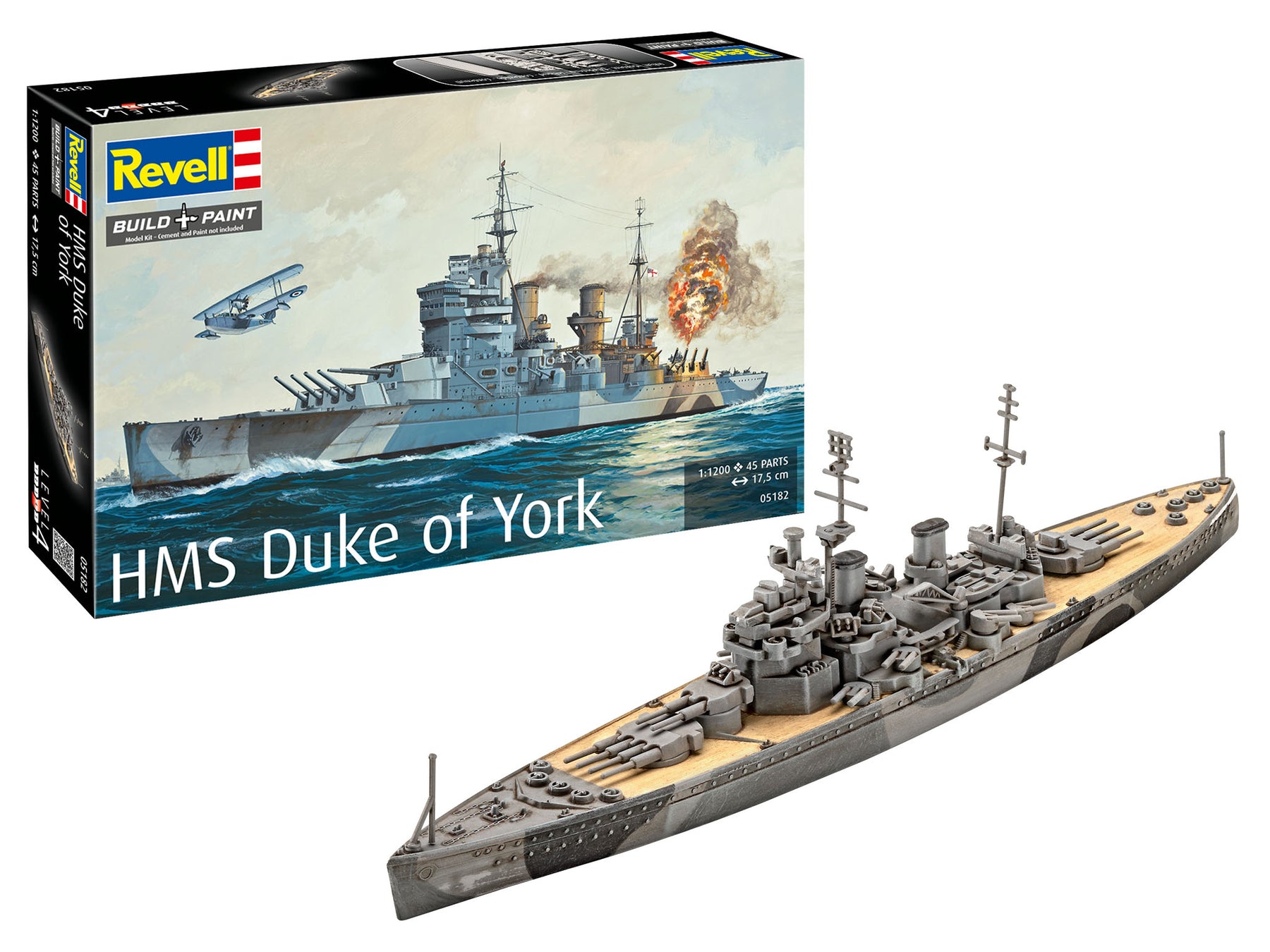
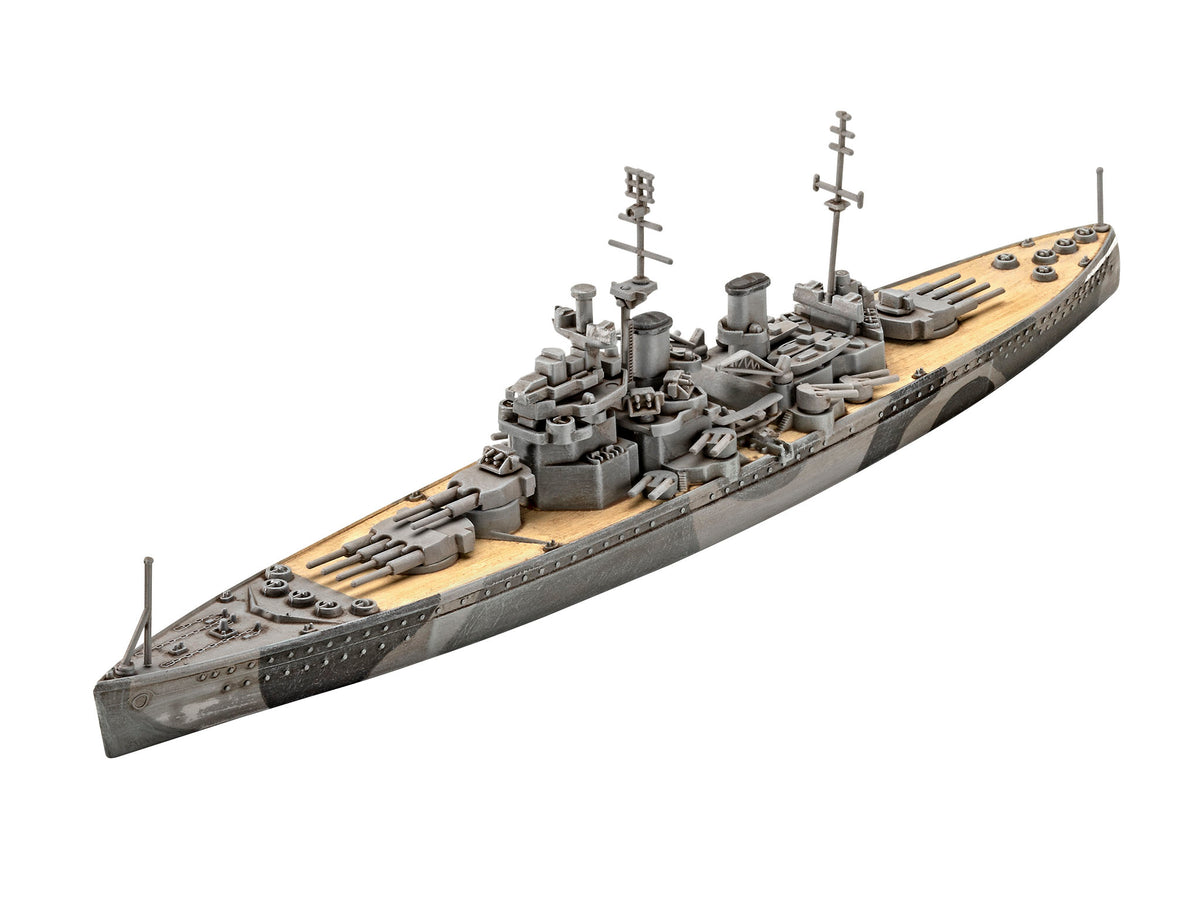
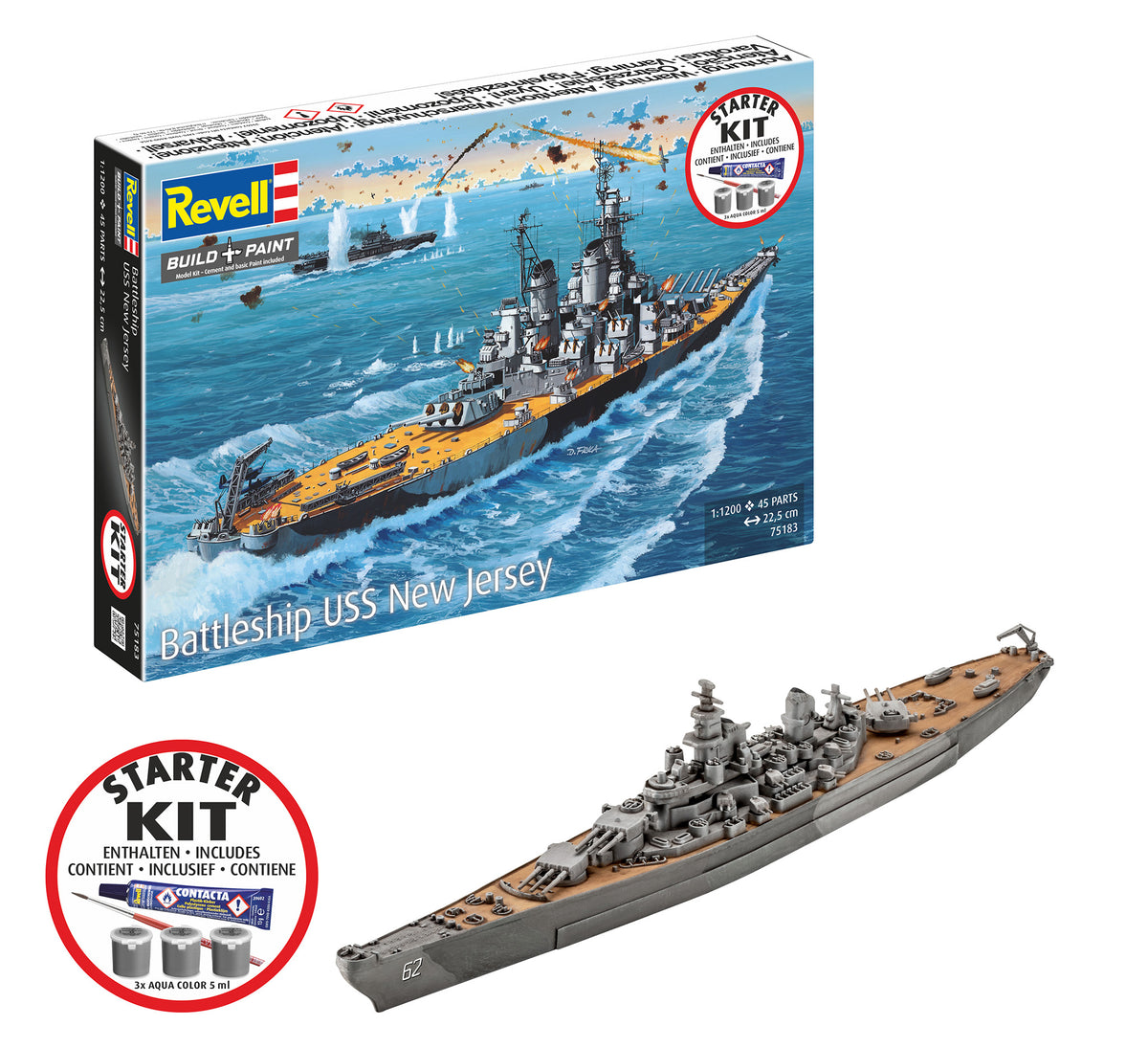
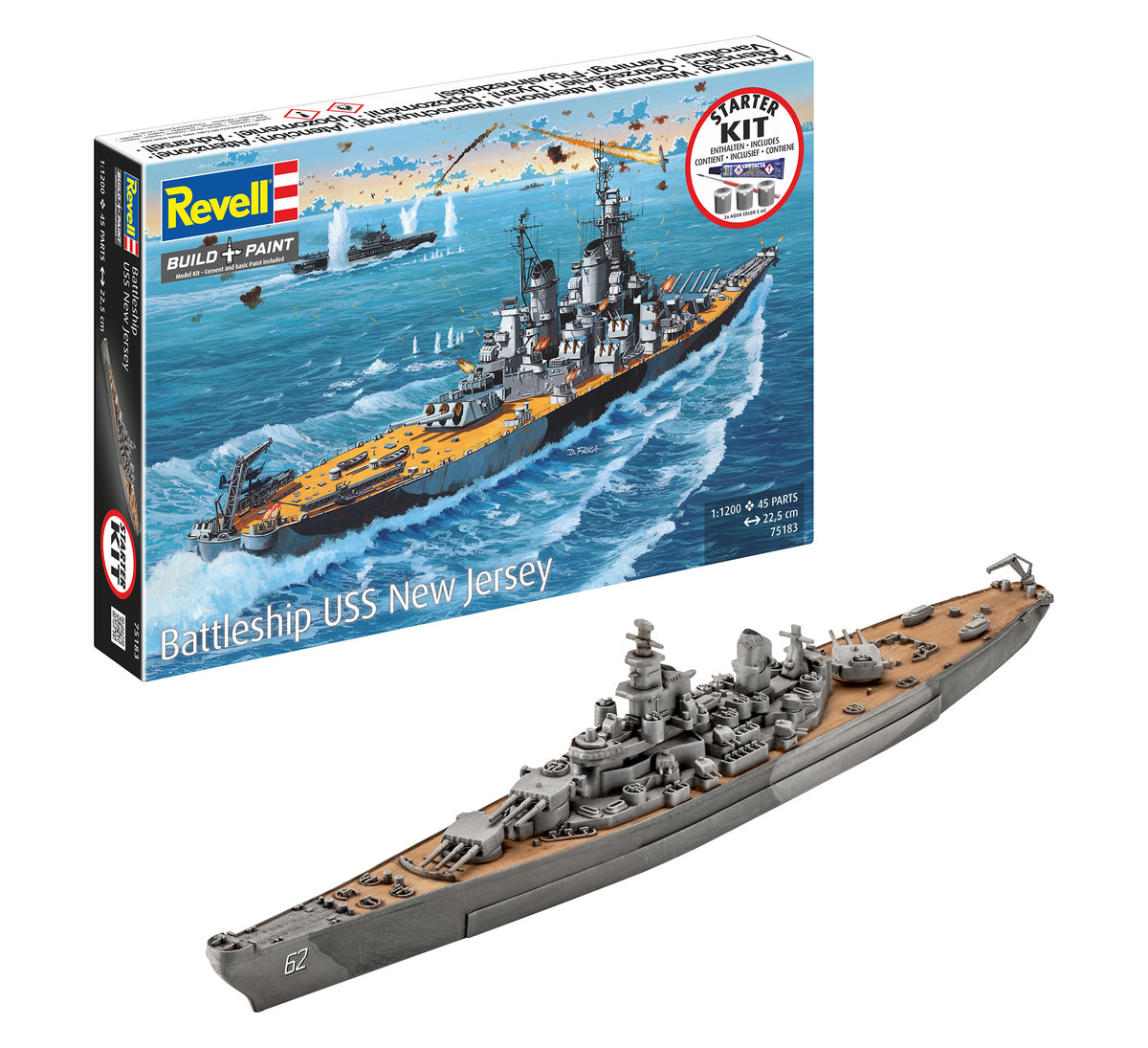
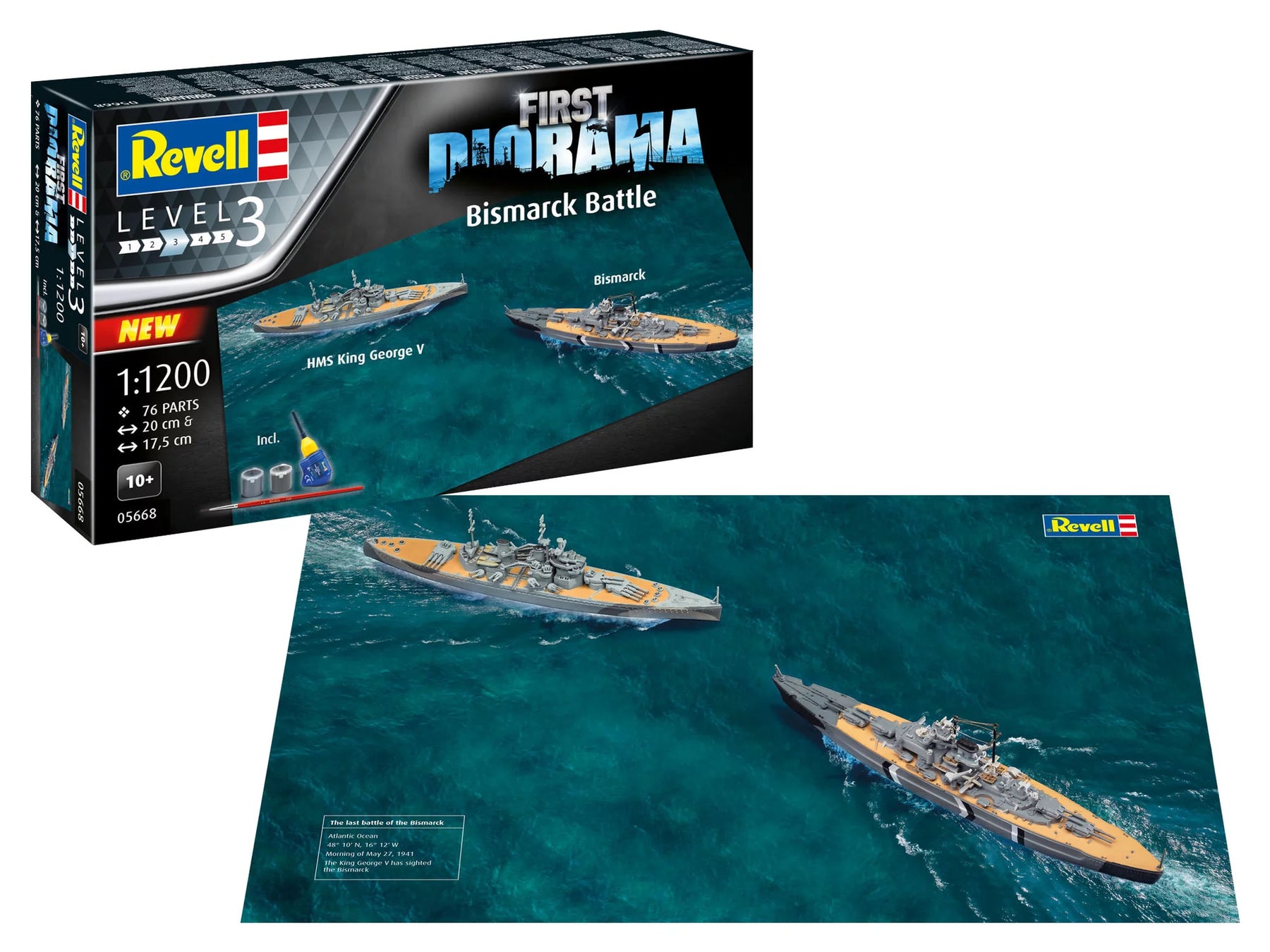
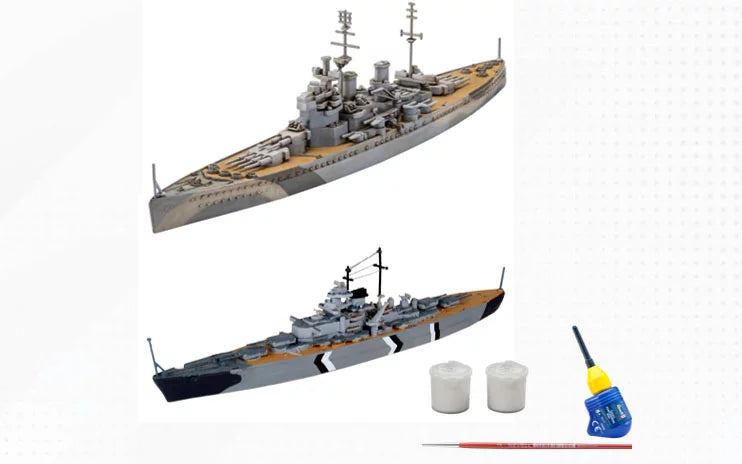
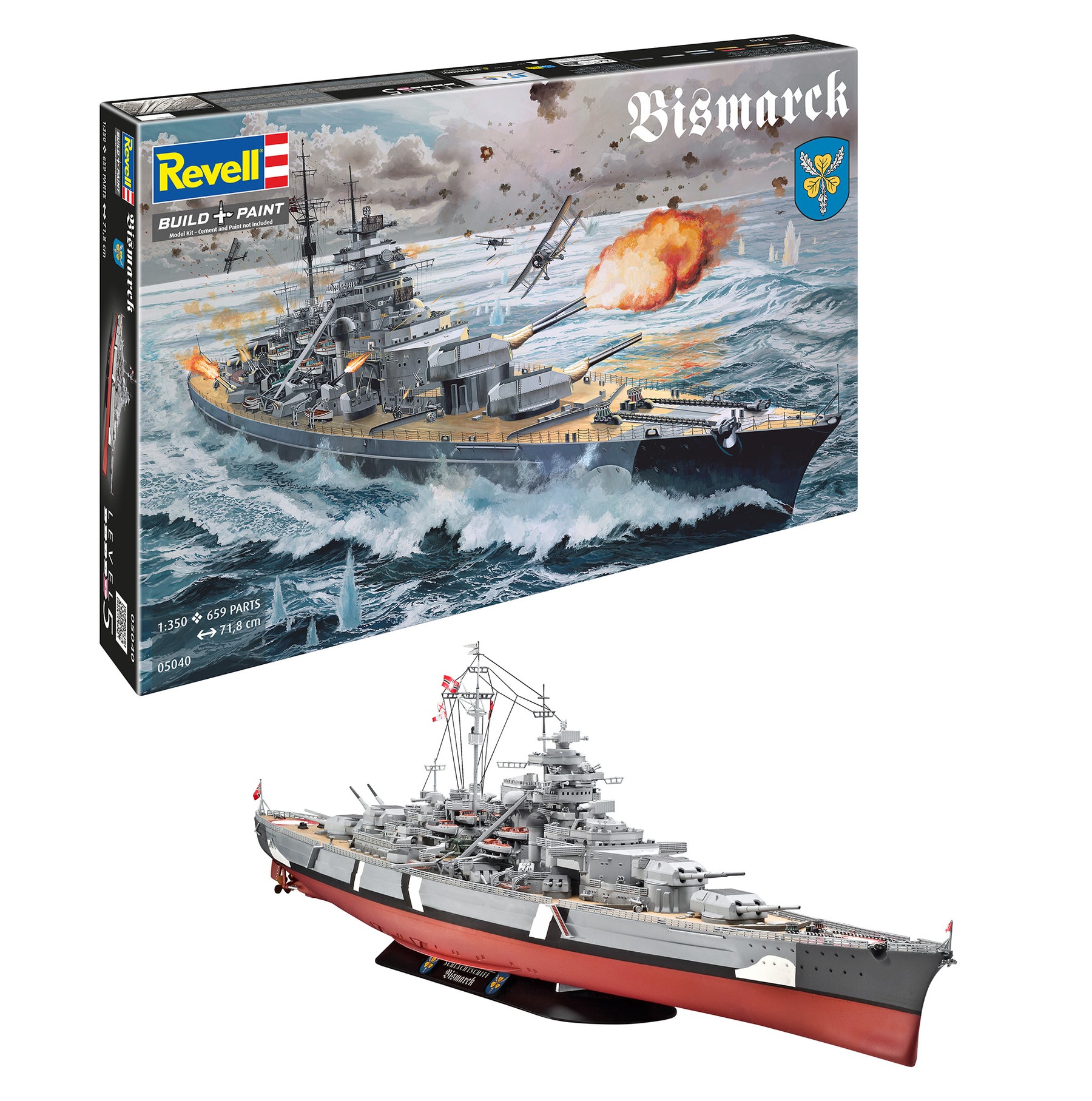
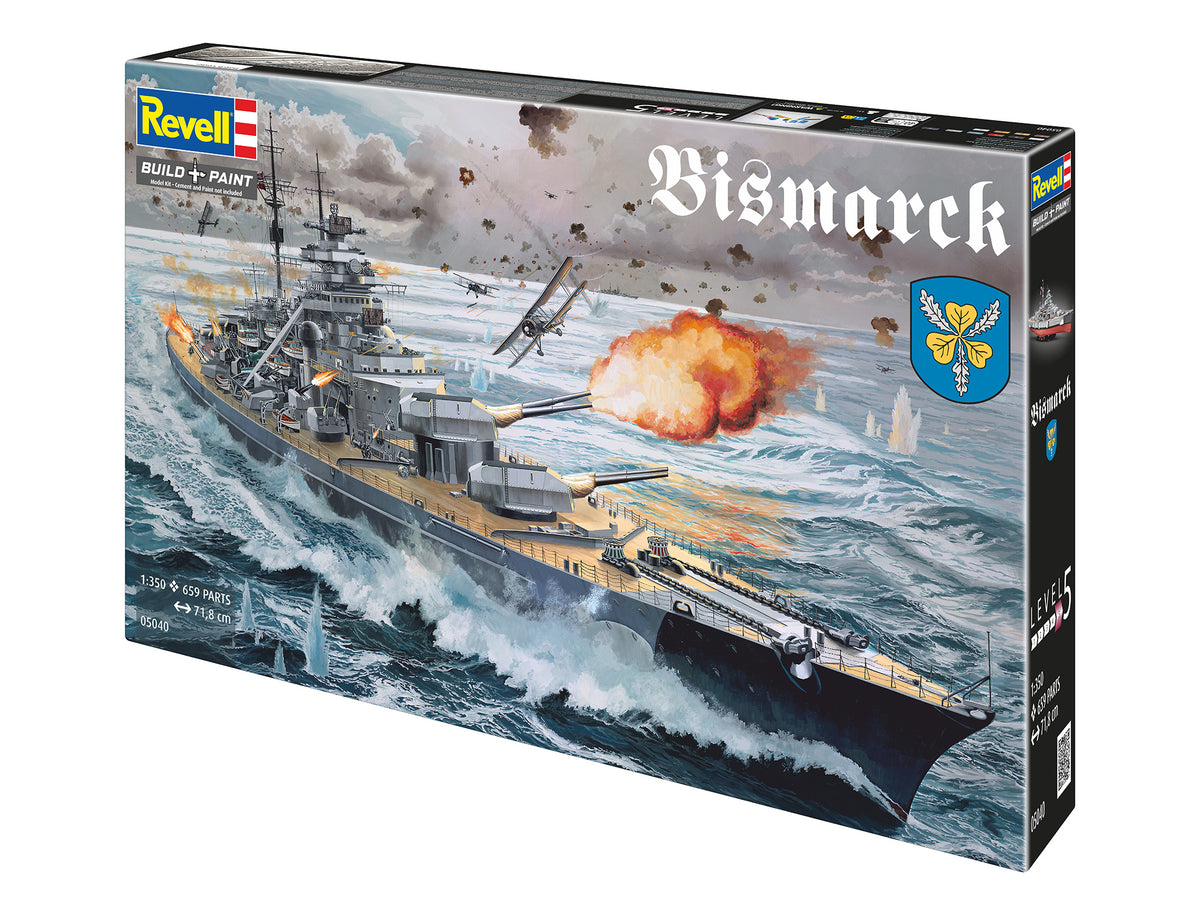
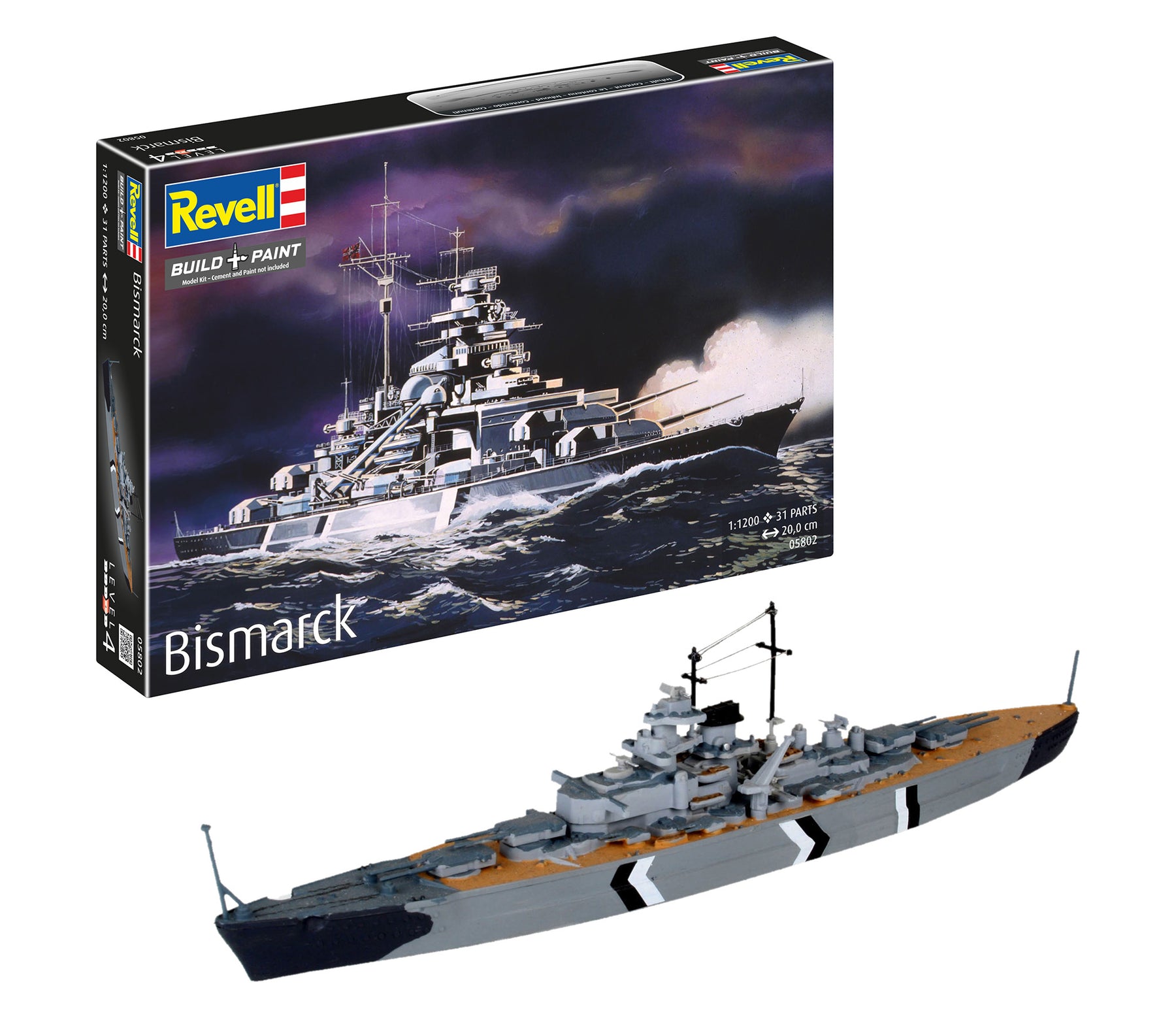
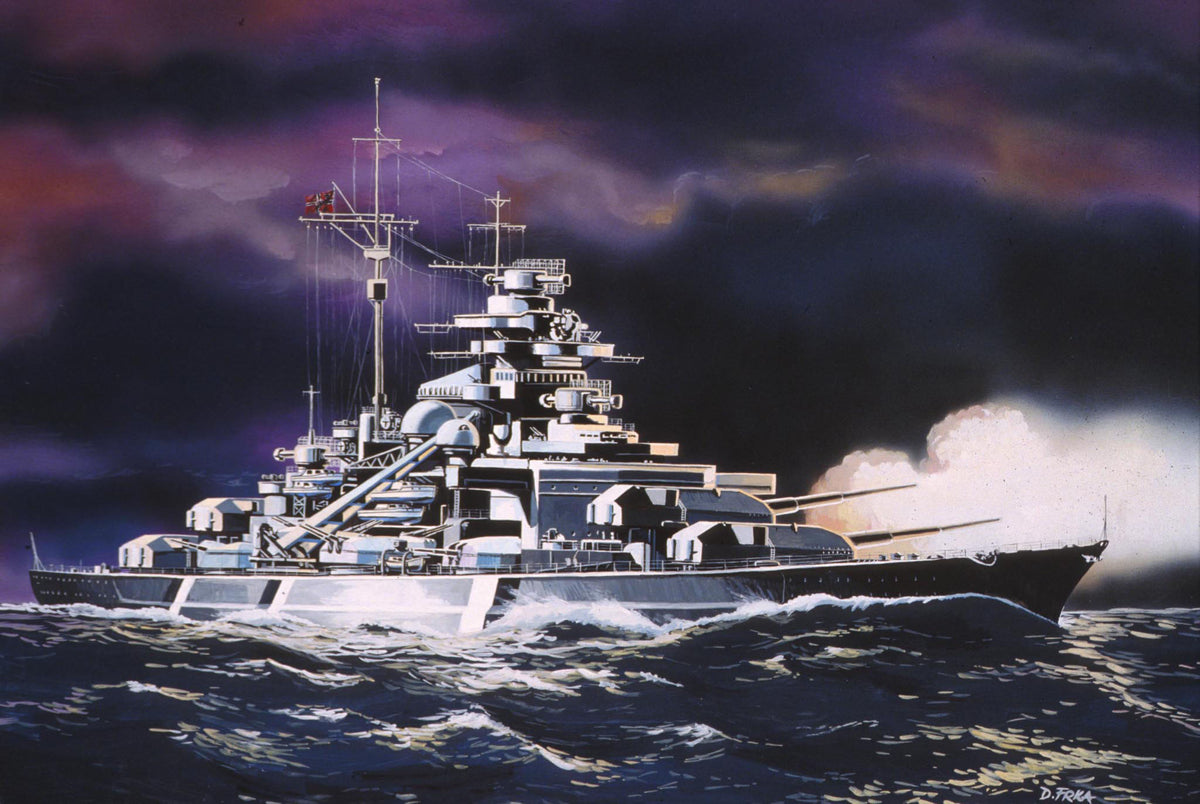
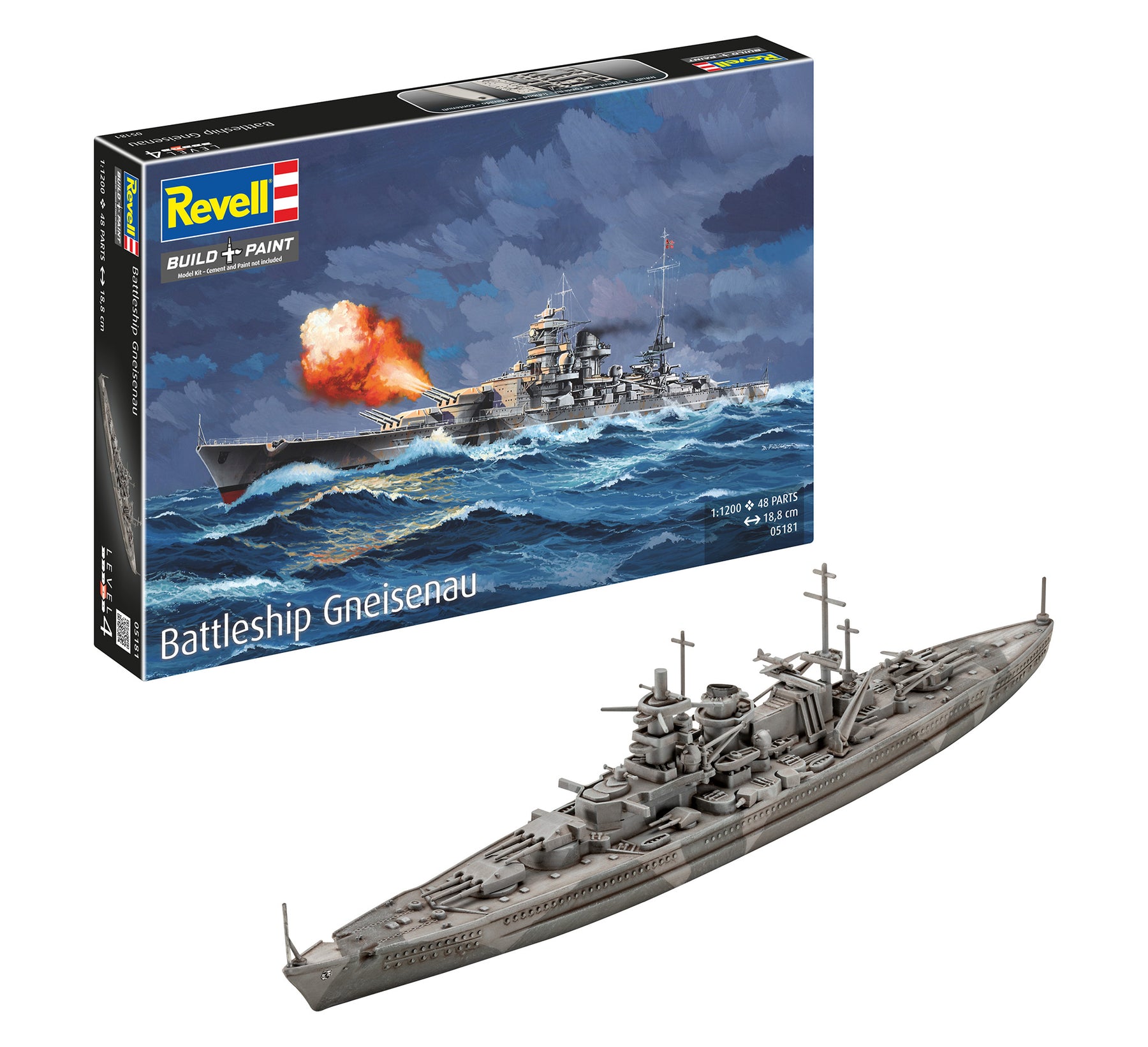
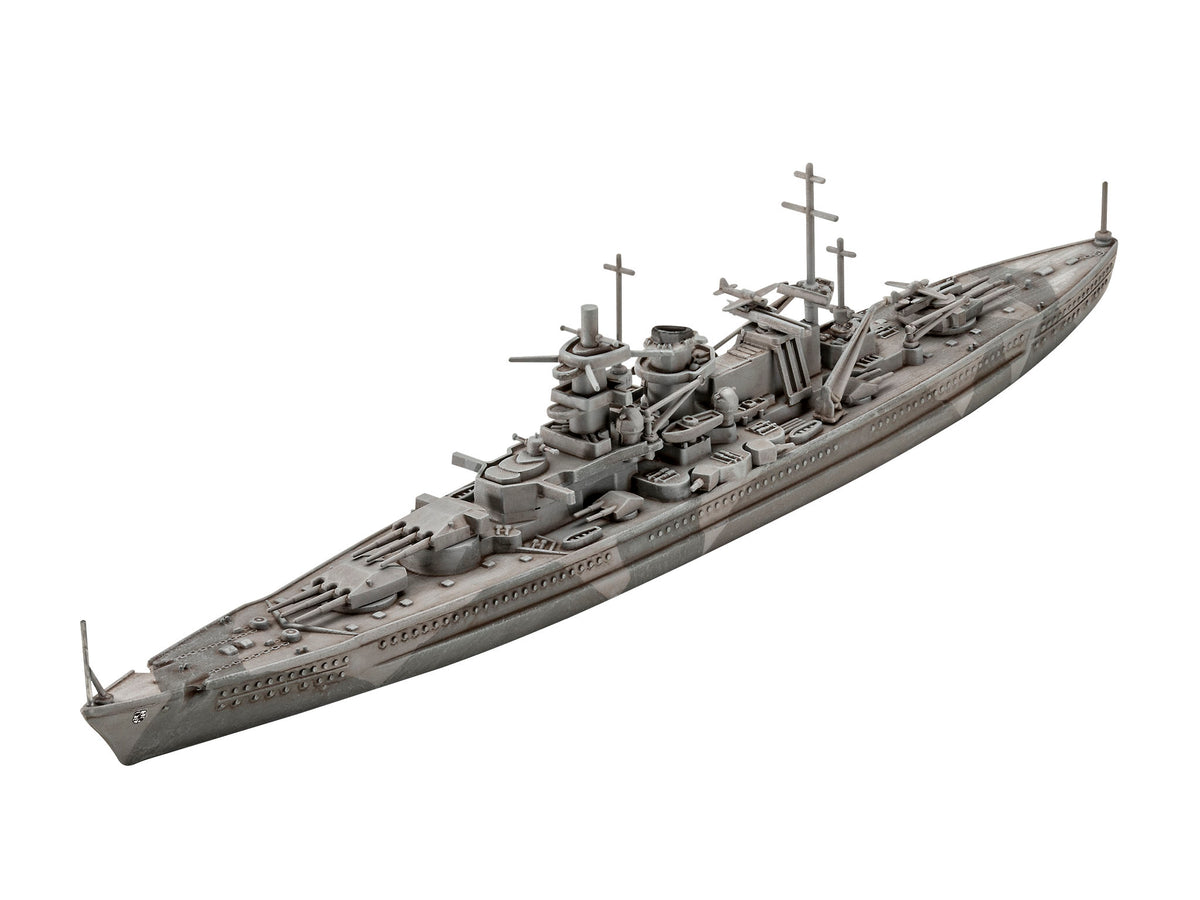
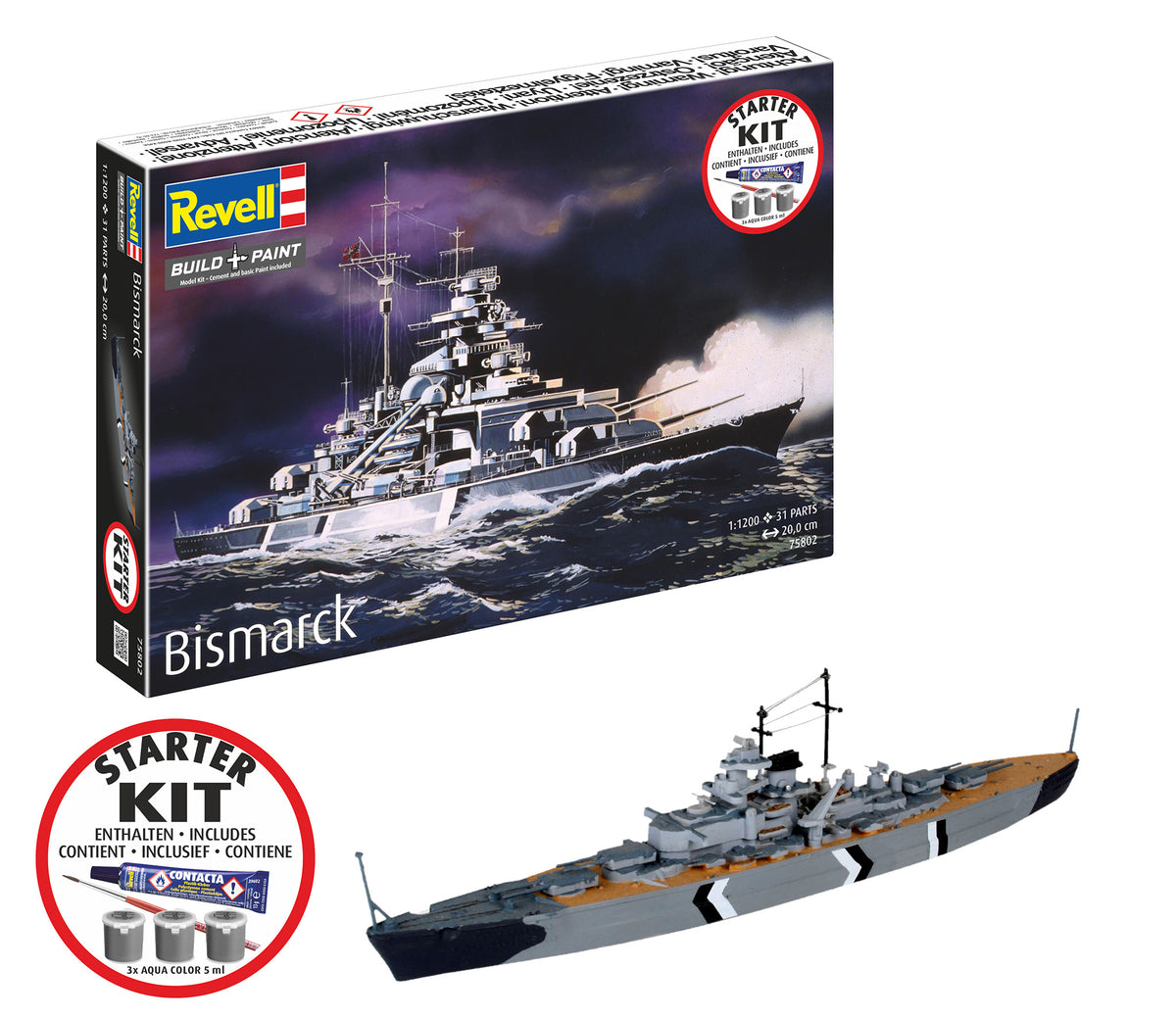
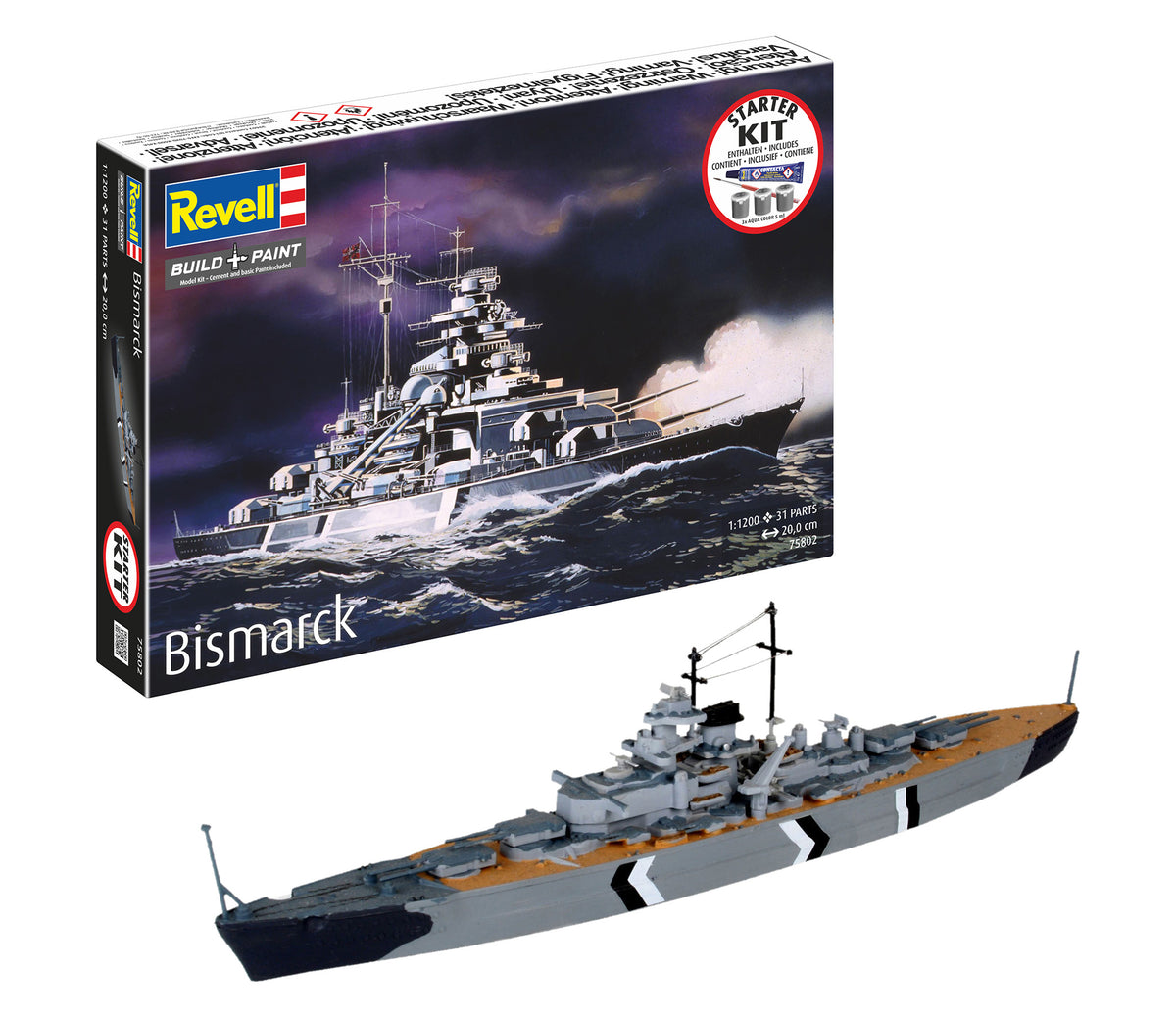
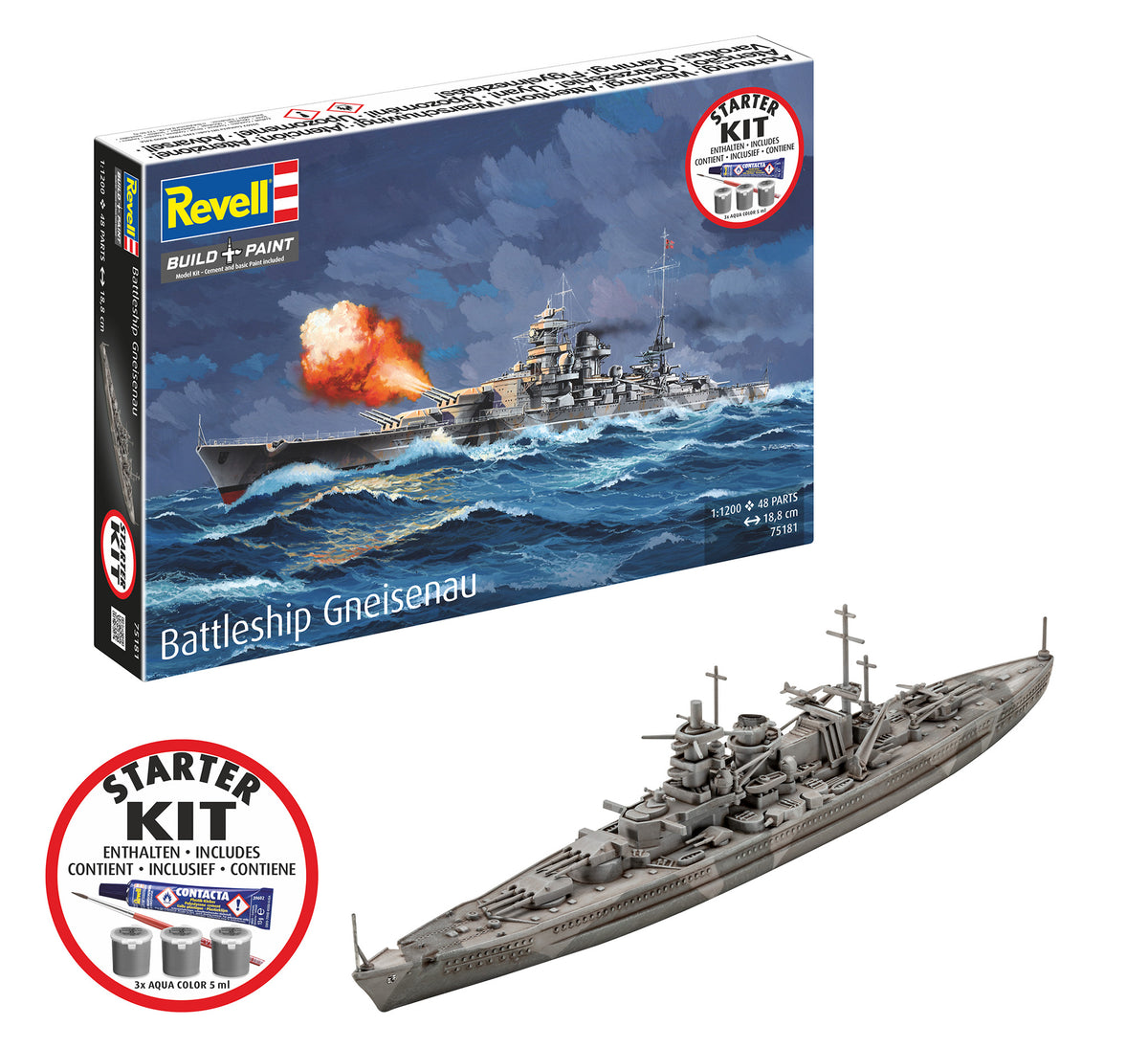
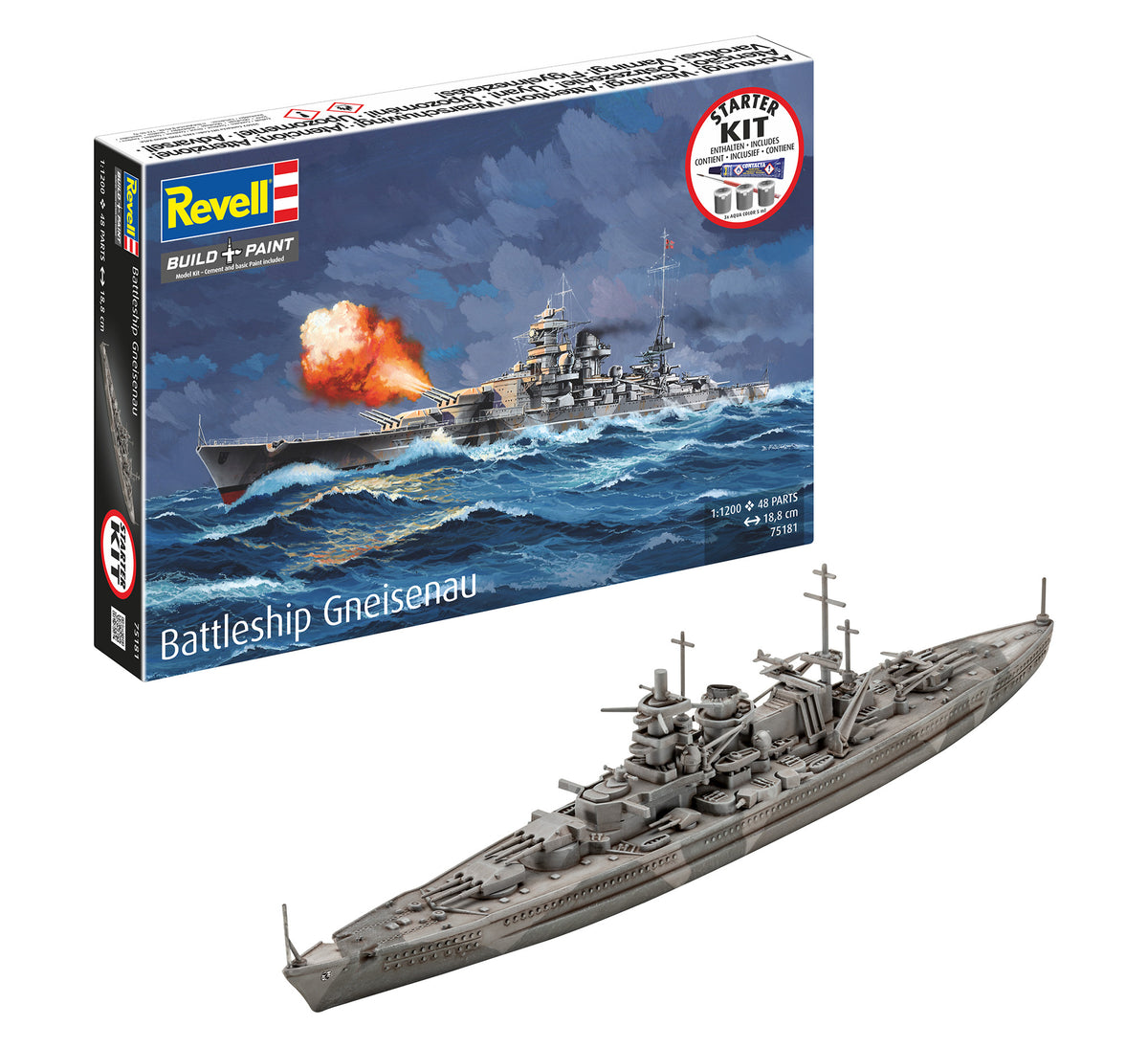
Battleships symbolize the pure firepower of times gone by. Kits of famous units like the Bismarck, the HMS Hood, the Yamato or that USS Missouri have fascinated model makers for decades. These ships are characterized by powerful gun turrets, thick armor belts and branched superstructures. When assembling these icons, you will experience first hand the dimensions that maritime armor reached in the 20th century. Attaching the heaviest artillery, the countless anti-aircraft guns and the fine dinghies requires concentration, but rewards you with an incomparable gem for the showcase.
Aircraft Carriers: Floating Air Bases
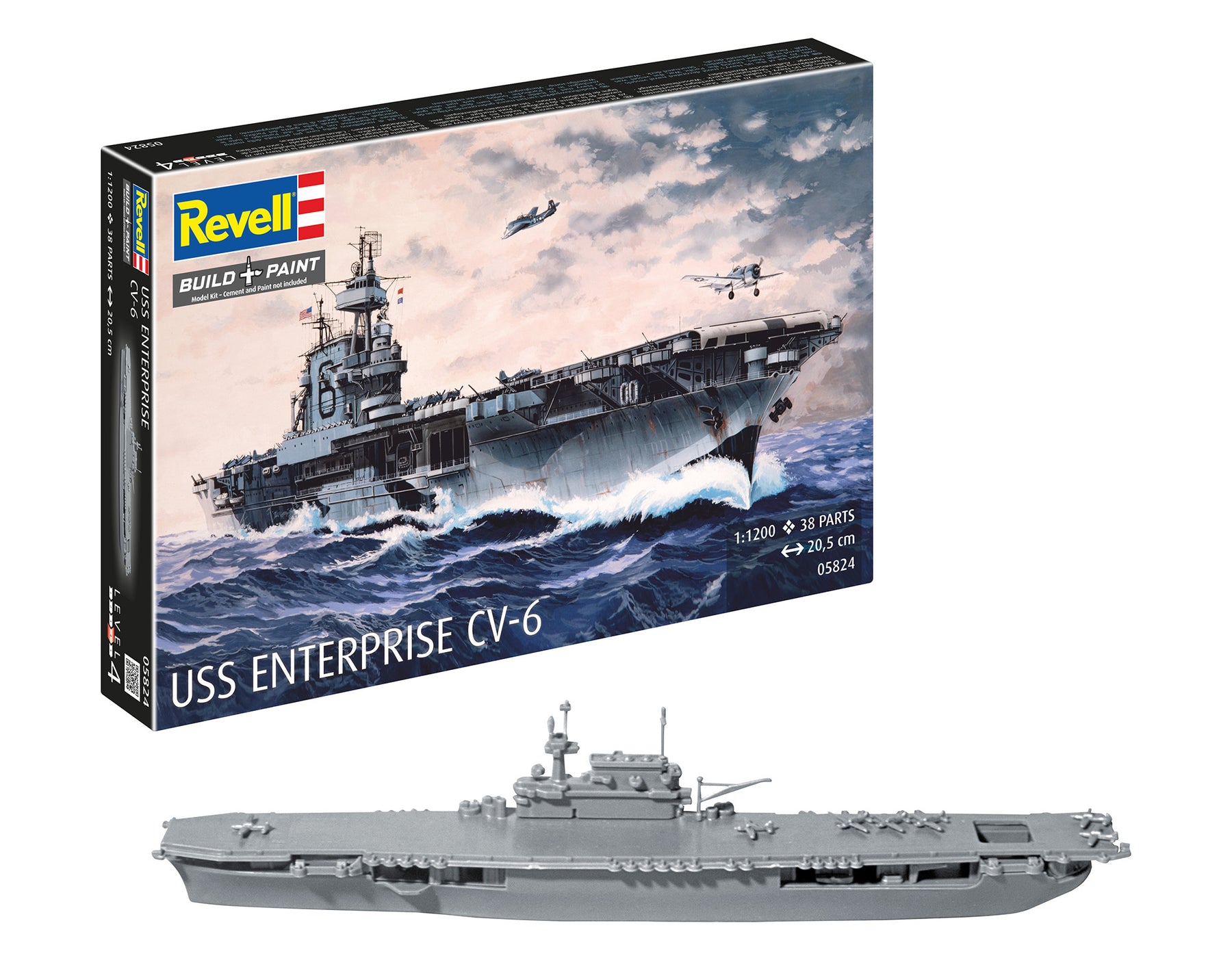
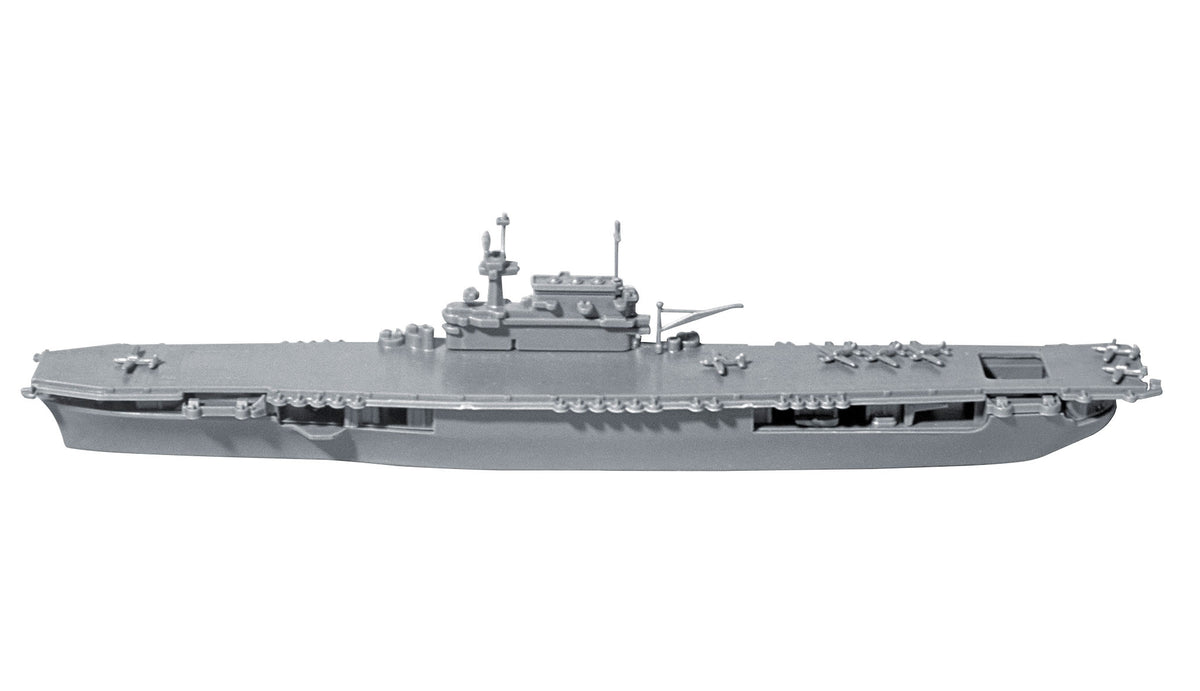
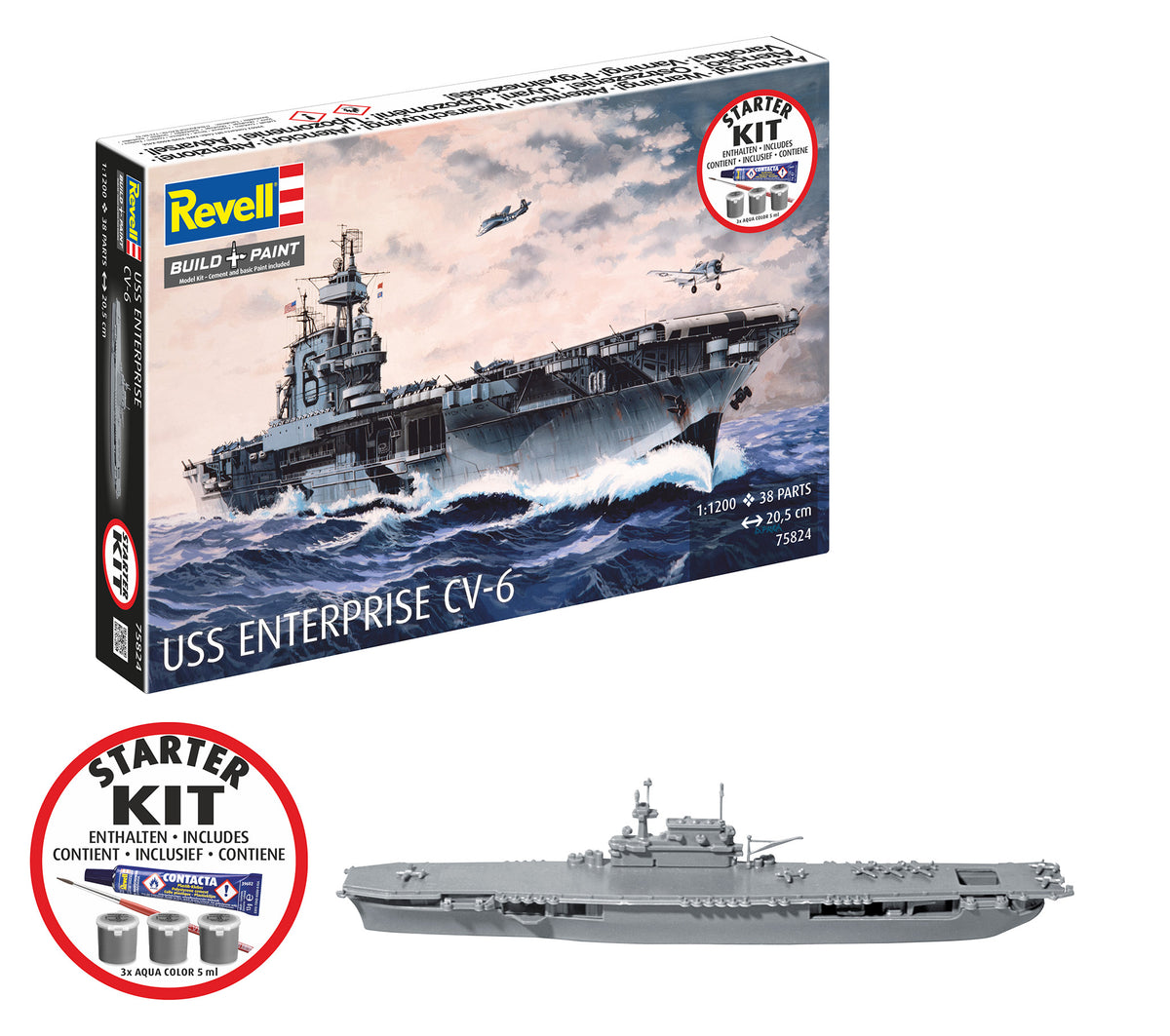
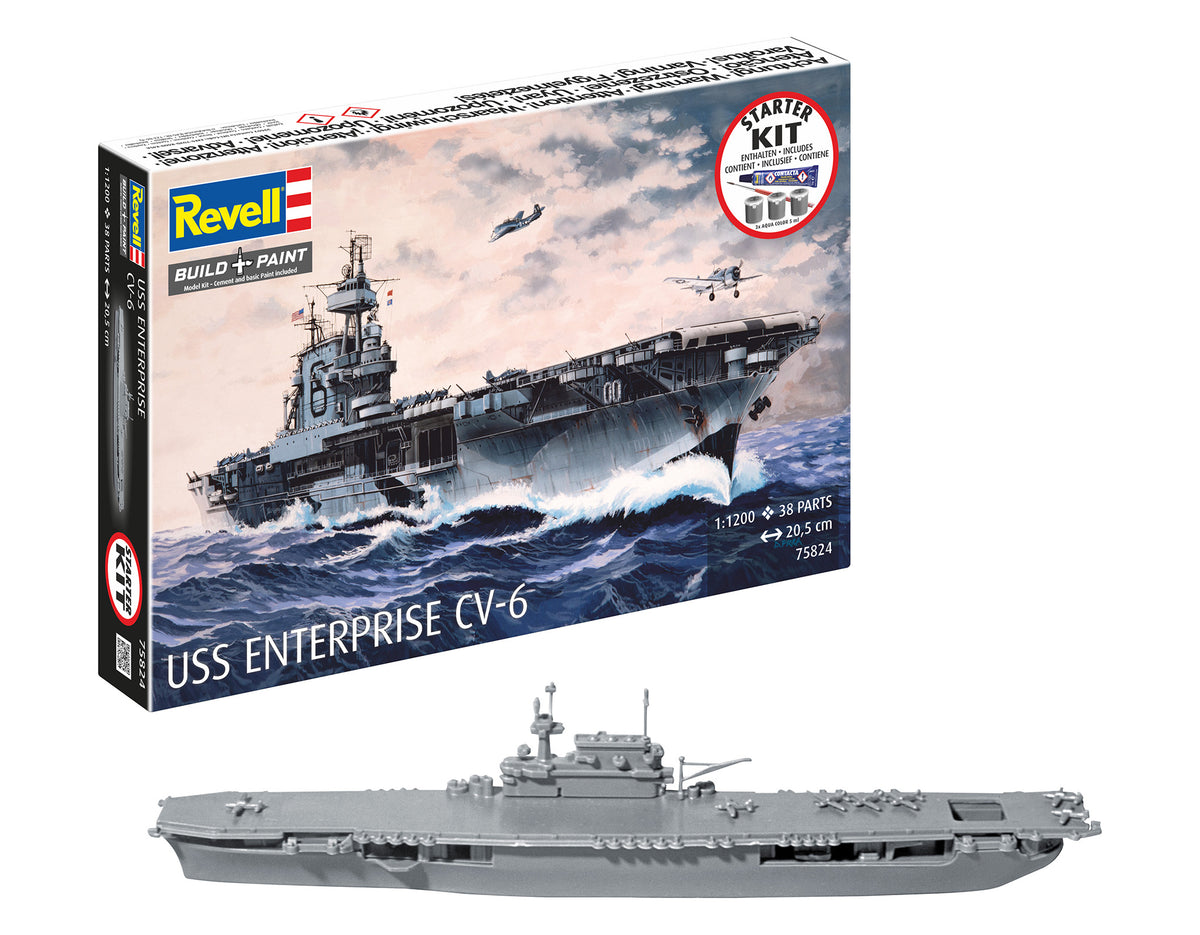
With the end of the battleship era, aircraft carriers took over dominance on the high seas. For model builders, they represent a welcome combination of ship building and aircraft model building. While you design the huge flight deck, the aircraft elevators and the striking island superstructures, you also dedicate yourself to the accompanying miniature carrier aircraft. It requires a steady hand to faithfully paint miniature planes with propellers or jet engines and arrange them on the deck in a dramatic take-off or landing position.
Cruisers, destroyers and frigates: the fast companions
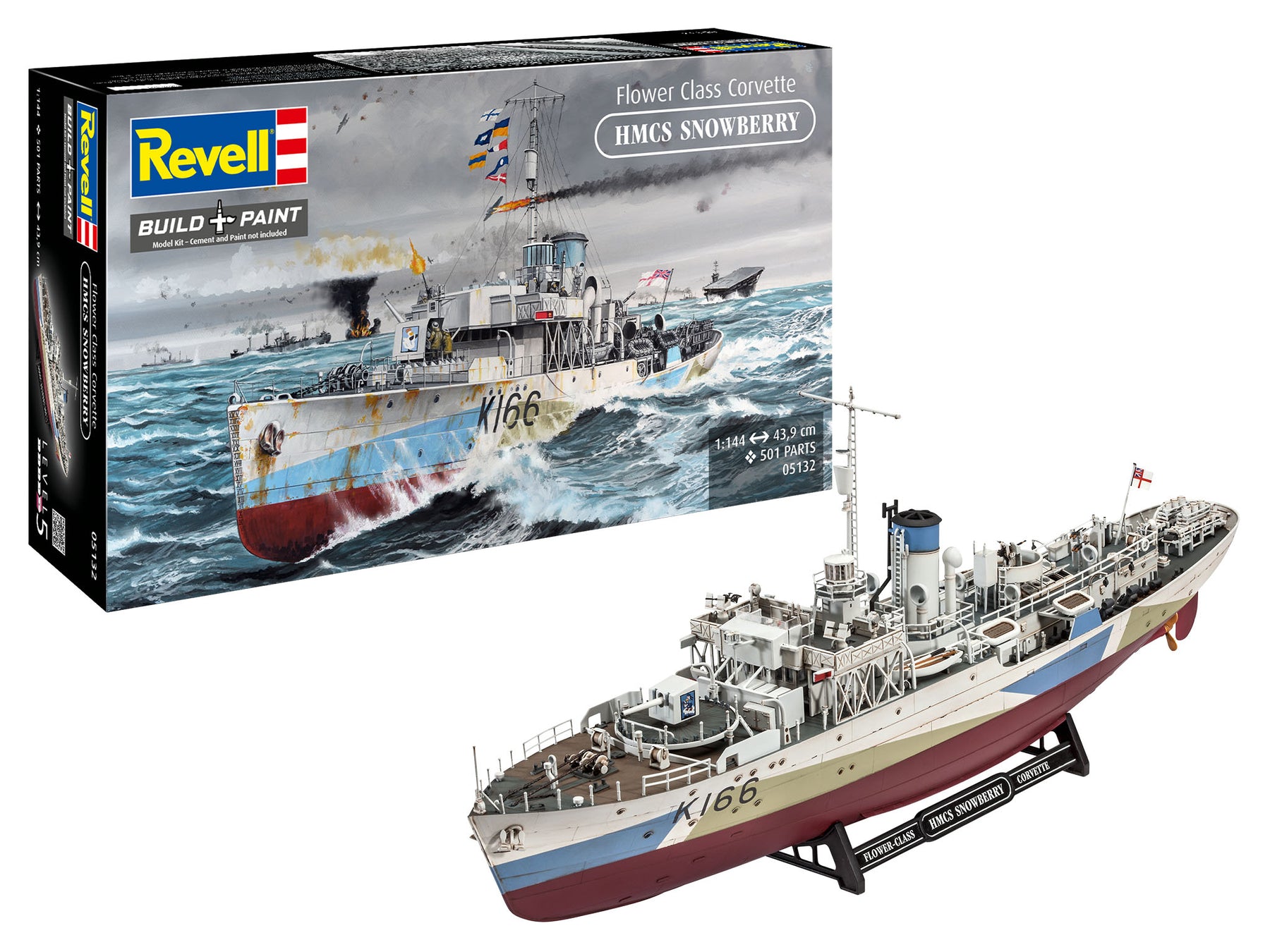
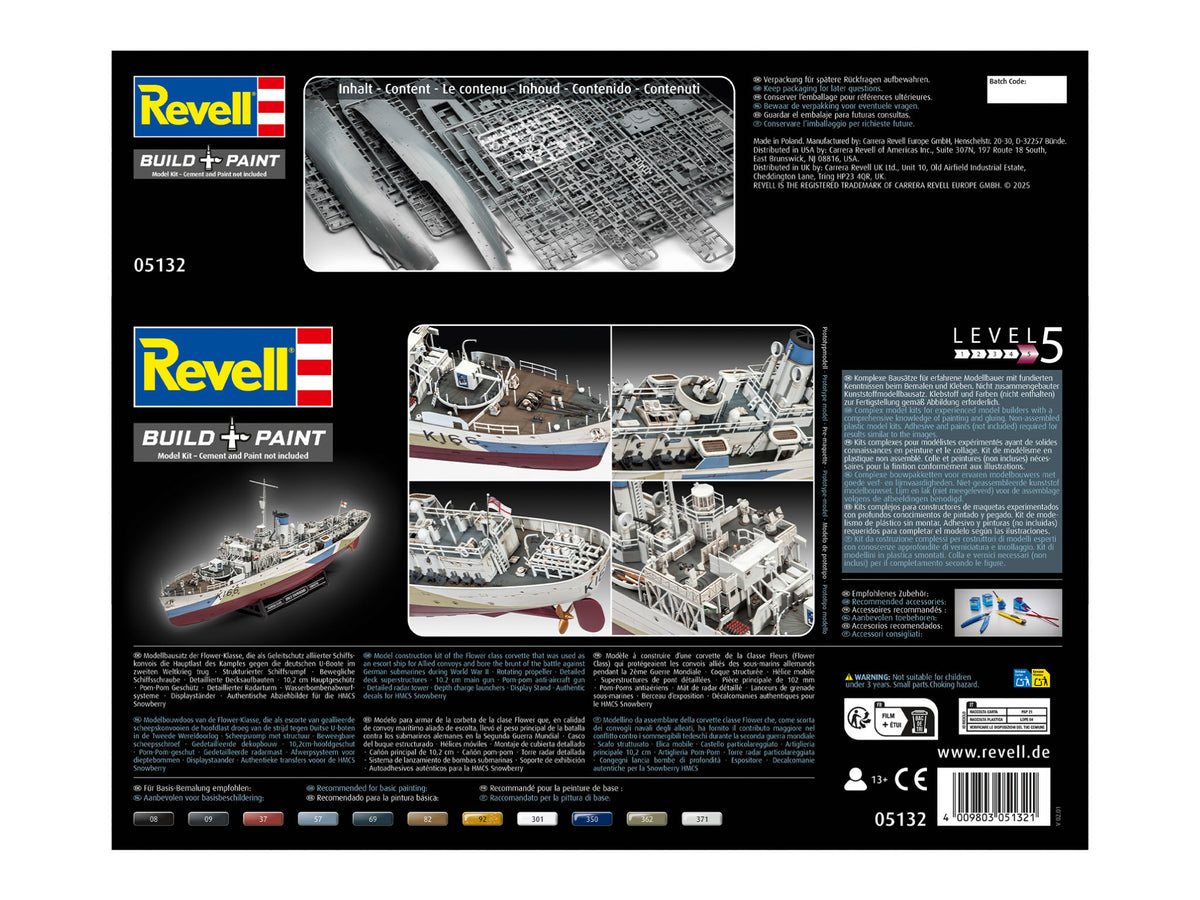
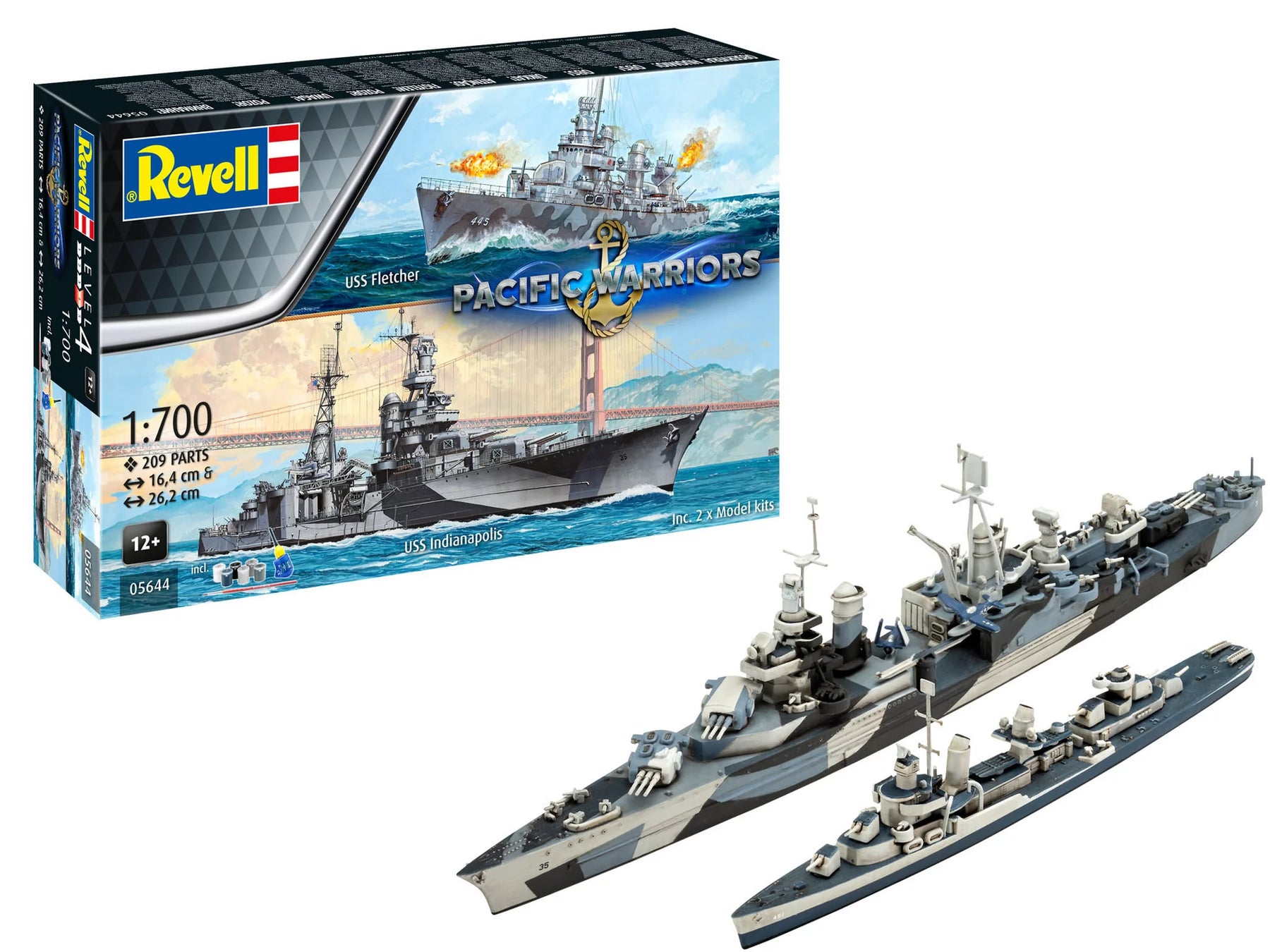
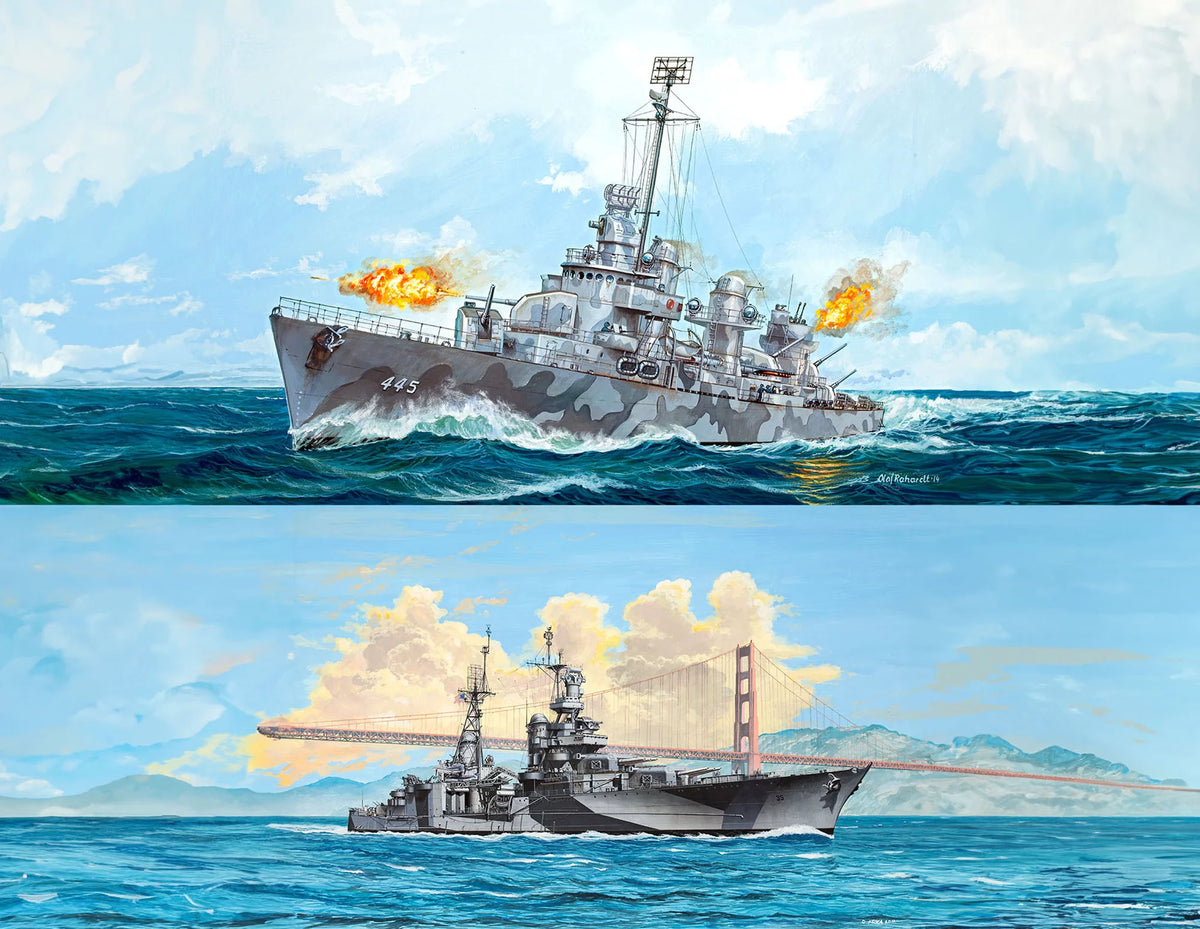
Anyone who appreciates sleek lines and dynamic hull shapes cannot ignore cruisers, destroyers and frigates. These fleet workhorses fulfilled and continue to fulfill tasks such as convoy protection, submarine hunting and air defense. Due to their more compact size compared to carriers or battleships, they are often completed more quickly, but do not lose any depth of detail. Numerous radar systems, torpedo tube sets, depth charge launchers and modern rocket launchers make these kits a real treat for technology enthusiasts.
Submarines: Silent hunters below sea level
Submarine models enjoy a special position in the area of model military ships. Whether historical German submarines of types VII C and IX, the US Gato class or modern nuclear-powered attack submarines of the Los Angeles or Typhoon class: these models impress with their aerodynamic-hydrodynamic design. Many kits offer you exciting options such as cutaway models that provide a detailed look into the cramped interior with the engine compartment, torpedo chambers and control center. Since submarines often have less detailed deck structures than surface ships, they are ideal for practicing advanced painting techniques and weathering effects on large hull surfaces.
The right scale for your fleet project
Choosing the scale is one of the most important decisions before you apply the glue. It not only determines the space required in your cupboards, but also the delicate nature of the individual parts and the level of detail of the finished model.
- Scale 1:700: This is the most widely used collector's scale for ships internationally. It allows you to accommodate even gigantic aircraft carriers or battleships in a space-saving manner. Many models in 1:700 are designed as so-called waterline models, in which the hull is omitted below the waterline. Historical sea battles can be staged fantastically in realistic sea dioramas.
- Scale 1:350: The absolute gold standard for display cabinet builders. Ships on a scale of 1:350 often reach lengths of 50 to almost 80 centimeters. This scale allows for a breathtaking amount of detail: from tiny headlights to photorealistic railings to finely structured planks on the wooden deck. If you are looking for the ultimate eye-catcher in the living room or hobby room, 1:350 is your first choice.
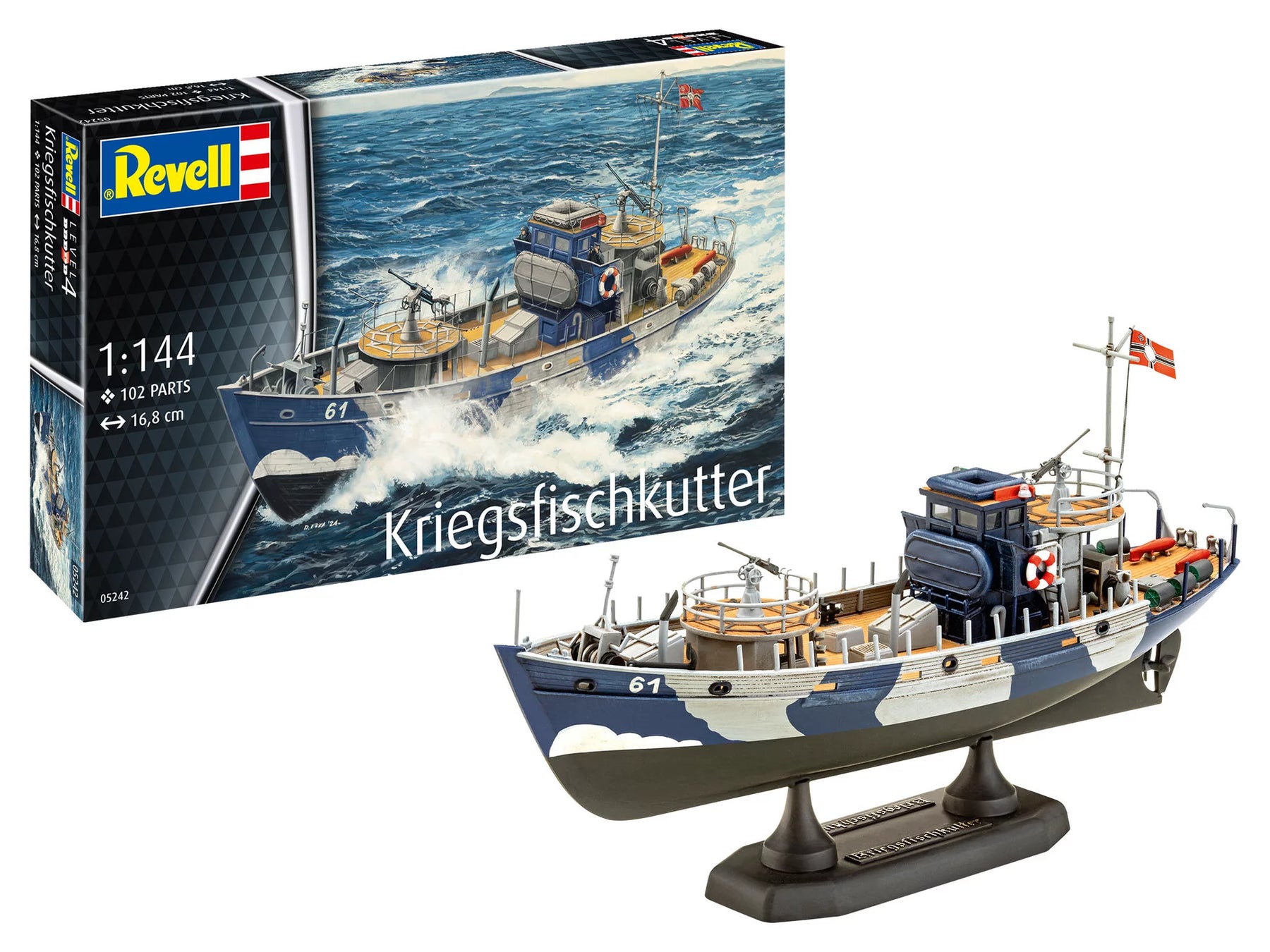
- Large scales 1:144 and 1:72: These dimensions are primarily reserved for submarines, speedboats and smaller patrol boats. A Type VII C submarine in 1:72 is over 90 centimeters long and offers space for spectacular aging effects, traces of rust and detailed crew figures.
Step by step to the perfect ship model: expert tips
To ensure that your warship kit is a complete success, we have put together some tried and tested advice from our practice for you. Warships are often more forgiving of careless assembly steps than tracked vehicles, which is why forward planning is essential.
1. Form assemblies instead of prematurely gluing them together
A typical mistake in ship model building is to assemble the entire model and only then resort to paint. With the nested deck structures, gun platforms and bridge structures of a warship, you won't be able to get into the back corners with a brush or airbrush later. Therefore, assemble the hull, the main deck and the individual superstructures separately. Pre-paint these components in layers before finally installing them firmly on the fuselage.
2. The art of authentic coloring
Military ships rarely wear simple shades of gray. Historical navies used sophisticated camouflage paints - so-called "dazzle camouflage" or multicolor paints - to obscure the ship's contours from enemy observers and targeting optics. Before starting construction, open the enclosed color instructions and compare the color codes. For best results, the combination of spray primer and fine acrylic paints is recommended. Also think about the underwater hull: the characteristic ship's bottom in rust red or antifouling green is cleanly separated from the above-water hull by a sharply taped water pass line (usually in black or white).
3. Professional aging (weathering)
Hardly any other place of use is as damaging to materials as salty seawater. If you don't want your ship to look brand new, breathe life into it using weathering techniques. Use dark washes (highly diluted color washes) to highlight the joints of deck panels, vents, and gun hatches. Using fine brush strokes and pigments, vertical rust flags can be applied underneath hawse covers and portholes. But be careful: less is often more. Use traces of rust and salt discreetly in areas where water drains or lifeboats rub against the side of the ship.
4. Rigging and railings for the ultimate finish
A warship without antenna cables, signal flag lines and railings appears incomplete. For fine rigging, it is best to use elastic threads or drawn cast branches. Elastic yarn has the enormous advantage that it gives in to accidental contact and does not tear off immediately. Apply tiny drops of superglue to the attachment points and pull the threads taut. Thin etched brass railings then give the ship the delicate elegance of a museum model.
The right equipment for your model building yard
Precision in ship model building depends on the right tools. In addition to a sharp scalpel and side cutters for fine sprues, you should definitely not do without high-quality tweezers - ideally in an offset shape so that small parts can be safely placed in deep deck structures. To optimally complement your arsenal, you will find the right work materials and special glue in our section for Accessories.
With special plastic glue that has a fine cannula, the glue can be dosed precisely without hull details being smeared by excess glue. Sanding pads in different grit sizes (from 400 to 2000) also ensure that separating seams on the ship's bow and stern disappear invisibly.
Continue to expand your maritime collection
If you have a passion for historical and contemporary marine technology, countless expansion opportunities open up to you. Maybe you would like to expand your fleet with civilian giants such as research ships, trawlers or historical sailing ships? In the parent collection for Ships Ships you discover the entire maritime spectrum.
Or are you particularly fascinated by the interaction between the armed forces? Many modelers combine their ships with tracked vehicles and tanks in expansive dioramas. In our area for Military you will find everything about historical land battles, motorized units and artillery. And if your heart beats particularly for cutting-edge units, ultra-modern stealth destroyers and high-tech fleets, it's worth taking a targeted detour to our collection for Modern Military.
No matter which route you choose, building model military ships is a rewarding hobby that cultivates patience, deepens historical knowledge, and ultimately gives you impressive displays that you can be proud of. Now set sail, set up your workbench and start your next shipbuilding project!