







The fascination of model building cars: automobile history in miniature format
The hobby of automobile model making combines craftsmanship, technical understanding and a passion for curved shapes, powerful engines and historical milestones. When you assemble a model car, you are not just creating a decorative object. You will deal intensively with the construction of the original, get to know the fine details of the chassis, the engine compartment and the interior and give the body your own stamp with the right paint job.
In 2026, modern plastic kits offer a level of precision that was unthinkable just a few years ago. CAD-supported shapes ensure excellent fit, while finely engraved lines, realistically structured dashboards and chrome-plated add-on parts make every enthusiast's heart beat faster. Whether as a relaxing hobby after work or as a challenging long-term project at the weekend: model cars offer you the perfect opportunity to escape everyday life and create something with your own hands.
Which scale is right for your car model?
Choosing the right scale not only determines the future size of your finished model, but also the level of detail and the space required in your display case. Over the decades, a number of standard sizes have been established for model car construction, each of which offers its own advantages:
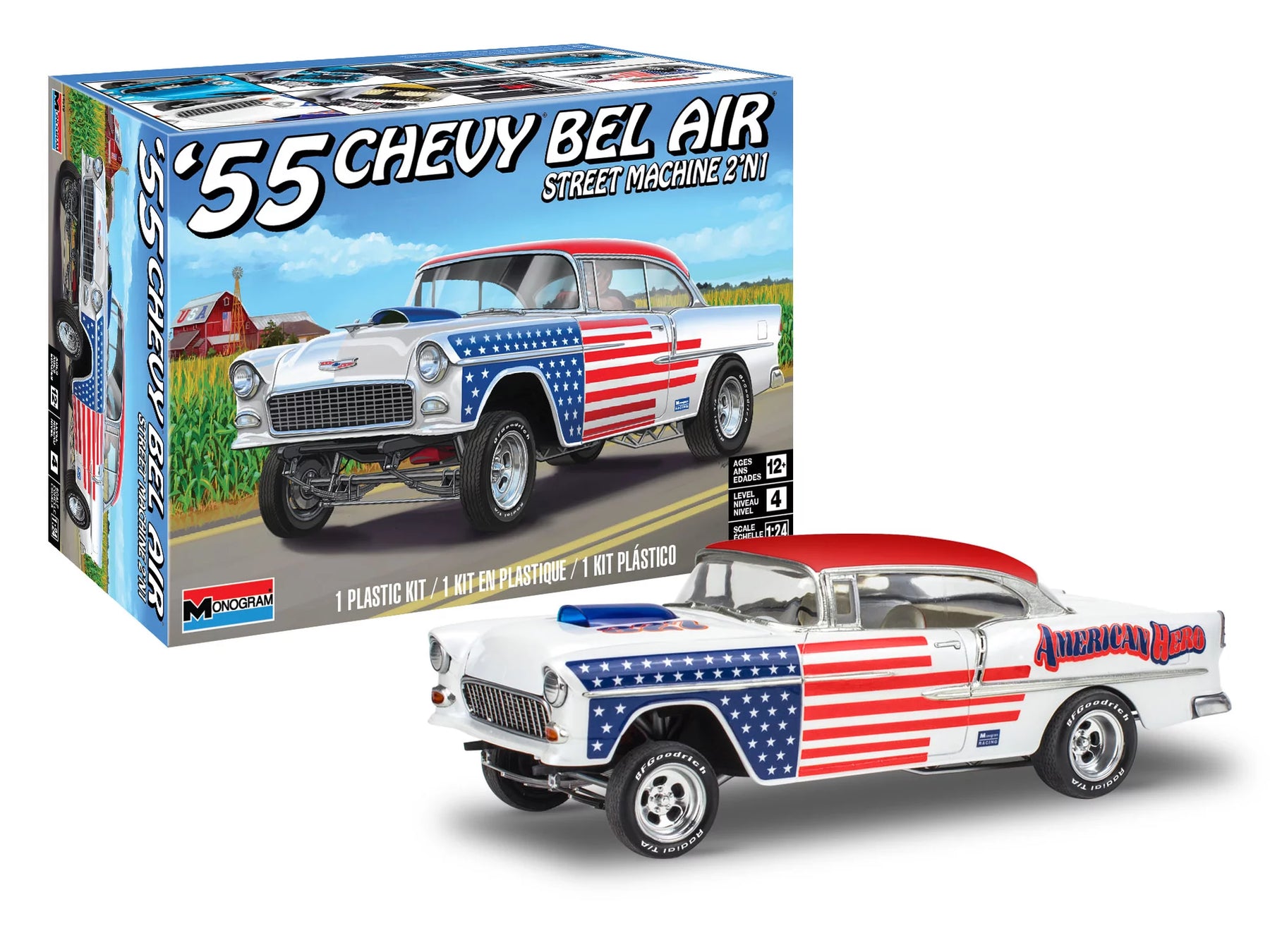
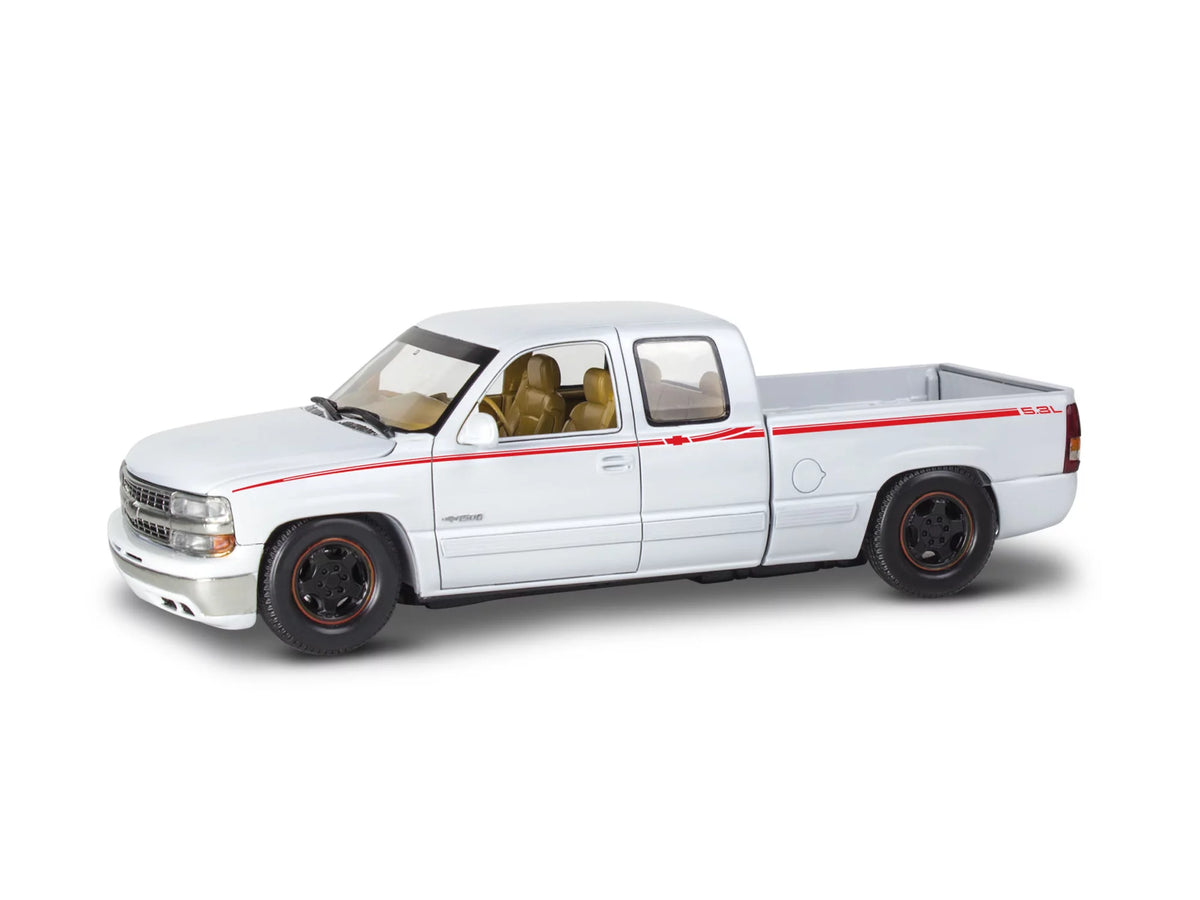
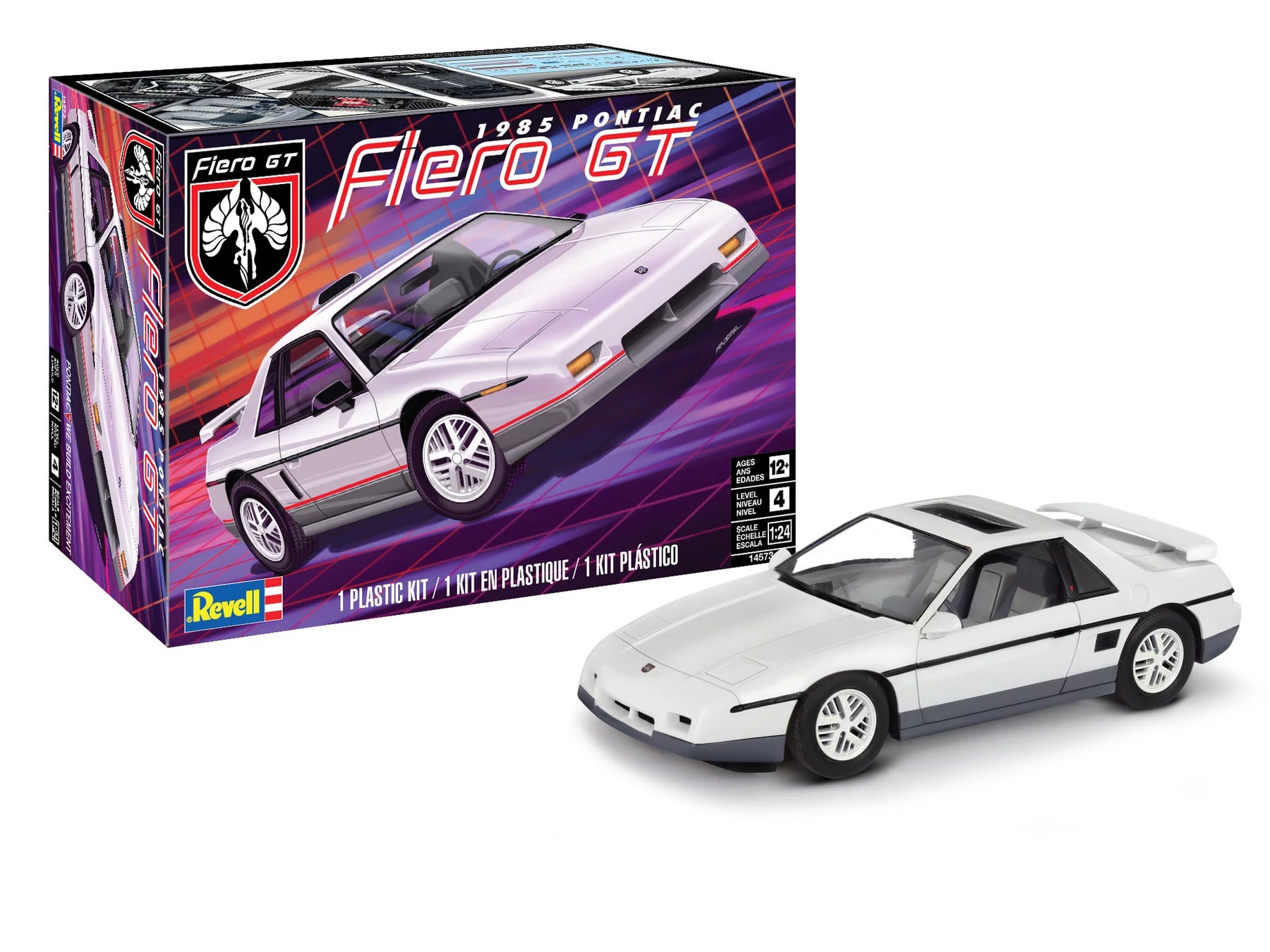
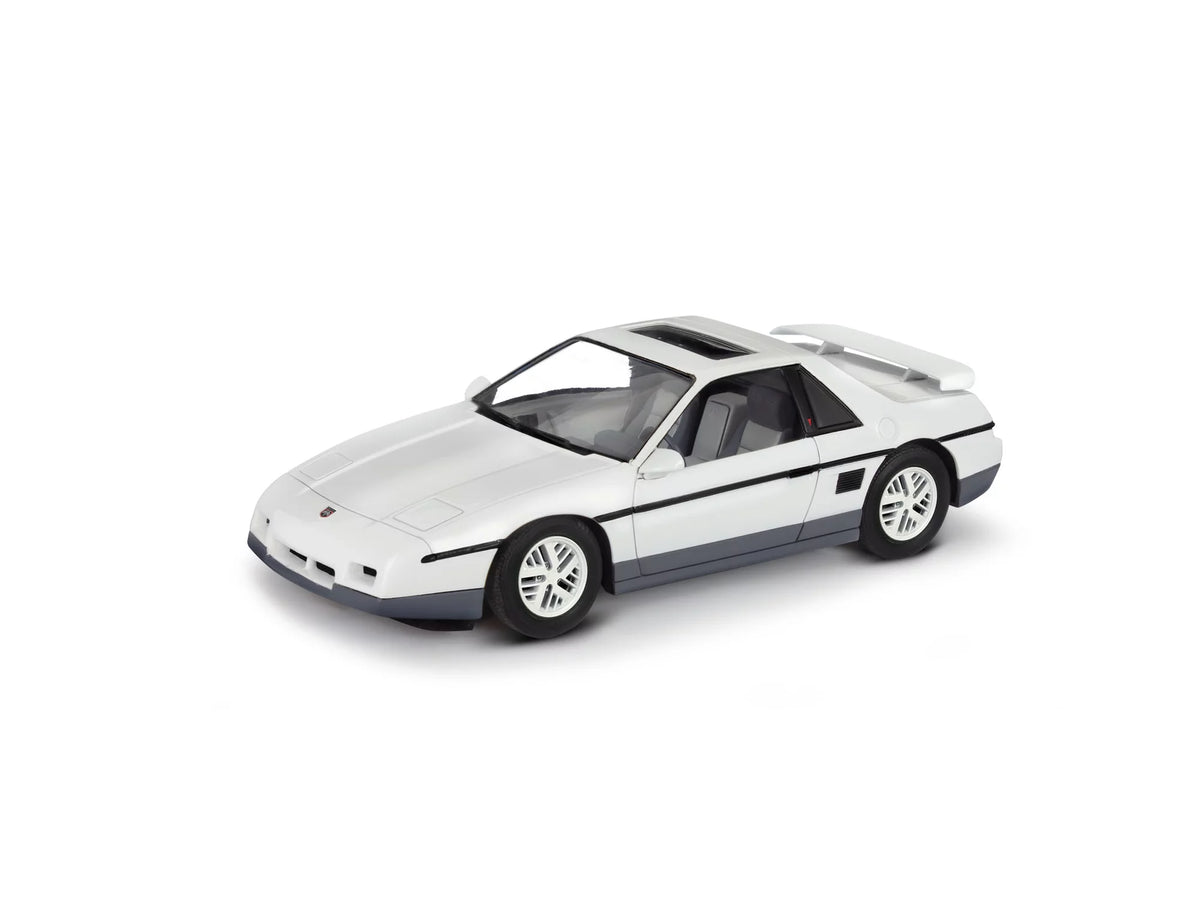
- Scale 1:24 / 1:25: The undisputed king of car model making. These models offer the perfect balance between impressive detail (such as detailed engines, opening hoods and moving wheels) and a manageable size of approximately 15 to 20 centimeters. Ideal for collectors and detail lovers.
- Scale 1:12: The upper class for real professionals. These large models are often more than 35 centimeters long. Here you'll find functional suspension, wired engines and extremely fine interior details. The perfect project for long winter evenings.
- Scale 1:32 / 1:43: Compact sizes that are great for beginners, diorama builders, or collectors with limited shelf space. Despite their smaller dimensions, modern kits in this category impress with their amazing sharpness of contours.
From timeless vintage cars to modern super sports cars
Tastes are different - and that is exactly what is reflected in our variety of model cars. Which vehicle makes your heart beat faster? Our range covers the entire range of eras in automotive history:
Classic vintage cars and automotive legends
Go on a journey through time and recreate milestones that shaped the streetscape of past decades. From the unforgettable VW Beetle to the elegant Mercedes-Benz 300 SL Gullwing to iconic roadsters of the 1950s and 60s. When you build these models, you'll love the curved design language and authentic chrome details that bring retro flair to your rooms.
Power and V8 burble: US muscle cars
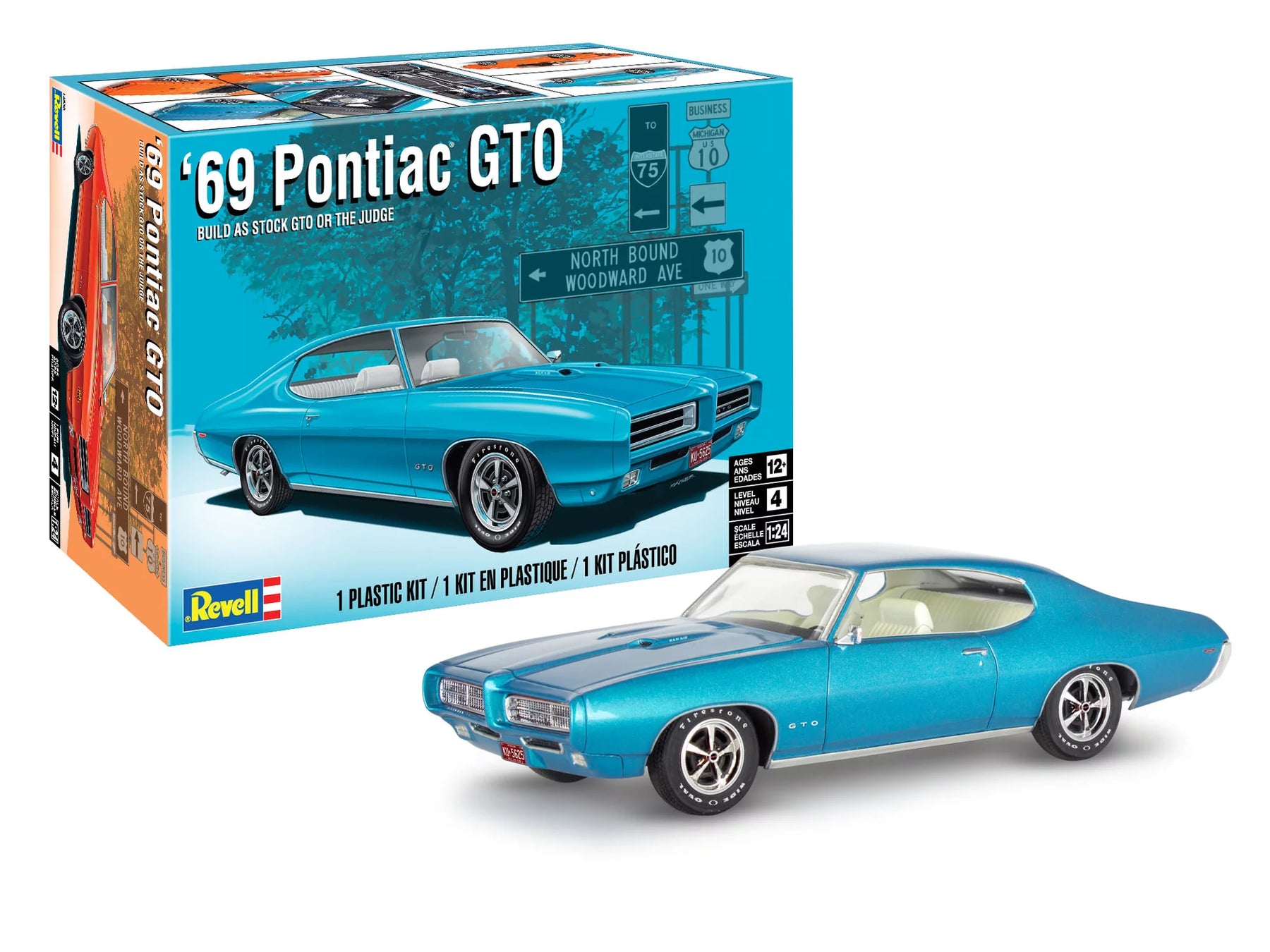
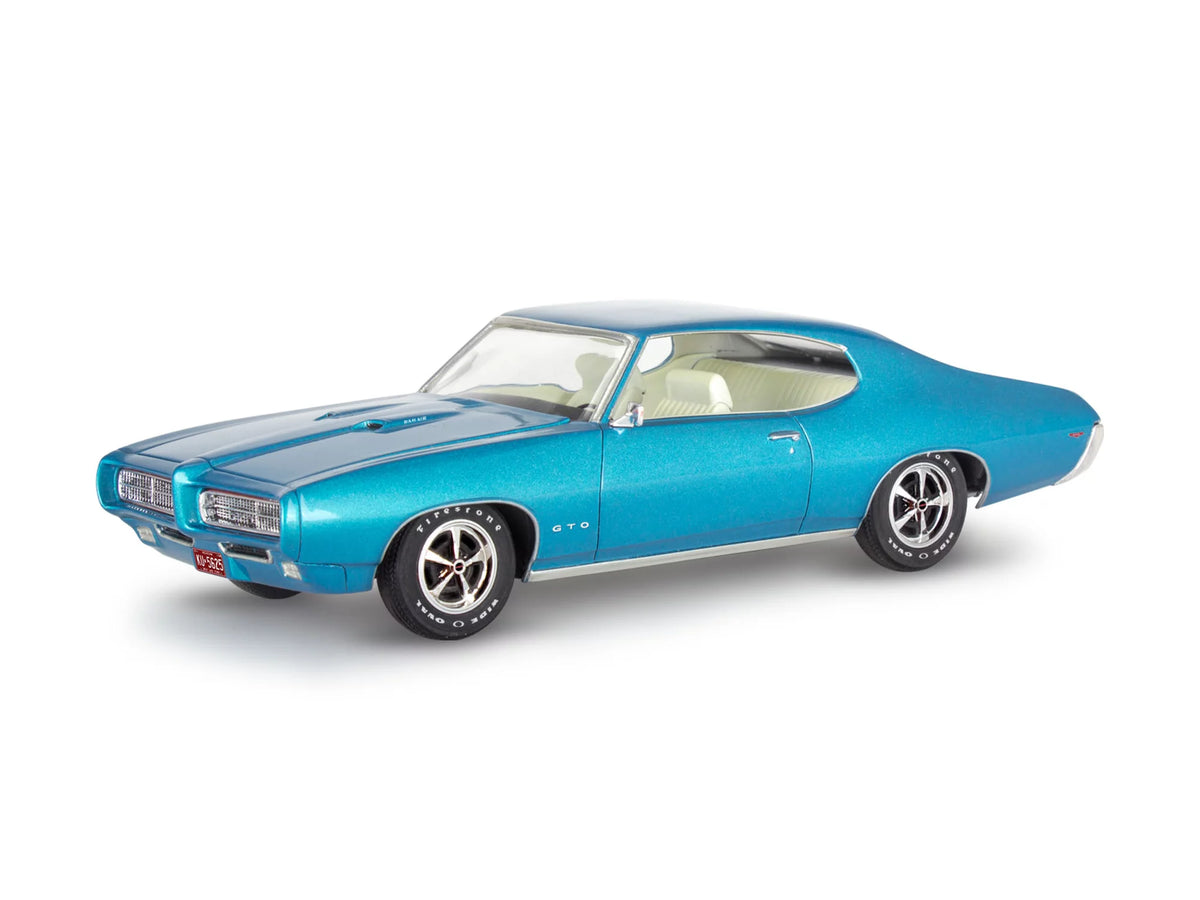
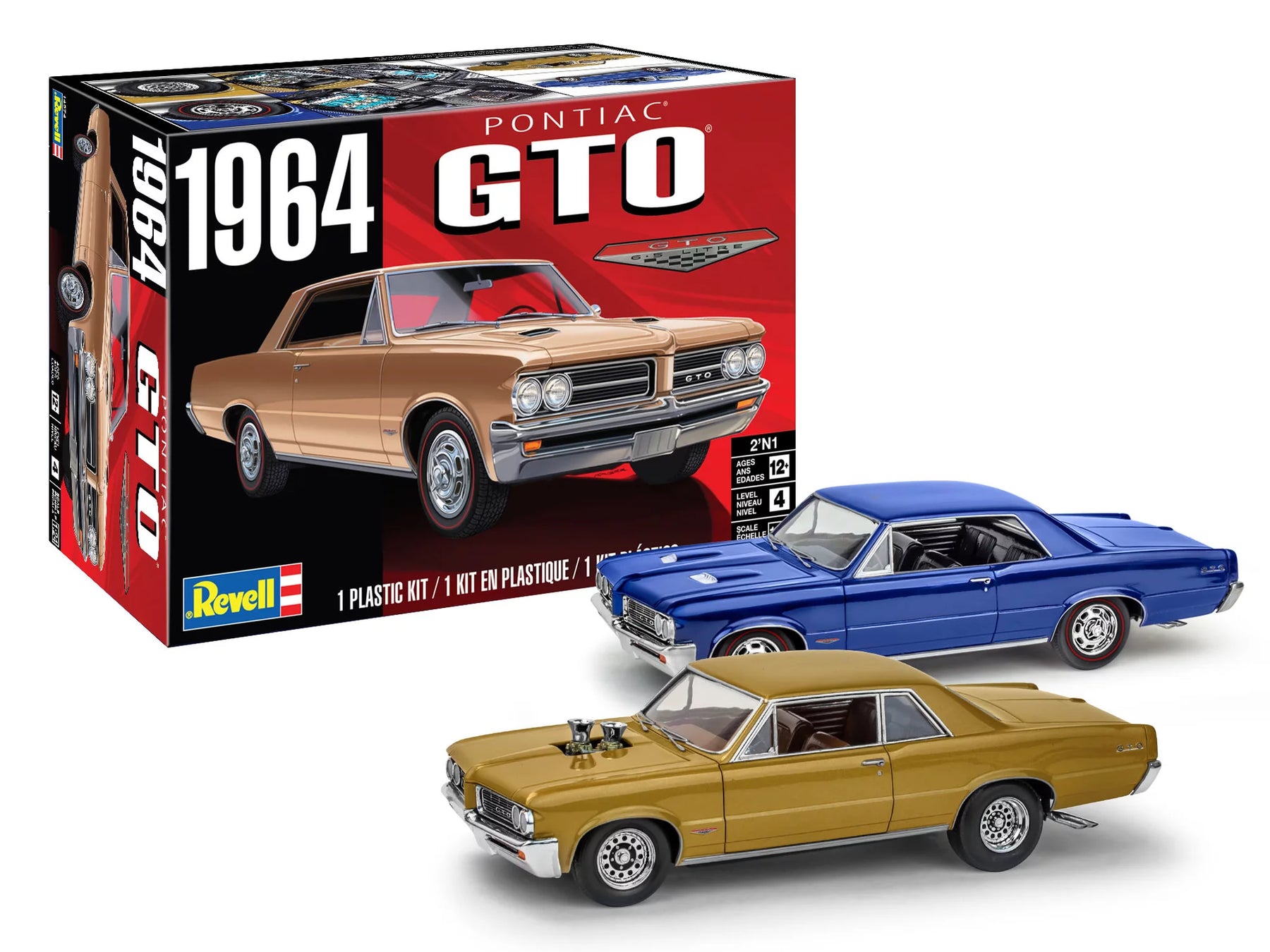
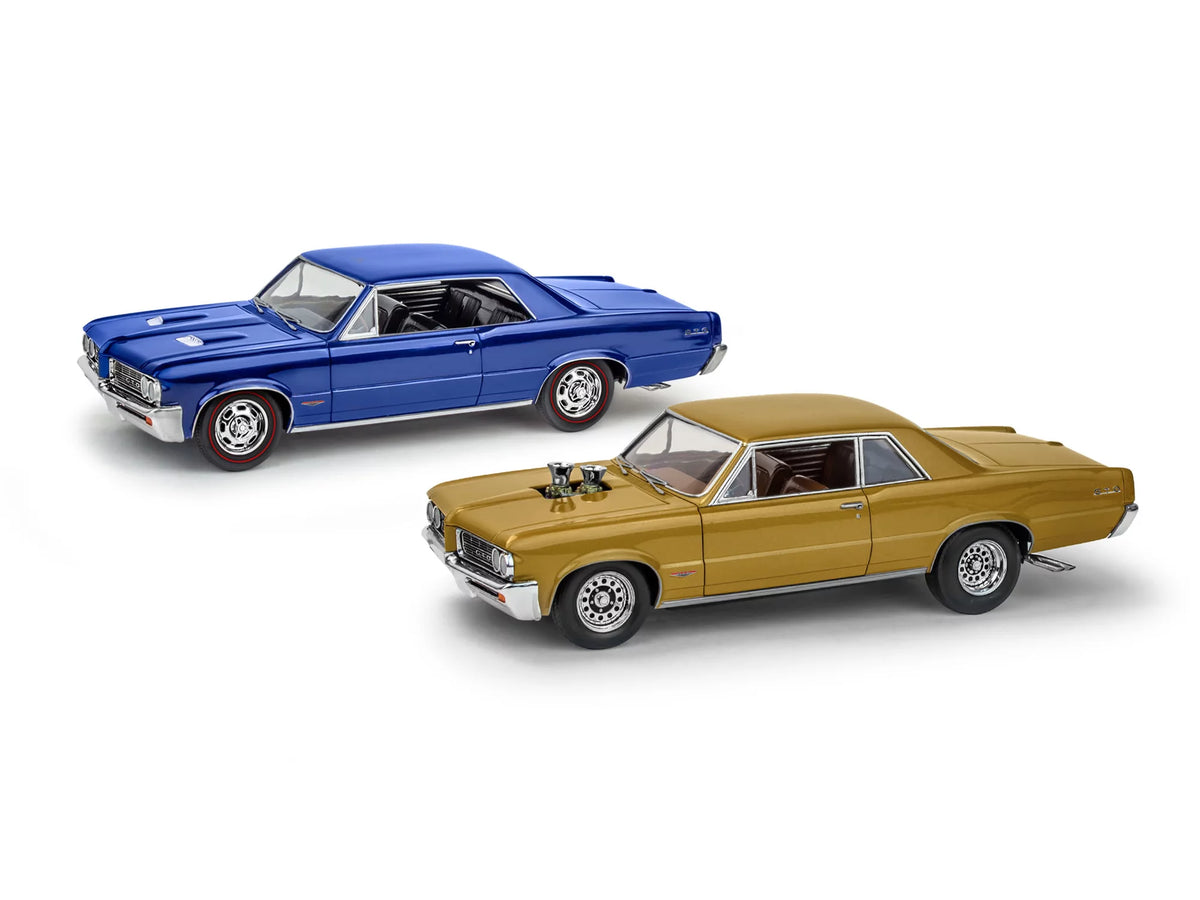
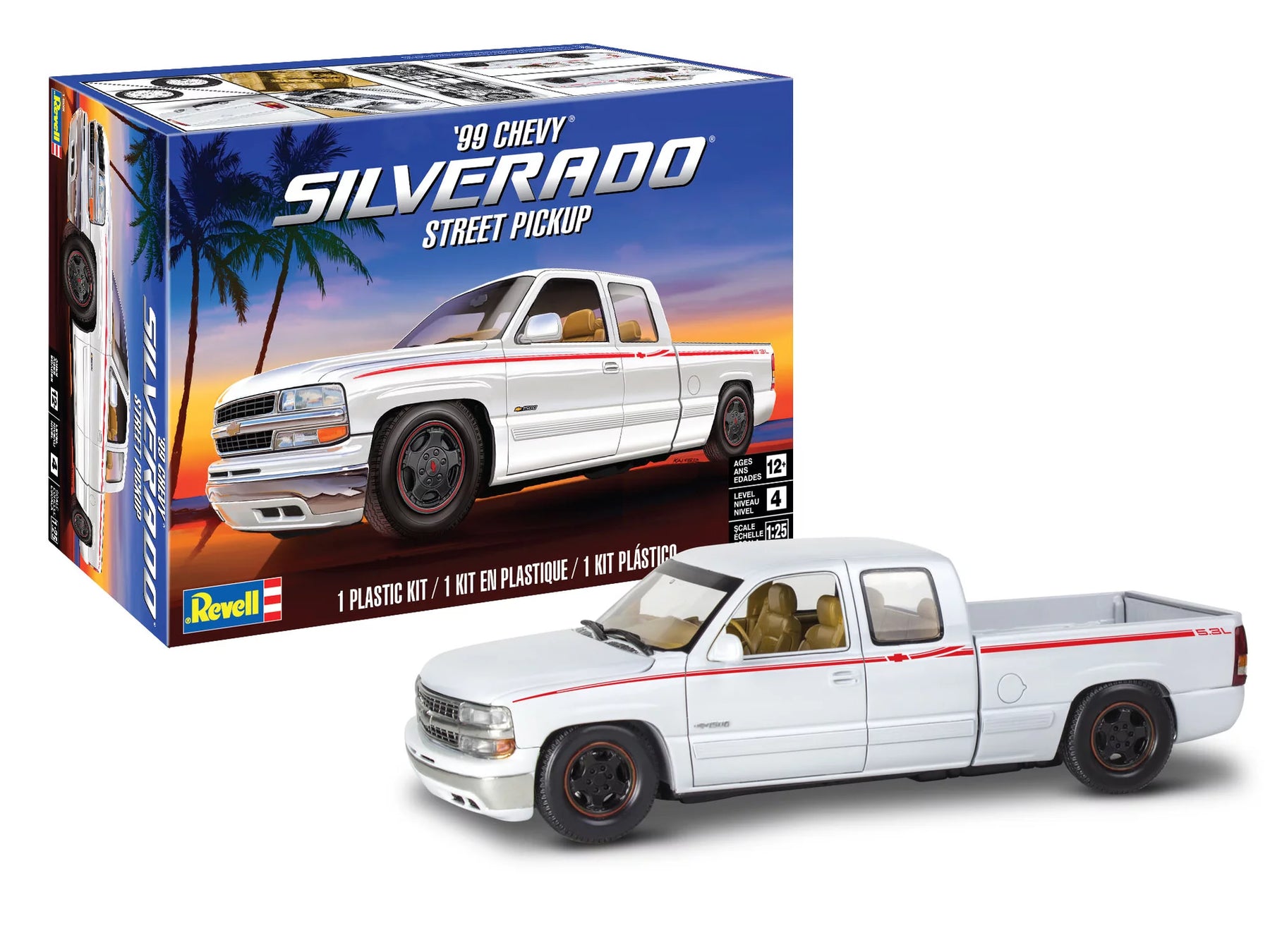
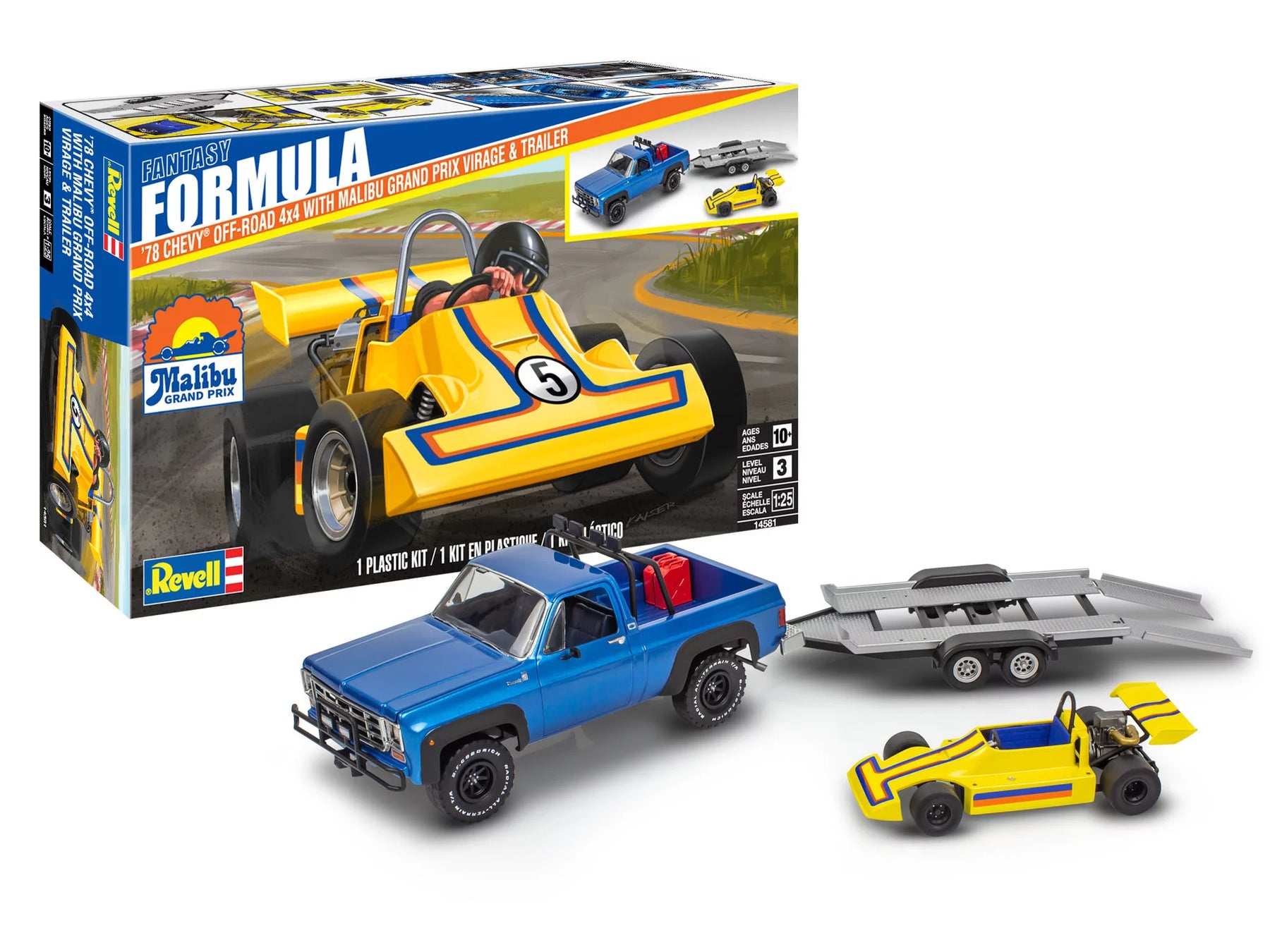
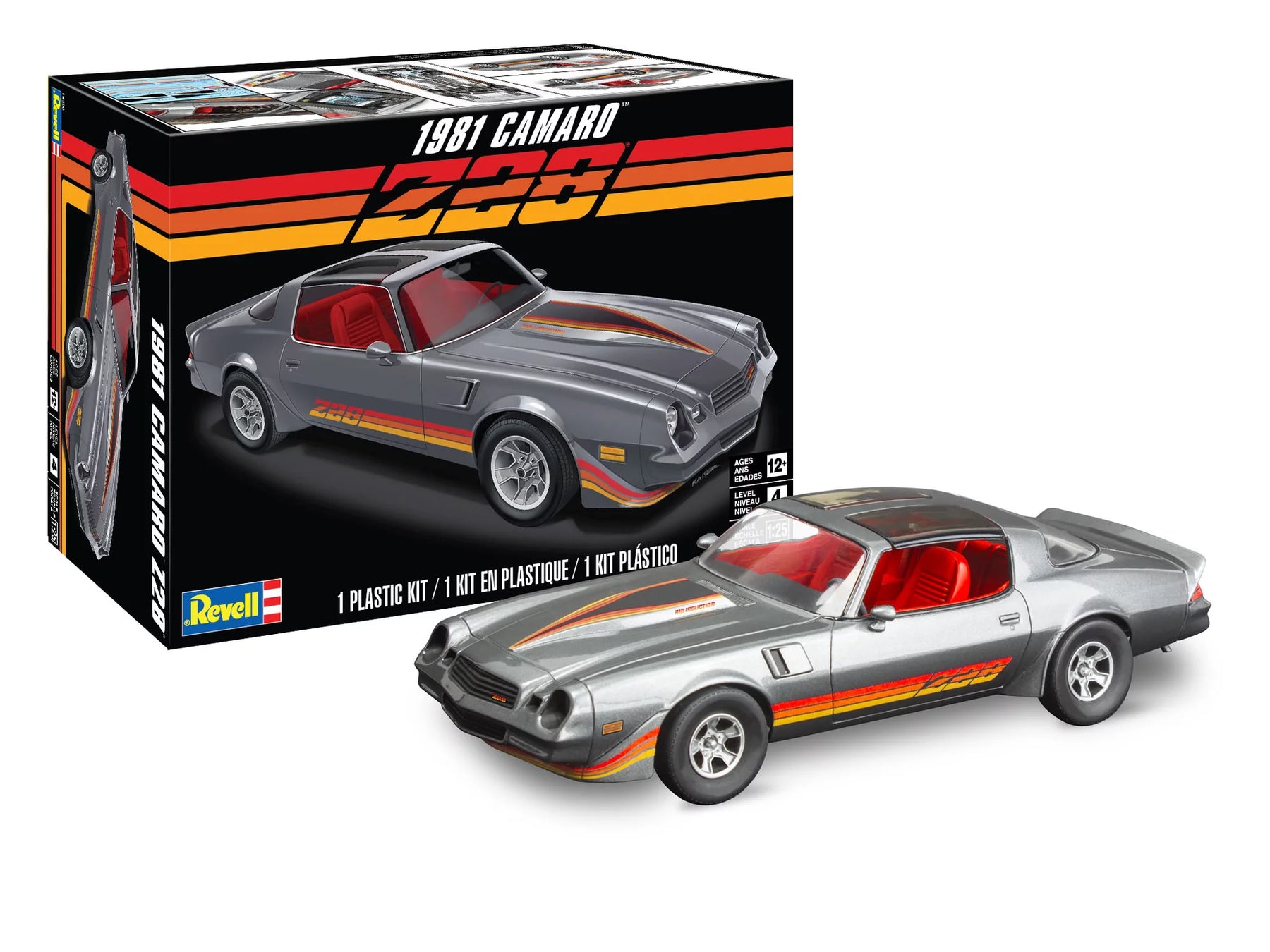
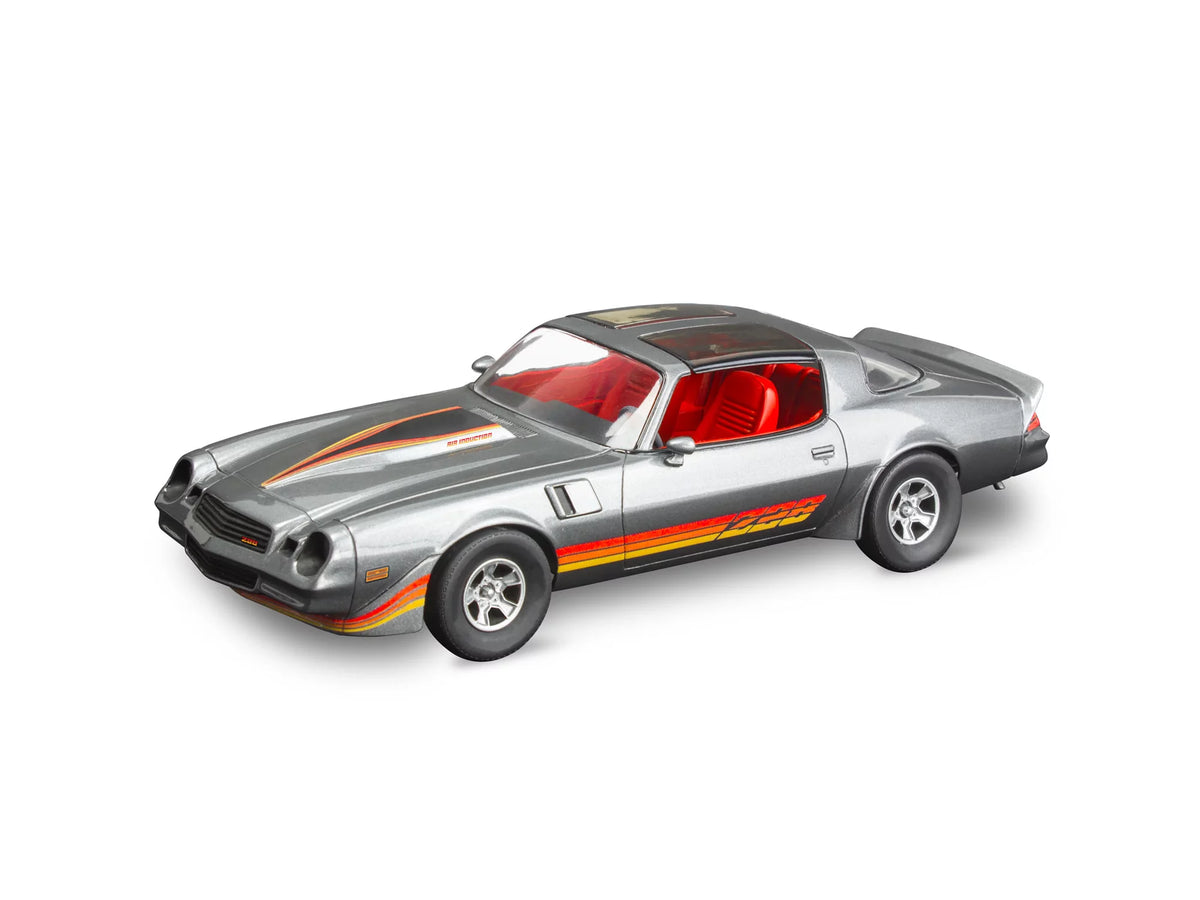
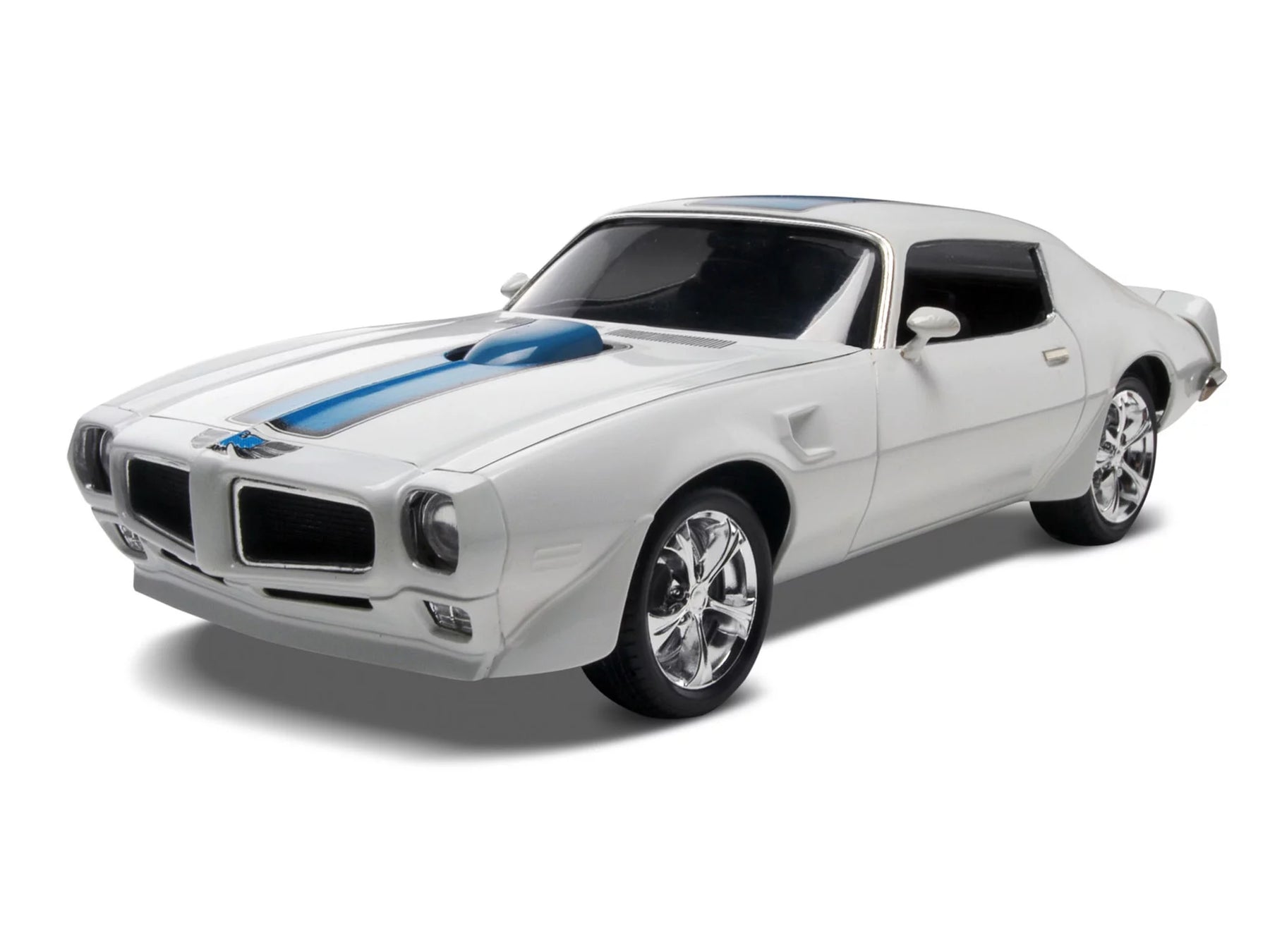
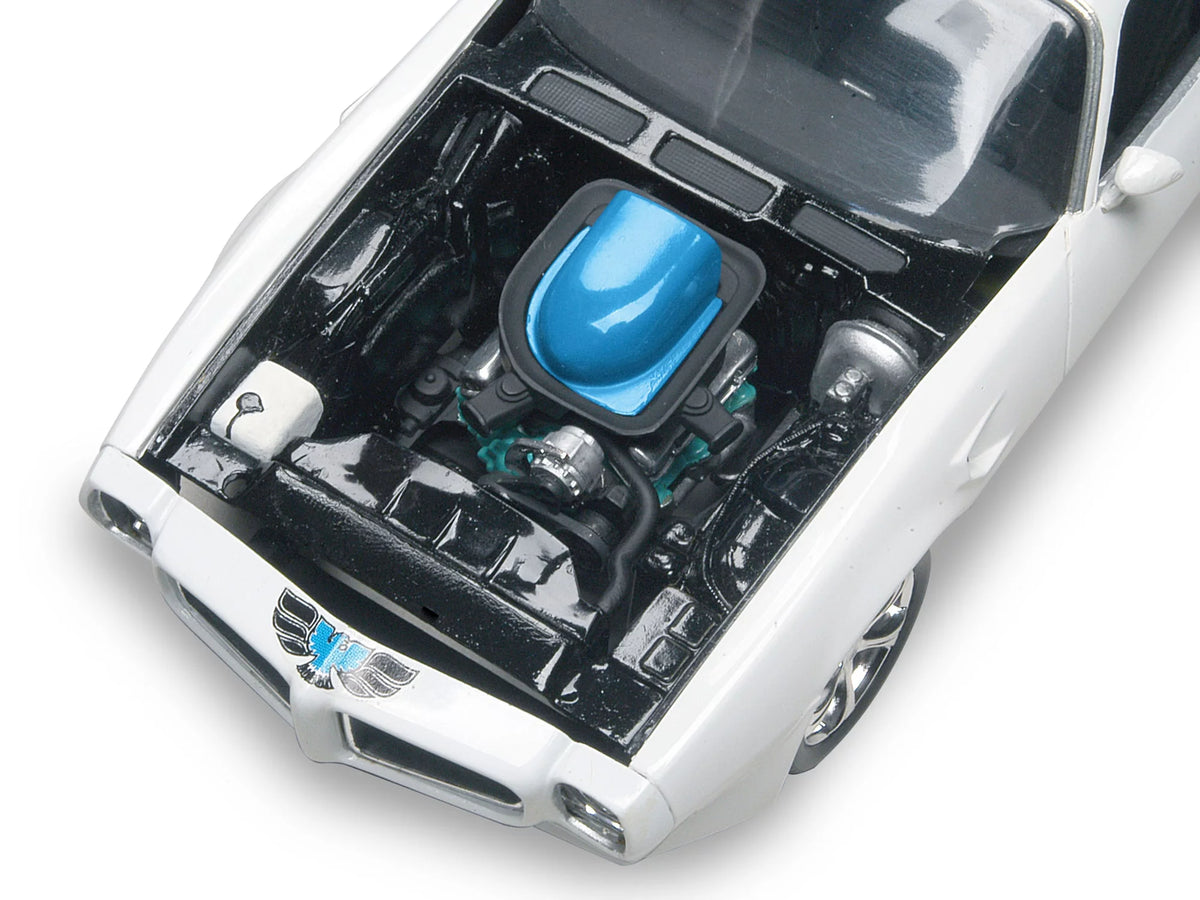
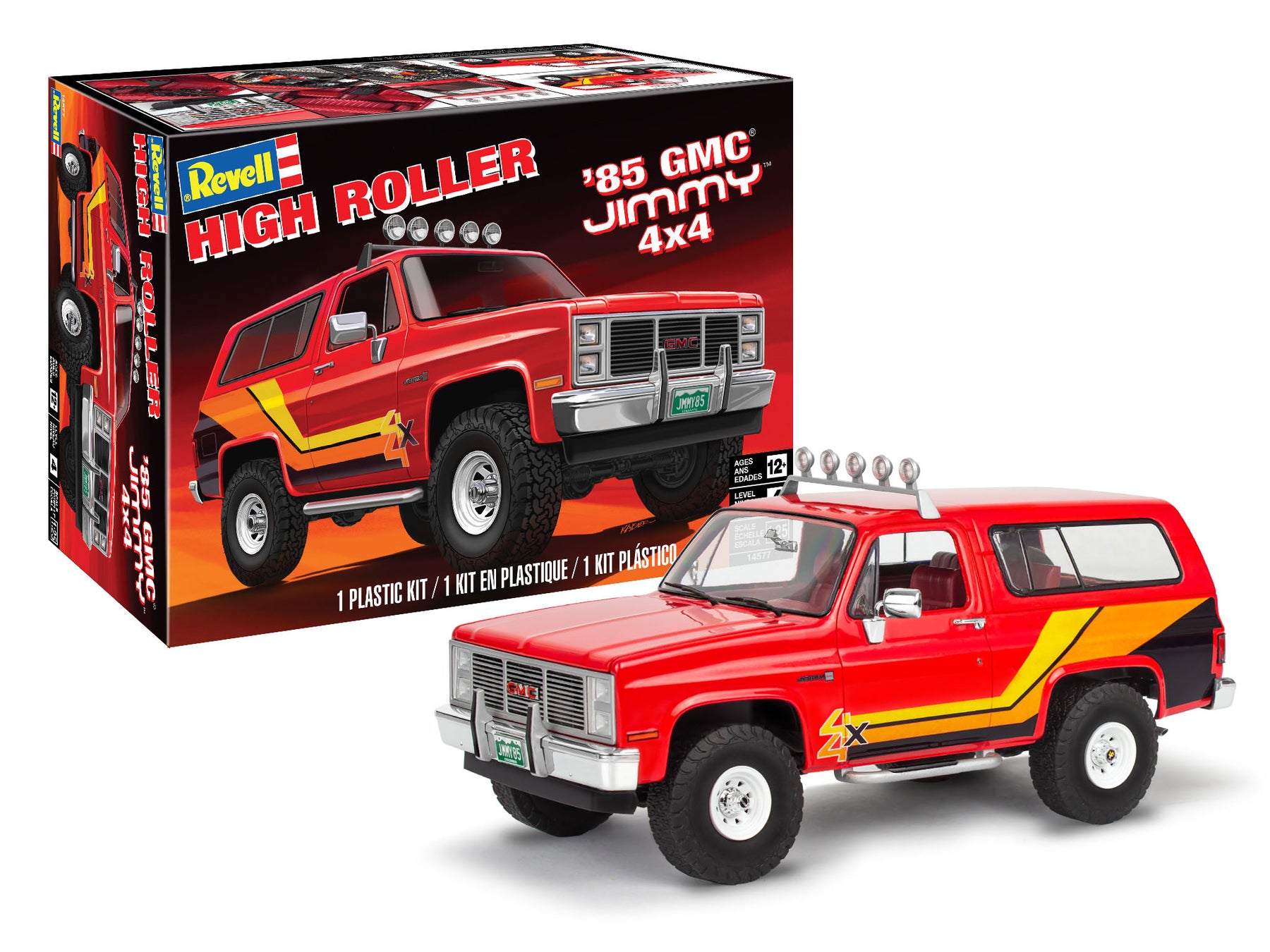
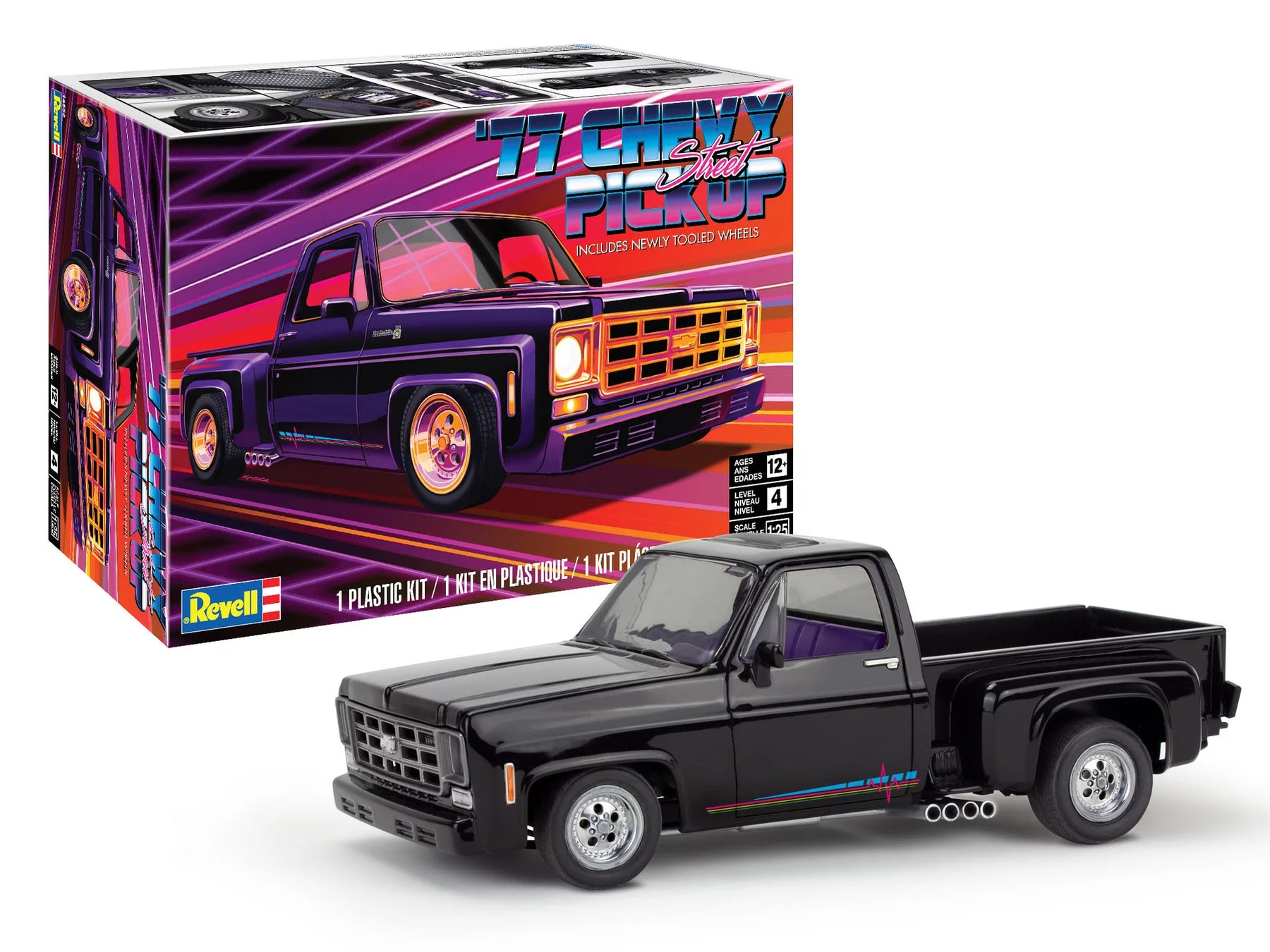
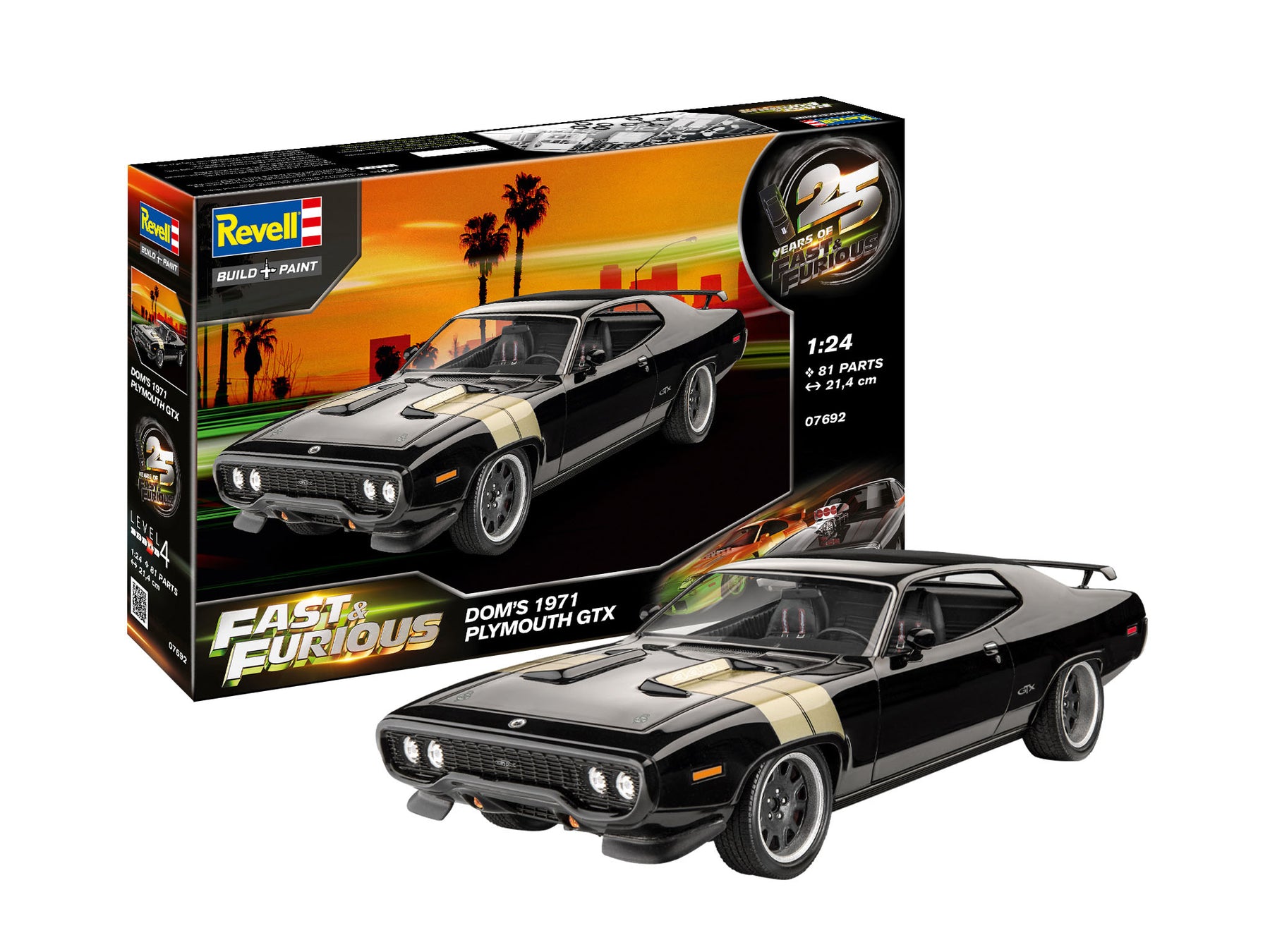
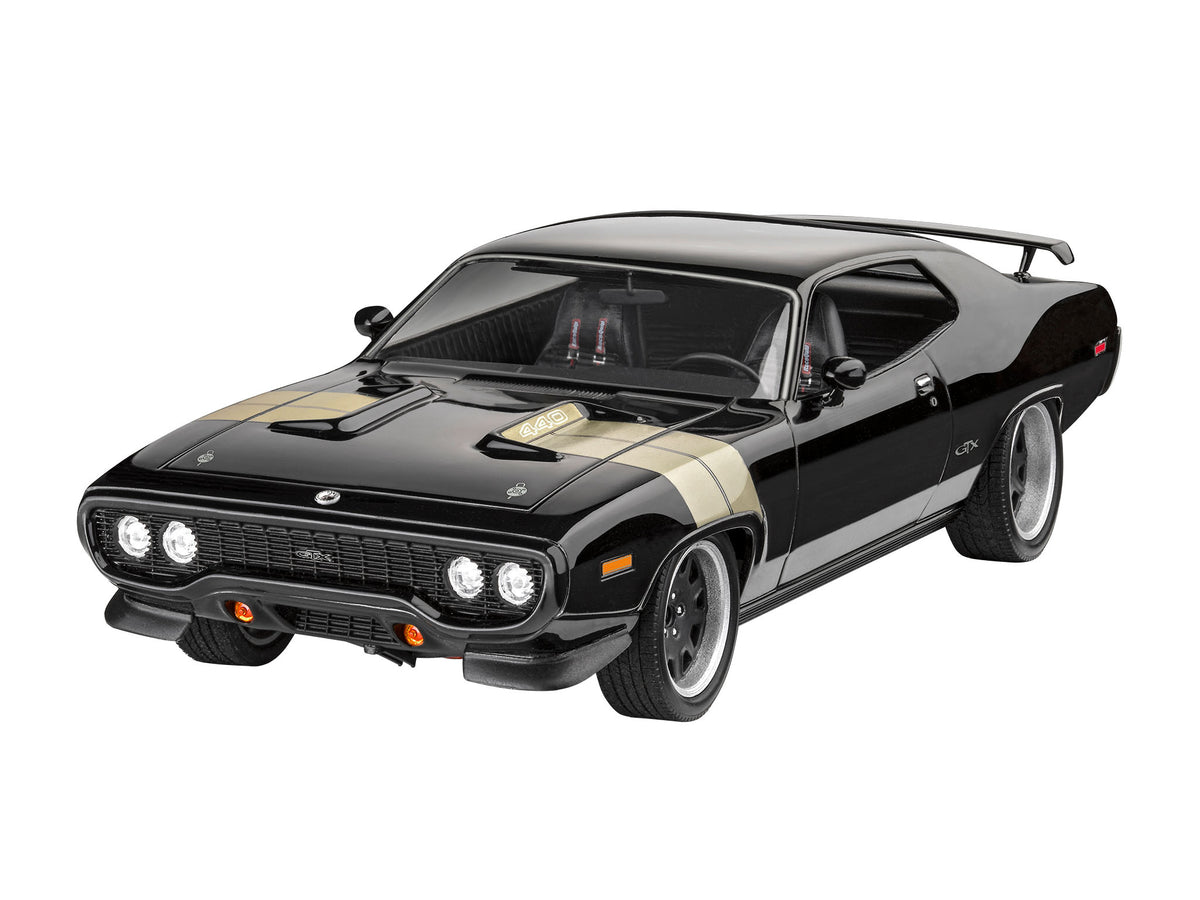
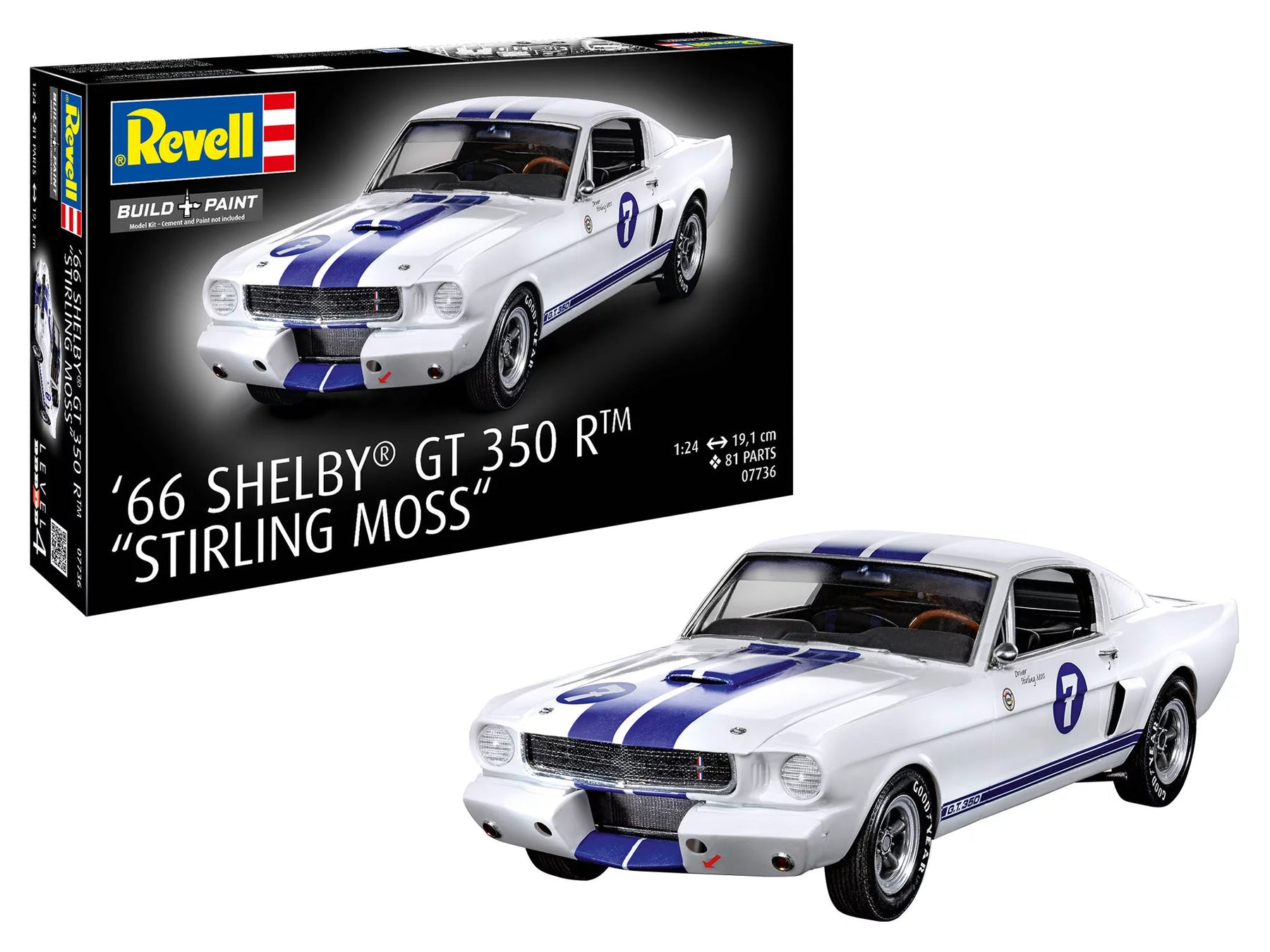
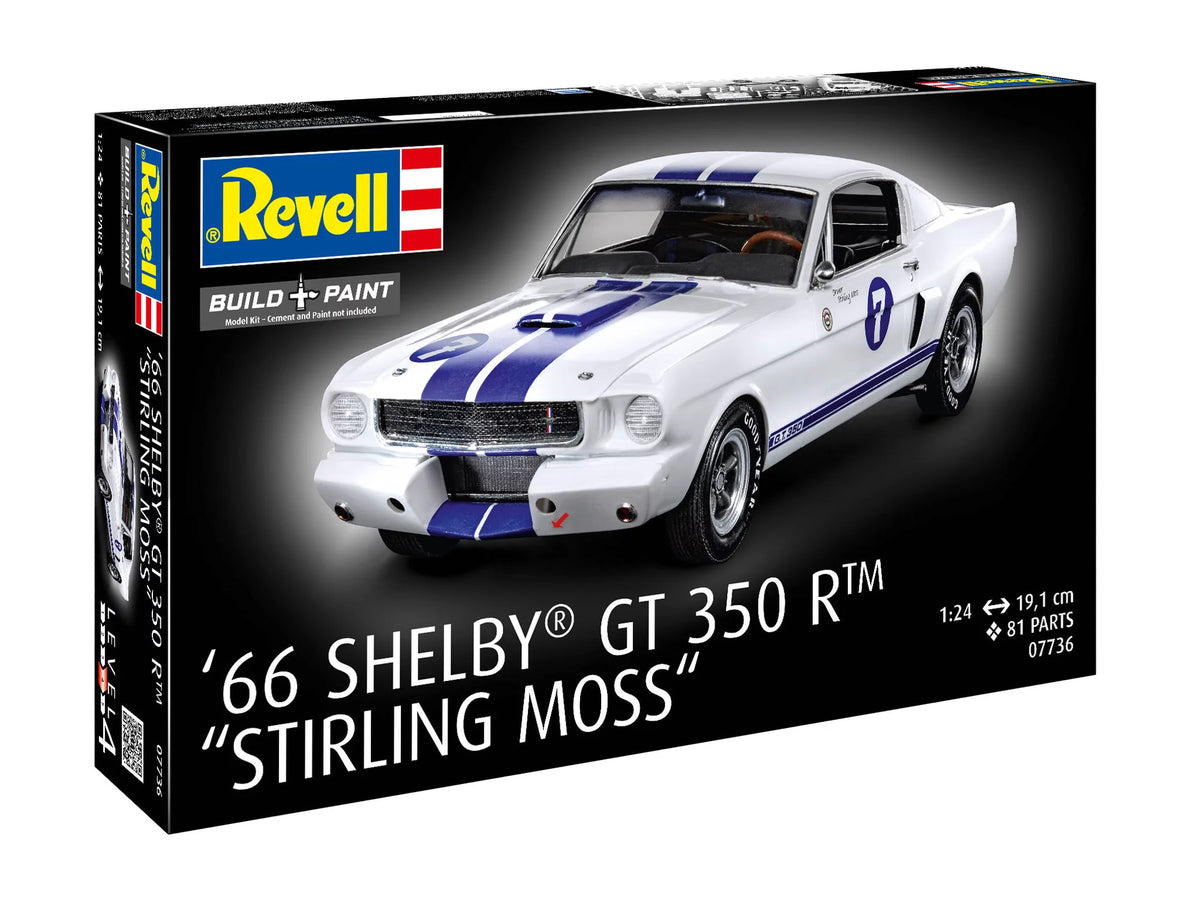
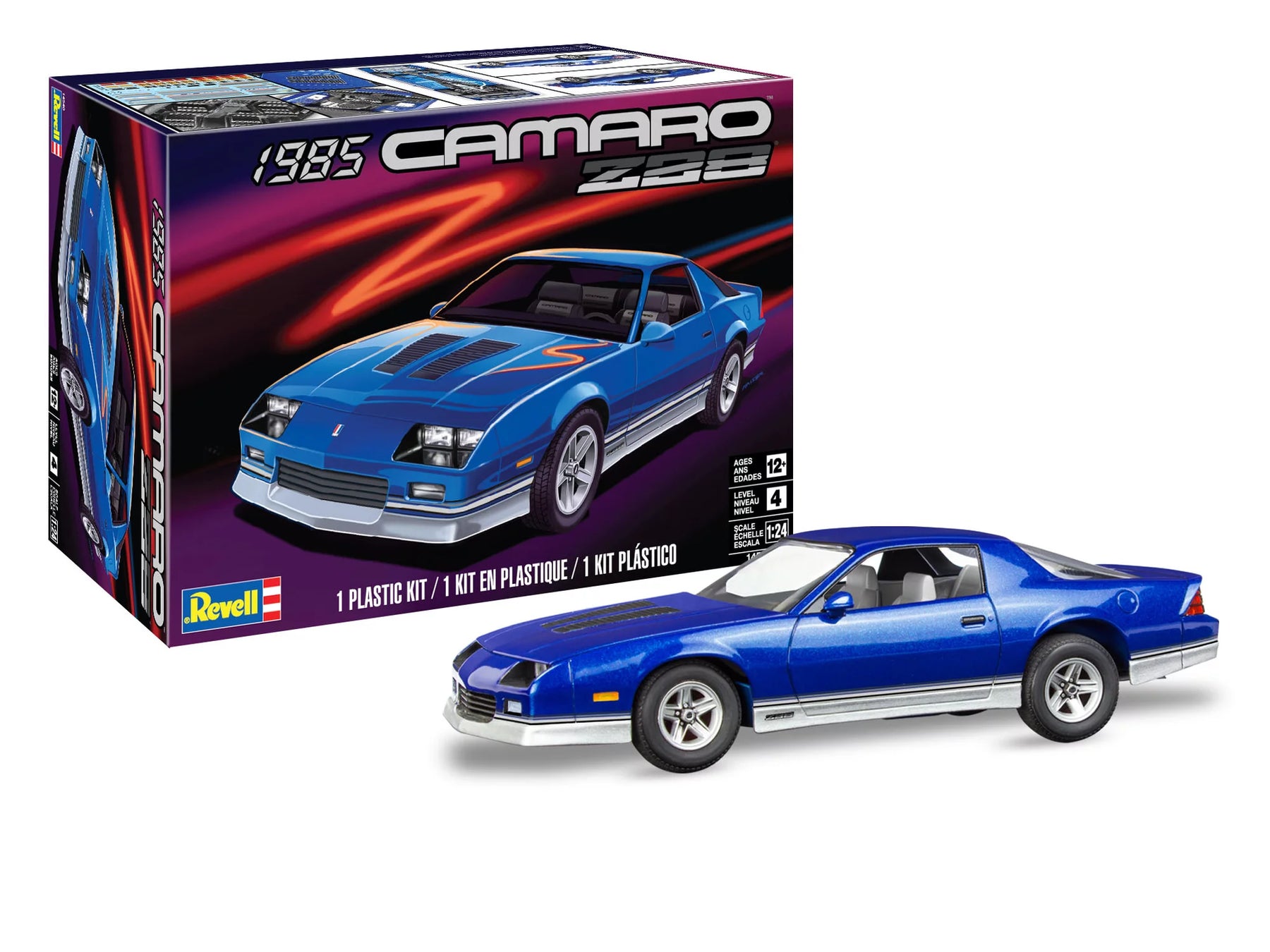
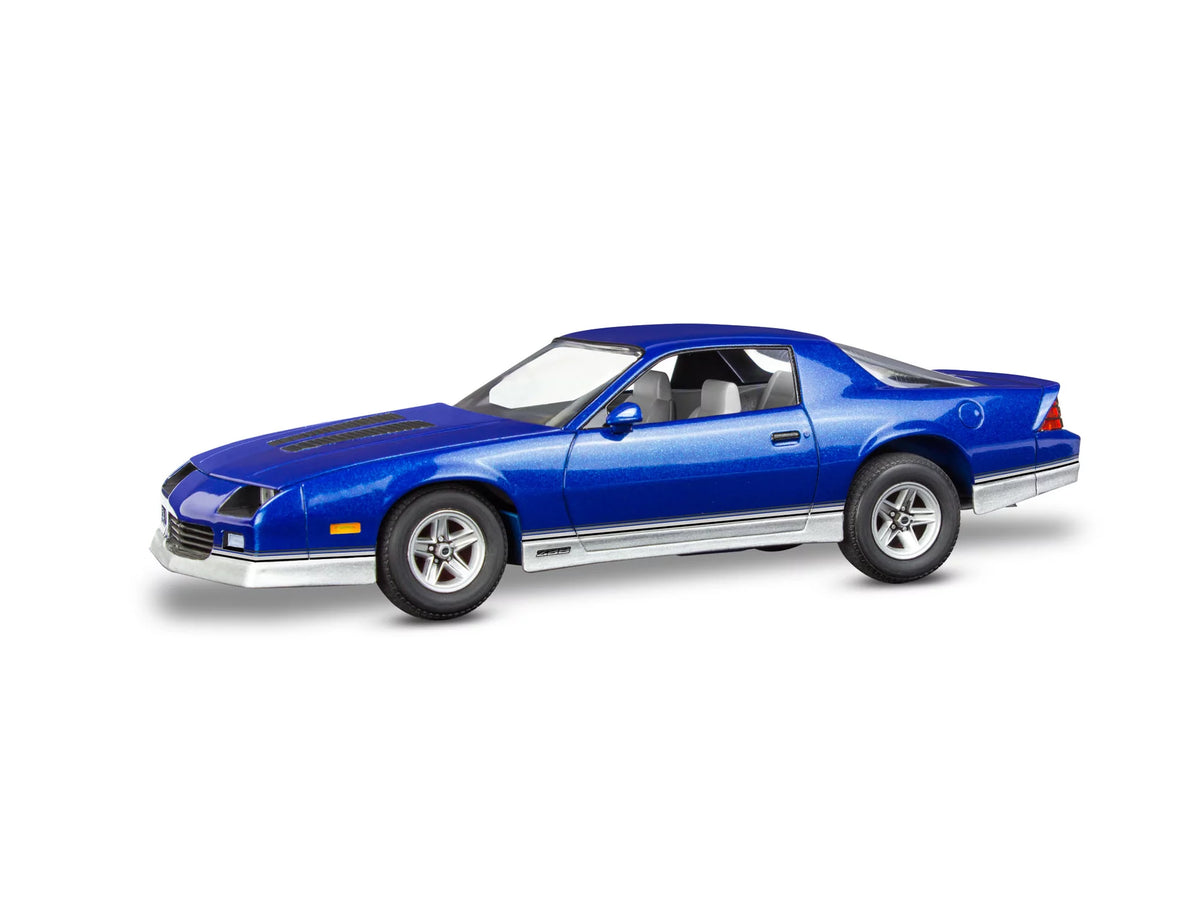
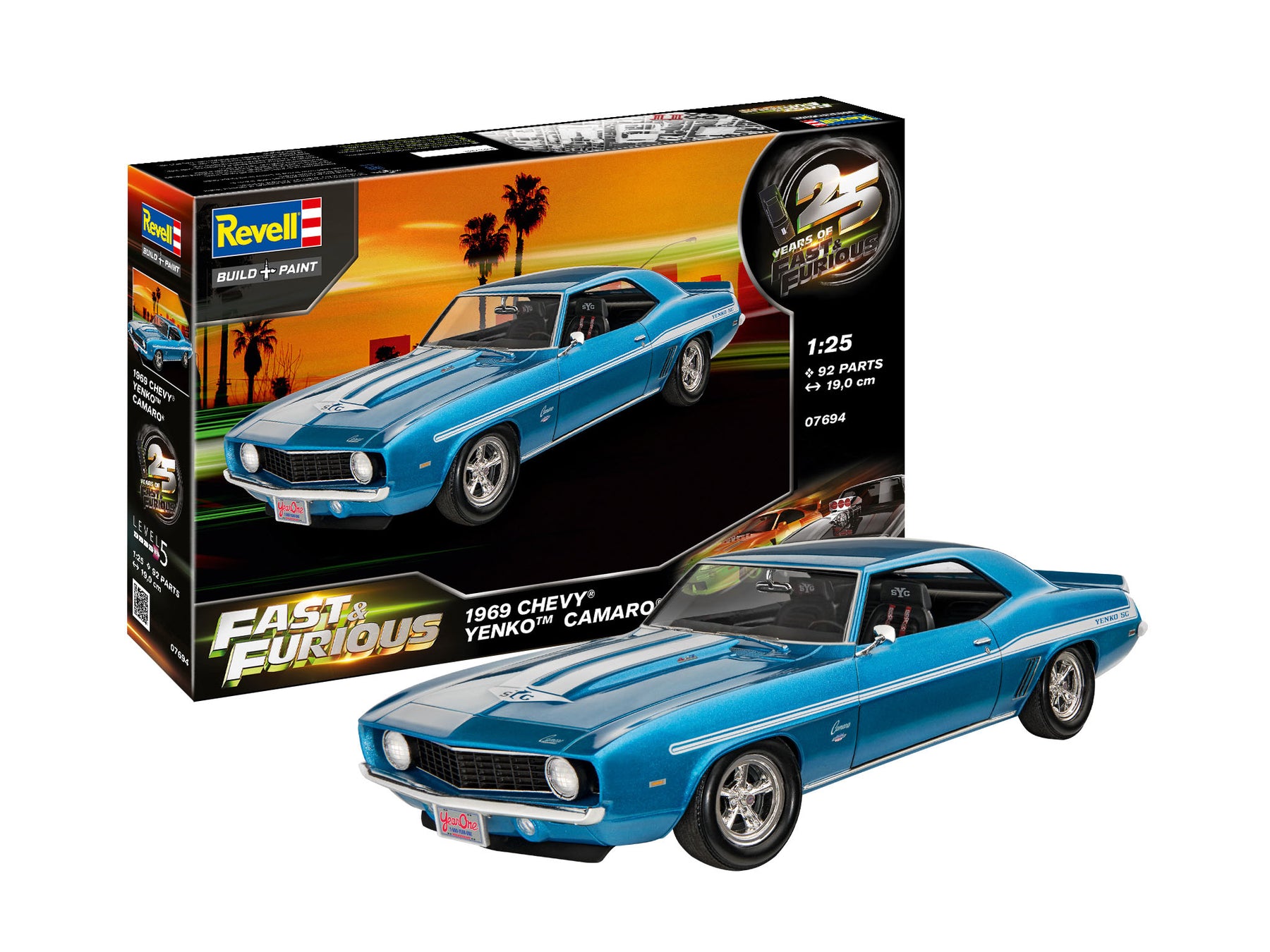
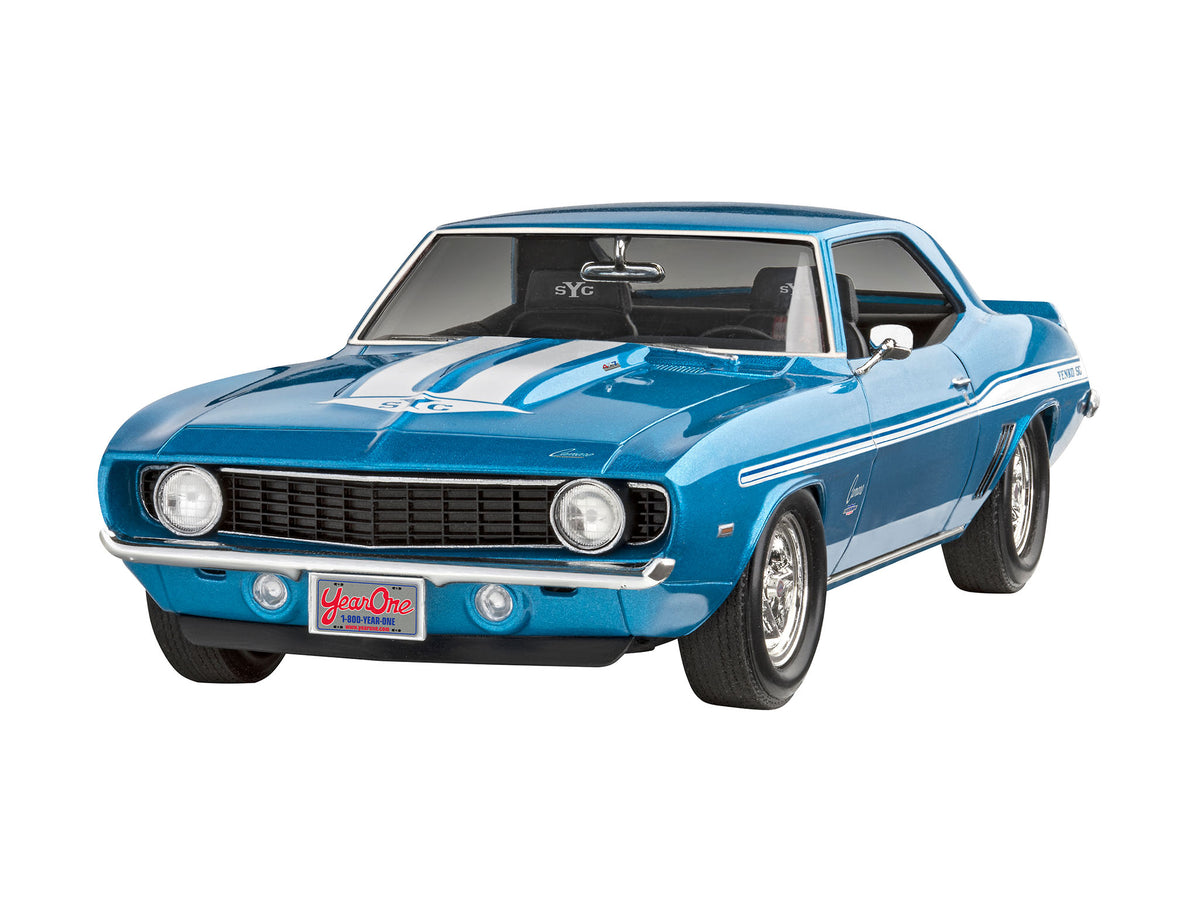
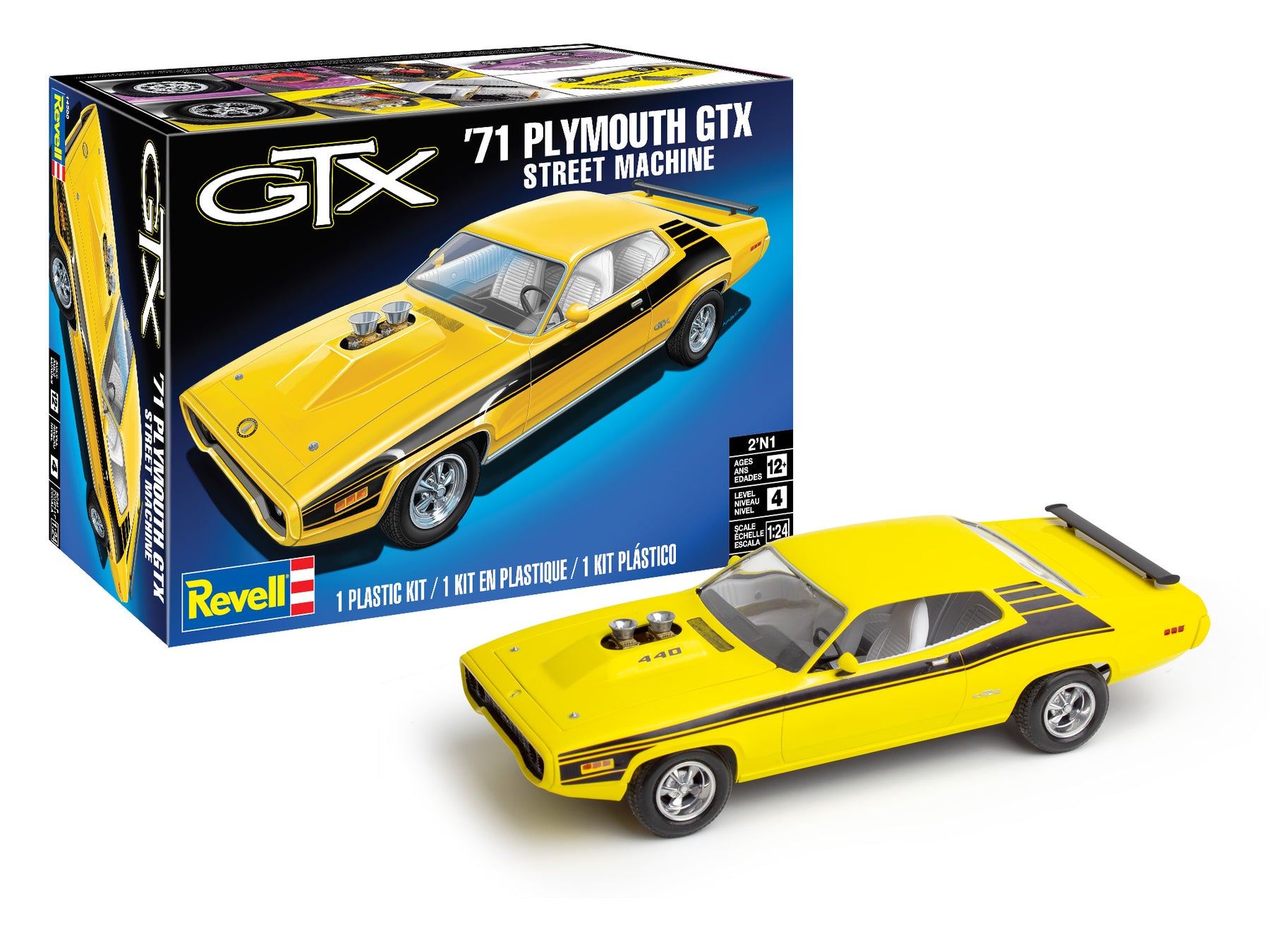
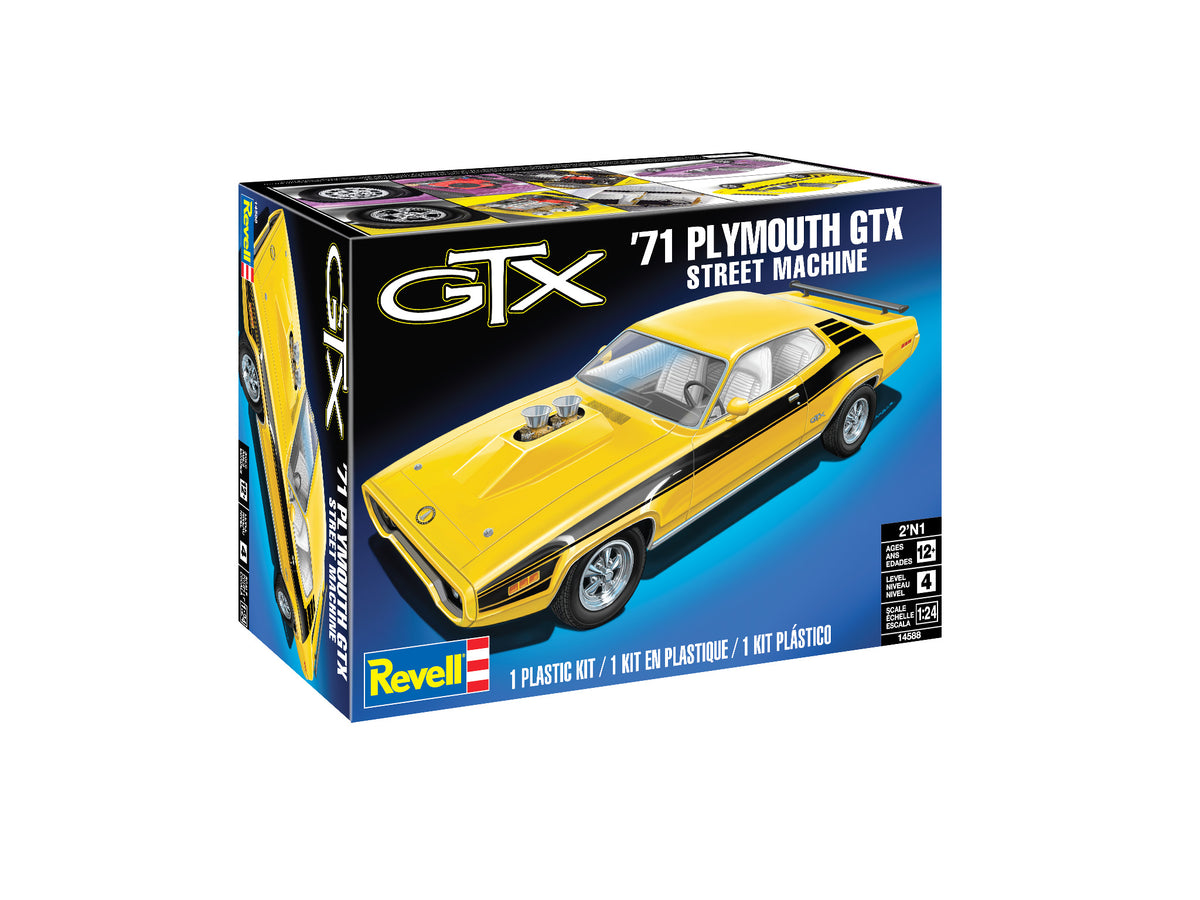
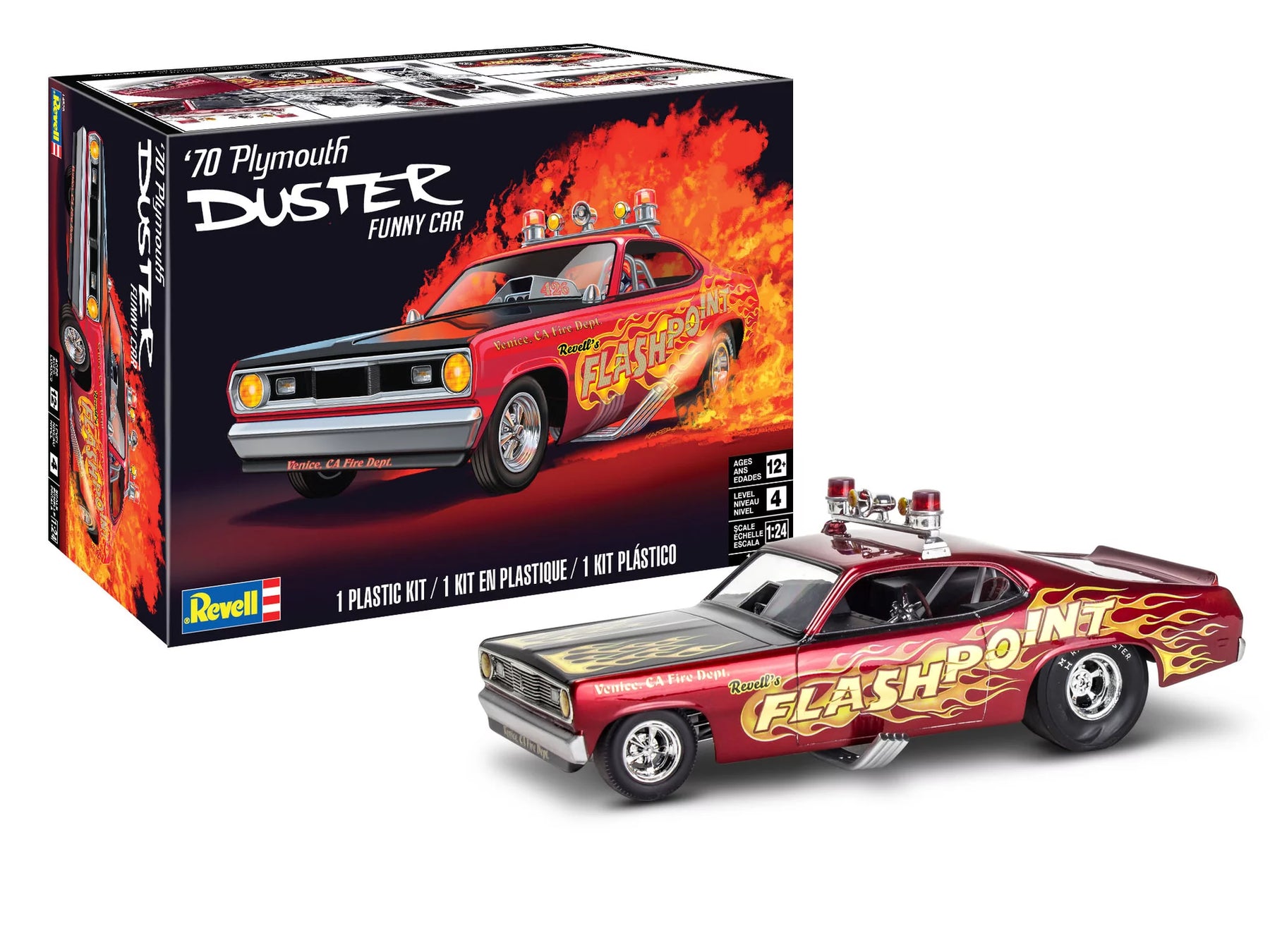
Do you love wide slippers, long hoods and sheer V8 power? Then kits of classic American muscle cars are right up your alley. Models like the Ford Mustang, the Chevrolet Camaro or the Dodge Charger impress with their muscular body lines, detailed big-block engines and distinctive decals such as racing stripes, which make your kit a real eye-catcher.
Motorsport, rally and racing icons
Bring the atmosphere of Le Mans, Formula 1 or the spectacular World Rally Championships home. Racing car kits are characterized by elaborate sponsor sets (waterslide images), aerodynamic spoilers, roll cages and delicate racing cockpits. Here you can work particularly realistically with aging techniques and racing dust effects.
Modern supercars and hypercars
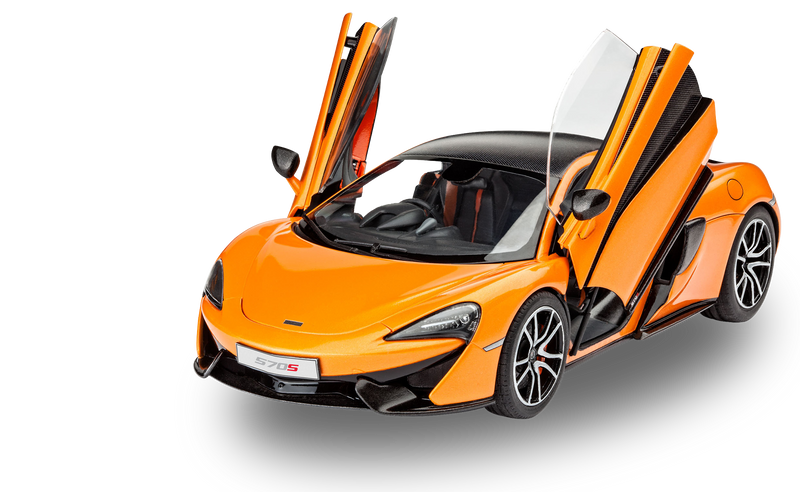
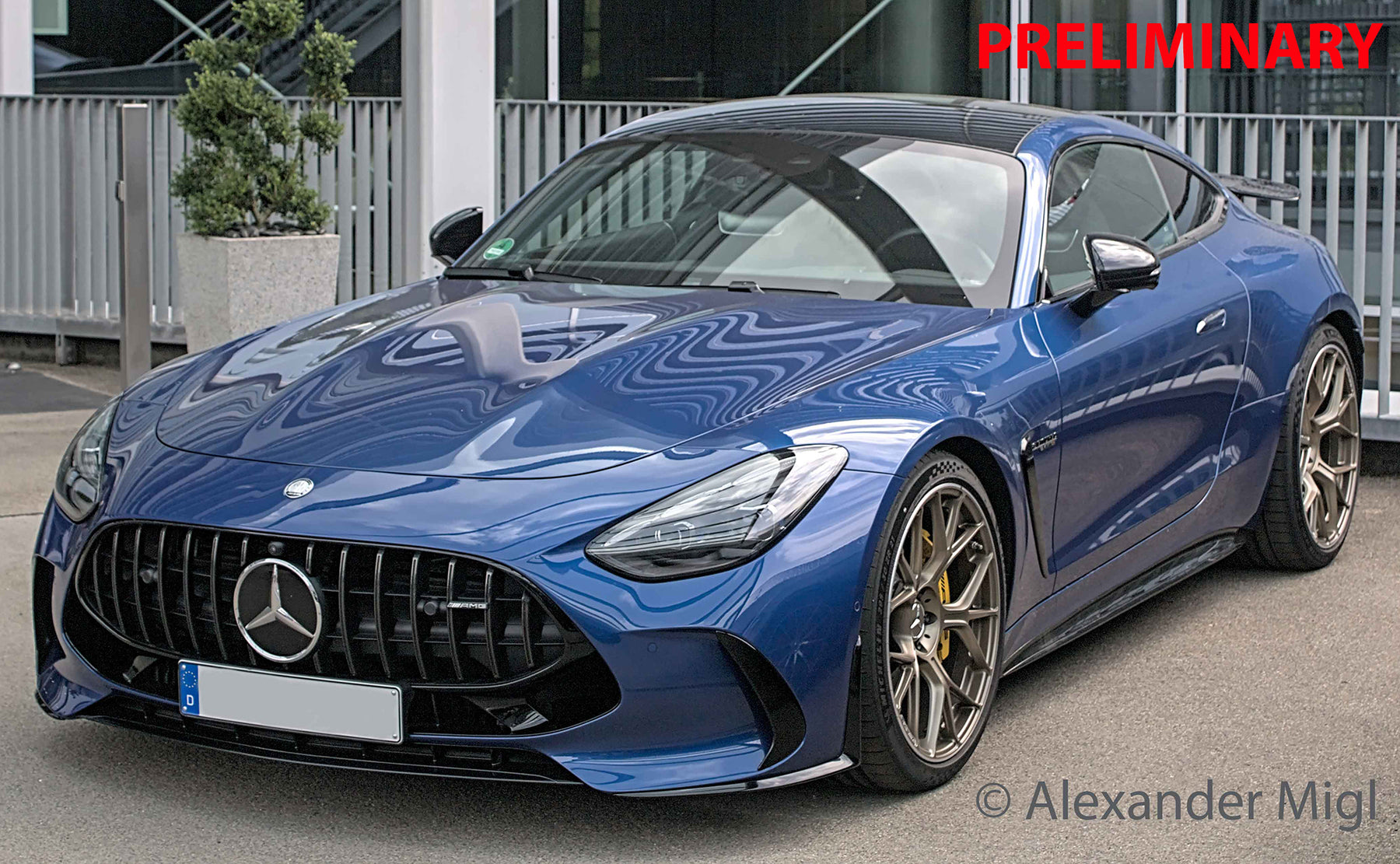
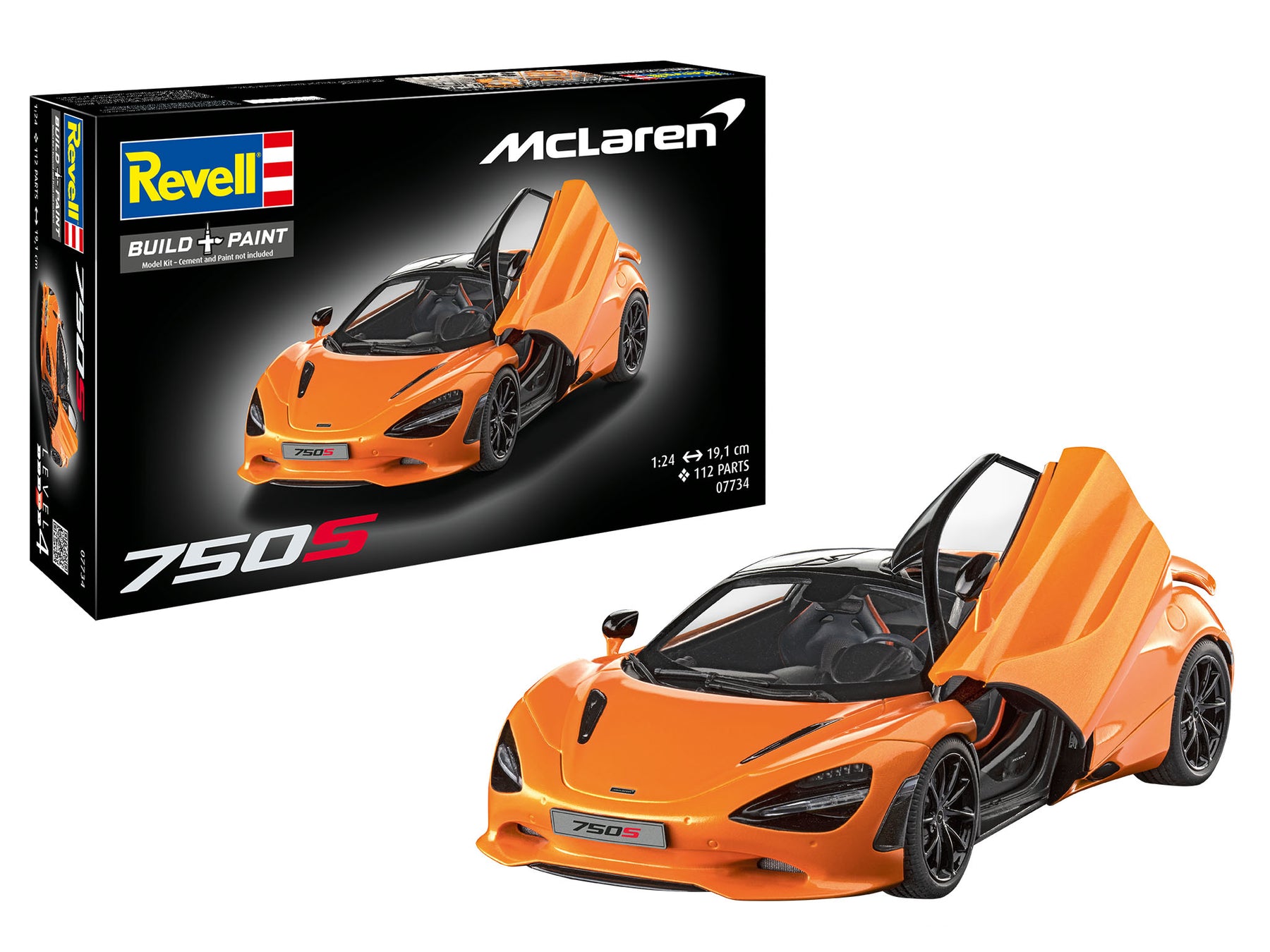
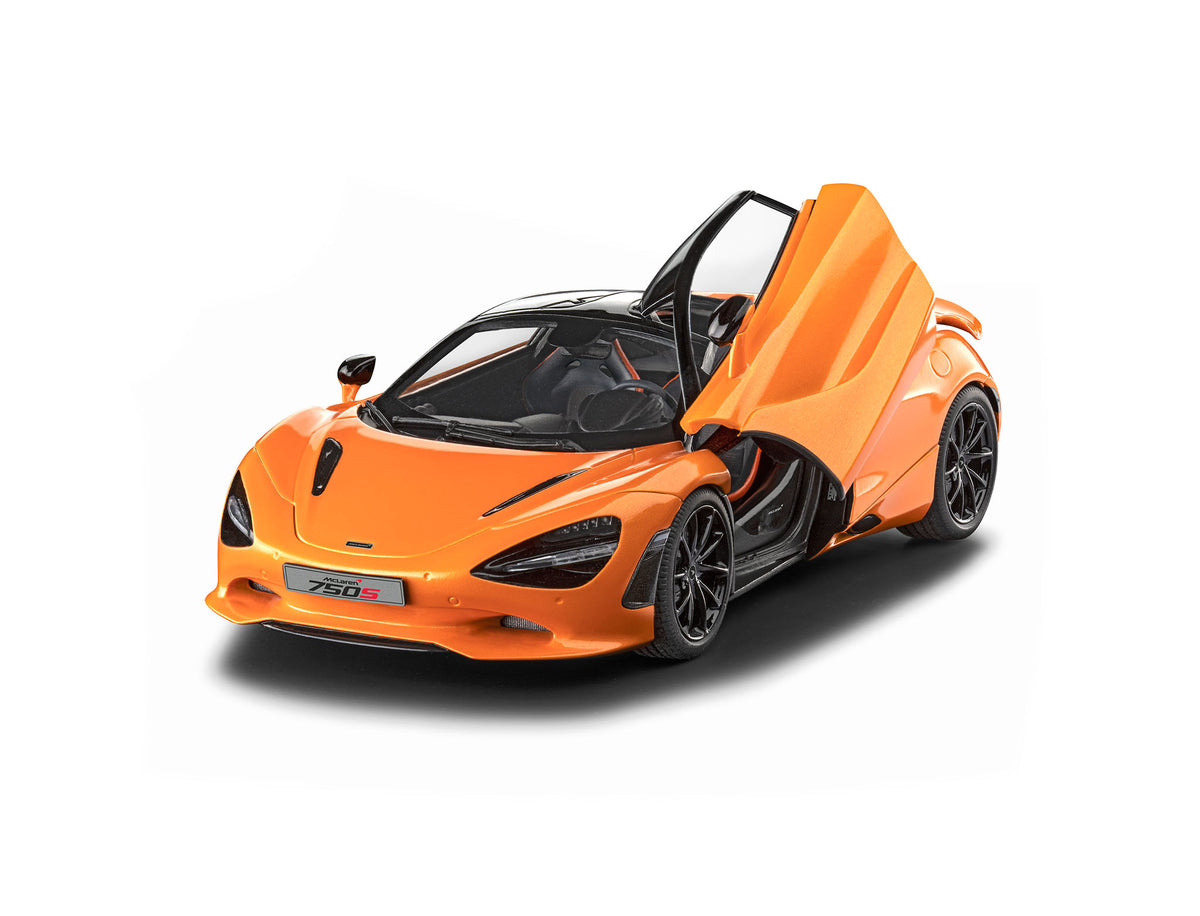
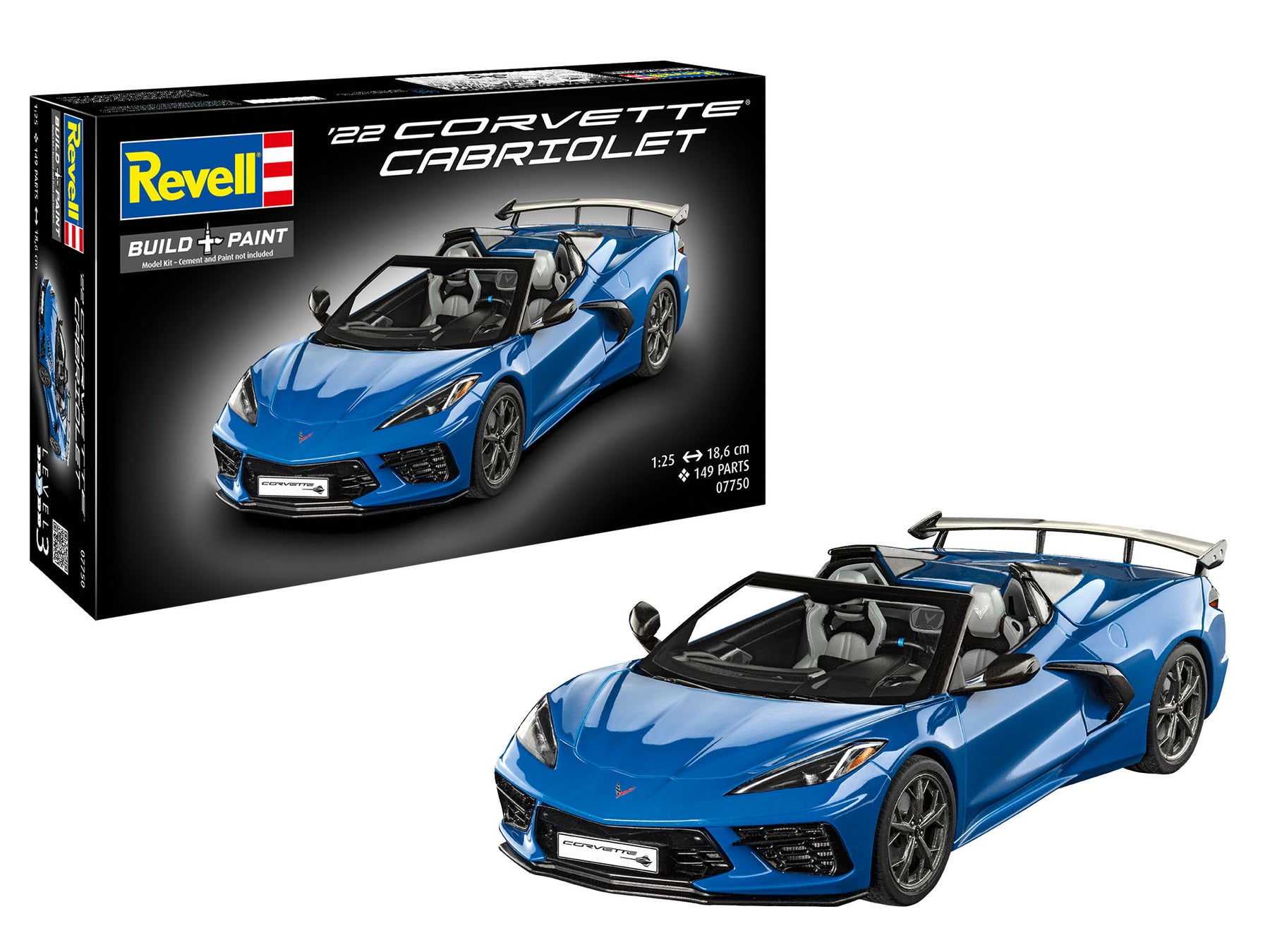
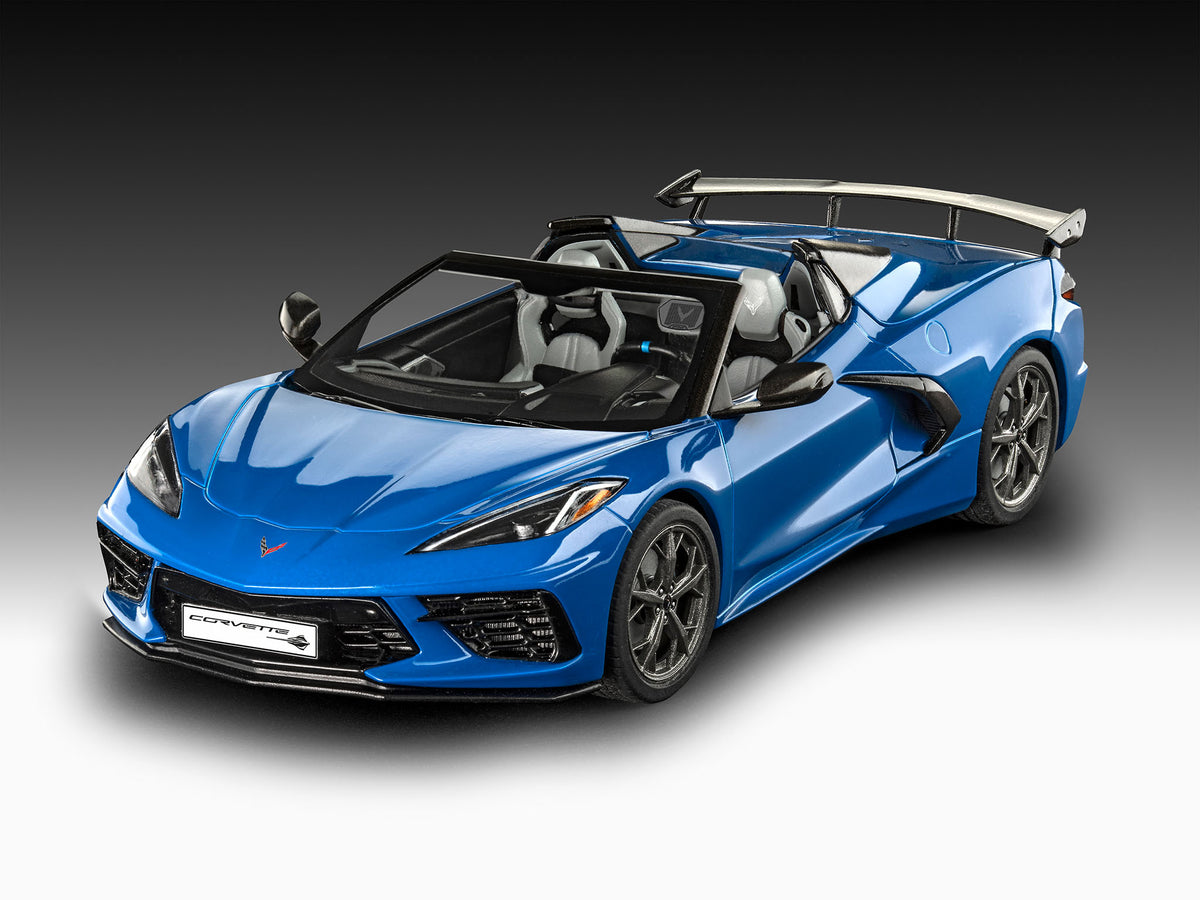
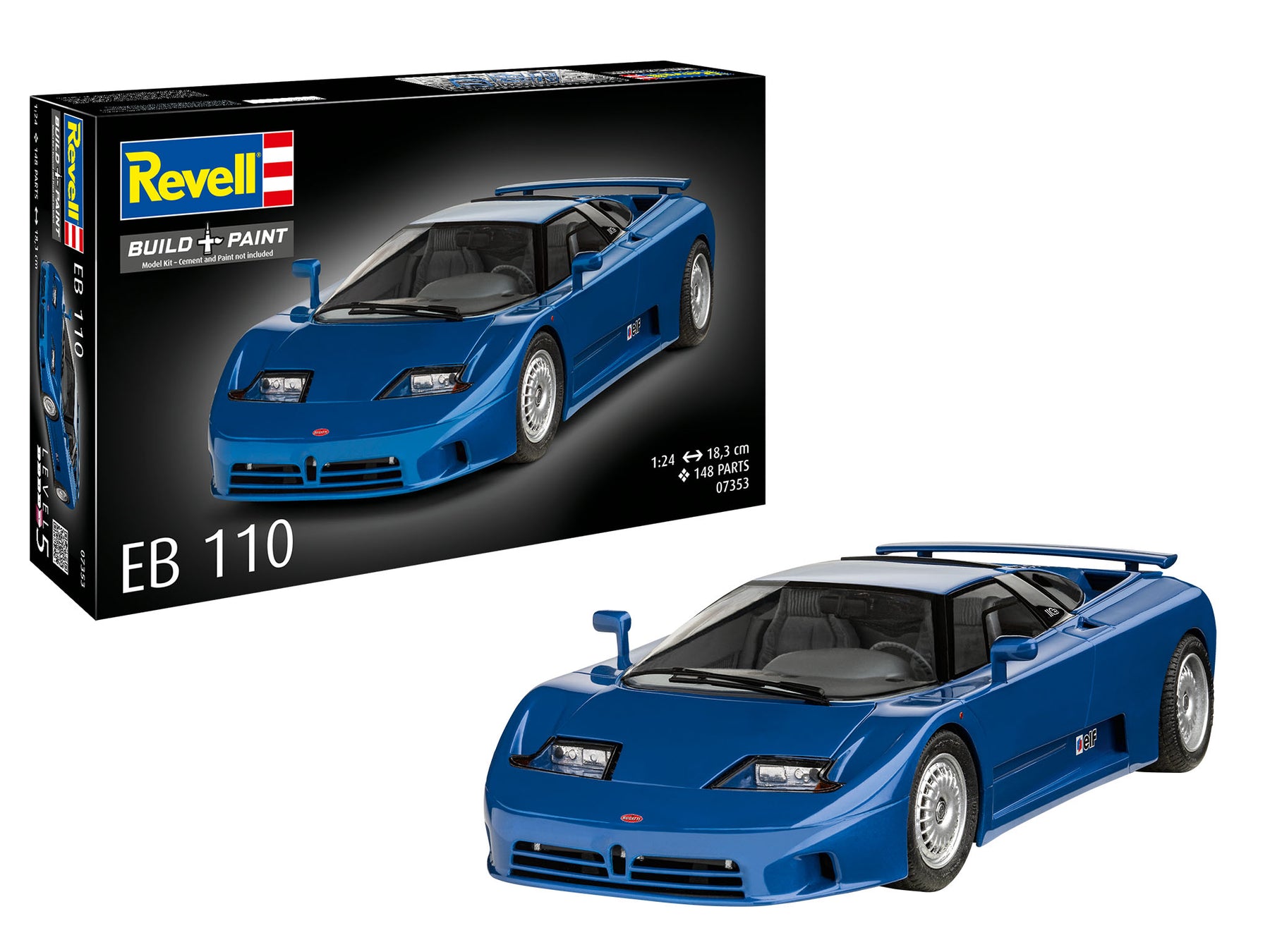
We have a wide range of modern sports cars available for fans of the latest cutting-edge technology. Sharp edges, carbon look, complex air ducts and ultra-modern multi-valve engines characterize kits from brands such as Porsche, Ferrari, McLaren and Lamborghini. Show off your skills by painting shiny metallic and satin tones!
The path to your dream model: The right system for your needs
Model building should be fun and not overwhelming. That's why we divide our model cars into different building systems and skill levels so that you're guaranteed to find the project that exactly suits your skills.
Classic adhesive kits vs. Easy-Click system
Traditional plastic model making relies on gluing precision parts made of polystyrene with special plastic glue and later painting or varnishing the individual parts. This allows maximum freedom in color design, detailing and realistic design.
Would you like to quickly achieve an impressive result without glue and brushes? Then innovative plug-in kits (like the click system) are perfect for you. The precisely manufactured components are simply plugged together. Since many parts are already cast in color, beginners, children or teenagers can achieve great results in no time - without any stains or long drying times.
Choose the right skill level
When choosing your car model, pay attention to the specified level:
- Level 1 / Easy Click: No gluing, no painting required. Ideal for children aged 8 and over and absolute newcomers.
- Levels 2 & 3: Simple to moderately difficult kits for gluing and painting. They contain a manageable number of parts (approx. 30 to 100 parts) and are ideal for learning the basic techniques of model building.
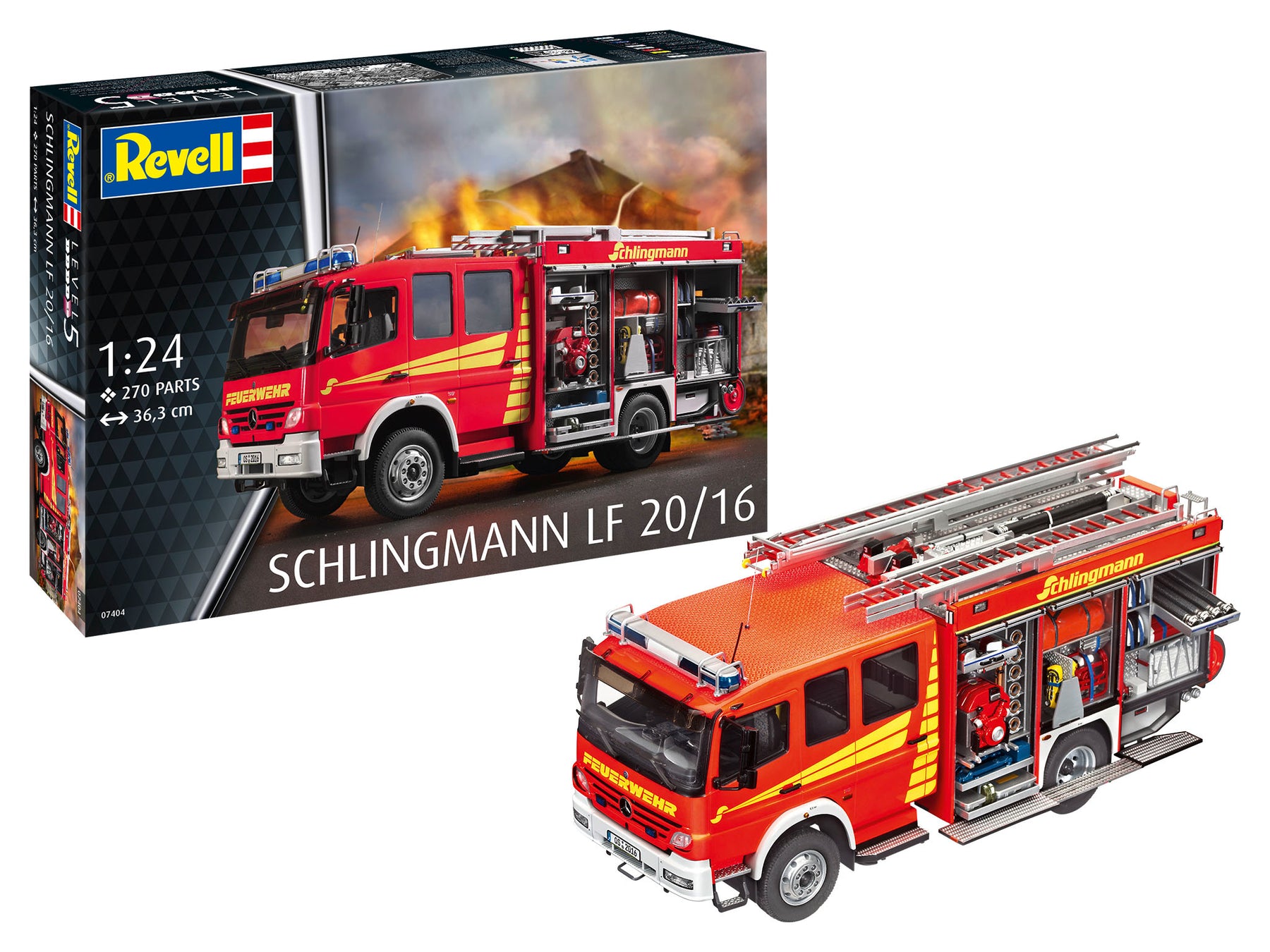
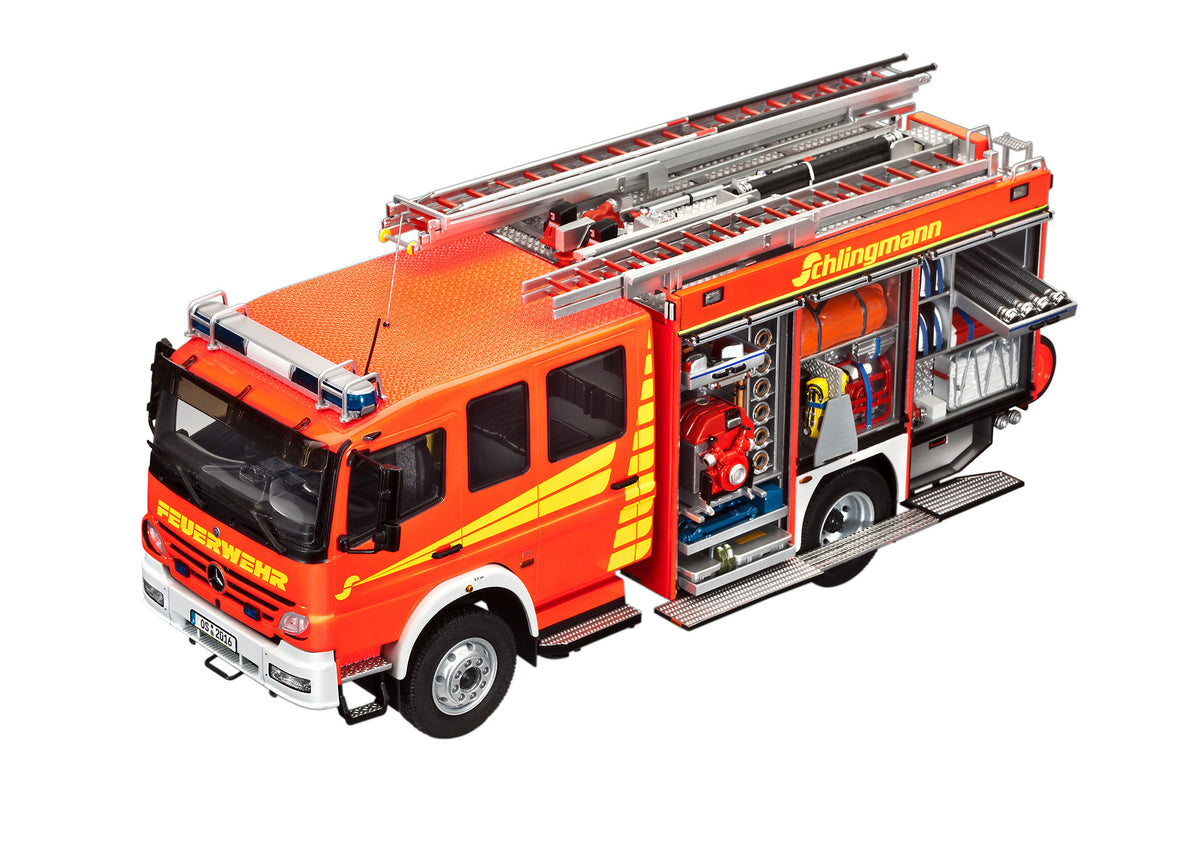
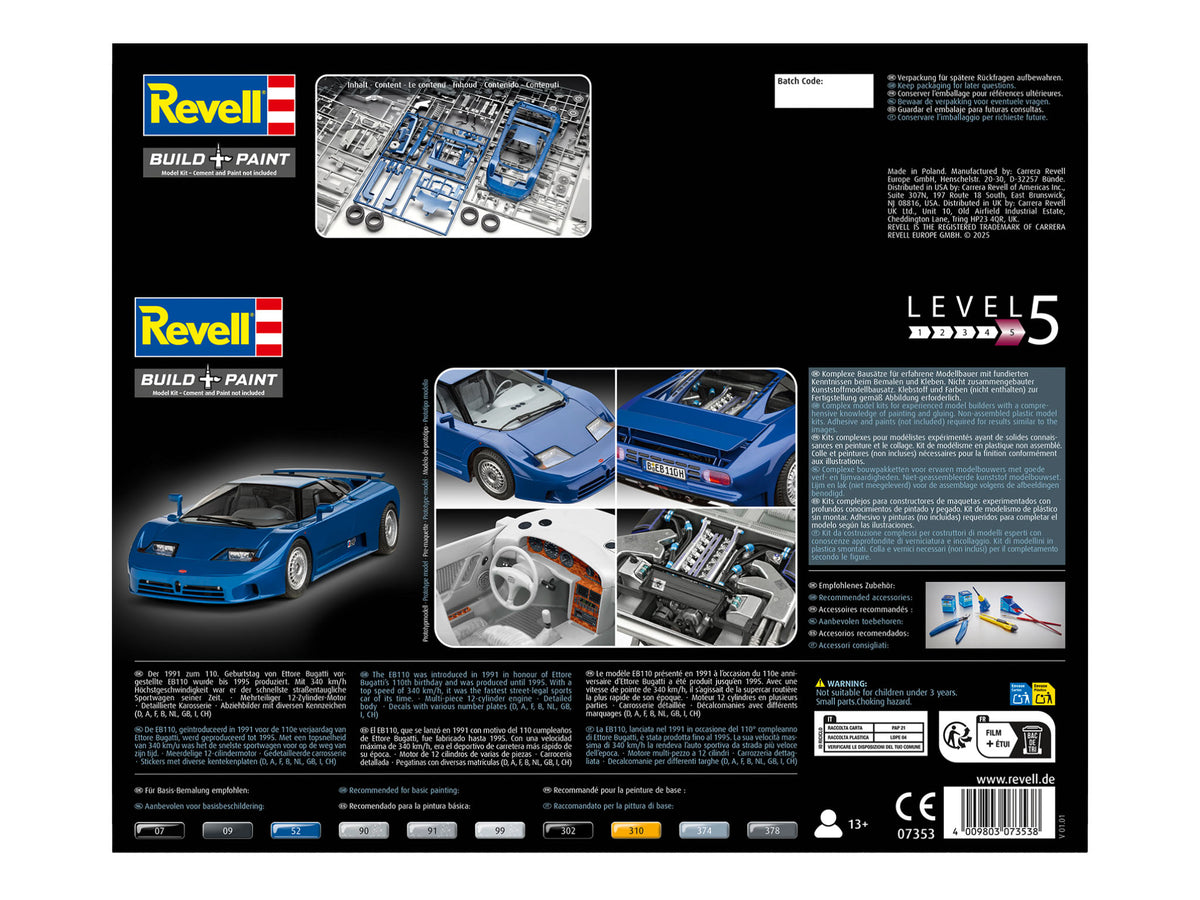
- Levels 4 & 5: Challenging kits for experienced model builders with over 150 to 300+ individual parts. Highly detailed engines, multi-part chassis, movable steering and sophisticated decal sheets await you here.
Tips from the professional: This is how you can get the perfect car model
An outstanding model result is not rocket science, but the result of careful preparation and the right tricks. With these practical tips, your model car will become a real exhibition piece:
1. The optimal preparation of the body
Before you use paint, you should wash all plastic parts with a light detergent solution to remove any release agent residue from production. Carefully remove fine cast seams on the body with a sanding stick or fine wet sandpaper (grit 1200 to 2000). A good primer then ensures that the desired color adheres perfectly and covers evenly.
2. Painting: spray can or airbrush?
For mirror-smooth automotive paintwork, spray cans or an airbrush gun are the first choice. Always apply the polish in several thin coats rather than spraying one thick coat. This prevents tears from forming and preserves fine engravings such as door gaps. Finally, a layer of clear varnish (glossy or matt) ensures the perfect deep shine and protects the applied wet-slide images.
3. Apply decals squeaky clean
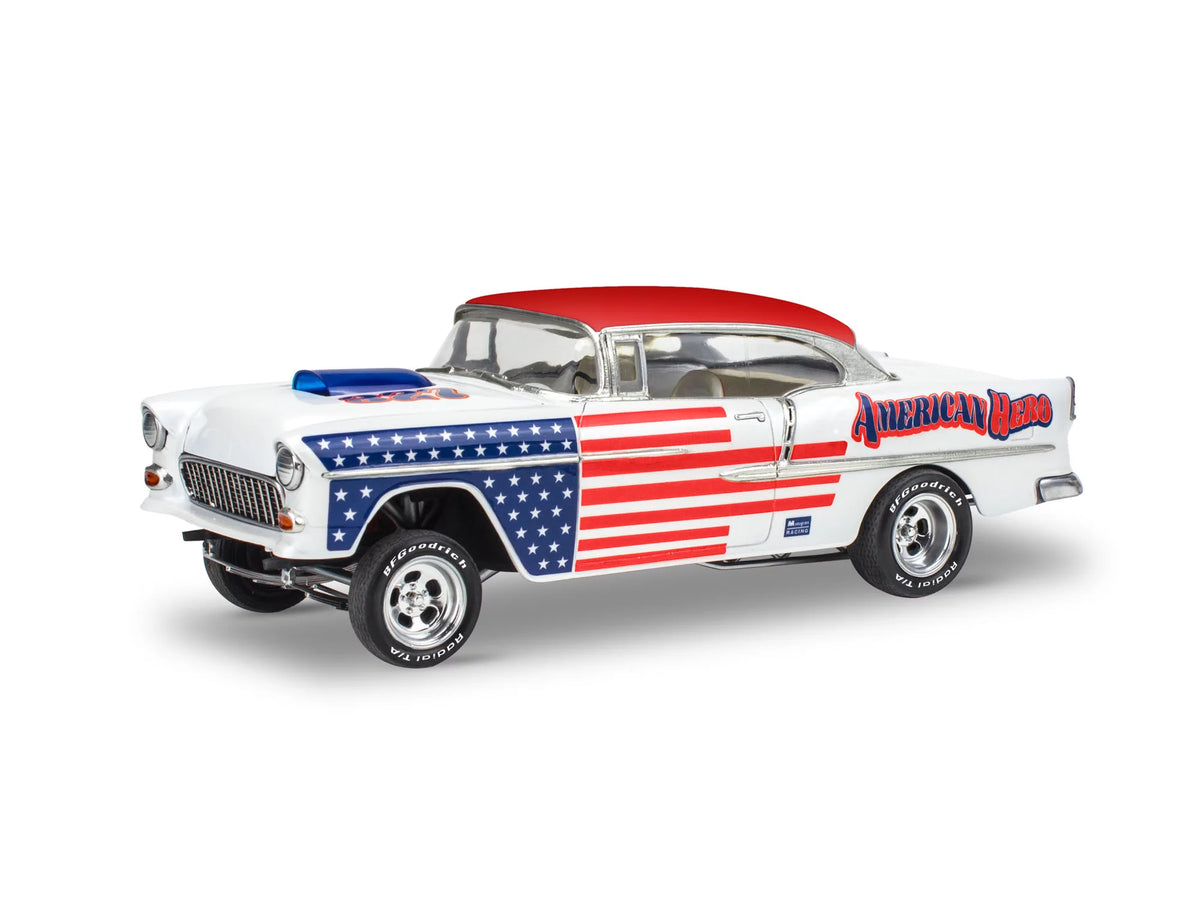
Wet slide decals give your racing car or classic the final look. Cut out the desired motif, soak it briefly in lukewarm water and gently push it onto the model. With a softening agent (Decal Softener), the film clings perfectly to curves and depressions without forming bubbles.