







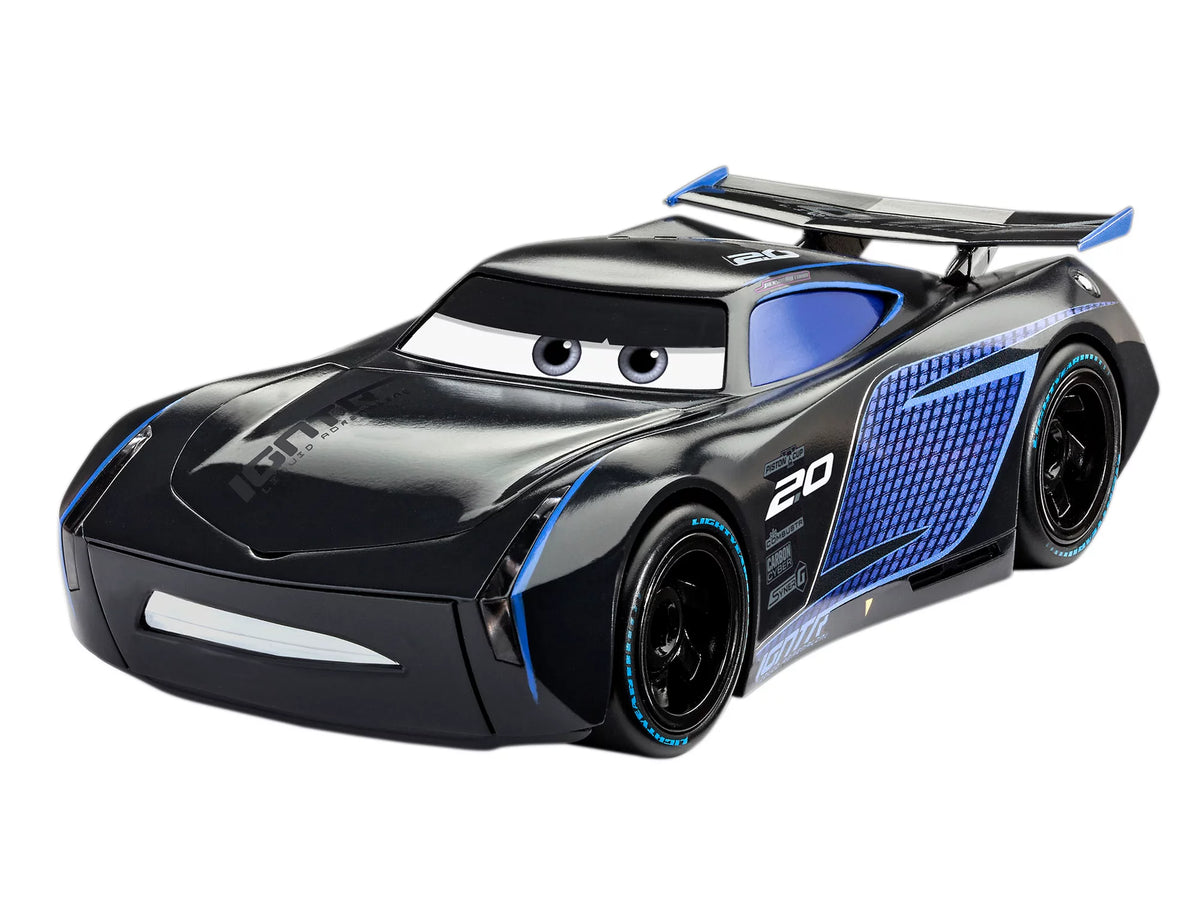
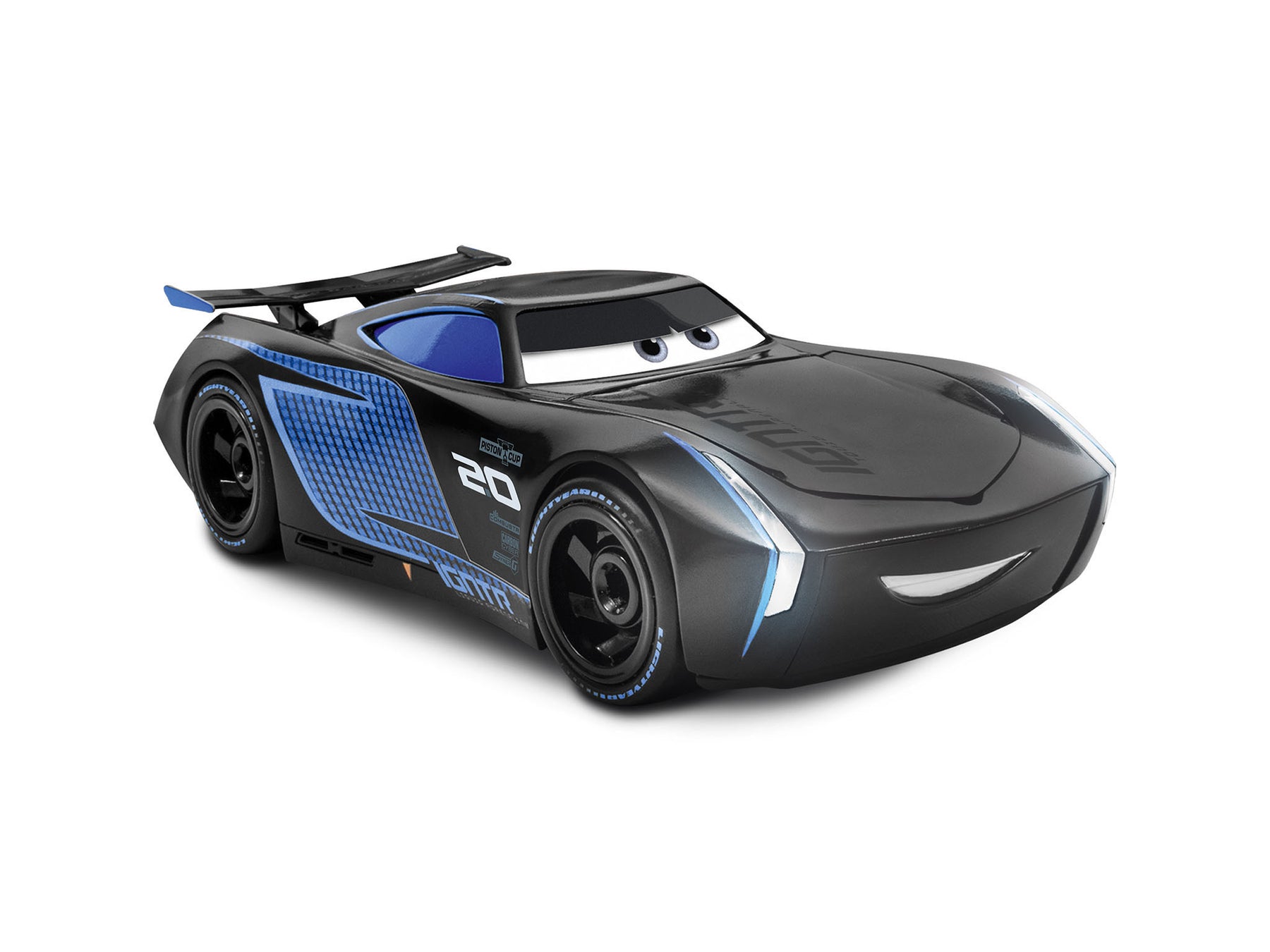
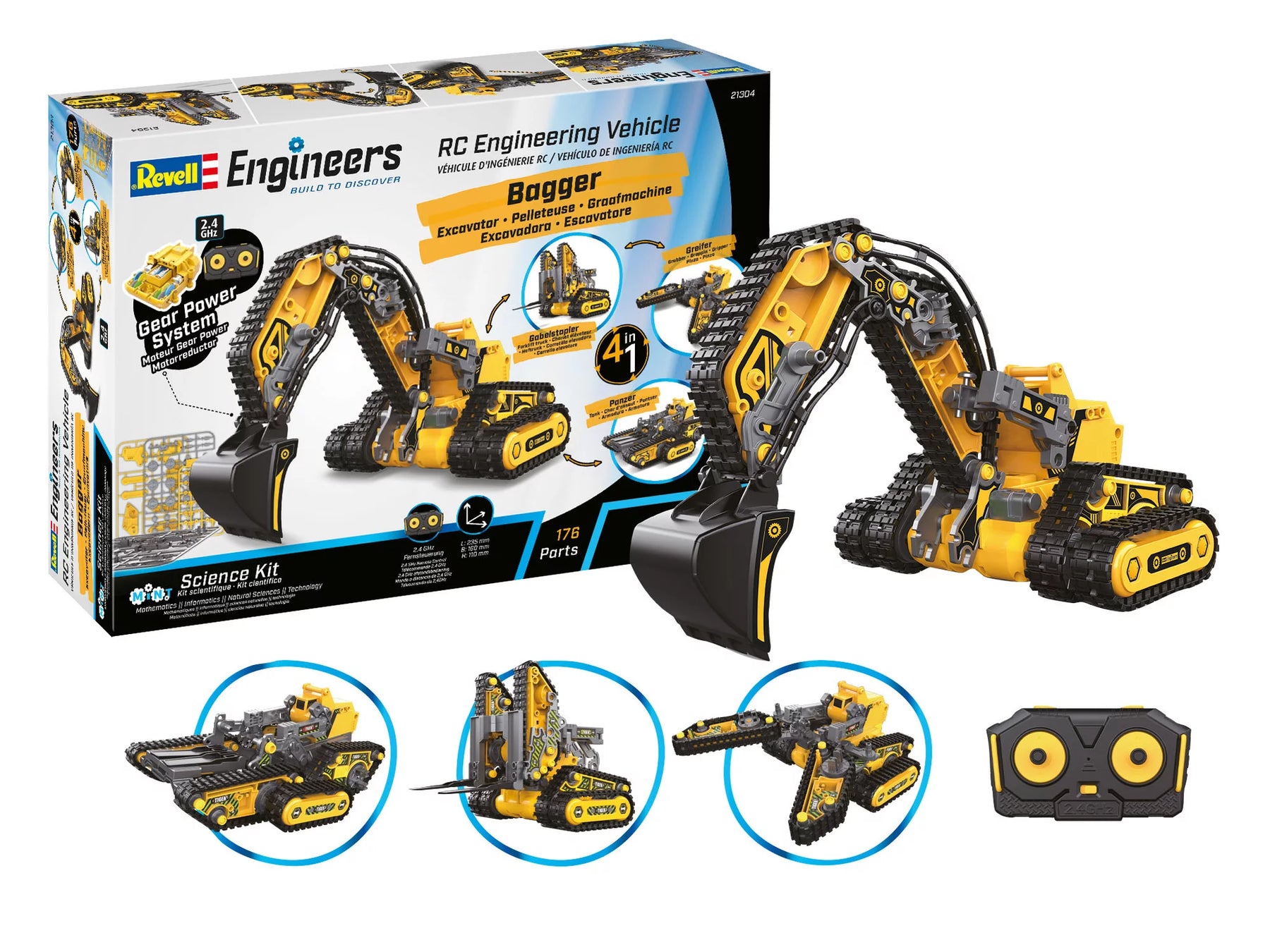
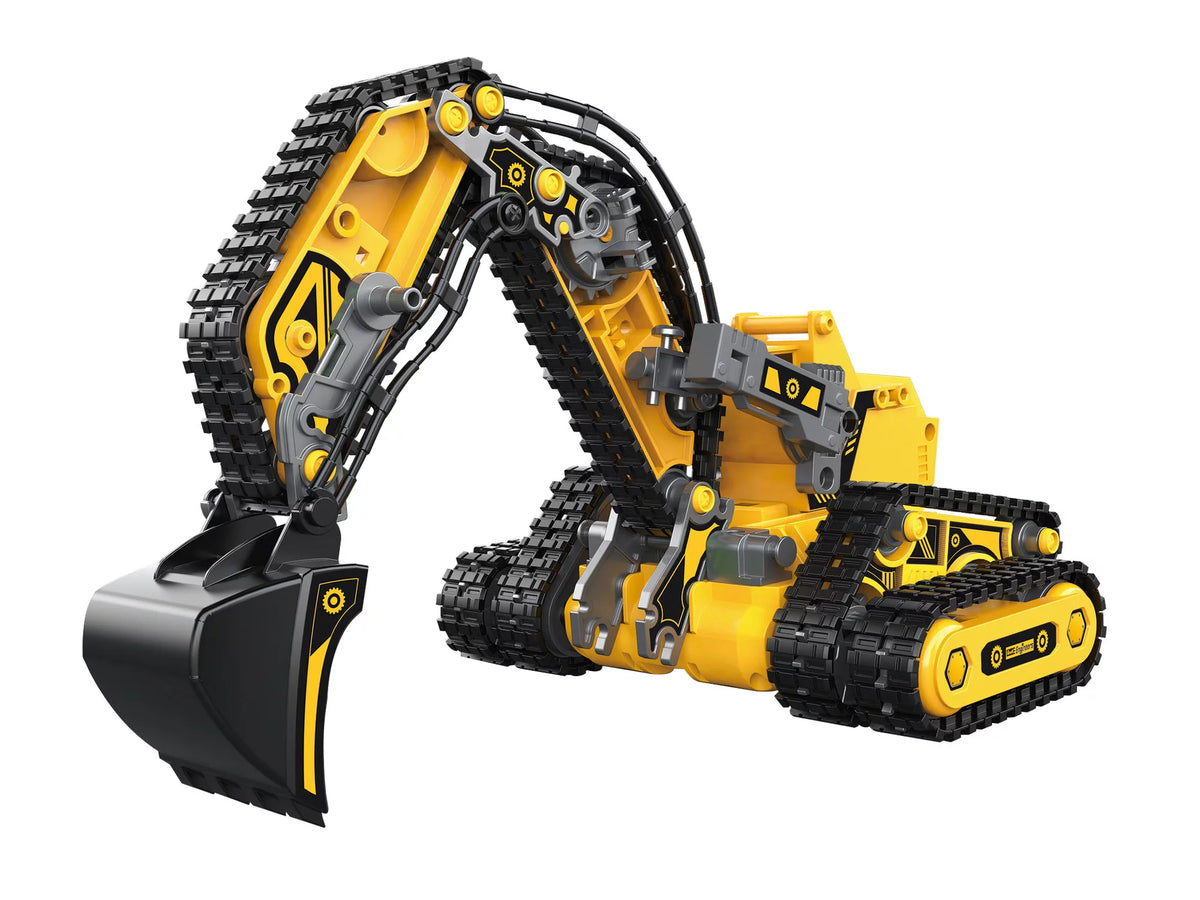

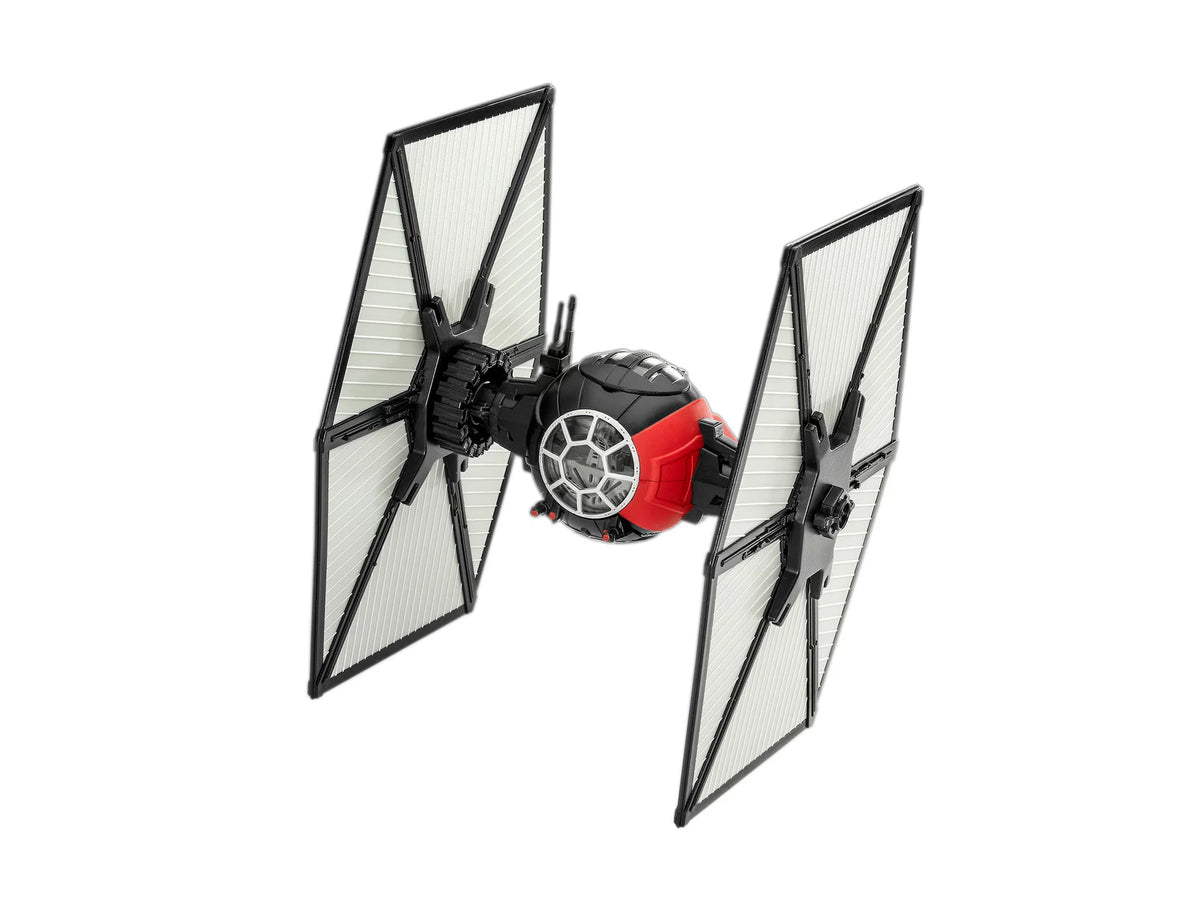
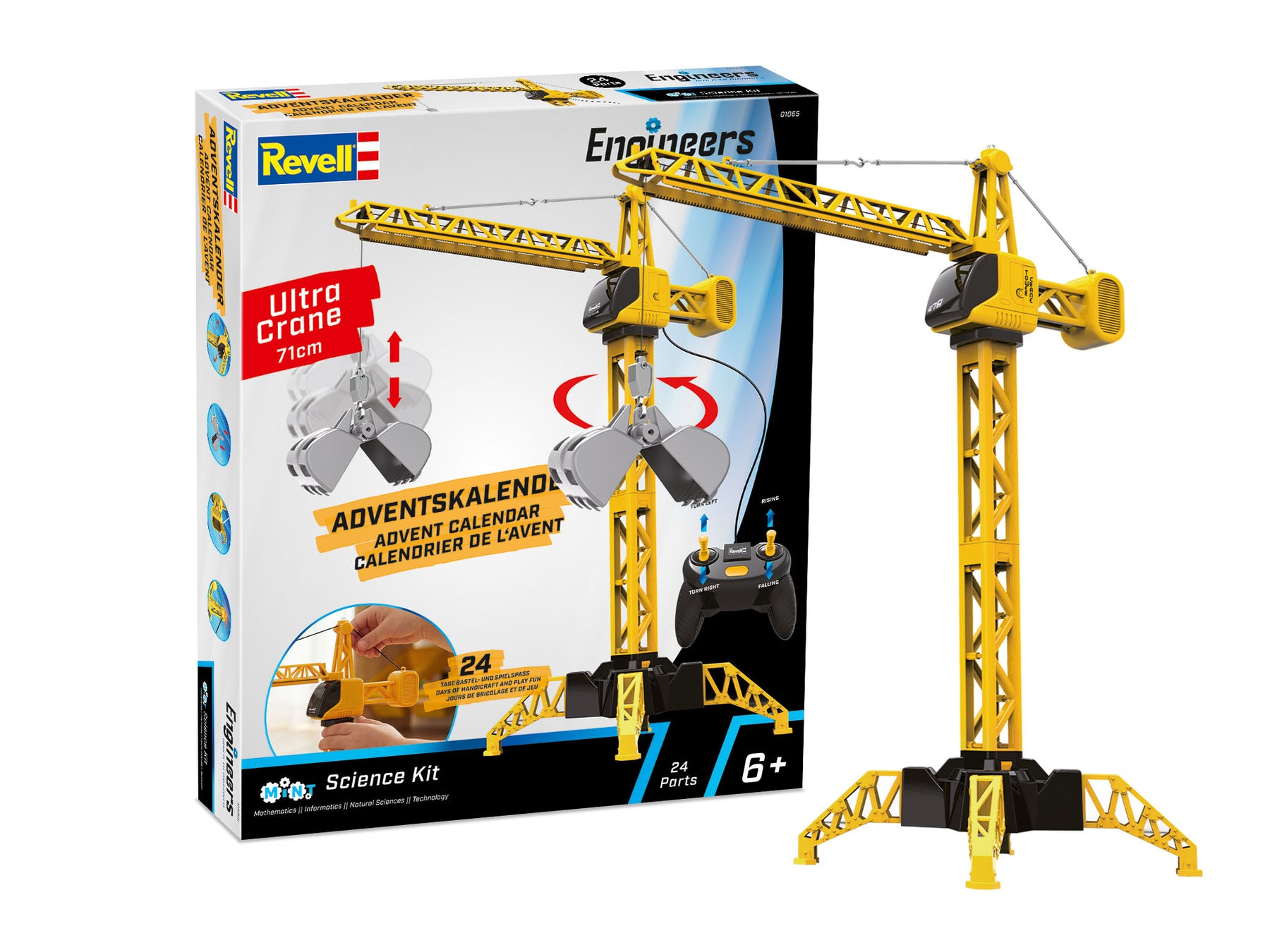
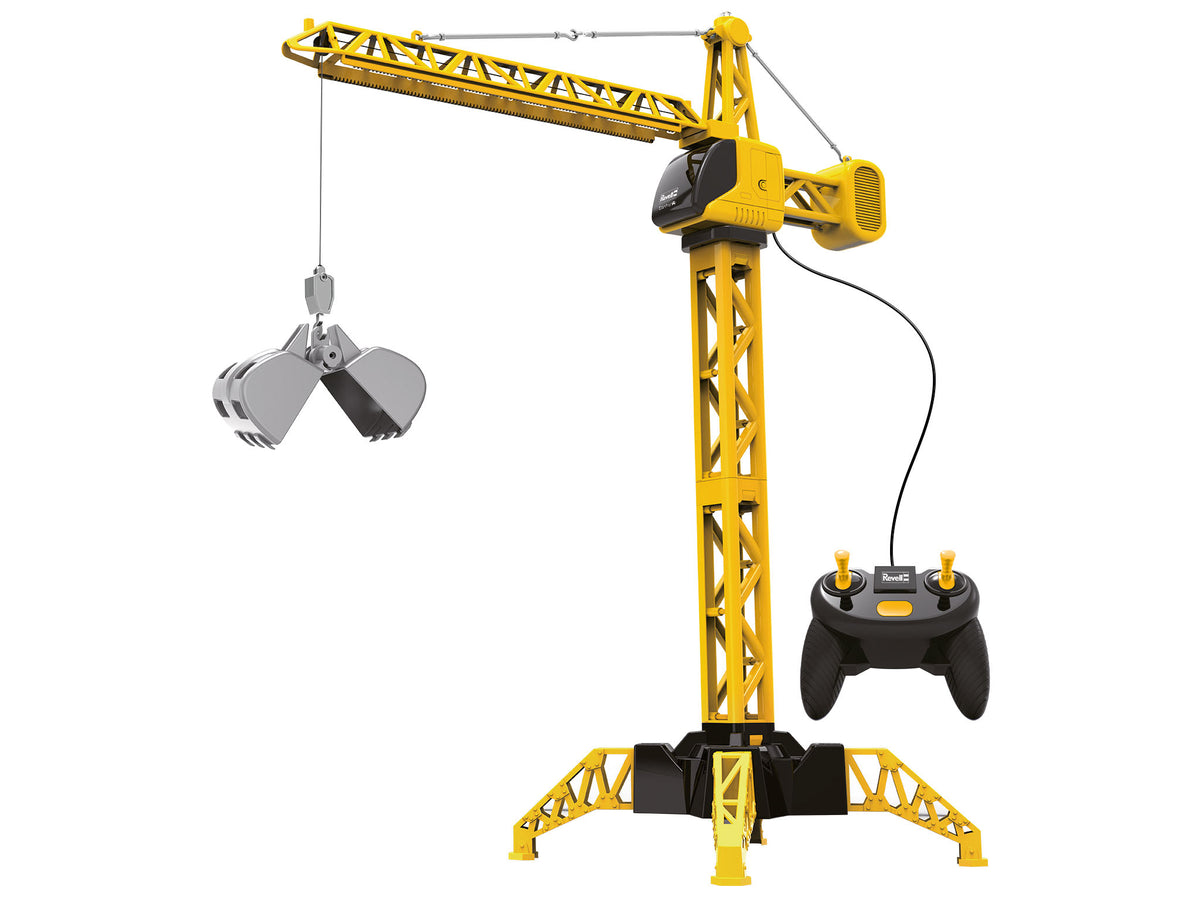
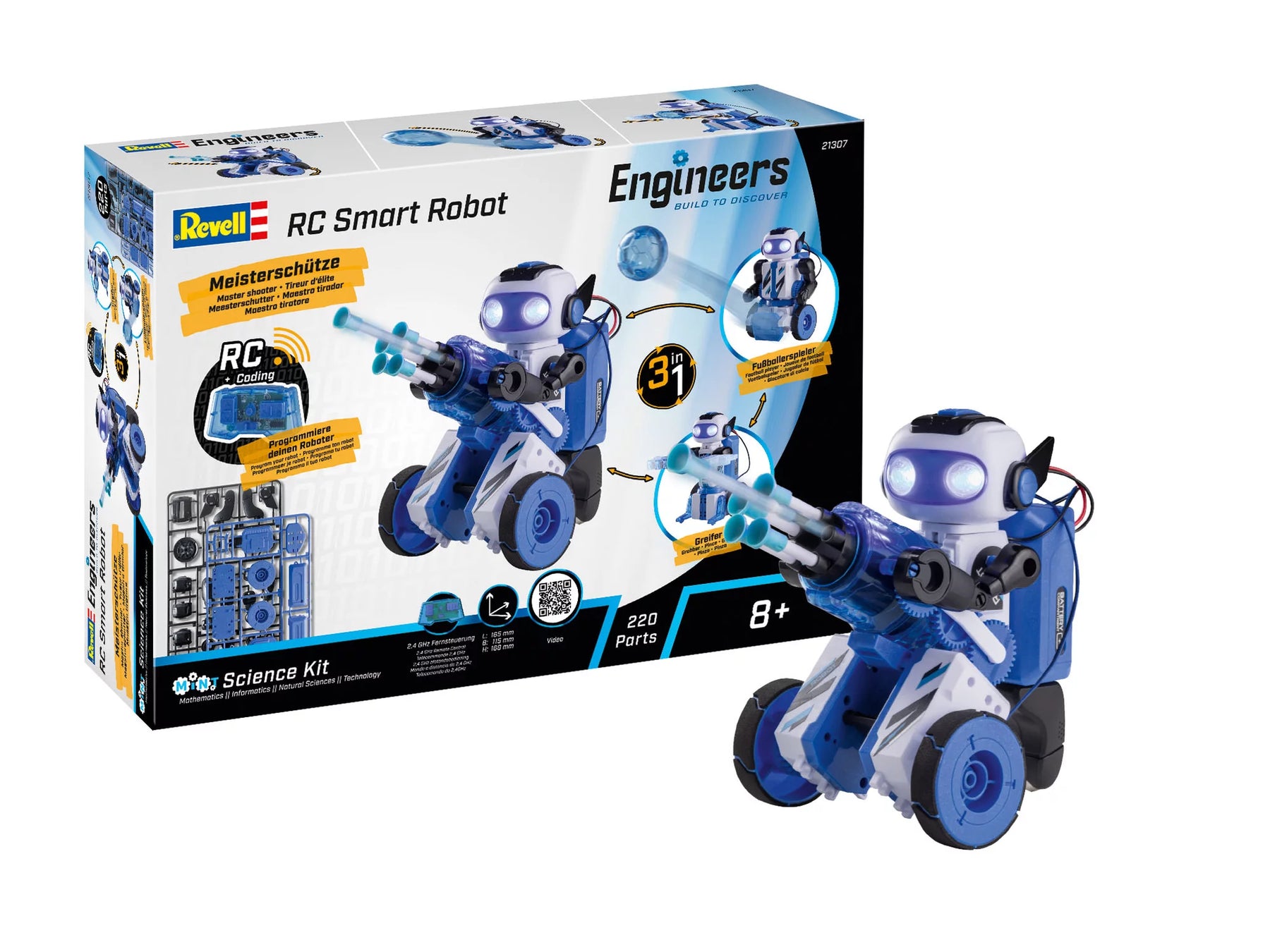

What makes Revell Kids so special for young builders?
When children discover the world, they don't just want to look at things, they want to understand them in the truest sense of the word. It is precisely at this interface that our model series for young people comes into play. Classic model building often requires toxic solvents, scalpel blades and hours of patience with delicate small parts. With this child-friendly product line, we deliberately turn the tables: The focus here is on intuitive design, which allows little hands to act independently without you having to constantly stand by like a hawk.
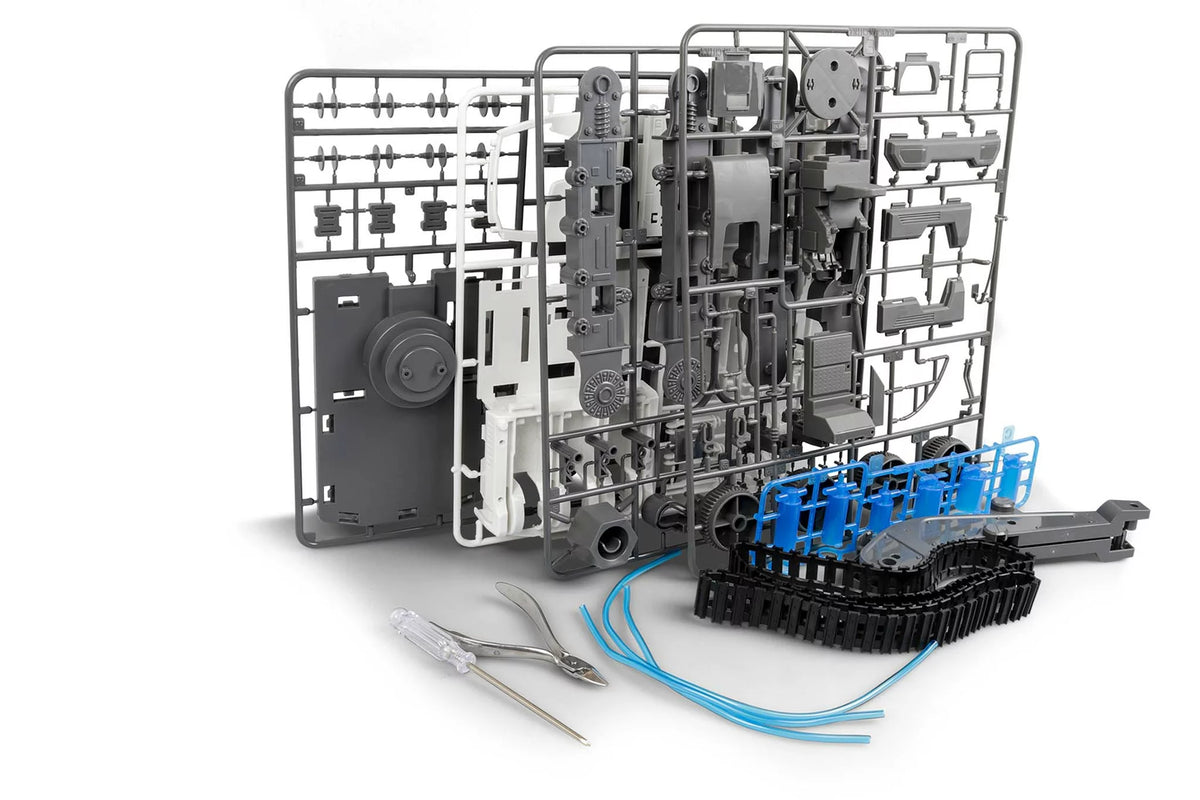
The individual kits are characterized by a sophisticated screw and plug system. The components are dimensioned so that they fit perfectly in small children's hands. Edges are carefully rounded, the plastic used is absolutely unbreakable and free of harmful substances. When your little ones put together a fire engine, a police car or a speedy speedster, the result is not a delicate display model, but a fully-fledged, resilient toy. The finished model can whiz across the carpet, survive falls from the edge of the table and be integrated into imaginative role-playing games.
For the very first steps before actually screwing, we recommend the fluffy range of products for small children aged around two years and above Revellino, before mechanical curiosity is aroused from preschool age. As soon as the understanding of rotational movements and fits awakens, the moment has come for your first screwdriver kit.
Easy assembly without glue: the child-friendly screw system
The heart of the kit is the ergonomically shaped screwdriver that is included with each set. This tool was specifically designed for the anatomy of children's hands. It sits non-slip in the hand and protects against over-tightening: As soon as the screw is firmly in place, a ratchet mechanism engages to prevent the thread from spinning or being damaged. Your child feels and hears the familiar click and knows immediately: This part fits perfectly!
The assembly follows a simple, clearly structured process that neither overwhelms nor underwhelms children:
- Clear assemblies: The number of components is deliberately chosen so that concentration does not wane. A set usually includes between 30 and 50 robust components.
- Color-coded connections: Large screws in eye-catching colors make orientation easier. Children immediately recognize which screw goes into which opening.
- Removable connections: The entire vehicle can be dismantled at any time. This ensures long-lasting play value, as the structure can be repeated as often as you like.
- Decorate with stickers: Instead of complicated wet-slide images, robust stickers are included. Your child can easily stick on headlights, start numbers or mission symbols themselves and personalize the vehicle.
Through this clever system, your child will experience pure self-efficacy: “I built this all by myself!” This feeling increases your self-confidence immensely and motivates you to take on more difficult tasks.
Pedagogical added value: What children learn while doing crafts
Model building at a young age is much more than a nice way to pass the time on rainy afternoons. When your child handles screwdrivers and components, complex networks in the brain are activated. Educators and occupational therapists regularly emphasize how valuable three-dimensional construction is for child development.
Promote fine motor skills and hand-eye coordination
Precisely positioning the screwdriver, guiding a screw into the thread and screwing it in evenly trains the muscles in the fingers and wrist. These fine motor skills are exactly the basics that your child will later need when learning cursive writing, cutting with scissors or tying shoelaces. The coordination between what the eye sees and what the fingers do is refined through play.
Spatial imagination and logical thinking
How do individual plates, wheels, axles and a driver's cab become a three-dimensional vehicle? By looking at the picture instructions, your child will learn to transfer two-dimensional drawings into reality. It has to estimate distances, understand aspect ratios (where is the front, where is the back?) and follow logical sequences: the axle must be mounted in front of the wheel, the seat in front of the roof. These cause-effect chains sustainably promote analytical thinking.
Patience, concentration and frustration tolerance
In a digital world in which stimuli change every second, analog construction offers a pleasant counterpoint. To reach your goal, you have to focus, put part by part together and stay on the ball. If a component is crooked, your child learns to look for the error, loosen the screw and try again. This trains frustration tolerance – a key skill for school and everyday life.
The play value: After screwing, the adventure begins
Many traditional model makers know the problem: As soon as a model is finished, it goes on the shelf because touching it is strictly forbidden. The opposite is the case with child-friendly sets! After the final click of the screwdriver, the fun really begins.
The finished vehicles have fully movable wheels with real rubber tires that roll quietly and gently over parquet, tiles or carpets. Doors can be opened, engine hoods can be opened and moving elements such as turntable ladders, shovels or winches invite you to play lively role-playing games. Many models even come with a fully movable character that can sit in the cockpit.
If things get wilder in the heat of the moment and the vehicle hits a chair leg, nothing will splinter. The viscoelastic plastics absorb shocks. If a part does come loose, your child simply picks up the screwdriver and repairs their emergency vehicle themselves - just like in a real workshop!
Which model suits which age? Make the right selection
To ensure that the building fun starts from the first minute, choosing the right model is crucial. Being overwhelmed quickly leads to tears, while being underchallenged quickly leads to boredom. As a rule of thumb, you can use the following development stages as a guide:
From 4 years: The first screwdriving experiences
At this age, intuitive shapes and familiar emergency vehicles are very popular. Fire departments, police, ambulances and large garbage trucks appeal equally to boys and girls. The sets for four-year-olds have particularly large screws, extremely few individual parts and do not contain tiny decorative elements. Plan some time together for the first construction steps: Read the instructions with your child and hand them the parts they need while they do the screwing work themselves.
From 5 to 6 years: More details and thematic variety
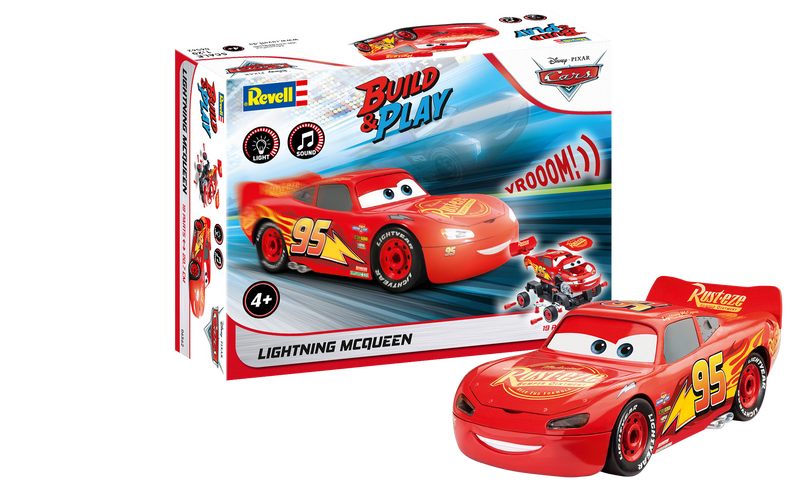
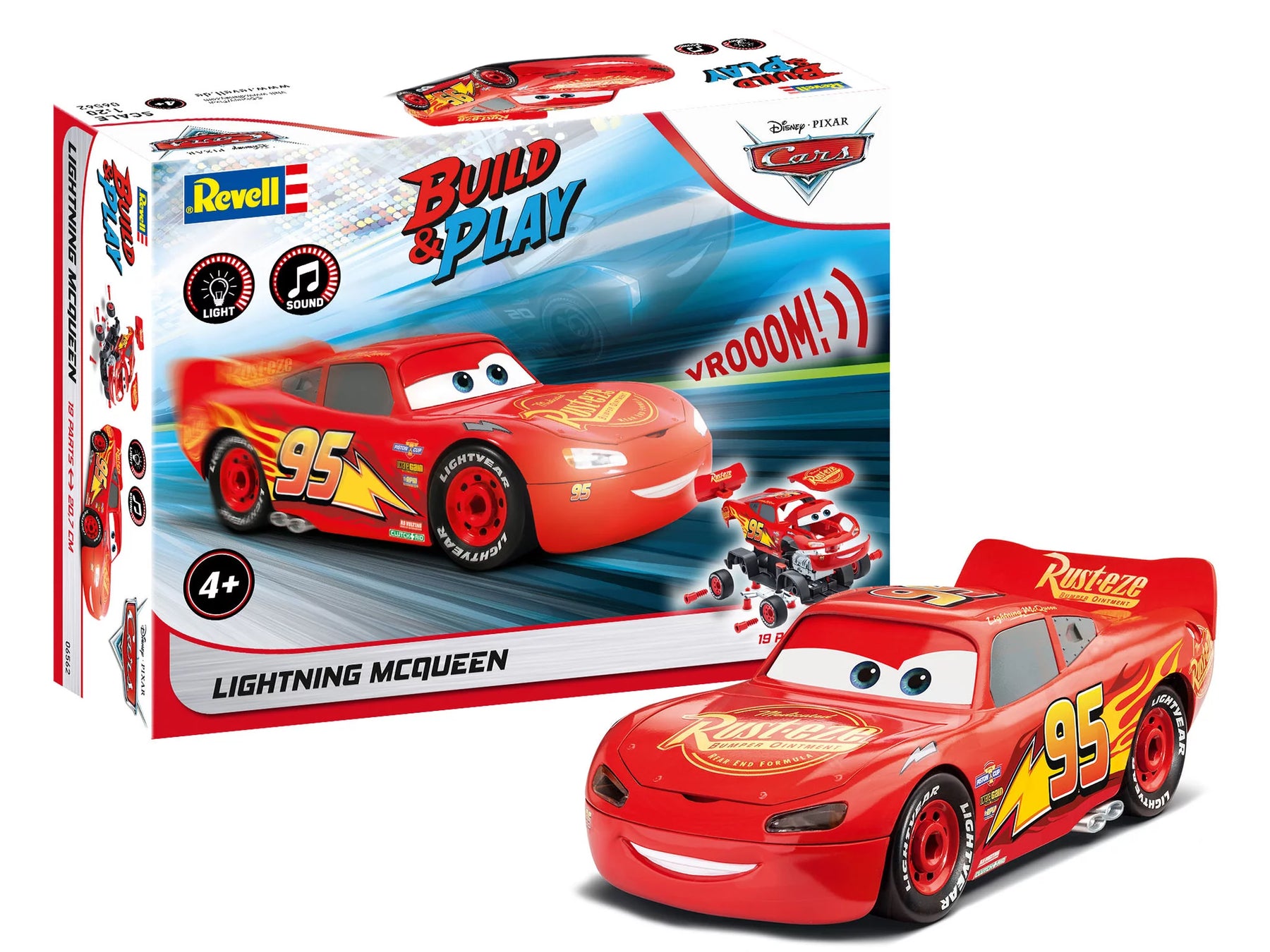
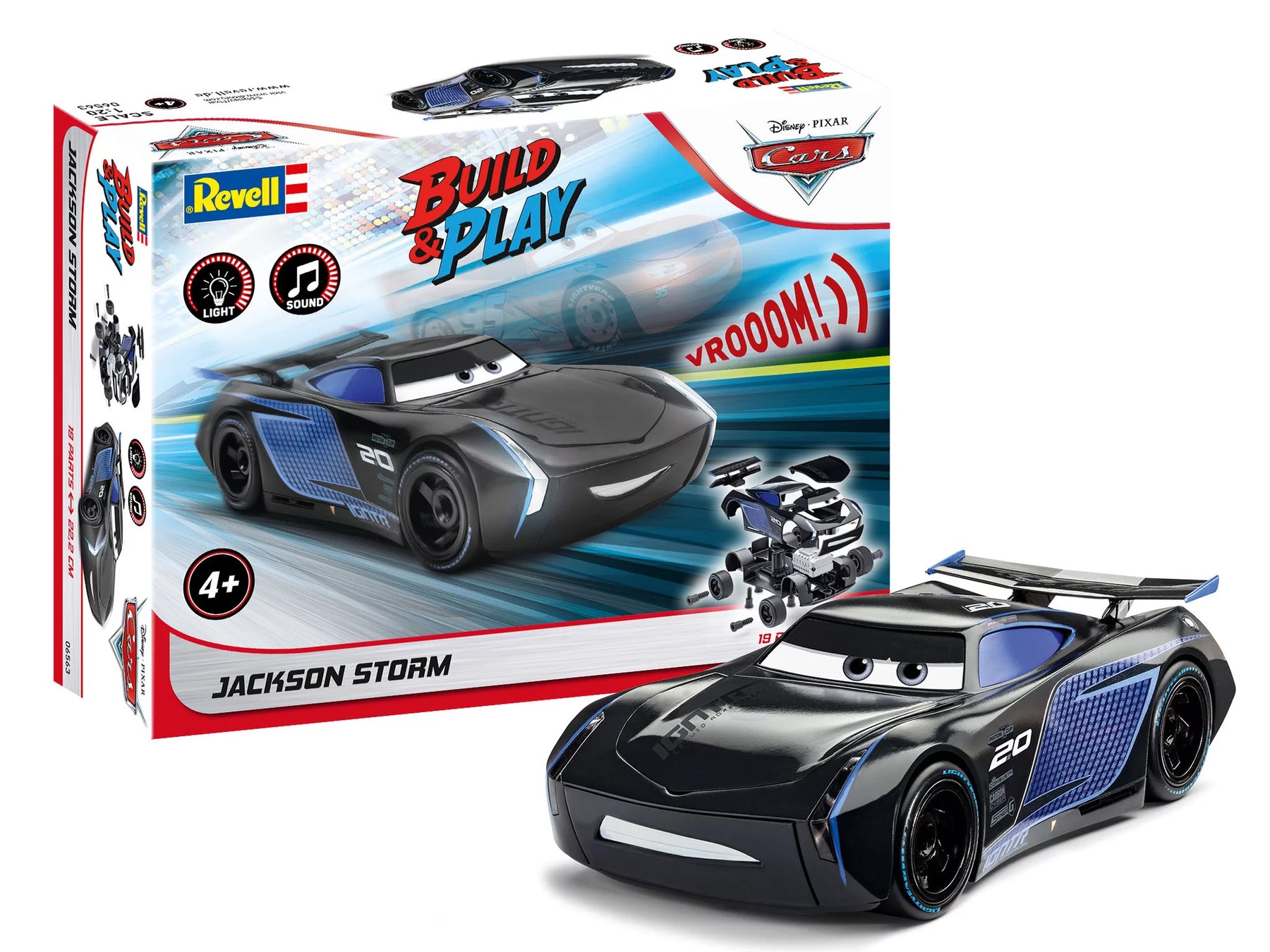
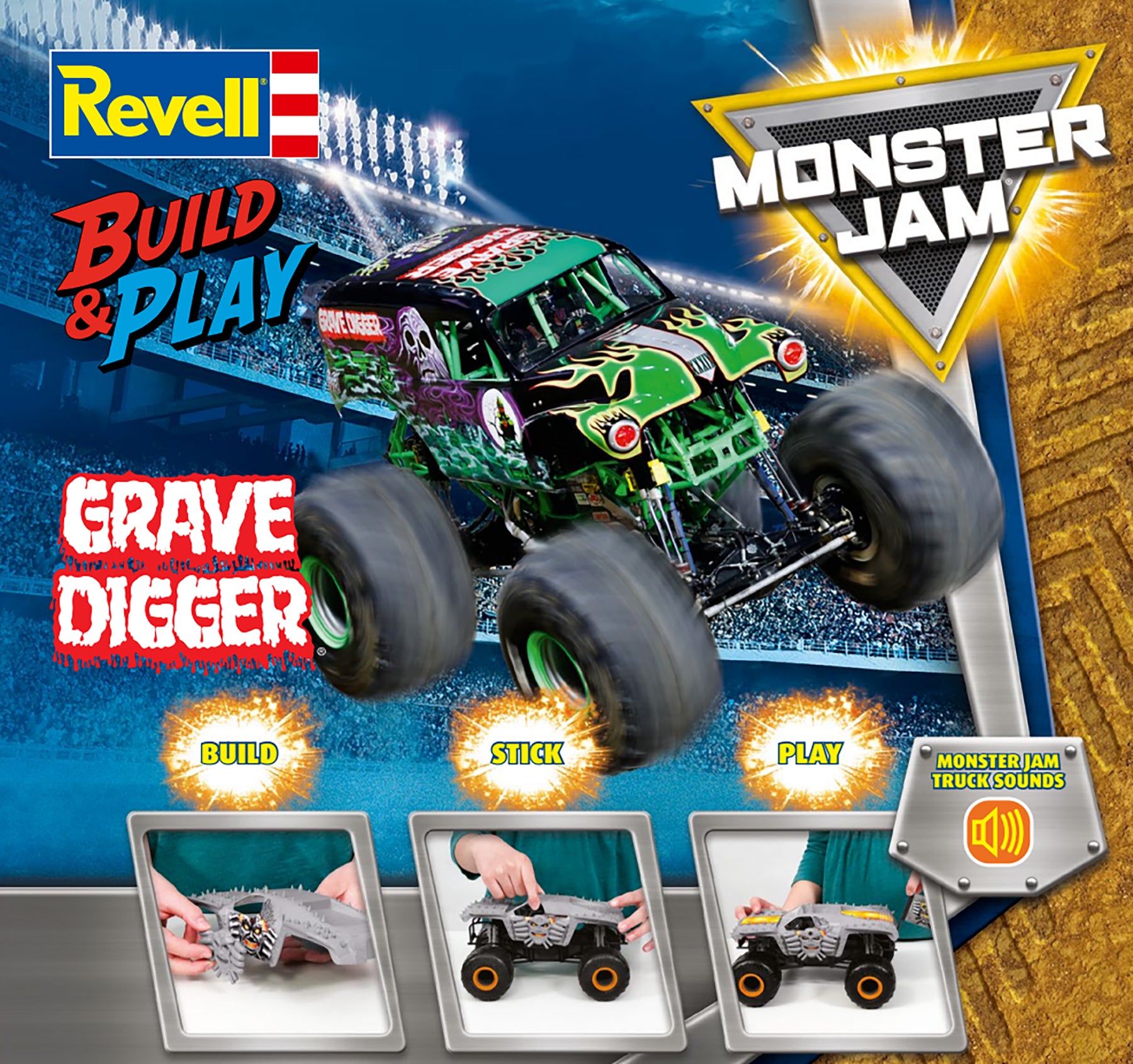
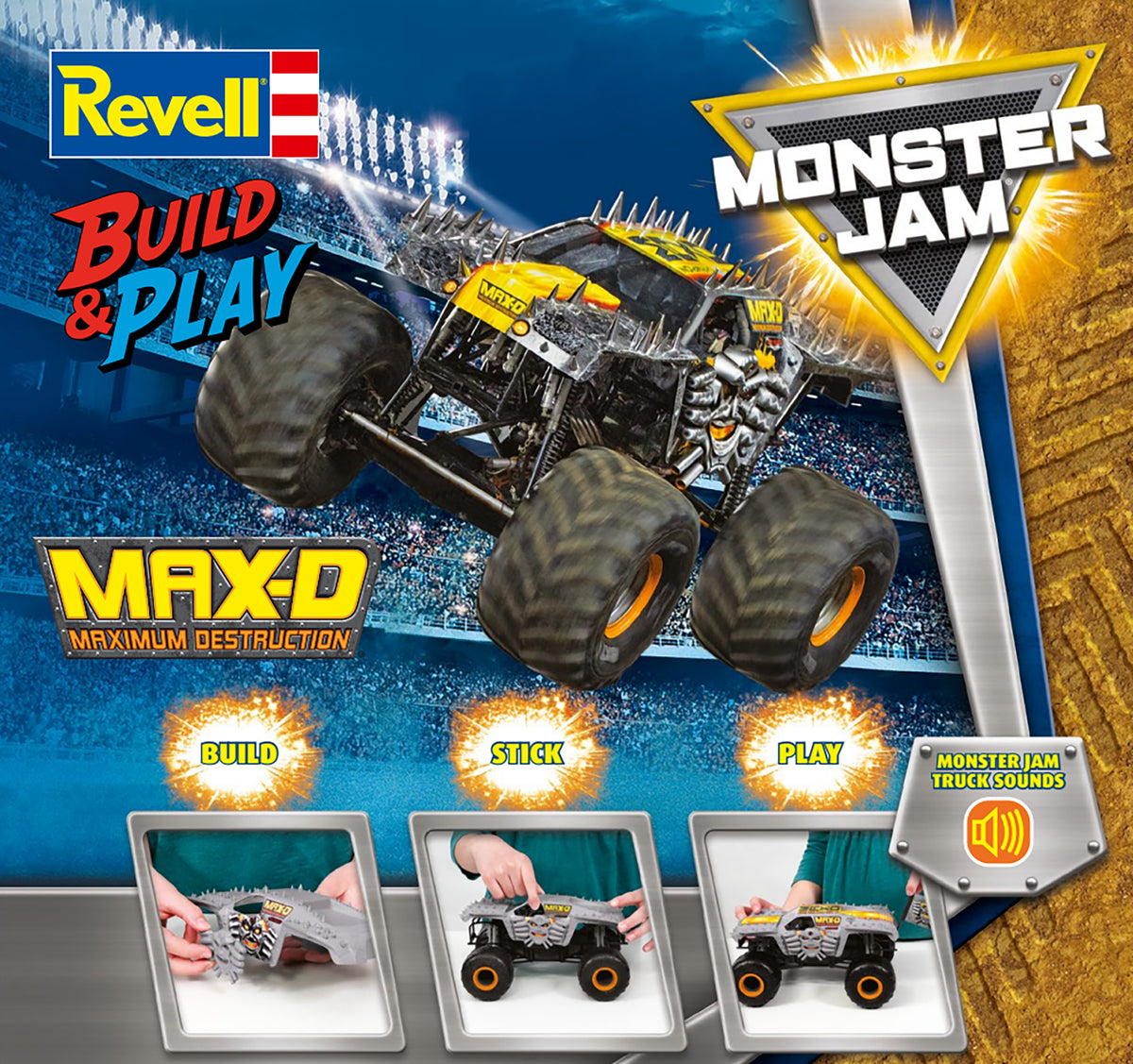
By the age of five or six, their motor skills are already much more mature. Children can usually read and implement the building instructions completely independently. In addition to the classic rescue vehicles, the focus is now on racing cars, off-road vehicles, tractors and popular licensed topics. This is where movable additional elements come into play, such as functioning blue lights, sound modules at the push of a button or removable roof parts.
From 8 to 10 years: The transition to more demanding projects
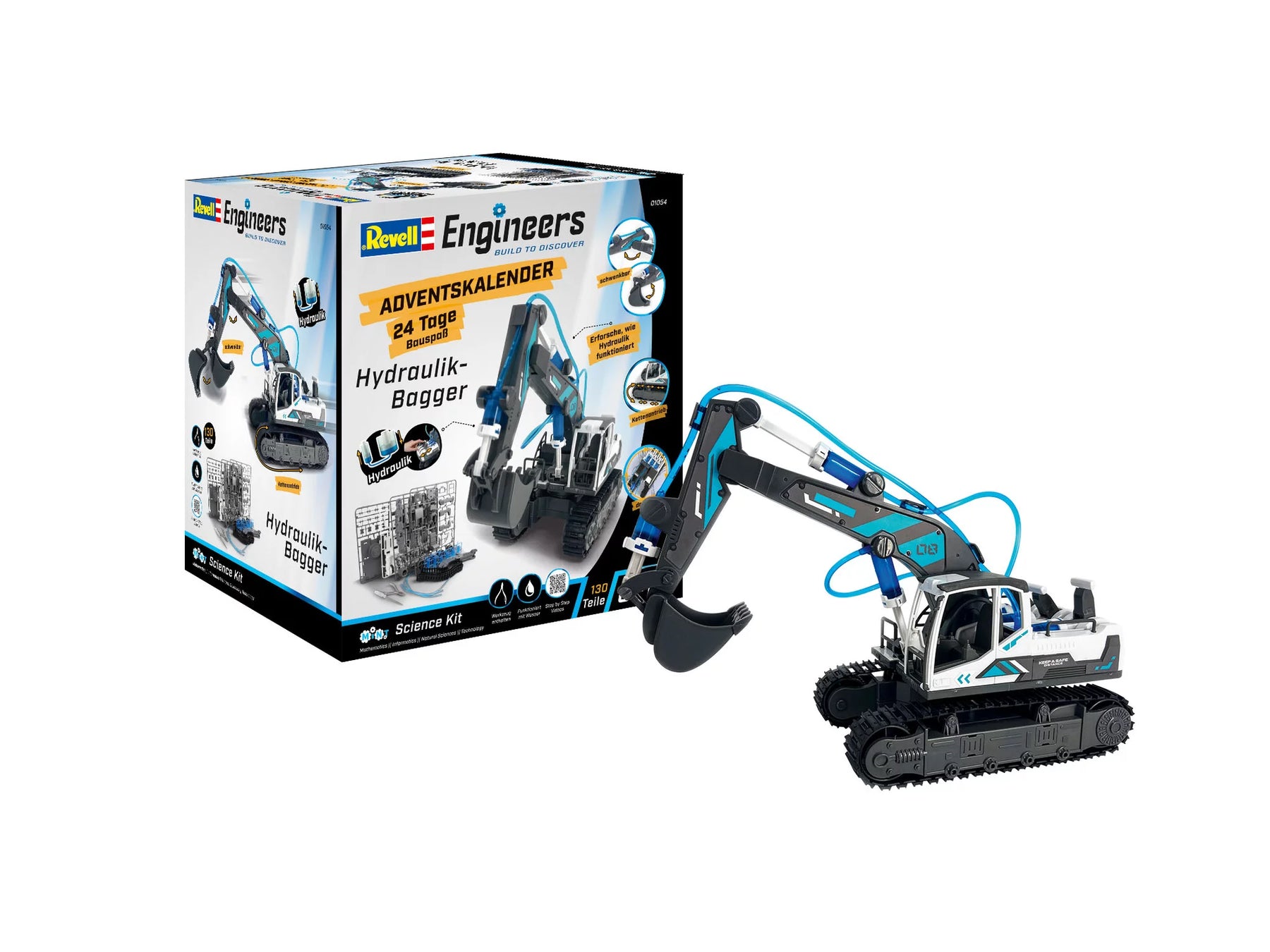
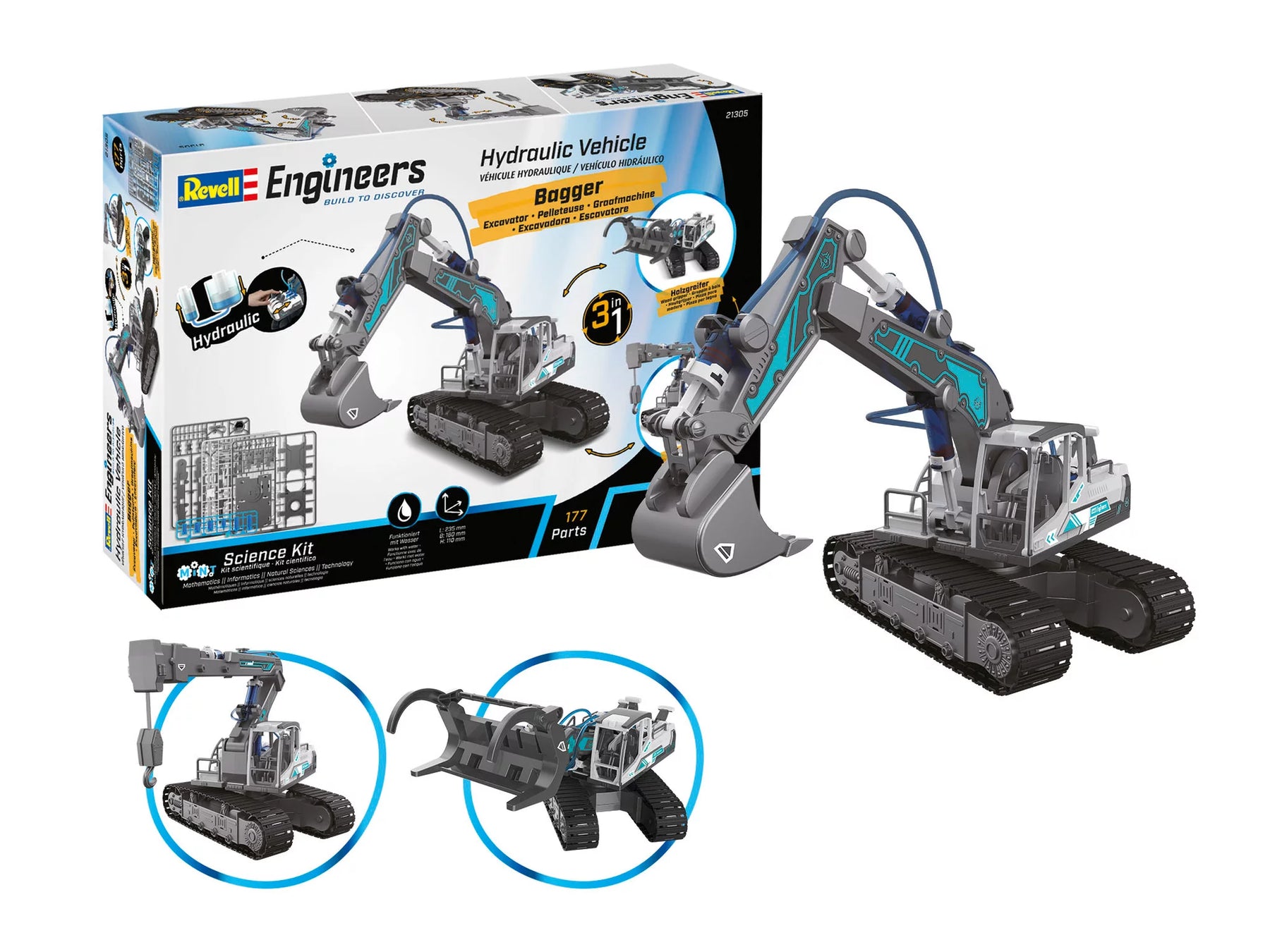
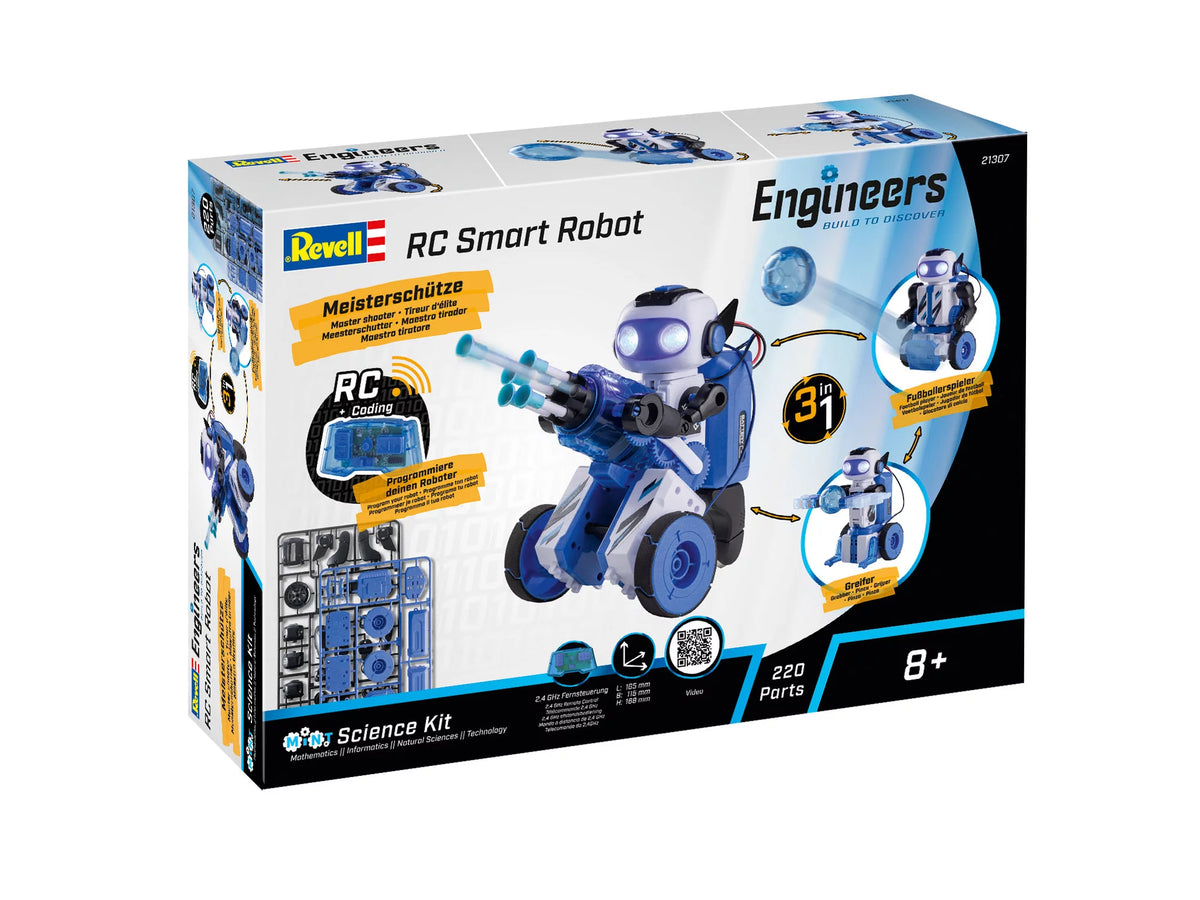
When your child outgrows the colorful screw kits, the urge to explore demands new challenges. For young technology fans who want to understand how gears, pneumatics or mechanics work, the more sophisticated kits from this area are available Revell Engineers the ideal next step. However, if you would rather race around the garden at top speed after the construction phase, you will find the remote-controlled vehicles, boats and drones from the world of Revell Control just the right thrill.
Alternatively, detailed plug-in models of famous landmarks or legendary ships fascinate young people. An excellent example of such a joint family project without gluing and painting is the one steeped in history Rms Titanic Revell, which as a plug-in kit arouses historical enthusiasm and becomes a real eye-catcher in the children's room.
Avoid typical mistakes when buying – our expert tips
From our many years of experience, we know exactly what can happen if the kit ends up gathering dust on the shelf instead of being enthusiastically used. Pay attention to the following points to avoid making bad purchases:
- Don't want too much too soon: Don't rush to classic model kits with level 3 or 4 just because the motif looks tempting. Glue and paint require skills that are often beyond the reach of children under 10. Stick with kits that don’t require chemicals.
- Prepare the workplace: Even if no glue flows: A tidy surface, such as a large tray or a craft mat, prevents screws from rolling off the table and disappearing between the sofa cushions.
- Do not force the construction time: Children have different concentration spans. If you run out of steam after 20 minutes, take a break! The model doesn't run away and can be completed the next day with fresh energy.
- Start together, then let go: With the first kit, show your child how the screwdriver works and how the locking function works. As soon as you get the hang of it, consciously withdraw and let your child take control.
Step by step to crafting success: A short guide for parents
In order to give your little one an all-round successful experience, it's worth celebrating the unpacking and construction process a little. Treat the kit like a small treasure chest:
Open the box together and roughly sort the parts. The tires to the rims, the body parts to the middle, the colorful screws to a small bowl. This creates visual peace and gives your child an overview of the upcoming construction task. First leaf through the instruction booklet. The colorful, completely text-free illustrations are self-explanatory - similar to modern children's books.
Have your child pick out the pieces based on the pictures. This greatly improves visual differentiation. When the last screw is in place, applying the stickers is the ceremonial finale. Give your child creative freedom: If the police star sticks crookedly on the door or ends up on the roof, that's completely okay. It's your child's personal work of art!
Safety and material quality: worry-free fun guaranteed
When it comes to toys for children, safety is the top priority. All components of our child-friendly product ranges undergo strict testing procedures and comply with the applicable European toy standards (EN 71). We rely on plastics that are absolutely free of harmful plasticizers (phthalates), bisphenol A (BPA) and polycyclic aromatic hydrocarbons (PAH).
The colors are saliva and sweat-proof, so that no color particles can be scratched off, even with wet hands or intensive chewing. The dimensions of all screws and connecting elements are dimensioned so that there is no risk of choking due to small parts that could be swallowed for the specified age group. Thanks to robust hinges and stable wall thicknesses, the material does not splinter into sharp-edged shards, even in the event of violent collisions. So you can let your child tinker, screw and play with a clear conscience.
Conclusion: Give enthusiasm with Revell Kids
With this series you are not just giving your little one a toy, but a holistic experience. From the proud moment of creation, understanding technical connections and the subsequent play action, children gain valuable skills for life. Browse through our colorful selection now, find your child's favorite vehicle and start your next building adventure today!