

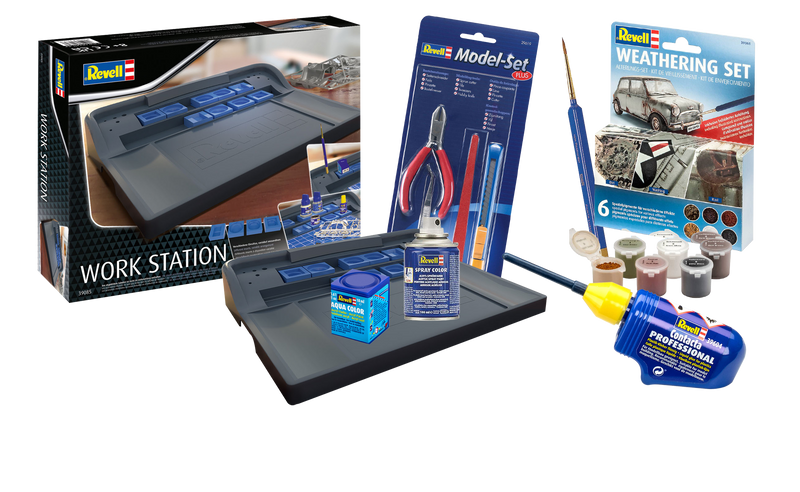


Why specialized model building tools make the crucial difference
Anyone who has ever tried to cut a tiny plastic component out of the molded part with a pair of bulky household scissors knows the problem: the material breaks improperly, whitish traces of stress mar the surface or the part flies across the room, never to be seen again. This is exactly where specialized ones come from Model making tools into the game. They are precisely tailored to the properties of polystyrene, resin parts and brass photo-etched parts.
With high-quality tools, you not only work much more ergonomically and save time, but you also significantly increase the construction quality of your models. Precise blades prevent burrs, fine tweezers protect sensitive surfaces and tailor-made files ensure that adhesive joints become completely invisible after painting. Regardless of whether you are a beginner gaining your first experience or an experienced professional who places the highest demands on detail: investing in good tools pays off with every single step of construction.
The essential basic equipment for every model maker
For a clean and stress-free construction experience, you need reliable basic equipment. These tools form the foundation on your craft table and accompany you through almost every construction phase:
1. The precision side cutter
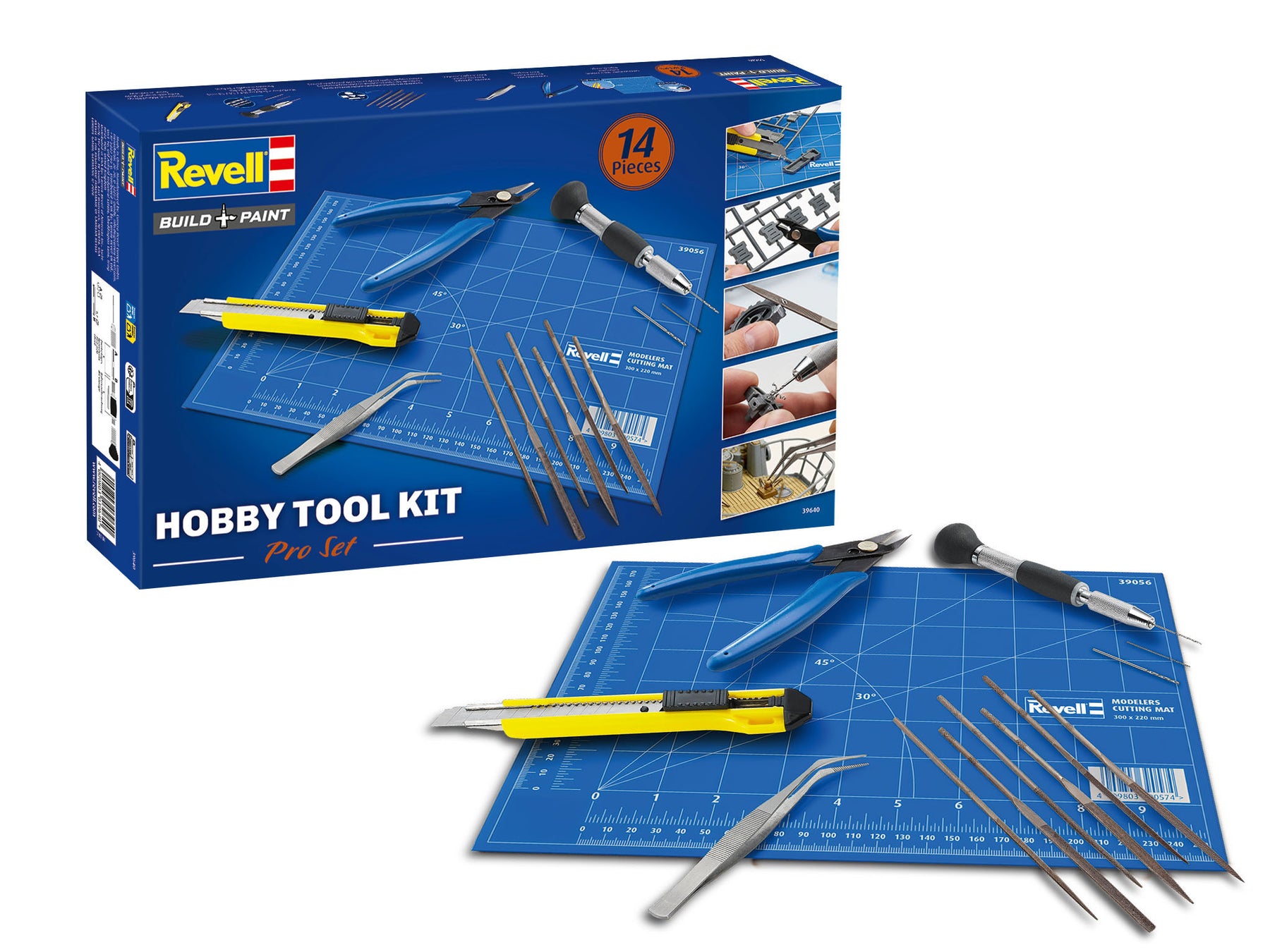
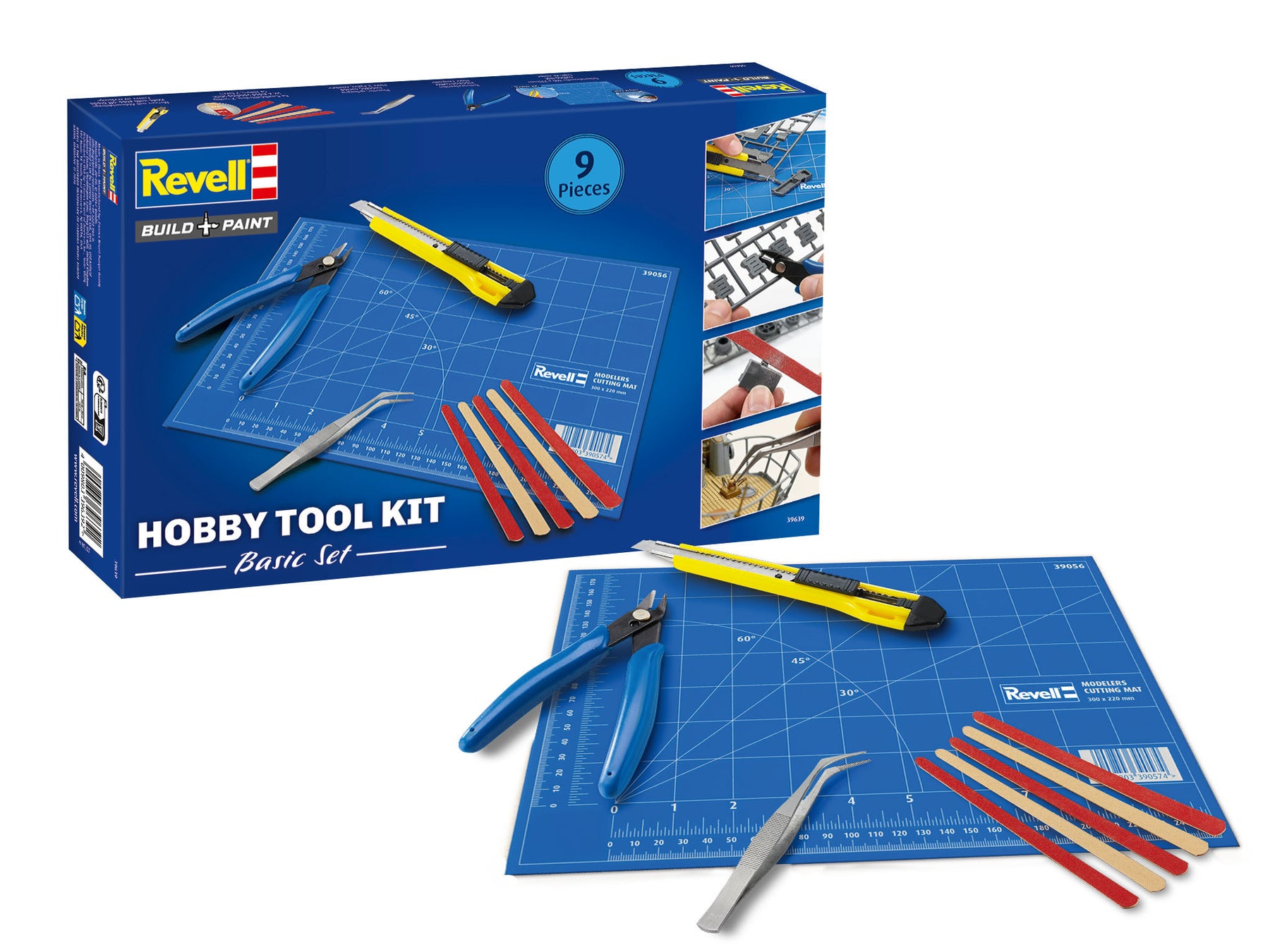
A special side cutter for model making is fundamentally different from tools from the hardware store. It has a flat cutting edge on one side (flush cutter), which allows you to cut off components extremely close to the casting. This will minimize the effort involved in subsequent overcasting and prevent damage to the partial contour.
2. The model making knife (cutter/scalpel)
With a sharp, replaceable blade, you can deburr separating seams, adjust adhesive surfaces and carefully remove any remaining injection molding residue. A good scalpel sits securely in the hand thanks to an ergonomic handle and allows micrometer-precise cuts.
3. Tweezers in different designs
Fingers are often too bulky for placing small parts, switches in the cockpit or the finest add-on parts. A combination of pointed tweezers, curved tweezers and cross-tweezers (which hold components independently) belongs in every well-organized workplace.
4. Abrasives and files
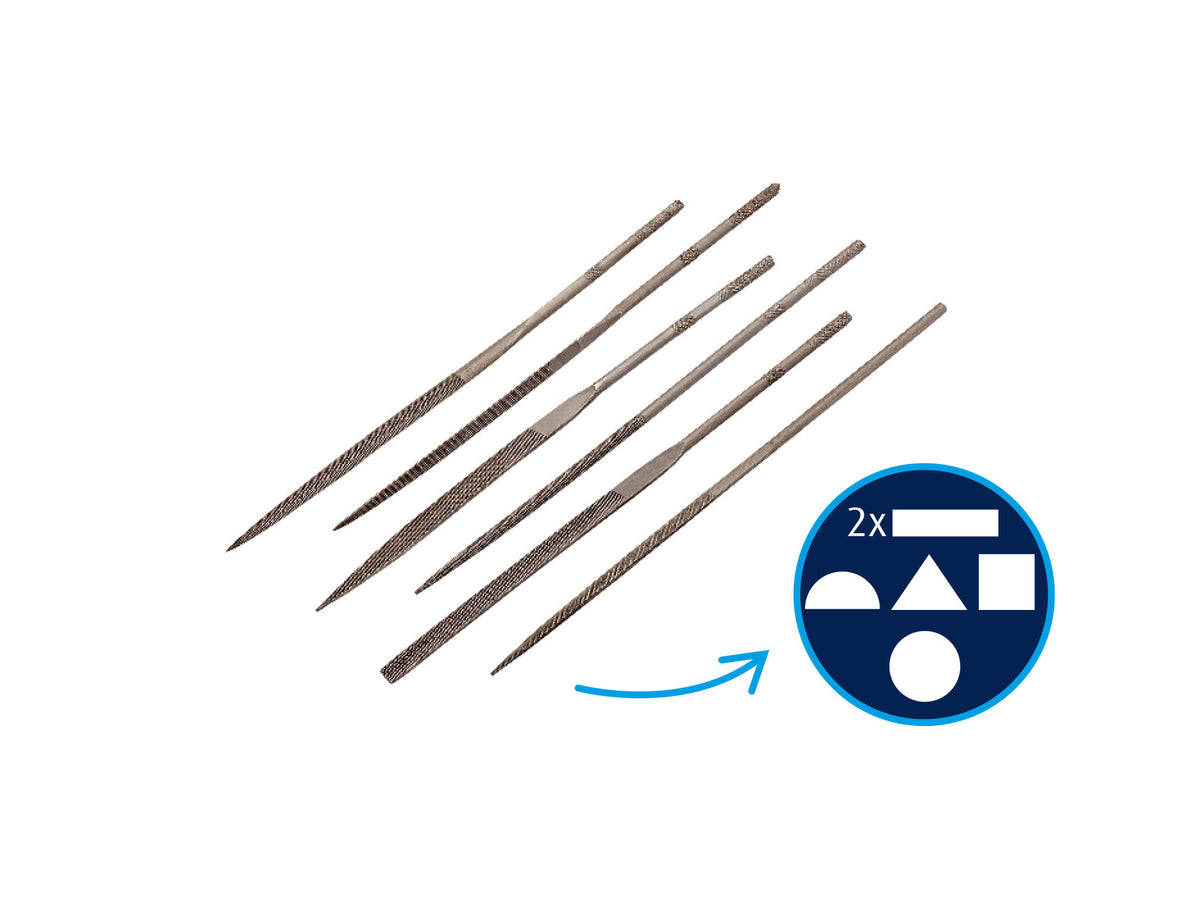
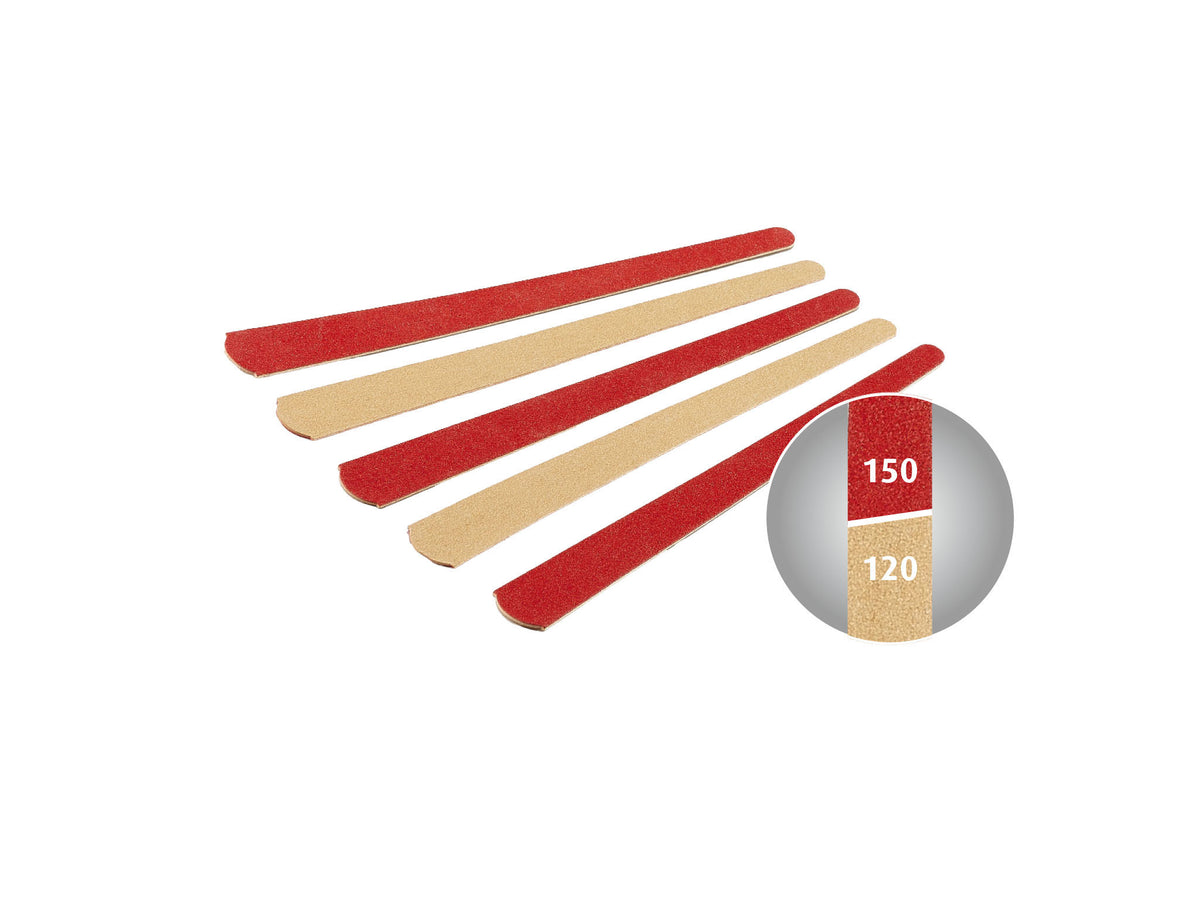
Sanding sticks in various grit sizes (from 400 to 4000) as well as fine key files are essential for smoothing separating seams and perfectly leveling transitions after filling. They prepare the surface optimally for later priming and painting.
5. The cutting mat
A self-healing cutting mat not only protects your work table from scrapes and glue drips, but also protects the sensitive blades of your cutting tools. Grid lines and angle information also help you align assemblies.
Special tools for advanced users: detailing at the highest level
If you want to give your models even more realism, the basic tools are often no longer enough. Advanced tools are used to create photorealistic kits:
- Scribing tools (engraving needles): You can use this to tighten faded sheet metal joints after sanding or add new maintenance flaps and body lines.
- Mini hand drill (Pin Vise): Indispensable for precisely drilling out exhaust pipes, barrels or holes for antennas.
- Bending aids for photo-etched parts: Small brass pieces add incredible depth to models. With a bending aid, you can bend even the smallest grids and brackets with sharp edges and at exactly the right angle.
This special tool is particularly worthwhile for highly detailed military vehicles. For example, if you have a complex tracked vehicle like the Howitzer 2000 built, precisely drilled muzzle brakes and neatly curved additional armor ensure the crucial difference between a simple model and a real eye-catcher.
Even with historical companions like that Sturmpanzer 38 T Grille Ausf Fine engraving tools and micro drills allow you to design the open battle space with enormous attention to detail and realistically recreate delicate controls.
Tools for maritime model making: mastering special challenges
Building ships places its own unique demands on your range of tools. The combination of tiny fittings, delicate rigging and extremely long fuselage halves requires specialized tools.
If you are looking for elegant Ship model kits you will quickly notice how important long, slim tweezers, micro pliers and special thread guides are. Attaching rigging twine to masts and frames requires patience and tools that grip accurately even in the tightest spaces.
For lovers of varied fleet projects, the Model building ships mix an excellent base from which to explore different ship types. Hull fixing clamps and precision cutting clamps help you glue deck planks and hull segments together without leaving any gaps.
Tips for the care and longevity of your tools
High-quality tools are a purchase for life if you look after them properly. Follow the following basic rules to maintain the quality of your tools over the long term:
- Avoid misuse: Never use your precision diagonal cutters to cut hard wire or thick brass pins. The blades are optimized for plastics and can break.
- Clean regularly: Remove plastic dust and adhesive residue from the cutting edges and files after each step. A small brass brush is ideal for cleaning file cuts.
- Oil joints: A drop of precision engineering oil on the joints of pliers and side cutters keeps the mechanics running smoothly and protects against corrosion.
- Use blade protection: Always store scalpels and fine cutters with a protective cap or store them in a suitable tool bag so that the fine tips are not damaged.