

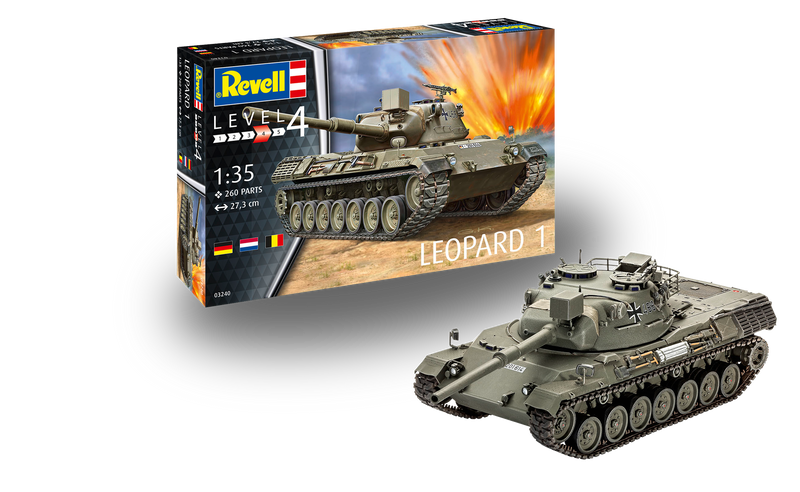


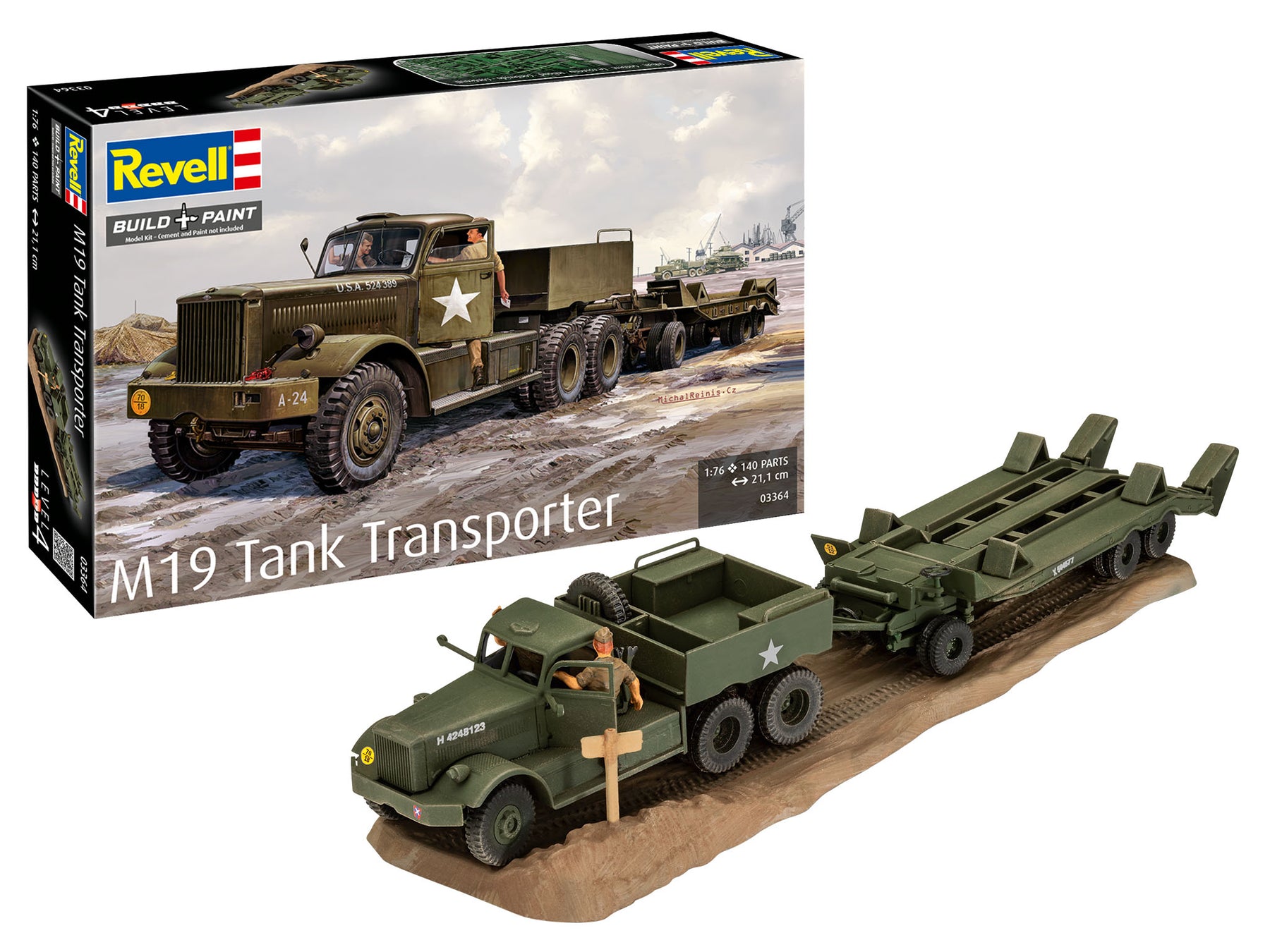
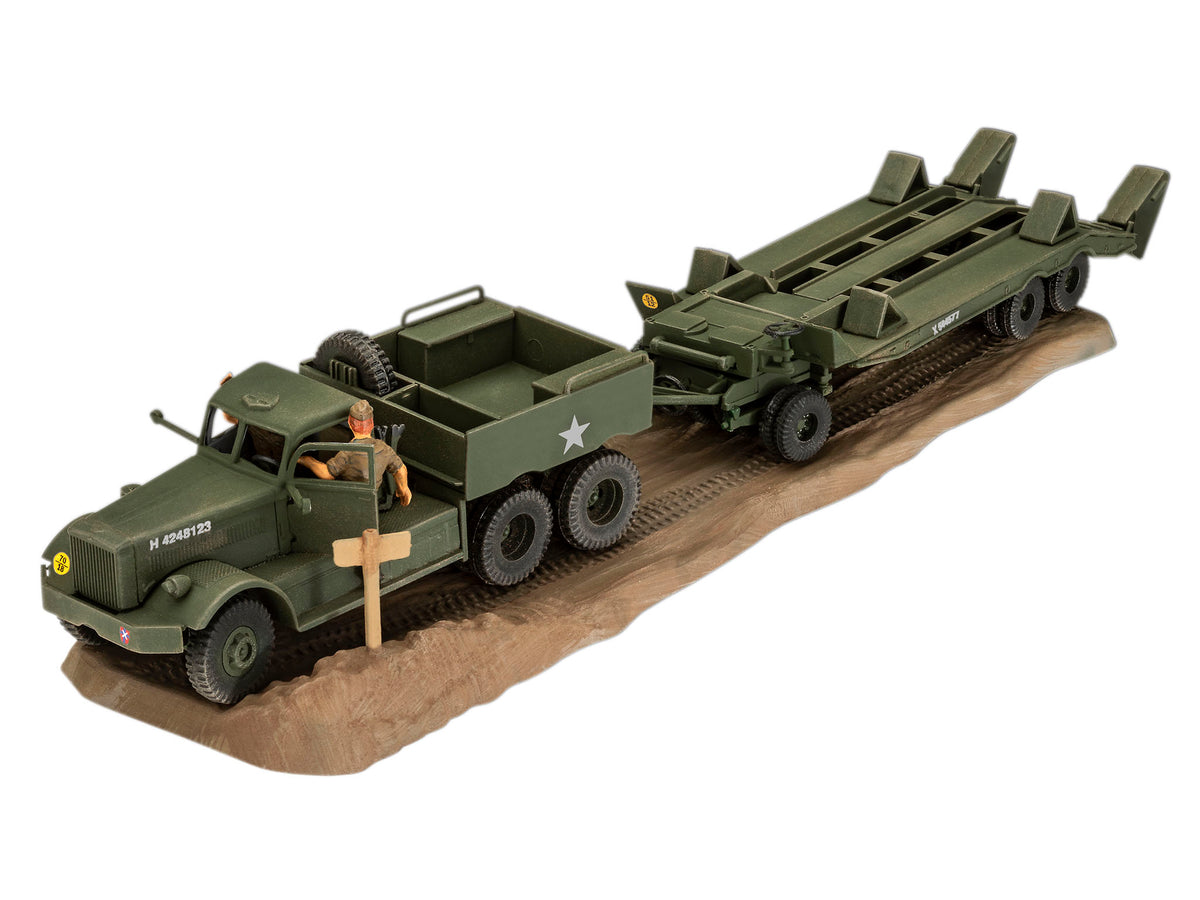


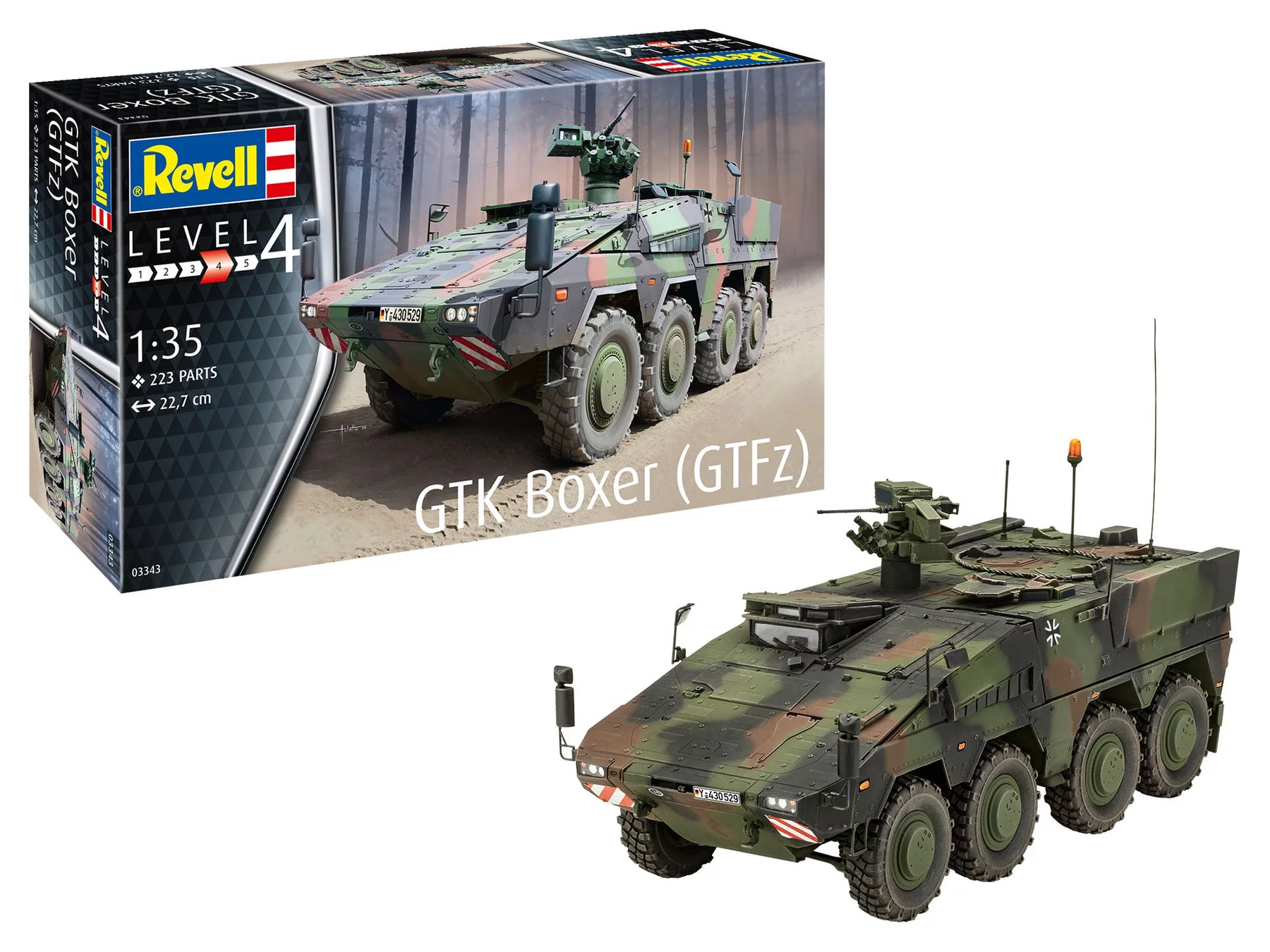


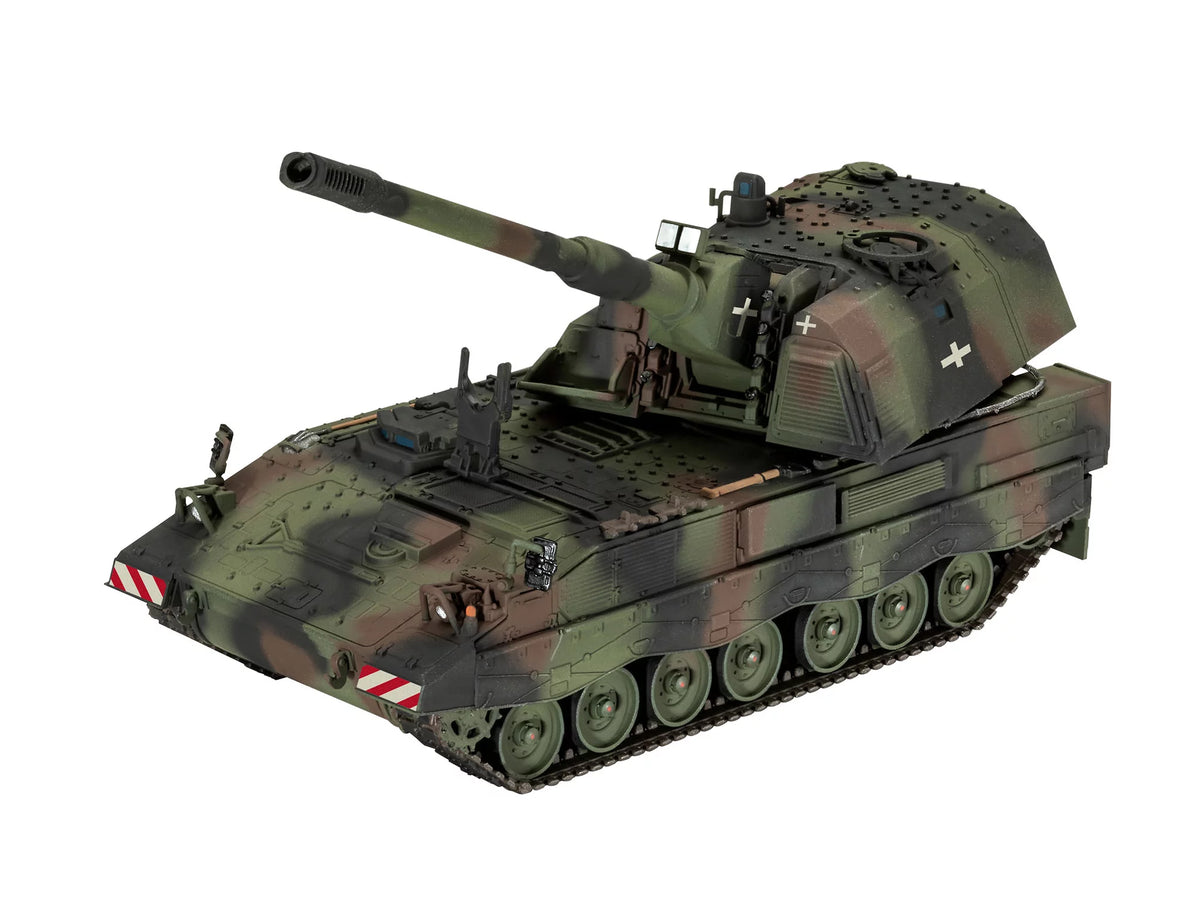
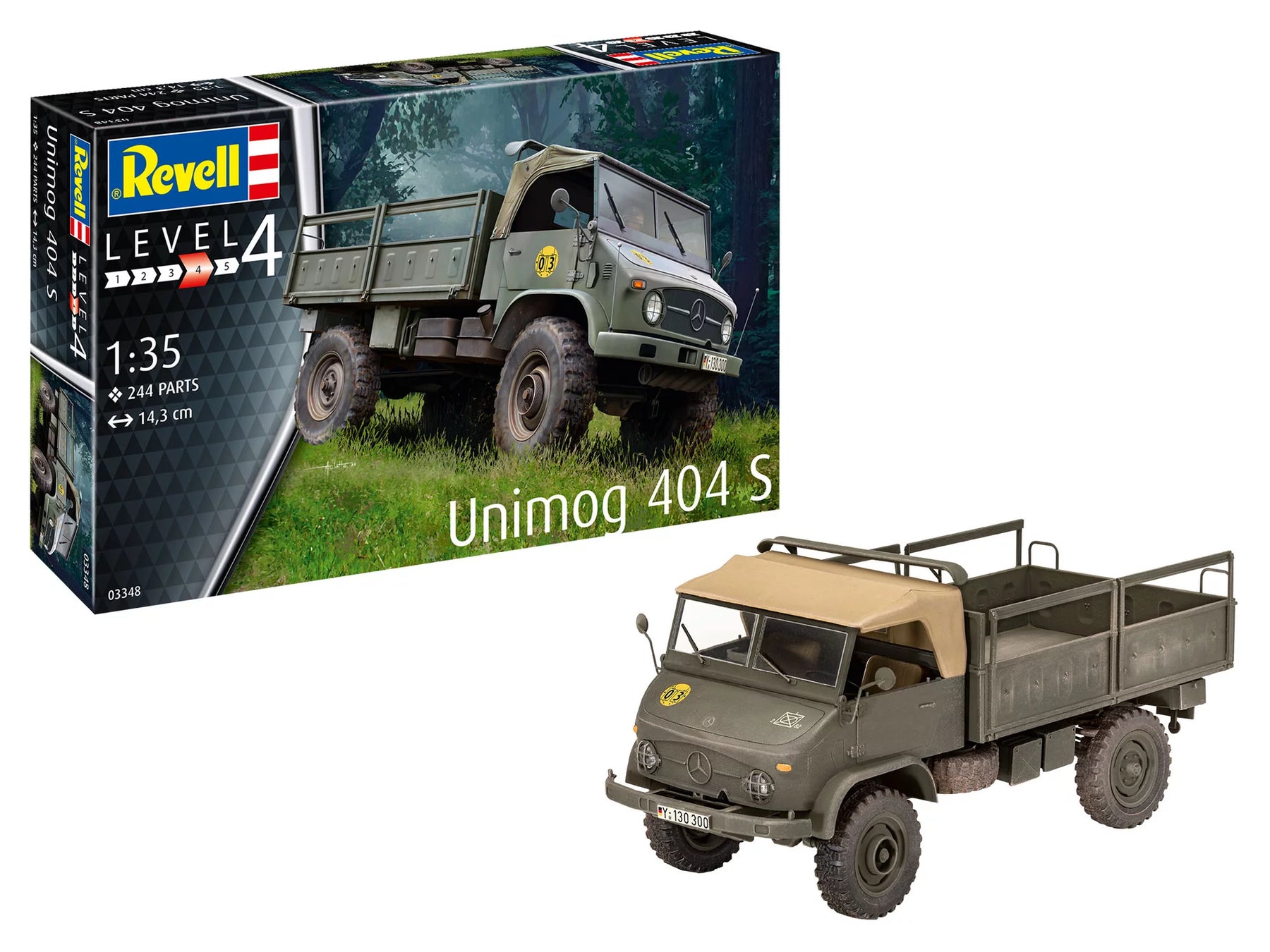
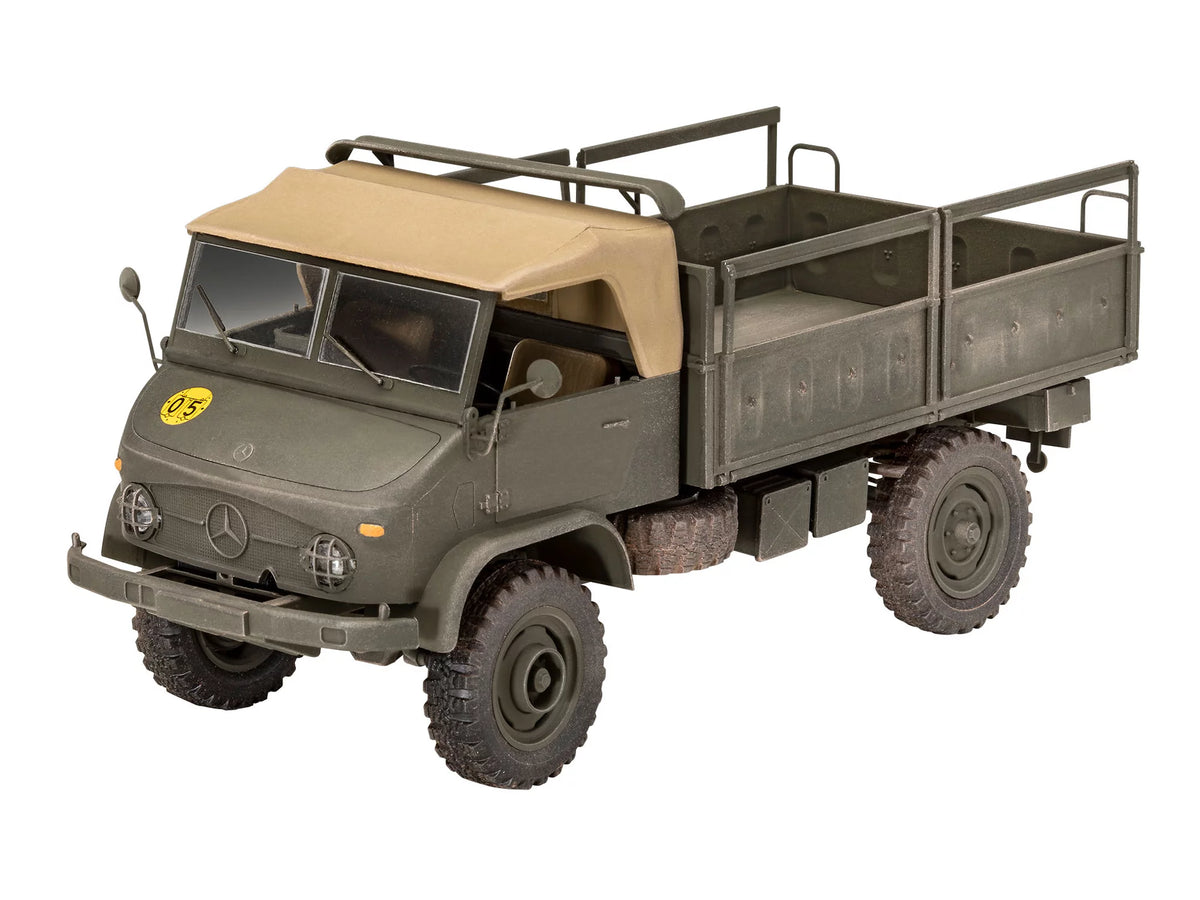

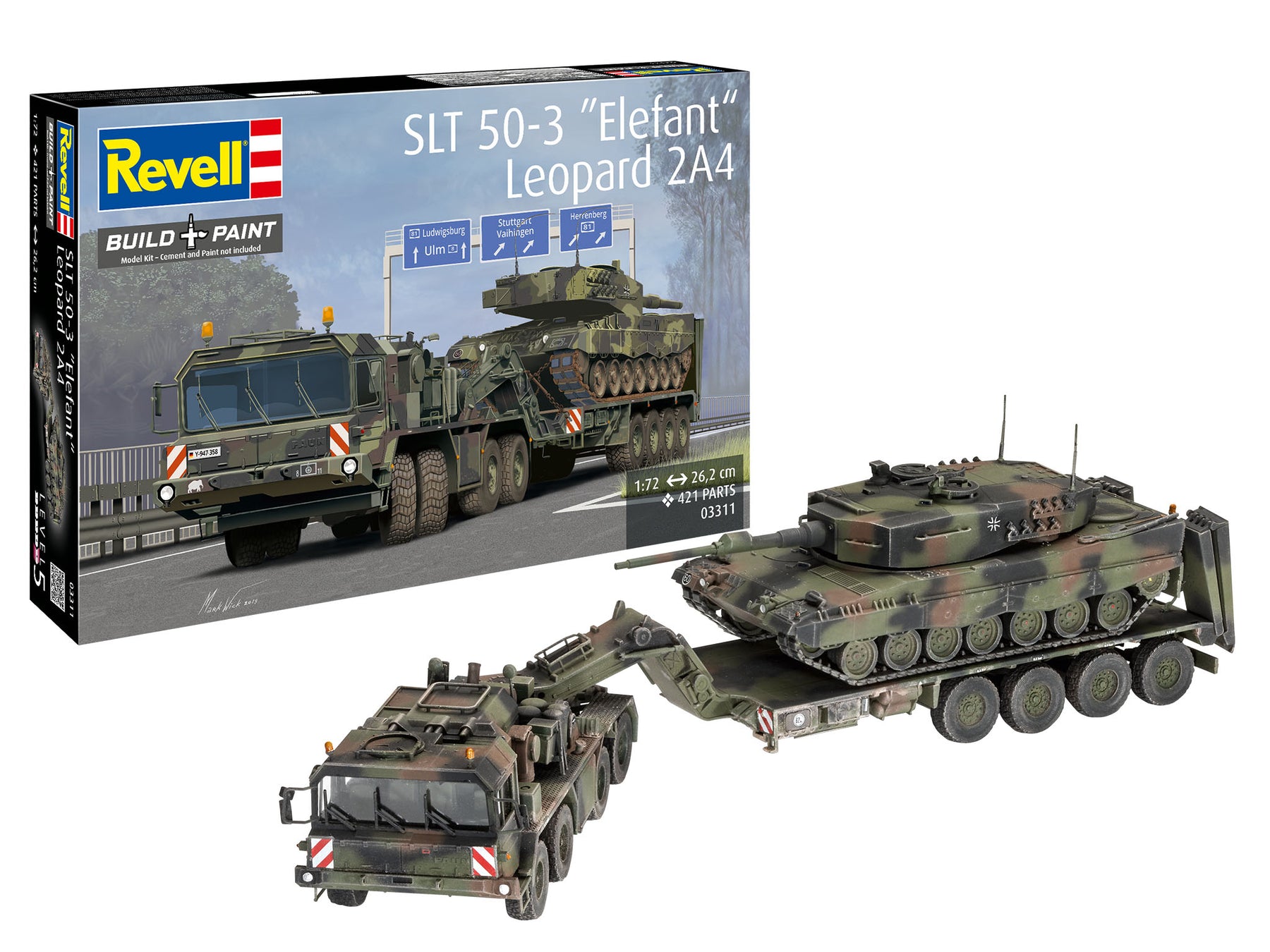

What makes Revell military models special?
Fascination with military vehicles: history, technology and model making combined
The enthusiasm for military vehicles in model building goes far beyond simply gluing plastic parts together. If you choose military vehicles, you will embark on an exciting journey through the development history of the 20th and 21st centuries. Each vehicle tells its own story - from the first cumbersome constructions of the pioneer era to the legendary tank battles of the Second World War to the high-tech weapon systems of modern armed forces.
The focus is always on technical sophistication. During assembly, you will learn about the interaction of complex chassis, massive gun turrets, innovative reactive armor and sophisticated drive systems. For many model makers, the appeal lies precisely in this meticulous attention to detail: weld seams, rivets, fine fan grilles and tool holders on the hull must correspond exactly to the original. When you complete a model, you don't just hold an exhibit in your hands, but a three-dimensional testament to military engineering that you yourself created with patience and craftsmanship.
Another important aspect is creative freedom. While the construction instructions tell you the precise assembly, you decide on the later staging: brand new directly from the factory halls, in winter camouflage on the Eastern Front or marked by desert sand and battle scars in the Middle East. This multifaceted nature makes the hobby a lasting passion that connects generations of model makers.
The right scale for your military vehicles: From 1:72 to 1:35
Before you decide on a specific vehicle, there is a fundamental question: Which scale best suits your requirements, your technical skills and your available space? In the field of military vehicles, two dominant players have established themselves over the decades, complemented by interesting niche standards.
The royal scale 1:35 – maximum detail and presence
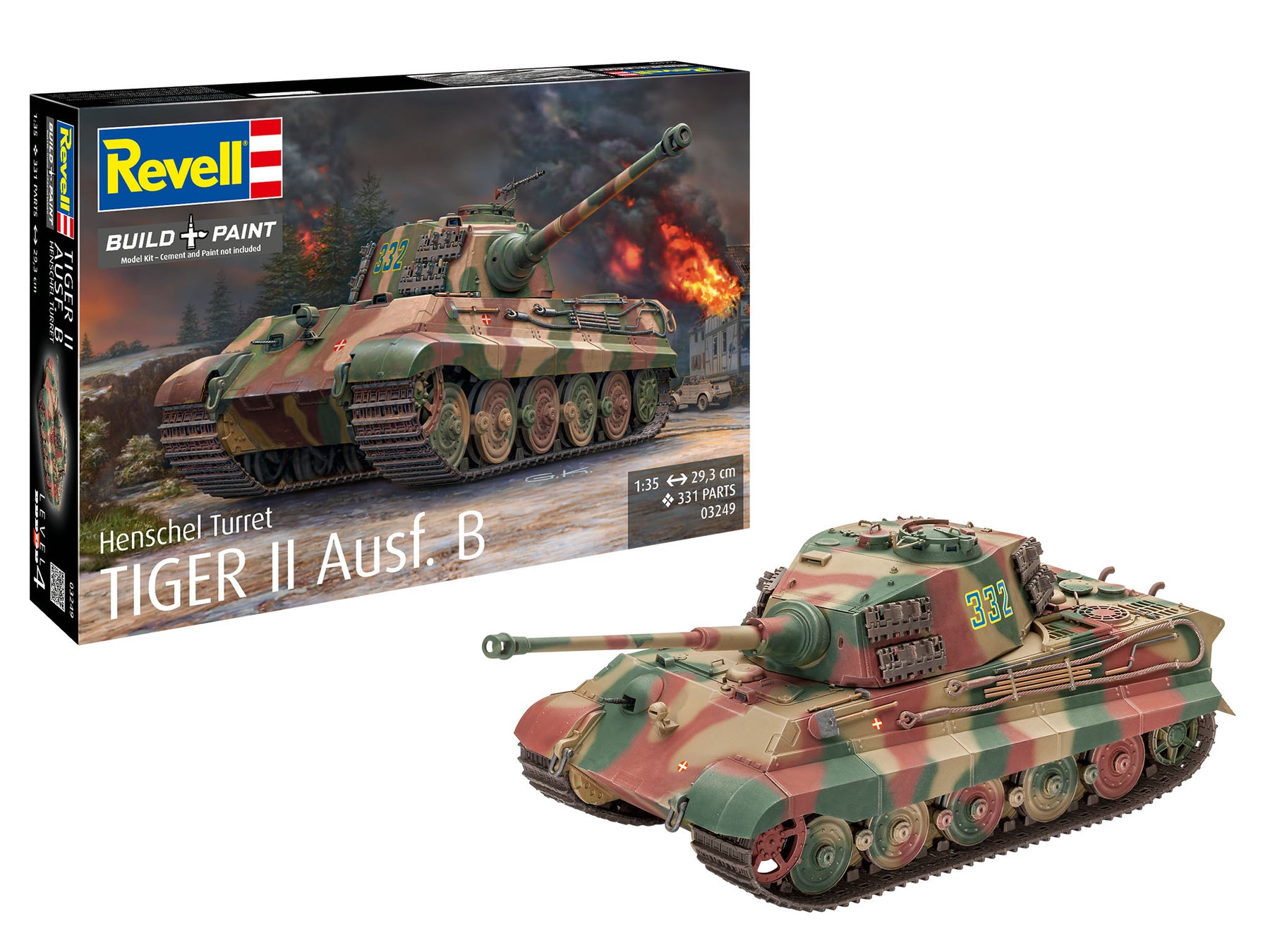
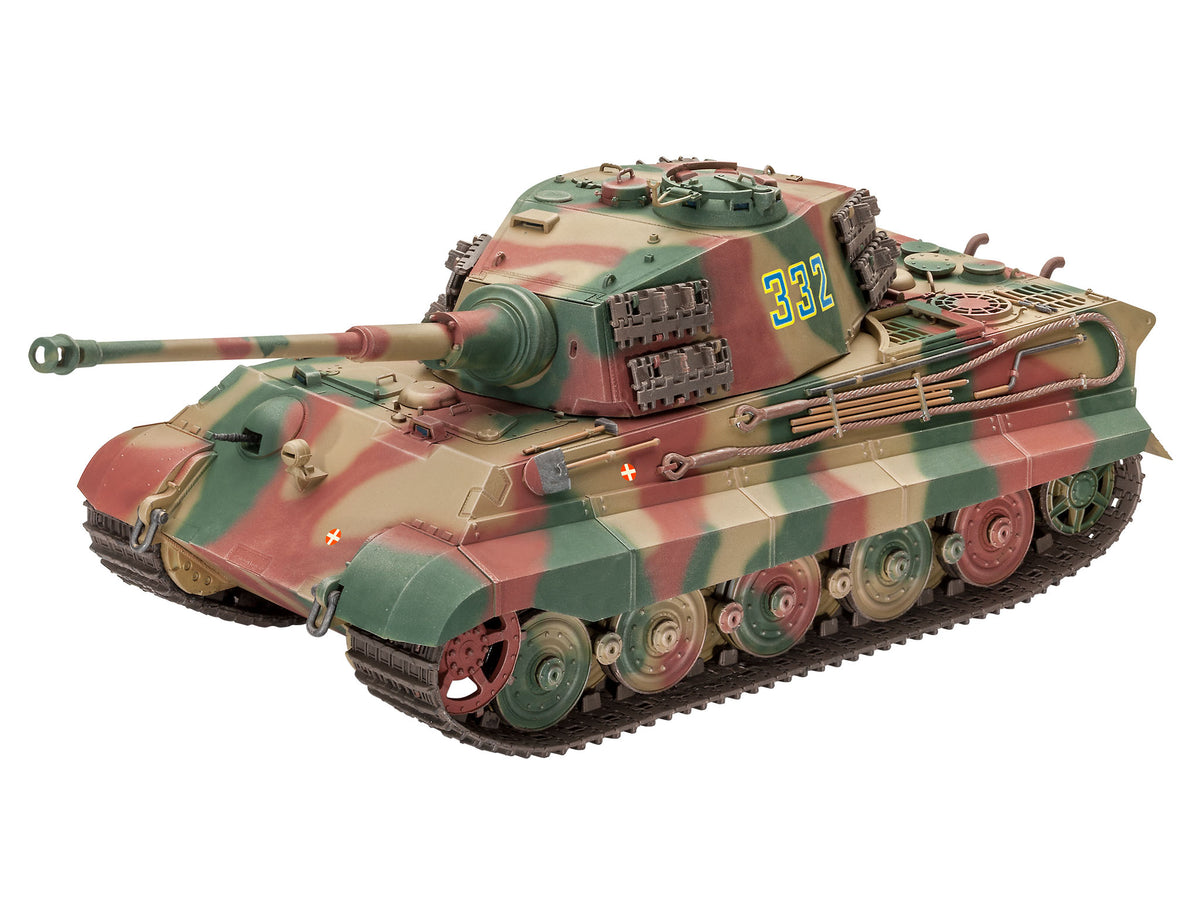
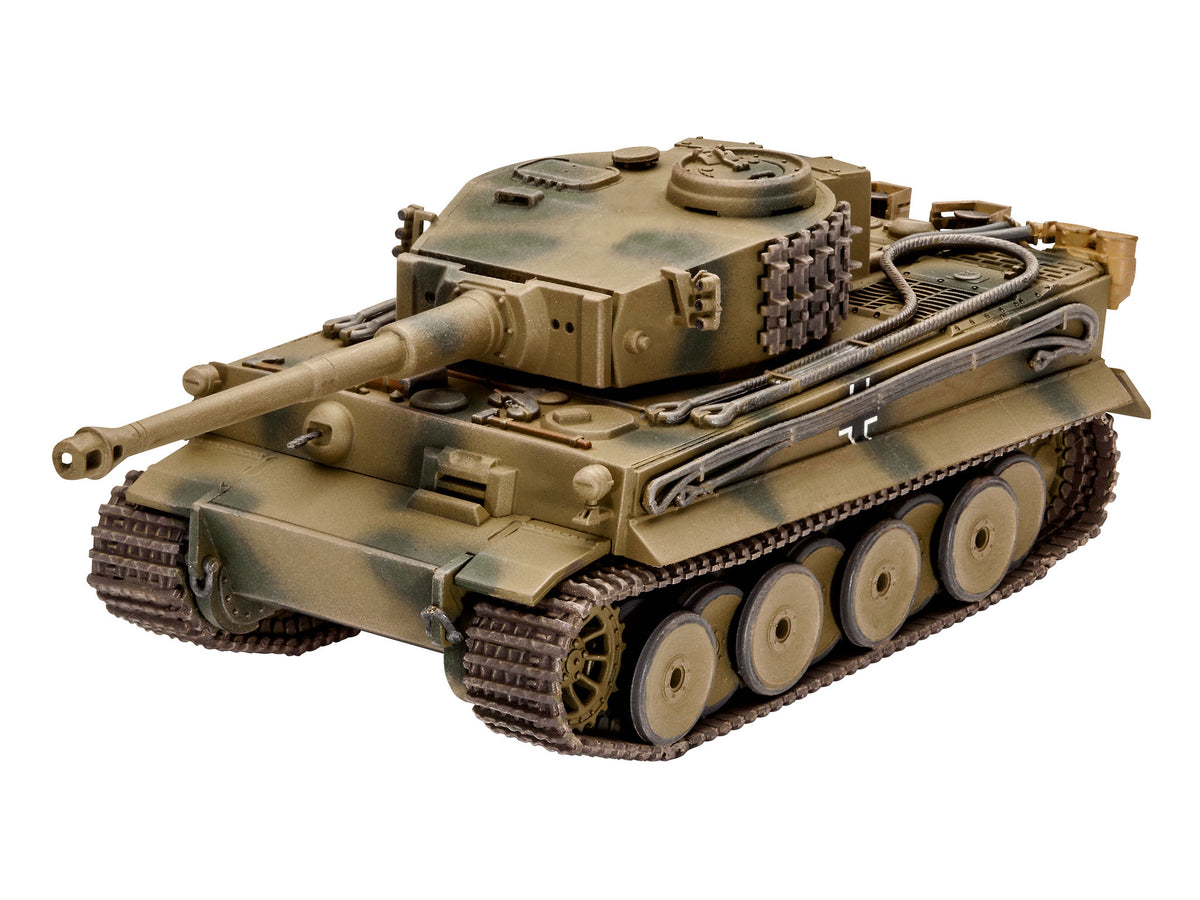
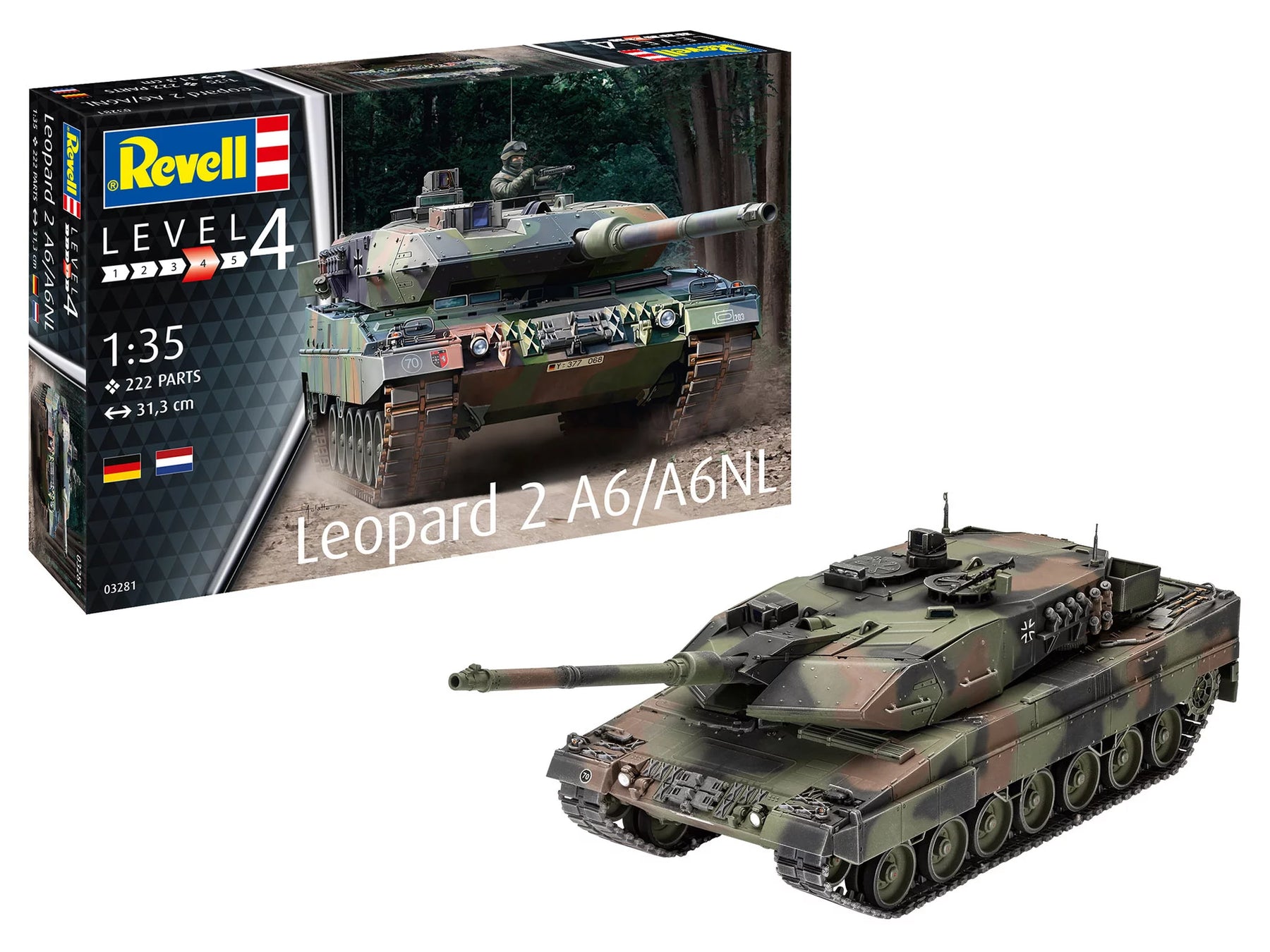
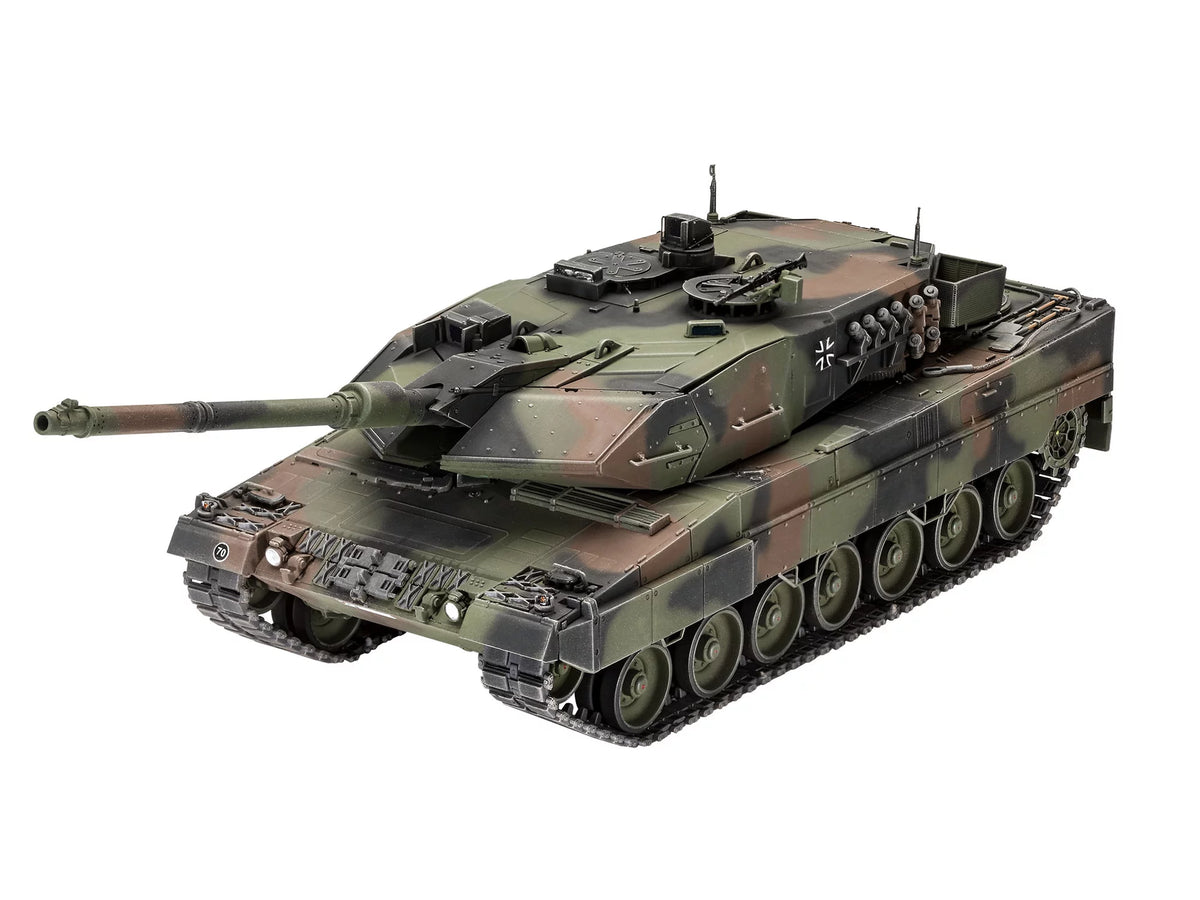
The 1:35 scale is considered the undisputed standard for sophisticated military models worldwide. Here, a medium battle tank like the Leopard 2 or the Tiger I quickly measures between 25 and 30 centimeters in length. This dimension opens up incredible possibilities for you as a model builder:
- Delicate small parts: Whether photo-etched ventilation grilles, individual chain links with slack or fully detailed tower interiors - hardly a detail remains hidden in 1:35.
- Perfect for Weathering: Scratches, chipped layers of paint, traces of rust and mud splashes can be highlighted in a particularly realistic and nuanced way on the spacious surfaces.
- Comprehensive accessories market: For this scale you will find an unsurpassed variety of accessories, figures, storage boxes and individual decals.
If you're looking for a real showcase piece and are willing to invest many hours of focused work into a single model, 1:35 is your ideal choice.
The compact 1:72 scale – ideal for dioramas and collectors
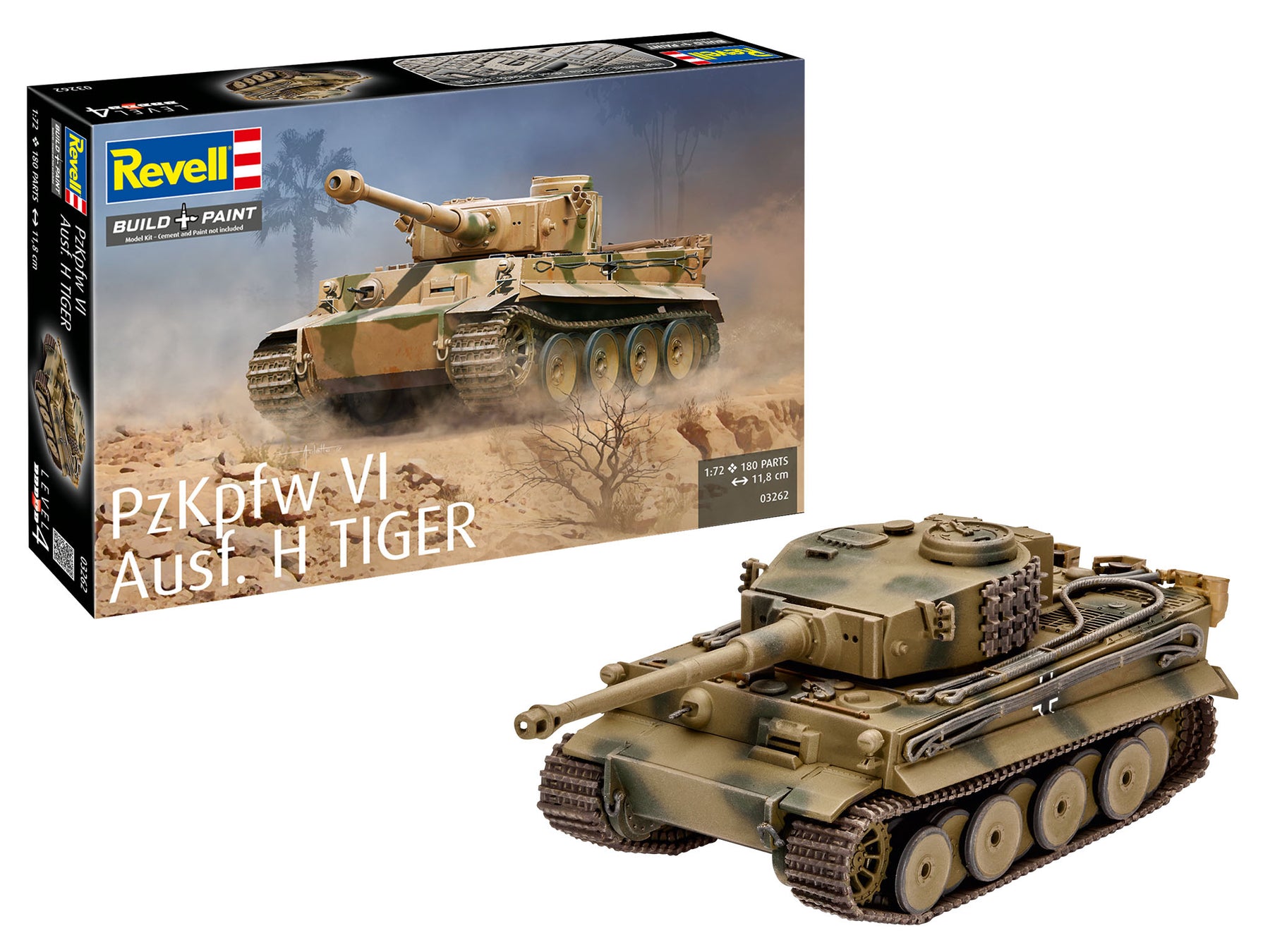
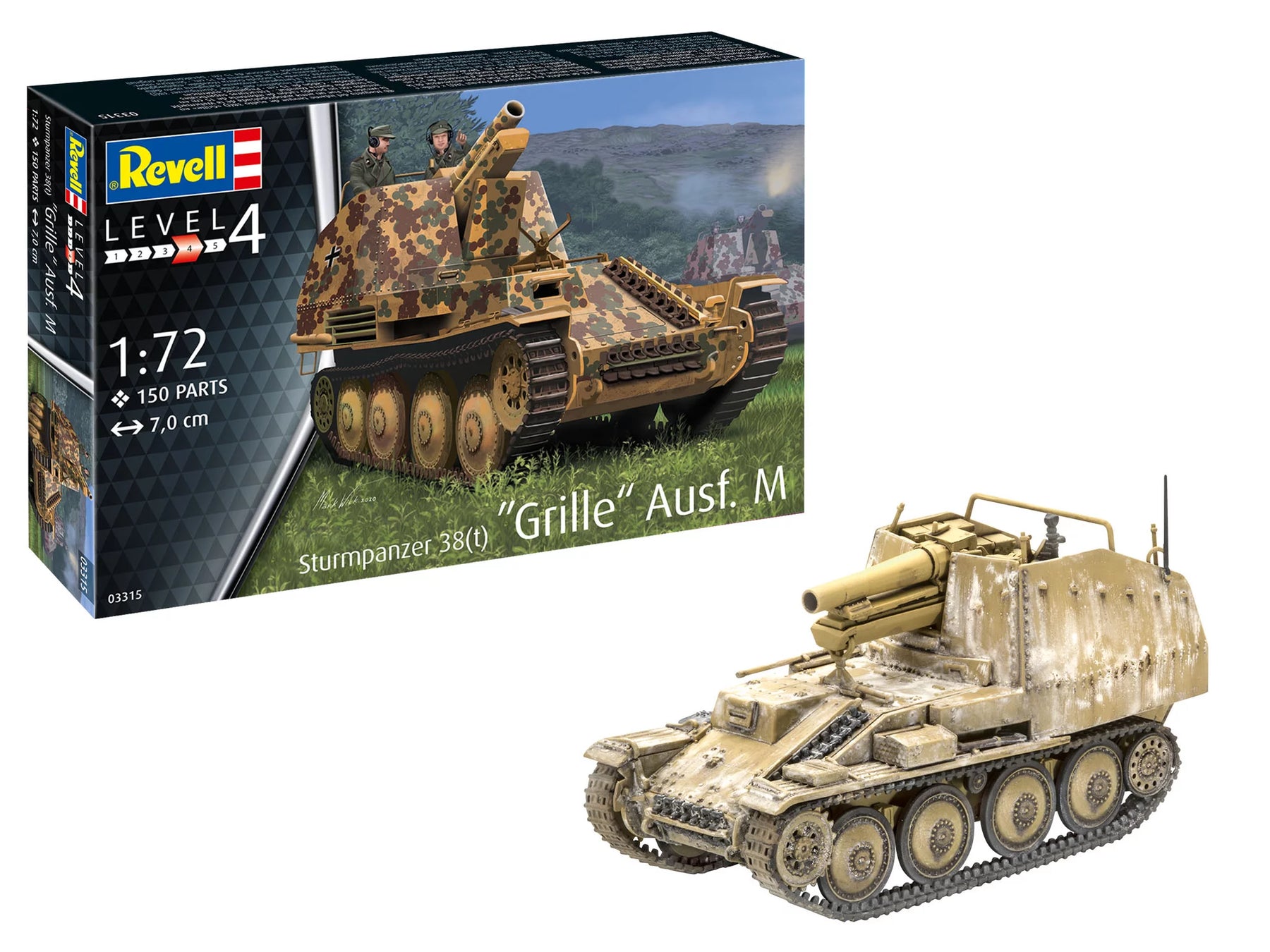
If, on the other hand, you are looking for kits that can be completed more quickly, take up less floor space and still impress with excellent proportions, 1:72 is perfect for you. With a vehicle length of usually 8 to 12 centimeters, this scale is ideal for beginners as well as for large-scale scenes:
- Space-saving collecting: You can easily display entire trains, columns or vehicle collections in a standard display case.
- Diorama friendly: Exciting battle scenes with several vehicles, infantry and building parts can be arranged on a manageable base plate.
- Faster success experiences: The smaller number of parts means you can get from the start of construction to the finished model much more quickly, without having to compromise on the overall appearance.
In addition to these two main sizes, you will occasionally also find scales such as 1:48, which serves as a bridge between aircraft and vehicle model making, as well as the traditional railway scale 1:87 (H0). In our wide selection of Military model kits you will find the right dimension for every room concept.
Historical icons vs. modern combat vehicles
The range of military vehicles spans more than a century of technological history. We essentially divide the range into two major areas of interest, each with their own structural and visual appeal.
Historical tanks and vehicles of the Second World War
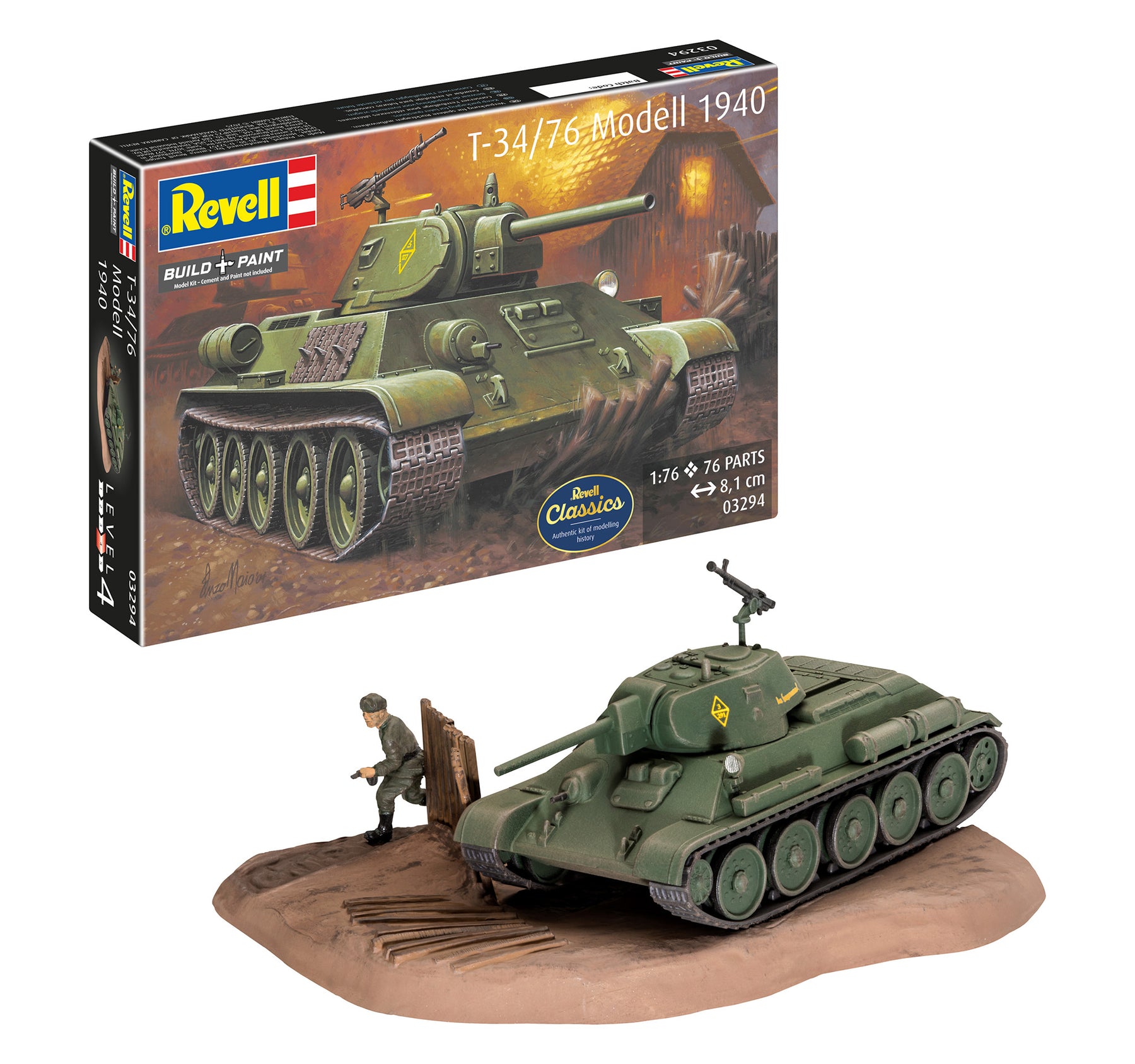
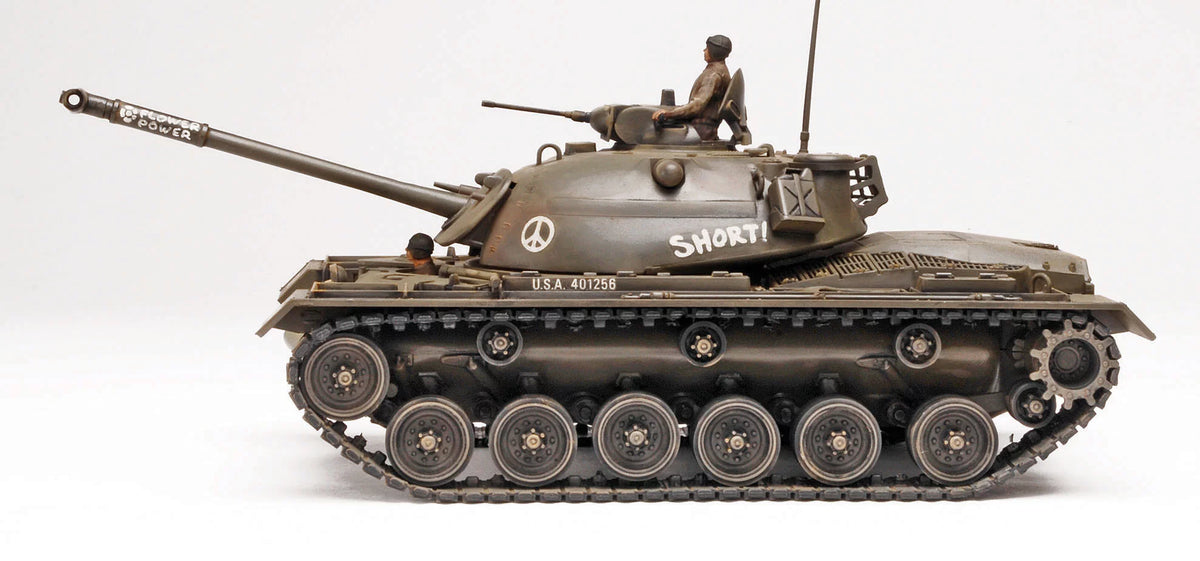
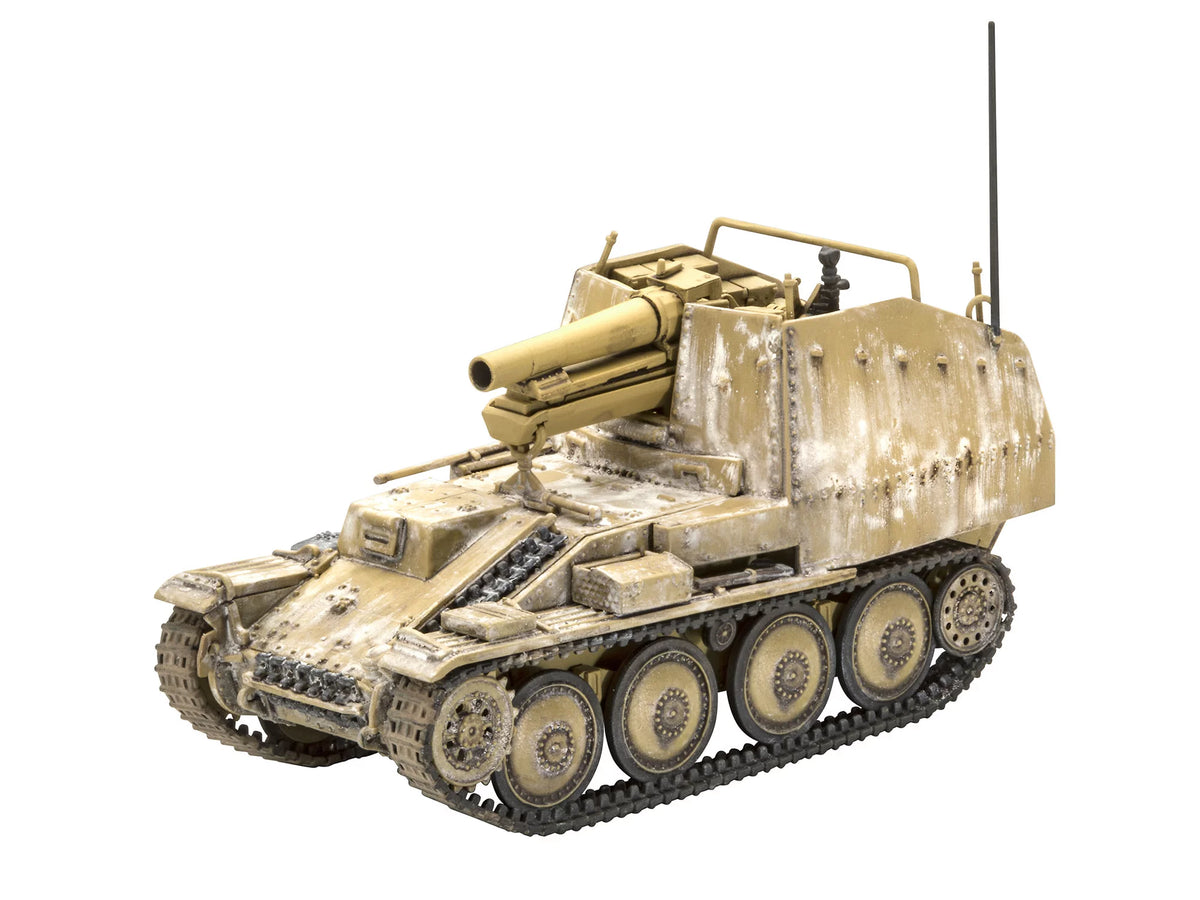
Historical tank kits have always had an incomparable appeal. World War II was the catalyst for unprecedented development of armored fighting vehicles. Icons such as the German Panzerkampfwagen VI “Tiger”, the agile “Panther”, the US M4 Sherman or the Soviet T-34 represent turning points in modern mobile warfare.
Historical models are characterized by their angular shapes, massive gun mantlets and often rough cast surfaces. In addition, there is an almost endless variety of historically proven camouflages: from the famous three-color German ambush camouflage to the classic US olive drab to chalky winter liming. For those interested in history, researching original photos and locations of the respective divisions offers fascinating added value.
High-tech of the present: wheeled tanks and main battle tanks
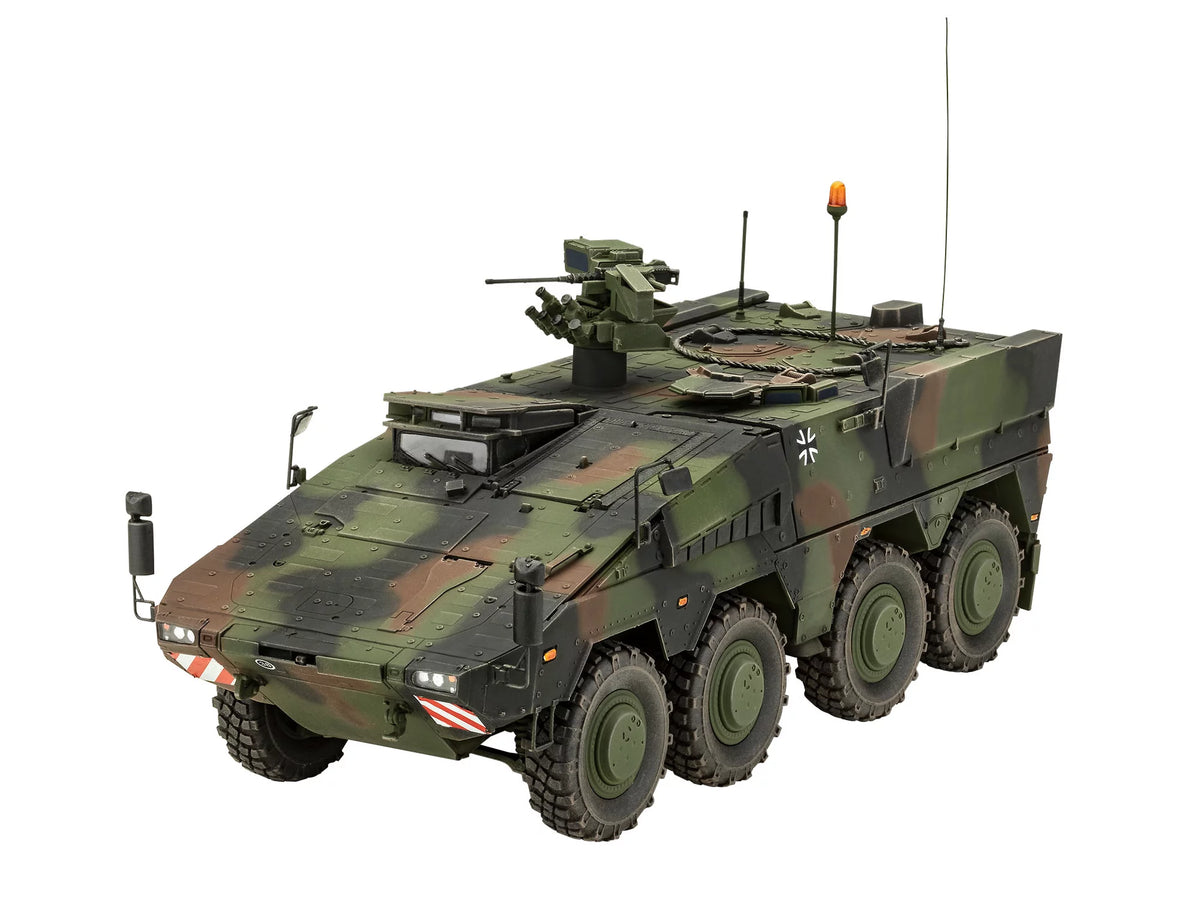
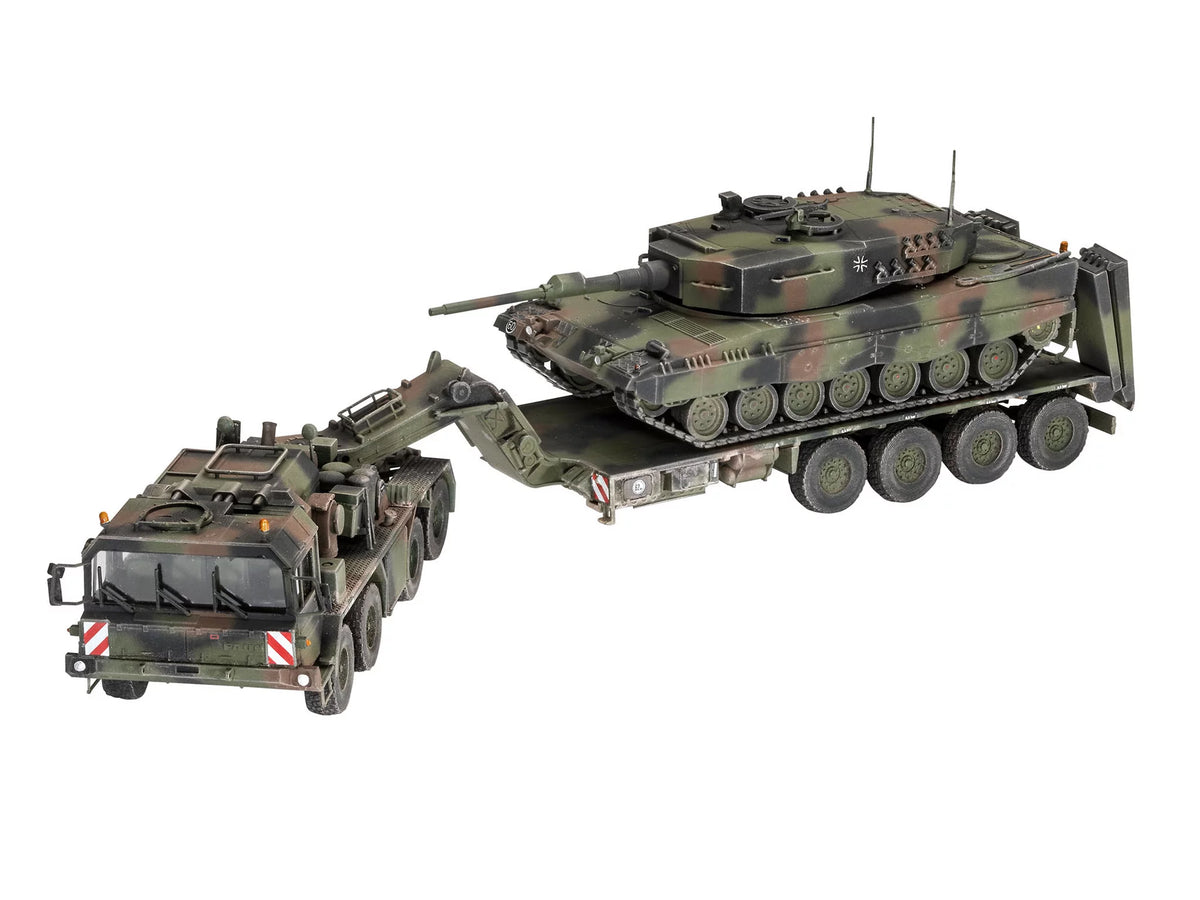
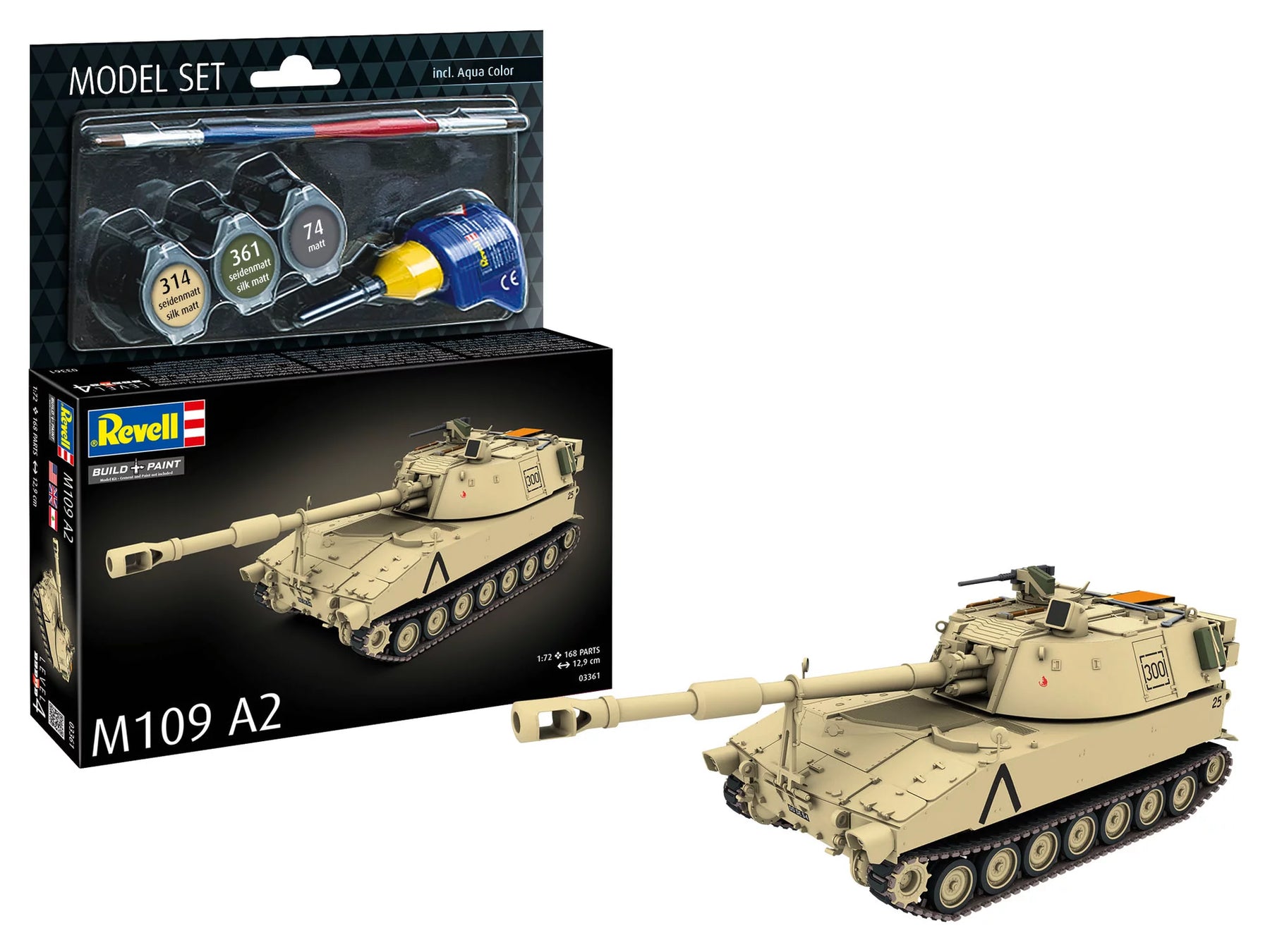
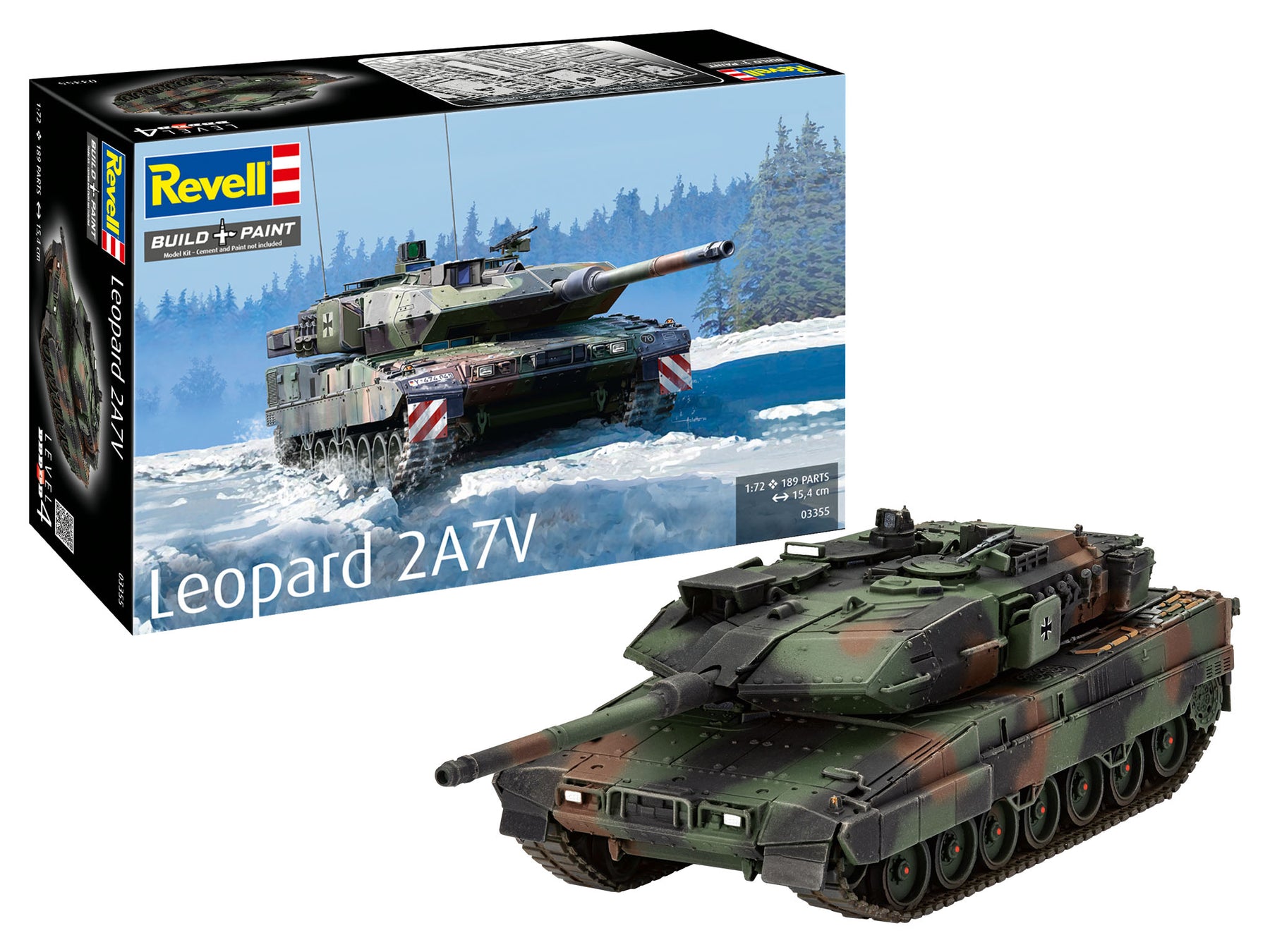
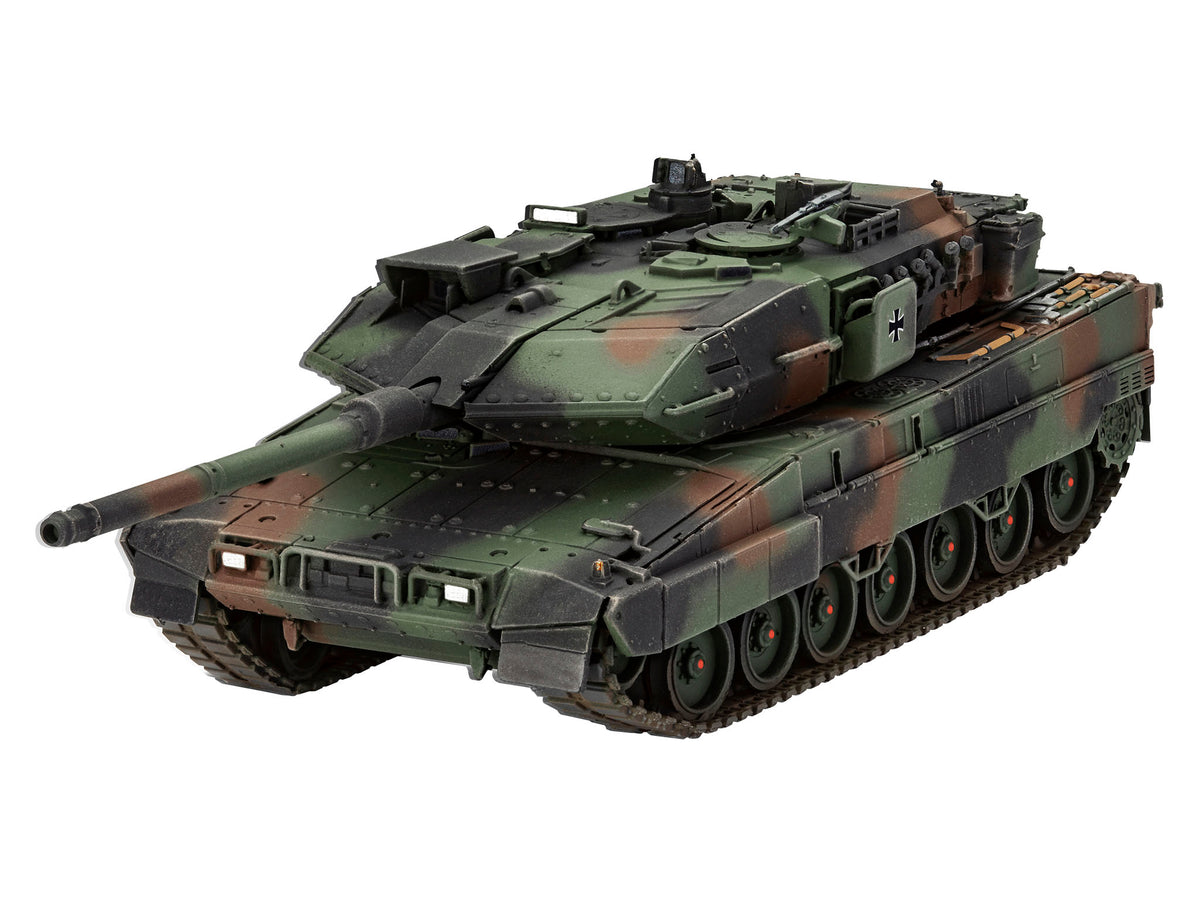
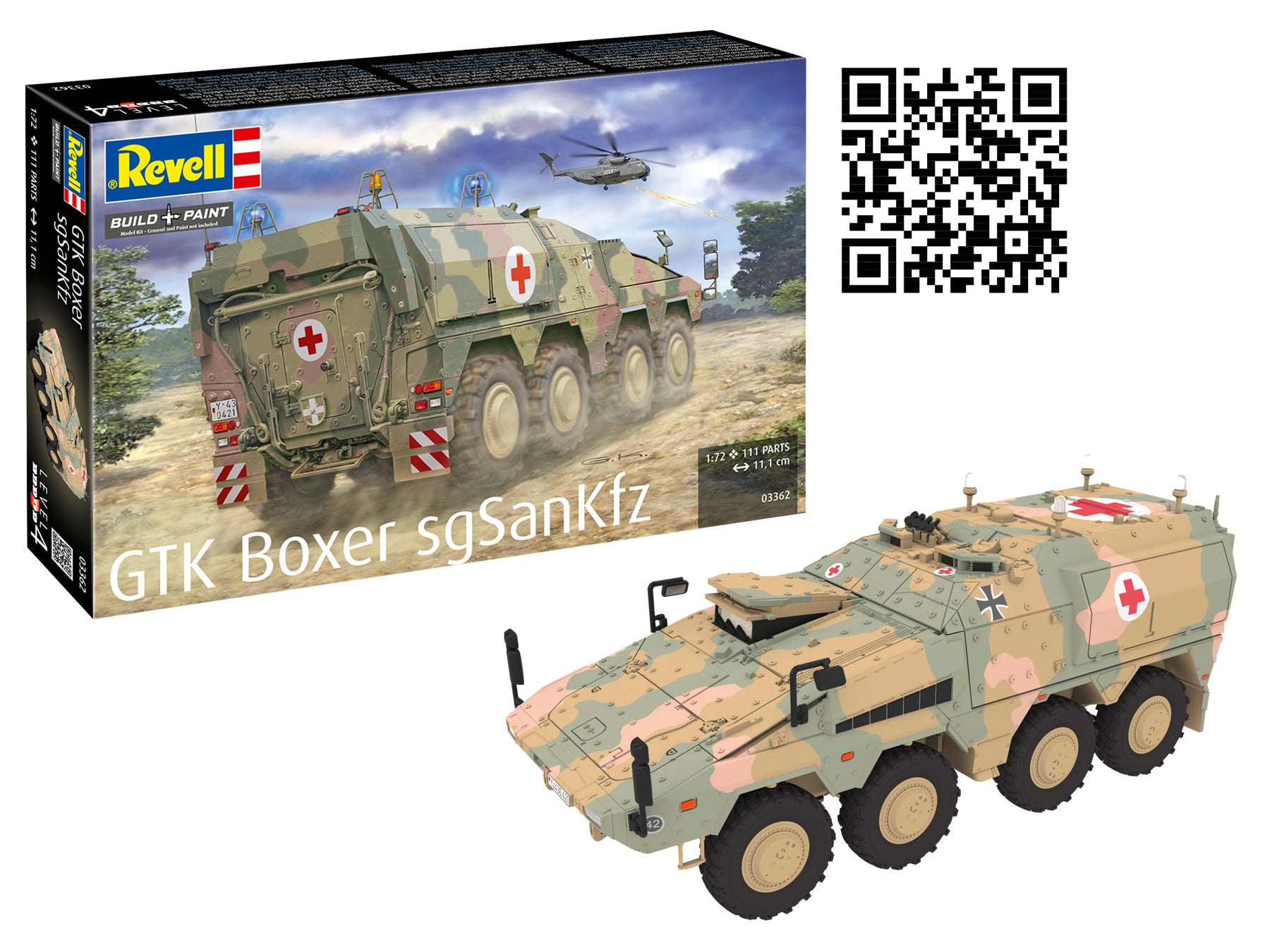
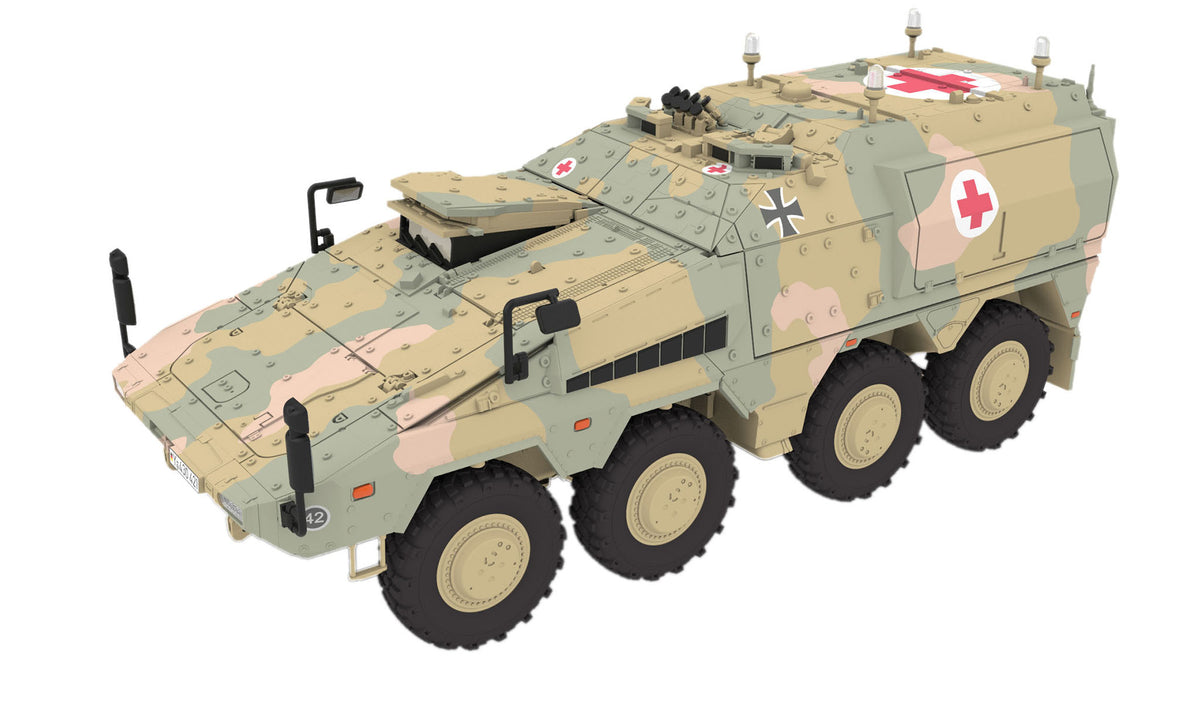
Modern emergency vehicles from NATO and global armed forces exude a completely different, but equally gripping, appeal. Advanced composite armor, curved lines for radar reflection, computer-aided targeting optics and modular weapon stations characterize the appearance of these machines. The absolute favorites include modern icons such as the German Leopard 2 main battle tank in its various configurations, the British Challenger 2, the US M1A2 Abrams as well as highly mobile wheeled tanks such as the GTK Boxer or the Fennek reconnaissance tank.
If you're passionate about networked combat, digital camouflage, and the technology of current contingents, our collection for modern military vehicles guaranteed to discover your next dream model. Here you will find complex chain drives, laser warnings and highly detailed guidance and radio antennas.
The Skill Level System: Find the perfect challenge
Nothing dampens the joy of crafting more than being overwhelmed by too many tiny components - or boredom caused by a model that is too simple. To make your choice easier, we work with a proven, five-stage difficulty system. So you know exactly what to expect at work before you unpack:
- Level 1 (Easy Click / Snap): Perfect for absolute beginners, children and occasional hobbyists. The parts can be put together precisely without any glue. Painting is optional as many components are already sprayed in multiple colors.
- Level 2: Simple kits with up to 30 parts. Ideal for an easy introduction to classic gluing and painting. Here you will gain initial experience in deburring and aligning components.
- Level 3: The classic kit for advanced beginners and experienced hobbyists. With up to 100 parts, these models challenge your dexterity when gluing precisely and require multi-color painting and the application of wet-slide decals.
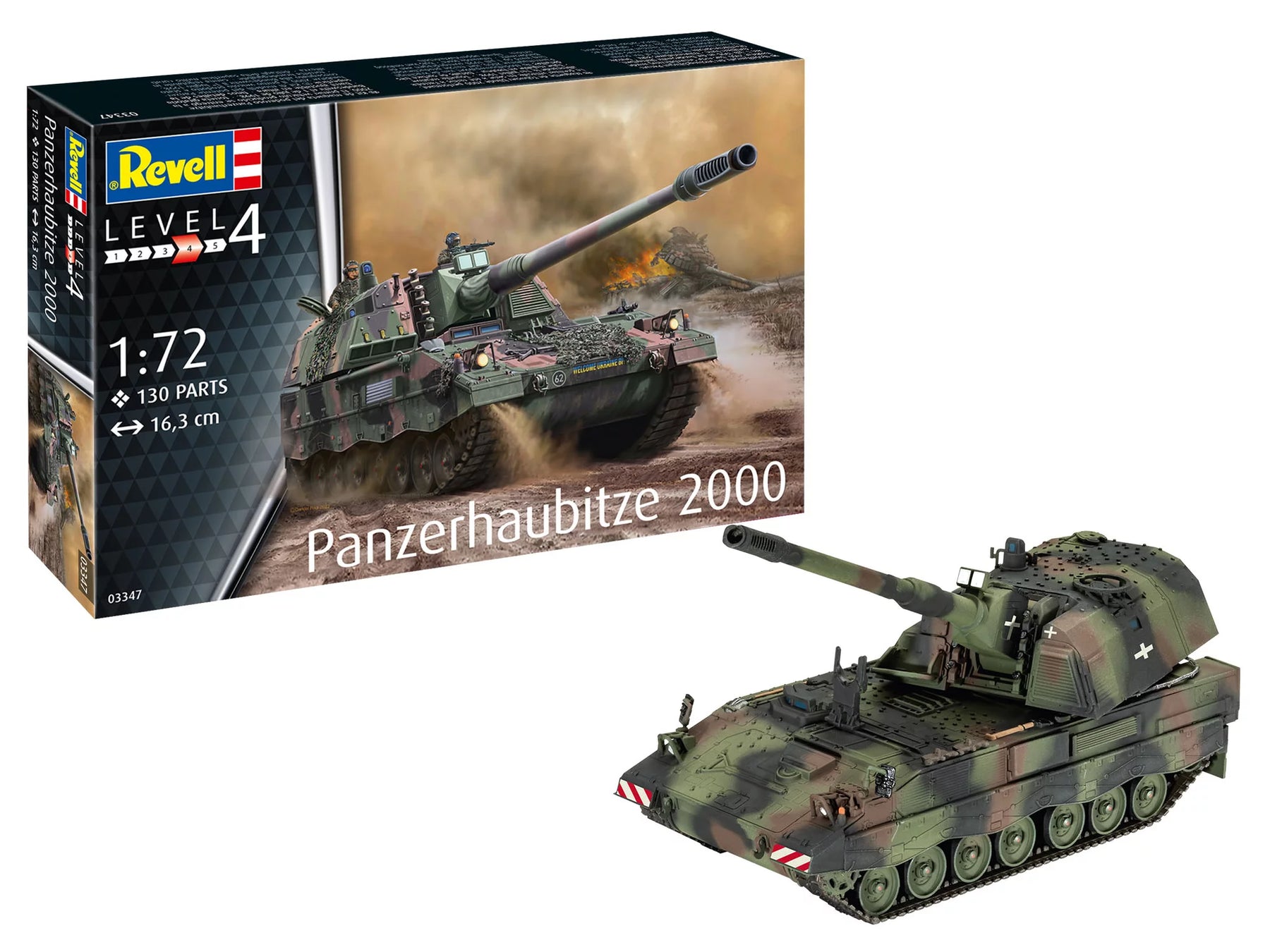
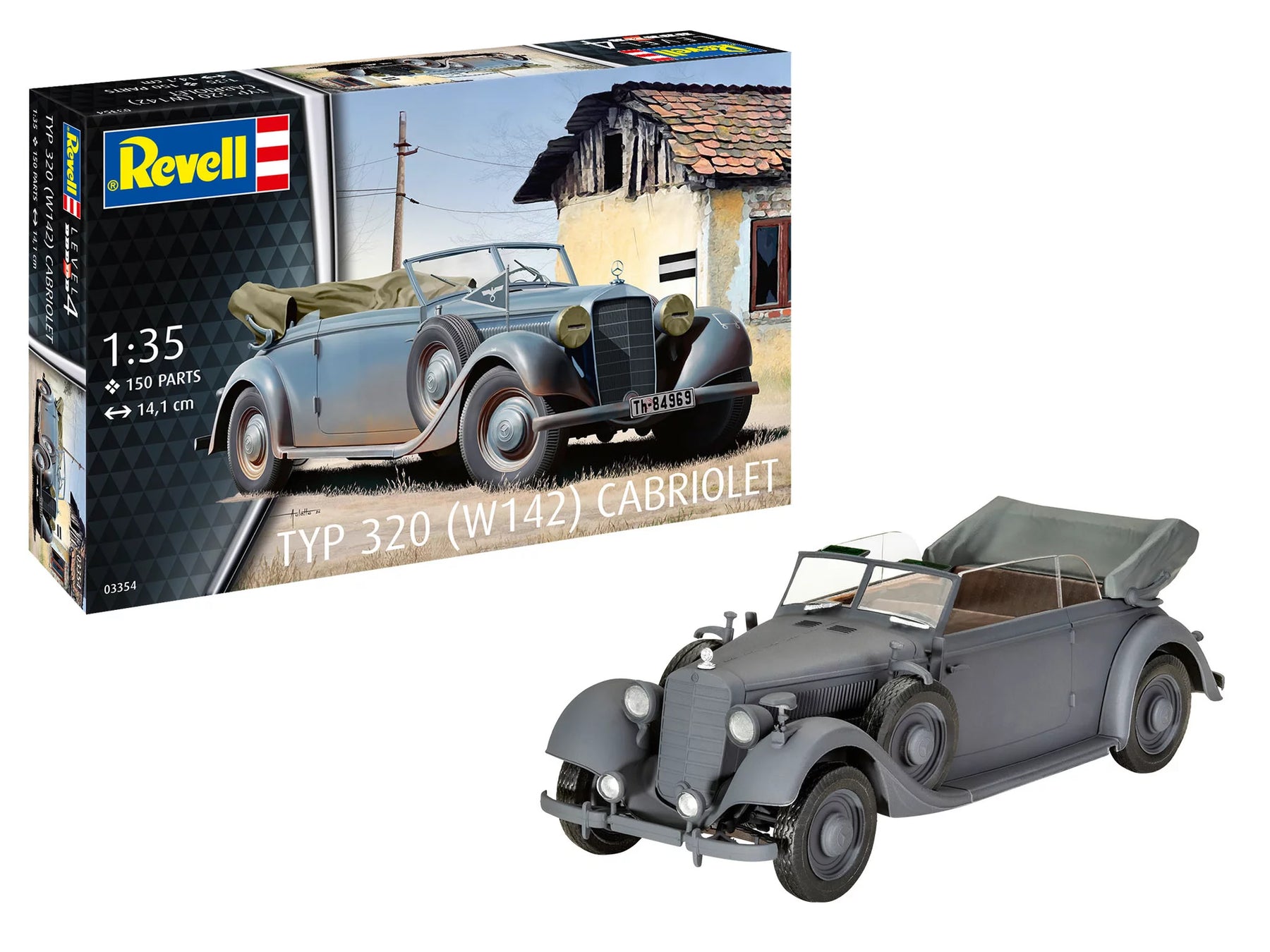
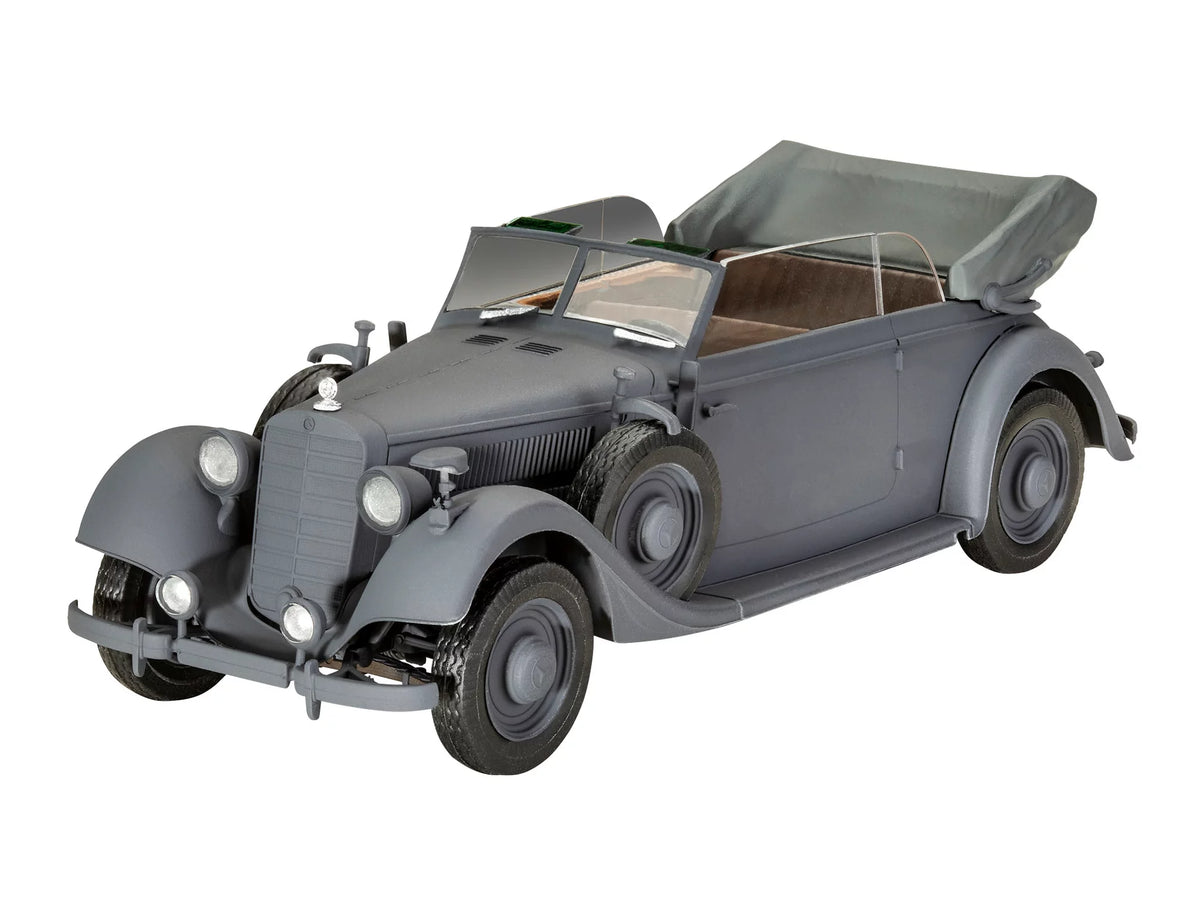
- Level 4: For experienced model builders who are looking for real challenges. Up to 150 or more parts, often including delicate chassis elements, multi-part chains and alternative construction options, require concentration, technical skill and a little patience.
- Level 5: The premier class for real experts. Complex large kits with hundreds of individual parts, finely slotted photo-etched parts, fully functional suspensions and the highest demands on surface design. Absolute masterpieces are created here.
Tools, colors and accessories: your foundation for perfect results
A high-quality kit is half the battle - but only with the right tools will the building experience be a complete success. Anyone who tries to remove sensitive plastic parts with kitchen scissors or assemble the fuselage with universal glue will quickly become frustrated. Solid basic equipment pays off from the first cut.
Your most important companions include a sharp side cutter for clean cuts on the casting branch, a craft knife (scalpel) for carefully deburring the separating seams, and sandpaper or sanding sticks in various grit sizes (from 400 to 2000) to perfect fits. When it comes to adhesive, it's best to use special liquid glue with a needle cannula: it welds the plastic precisely without smearing the surrounding surface. Other indispensable items Model building accessories such as precision tweezers, masking tape and cutting mats ensure ergonomic and clean work on your workbench.
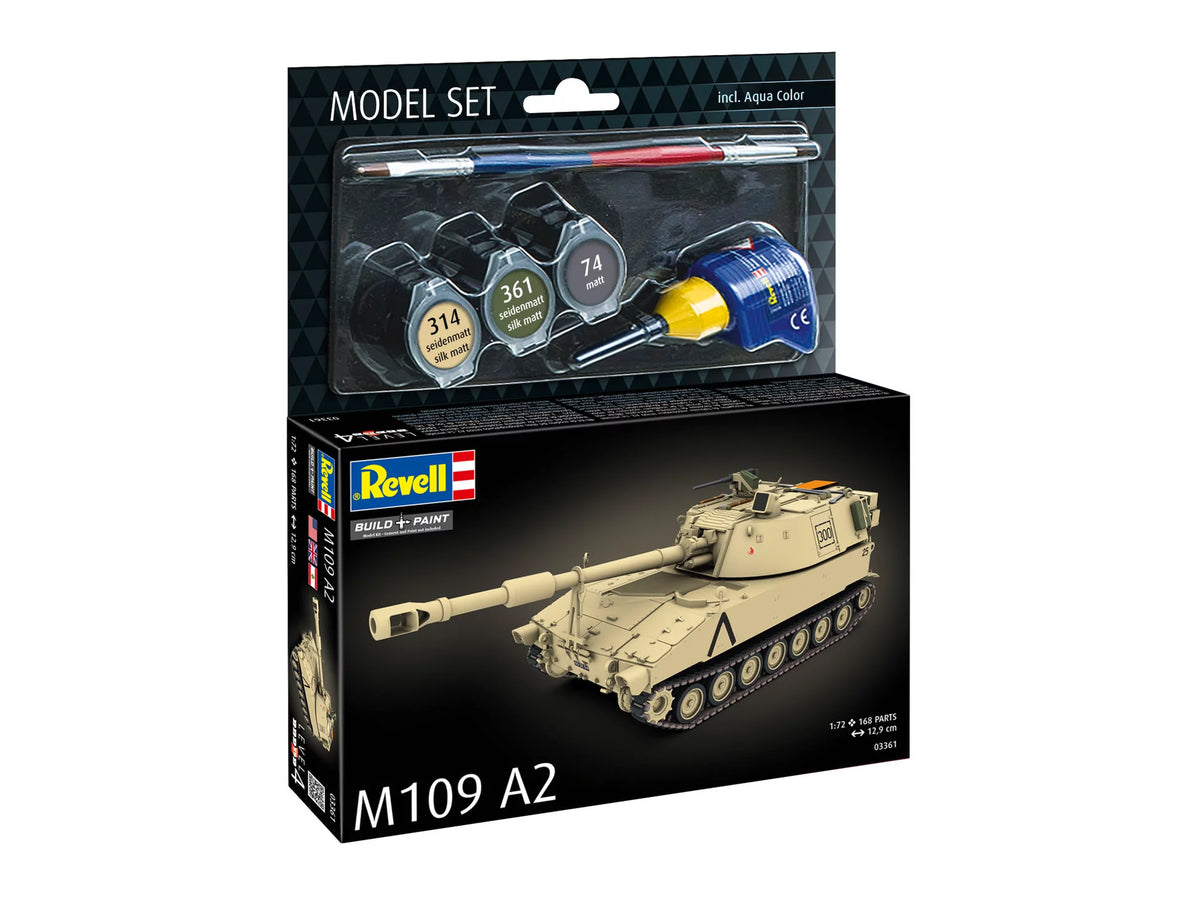
When it comes to color, you can choose between classic enamel colors and modern water-based acrylic colors. Acrylic paints dry odorless, harden quickly and can be easily processed with water or thinner. While you can paint entry-level models wonderfully with high-quality red sable or synthetic brushes, you can create your own Airbrush equipment Completely new horizons: wafer-thin layers of paint, soft transitions in multi-color camouflages and flawless primers can be achieved incomparably evenly with the spray gun.
Realistic Finish: Aging Techniques and Weathering Step by Step
A factory-fresh shiny shell often looks artificial on the table. In reality, military vehicles are exposed to extreme stress: muddy paths, scorching desert sun, soot from exhaust pipes and mechanical abrasion leave unmistakable traces. Only through targeted aging – known in technical jargon as “weathering” – can you breathe life and credibility into your model.
Chipping, washes and pin washes
To depict chipping paint, you can use the so-called sponge method or a very fine size 00 brush. Using a dark brown or metal gray paint, carefully dab tiny dots on areas that are exposed to constant friction - such as hatch edges, tread plates or chain covers.
You can then use a wash (a highly diluted, dark color broth) to create the depth effect. Thanks to capillary action, the liquid automatically runs into depressions, grooves and around rivets. This creates three-dimensional shadows that give the model an astonishing three-dimensionality.
Mud, pigments and dust effects
For realistic layers of dust and dried mud in the undercarriage area, it's best to use special model building pigments. You can brush this ultra-fine powder dry with a soft brush or mix it with a special fixer to create thick crusts of dirt. Always remember: Less is often more! In the end, subtle, well-considered weathering looks much more convincing than a vehicle completely submerged in mud.
Diorama construction: create the perfect backdrop
Once you have successfully assembled, painted and aged your military vehicle, the question of presentation arises. A custom-made miniature landscape – a diorama – takes your project to the next level. A simple wooden plate forms the basis on which you recreate a piece of reality using Styrodur, plaster, fine sand and static grass.
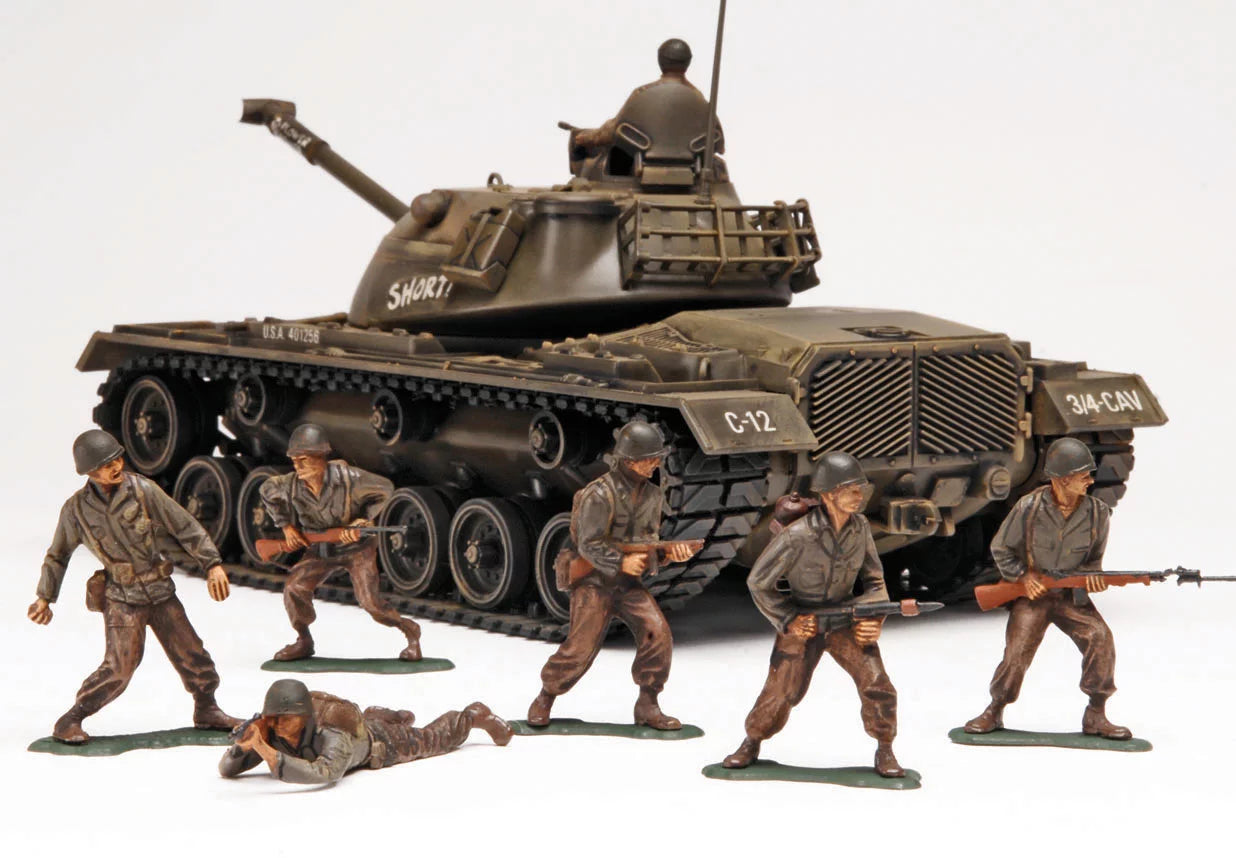
Whether it's a lurking tank destroyer on the edge of a forest, a wheeled tank on a dusty gravel road or a destroyed factory building as a backdrop for urban battles: by being embedded in authentic terrain, the model gains a tangible scale and a gripping narrative depth. Matching figures in the same scale give the scenery an additional human component and impressively underline the true proportions.