


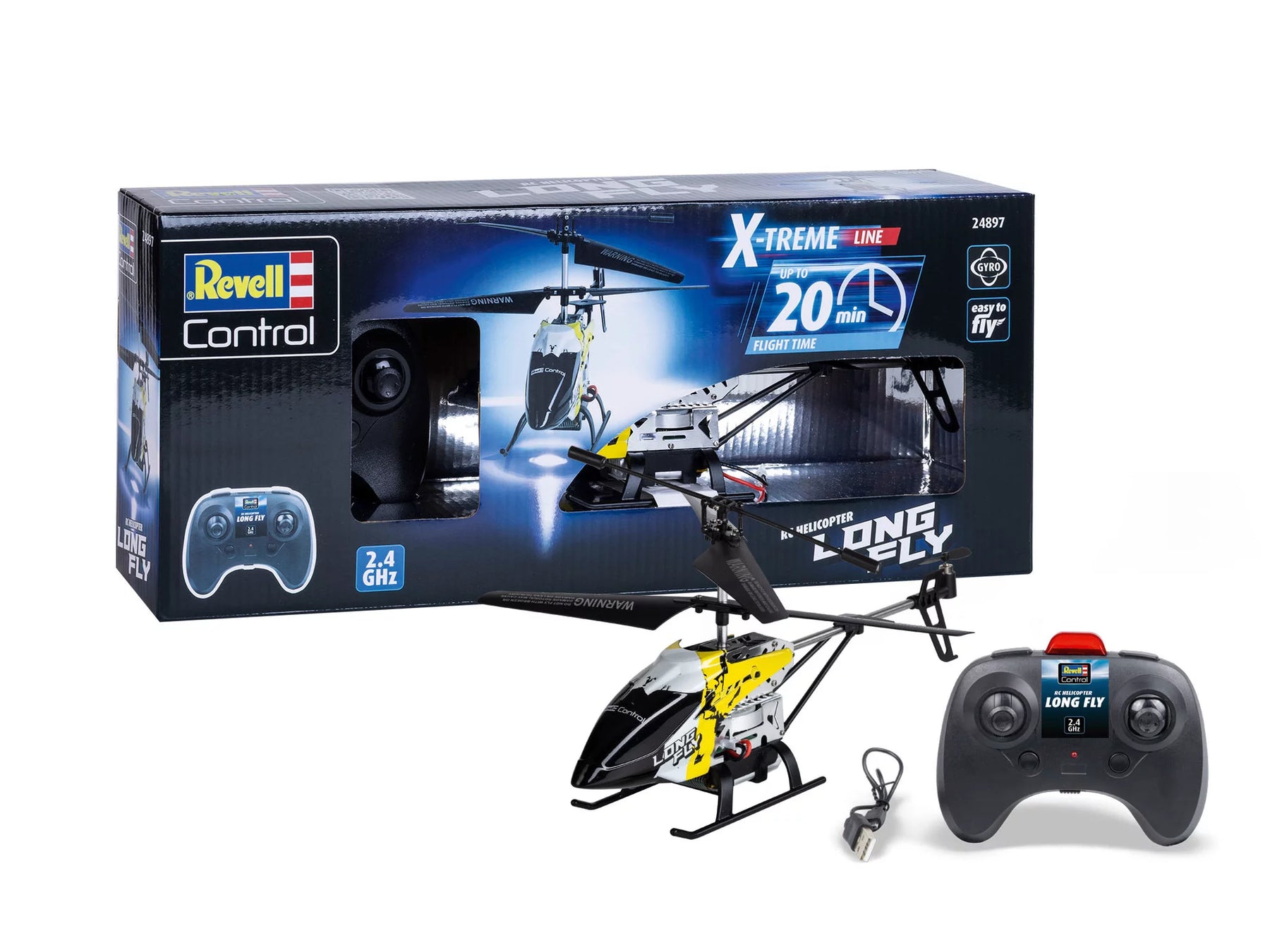
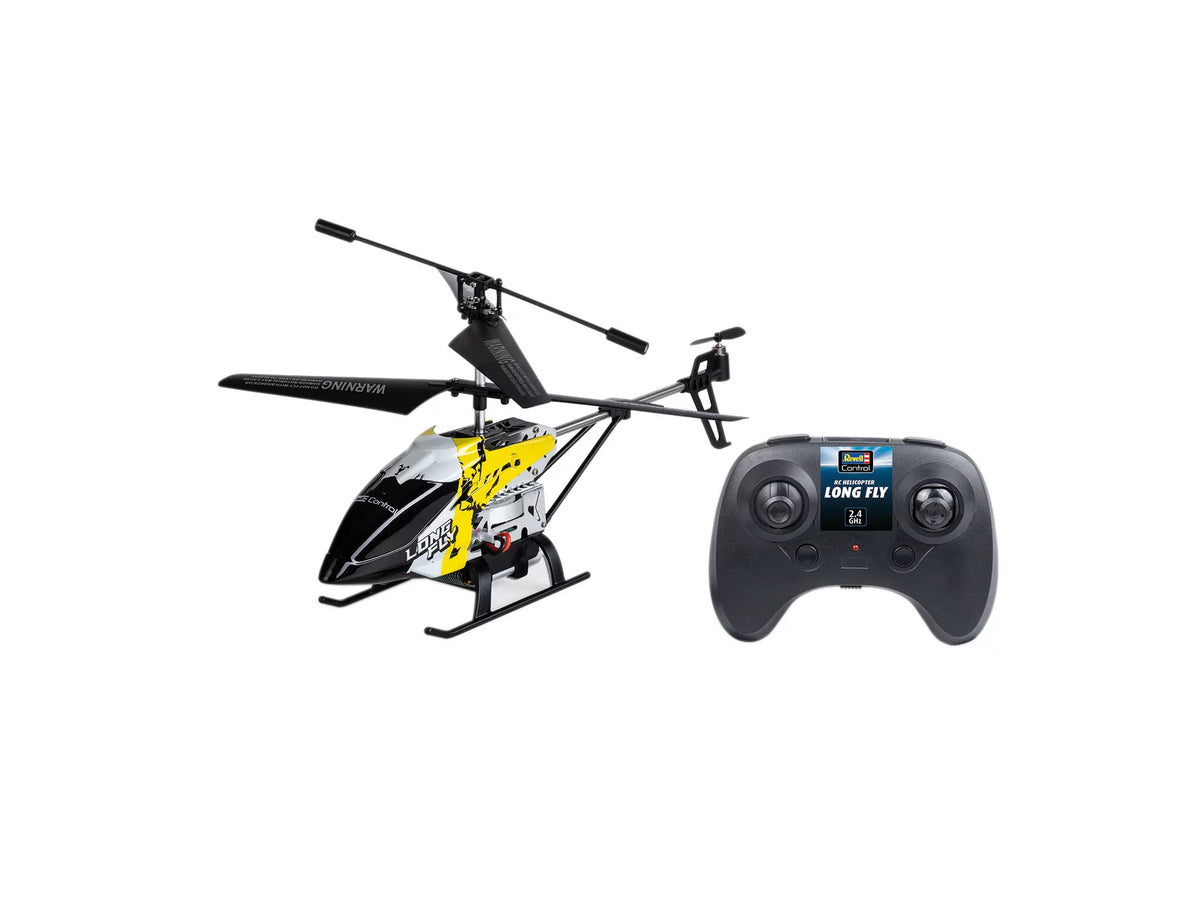

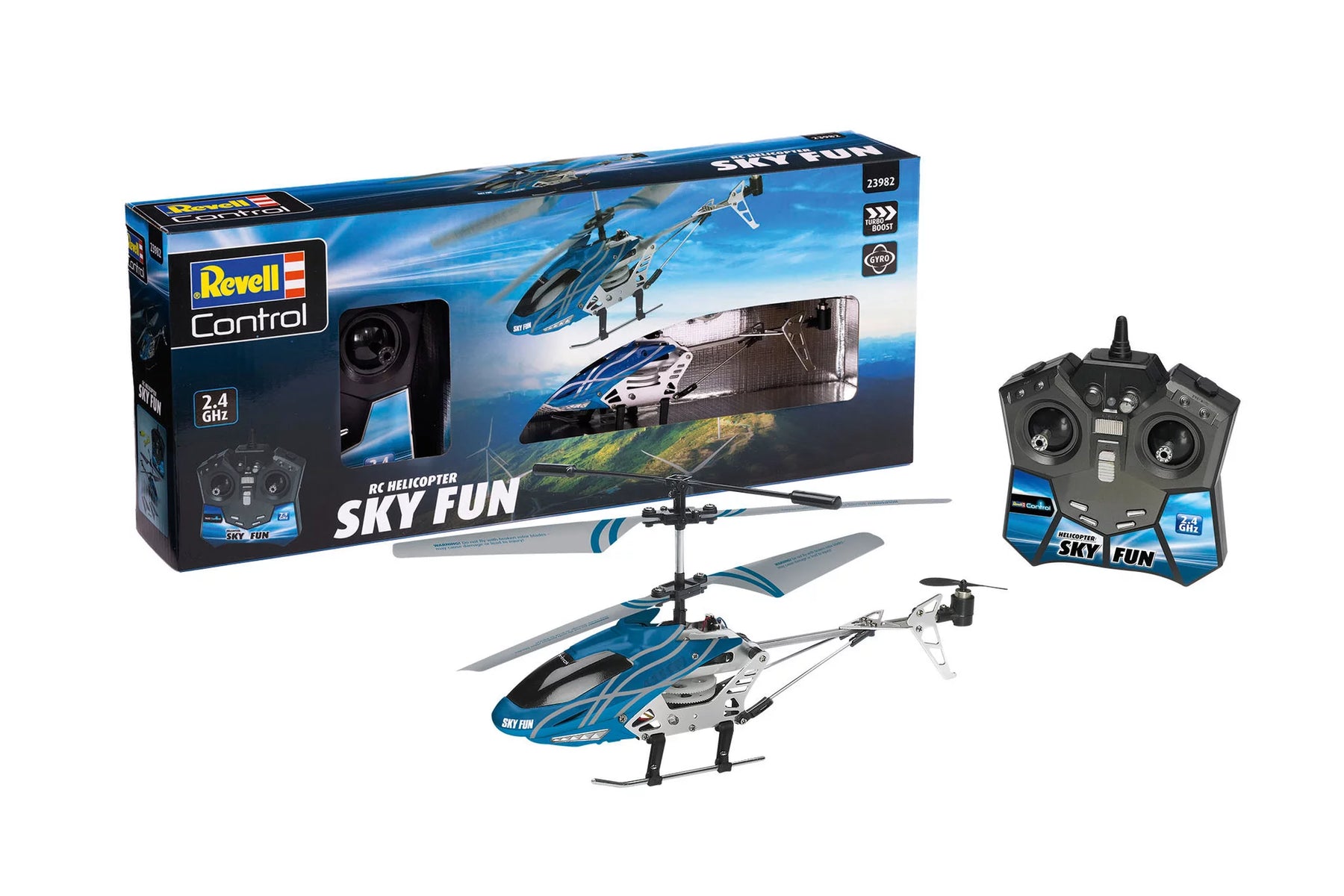
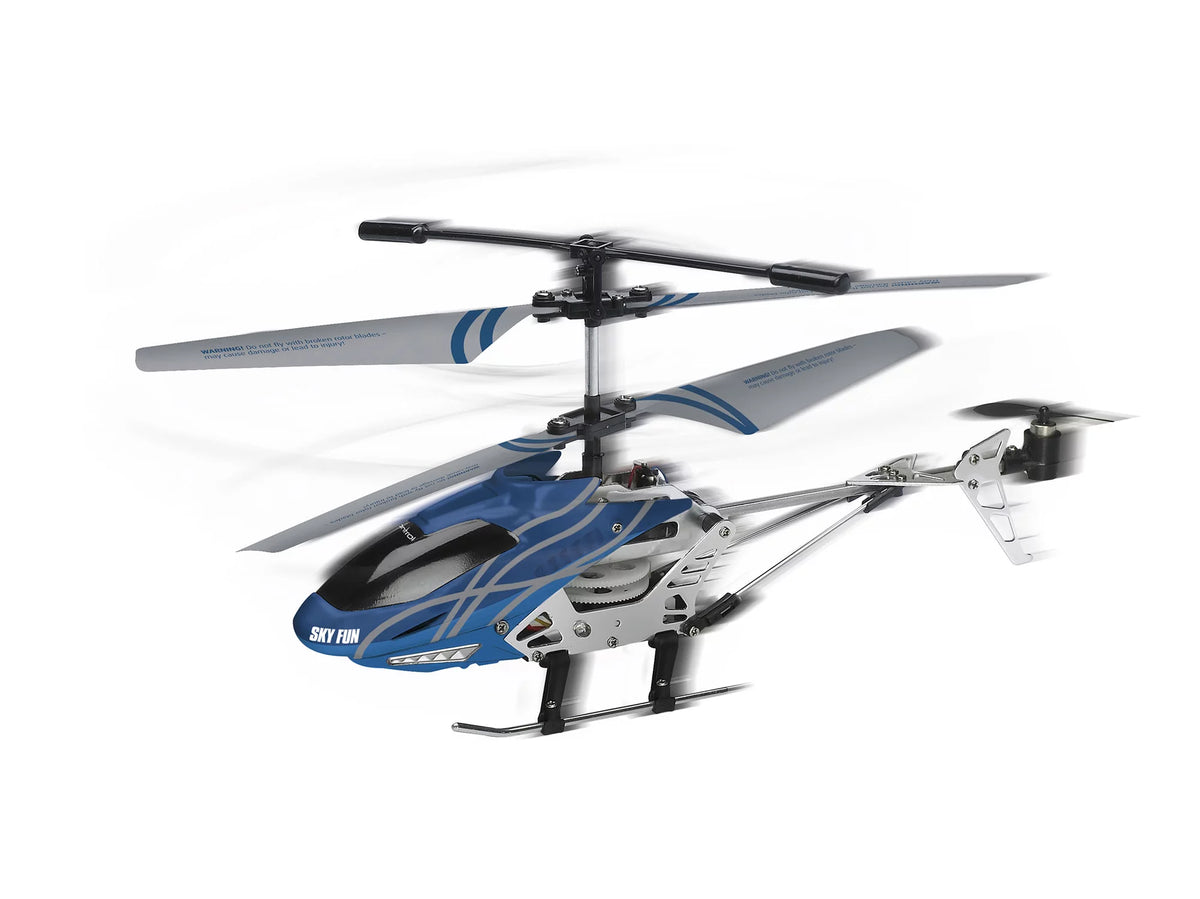
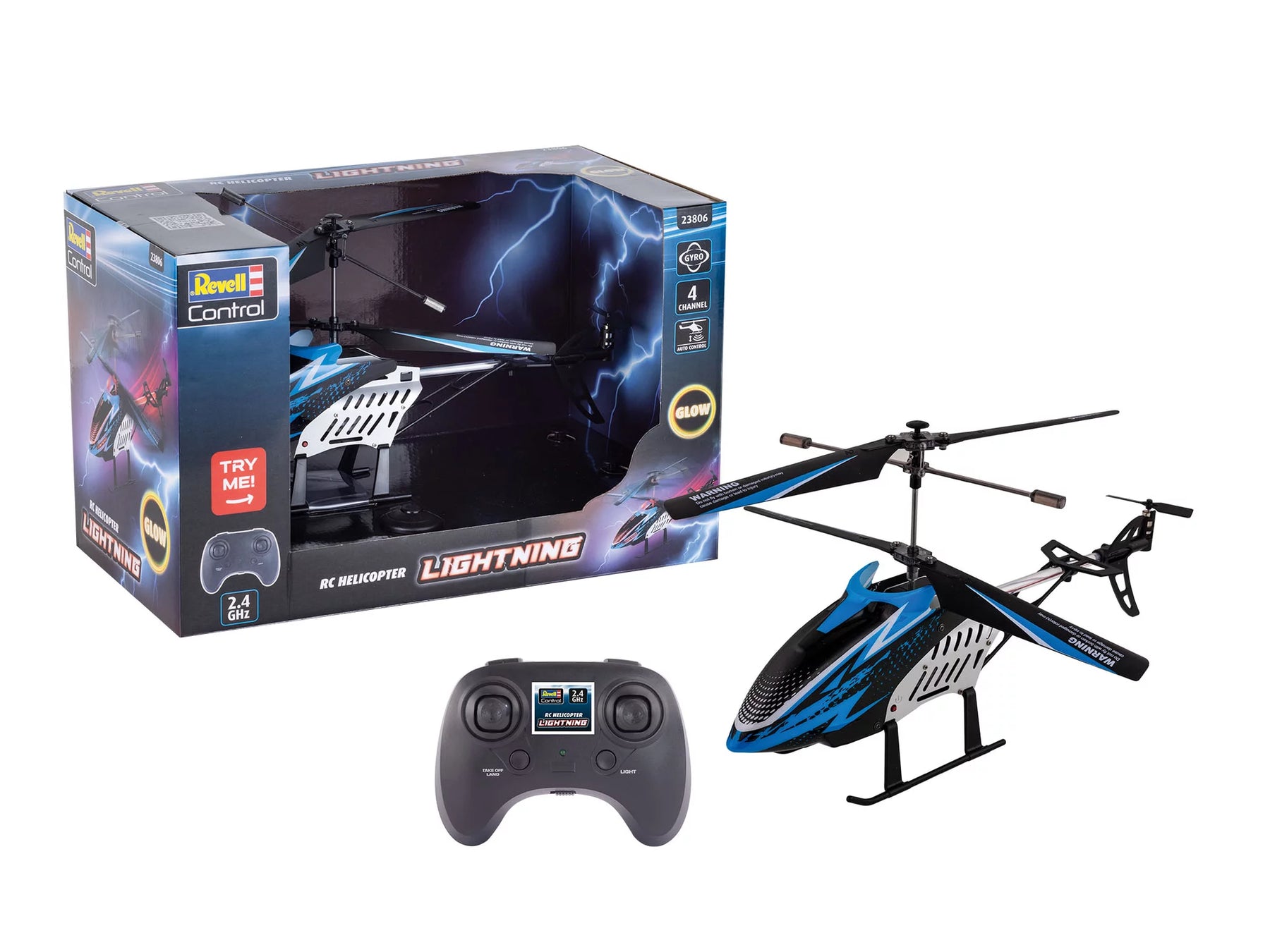
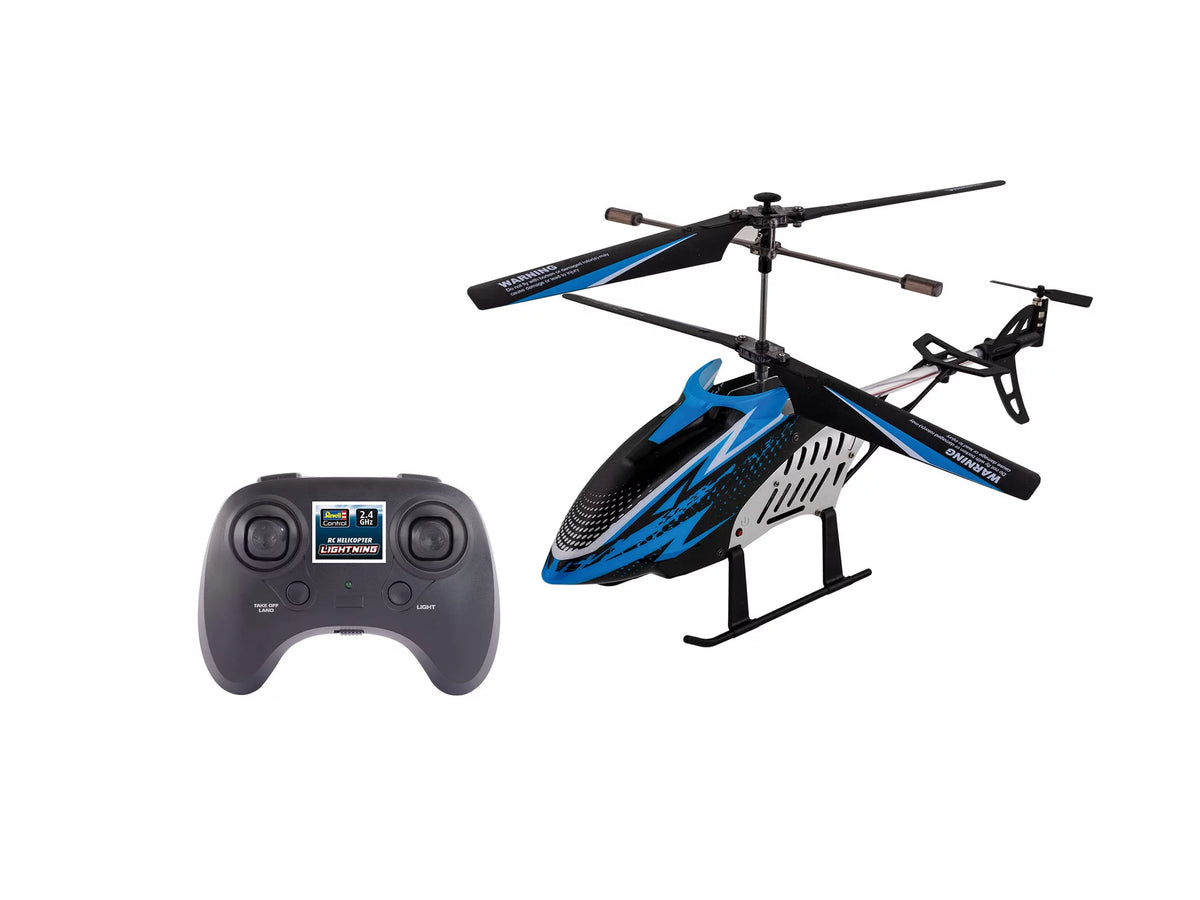
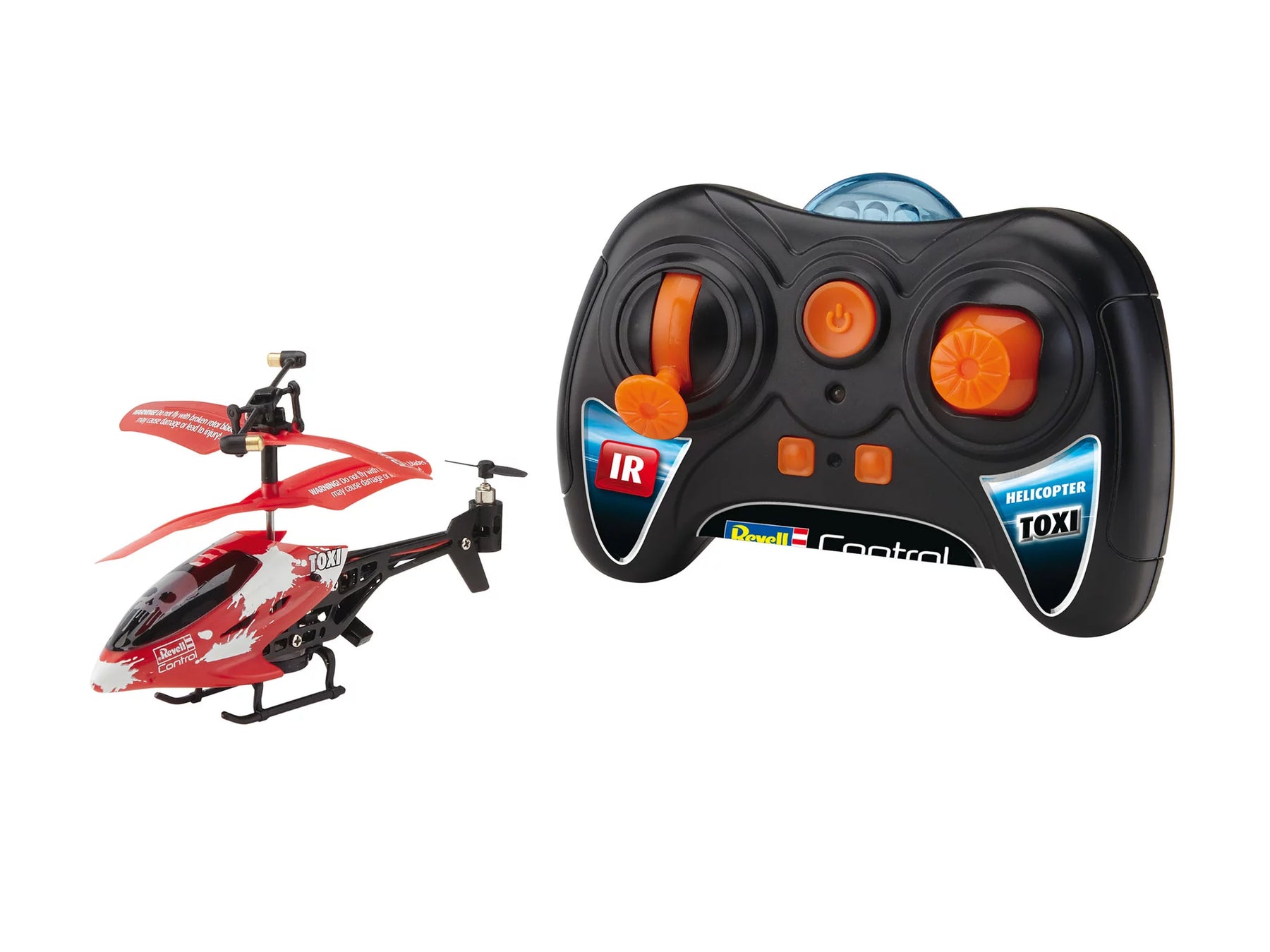
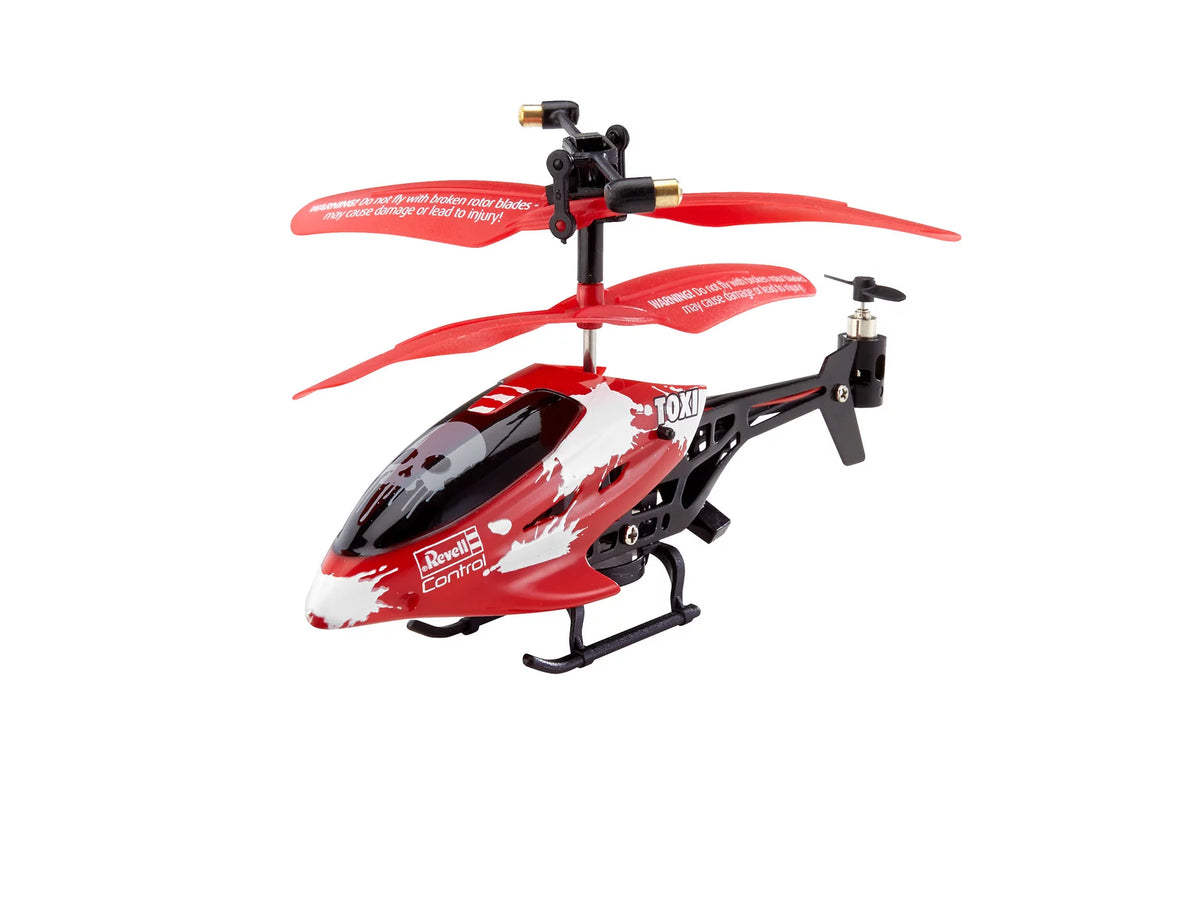
Why an RC helicopter is the perfect hobby
The fascination of flying has always captivated people. With a remote-controlled helicopter you can bring this fascination straight to your home. Unlike RC cars or boats, you move in three-dimensional space, which poses a completely new challenge to your coordination and ability to react. Flying a helicopter requires concentration and sensitivity, but rewards you with an incomparable sense of achievement as soon as you can keep the helicopter hovering safely in the air.
Thanks to modern technology, getting started in this hobby is now easier than ever before. Electronic stabilization systems save you a lot of work, and robust materials also forgive the occasional rough landing. No matter whether you want to do a few laps in the living room after work to relax or practice complex aerobatic maneuvers at the airport on the weekend - the world of remote-controlled helicopters offers the right model for every age and every requirement.
The most important criteria when buying an RC helicopter
In order to make the right purchasing decision, you need to understand the basic technical differences between the different models. The design of the rotor and the type of control largely determine how the helicopter behaves in the air and how difficult it is to fly.
Rotor systems: coaxial vs. single rotor
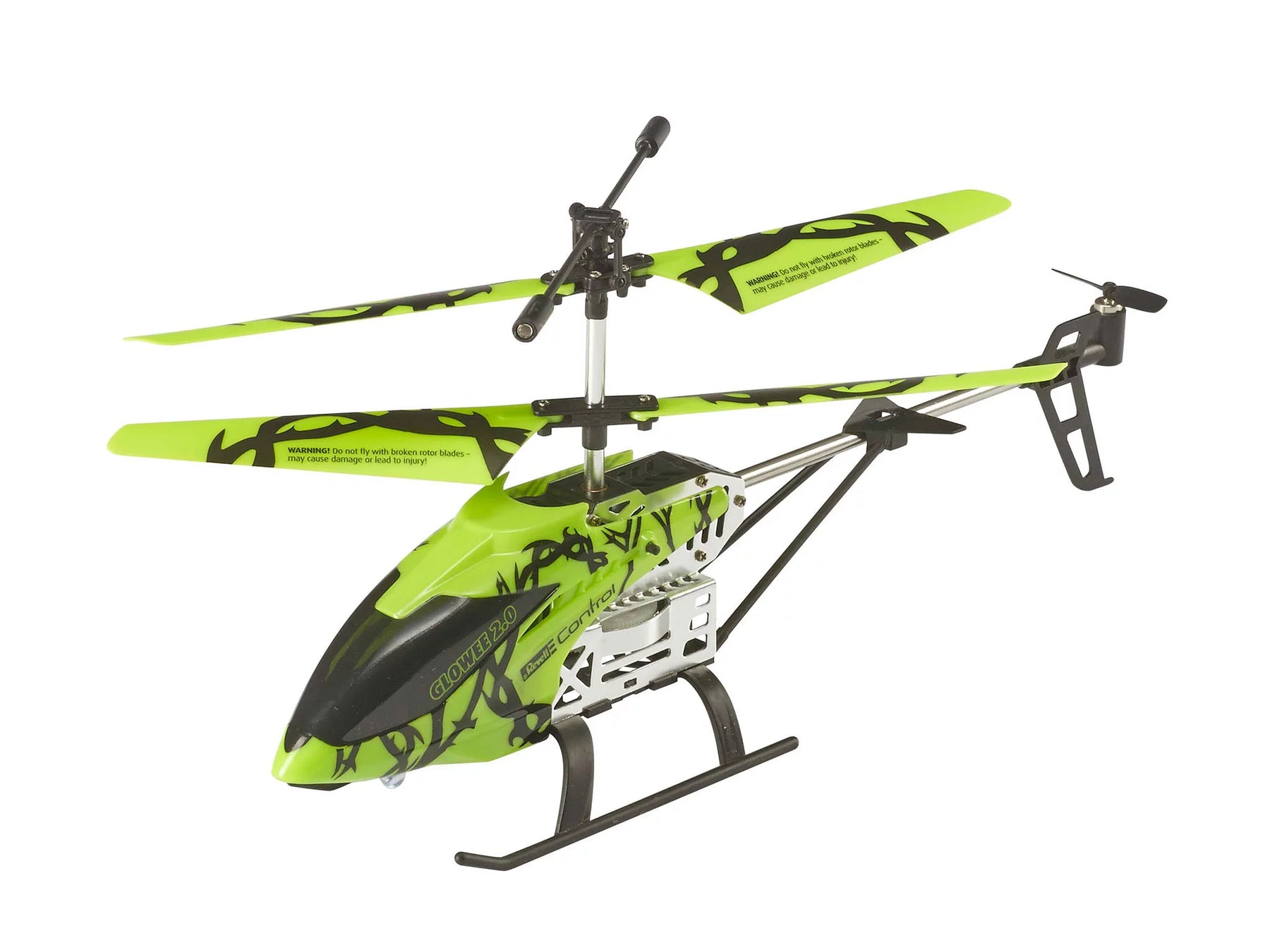
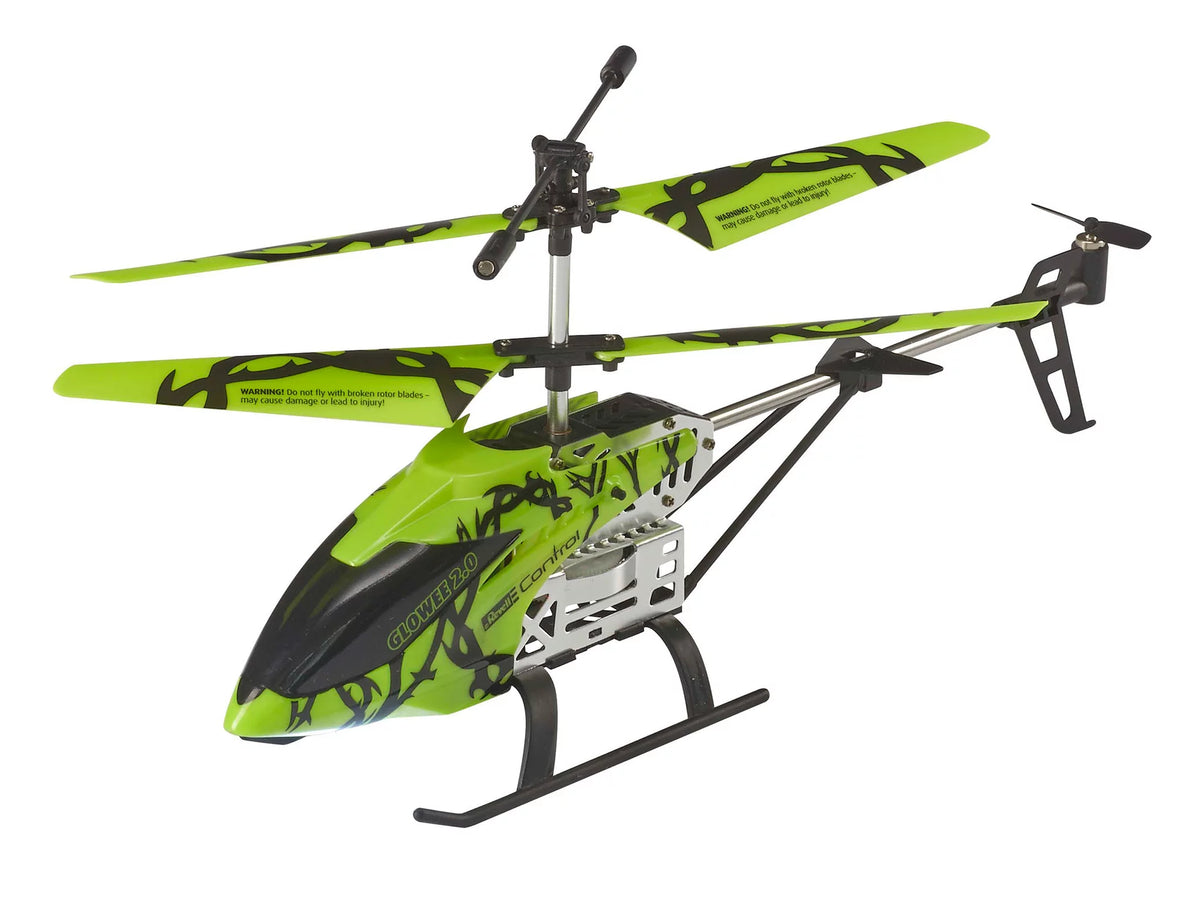
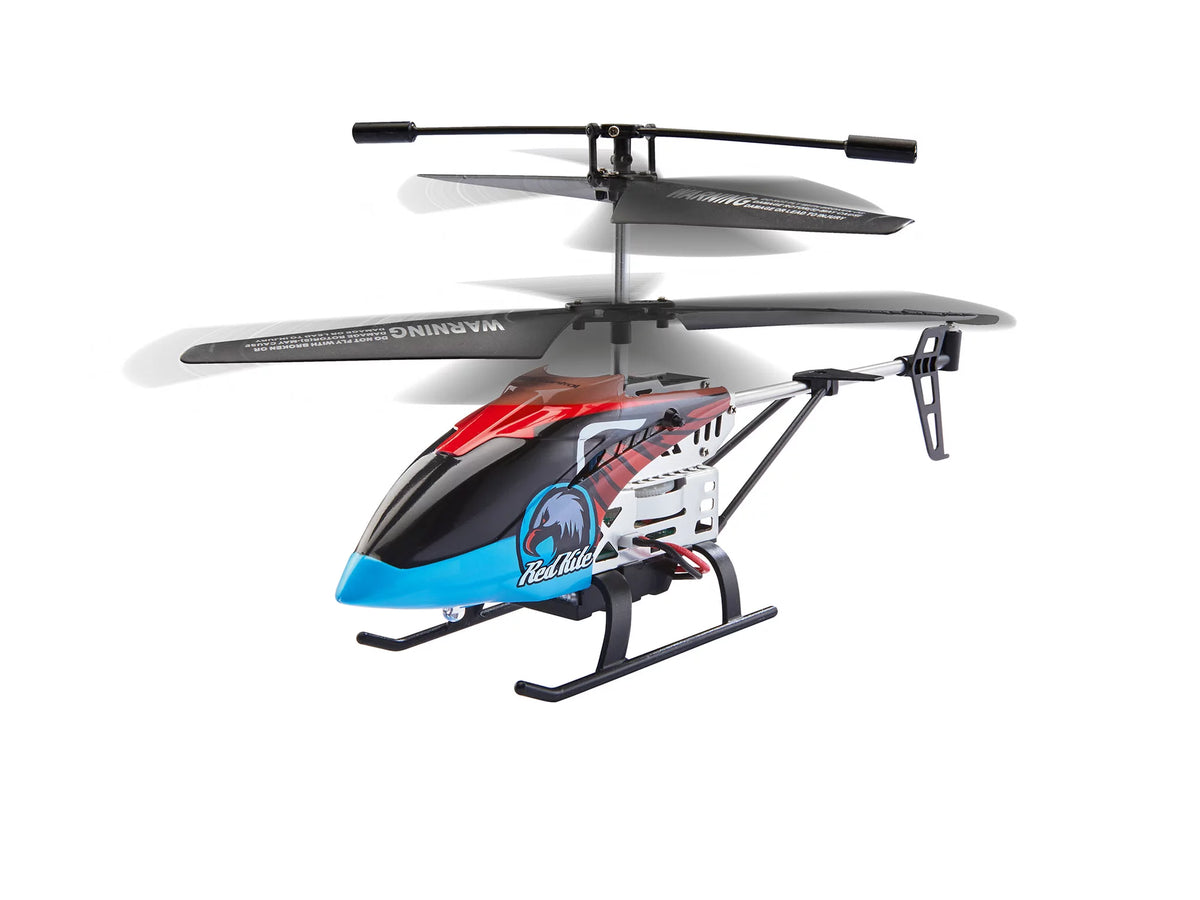
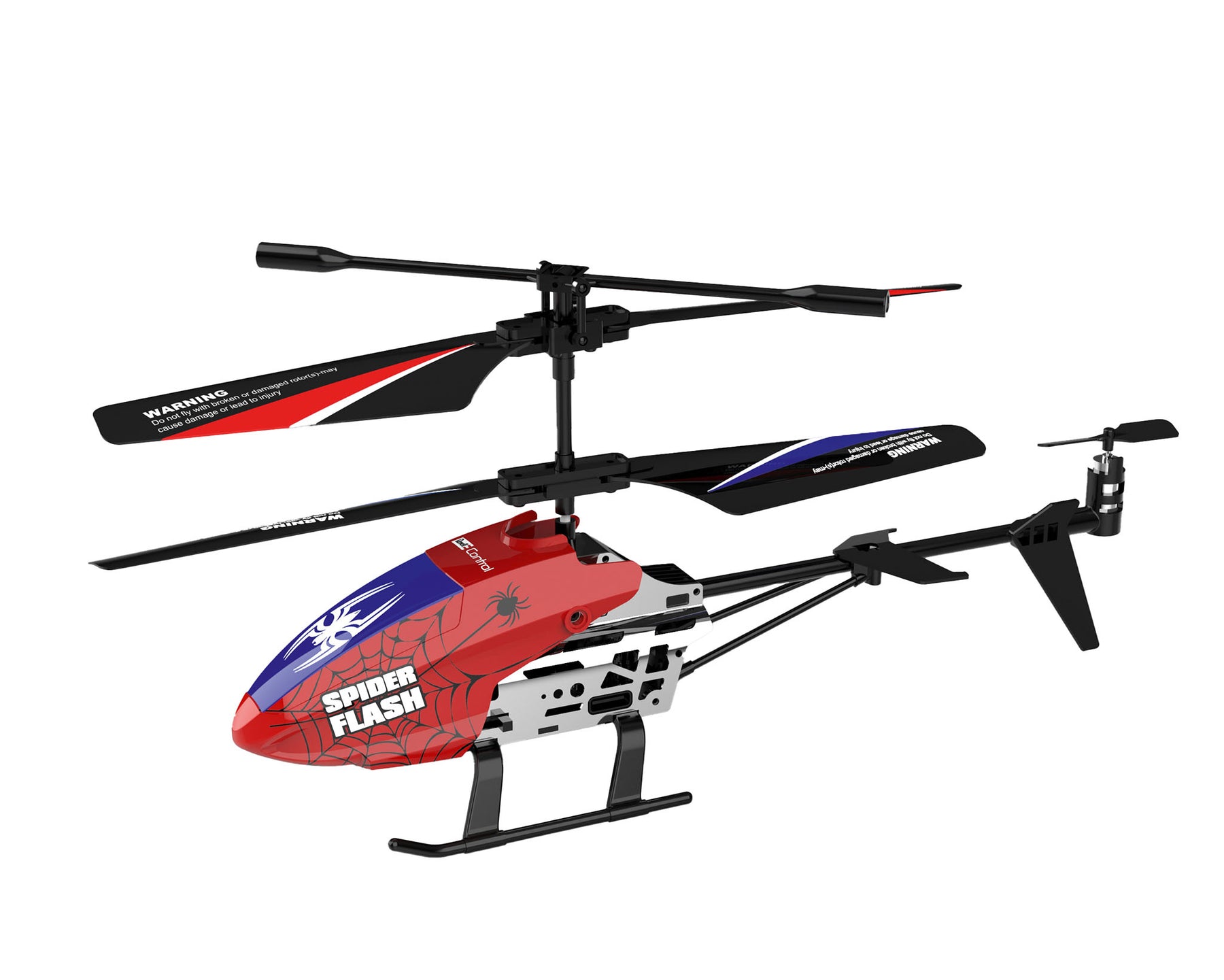
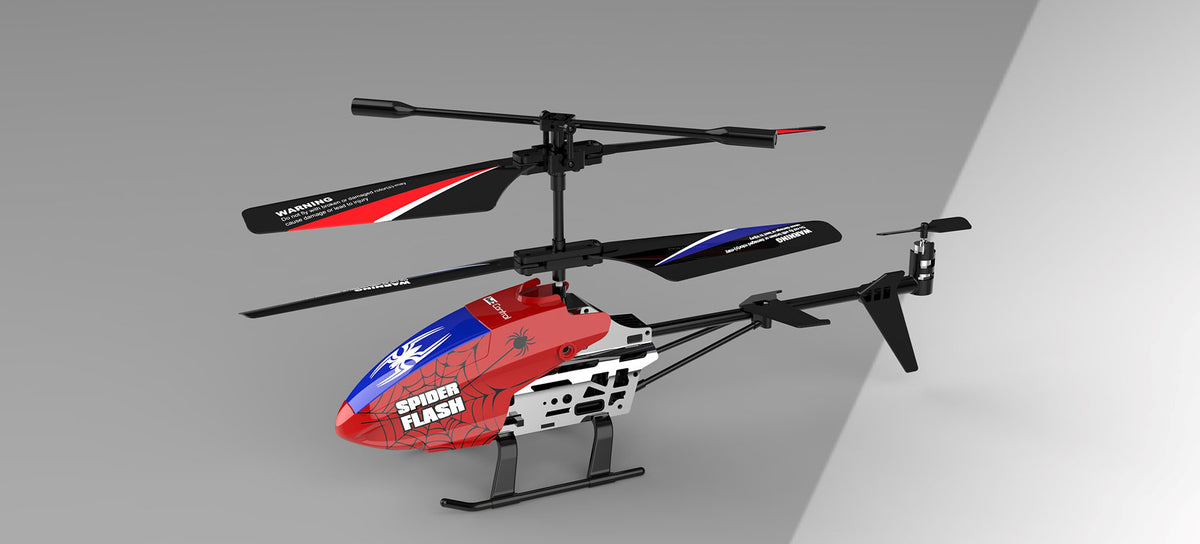
The rotor system is the heart of your helicopter. Are for beginners Coaxial helicopter the best choice. These models have two main rotors, one above the other, that rotate in opposite directions. As a result, the torque is automatically balanced and the helicopter is extremely stable in the air. You barely have to balance the helicopter, which gives you time to get used to the controls.
Single rotor helicopter (Models with a main rotor and a small tail rotor) fly significantly more agile, but also more demanding. The tail rotor has to compensate for the torque of the main rotor. These models respond more directly to control commands and reach higher speeds, which is why they are more suitable for pilots who have already gained some experience.
Number of channels: Understanding the controls
The number of channels indicates how many directions you can control the RC helicopter. This is a crucial factor for flight physics and difficulty:
- 3-channel control: Ideal for absolute beginners. You control the altitude (climb/descend), the forward and backward movement and the rotation around its own axis (yaw).
- 4 channel control: The standard for advanced beginners. This is where the function of sideways floating (rolling) comes into play. So you can tilt the helicopter to the left or right and let it fly to the side.
- 6 channel control: The professional class. These models have “collective pitch”, which means that the angle of attack of the rotor blades can be changed. This even makes inverted flight and 3D aerobatics possible.
Gyroscope technology for maximum stability
When purchasing, make sure that the helicopter is equipped with a gyroscope (often abbreviated as "gyro"). Fortunately, this is almost always standard on modern models in 2026. The gyroscope is an electronic sensor that detects unwanted rotational movements of the helicopter - for example due to a gust of wind - and automatically counteracts them immediately. The result is an extremely smooth flight image in which the tail of the helicopter stands as if nailed in the air. Without this technology, flying would be nearly impossible, especially for beginners.
Indoor or outdoor: Where do you want to fly?
Before buying, you should think carefully about where you mainly want to use your RC helicopter. The requirements for indoor and outdoor models differ fundamentally in terms of size, weight and wireless technology.
Indoor helicopter for the living room
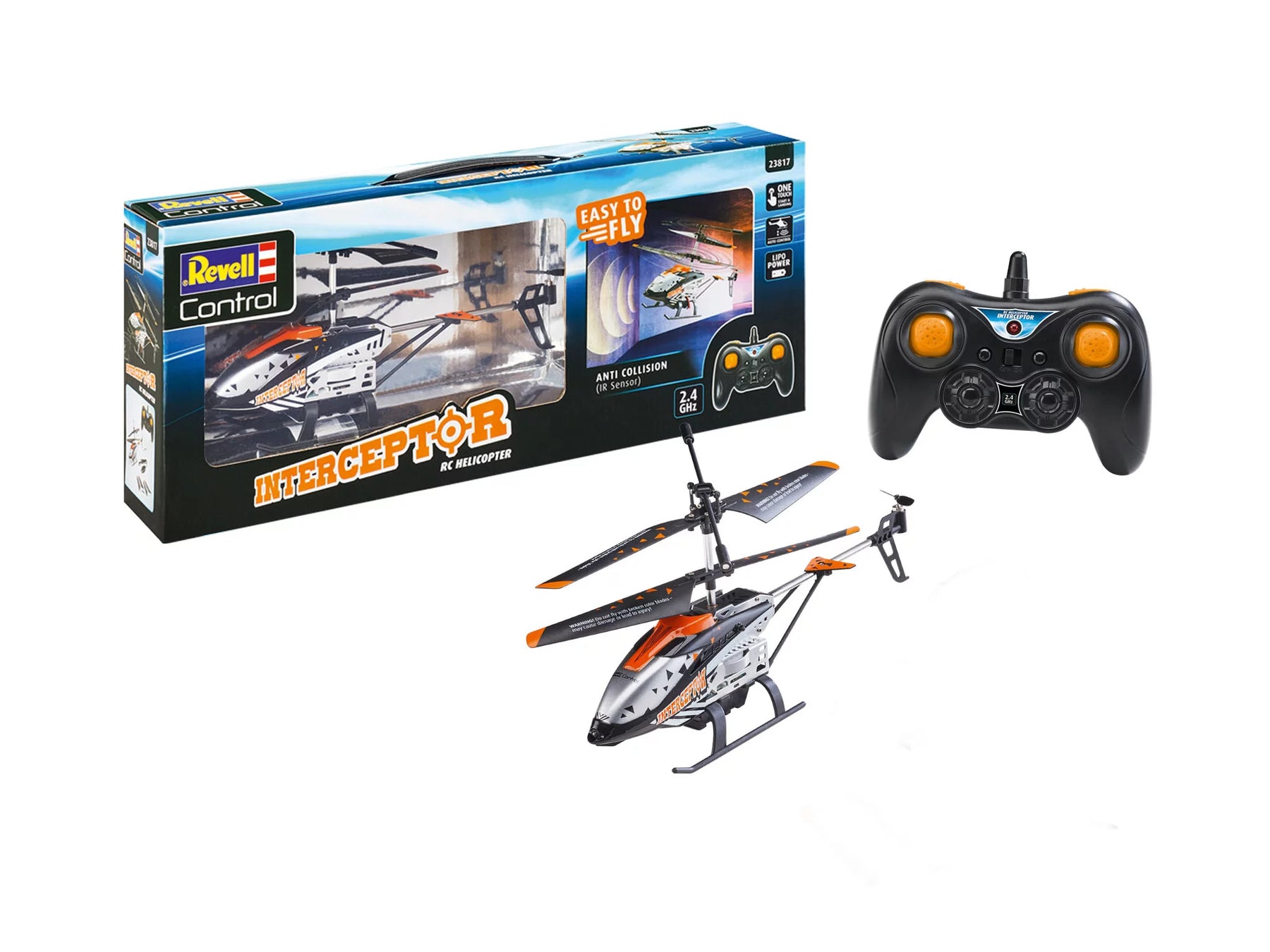
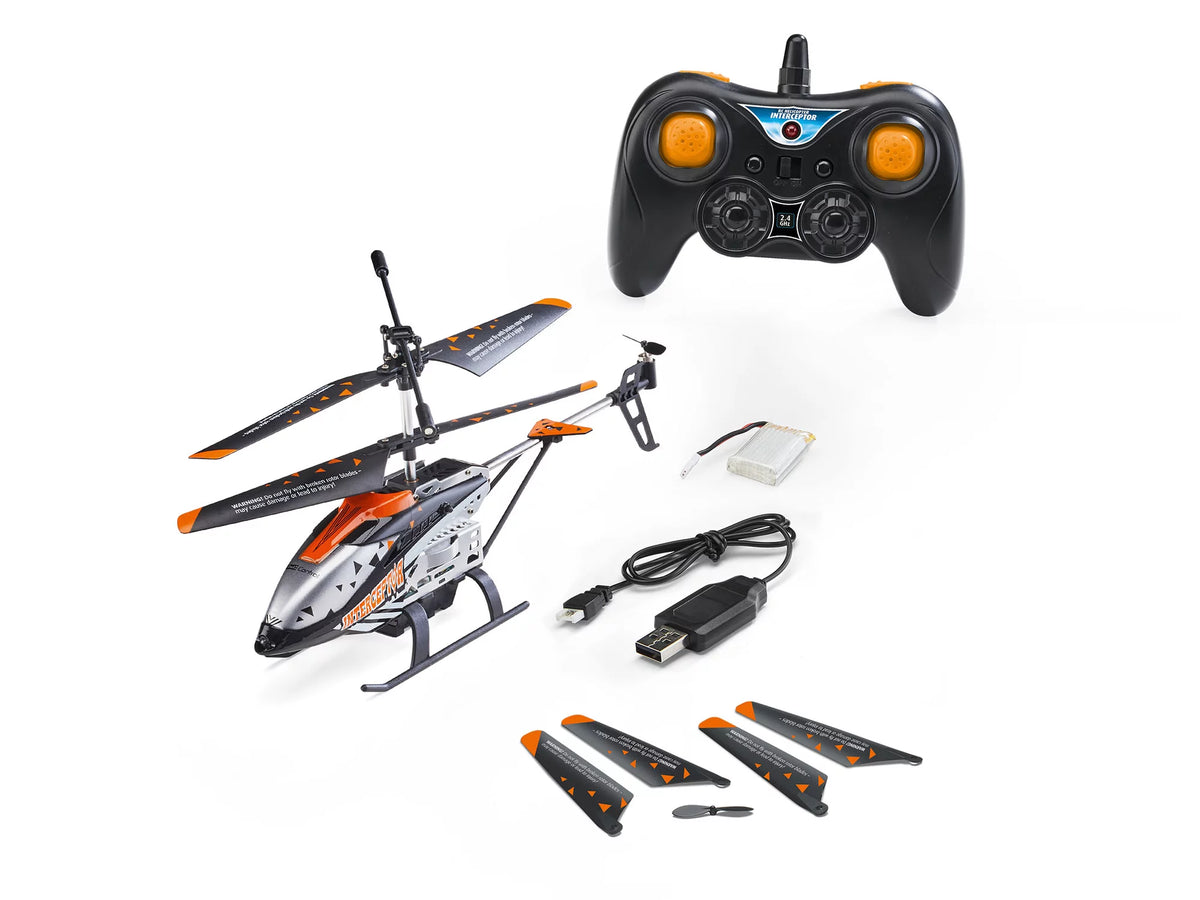
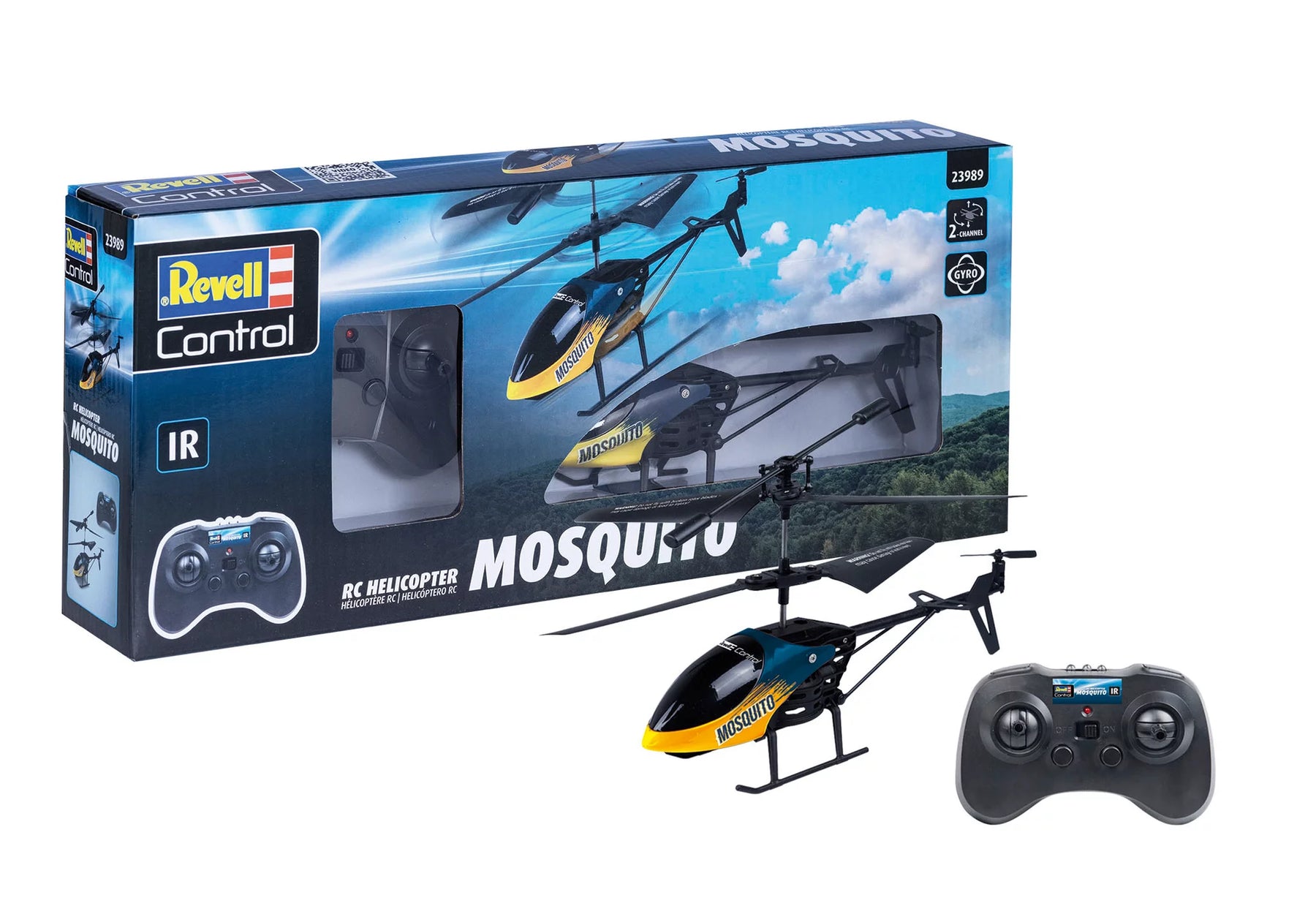
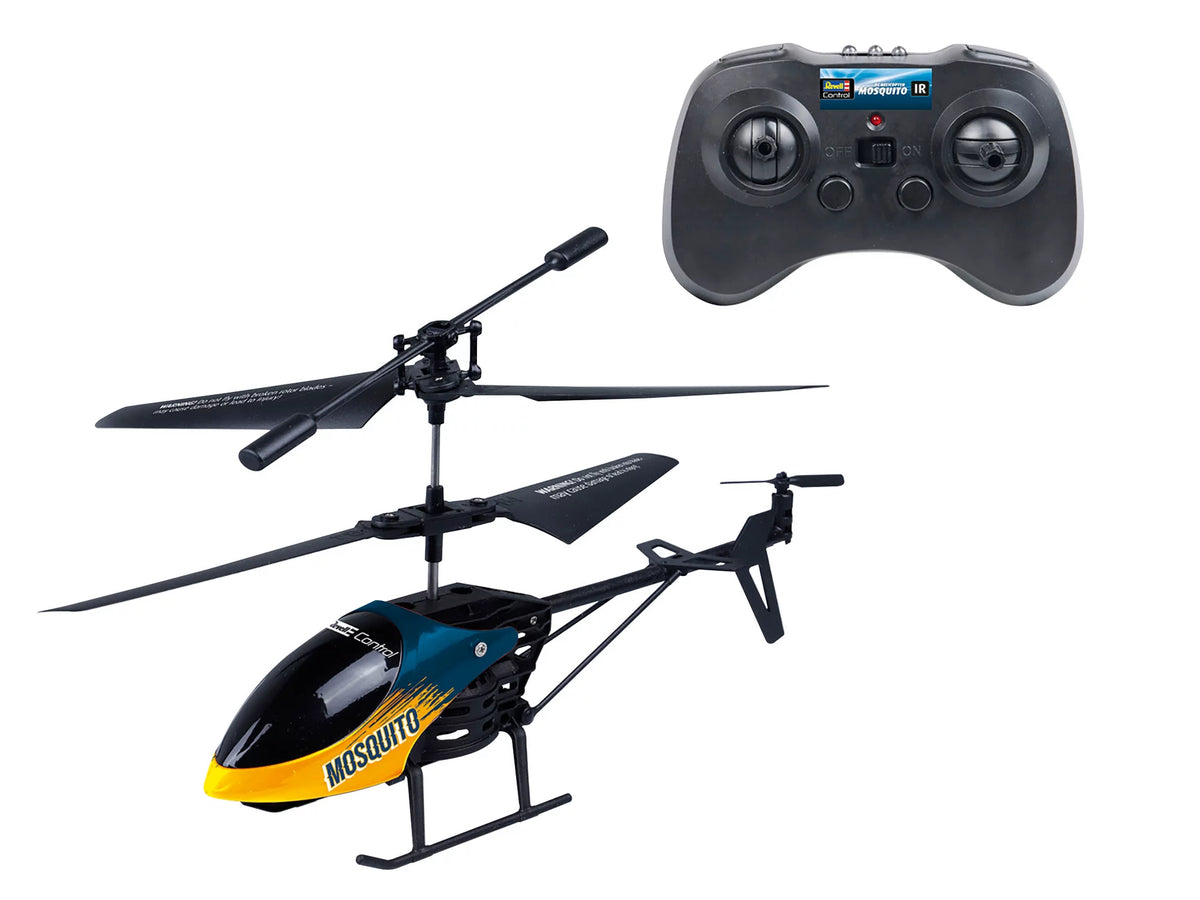
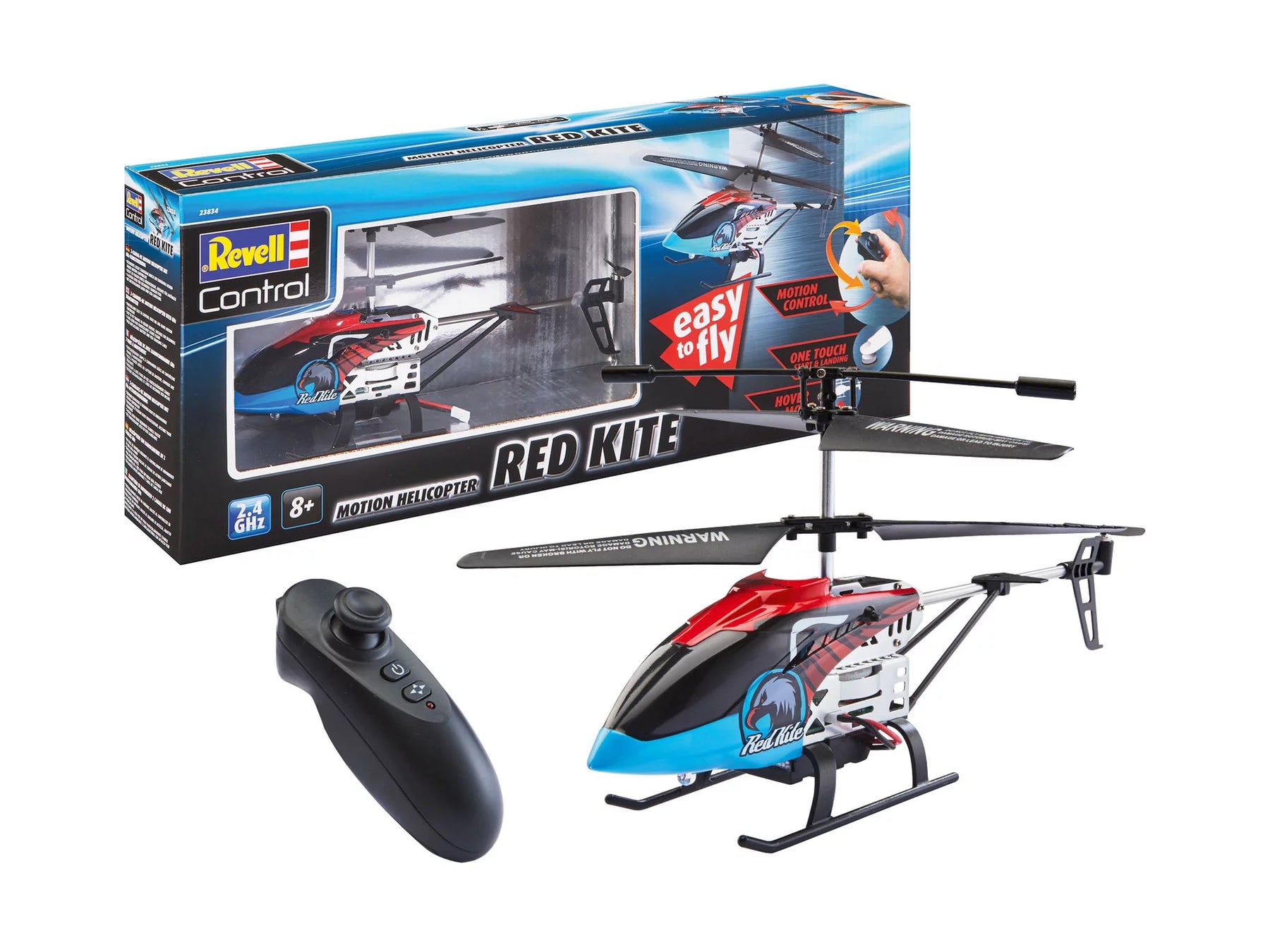
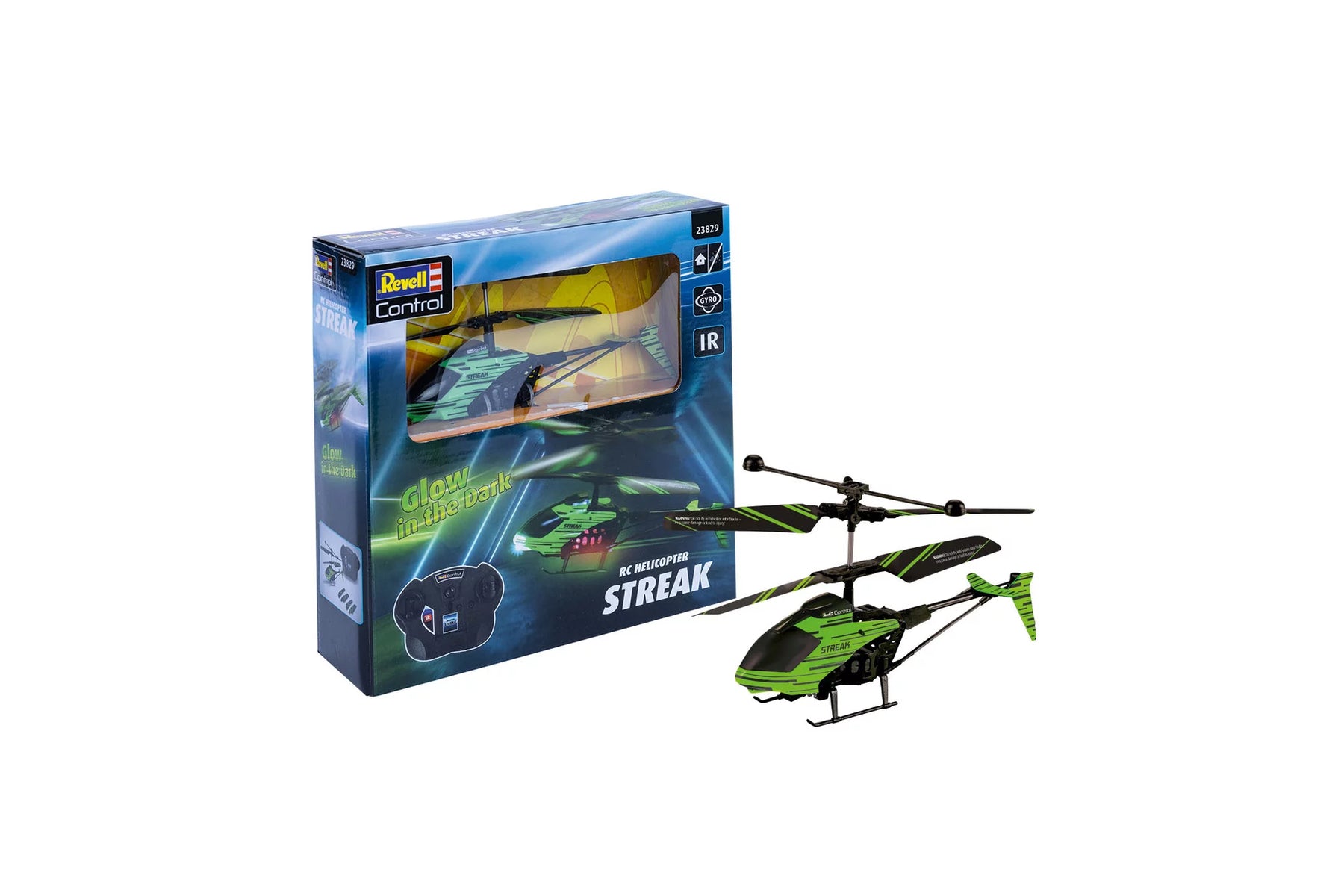
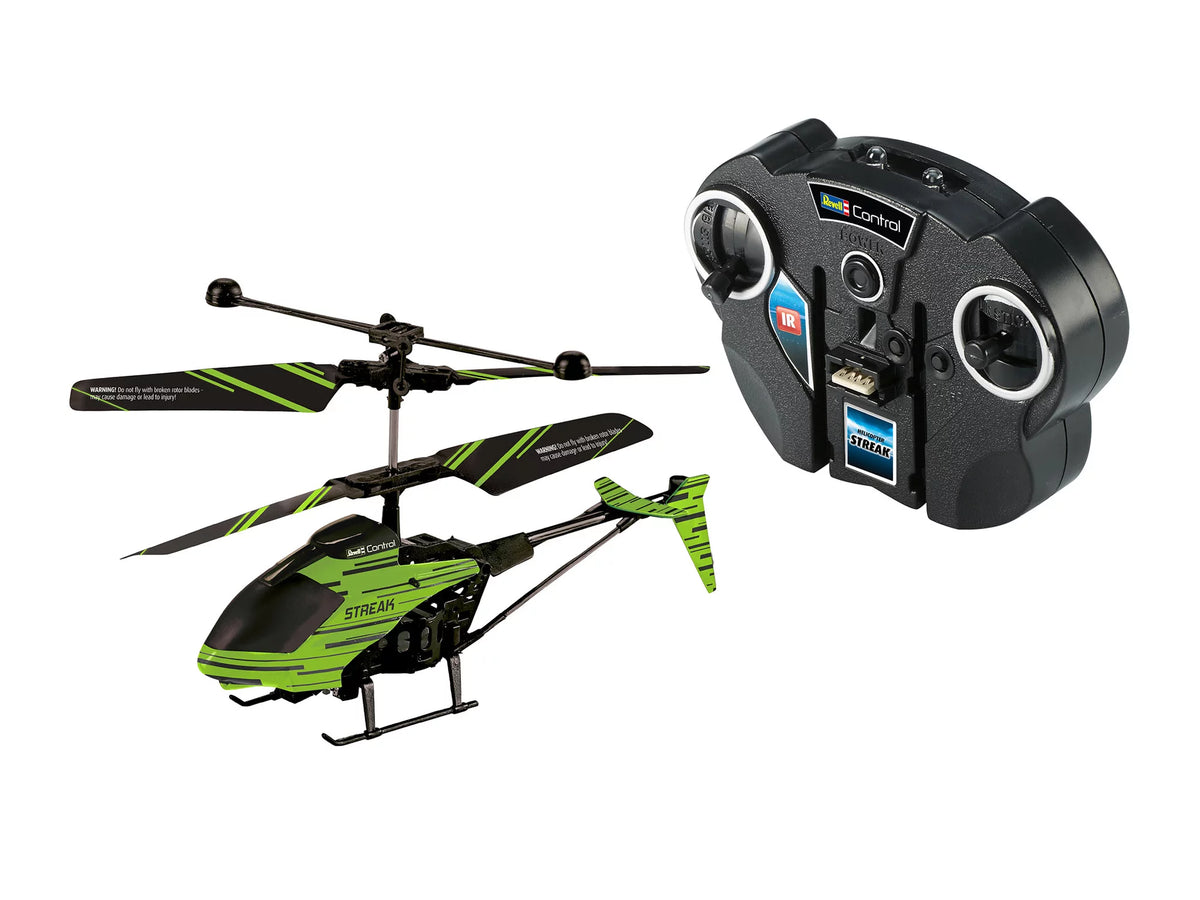
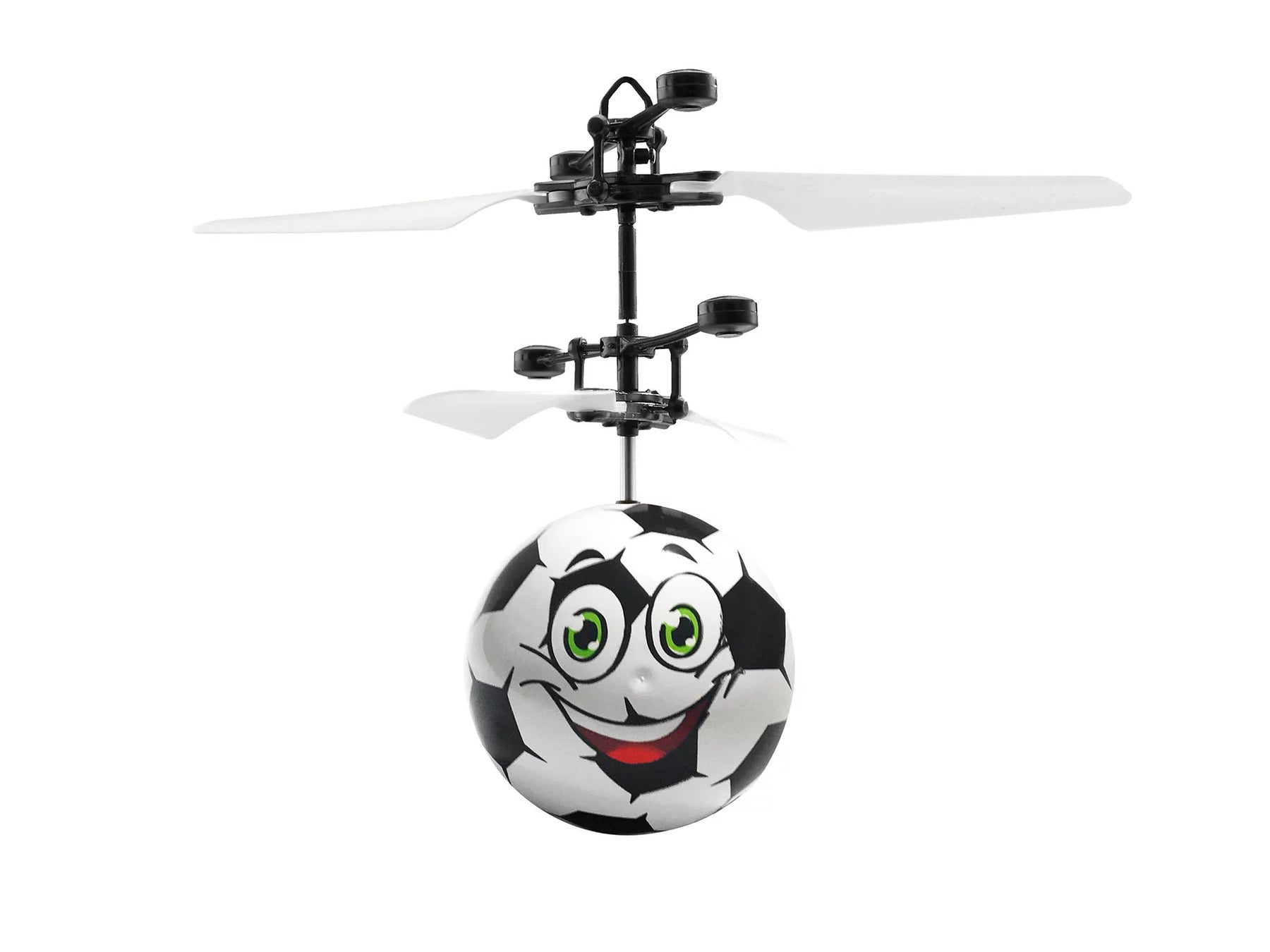
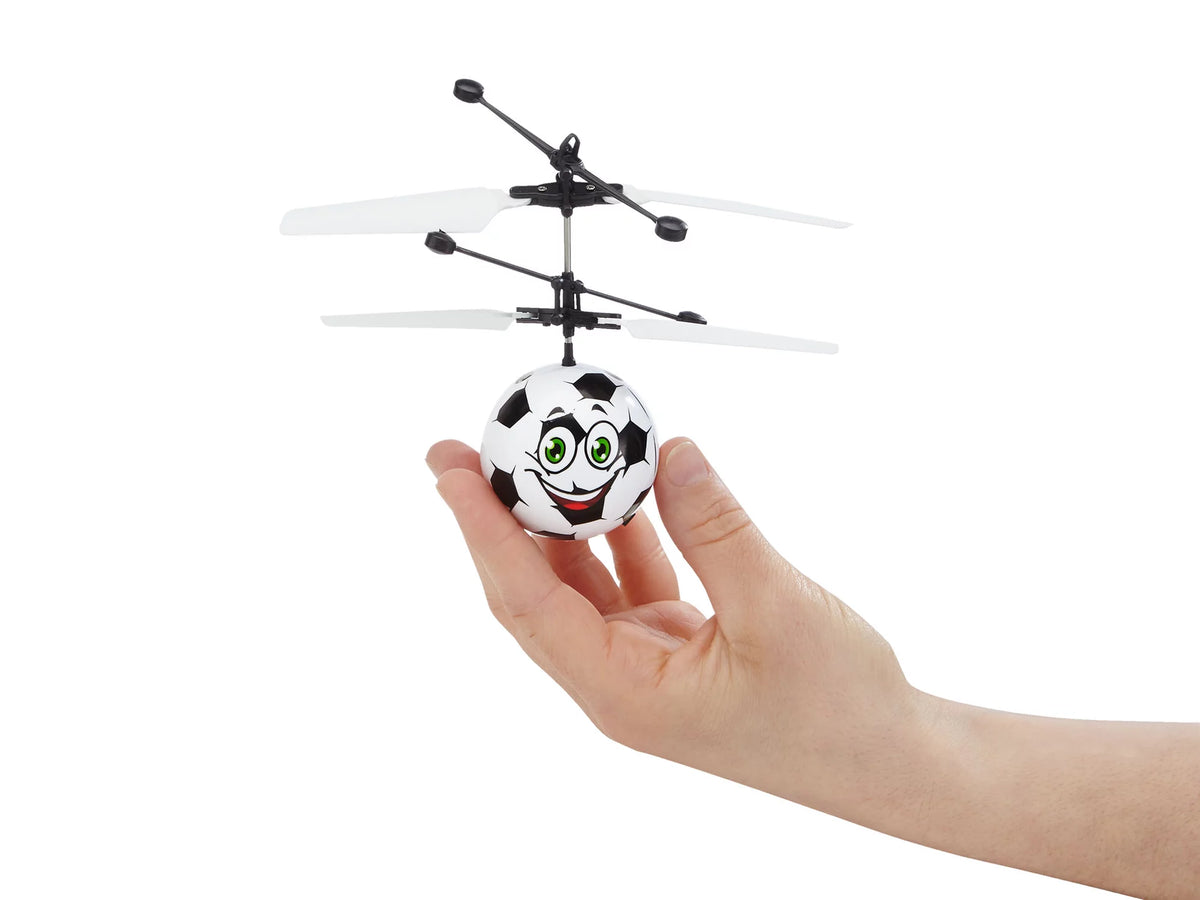
Indoor helicopters are small, extremely light and often equipped with a coaxial rotor system. They usually only weigh a few grams and do not cause any damage when they collide with furniture or house plants. Since there is no wind in closed rooms, their low mass is completely sufficient. Many of these models use infrared remote controls that only work with visual contact. Make sure that you have enough space when flying indoors and that there are no sensitive objects in the direct flight radius. Entry-level models from Revell Control often offer special hull constructions that gently cushion impacts.
Outdoor helicopter for garden and park
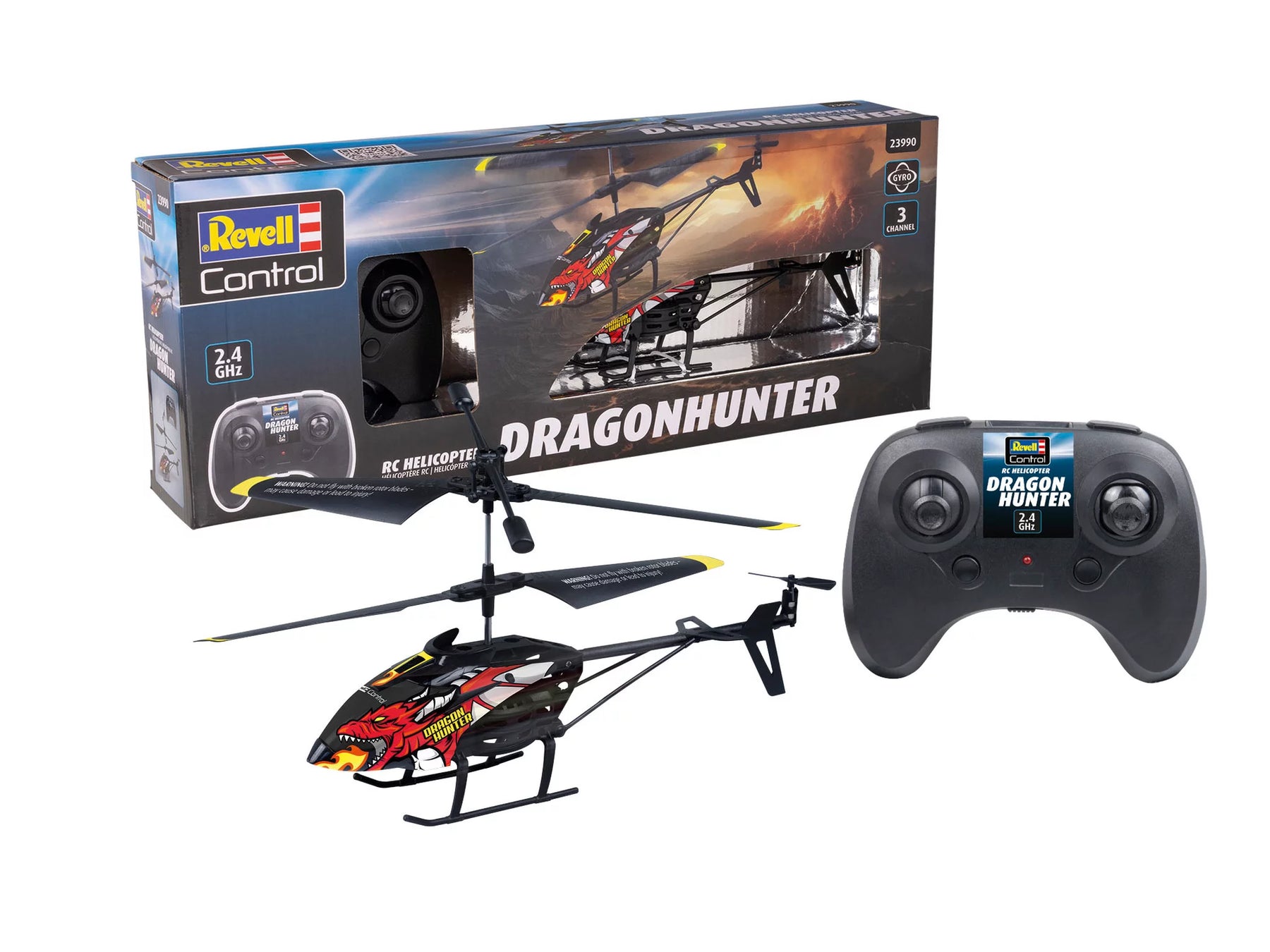
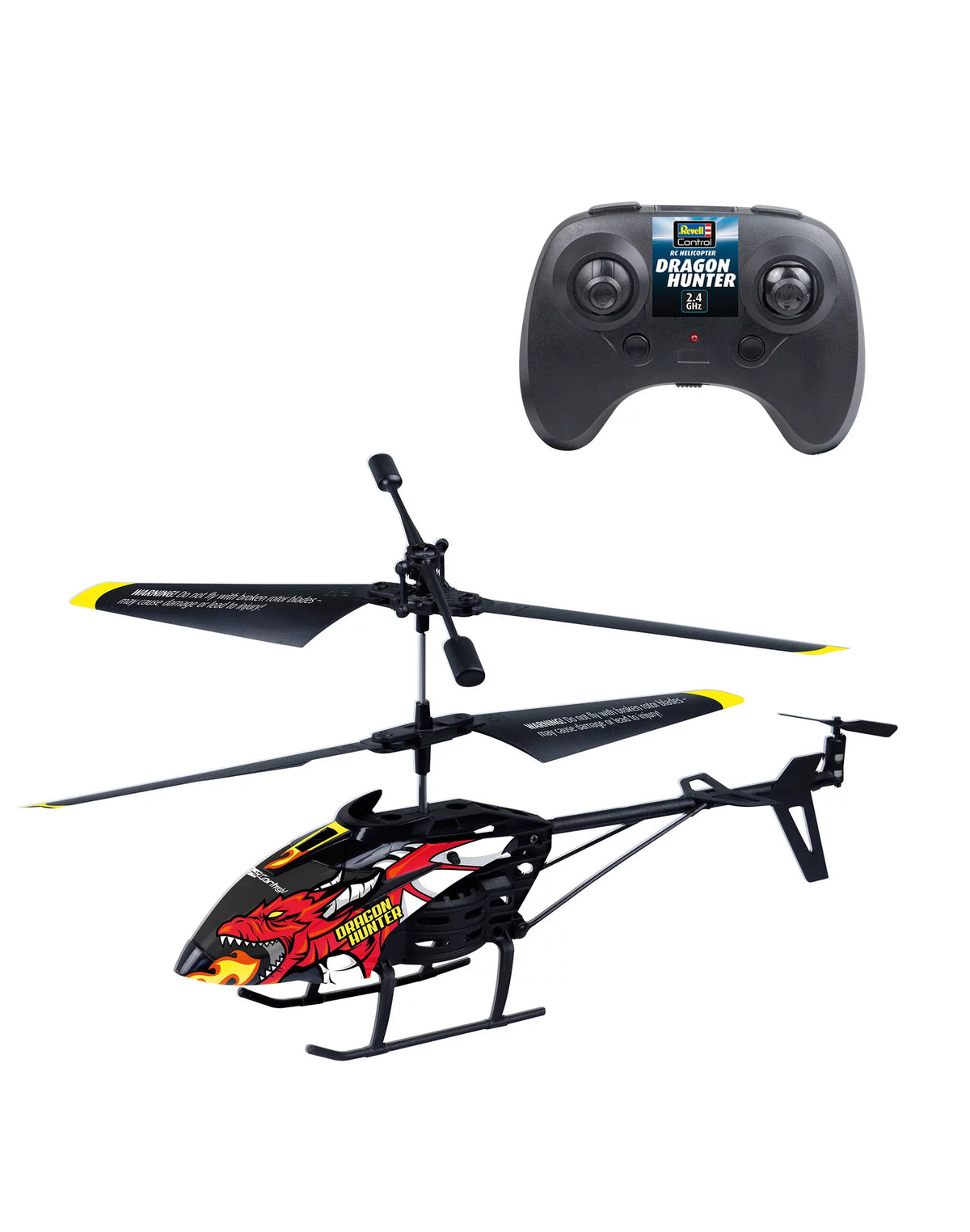
If you want to fly outside, you'll need a larger and heavier model. A tiny indoor helicopter would be blown away by the slightest breeze. Outdoor models have more powerful engines and are usually single-rotor helicopters because they can fight the wind better. A 2.4 GHz remote control is mandatory here. This wireless technology is interference-free, offers enormous range and allows you to fly even in bright sunlight (which often causes problems with infrared controls). When flying outdoors, always consider the legal regulations and only fly where you will not endanger or disturb anyone.
Care, maintenance and battery management
Proper care is essential so that you can enjoy your RC helicopter for a long time. Before every flight, check the rotor blades for small cracks or damage. An unbalanced rotor can put strain on the engine and massively worsen the flight characteristics. Regularly clean the gears and shafts to remove dust and hair that can build up over time.
You should pay particular attention to the battery. Most models today use lithium polymer (LiPo) batteries. These offer an extremely high energy density with low weight, but are sensitive to deep discharge. Never run the battery completely empty until the rotors stop. As soon as you notice that the power is decreasing and the helicopter is losing altitude, you should land. After the flight, allow the battery to cool down a bit before recharging it. It is advisable to order one or two replacement batteries when purchasing, as the average flight time is around 5 to 10 minutes and you can extend the flying fun without long charging breaks.
Which model suits whom?
| Experience level & target group | Recommended rotor system & controls | Ideal location & features |
|---|---|---|
| Absolute beginners & children | Coaxial rotor, 3-channel control | Indoors. Extremely stable, almost floats on its own, forgives steering errors. |
| Advanced beginners | Single rotor (fixed pitch), 4-channel control | Indoor (hall) & outdoor when there is no wind. More agile, allows sideways flying. |
| Experienced pilots & professionals | Single rotor (collective pitch), 6-channel control | Outdoors. Very high speed, wind-resistant, 3D aerobatics possible. |