




Constant compressed air: the heart of clean painting results
In model making, the airflow determines the success or failure of your paint application. Even the highest quality spray gun and the finest acrylic paint cannot achieve their potential if the air pressure fluctuates or moist compressed air ruins the spray pattern. A clean, dry and precisely metered air supply ensures that the paint is atomized evenly. This prevents unwanted speckles, annoying paint streaks and irregular layer thicknesses on your kits.
If you get intensively involved with painting, you will quickly notice that not all compressed air is the same. Depending on the nozzle size, paint viscosity and desired level of detail, you will need a working pressure that is typically between 1.2 and 2.5 bar. A stable compressed air system keeps this value absolutely constant even during longer spraying processes. This means you can fully concentrate on guiding the gun without having to worry about the pressure dropping unexpectedly in the middle of the operation.
Compressors in focus: Choose the right compressed air source
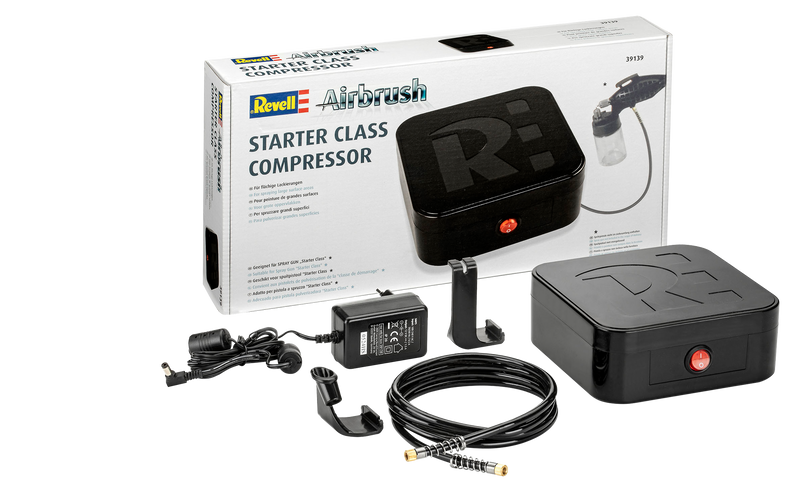
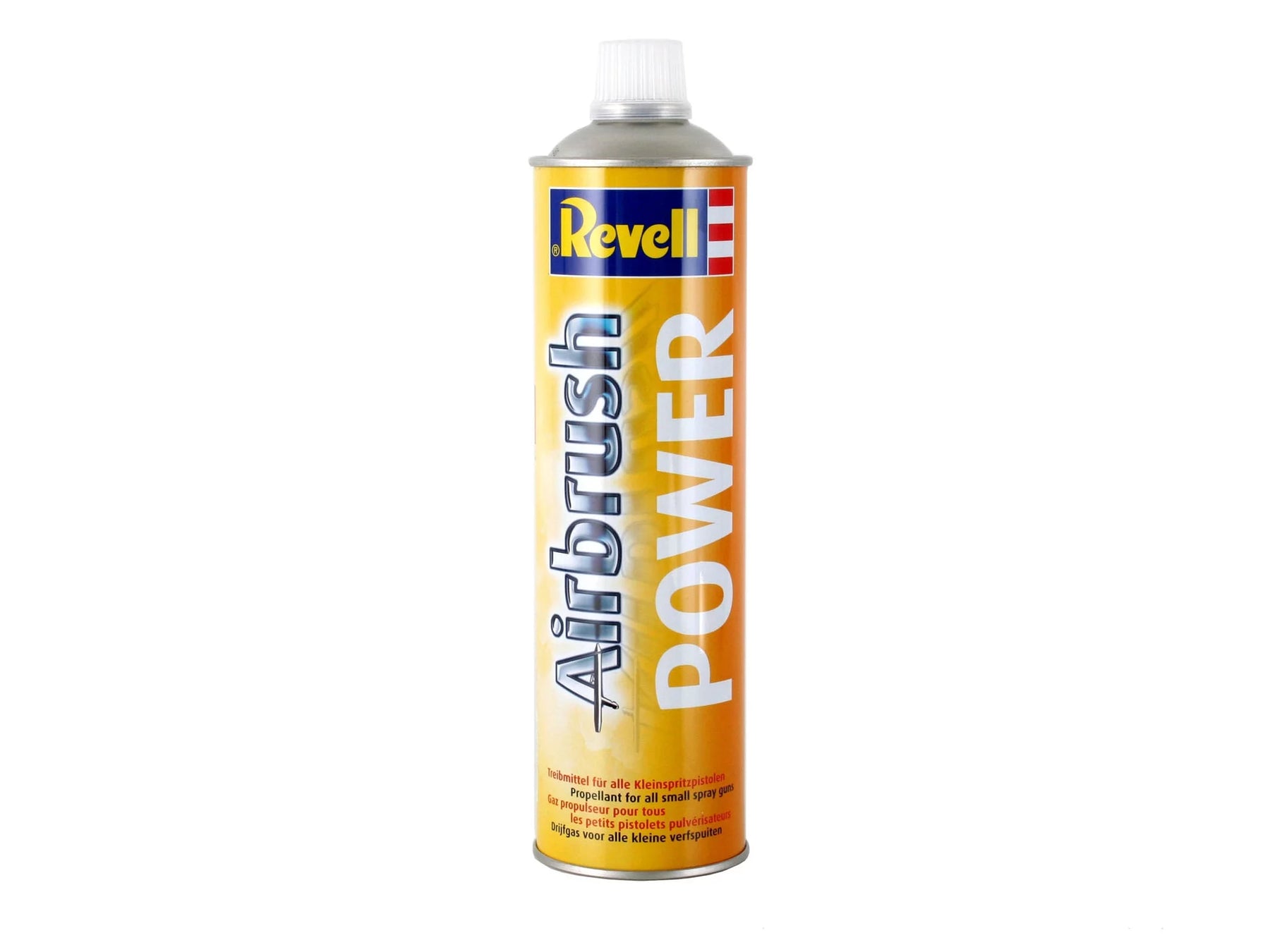
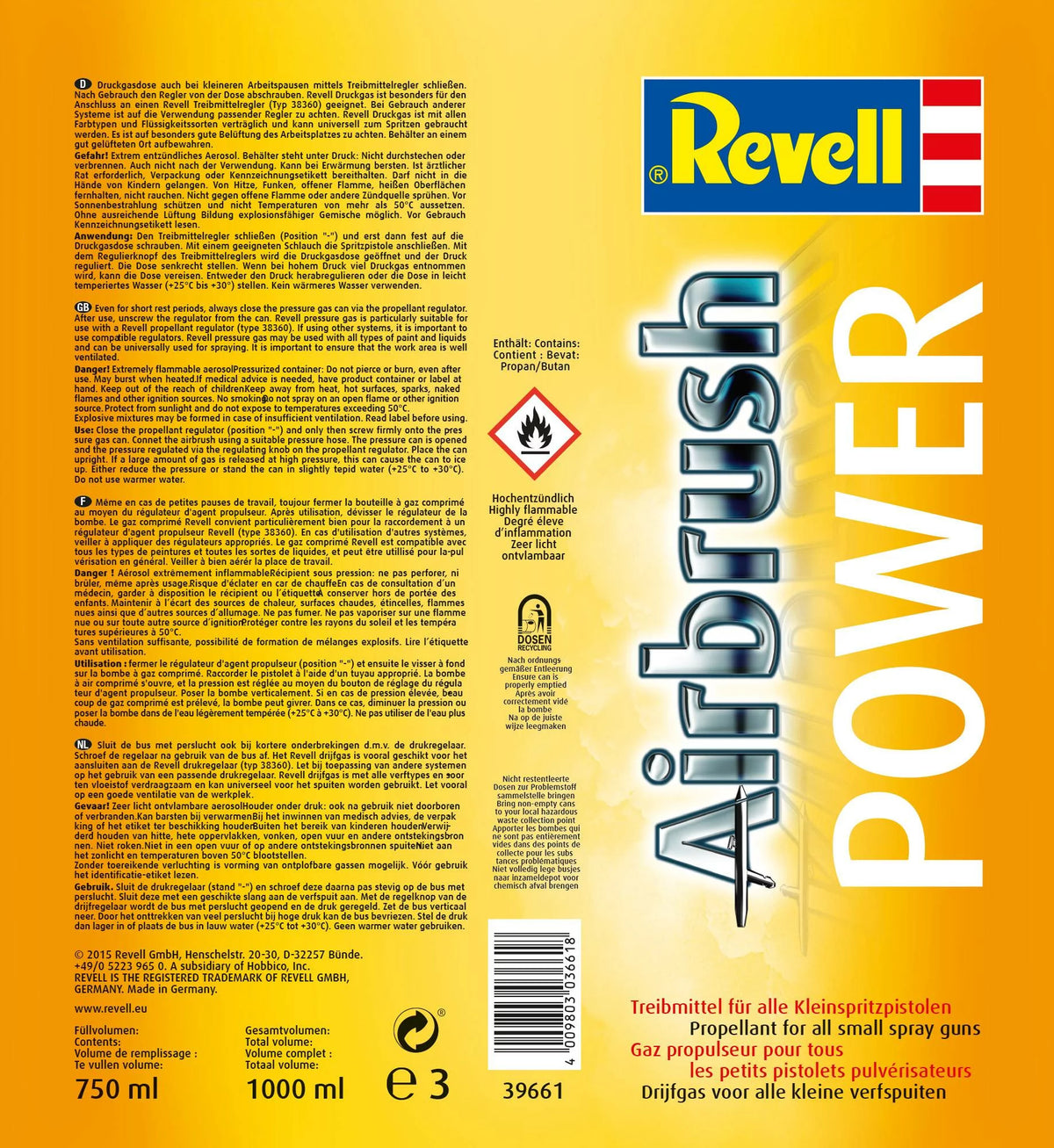
Choosing the right air source depends on your working style, the frequency of your projects and your spatial conditions. While propellant from compressed gas cans is occasionally used for initial attempts, there is no avoiding a permanent, controllable solution if you regularly refine models. Modernity Airbrush compressors offer you the ideal combination of performance, smoothness and precision.
Oil-free piston compressors have established themselves as a reliable standard in the hobby sector. They work cleanly, require little maintenance and deliver compressed air that is ready for immediate use without any lubricants getting into the air flow. Many models have an integrated air tank. Such a pressure accumulator has decisive advantages:
- Pulsation-free air supply: The boiler absorbs the typical piston strokes of the engine so that a completely even air flow reaches the nozzle.
- Noise reduction: As soon as the maximum pressure in the accumulator is reached, the motor switches off automatically. You continue to work quietly until the pressure falls below a certain limit again.
- Lower heating: Since the unit does not run constantly, the production of hot compressed air is reduced, which minimizes the formation of condensation.
Essential accessories: hoses, regulators and quick couplings
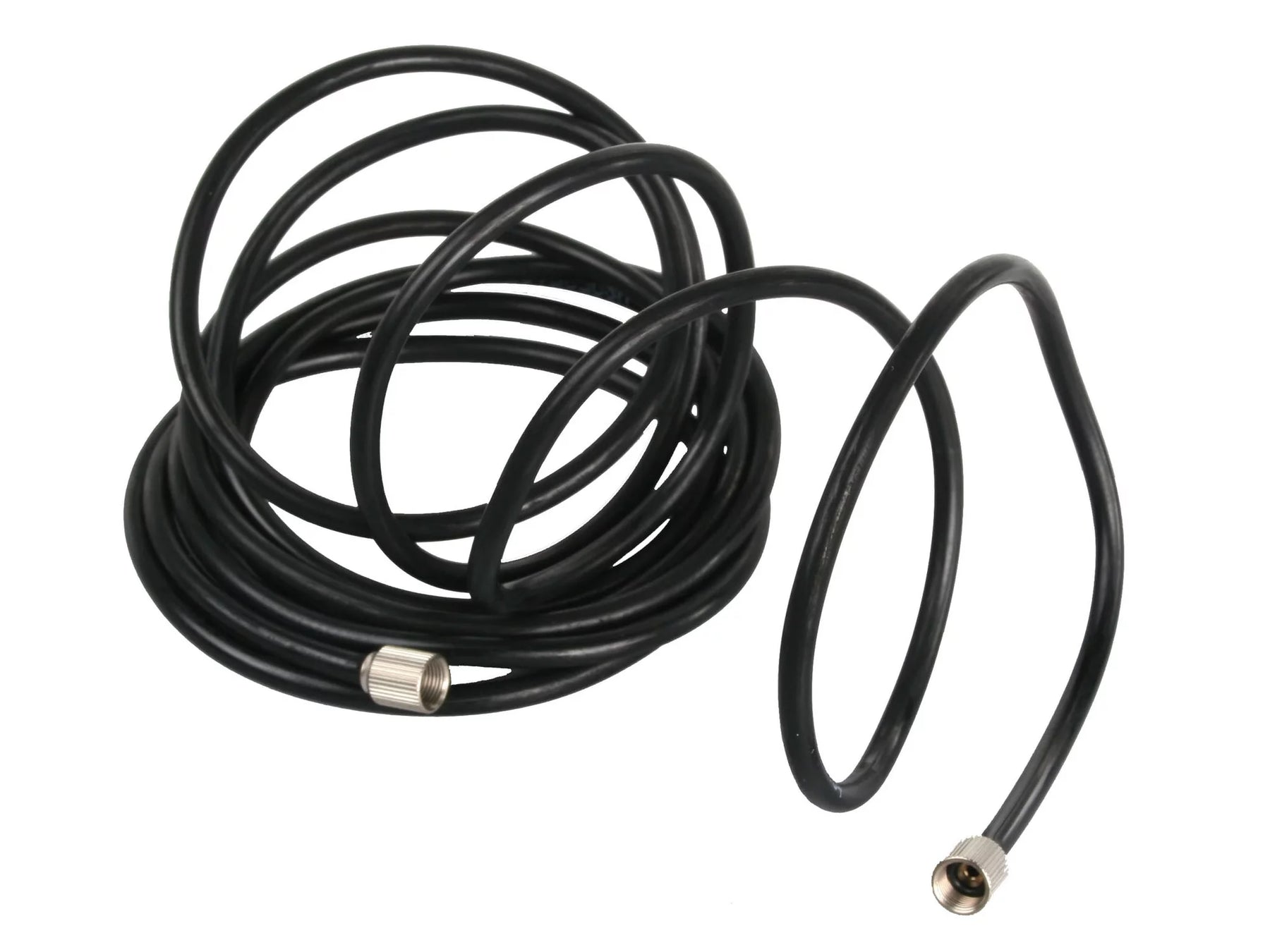
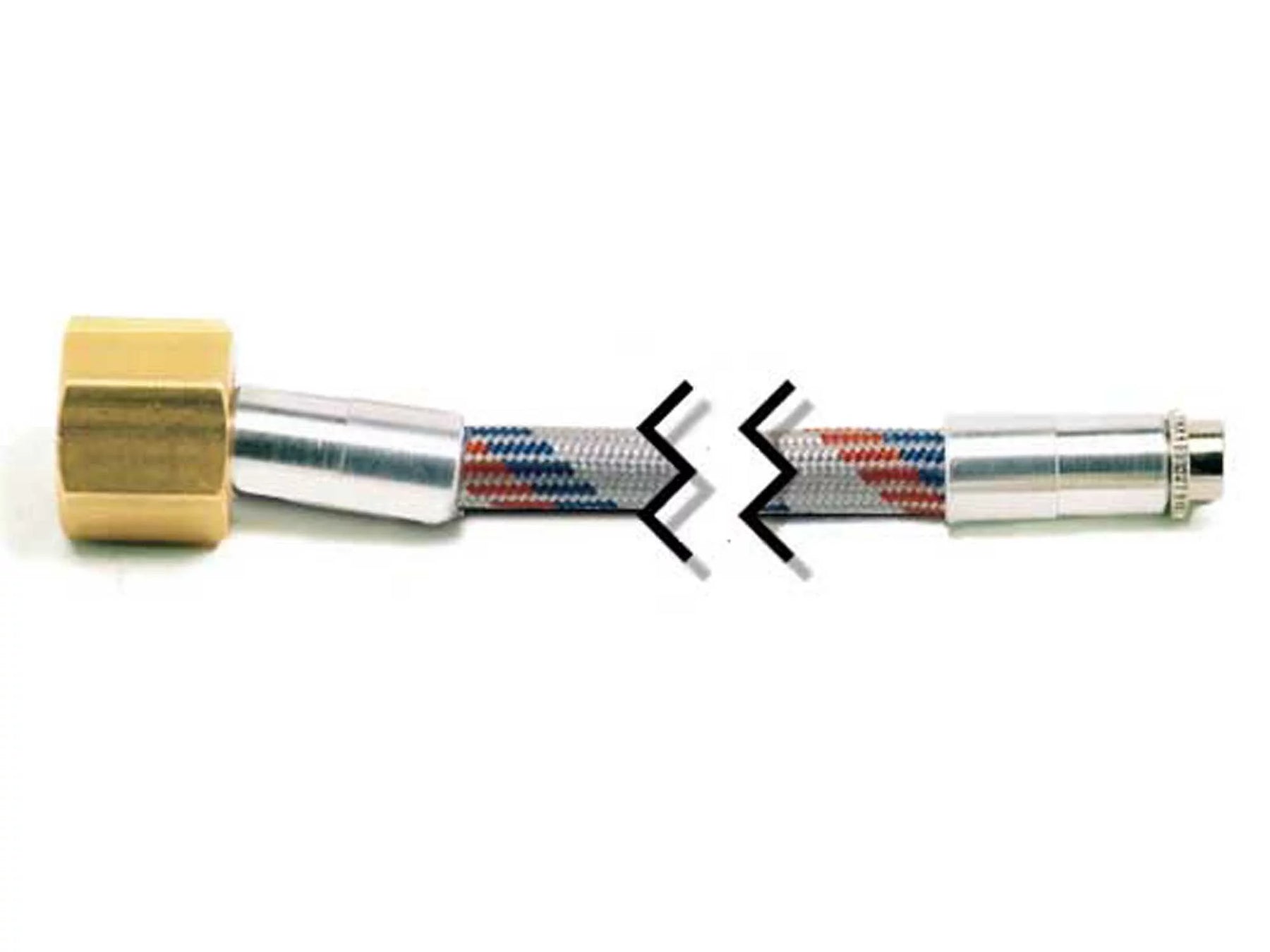
In addition to the actual pressure generator, the connection system plays a central role in your comfort at work. First thought out Airbrush accessories makes your system flexible and ergonomic. Rigid, inflexible air hoses put strain on the wrist and make it difficult to create delicate lines. High-quality fabric hoses or flexible spiral hoses, on the other hand, guarantee you maximum freedom of movement around your turntable.
Another key element is the pressure regulator in combination with a water separator. When ambient air is compressed, condensation inevitably occurs. If this drop of water gets through the hose and into the spray gun, it mixes with the paint and leads to dreaded water splashes on the freshly painted surface. An upstream filter reliably captures this moisture and at the same time allows you to finely adjust the desired working pressure using an easy-to-read pressure gauge.
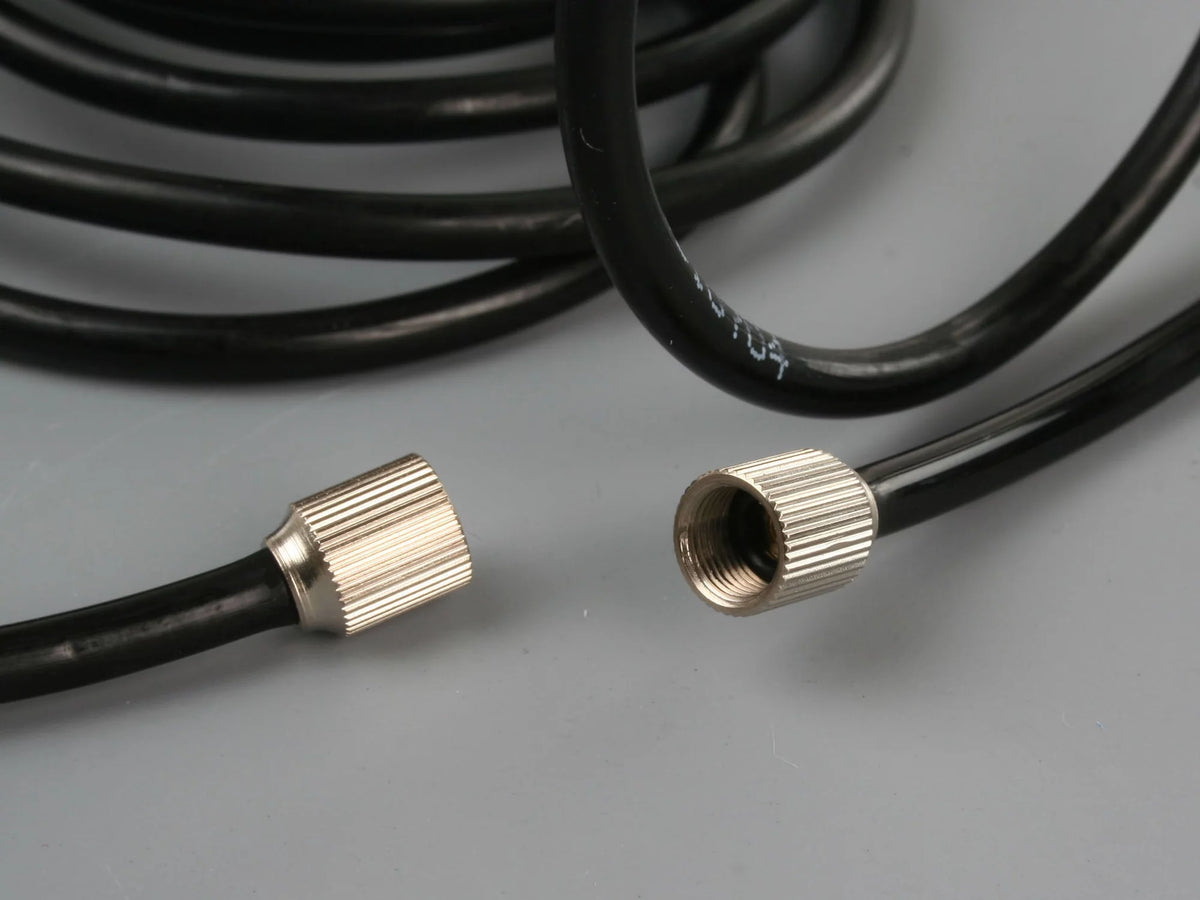
If you frequently switch between different nozzle sizes or special tools during a project, quick couplings are recommended. With these practical connectors you can separate the gun from the hose in one move without having to turn off the compressor or release the pressure. Integrated check valves ensure that the line closes tightly immediately.
Match compressed air technology perfectly to your spray gun
In order for your painting system to function smoothly, all components must be precisely coordinated with one another. Depending on the design of your spray gun, the air volume requirements vary. A fine double-action device for demanding detailed work requires different air volume regulation than an uncomplicated single-action gun for priming work.
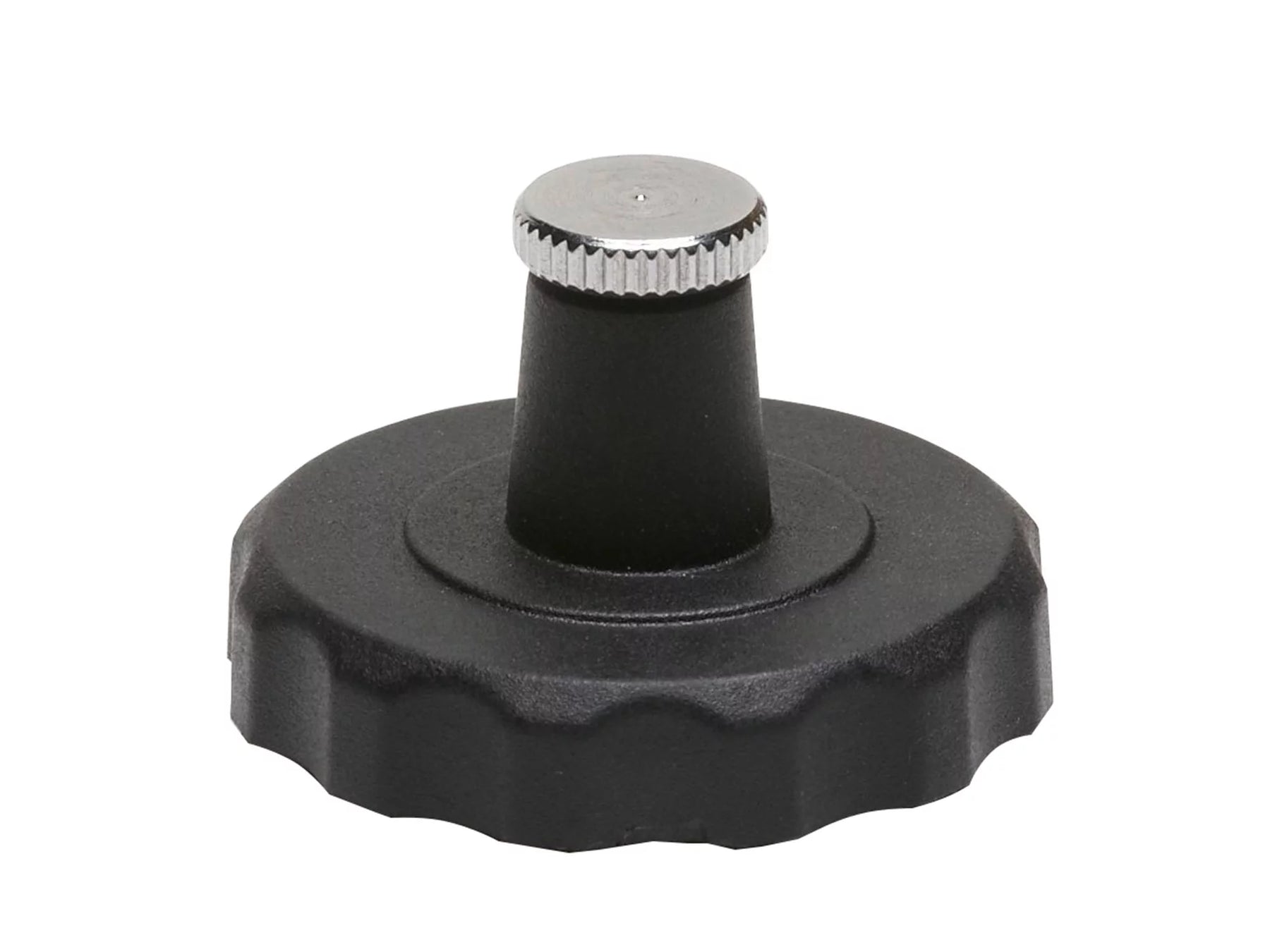
For universal work in model making, for example, you can use the robust one Airbrush Body Standard Class 39101 insert. With models in this class, you benefit from a reliable mixing system that relies on a constant air flow. When connecting, always pay attention to suitable thread sizes. Many standards are based on 1/8-inch threads, while some systems use manufacturer-specific connections or plug nipples. With suitable thread adapters, you can create a leak-proof connection between the hose and the gun body in no time.
If seals age or connecting parts wear out over time, use suitable ones Airbrush spare parts ensure that your system immediately closes airtight again. A gradual loss of pressure due to leaky screw connections means that the compressor has to pump unnecessarily often and the working pressure fluctuates unnoticed.
Maintenance and care of the compressed air system for a long service life
Regular maintenance of your compressed air equipment only takes a few minutes, but significantly extends the life of the equipment and protects your models from color errors. We recommend the following care steps after every long painting session:
- Drain condensation: After finishing work, open the outlet valve at the bottom of the water separator to completely remove any collected moisture.
- Empty the pressure tank: If your compressor has an air tank, open the drain plug at the bottom of the tank. This allows any remaining moisture to escape before it can cause corrosion inside the tank.
- Depressurize the hoses: Do not disconnect the hoses under full pressure. Allow the air to escape through the gun to protect seals and couplings.
- Carry out a leak test: Occasionally listen for slight hissing noises with the compressor on and the gun at rest. Even minimal leaks in screw connections affect controllability.
Practical tips: The ideal pressure setting for every painting phase
In practice, the ideal working pressure depends heavily on which work step you are currently carrying out. For fine lines and shades with heavily diluted paint, a low pressure of around 1.0 to 1.4 bar is recommended. The gentle air flow prevents the draft from blowing up the fine droplets on the model (“spidering”).
However, if you want to prime larger areas, spray on opaque base colors or use more viscous clear coats, a range of 1.8 to 2.2 bar is recommended. Here, more atomization energy is required to ensure a smooth, even distribution of the pigments. It's best to test the setting on a test piece of paper or plastic sheet before each pass in order to precisely adjust the interaction between pressure, amount of paint and spray distance.