






The fascination of Fast & Furious in model making: From the big screen hit to your own collection
Since the first film was released in 2001, Fast & Furious has evolved from a street racing film into a global pop culture phenomenon. What has thrilled fans for decades is not just the spectacular stunts and the emotional story about the family, but above all the main actors on four wheels. The cars in the film series have achieved absolute cult status. With our true-to-the-original kits, you can experience these textile and metal film legends up close in miniature format and assemble them yourself.
In model building, the vehicles from Fast & Furious offer you a fascinating mix of classic engineering and extreme vehicle tuning. Each model reflects the individual character of its film driver - from uncompromising raw power to sophisticated Japanese precision technology. If you're a fan of detailed engine compartments, realistic vehicle interiors and eye-catching paint jobs, you're guaranteed to find your next dream project in this category.
Muscle cars vs. import tuners: Which model cars are right for you?
The Fast & Furious garage is extremely versatile. In the films, two completely different car cultures come together, which are also perfectly reflected in our model range. Depending on what your heart beats for, you can develop your collection in very different directions.
V8 power and timeless classics: The muscle cars of the Fast family
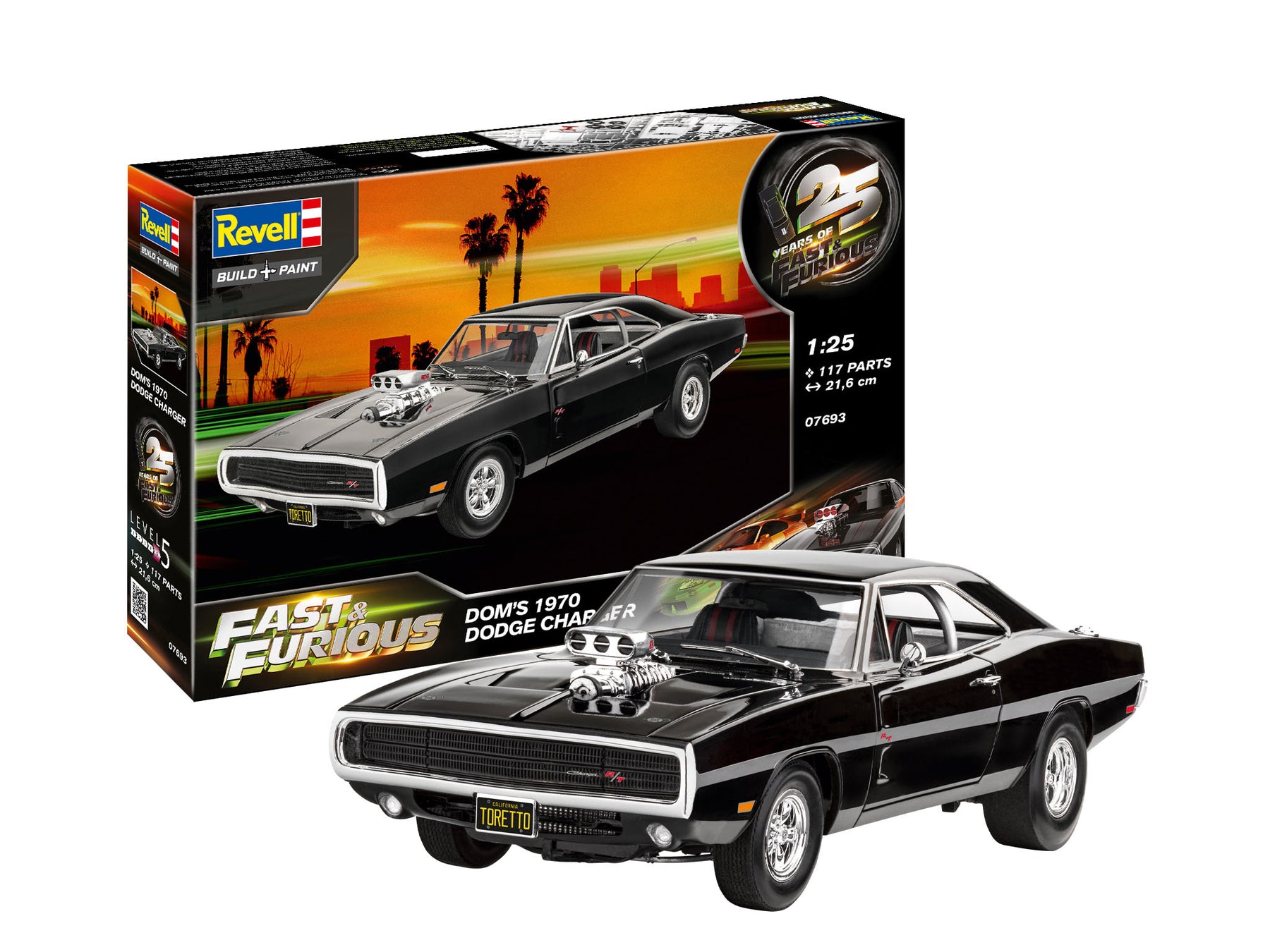
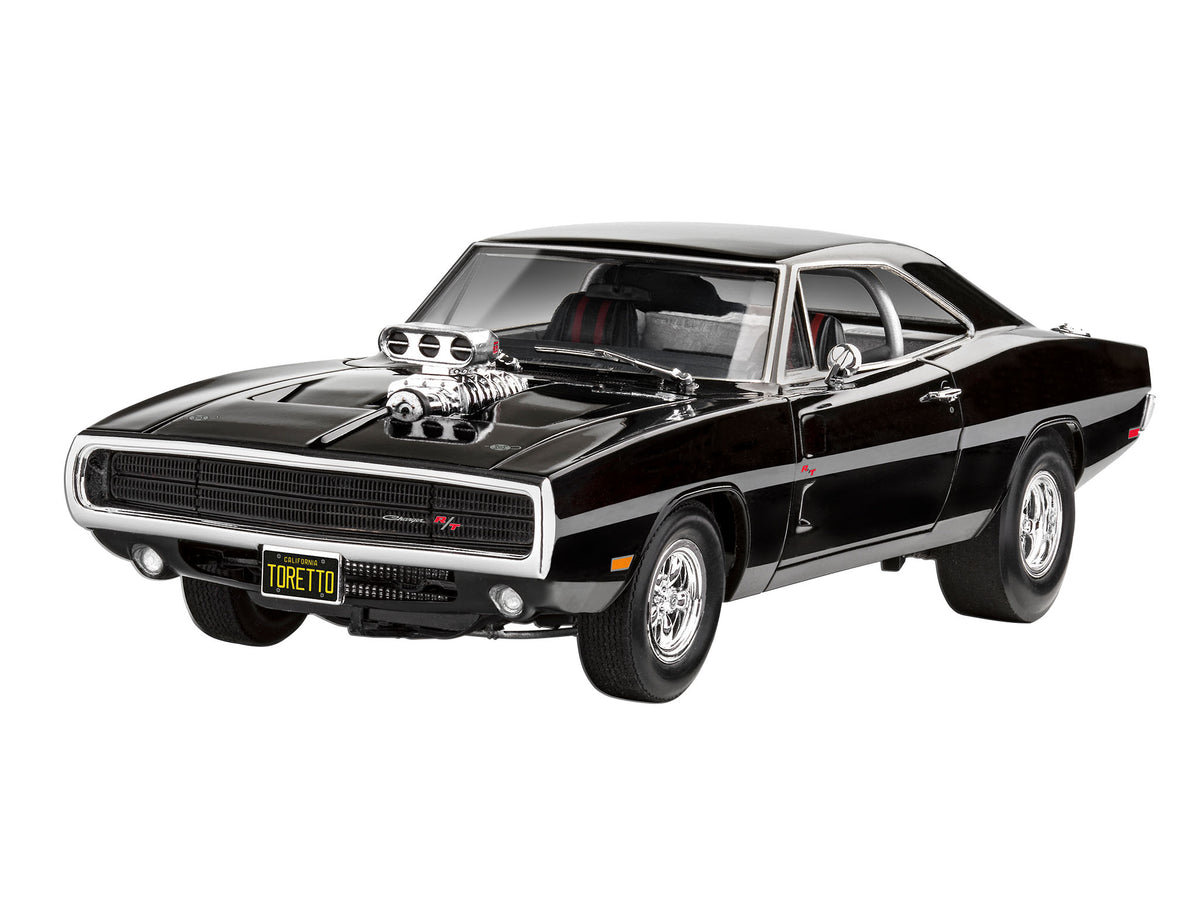
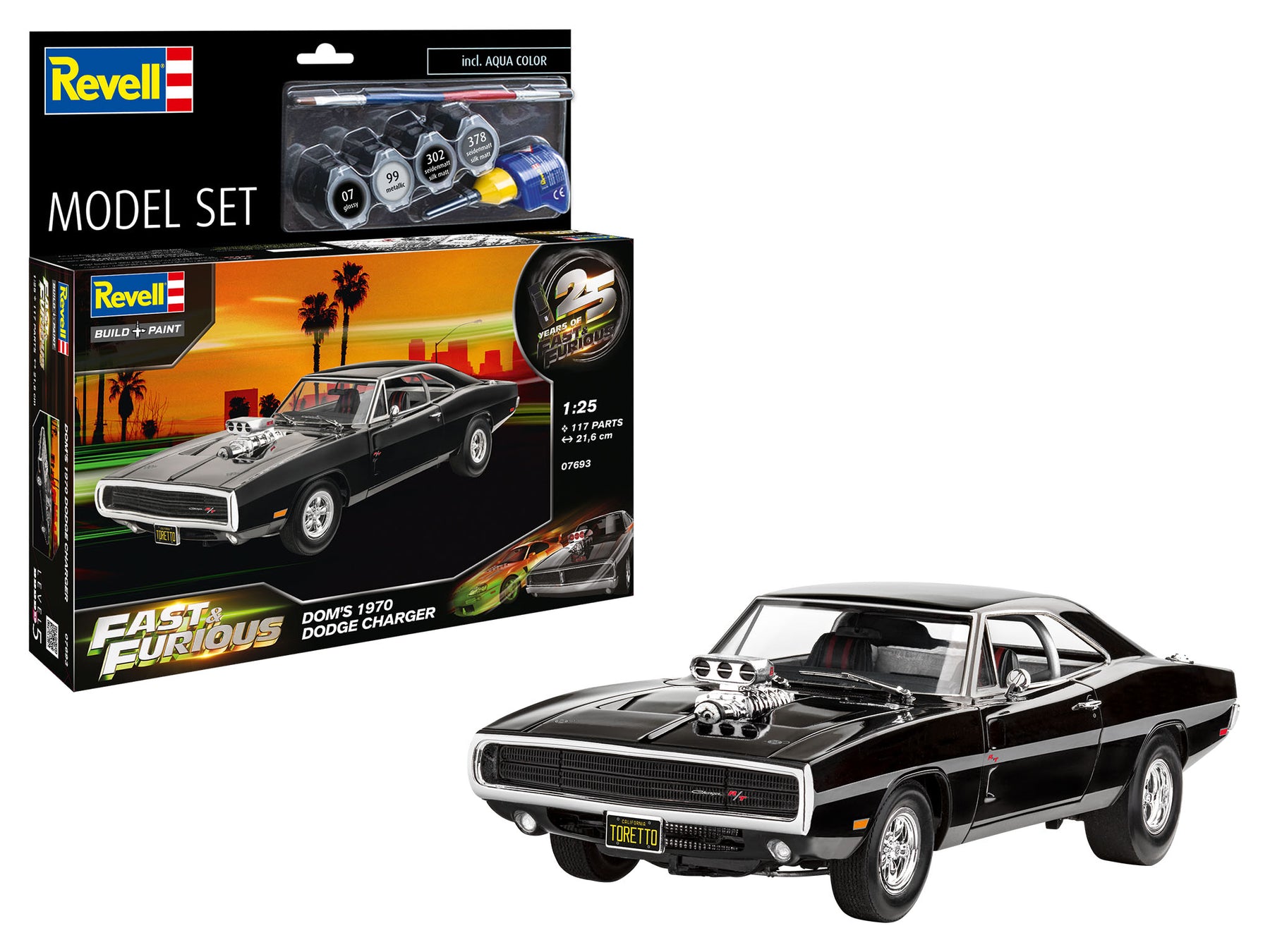
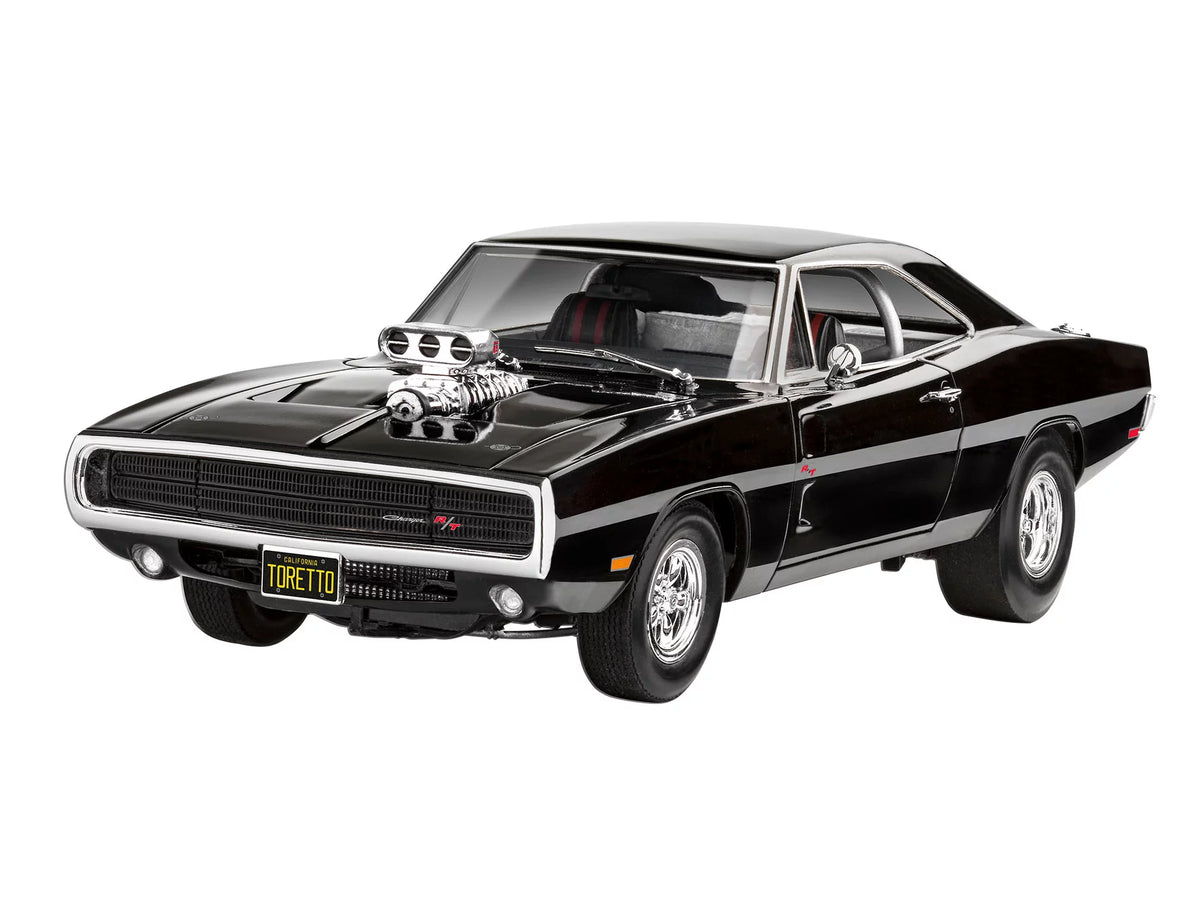
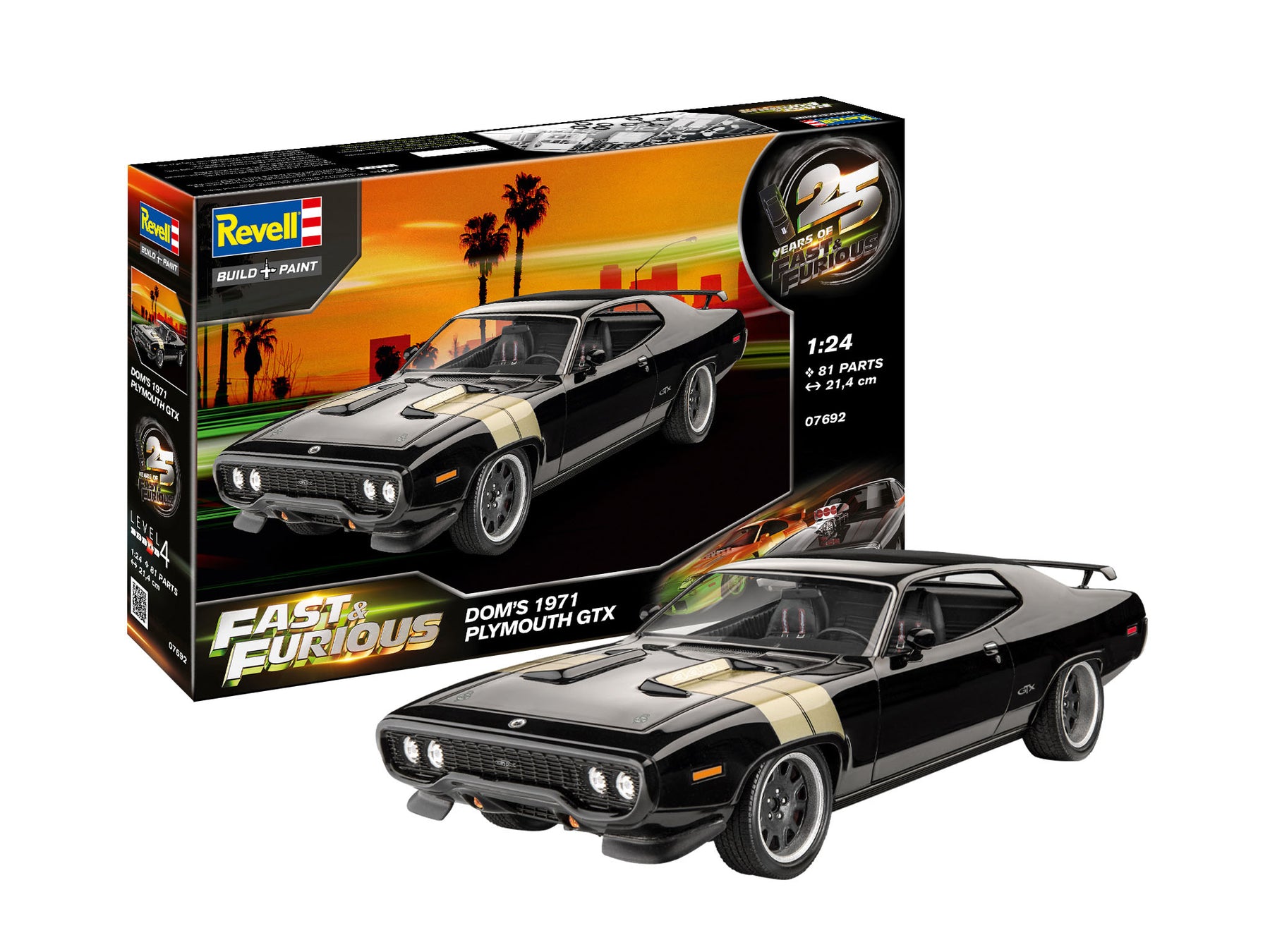
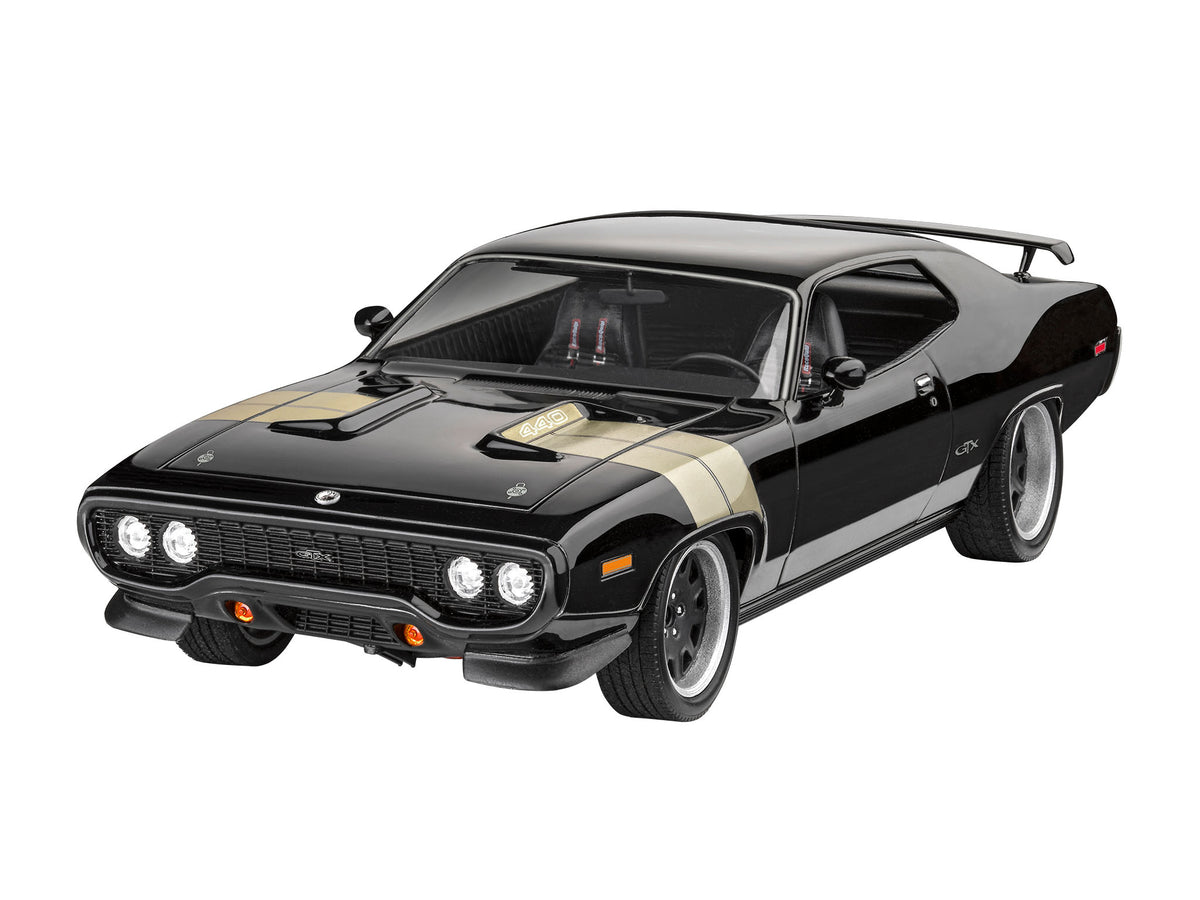
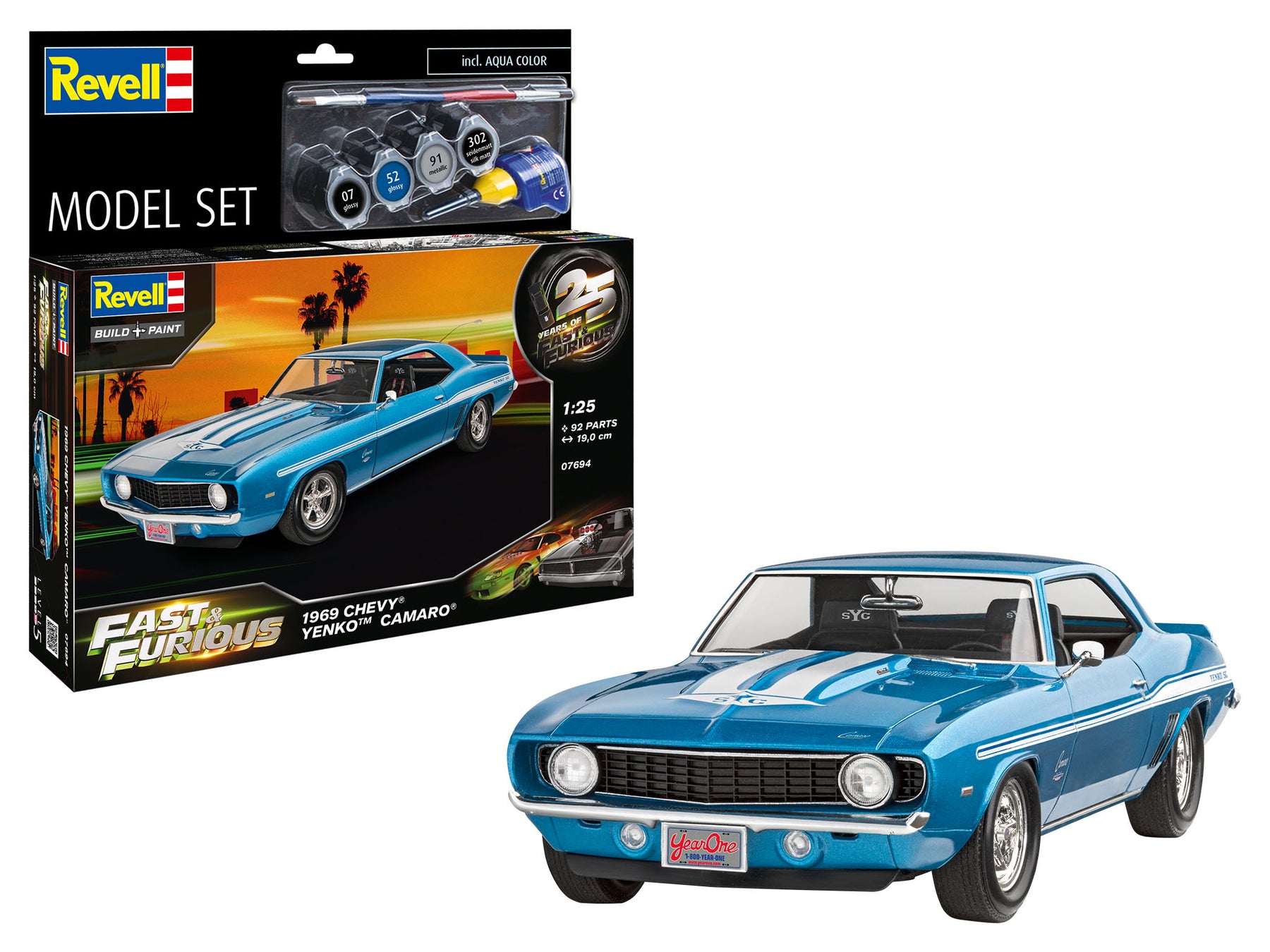
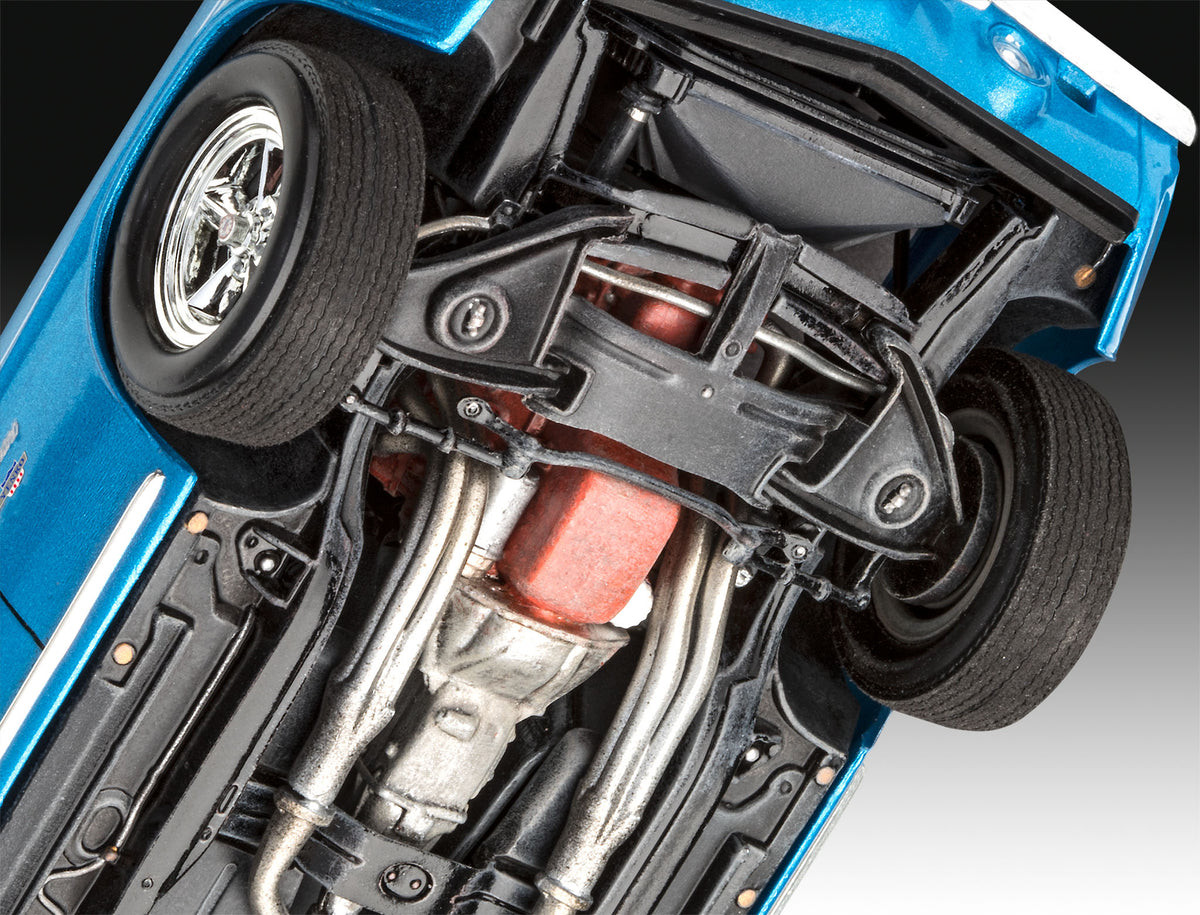
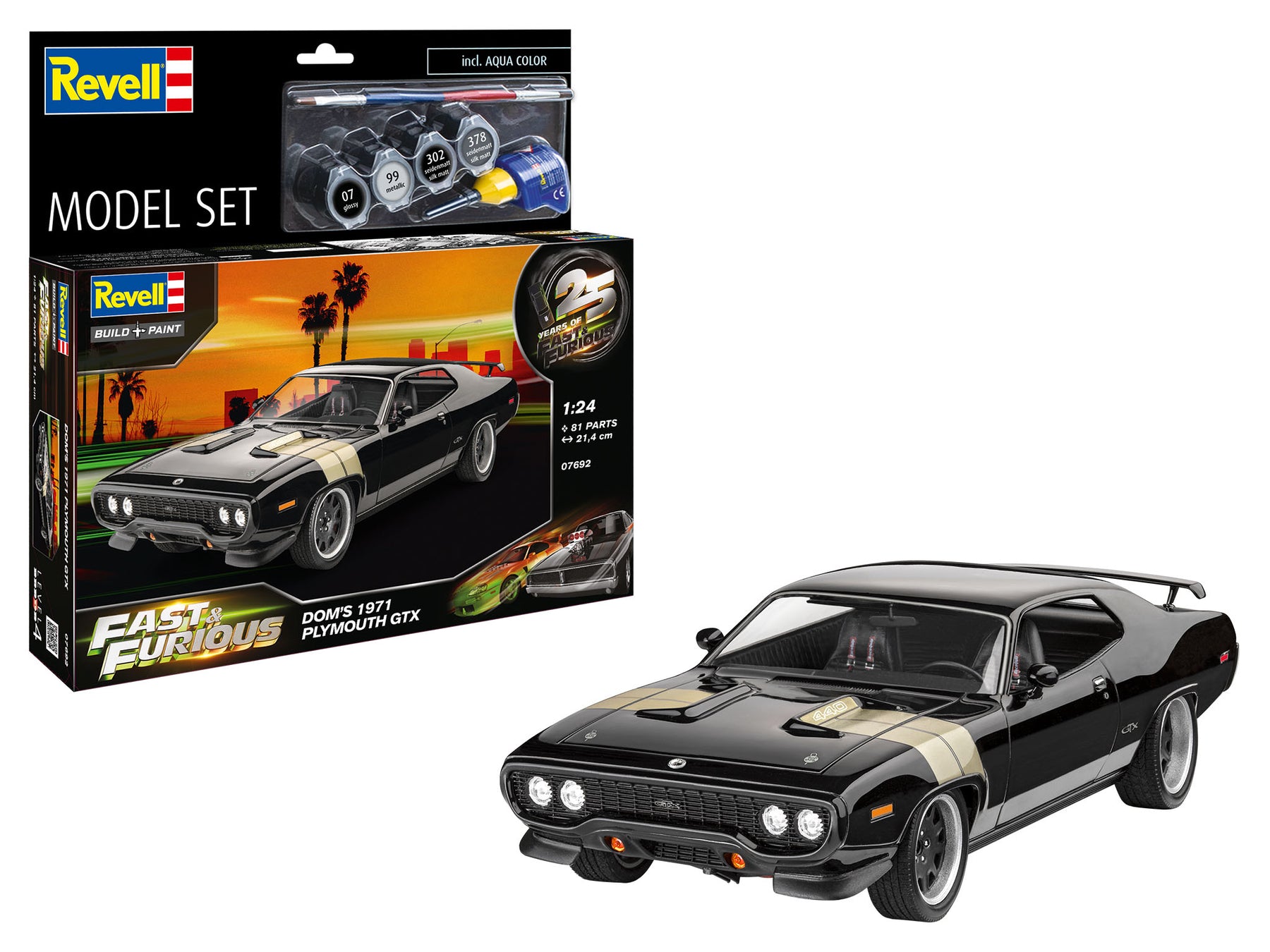
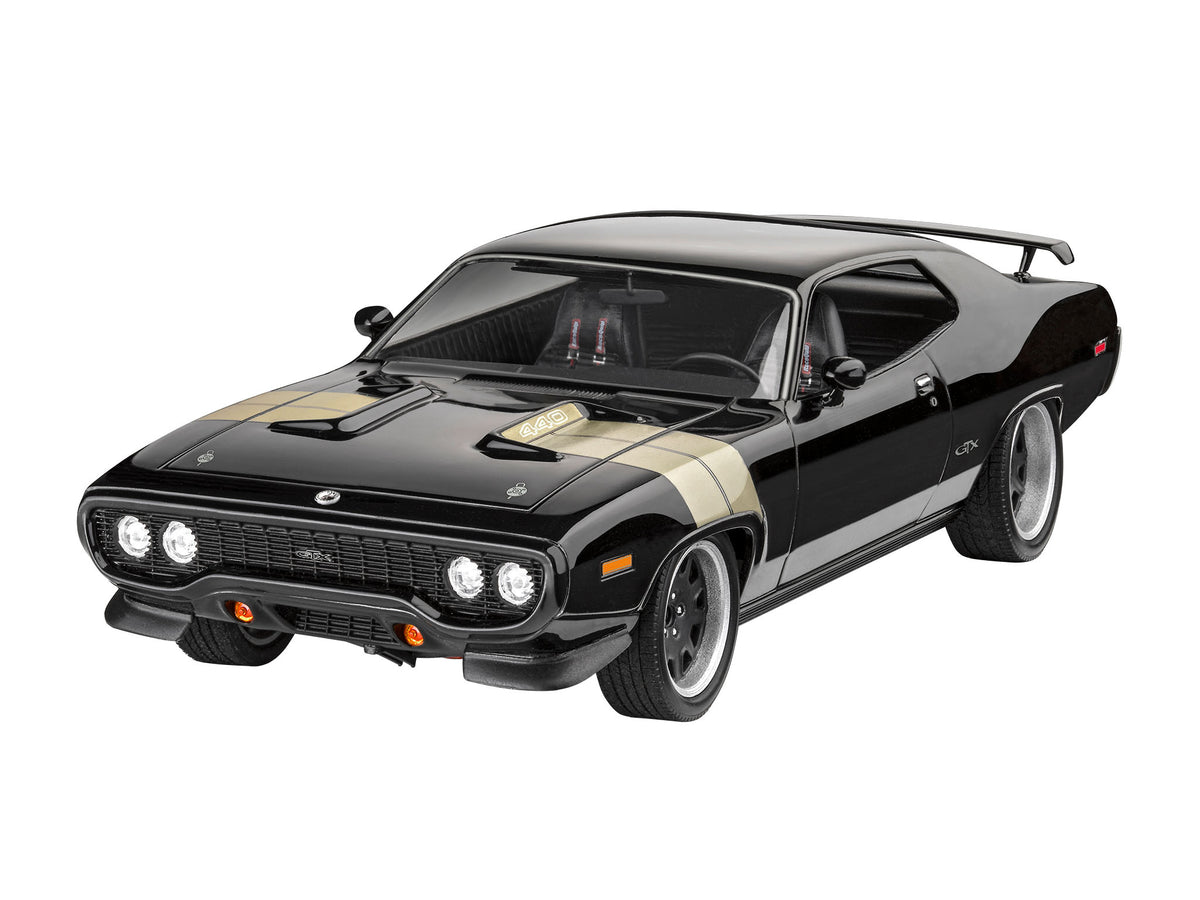
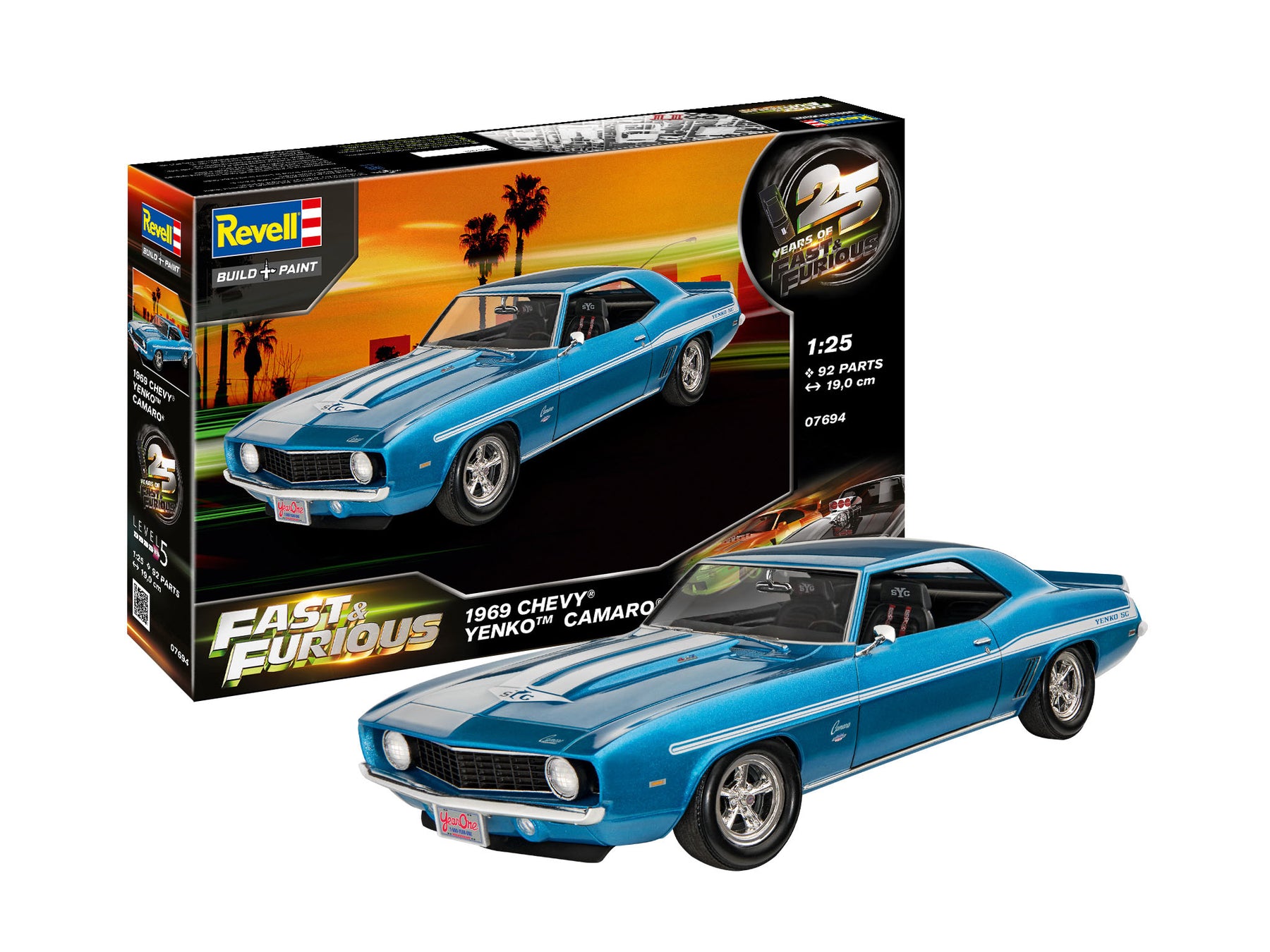
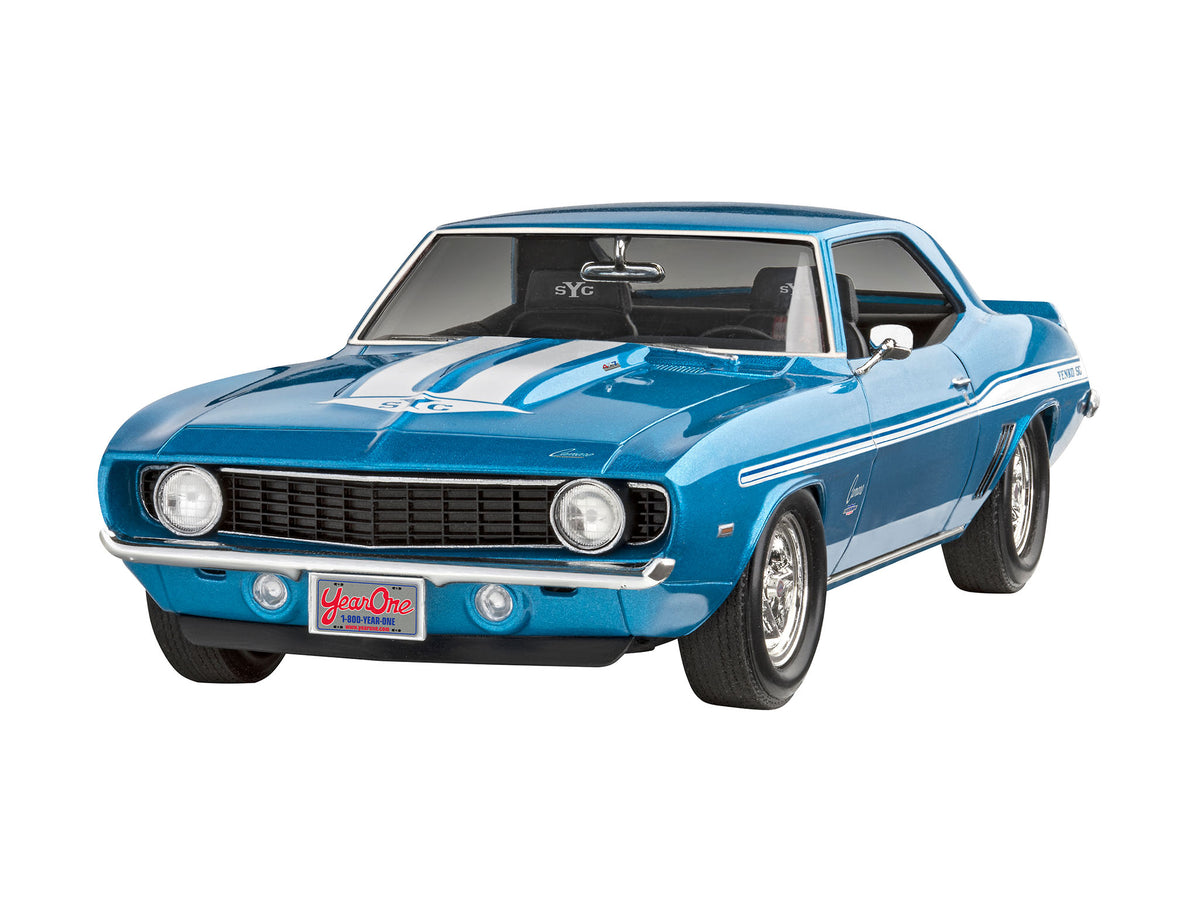
For lovers of American heavy metal and howling superchargers there is no way around the legendary muscle cars. They stand for genuine performance, impressive body shapes and the unmistakable sound of classic V8 engines. Probably the most famous vehicle in the entire series Fast Furious Dominic's 1970 Dodge Charger, which became the absolute symbol of the film series with its huge blower protruding from the hood. In addition to this giant, there are also rarer classics such as the impressive one Fast Furious 1969 Chevy Camaro Yenko, which stands out due to its historical rarity and sporty elegance.
High-tech and turbo sound: The legendary JDM icons
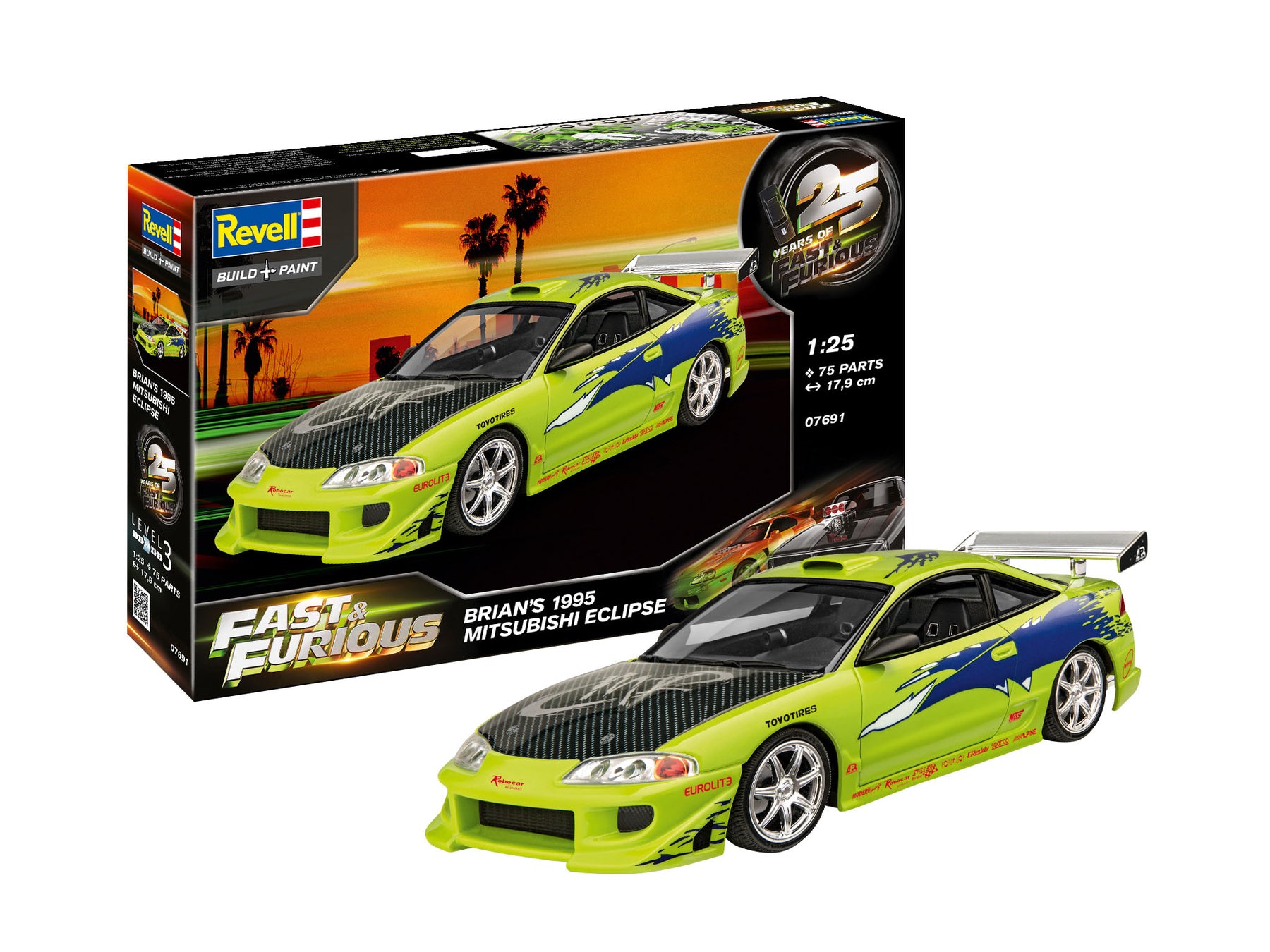
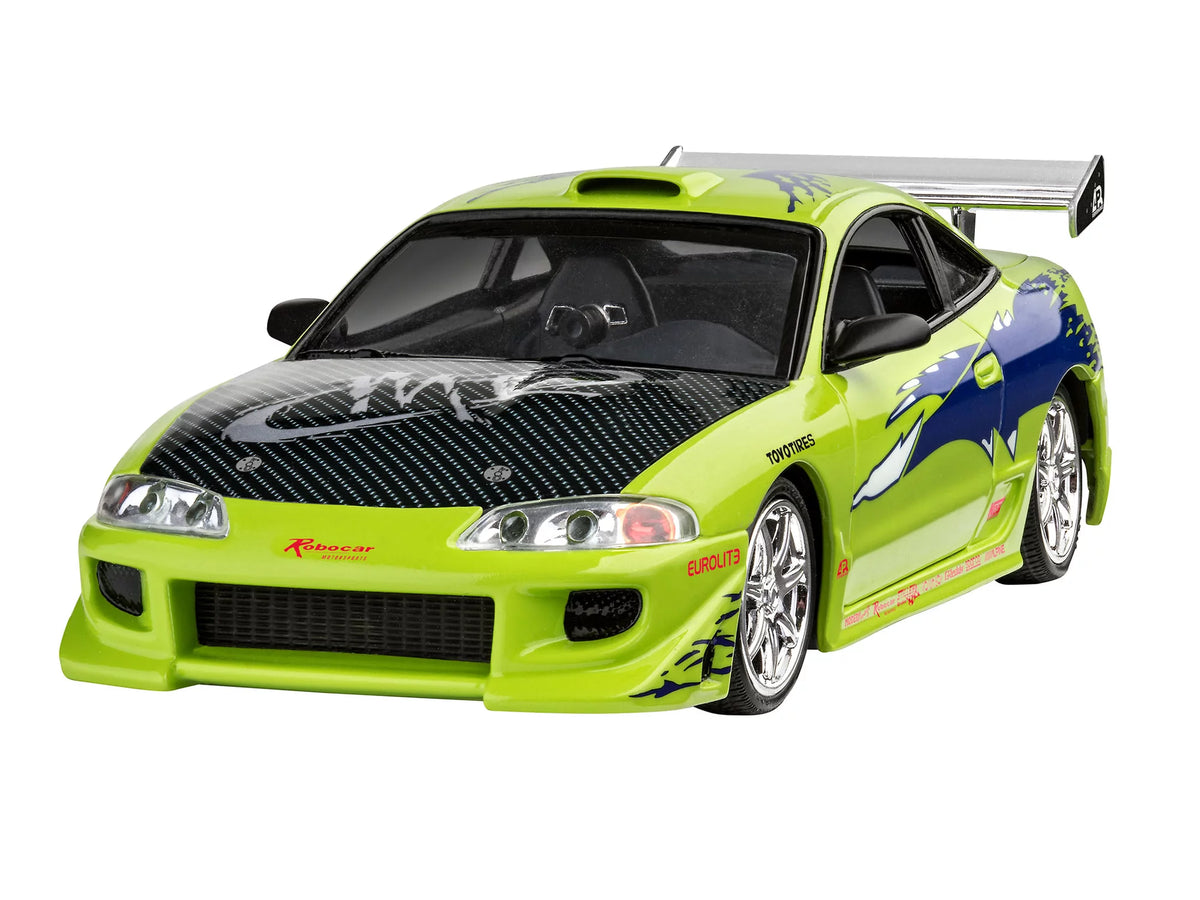
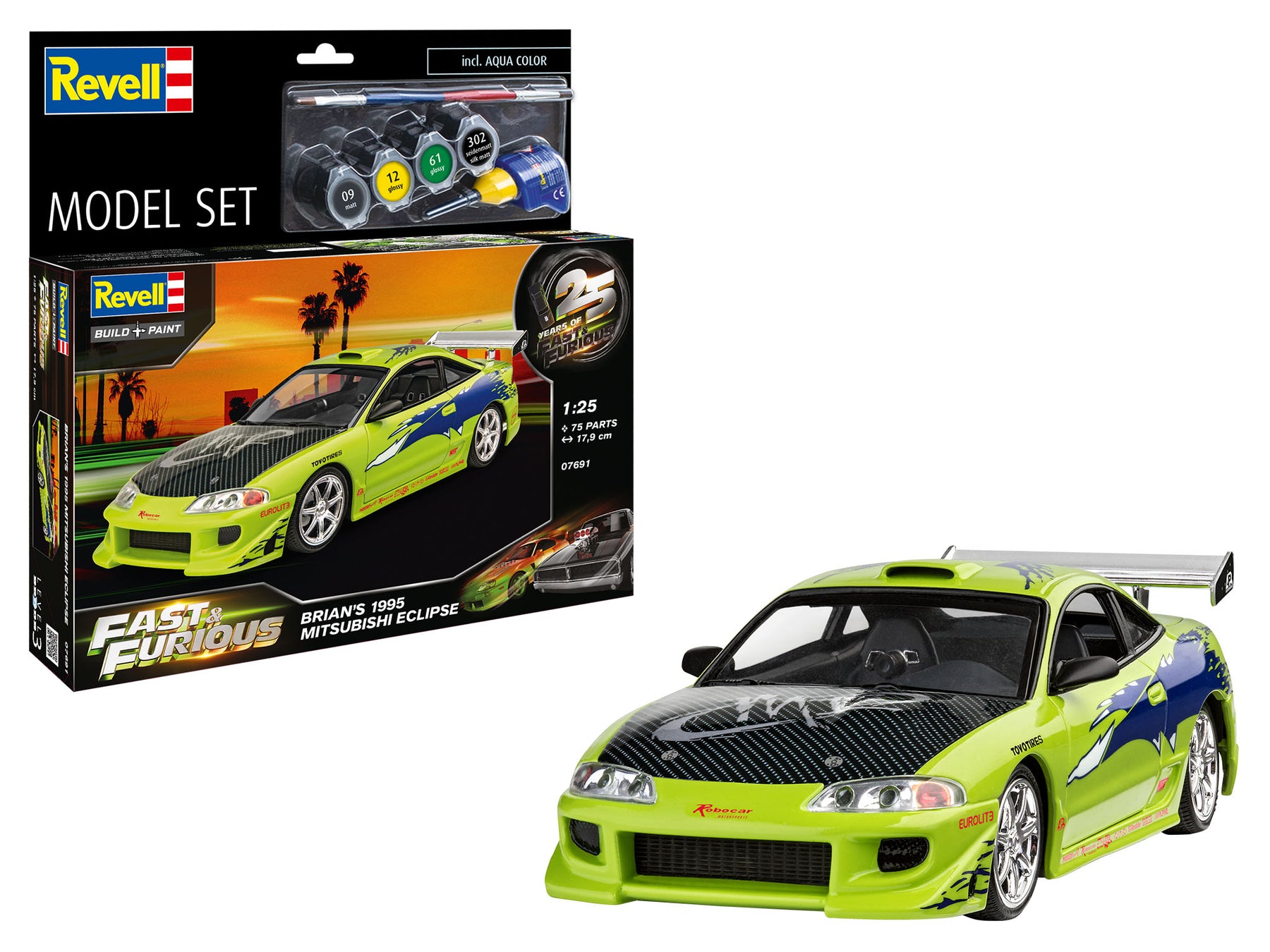
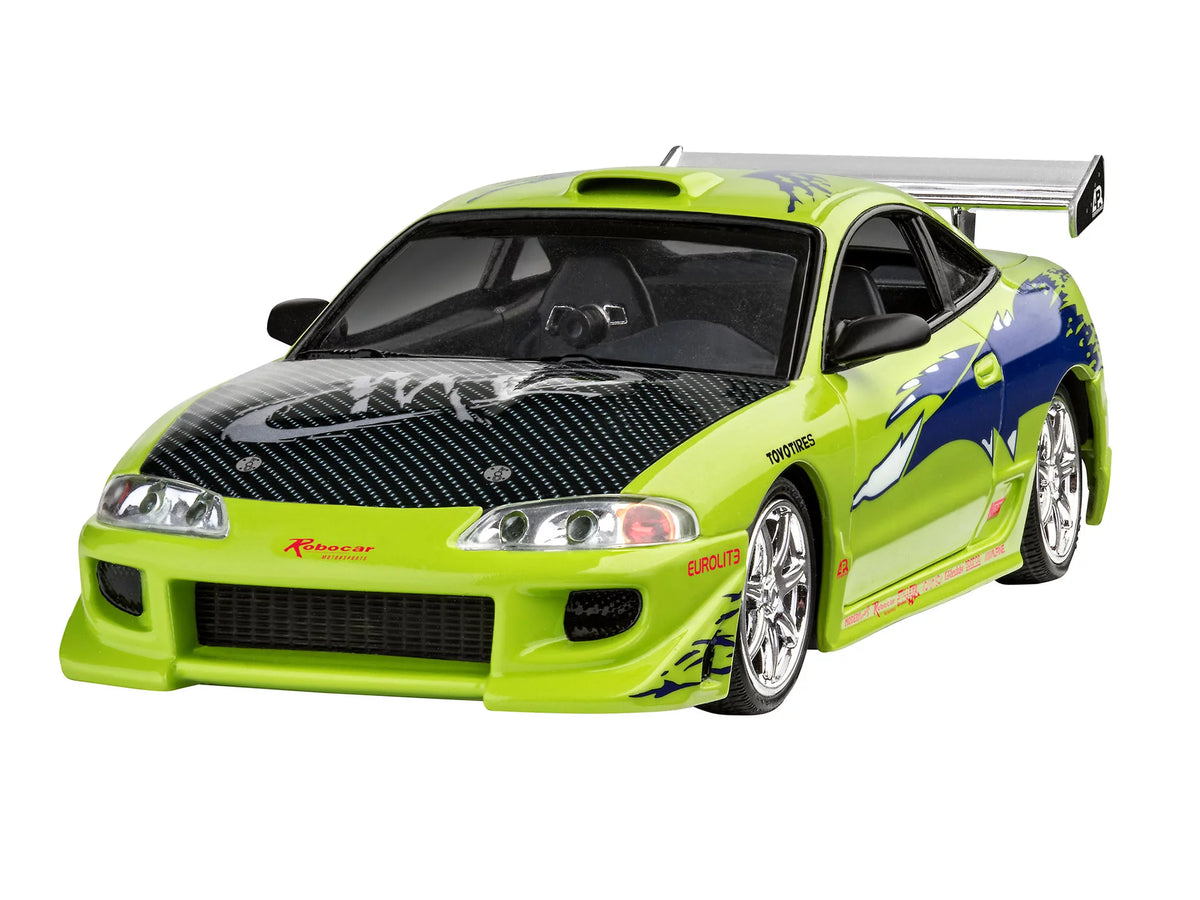
On the other side are the Japanese import tuners (JDM), which were made immortal primarily by Brian O'Conner. These vehicles are characterized by sophisticated aerodynamics, high speeds and impressive nitrous oxide injection systems (NOS). The start of the series with the bright green one will never be forgotten Fast Furious Brian S 1995 Mitsubishi Eclipse, which significantly shaped the tuning boom of the 2000s. These kits impress with their striking front aprons, rear wings and detailed turbo units that make the heart of every tuning fan beat faster.
Rich detail and precision: What sets our Fast & Furious kits apart
Our Fast & Furious model kits are developed with the highest standards of fidelity to the original. In close coordination with the film licenses, we transfer every little detail of the film vehicle to the standard 1:24 scale. This guarantees you a historically accurate model building experience.
- Multi-part engines: The hoods of many kits can be opened and reveal elaborately recreated V8 blocks or armed four- and six-cylinder turbo engines.
- Authentic interiors: From the roll cage to sports seats and additional instruments to the typical NOS bottles in the trunk or on the passenger side, the cockpits are designed in detail.
- True-to-original rims and tires: Each model features the exact rim designs of the film's counterparts, combined with rubber-like tires for a realistic feel.
- Extensive decal sheets: The eye-catching vinyl graphics, sponsor logos and license plates of the film cars are included as high-quality water slide decals that give your model the finishing touch.
Tips for the perfect assembly of your film vehicles
To ensure your Fast & Furious model looks as impressive on the display as it does on the cinema screen, it's worth taking a careful approach to building it. We have put together a few practical expert tips for you that will ensure your project is a success.
Body preparation and painting
Before you use paint, you should clean the plastic parts of the body thoroughly with mild soapy water to remove any remaining release agents. For the typical, bright paintwork of tuner vehicles, a previous primer is recommended. This is how metallic and effect paints come into their own. It is best to apply the paint in several thin layers so as not to cover up any fine engravings or gaps in the door. A final coat of clear varnish ensures the perfect show chassis shine.
Attaching the iconic decals and foiling
The large graphics on the vehicles of Brian, Dom and their companions are the visual highlight of each kit. Work here with enough water and a soft cloth to gently brush away any air bubbles from the center outwards. With the help of plasticizers for decals, the graphics also nestle perfectly on complex body curvatures and beads.
Which level of difficulty suits your previous knowledge?
Regardless of whether you are just starting out with model building or already have years of experience at the craft table - there is a suitable Fast & Furious project in our range for every level of knowledge. Classification according to our proven level system helps you quickly select the right kit:
- Level 3: Perfect for beginners and occasional hobbyists who have already gained some experience. These kits consist of a manageable number of components and can be assembled quickly with simple gluing and painting.
- Level 4: Ideal for advanced model makers. Here you can expect detailed engines, multi-part chassis and more sophisticated decals that require precision and a little patience.
- Level 5: The premier class for experienced professionals. These kits offer a maximum level of detail with well over a hundred individual parts and require a lot of sensitivity when assembling and painting.