







The fascination of helicopter model making: engineering art and dynamics on a scale
Rotorcraft have always had a special attraction for aviation enthusiasts. While classic wing aircraft impress with their elegant lines and enormous speeds, the helicopter embodies maximum maneuverability, technical complexity and precise operational options. At Helicopter model making you deal intensively with exactly these characteristics. Each kit challenges your instinct, but rewards you with unsurpassed visual depth that immediately catches the eye in every showcase.
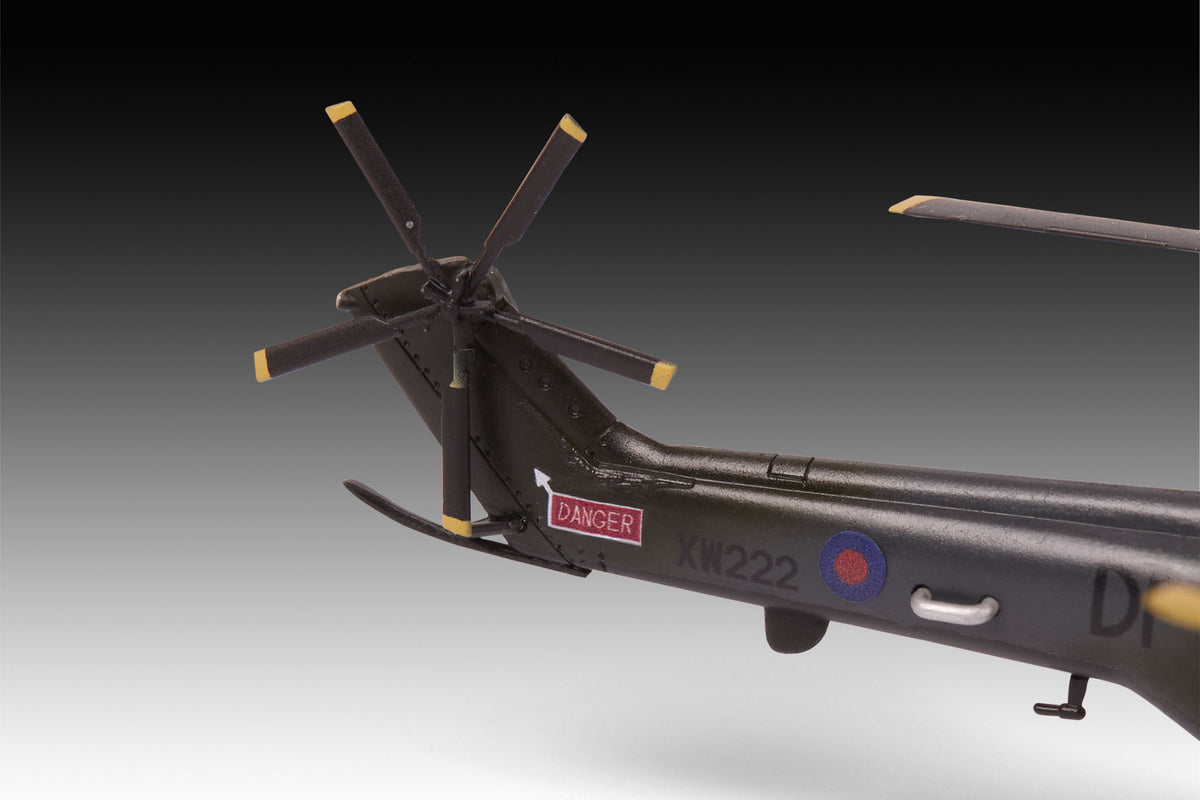
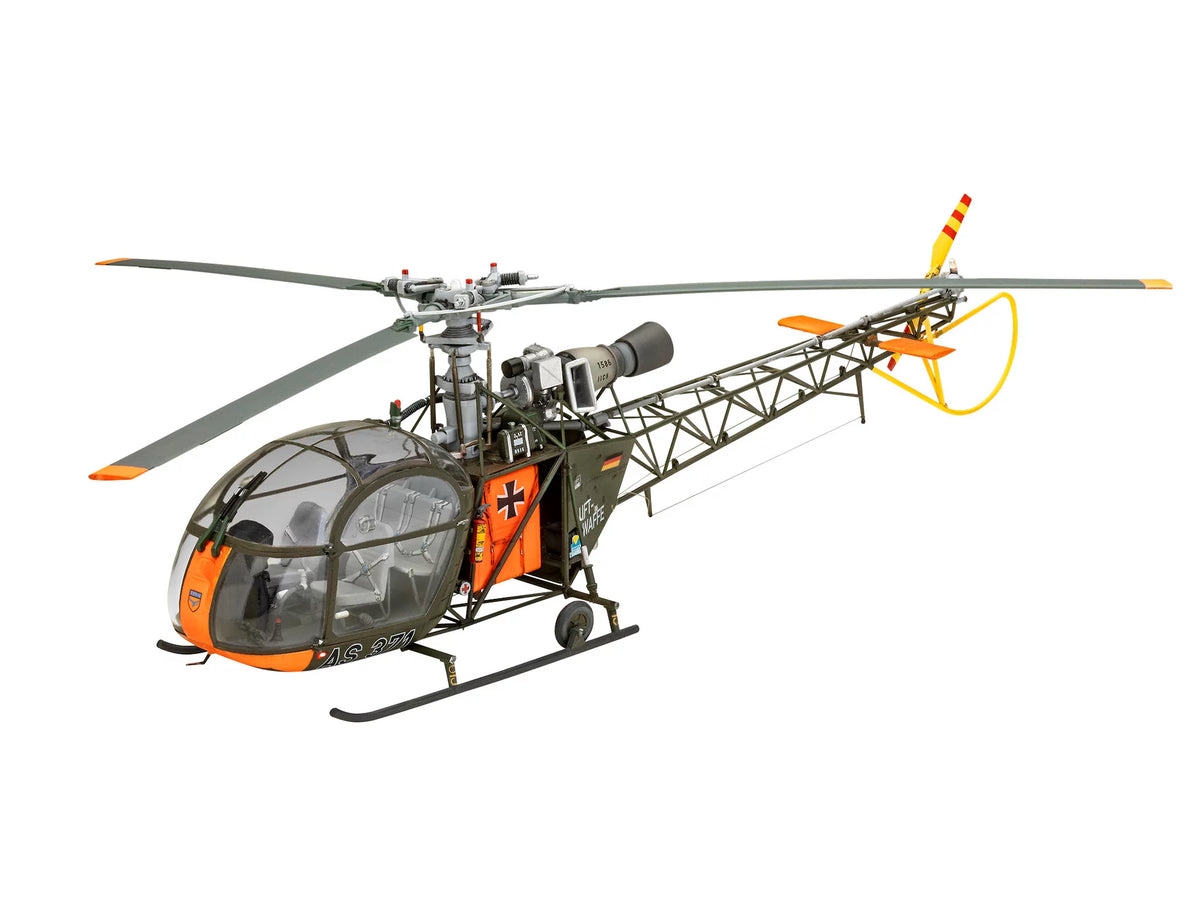
The focus of the design is undoubtedly the delicate mechanics: main rotor heads with swashplates, control rods, blade adjustment mechanisms and pivot bearings require the highest precision when assembled. There is also the tail rotor, which in many originals is driven via complex shafts and gears. All of these technical components are reproduced true to scale in our kits. When you put together such a model, you experience step by step how aviation technology becomes tangible in miniature format. No matter whether you are new to the hobby or have been building for years: the fascination of creating a lifelike helicopter from many individual injection-molded parts remains unbroken.
From emergency doctor shuttles to legends: the entire range of helicopter models
The areas of application of modern helicopters are as diverse as the models in our range. To give you the perfect start, we divide our kits into different thematic focuses that cover both civilian heroic missions and military milestones.
Civilian helicopters: aerial rescue, transport and surveillance
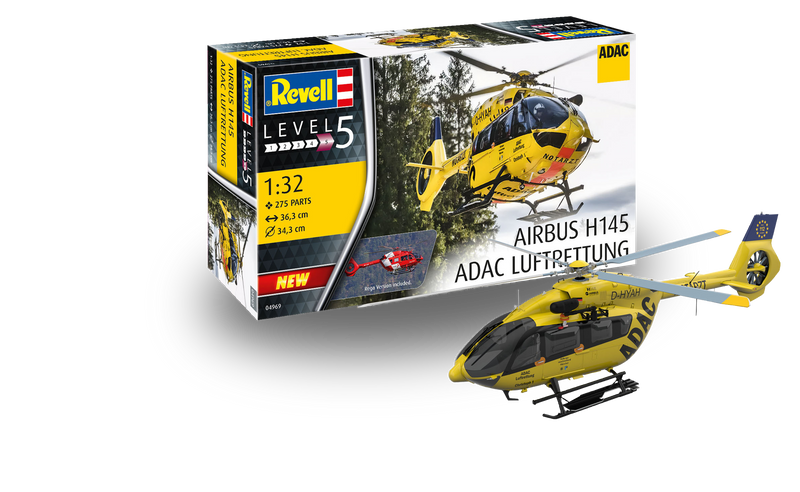
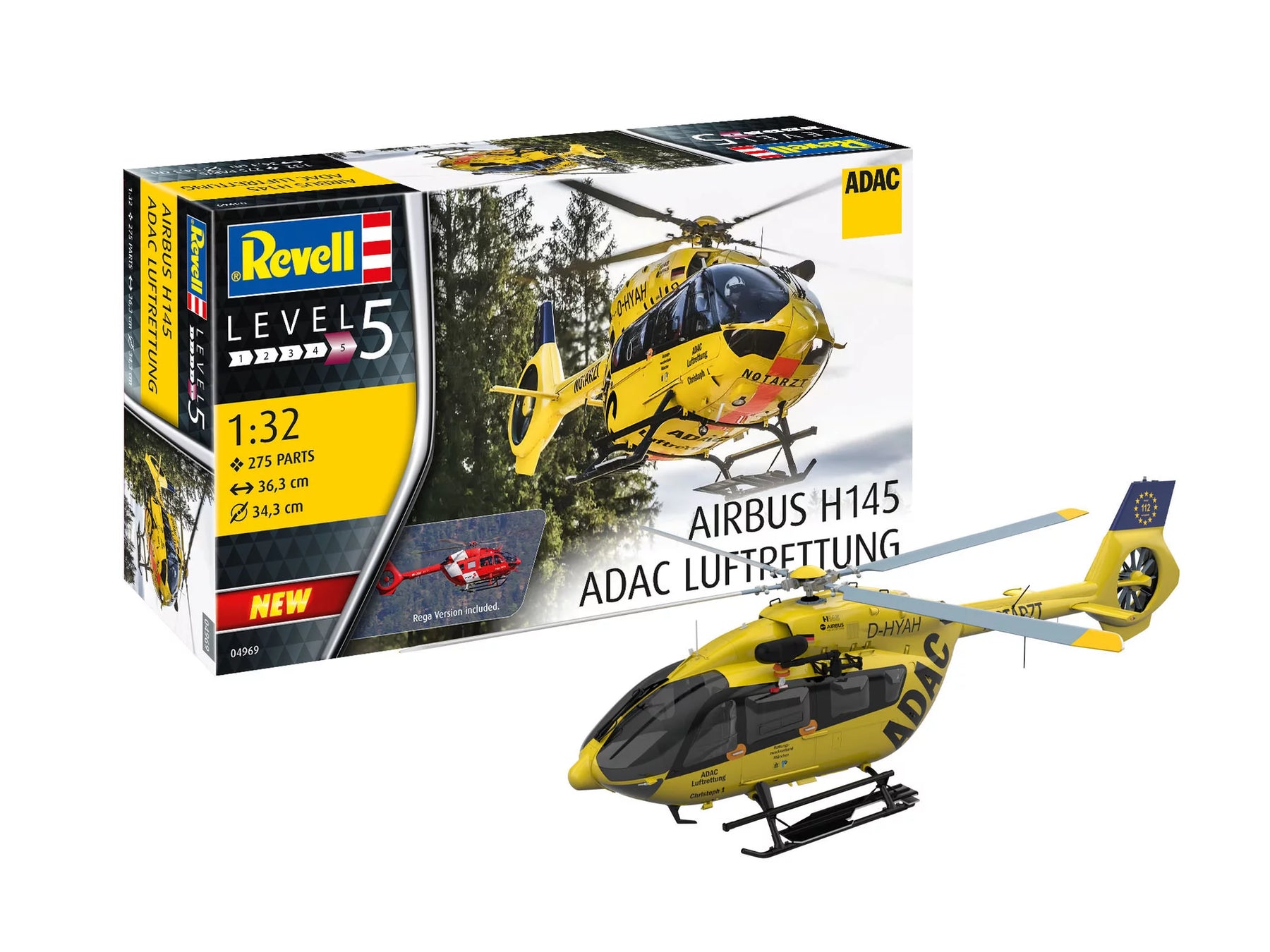
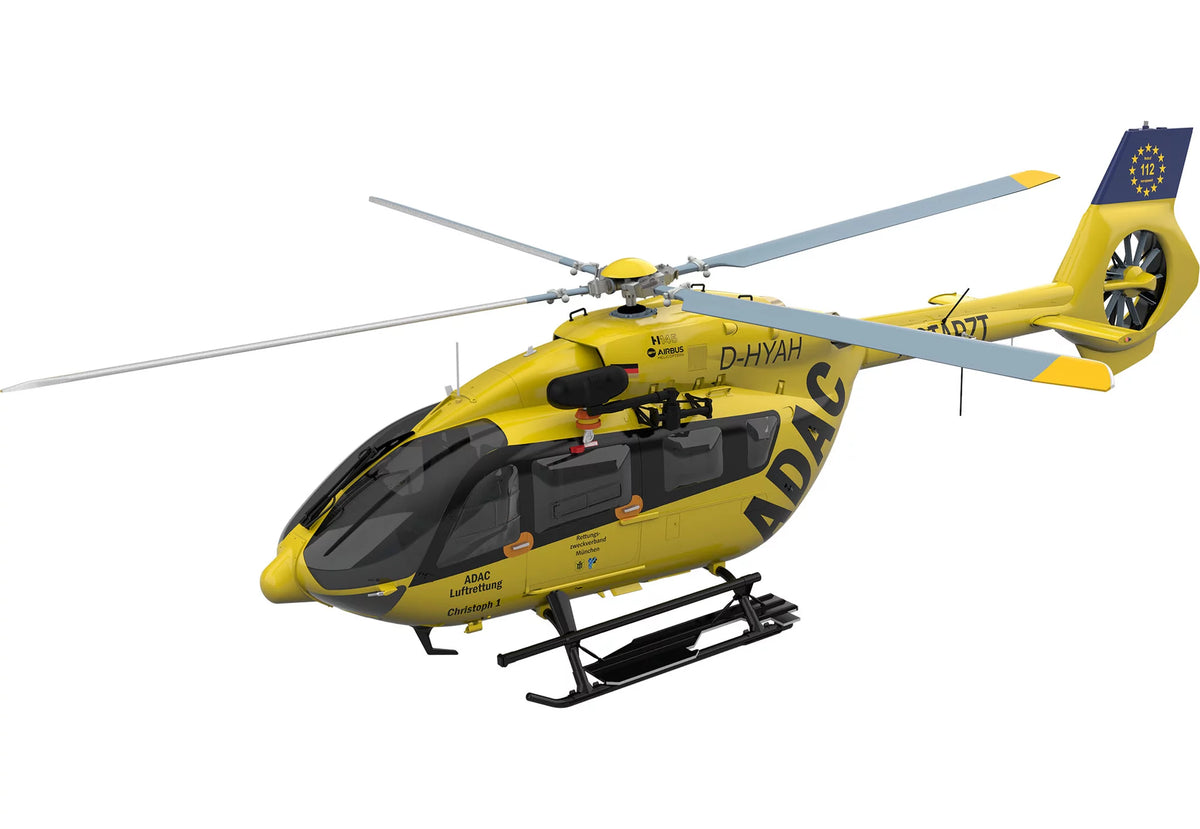
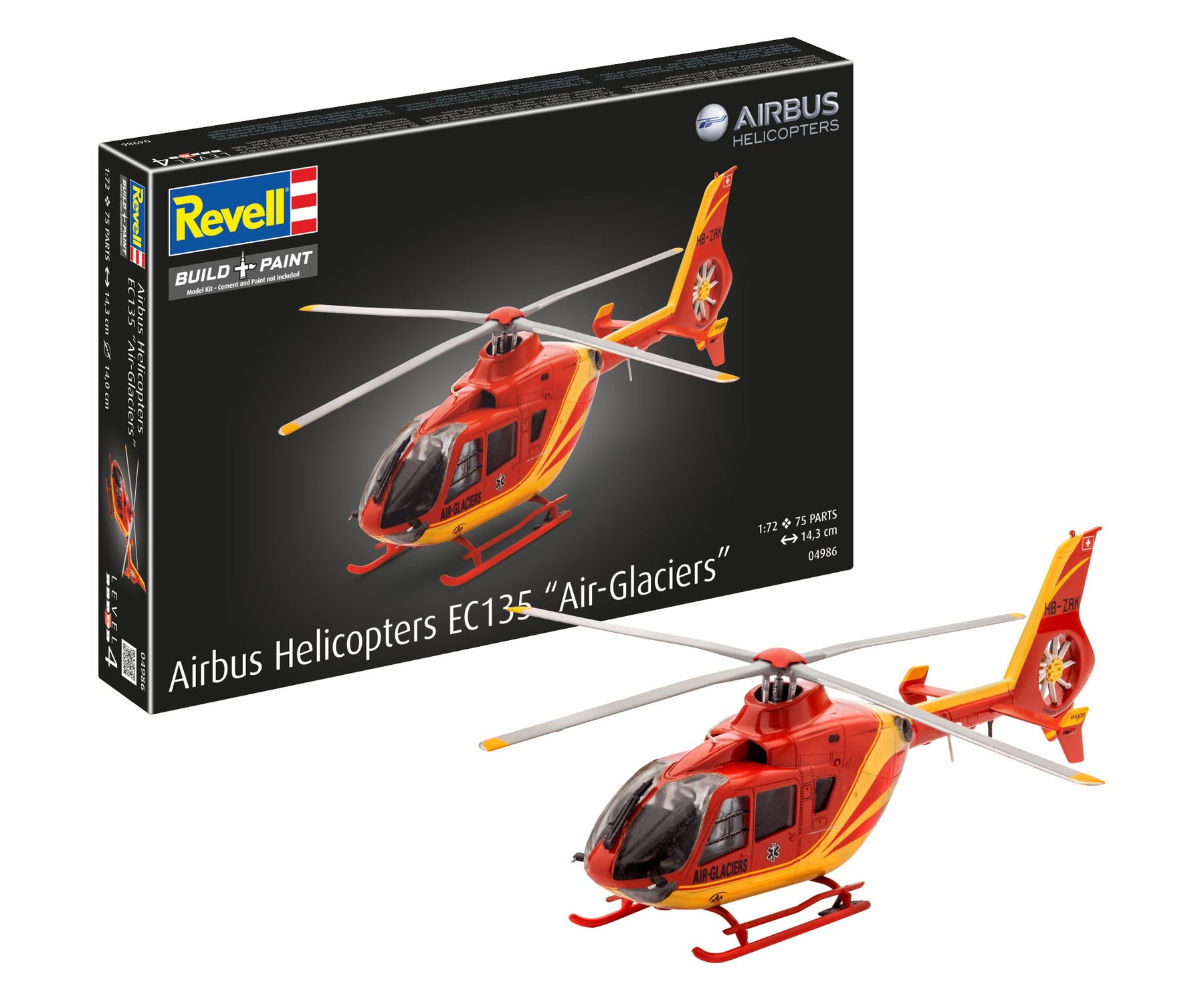
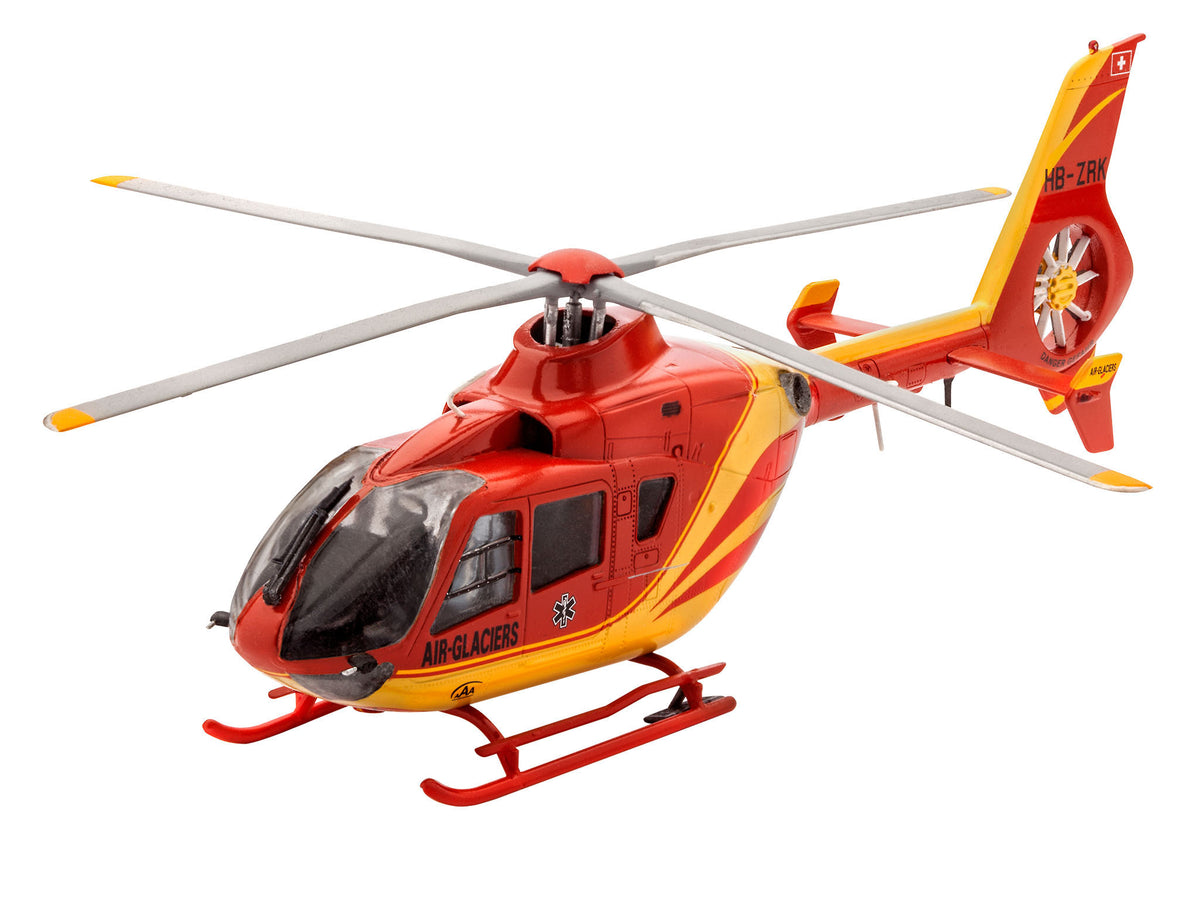
Yellow angels in the sky, state-of-the-art offshore feeders or indispensable emergency services in natural disasters – civil helicopters stand for life-saving missions and demanding logistics. Icons like the Eurocopter EC135 or the modernized H145 are among the most popular models for our model makers. These machines are characterized by elaborate special paintwork, detailed interiors with medical rescue equipment such as stretchers, monitors and ventilators, as well as extensive glazing.
This interior design in particular offers you a fantastic stage for precise detailed work. Seats, seat belts, radio systems and navigation consoles can be accentuated with the finest brushes before the hull is closed. If you want to get started right away without having to spend a long time searching for paints and glue, it's best to use ours Model sets, which, in addition to the kit, already contain the appropriate basic paints, brushes and precision glue.
Military Helicopters: Combat Power, Reconnaissance and Tactical Troop Transport
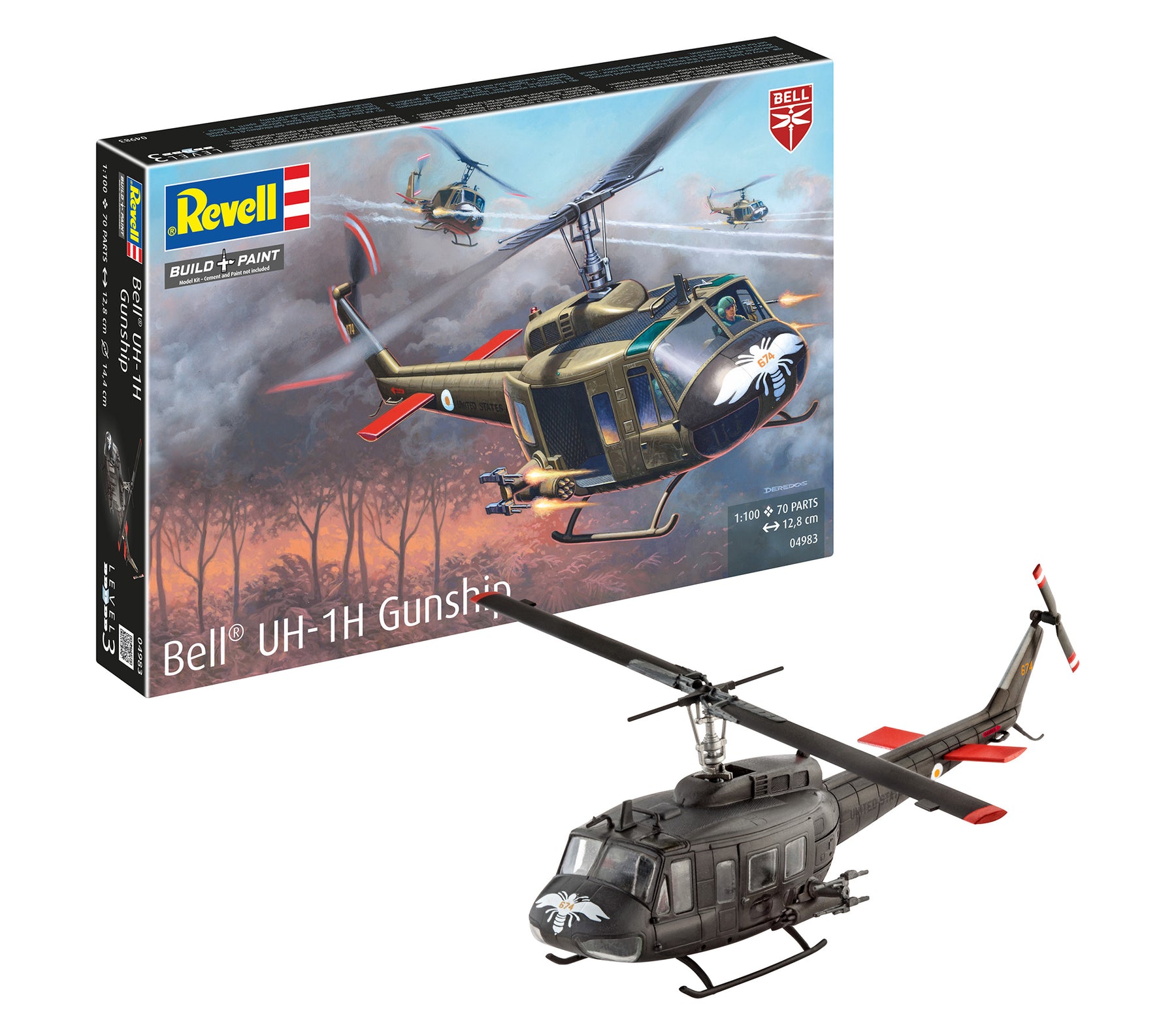
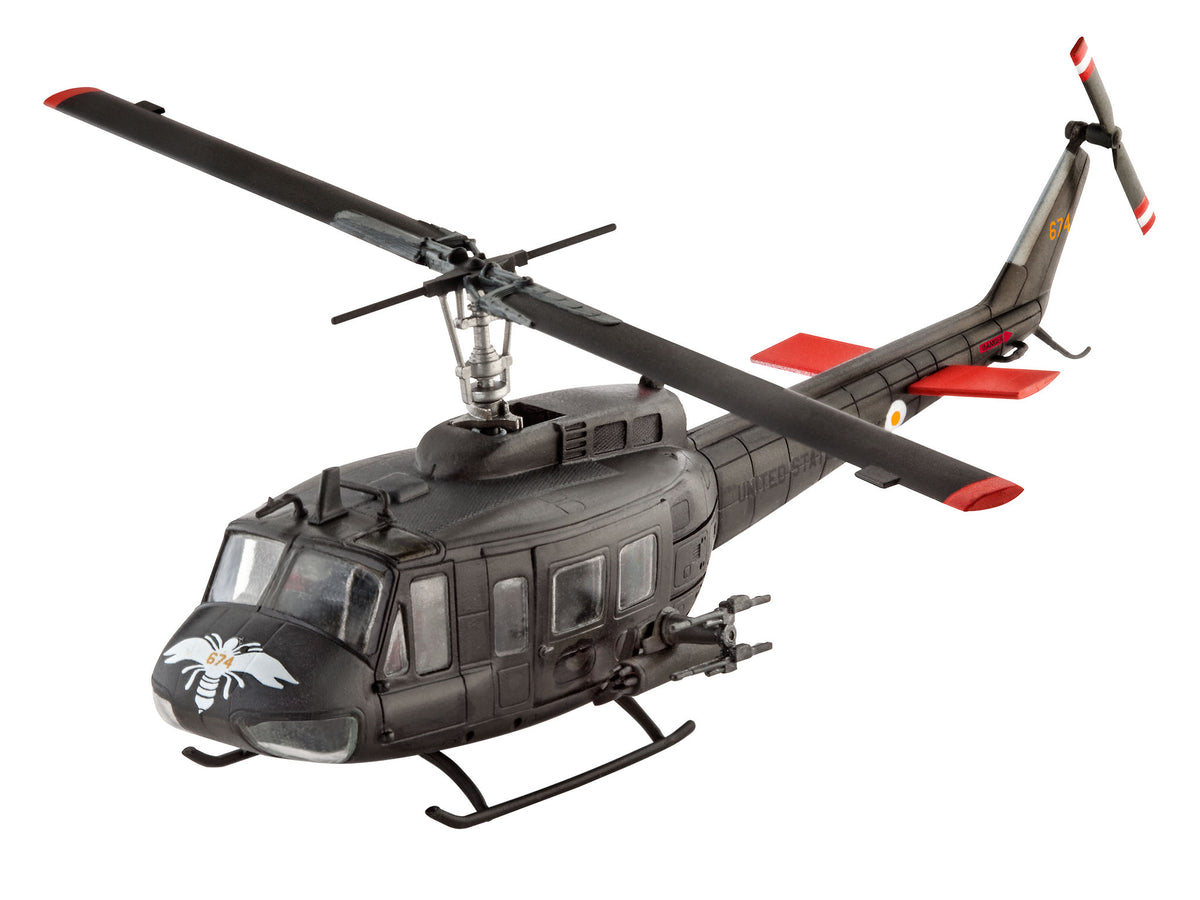
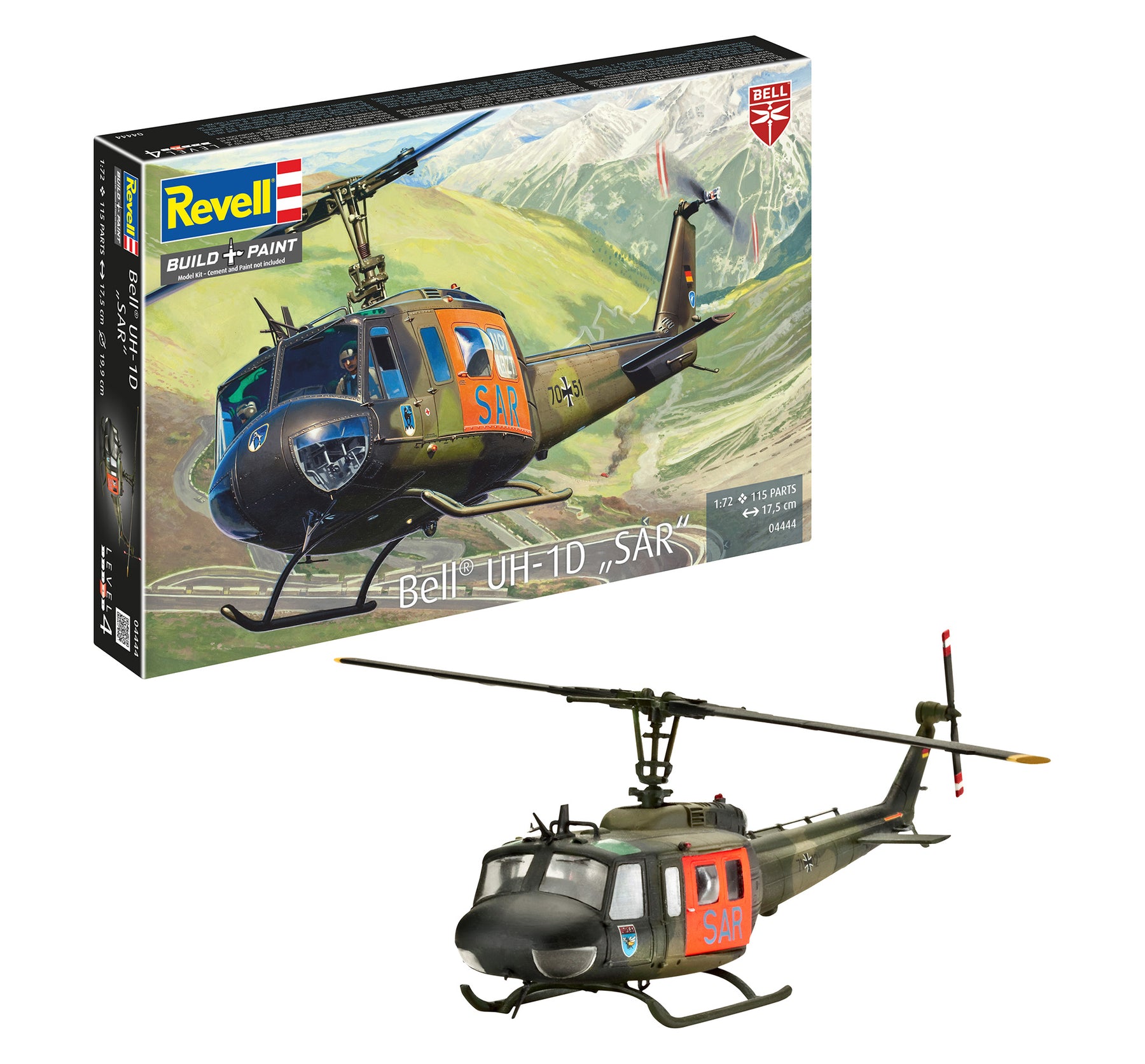
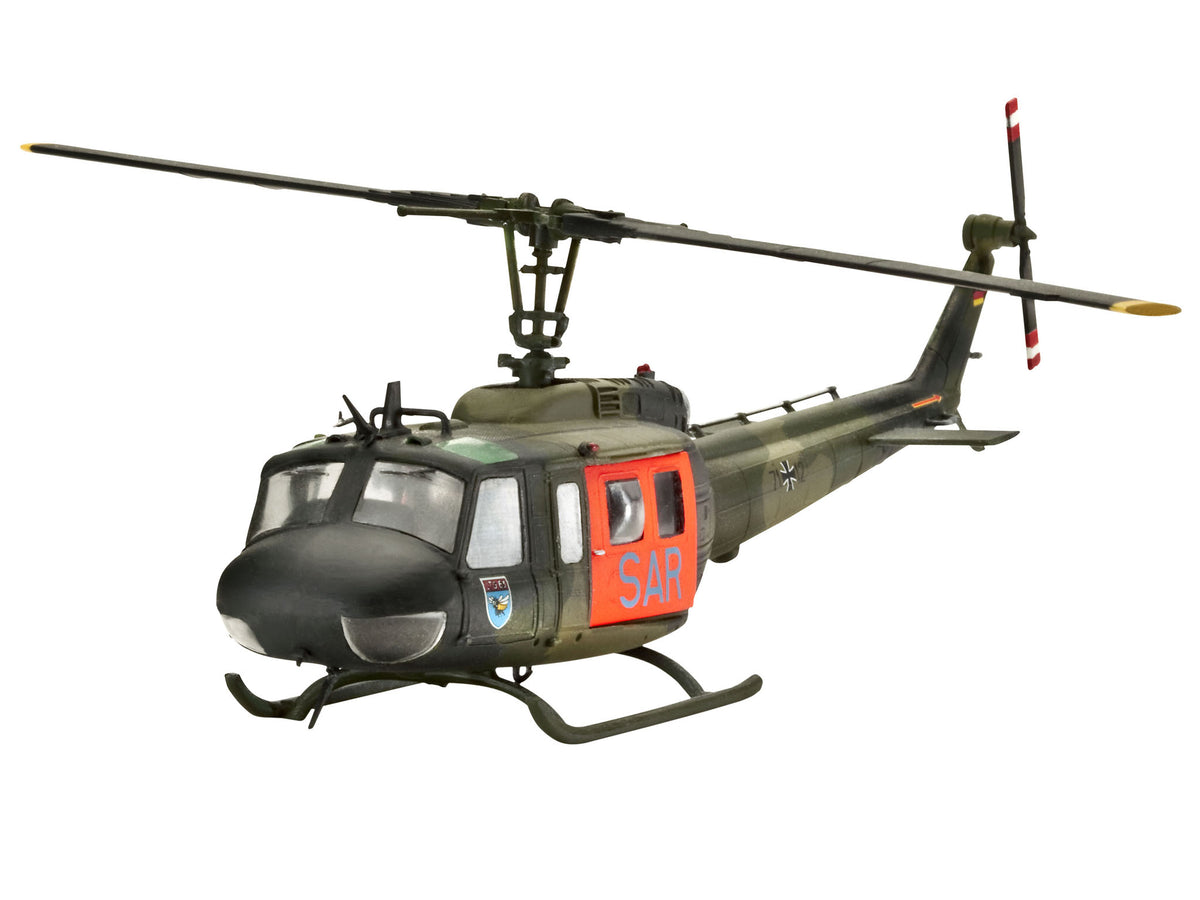
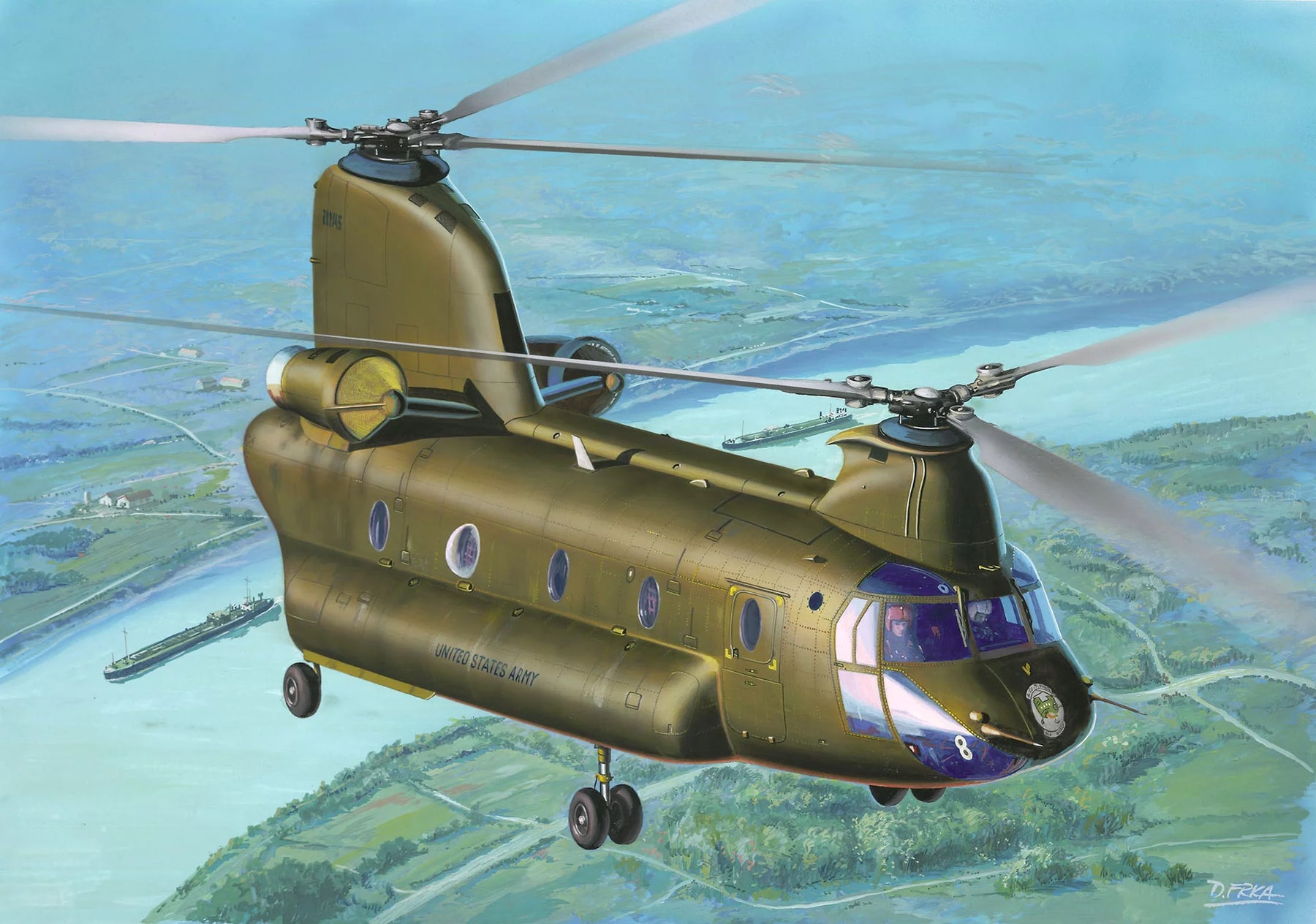
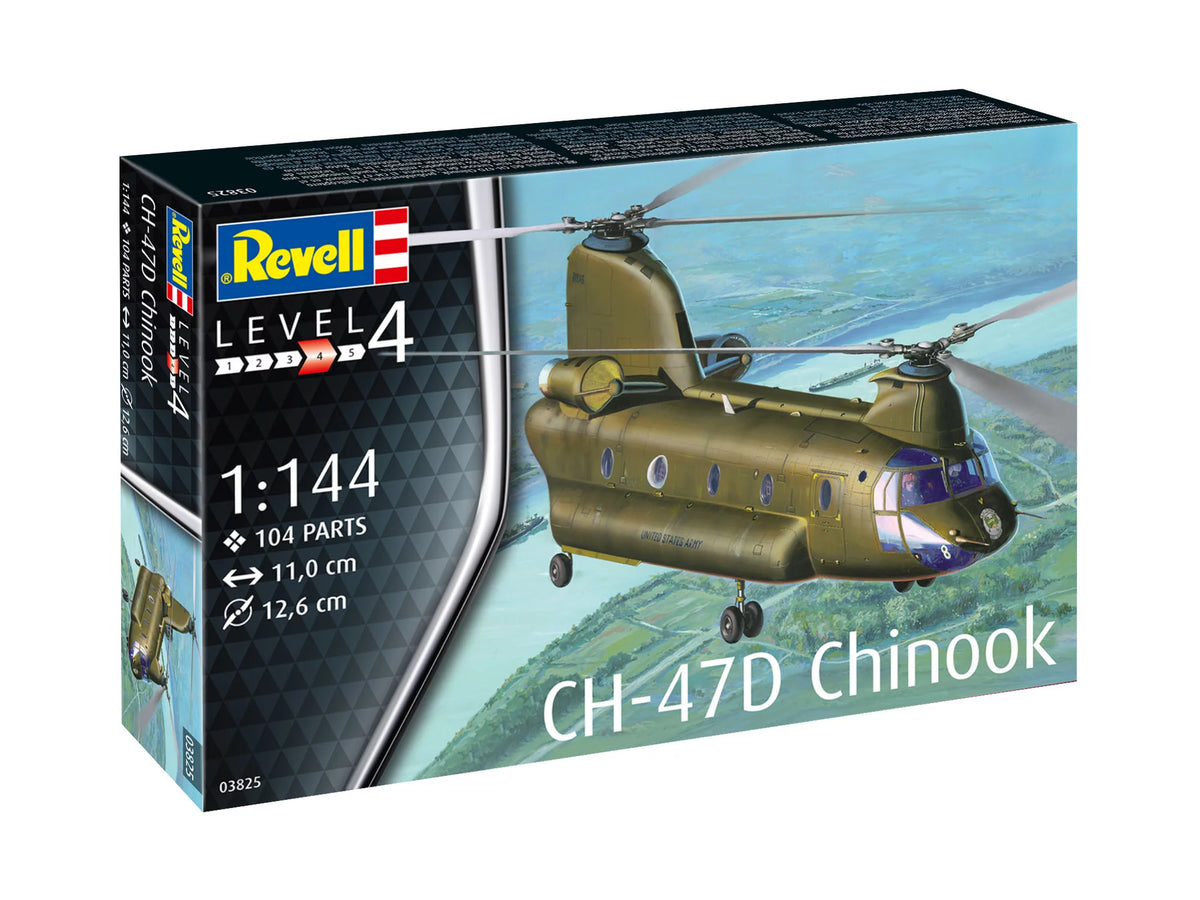
For history buffs and military fans, we have an extensive selection of historic and state-of-the-art military helicopters. The range extends from the unmistakable sound of the Bell UH-1D “Huey”, which made history in the Vietnam War, to the maneuverable Tiger anti-tank helicopter, to heavy transporters such as the CH-53 or CH-47 Chinook.
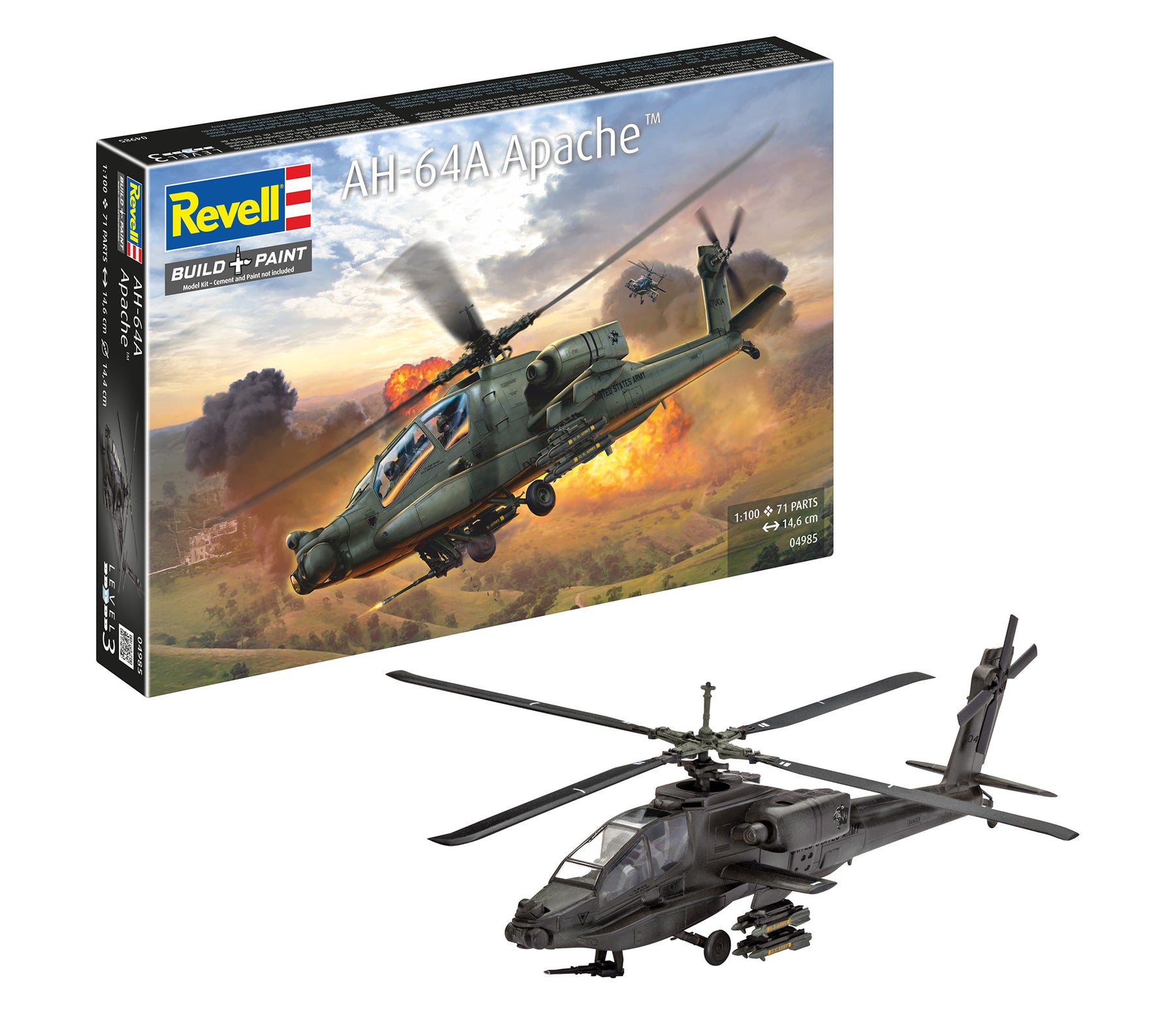
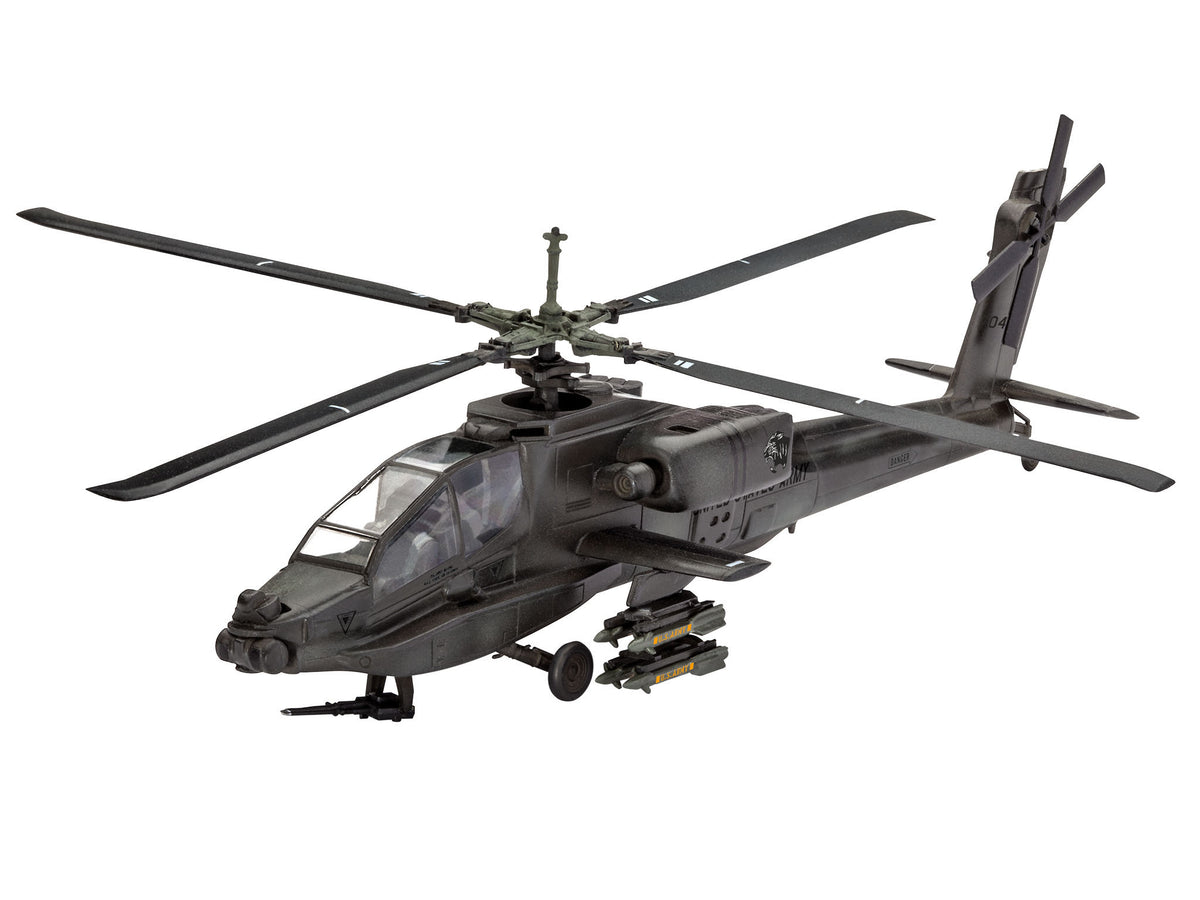
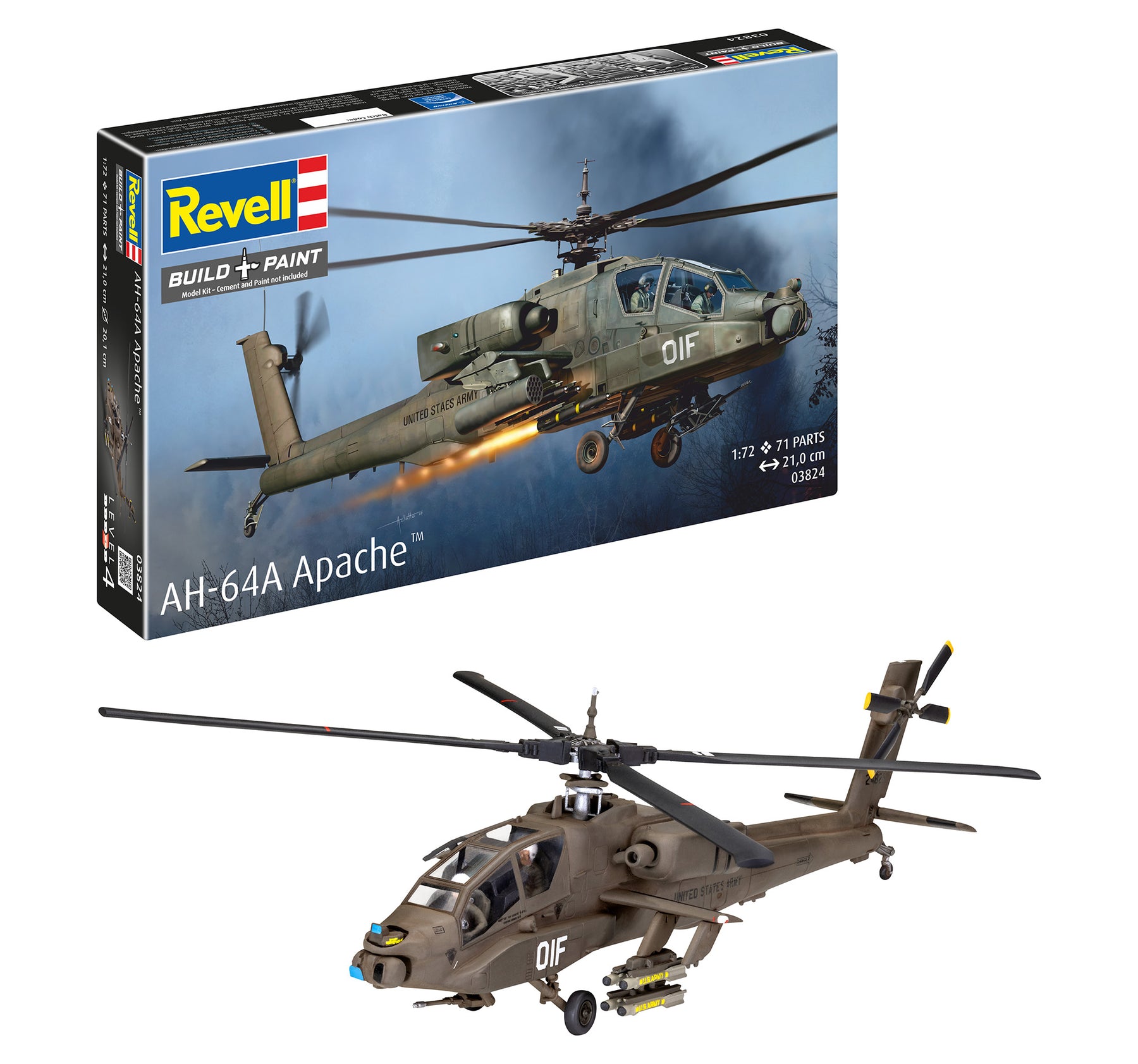
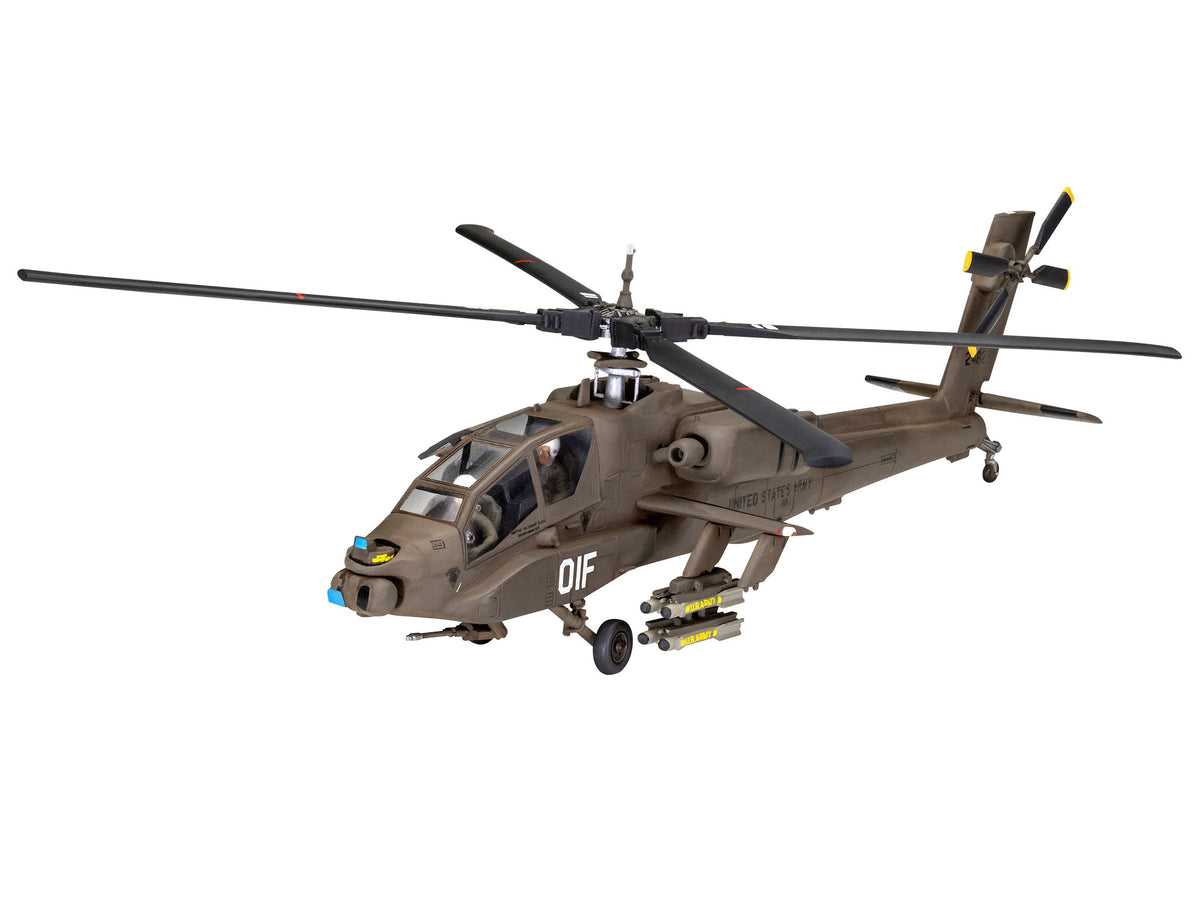
The feared attack helicopters such as the AH-64 Apache or the Russian Mil Mi-24 Hind also impress with their striking silhouette. Elaborate weapon systems, sensors, defense systems, infrared dampers and camouflaged surfaces await you here. Whether spot camouflage, desert scheme or navy gray: Each model reflects the harsh operating conditions and offers you countless possibilities for realistic signs of wear and dirt.
The right scale for your model building project
The choice of scale not only influences the subsequent size of the model, but also the level of detail and the demands on assembly. Think in advance about how much space you have available and how intensively you want to deal with the smallest parts.
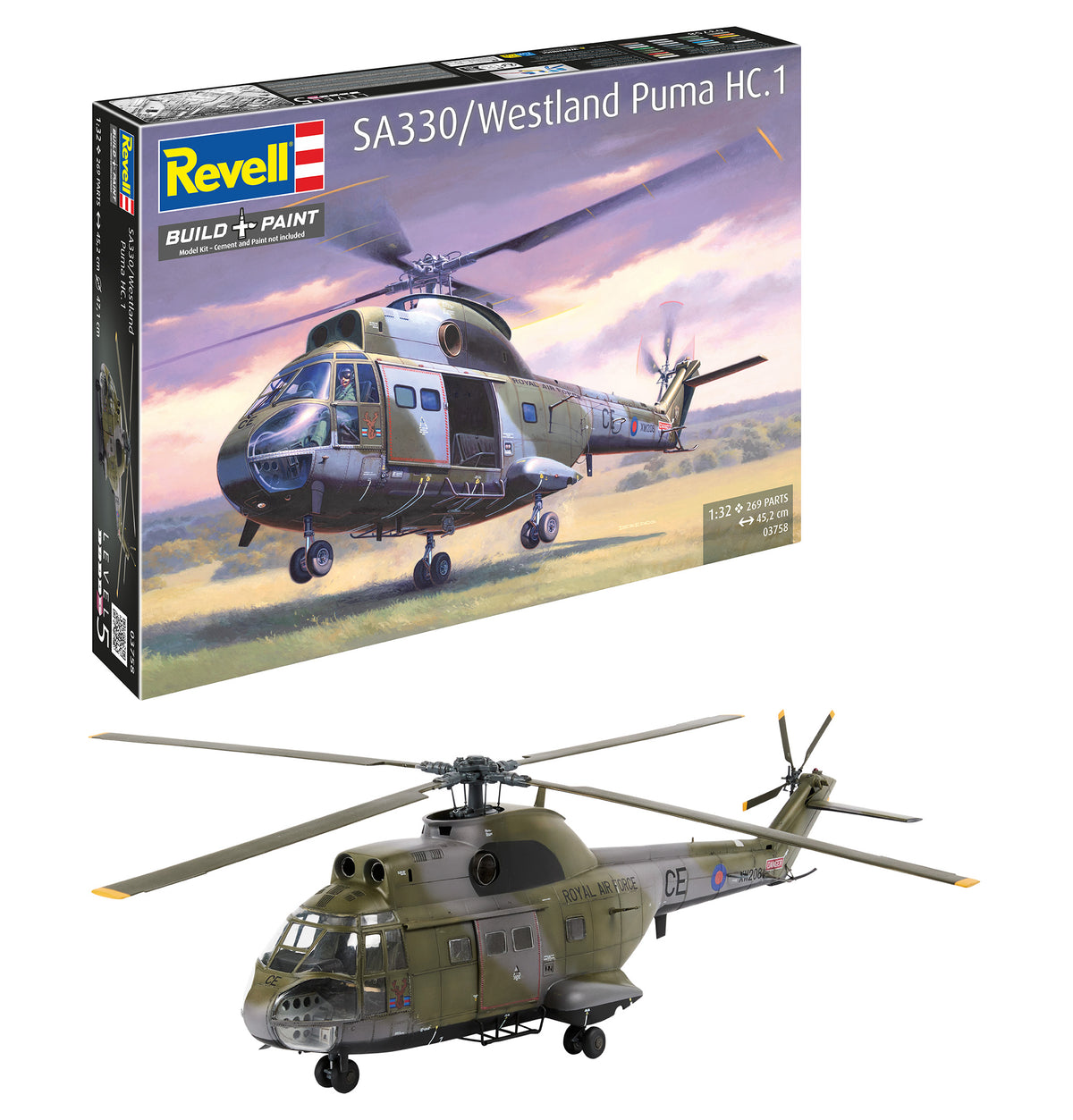
- Scale 1:32 & 1:35 (large format): These sizes are the absolute highlight for detail enthusiasts. For models in 1:32 scale or the 1:35 scale common in the military sector, the fuselage often measures 40 centimeters or more. Every instrument in the cockpit, every screw on the engine cowling and delicate antenna systems can be vividly represented. This scale is also ideal for dioramas with figures and ground vehicles.
- Scale 1:48 (The Golden Mean): For many experienced hobbyists, 1:48 is the perfect compromise. The helicopters are large enough for elaborate paintwork, open maintenance hatches and finely structured cockpits, but take up noticeably less space in the showcase than large models.
- Scale 1:72 (The popular standard): 1:72 is the universal size for collectors. If you're planning on building a whole squadron of different types, you've come to the right place. The kits remain compact, are attractively priced and still offer an amazing level of detail in hull shapes and panel lines.
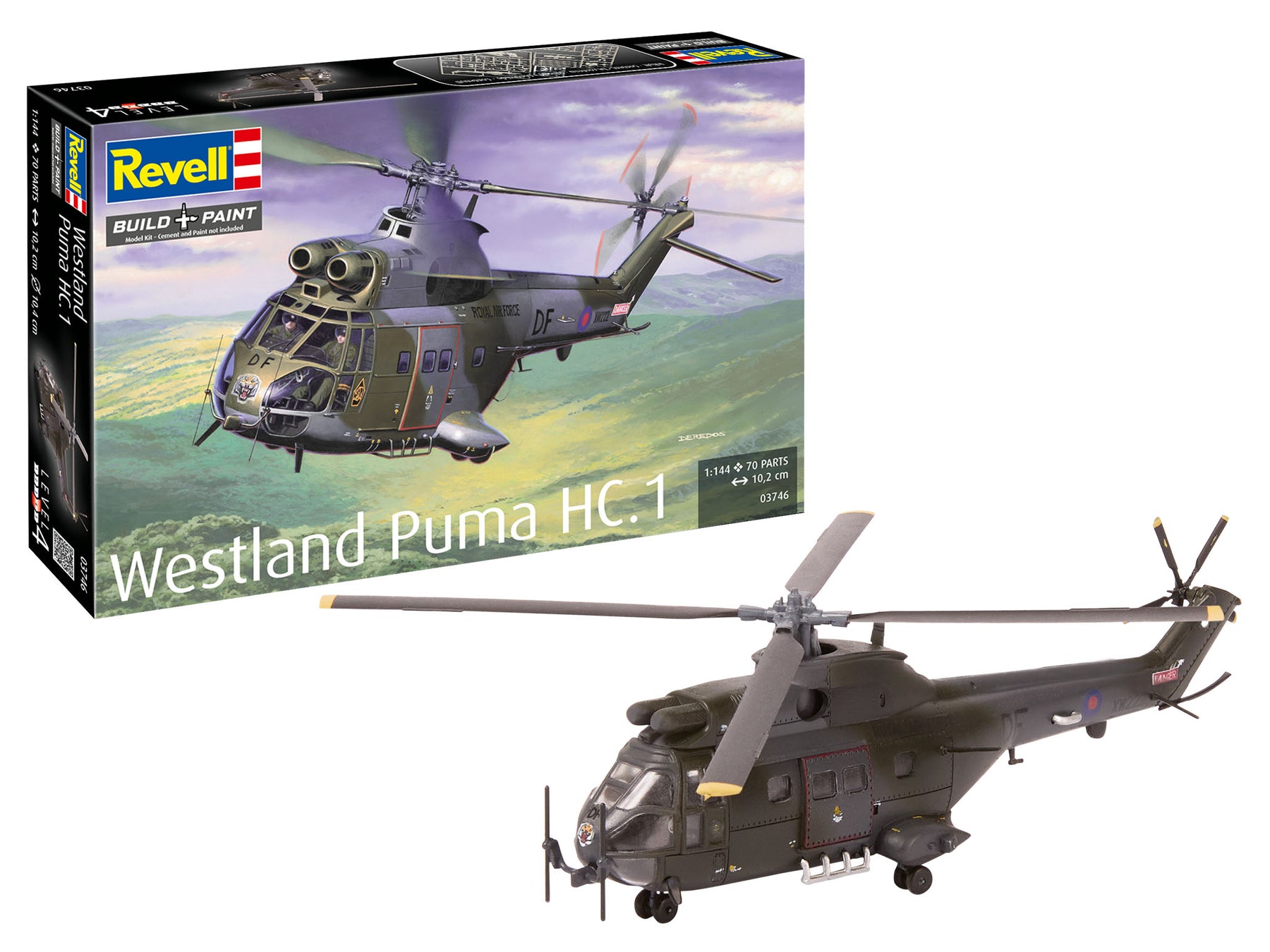
- Scale 1:144 (compact and space-saving): Ideal for massive transport helicopters or for model builders with limited space. Despite their small size, modern molds impress with their amazing sharpness.
The skill level system: the right challenge for every requirement
To ensure that your project guarantees pure crafting fun from the very first minute and avoids frustration, our kits are divided into transparent skill levels. This way you can see at a glance which set best suits your level of experience.
Models with are recommended for children and beginners without previous knowledge Easy click system (Levels 1 and 2). The precisely manufactured components are put together stably without any glue and are often already sprayed in multiple colors, so that an attractive result is achieved even without painting. The included stickers or decals provide the finishing touch.
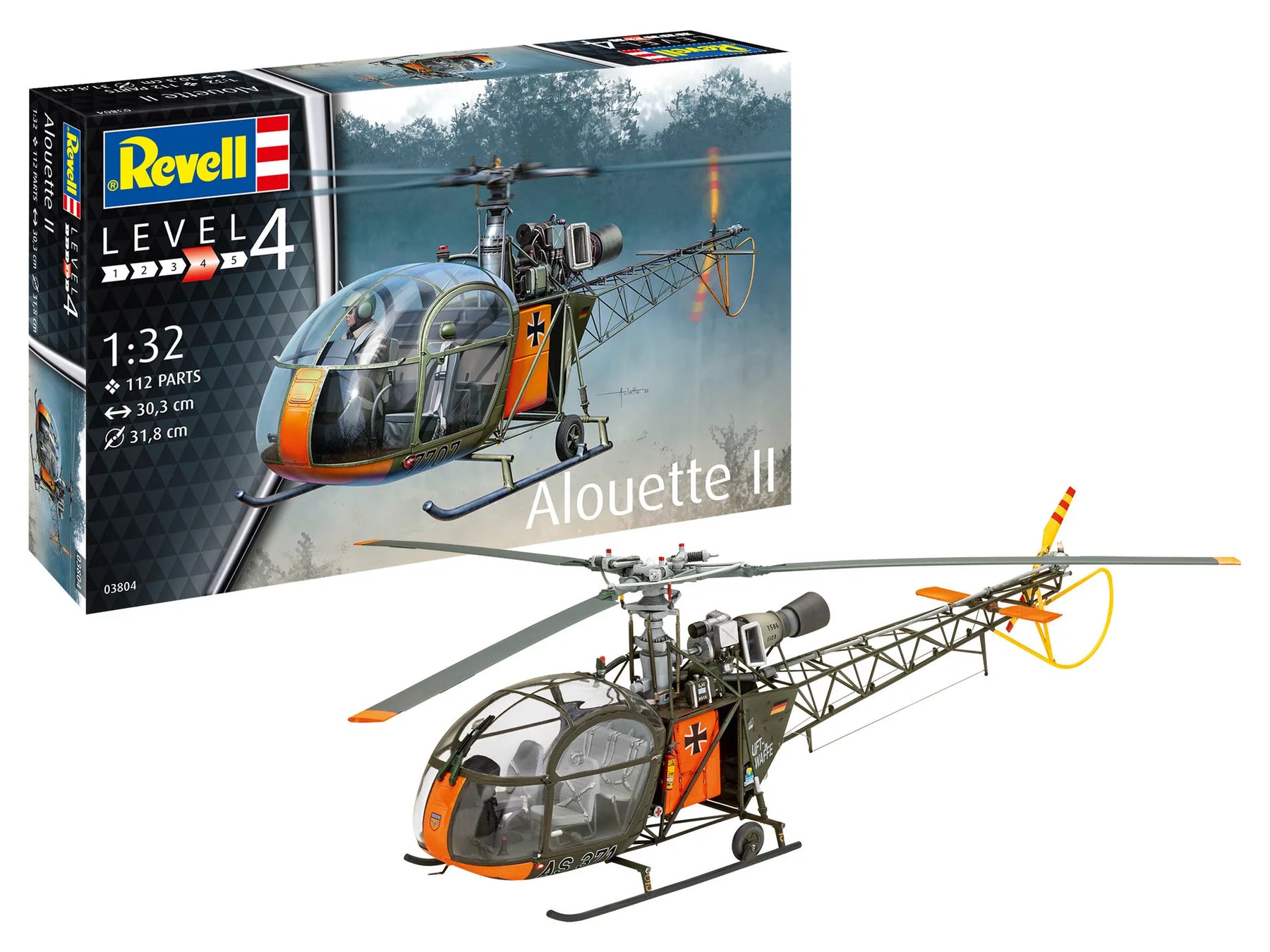
From skill level 3 onwards, classic plastic model building begins: This is where precise gluing and painting takes place. The number of parts increases and smaller assemblies require patience. Finally, levels 4 and 5 are aimed at advanced modelers and professionals. Here you can expect three-digit parts numbers, the finest photo-etched parts, movable rotors and highly complex camouflage patterns that require well-founded craftsmanship.
Professional tips: This is how your helicopter model turns out perfectly
A helicopter places different demands on the modeler than a normal aircraft or vehicle. In particular, the large glass surfaces and the exposed rotors require specific work steps. Use the following tips to achieve competitive-level results:
1. Crystal clear pulpits without veils
Helicopter cockpits are characterized by enormous all-round visibility. The transparent parts are correspondingly large. Never use conventional polystyrene glue with solvents to assemble pulpits and panes, as the rising vapors will turn the transparent plastic into a milky cloud. Instead, use clear white glue or special transparent part glue from our range Accessories. Before gluing, we recommend bathing the pulpit in glossy varnish or acrylic sealant, which makes micro-scratches invisible and gives the glass a brilliant shine.
2. Completely finish the interior in advance
Once the fuselage halves are glued together, the interior is usually inaccessible. Therefore, carefully paint dashboards, control sticks, seats and cabin walls before assembling the fuselage. A light drybrushing of light gray paint highlights raised switches and edges on the instrument panel. If it is a helicopter with a tripod landing gear, don't forget to fix the necessary trimming weight (usually small lead balls or plasticine) in the nose tip before closing - otherwise the finished model will later tip backwards onto the tail.
3. Realistic blade droop
Helicopters standing on the ground have a characteristic downward bend due to the weight of the rotor blades. Rotor blades that stick out in a straight line appear unnatural. With a warm water bath or carefully dosed hot air, you can gently warm the plastic leaves and give them the typical gentle downward curve. Make sure that all sheets are bent evenly to create a harmonious overall picture.
Perfect surfaces: painting and weathering
A clean paint job determines the effect of your model. While civilian helicopters often shine in a flawless high gloss, police and military aircraft require matt or satin tones. For even color gradients, the finest freehand camouflage and flawless color applications Airbrush the tool of choice. The fine atomization prevents delicate engravings and rows of rivets from disappearing under thick layers of paint.
In order to always be able to work with constant working pressure, high-performance ones are worthwhile Airbrush compressors, which ensure a consistent air flow without annoying pulsations. After the base coat, washing techniques (panelline washes) add depth to the fuselage joints. With subtle traces of soot on the engine exhaust, fine paint chips on the steps and light traces of dirt on the runners, you can bring your helicopter to life and create a unique piece with real history.