








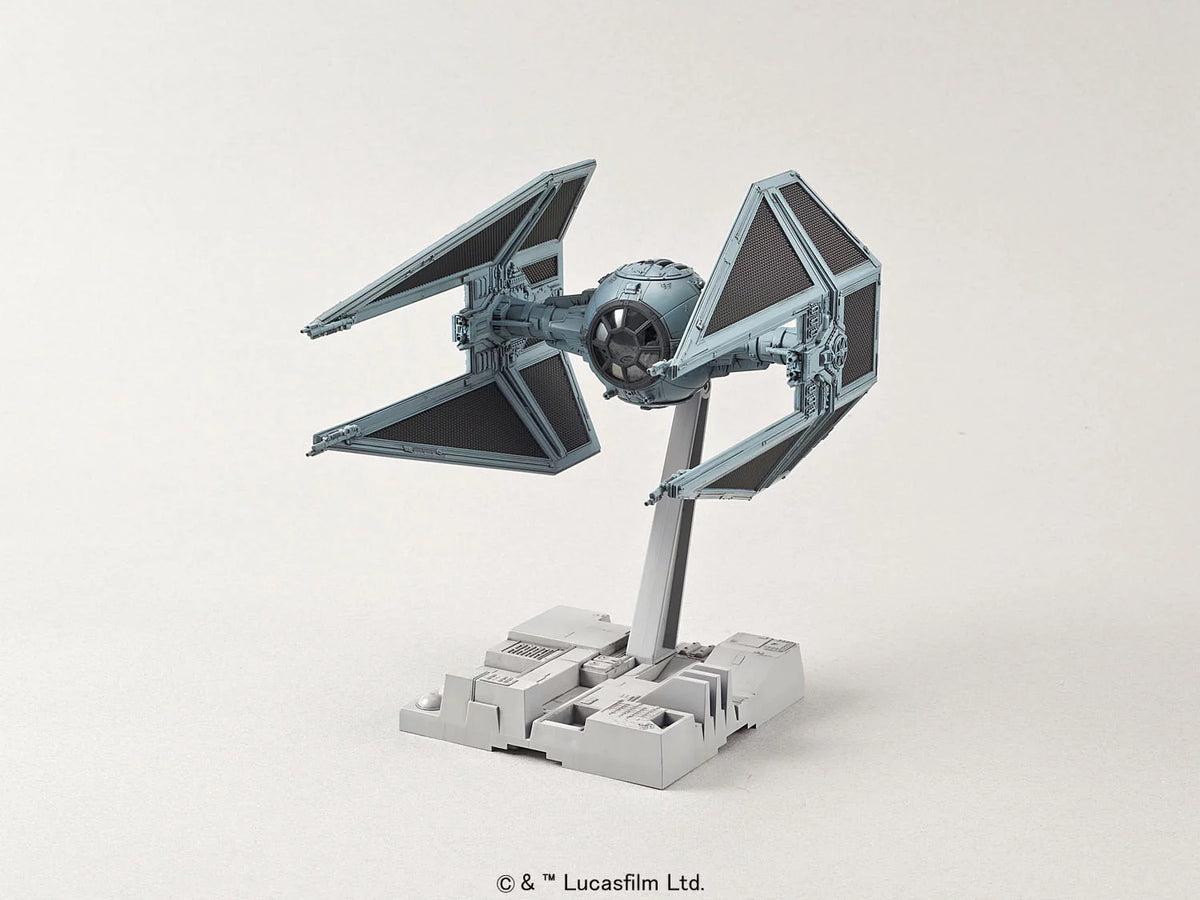
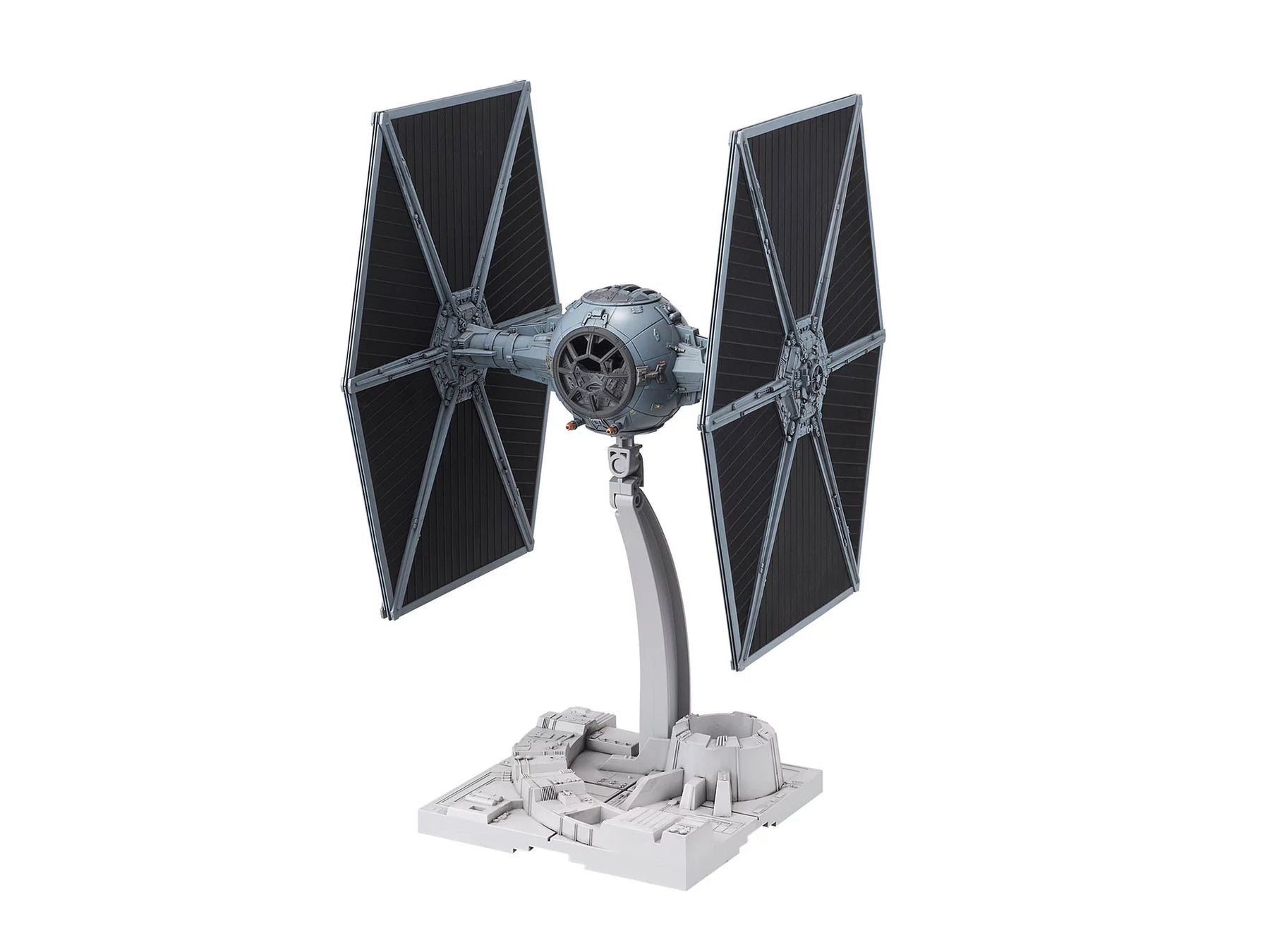

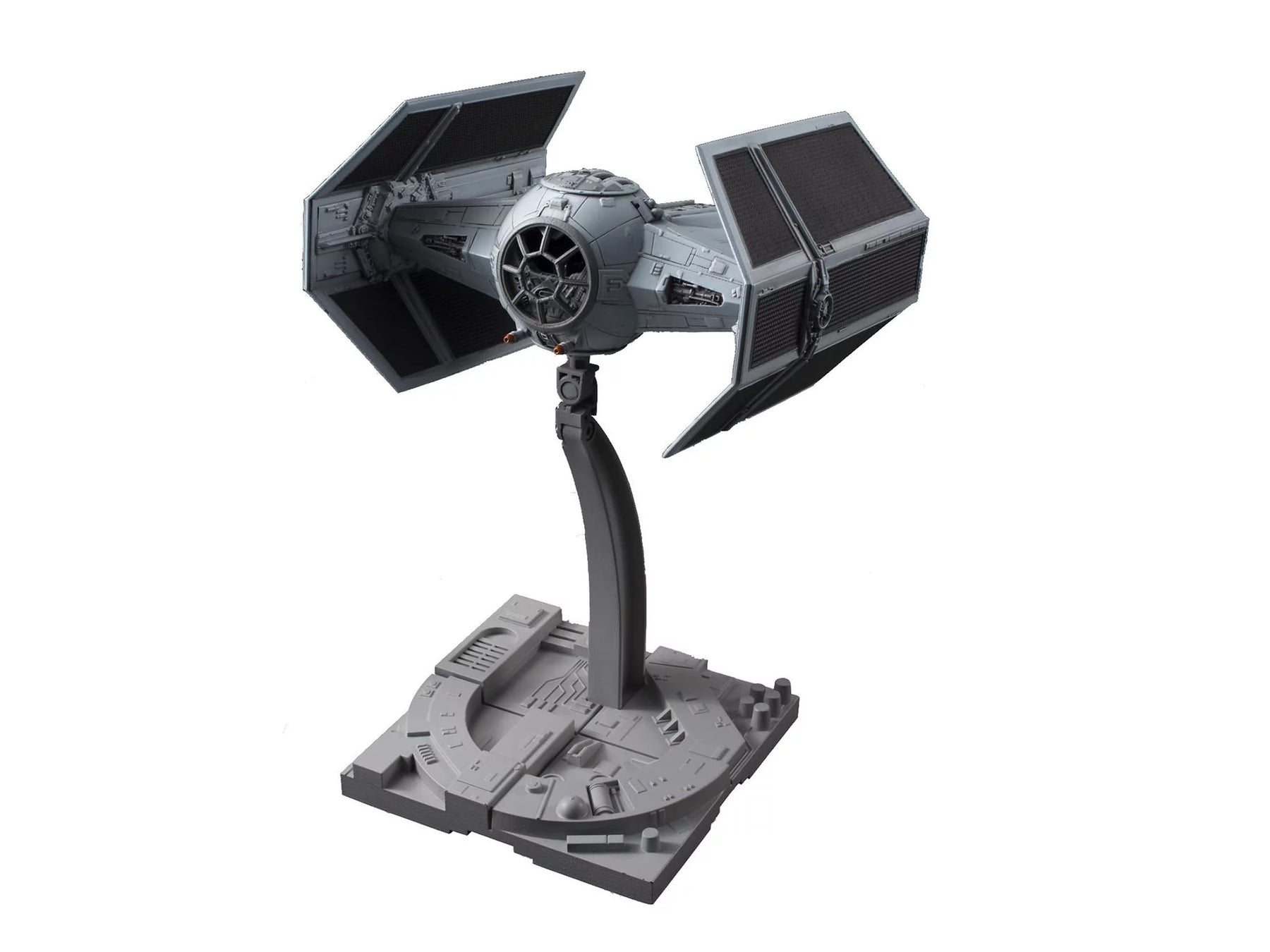
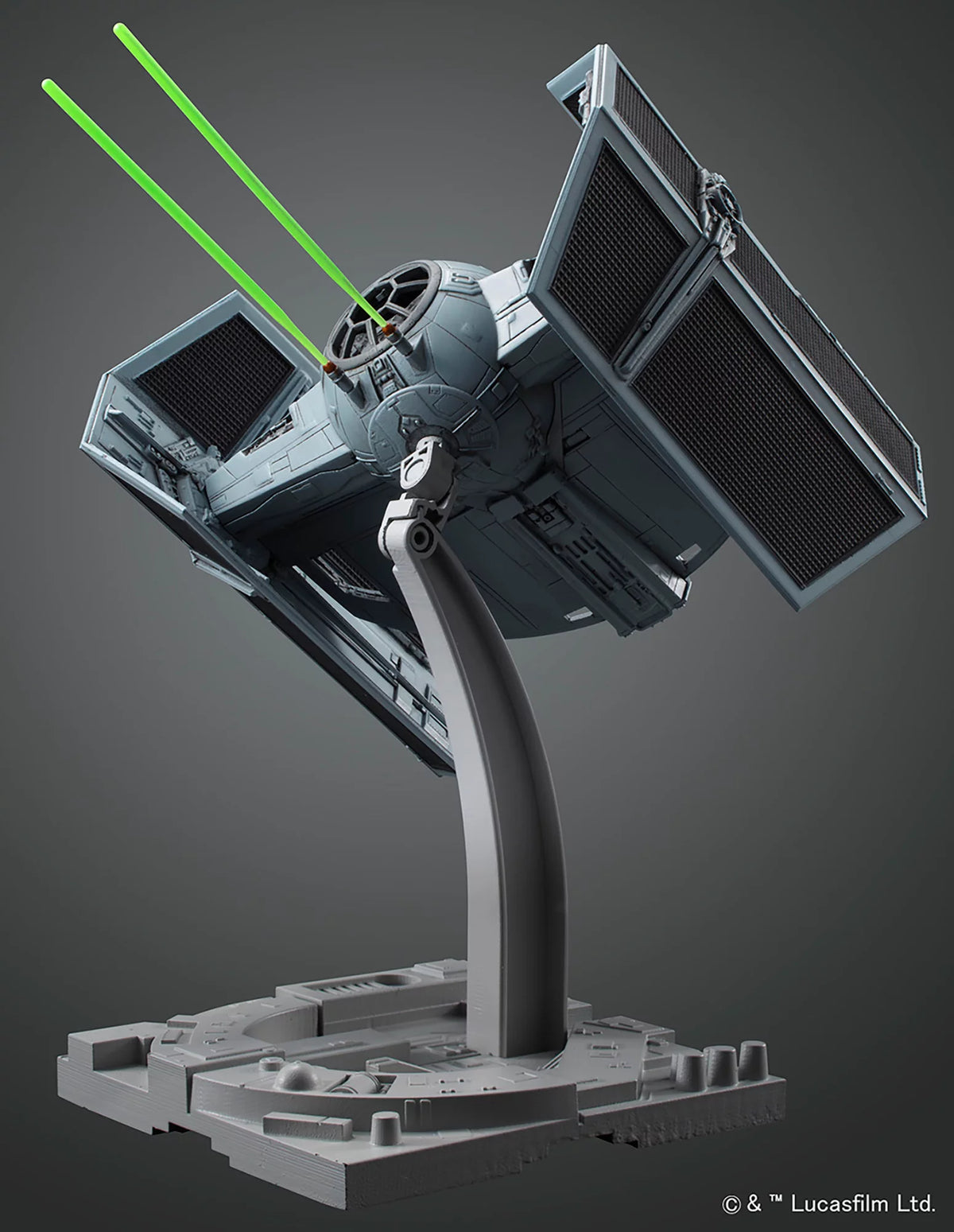
The Click System: The evolution of modern plastic model making
When you think of classic model making, the first things that probably come to mind are sticky dabs of glue, intense solvent scents and tricky fixations with rubber bands or clamps. The traditional hobby required a lot of patience over decades until glued areas were finally resilient. With the innovative click system, this hurdle is a thing of the past. This plug-in system was specially developed to guarantee you unlimited crafting fun from the very first second, without having to worry about messes.
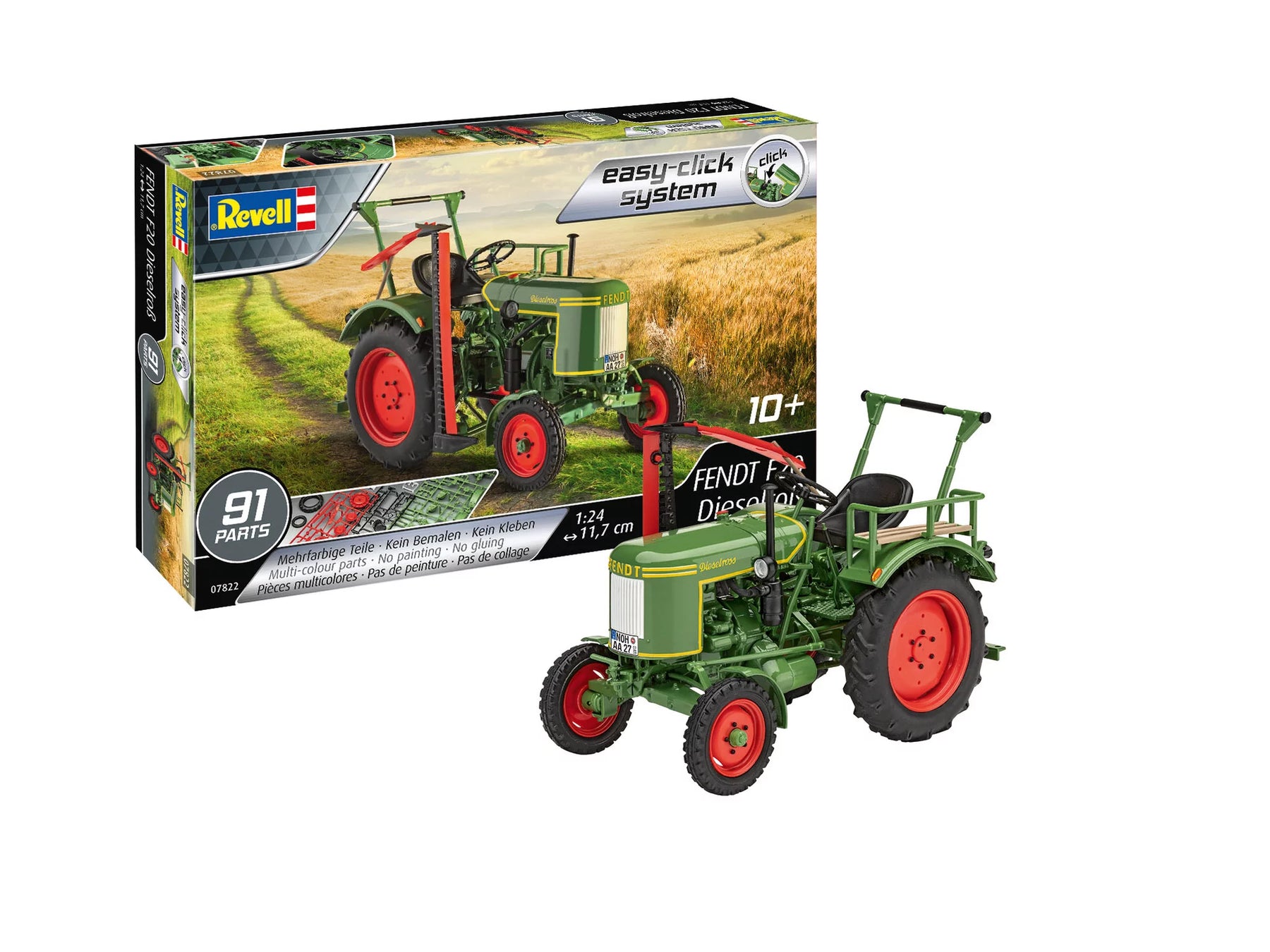
The sophisticated plug connection is based on highly developed manufacturing methods. Each component has pins, clips and guide grooves that are machined with micrometer precision and can be fitted together precisely with gentle finger pressure. The unmistakable, quiet snap into place - the click that gives it its name - immediately gives you the certainty that everything is securely in place. This makes this system ideal for beginners of all ages, for family crafts, or for experienced craftsmen who want to create impressive standing models without lengthy set-up times.
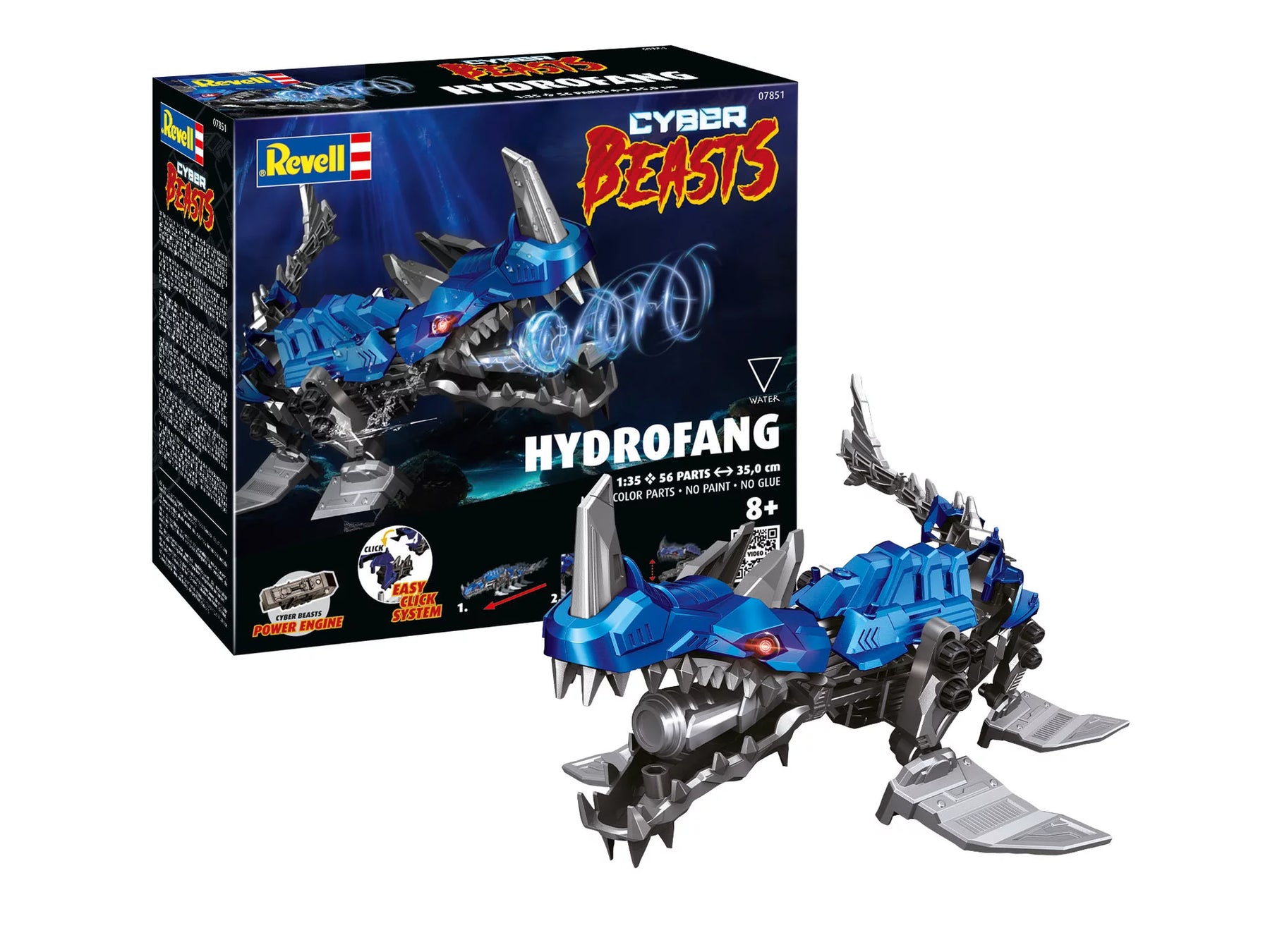
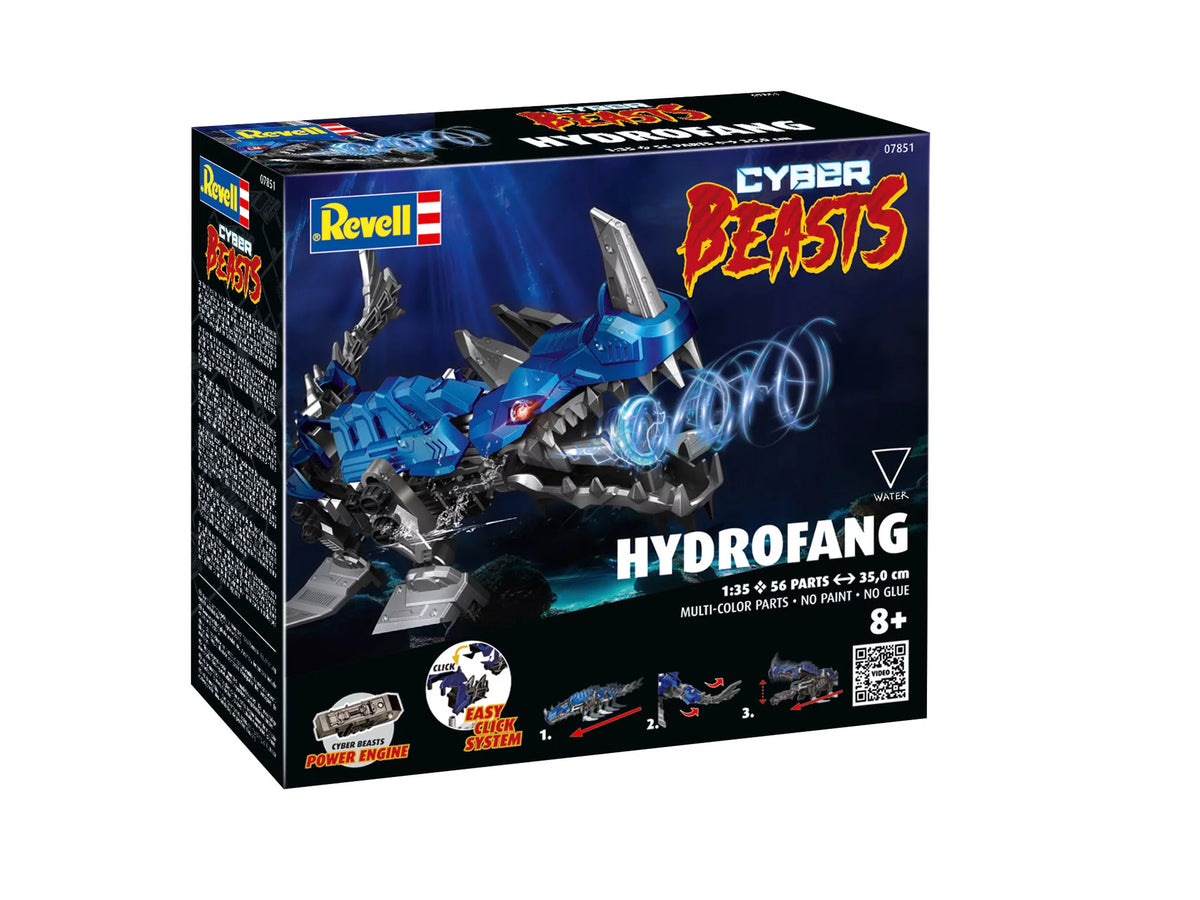
Things get particularly exciting when innovative mechanics come into play. Anyone who feels the desire for even more movement and technical refinements will find this in the section Easy click technology the next stage of this concept. There, functional components, light or sound effects merge with the uncomplicated plug-in principle - a prime example of how multifaceted modern model construction will be in 2026.
Why stick instead of glue? The decisive advantages
Opting for plug-in kits brings with it tangible advantages that both newbies and discerning collectors appreciate. Not only do you save valuable preparation and waiting time, but you also enjoy a completely clean crafting experience at any table in your home.
Clean work without glue and solvents
One major advantage is obvious: you don't need a drop of liquid glue for the basic assembly. This means no stains on the table top, no stuck fingertips and, above all, no unpleasant fumes in the room. You can carry out your model building project spontaneously at the dining table, on the desk or in the evening on the couch. If you make a mistake during assembly and notice that an intermediate step was overlooked, many connections can be carefully loosened and corrected - with glued parts, the model would usually be permanently damaged at this point.
Quick experiences of success and lasting motivation
Nothing is more motivating than a model that is quickly taking shape. While with classic kits you have to take breaks after just a few gluing steps, your plug-in model continuously grows, part by part. After just one or two hours you will have a finished, stable vehicle, plane or spaceship in your hands. Especially for younger hobbyists or impatient beginners, this immediate feedback is worth its weight in gold in order to permanently awaken enthusiasm for the craft hobby.
Multicolored sprues: Painting is purely optional
Another highlight of modern plug-in kits is the coloring of the components. Instead of delivering all components in standard gray or white, the cast branches are already manufactured in several basic colors. A body shines in rich red or blue, interiors appear in stylish black or gray, and glass elements are tinted as clear as glass. The appearance is complemented by high-quality decals or practical stickers. This creates an all-round impressive collector's item without the need for a brush or spray gun. If you still want to set your own accents, you are of course free to do so at any time.
Precision and engineering in detail
Some model builders initially ask themselves: Doesn't the simple assembly come at the expense of the detailing? The answer is clearly: no. Modern plug-in kits are in no way inferior to traditional kits in terms of surface quality, panel lines and proportions. This is made possible by the most modern CAD design in combination with high-precision injection molding tools.
The dividing lines of the components are deliberately placed by the designers so that they coincide with real body joints, sheet metal joints or fuselage seams of the original. This means that the unavoidable transitions between two components do not appear disruptive, but rather fit harmoniously into the overall look. In comparison to studded building blocks like the ones you see in... Brick system What you find here is not a stylized block look, but a true-to-scale, prototypical image of reality.
At the same time, the tolerances in mold making today are so tightly defined that plug connections are extremely tight and wobble-free. When you press the segments together, a gap is created that impresses even the most discerning eye. The result is a highly stable model that you can easily lift, pass around and display in your showcase.
Popular theme worlds and fascinating licenses
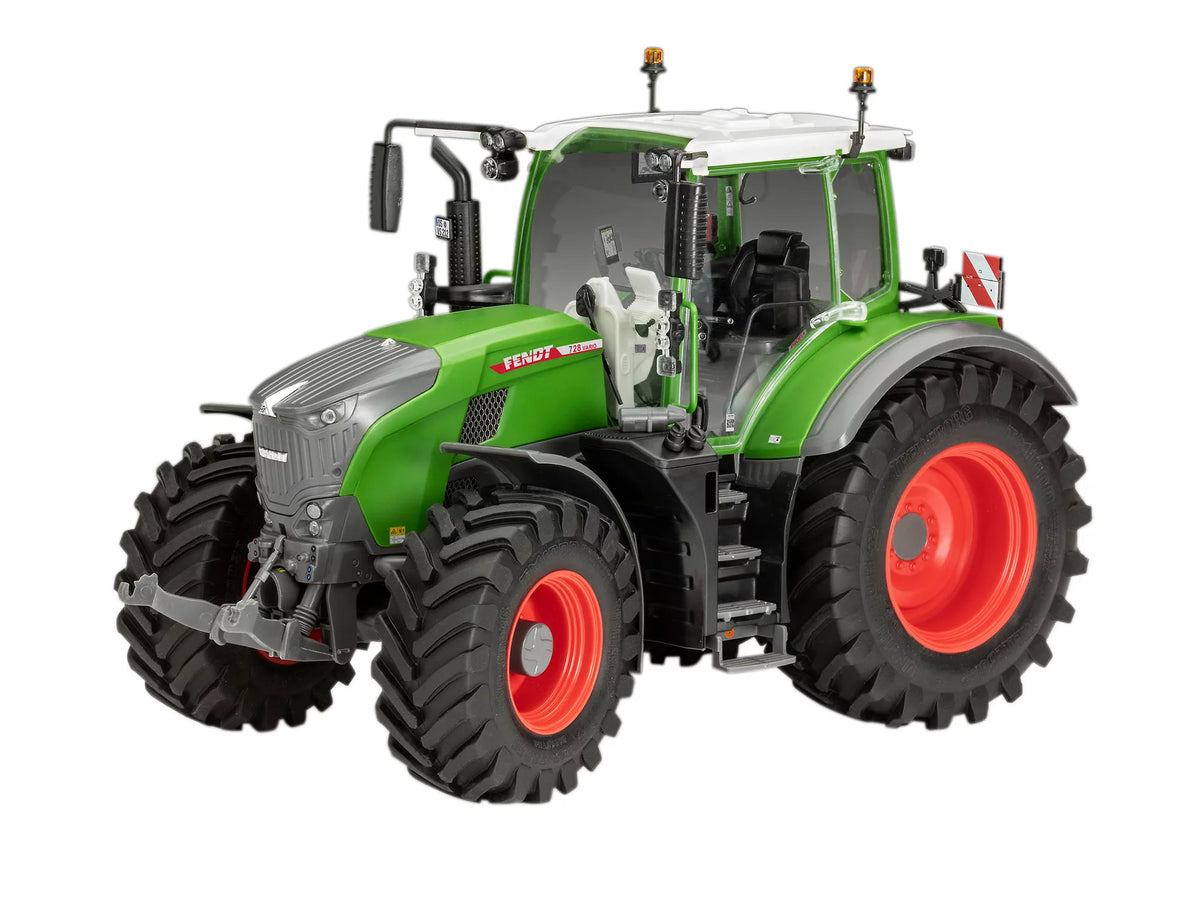
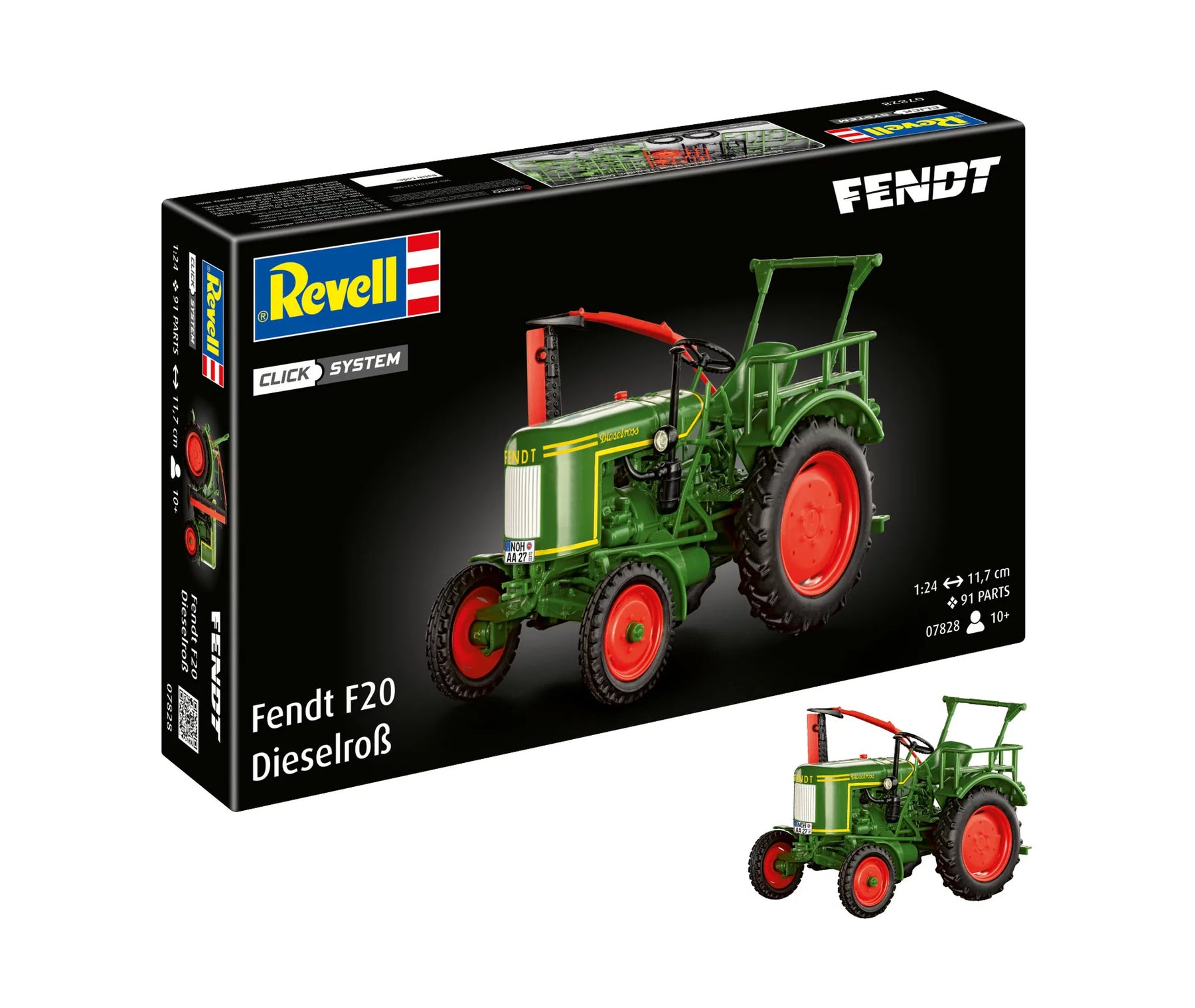
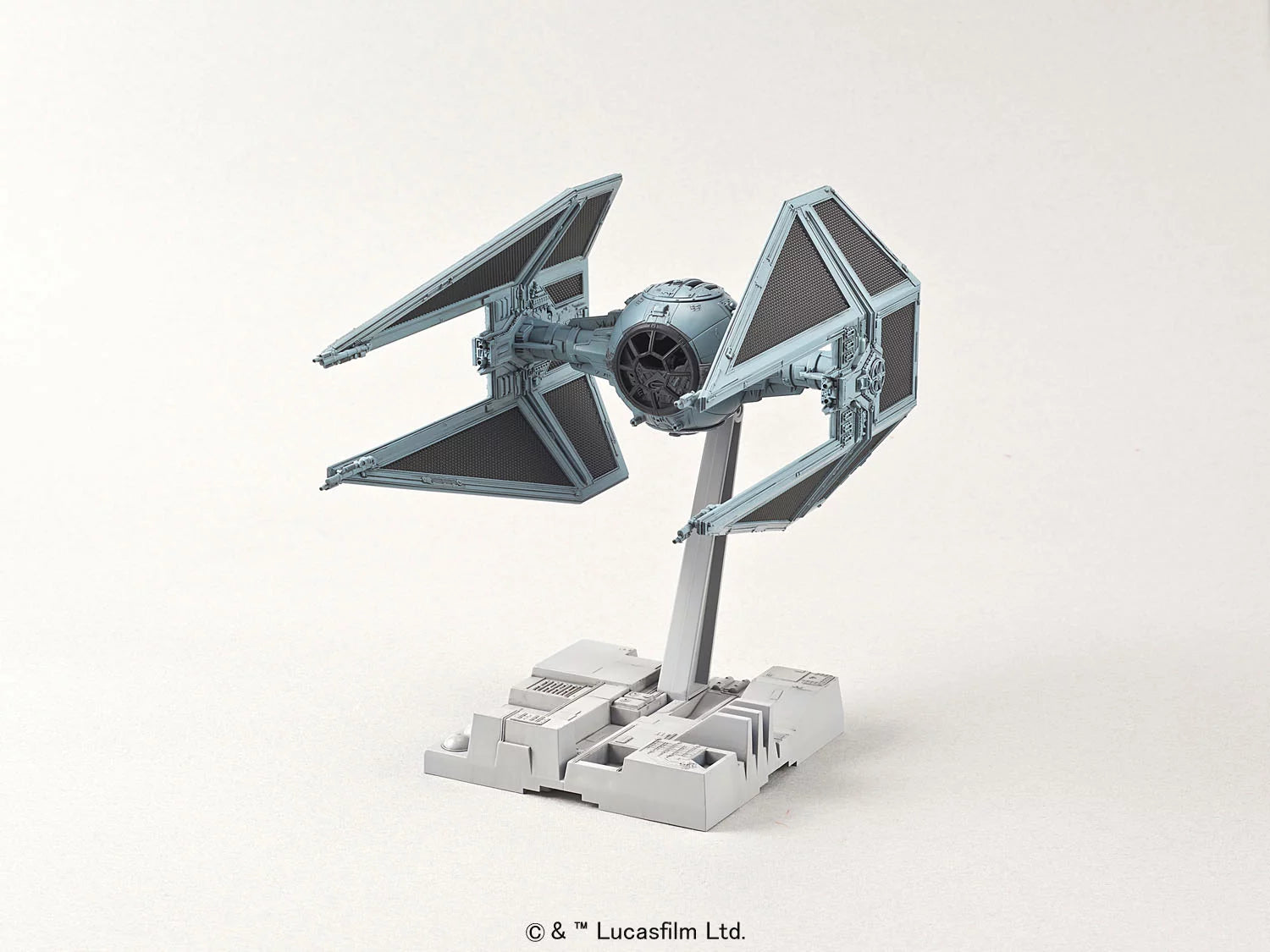
The variety of available models is constantly growing and serves a wide range of interests. Whether it's fast-paced road cars, ships steeped in history or legendary science fiction icons: there are plug-in kits to suit every interest.
Iconic sci-fi worlds and science fiction classics
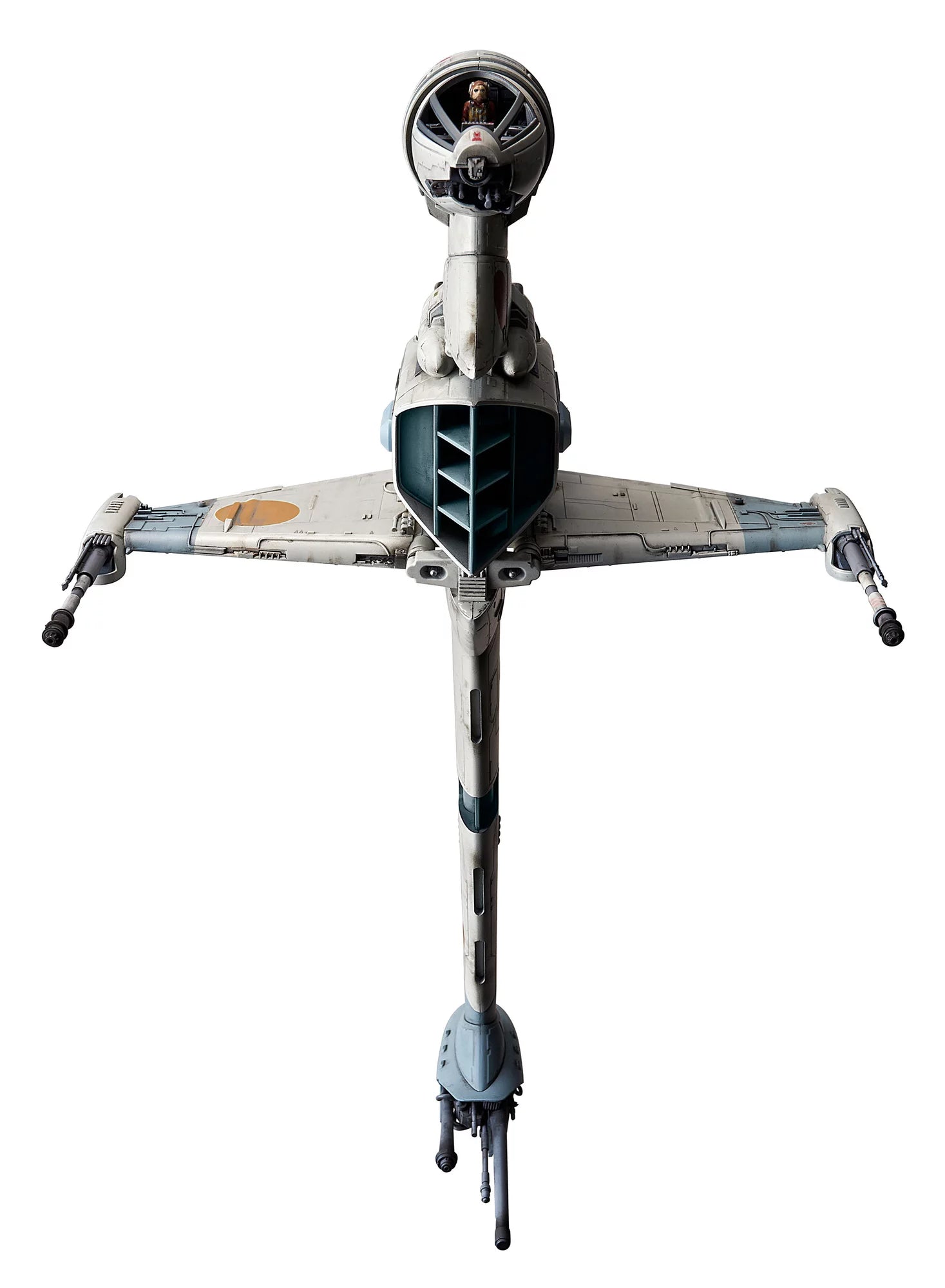
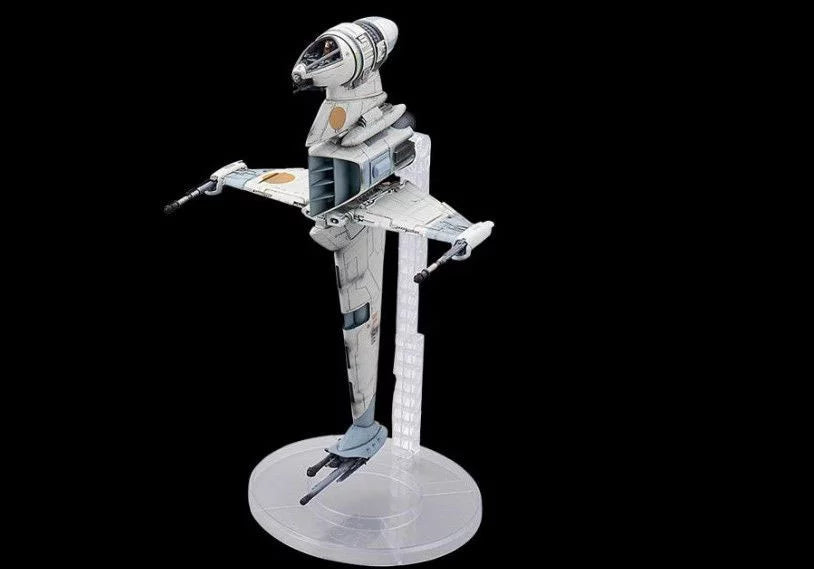
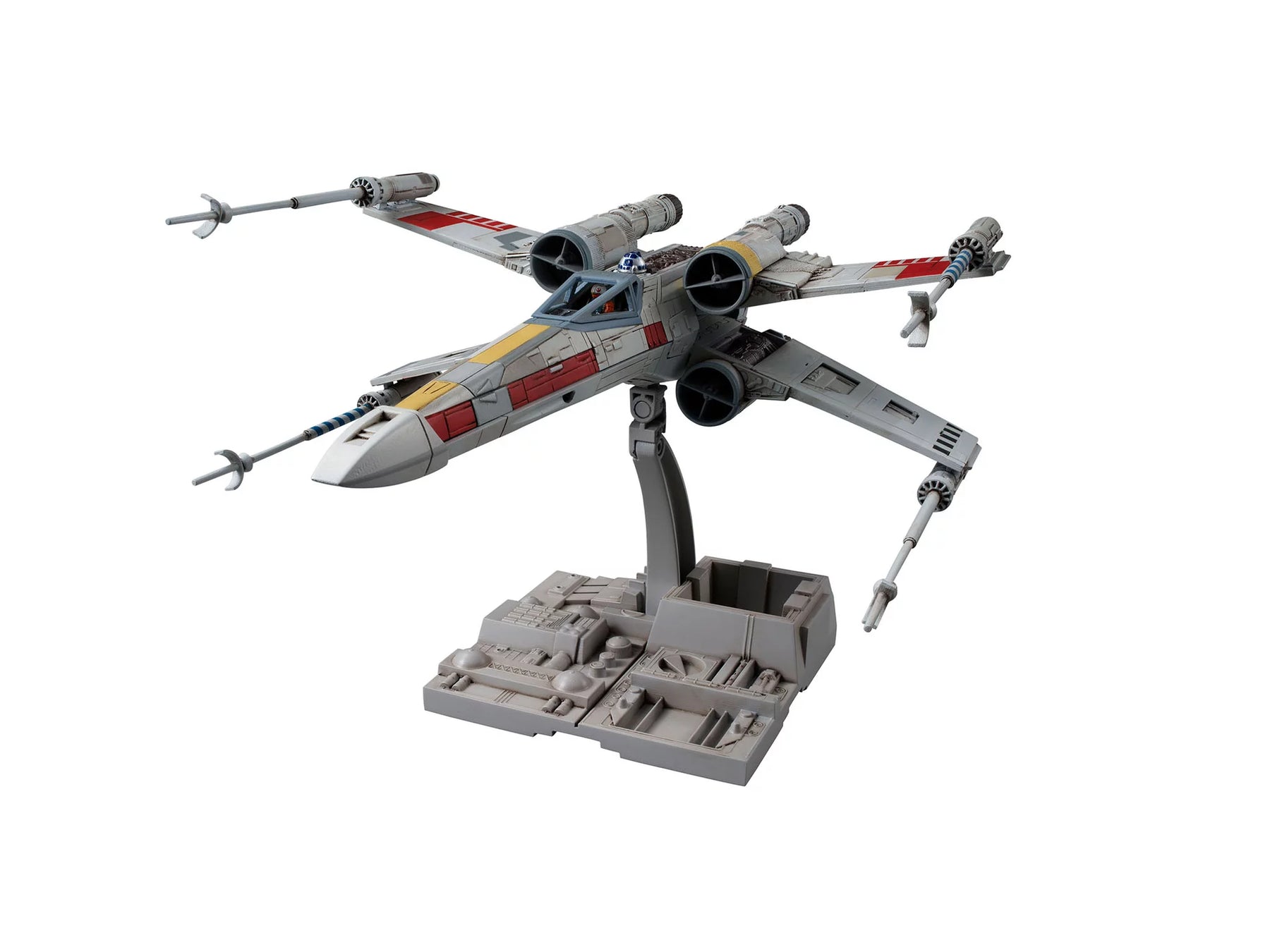
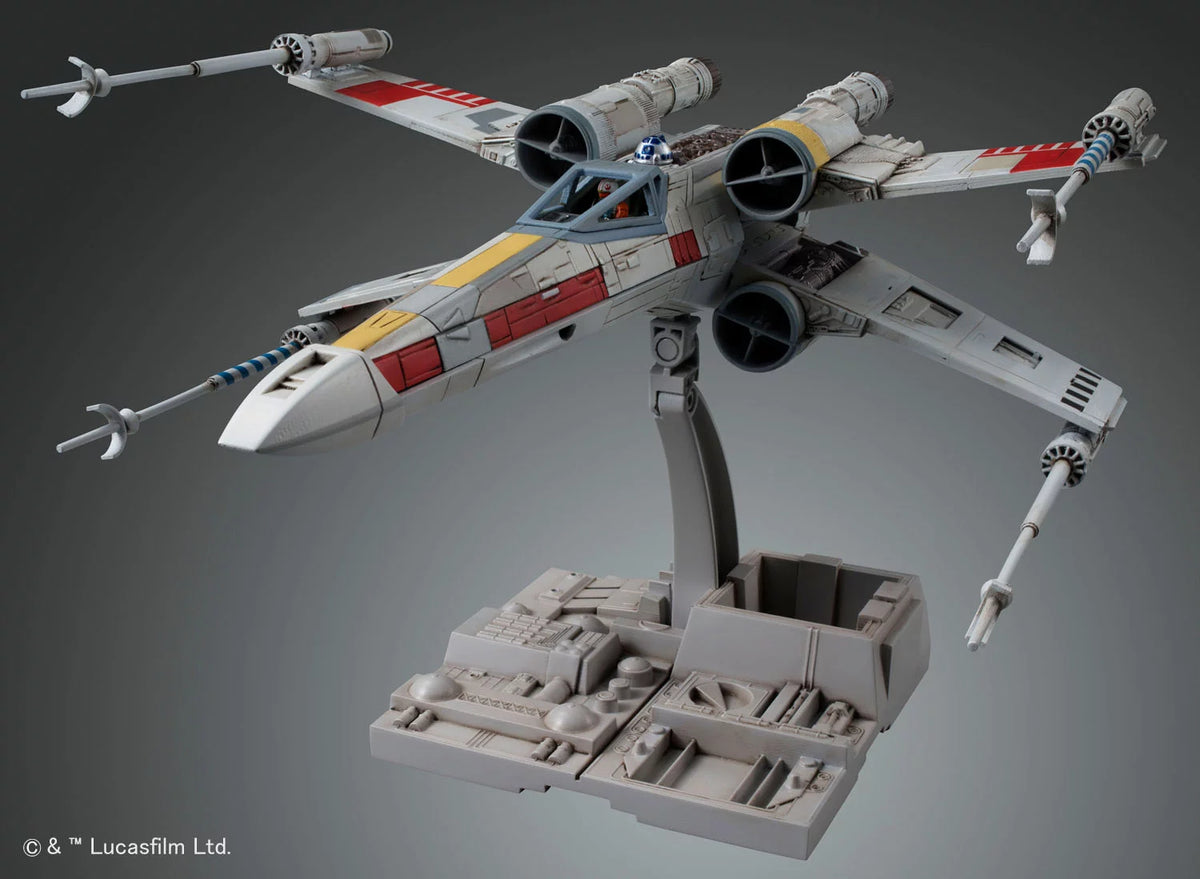
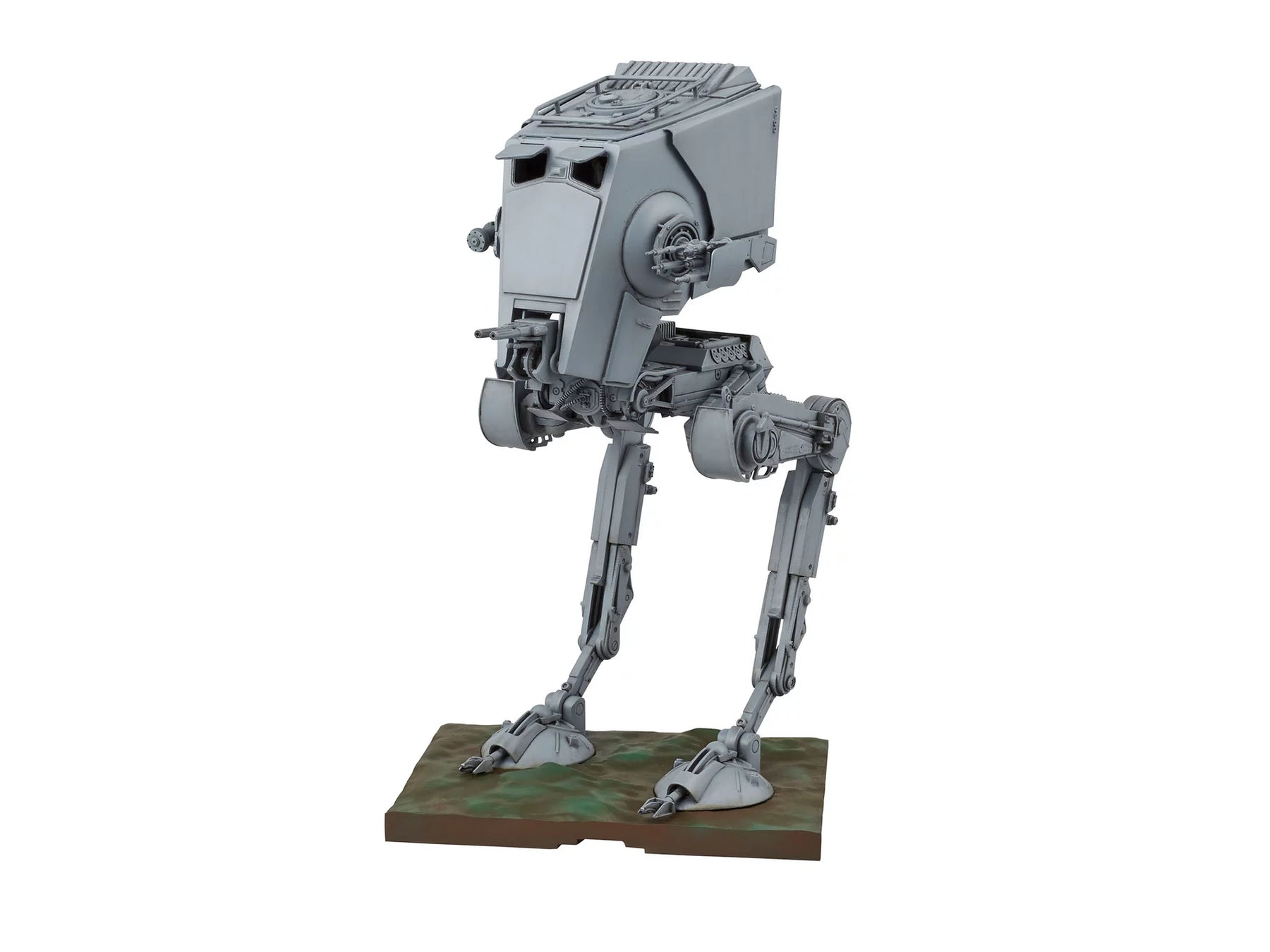
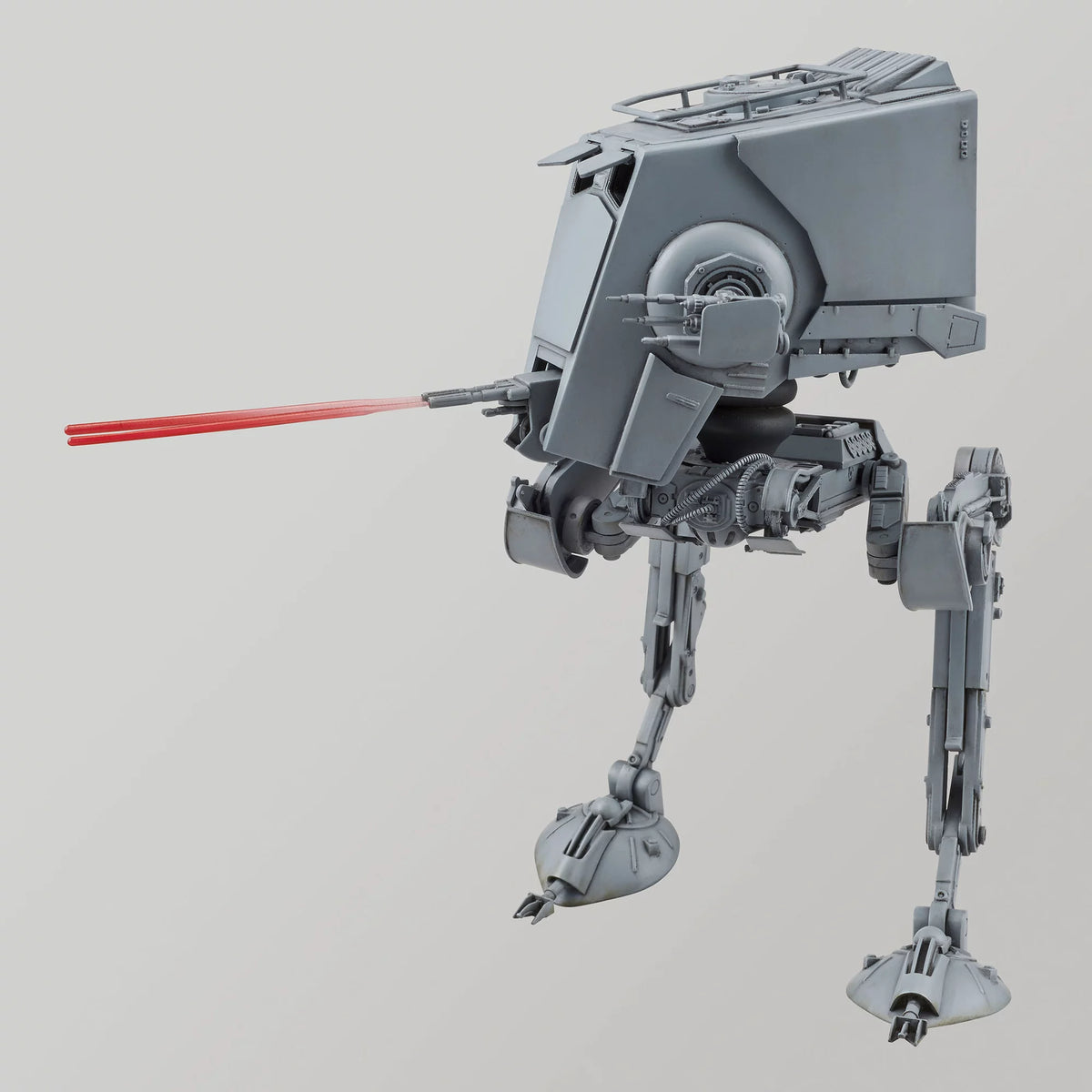
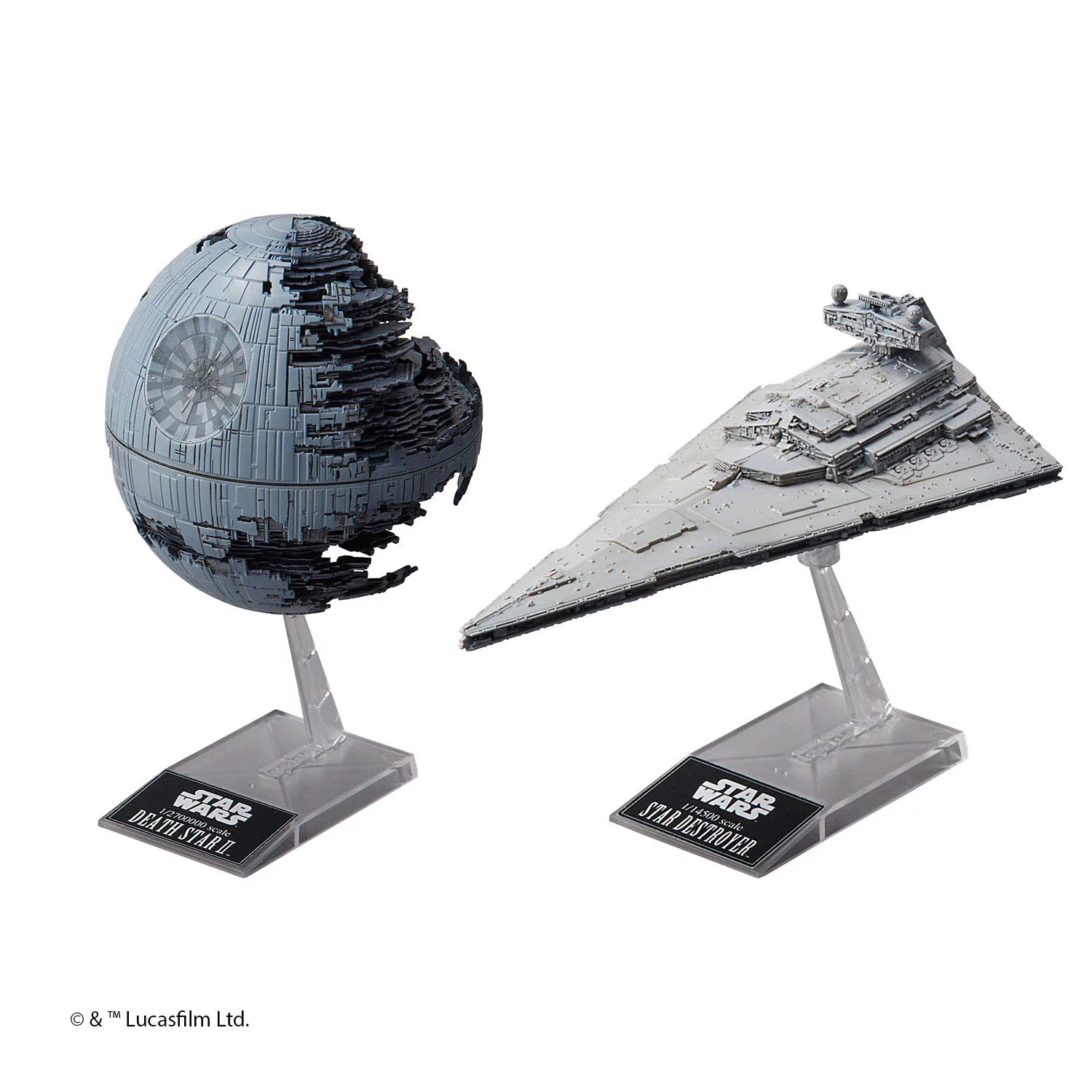
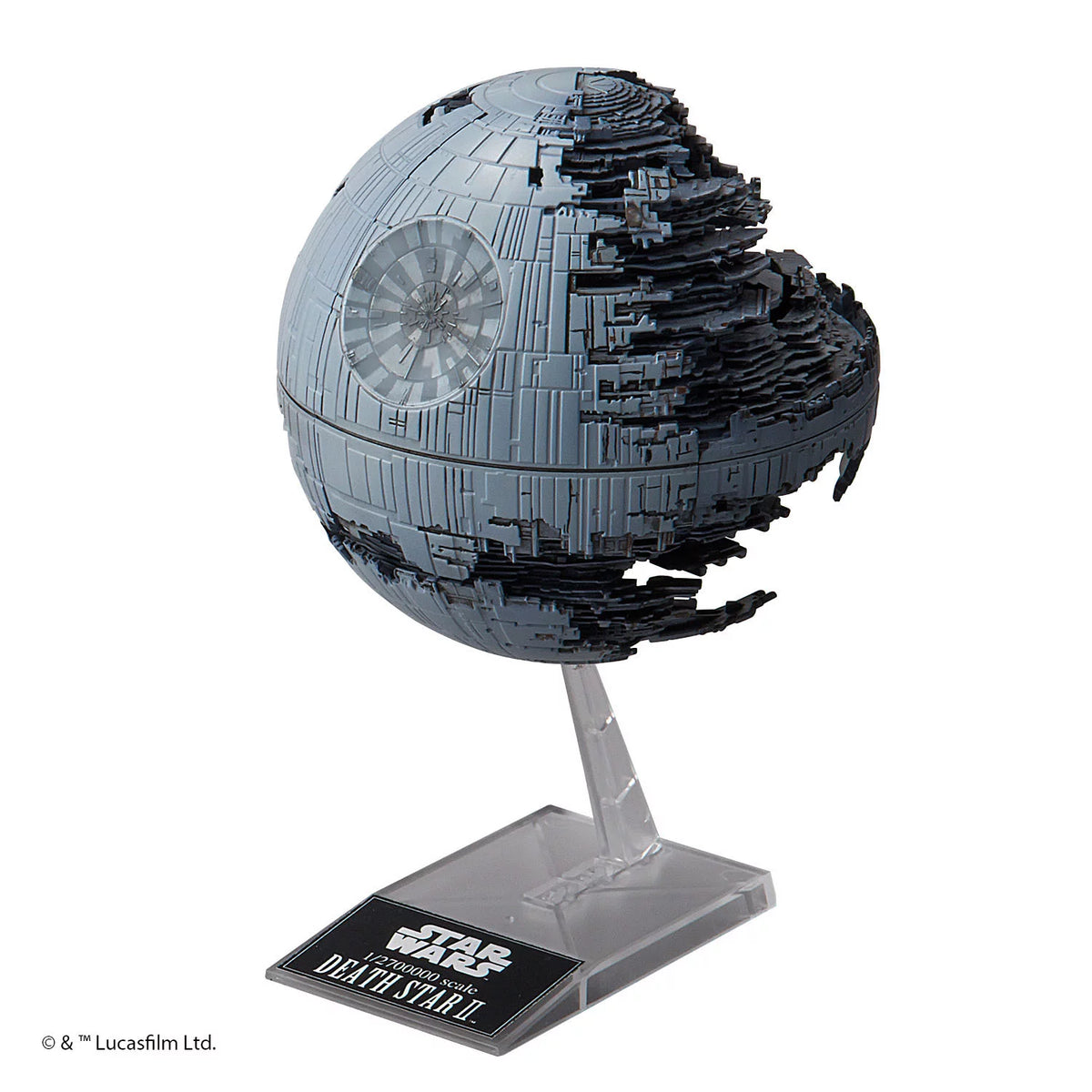
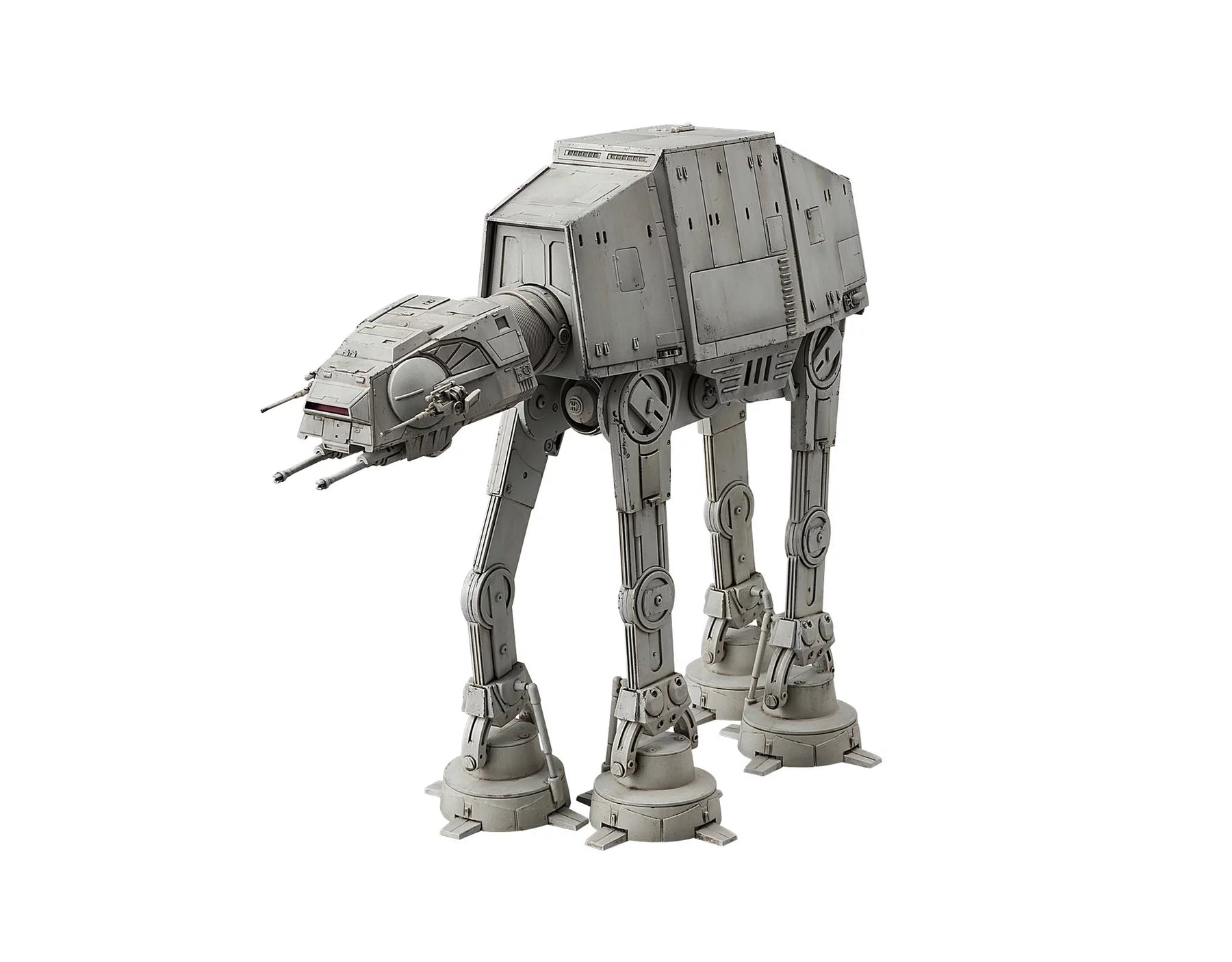
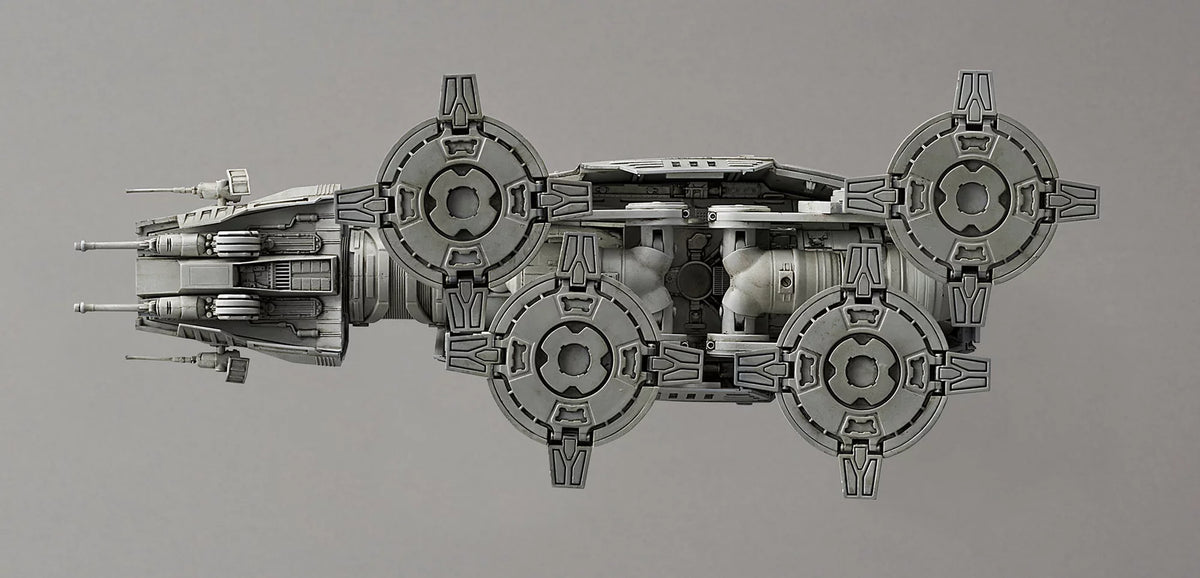
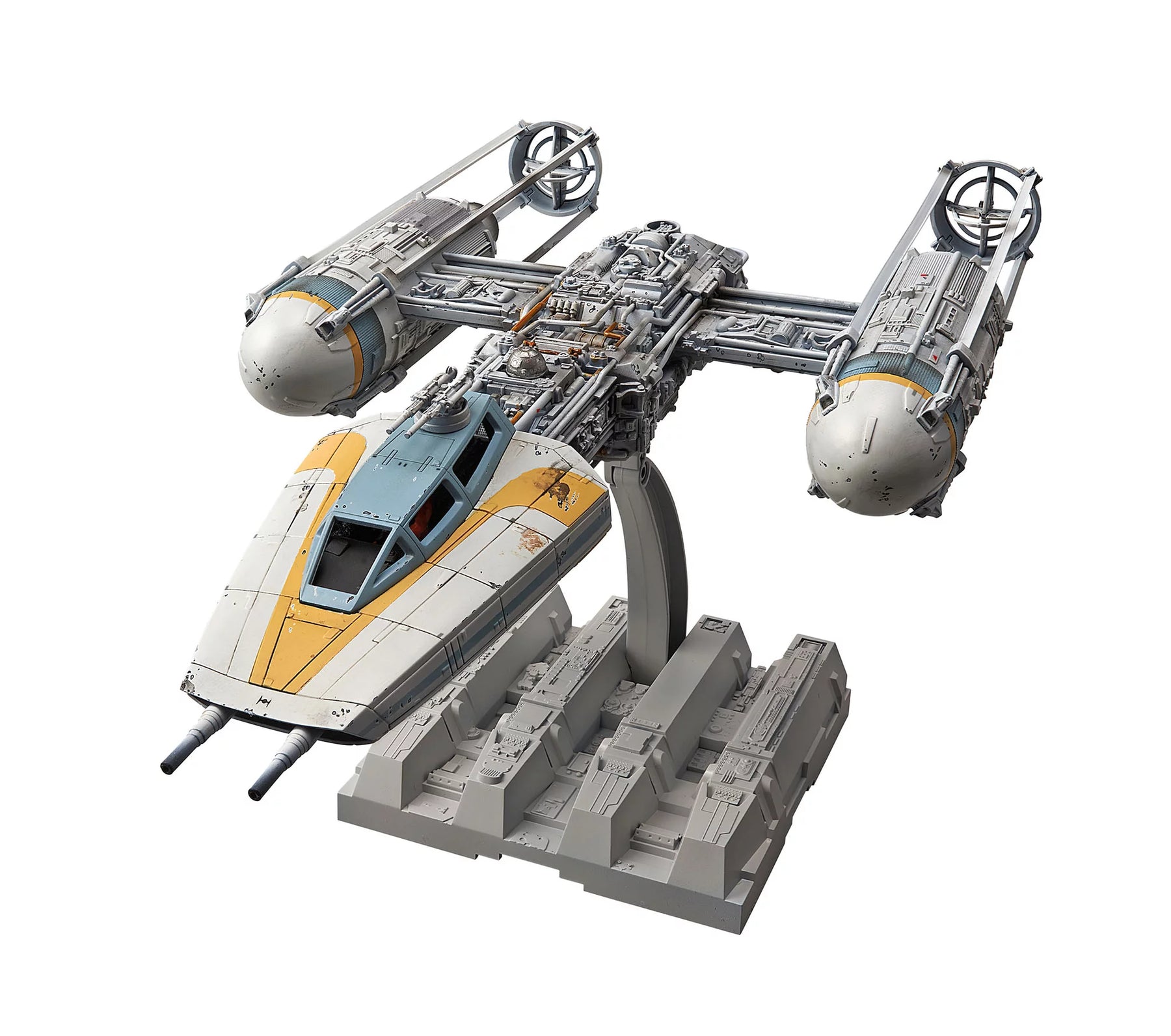
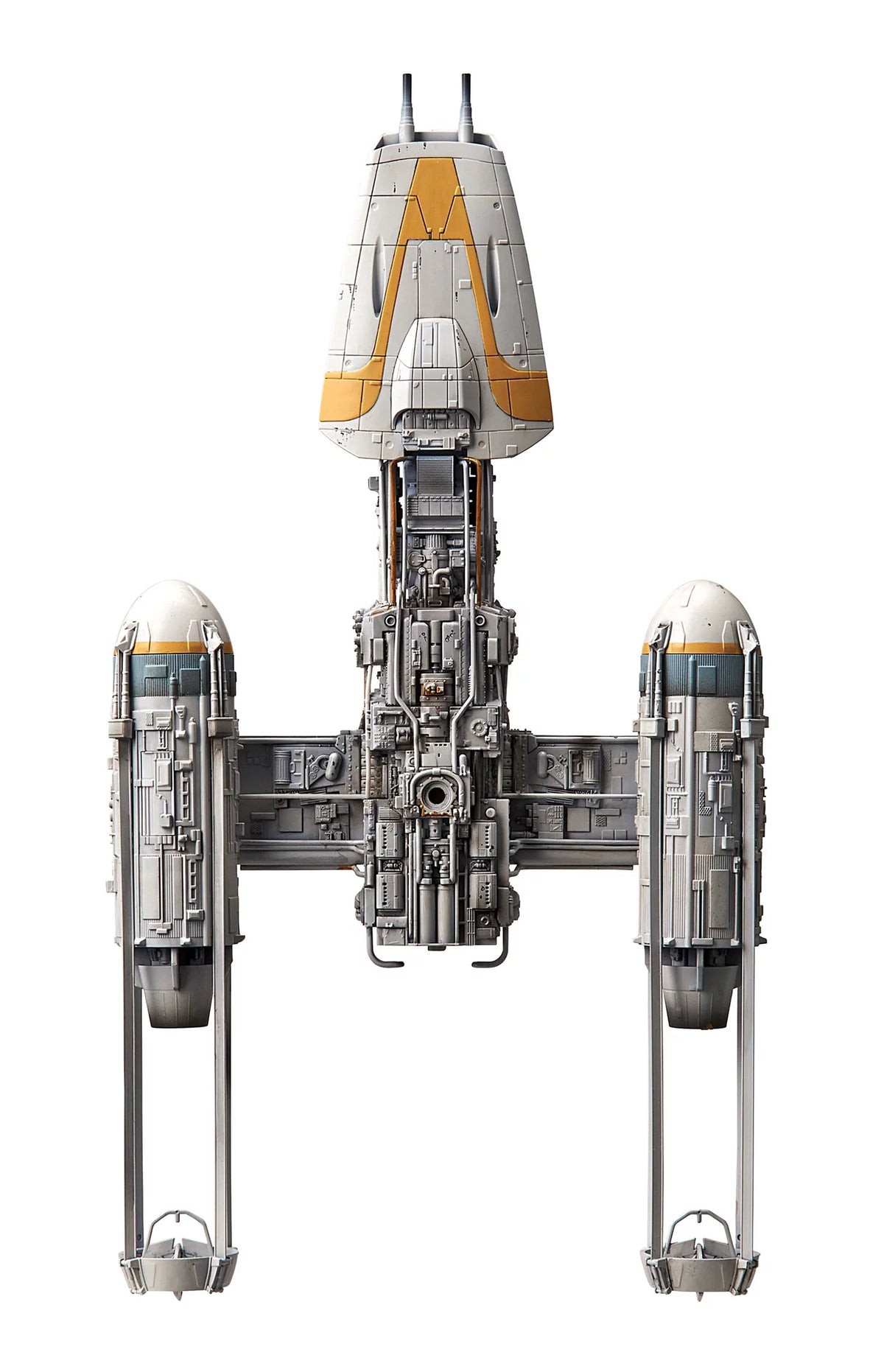
An absolute highlight in the range are world-famous space sagas. The detailed spaceships and ground vehicles from distant galaxies require delicate structures, laser cannons and complex cockpits. Thanks to state-of-the-art plug-in technology, you can put together masterful constructions without frustration. An outstanding example of this class is the Bandai AT-AT Easy Click System, which fascinates fans around the world with its movable legs, precise fuselage plates and an impressive level of detail.
Automobile Icons: From vintage cars to modern super sports cars
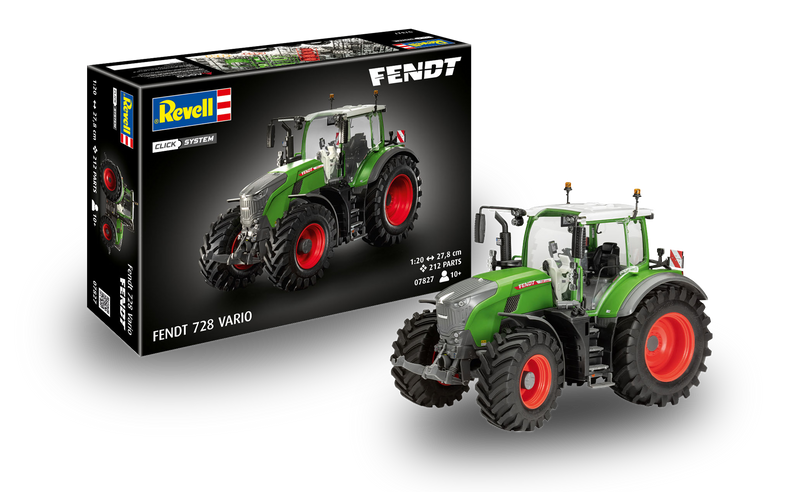
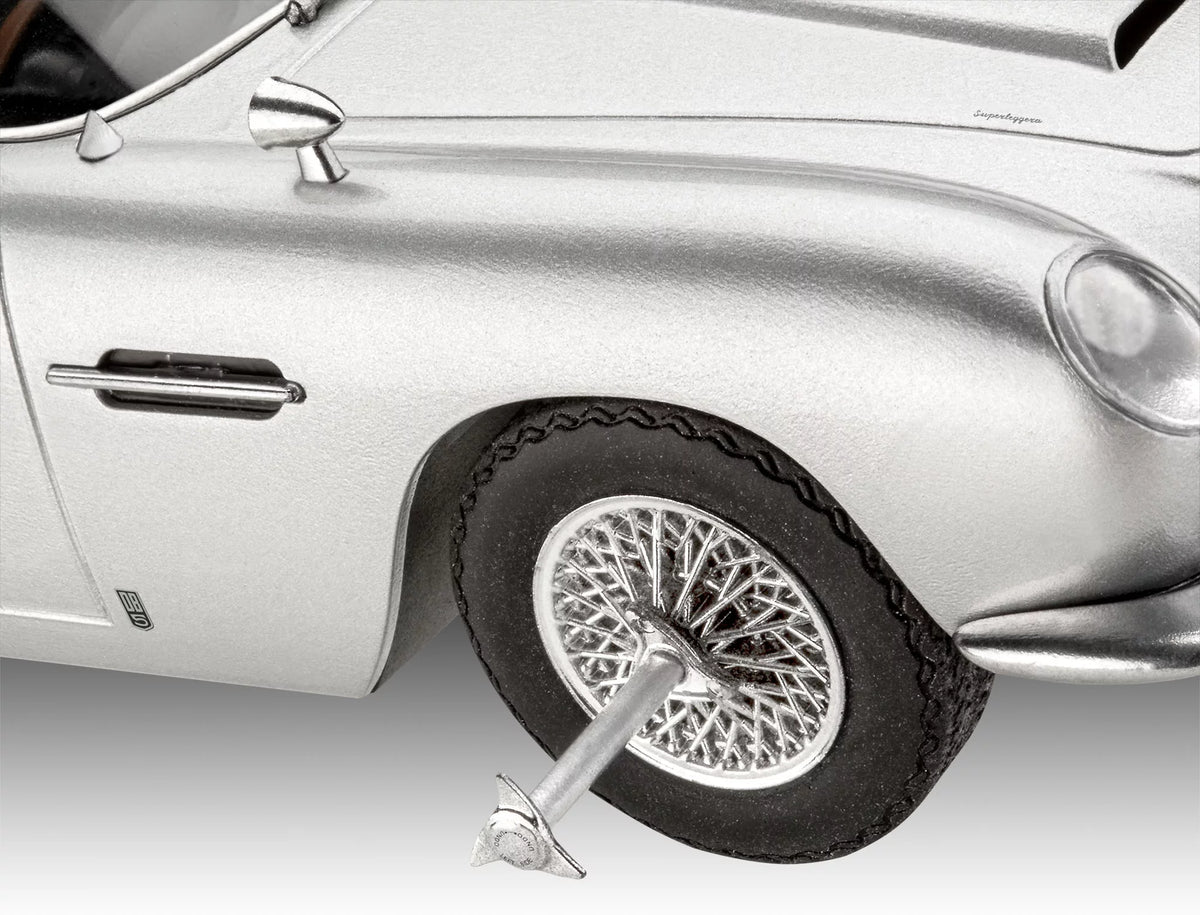
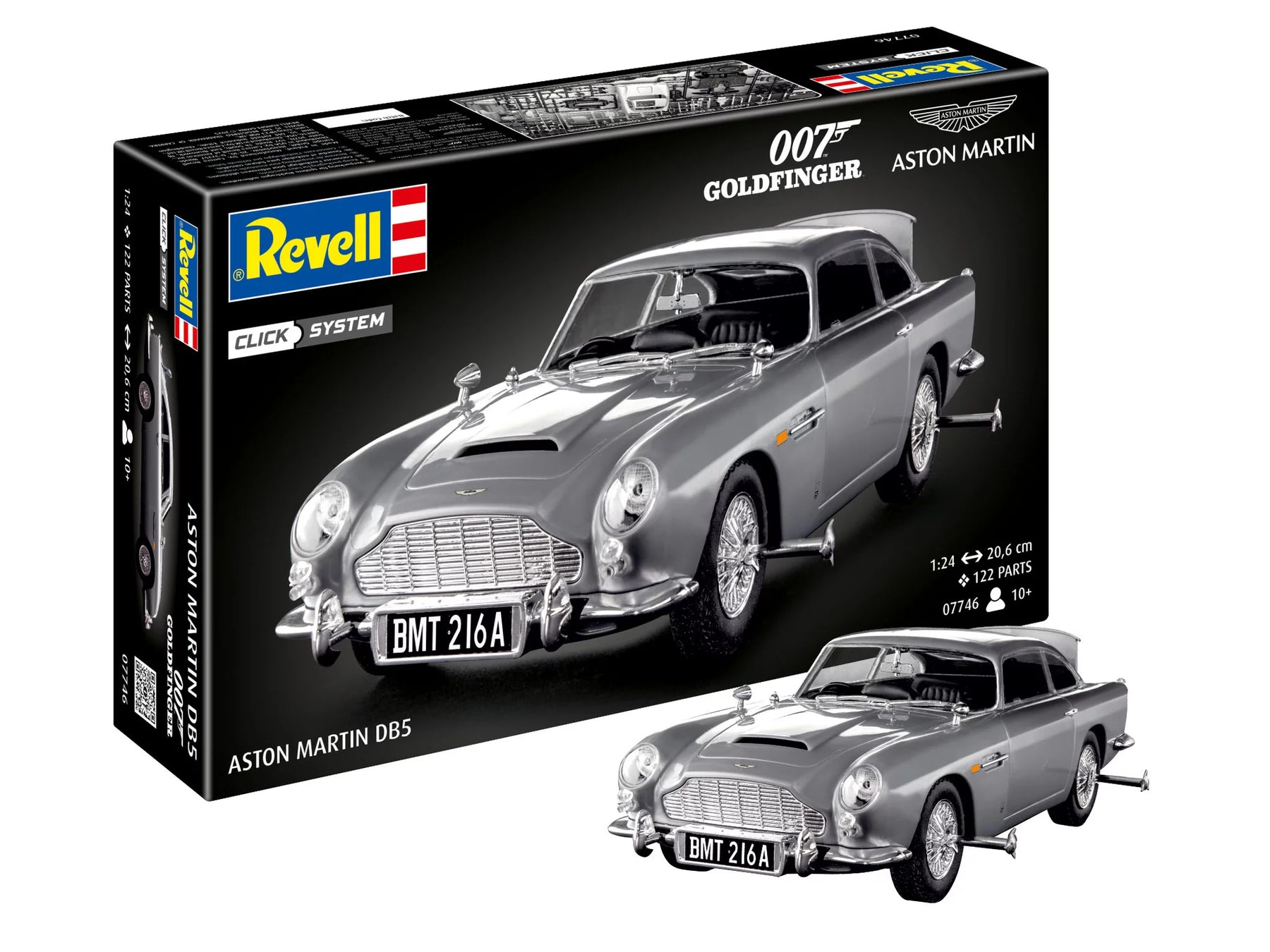
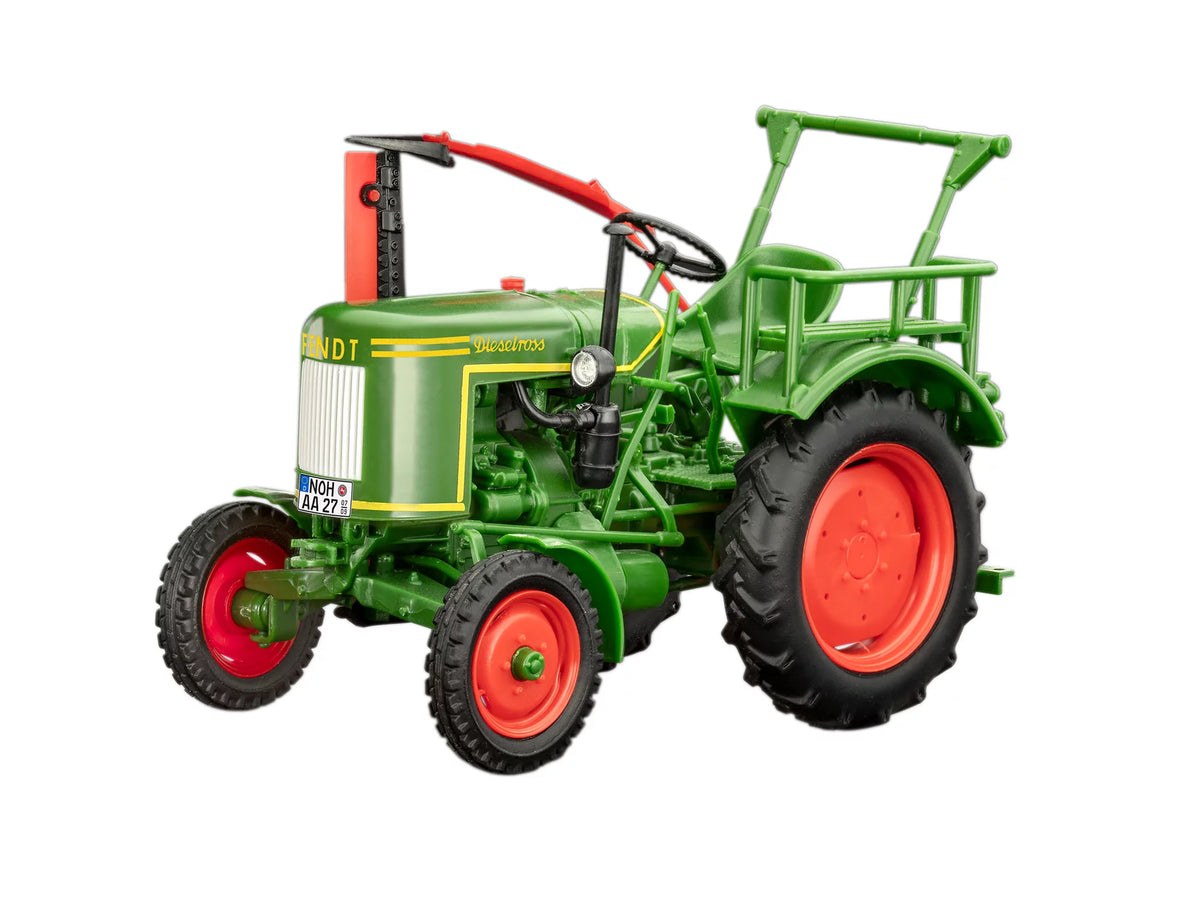
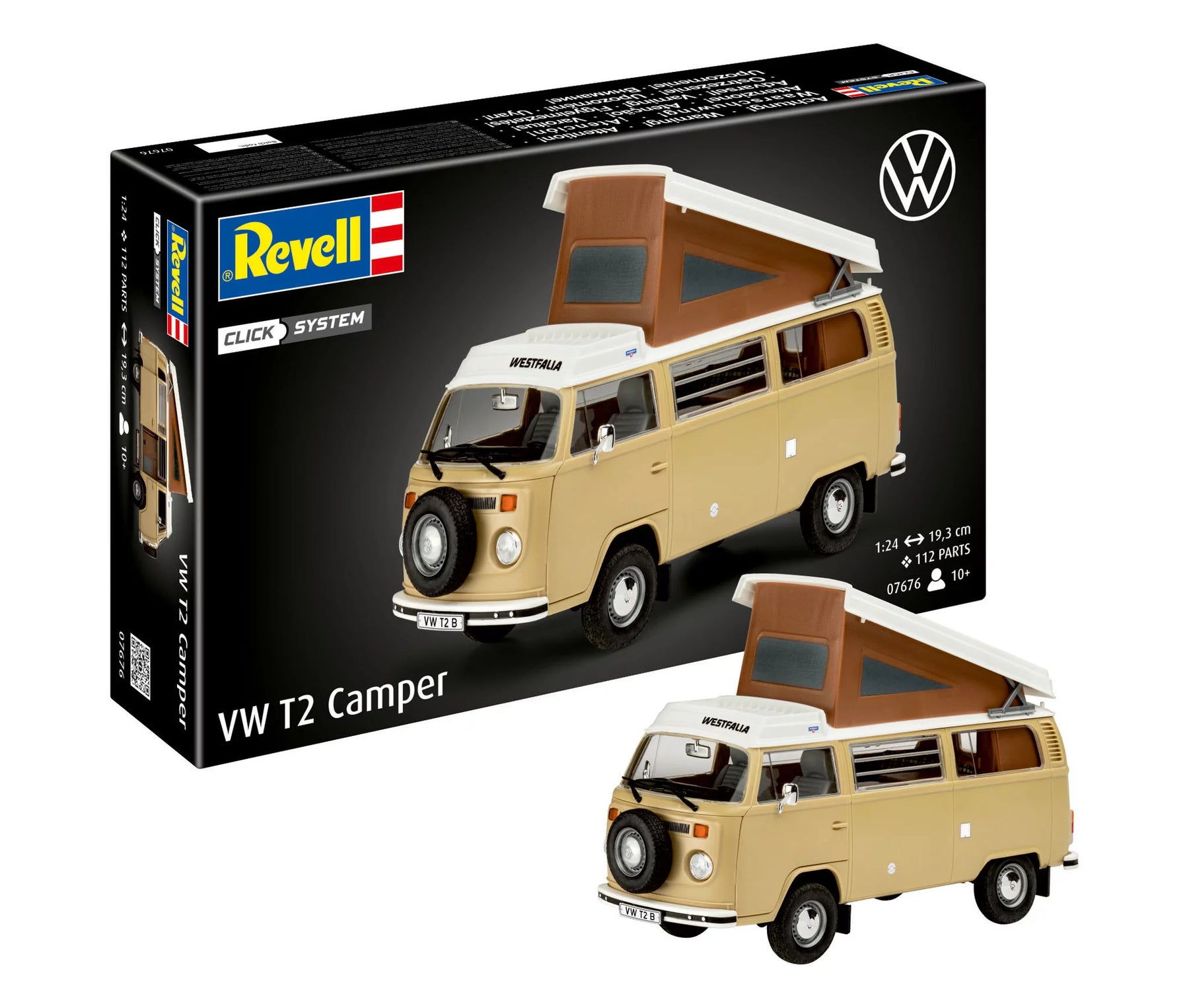
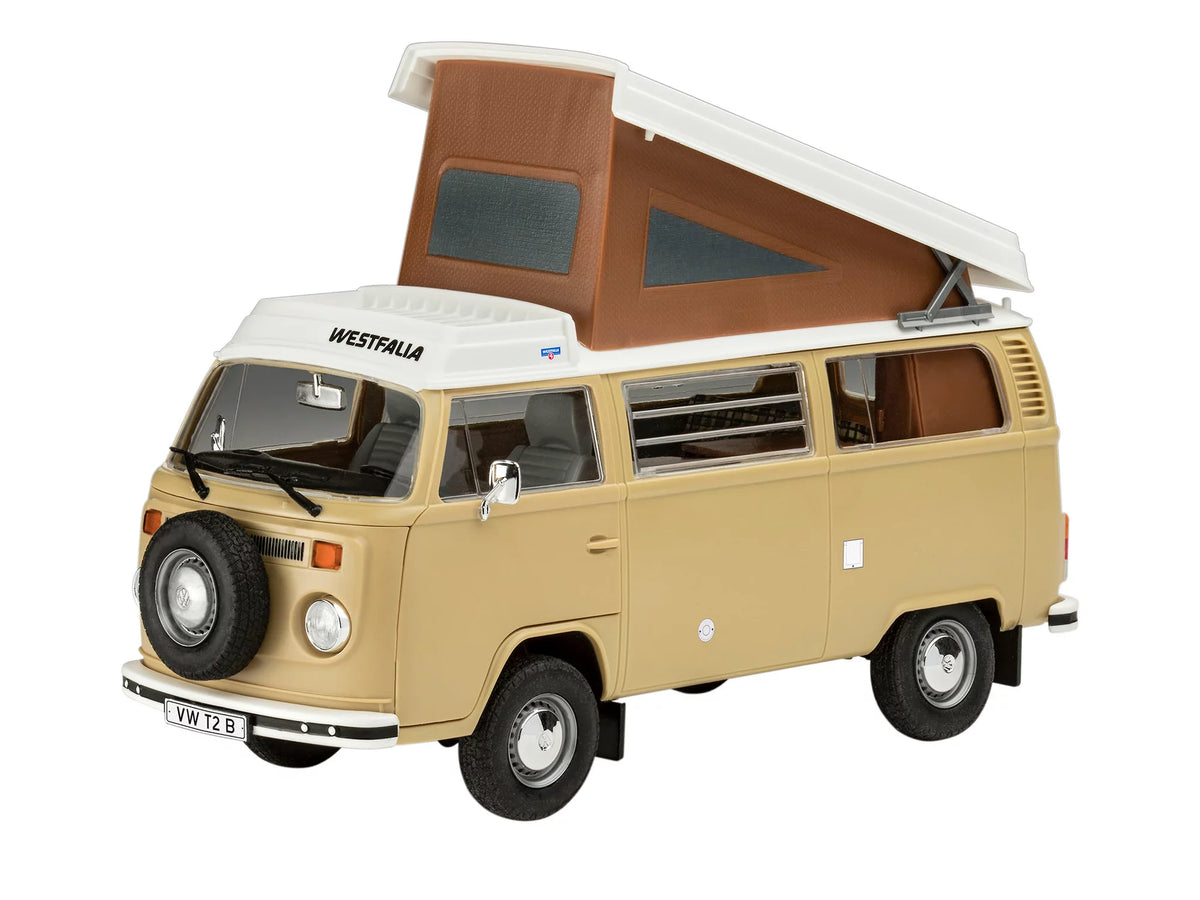
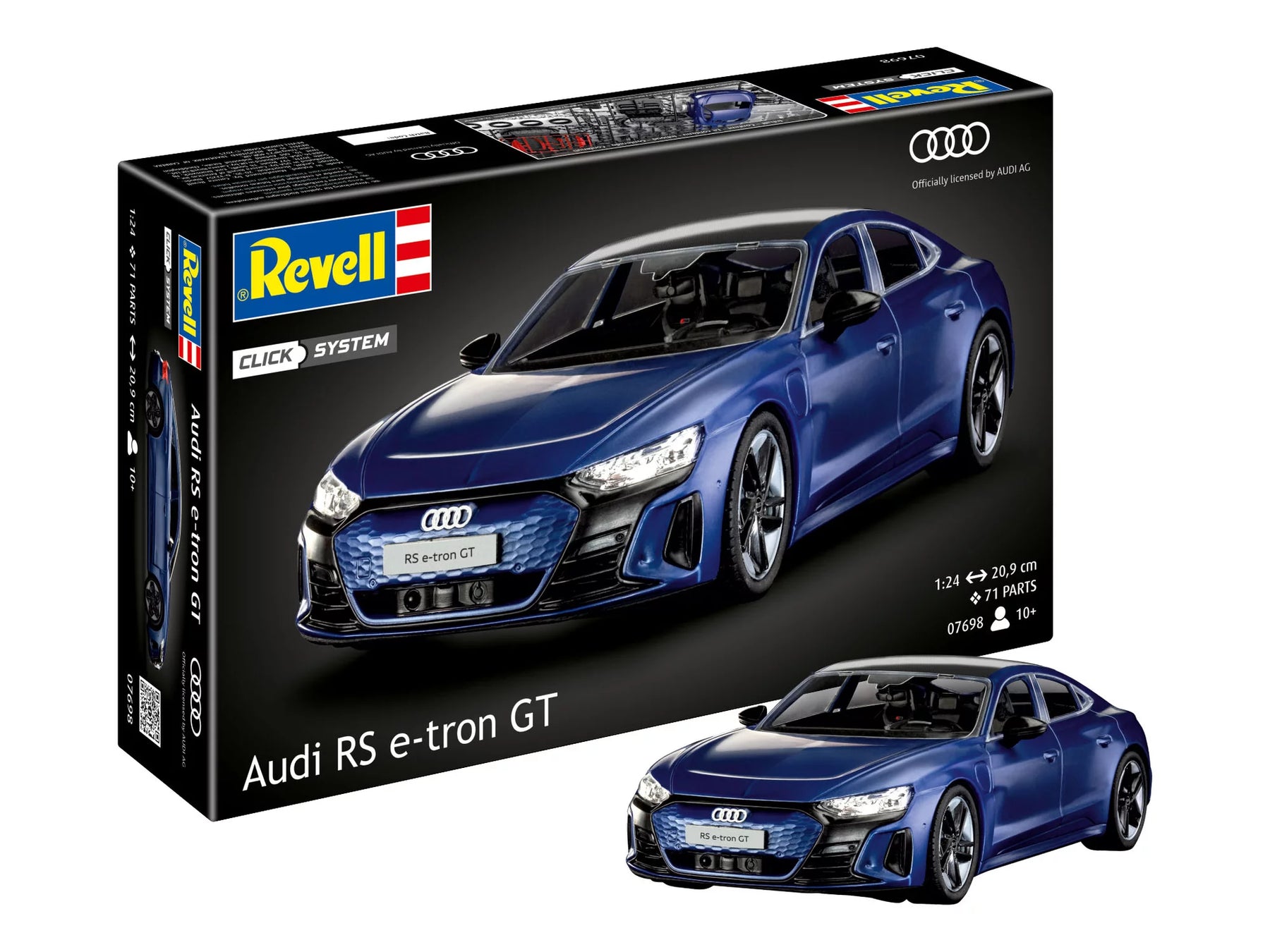
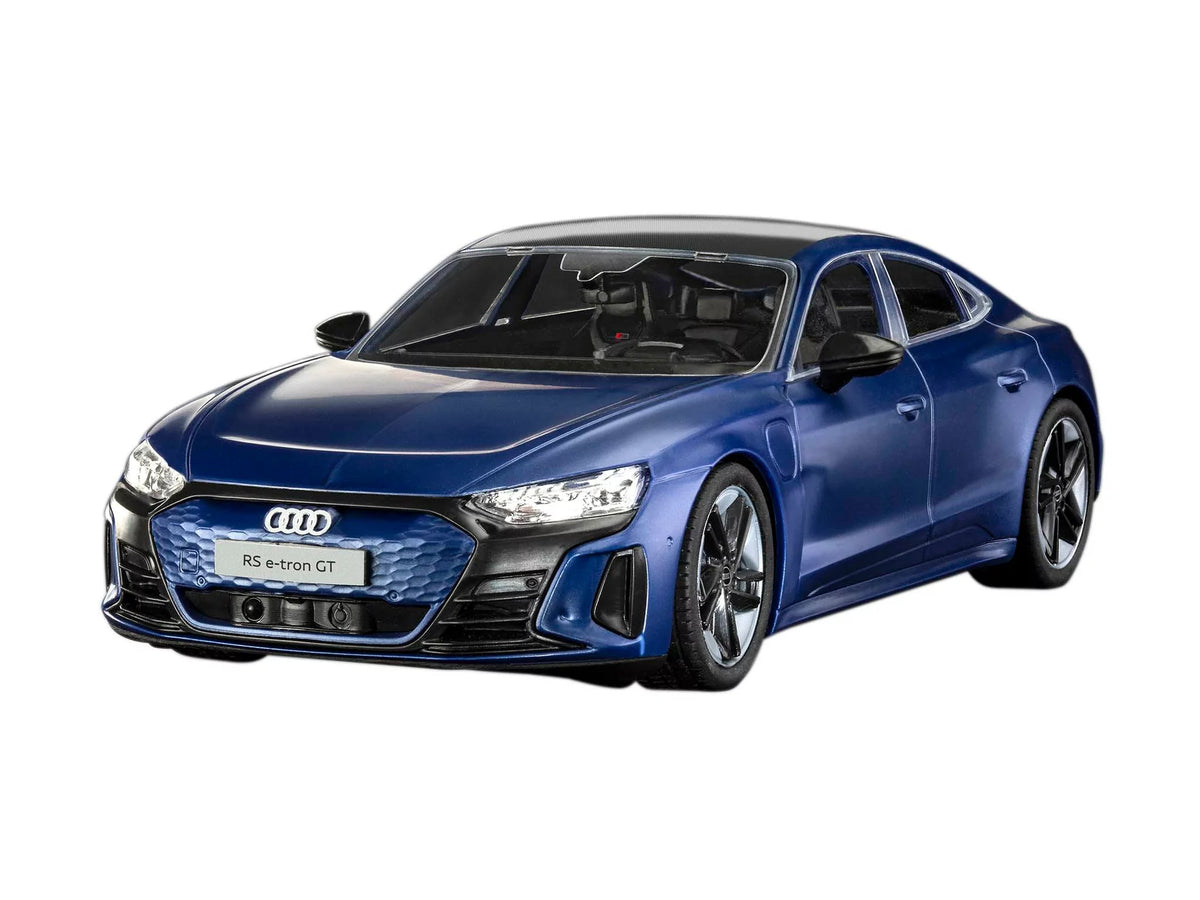
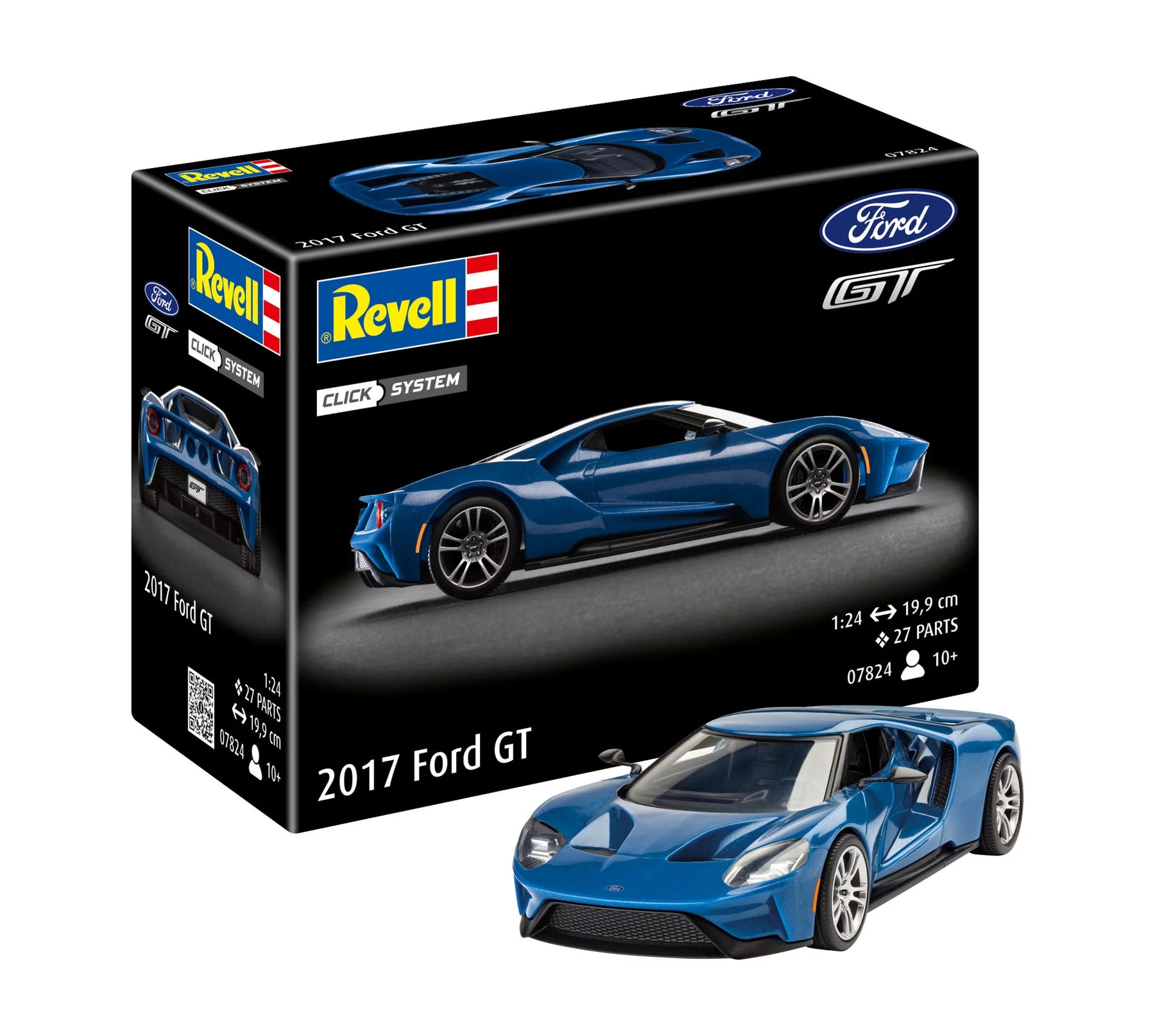
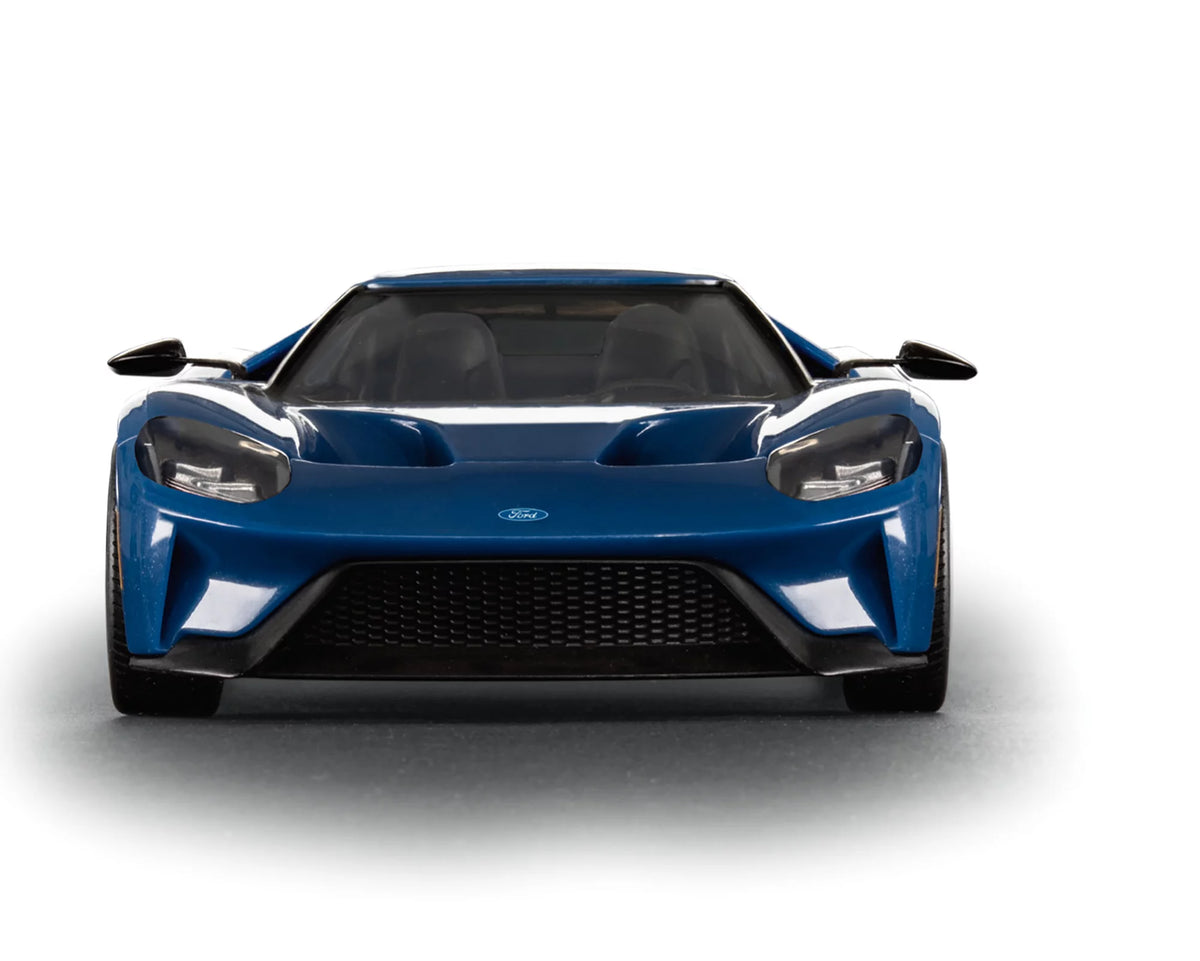
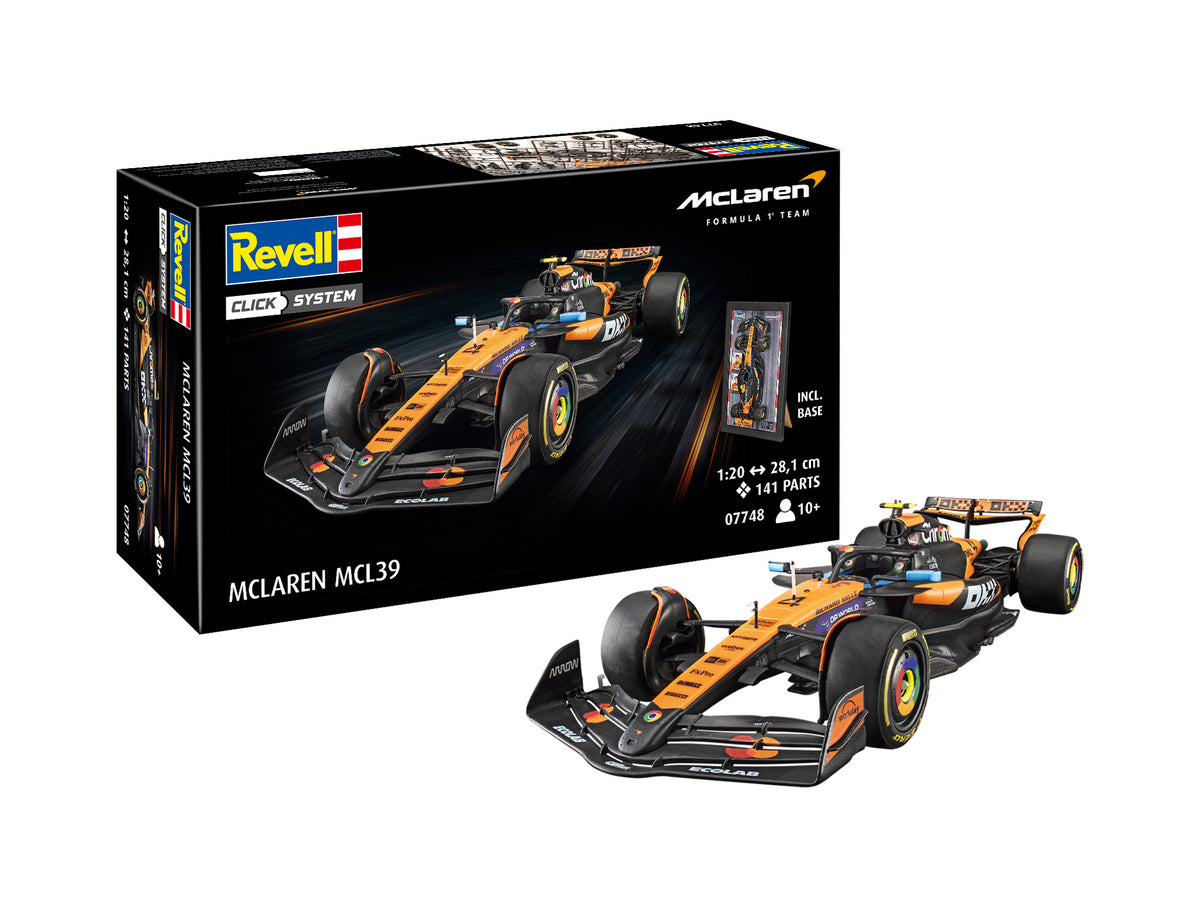
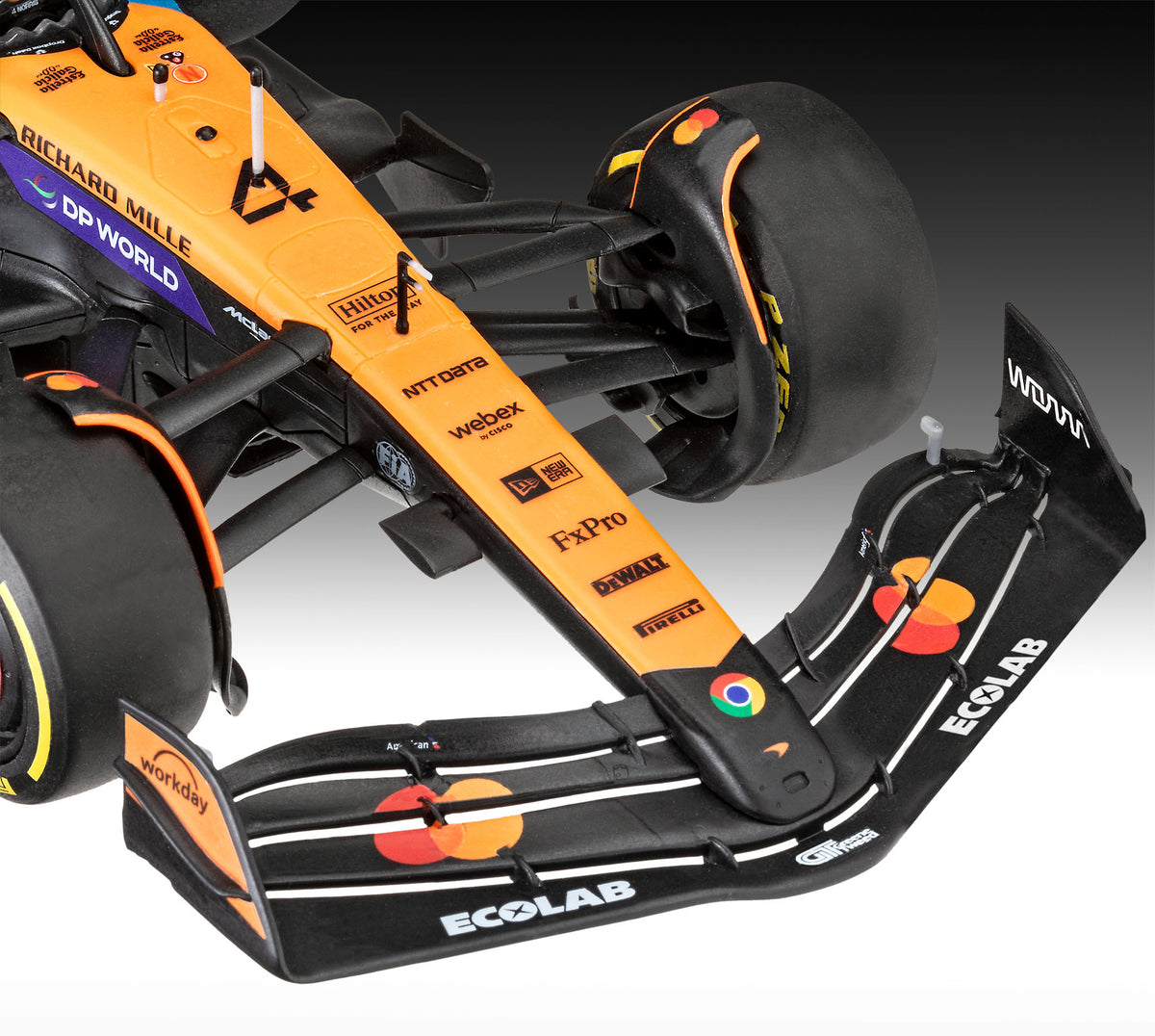
The system offers a wide range of vehicles for horsepower fans. Legendary muscle cars, historical classics like the VW Beetle or modern racing vehicles can be put on the wheels in no time. Many models offer working details such as steerable front axles, movable hoods or detailed engines that remain visible after assembly.
Aviation and maritime giants
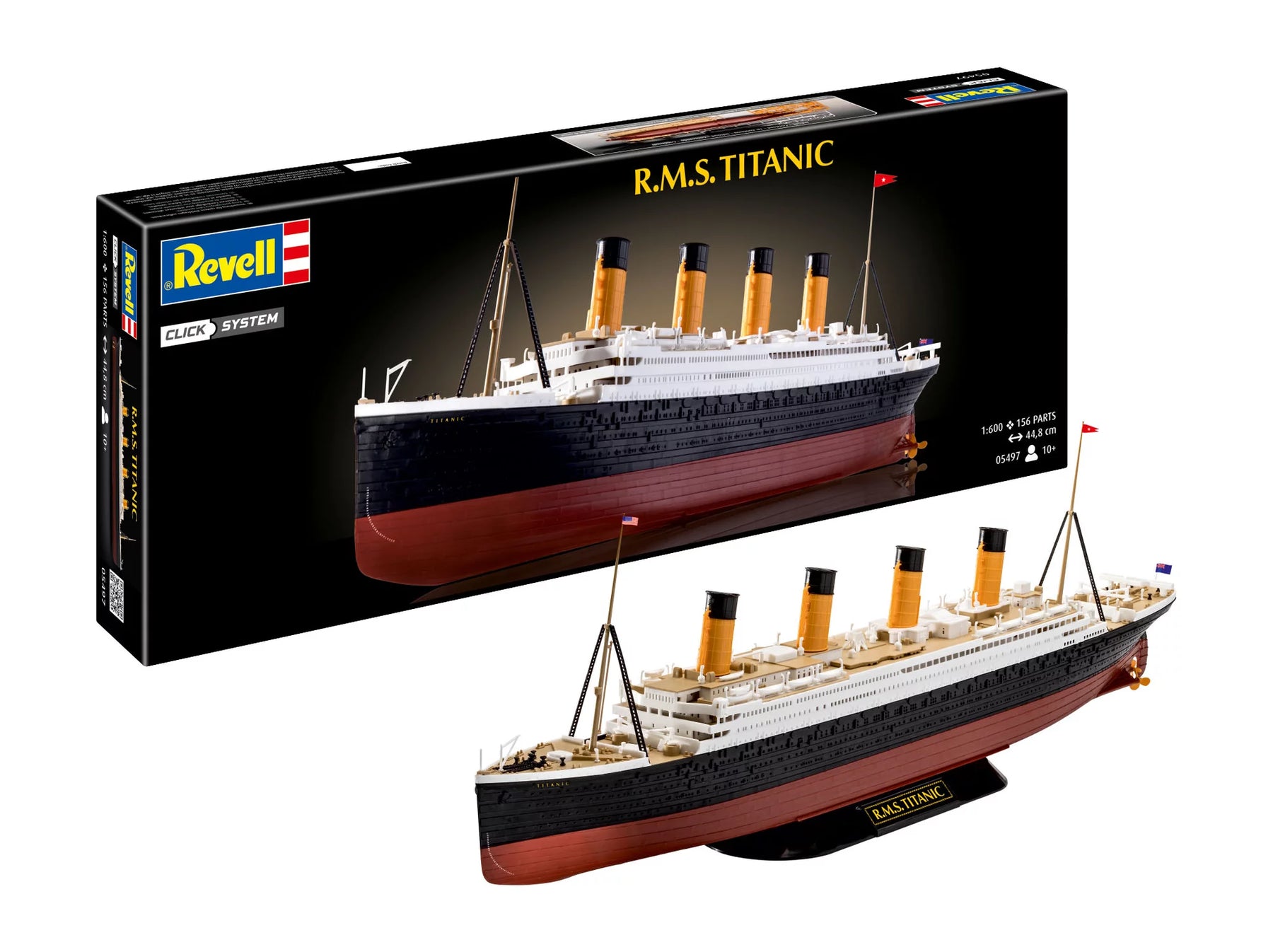
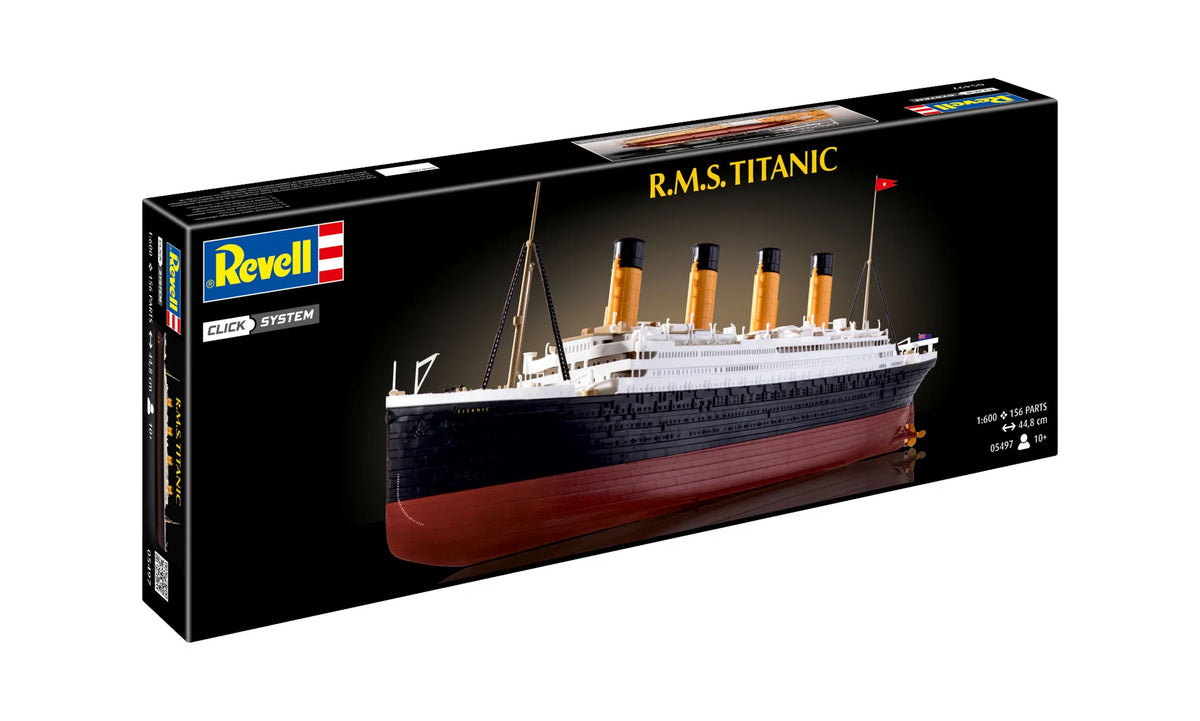
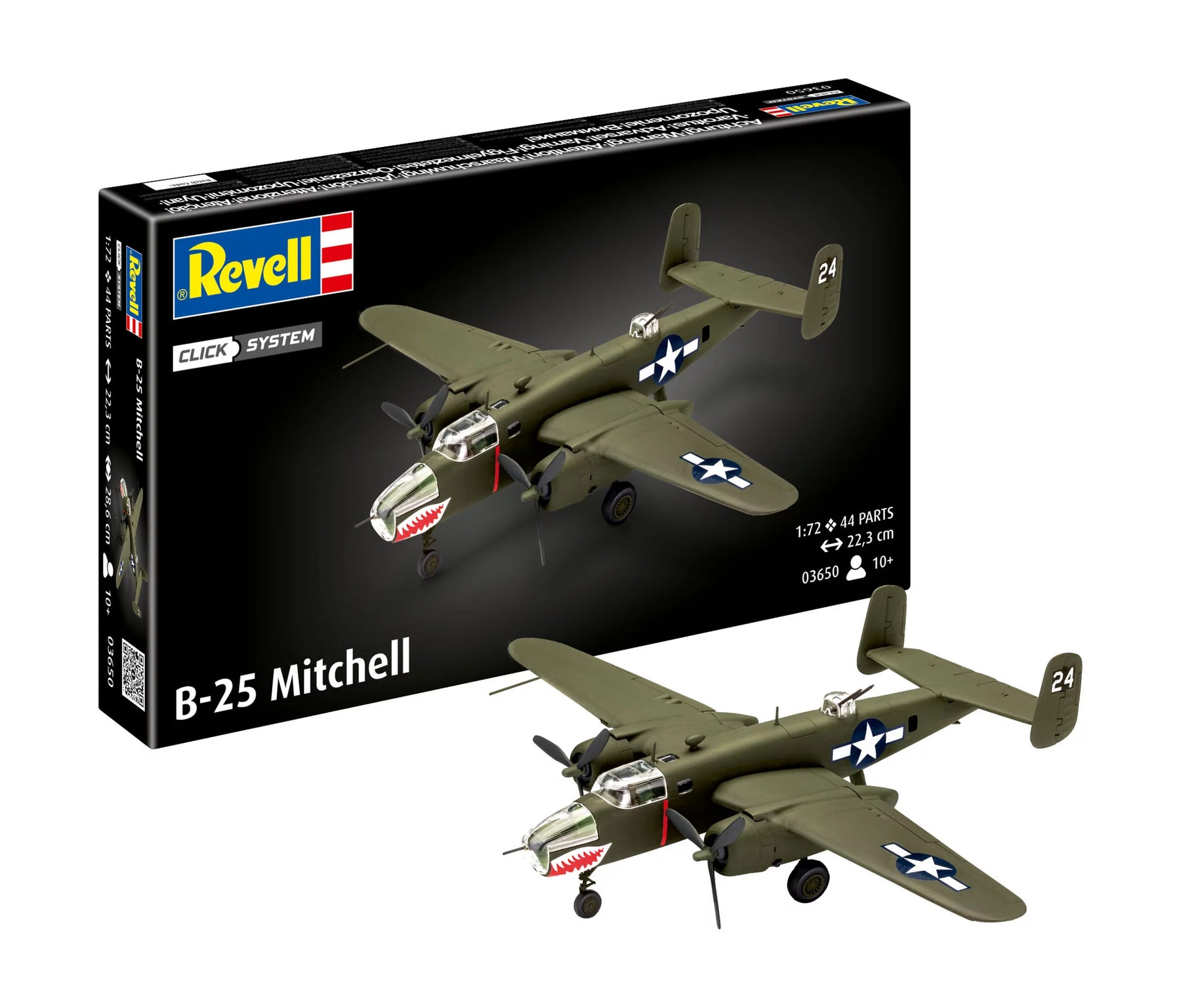
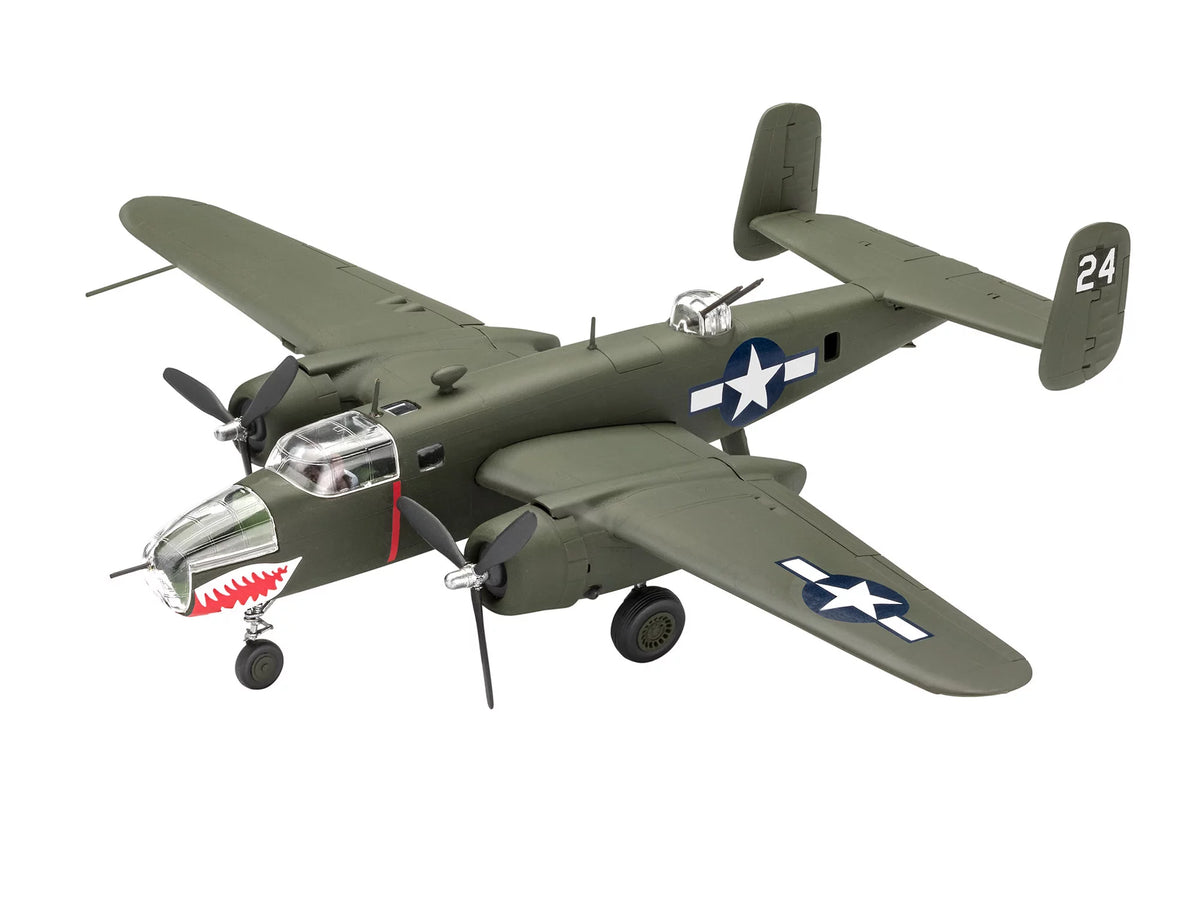
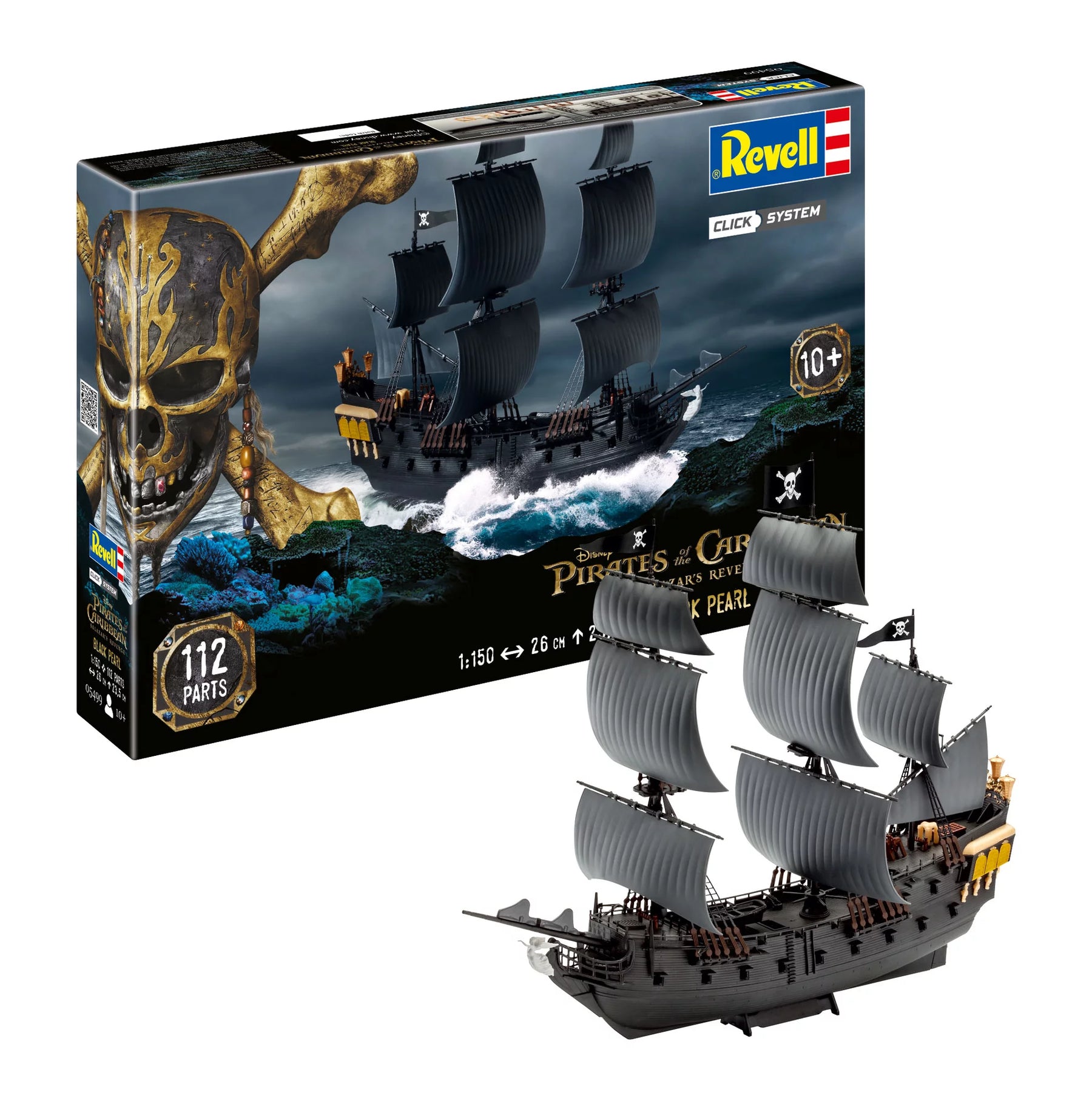
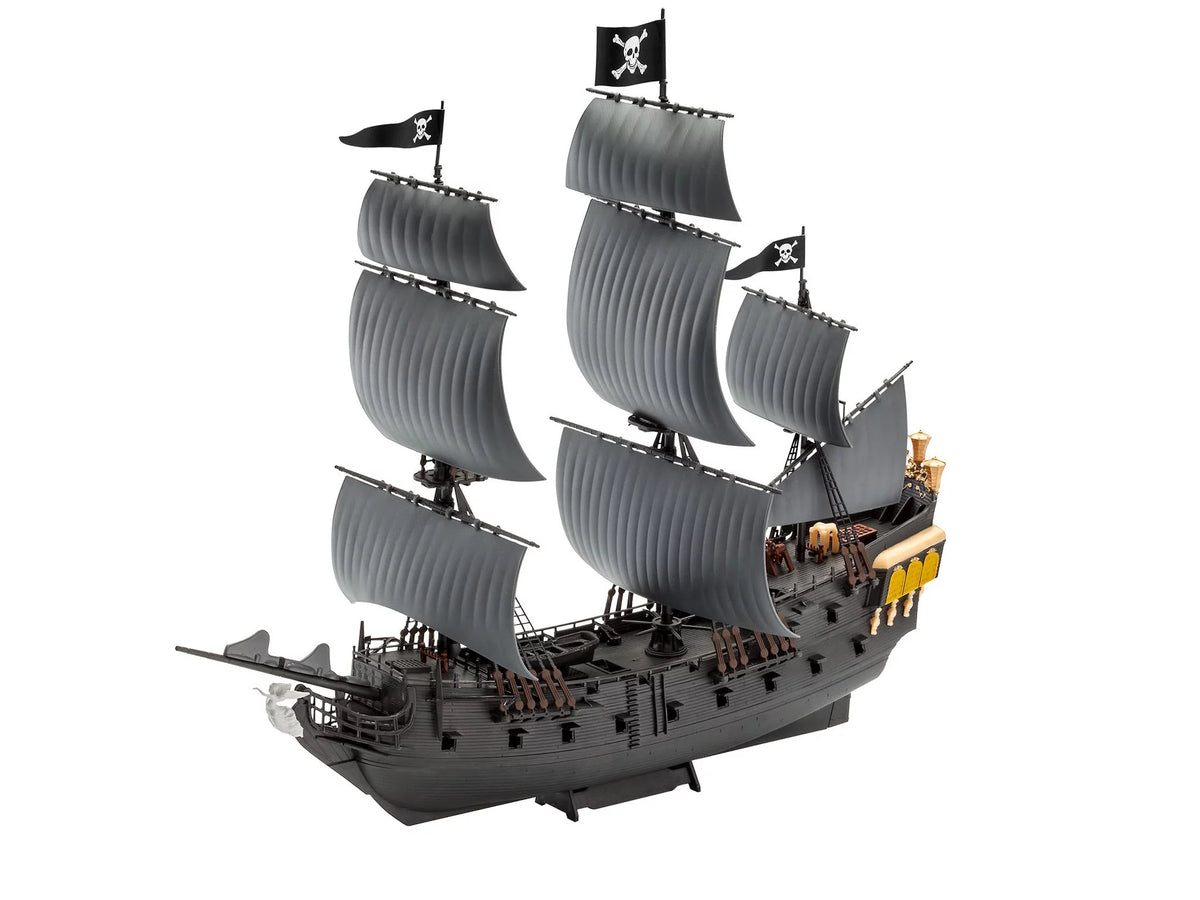
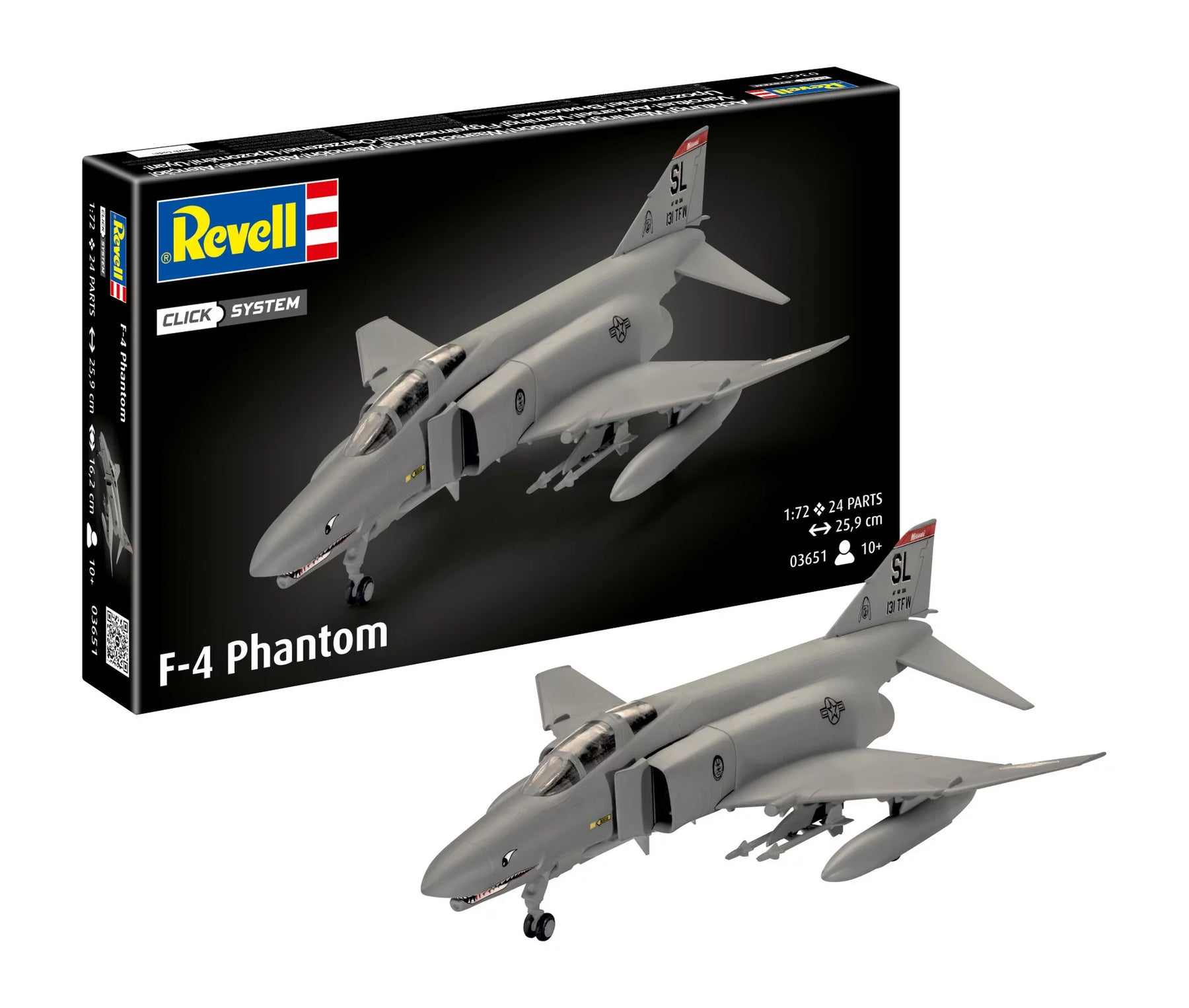
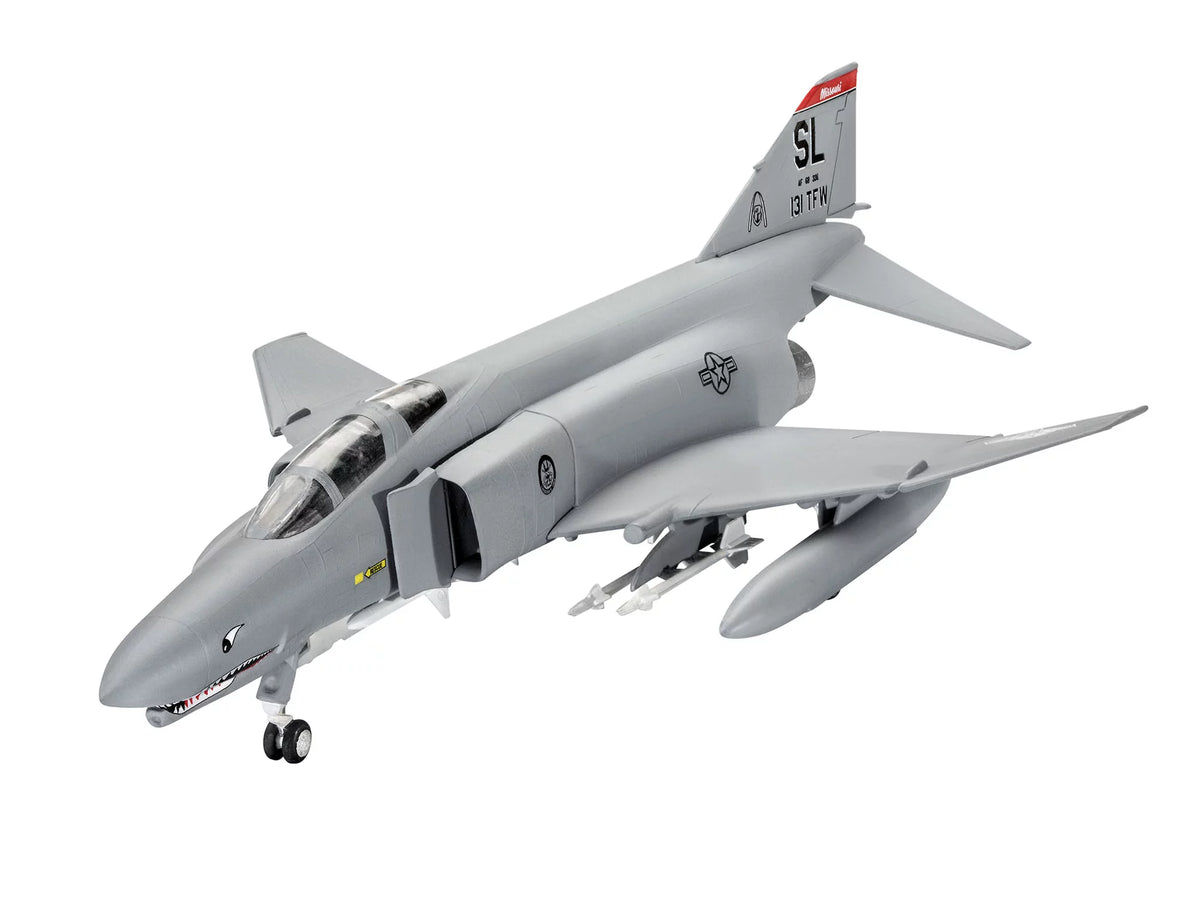
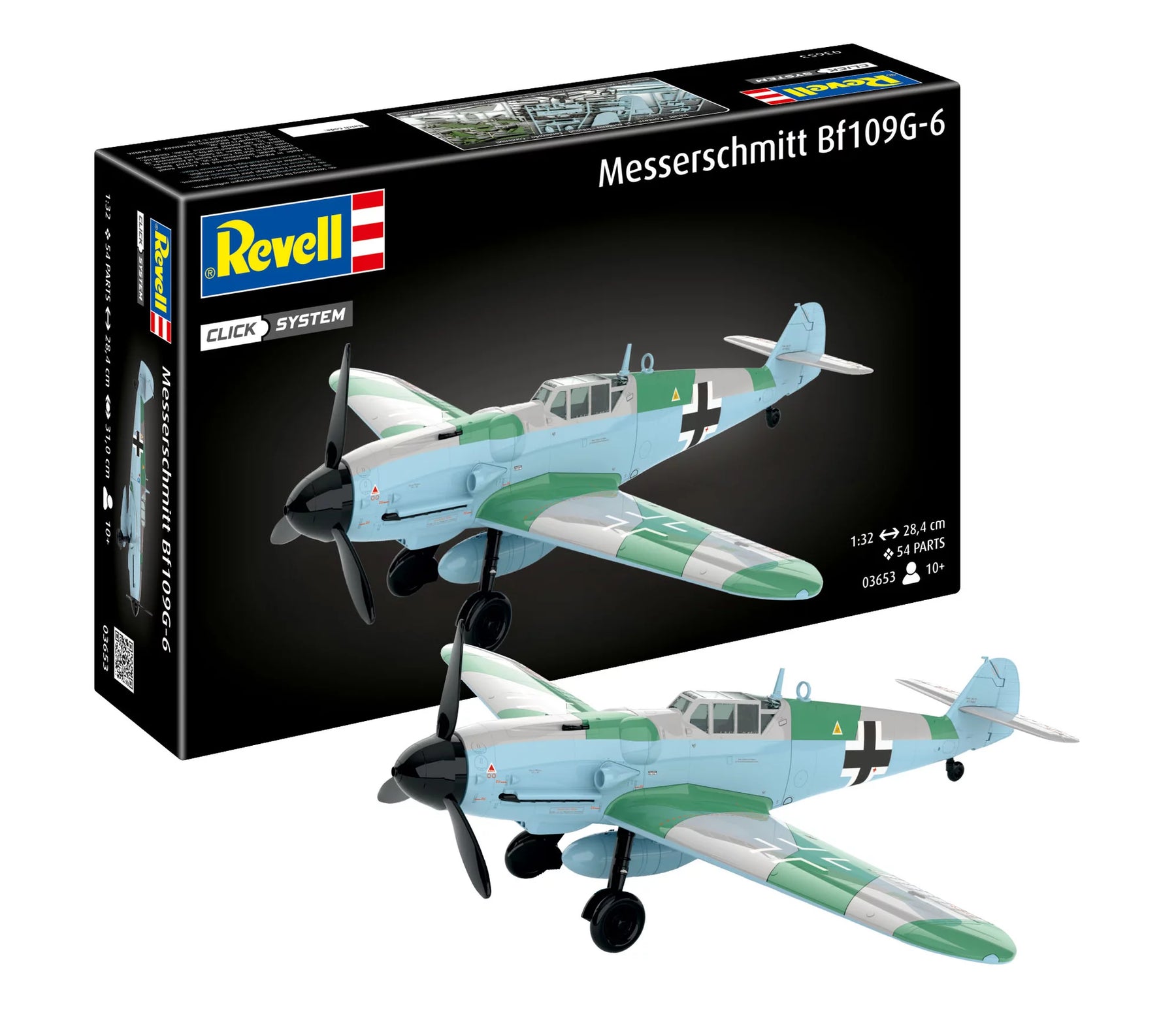
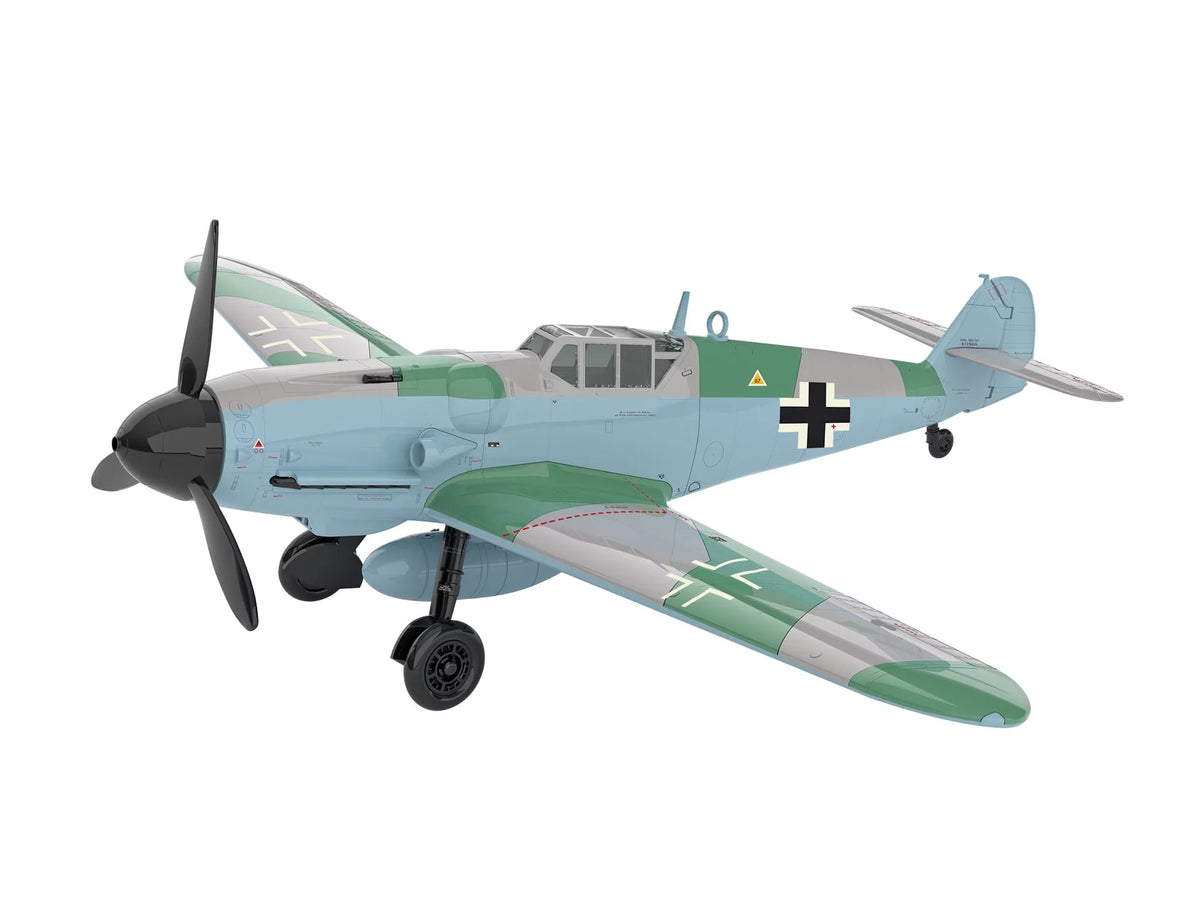
Airplane enthusiasts and lovers of historic ships will also get their money's worth. Fast jet fighters, civilian passenger aircraft or maritime legends like the Titanic offer hours of crafting fun. The assemblies are structured in such a way that wings, fuselage halves and tail units are exactly aligned without you having to make time-consuming measurements or clamping devices.
Which tool do you really need to get started?
Even if the system does not require glue or complex tools, you cannot do without basic equipment if you want your result to look flawless. With just a few, carefully selected utensils, you can significantly improve the quality of construction.
- Side cutters for plastic: The most important tool of all. Instead of twisting or tearing components out of the molded part with your fingers, cut the retaining bars flat with a fine model making side cutter. This prevents unsightly breakouts and white stress areas in the plastic.
- Precision craft knife (scalpel): To remove tiny burrs or tiny remnants of the sprue, carefully scrape the area smooth with a sharp blade.
- Sanding pads or polishing files: With fine grain sizes (1000 to 3000 grain size) you can give interfaces the perfect surface finish.
- Tweezers: Pointed tweezers are essential for precisely applying small stickers, decals or tiny components such as rear-view mirrors and antennas.
If you would like to expand your workshop with these useful helpers, practical cutting mats or brushes for later detailed painting, it is worth taking a look at the right ones Accessories Accessories with which you are optimally equipped for every craft project.
Step-by-step instructions: This is how your first plug-in model turns out perfectly
To ensure that your first kit looks like a masterpiece right from the start, we recommend a structured process. Follow these tried and tested steps from our crafting practice:
1. Prepare the workplace and study the instructions
Make sure you have a well-lit, clean work surface. Place a cutting mat underneath to protect furniture. Please leaf through the enclosed, illustrated construction instructions completely to understand the structure and the order of the construction phases. Compare the sprues with the parts overview.
2. Only remove parts when necessary
A common beginner's mistake is prematurely removing all components. This means you quickly lose track of the part numbers. Always only remove exactly the components that are required in the respective construction step. Place the side cutter with the flat side facing the component.
3. Clean up any remaining sprue
Even with the cleanest cut, there is often a minimal amount of plastic left behind. Gently scrape this off with the craft knife. This step is particularly important with the plug-in system: Even a tiny burr on a pin or in a socket can prevent the parts from sliding together completely and create an unsightly gap.
4. Join components together using even pressure
Place the pieces flat together and apply careful, even pressure with your fingertips. Don't tilt the parts. If you notice that a part is jamming, never use brute force - instead, check whether the alignment is correct or whether there is still a burr in the way. A solid click signals the perfect fit.
5. Place stickers or decals
Depending on the kit, self-adhesive stickers or traditional water slide decals are included. You carefully remove stickers with tweezers, position them precisely and press them into place with a lint-free cloth or cotton swab. With water slide decals, you briefly soak the motif in lukewarm water, slide it onto the component and carefully dab off the remaining water.
Refinement and individualization: If you want more
Just because a plug-in model already looks great without painting doesn't mean your creativity has to end there. For many enthusiasts, the system is the perfect basis for further refinements:
Panel lining (depth emphasis): You can emphasize depressions and engraving lines with special, heavily diluted colors (washes) or the finest fineliners. The color flows into the joints as if by itself thanks to the capillary effect. After wiping off excess paint, wings, armor plates or body joints appear three-dimensional and three-dimensional.
Weathering (signs of aging): Do you want to give a spaceship or tracked vehicle the look of hard use? Using dry brushing techniques, pigments or light traces of dirt, you can create rust effects, smoke marks on engines or desert dust. This transforms your model from a clean exhibit into a living diorama highlight.
Matte or Glossy Finish: A final coat of clear varnish from a spray can not only protects applied decals, but also unifies the gloss level of the various plastics. A matt clear coat takes away the typical plastic shine of military models, while high-gloss paint gives your sports car a shiny showroom finish.
Who is the Click system the perfect companion for?
The versatility of the plug-in kits appeals to very different model building fans:
- Children and young people (from approx. 8 to 10 years): The system promotes fine motor skills, concentration and technical understanding without demotivating you with toxic glue or frustrating drying times.
- Returners: Anyone who wants to use scissors and pliers again after years or decades will find an uncomplicated, quick way back to their hobby without having to buy half a workshop.
- Collectors with little free time: If your everyday life leaves little room for hours of masking, gluing and sanding, the system offers relaxed after-work projects with guaranteed success.
- Creative refiners: If you want to concentrate fully on painting, aging and custom looks, you can save a lot of preparation time during the shell construction with the precisely fitting assemblies.
Dive into our extensive range now and discover kits that will inspire you. Choose your favorite model, equip yourself with the right tools and experience pure model building fun - just unpack, click and be amazed!