








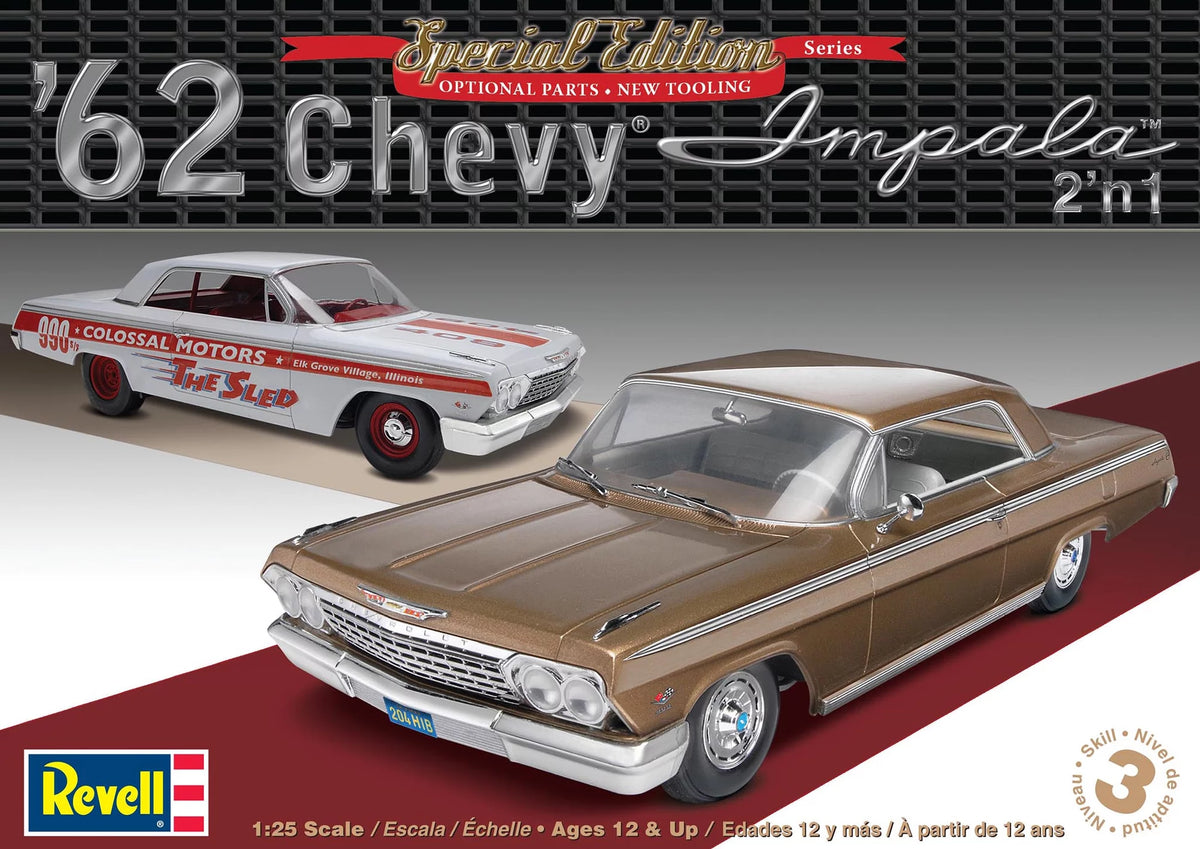
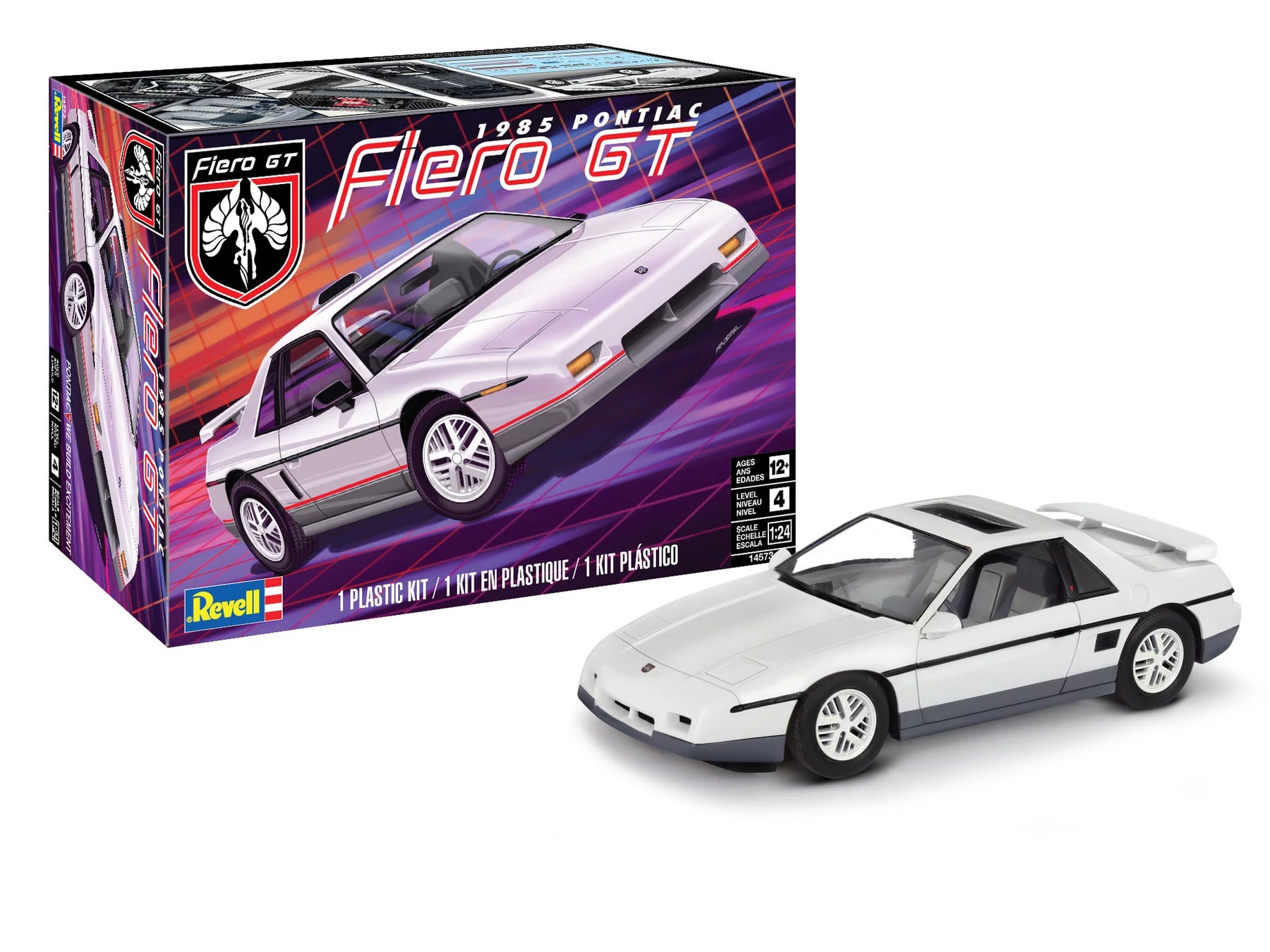
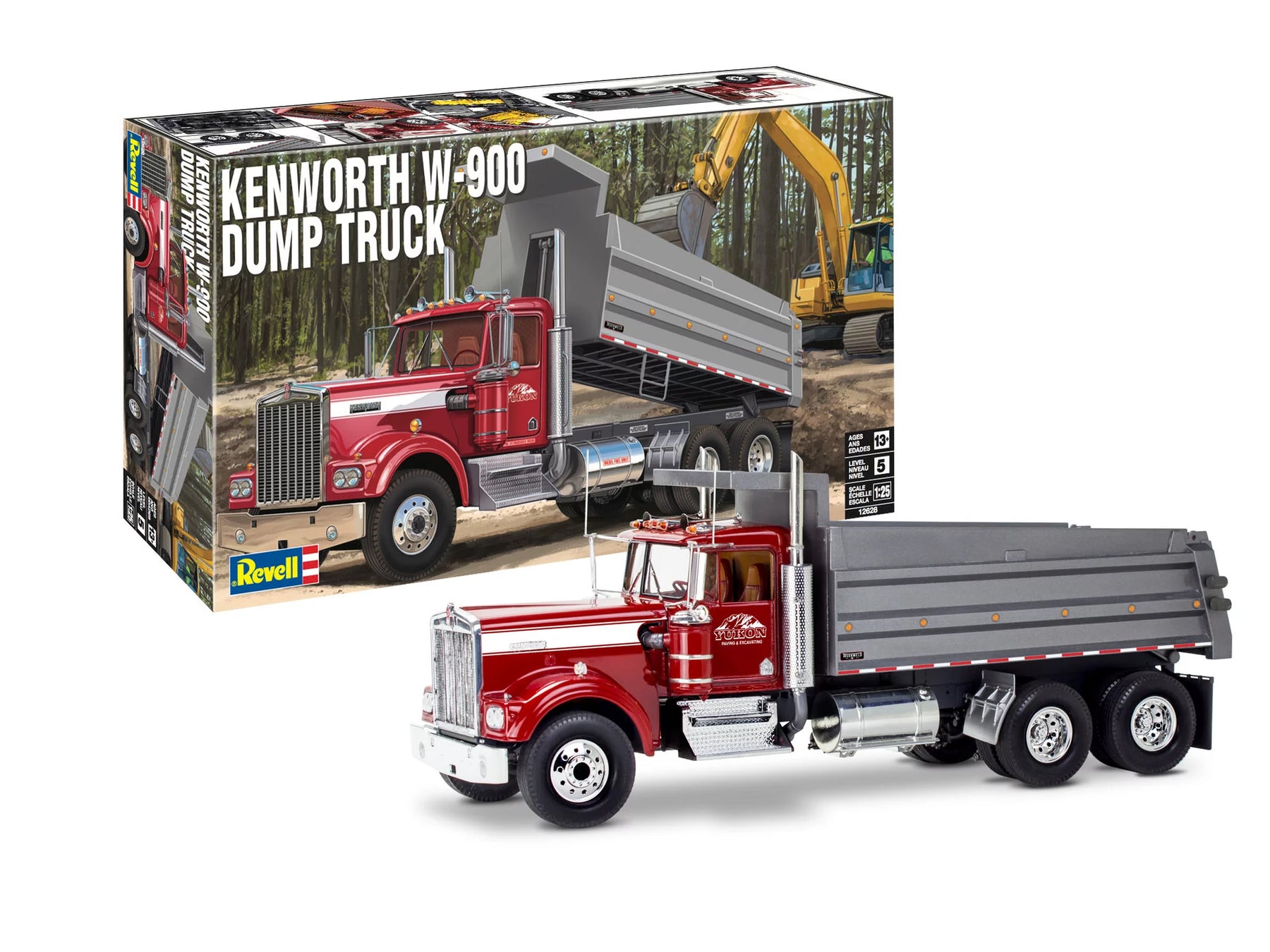
The fascination of US model building: V8 power, chrome and highway romance
American automobiles and trucks have always embodied a feeling of limitless freedom. If you are enthusiastic about plastic model building of US vehicles, you will feel this unmistakable character in every single move. While European vehicles often impress with their delicate lines and lightweight construction, American classics rely on sheer presence, powerful V8 engines, massive frame constructions and extravagant chrome decorations. It is precisely these attributes that make assembly an intensive experience for every model builder.
Our passion focuses on legendary eras: the perfectly shaped tailfins of the 1950s, the uncompromising muscle cars of the late 1960s and early 1970s as well as gigantic conventional trucks that shape the image of the US interstates with their elongated hoods and towering exhaust pipes. A US kit is always a piece of tangible automotive and cultural history. Anyone who has ever opened the hood of a full-scale V8 engine and looked at the fine details of twin carburettors, valve covers and exhaust manifolds will immediately understand why these kits enjoy cult status worldwide.
Scales in US car and truck model building: Understanding 1:24 and 1:25
If you are in the field of American civilian vehicles, you will quickly come across a peculiarity: In addition to the 1:24 scale, which is common around the world, the 1:25 scale traditionally dominates in the US segment. This difference has historical roots. Originally, US manufacturers such as AMT, MPC and Revell produced so-called promo models for American car dealerships in an exact 1:25 scale, from which the model building tradition that is valued today developed.
This means remarkable diversity for your collection:
- Scale 1:25: The classic standard for historic US vehicles. Bodies, engines and chassis are precisely tailored to this ratio. Here you will find the largest selection of muscle cars, pickup trucks and vintage classics.
- Scale 1:24: Offers a little more space for even finer detailing. Modern sports cars, street racers and many international kits in particular use this measurement.
- Large scales (e.g. 1:16 or 1:8): These rare pieces of jewelry offer you a breathtaking level of detail, with even ignition cables, hood hinges and suspensions being able to be faithfully reproduced.
To make it easier for you to get started or complete your workshop, it is advisable to have well-structured equipment to hand. With the right one US Cars Trucker Craft Tool You can cut cast branches precisely, remove separating seams effortlessly and place even the tiniest photo-etched or transparent parts exactly in place.
Iconic model categories: From drag strips to heavy-duty highways
The range of American vehicle models covers every conceivable automotive application area. Depending on what your heart beats for, you can divide your collection into fascinating subject areas.
Muscle cars and pony cars: untamed engine power
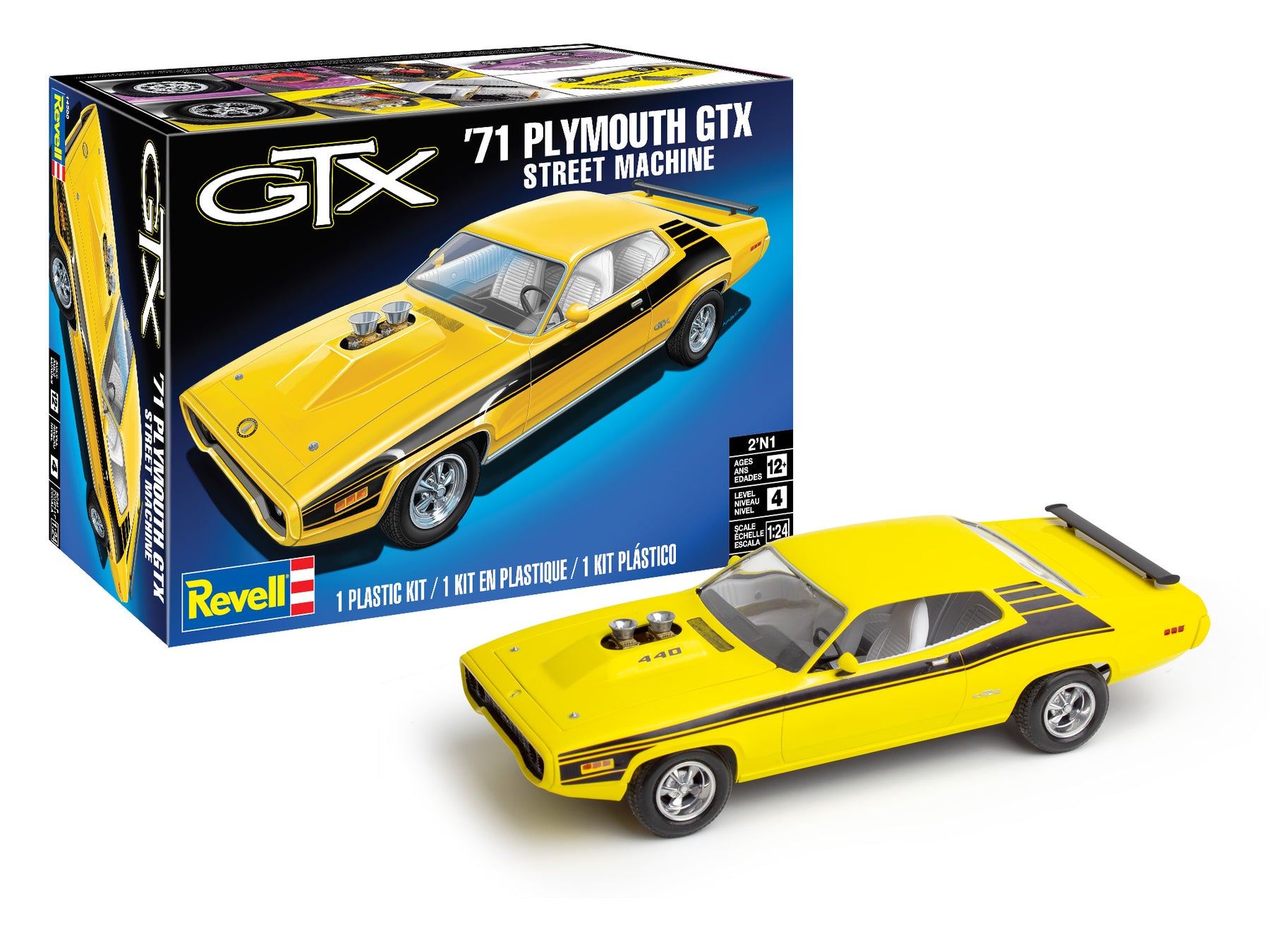
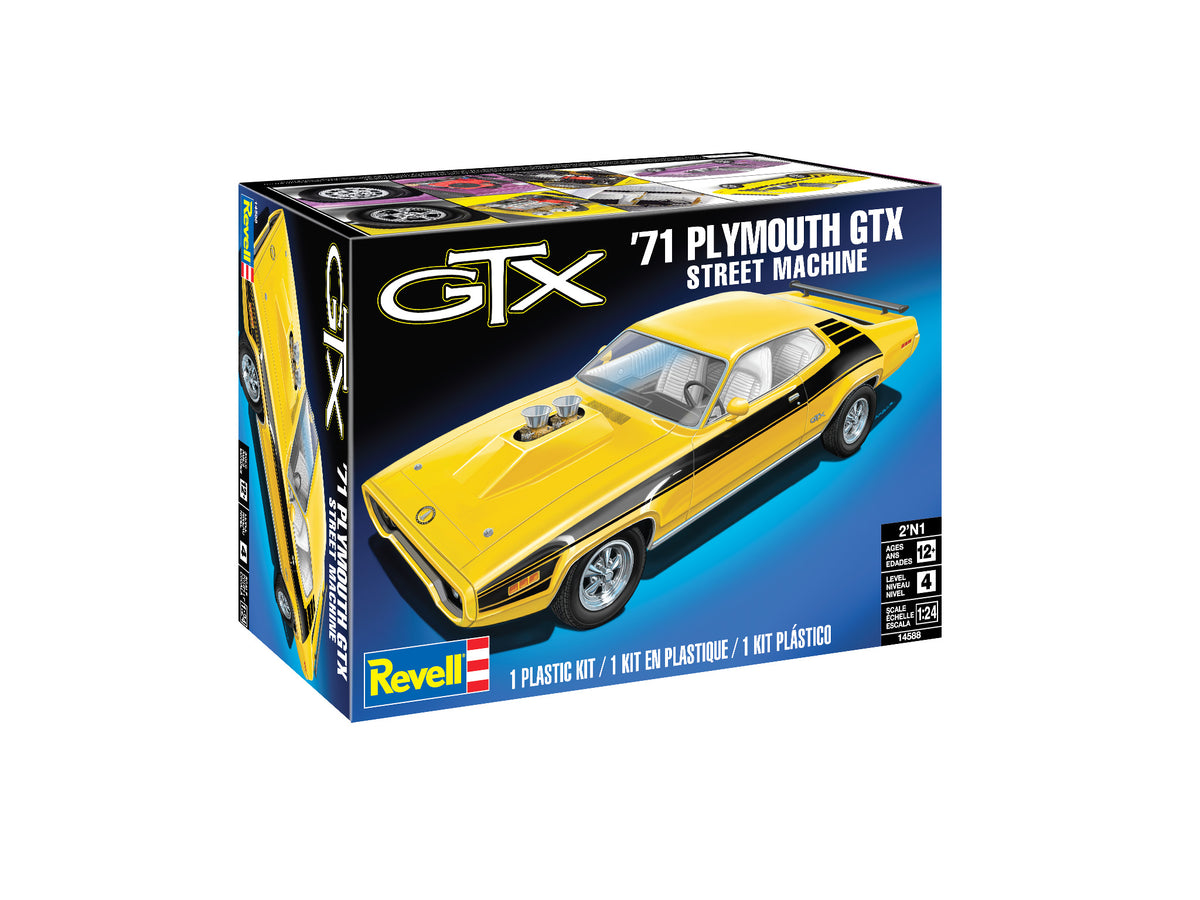
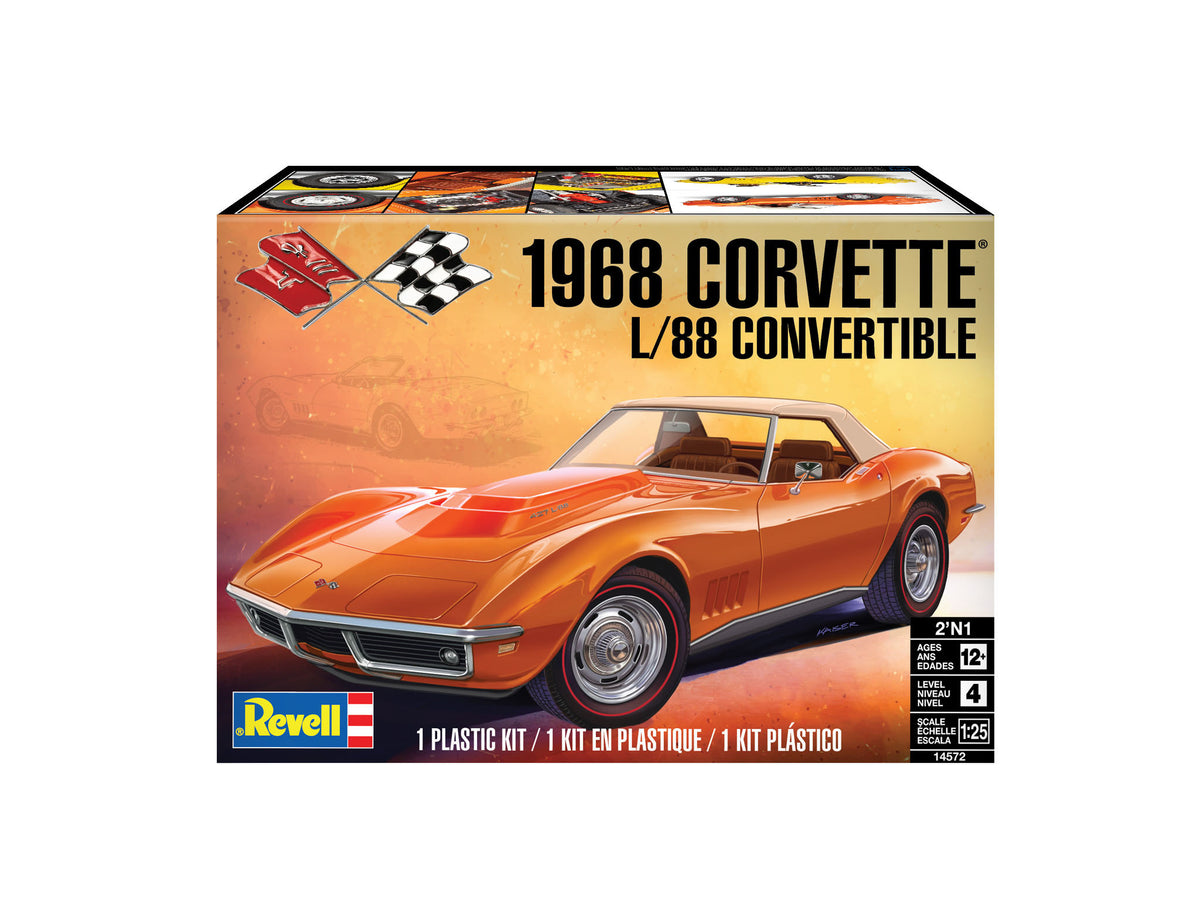
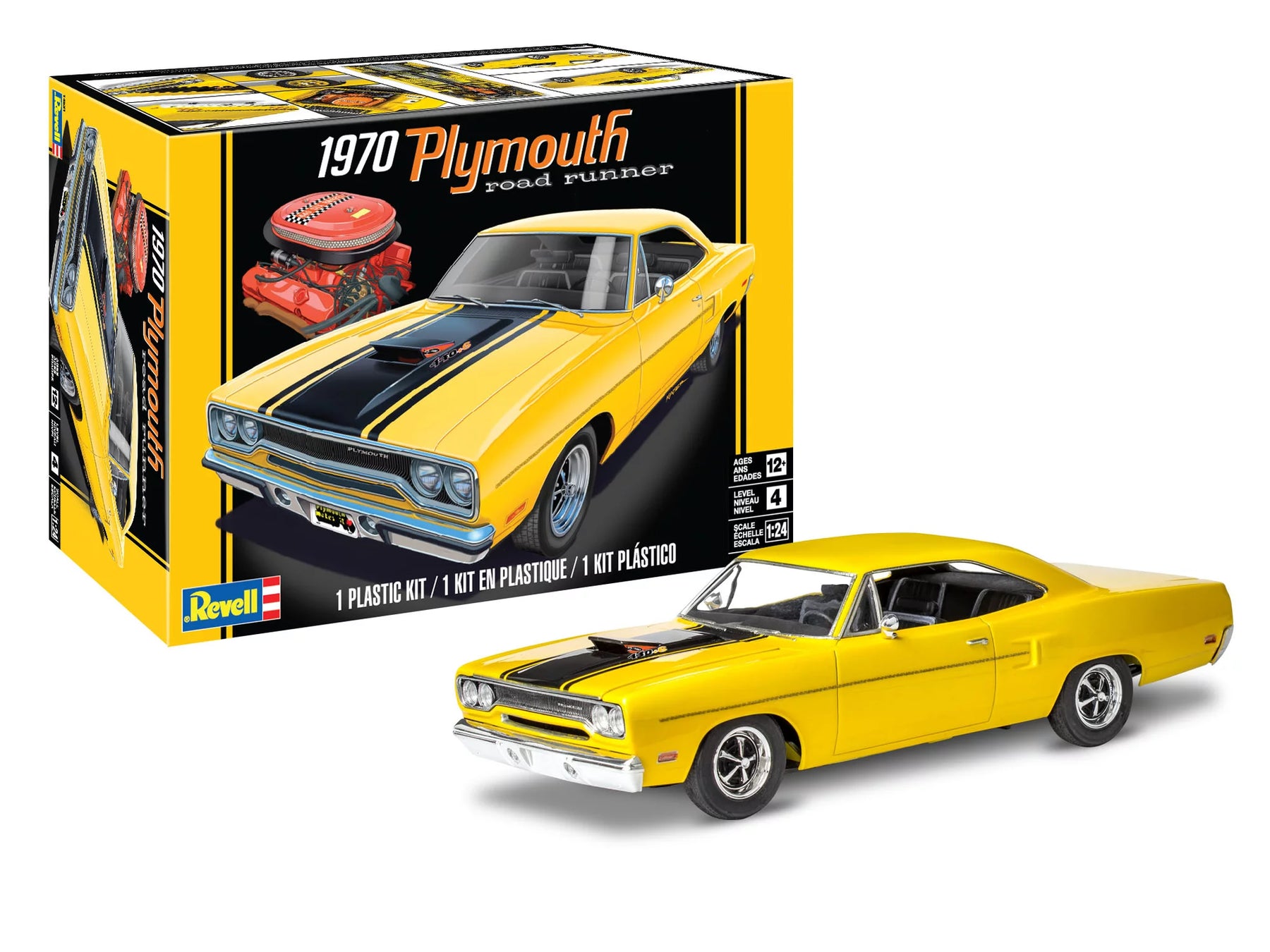
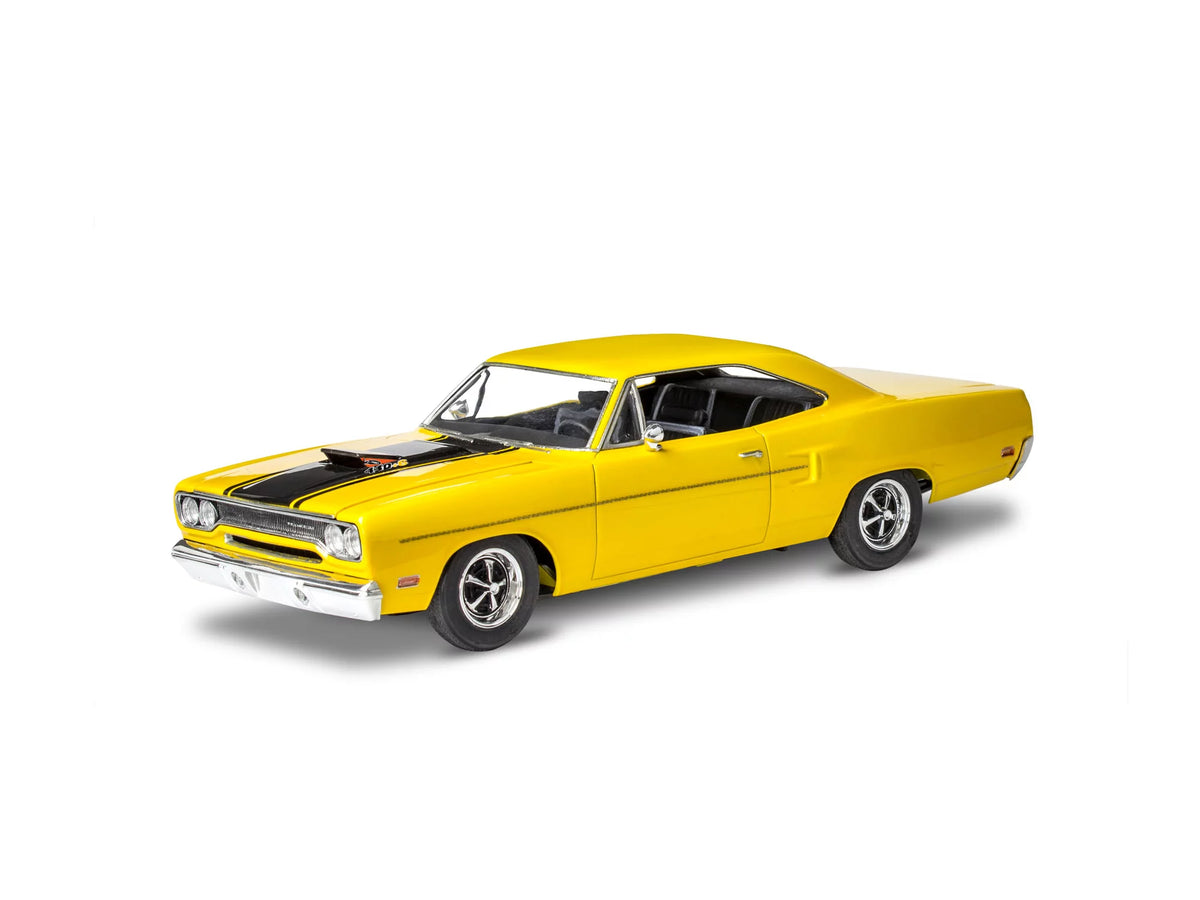
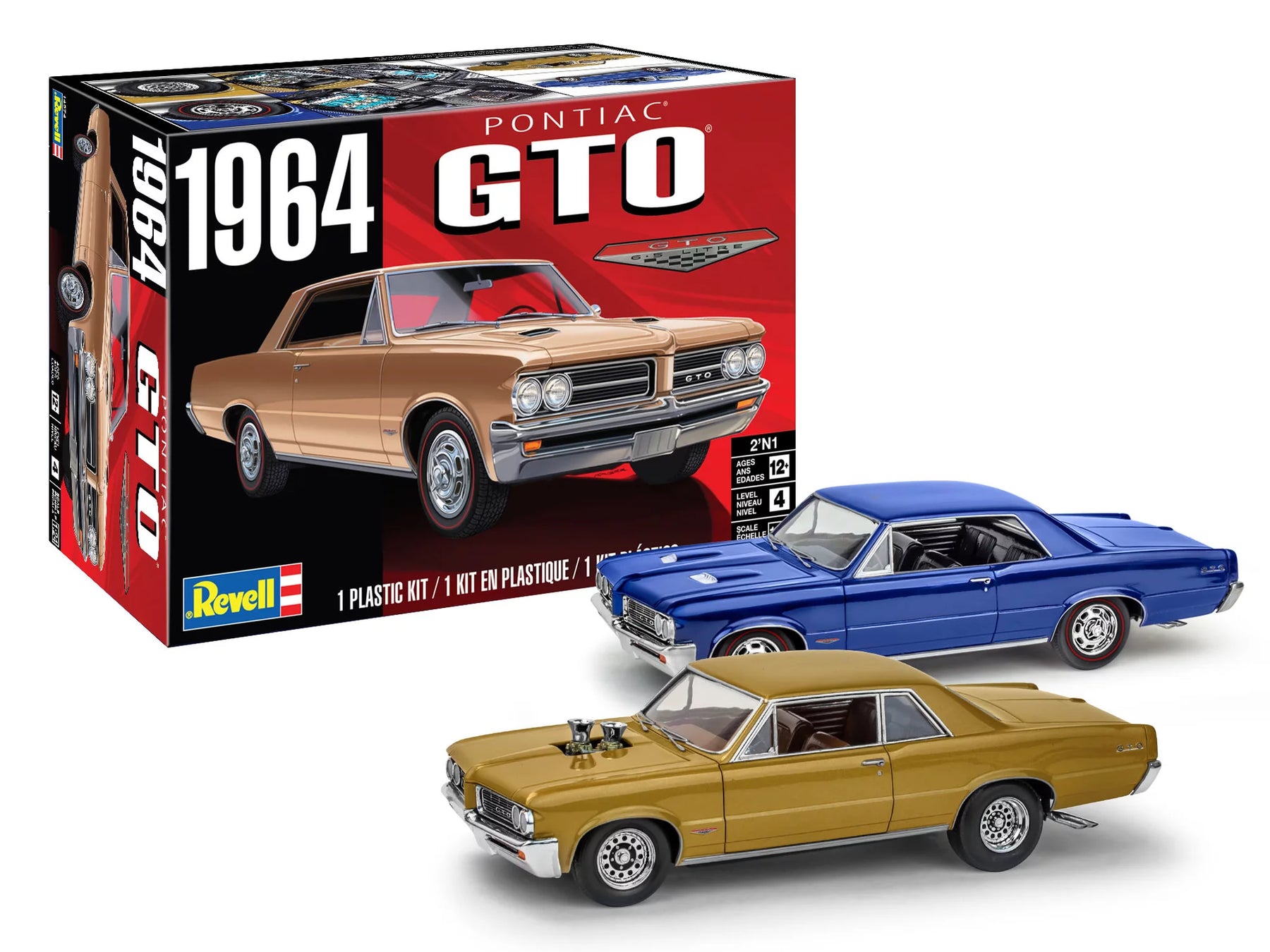
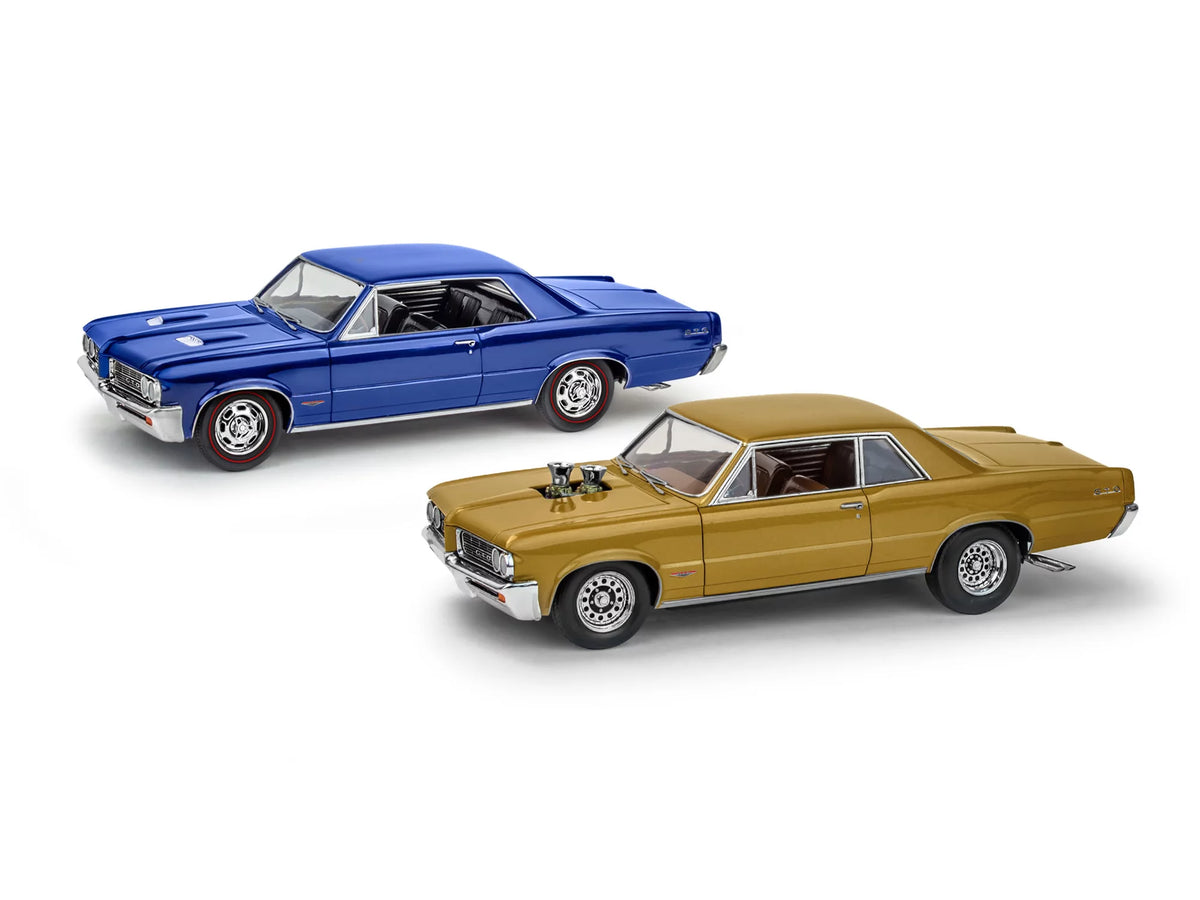
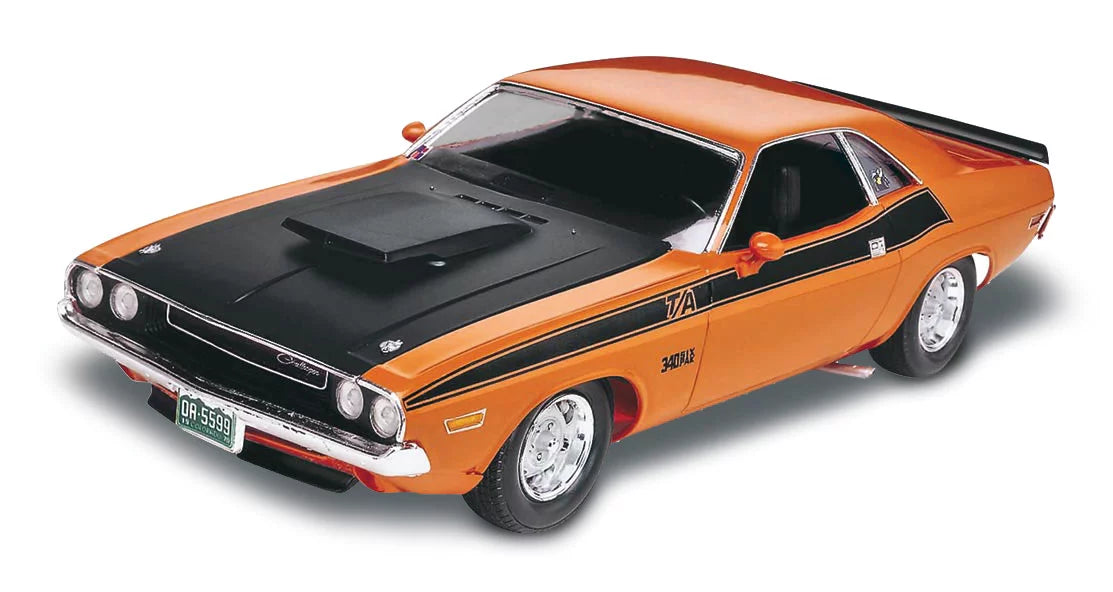
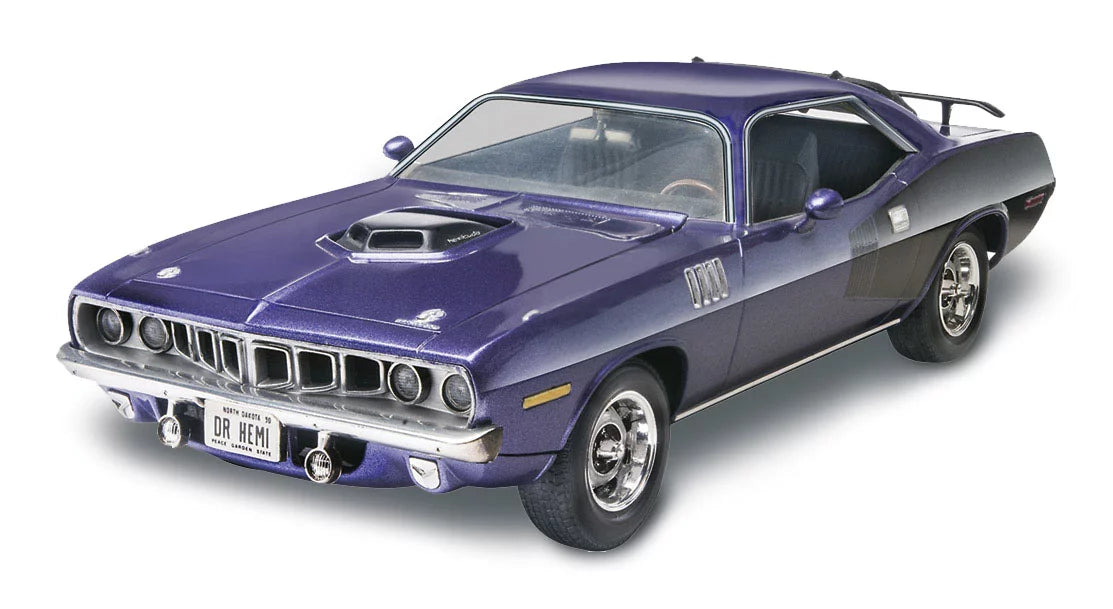
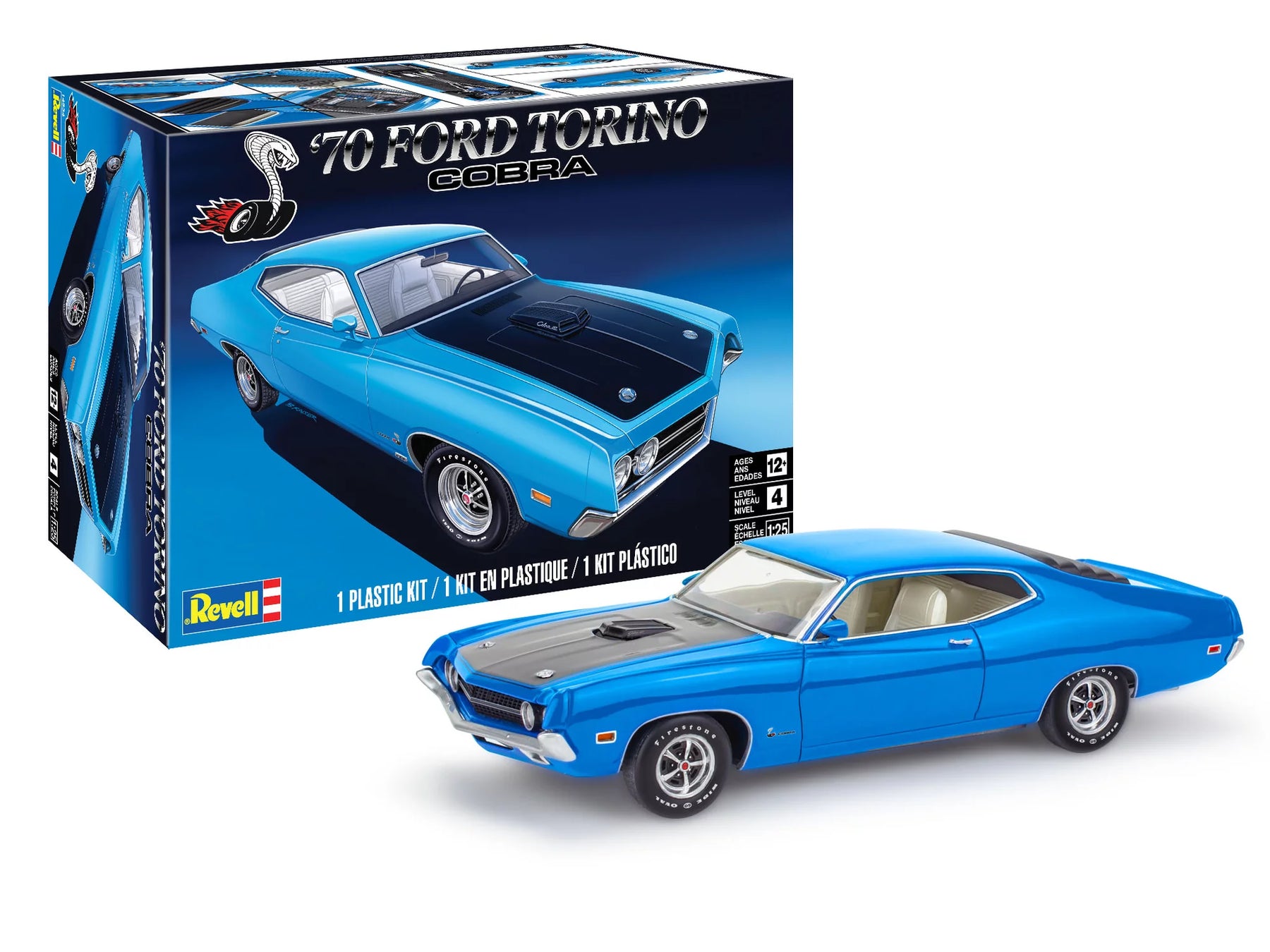
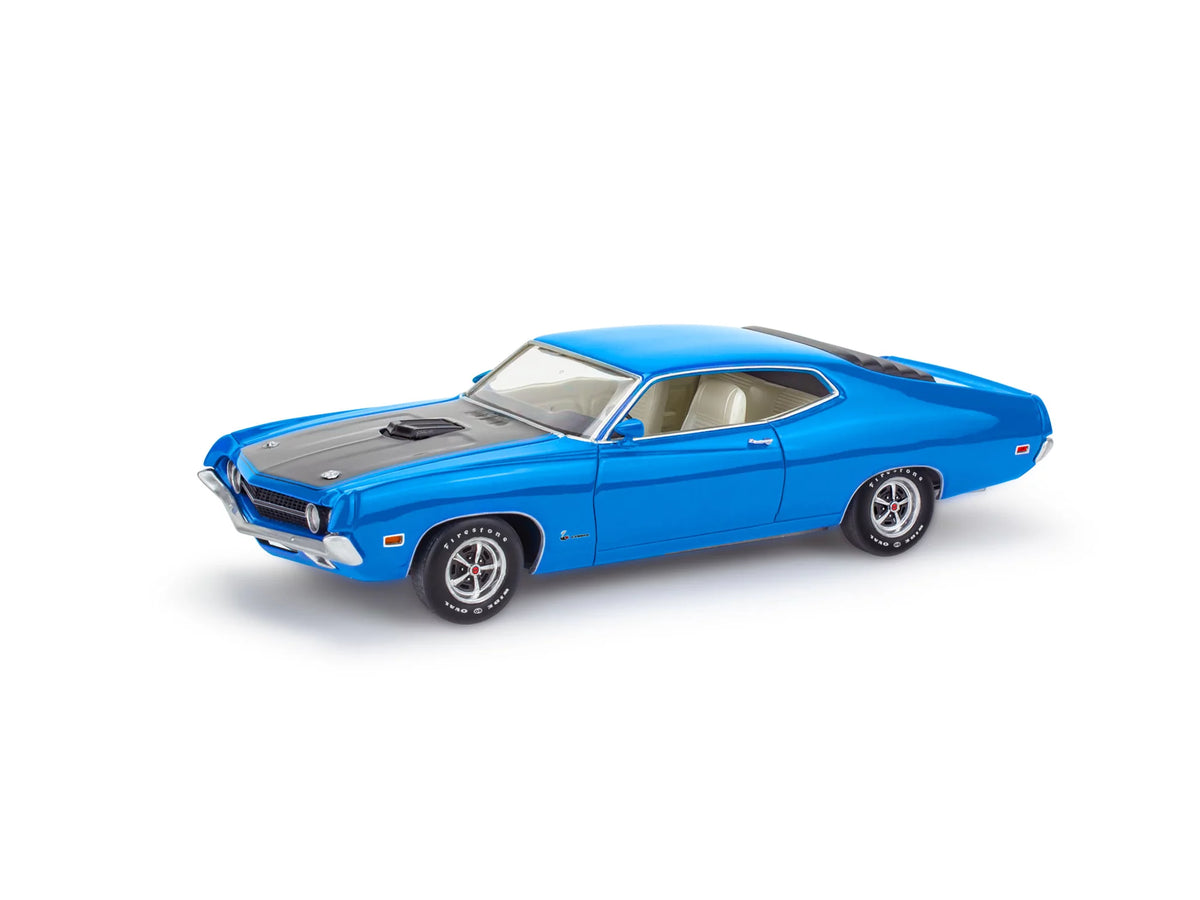
Nothing represents American vehicle culture as intensely as muscle cars. Vehicles like the Ford Mustang, Chevrolet Camaro, Dodge Charger and Pontiac GTO defined an era in which there was no substitute for engine displacement. When building these models, you'll focus primarily on the detailed engine bay, distinctive racing stripes, and fat rear tires that look ready for quarter-mile dragstrip racing.
Classic pick-ups: the indestructible everyday heroes
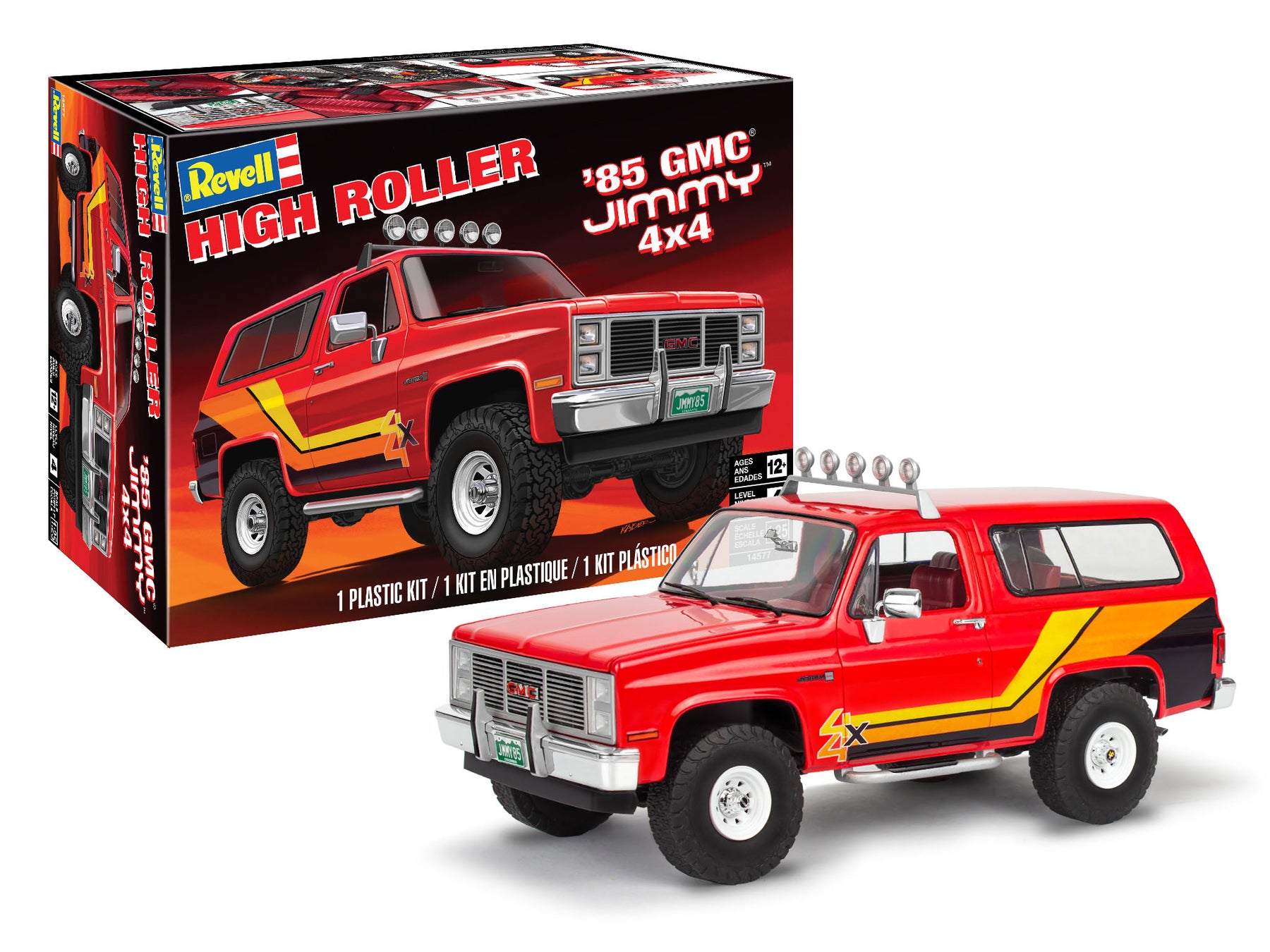
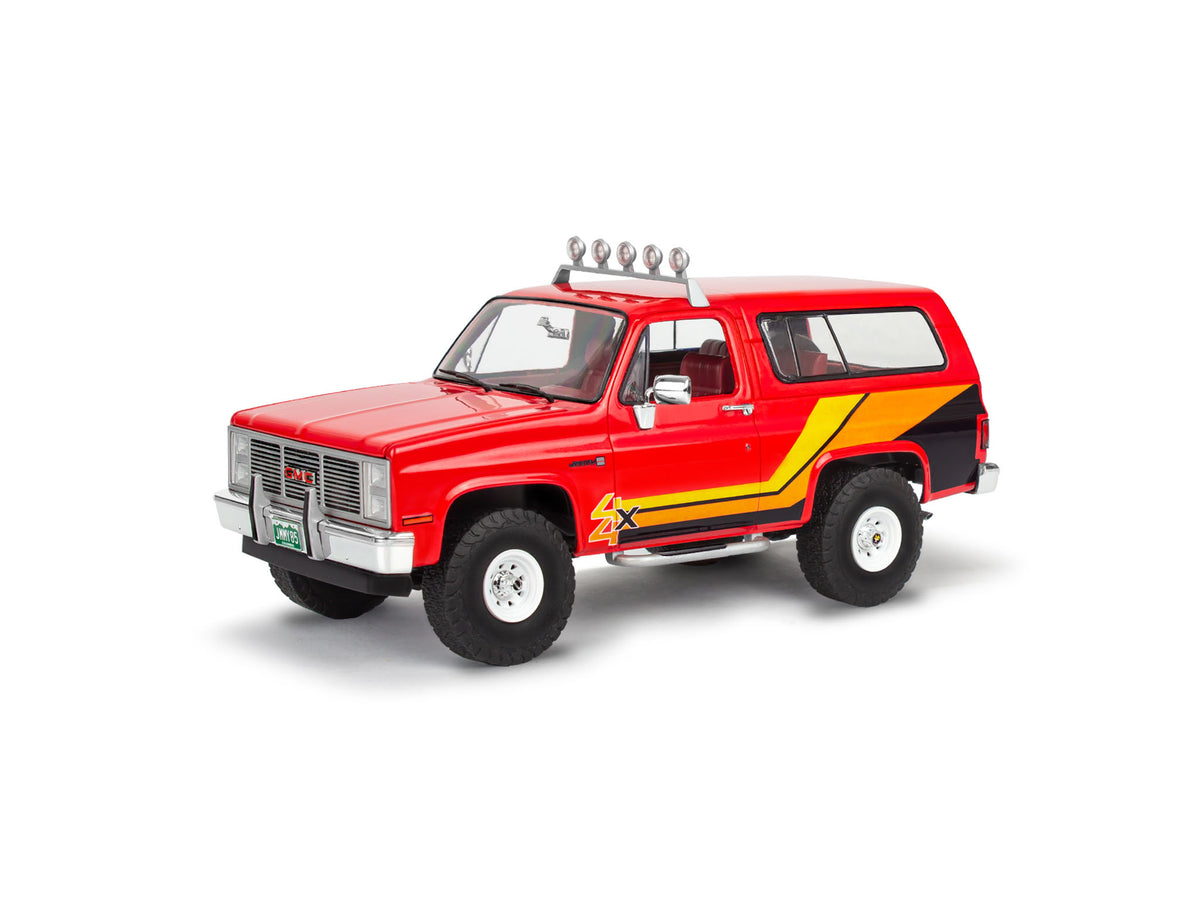
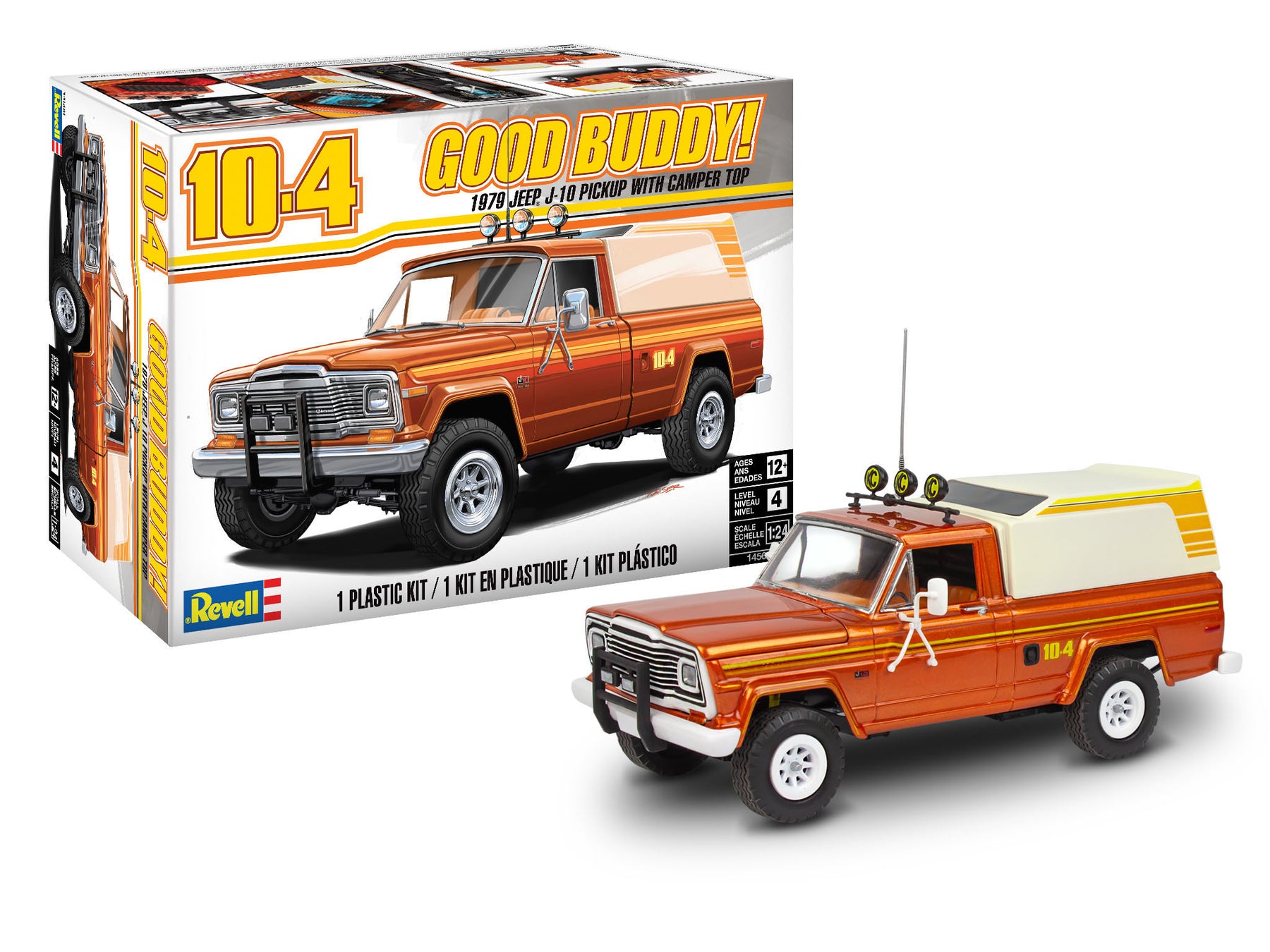
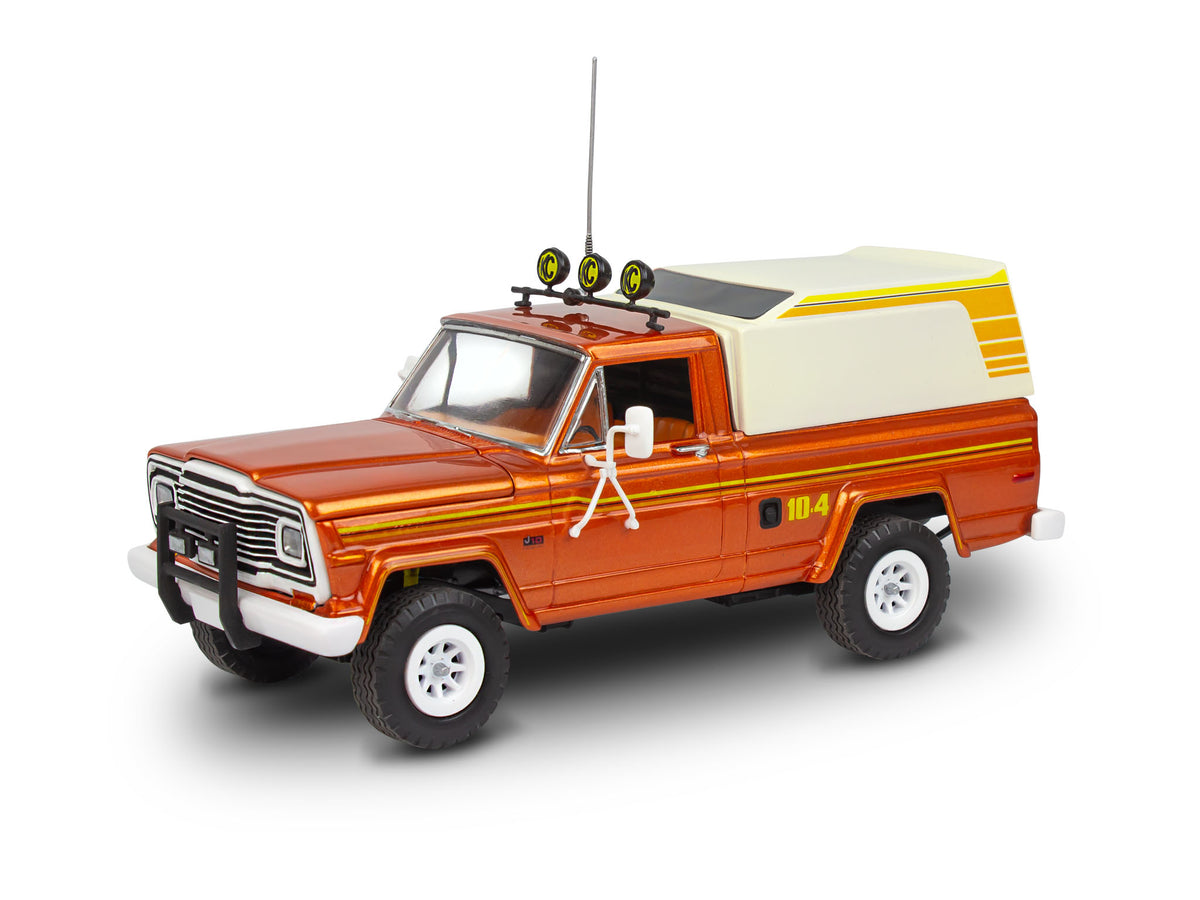
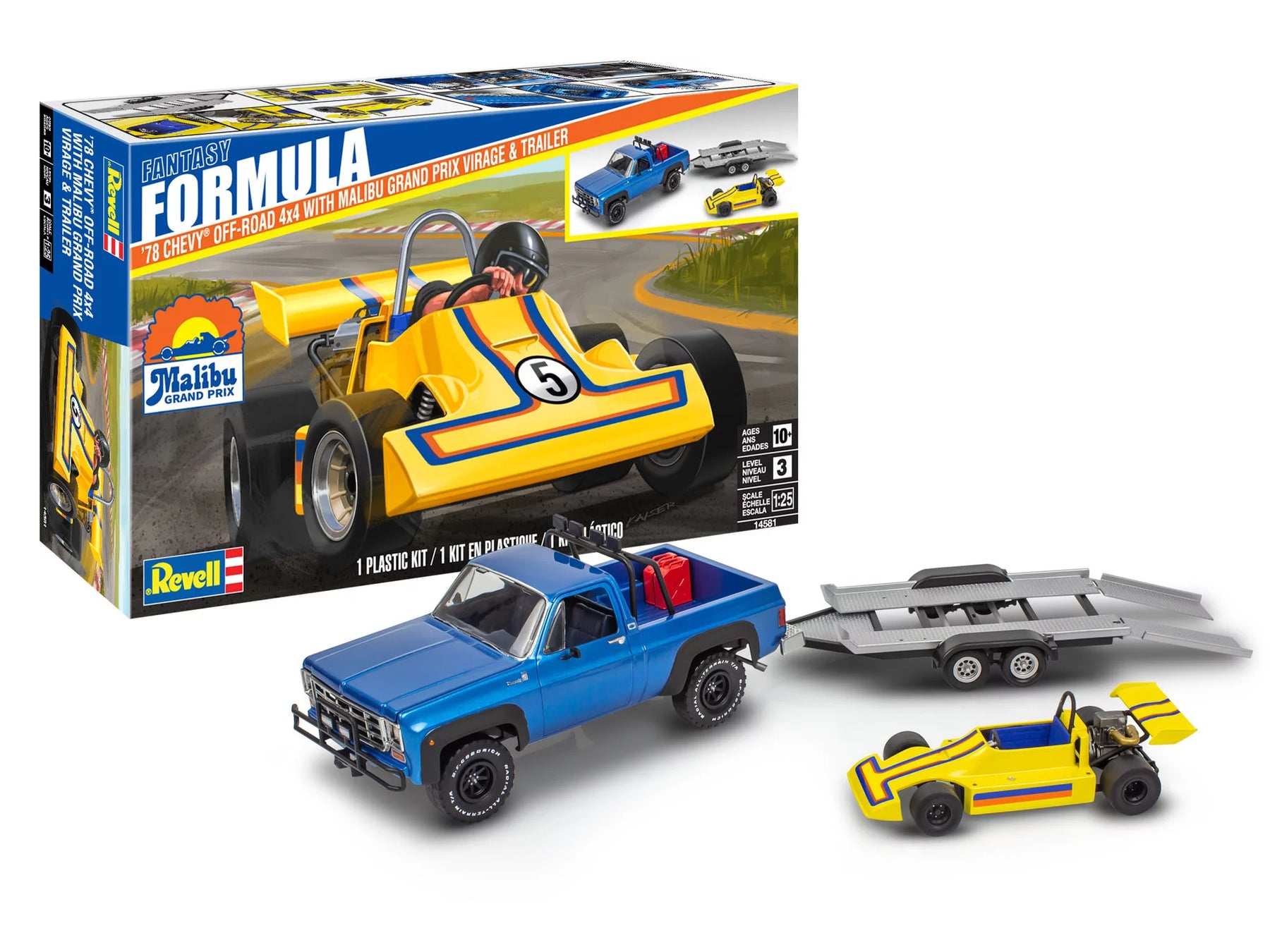
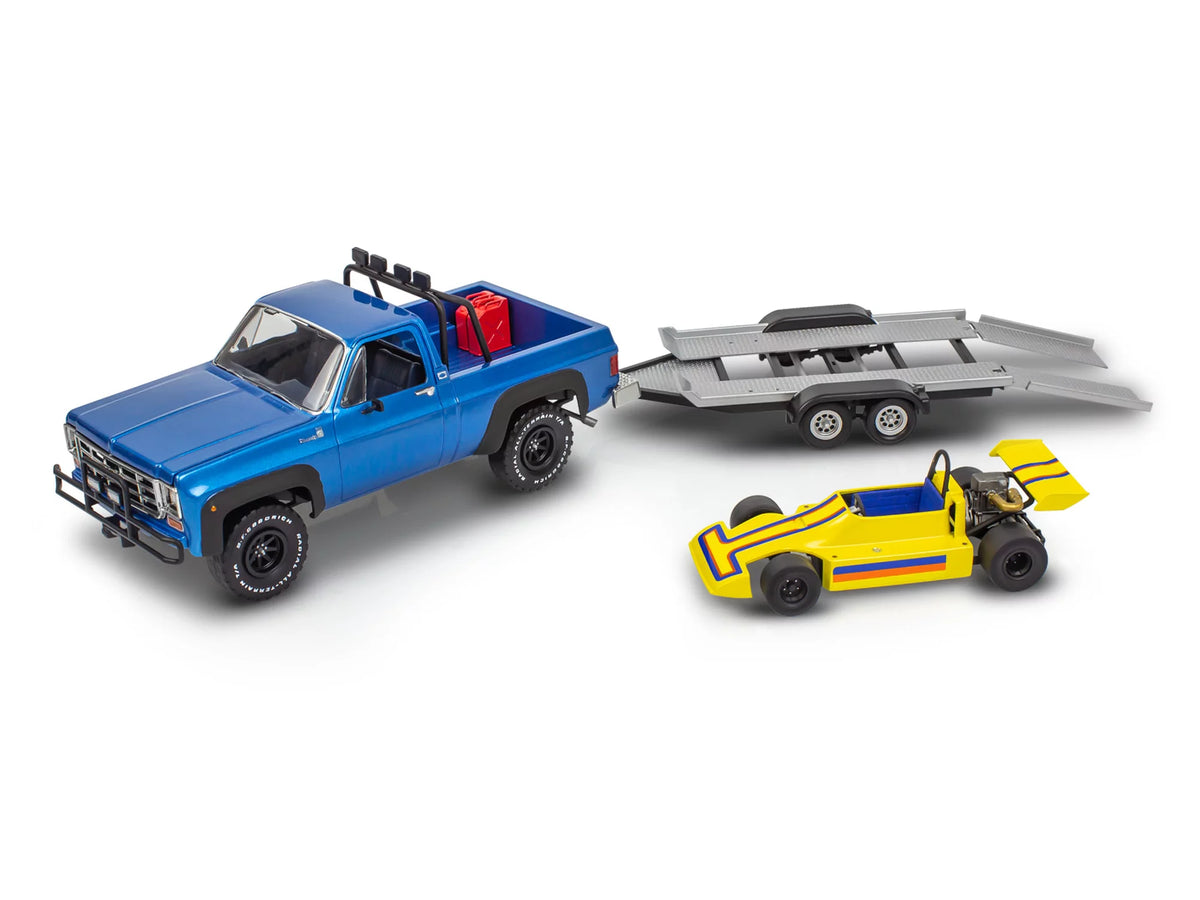
Pick-ups from Chevrolet, Ford and GMC are much more than simple commercial vehicles; they are American cultural assets. In model making, they fascinate with their separate assemblies such as chassis, cabin and platform with a finely structured loading area. Here you can choose between absolutely new show trucks with shiny paint or realistically aged “Barn Find” projects with artificially created rust and a matt patina.
Big Rigs: Giants of the Interstate
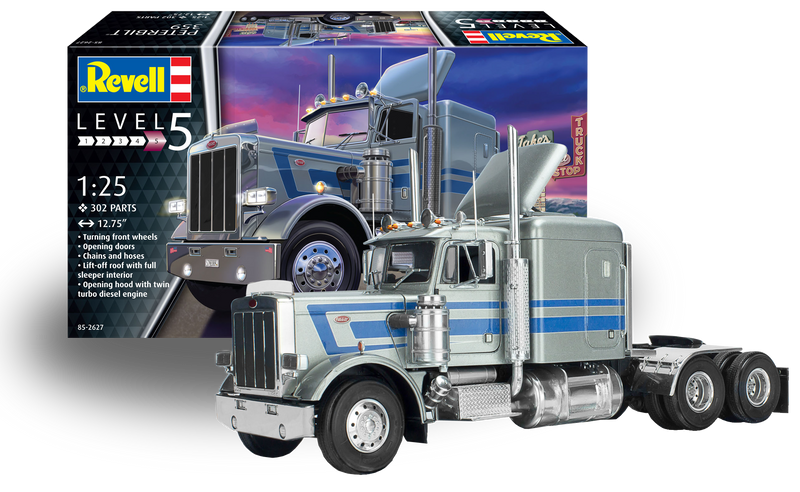
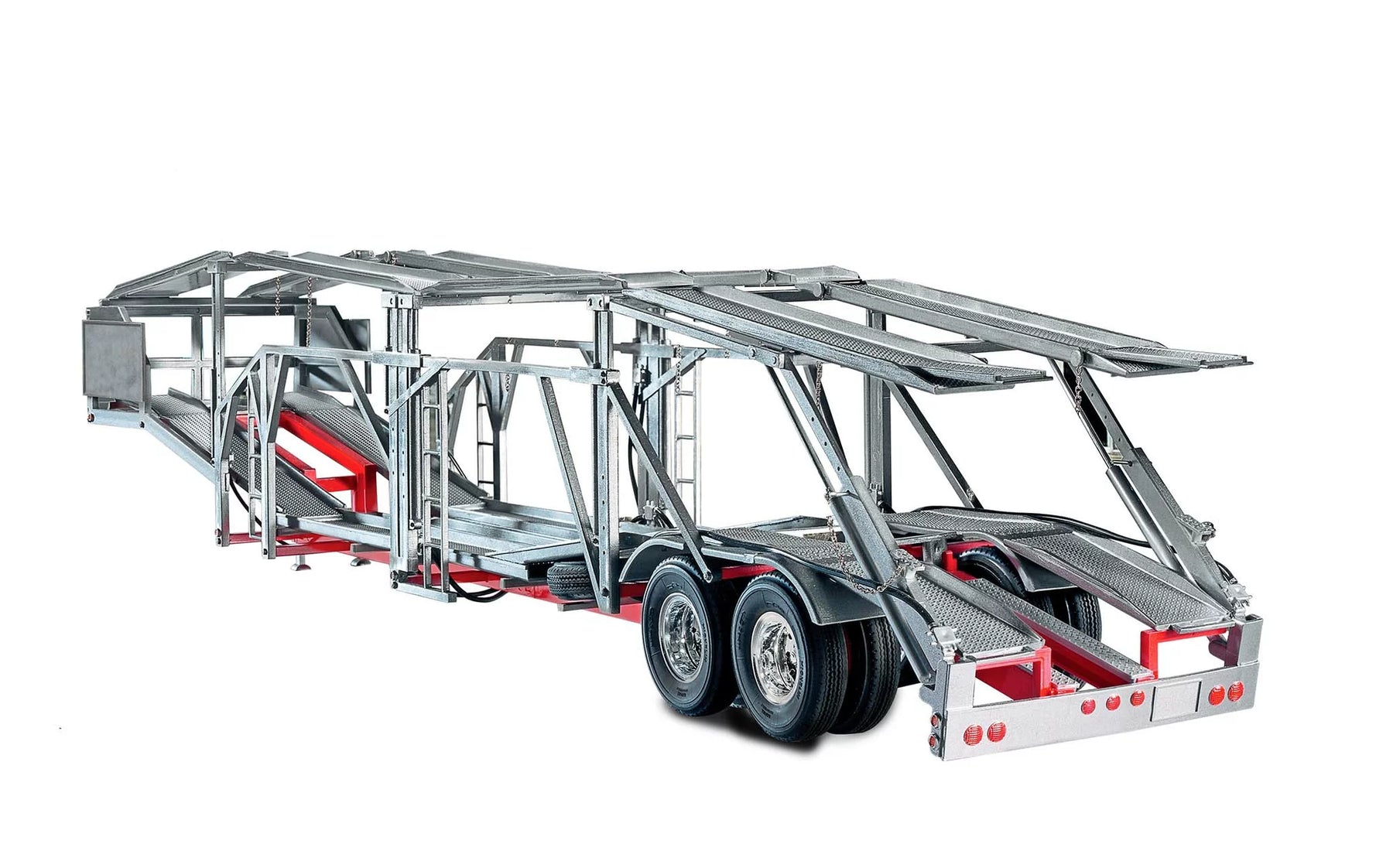
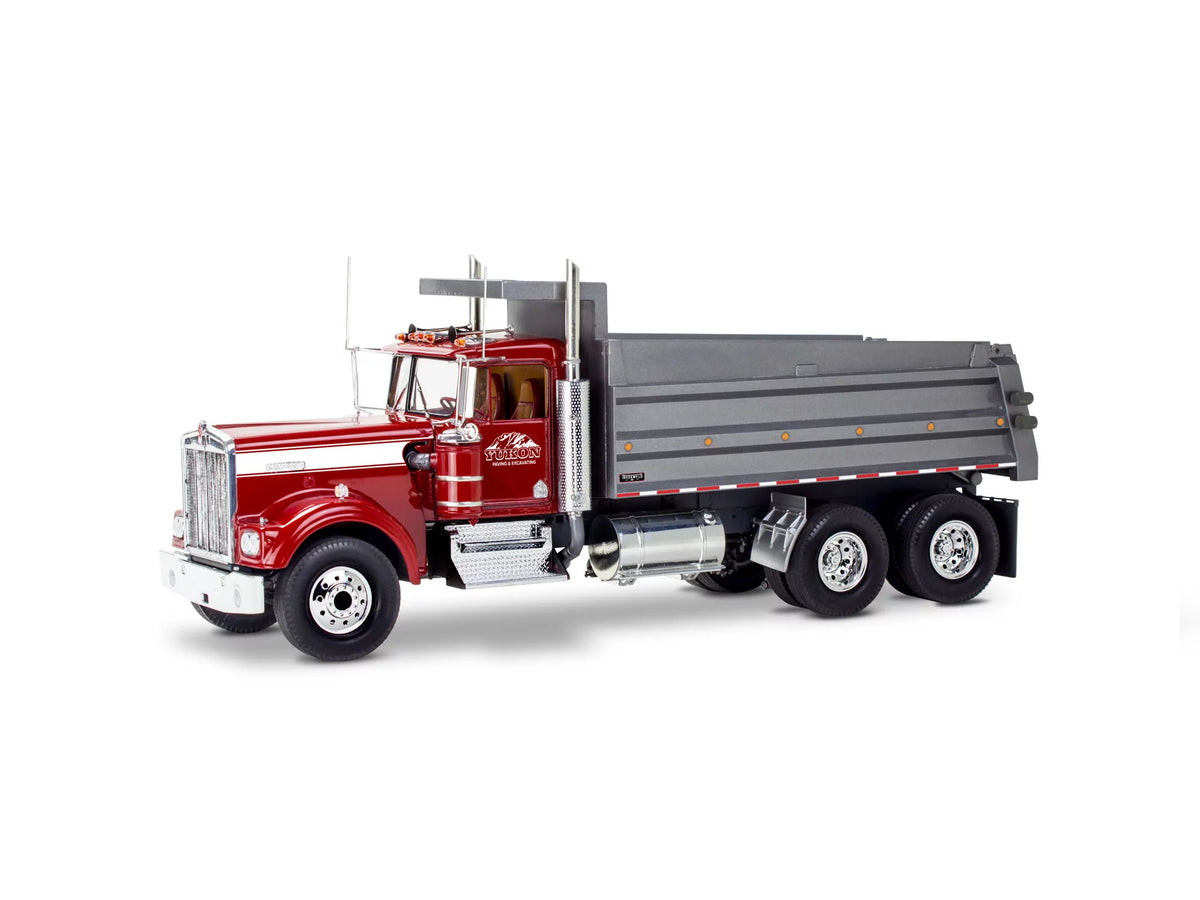
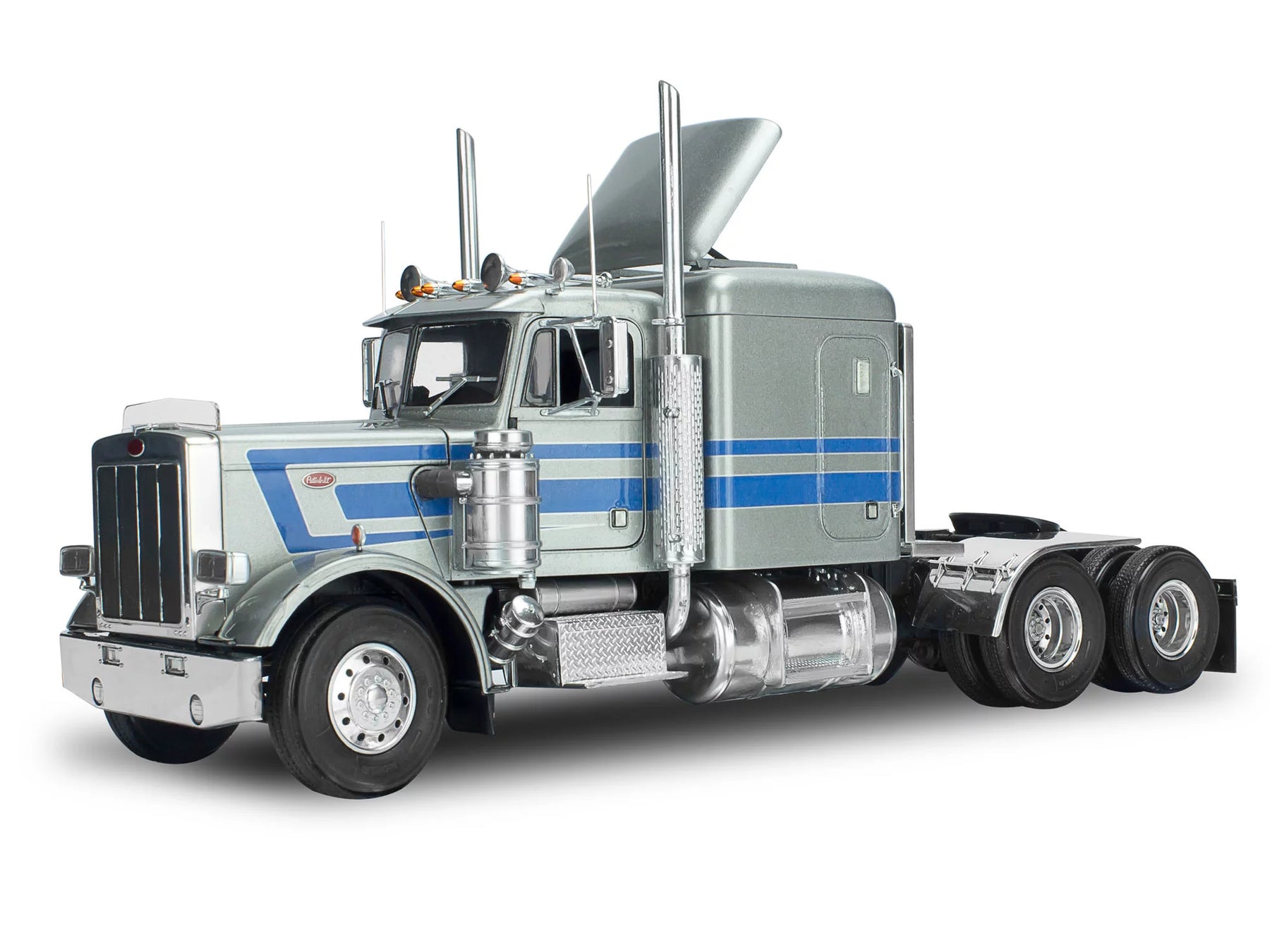
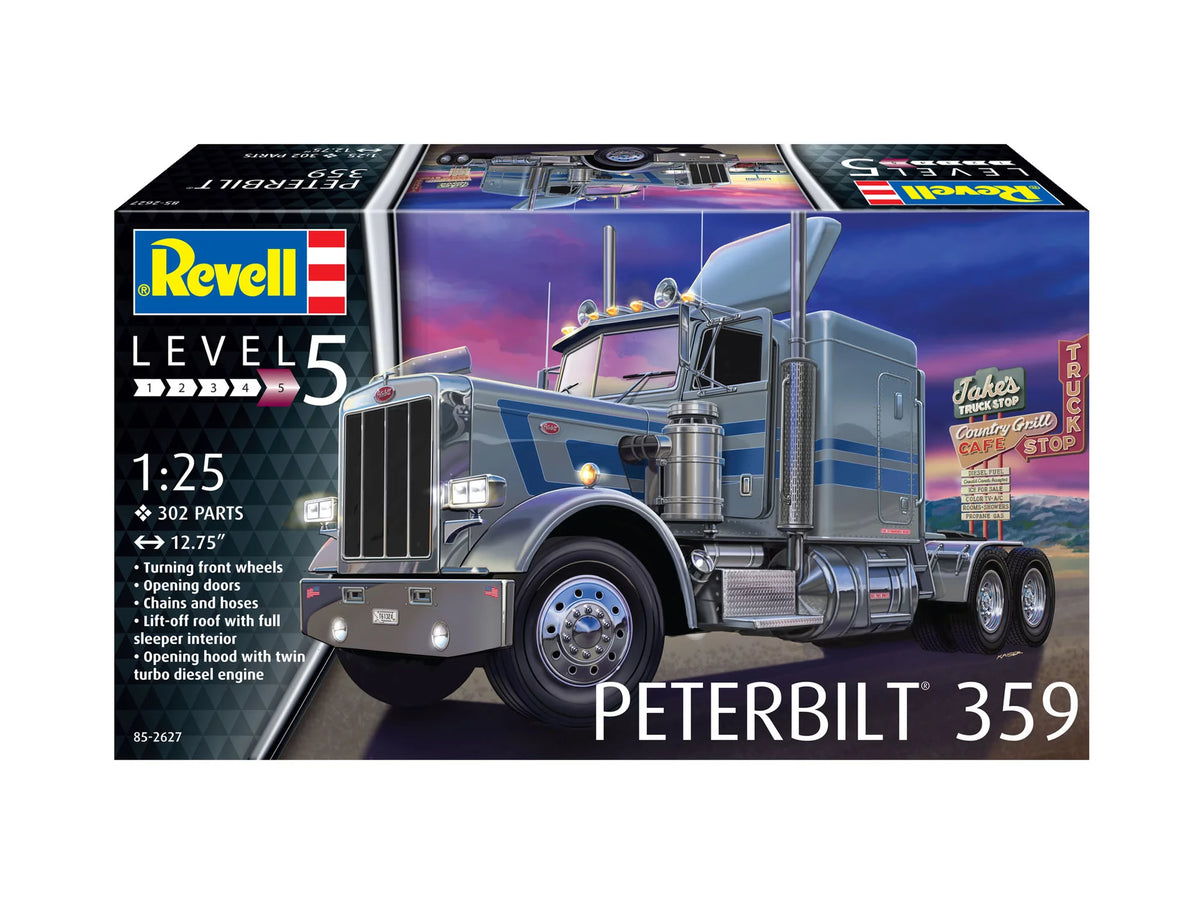
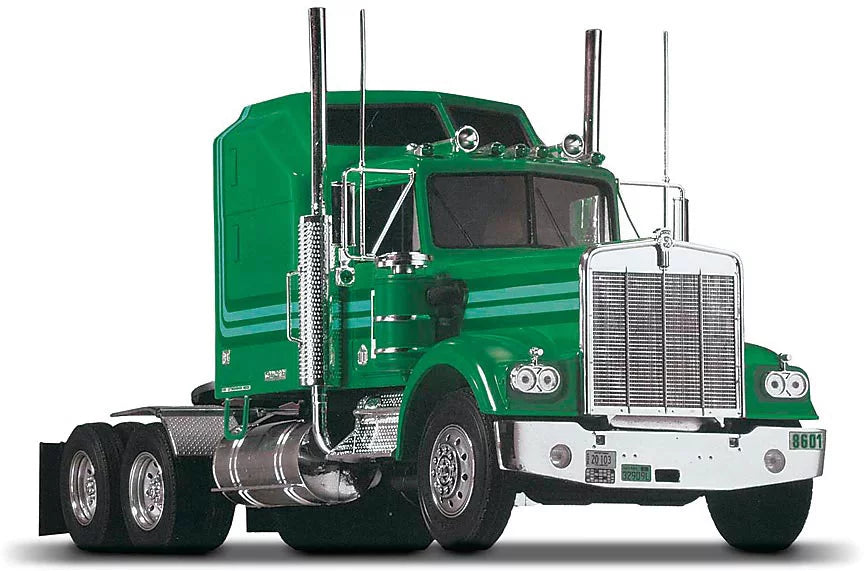
American tractor trailers - the famous Peterbilt, Kenworth or Freightliner hooded trucks - represent a supreme discipline in plastic model building. These kits often contain hundreds of individual parts: massive ladder frames, detailed tandem rear axles, highly complex Cummins or Detroit diesel engines and expansive sleeper cabs with complete interior equipment. Rounded off by impressive twin exhaust systems, chrome-plated tanks and massive bumpers, this creates an impressive gem for your showcase.
Construction methods and levels of difficulty: The right way to the finished model
Every model maker has individual preferences and experience. To ensure that your project is fun from the very first second and frustration is avoided, we offer kits in various difficulty levels and systems.
If you want to get started straight away without glue and complicated painting work, innovative plug-in systems are the ideal choice. Robust and highly detailed Snap Tite USA models allow you to put together legendary US trucks and cars in no time at all without compromising on authenticity. These kits are ideal for beginners, younger hobbyists or experienced model builders looking for a quick interim project.
On the other hand, would you like an all-round, worry-free package that includes basic paints, precision glue and brushes right in the box? Then ask practical model sets is the ideal solution. Here you get everything perfectly coordinated so that you can start building your dream model straight away.
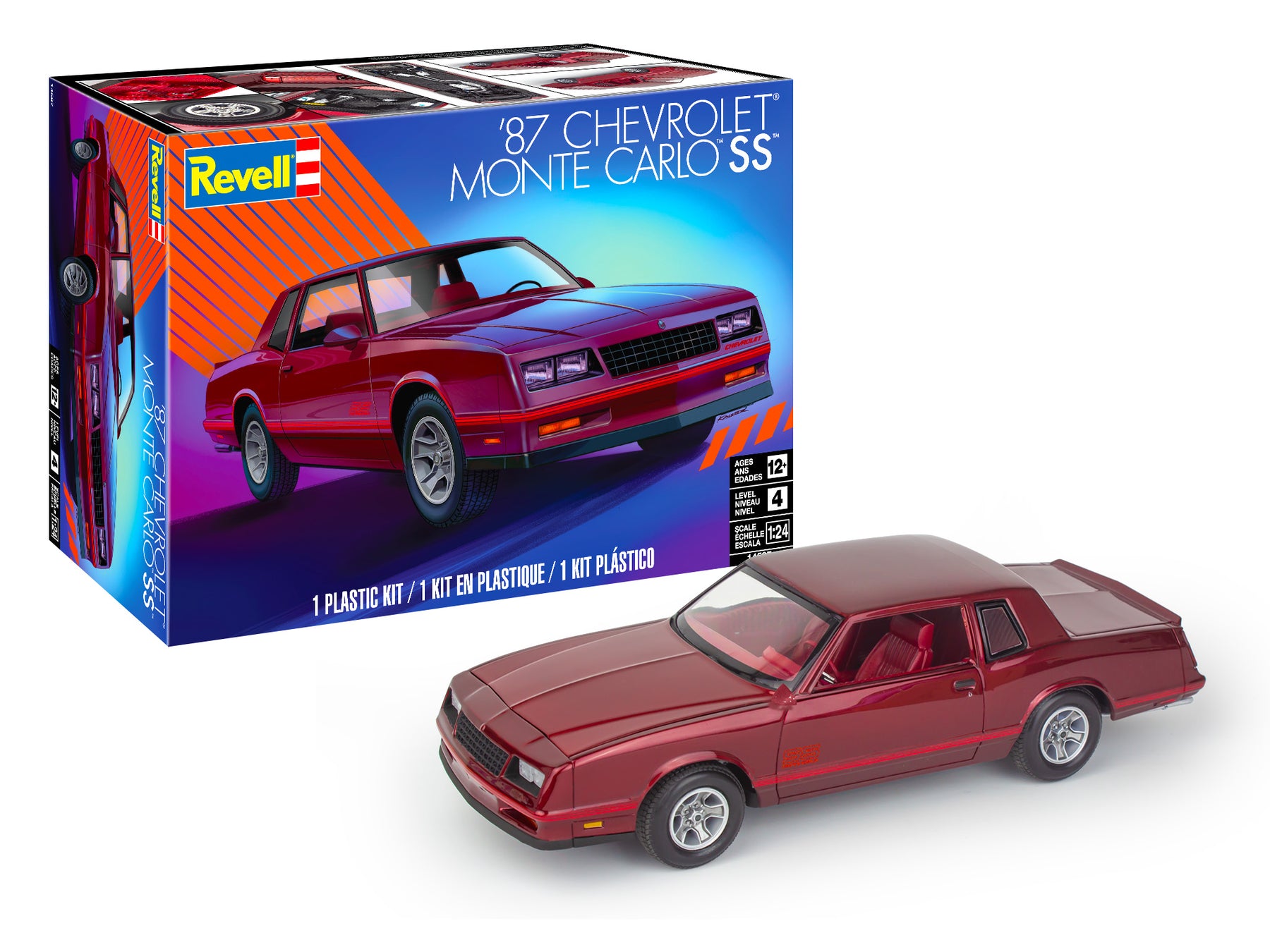
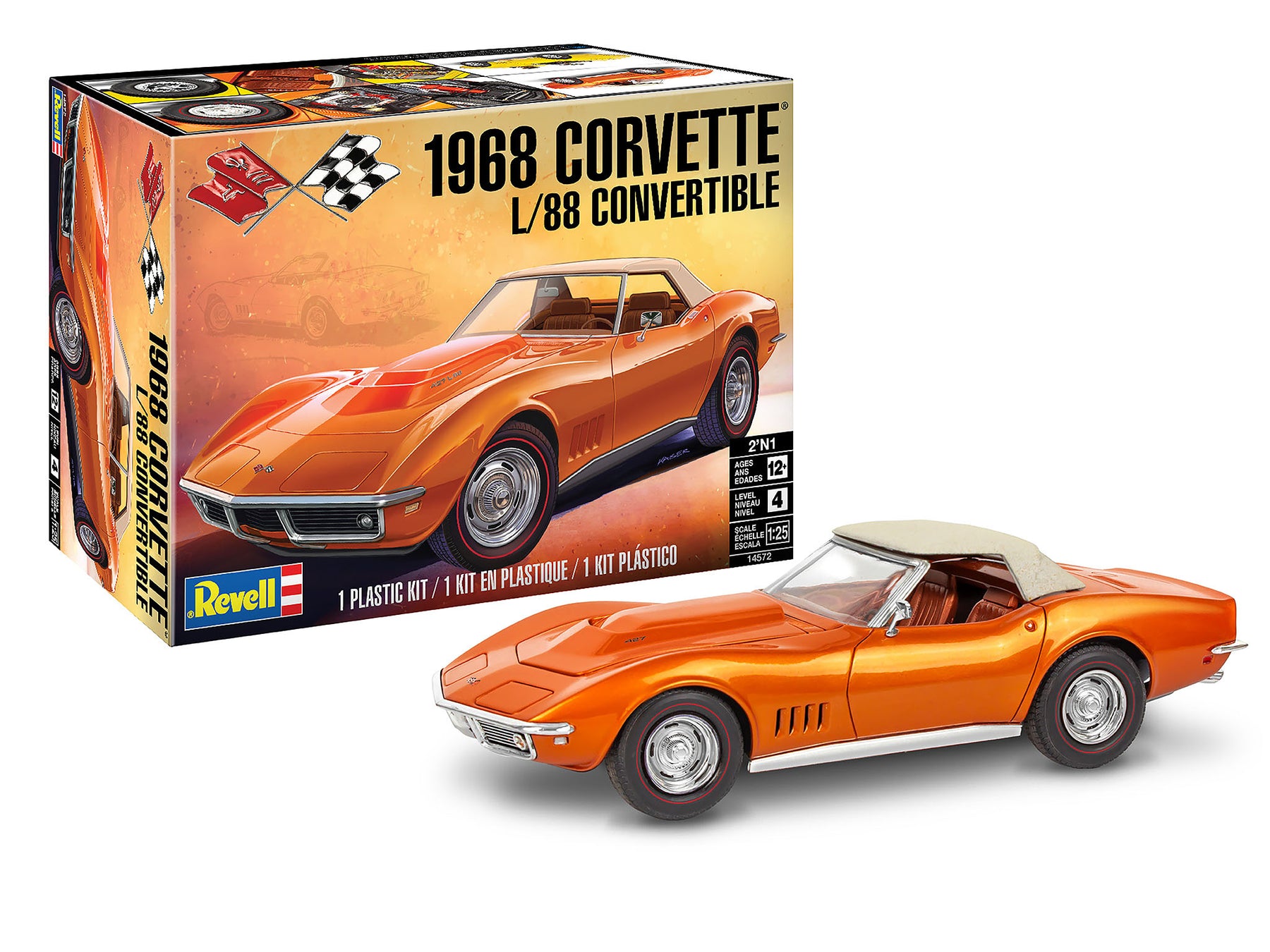
Ambitious connoisseurs turn to the classic kits from overseas. The multi-faceted ones Revell USA kits are often characterized by optional components. A single kit often contains several engine variants (e.g. series or with Roots supercharger), different sets of rims, custom grills or decal sheets for different racing and series versions. So you decide for yourself whether you want to build a true-to-original factory classic or an aggressive street machine.
Practical tips for assembly, painting and engine detailing
In order to create a breathtaking display model from a plastic kit, it is worth following a structured workflow. Our many years of experience in model making show that a few basic techniques make the difference between a good and a masterful result.
1. Body preparation and fit test (dry fitting)
Before glue comes into play, you should always do a dry fit of the major components. Check the fit of the hood, fenders and chassis. Carefully remove fine mold separation seams with abrasive fleece or a fine file so that the body lines appear completely smooth and harmonious.
2. The US style high gloss finish
American automobiles are famous for their bright paint finishes - from candy apple red to metallic plum crazy. First apply a fine plastic primer to detect any imperfections. Then paint the base coat in several thin layers. A final 2K or high-quality gloss clear coat protects the surface and gives the vehicle its distinctive deep shine. After it has dried, you can polish the clear coat to an absolute high shine with polishing pastes.
3. Handling chrome components
US kits are known for lavish chrome castings. To ensure that the adhesive sticks permanently, you must carefully scrape off the chrome layer at the adhesive points with a craft knife or sandpaper. If you are looking for even more realistic results, you can dechrome selected parts and repaint them with modern high-gloss chrome paints using an airbrush to make cast areas invisible.
4. Super detailing in the engine compartment
A V8 engine thrives on details. Ignition cables can be laid from the distributor cap to the individual cylinders using wafer-thin enameled copper wire. Thin vinyl hoses mimic coolant lines and fuel hoses. Subtle weathering using dark washes gives the engine block, manifolds and gearbox realistic depth and highlights embossed lettering.