









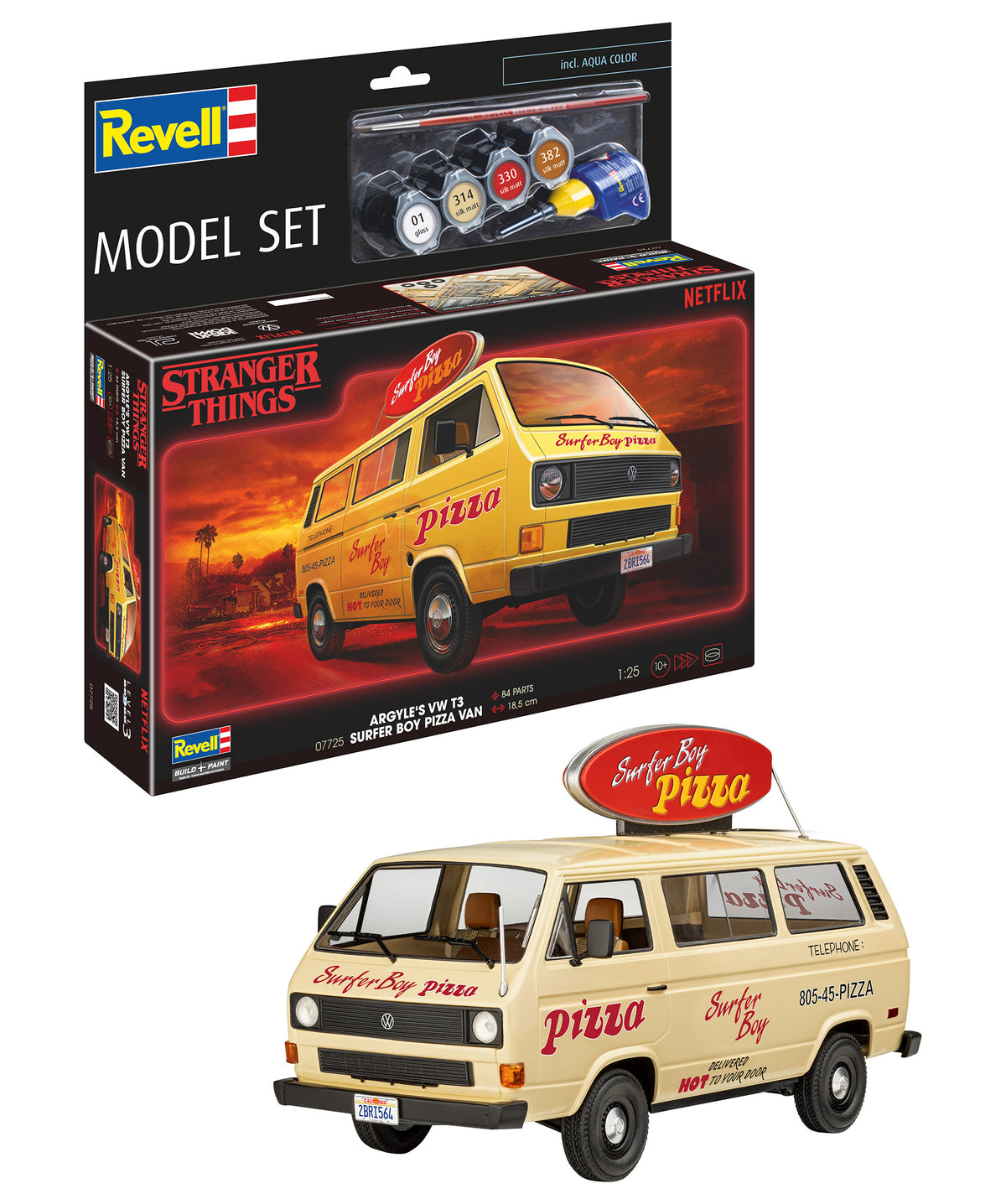
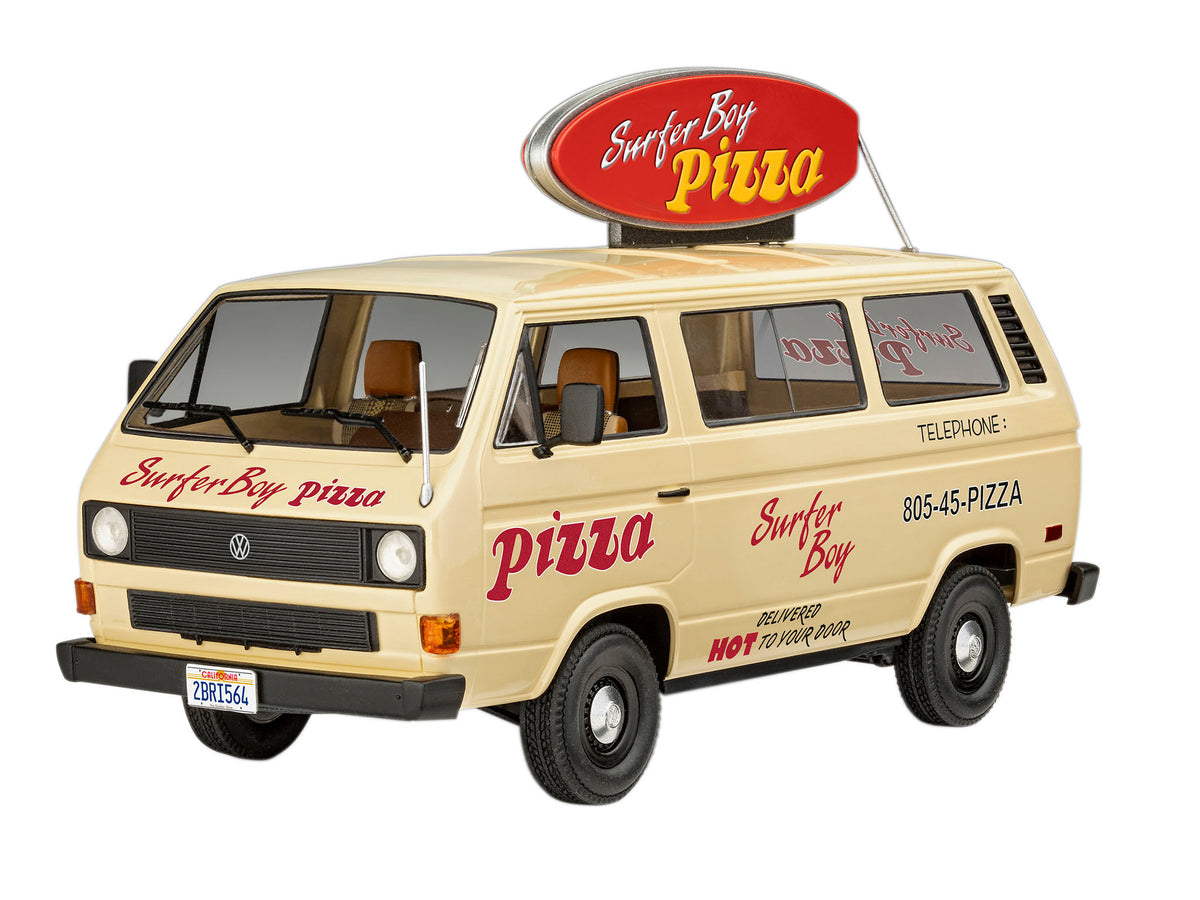
The fascination of model making: your introduction to a versatile hobby
Model making combines craftsmanship, technical understanding and creative design in a unique way. When you gradually assemble a model from many individual parts, you experience the fascination of technology and history first hand in a small format. Whether you're recreating historical milestones, recreating modern super sports cars or bringing iconic spaceships to life - every project is an exciting journey from raw component to impressive exhibit.
This hobby has been inspiring generations of young and old for decades. The view of more than 75 years of plastic model making shows how much materials, accuracy of fit and level of detail have evolved over time. In 2026 you will benefit from the most modern manufacturing techniques that offer you exceptional precision. Model building means slowing down from everyday life, concentrating on the essentials and the proud moment when the finished model shines on the shelf.
The different building systems at a glance
To ensure that your start in model building is guaranteed to be a success, there are different building systems to choose from. Depending on how much experience you have and how much time you want to invest in your project, you will find exactly the system that suits your preferences.
The click system: quick success without gluing
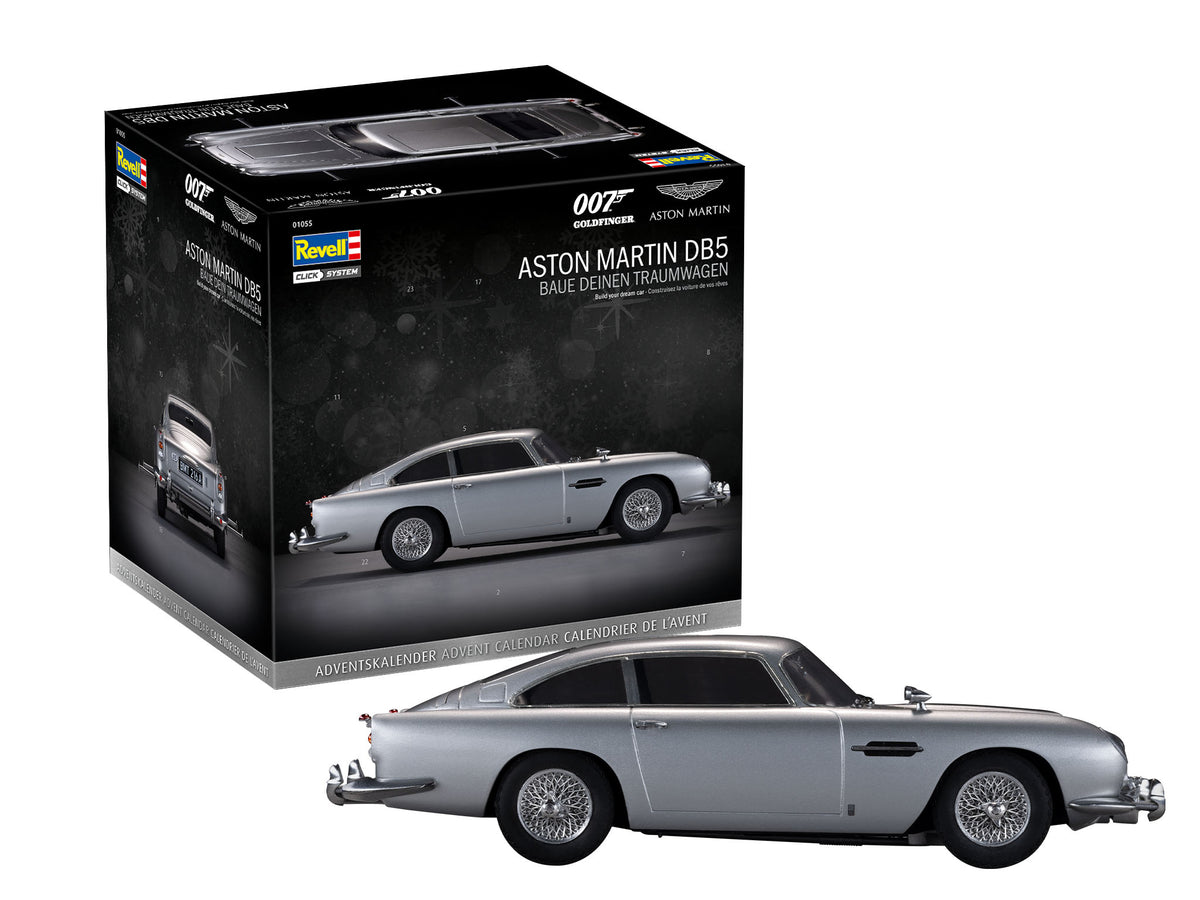
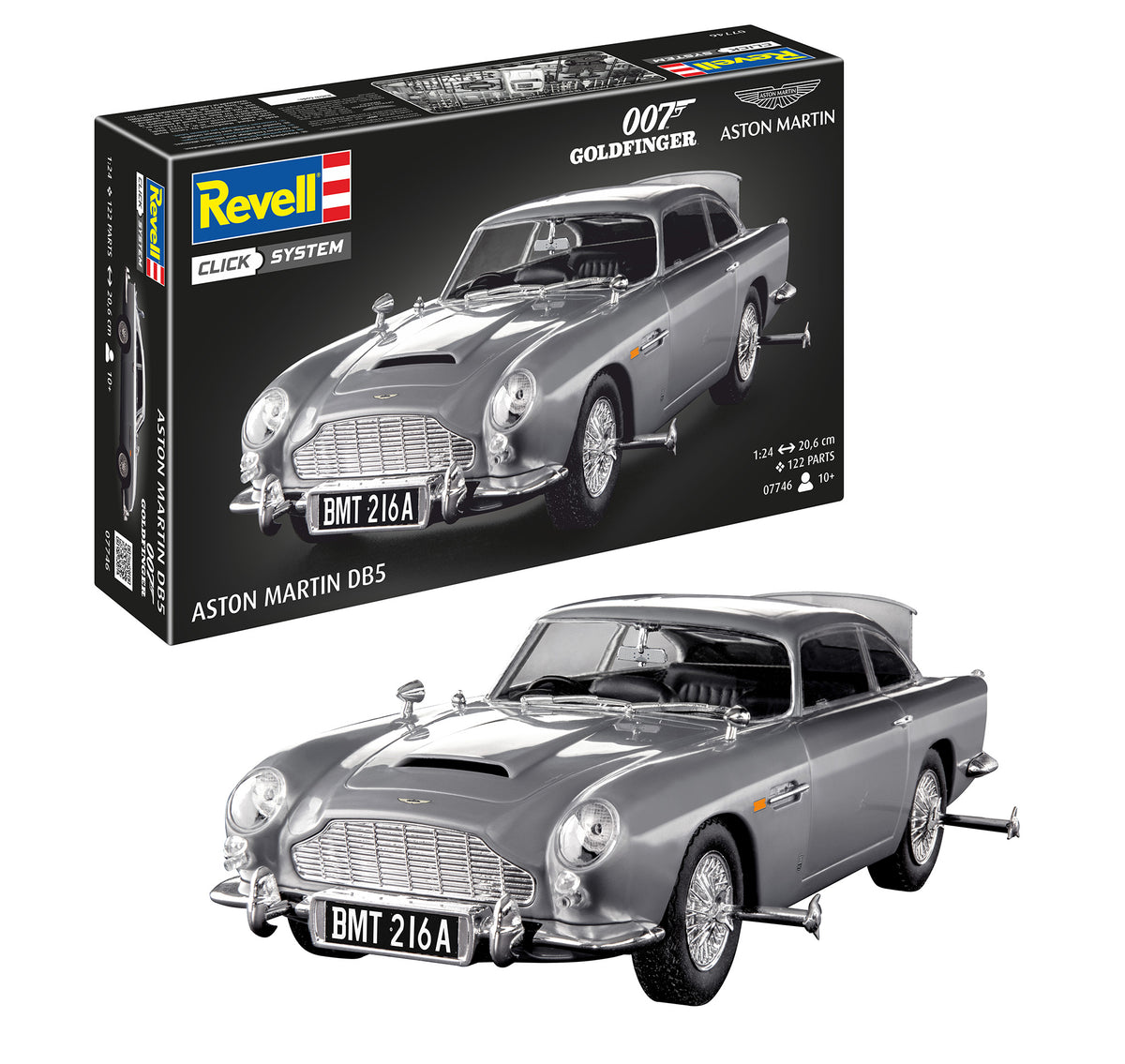
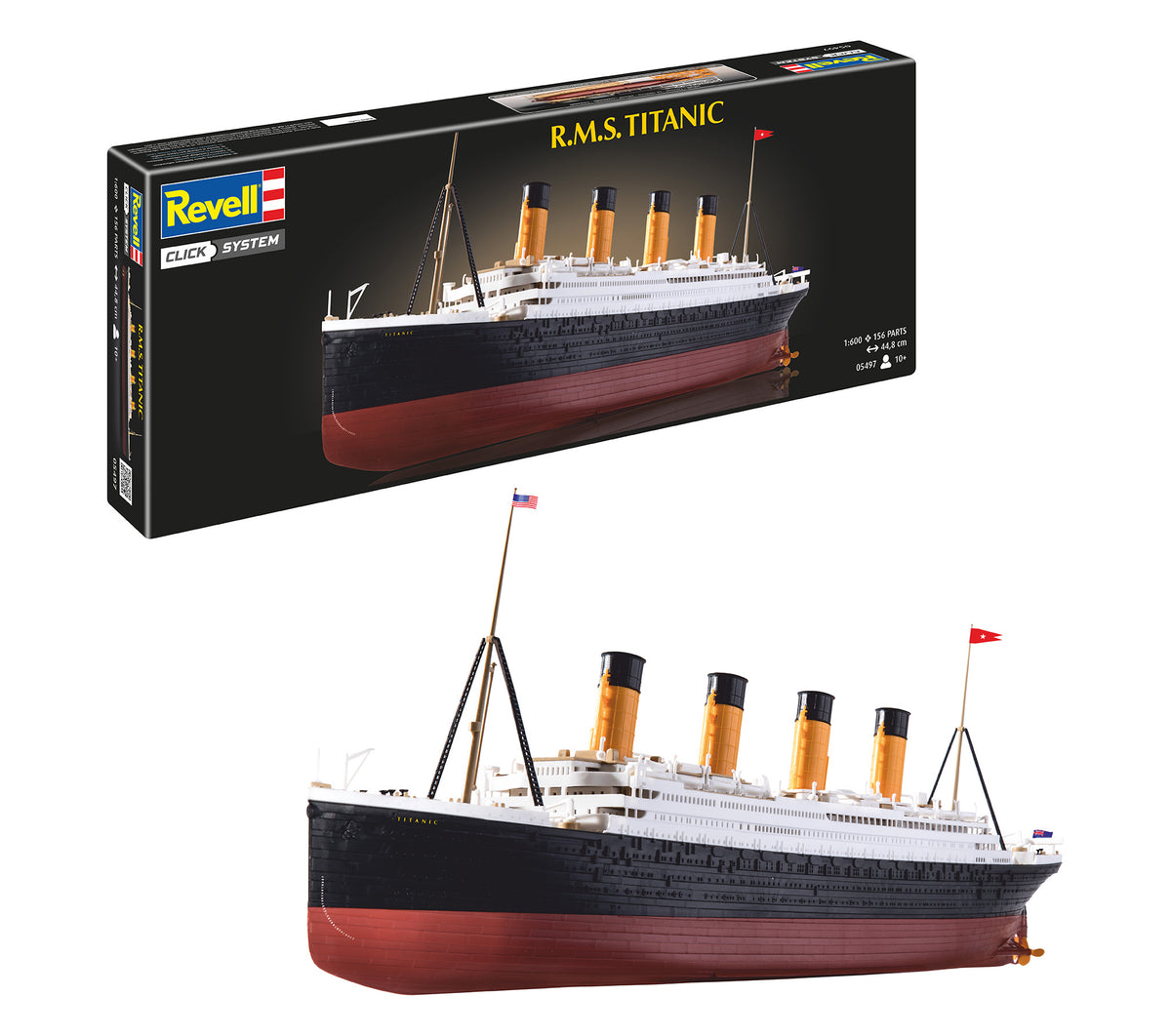
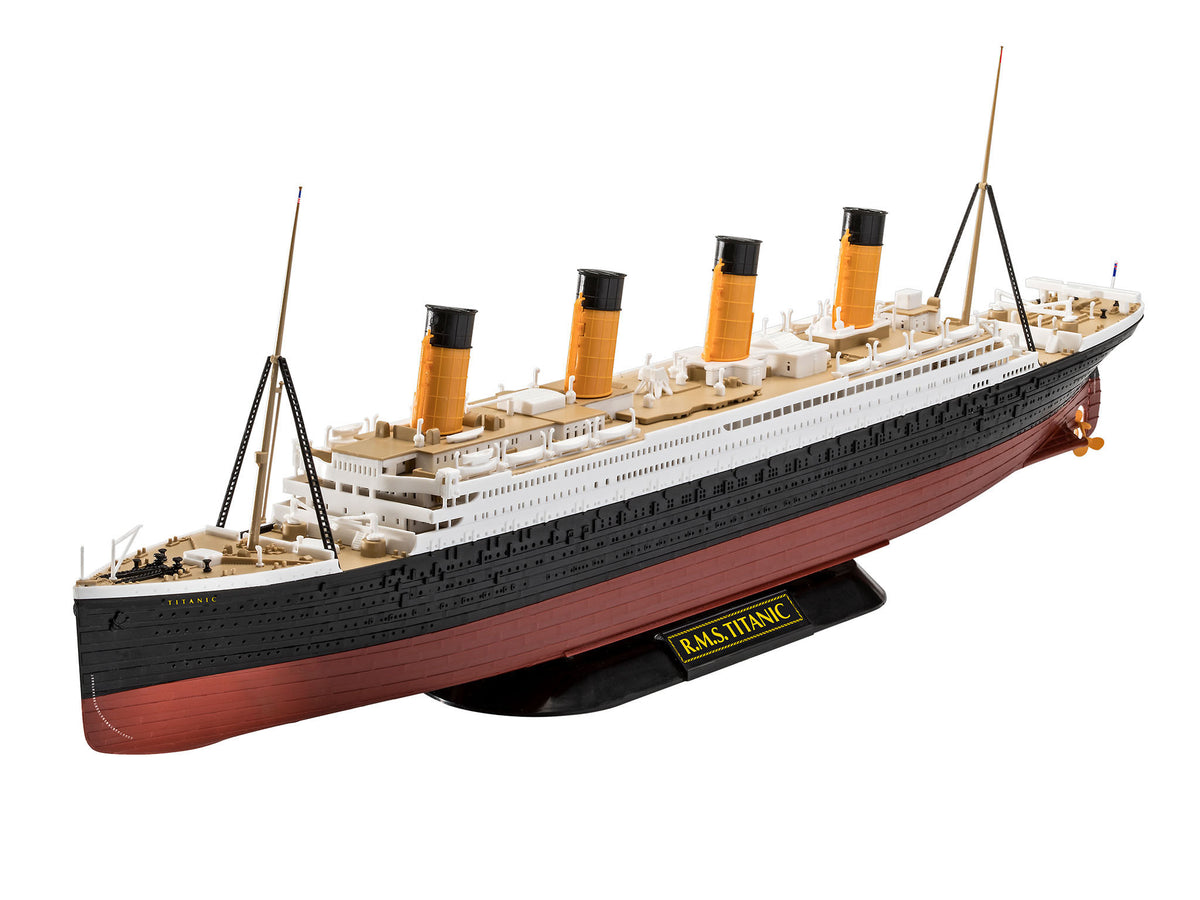
The click system is perfect for beginners, occasional hobbyists or anyone who wants to see quick results without much effort. The precisely manufactured components are simply plugged together and hold together stably. Gluing is not necessary. In addition, many components are already designed in color or are available as multi-colored molded parts, so painting remains optional. With the included stickers you can give your model the finishing touches in no time.
Classic plastic model making: The traditional craft experience
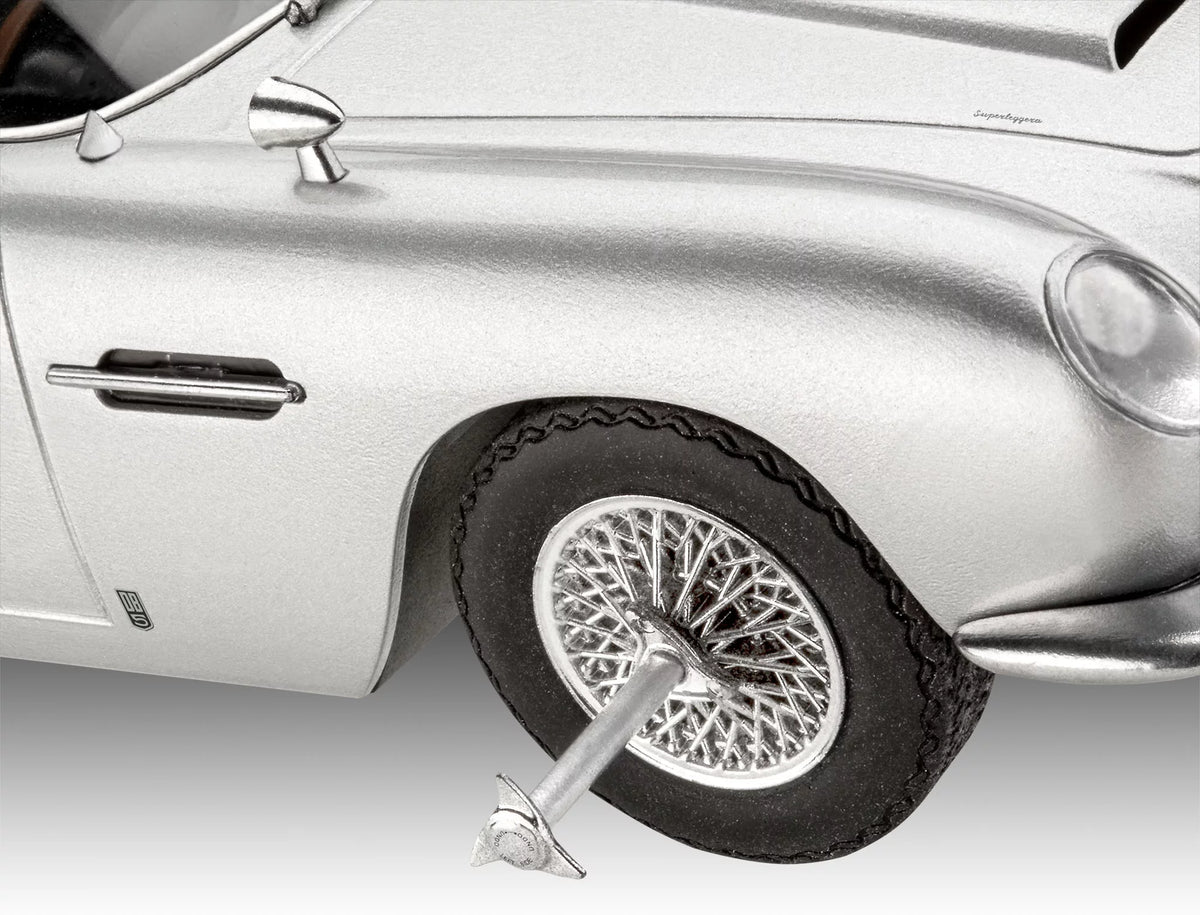
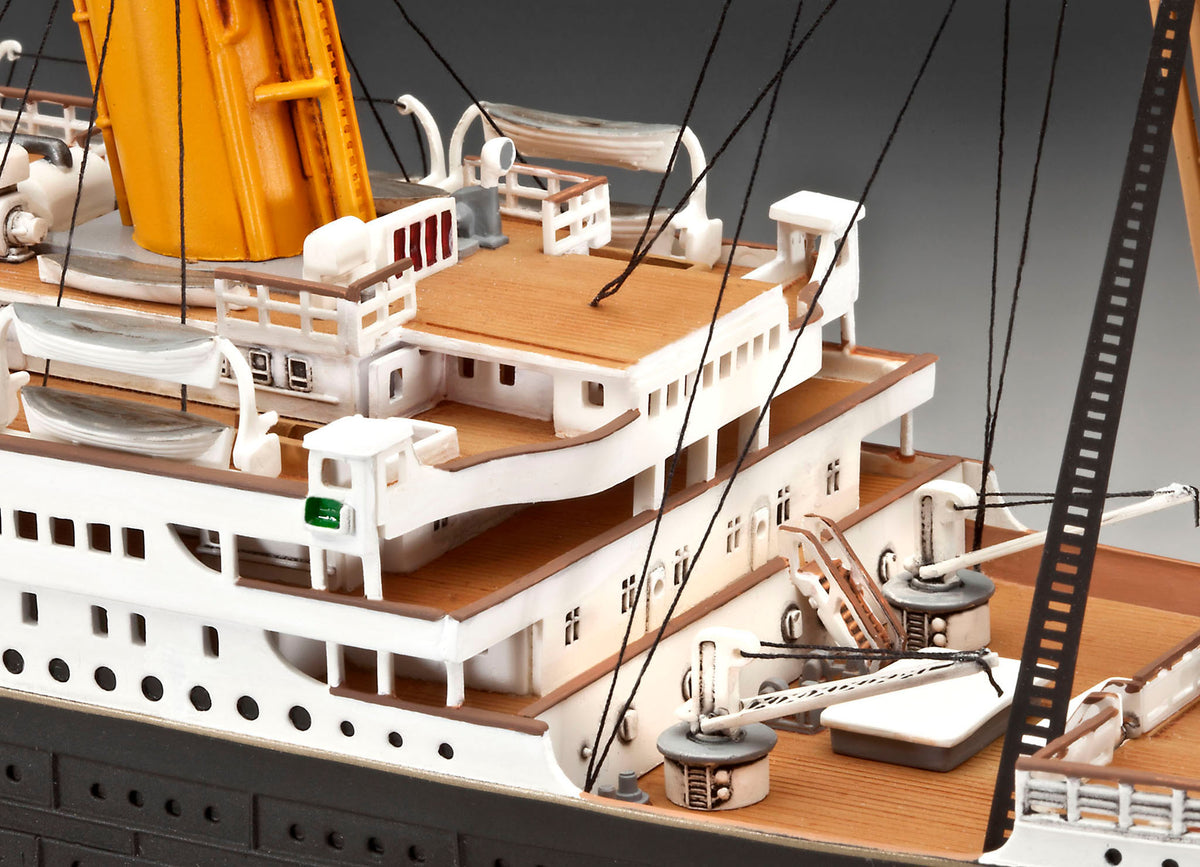
For demanding model makers and anyone looking for full creative control, classic plastic model making is the first choice. Here the individual plastic parts are permanently joined with special plastic glue. Before assembling or after assembly, you can design the surfaces according to your wishes using paints, brushes or airbrushes. After painting, fine decals ensure authentic lettering and badges. This path requires patience and sensitivity, but rewards you with a high level of attention to detail.
Build & Play and Revell Engineers: Playful discovery for young builders
For younger explorers and budding technology fans, specialized building systems such as Build & Play or construction series offer child-friendly access. Robust parts, simple tools and functional elements such as rotating mechanisms or sound modules ensure that the finished model invites you to play along immediately after building. In this way, the understanding of mechanics and construction is promoted early on in a playful way.
The level system: Find the right challenge
So that you can always keep track of the large selection, a clear classification according to difficulty levels will help you. The level system shows you at a glance how complex a kit is and how many individual parts it contains.
- Level 1: Ideal for children and newbies. No gluing or painting required, quick assembly with few parts.
- Level 2: Simple kits for plugging or easy gluing with up to 30 parts. Perfect for first experiences in model building.
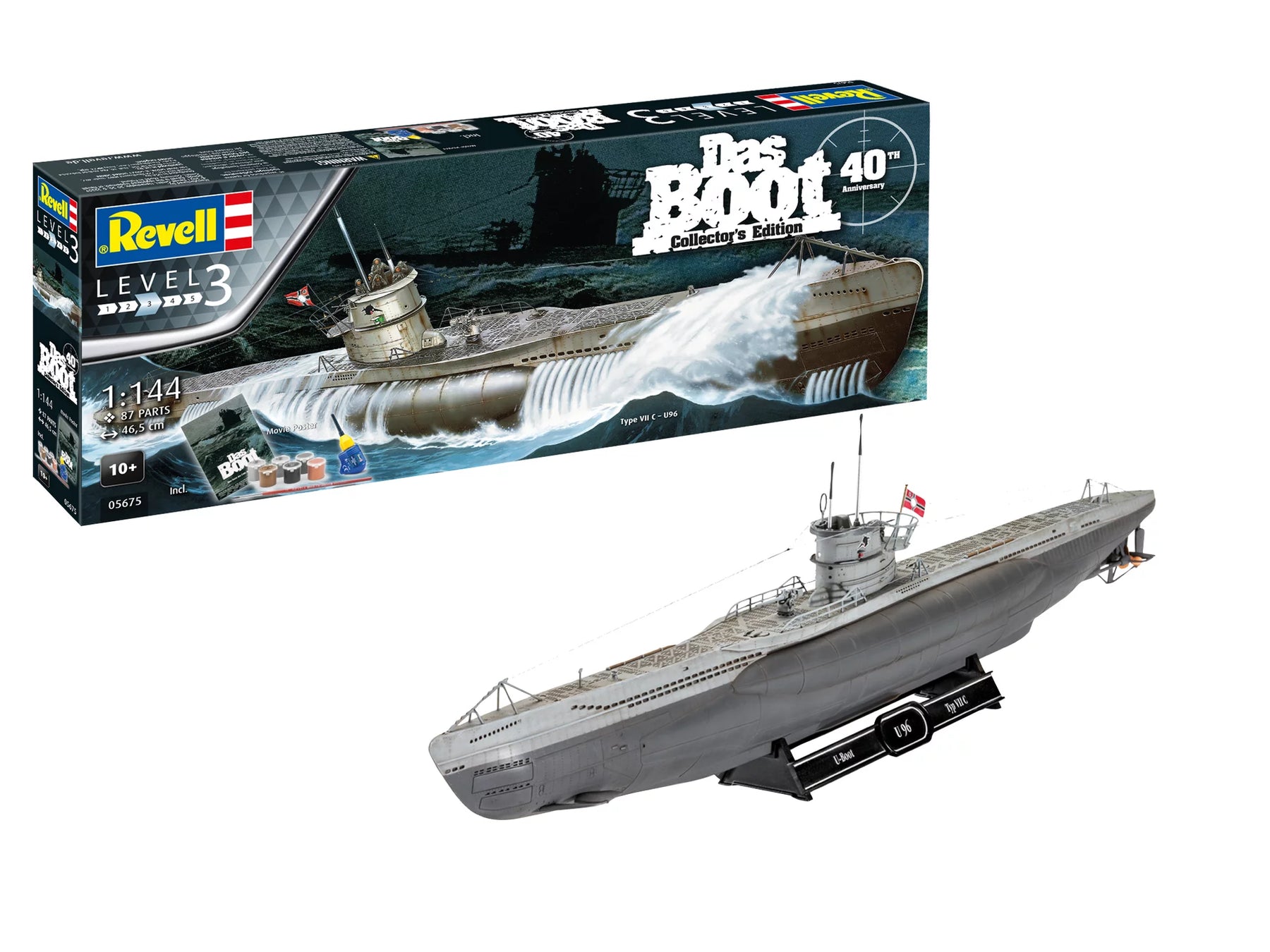
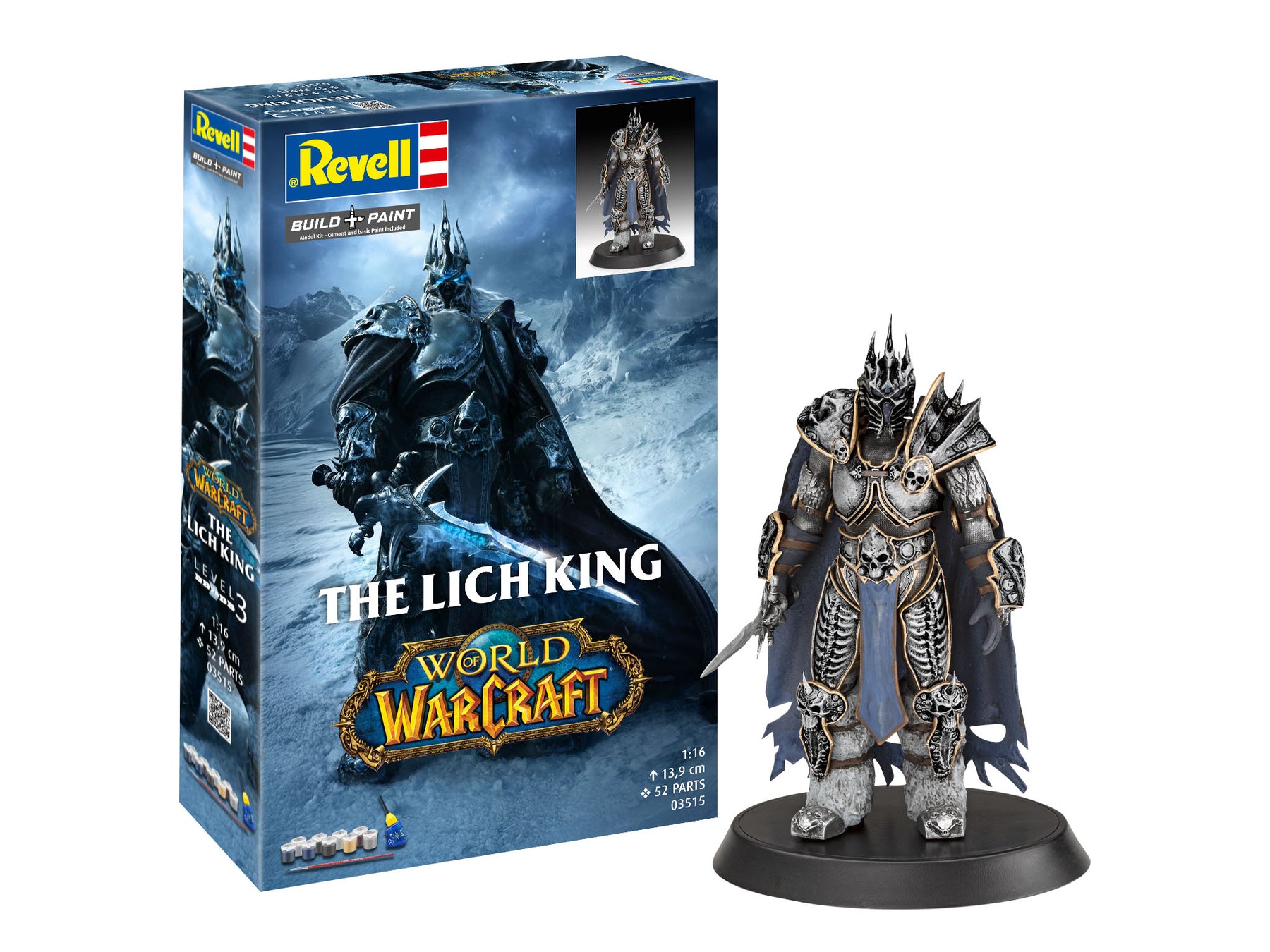
- Level 3: More sophisticated models with up to 100 parts. Requires gluing and painting, but already offers many authentic details.
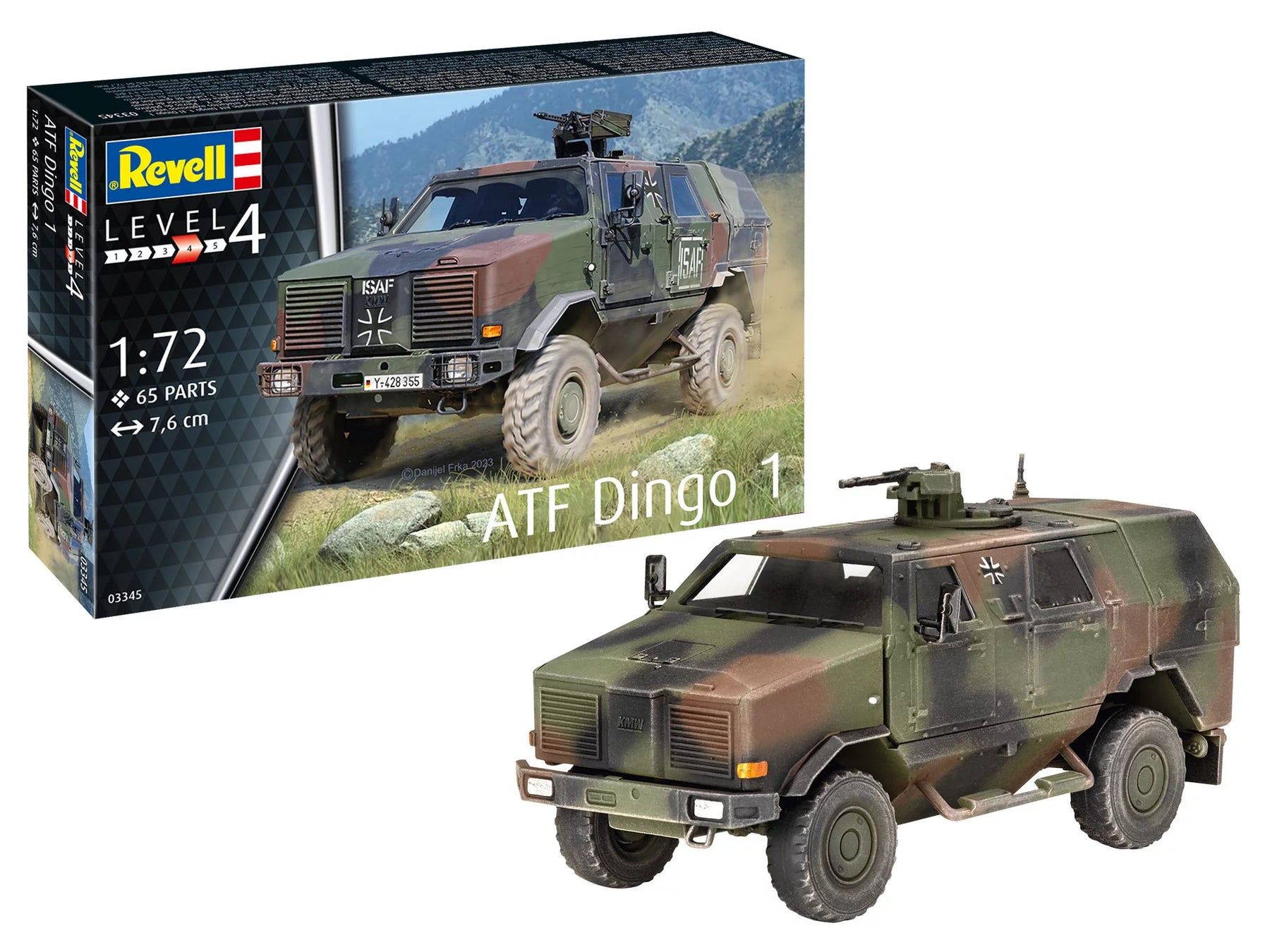
- Level 4: For advanced model makers with experience. Kits with up to 150 parts that require high precision when gluing and painting.
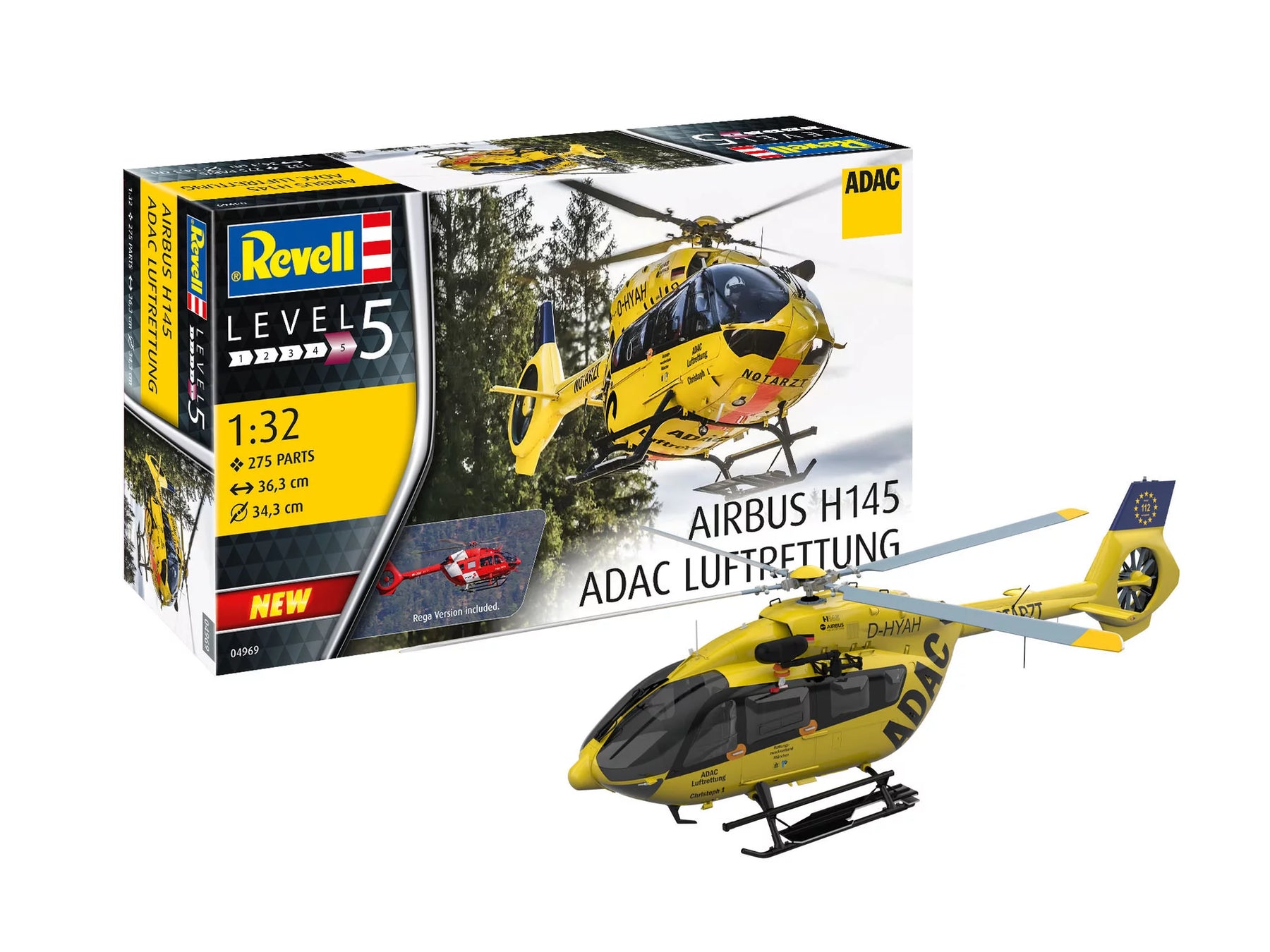
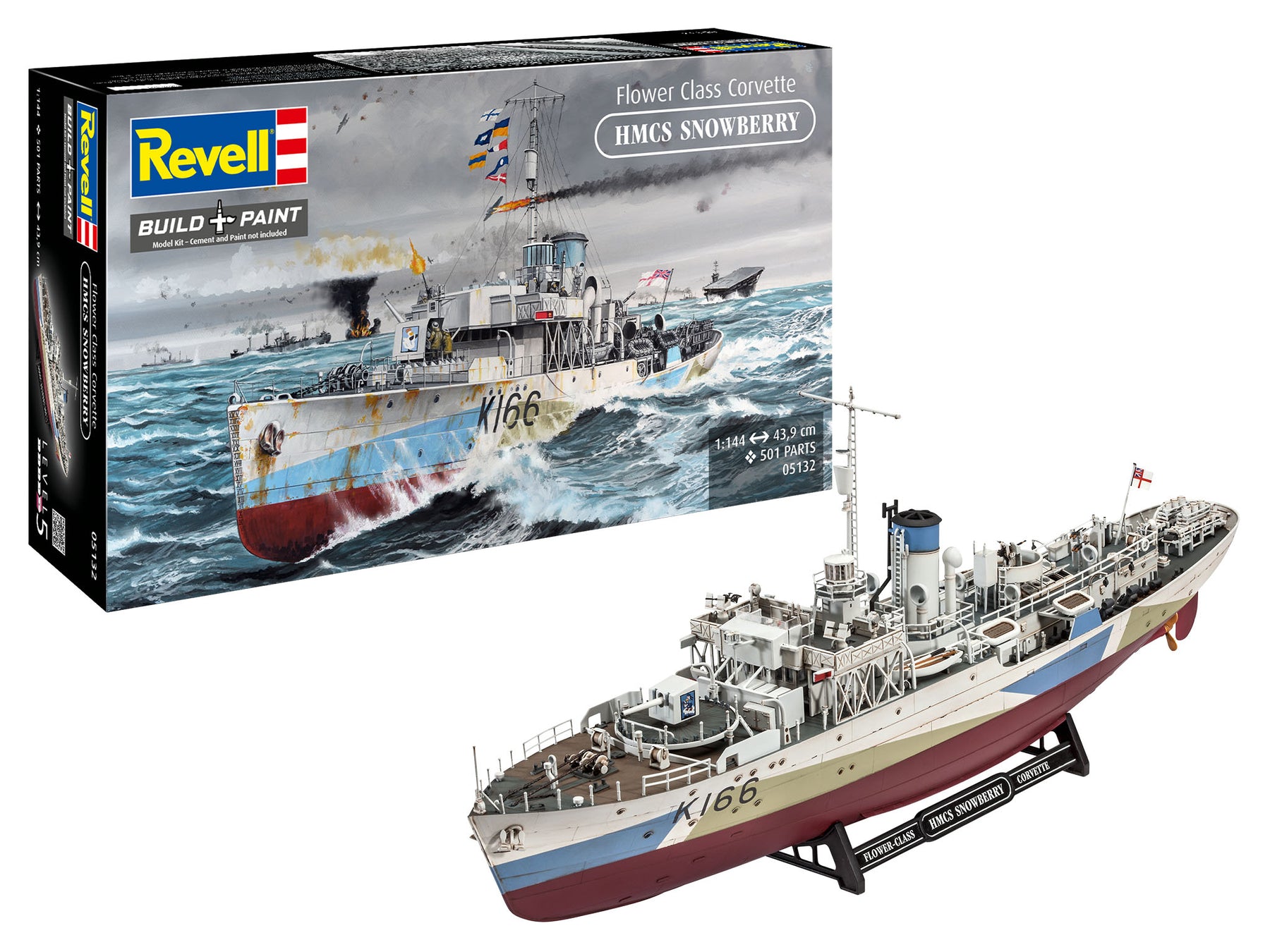
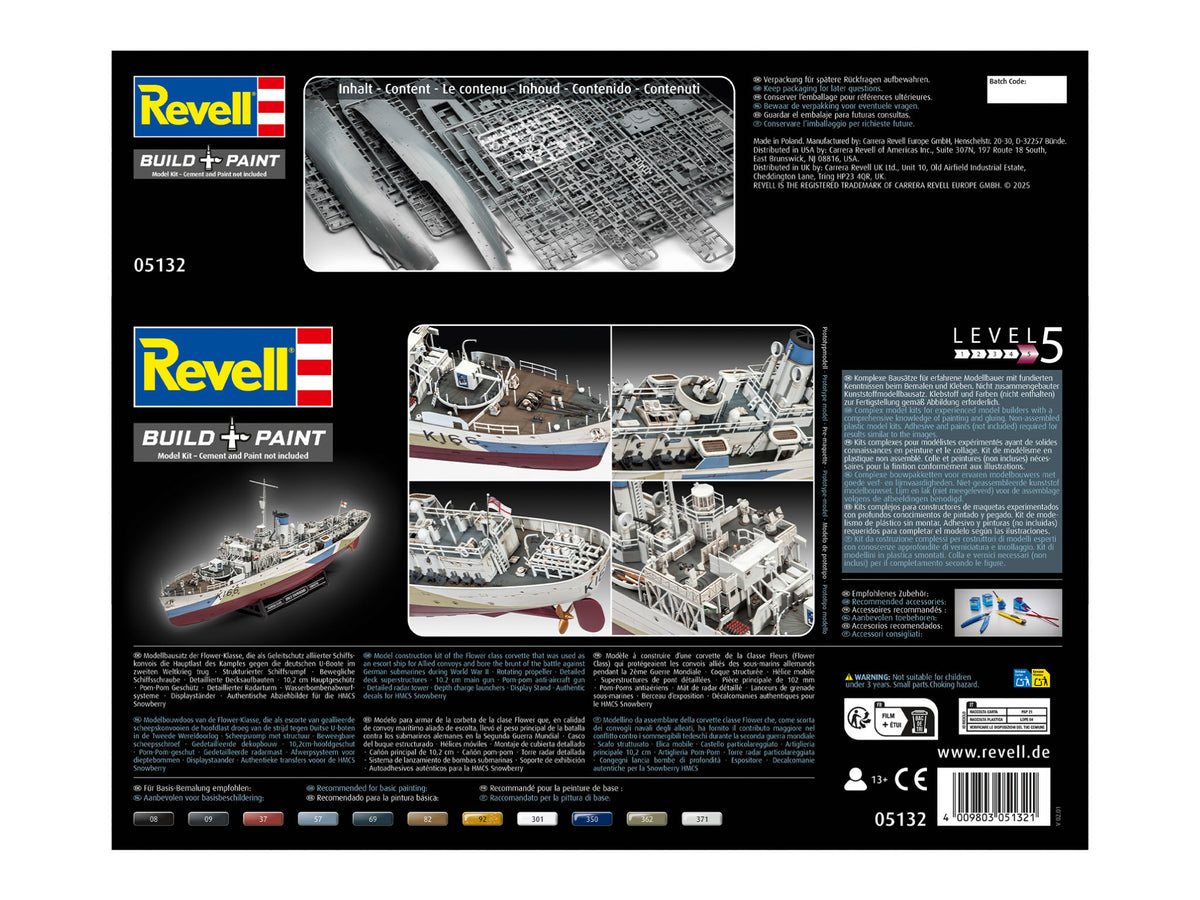
- Level 5: The premier class for real professionals. Very complex kits with several hundred parts, the finest detailed structures and sophisticated building instructions.
The most popular theme worlds in model making
No matter what field your heart beats for – a wide range of topics await you in model making that leave nothing to be desired.
Aviation: Fly through the eras of aviation
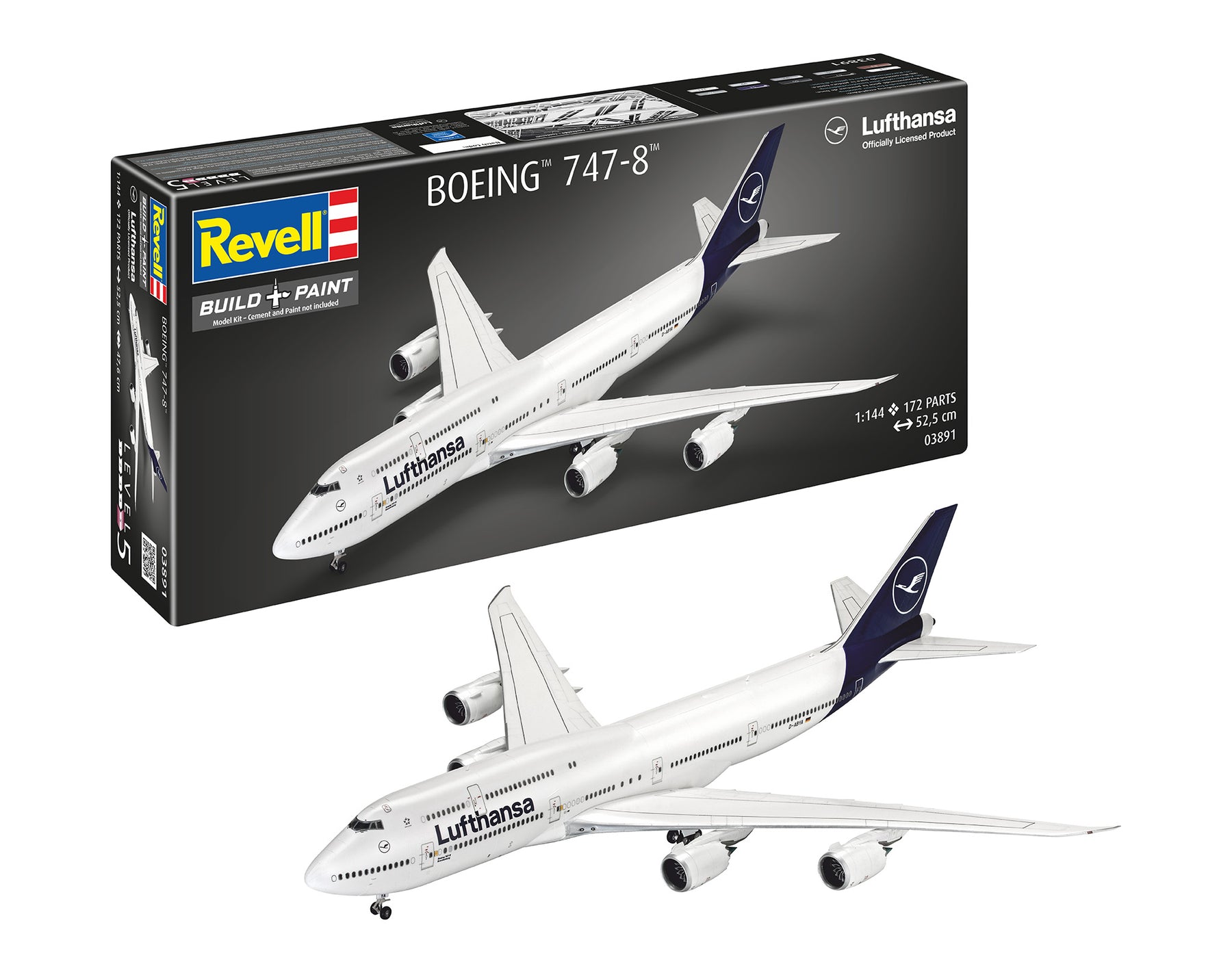
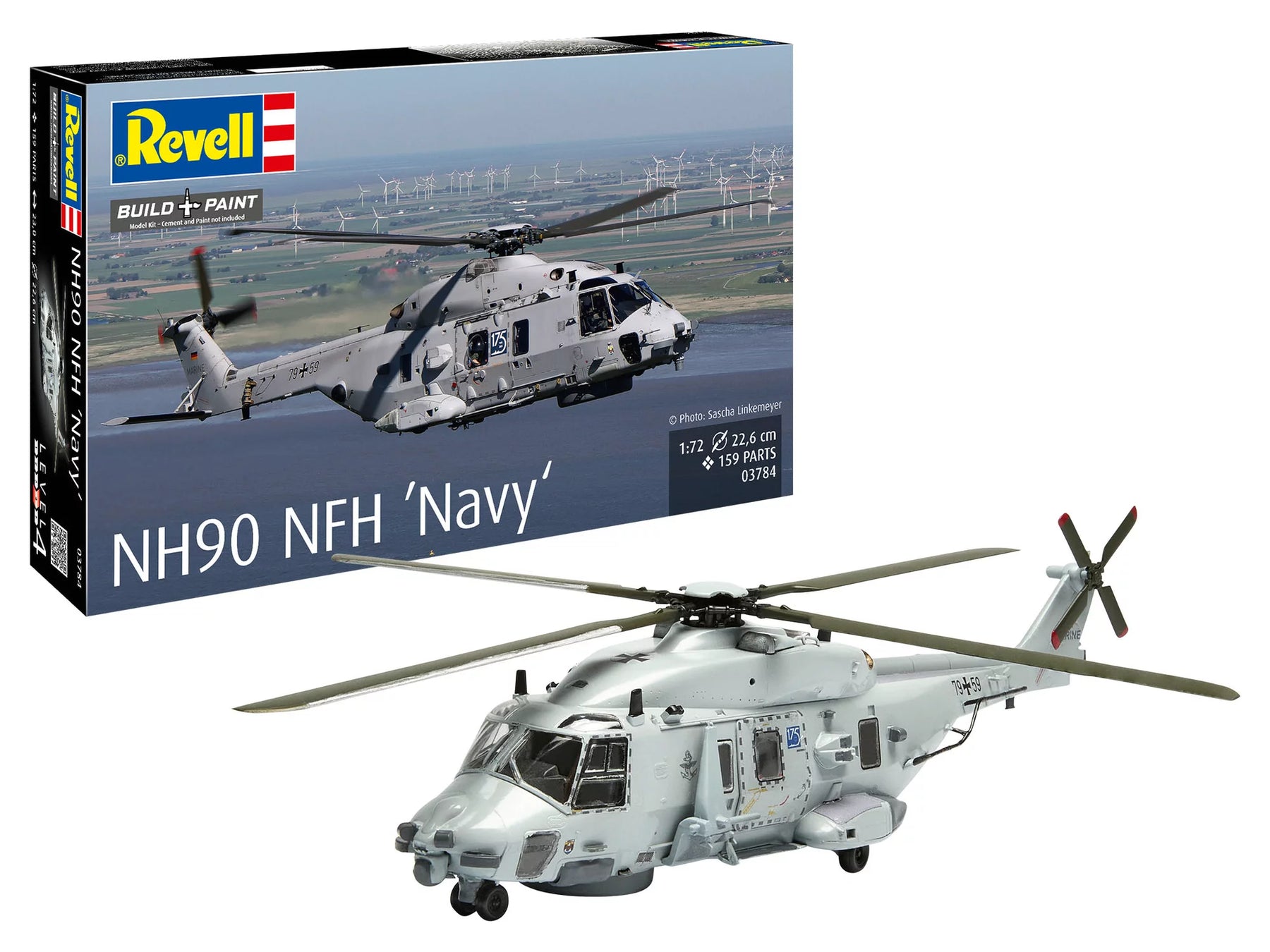
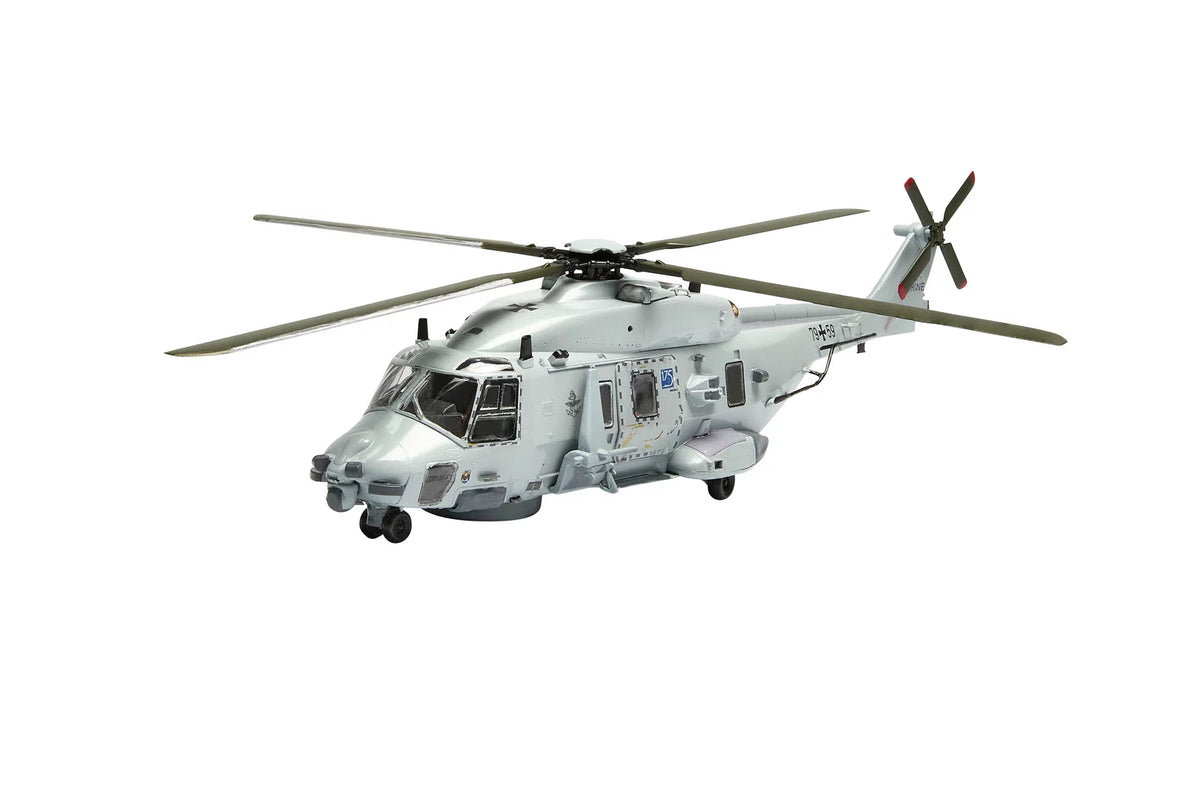
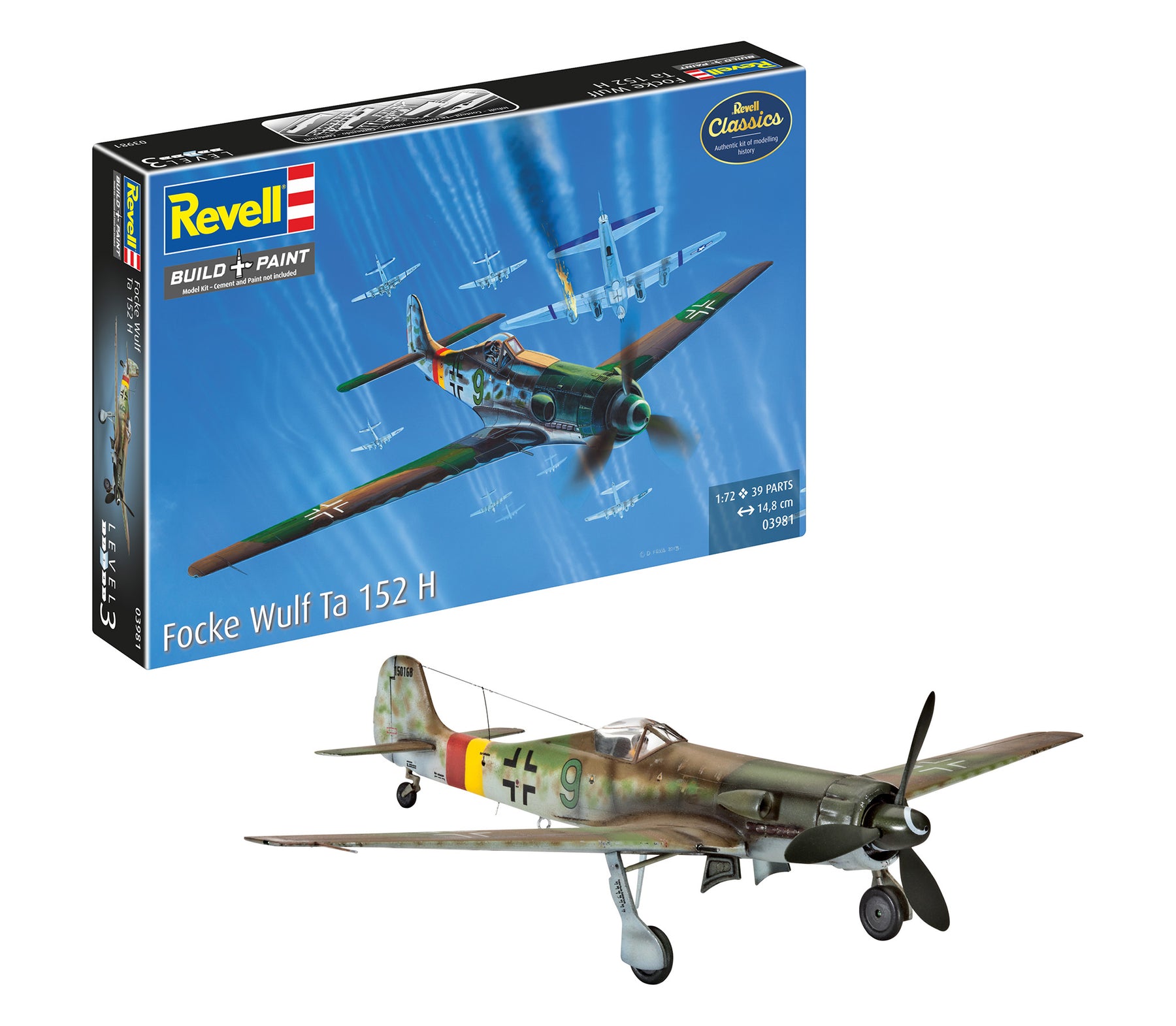
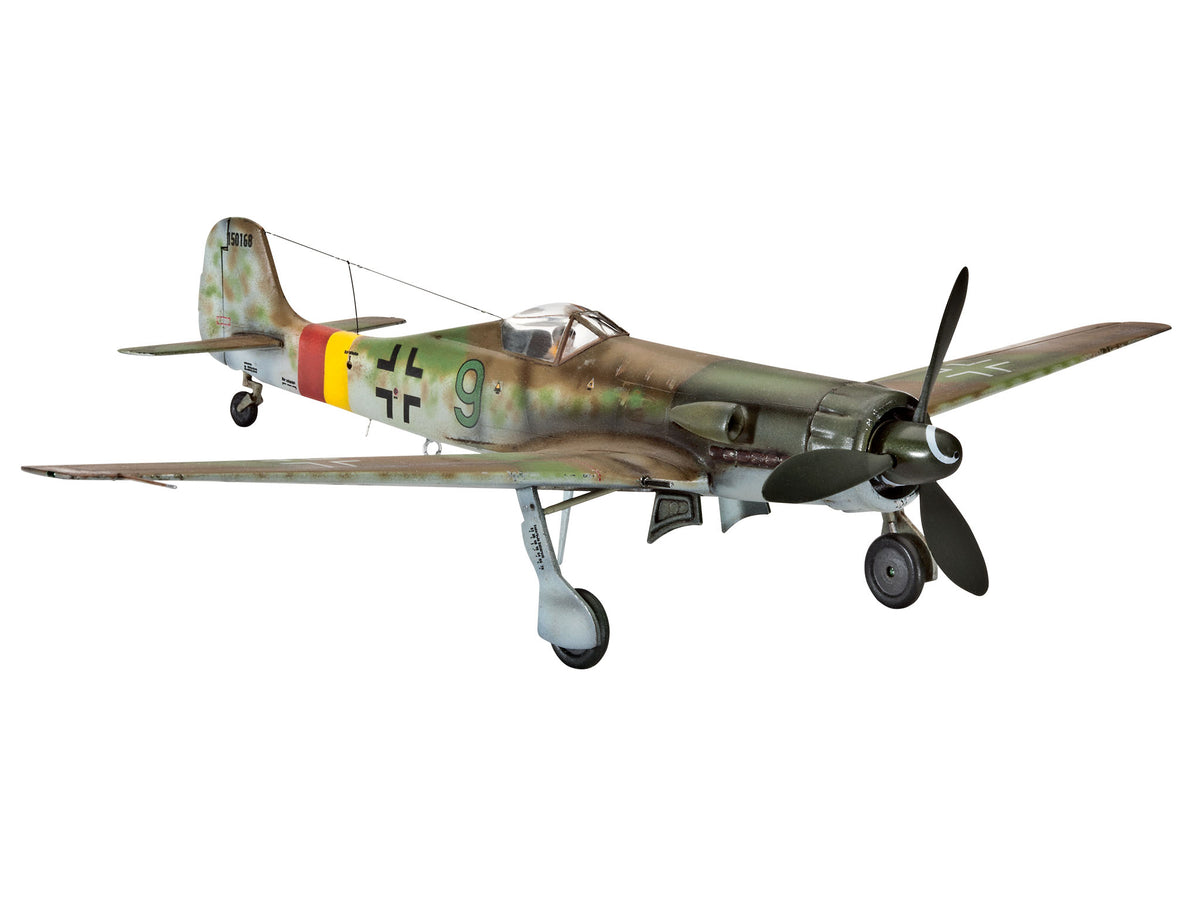
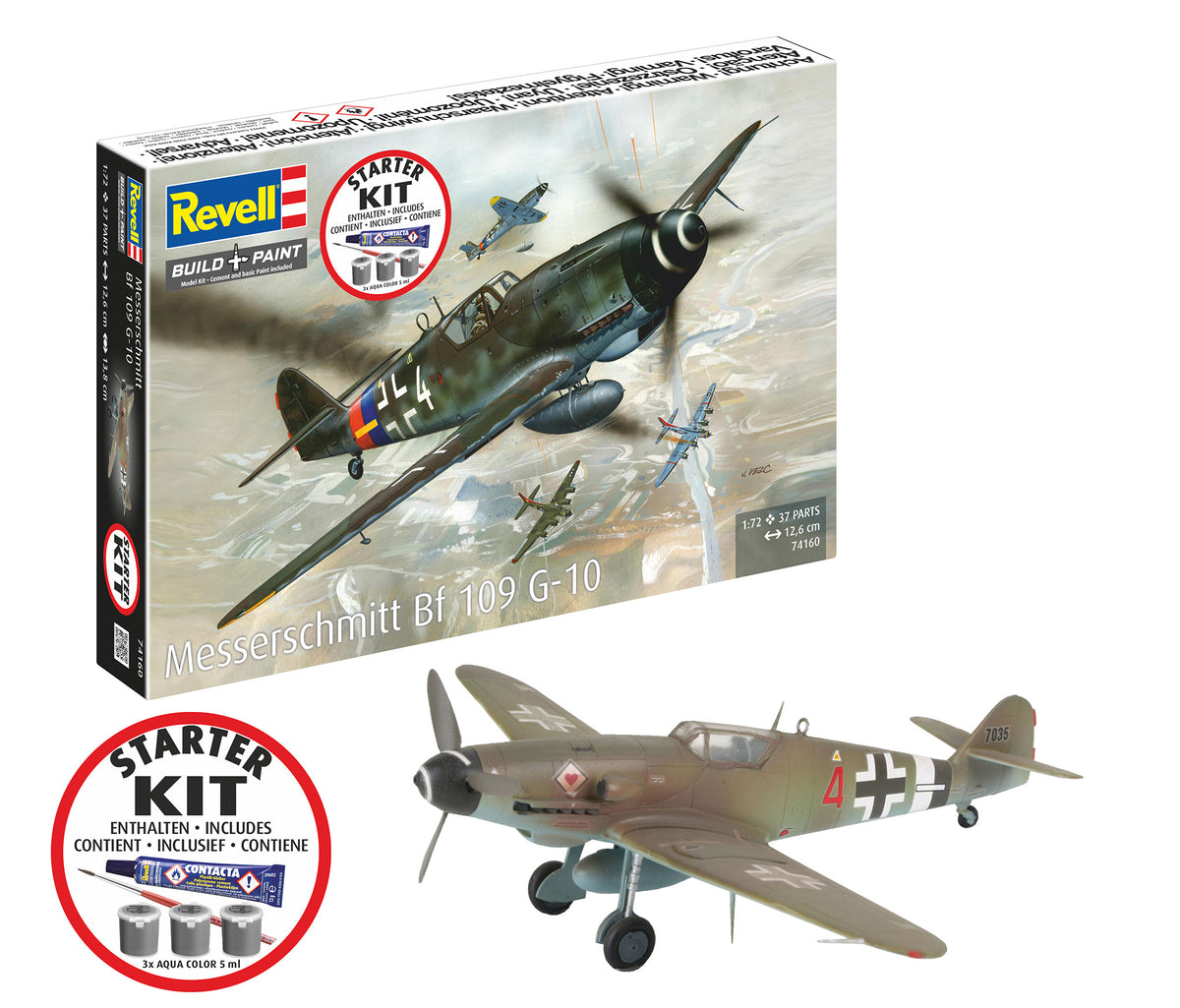
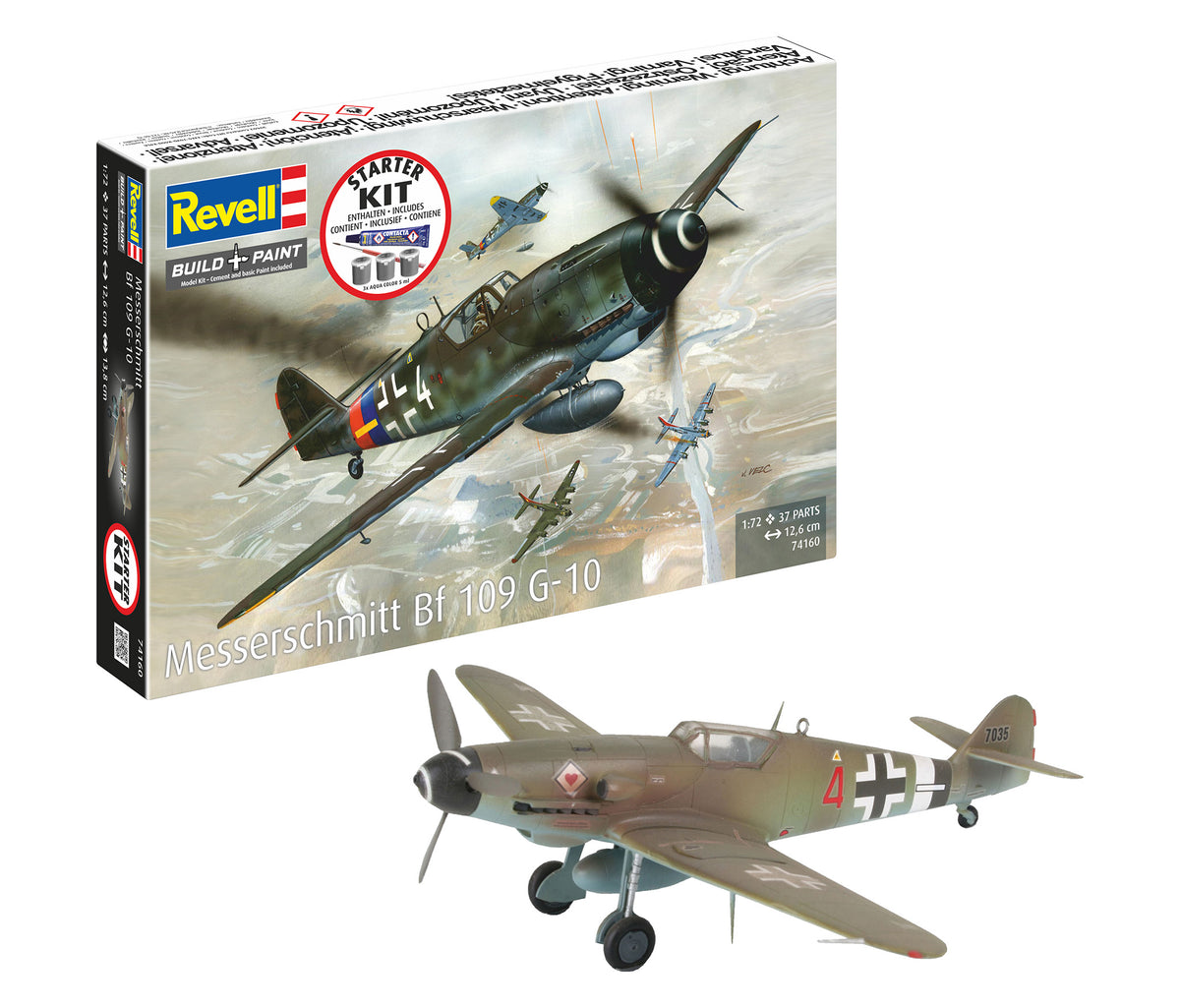
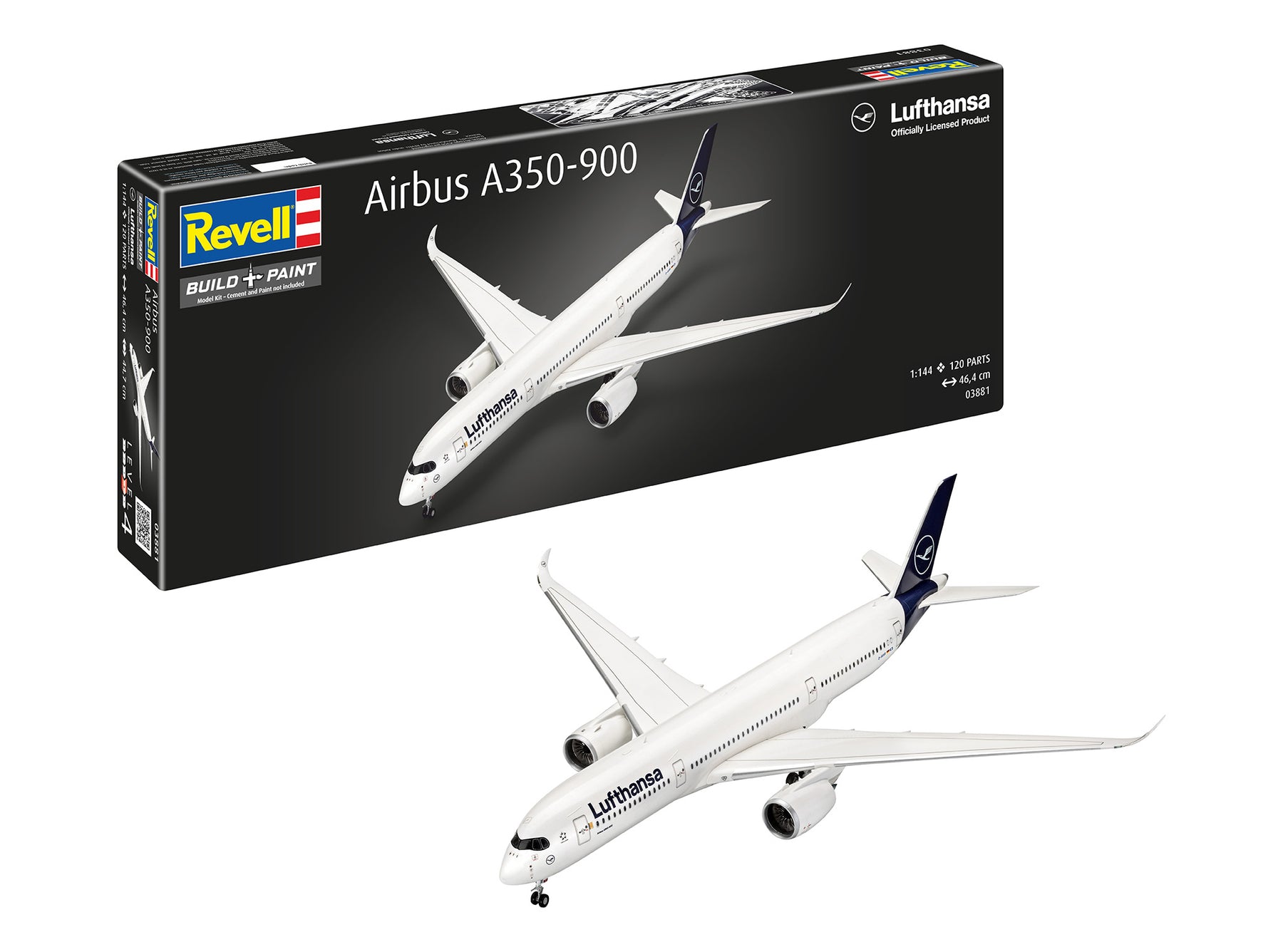
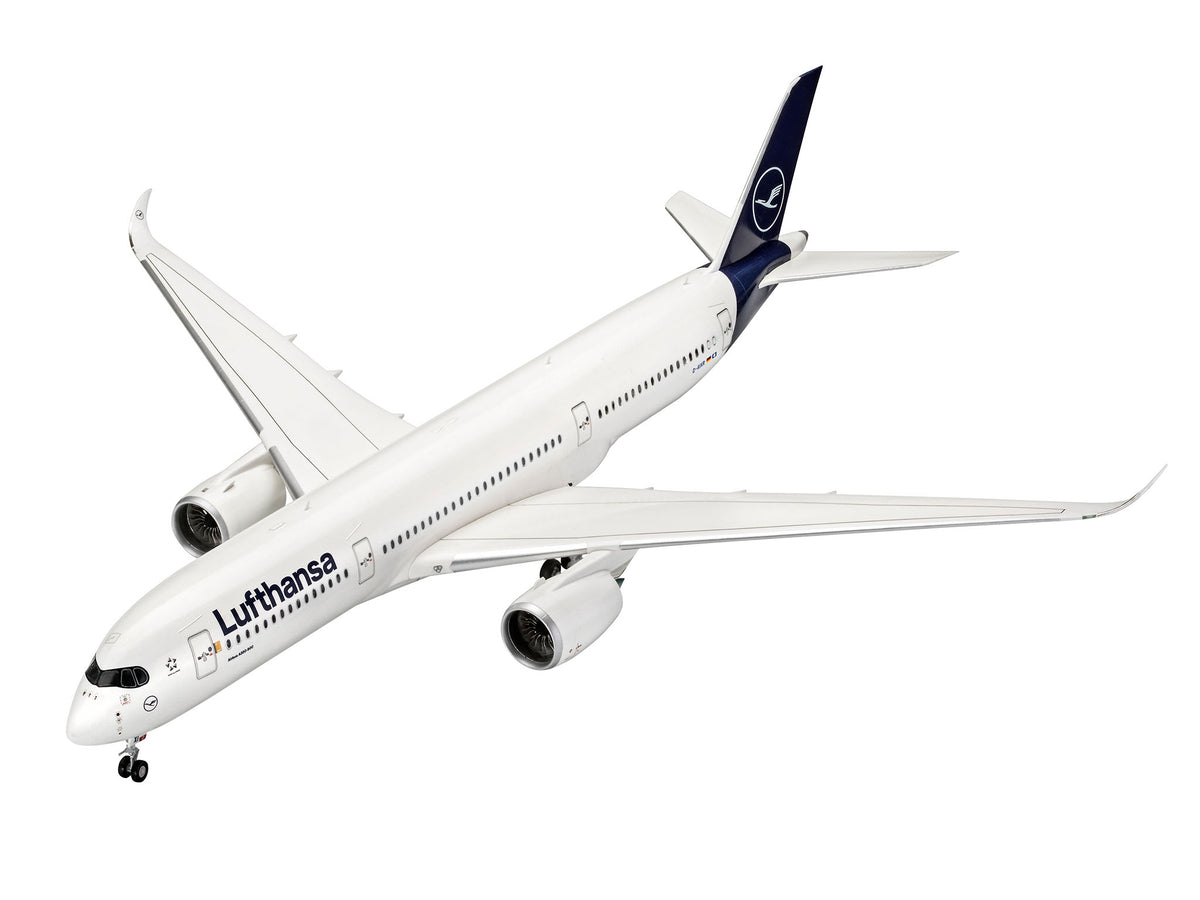
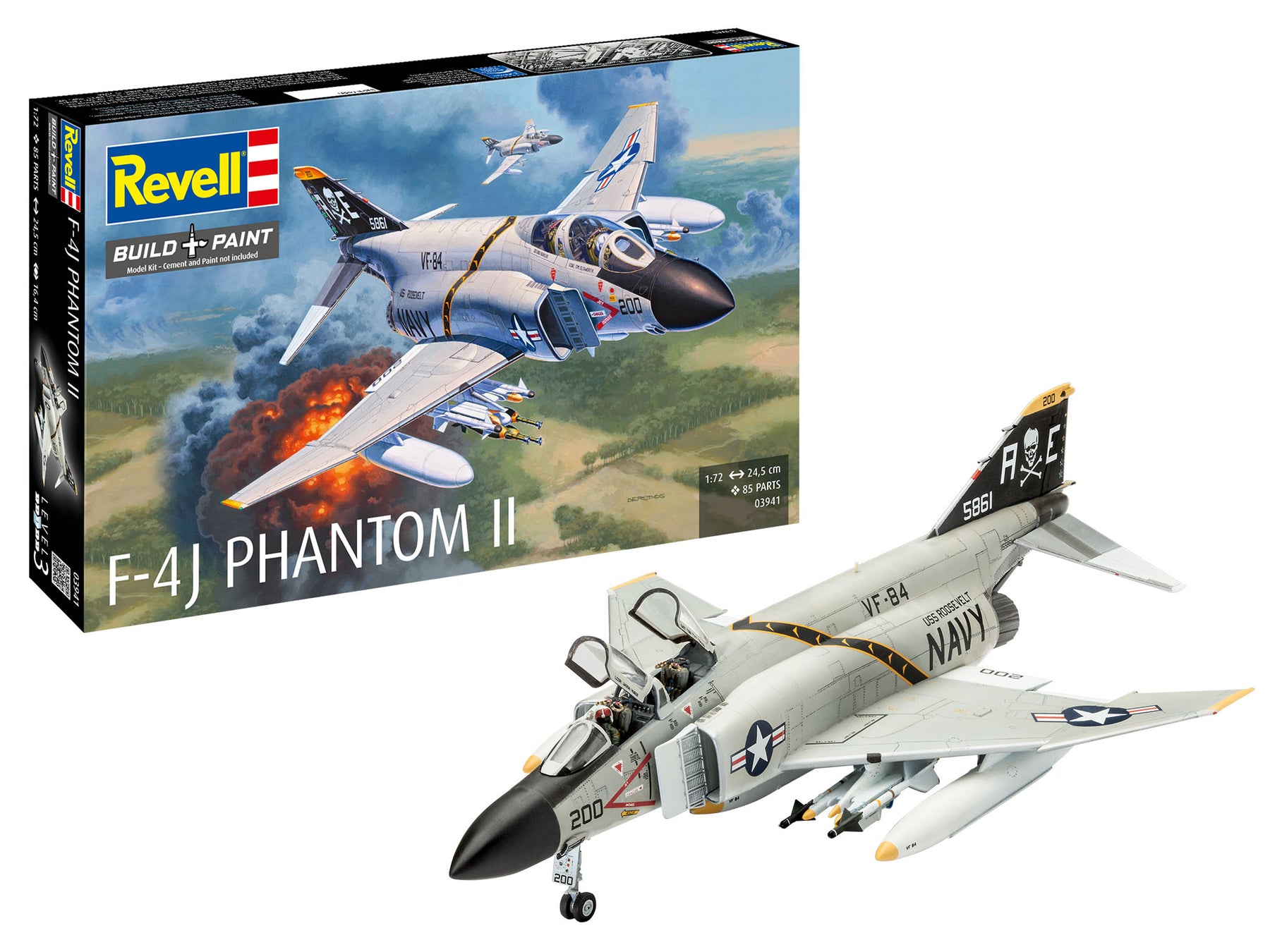
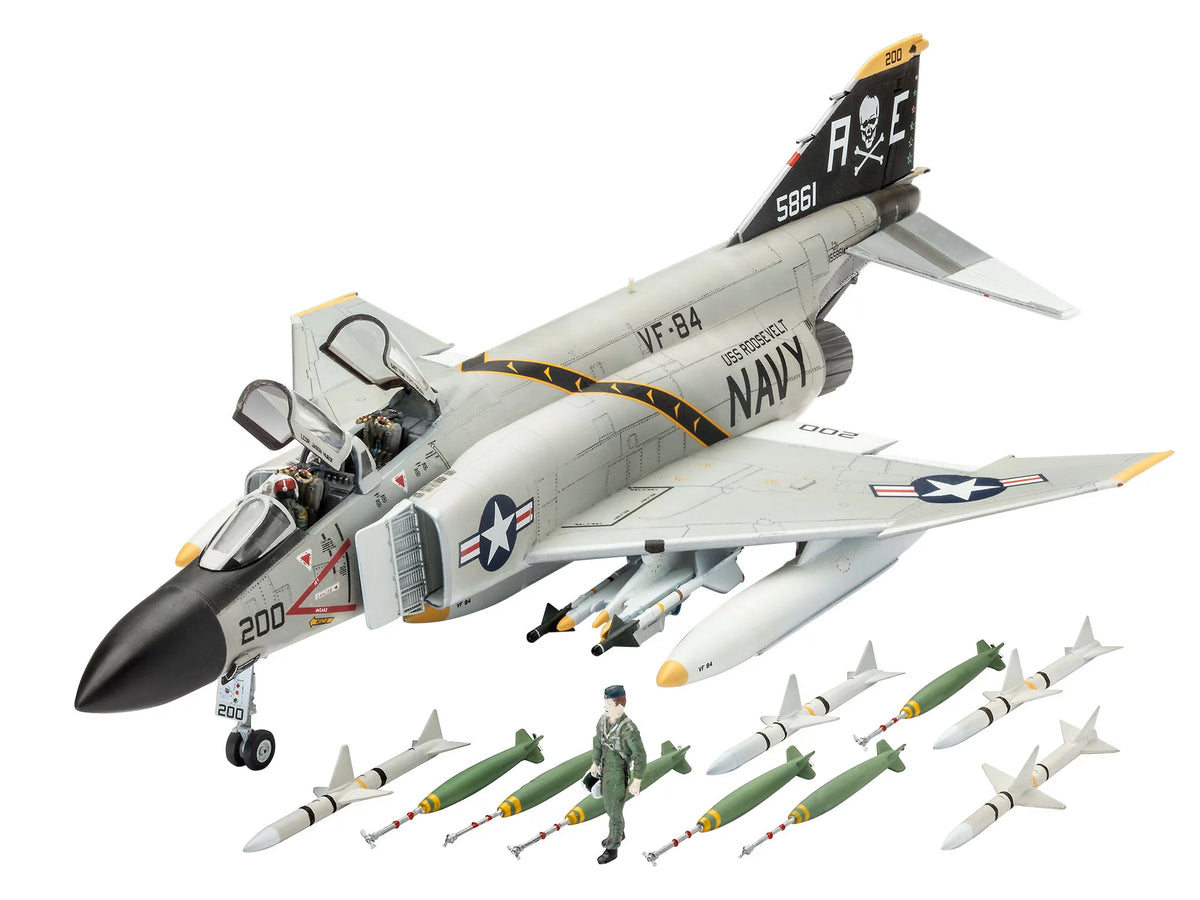
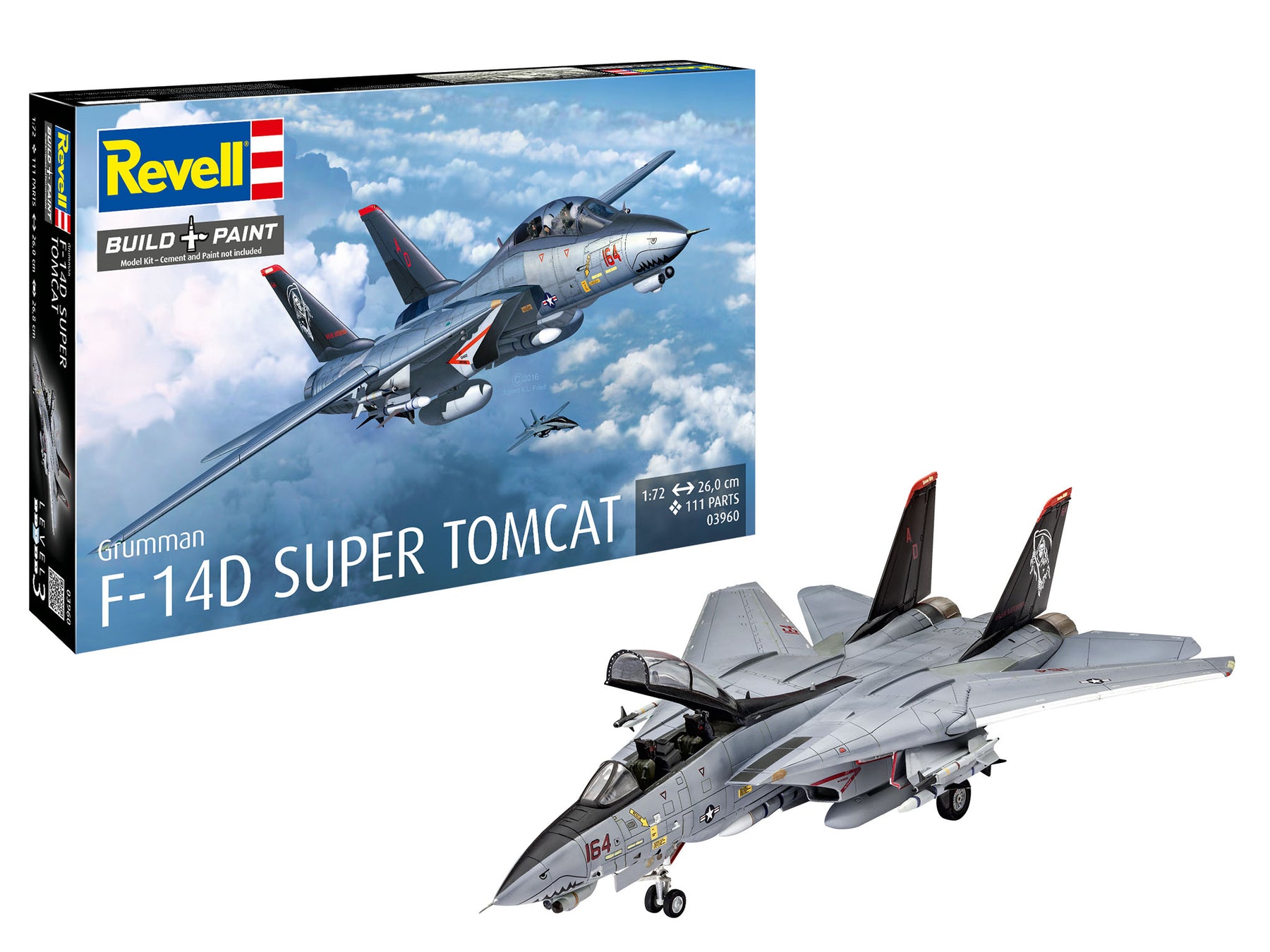
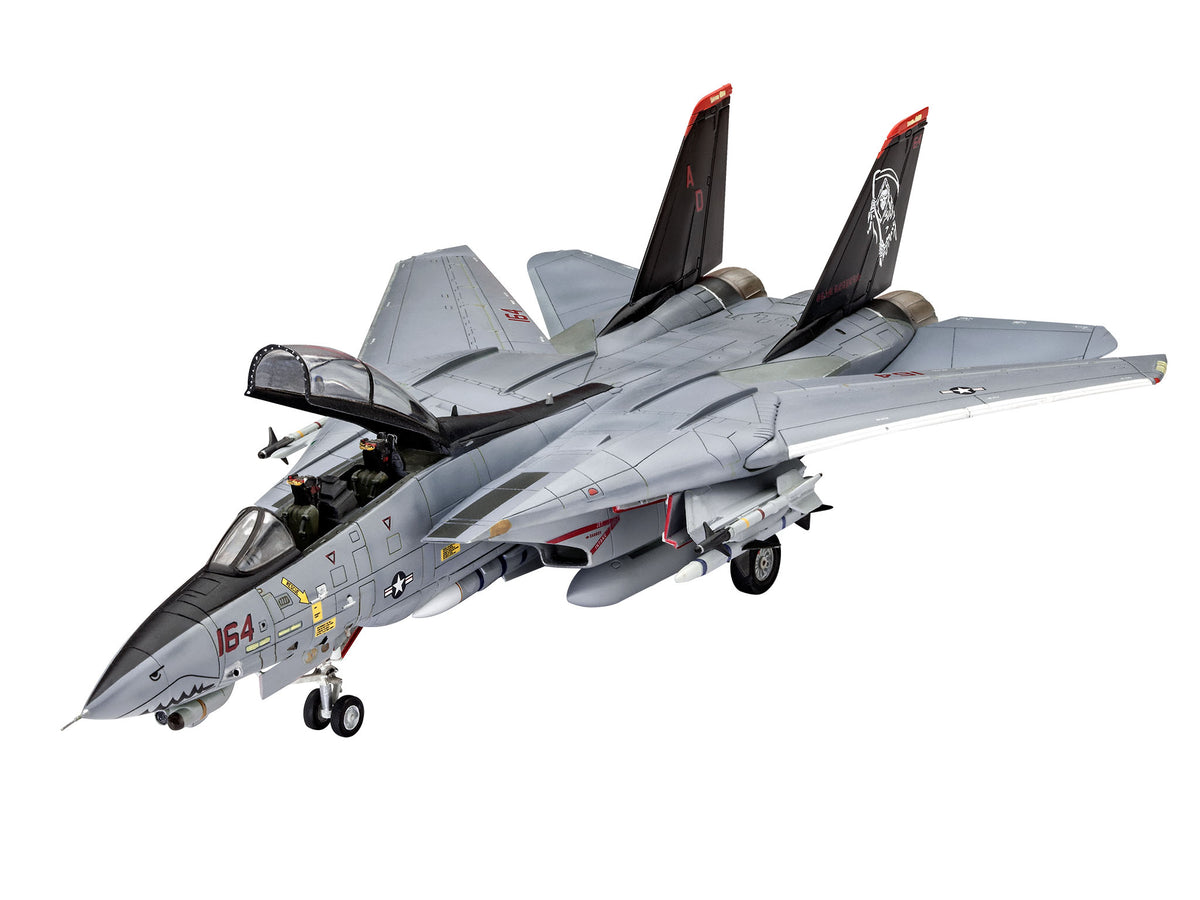
The fascination of flying is omnipresent in model making. Discover biplanes from the early days of aviation, legendary fighter planes from the Second World War or modern passenger aircraft and supersonic jets. With delicate landing gear, detailed cockpits and realistic engines, aircraft kits offer you an incomparable building experience.
Vehicles: Automobile icons and tuning dreams
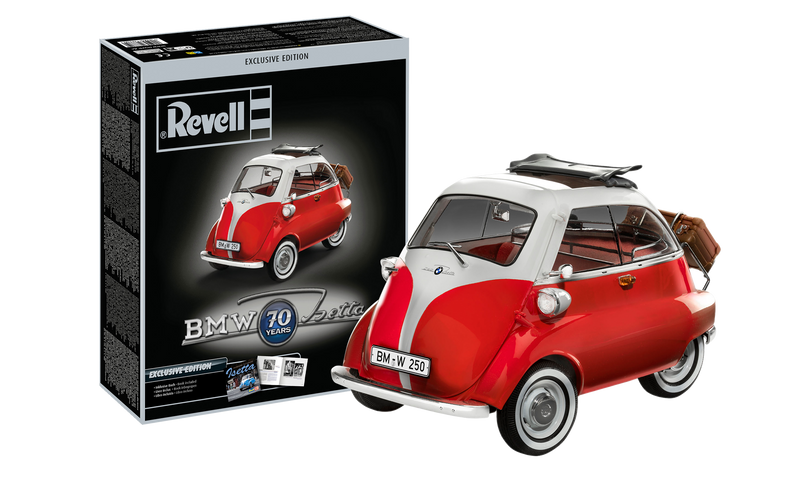
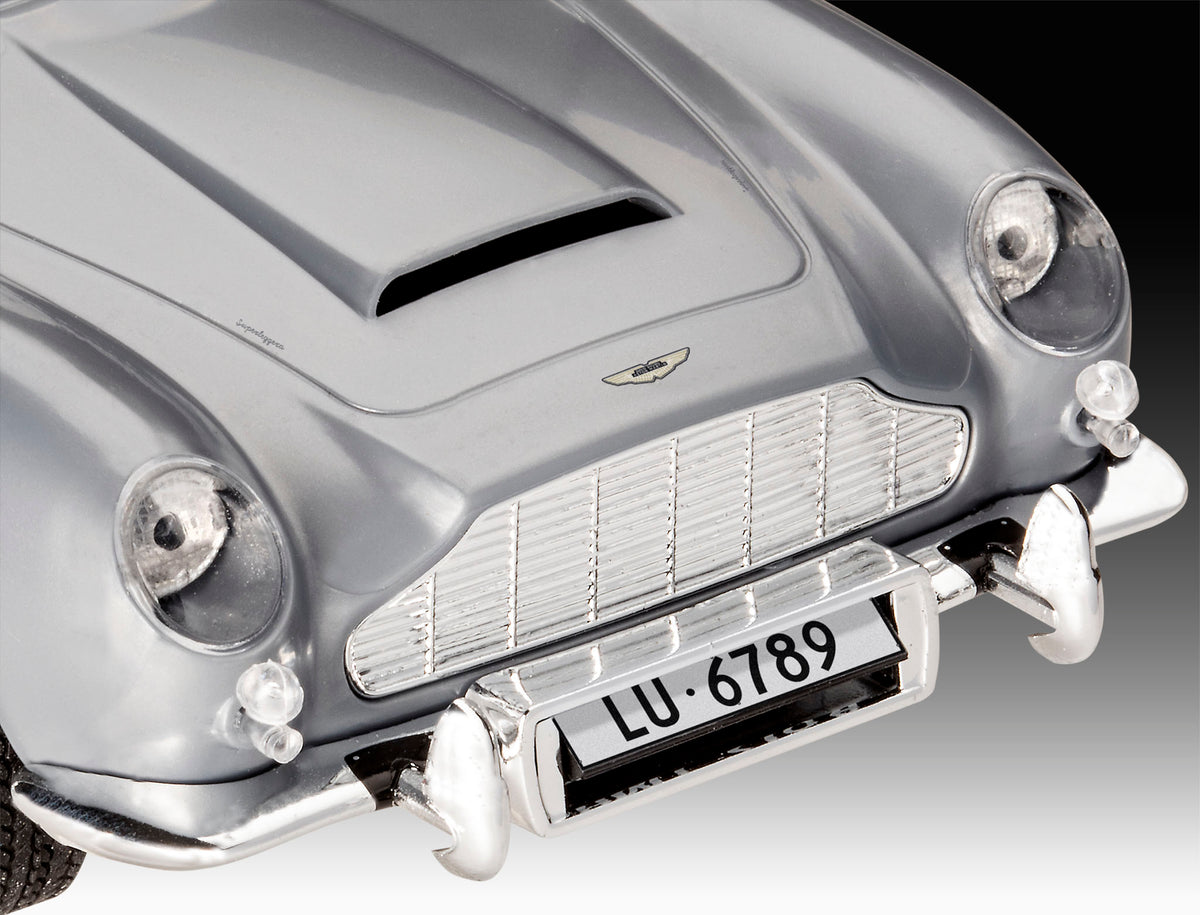
From timeless classic cars to beefy muscle cars to state-of-the-art Formula 1 racing cars – the world of civilian vehicles offers car lovers a wide range. Detailed engine replicas, movable wheels and lovingly designed interiors make replicating your dream car a real pleasure.
Military vehicles: recreating history in detail
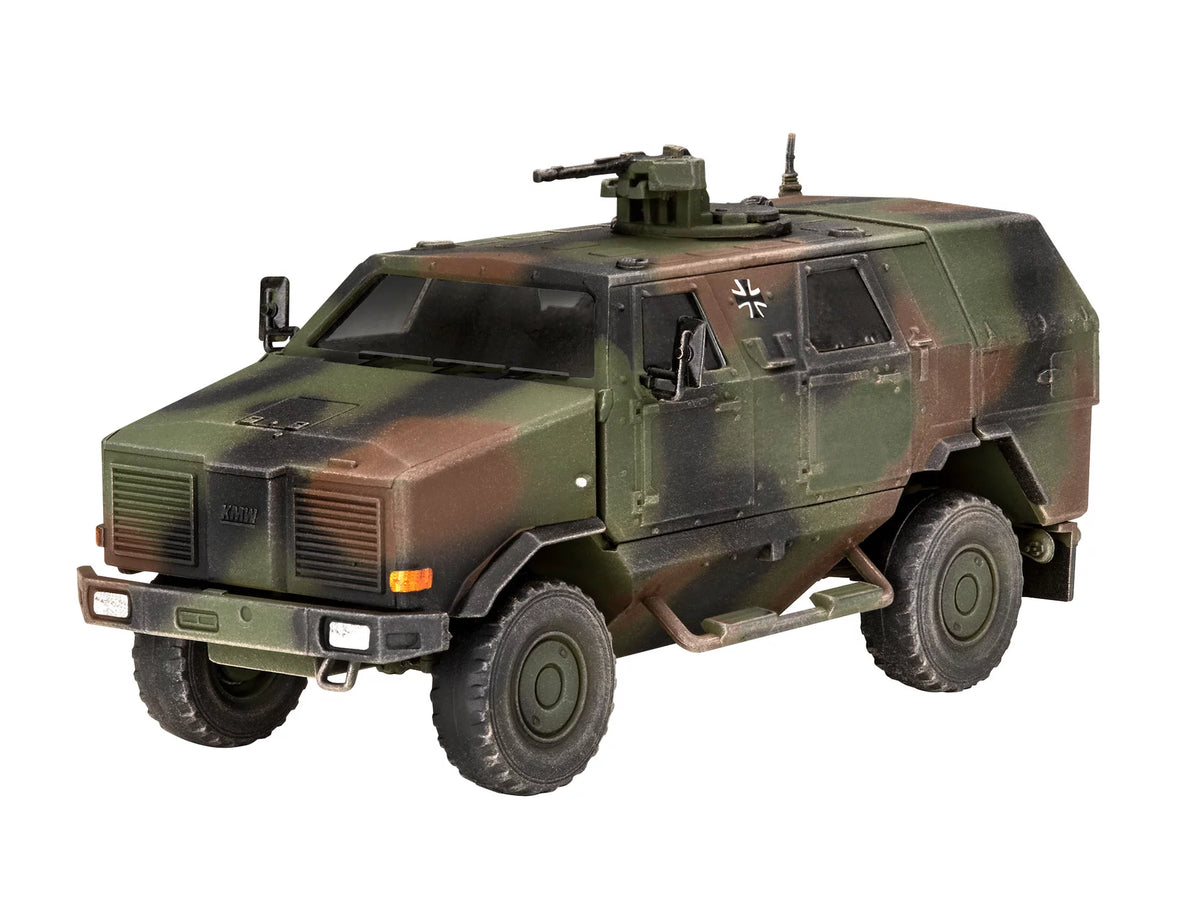
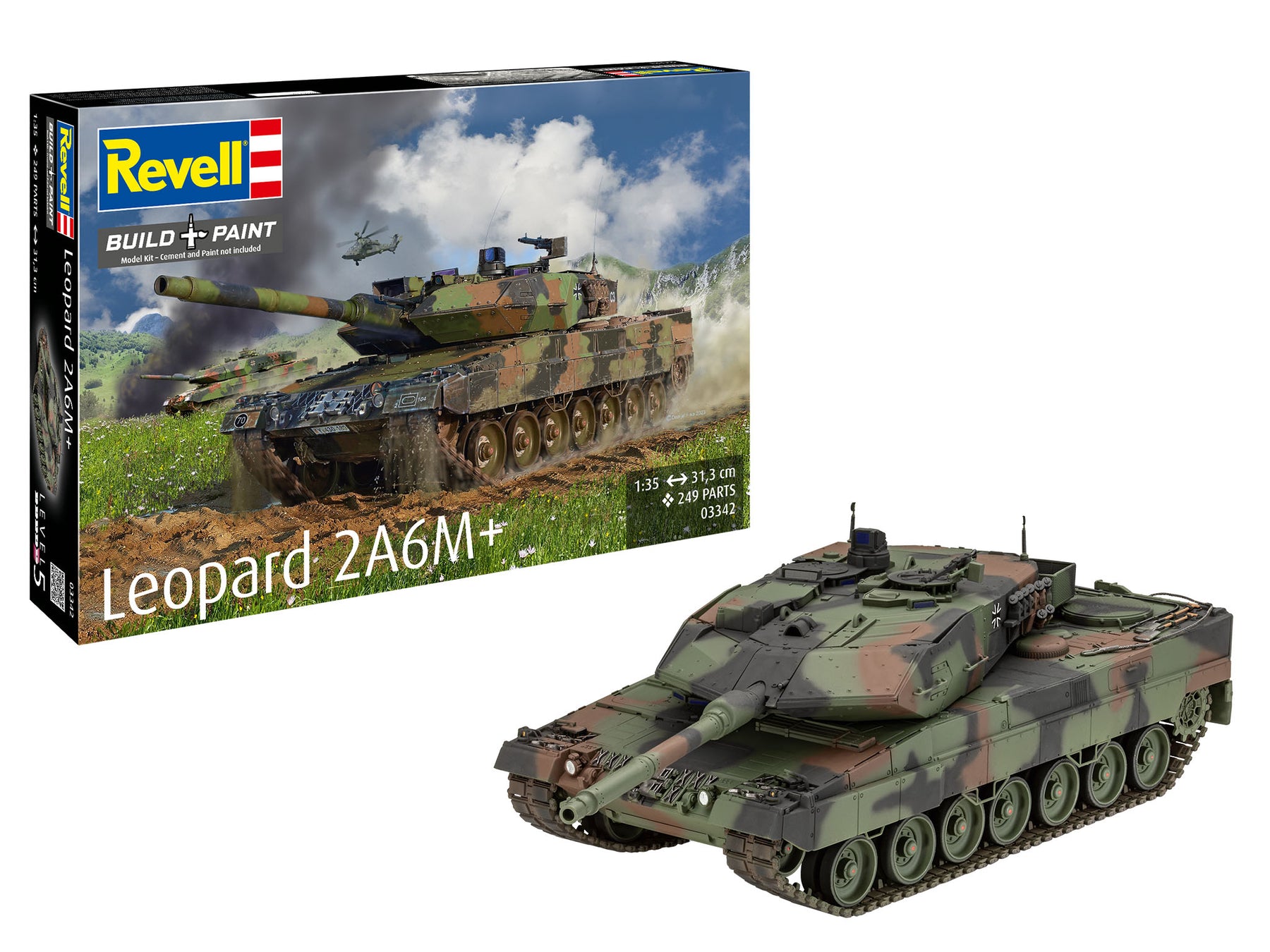
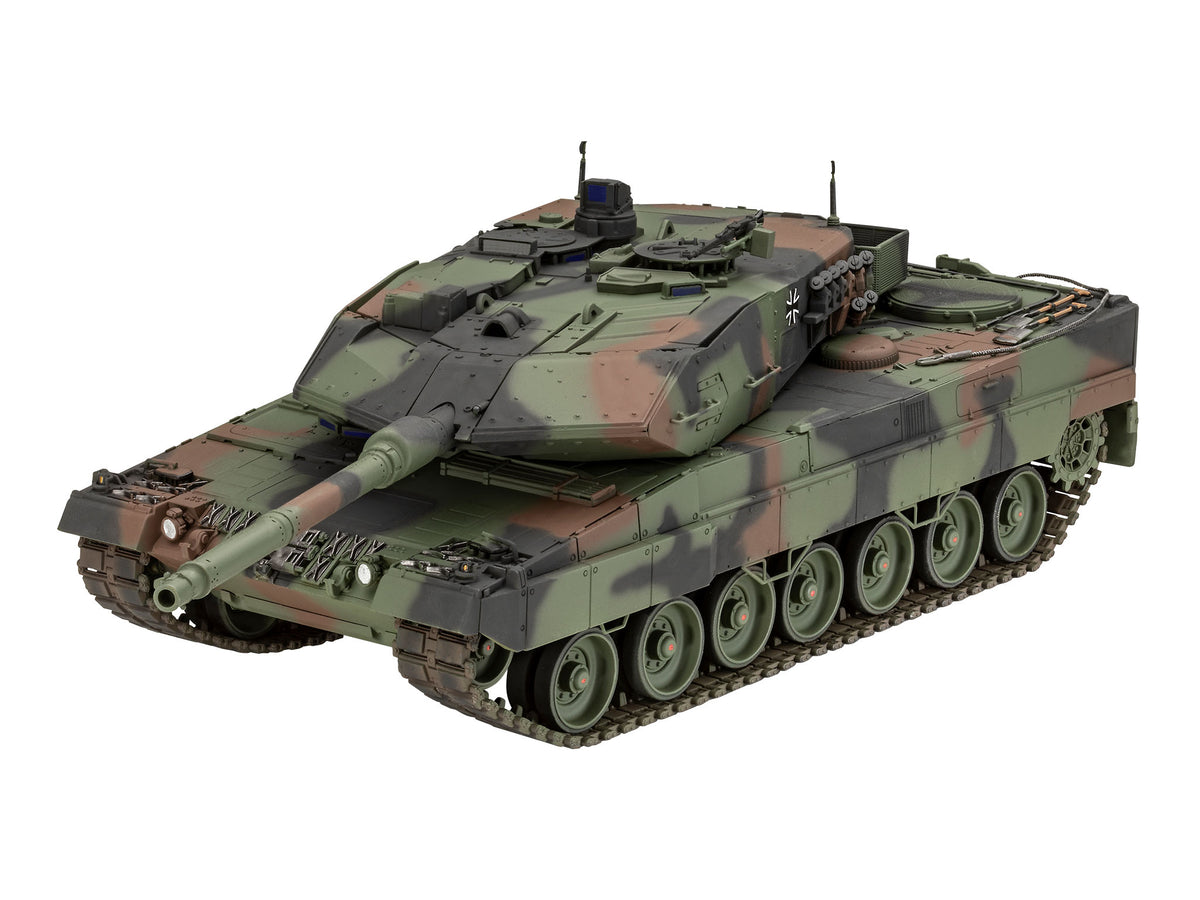
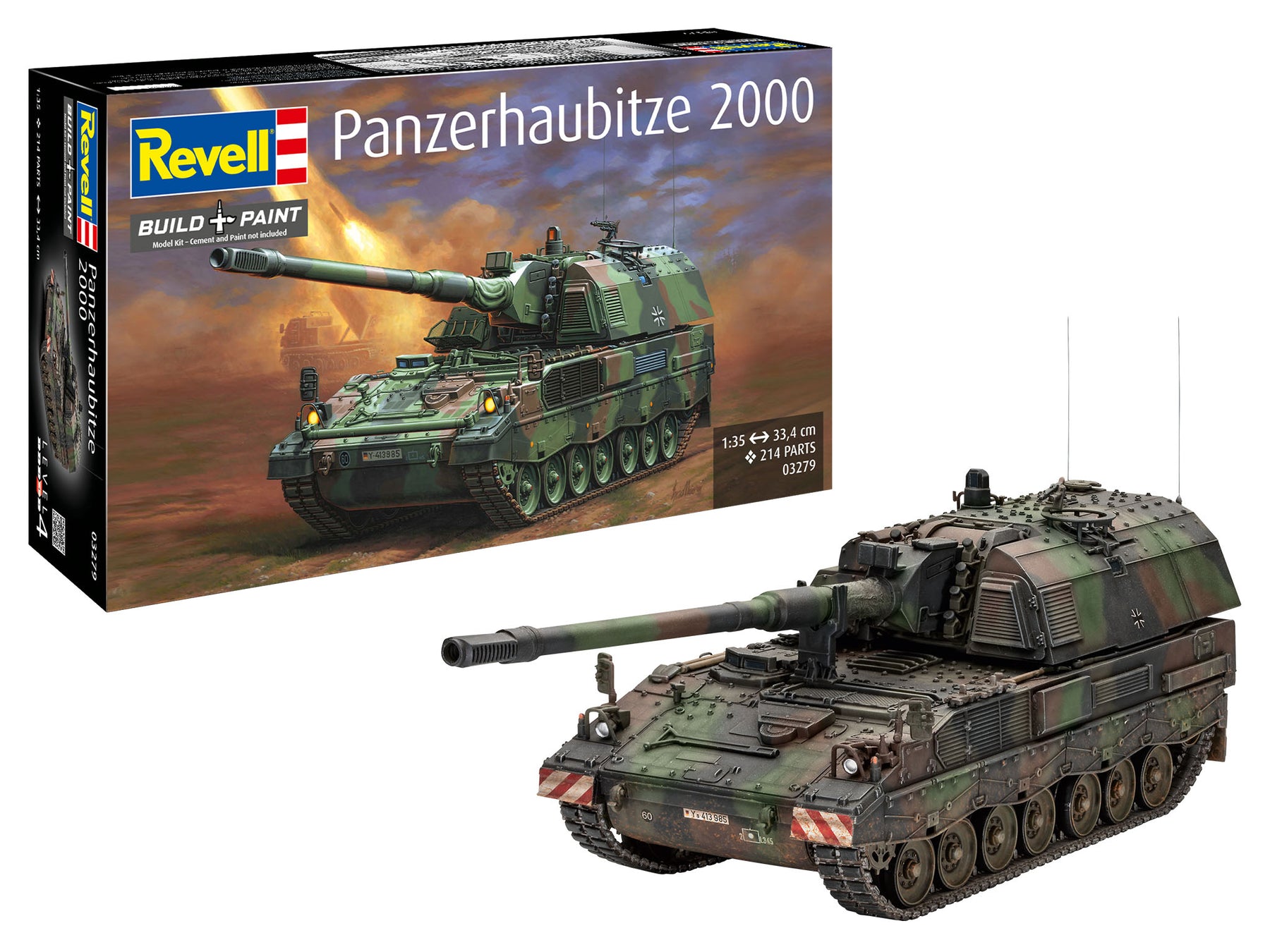
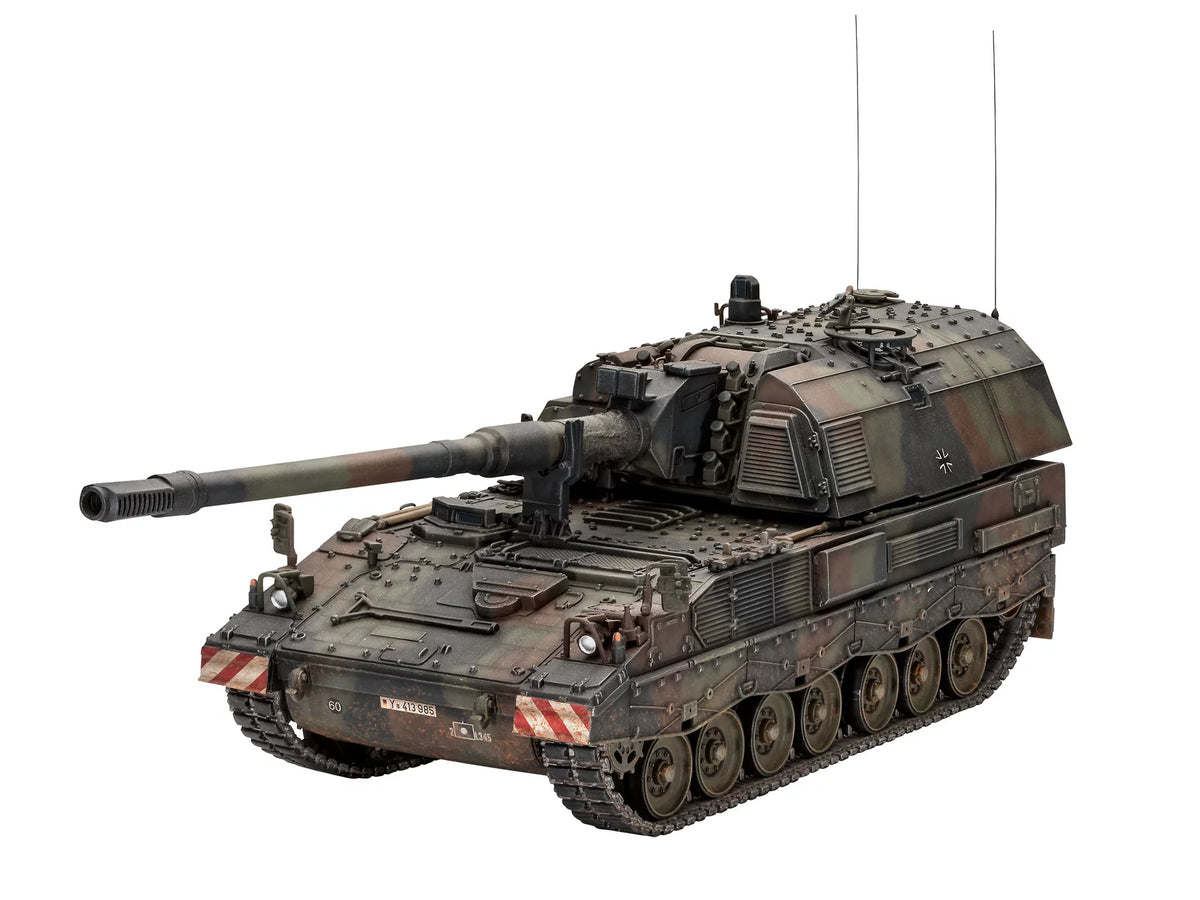
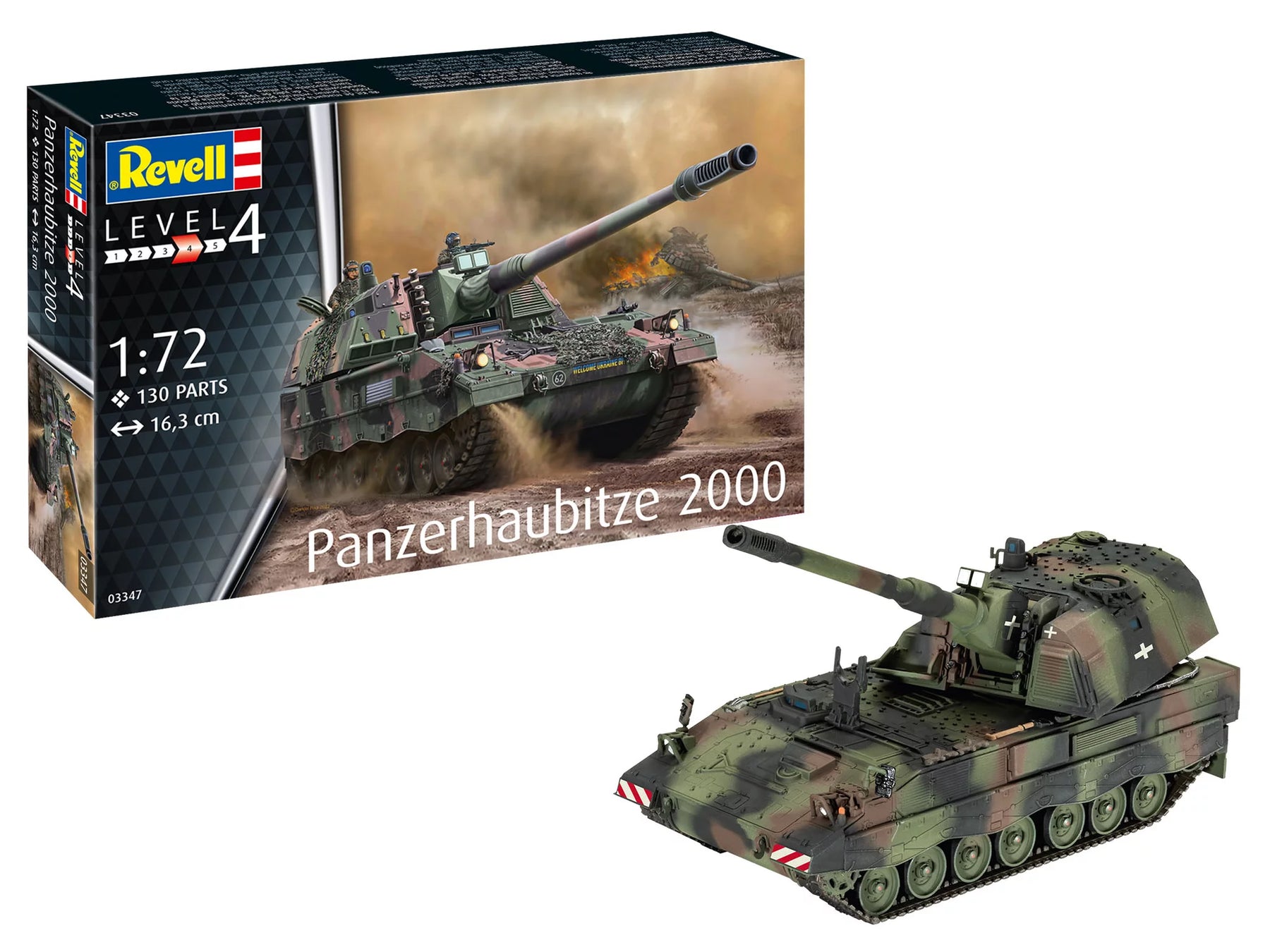
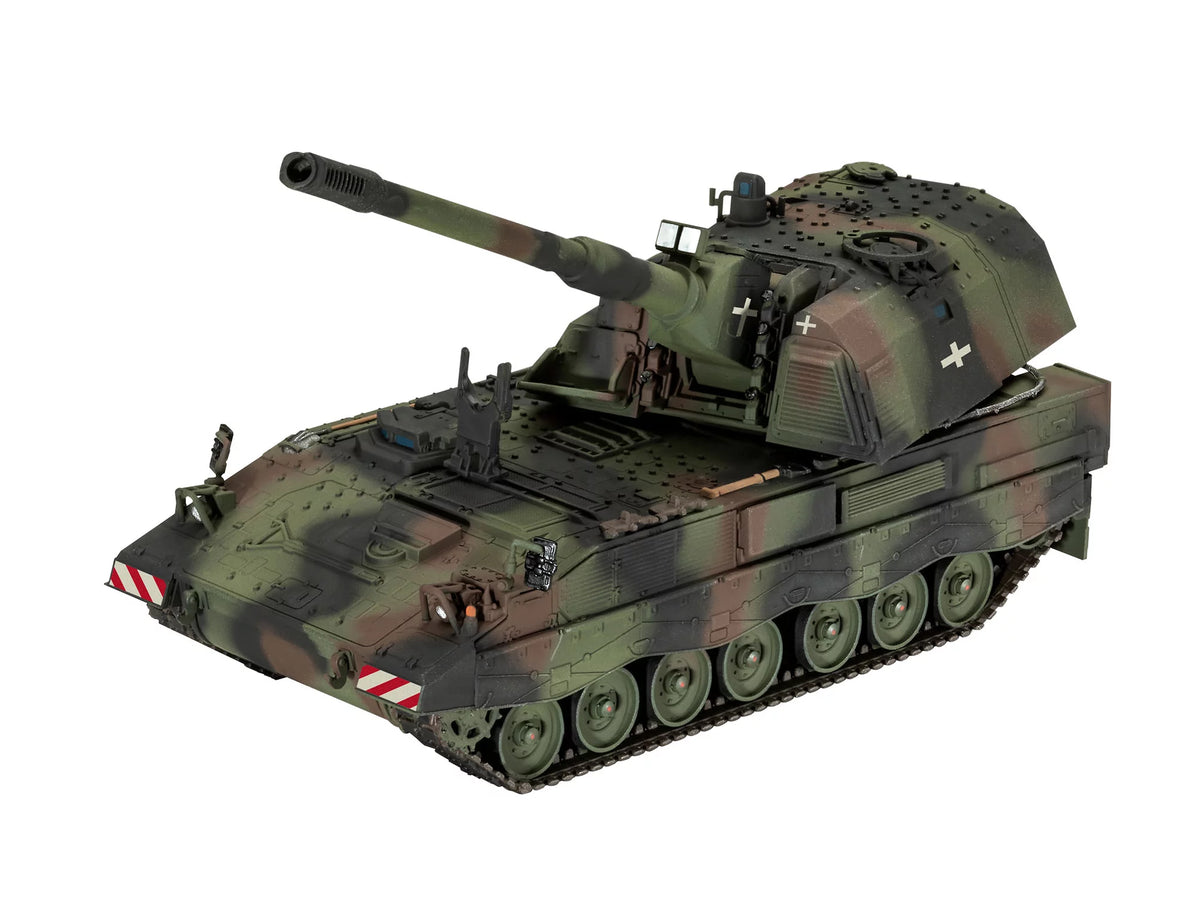
Tanks, transport vehicles and artillery from different eras fascinate with their characteristic technology and often require special aging and weathering techniques when building models. This is how impressive diodarama elements with historical reference are created.
Shipbuilding: On course for new adventures
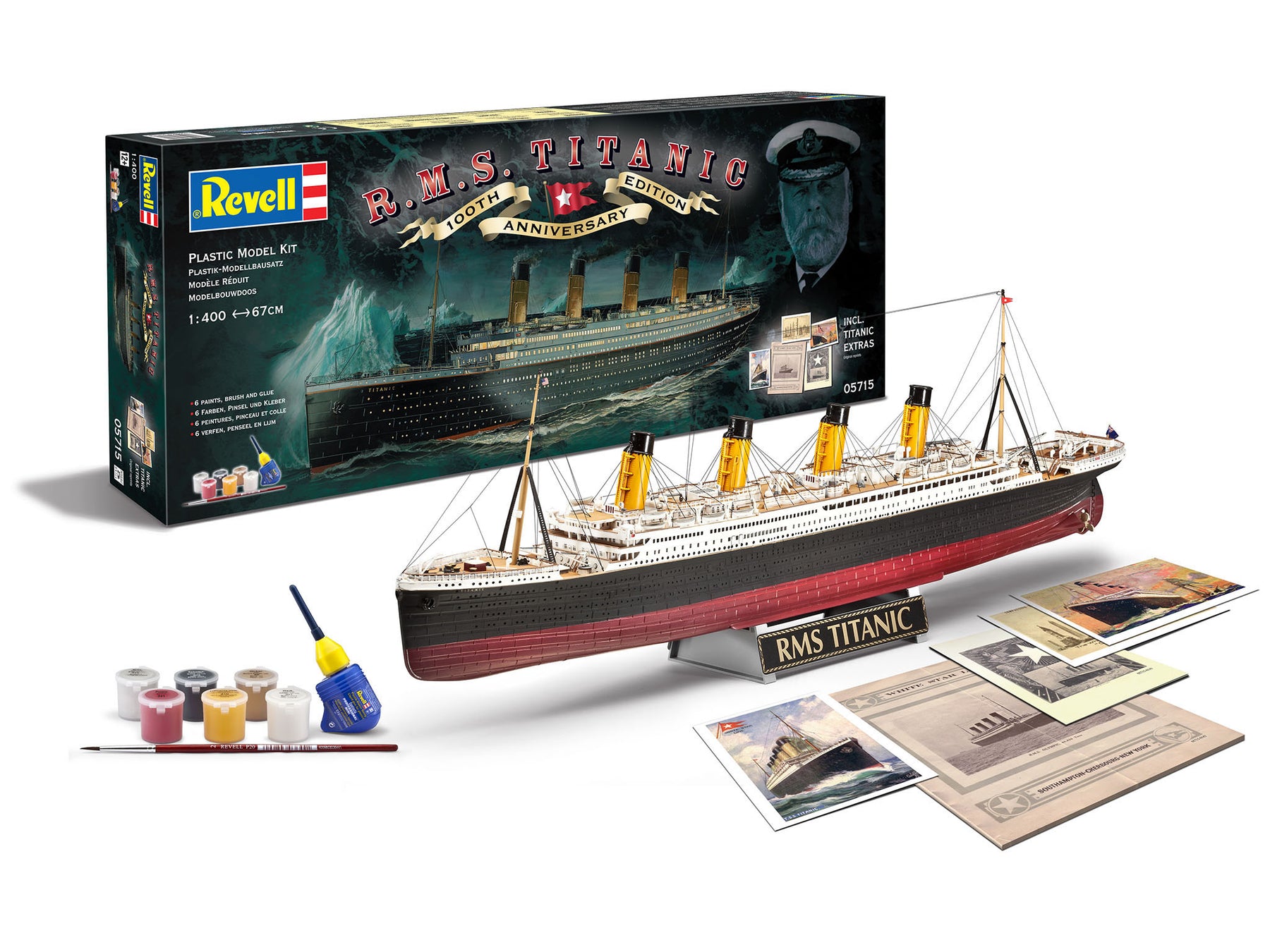
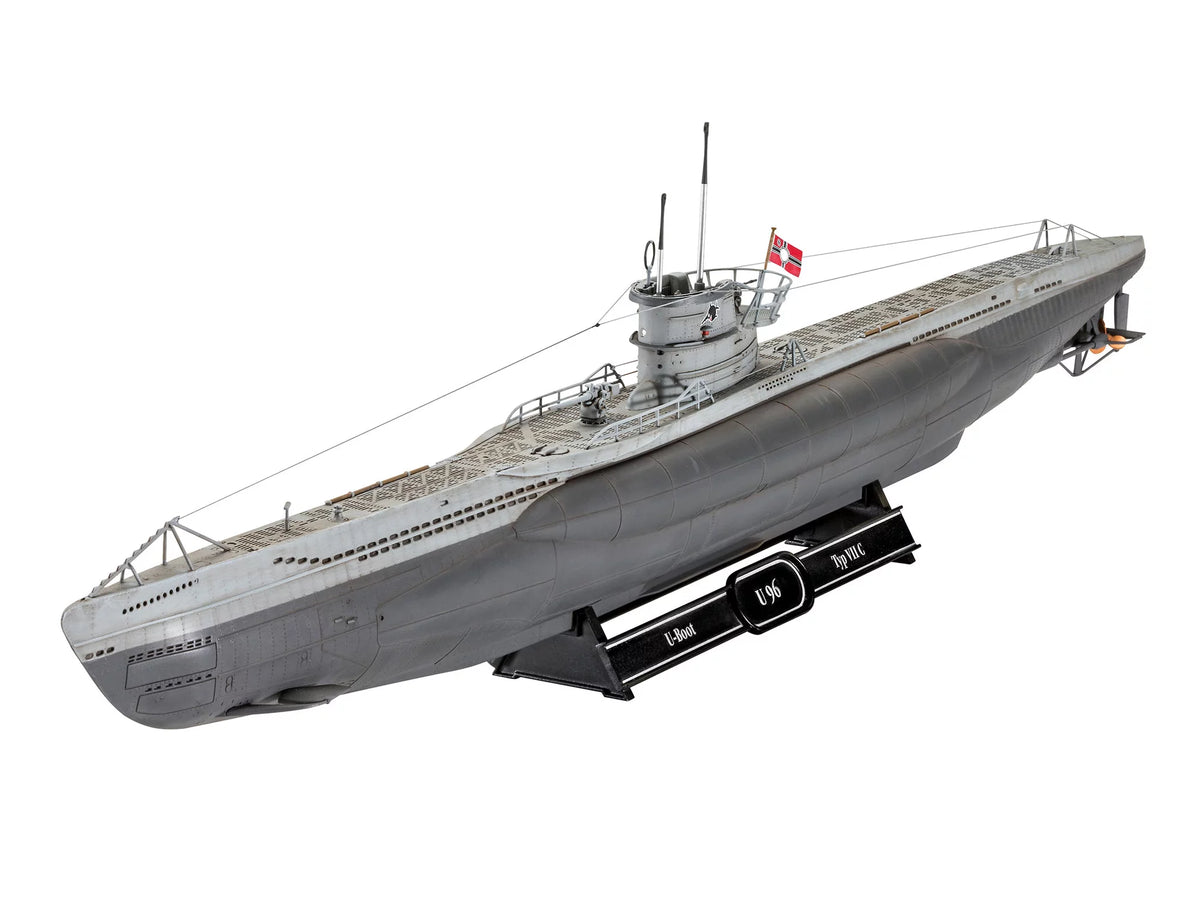
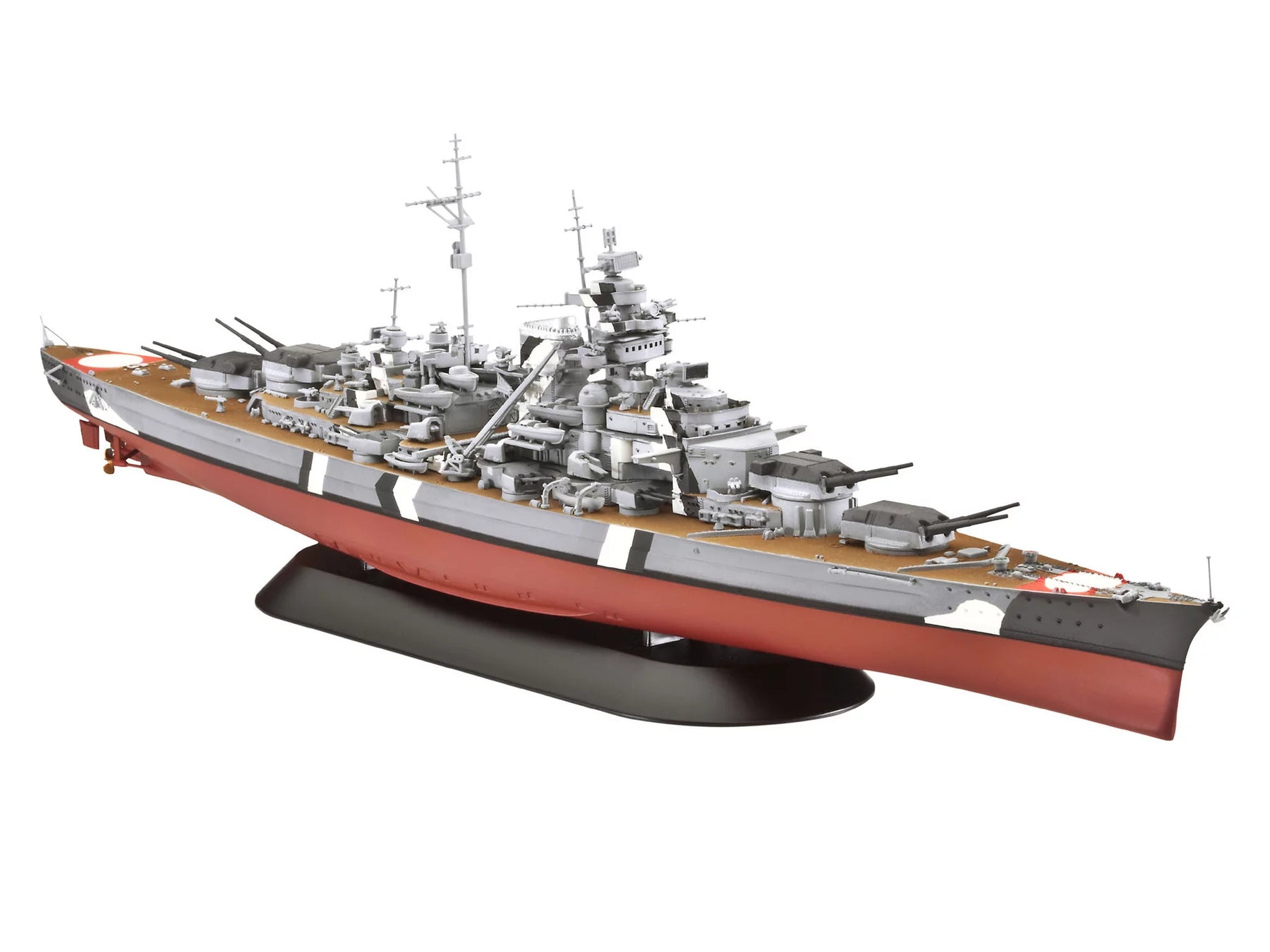
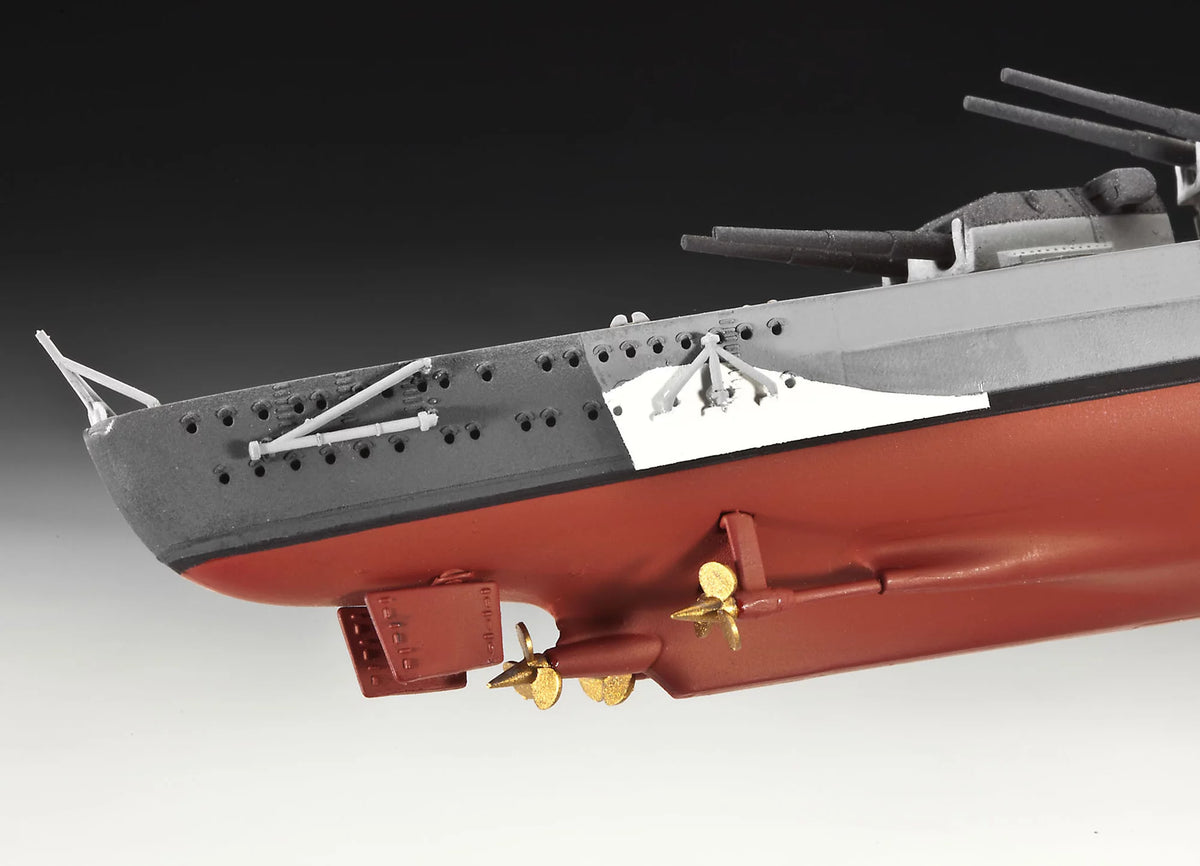
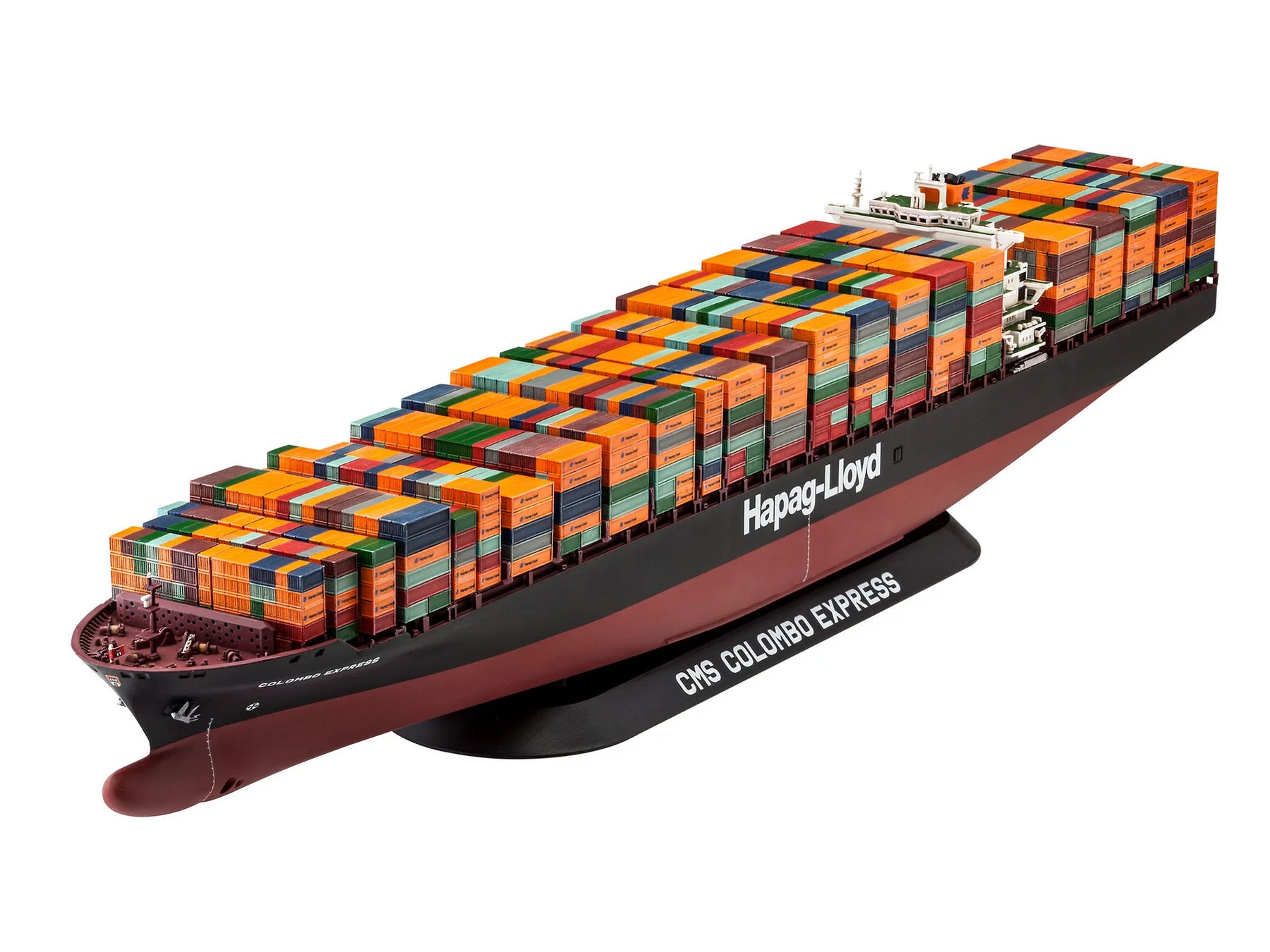
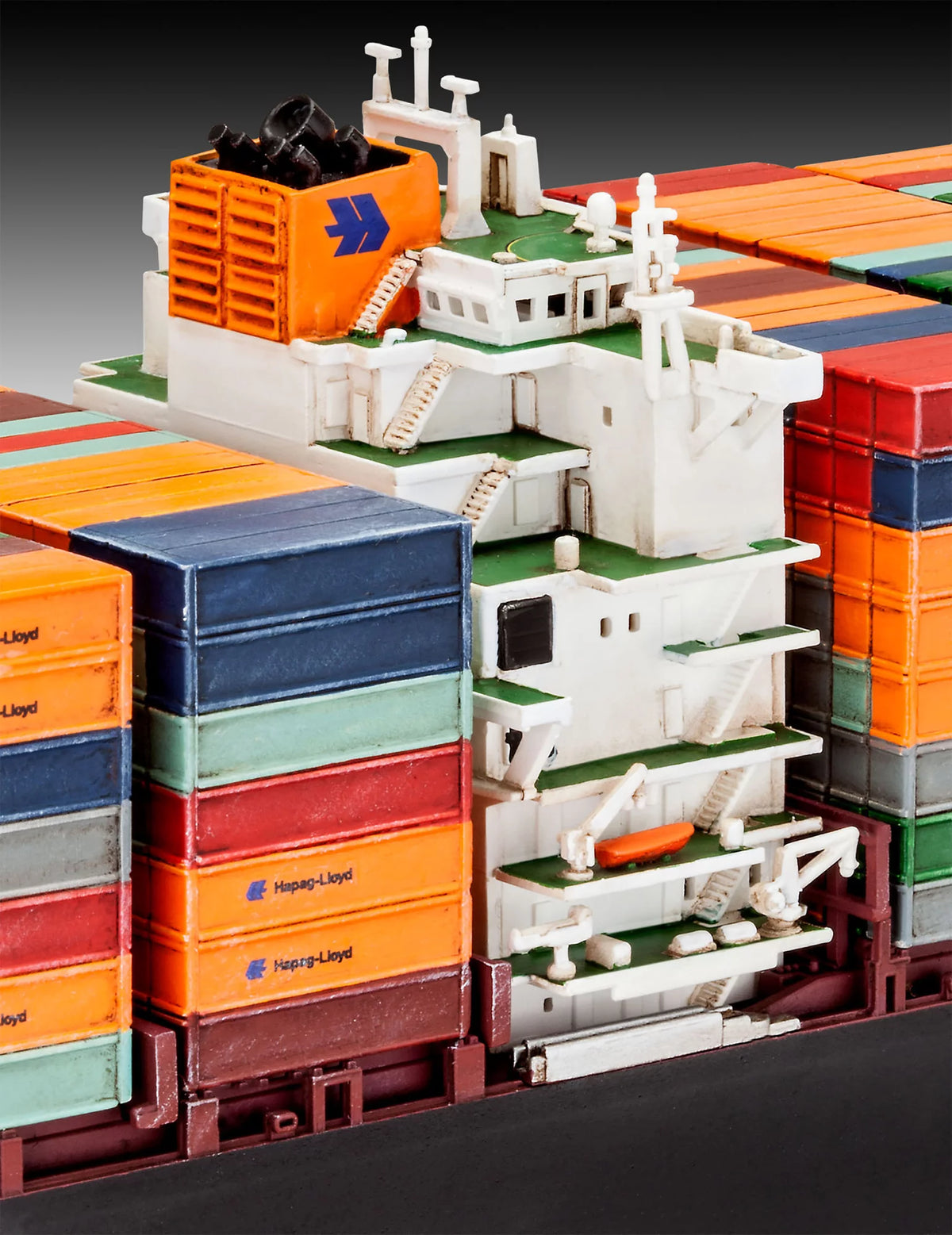
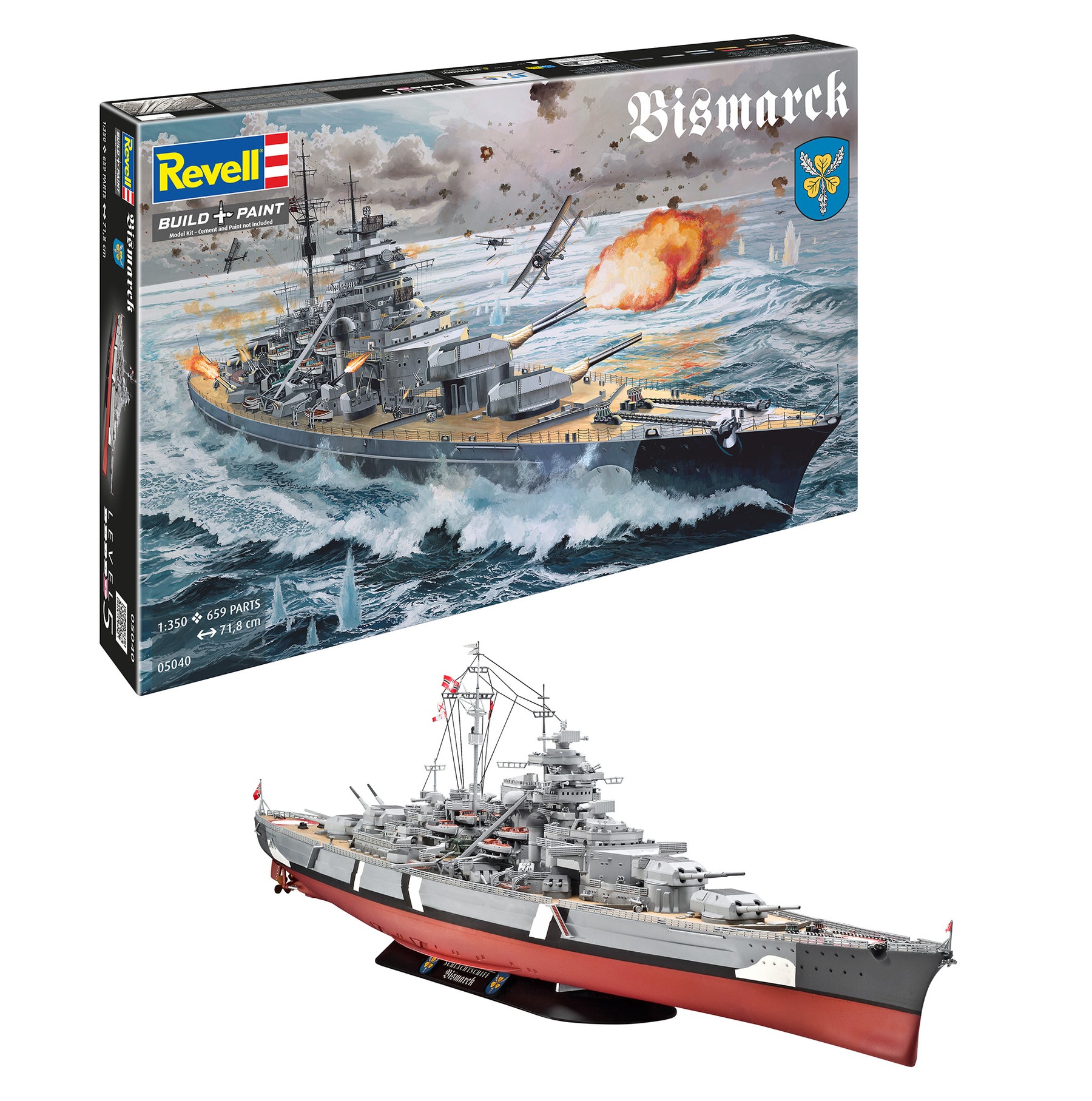
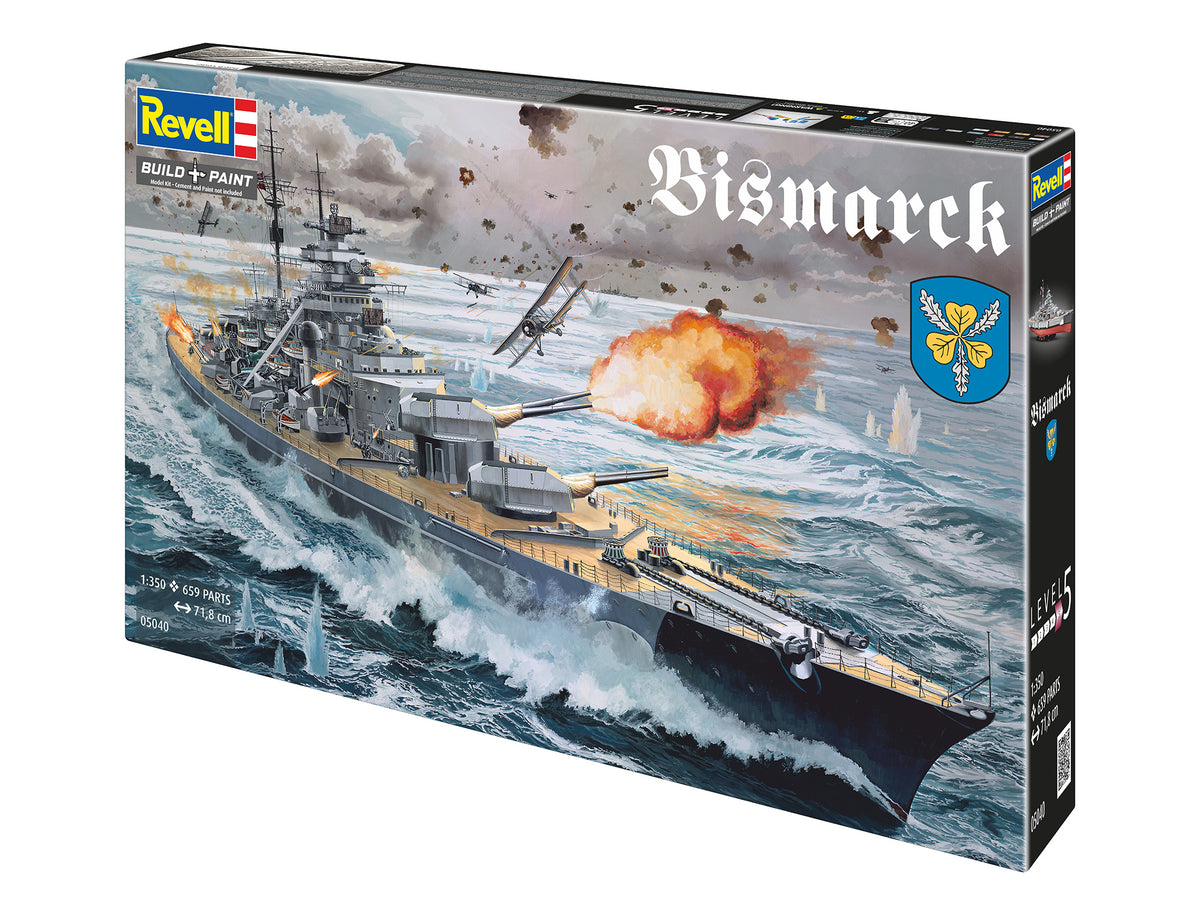
Whether majestic three-masters from the era of explorers, famous passenger ships or modern destroyers and submarines - ship models are an eye-catcher in every collection. For example, the. offers a particularly versatile package for marine fans Model building ships mix, which combines different ship types and guarantees exciting construction projects.
Understanding scales: What size fits in your display case?
The scale indicates how much the original was reduced for the model. A scale of 1:24 means that 1 centimeter on the model corresponds to 24 centimeters in reality. Here is an overview of the most common standards:
- 1:24 / 1:25: Standard scale for automobiles and trucks. Allows excellent details with a handy model size.
- 1:32 / 1:48: Popular with aircraft models for impressive showpieces with a high level of detail.
- 1:72: The versatility benchmark for aircraft and military vehicles - ideal for extensive collections and dioramas.
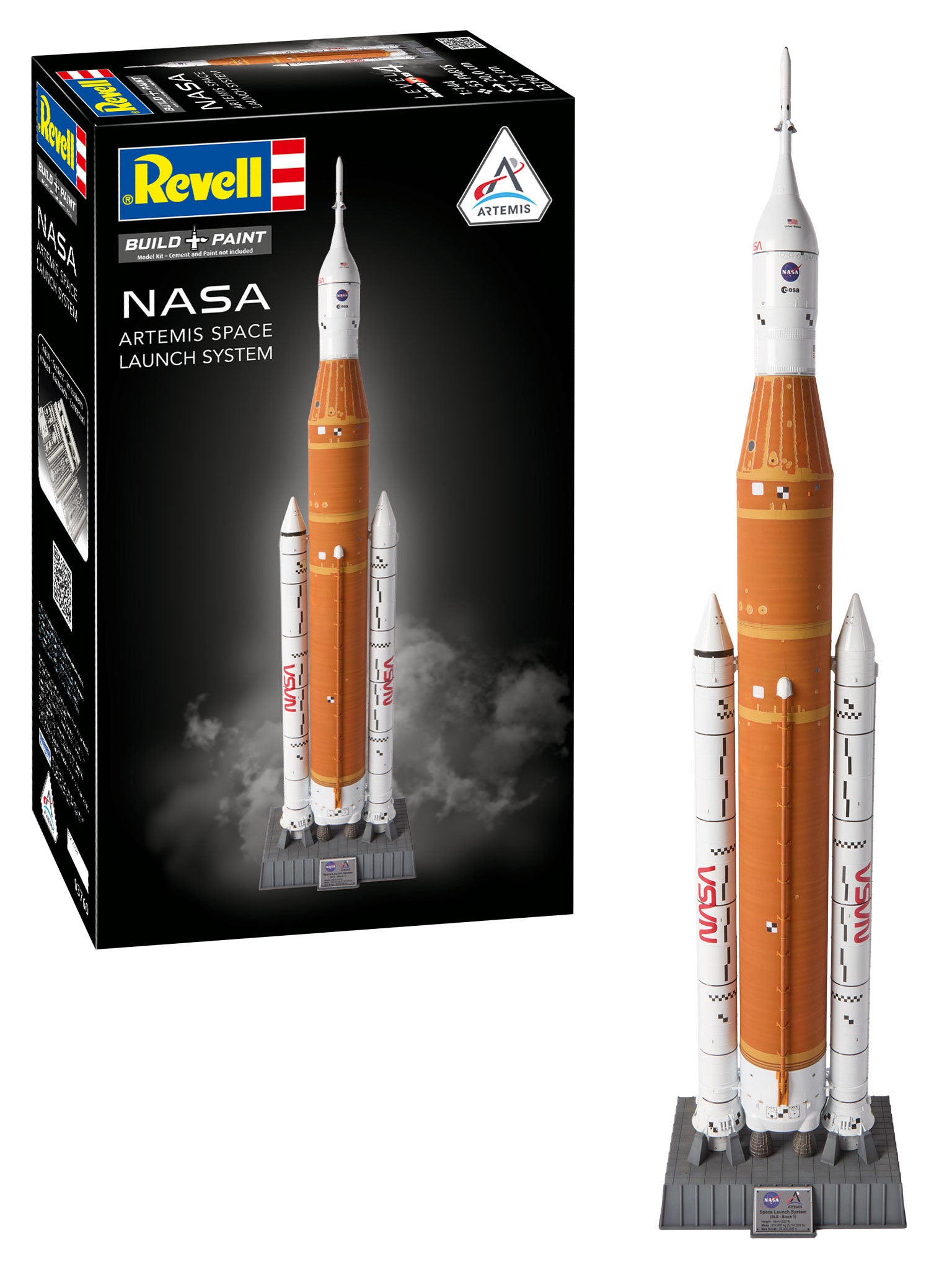
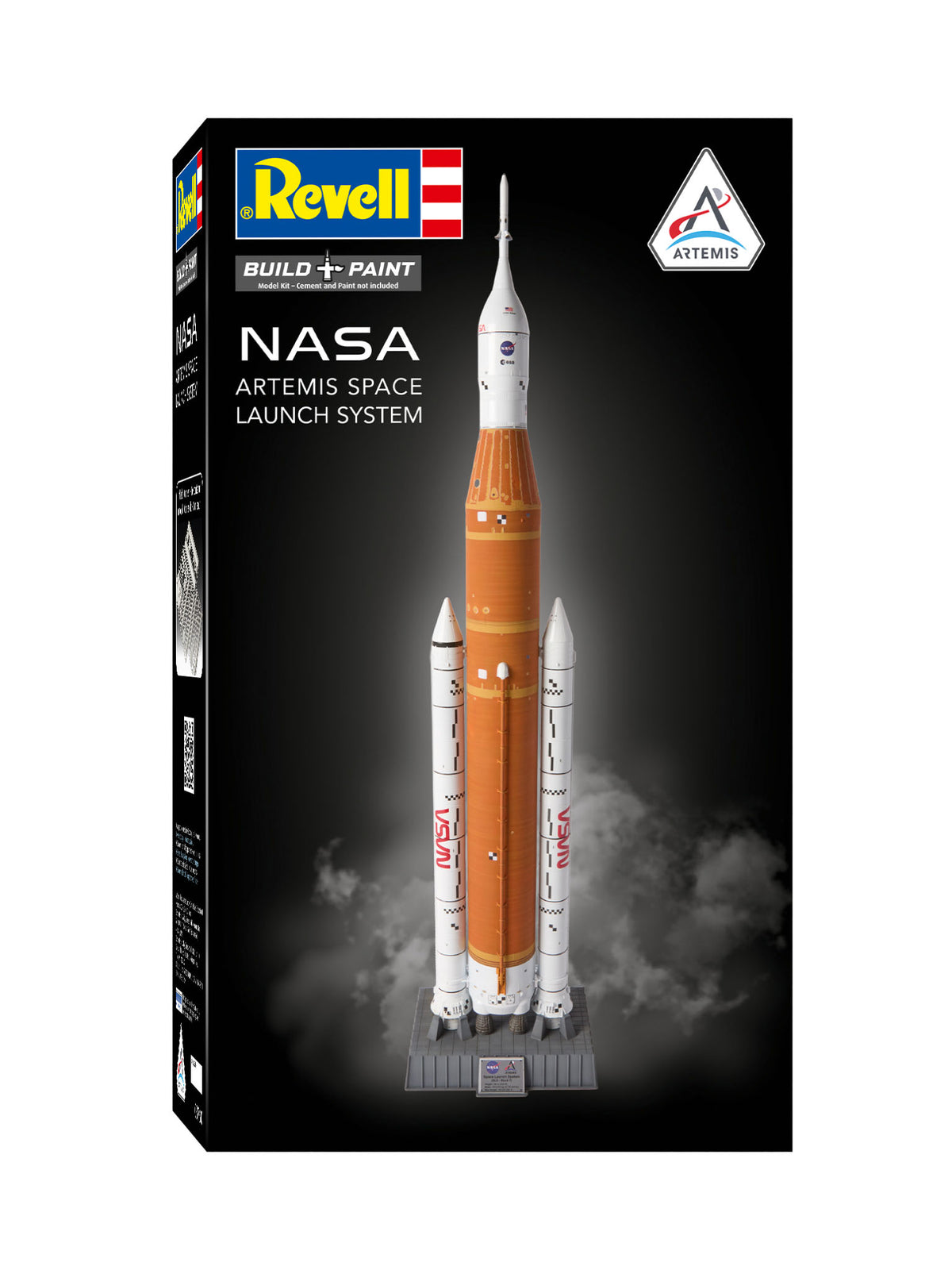
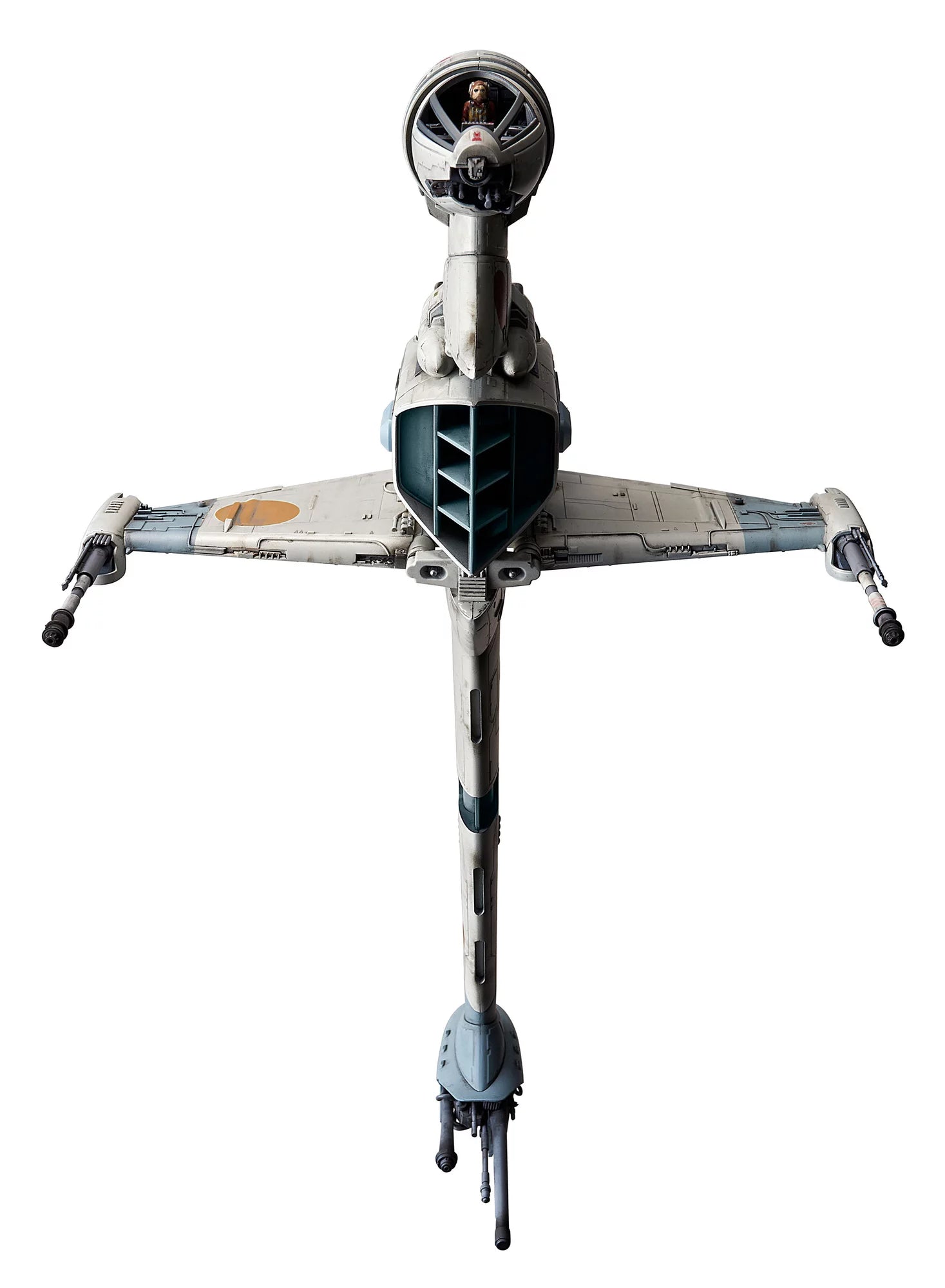
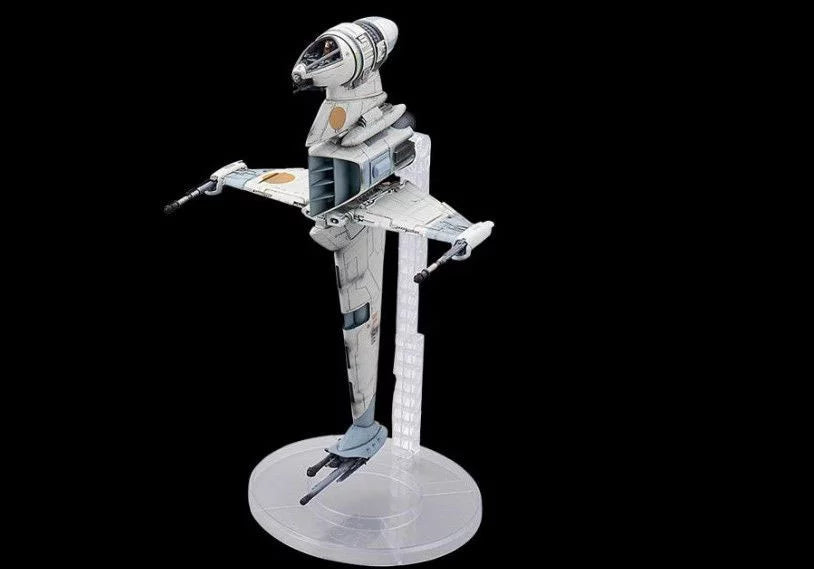
- 1:144: Perfect for large airliners and spaceships to build space-saving models.
- 1:350 / 1:700: Classic shipbuilding standards that represent capital ships or aircraft carriers in a compact size.
Basic equipment: What you need for your model building project
For a clean and frustration-free construction result, we recommend a solid basic tool. With the following utensils you are well prepared for almost any plastic kit:
- Side cutters: For precise separation of components from the molded part without damaging the plastic.
- Craft knife / scalpel: For removing cast flash and fine projections on the separating handles.
- Sandpaper & files: To sand joining edges smooth after gluing and create perfect transitions.
- Plastic glue with cannula: Enables precise dosing and permanently welds the plastic parts together.
- Tweezers: Indispensable for placing the tiniest of small parts and applying decals.
- Brushes & acrylic paints: For the color design of interiors, figures and the body.
Three tips for perfect model building results in 2026
1. Clean components in advance: Before building, wash the plastic moldings in lukewarm water with a little dishwashing liquid. This will remove residues of release agents and the paint will adhere much better later.
2. Perform a dry fit: Test-fit critical components together before gluing. This way you can identify any inaccuracies early on and can re-sand before the adhesive takes hold.
3. Apply decals correctly: Cut out the motif, place it briefly in lukewarm water and push it onto the model with a fine brush. Use a soft cloth to carefully dab off any excess water.