

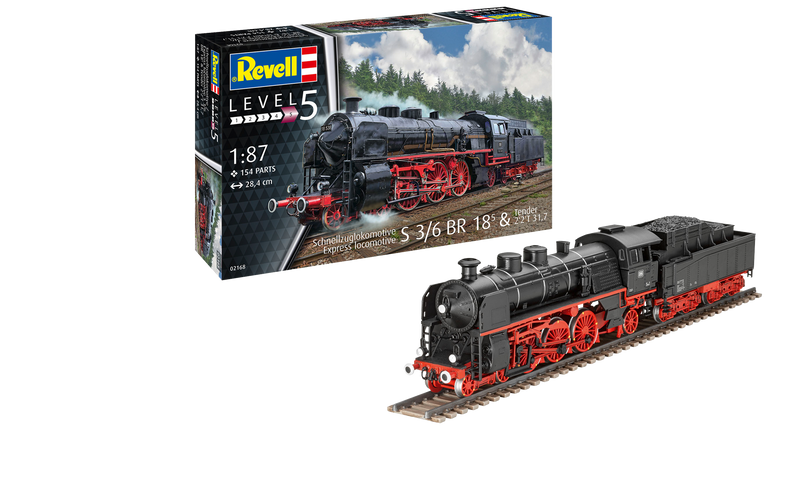


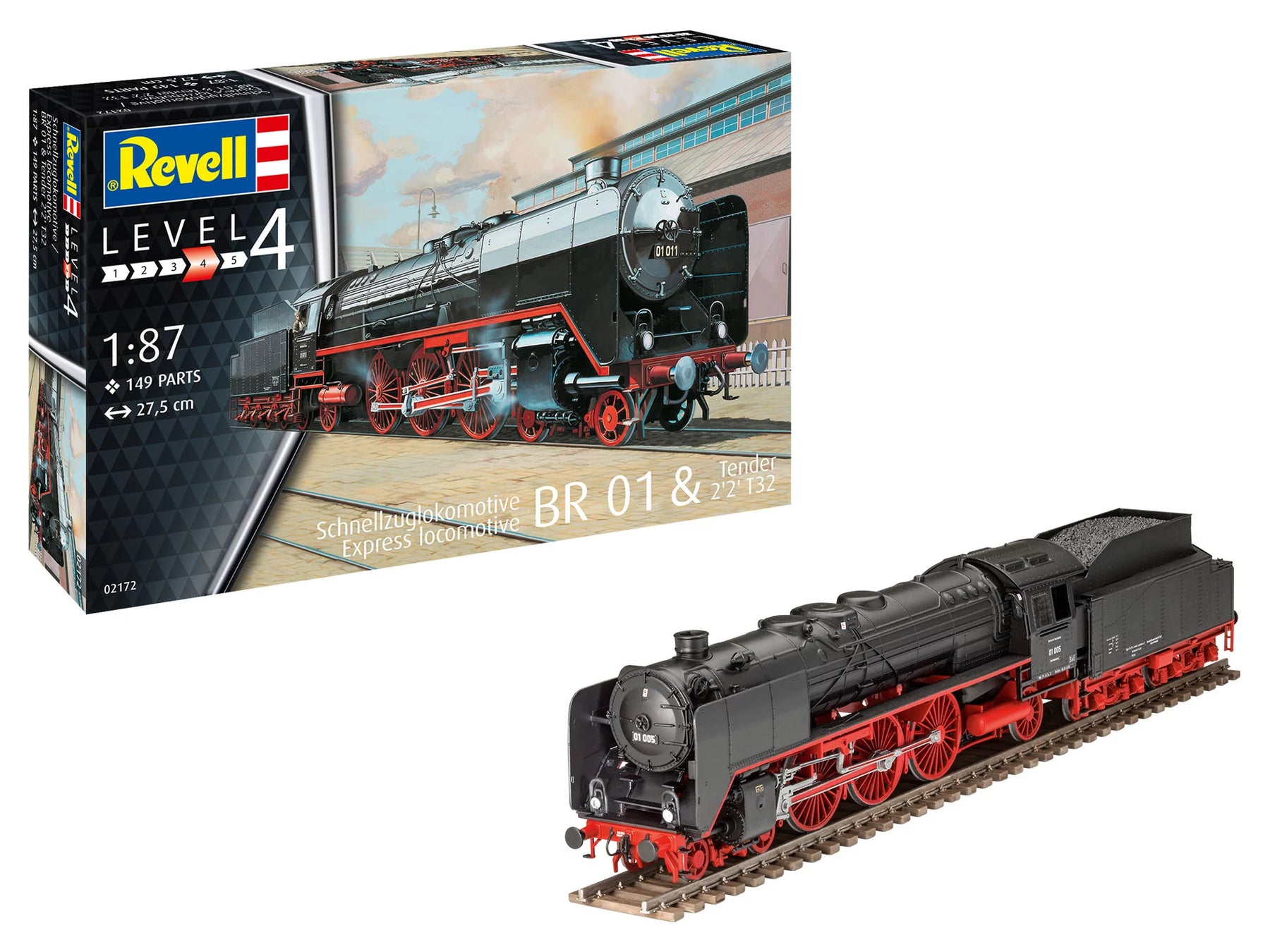
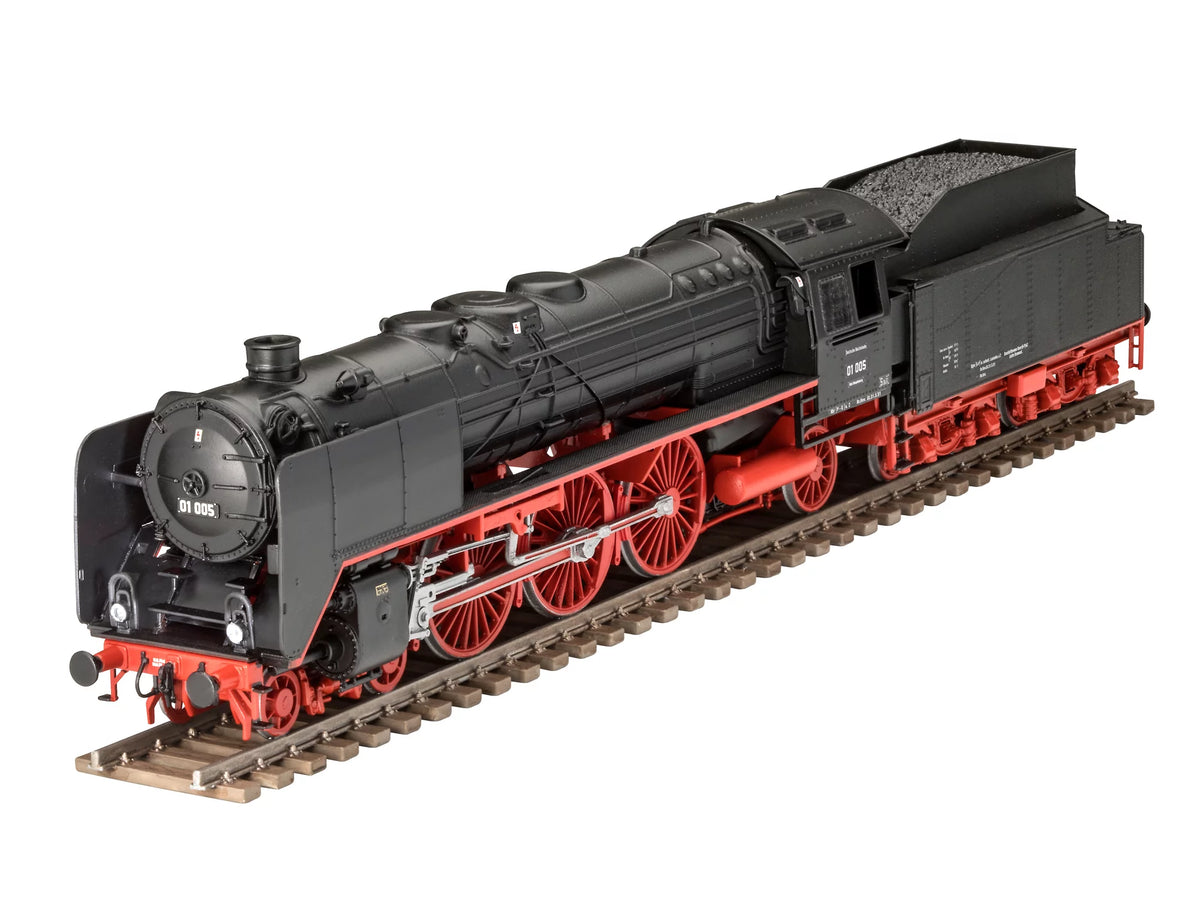

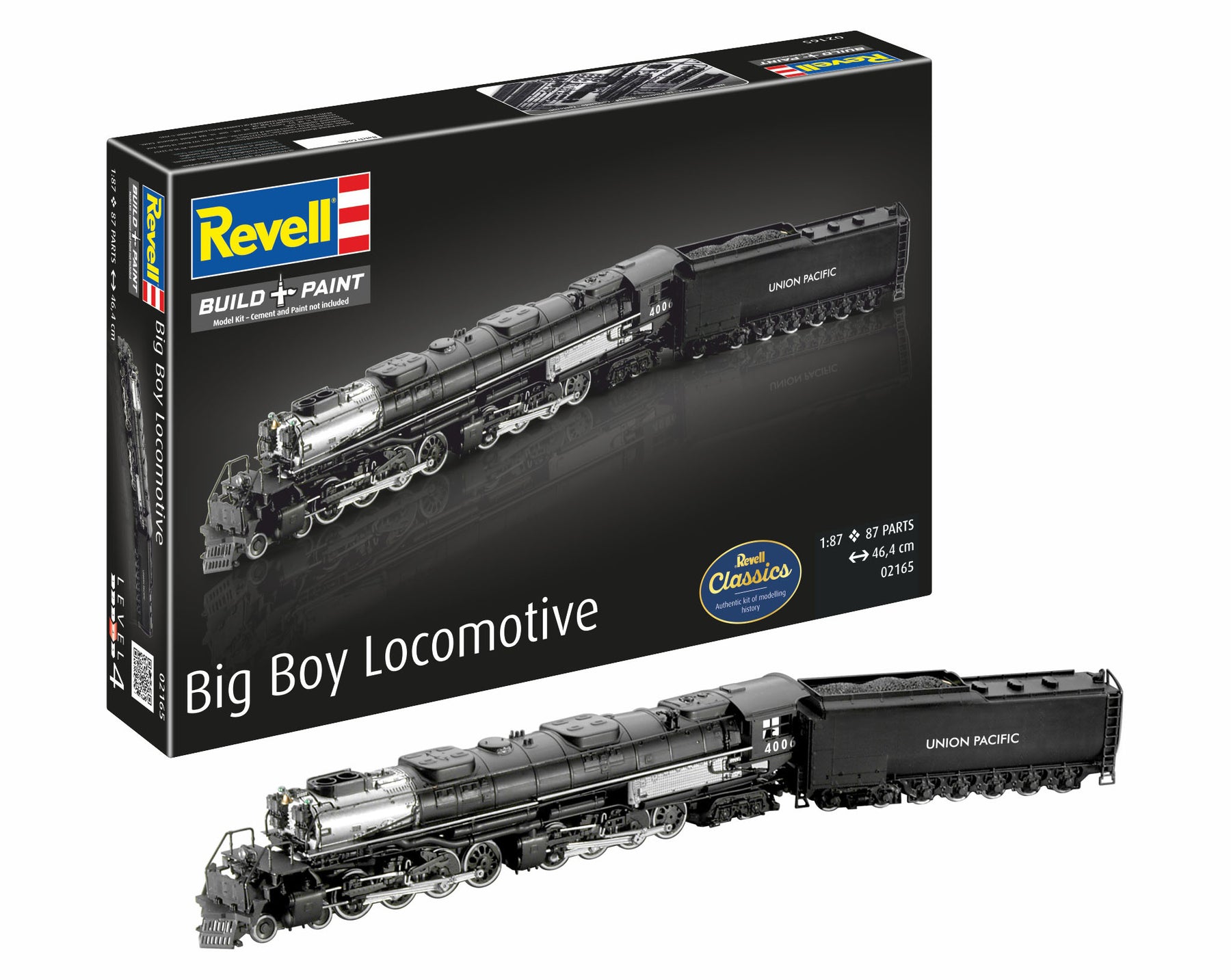
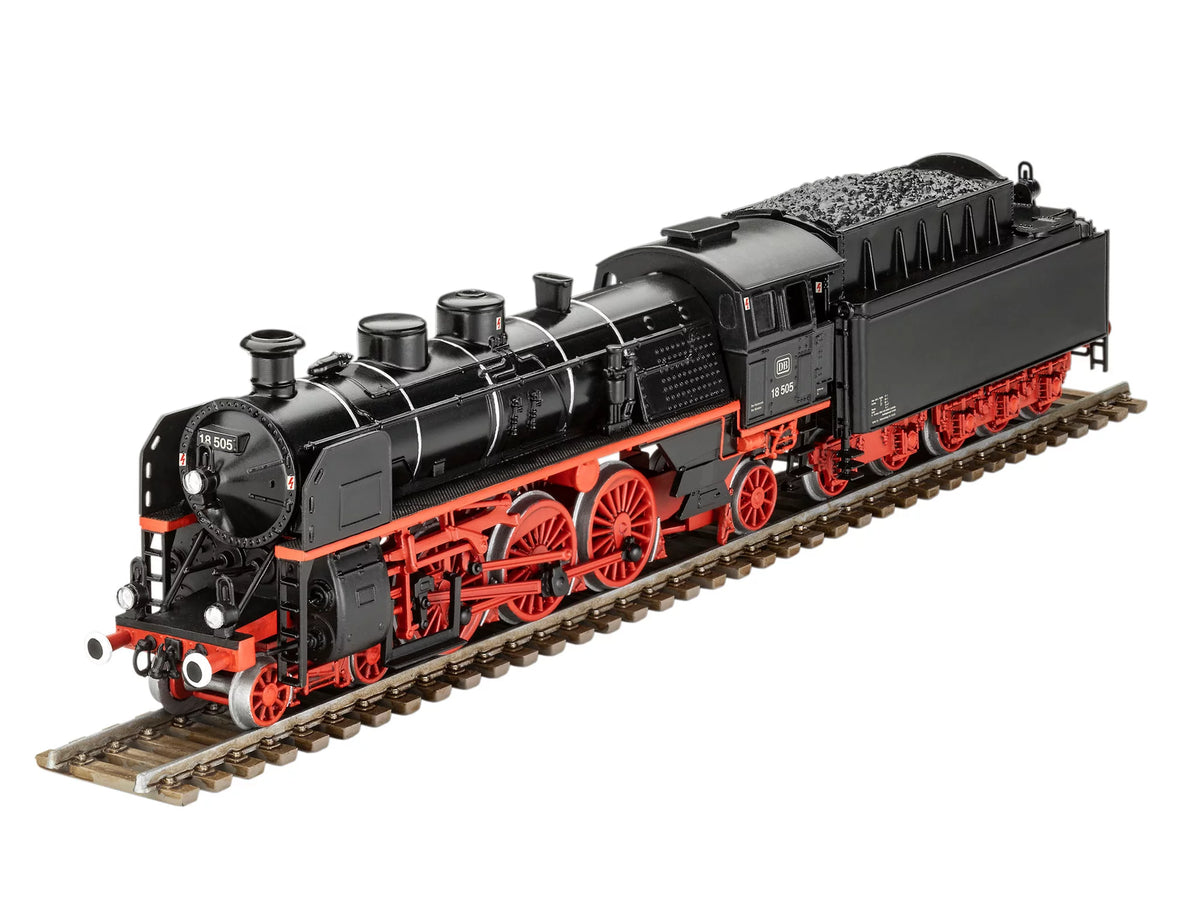
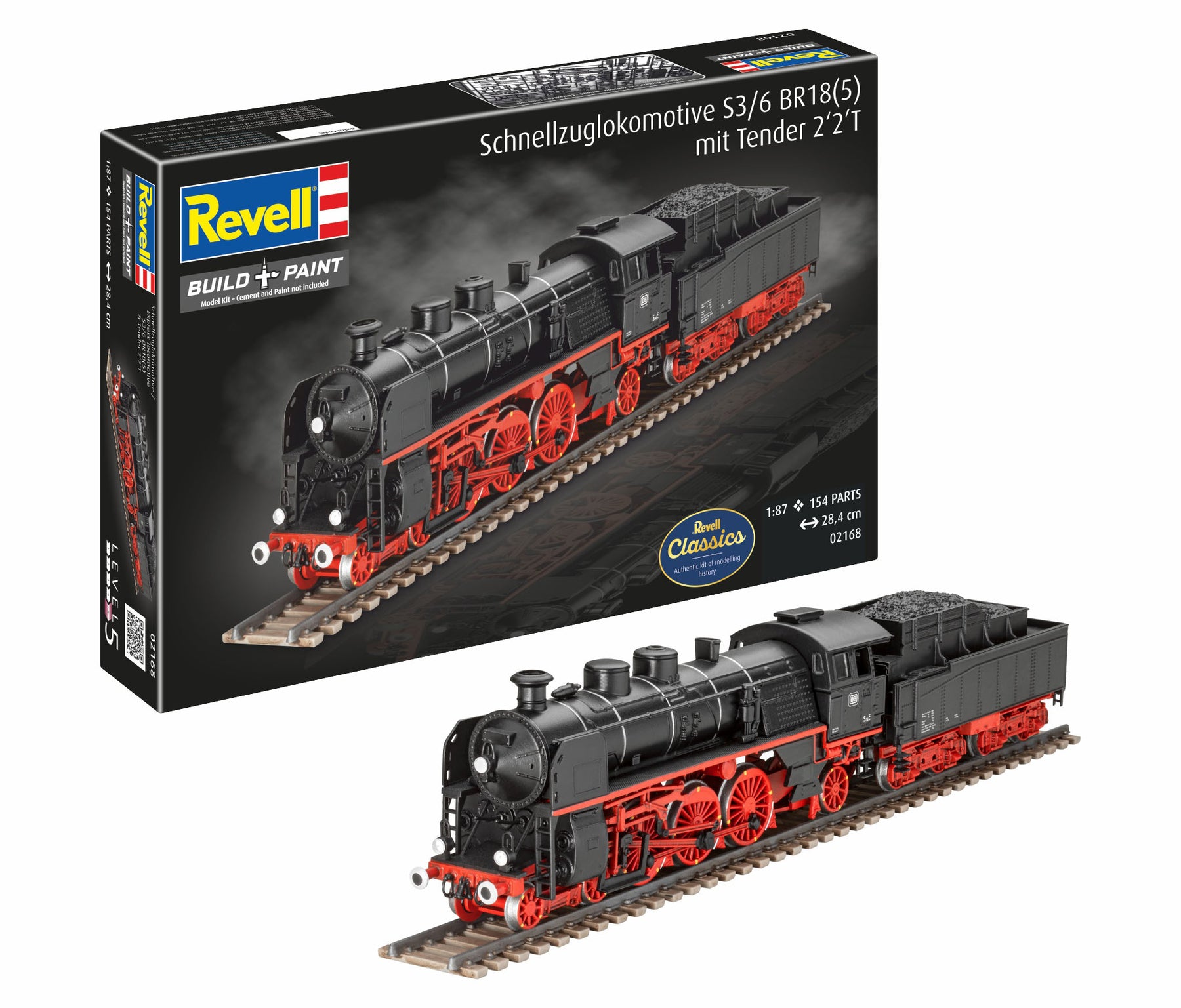
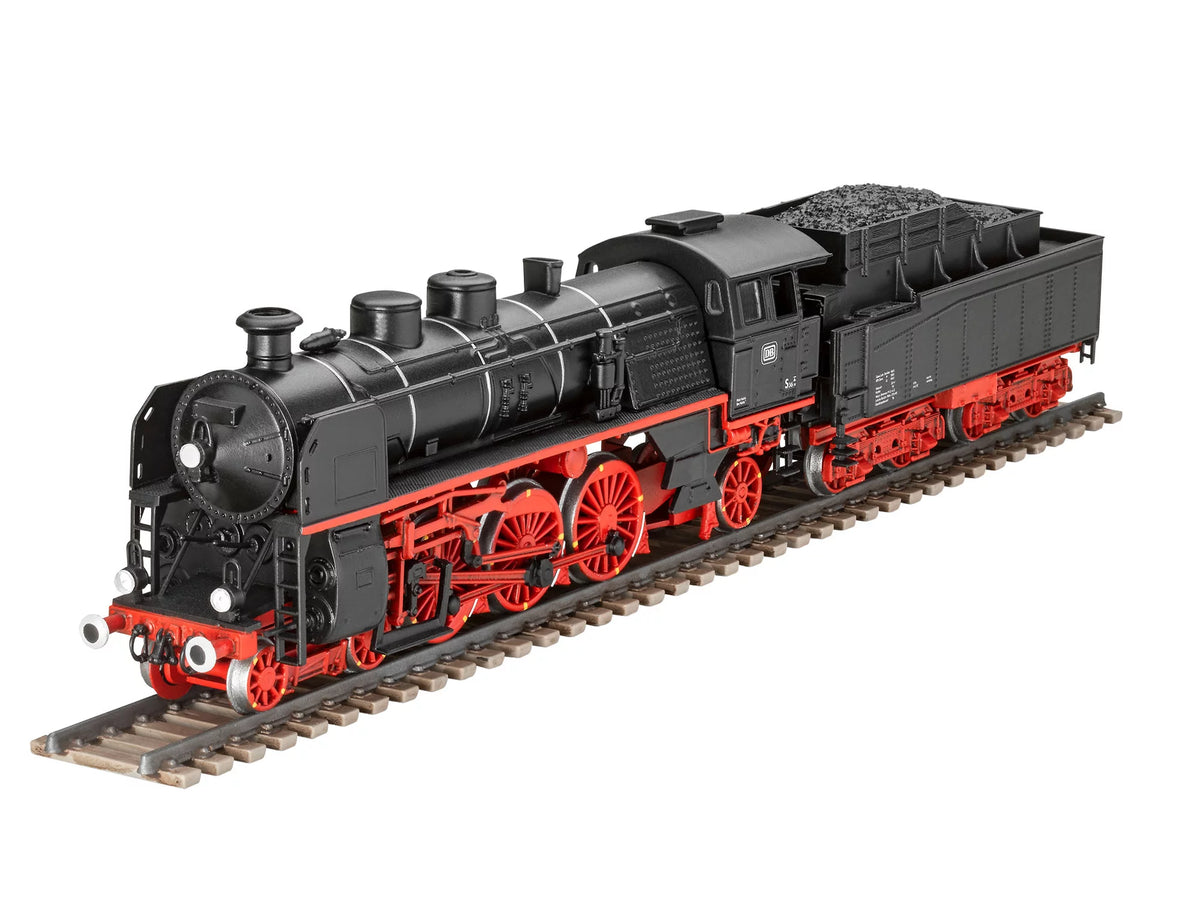
Fascination with model building for railways – nostalgia and technology perfectly combined
Railway model building has been one of the most popular and versatile hobbies for generations. It is the unique combination of technical fascination, historical authenticity and craftsmanship that inspires model makers all over the world. When you assemble a locomotive piece by piece, glue it together and then meticulously paint it, you are not just creating a model - you are bringing a piece of industrial and transport history to life.
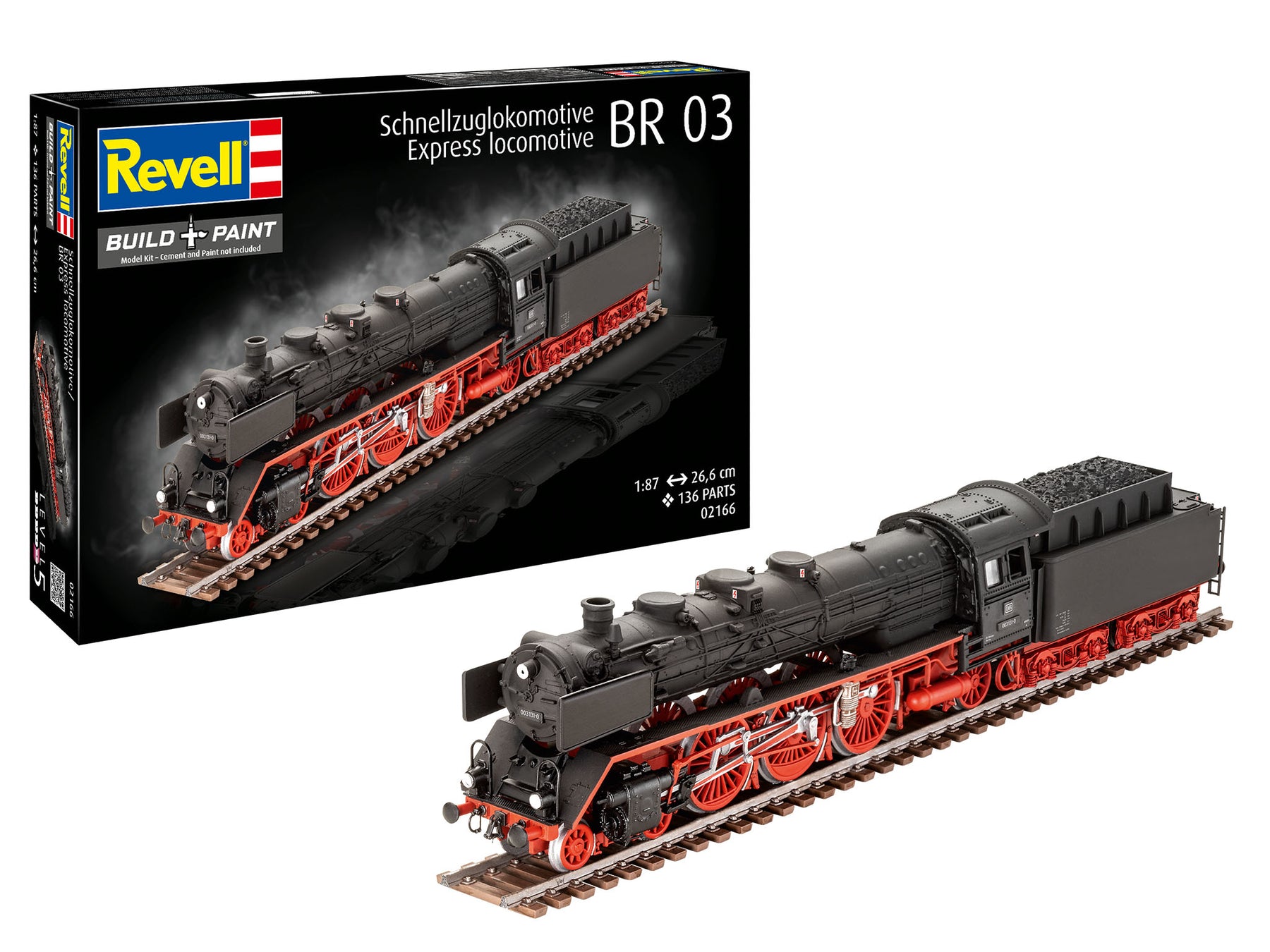
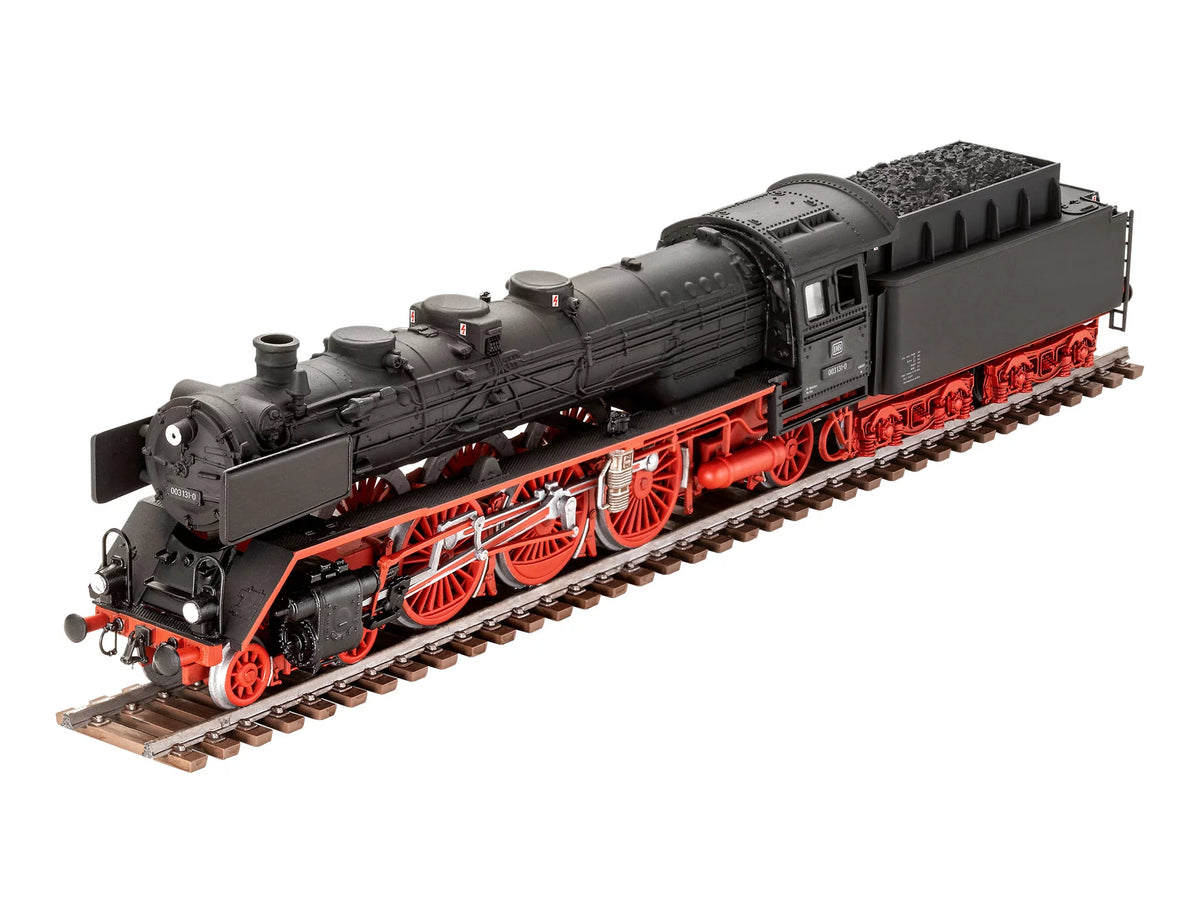
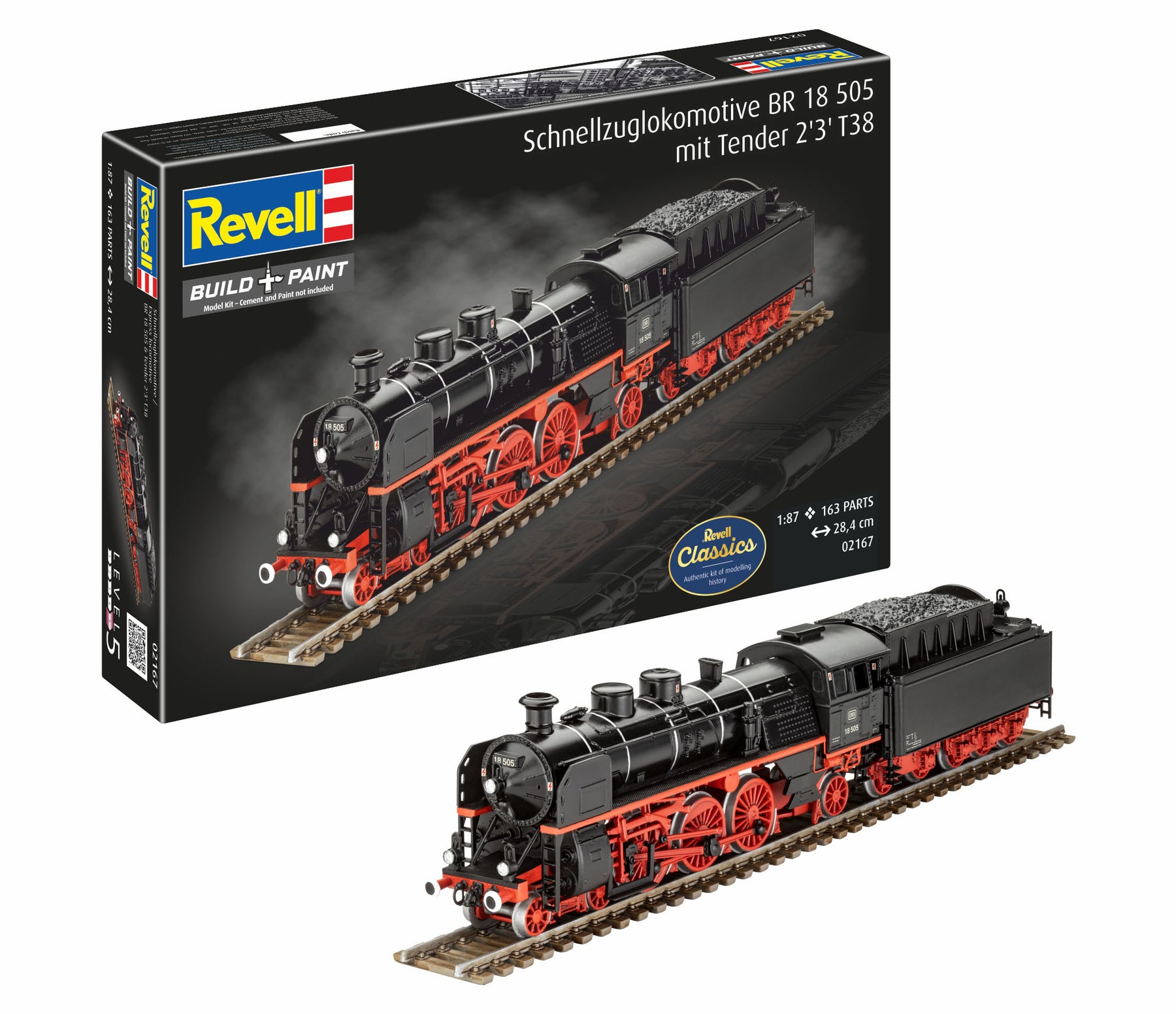
No matter whether you are warming up to the pioneering era of huge steam engines, prefer the legendary diesel classics of the middle of the last century or are fascinated by the most modern high-speed trains: our range offers you exactly the challenge that suits your level and your interests. With true-to-scale replicas, you can bring the aesthetics of rail vehicles directly to your craft table.
Standing models vs. driving: Why plastic model making is so special
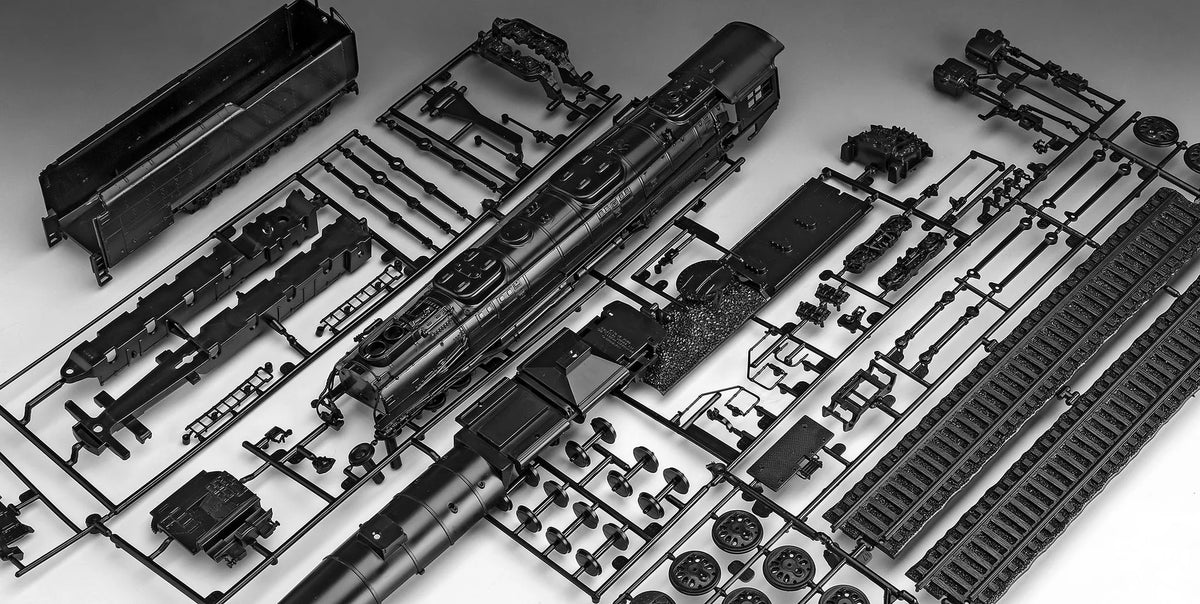
In classic model railway construction, the focus is usually on the functioning electrics, rail systems and hours of operation. Pure plastic model building for railways, on the other hand, sets completely different priorities: the focus here is on uncompromising attention to detail, delicate components and the craftsmanship of the color design. Constructed as a standing model, these kits offer an unrivaled level of detail that is often not possible with mobile models due to the mechanical stress.
- Maximum precision: Every rivet, every linkage and every brake line is an exact replica of the original.
- Individual color design: You determine the degree of aging, signs of weathering and the exact color scheme of your model.
- Focus on building pleasure: The focus is on relaxing assembly and refinement - without any complex cabling.
- Perfect for dioramas: Ideal for presentation in showcases or as the centerpiece of impressive landscape motifs.
The right scales for your railway project
When building railway models, the scales play a crucial role in the level of detail and the later impact of your model. The world's best-known standard is the 1:87 scale, which corresponds to the classic H0 gauge. Kits in this scale are ideal for seamlessly integrating your train models into existing H0 layouts or for creating compact scenery.
If, on the other hand, you appreciate extremely delicate details and want to focus on building itself, larger scales such as 1:45 (0 gauge) or 1:35 offer endless possibilities. The 1:35 scale in particular has become firmly established in model making, as it allows you to perfectly combine railway models with military vehicles, figures and suitable loads. For example, you can use heavy equipment like a detailed one Howitzer 2000 loaded onto special flat wagons and created an absolutely realistic transport diorama.
Impressive dioramas: Connect different model building worlds
A fully built railway model only develops its full effect in the right environment. Creating a diorama gives you the freedom to tell complete stories. Just think of a busy train station, a historic railway depot with a turntable or a busy industrial port where freight trains are loaded right next to freight ships.
Interfaces such as freight stations and loading stations in particular offer an excellent opportunity to make your hobby even more varied. In our comprehensive world of topics for Ships Ships You will find fantastic additions to realistically recreate inland ships or harbor basins. If you're looking for a colorful variety of ship types, it's best to use a practical set like this Model building ships mix back to impressively decorate backdrops relating to the handling of goods.
Tips for the perfect finish: This is how your model comes to life
To ensure that your locomotive or wagon looks like a real emergency vehicle, it is important to use the right post-processing techniques. Trains are exposed to the weather, soot, oil and dust every day. With just a few steps you can give your model the life it needs:
- Clean deburring: Carefully cut off the components with side cutters and sand the cast seams precisely.
- Apply primer: An even primer ensures that plastic glue residues are covered and the final color adheres optimally.
- Color design & washing: Apply the main colors and use dark washes to visually highlight indentations and engravings.
- Patina & aging: Using pigments, dry brushes and special weathering sets, you can create realistic rust, traces of soot on the chimney and dust deposits on the chassis.
For extremely delicate constructions or the modification of special mechanics, experienced hobbyists also like to use the finest tools and spare parts from related model building areas. Even small parts like that Paddle rod set for 01009 01015 01020 24711 can occasionally be used by experienced misappropriators as fine rod parts or special brackets for individual self-construction.