

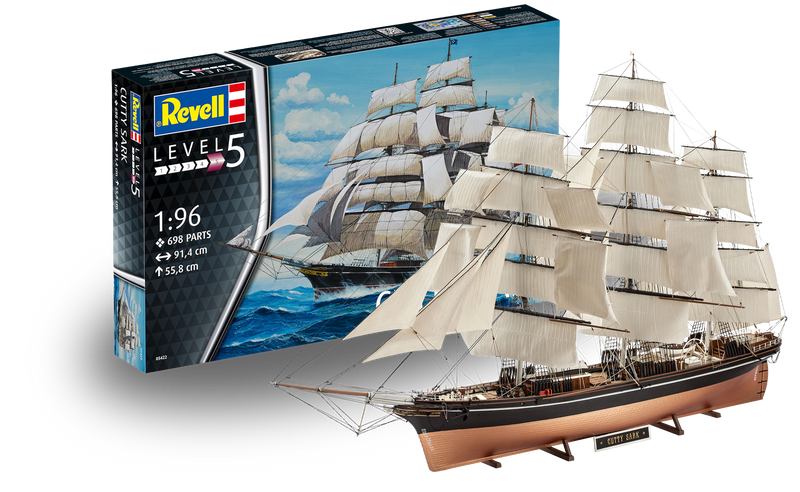

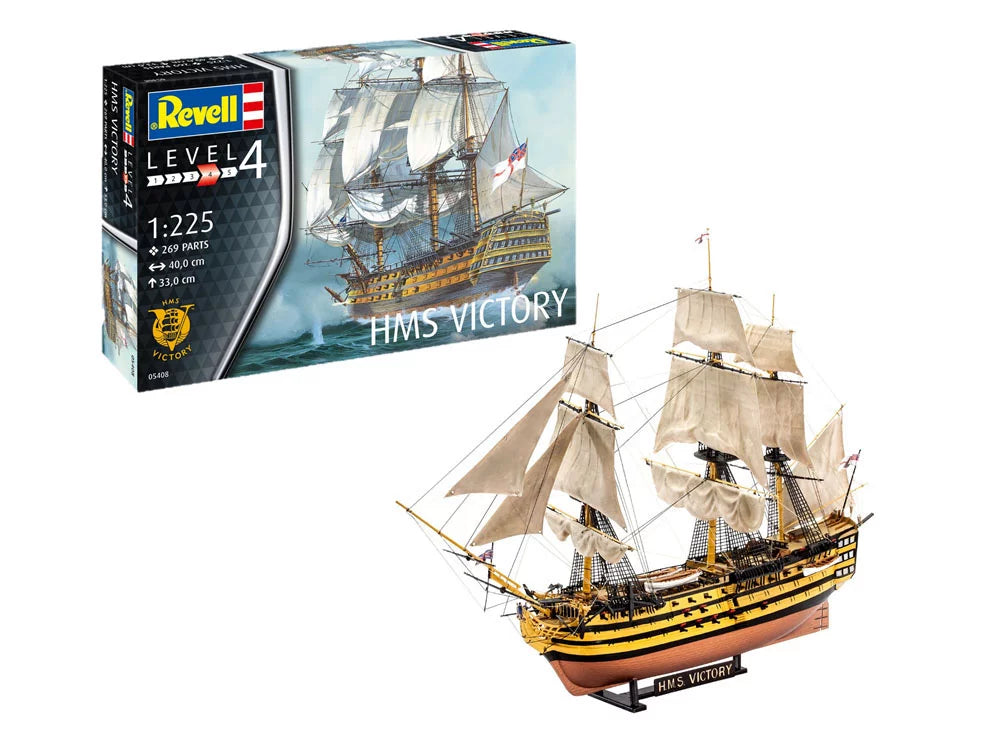
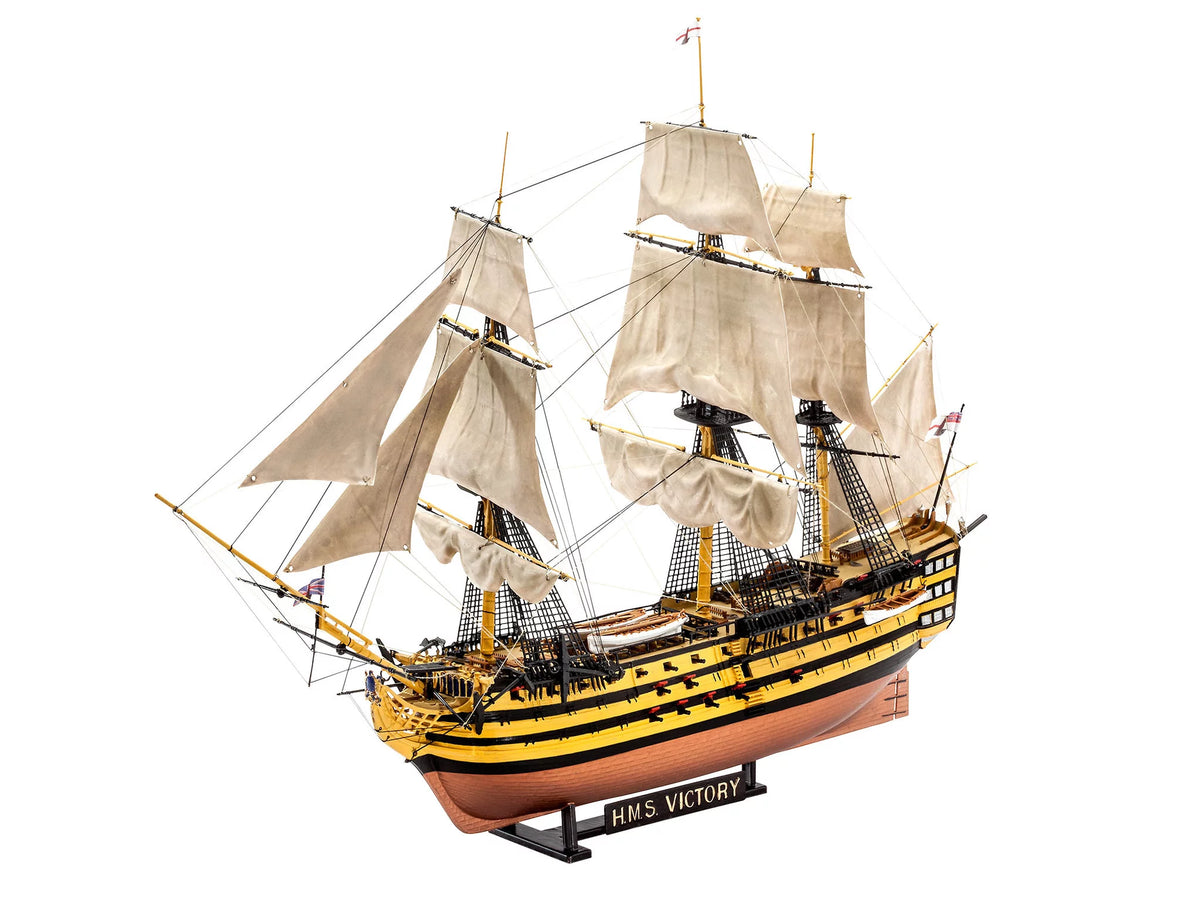


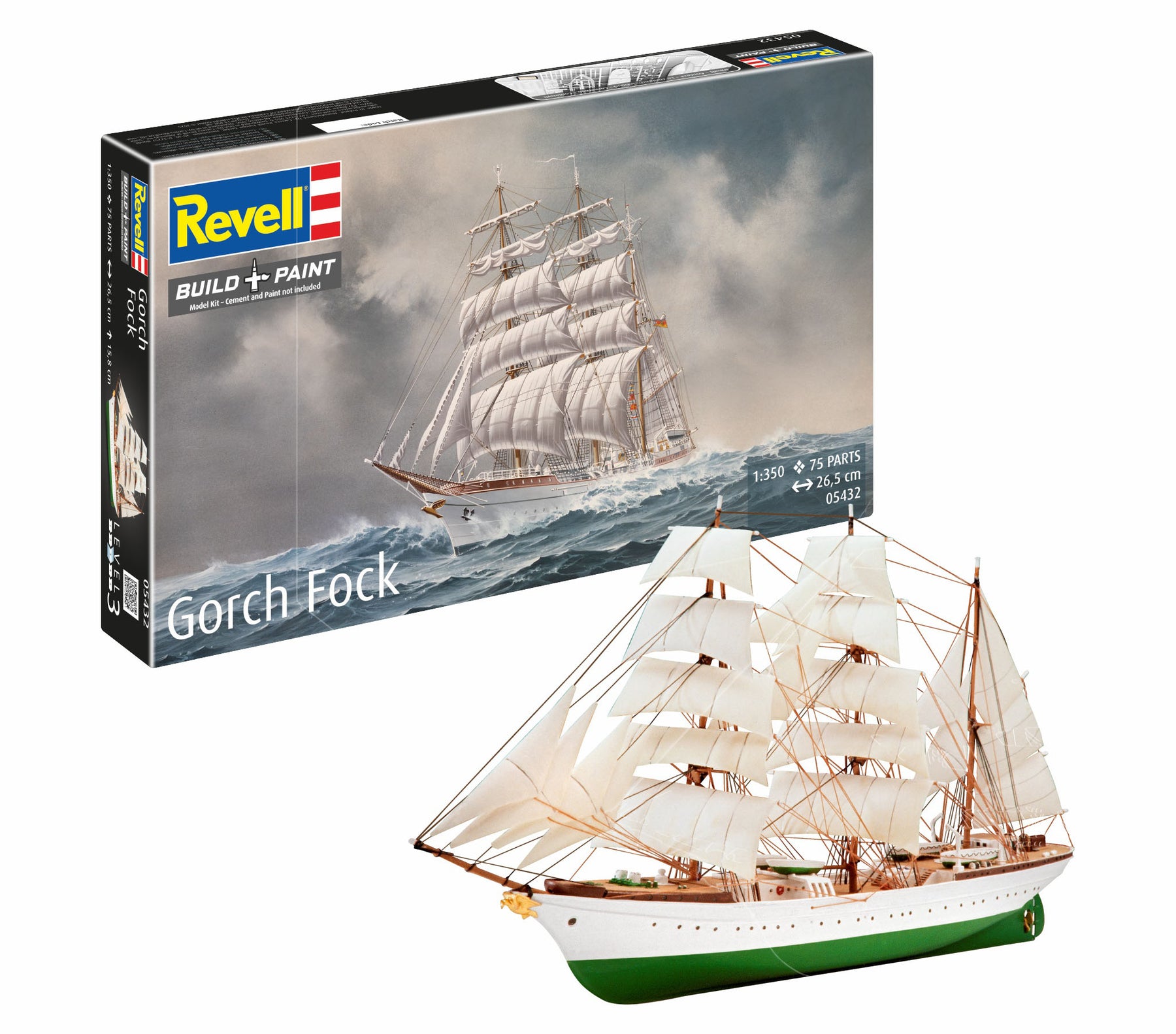


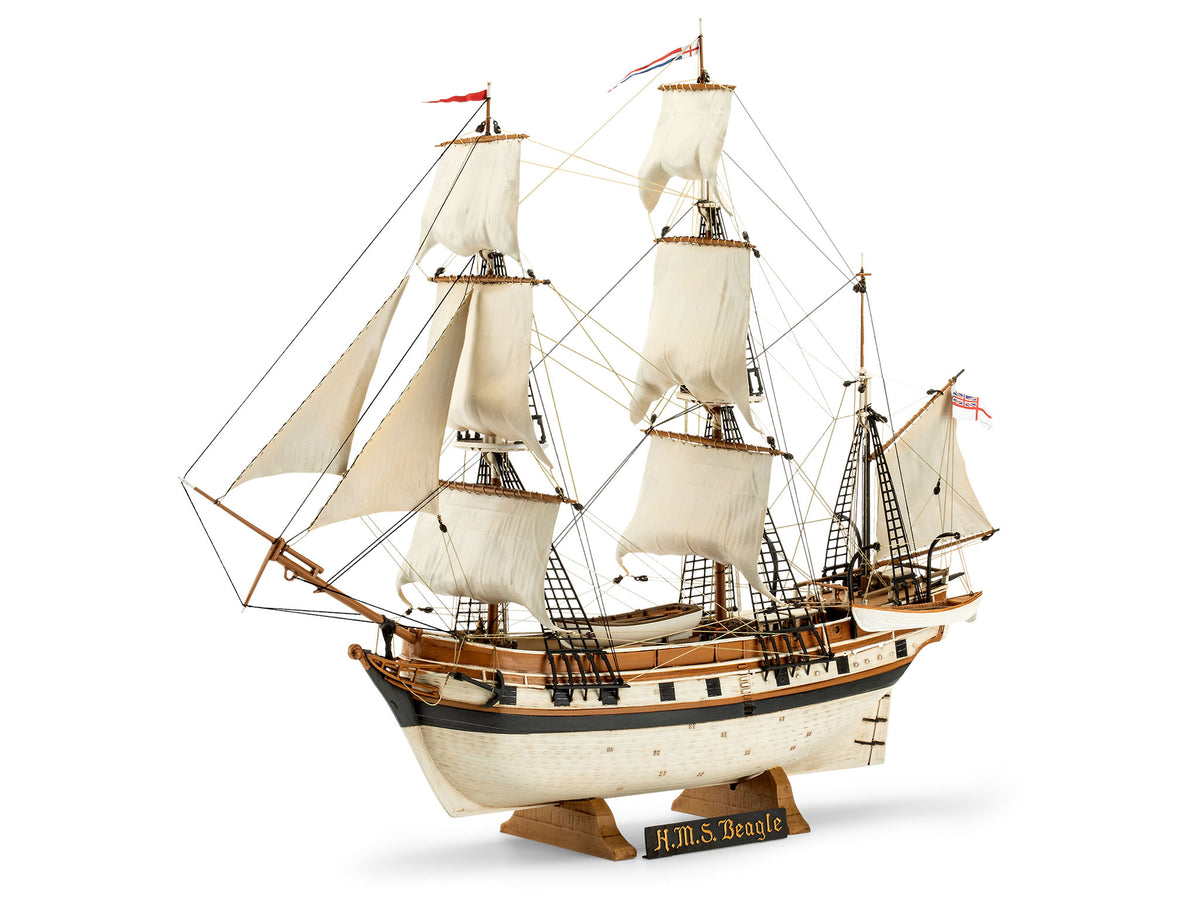
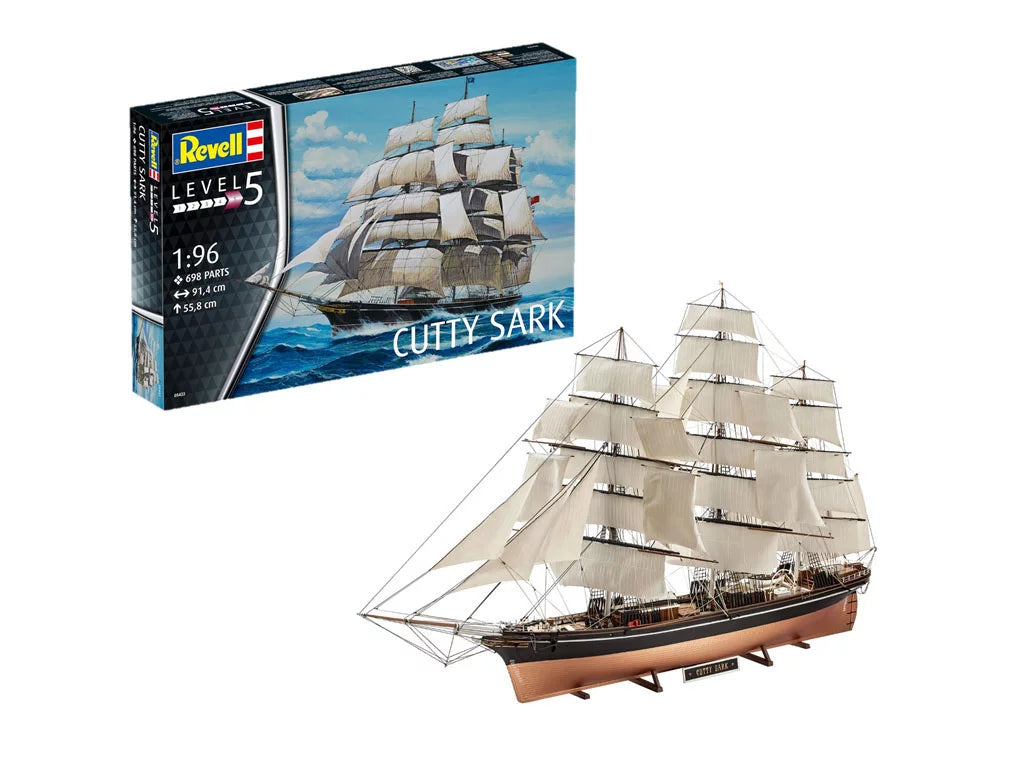
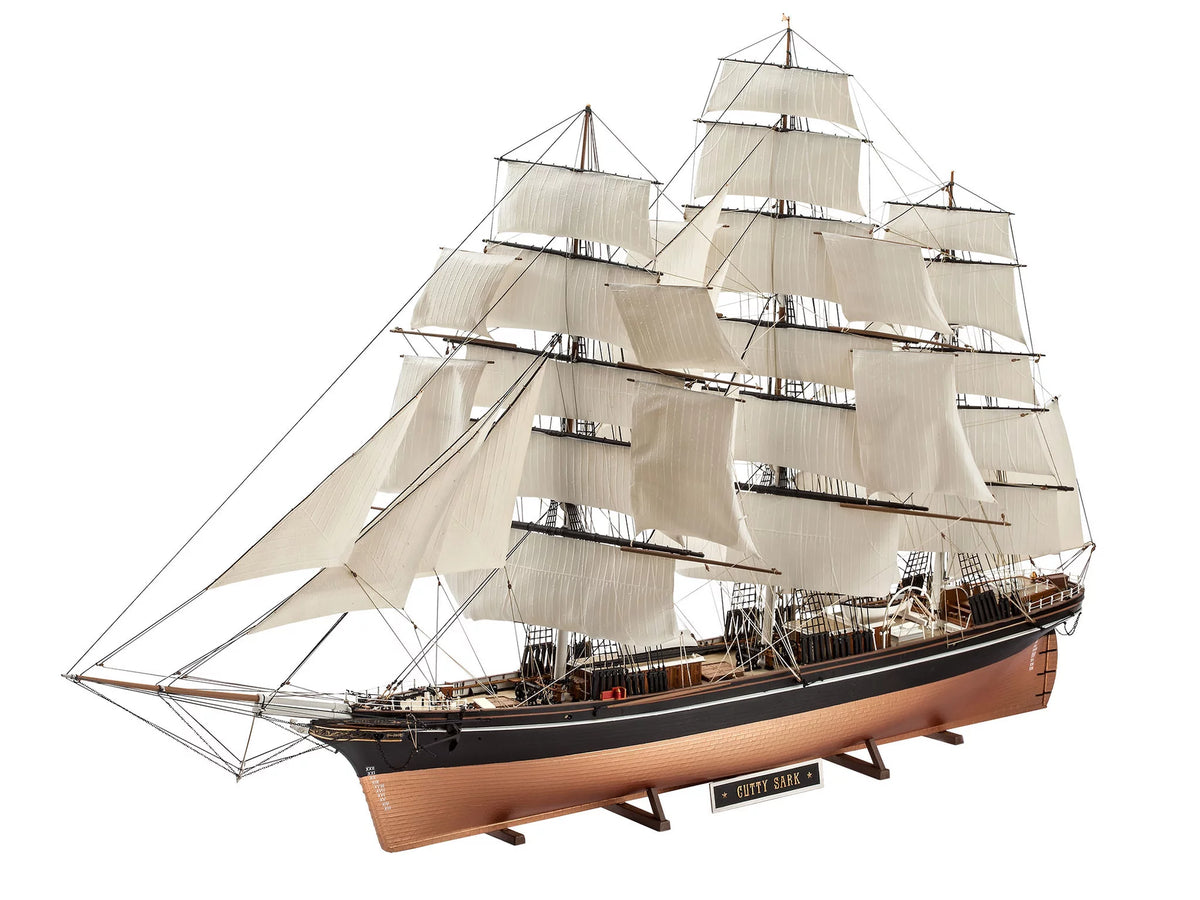
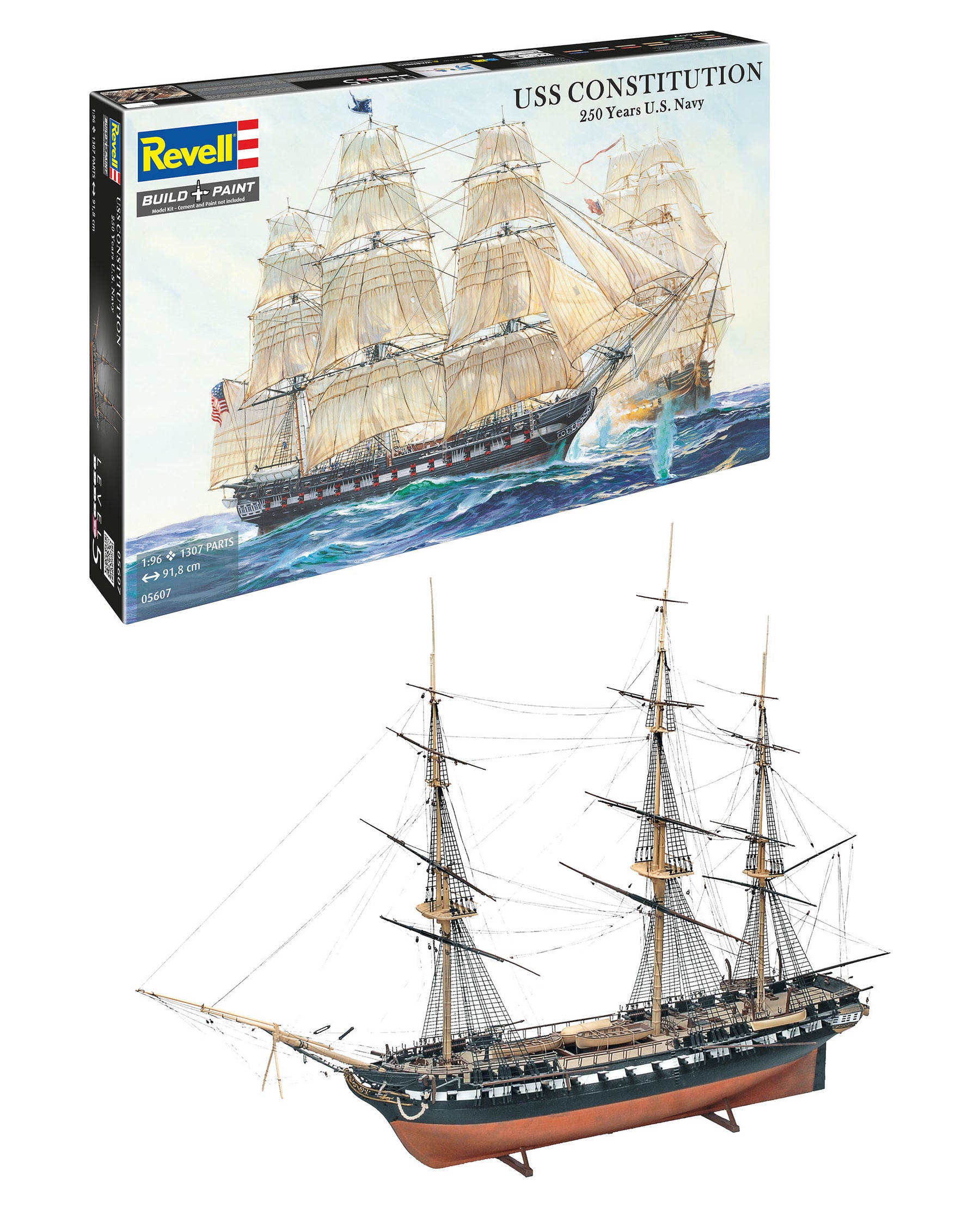
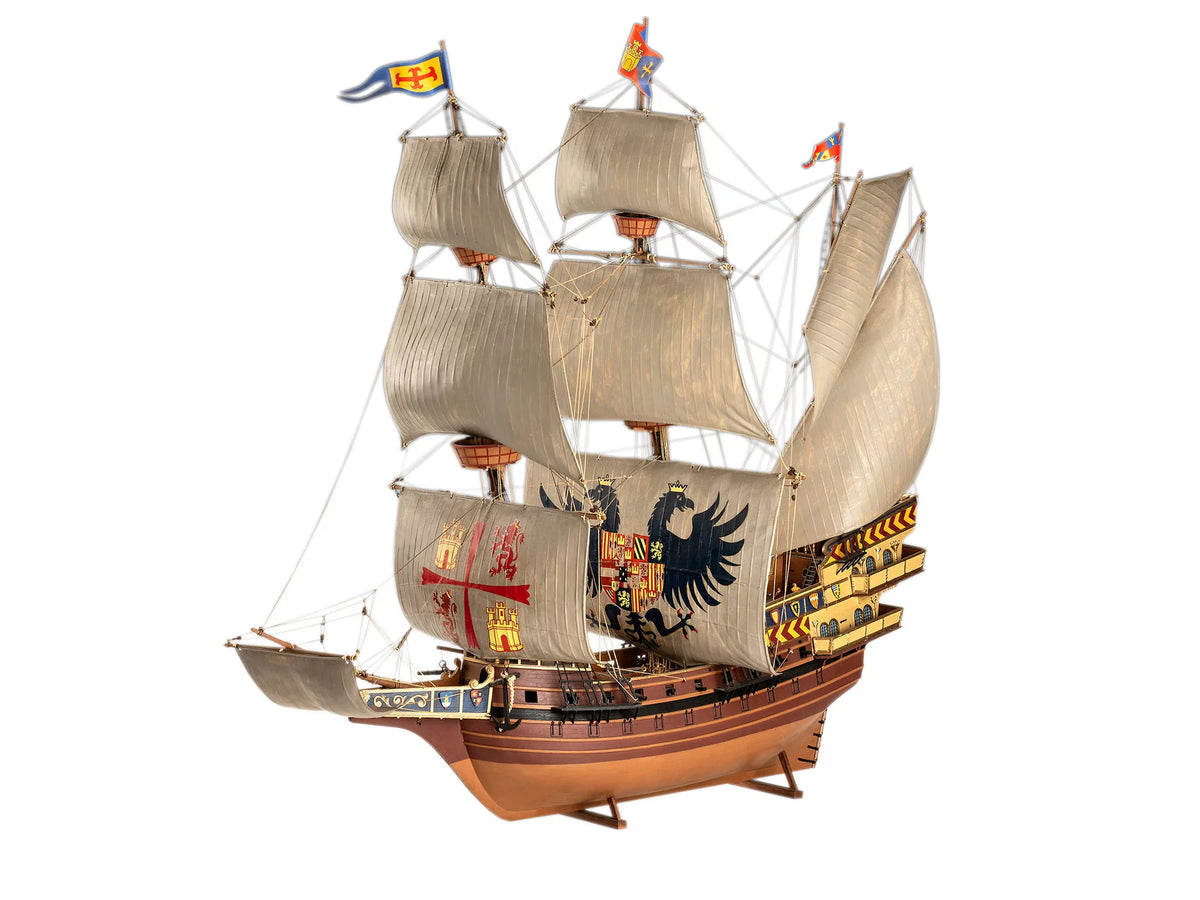
The fascination of historical sailing ships: Why this model building is exciting
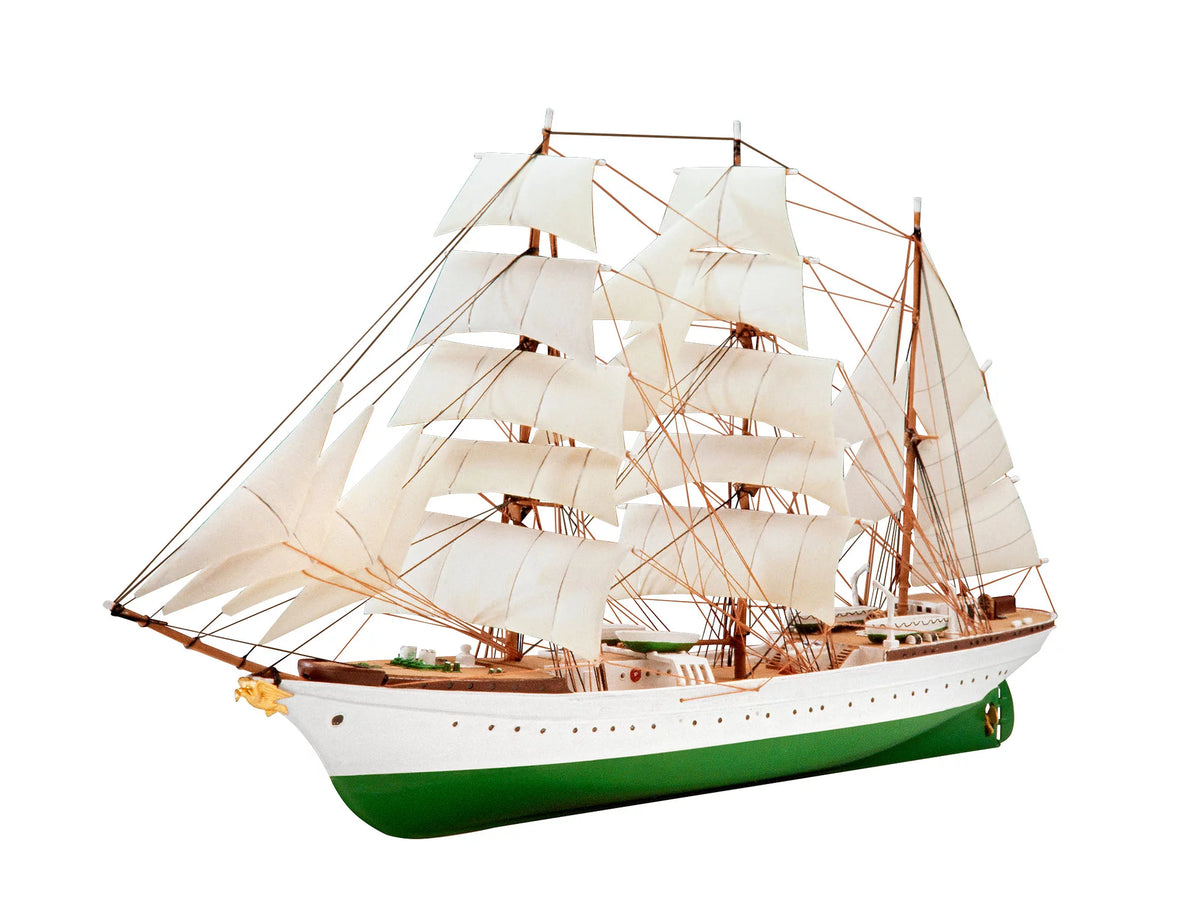
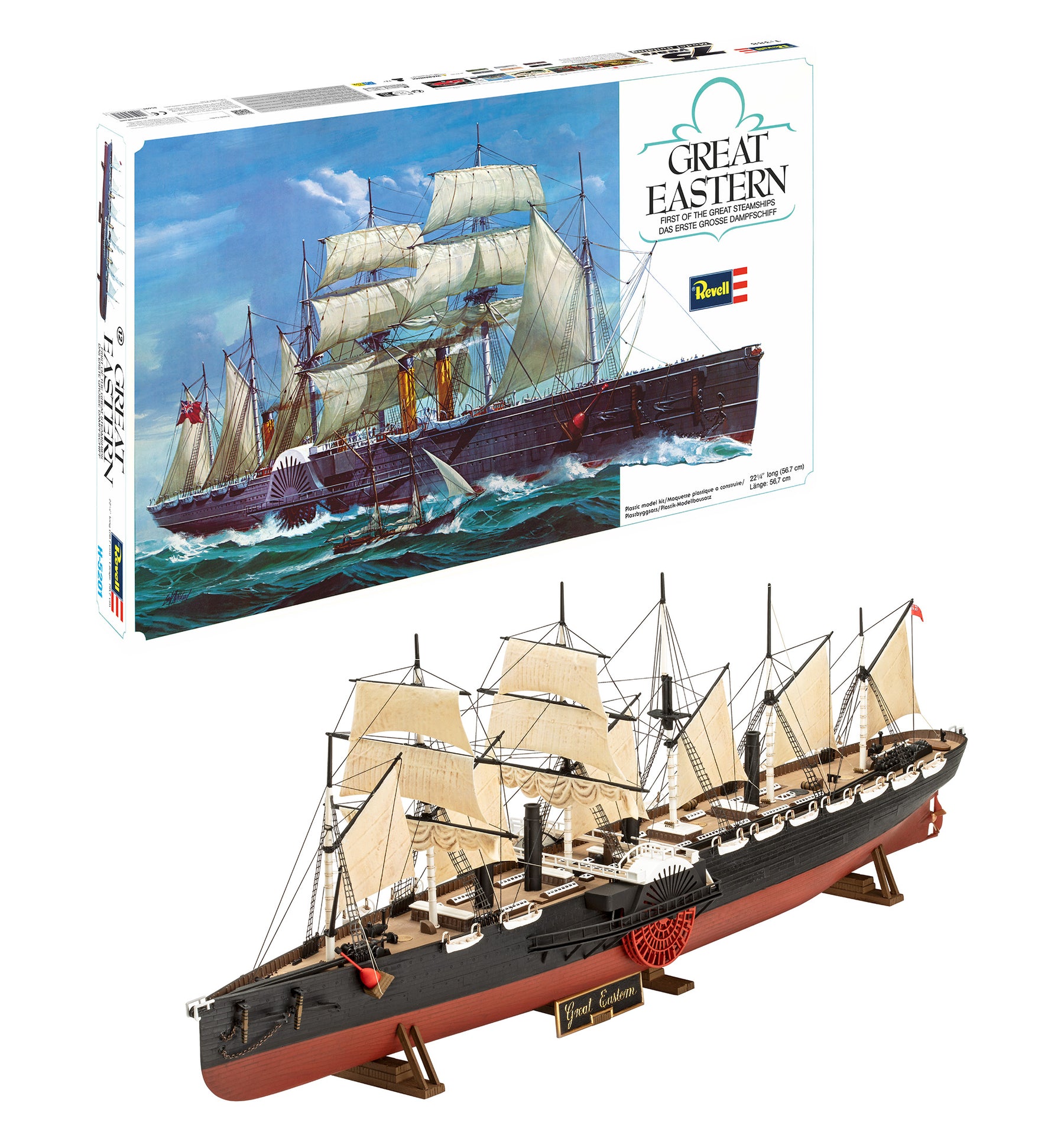
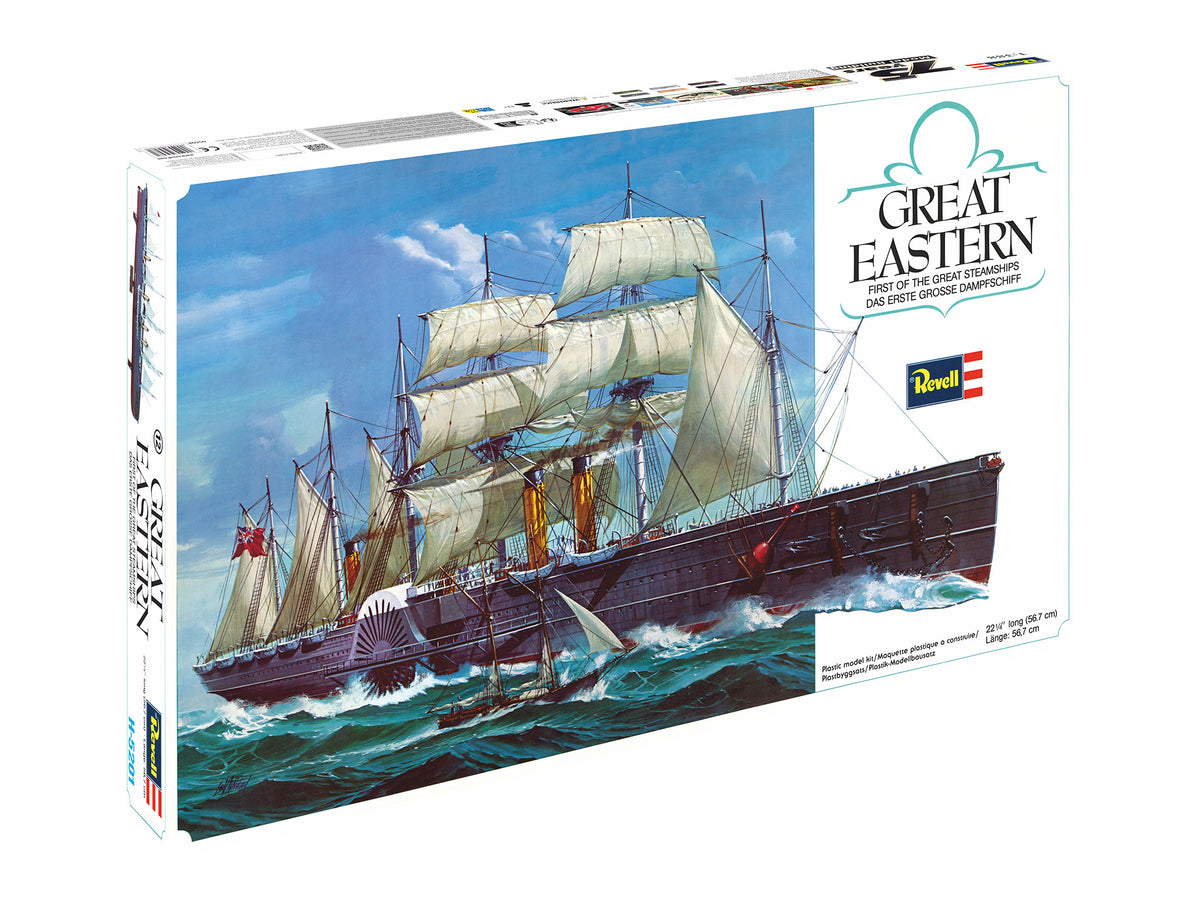
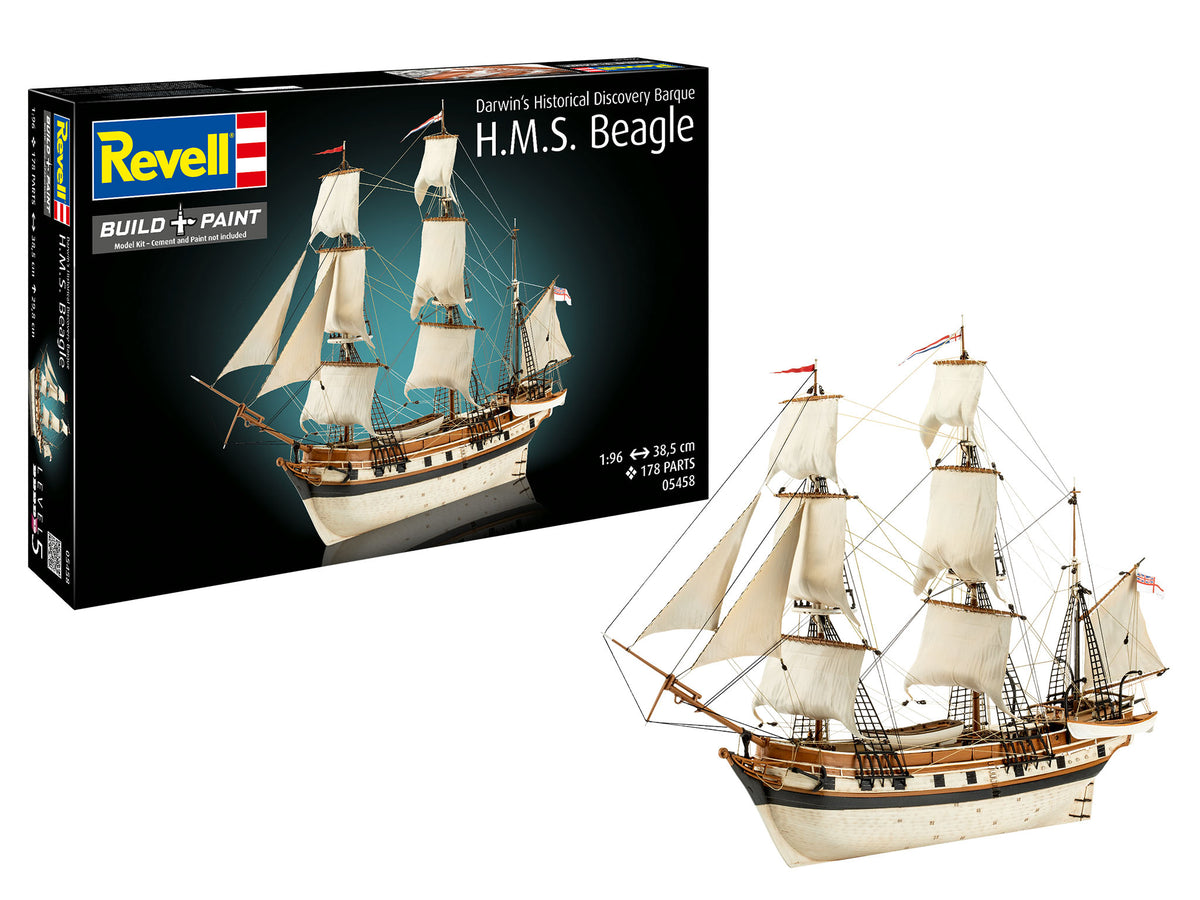
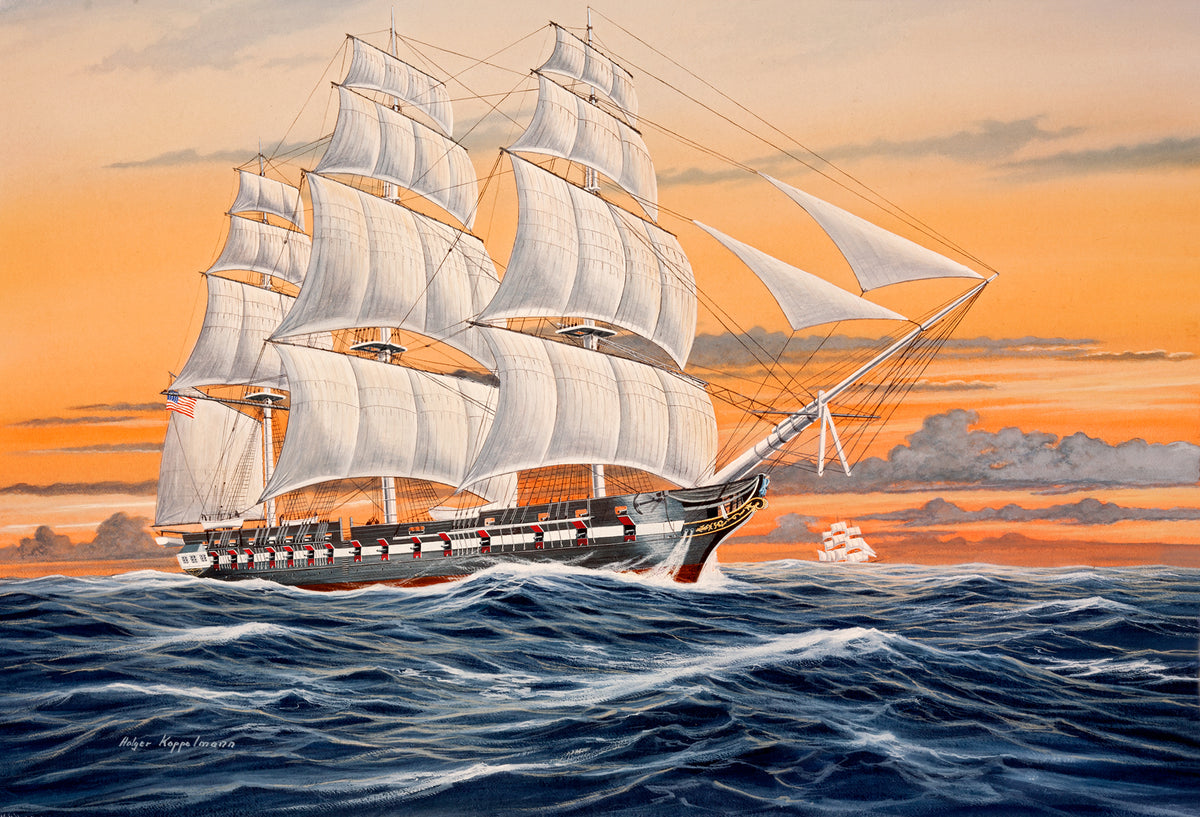
If you decide to model sailing ships, you are entering the proverbial supreme discipline of our hobby. No modern ocean liner or sleek speedboat exudes the grandeur of a fully rigged square-rigged ship from the 17th or 18th century. Each model tells its own moving story: from daring expeditions across the world's oceans, from merciless conflicts such as the Battle of Trafalgar to the harsh everyday life on board a tea clipper that raced around the dreaded Cape Horn.
Compared to motorized watercraft that you can find in our wide selection for Ship models As you can see, building a traditional sailing vessel requires a special approach. This is not just about the precise assembly of the hull and deck superstructure. The real magic unfolds when masts, yards, shrouds and stays are connected together. The delicate rigging gradually brings the hull to life, transforming a standing model into a work of art that inevitably captivates the eye of every viewer.
From bow to stern: details that make the difference
An outstanding model of a historic sailing ship is characterized by its wealth of detail. When developing our kits, we attach great importance to ensuring that historical models are implemented true to the original, down to the smallest component. When you look at the individual cast branches, you immediately see how much love goes into the engravings:
- Authentic wood grains: The deck planks and exterior walls have fine grooves and grains that, through targeted aging and dry brushing, appear like aged oak or teak.
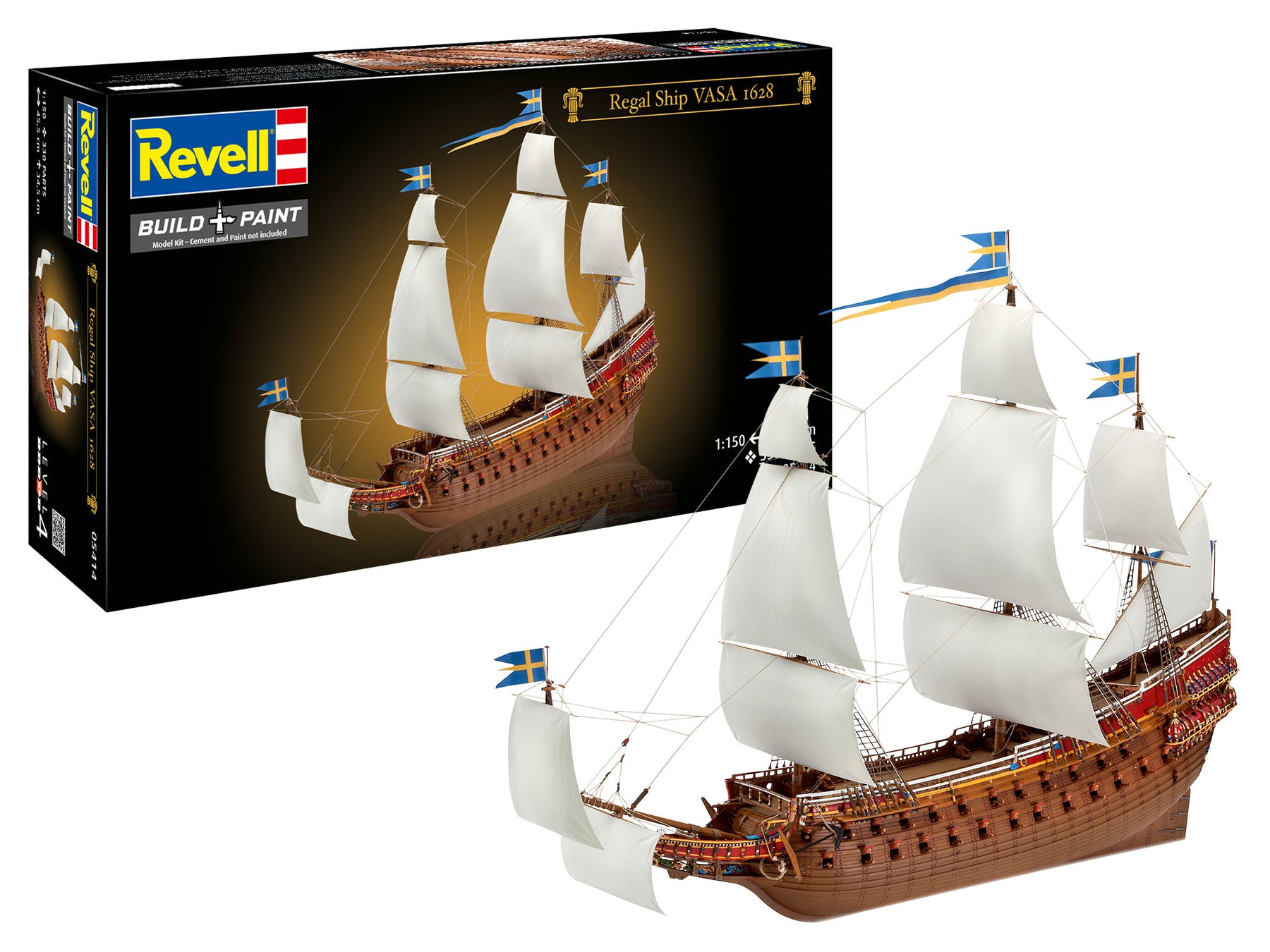
- Decorated transoms and figureheads: Baroque galleons and ships of the line were magnificent symbols of power. Carvings, statues and decorative moldings are razor-sharply shaped so that you can masterfully gild and paint them with fine brushes.
- Detailed armament: From the carriage to the barrel to the brook ropes for recoil absorption, the gun decks of historical warships have been precisely reconstructed.
- Sail structures and flags: Whether it's a deep arch under full wind or a reefed fabric at anchor - finely structured sails and historical flag arches complete the overall picture.
The right scale for your maritime project
Before you start your project, you should be clear about the scale. It not only determines the space required in your display case, but also the complexity of assembly. A first-rate ship of the line with over a hundred guns on a scale of 1:96 or 1:100 can easily reach a length of almost a meter and a height of over 70 centimeters. Such large models offer unparalleled space for details and every single thread of the running rigging.
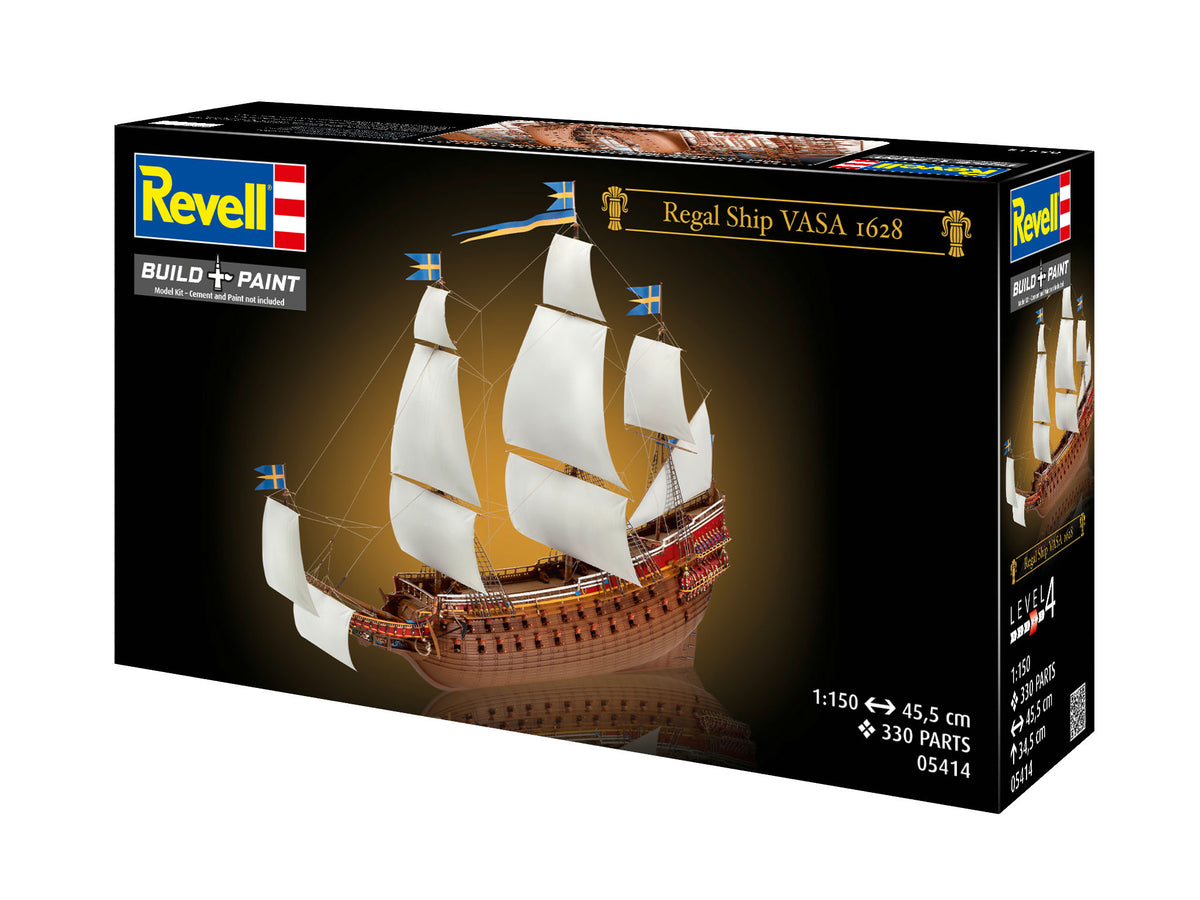
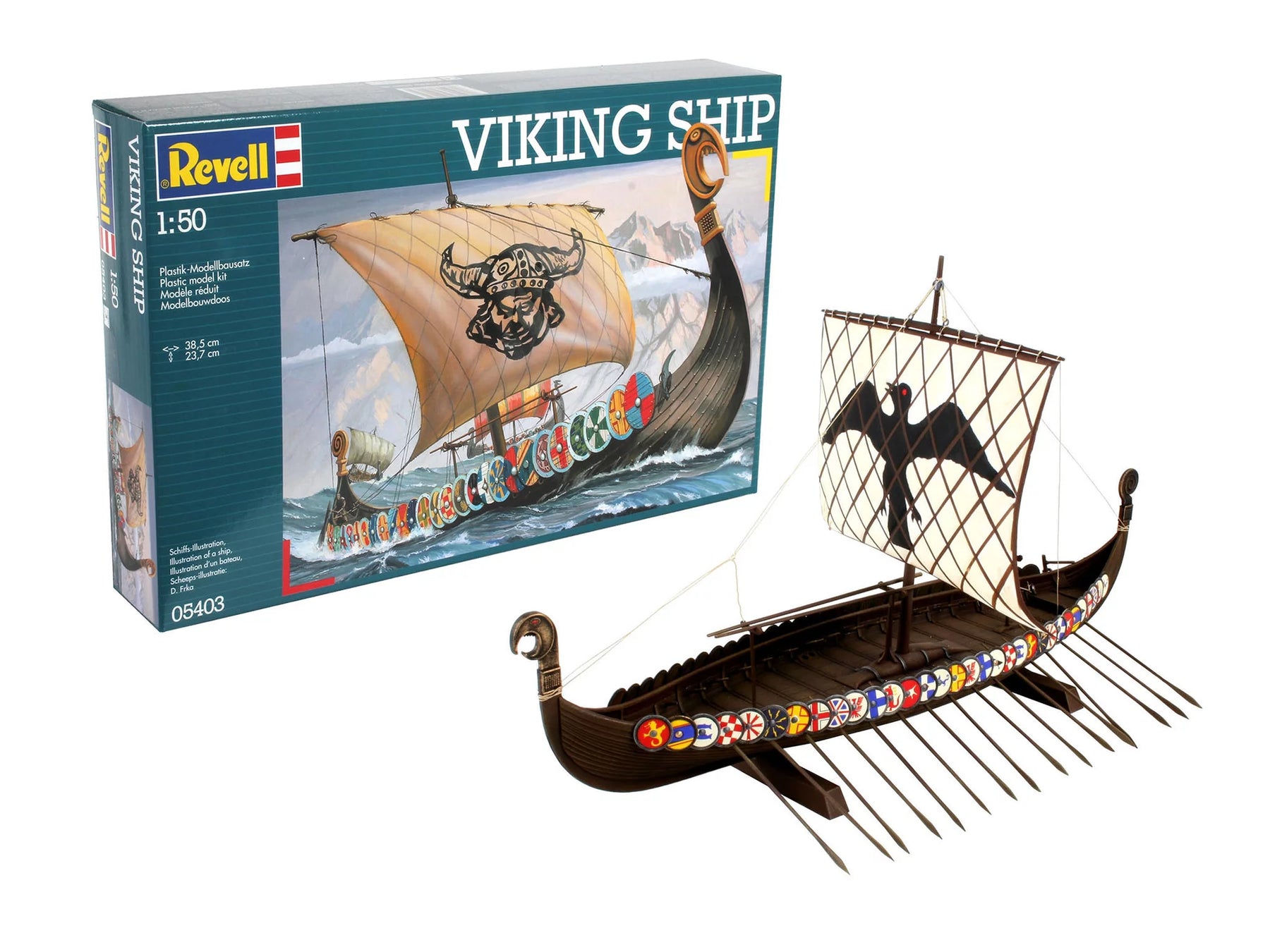
However, if you are looking for models that fit harmoniously into a shelf or serve as an entry-level model, scales such as 1:150, 1:220 or 1:350 are an excellent choice. Essential elements are often cleverly summarized here without sacrificing visual depth. For anyone looking for flexible projects or different types, it's also worth taking a look at versatile sets like this Model building ships mixto expand your collection with varied ship types.
Techniques for a masterful finish: wood look and rigging
Plastic kits offer enormous advantages: They are distortion-free, fit precisely and are insensitive to fluctuations in humidity. To give the model the warm, organic charm of real wood and aged canvas, we recommend tried and tested model building techniques:
1. The realistic imitation of wood
First prime the hull in a light ocher or sand tone. Then apply thin, dark brown washes or diluted oil paints. If you carefully wipe the paint away with a lint-free cloth in the direction of the grain, the pigment will get stuck in the recessed joints. The raised plank areas subtly stand out - the result is an authentic plank look with depth.
2. The art of rigging
The rigging is divided into the standing rigging (anchoring the masts) and the running rigging (operating the sails). We recommend that you work with dark rigging thread for the tarred standing rigging and light thread for the running rope. Use fine-tipped tweezers and tiny drops of superglue on a needle tip to neatly secure knots. Work your way systematically from the inside out and from bottom to top so that you don't block your own access to deeper attachment points.
To ensure that you can complete these delicate work steps effortlessly, choosing the right tools is crucial. With ours matching model building accessories such as precision scalpels, masking tapes, clamps and special adhesives, you lay the foundation for clean transitions and precise hold.
The ideal introduction: From beginner to fleet commander
Haven't you built a historic sailing ship yet? Don't be intimidated by the abundance of ropes and sails. With the right step-by-step planning, you can quickly celebrate visible successes. Ours are ideal for a smooth start complete model sets particularly good because they already contain the most important basic colors, glue and brushes.
Take your time for each construction phase: the deburring, the careful adjustment before gluing and the step-by-step painting of deck details before assembling the hull make the path to the finished sailing ship a meditative, rewarding activity. When the final yardstick is finally set and the finished ship shines in the light, you will feel the pride that only this unique model building genre can give.