






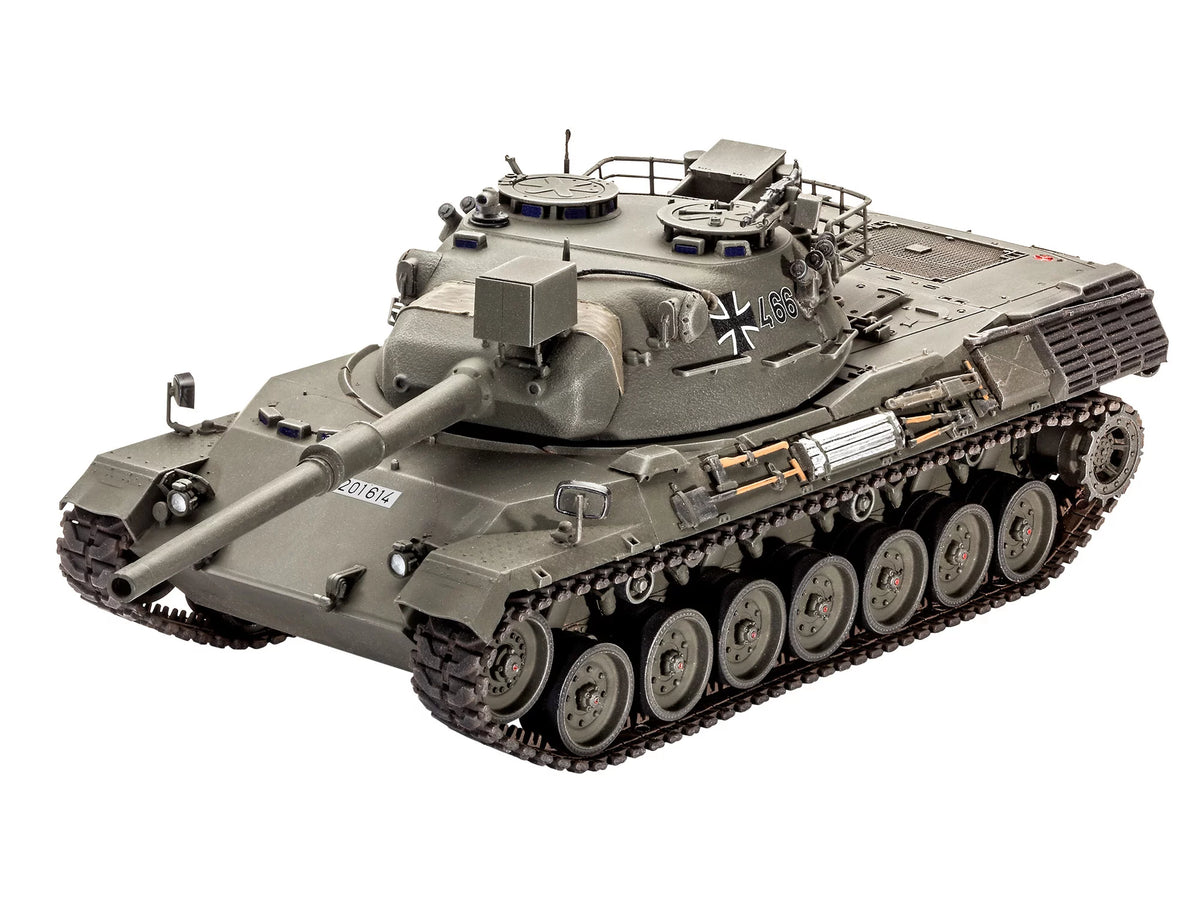
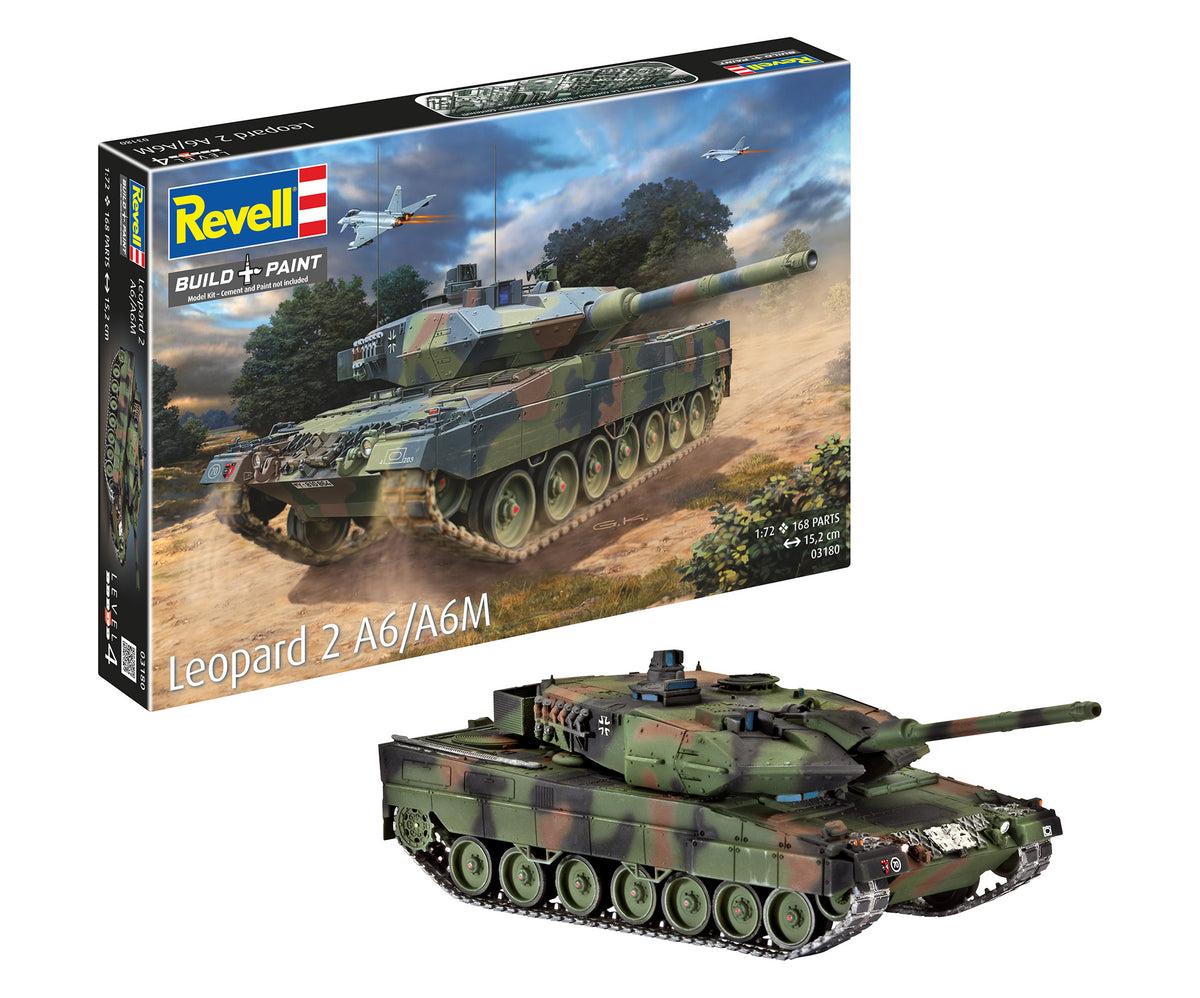
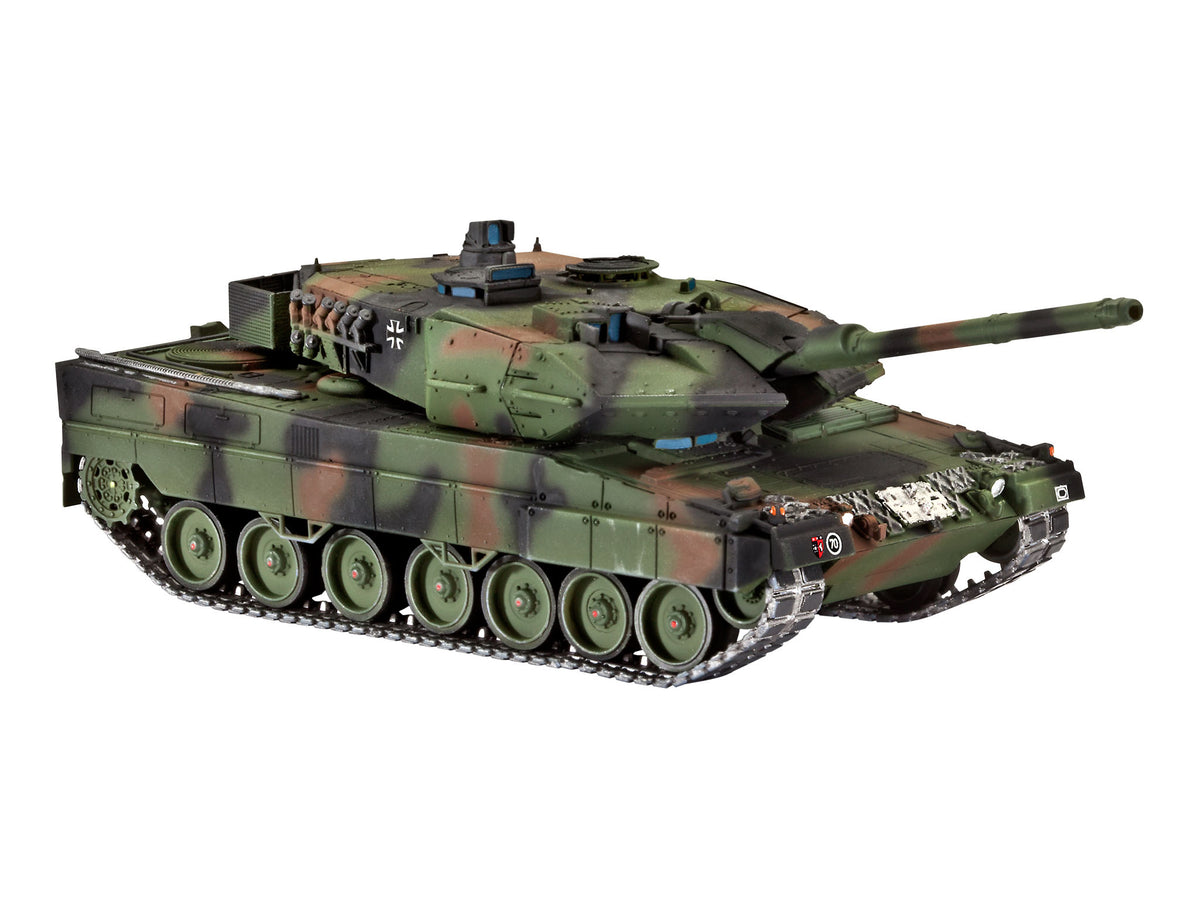
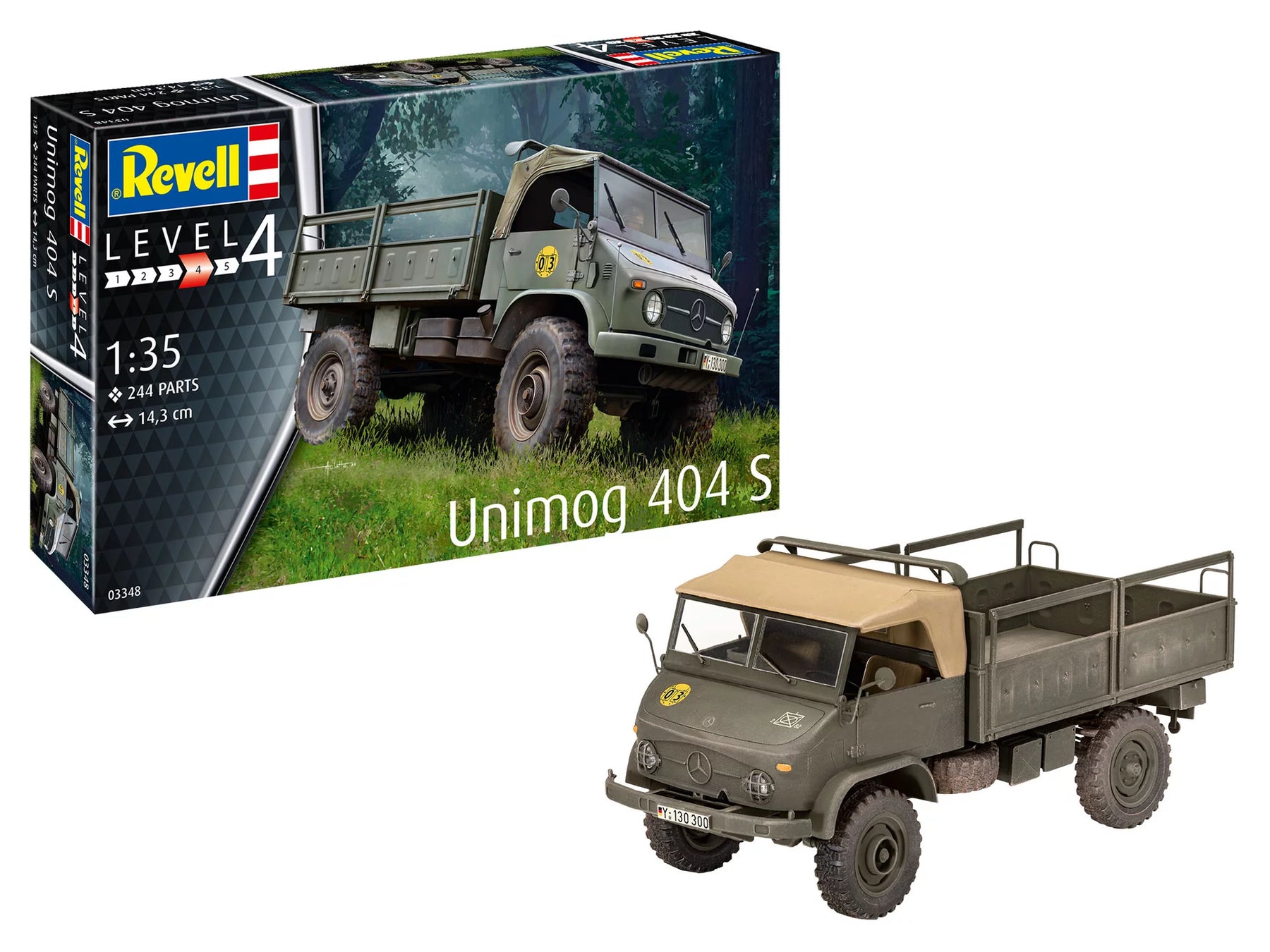
The fascination of modern military vehicles: high-tech military technology on a scale
If you are enthusiastic about modern military technology, you know: the appearance of combat vehicles has changed radically in the last few decades. Where riveted armor plates, heavy casting molds and purely mechanical targeting systems dominated in the Second World War, today the picture is dominated by state-of-the-art composite materials, digital fire control systems, reactive armor and modular mission modules. Replicating this very art of engineering on a smaller scale makes modern military vehicles one of the most exciting topics in all of plastic model making.
In our range we present you kits that reflect this technological progress down to the smallest detail. From the complex structure of modern reactive armor to delicate weapon stations and high-precision antenna systems, you capture the distinctive character of the armed forces of the 21st century. Whether the Bundeswehr, the US Army, the armed forces of NATO partners or global armies – the variety of designs offers you endless possibilities for demanding construction projects.
The evolution of the battlefield until 2026
The modern battlefield demands maximum flexibility, superior firepower and the best possible protection for the crew. In 2026, we will look back on a fascinating development history that ranges from the classic confrontation scenarios of the Cold War to the asymmetrical and digitally networked conflicts of today. These tactical requirements have created vehicles that can survive in both open terrain and urban areas.
While heavy battle tanks have continuously improved their combat value - for example through modern trophy protection systems, laser-based distance sensors and the most modern thermal imaging devices - agile wheeled tanks and modular armored personnel carriers have dramatically increased in importance. For you as a model builder, this evolution means an enormous variety of assemblies: additional armor, mine protection floors, cage armor (slat armor) against shaped charge projectiles and jammers to ward off remotely detonated booby traps challenge your model building skills with every move.
The most important vehicle types of contemporary armed forces
To make it easier for you to choose your next project, we divide our kits into the central vehicle classes of modern land forces. Each of these categories presents its own unique assembly, detailing and painting challenges.
Main Battle Tanks (MBT): The backbone of modern armored forces
The main battle tank remains the symbol of firepower and armor protection on the modern battlefield. In our offer you will find icons of military technology that have set standards:
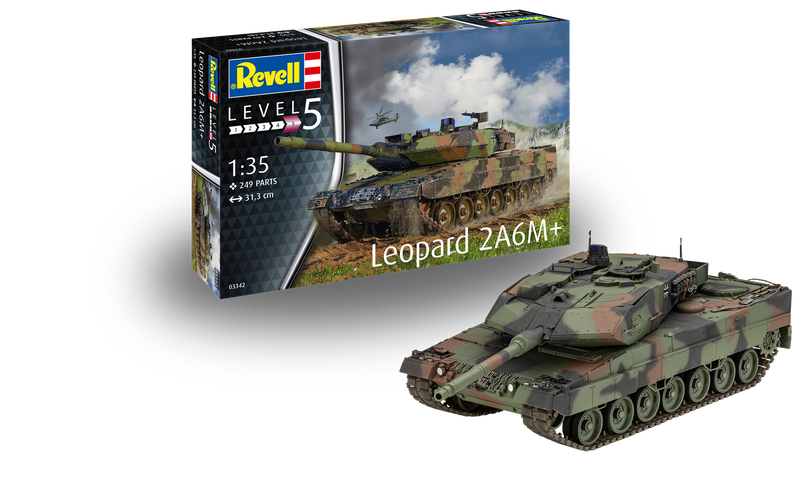
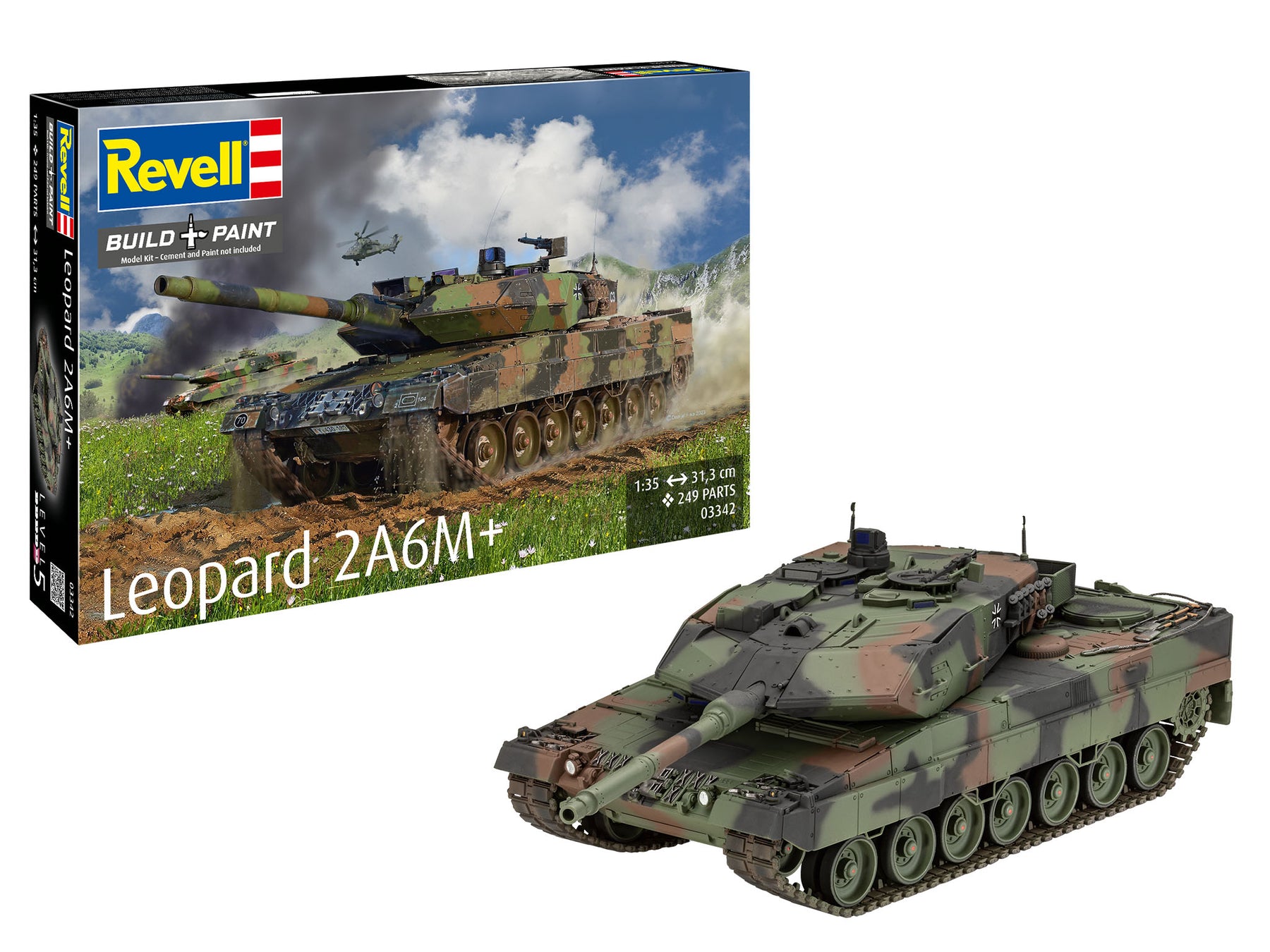
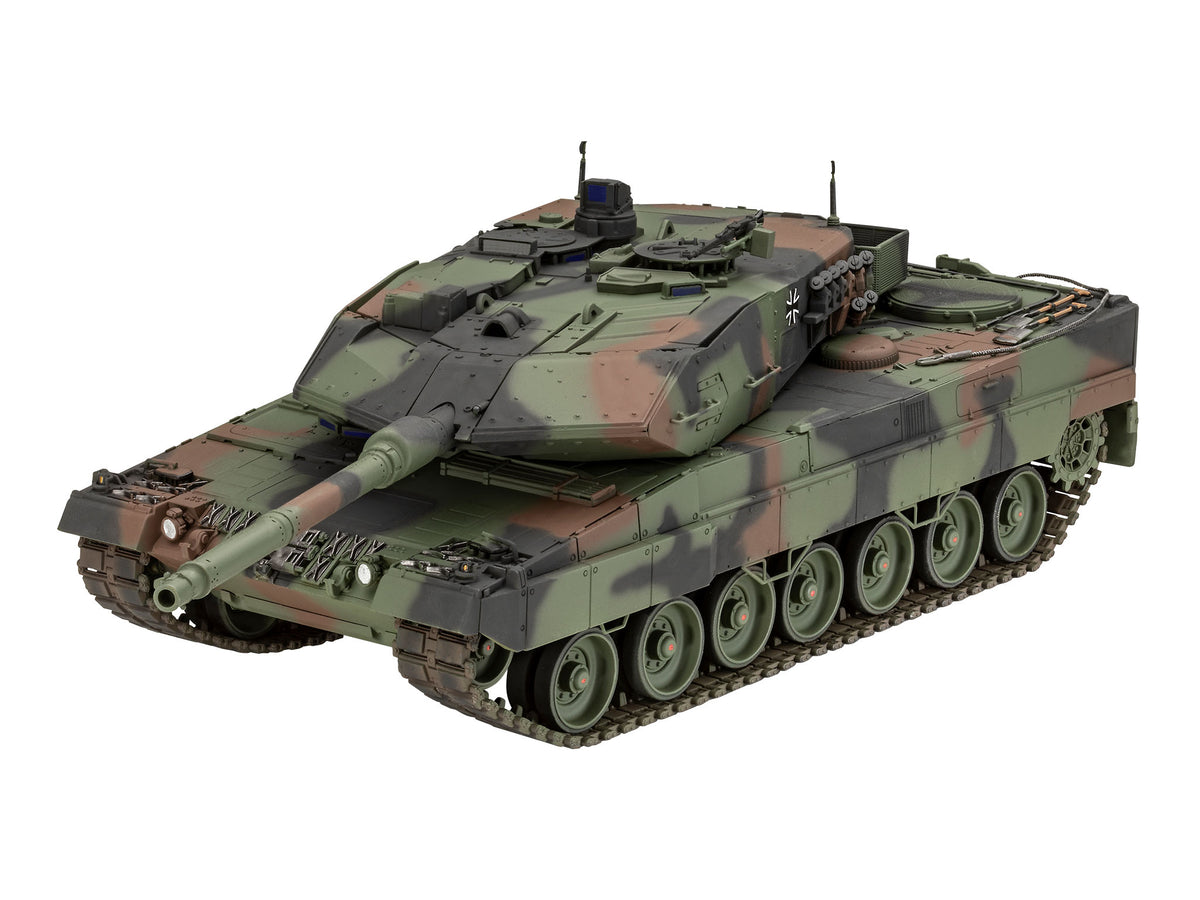
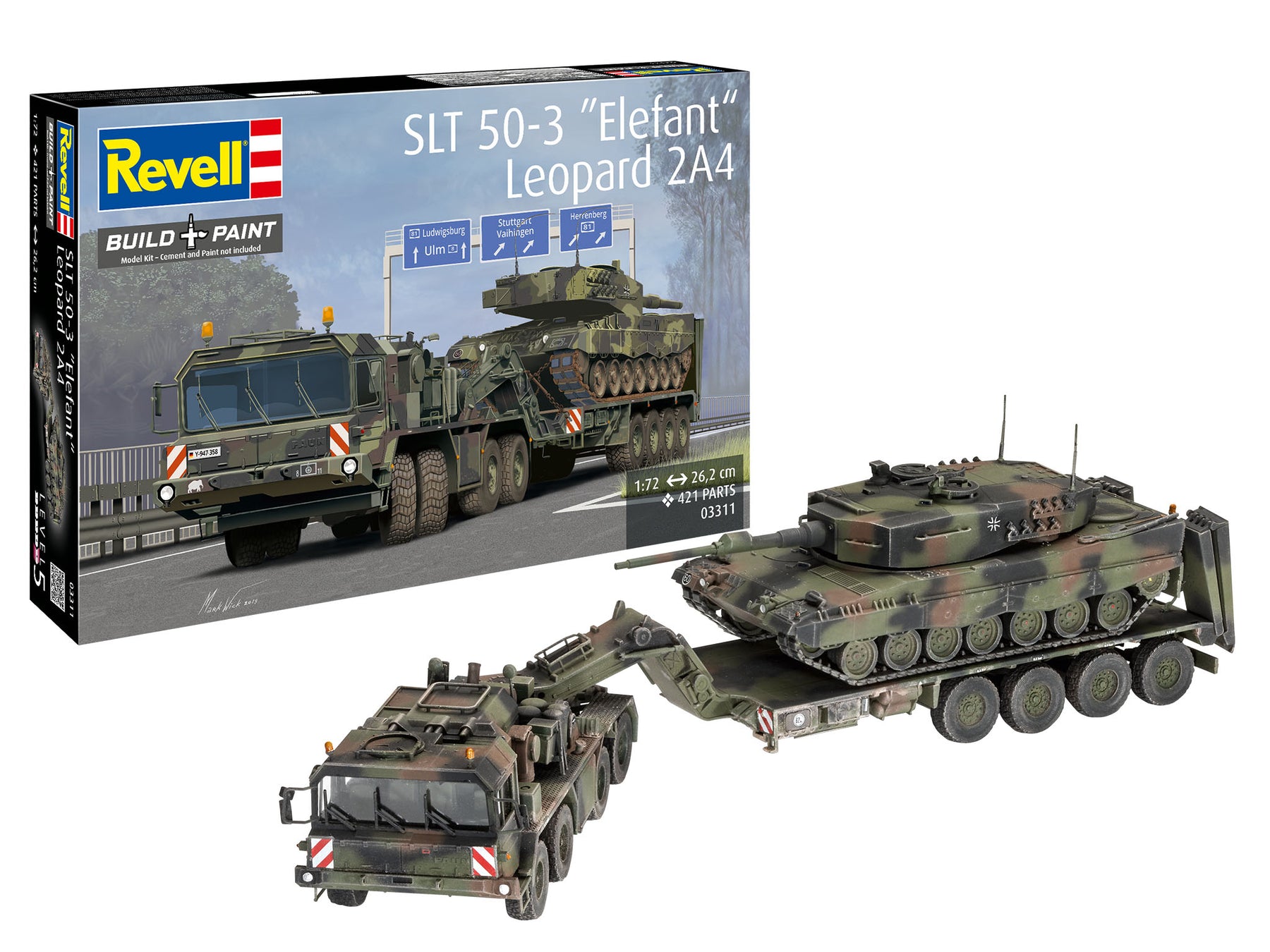
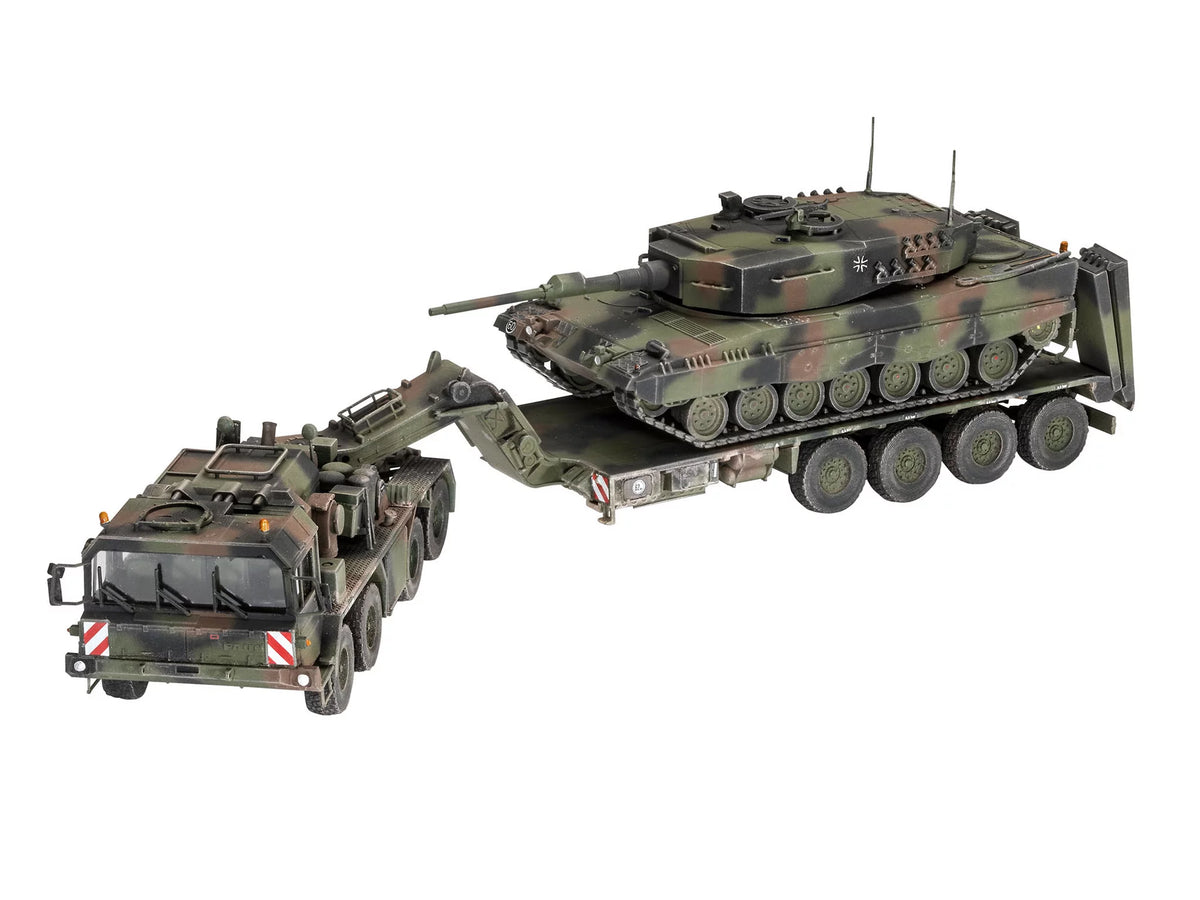
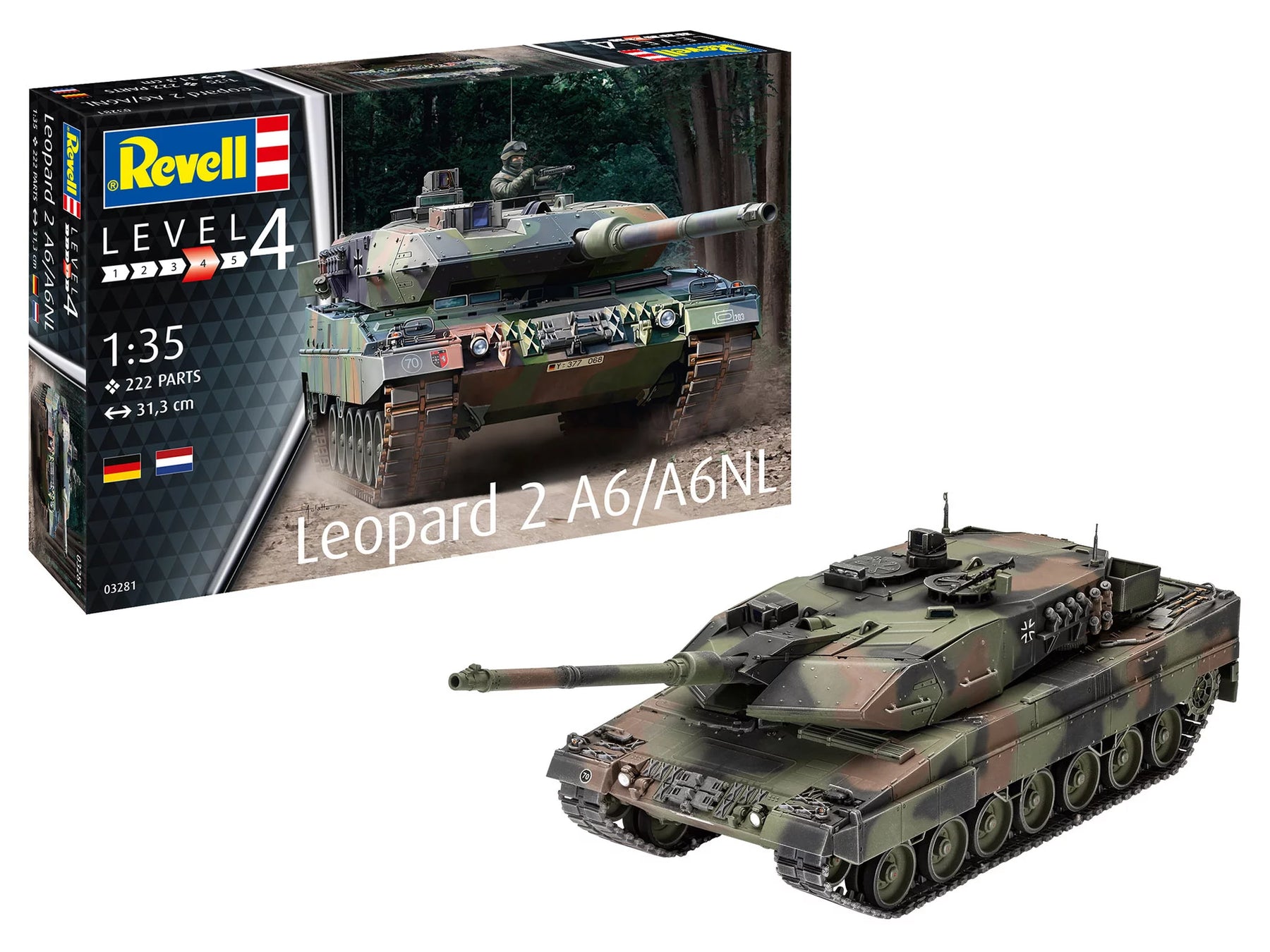
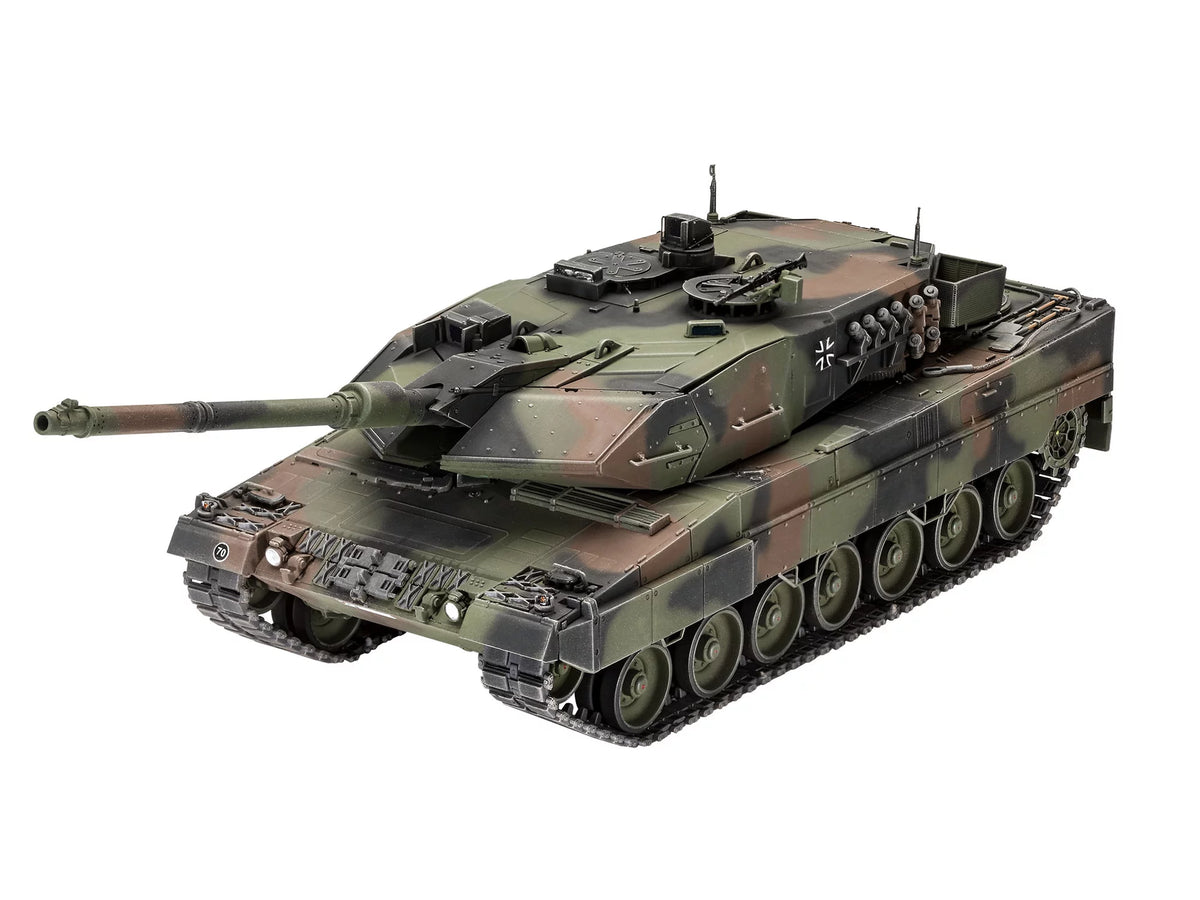
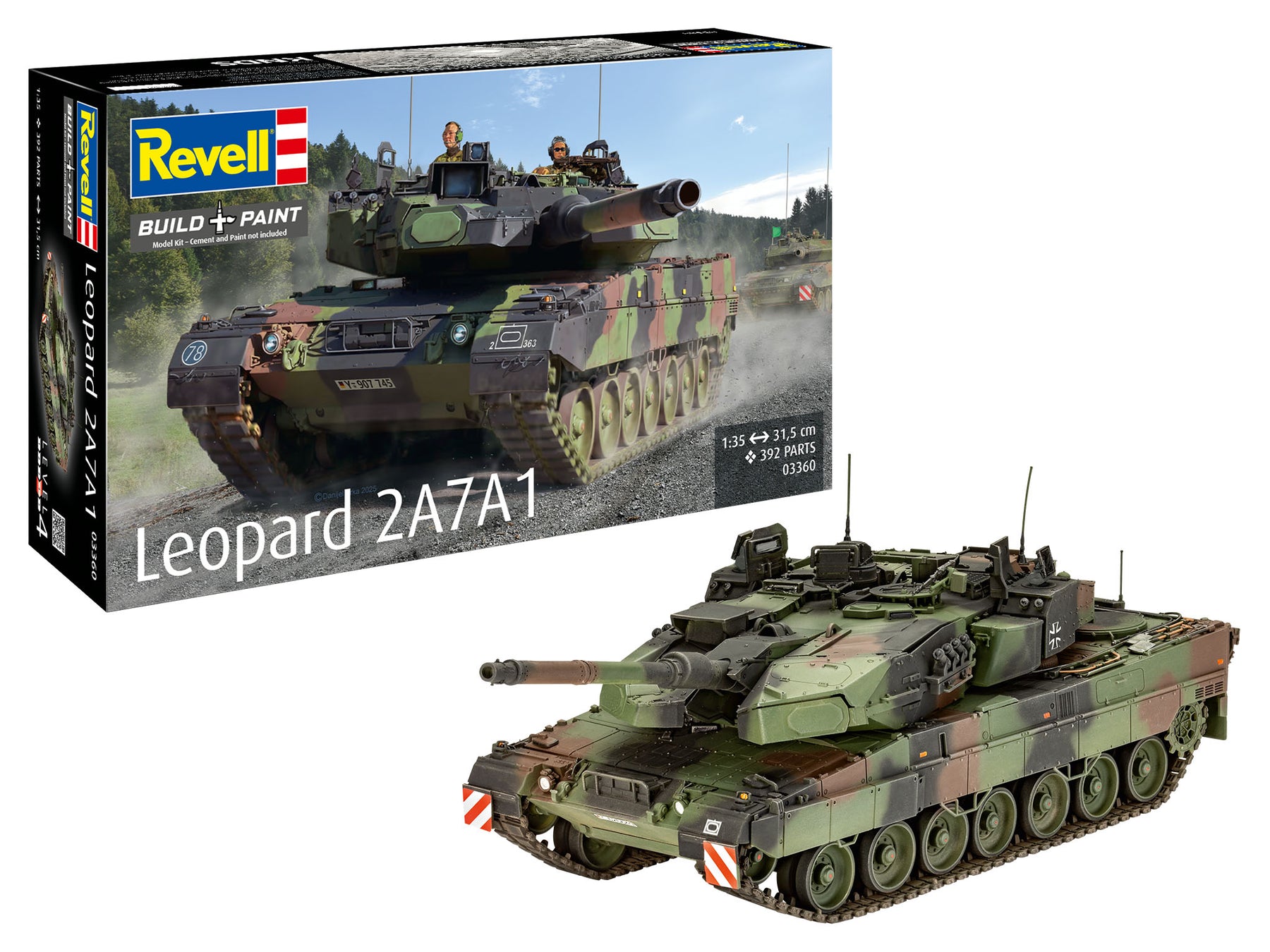
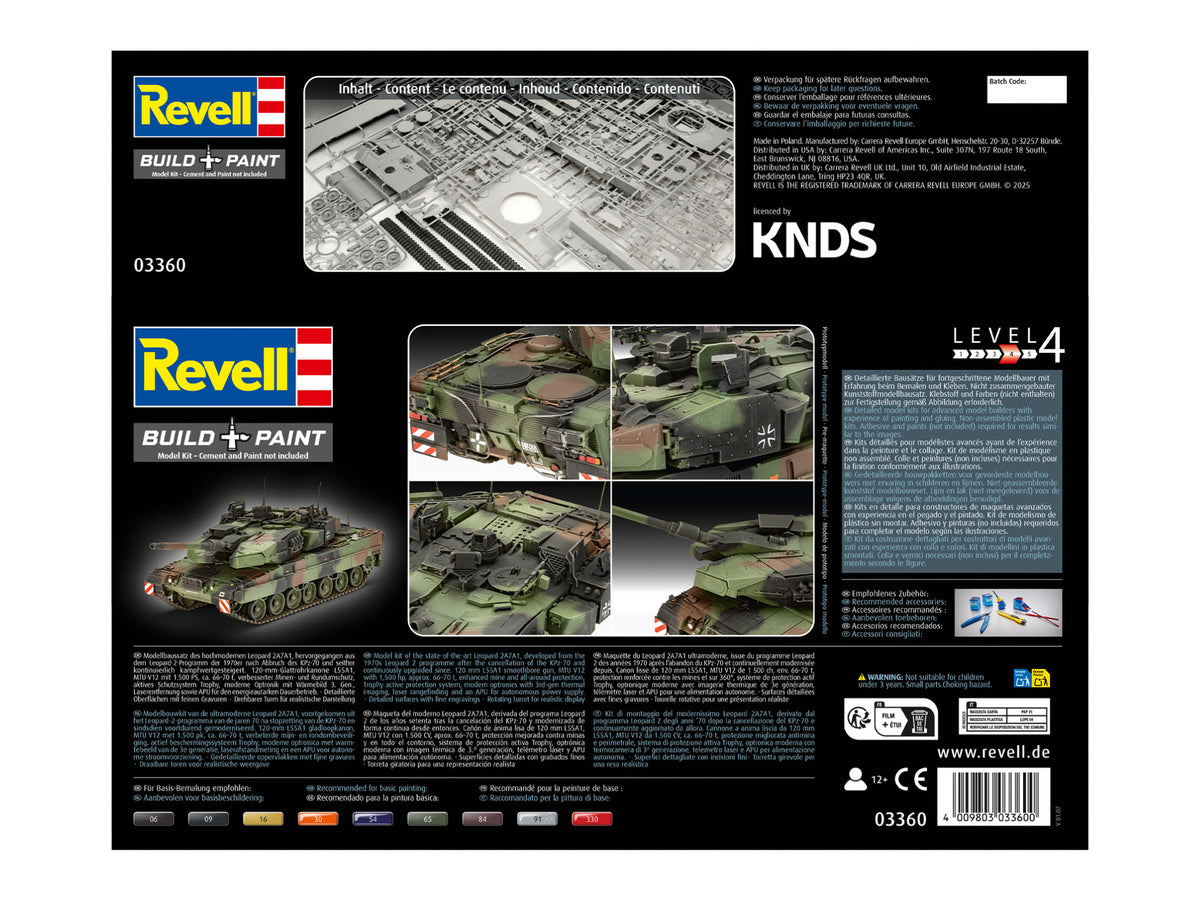
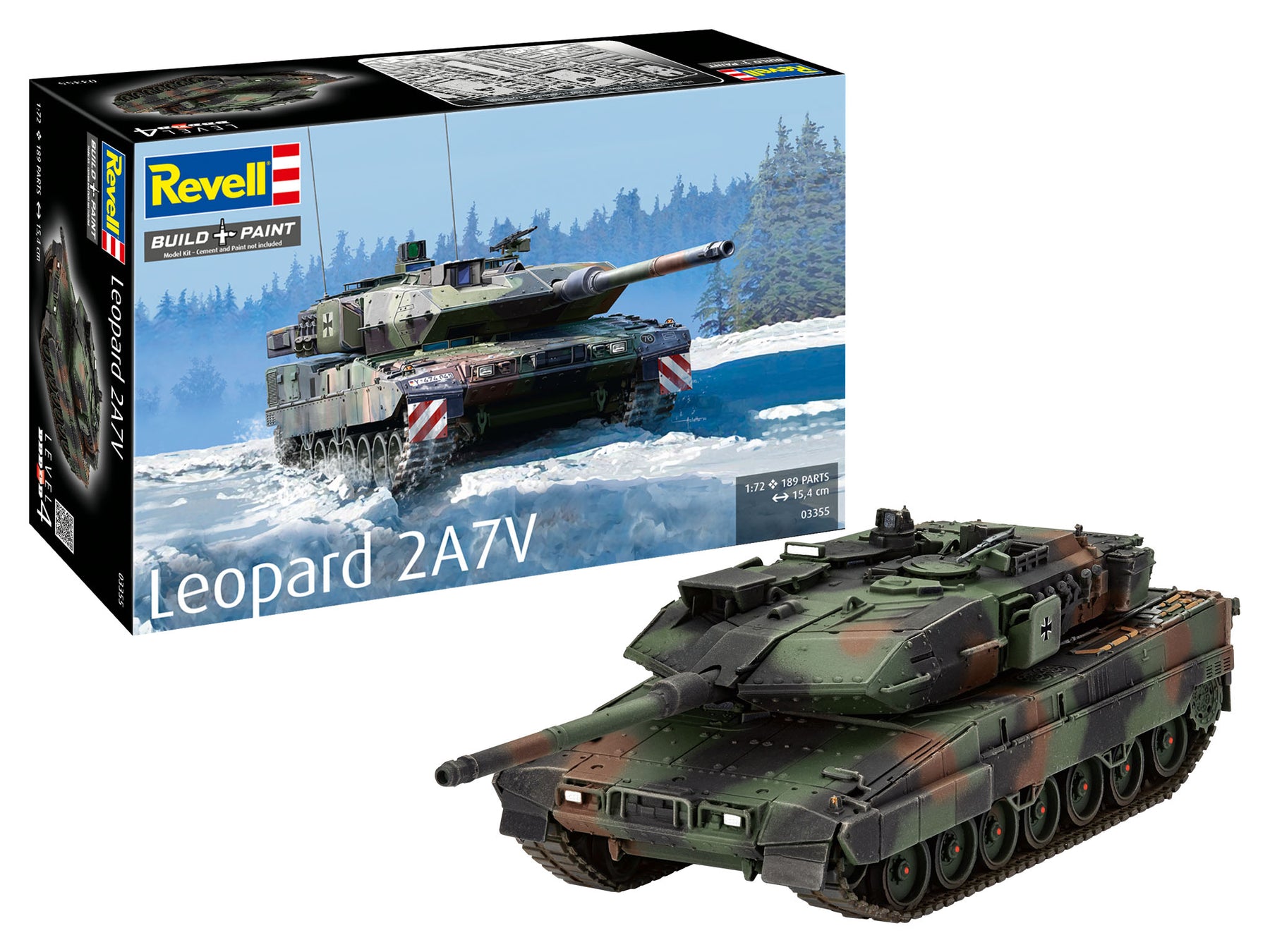
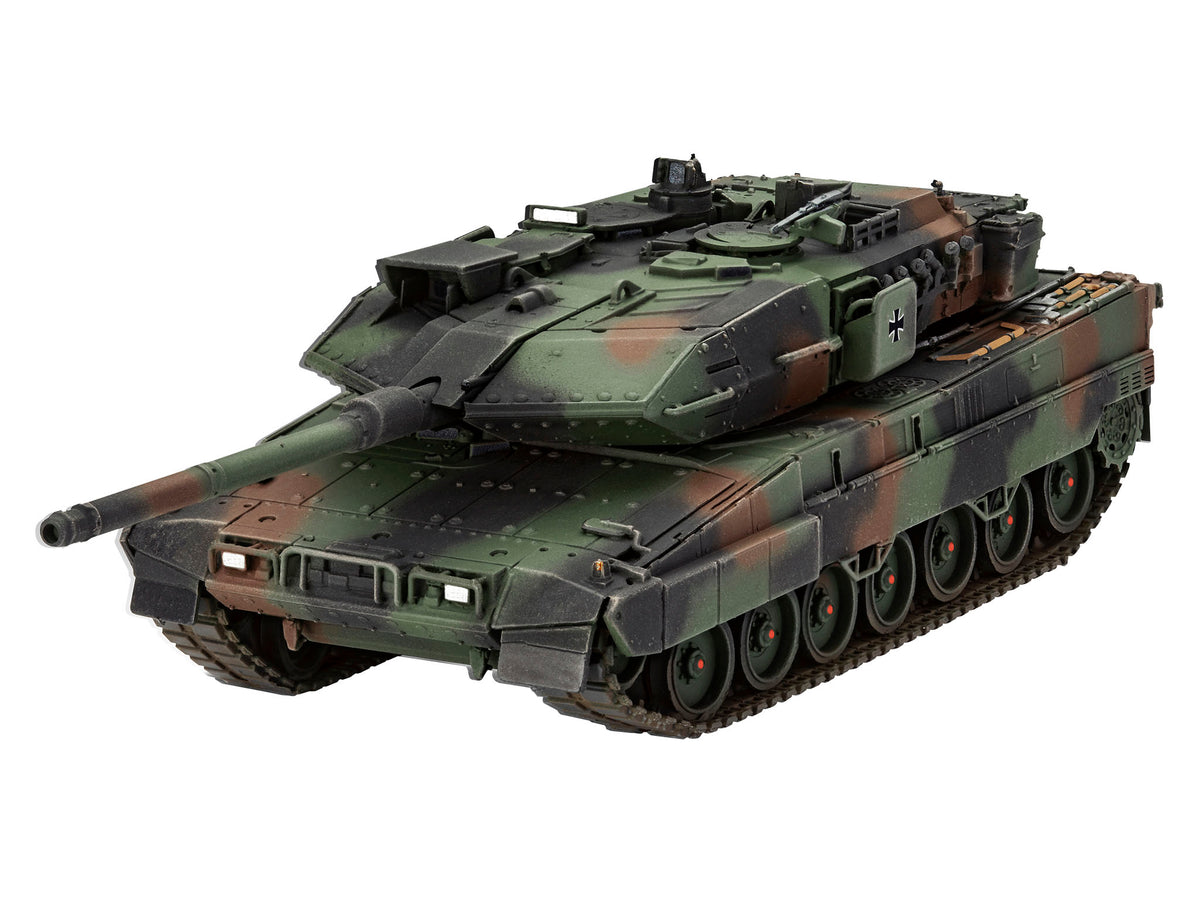
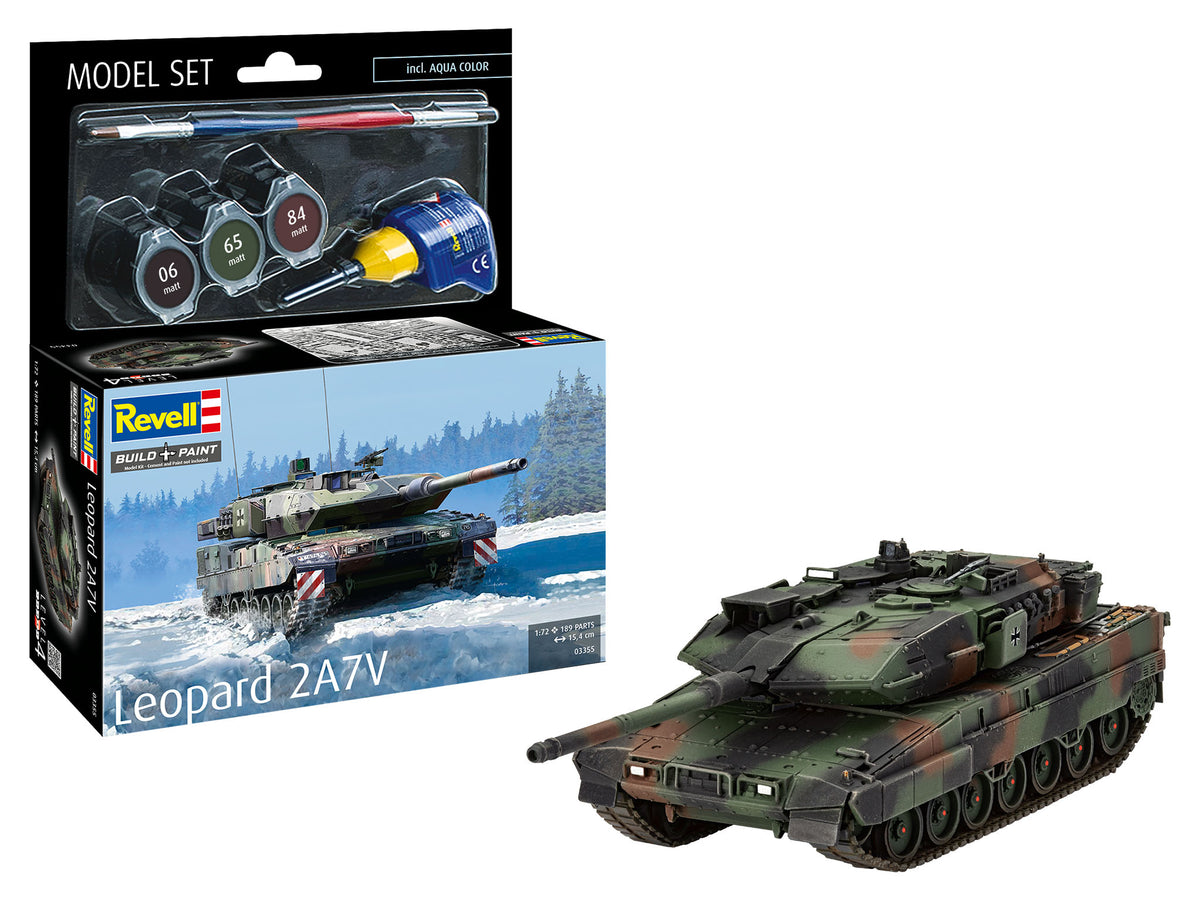
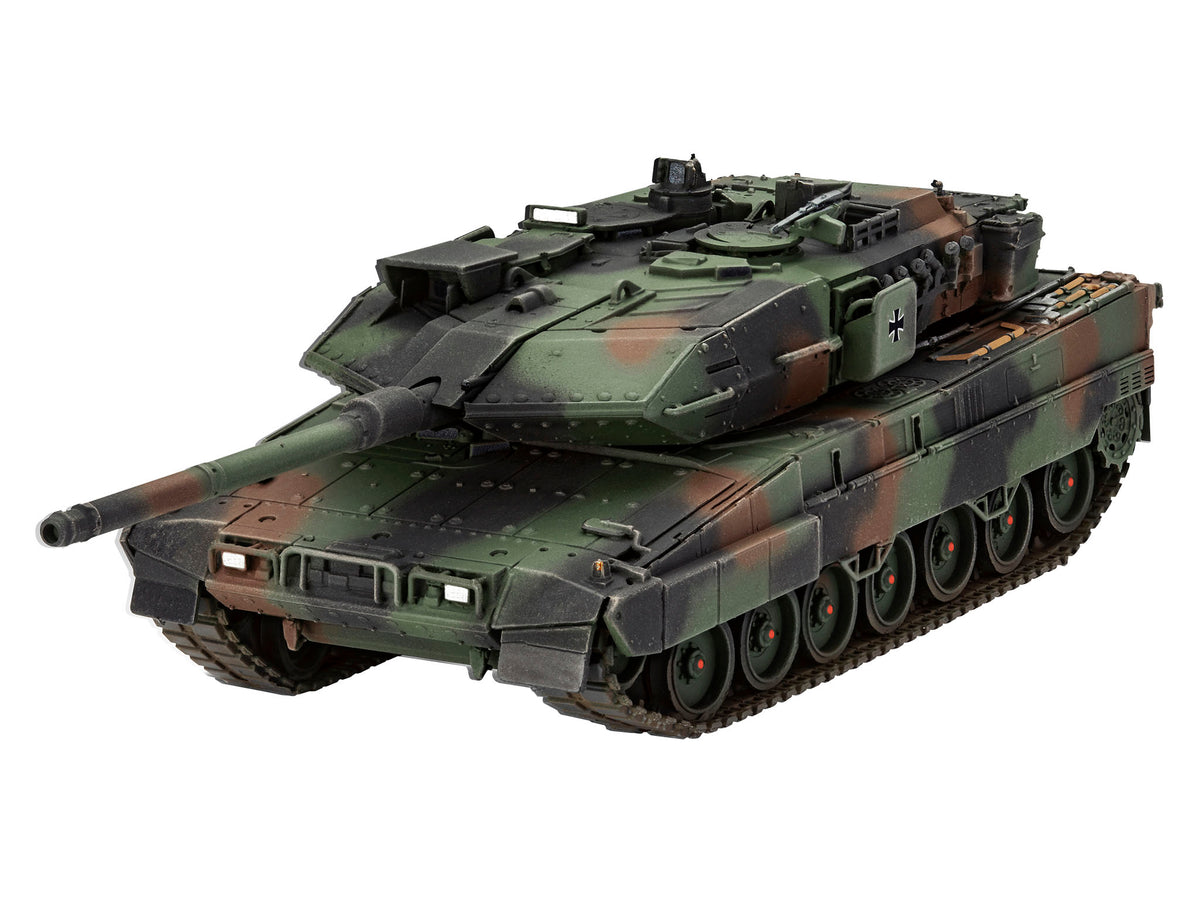
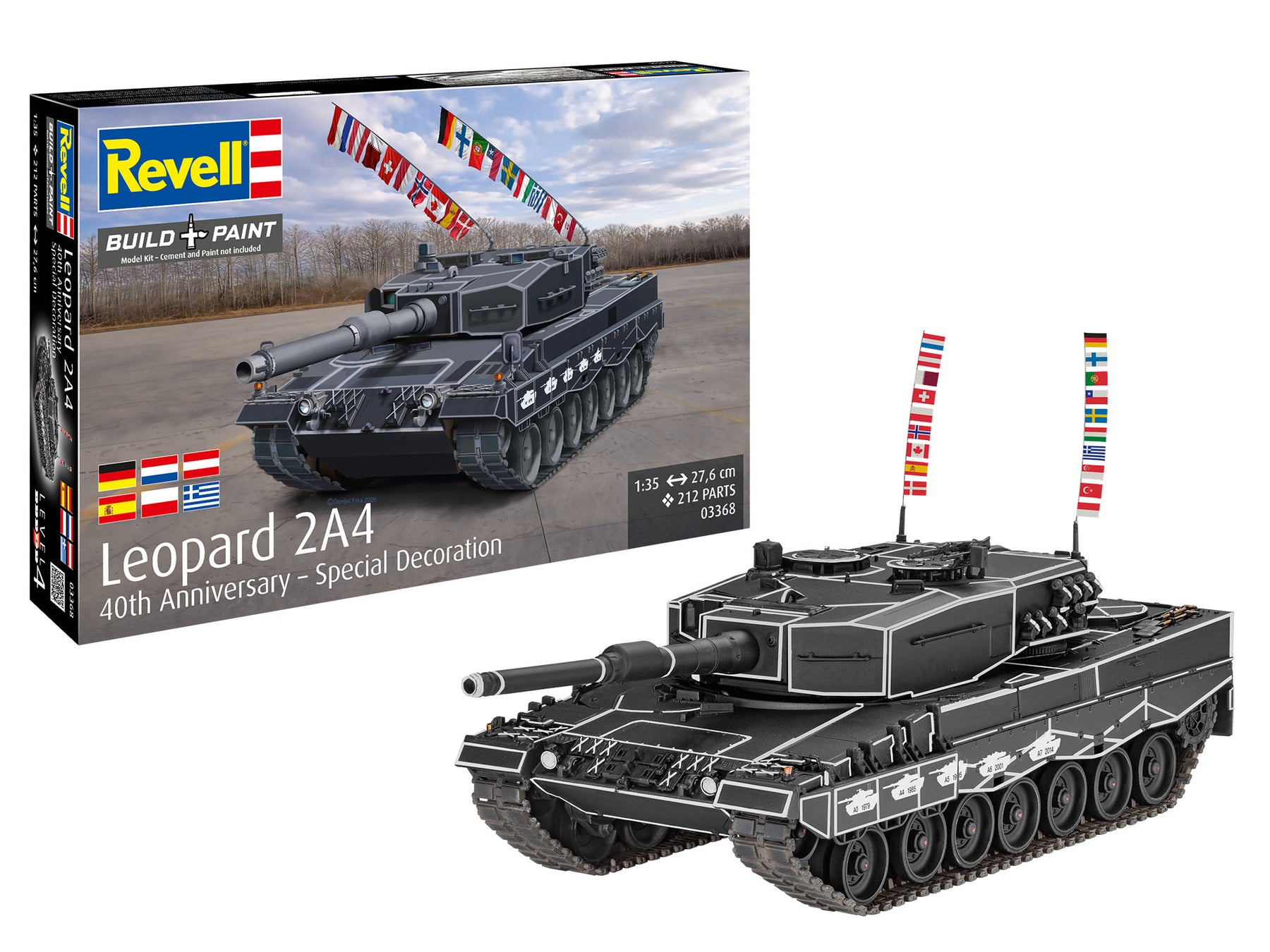
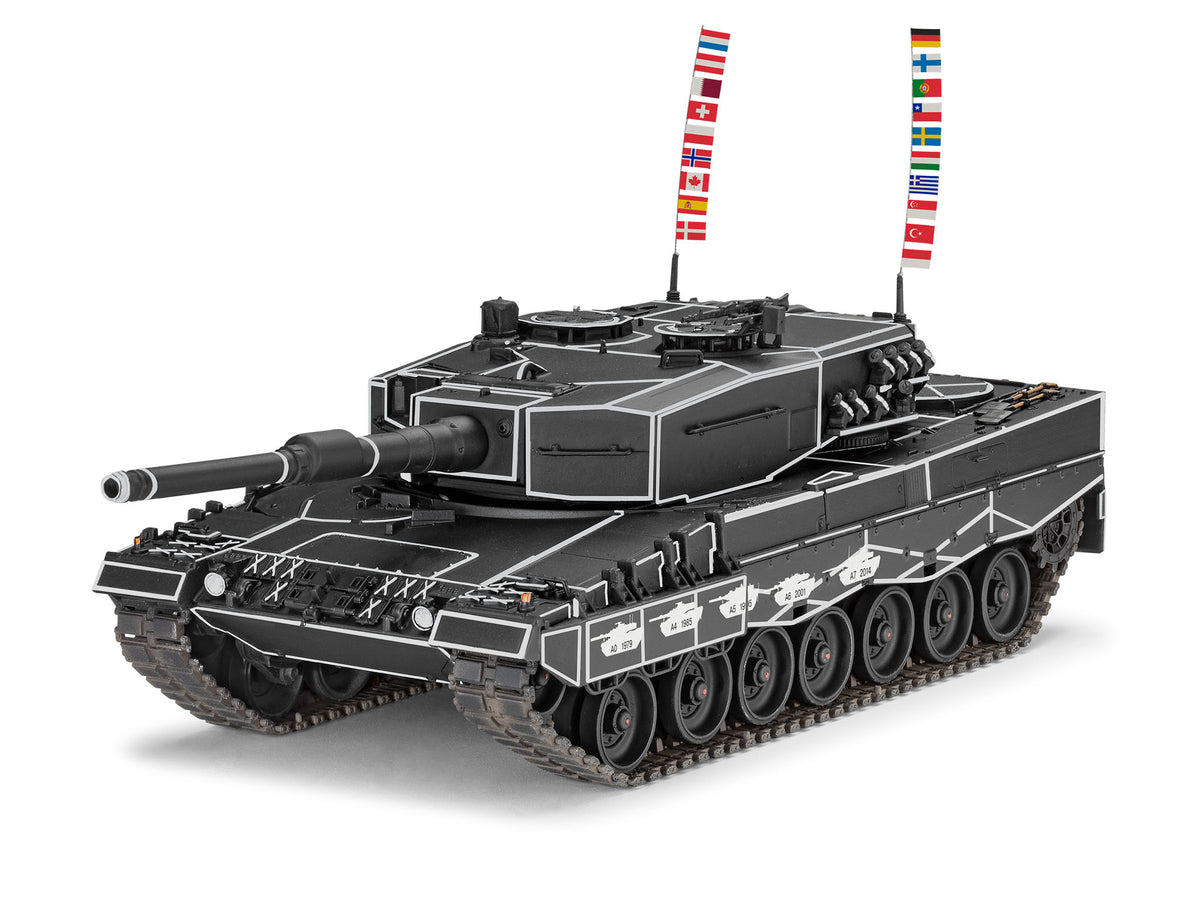
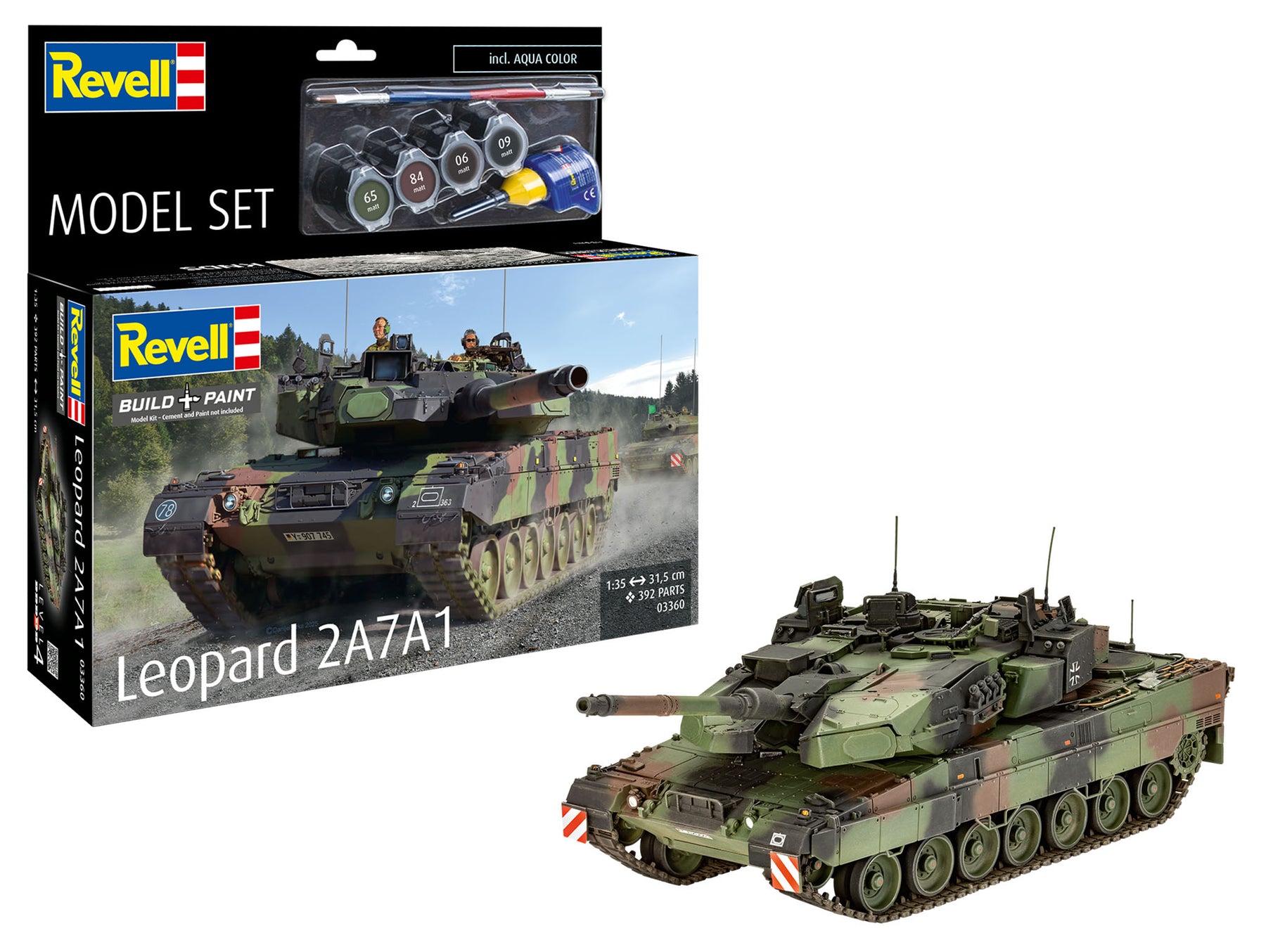
- Leopard 2: From the classic A4 version to the versatile A6 to modern variants such as the A7V. The characteristic wedge armor of the turret, the powerful 120 mm smoothbore and the complex engine deck make the German flagship tank a timeless favorite on the crafting table.
- M1A2 Abrams: The workhorse of the US armed forces impresses with its massive gas turbine rear section, the angular turret shapes and the striking additional TUSK (Tank Urban Survival Kit) armor for urban warfare.
- Challenger 2: The British main battle tank impresses with its massive Chobham composite armor and distinctive chassis, which gives every diorama a British touch.
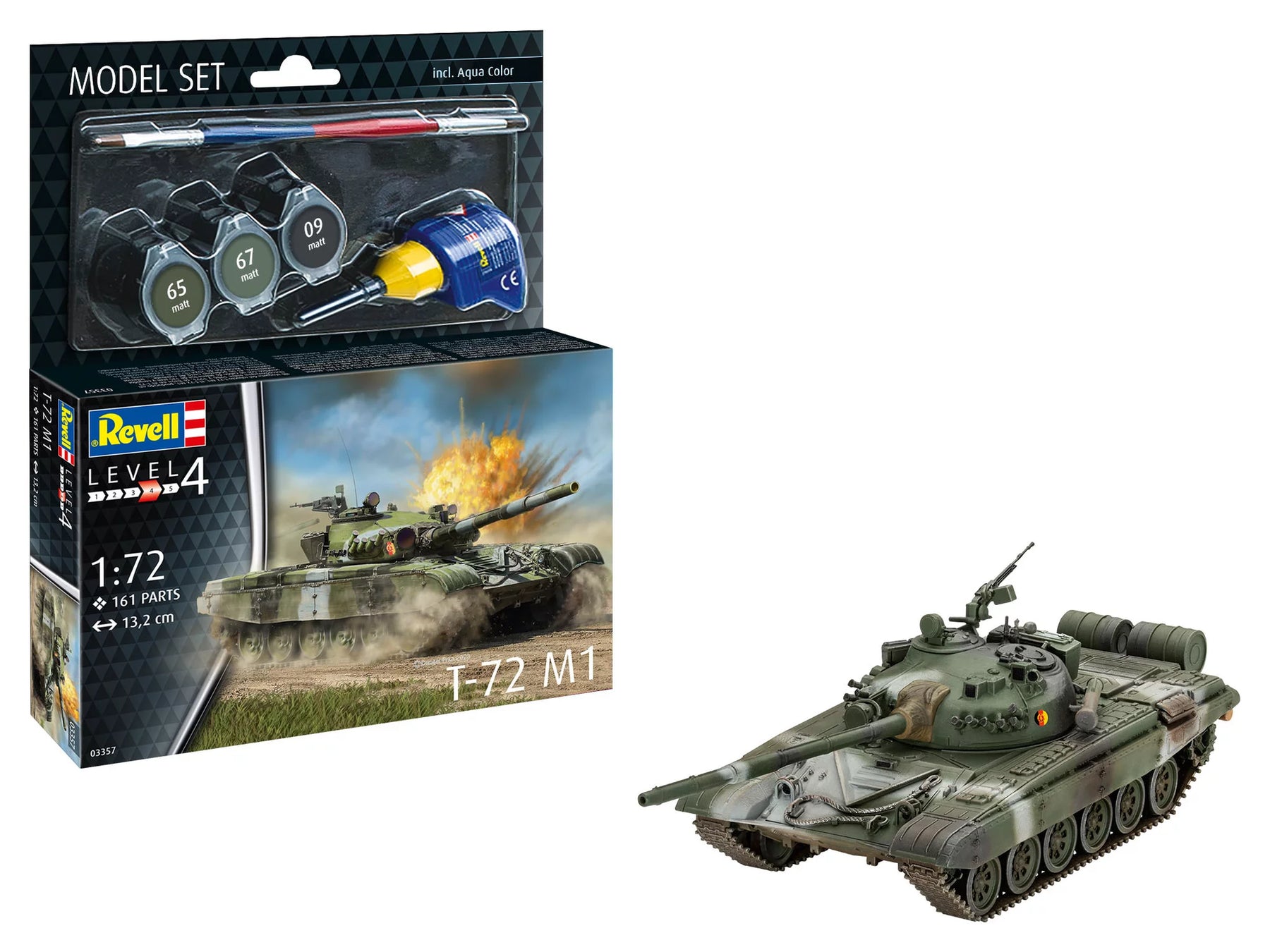
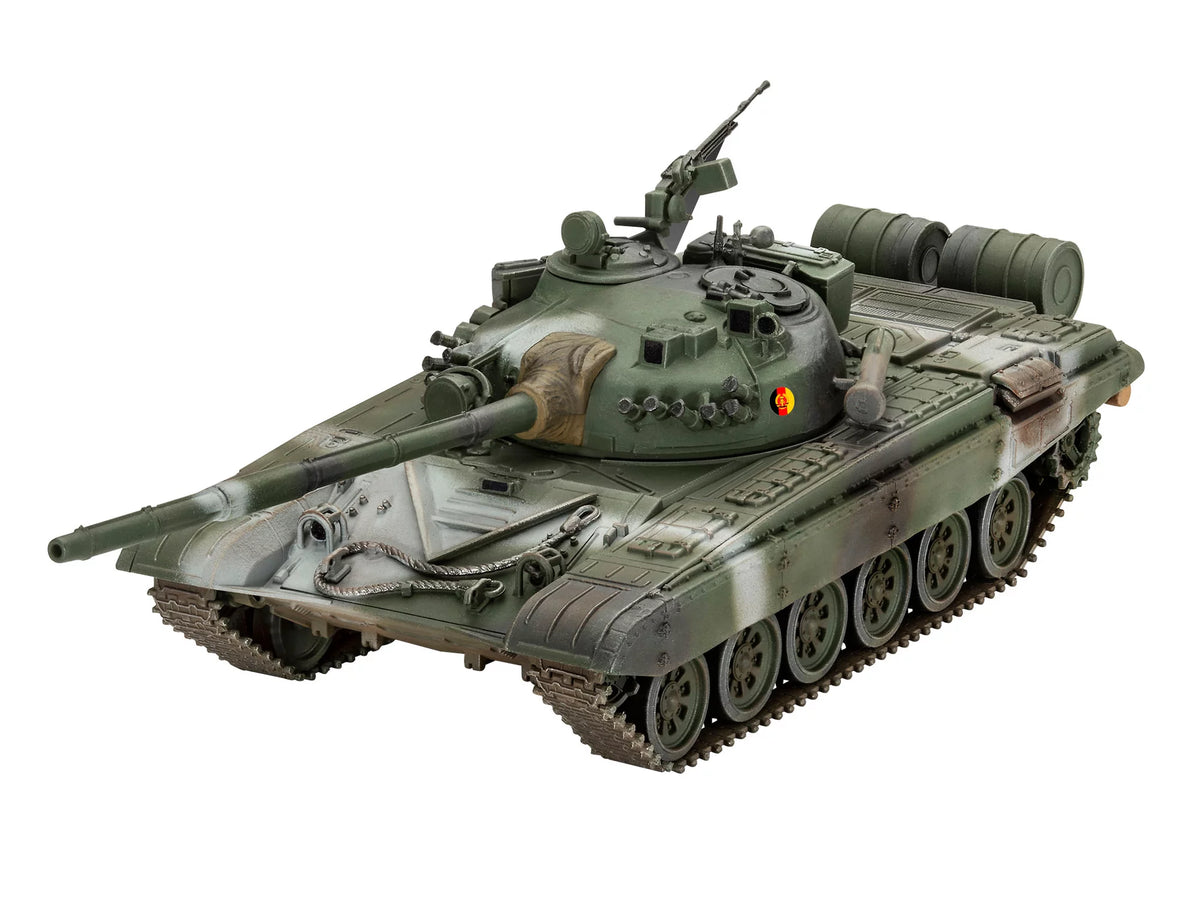
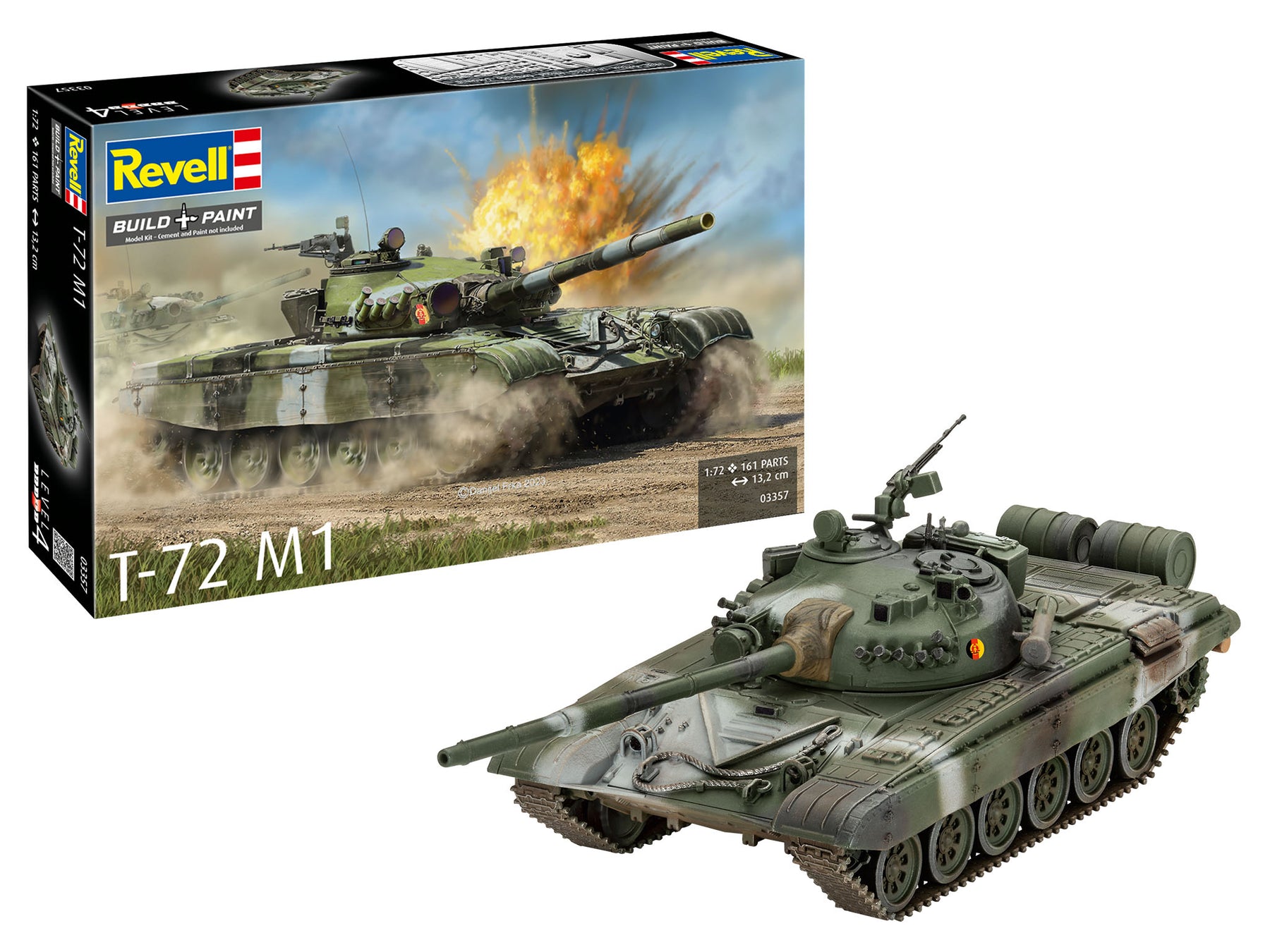
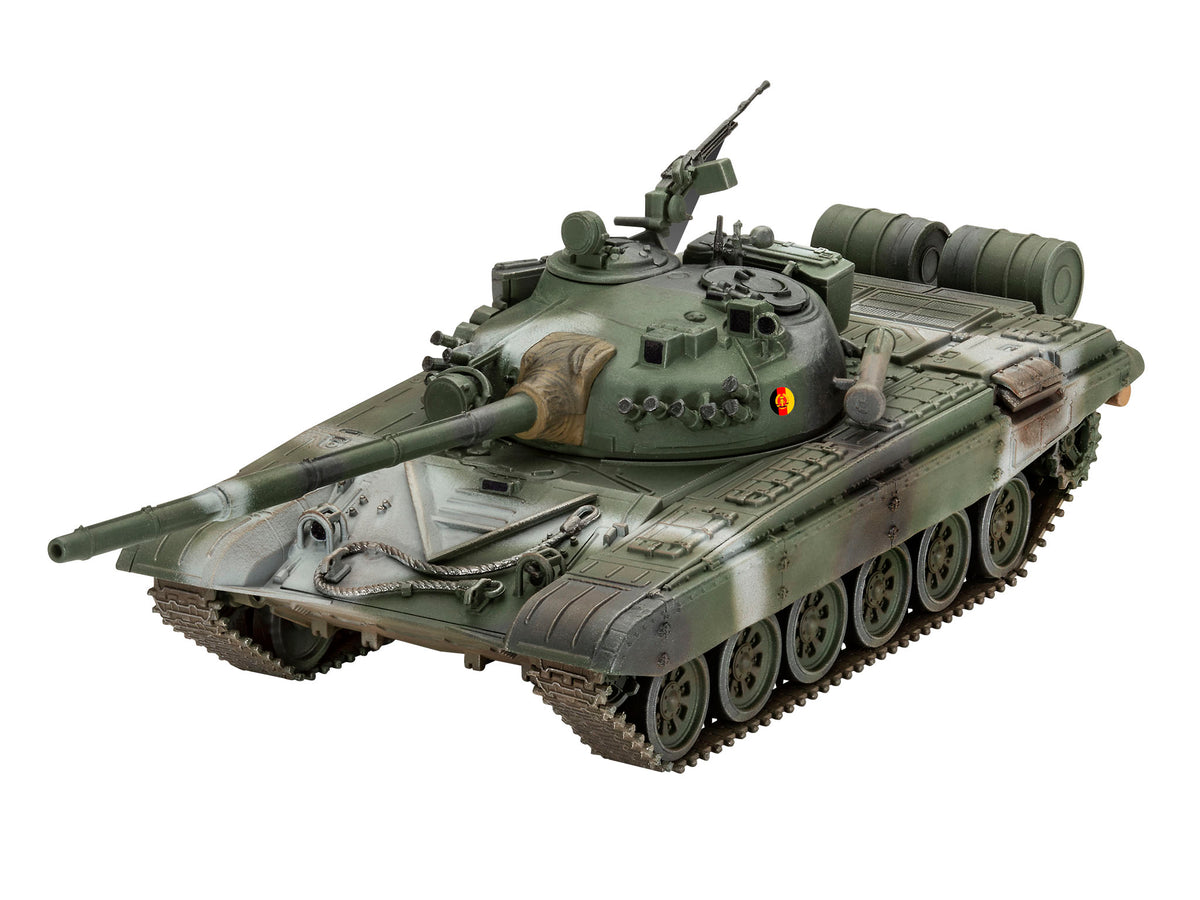
- Eastern tank series (T-72, T-80, T-90): These guys feature a low silhouette, circular cast turret, and eye-catching Reactive Armor (ERA) tiles that will give you a lot of fun painting them.
Armored personnel carriers and armored reconnaissance vehicles: tactical mobility and fire support
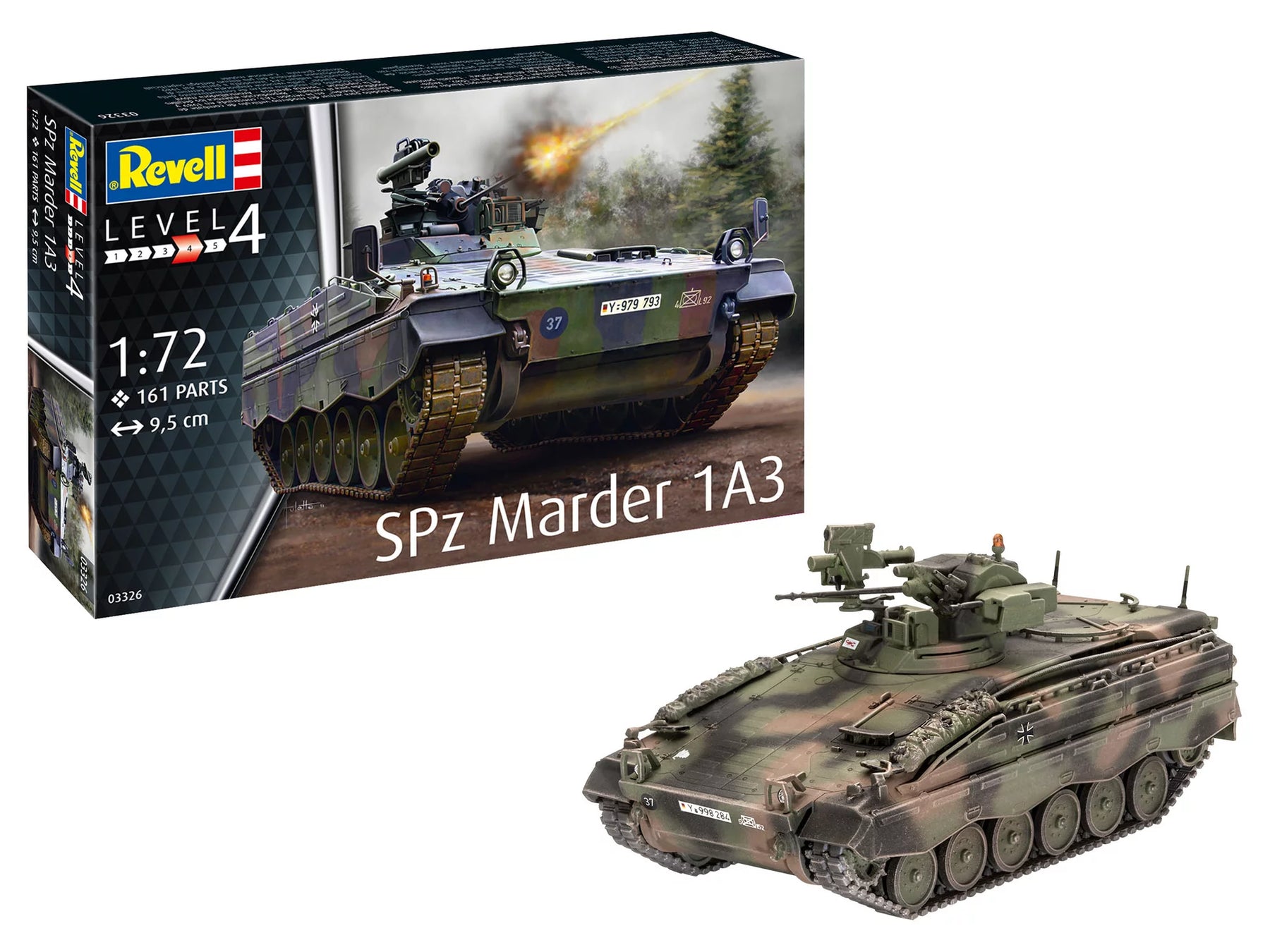
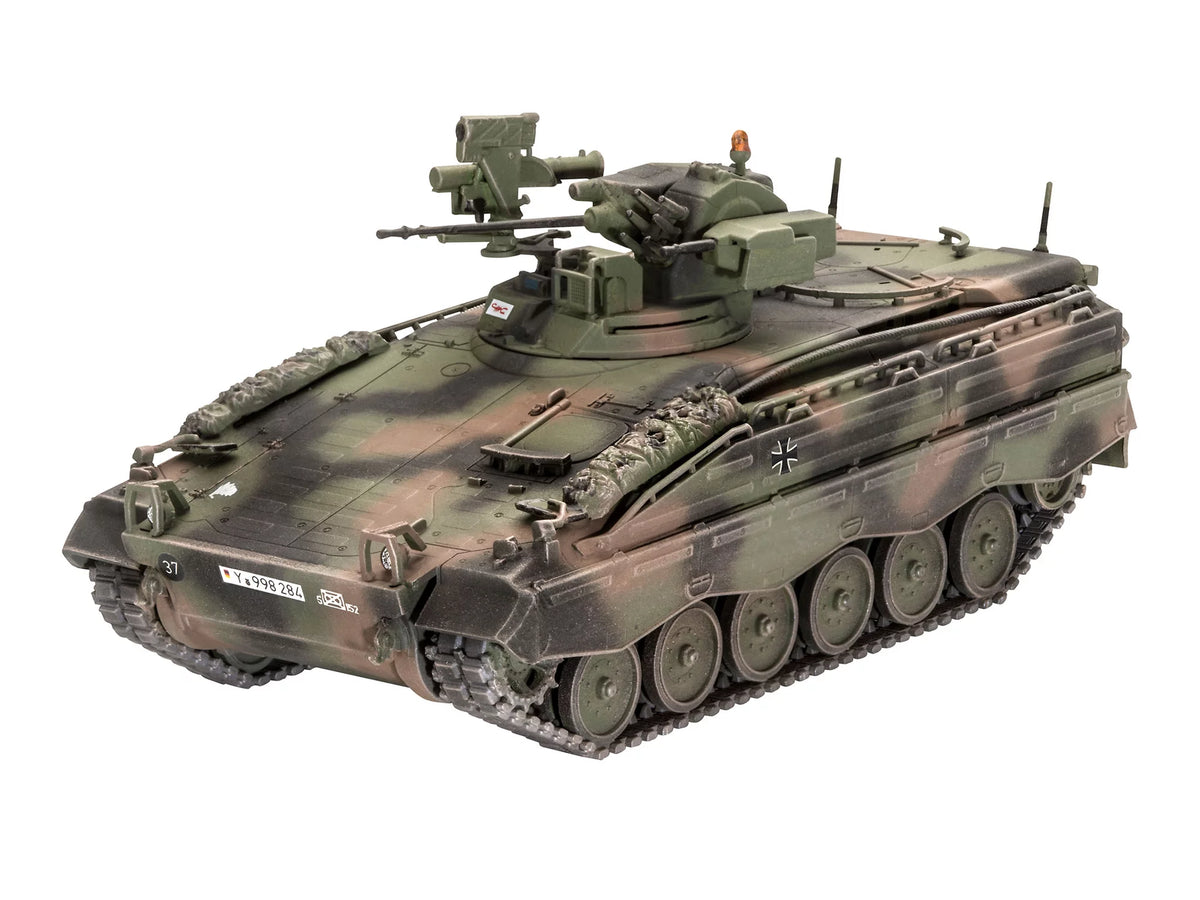
Armored personnel carriers accompany the main battle tanks and bring infantry squads protected to the target area. Kits such as the tried and tested Marder or the Bundeswehr's state-of-the-art Puma infantry fighting vehicle impress with their delicate on-board machine cannons, anti-tank guided missile systems (such as MELLS) and detailed rear ramps. Many kits allow you to display the hatches and doors open to reveal the elaborate interior with seats, radios and storage for personal equipment.
Wheeled tanks and transport vehicles: The age of modularity
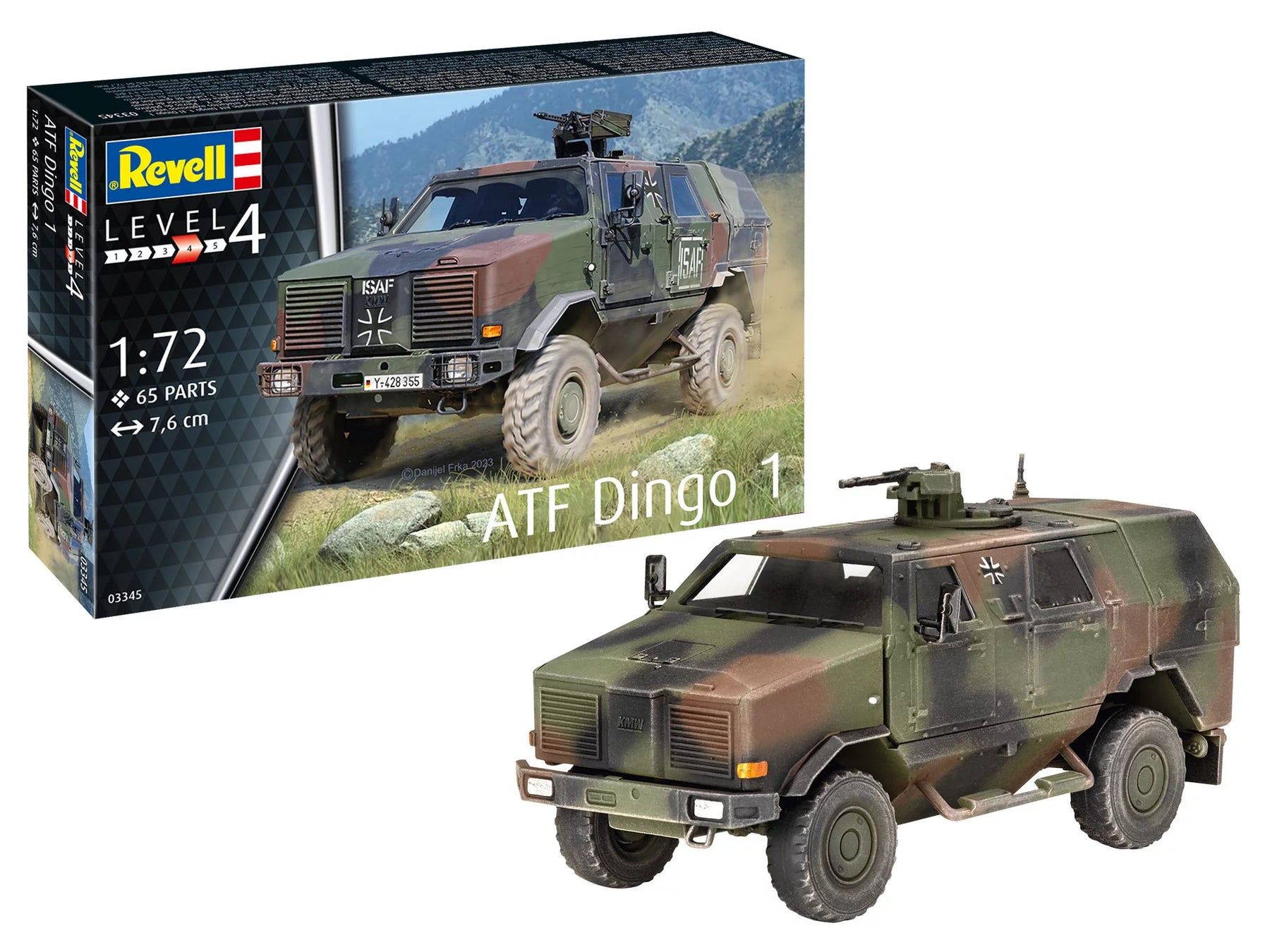
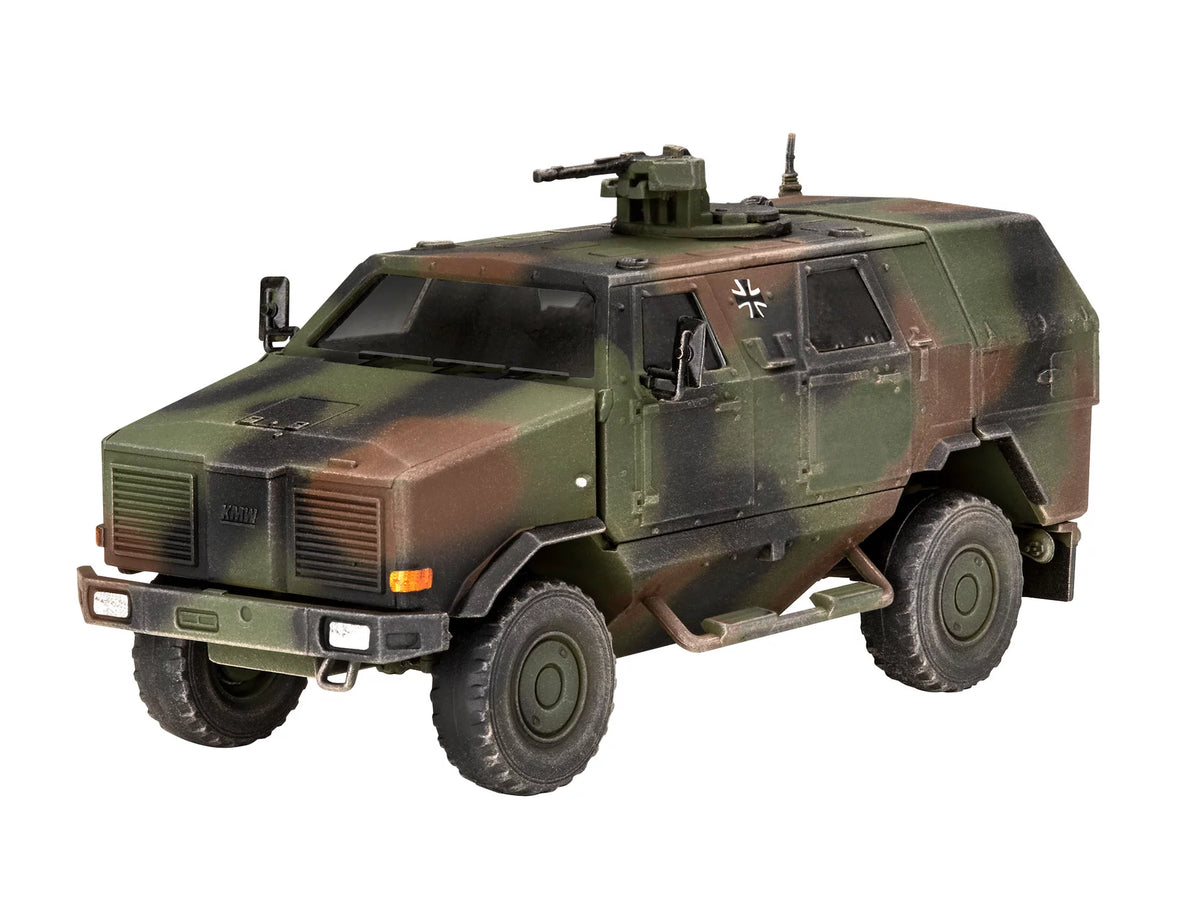
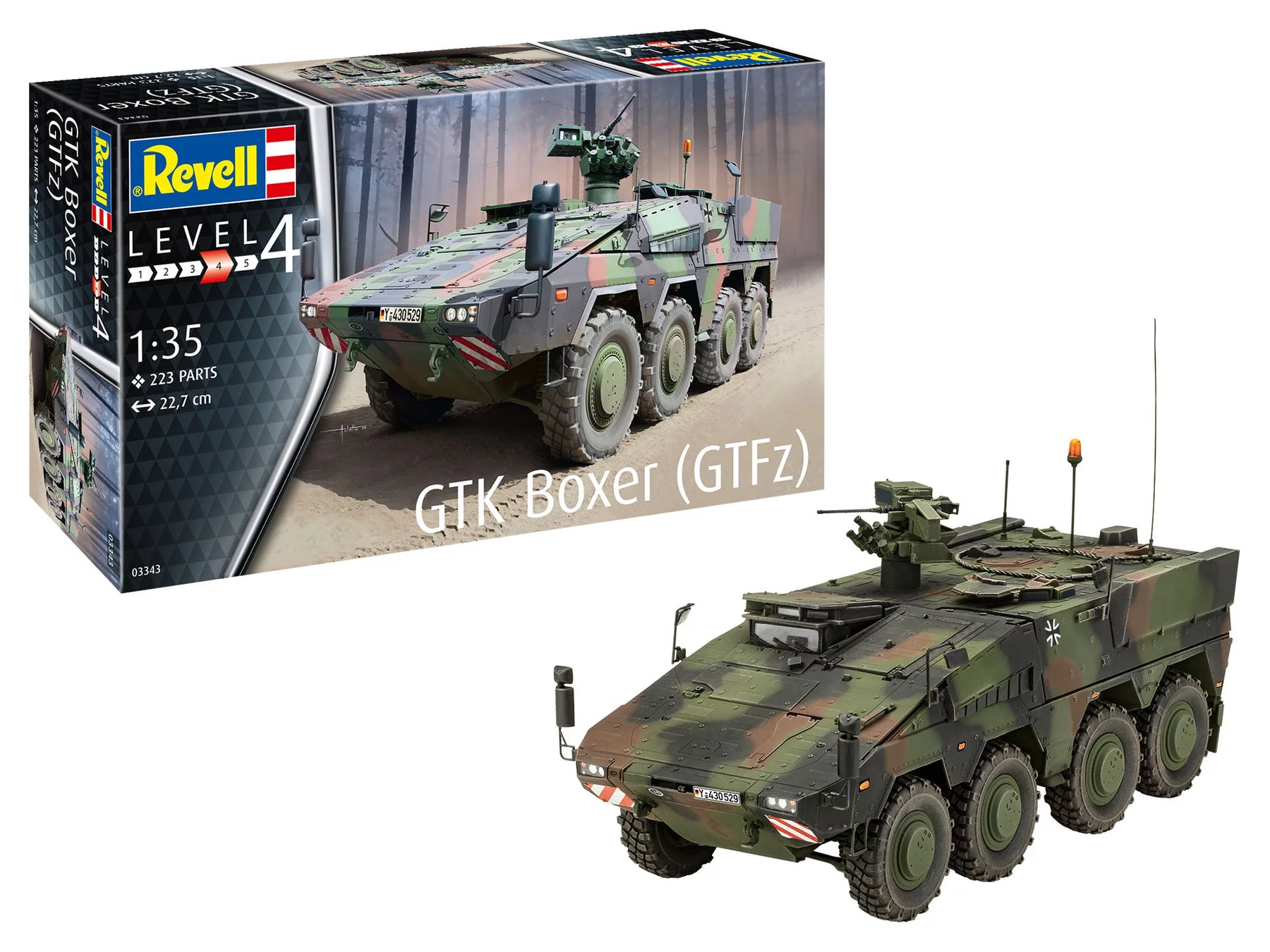
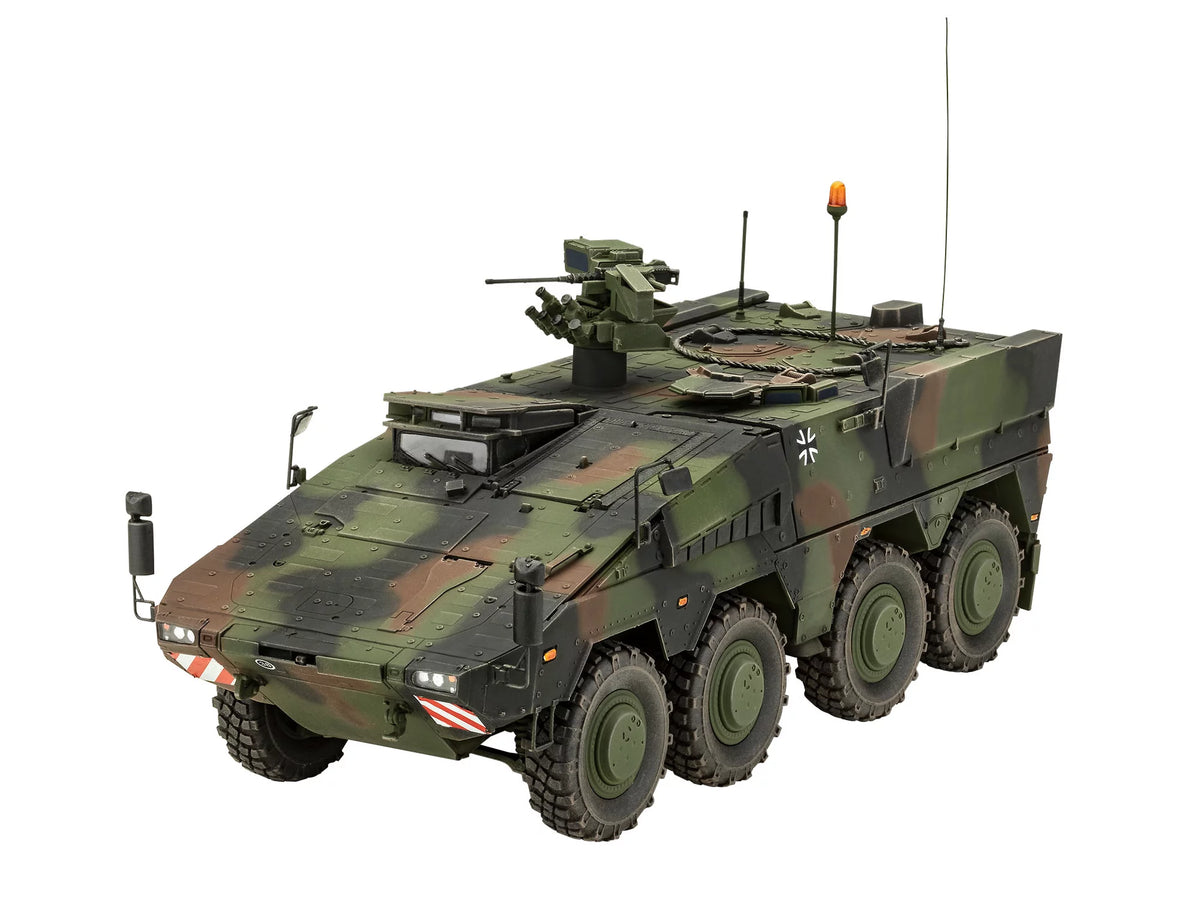
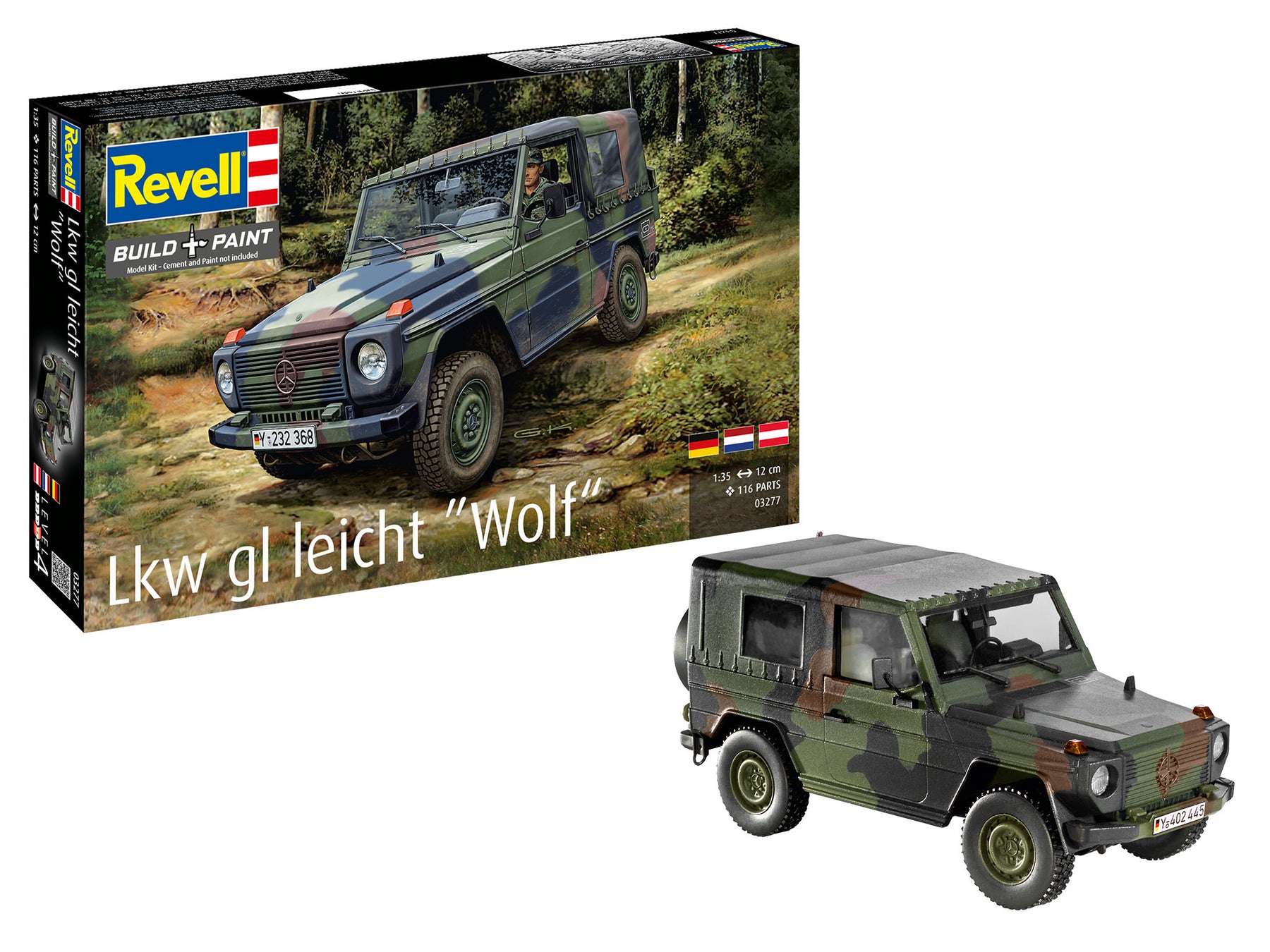
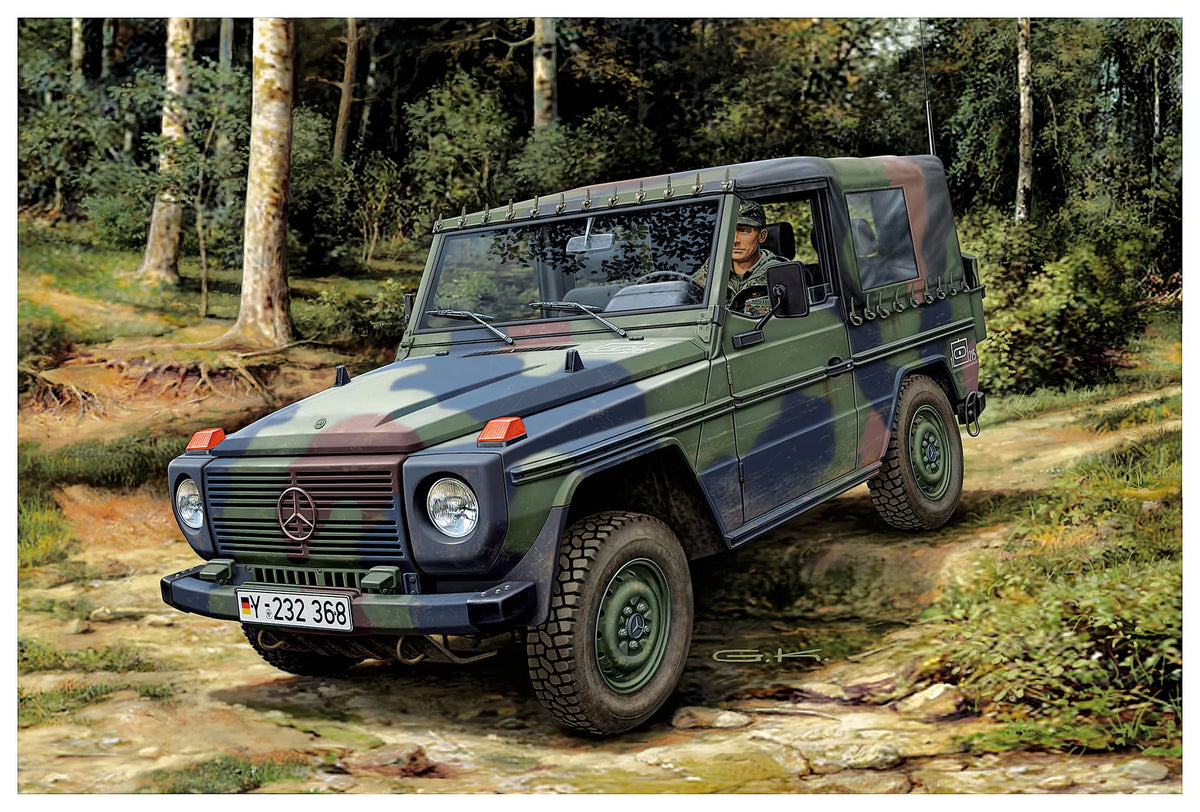
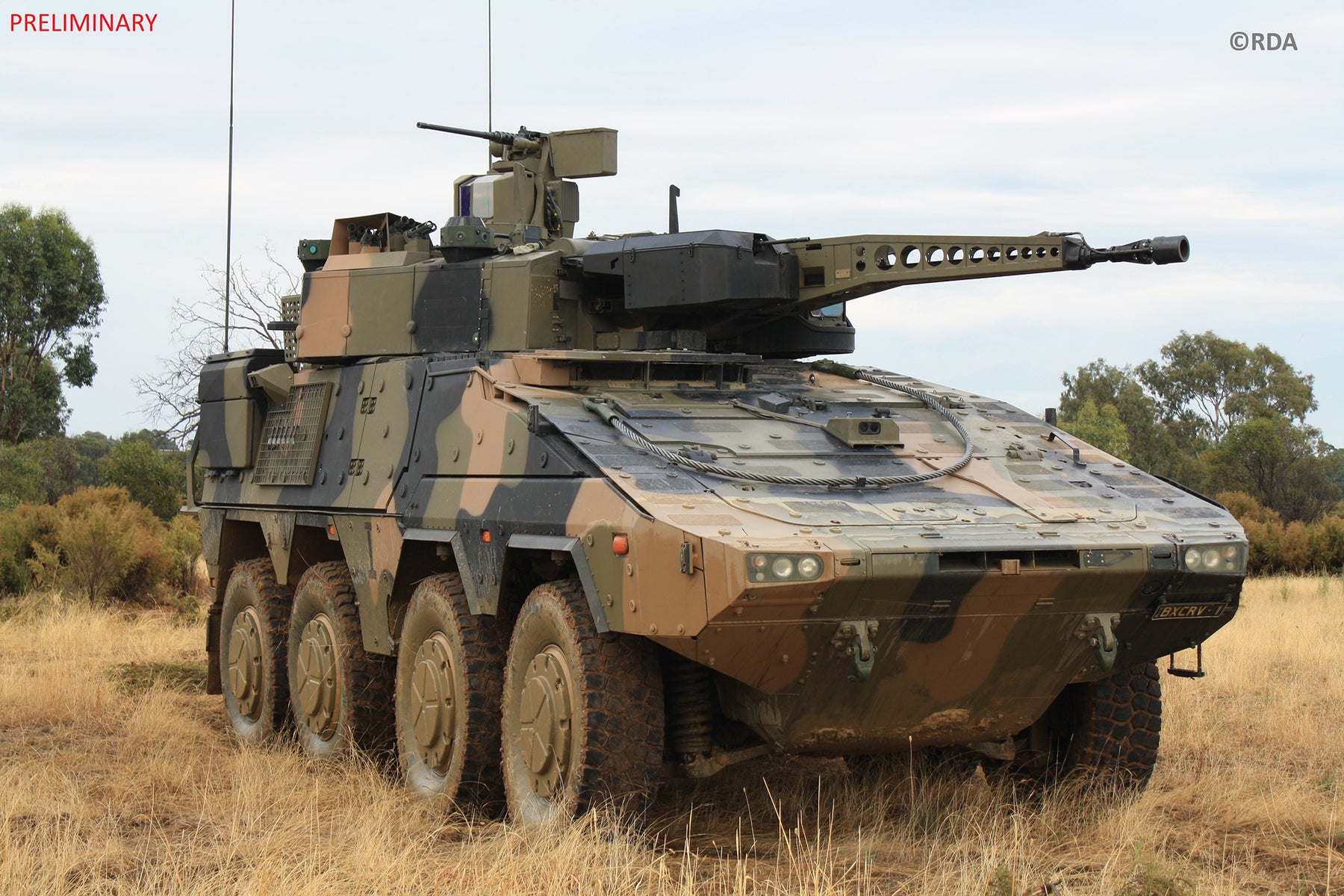
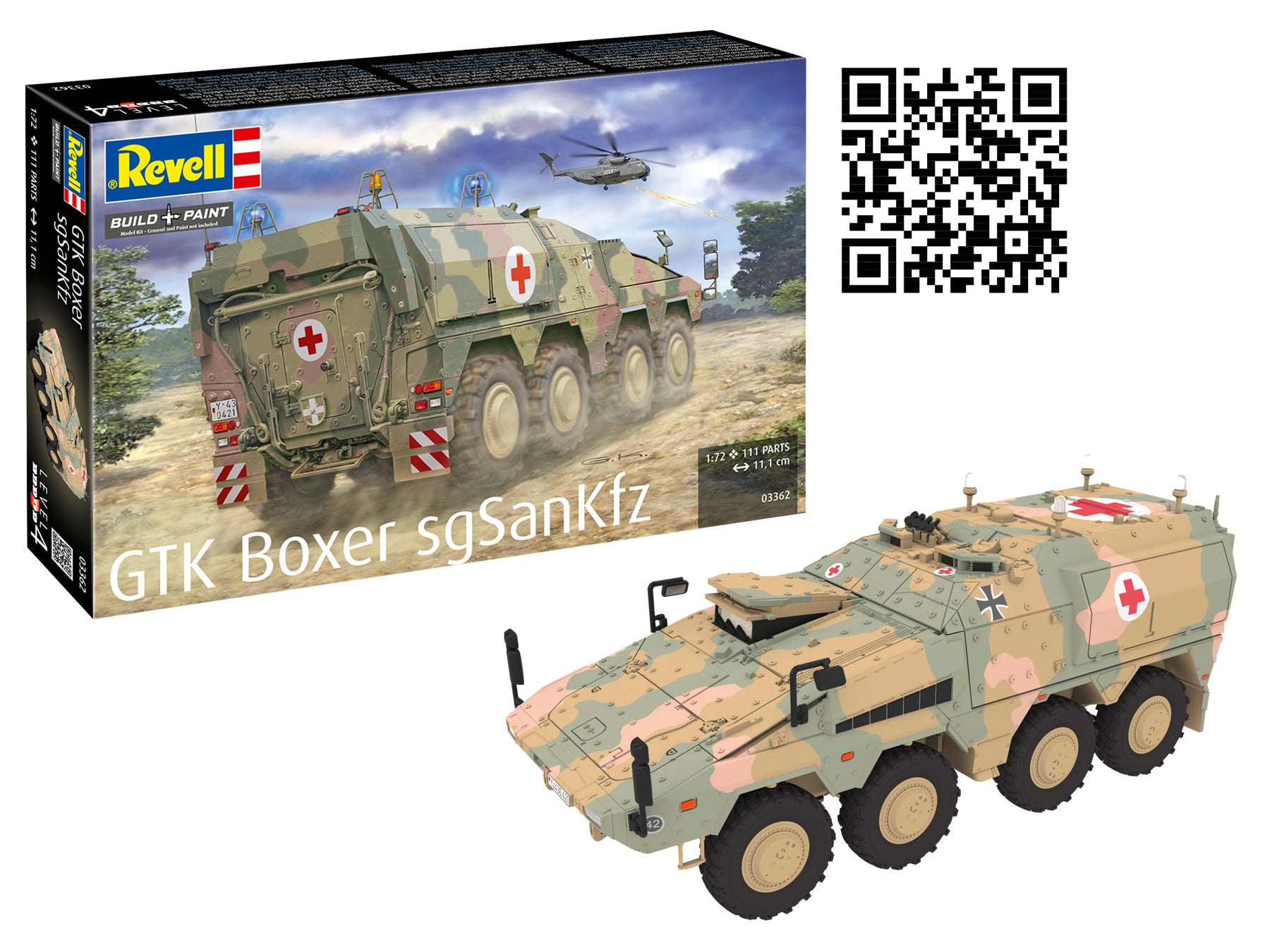
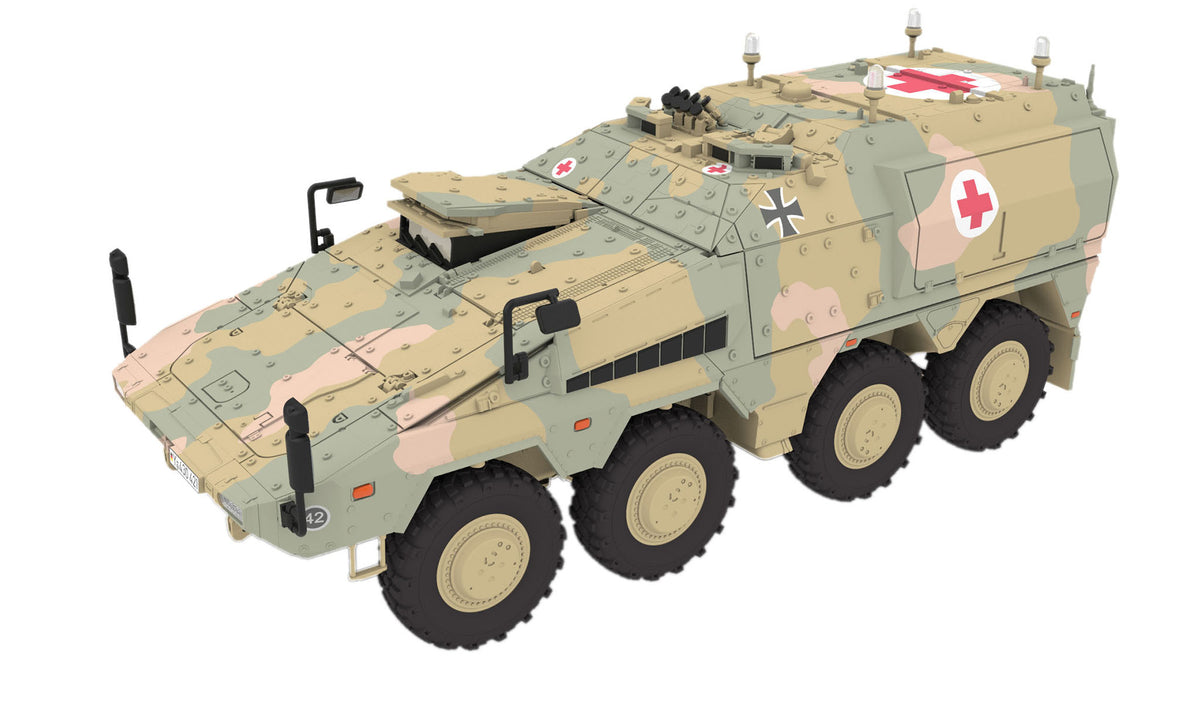
Modern wheeled vehicles have transformed from pure logistics transporters to full-fledged combat vehicles. An outstanding example is the Armored Transport Vehicle (GTK) Boxer. Thanks to its modular design, the basic cell can be combined with medical, command or group mission modules. But classics such as the Fuchs armored transport vehicle, the US Stryker concept or maneuverable reconnaissance vehicles such as the Fennek challenge you with complex multi-axle chassis, rubber tires with a pronounced off-road profile and bumpers equipped with cable winches.
Artillery, anti-aircraft defense and modern special vehicles
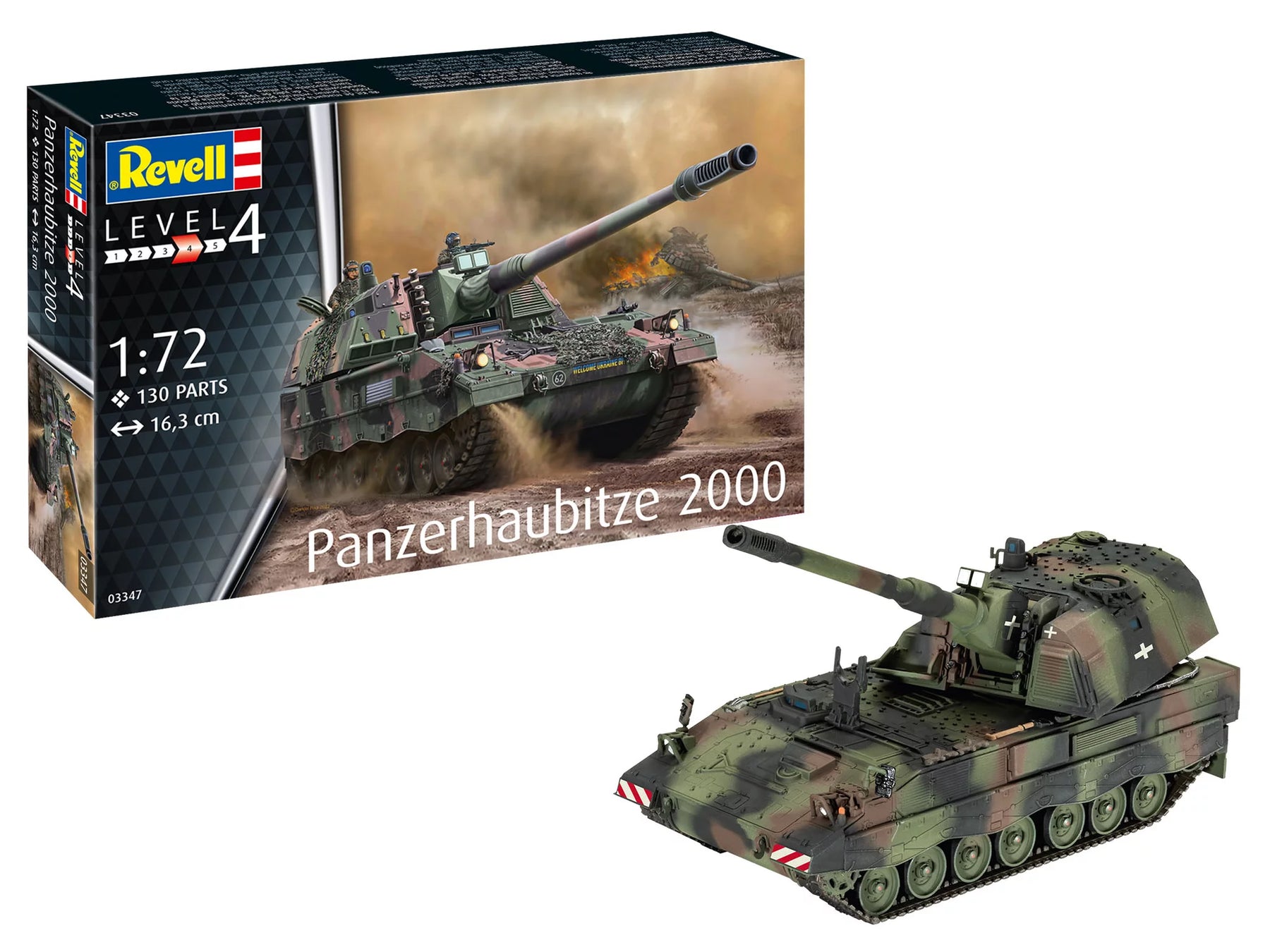
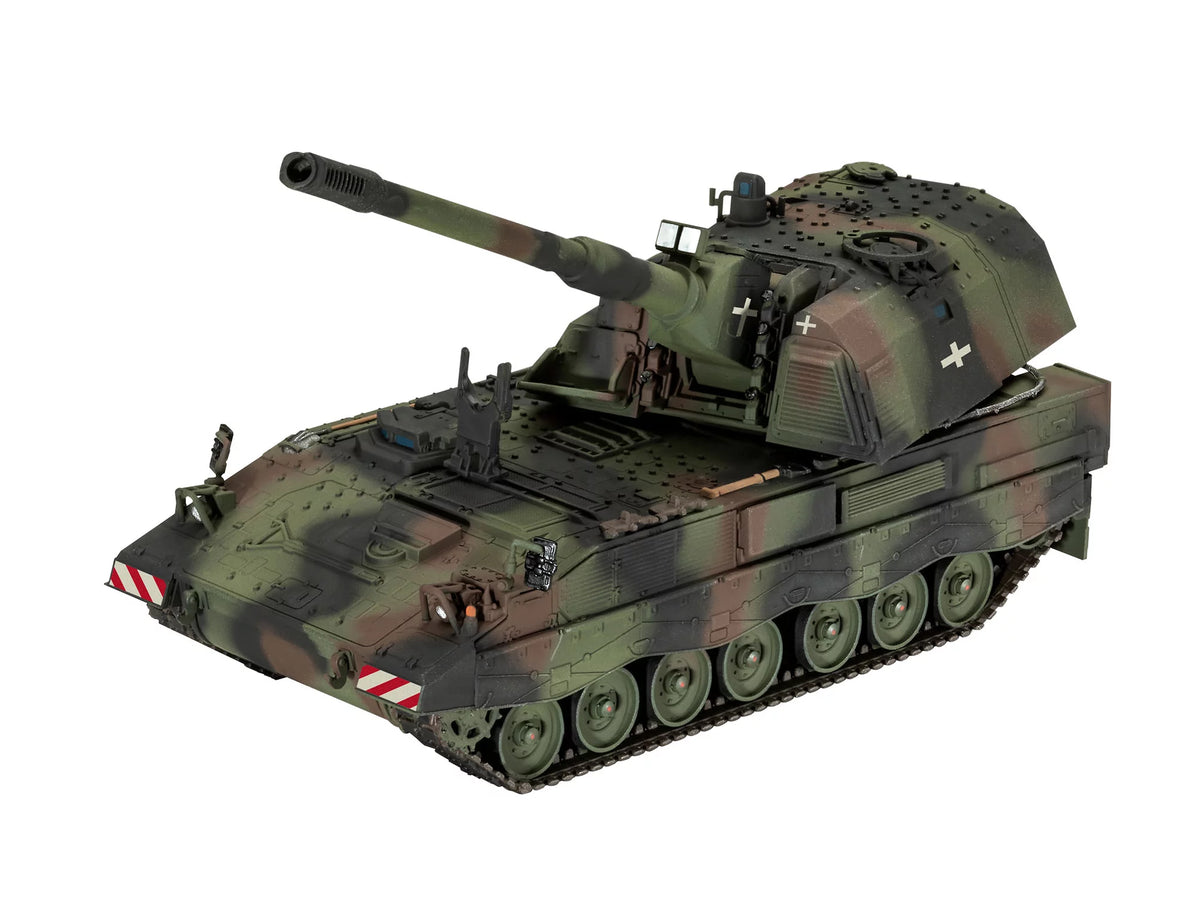
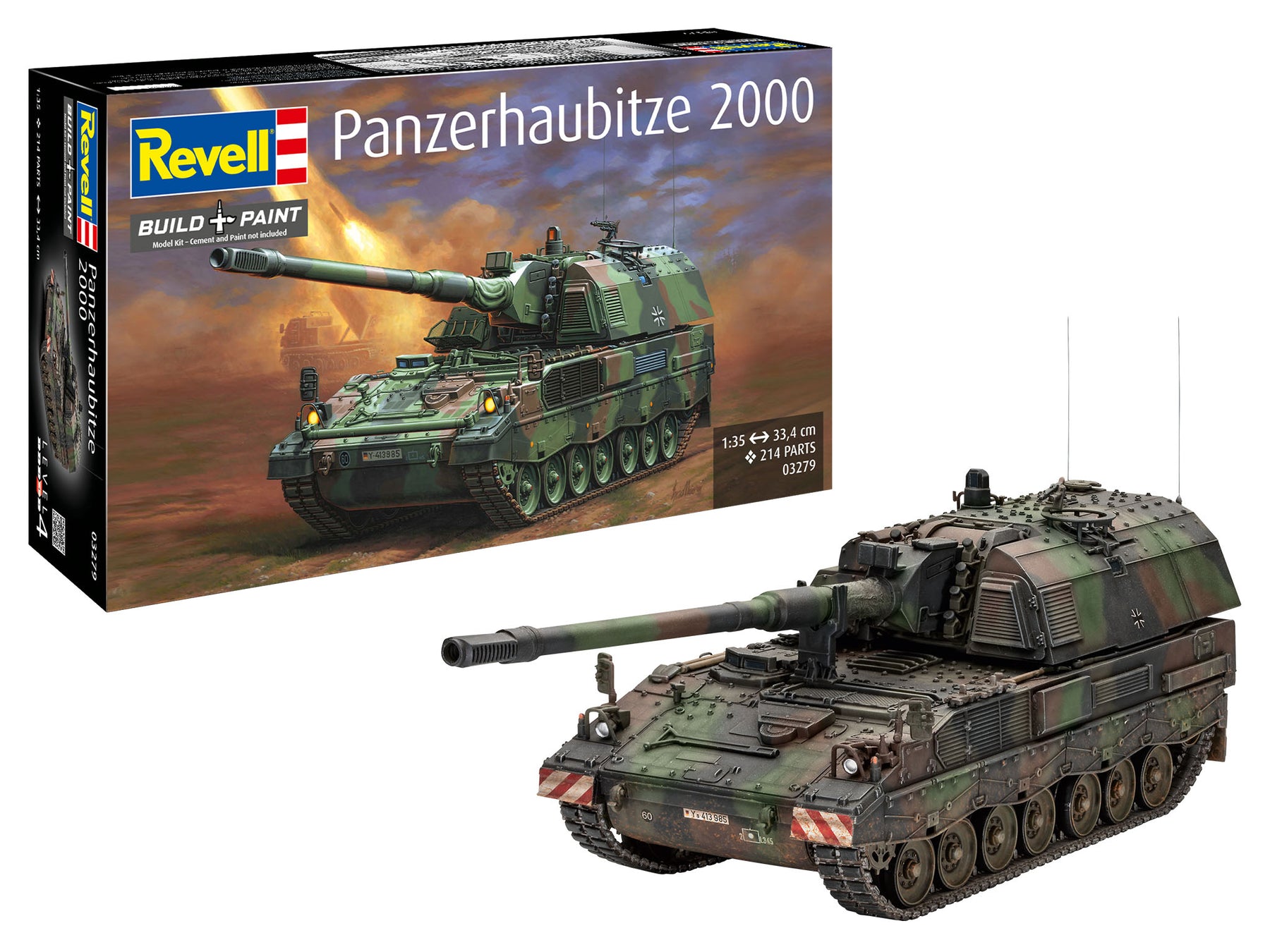
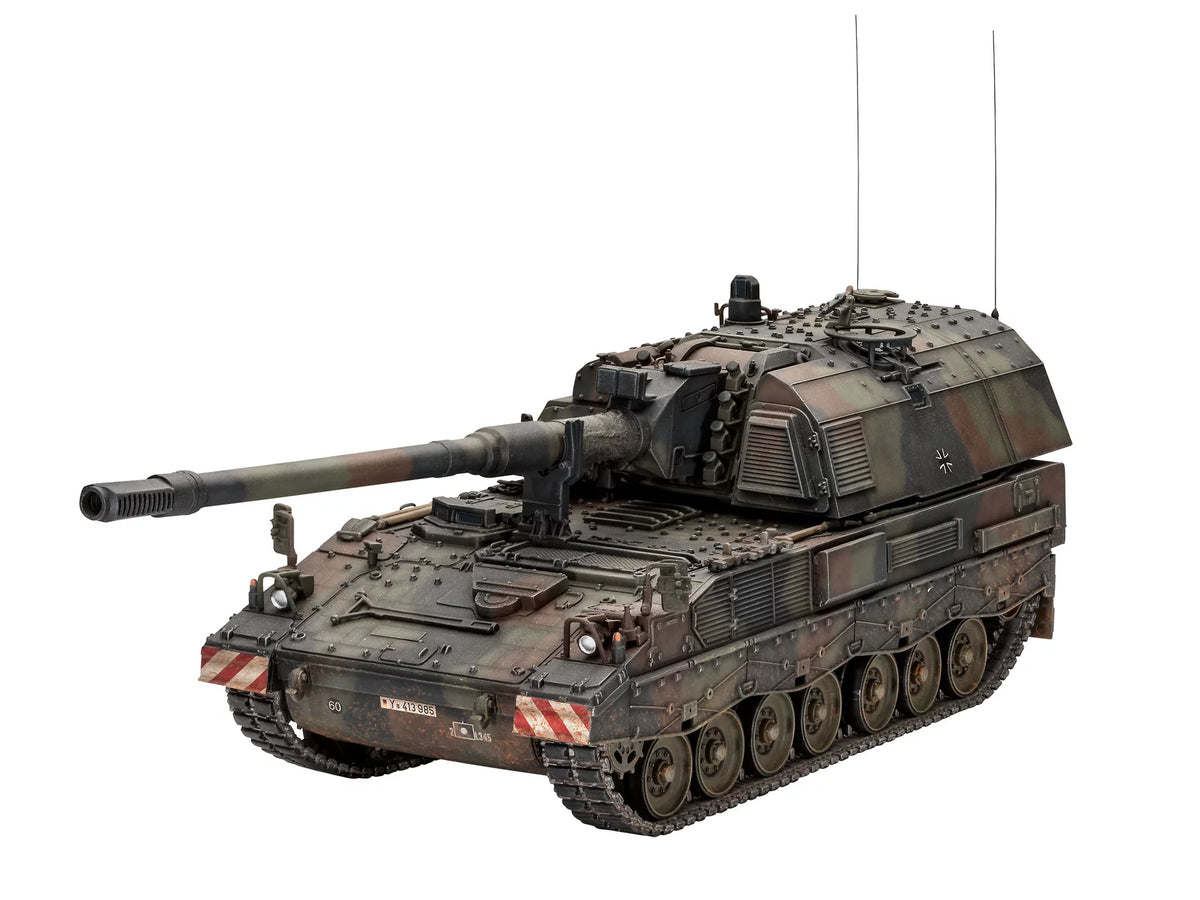
No force operates without heavy support from deep. The self-propelled howitzer 2000 with its gigantic 155 mm tube on a tracked chassis is a real highlight for any model exhibition. This spectrum is supplemented by mobile anti-aircraft gun tanks such as the legendary Gepard, modern multiple rocket launchers such as the M142 HIMARS or engineer units such as the Biber bridge-laying tank and the Büffel recovery tank. If you want to expand your interest beyond land vehicles, it's also worth taking a comparative look at modern ones military ships, whose radar systems and weapon systems are often closely linked to land-based units.
The scale comparison: Which format suits your preferences?
Choosing the right scale determines the construction time, the demands on your sensitivity and the space required in your showcase. Two dominant sizes have established themselves in the field of modern defense technology:
Supreme discipline 1:35 – maximum detail and impressive presence
The 1:35 scale is the global standard for military standing models. With a vehicle length of often 25 to 35 centimeters, this scale offers unsurpassed possibilities:
- Extremely detailed components such as weld seams, tool holders, headlight lenses and checker plates are vividly reproduced.
- Excellent for the use of photo-etched parts, turned aluminum gun barrels and single segment chains.
- Optimal canvas for sophisticated weathering: The smallest paint chips, mud splashes and traces of rain can be realistically applied with a brush and airbrush.
- Large selection of accessory figures, bric-a-brac and diorama elements in the right size ratio.
Compact and collector-friendly: the scale 1:72
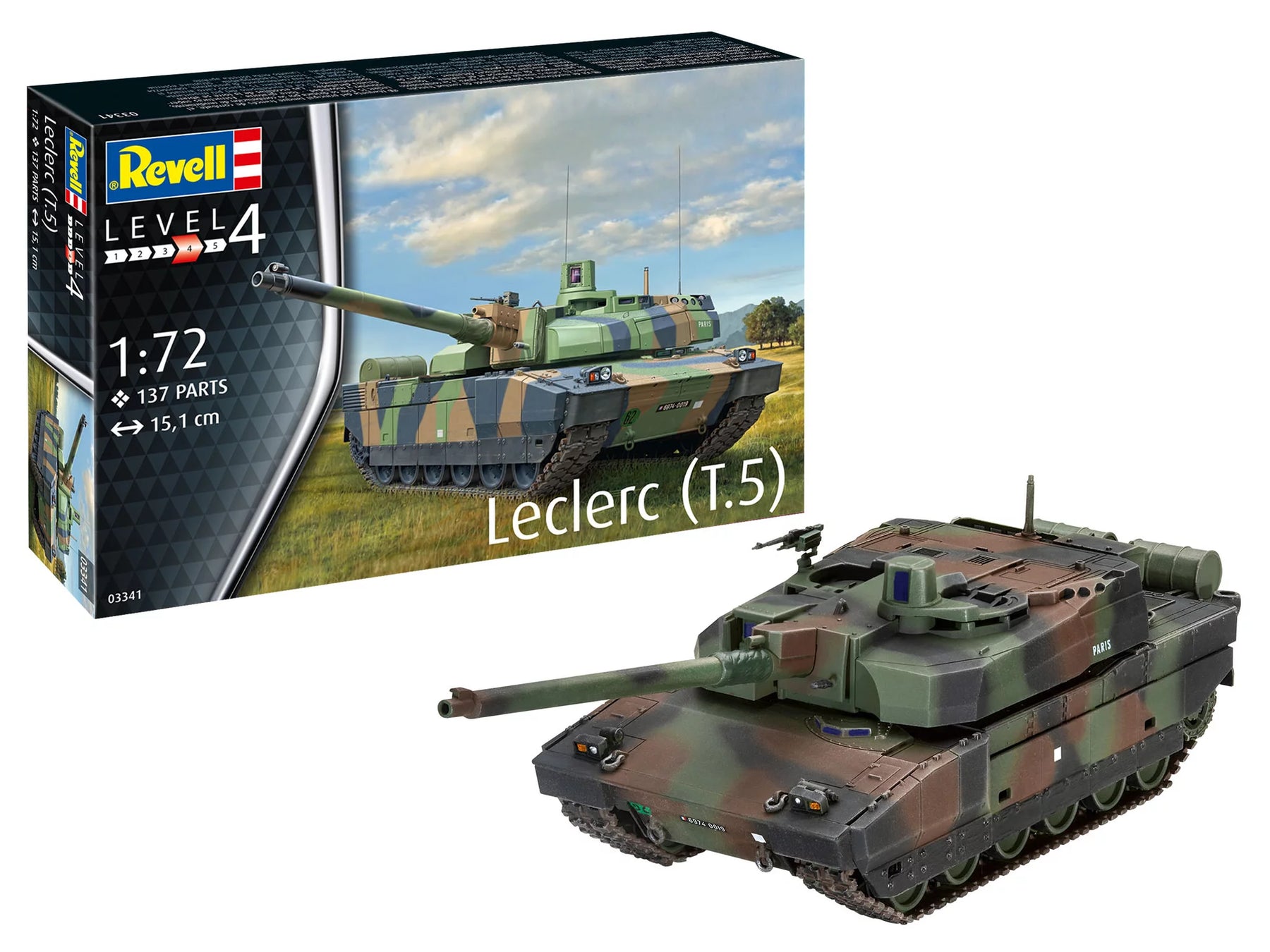
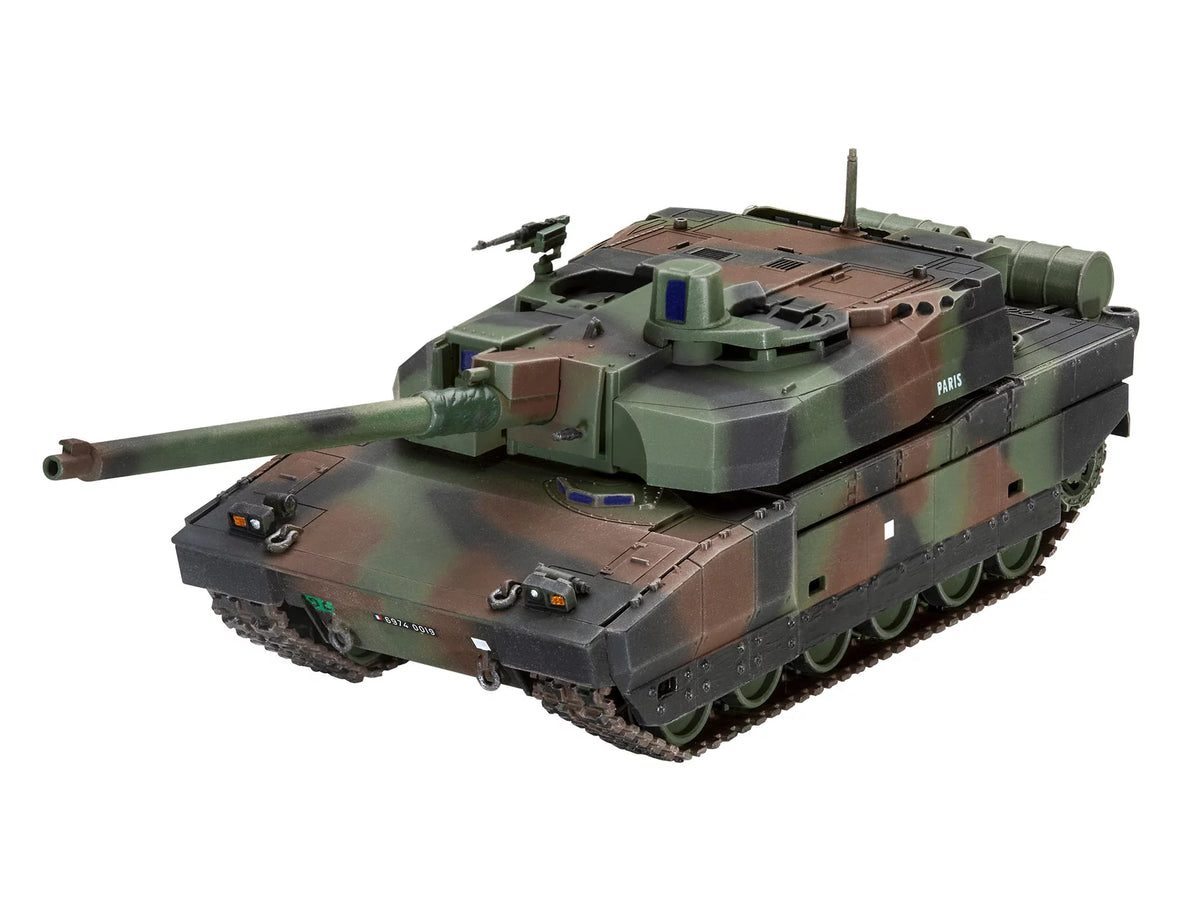
If you plan to build larger vehicle fleets or have limited space available, the 1:72 scale is the perfect choice. These handy models can be completed much more quickly, but still require precise handling. Modern manufacturing processes ensure that anti-slip structures, turret details and delicate machine guns are clearly visible even in this small format. Another advantage: at a scale of 1:72, extensive combat scenarios with several vehicles can be realized in a relatively small footprint.
The level system: This is how you find the perfect construction project
So that you get exactly the right level of difficulty when choosing your next model, many of our kits are divided into a proven grading system. In this way, we ensure that there is neither frustration caused by excessive demands nor boredom caused by kits that are too simple:
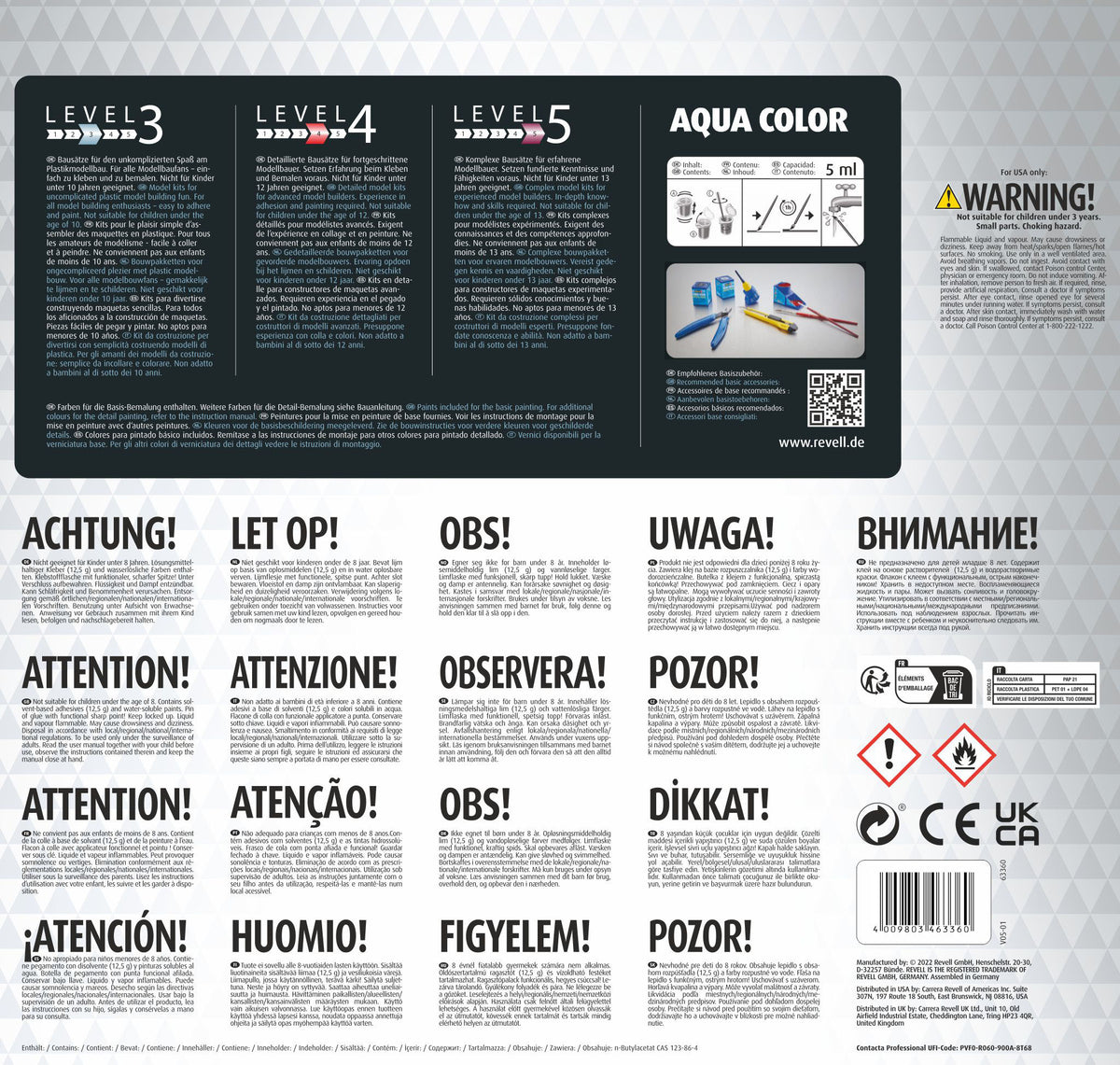
- Level 3: Ideal for ambitious beginners and advanced hobbyists. These kits usually consist of up to 100 to 150 parts, offer a precise fit and manageable assemblies, but require classic gluing and painting.
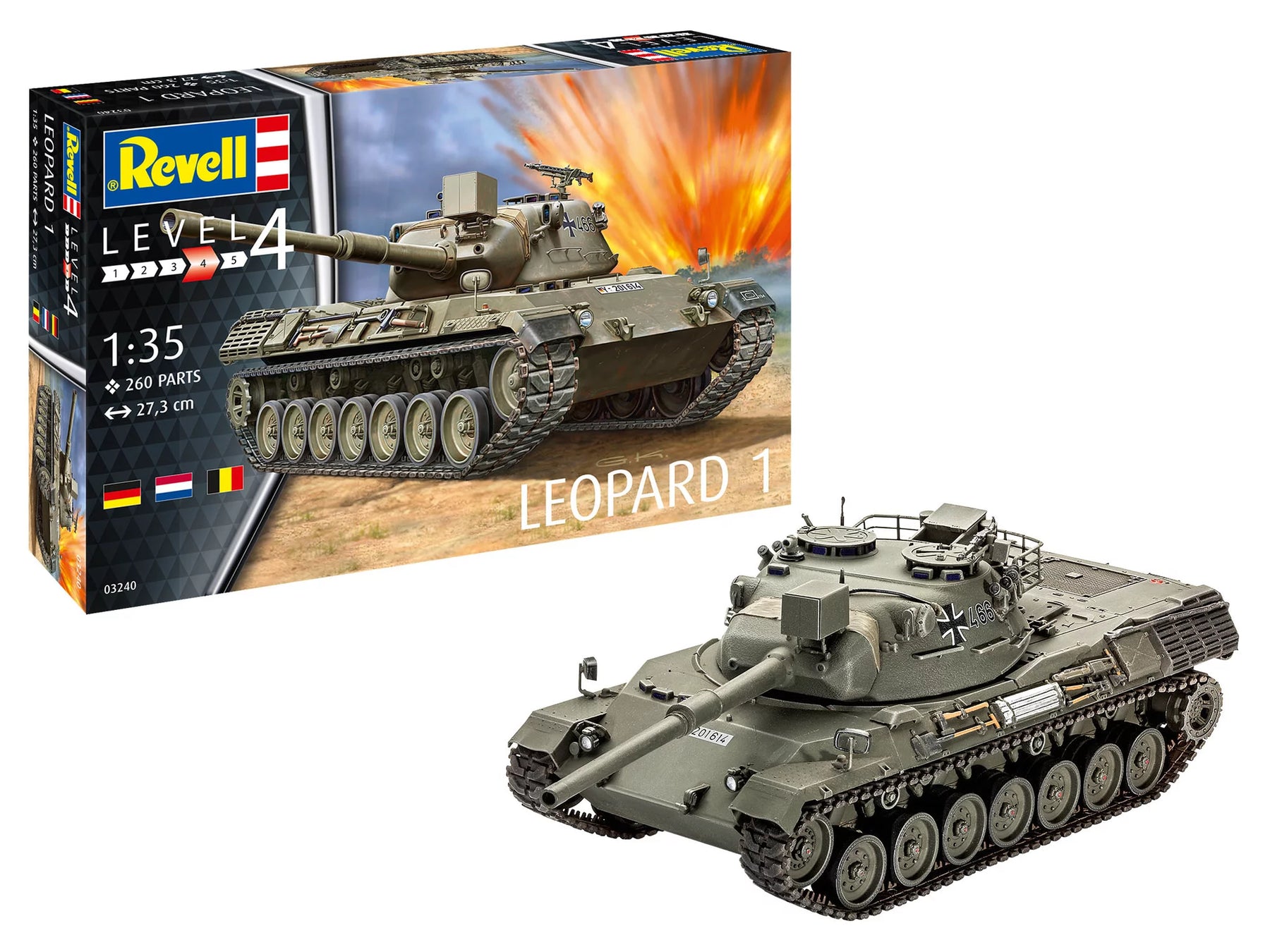
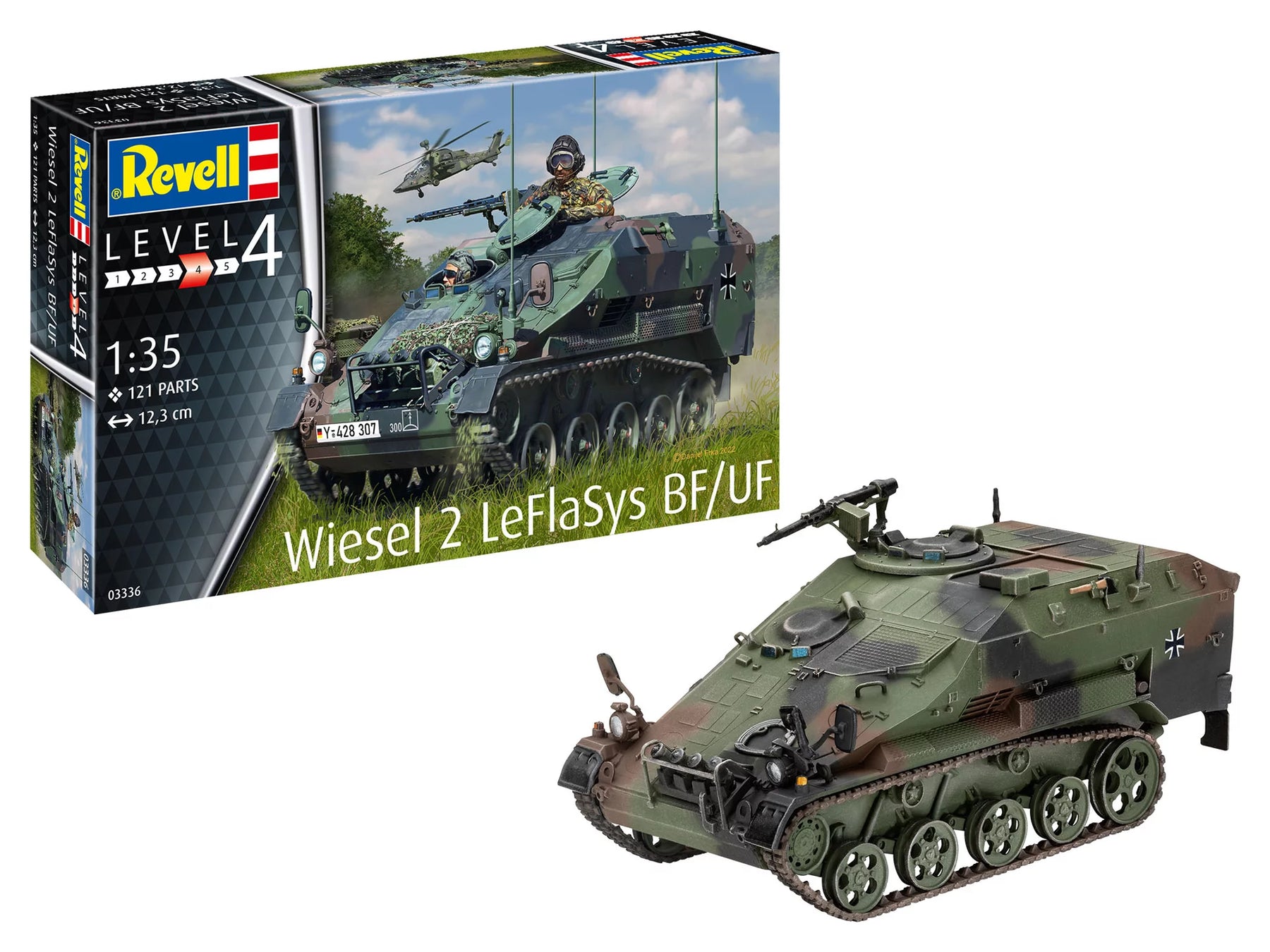
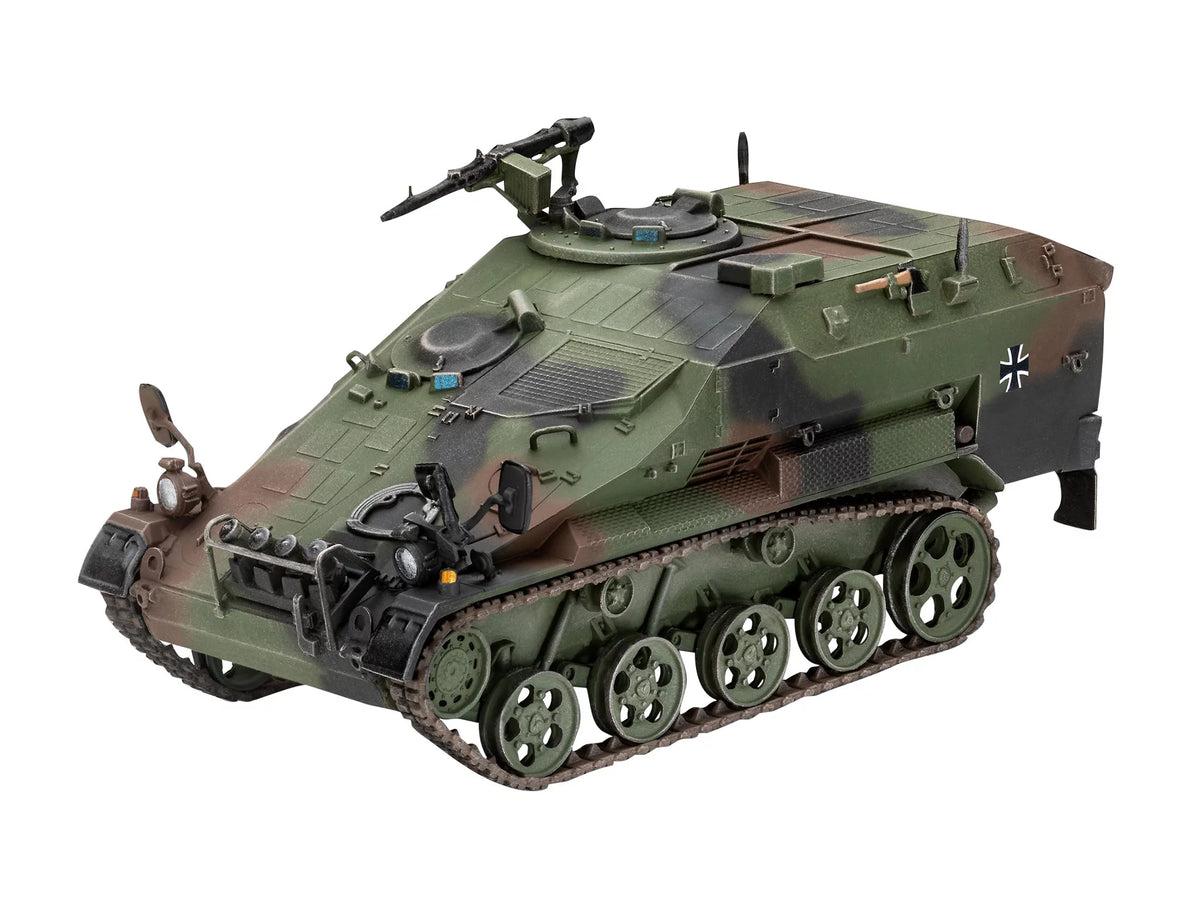
- Level 4: For experienced model makers. With up to 250 parts, complex chassis, multi-part track constructions and delicate weapon systems, these models offer lots of building fun over many evenings.
- Level 5: The top class for real model building professionals. Here you can expect the highest number of components, the finest engravings, sophisticated assembly processes and often several buildable variants of a vehicle type.
Step by step to a masterful model: practical tips
A modern military vehicle rarely forgives mistakes during assembly, as the geometries of modern composite armor must be aligned with absolute precision. With our step-by-step method, you can effortlessly achieve exhibition-level results:
1. Planning and tool selection
Before you open the adhesive, you should study the assembly instructions carefully. Have a sharp craft scalpel, fine side cutters, 600 to 1200 grit sandpaper and tweezers ready. To guarantee optimal adhesive connections and perfect surfaces, you will find high-quality accessories in our category for Accessories. Never separate the components from the sprue with your fingers, but cut them off with a minimal gap and carefully clean up the sprue residue with sandpaper.
2. Assembly production: Don't glue everything together straight away
A common beginner's mistake is to completely glue the hull, turret, landing gear and all small parts immediately. For modern tanks, it is recommended to work in modular subassemblies:
- Lower hull and chassis (swing arms, rollers, support rollers)
- Upper hull with attachments such as tools, tow ropes and headlights
- Turret including gun barrel, smoke bomb launch system and optical sights
- Prepare and paint the tracks separately
This separation means that you can later easily reach hidden corners behind the chain skirts or under the rear of the turret with the airbrush or brush.
3. The supreme discipline: chassis and chains
A tank's chassis is its most distinctive feature. Depending on the kit, you will find flexible vinyl chains, segment chains or fully movable individual link chains. On modern vehicles such as the Leopard 2 or M1 Abrams, the tracks have rubberized track pads. First paint the chain in a dark metal tone (e.g. iron/steel gray mixed with a little anthracite) and then paint the individual rubber pads with a matt, very dark gray tone - pure black paint often looks too hard and unnatural on a model scale.
Properly master modern camouflage schemes and color systems
The paintwork determines the authenticity of your model. Modern military forces use scientifically developed camouflage patterns to make visual and infrared detection more difficult. If you are generally interested in military models from all eras, our main category offers Military a huge range of kits and historic vehicles. However, very specific camouflage systems dominate modern vehicles:
The classic NATO three-color paint job
Since the mid-1980s, most European armed forces and the US Army have used the standardized three-color scheme for vehicles in Central Europe. It consists of three coordinated, absolutely matt shades:
- Bronze green (RAL 6031 F9): Serves as a base color and takes up around 45 percent of the vehicle surface.
- Leather brown (RAL 8027 F9): Applied in curved patches, covering approximately 35 percent of the area.
- Tar black (RAL 9021 F9): Adds the pattern to around 20 percent of the surface to visually break up hard shadow edges.
To paint this camouflage pattern with smooth color transitions, we recommend using the airbrush technique. If you want to achieve sharper edges - like those found in certain factory paint jobs - you can use reusable masking clay to precisely mask the contours before applying paint.
Desert paints (CARC Tan)
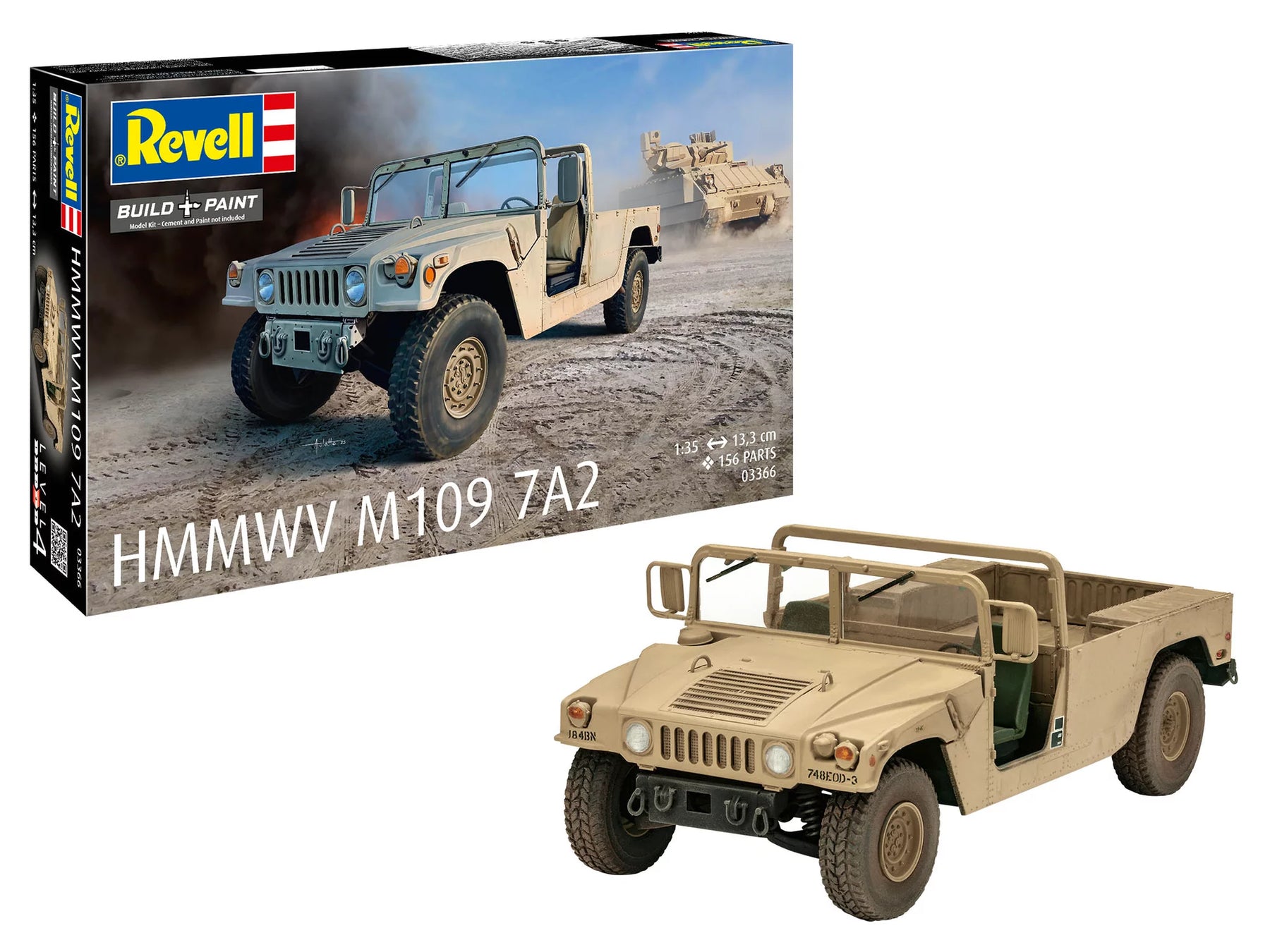
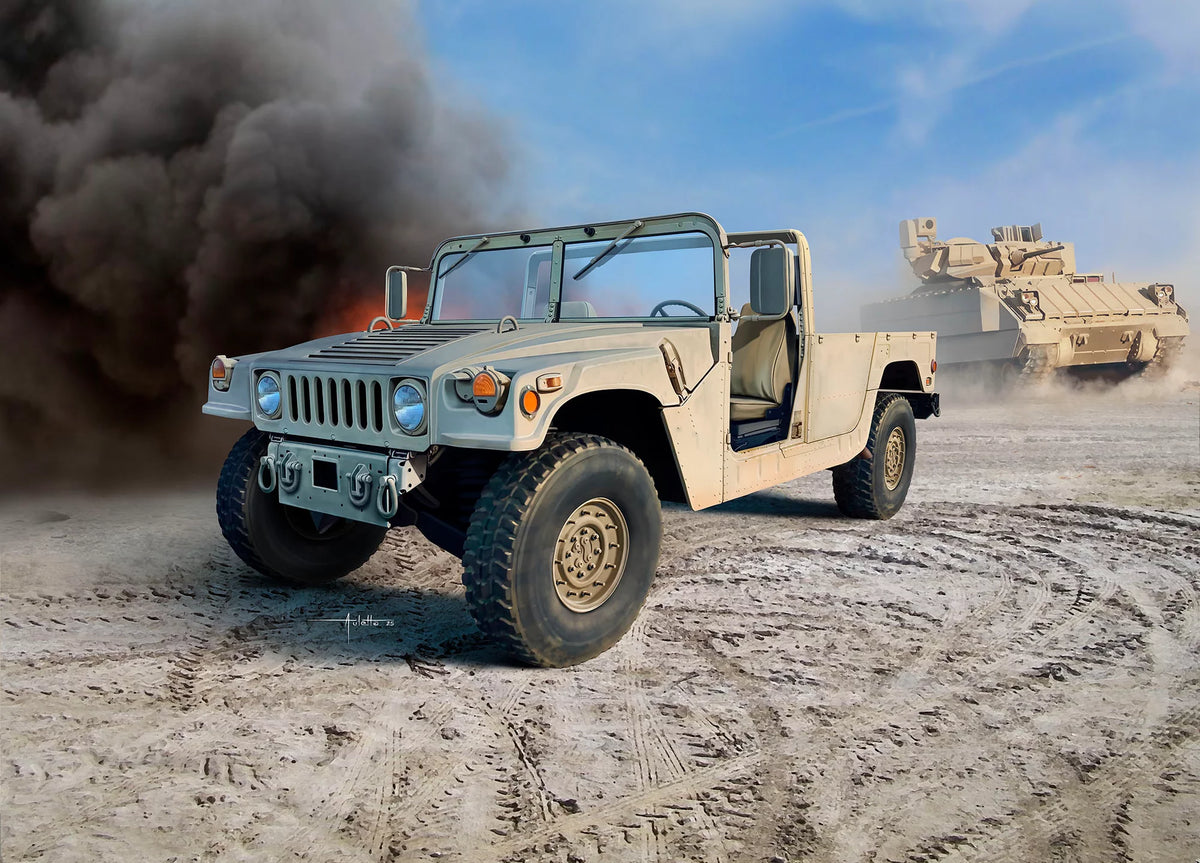
For operations in arid areas (such as the Middle East), vehicles are often painted in a solid desert sand color (often referred to as CARC Sand or Desert Tan). What seems monotonous at first glance is a fantastic design task for the model maker. Through targeted preshading (preshading recesses and edges) and postshading (brightening large armor plates), you give the monochrome surface a lively, three-dimensional look.
Digital camouflage patterns (pixel camouflage)
Many modern armed forces rely on computer-generated pixel camouflage. Implementation on a model scale requires maximum concentration. To do this, use laser-cut stencils or fine masking tape that you cut into tiny rectangular sections with a scalpel. Build the pattern layer by layer from the lightest color to the darkest.
The rough anti-slip coating (anti-skid)
A typical feature of modern battle tanks is sandpaper-like coatings on the treads of the hull and turret roof, which provide the crew with a secure grip even when wet. Many modern injection molds already reproduce this structure fantastically. If it is missing, you can create an amazingly real texture in seconds using special structural pastes, the finest model building sand or sprayed on casting spray.
Weathering for modern combat vehicles: Realistic aging effects
A brand-new armored vehicle straight from the workshop has its own charm, but realistic operational aging (weathering) tells the true story of your model. However, compared to tanks from past wars, the rule of thumb for modern vehicles usually applies: Less is more! Modern armed forces look after their large equipment meticulously, and modern anti-rust primers prevent large areas from rusting through.
Washing and pin-washing: create depth
After applying the base coat and sealing with gloss varnish, washing follows. Use a heavily diluted oil paint or special enamel washes in dark brown or anthracite. Use capillary effect to let the paint flow specifically around screw heads, hatch edges, fan gratings and weld seams (pin wash). After a few minutes, blend excess color with a clean brush moistened with thinner. The result is sculptural shadows that add instant depth to the model.
Dust, sand and splash marks
Modern combat vehicles move around military training areas or in desert areas, leaving huge trails of dust behind them. Pigment powder is the method of choice here:
- Apply light brown and sand pigments dry with a soft round brush to the undercarriage area, chain skirts and tail.
- With a little pigment fixer you can create wet mud splashes on the fenders.
- Don't forget the antennas: Modern radio antennas are long and flexible. Thin carbon fiber rods or stretched sprue are ideal for creating springy radio antennas that give your tank a dynamic silhouette.
Diorama construction: your vehicle staged
A completed model only develops its full effect in a suitable environment. A modern vehicle offers countless exciting scenarios:
- Military training area: A muddy forest path with deep chain tracks, damp grass and a warning sign at the side of the path makes the heavy mass of your tank literally noticeable.
- Check point when deployed abroad: Combine your vehicle with modern concrete barriers (Jersey Barriers), HESCO protective barriers, sandbags and barbed wire to recreate a realistic security position.
- Asphalted roads: If your tank is parked on a road, think about the typical black rubber track marks on the asphalt and possibly crushed crash barriers.
Always pay attention to the scale of all accompanying elements. Drink cans, toolboxes, fuel canisters and modern backpacks have to fit with millimeter precision so that the illusion of reality works perfectly.
Why you should choose your next military model from us
Our shop offers you a first-class selection of models from well-known designs. Each model impresses with clean cast branches, sharp surface details, clearly illustrated construction instructions and authentic decals for different units and application scenarios. Start your construction project now, experience modern military technology up close on your workbench and build your very own collection of ultra-modern combat vehicles!