
















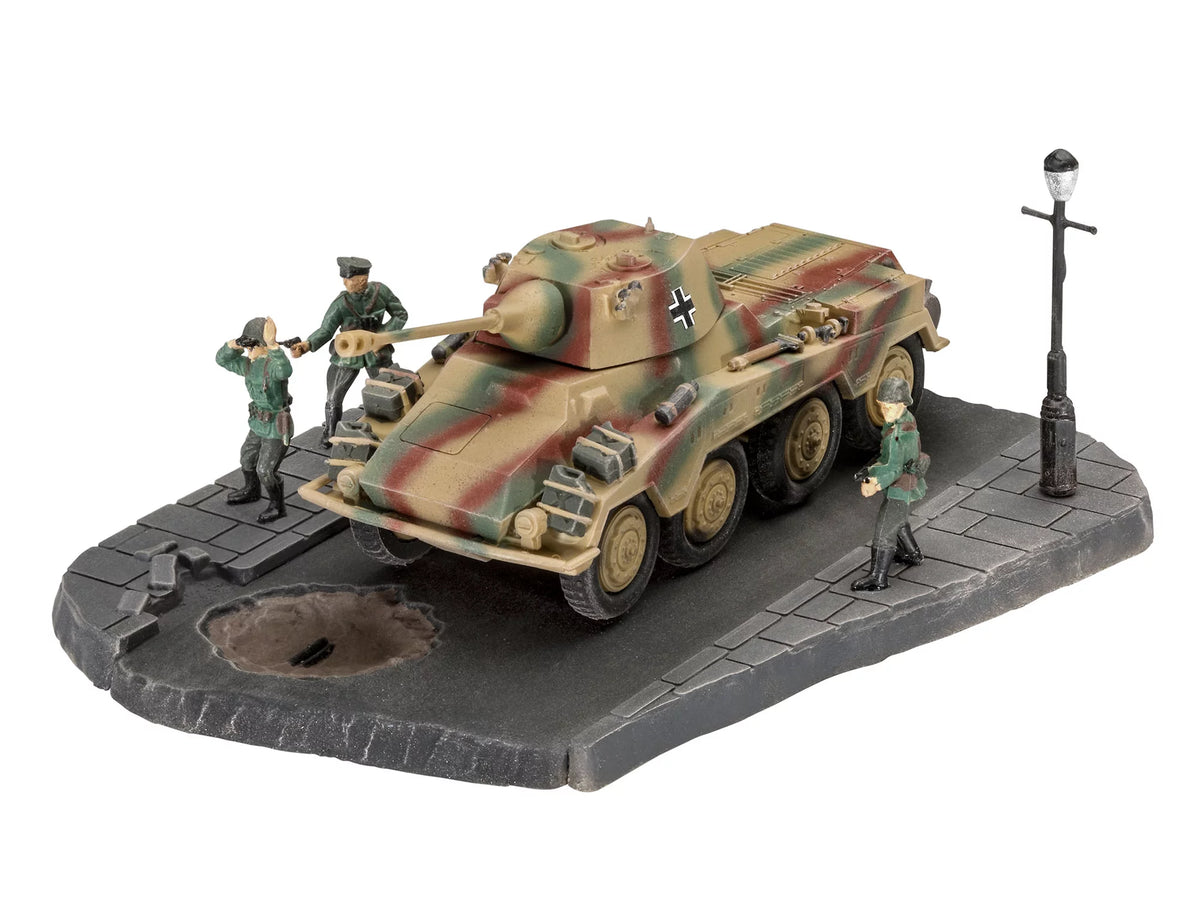
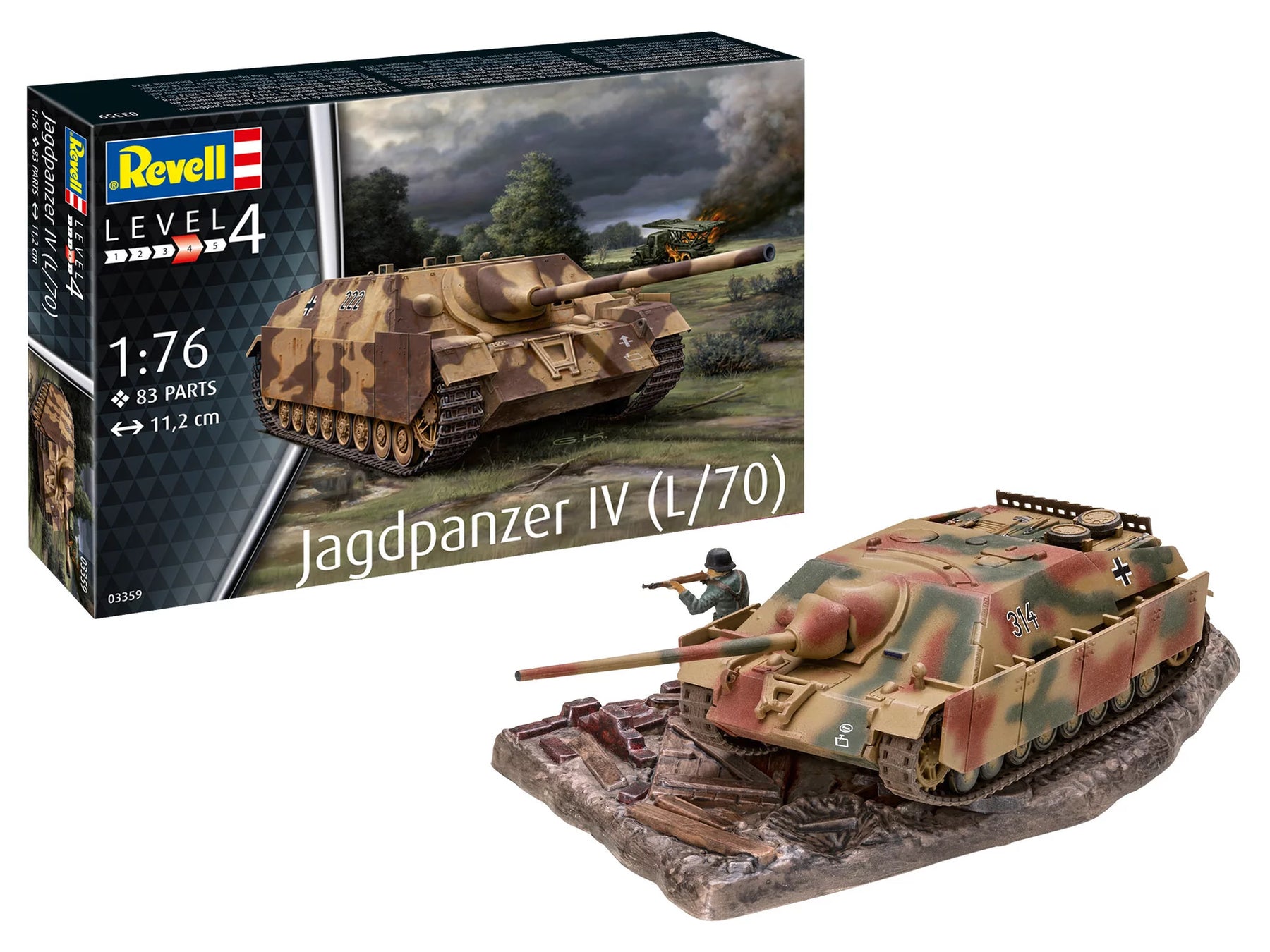
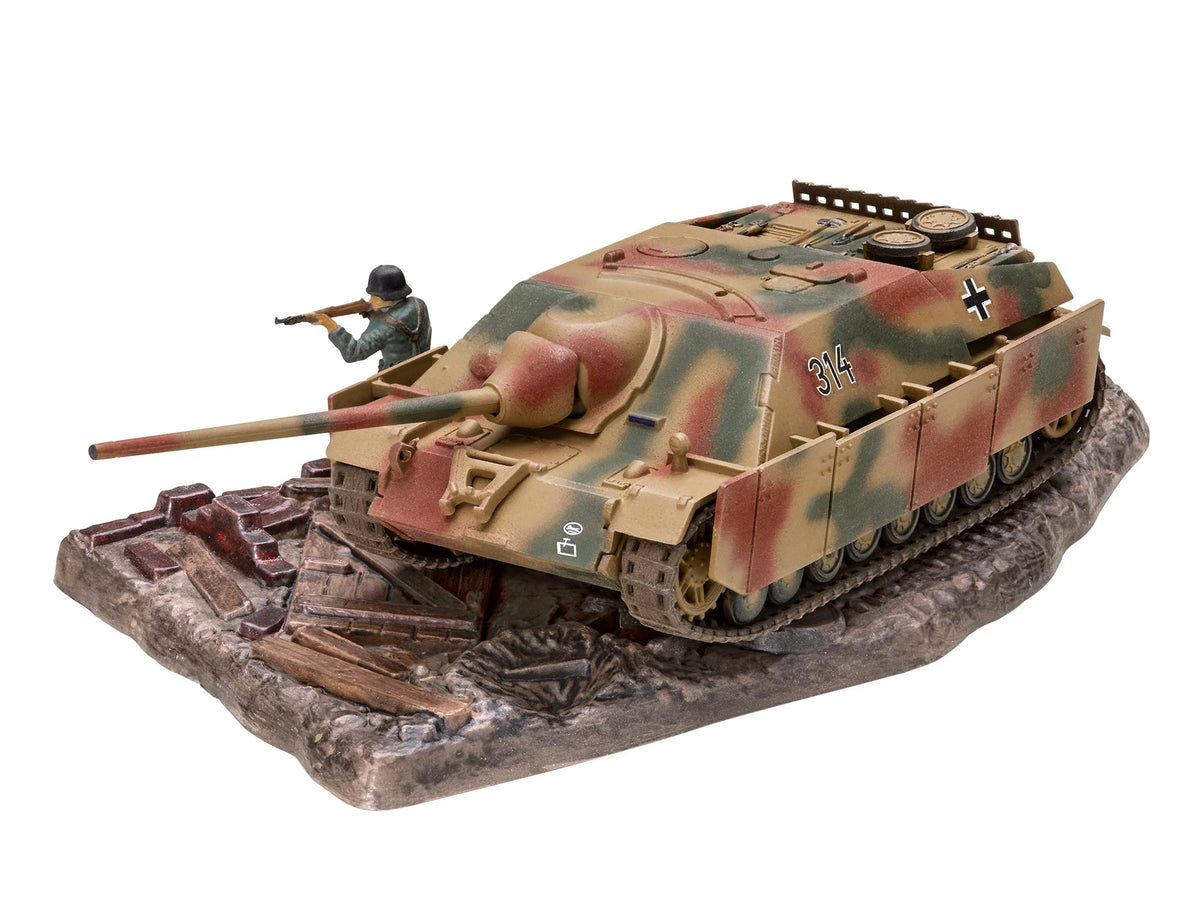

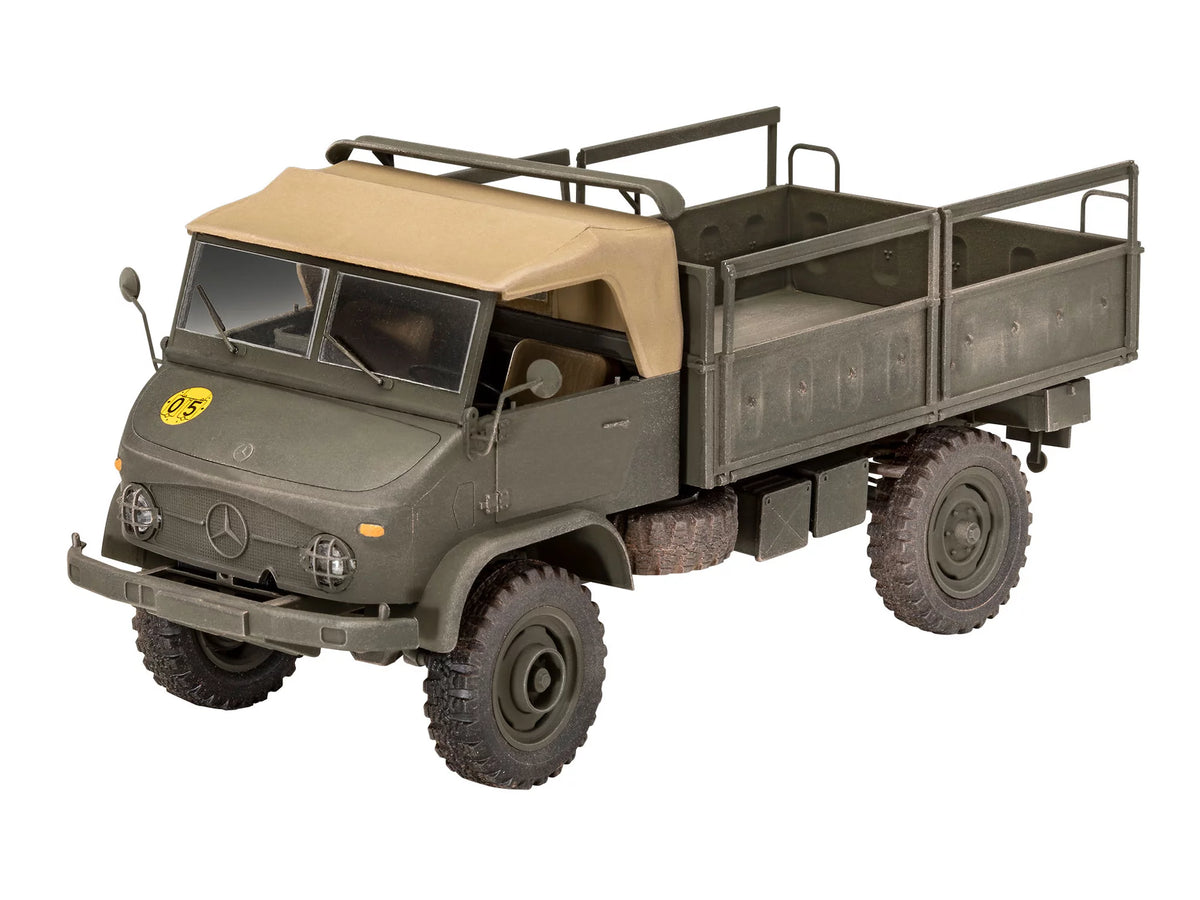

What makes Revell military models special?
The fascination of military vehicles: Why model building is exciting
Building model military vehicles is much more than just a hobby. It is the passion to make history tangible and to create technical masterpieces in miniature format. If you decide to assemble military vehicles, you will delve deep into the construction, history and mechanics of these impressive machines. From the riveted armor of historic World War II tanks to the smooth, high-tech surfaces of modern wheeled tanks - each model tells its own story.
In 2026, Revell offers you an unsurpassed selection of kits that impress with the highest level of detail, excellent fit and authentic decals. But with the large selection of tanks, troop transports, artillery pieces and armored vehicles, the decision can be difficult. This buying guide will guide you step by step through the most important criteria so that you can find exactly the model that gives you the most joy and best suits your craftsmanship.
What you should pay attention to when buying military models
Before you decide on a specific vehicle, you should consider a few basic factors. Choosing the right kit has a decisive influence on your crafting fun and the final result. The two most important criteria when buying Revell military vehicles are the scale and the so-called skill level (level of difficulty).
The right scale for your project
The scale indicates how much the original vehicle has been reduced in size. It not only determines the size of the finished model in your display case, but also the number of components and the level of detail. There are three main standards that have been established for military vehicles that you can choose from:
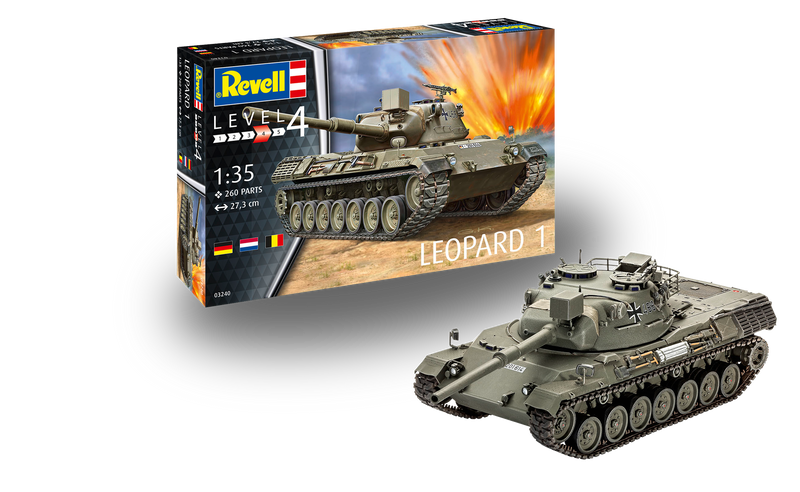
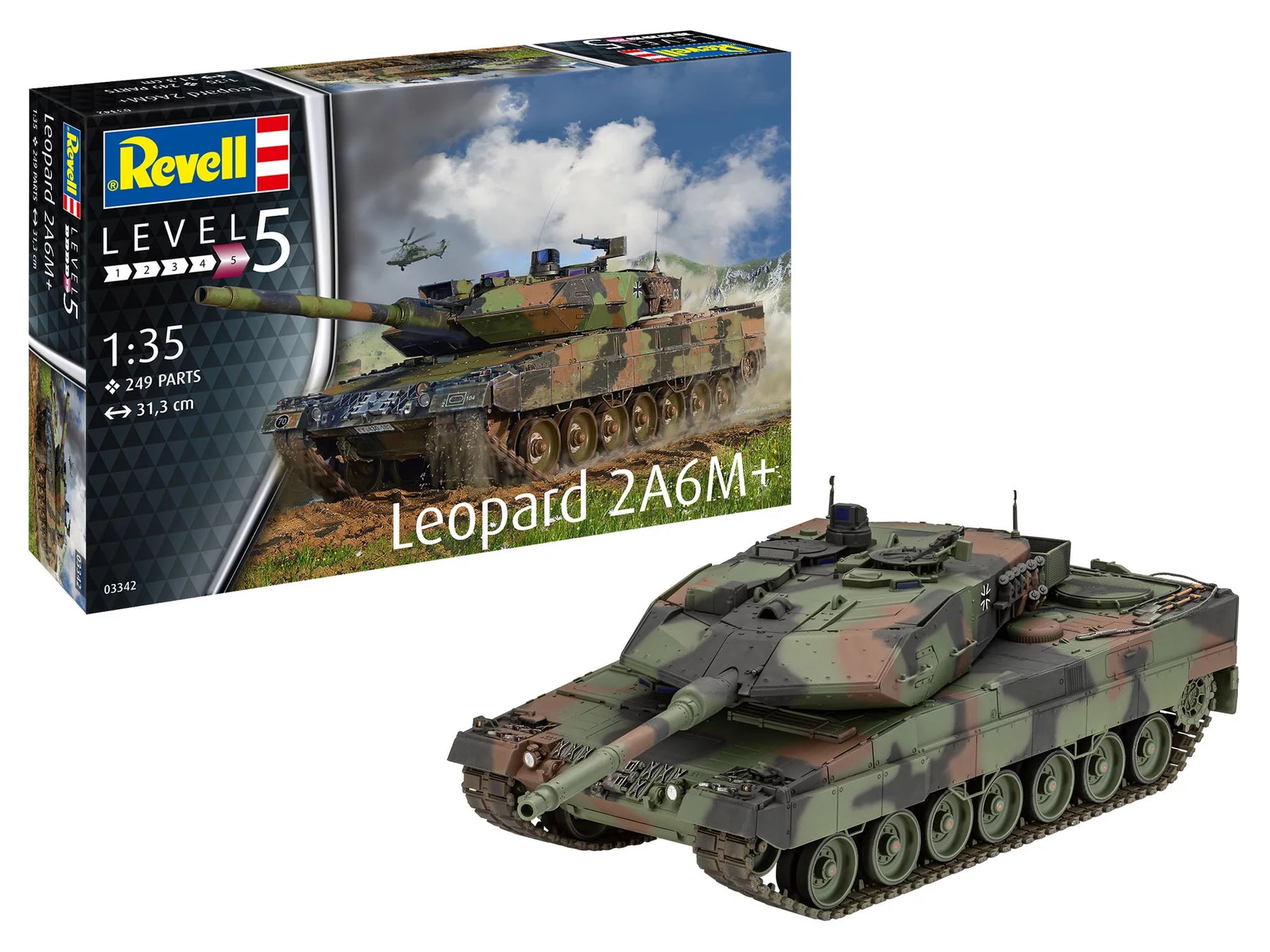
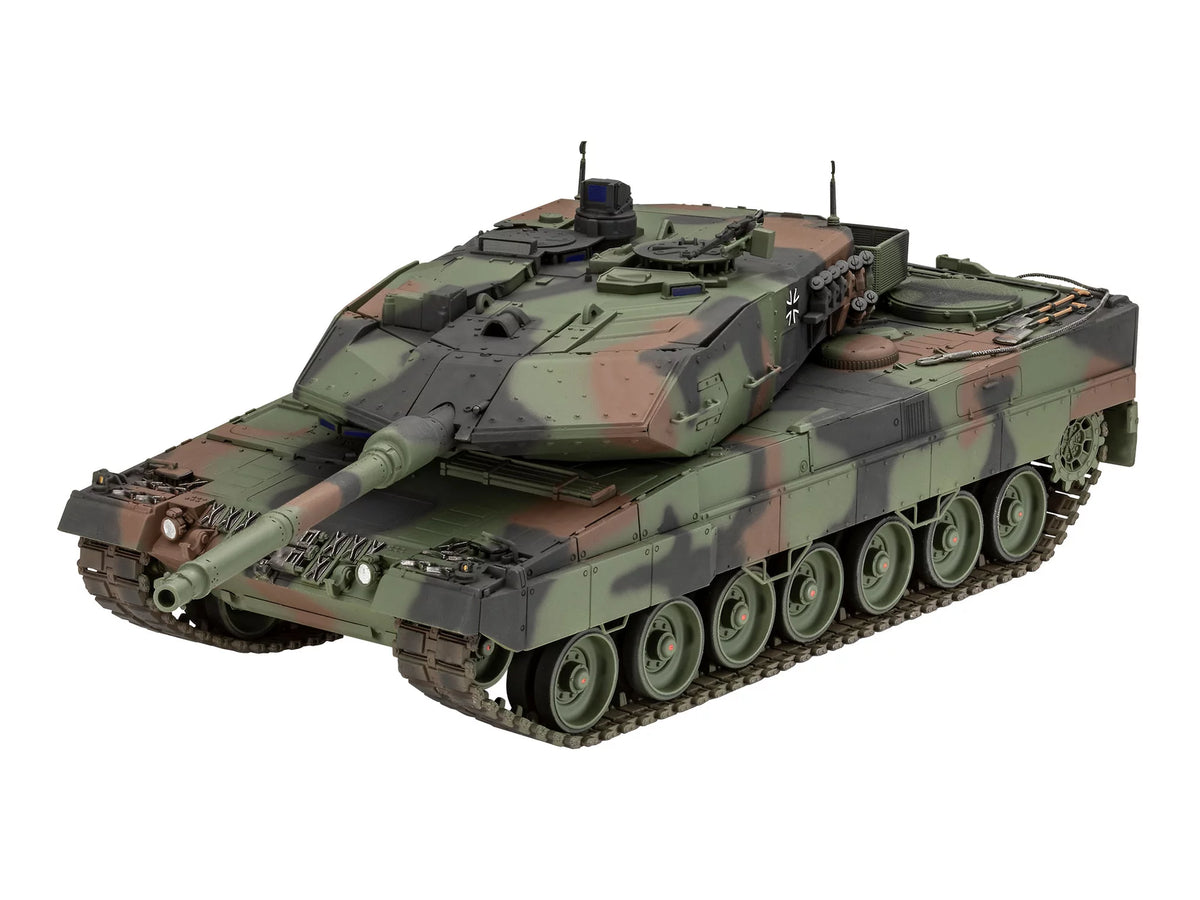
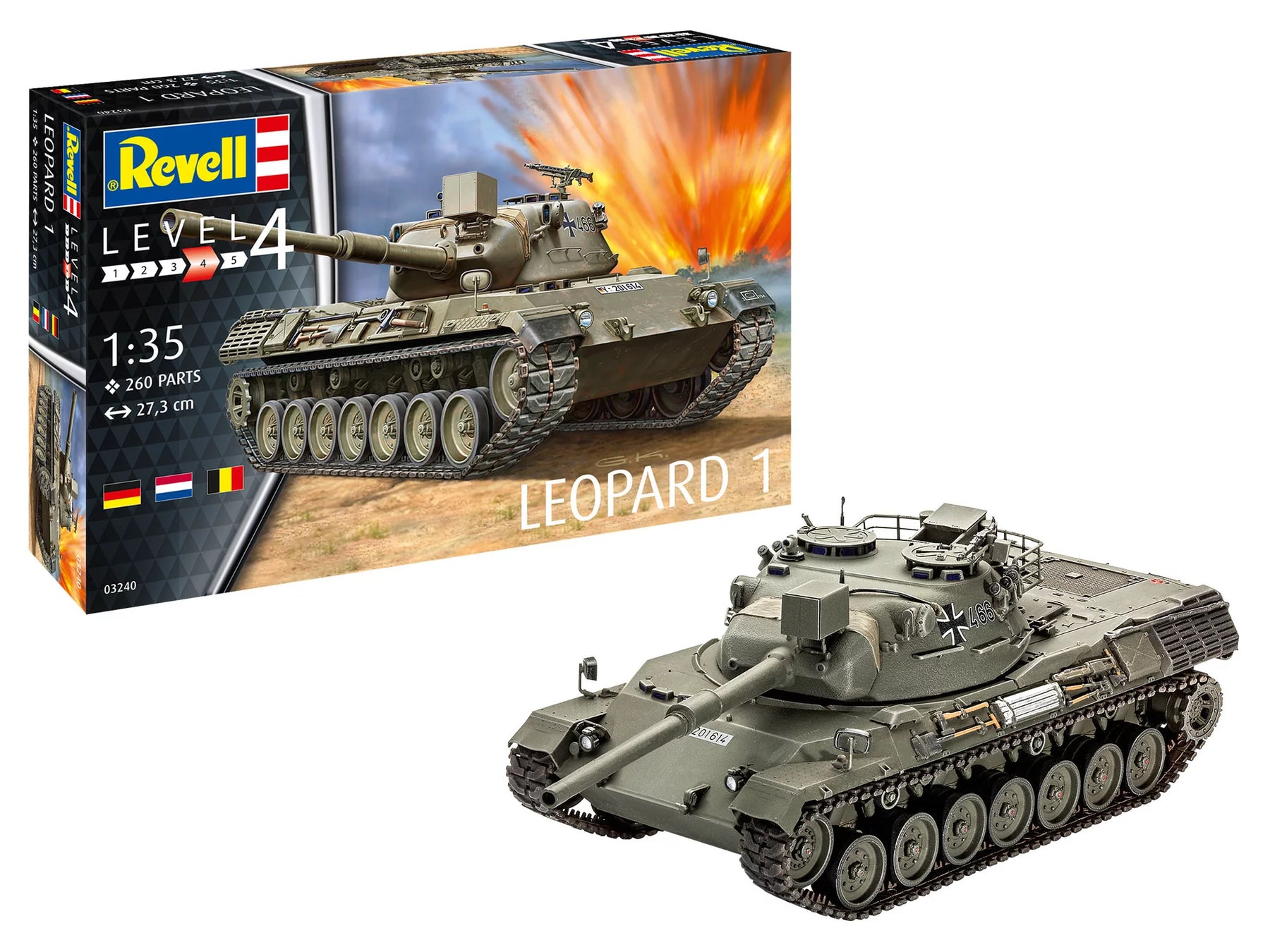
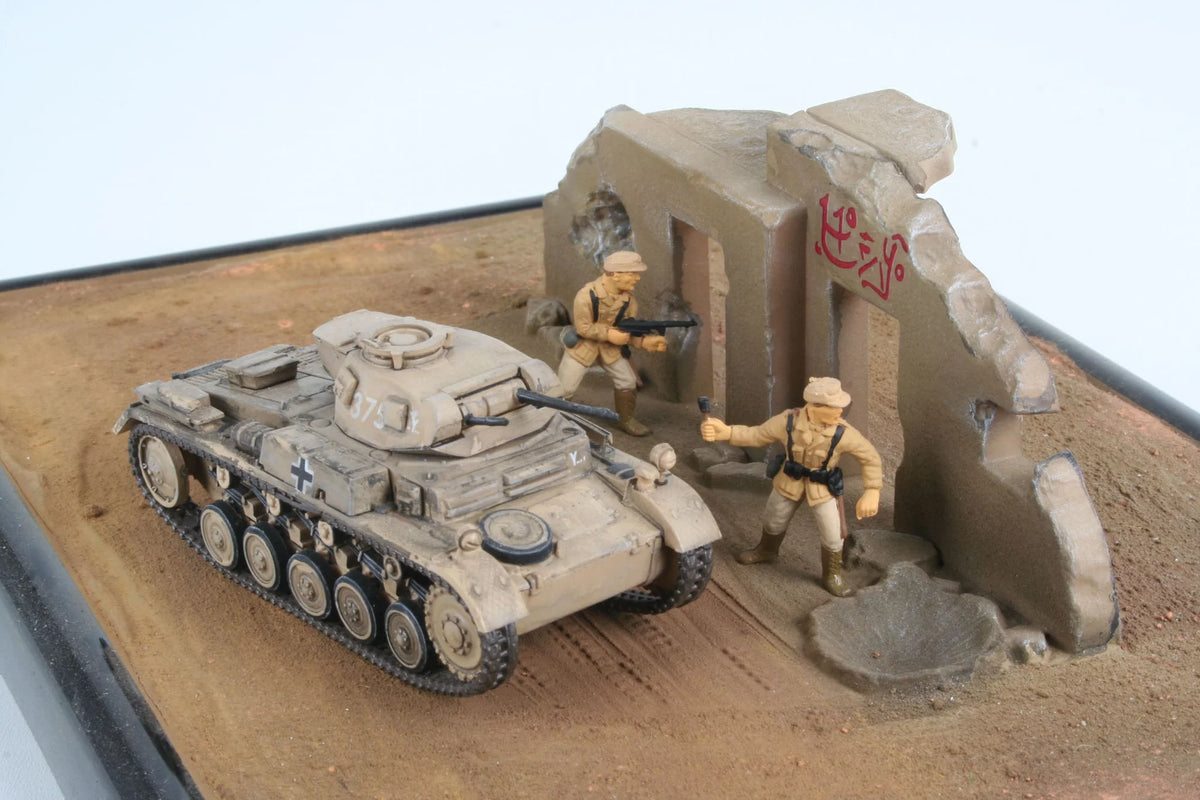
- Scale 1:35: This is the absolute pinnacle of military model making. 1:35 models are large enough to show extremely fine details such as welds, outer shell tools and fine chain structures. They are ideal for dioramas (scene landscapes) and offer plenty of space for complex painting and aging techniques (weathering). If you want to build a real exhibition piece, this is your first choice.
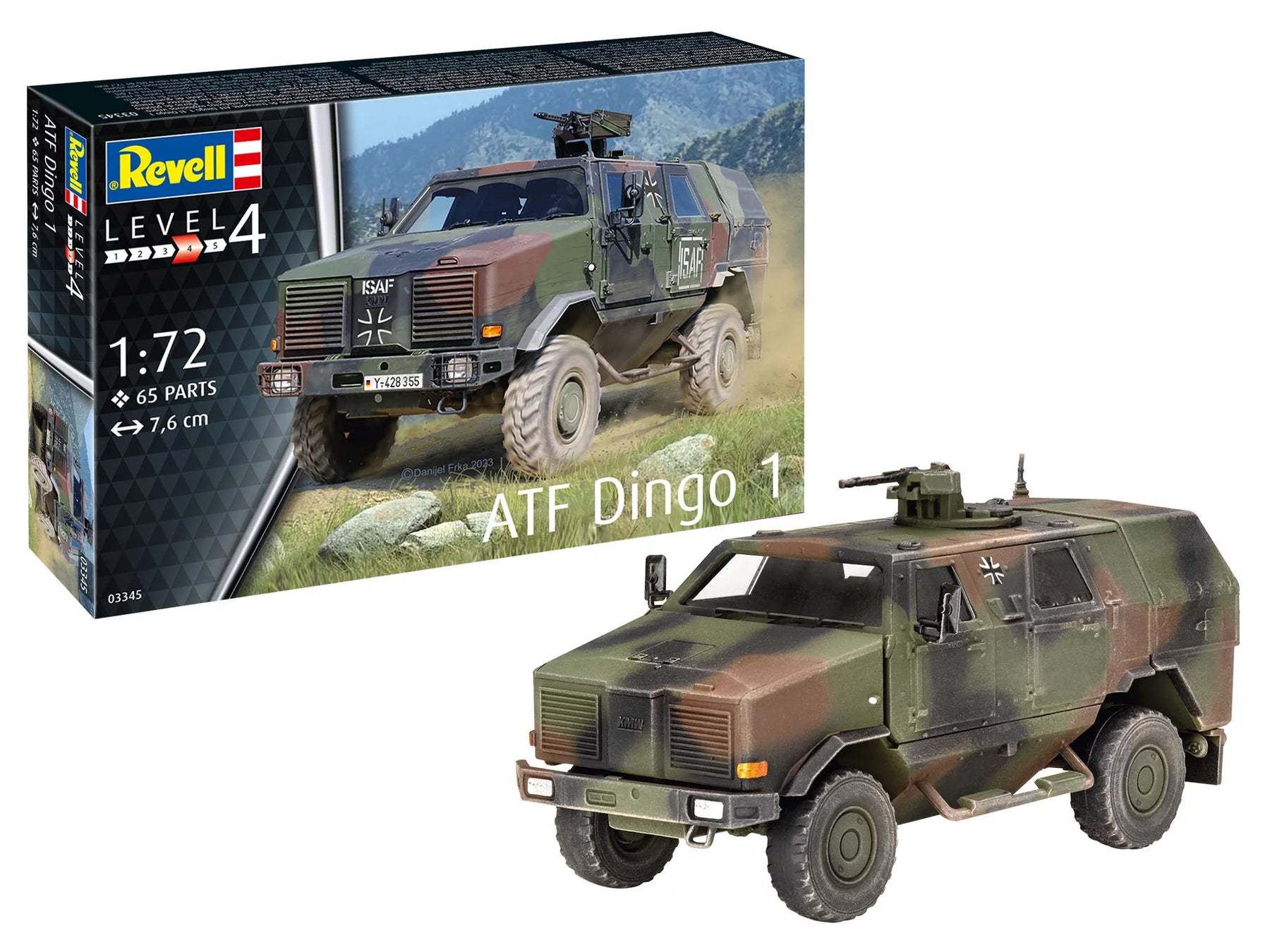
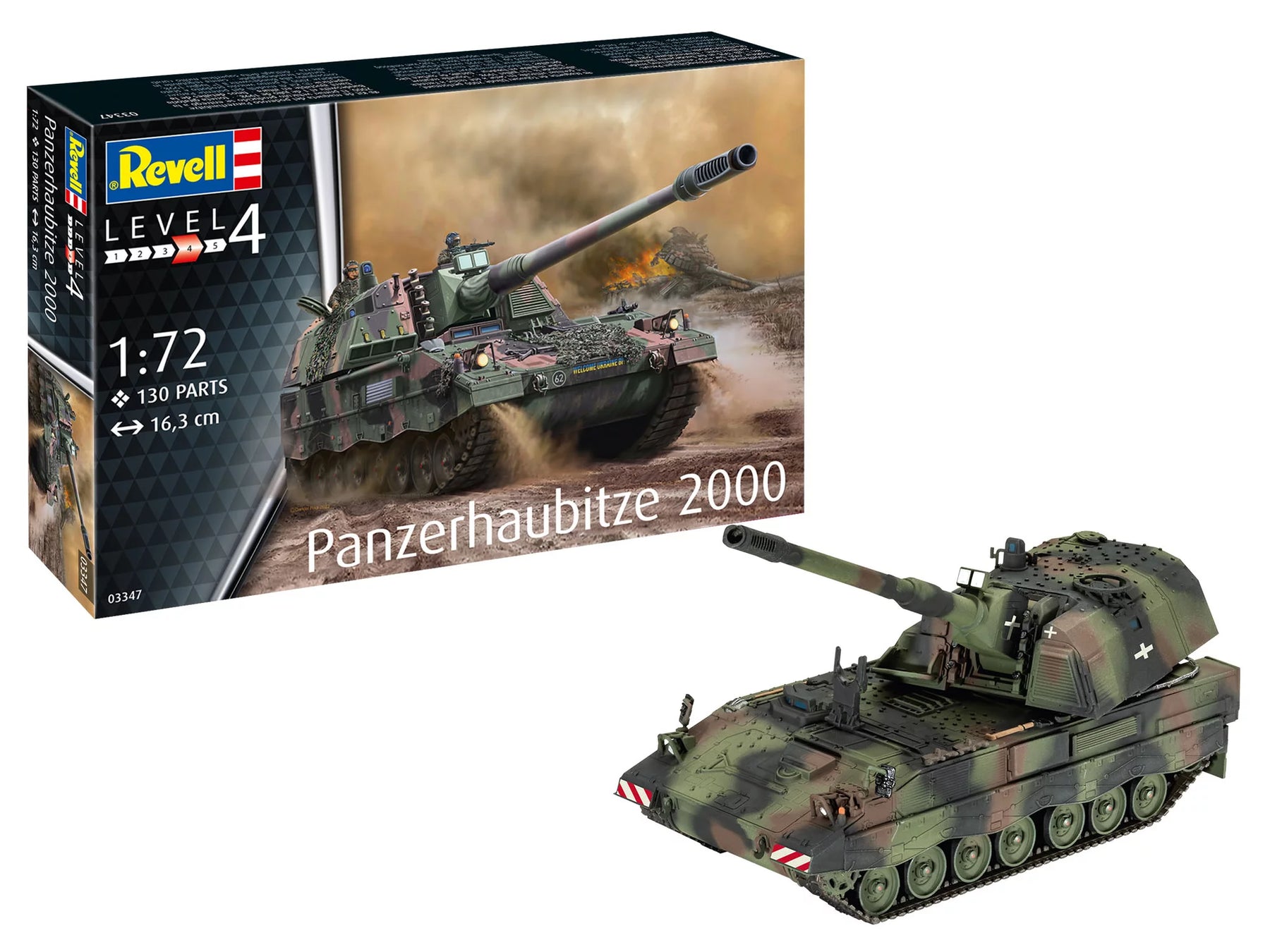
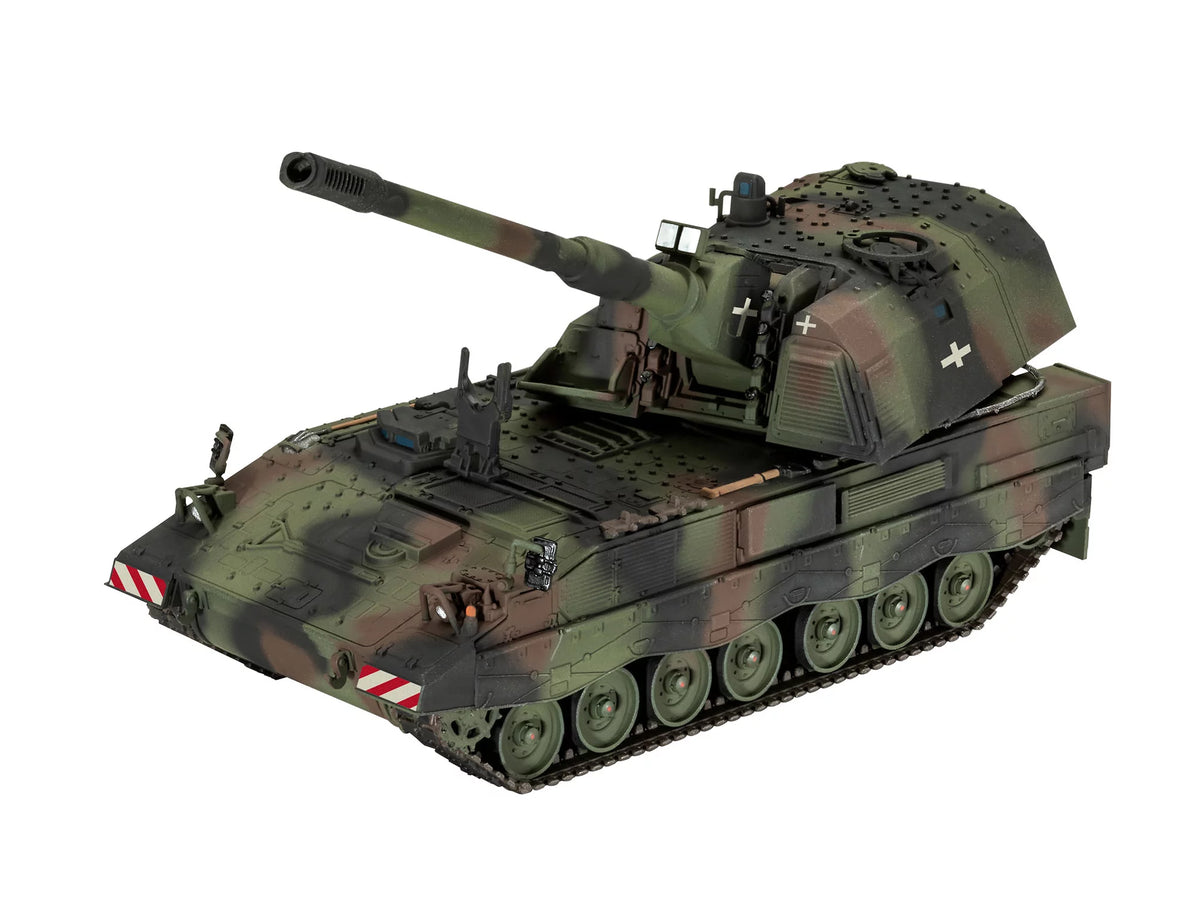
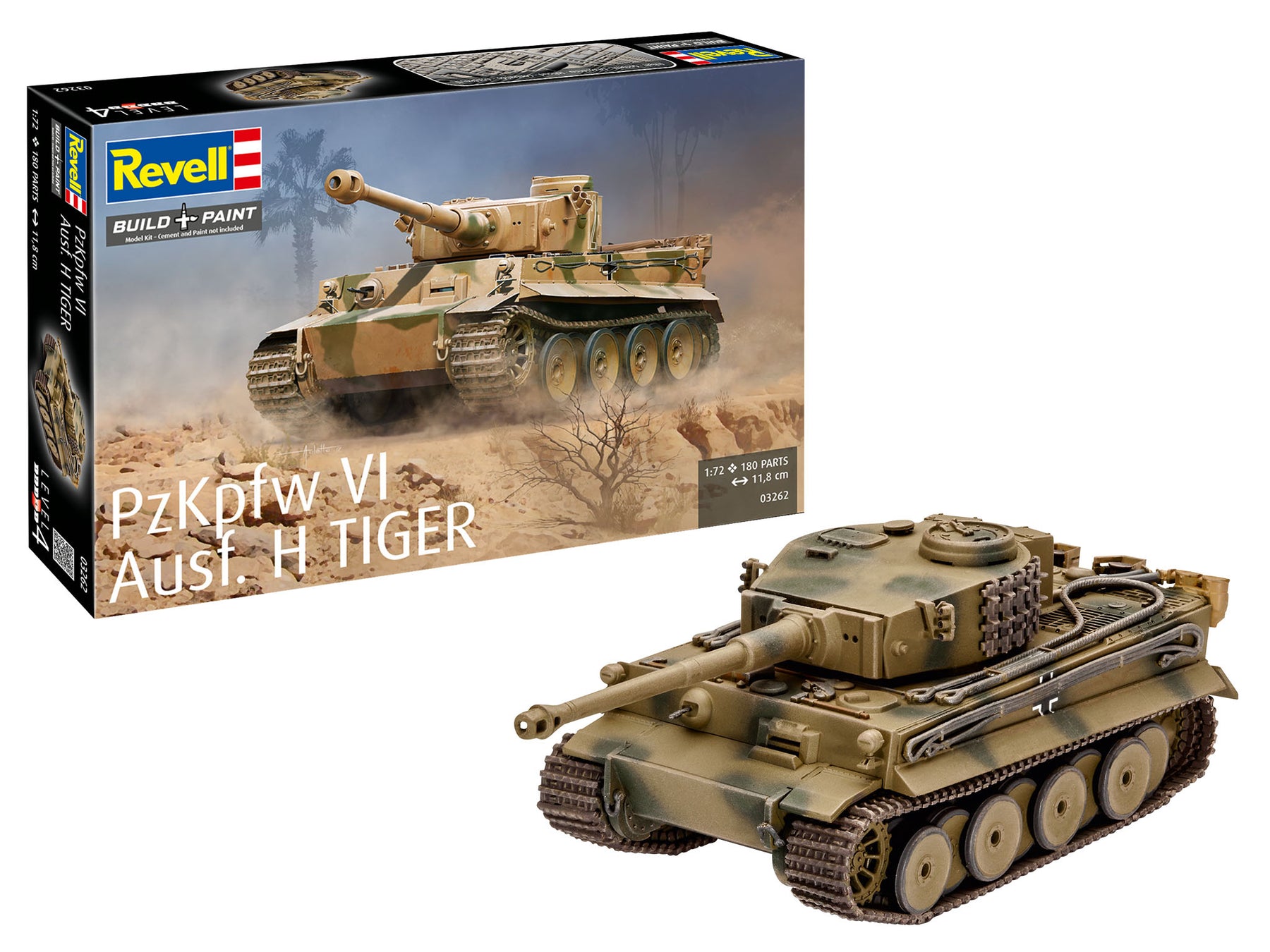
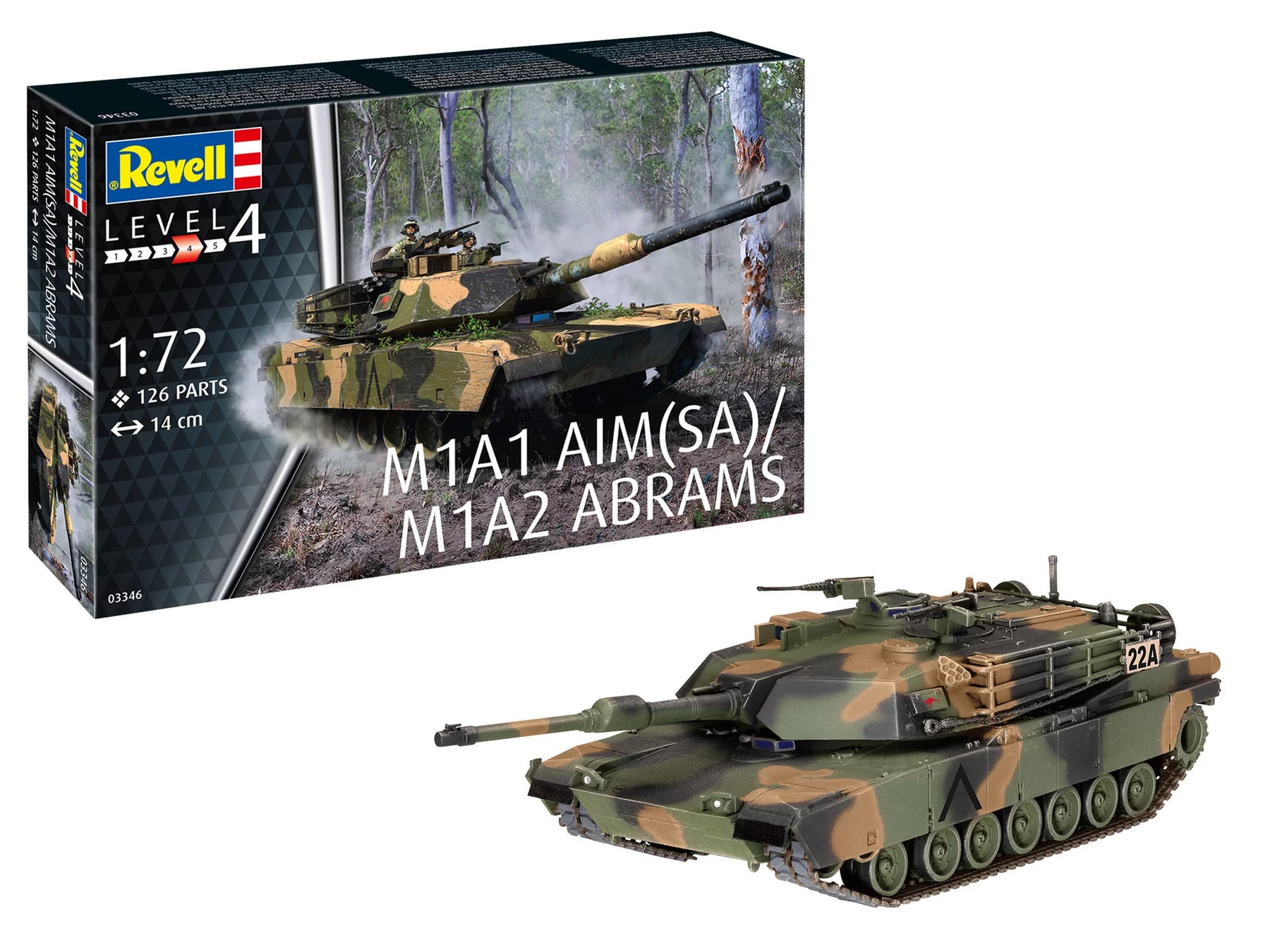
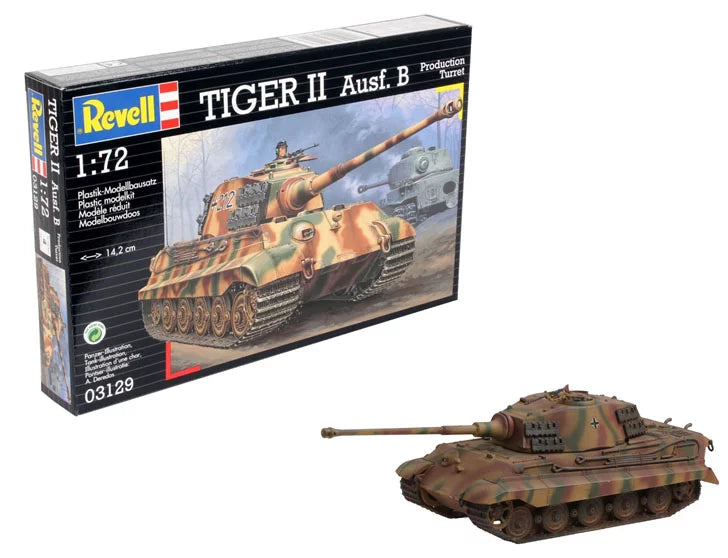
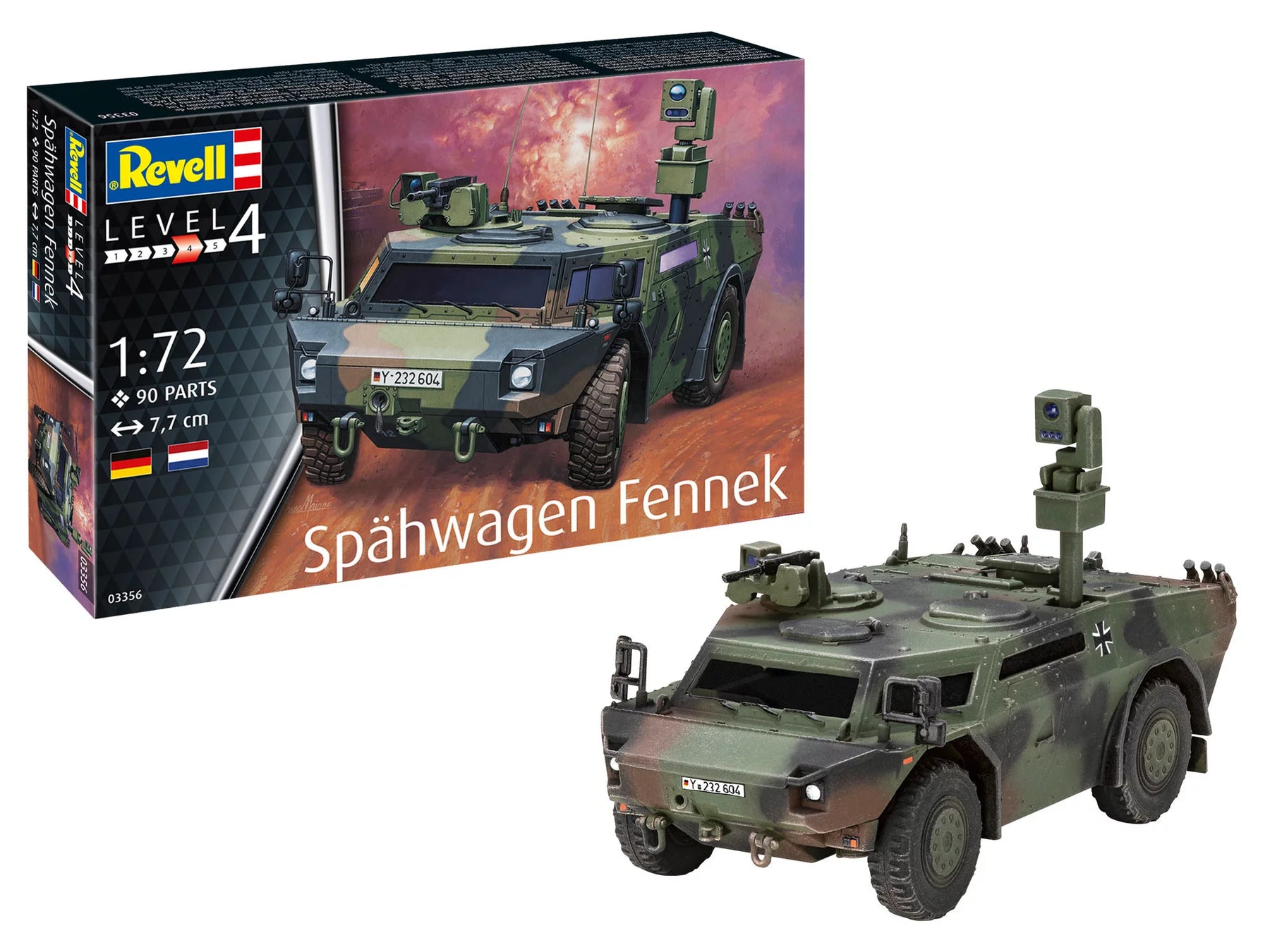
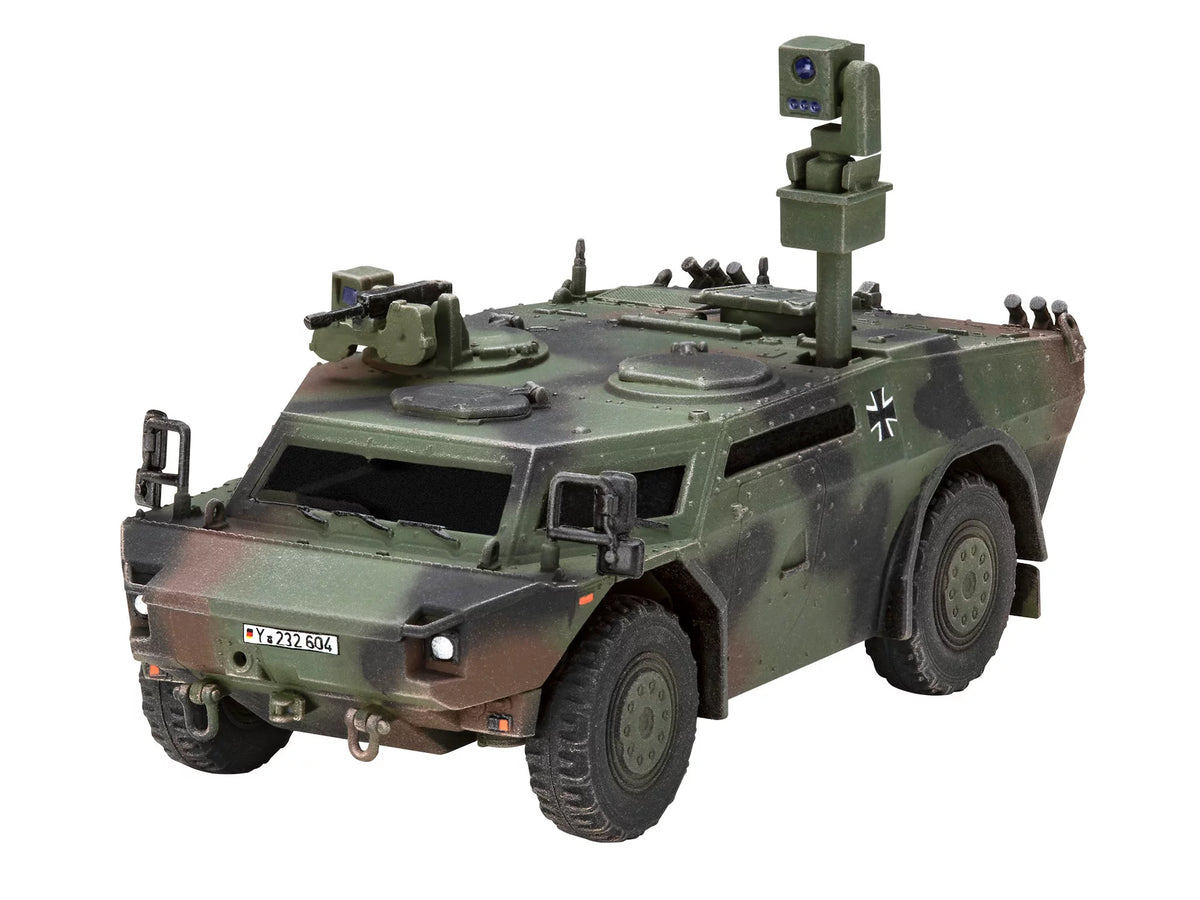
- Scale 1:72: This scale is ideal if you have less space or want to build a large army or large dioramas with many vehicles. Despite their compact size, Revell models in 1:72 impress with their impressive sharpness in the details. They are often quicker to build and are perfect for collectors who want to display a wide range of vehicles.
- Scale 1:48: A great compromise between 1:35 and 1:72. It offers detailed kits that don't take up too much space in the display case. This scale is often chosen to combine military vehicles with aircraft models (which are often built in 1:48) in a common diorama.
The Revell Skill Level: Find your experience level
So that you are neither underchallenged nor frustrated, Revell categorizes all military vehicles into clear skill levels. Be sure to pay attention to this classification when purchasing:
- Level 1 (Build & Play / Click System): Perfect for children and absolute newcomers. There is no gluing or painting here. The robust parts are simply put together. Ideal for training motor skills and celebrating quick successes.
- Level 2: Simple kits for gluing and painting. They consist of up to approx. 30 parts and are suitable for beginners who want to gain their first experience with classic model building.
- Level 3: The standard for casual hobbyists. These models have up to 100 parts. They require a little patience and sensitivity, but reward you with a very beautiful, detailed result.
- Level 4: For experienced model makers. With up to 150 parts and delicate components, these kits require experience in gluing and painting. This is where fine details and complex chassis often come into play.
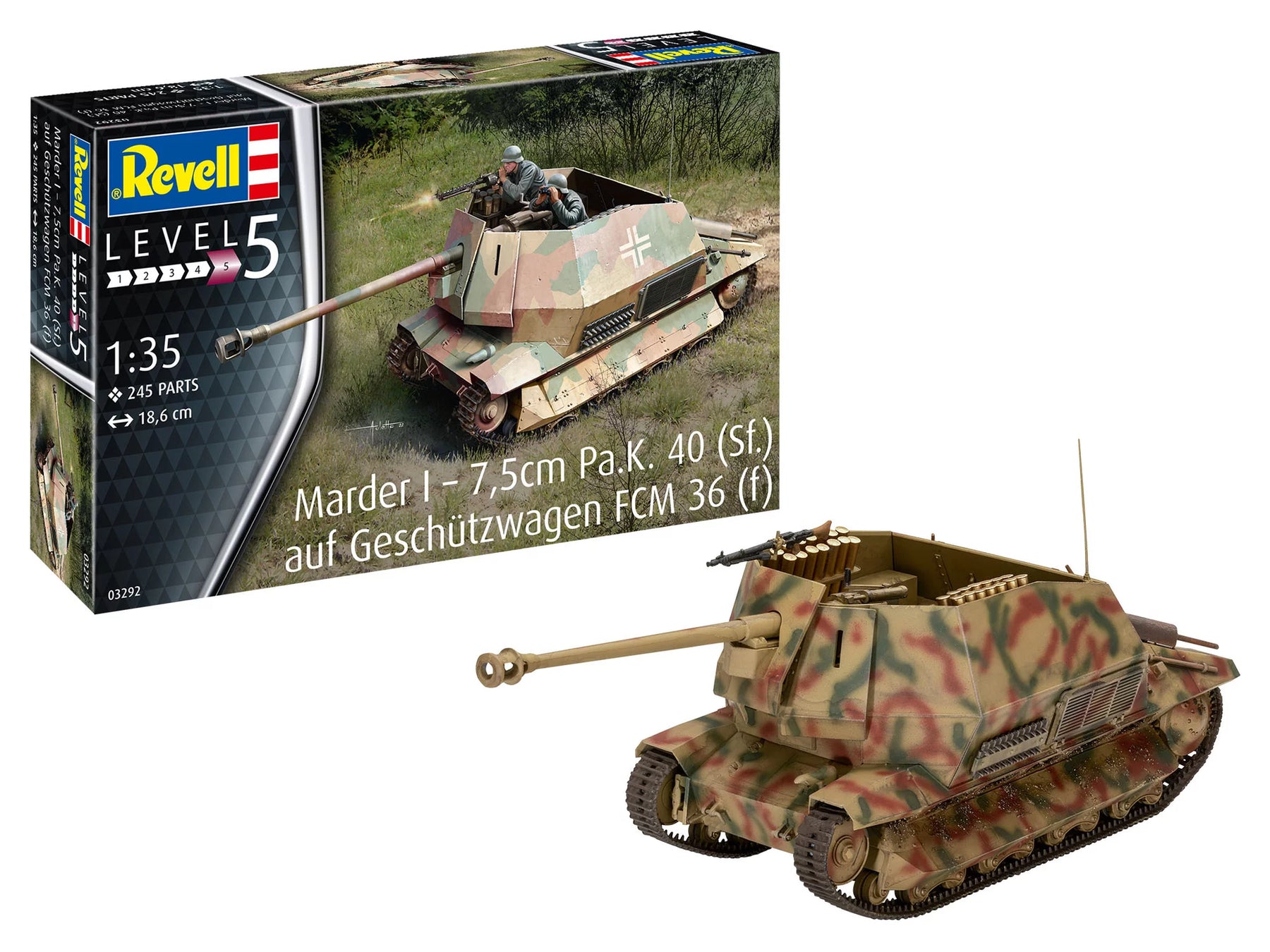
- Level 5: The master class. Complex kits often with well over 150 parts. They require in-depth know-how, a lot of patience and advanced techniques. Perfect for professionals who want to get the maximum realism from their military vehicles.
Quick overview: What type of model maker are you?
- ➔ The beginner: Choose level 1 or 2 in 1:72 scale. Quick build, instant fun.
- ➔ The Collector: Choose Level 3 in 1:72 scale. Space-saving but highly detailed for the showcase.
- ➔ The Diorama Builder: Choose level 4 or 5 in 1:35 scale. Maximum details for realistic landscapes.
Historical vs. Modern Military Vehicles
Another crucial point in your purchasing decision is the era. Revell offers you a huge range of models from different eras. Your choice depends entirely on your personal historical interest.
Historical tanks and vehicles (World War II)
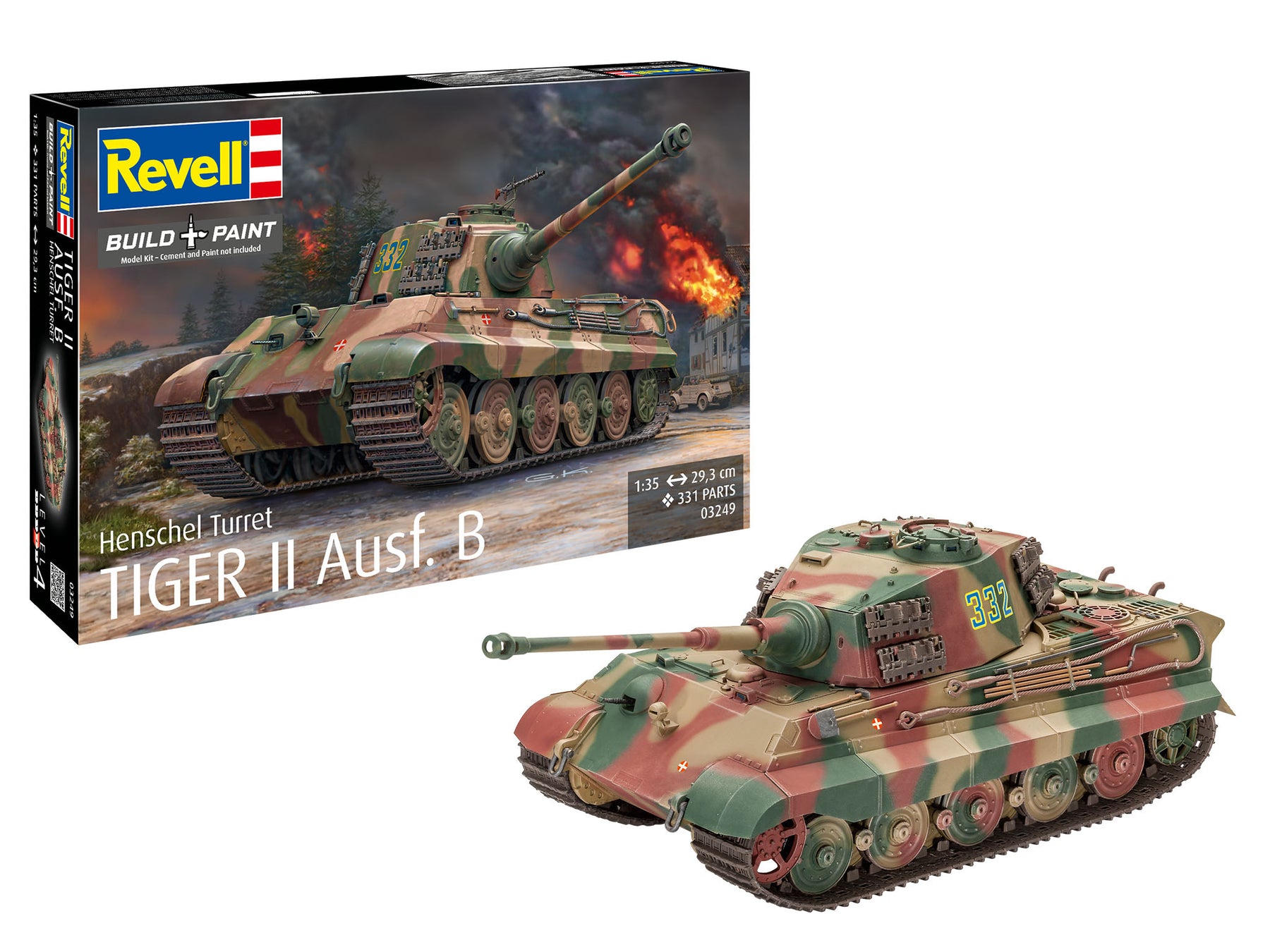
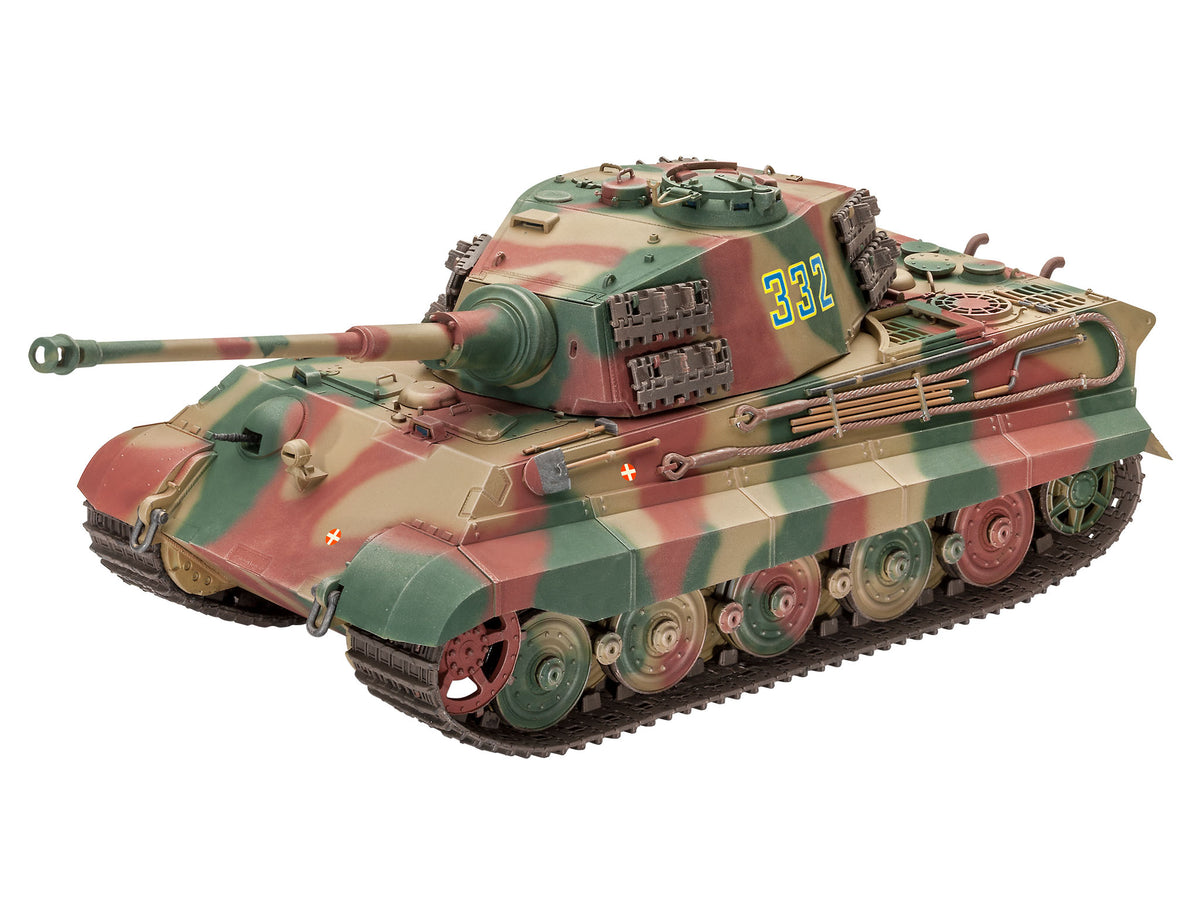
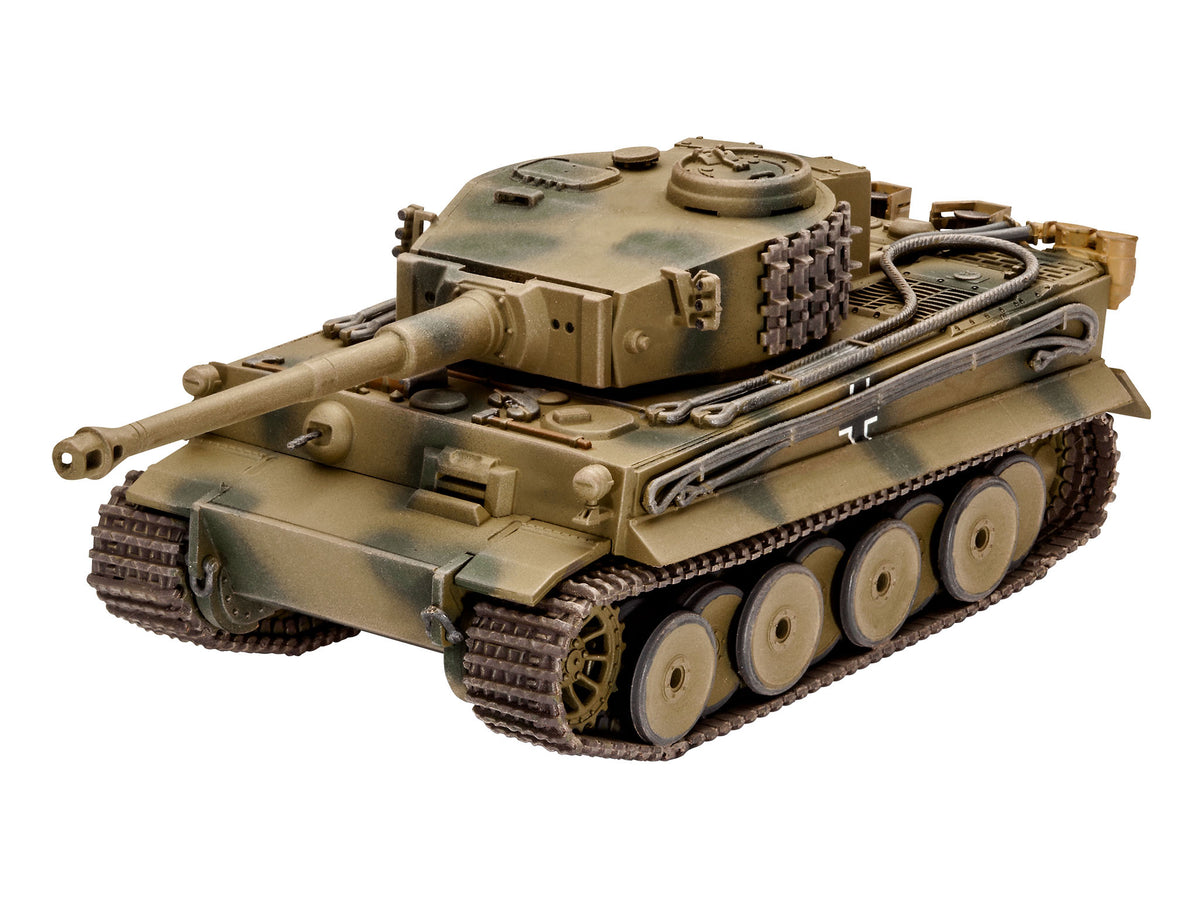
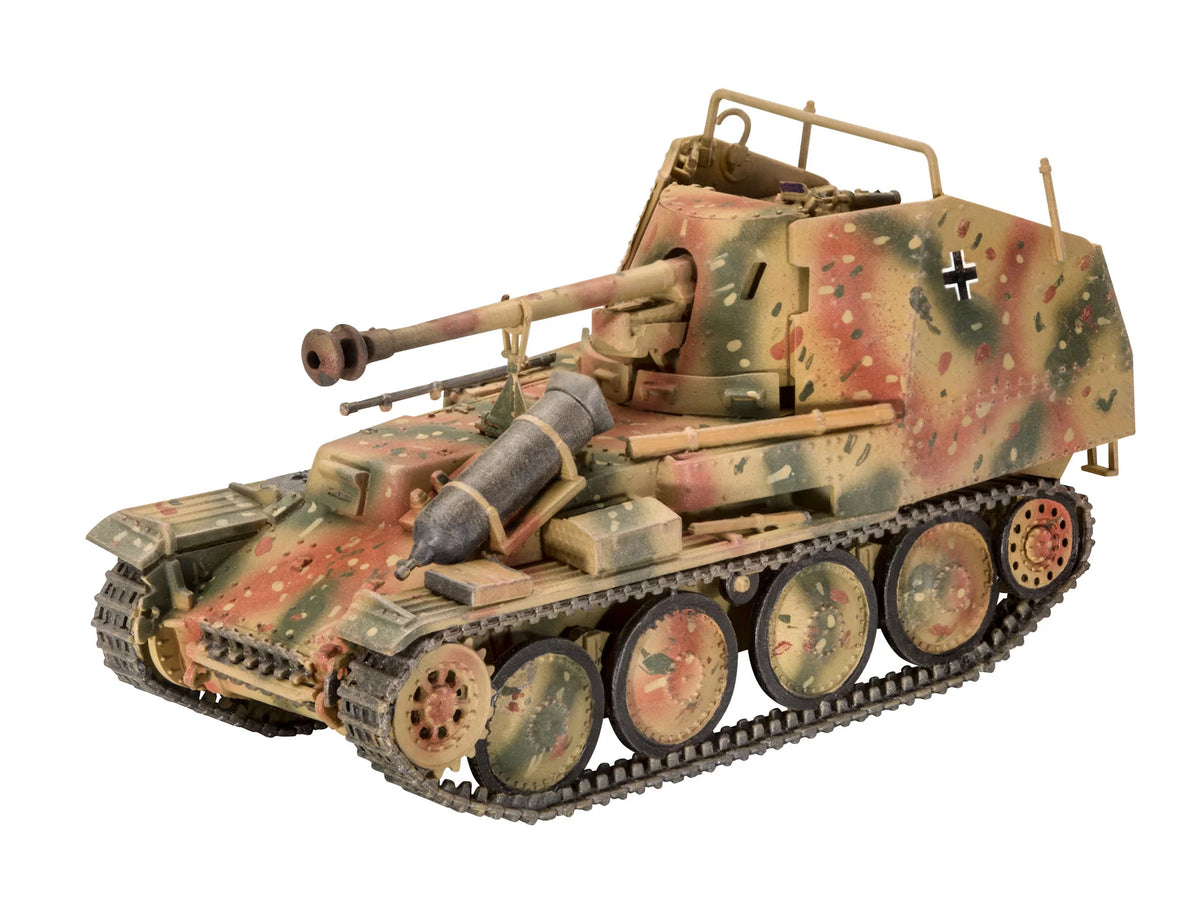
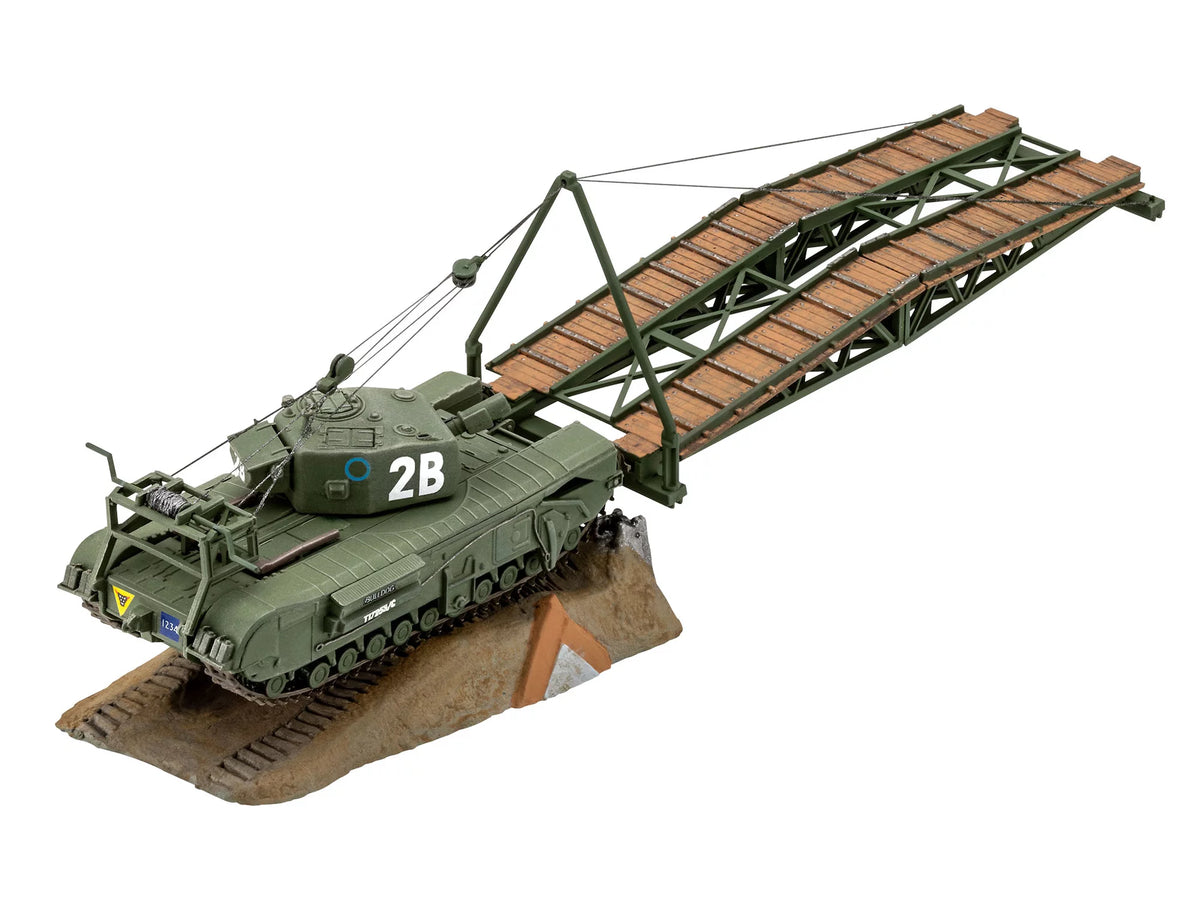
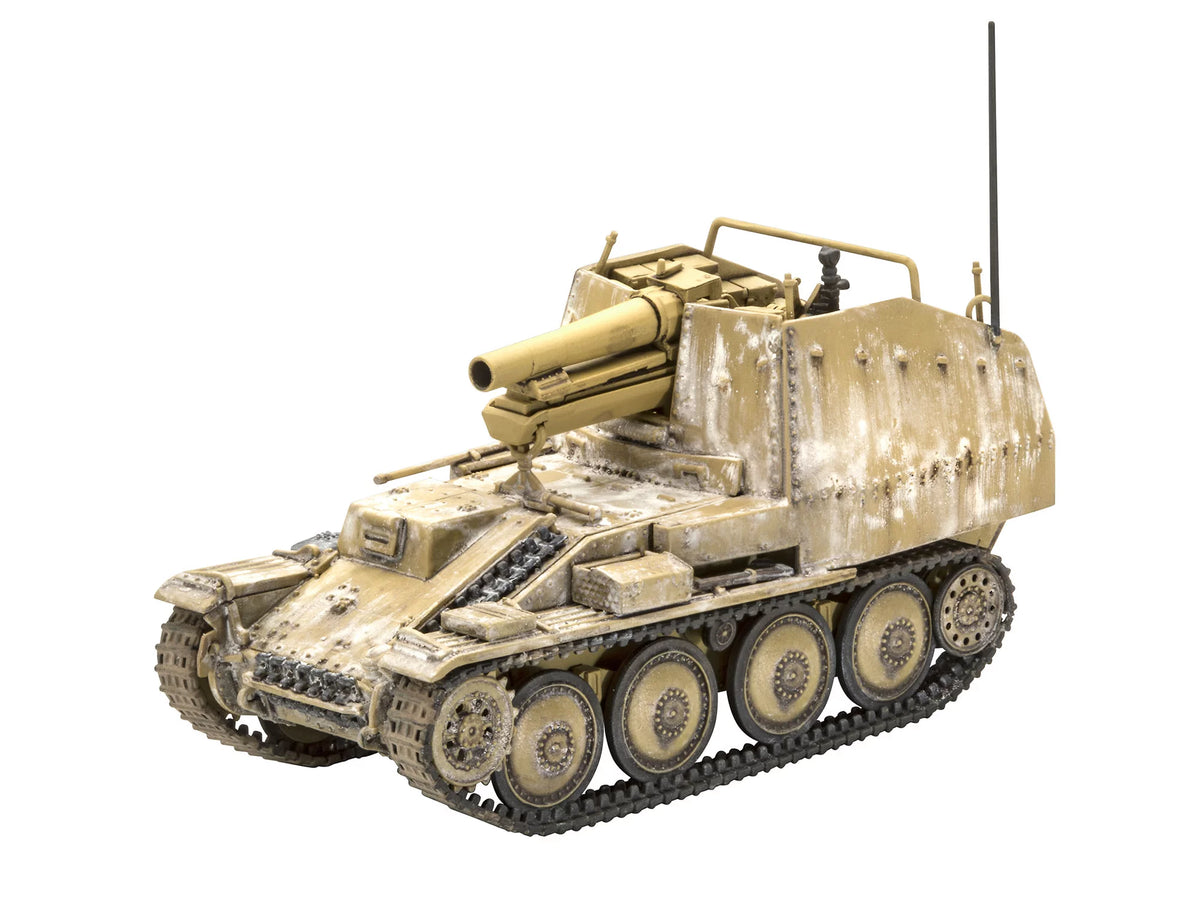
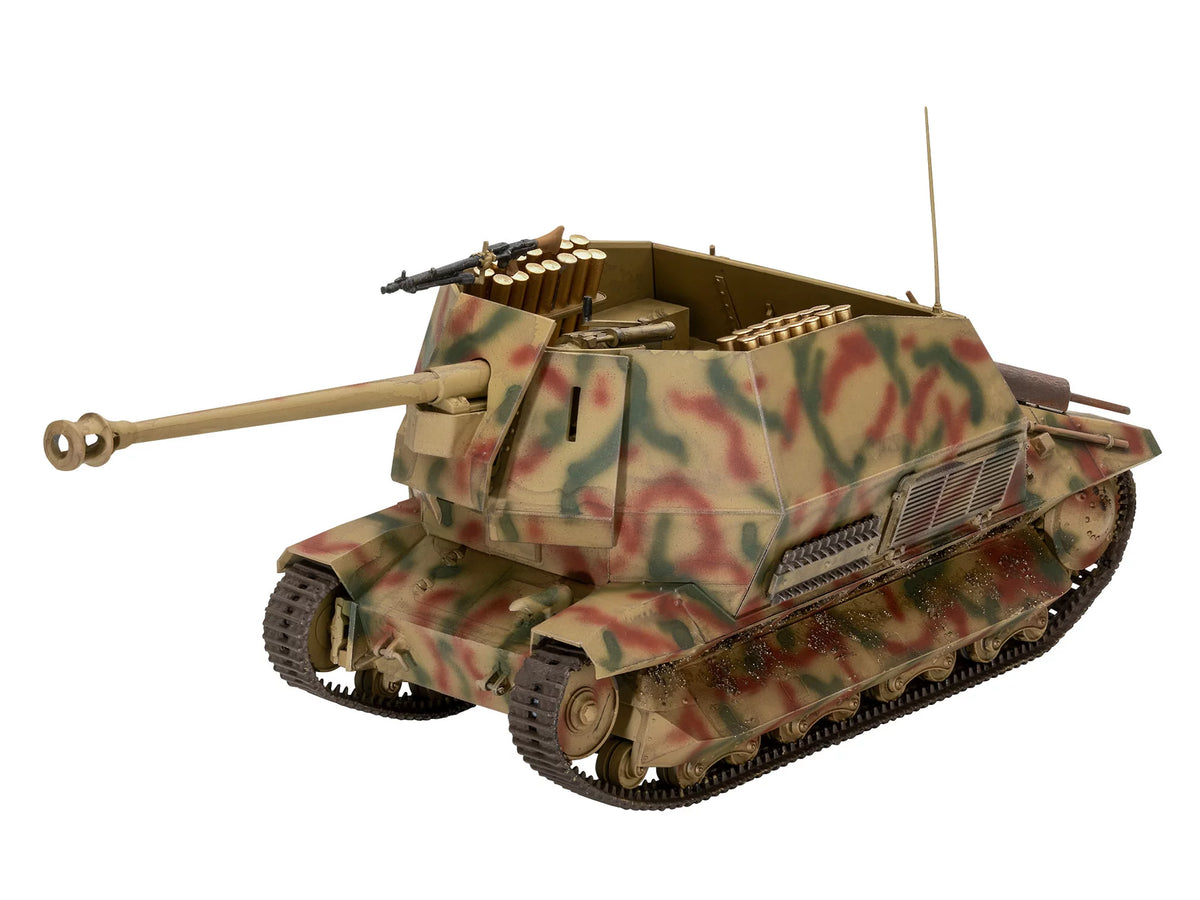
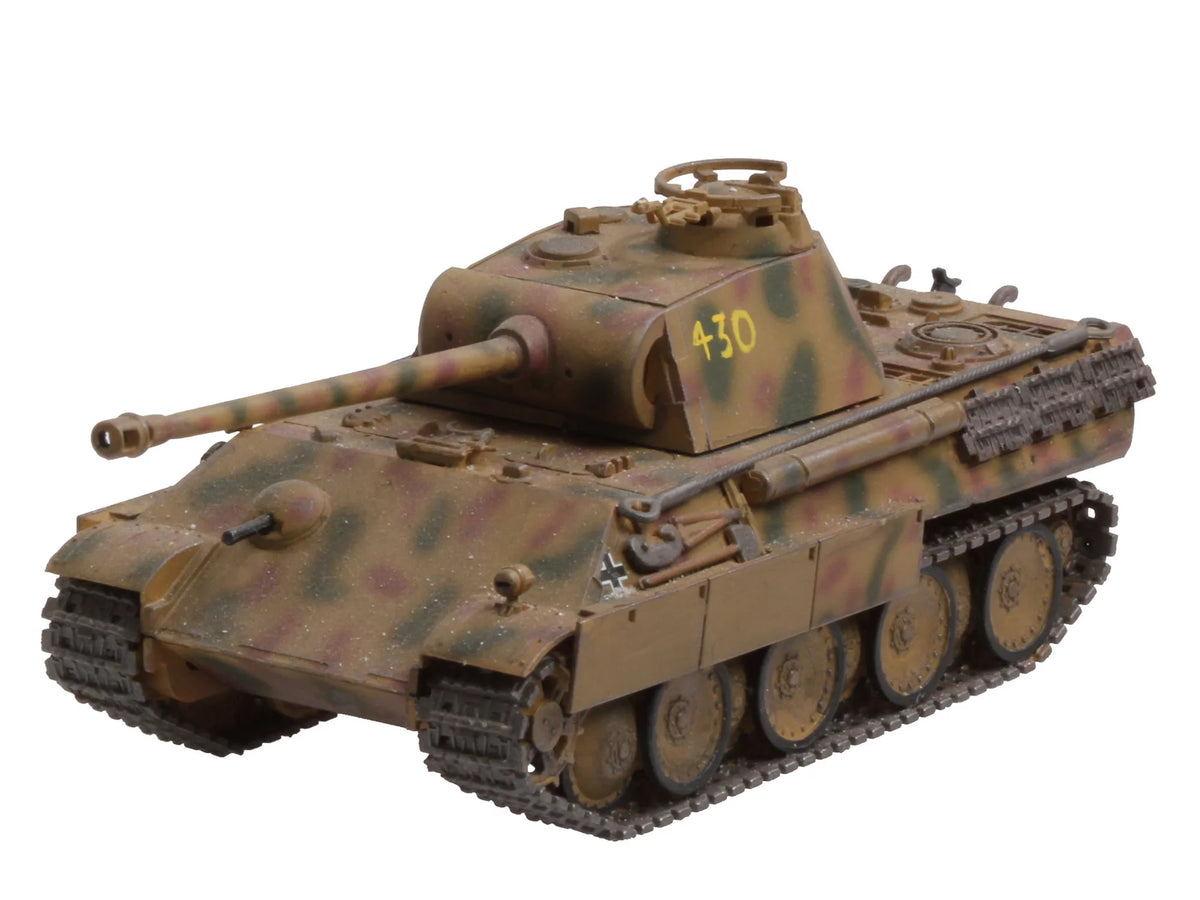
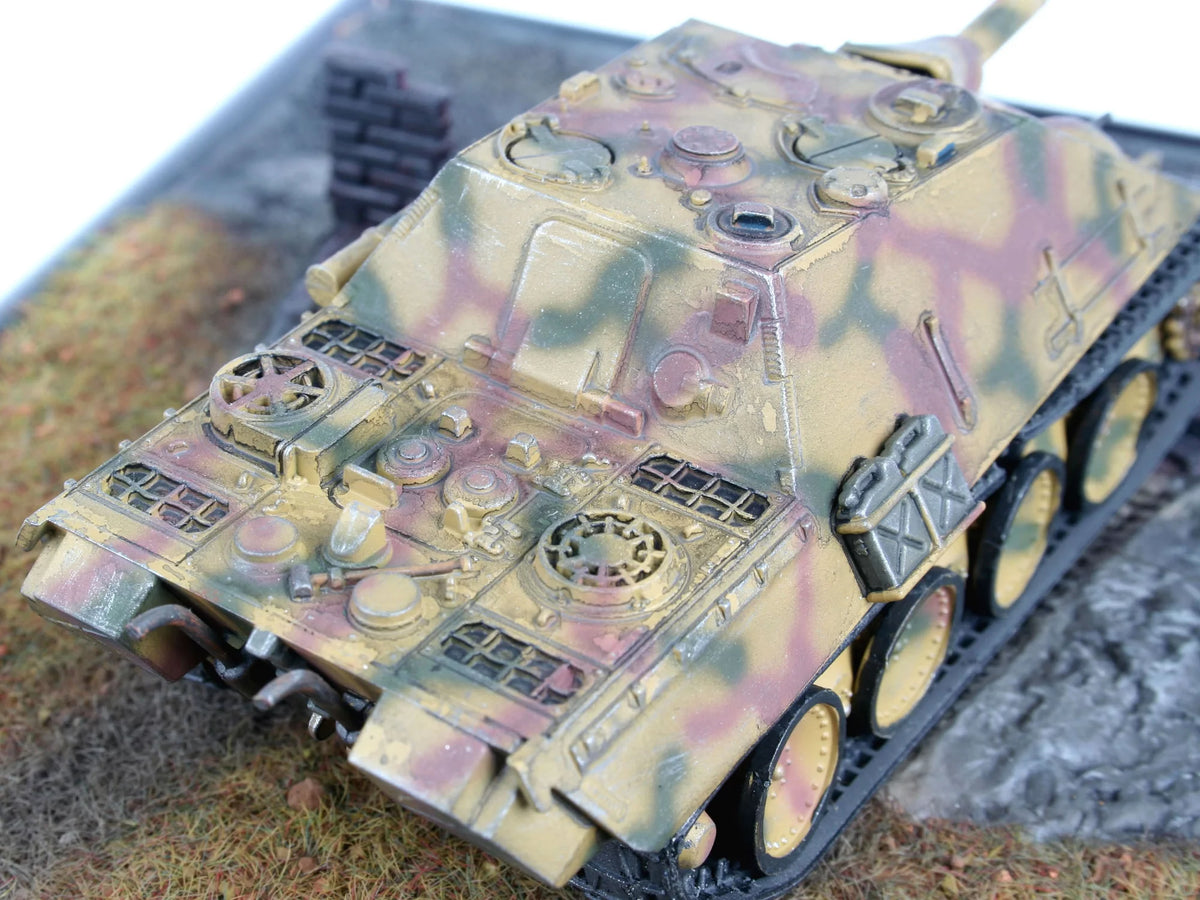
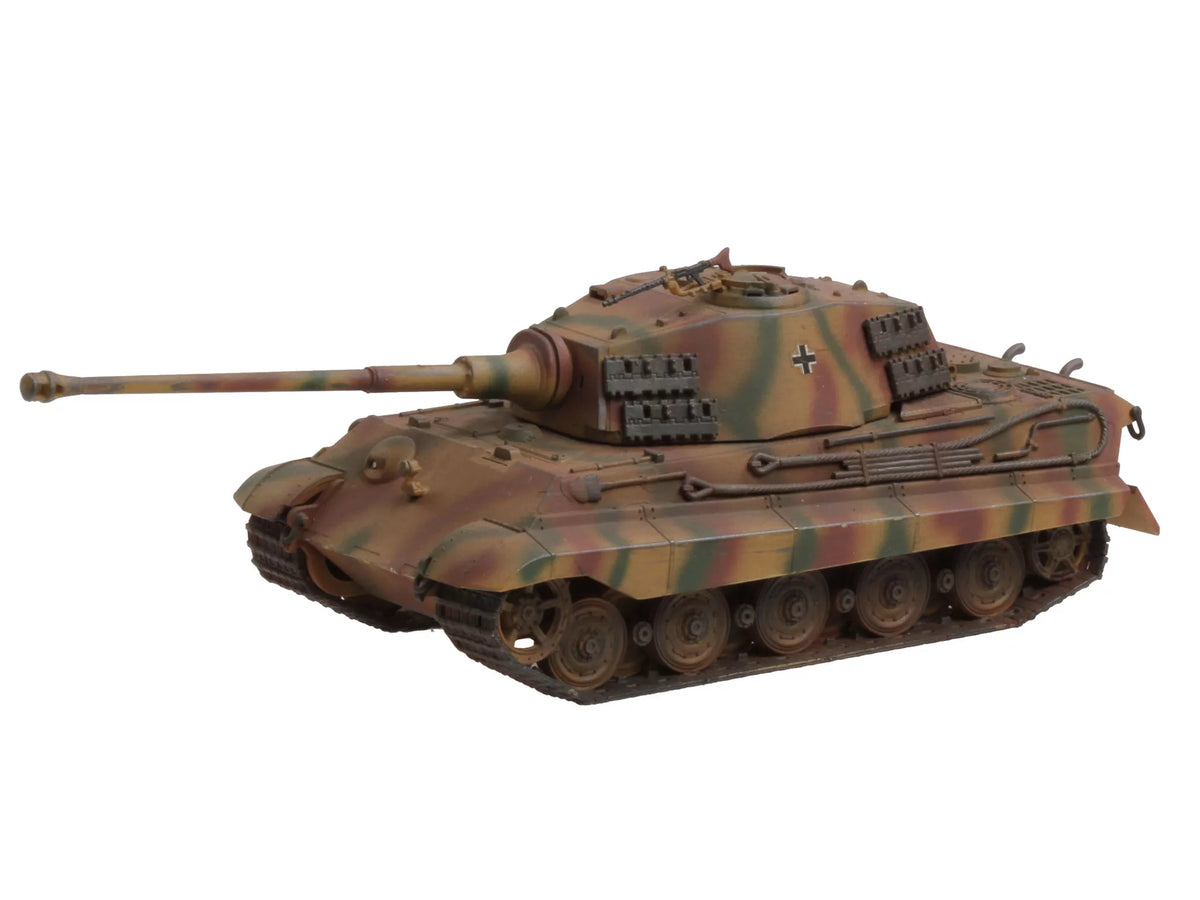
Models from the Second World War are among the most popular kits of all. Whether the legendary German Tiger tank, the American M4 Sherman or the Soviet T-34 - these vehicles have made history. When building these models, the focus is often on the rustic, rough design. If you choose historical military vehicles, you also have great options for applying aging effects. Rust, mud, chipped paint and bullet holes can be represented particularly authentically on these models.
Modern military vehicles of today
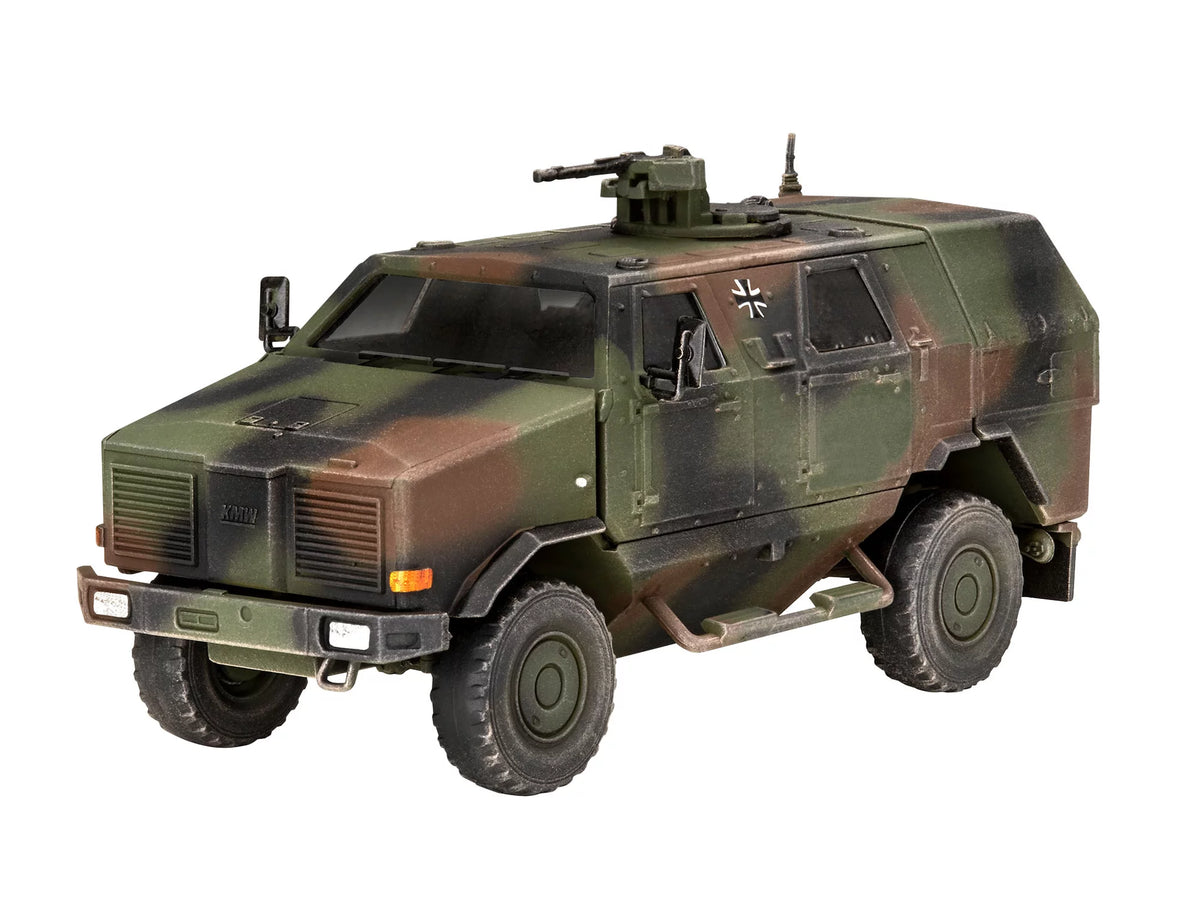
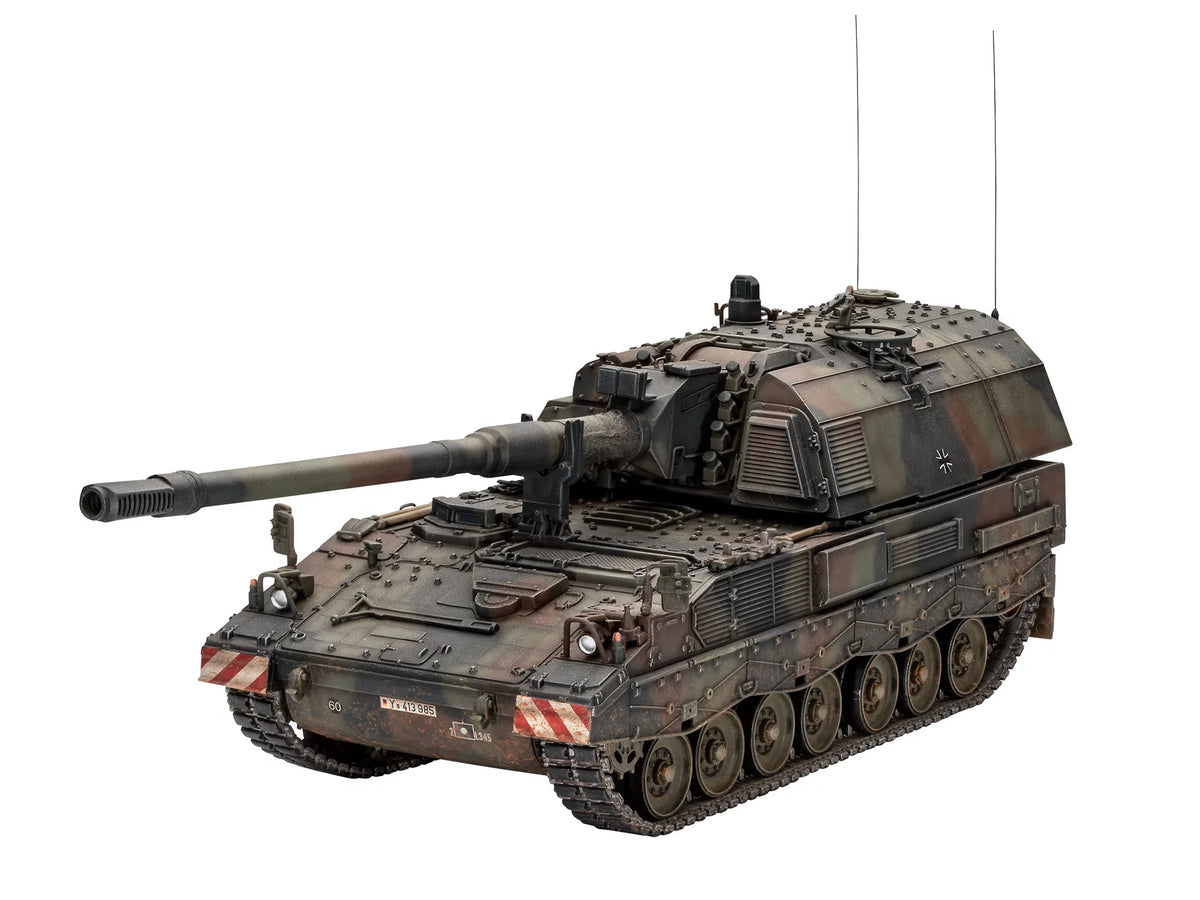
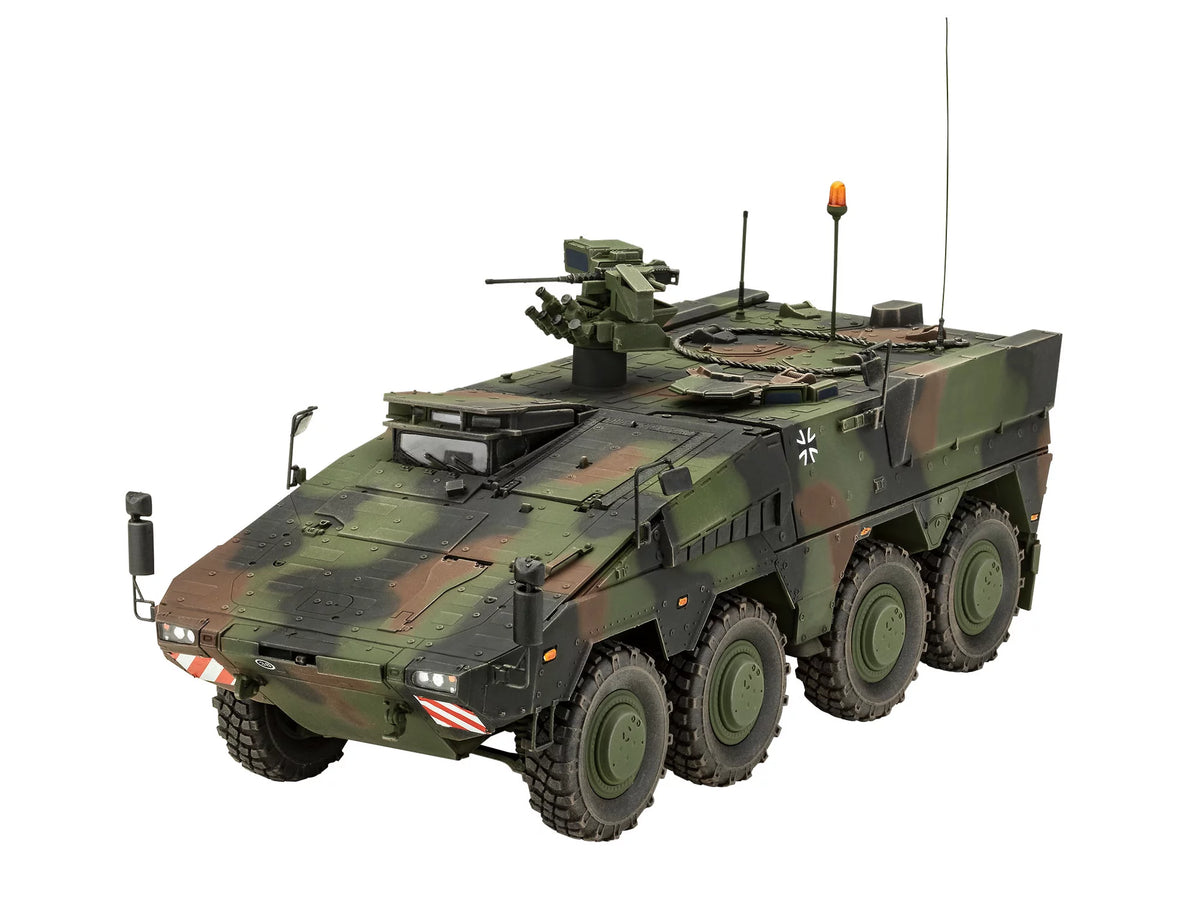
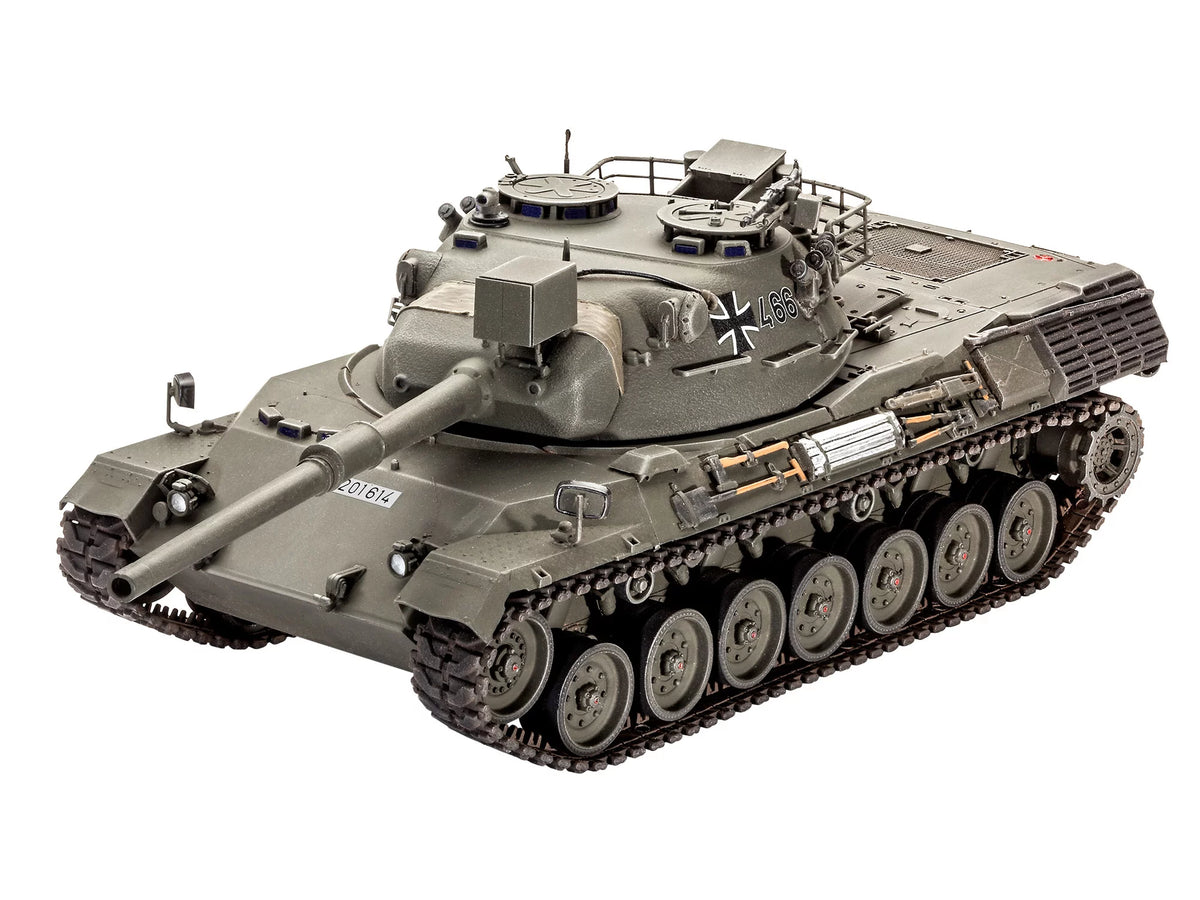
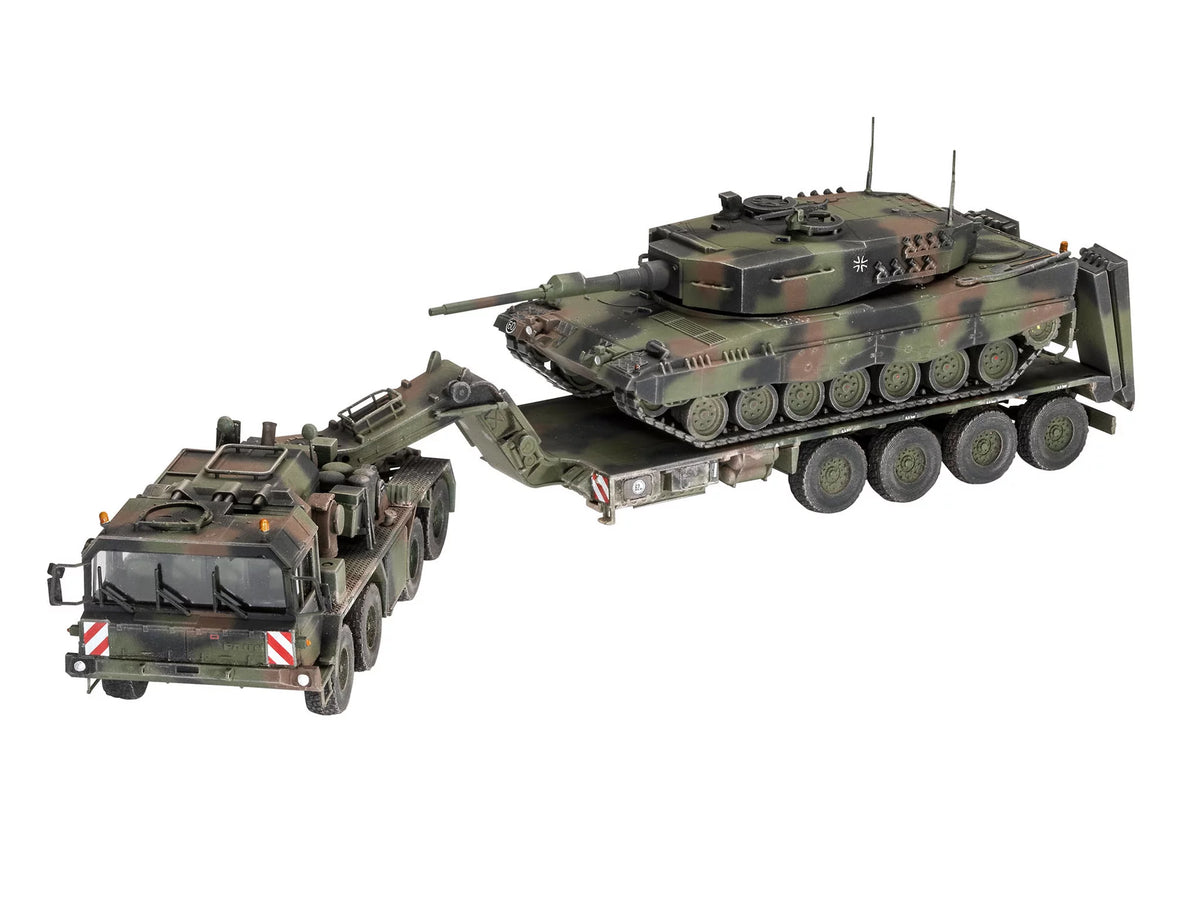
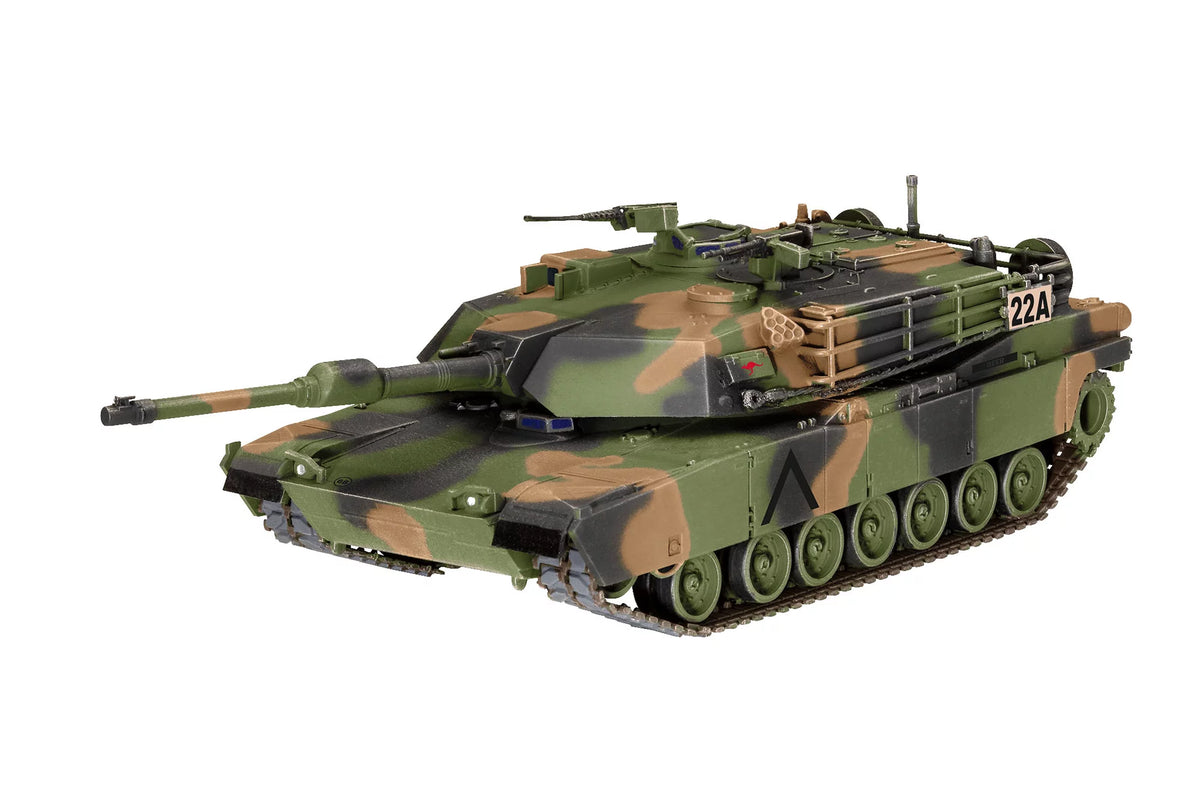
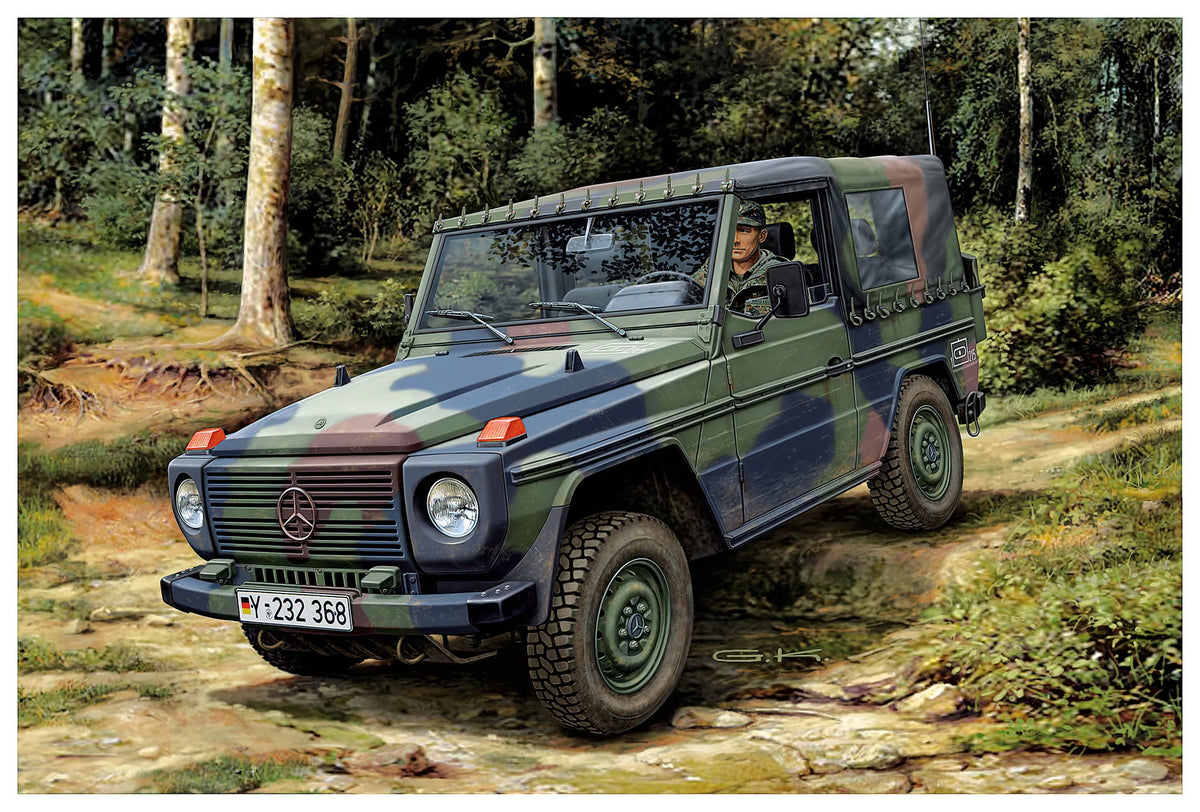
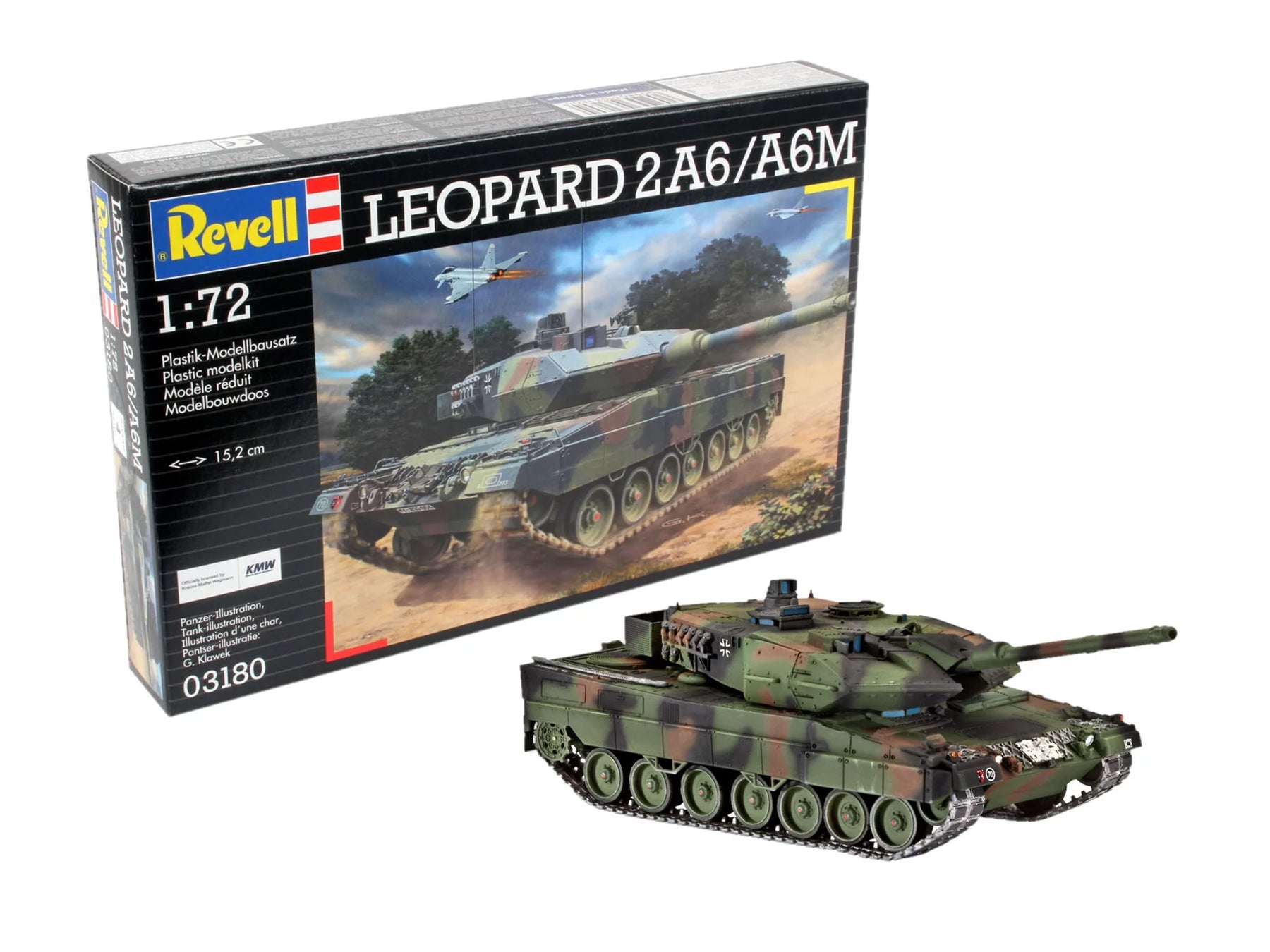
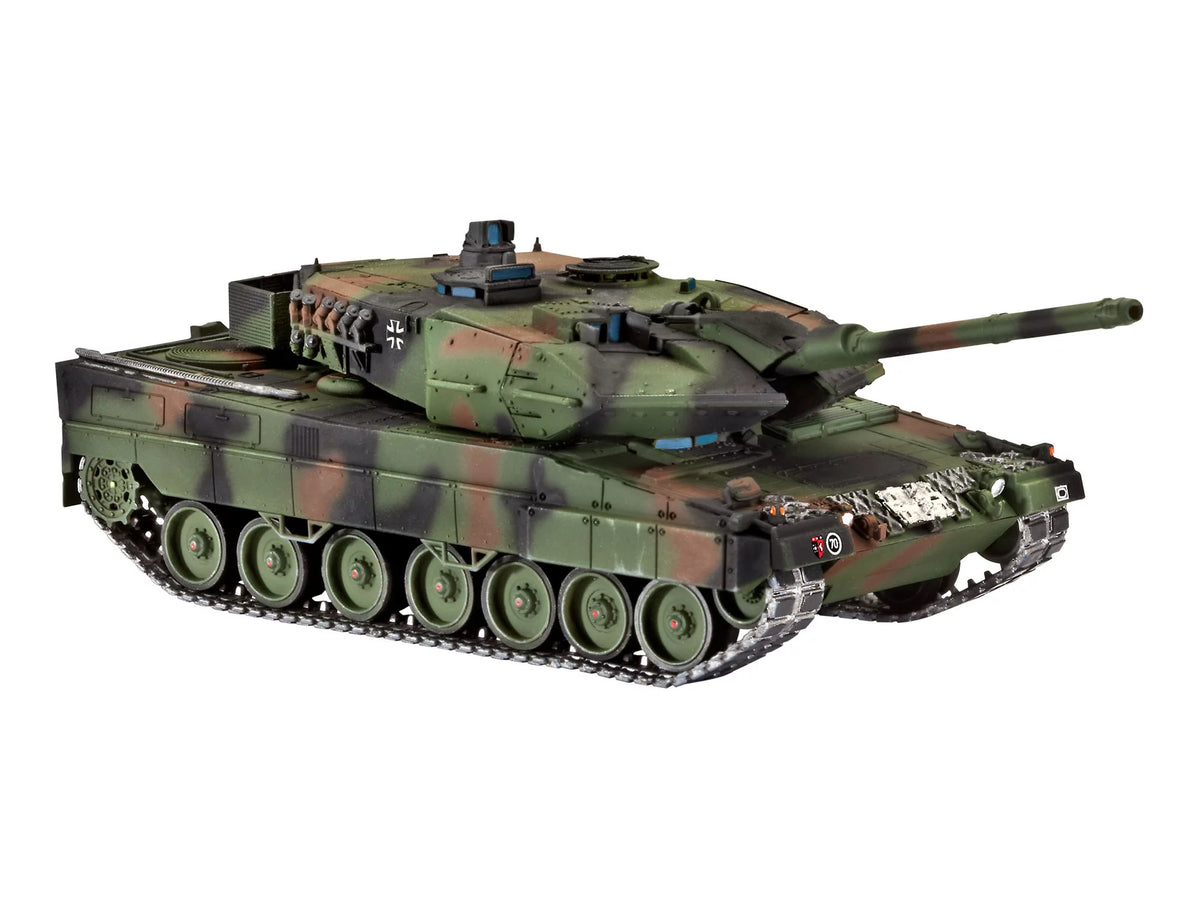
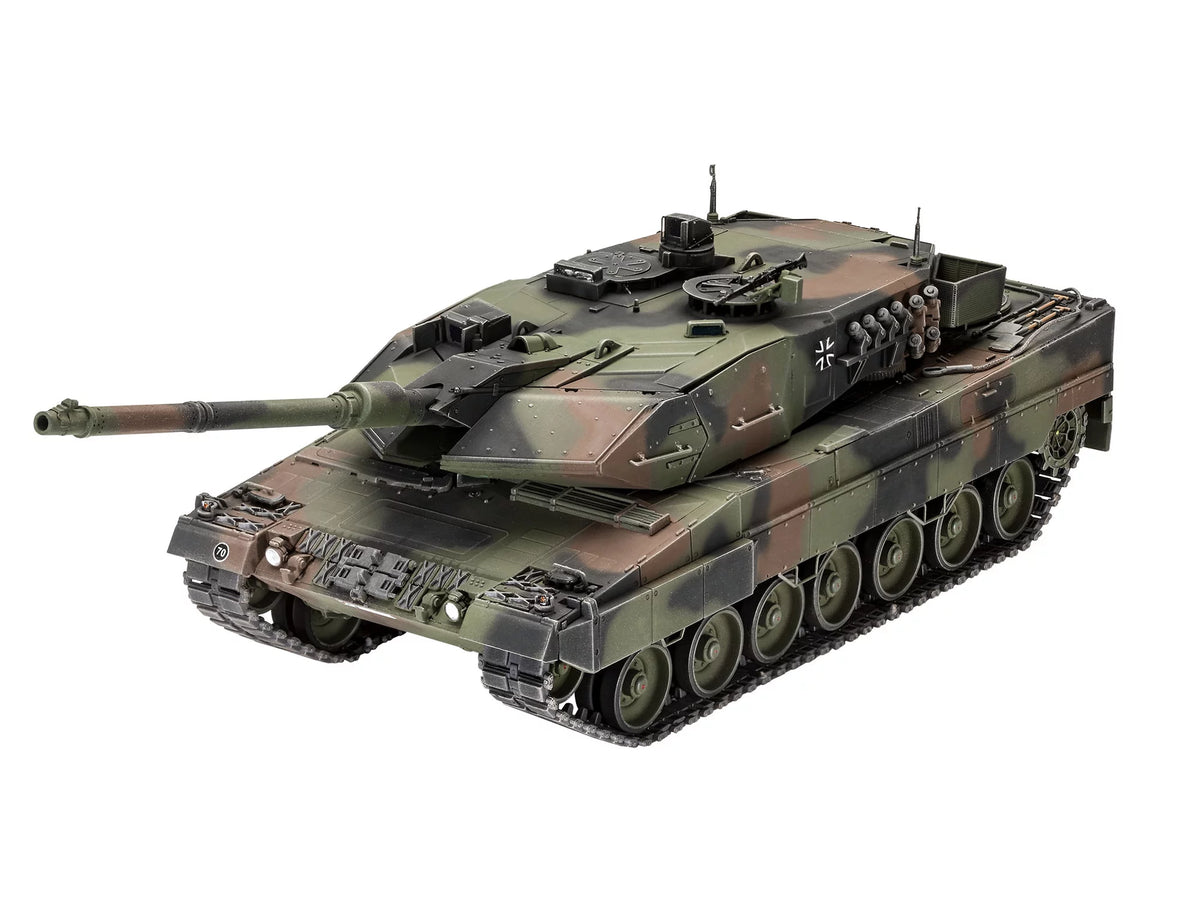
If you are fascinated by high-tech, modern camouflage patterns and asymmetrical armor, modern military vehicles are the right choice. Models such as the Leopard 2, the American M1 Abrams or modern wheeled tanks such as the Boxer are characterized by smooth surfaces, complex optics and sensor systems and detailed antenna systems. The appeal of building these models often lies in the exact replica of elaborate NATO camouflage schemes or desert camouflage. They look particularly massive and impressive in the showcase.
Accessories and tools: Your start in model building
In order to assemble your military vehicles perfectly, you need the right tools. If you are purchasing a Level 3, 4 or 5 model, you should make sure you have the following basic equipment on hand:
- Side cutters: A special model making side cutter is essential to separate the fine components from the casting cleanly and without damage.
- Model making knife (scalpel): To carefully scrape off small molding burrs or plastic residue, you need a sharp craft knife.
- Plastic glue (e.g. Revell Contacta Professional): This glue permanently welds the plastic parts together. The fine cannula enables precise application, which is particularly important for tiny armor details.
- Colors and brushes: With the Aqua Color colors, Revell offers low-odor, water-thinnable acrylic paints that provide perfect coverage. Pay attention to the color codes given in the construction instructions to paint your vehicle true to the original.
- Tweezers: For attaching tiny headlights, hatches or decals, fine tweezers are your best friend.
Expert tips for a realistic finish
A neatly assembled and painted model looks great, but it is through weathering that a military vehicle comes to life. Here are three techniques to try on your next Revell model:
1. Washing: Dilute dark paint (black or dark brown) very heavily with water or thinner and apply it over the model. The dark broth collects in the depressions, grooves and around rivets. Wiping off the excess paint on the smooth surfaces creates an incredible depth effect. Your tank immediately appears more three-dimensional.
2. Dry-Brushing (Dry Painting): Take a soft brush, dip it in a light color (e.g. silver or a light gray) and brush it almost completely dry on a paper towel. If you now brush lightly over the edges and elevations of your model, tiny particles of paint will get stuck. This simulates worn edges and chipped paint on metal.
3. Pigments: You can use special model building pigments to depict dust, dry mud or soot on the exhaust. These fine powders are simply applied to the tracks or chassis with a brush and give your model the ultimate mission look.
Conclusion: Your path to the perfect military model
Building military vehicles is an extremely rewarding experience that combines concentration, skill and creativity. As the market leader, Revell offers you the best quality and the largest selection to make your model building dreams come true. When purchasing, pay attention to the scale that is right for you and choose the skill level honestly based on your own experience. Whether you're building a historic World War II tank or a modern emergency vehicle, with the right tools and a little patience, you can create an impressive masterpiece. Browse our category now and find the kit that will be your next big project!
Which military model suits whom?
| Experience level & target group | Recommended Revell system/level | Typical standards & characteristics |
|---|---|---|
| Children & absolute beginners | Build & Play / Click system (Level 1) | No gluing, no painting. Robust parts for plugging, quick playing and crafting fun. |
| Beginners & occasional hobbyists | Classic model building (Level 2 & 3) | 1:72 or 1:48. Manageable number of parts (up to 100). First handling of glue and paint. |
| Ambitious model makers | Classic model building (Level 4) | 1:35 or 1:72. Up to 150 pieces. Intricate details, ideal for realistic painting techniques. |
| Professionals, collectors & diorama builders | Masterclass (Level 5) | 1:35. Over 150 pieces. Highest attention to detail, complex chain drives, requires a lot of patience and precision. |