


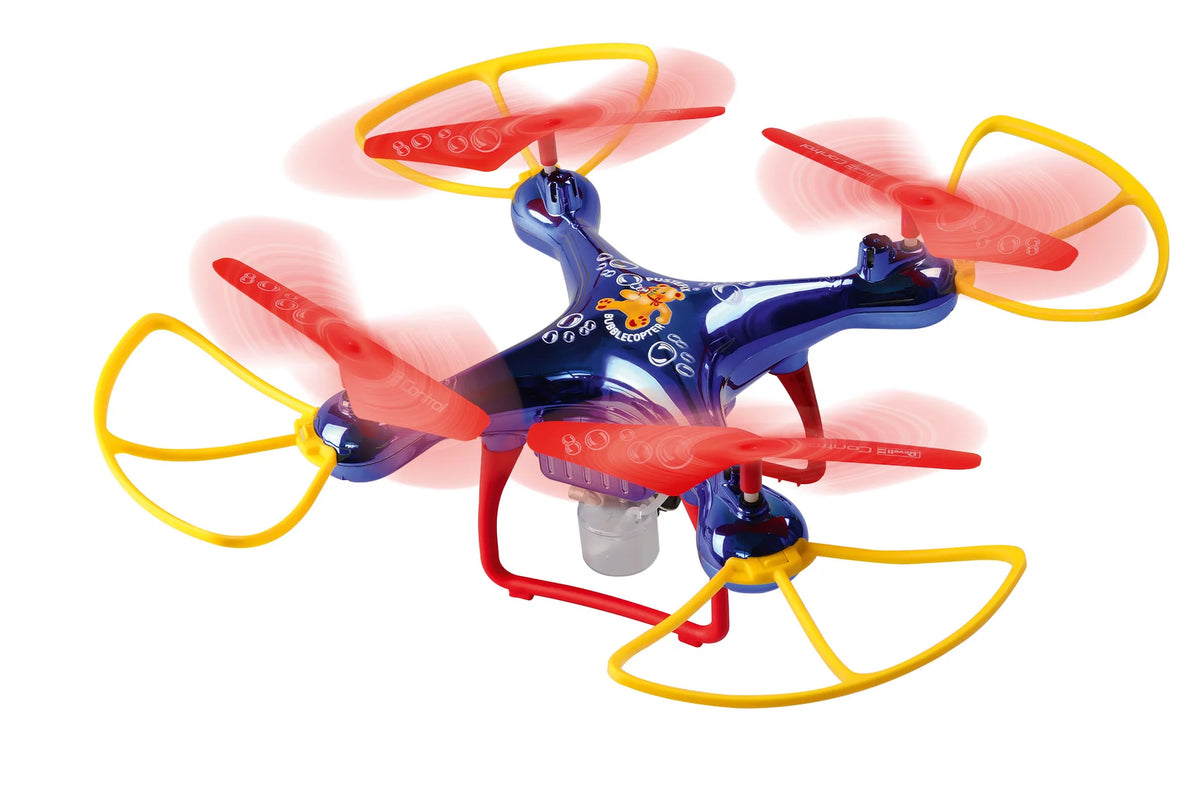
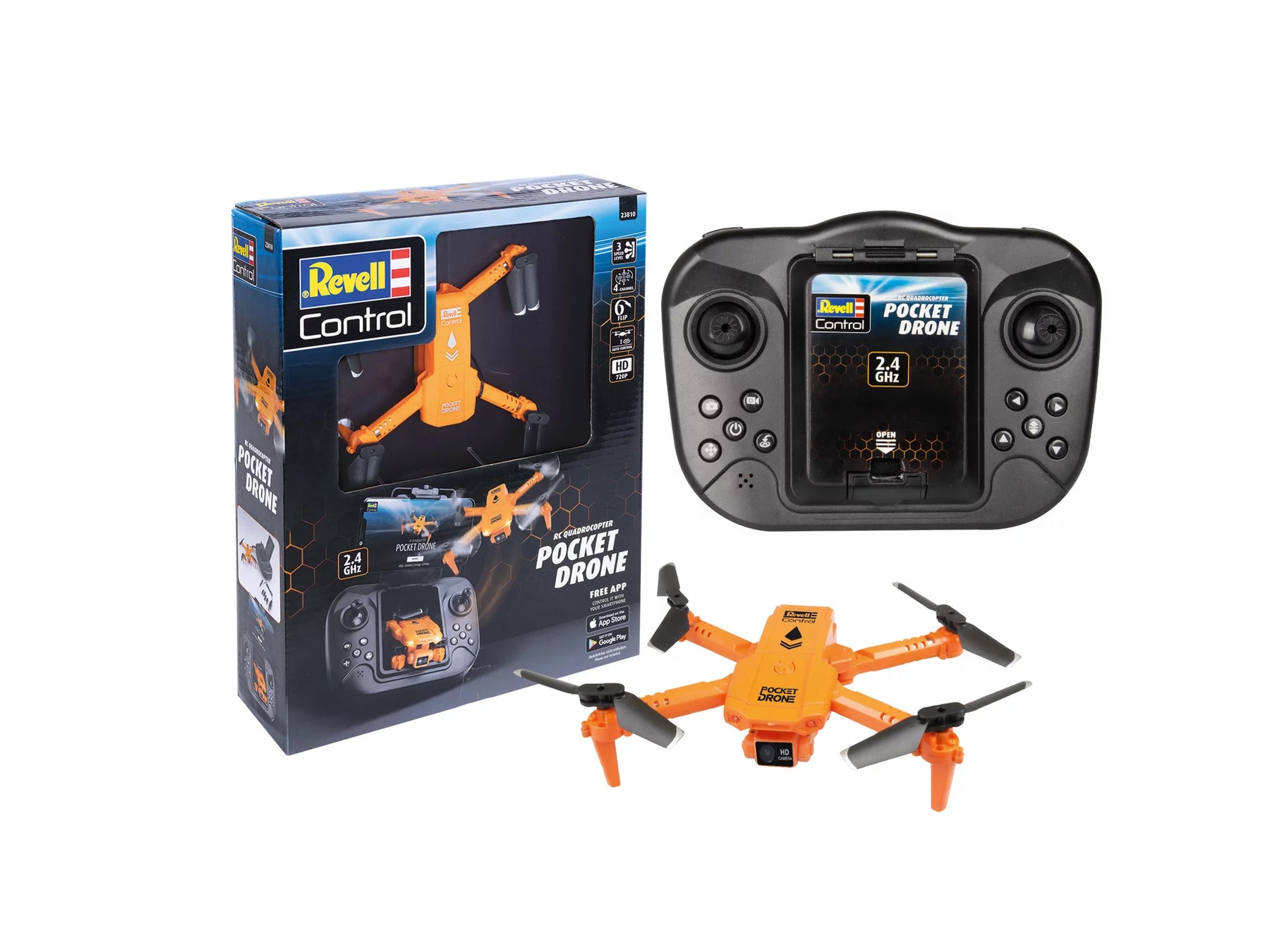
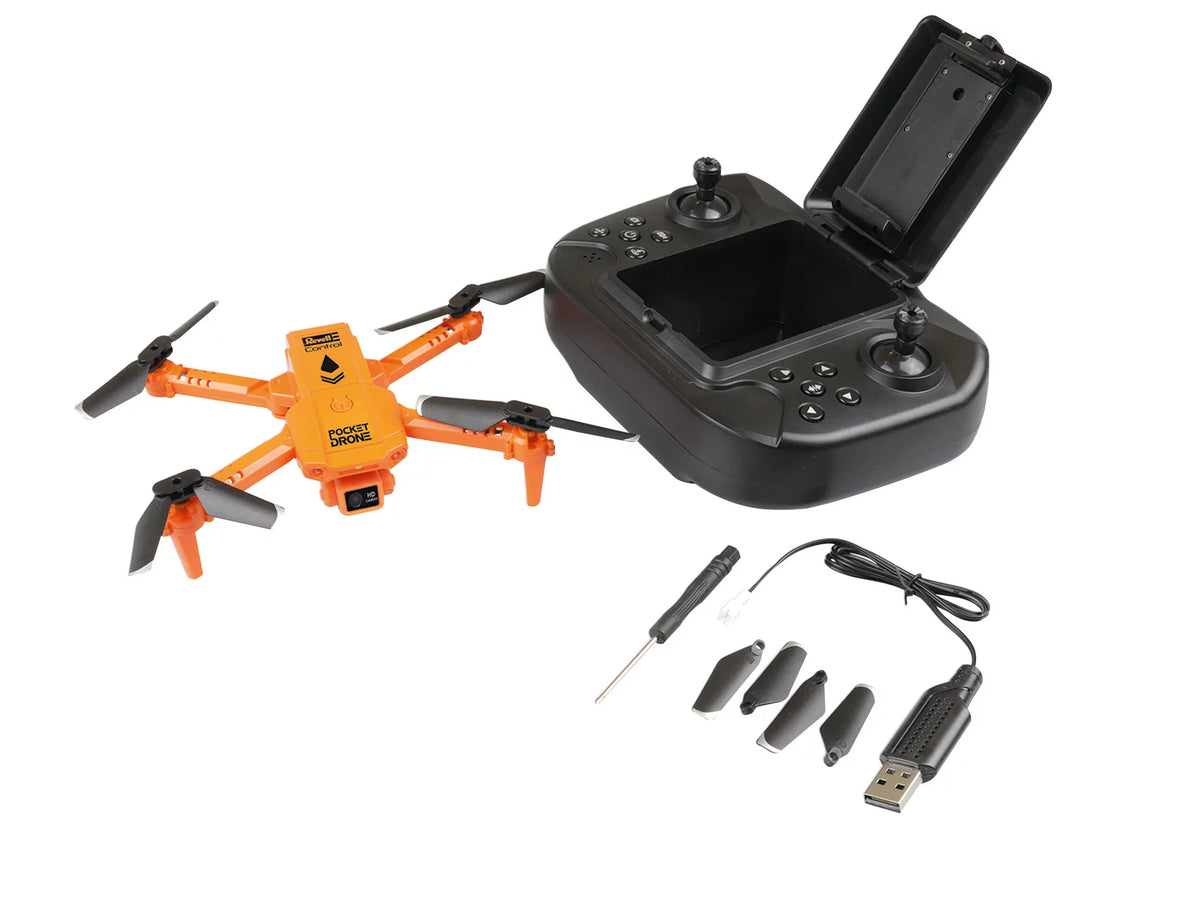
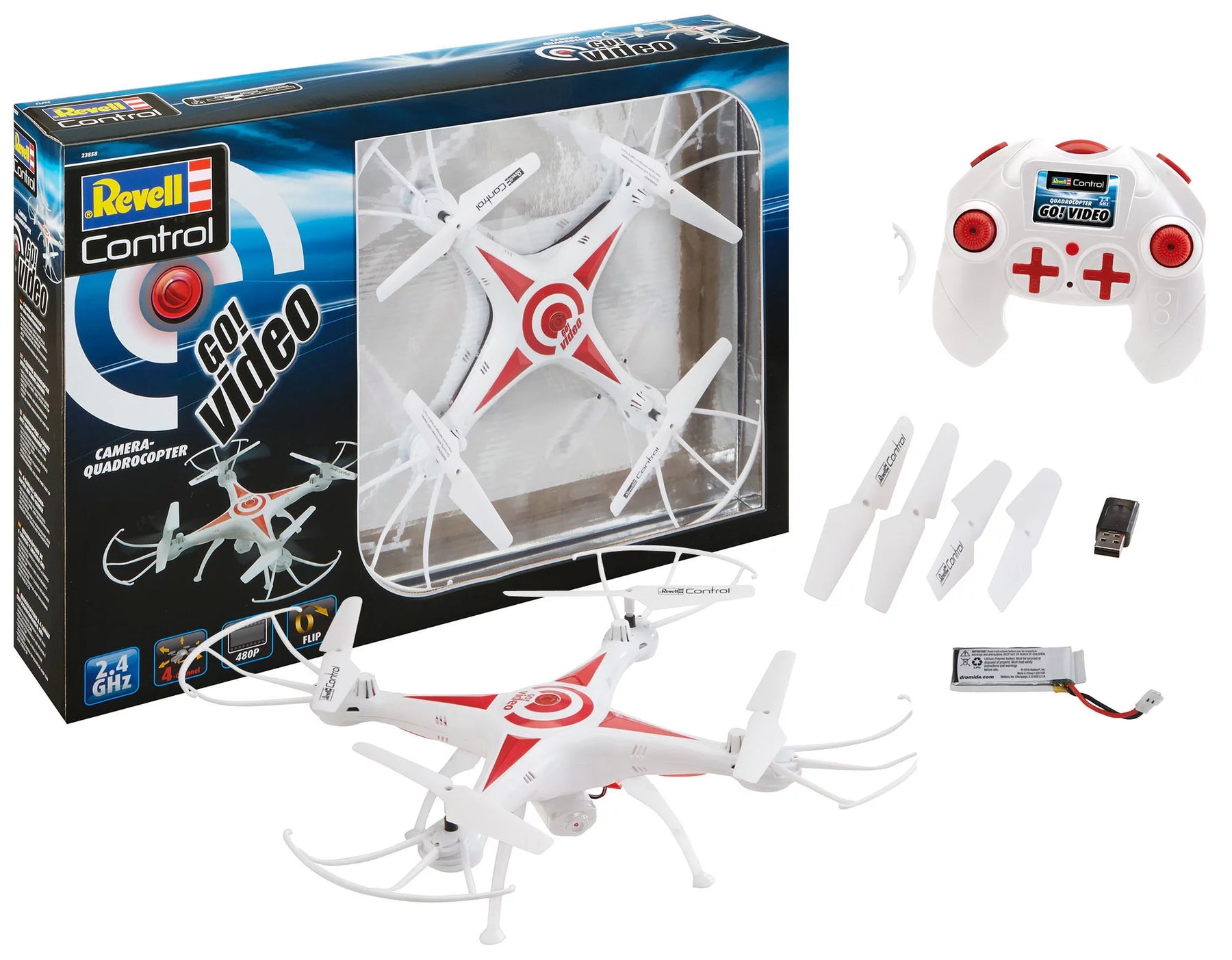

Why a drone or quadcopter will enrich your life
Imagine standing on a mountaintop, on the beach, or in your own backyard and being able to capture the scenery not just from your eye level, but from a bird's eye view. A Quadcopter is much more than just a technical toy. It is your flying eye, your flying camera and your ticket to the absolute freedom of the skies. Technology has developed rapidly in recent years. Today, drones are so smart, safe and easy to fly that absolutely anyone – from the complete novice to the experienced photographer – can achieve stunning results instantly.
No matter whether you want to make unforgettable holiday videos, present real estate from the air or simply feel the pure adrenaline of a quick sightseeing flight: the right one drone makes it possible. But with the multitude of models, specifications and technical terms, you quickly lose track. This is exactly where I come into play as your advisor. I'll explain to you step by step which criteria really count and how you can find the quadrocopter that not only fits your budget, but even exceeds your expectations.
Quick overview: Your checklist before buying a drone
- Define purpose: Do you want to film, race or just fly?
- Check weight class: If you weigh less than 250 grams, you can often save yourself a drone license.
- Camera requirements: 4K resolution and a 3-axis gimbal are now standard for good images.
- Note flight time: Plan on models with at least 25 to 30 minutes of battery life.
- Security features: Obstacle detection and GPS return function (return-to-home) are mandatory for beginners.
The most important purchasing criteria: This is what you have to pay attention to
If you want to buy a drone, you will quickly be confronted with terms like gimbal, brushless motors or OcuSync. Don't let that put you off. If we break the technology down to its essentials, there are five core areas that determine the quality and fun factor of your new quadcopter. Let's look at these areas in detail so you can make an informed and confident purchasing decision.
Camera quality and gimbal stabilization
For most pilots, the camera is the main reason for purchasing a drone. If you want to capture brilliant photos and cinematic videos, you should look for 4K resolution. But the best resolution is of no use if the image shakes. Here comes the one Gimbal into the game. A mechanical 3-axis gimbal compensates for any tilt and jerking of the quadcopter in the air. The result is buttery-smooth, flowing recordings, even in strong winds. Also pay attention to the sensor size of the camera: A 1-inch sensor captures significantly more light than a smaller sensor, which ensures low-noise and color-intensive images, especially at dusk or in the early hours of the morning.
Flight time and battery performance
Nothing is more frustrating than when the fun is over after just a few minutes. Modern quadcopters will offer flight times of an average of 30 to 45 minutes per battery charge in 2026. However, keep in mind that manufacturer specifications are often measured under ideal conditions. Wind, cold and sporty flight maneuvers reduce the actual flight time. My expert tip for you: Never just buy the drone alone. Always opt for a bundle (often called a “Fly More Combo”) that includes two or three additional batteries. This means you can easily stay in the air for over an hour and don't have to end your trip prematurely.
Range and signal transmission
The type of signal transmission determines how far and how safely you can fly. Cheap entry-level drones often use a simple WiFi connection, which can break down after 50 to 100 meters. High-quality quadrocopters, on the other hand, rely on proprietary radio transmission systems. These not only guarantee you a range of several kilometers (always observe the visual flight rules!), but above all an interference-free, razor-sharp live image on your smartphone or controller. A stable connection is your most important safety net in the air.
Intelligent flight modes and obstacle detection
Are you afraid of steering your new drone into the nearest tree? I can take this worry away from you. Modern quadrocopters are flying computers. Sensors on the front, back and bottom (often even omnidirectional, i.e. in all directions) scan the environment in real time. If the drone comes too close to an obstacle, it automatically brakes or flies elegantly around it. There are also smart flight modes: With functions like “ActiveTrack” or “Follow Me,” you mark yourself on the display and the drone follows you completely autonomously when cycling, hiking or running. This makes you both the director and the lead actor of your own film.
Weight and legal requirements for 2026
The weight of your quadrocopter is not only crucial for transport, but above all for the legal framework. Since December 31, 2020, uniform regulations (2019/945 and 2019/947) have applied in the EU for the safe operation of drones.
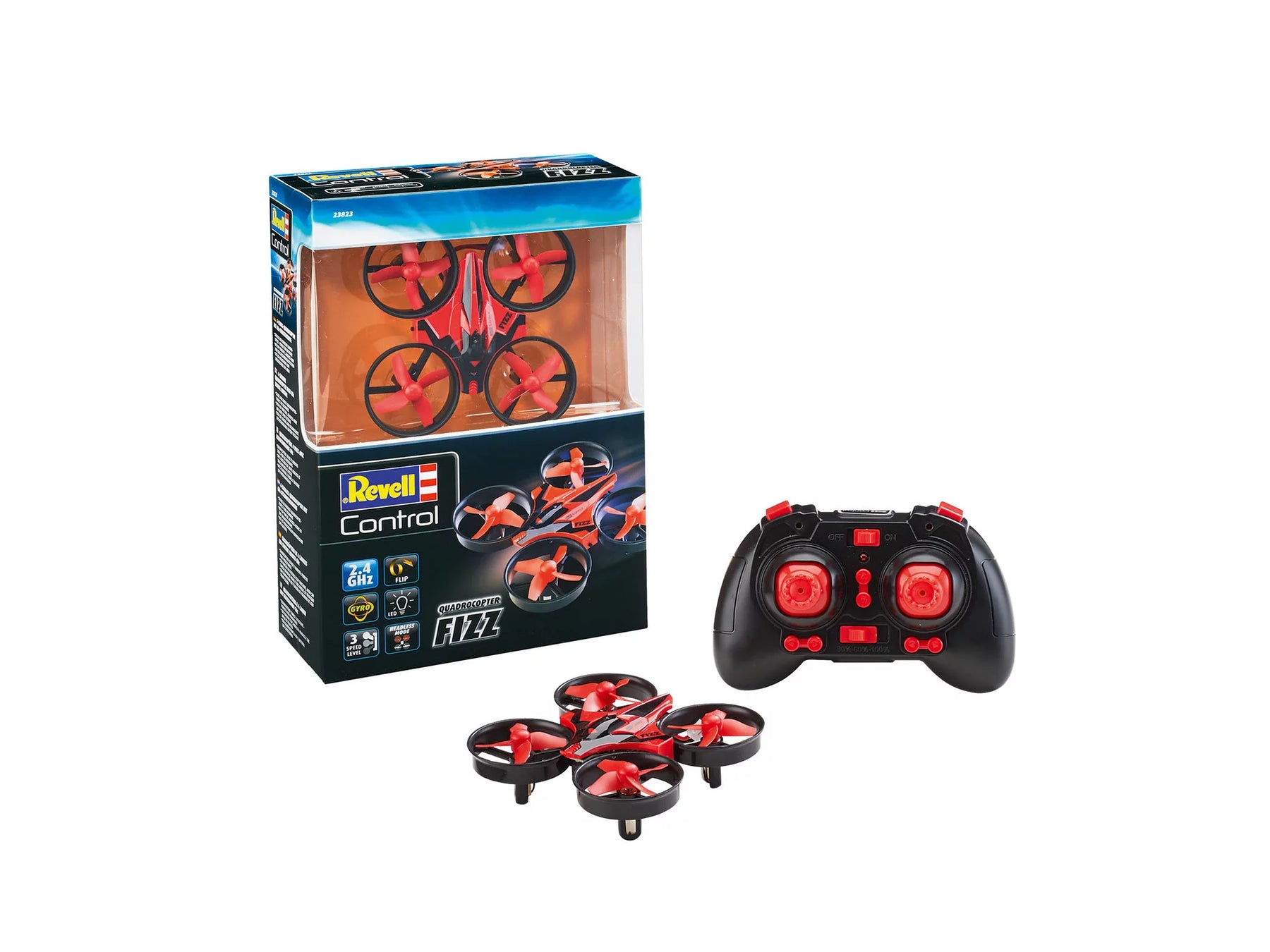
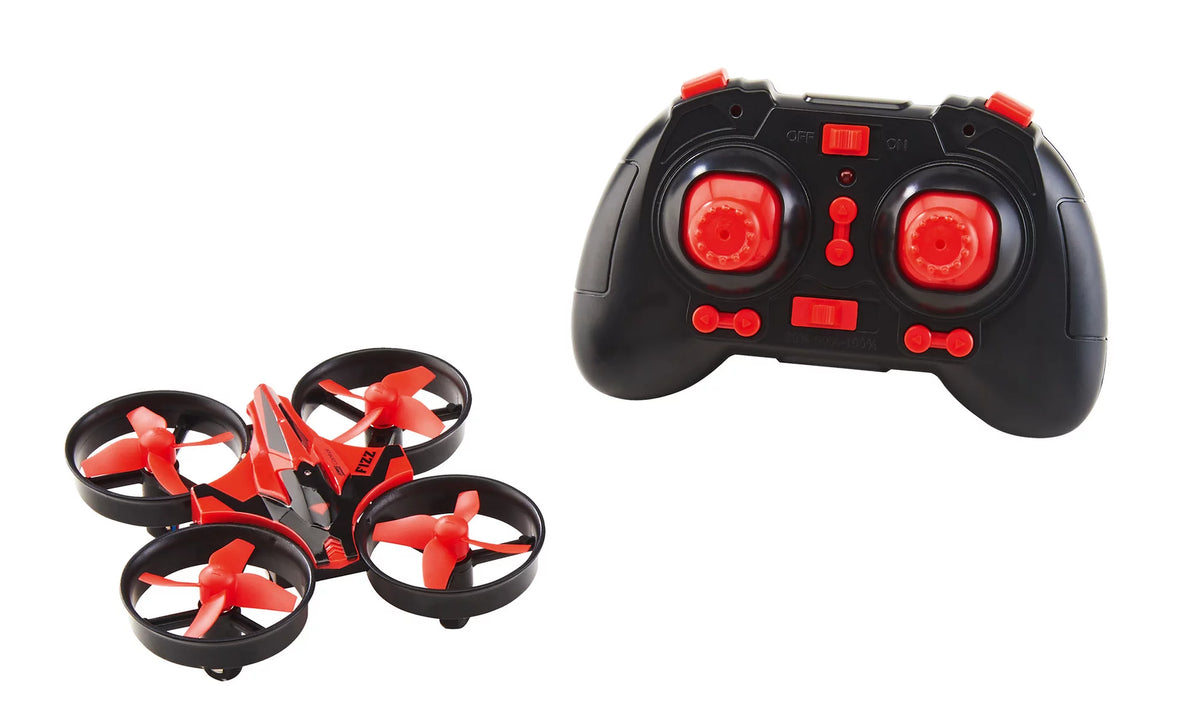
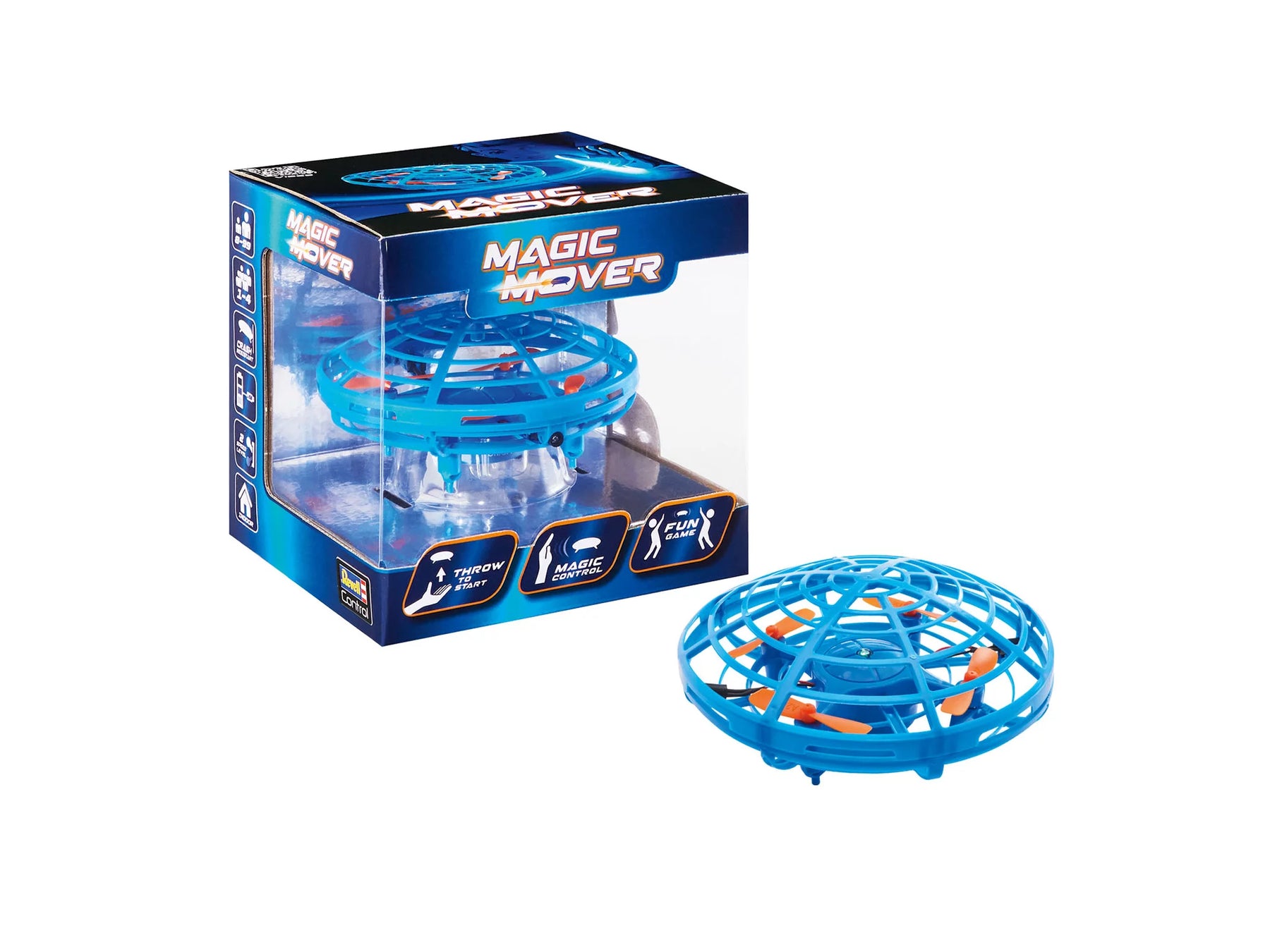
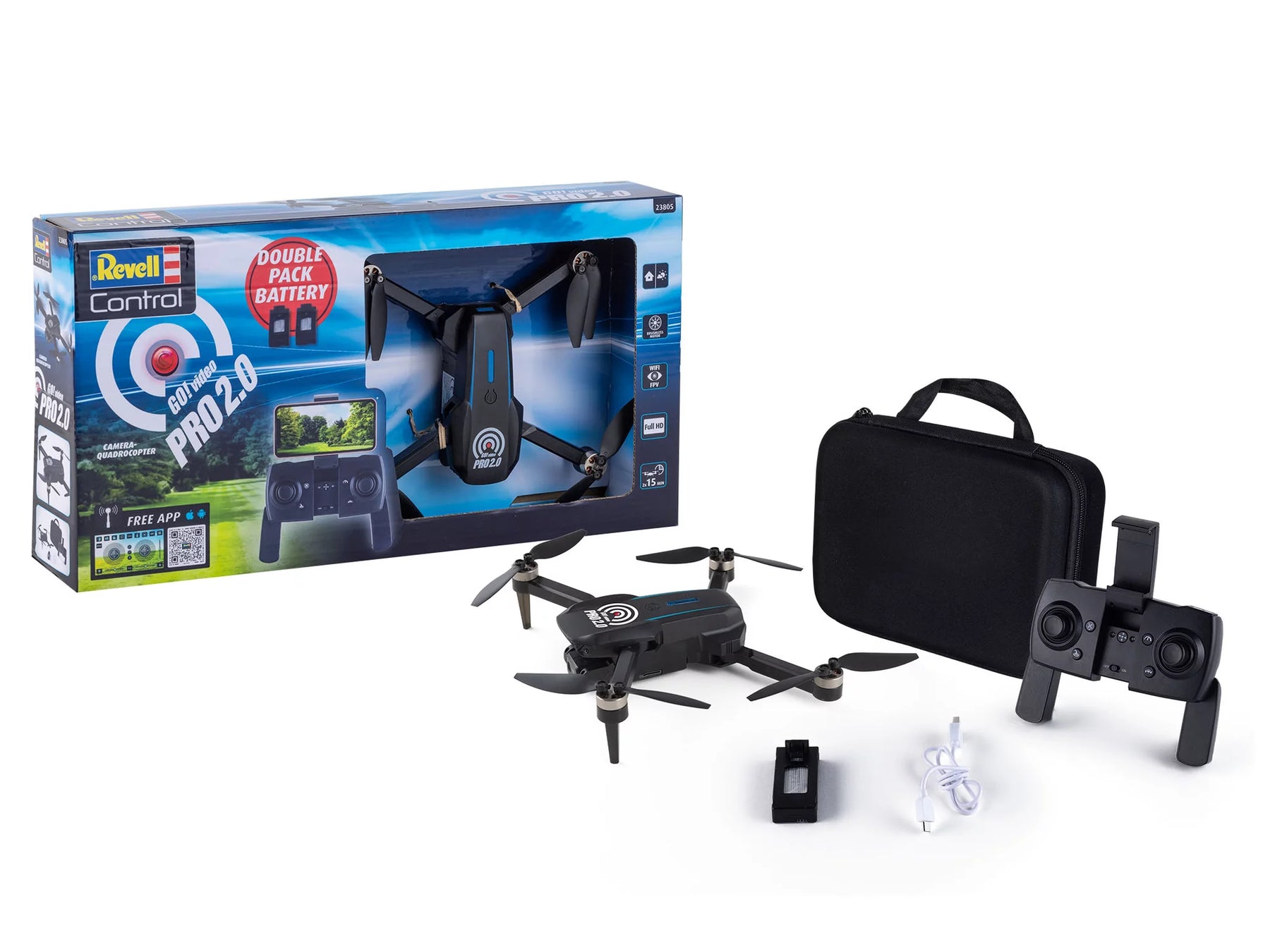
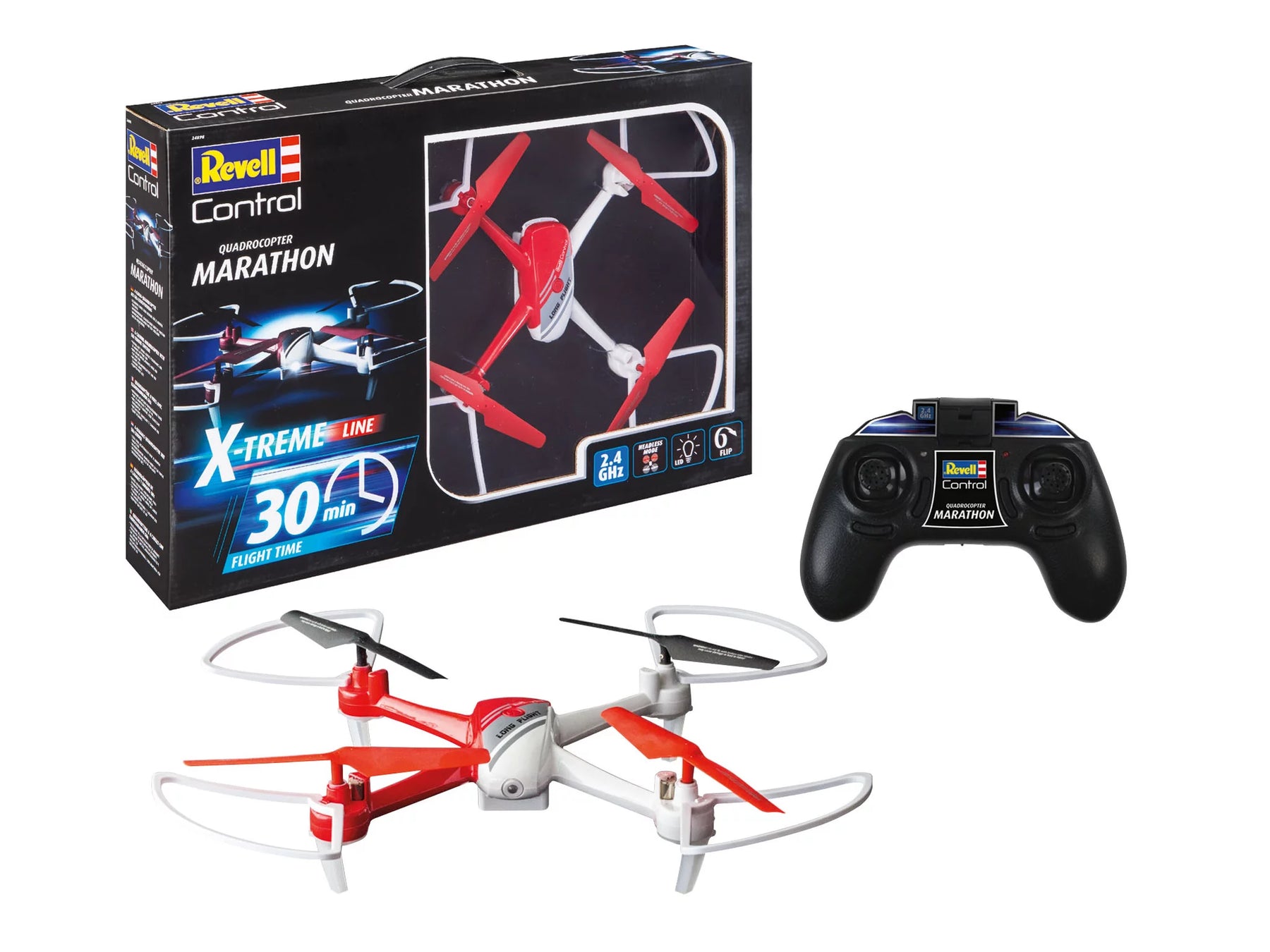
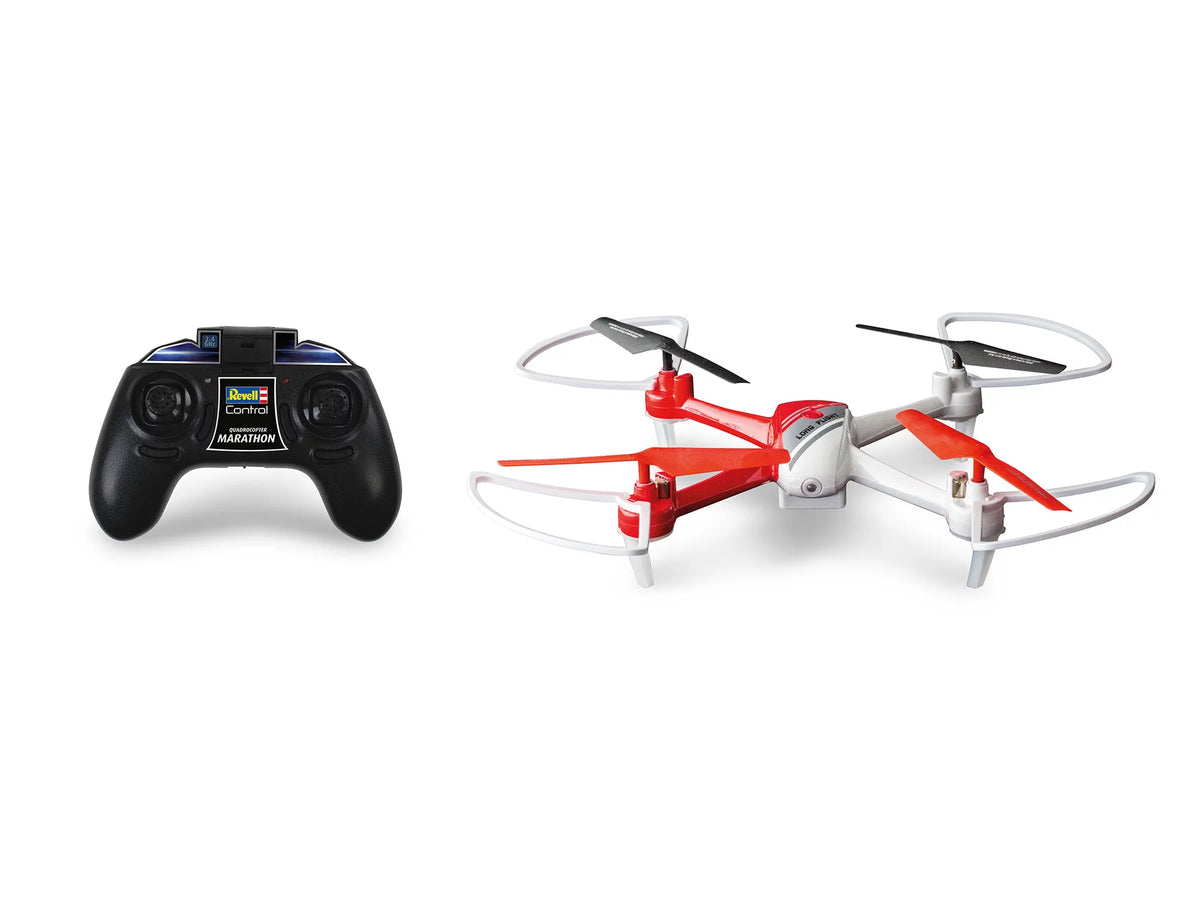
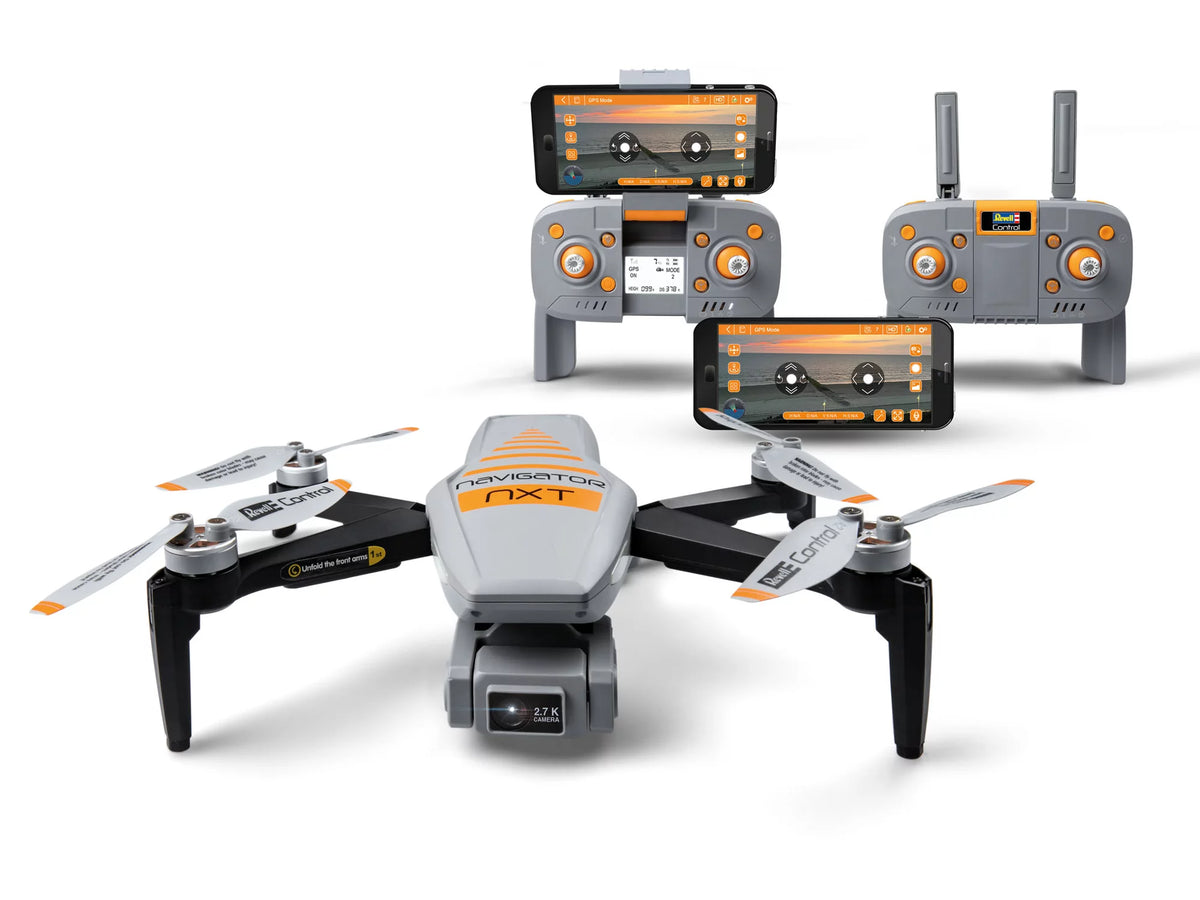
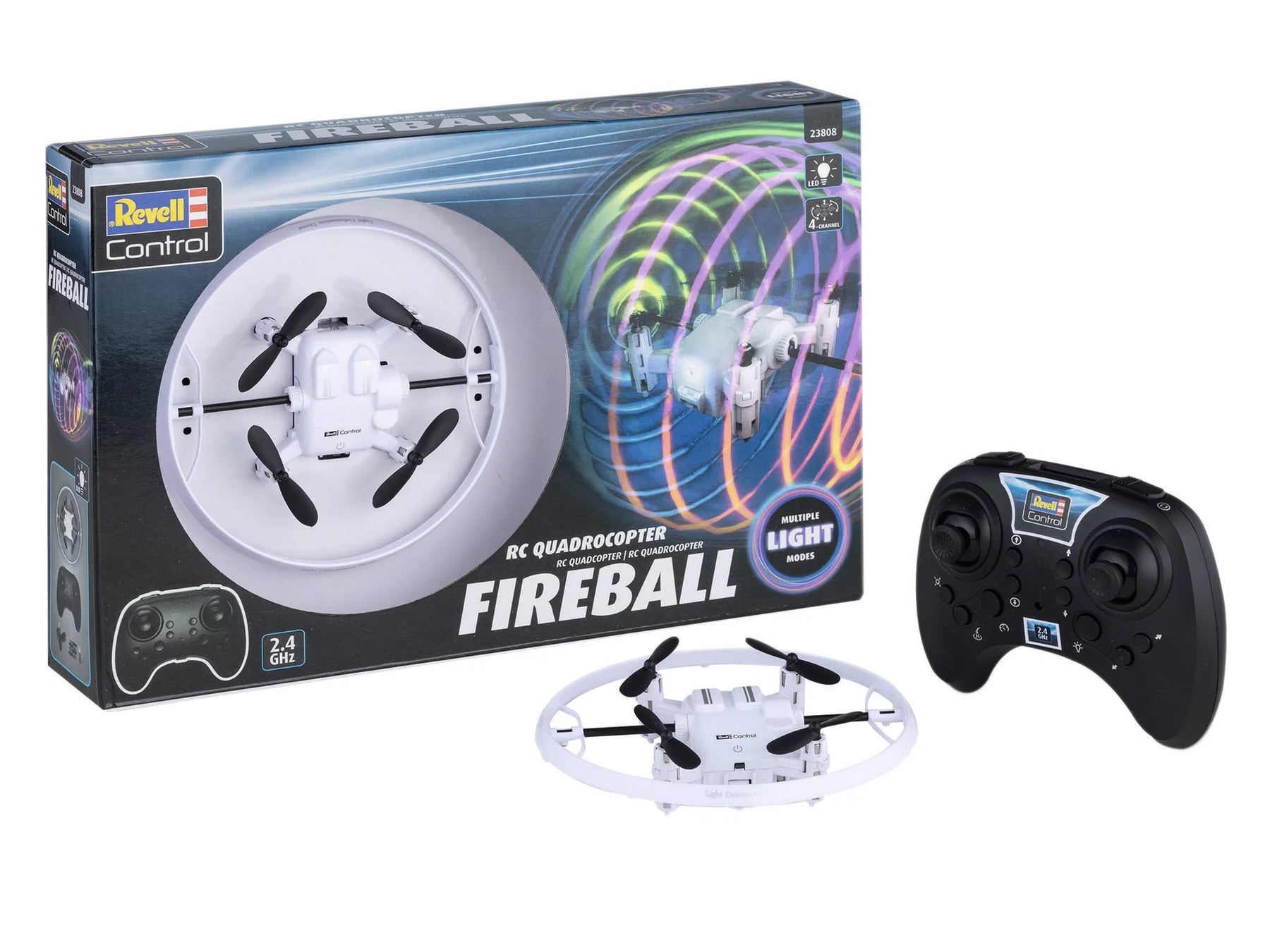
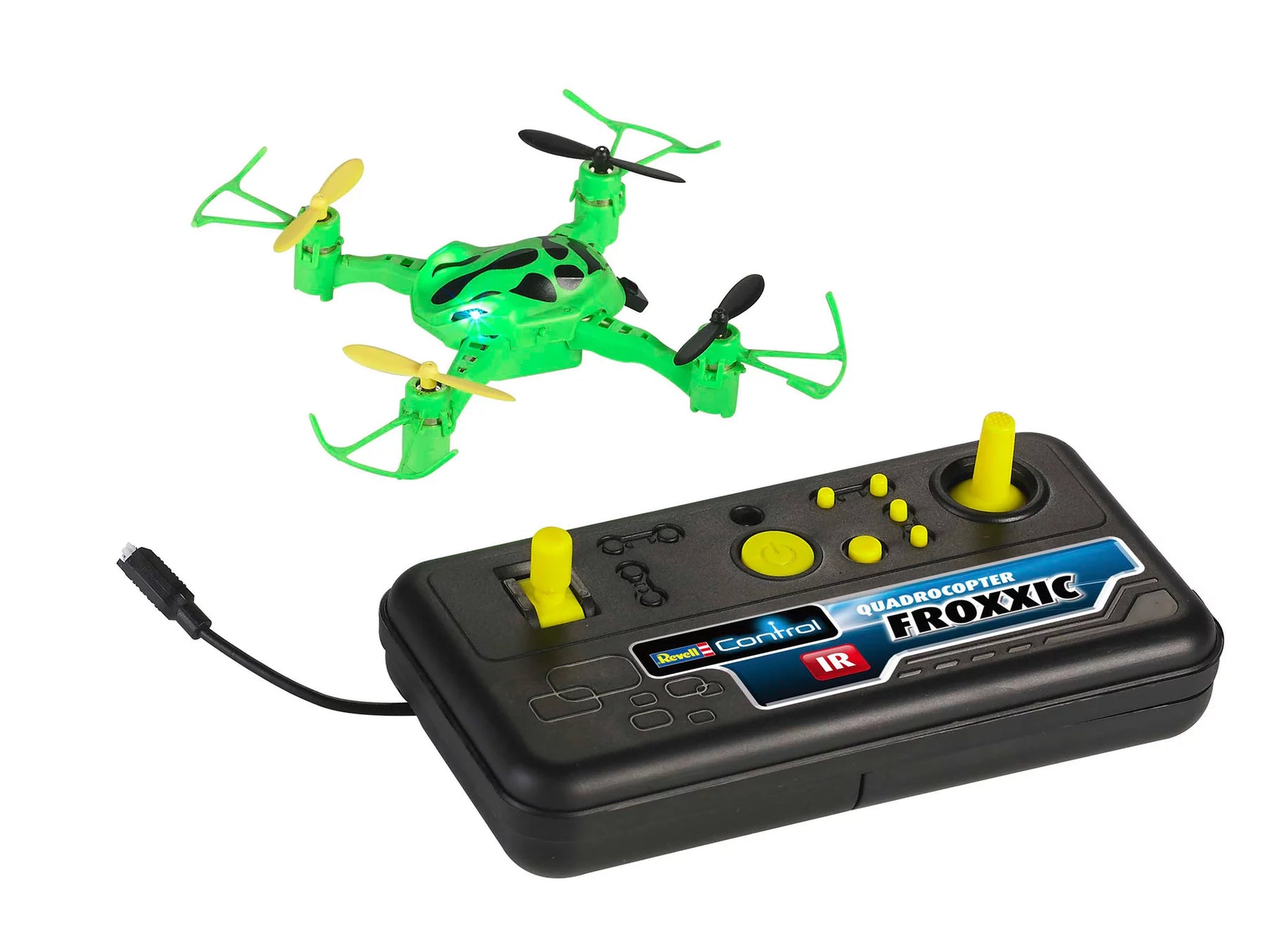
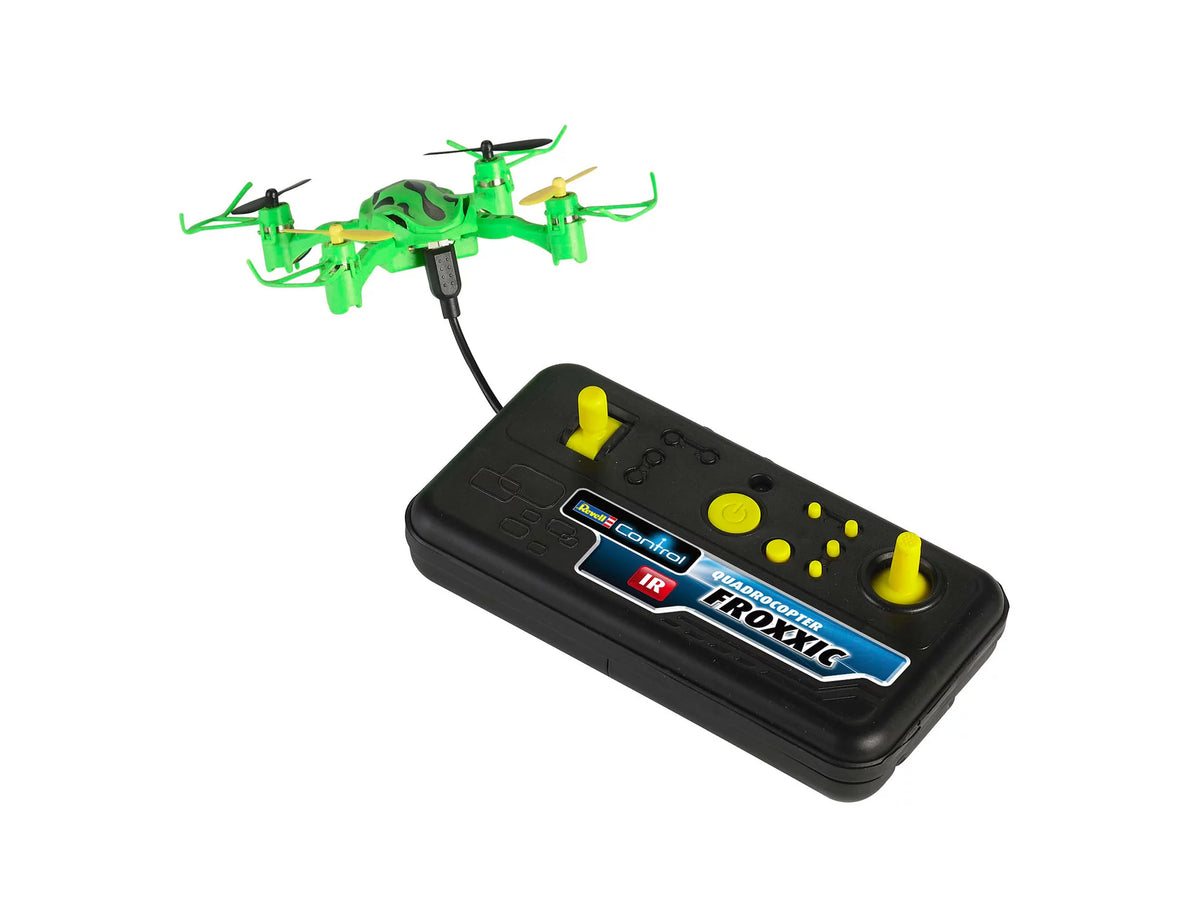
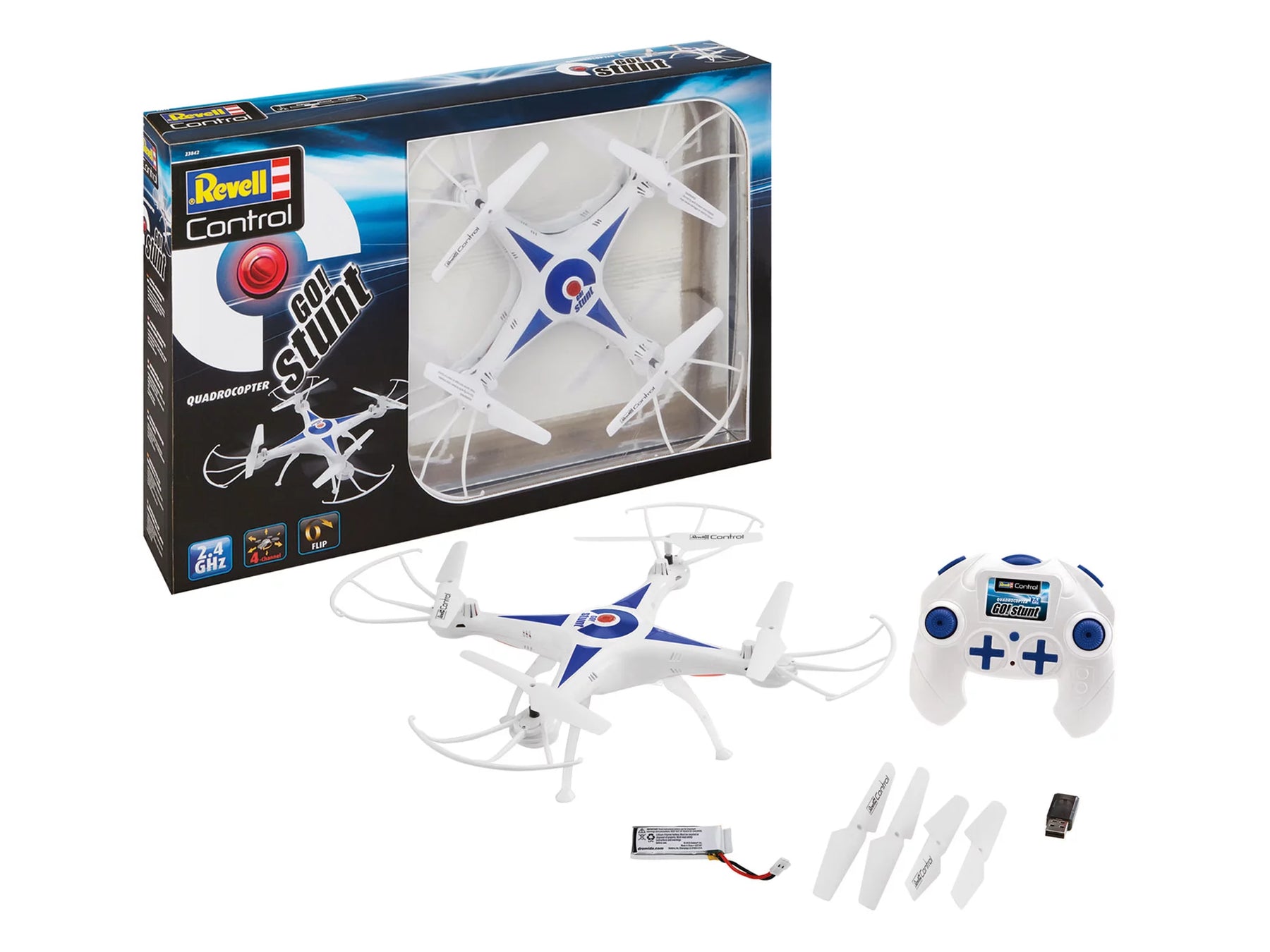
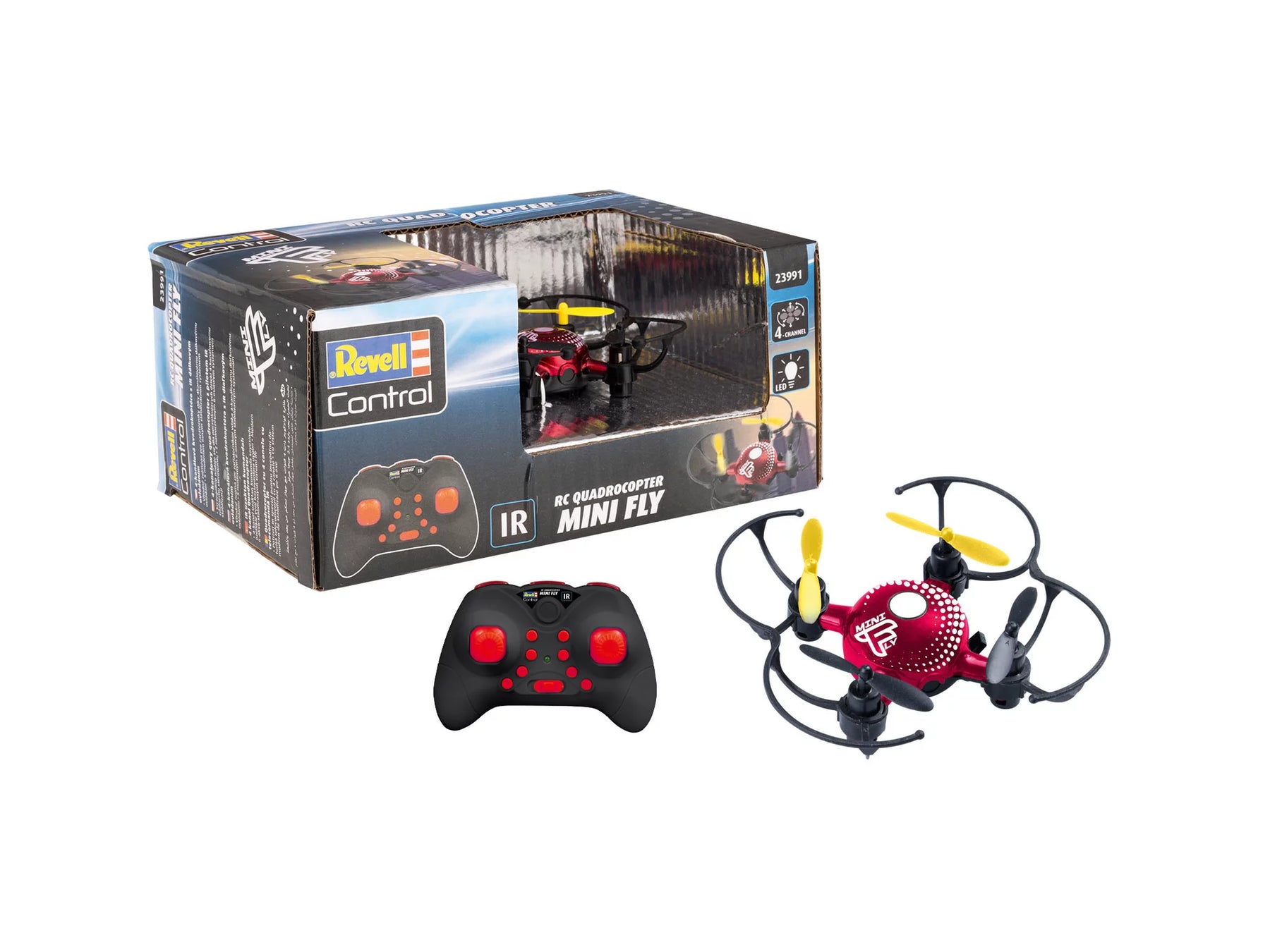
Revell Control Quadcopters make it particularly easy for you to get started: Since these are usually certified toys in accordance with EU Directive 2009/48/EC or models of the class “C0” (Category OPEN/A1), they are below the 250g limit and fly slower than 19 m/s.
This has unbeatable advantages for you:
-
No drone license: You can get started straight away without taking any exams.
-
No registration requirement: As a rule, no operator registration is required for this toy class.
Just make sure when purchasing Packaging labeling (e.g. class “C0”) which category your model falls into. While heavier drones often offer better wind stability but require an online test and registration, the compact Revell models offer you maximum freedom in European airspace - without any bureaucratic hassle.
Drone types: Which quadrocopter is right for you?
To make your decision as easy as possible, I have divided the world of drones into three main categories. Find out which description you most closely identify with.
The compact travel and beginner drone (under 250g)
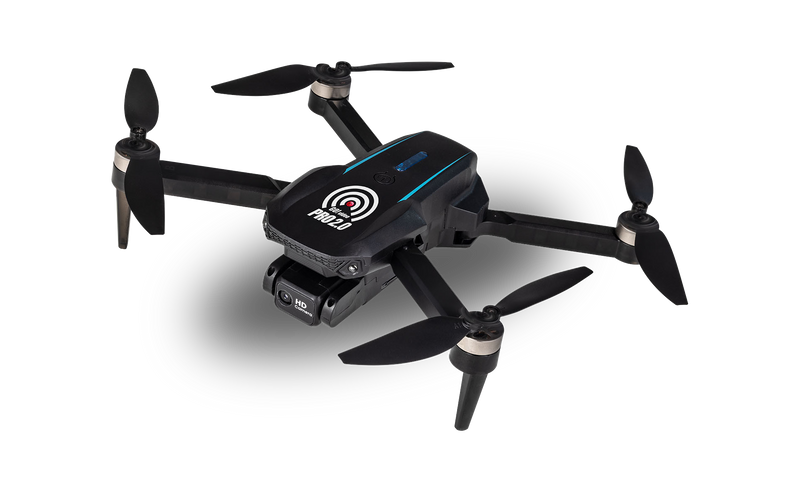
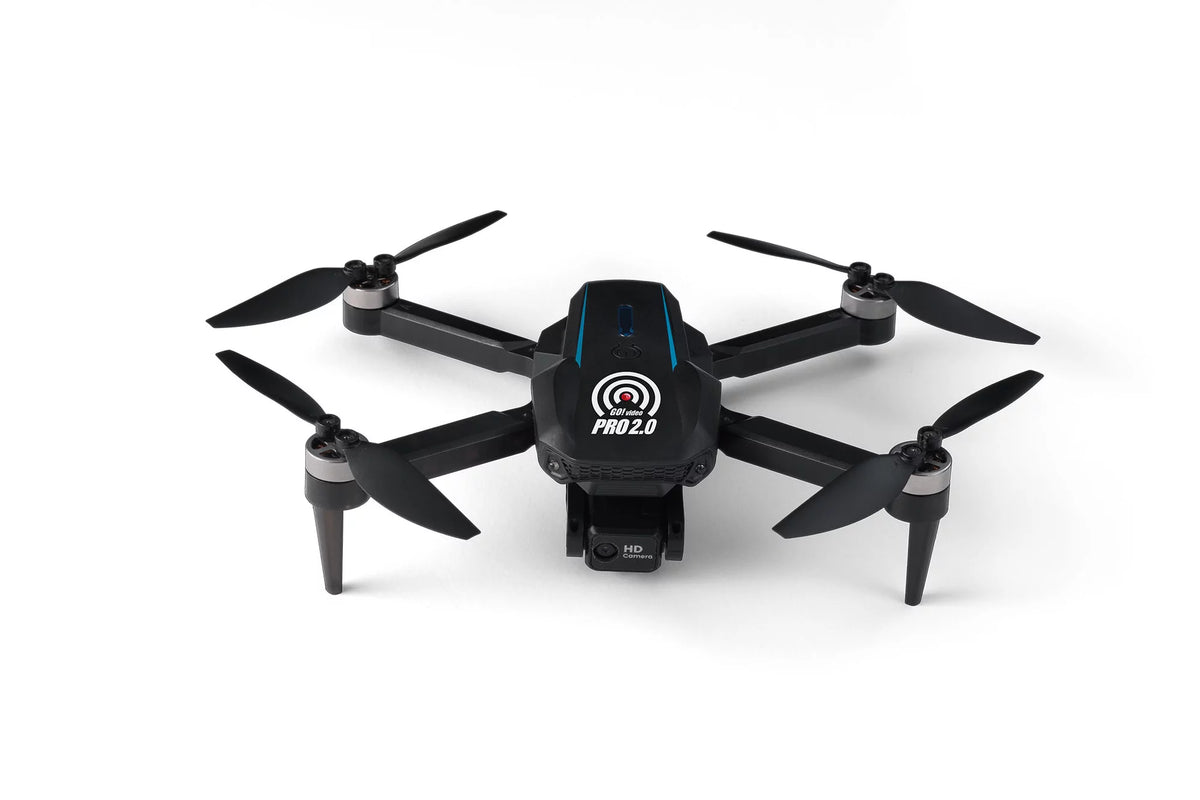
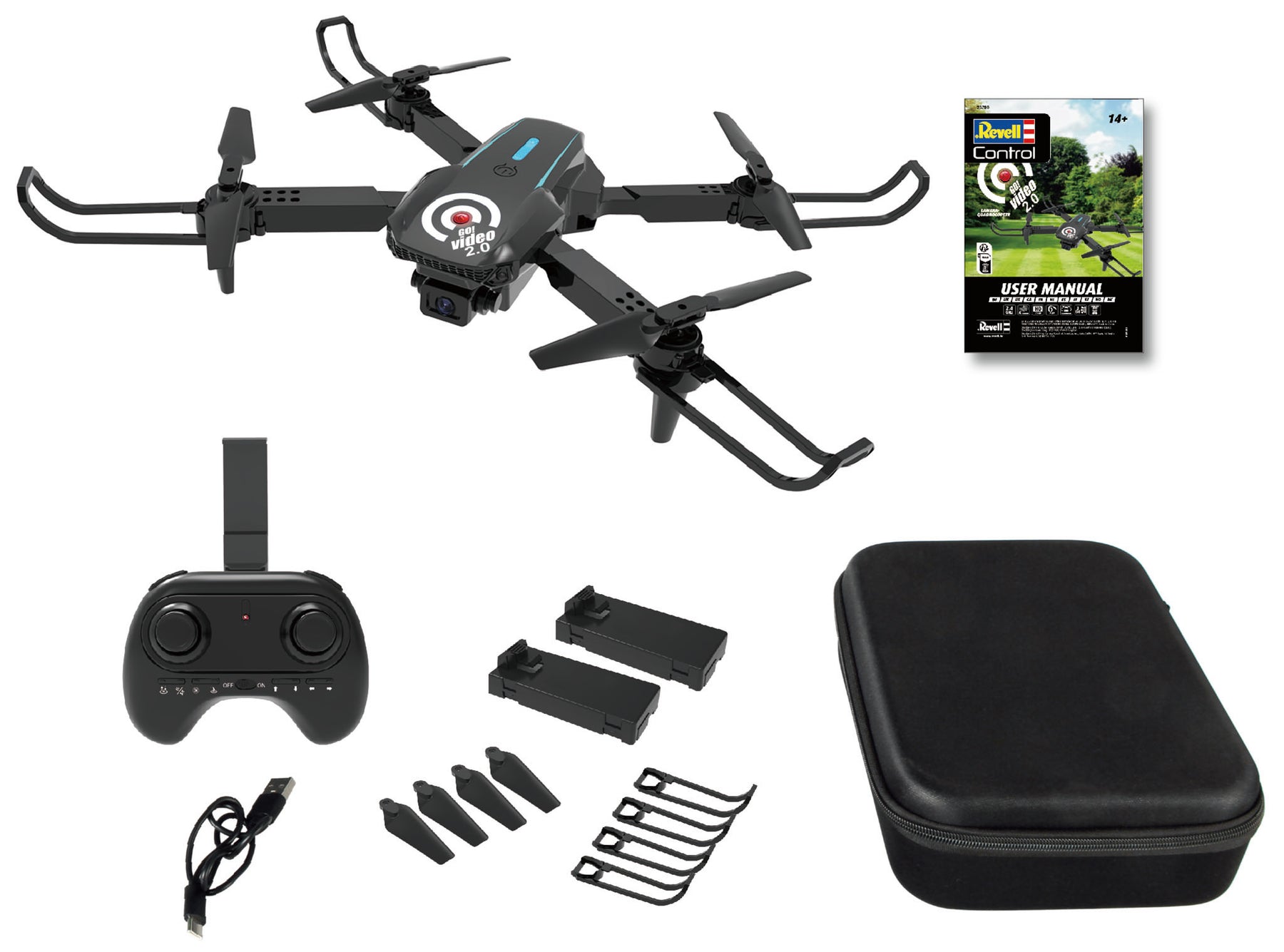
If you travel a lot, go hiking or are simply looking for an uncomplicated drone for family vacations, a foldable mini quadcopter under 250 grams is your best choice. These models fit in every jacket pocket, are legally extremely beginner-friendly and now offer cameras that deliver breathtaking 4K videos. They are the perfect introduction to the world of drones without having to compromise on image quality. Thanks to GPS and hover sensors, they stand suspended in the air - you can literally let go of the remote control and the drone waits for your next commands.
The premium camera drone for content creators
Are you an ambitious hobby photographer, vlogger or would you even like to take on professional assignments? Then you need a drone from the middle to upper class. These quadcopters are a little heavier, but offer large camera sensors (often from well-known manufacturers such as Hasselblad or Leica), variable apertures and color profiles that give you complete freedom in post-processing. They are also significantly more wind-resistant. If you want to film cinematic landscapes, architecture or weddings, this category is your number one work tool.
FPV drones: pure adrenaline and action
FPV stands for “First Person View”. With these drones, you wear video glasses and see exactly what the drone's camera sees - as if you were sitting in the cockpit yourself. FPV quadcopters are incredibly fast, extremely maneuverable and can perform spectacular flight maneuvers such as flips and rolls. They are perfect for filming high-speed chases, mountain bike descents or dynamic sightseeing flights through narrow environments. However, keep in mind: Flying an FPV drone requires practice. It's more demanding than flying a GPS-supported camera drone, but rewards you with an incomparable flying experience and unique shots.
Accessories: What you really need for your quadcopter
It's usually not enough with the drone alone. To make your flight experience perfect, I recommend the following accessories, which you should plan for when purchasing:
- Replacement batteries: As already mentioned, two to three additional batteries are an absolute must for a relaxing day of flying.
- ND filter (neutral density filter): These filters are like sunglasses for your camera. They help you maintain the correct exposure time in bright sunlight, which is essential for smooth, professional videos.
- A robust transport bag: Protect your investment from dust, shock and moisture.
- Replacement propeller: A small scratch on the propeller can disrupt the aerodynamics. If in doubt, a set of spare propellers in your backpack will save your day.
- A fast MicroSD card: 4K videos require a huge amount of storage space and high writing speeds. Don't cut corners here.
Your path to the perfect drone: Our expert conclusion
Buying a quadcopter is the start of a fantastic new hobby or an upgrade for your creative work. Don't let technical data sheets confuse you. Just ask yourself: What do I want to film and how much weight do I want to carry? If you answer these questions, your path will automatically lead you to the right drone. Trust models with good obstacle detection, strong signal transmission and sufficient battery power. In our shop you will find carefully selected models that meet exactly these criteria. Don't hesitate any longer - the world is waiting for you to discover it from the air. Make your choice now and take off!
Which model suits whom?
| Target group & experience level | Recommended drone type | Key Features & Benefits |
|---|---|---|
| Beginners, travelers & families | Mini drone (under 250g) | Foldable, fits in every pocket, usually no drone license required, very easy to control thanks to GPS. |
| Hobby photographers & vloggers | Mid-range camera drone | 4K resolution, 3-axis gimbal, intelligent tracking modes (ActiveTrack), good wind stability. |
| Action fans & racers | FPV drone (First Person View) | Controlled via video glasses, extremely fast and maneuverable, ideal for dynamic and acrobatic recordings. |
| Professional filmmakers & photographers | Premium / heavy lift drone | Large camera sensors (1-inch or larger), interchangeable lenses, RAW video formats, 360-degree obstacle detection. |