







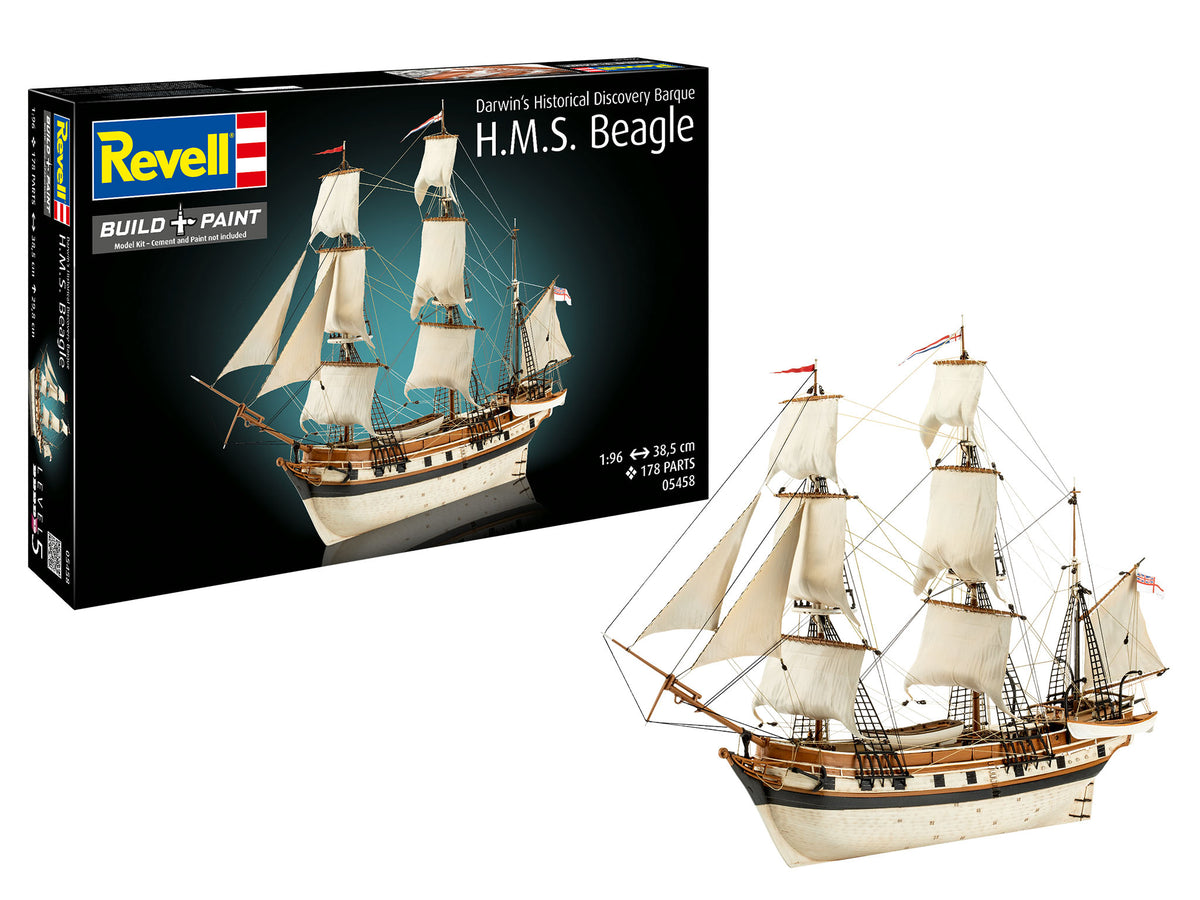
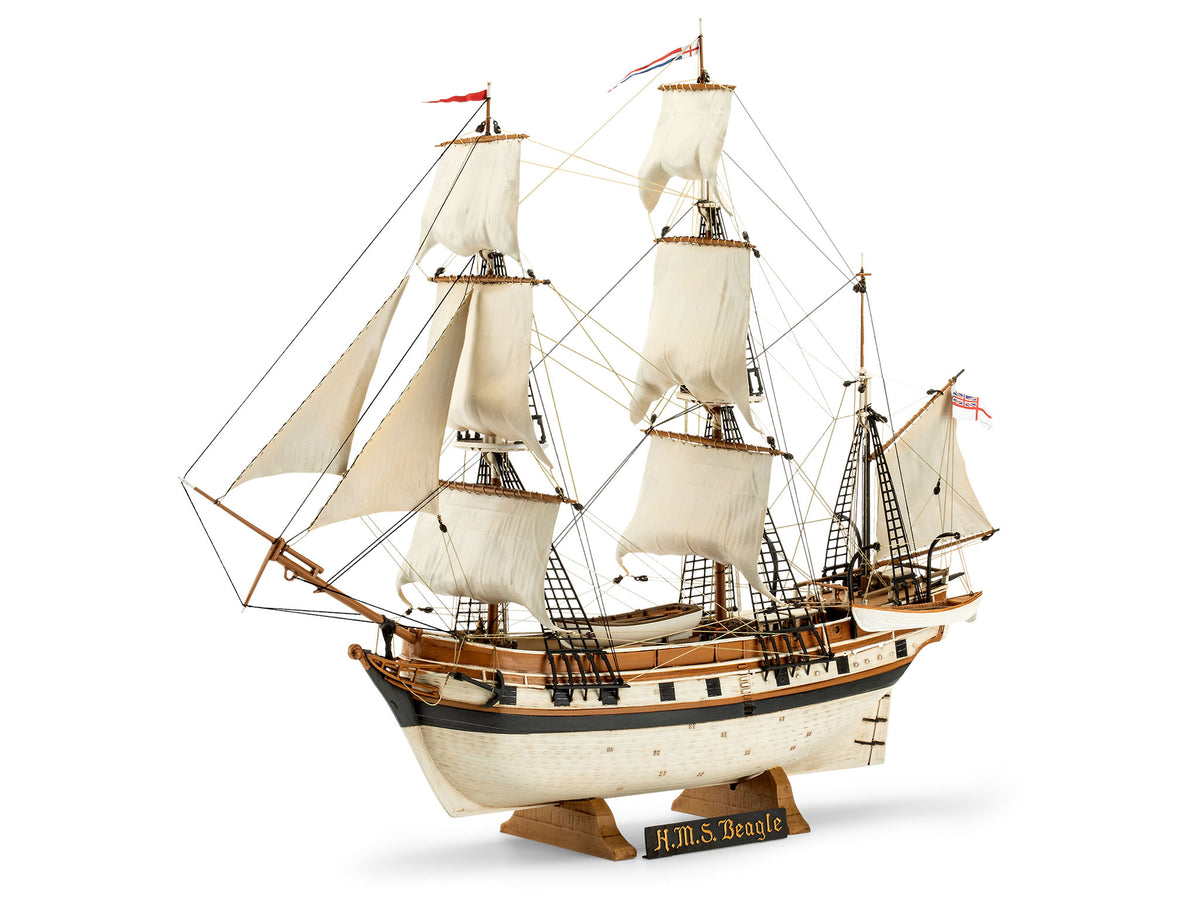
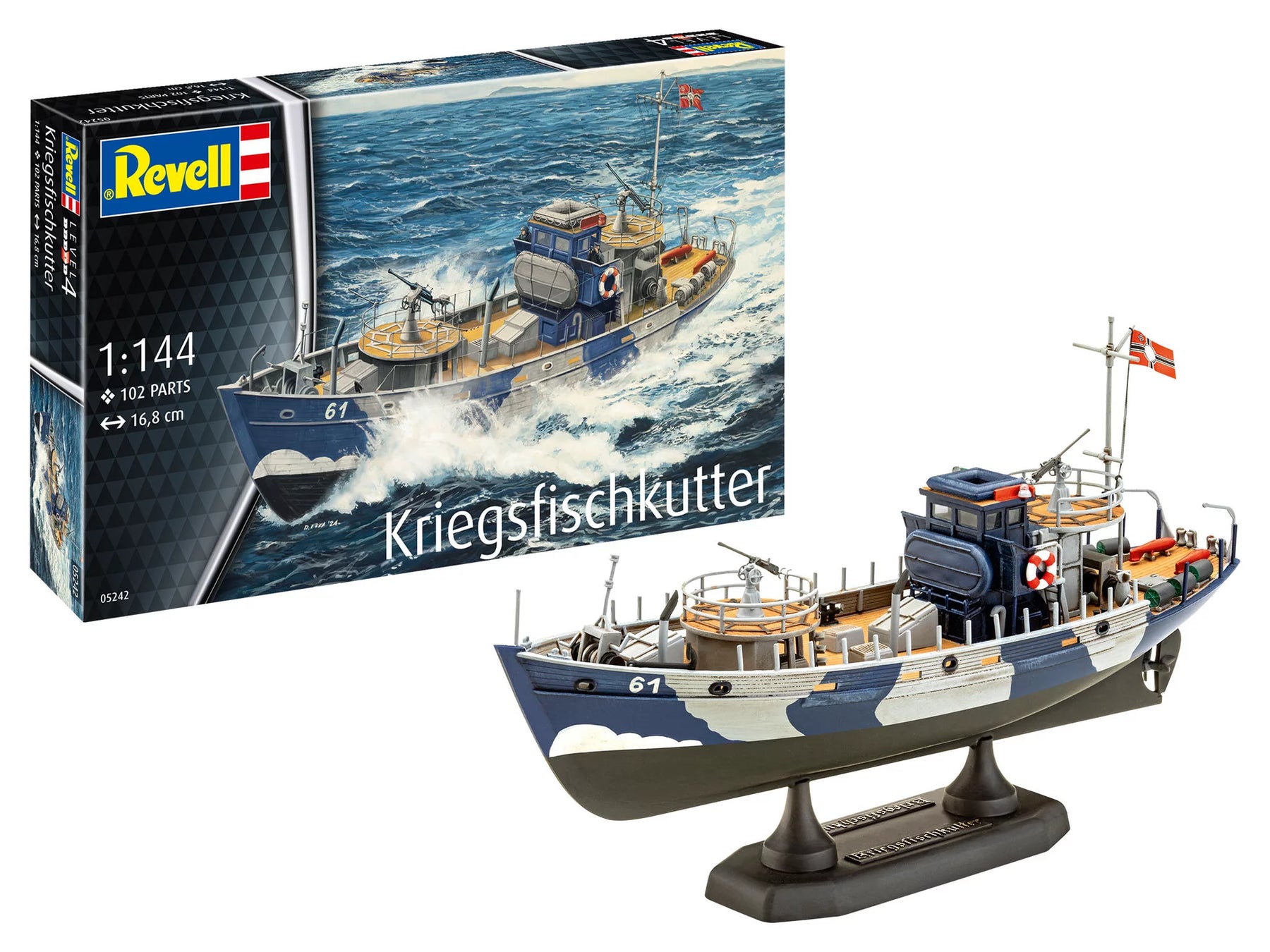
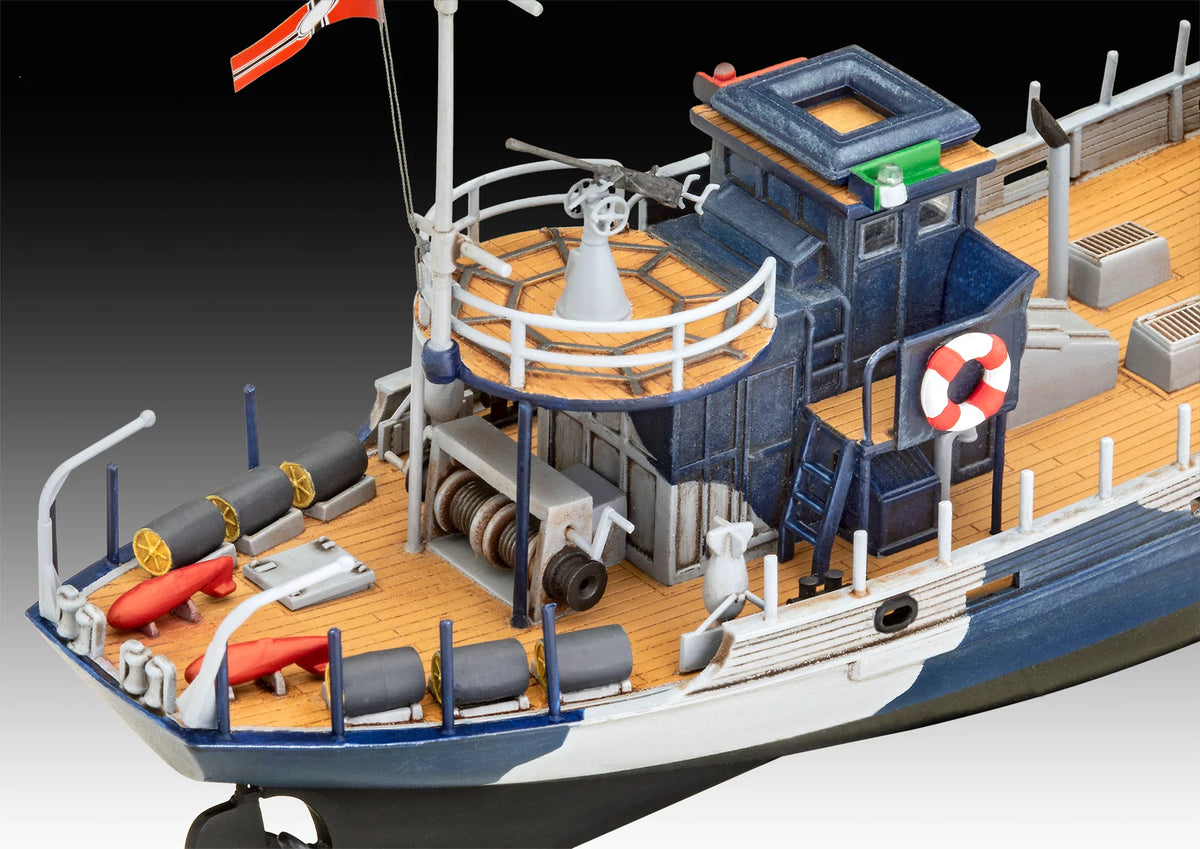
The fascination of model ship building: the sea in miniature format
There is hardly an element that inspires people's imagination as much as the vastness of the ocean. With plastic model making you can bring this majestic aura directly to your workbench. If you are interested in the topic Model ships When you decide, you don't just assemble a technical device. You deal intensively with historical engineering, maritime history and physical masterpieces. Every plank, every gun and every mast tells its own story of explorers, sea battles or peaceful crossings between continents.
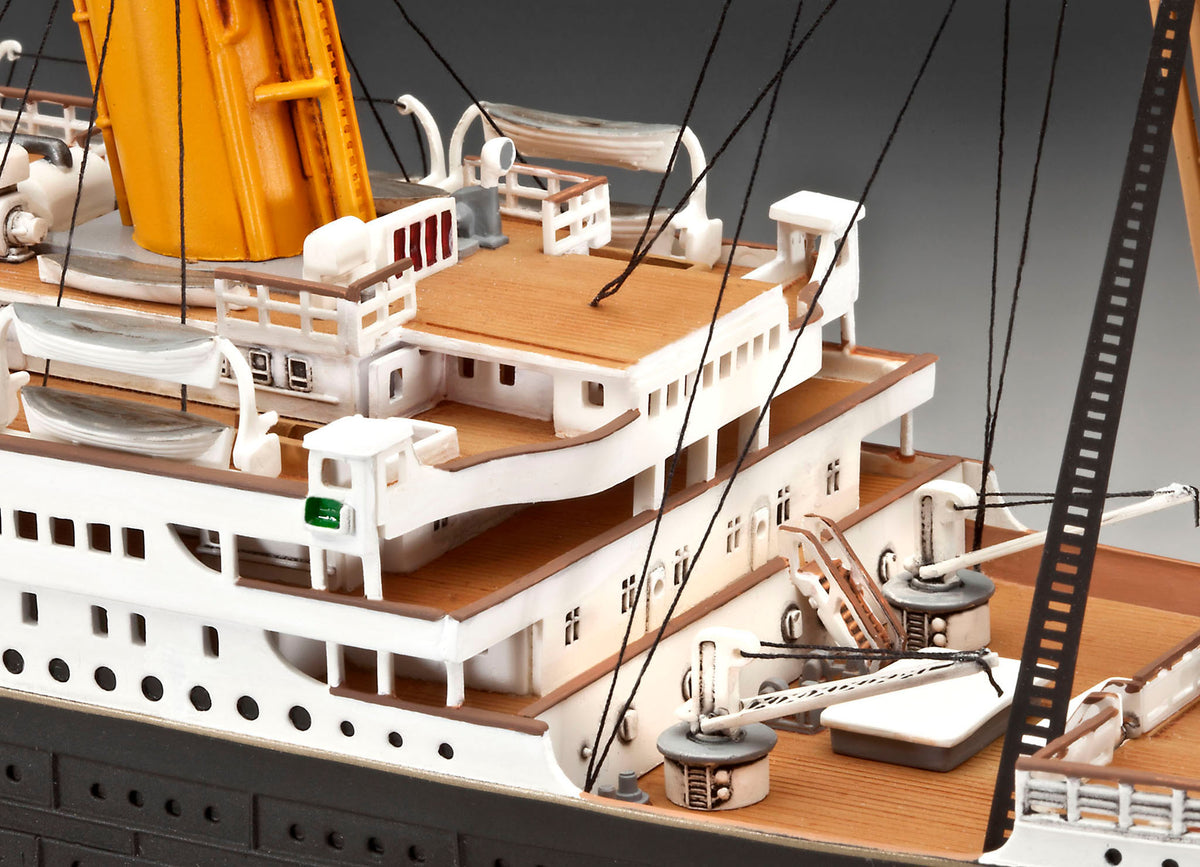
Building a ship model challenges you in a very special way. While in vehicles the focus is often on body shapes and chassis, a ship requires a high degree of sensitivity for tiny superstructures, radar antennas, railings and staircases. The reward for your patience is an incomparable showpiece: a finished ship model has a visual density and depth that inevitably captivates viewers. No matter whether you are just starting out in this hobby or have been expanding your own miniature fleet for years - ships always offer you new technical challenges and creative opportunities for development.
Which ship types are available for you to choose from?
The maritime model building world is extremely diverse. So that you can find exactly the model that excites you most, we divide our range into various classic categories. Each type of ship has very specific requirements for construction, painting and detailing.
Historic sailing ships – the elegance of past centuries
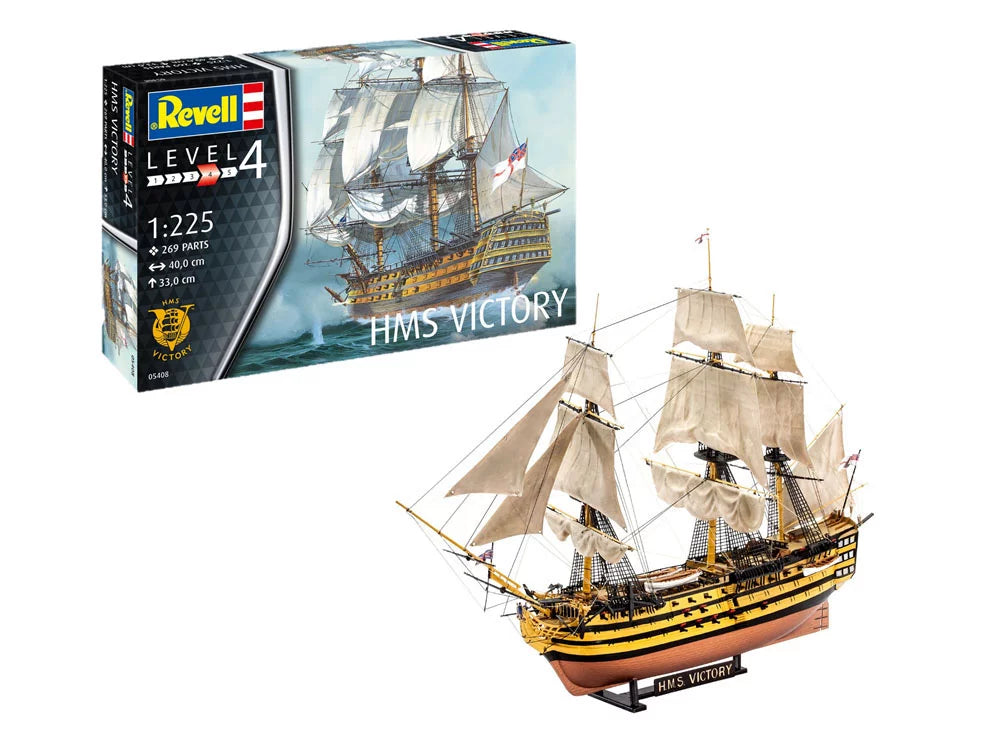
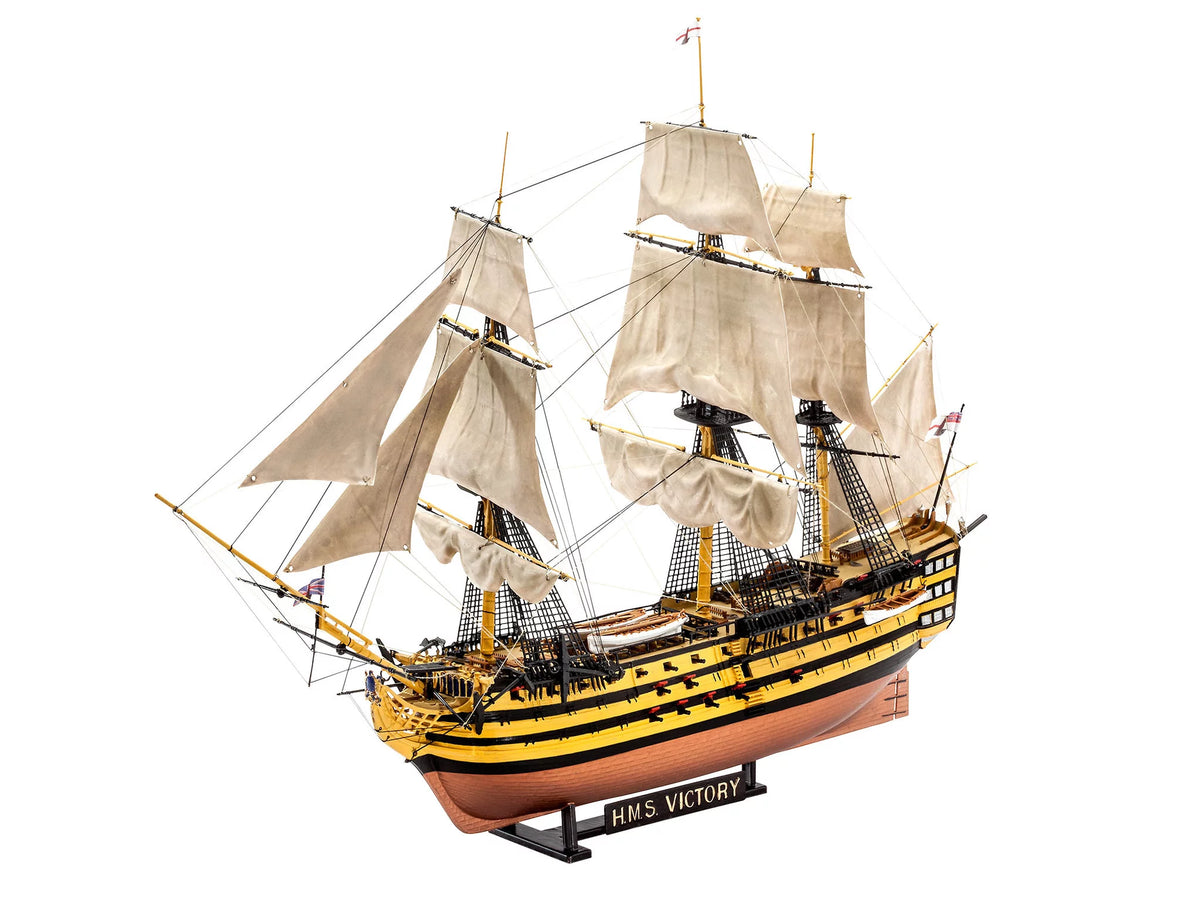
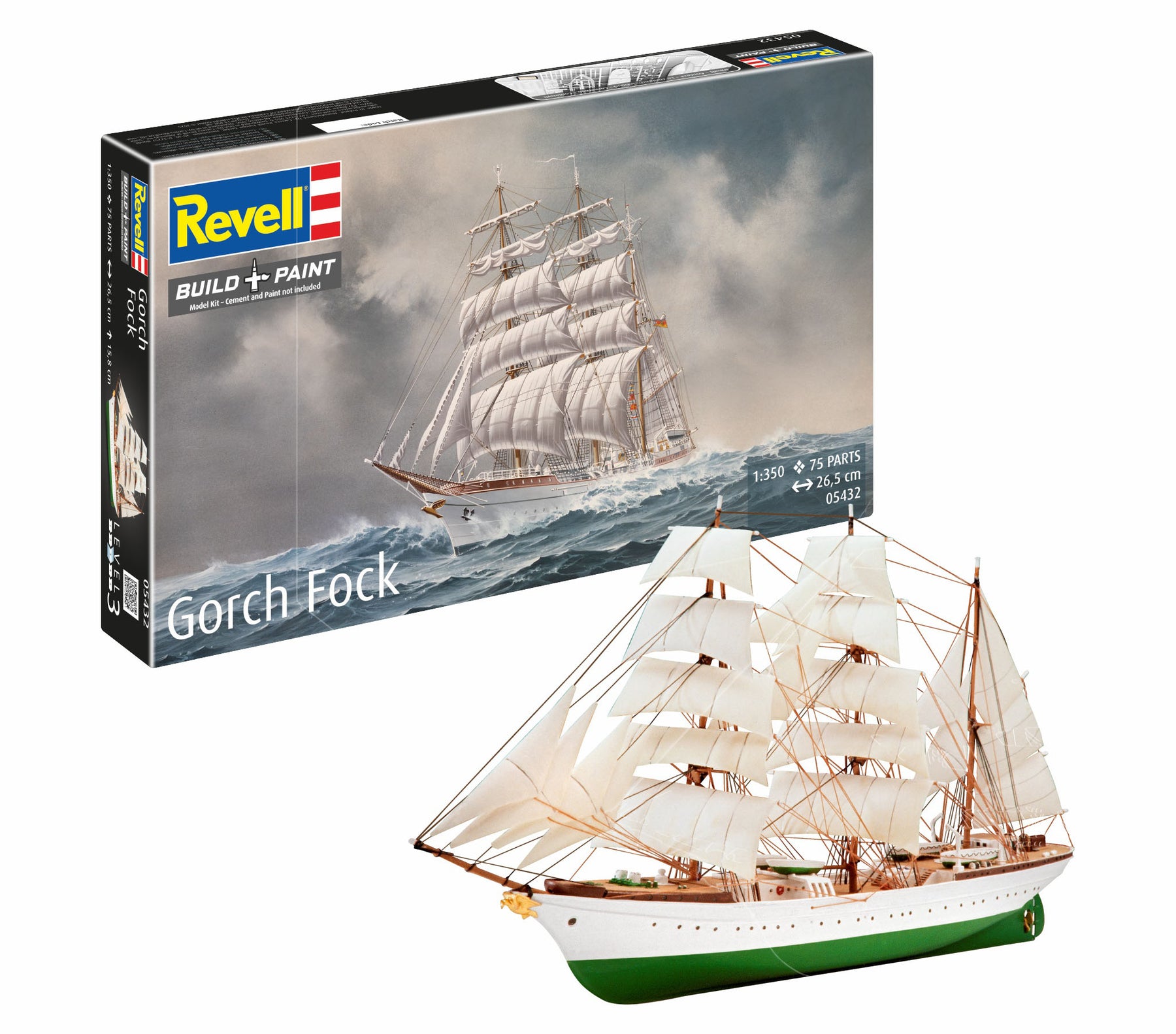
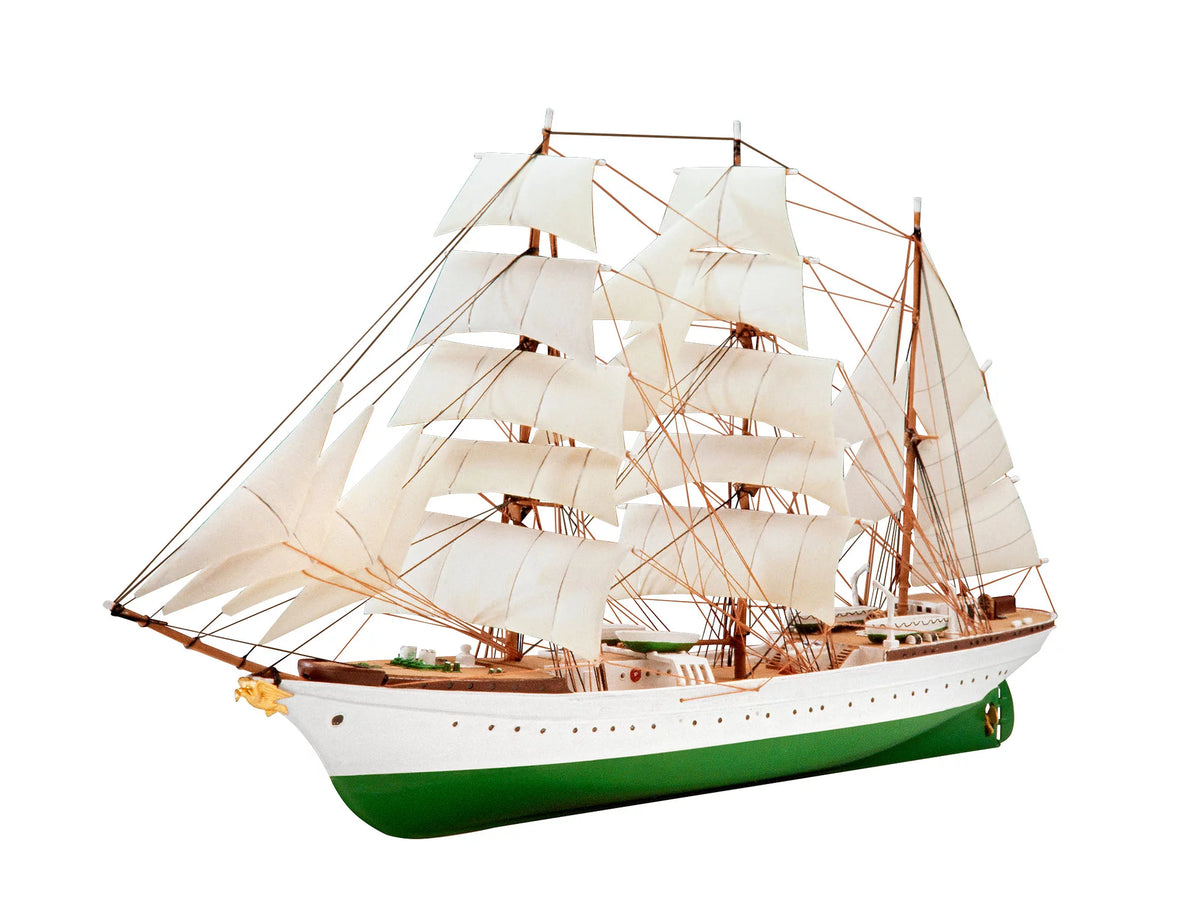
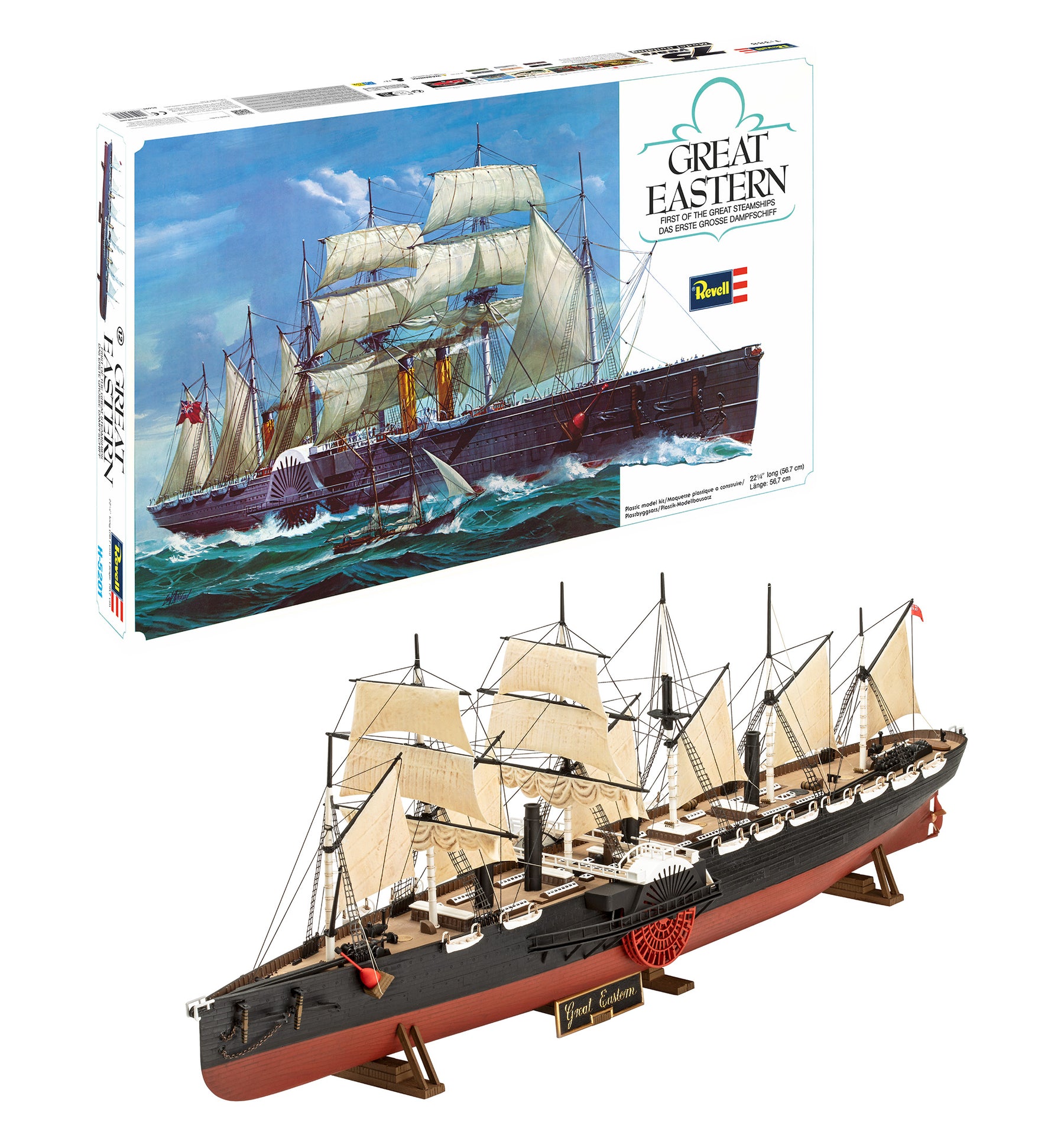
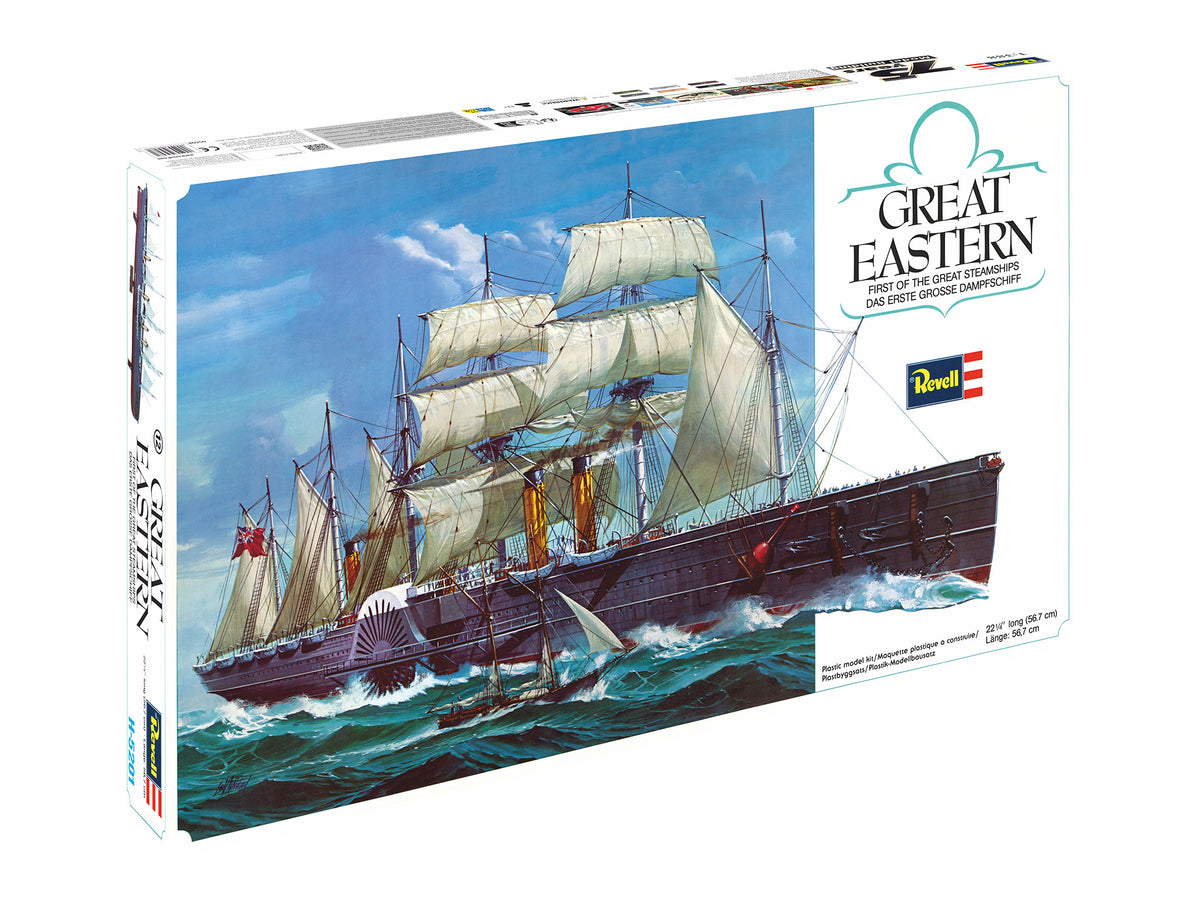
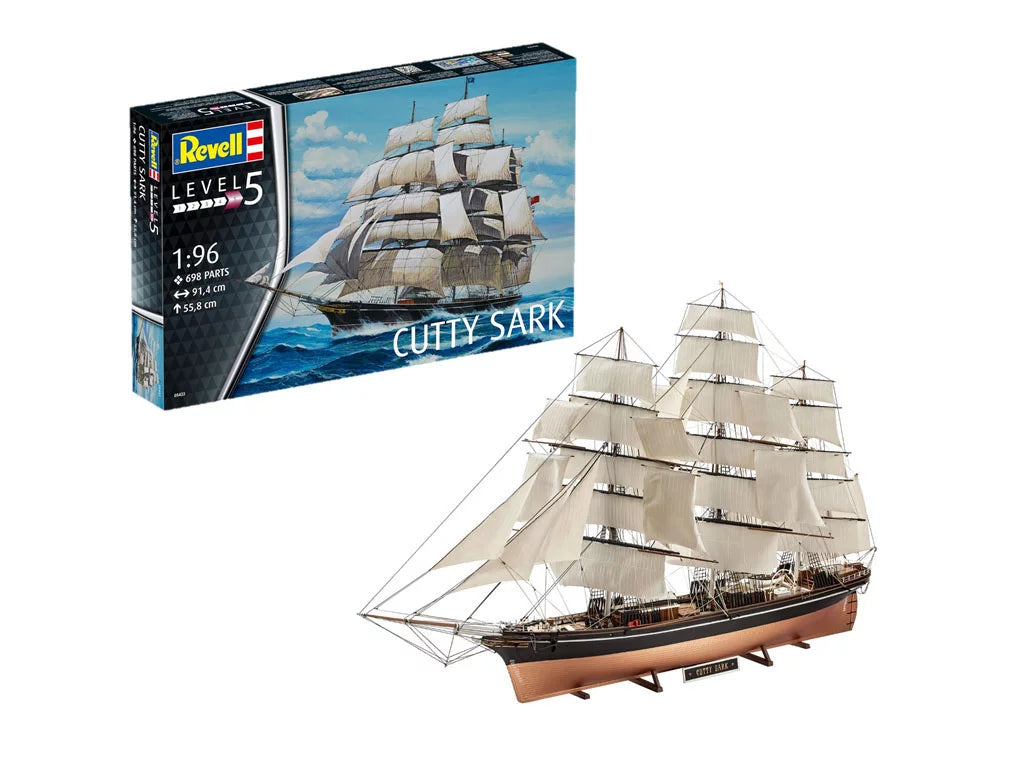
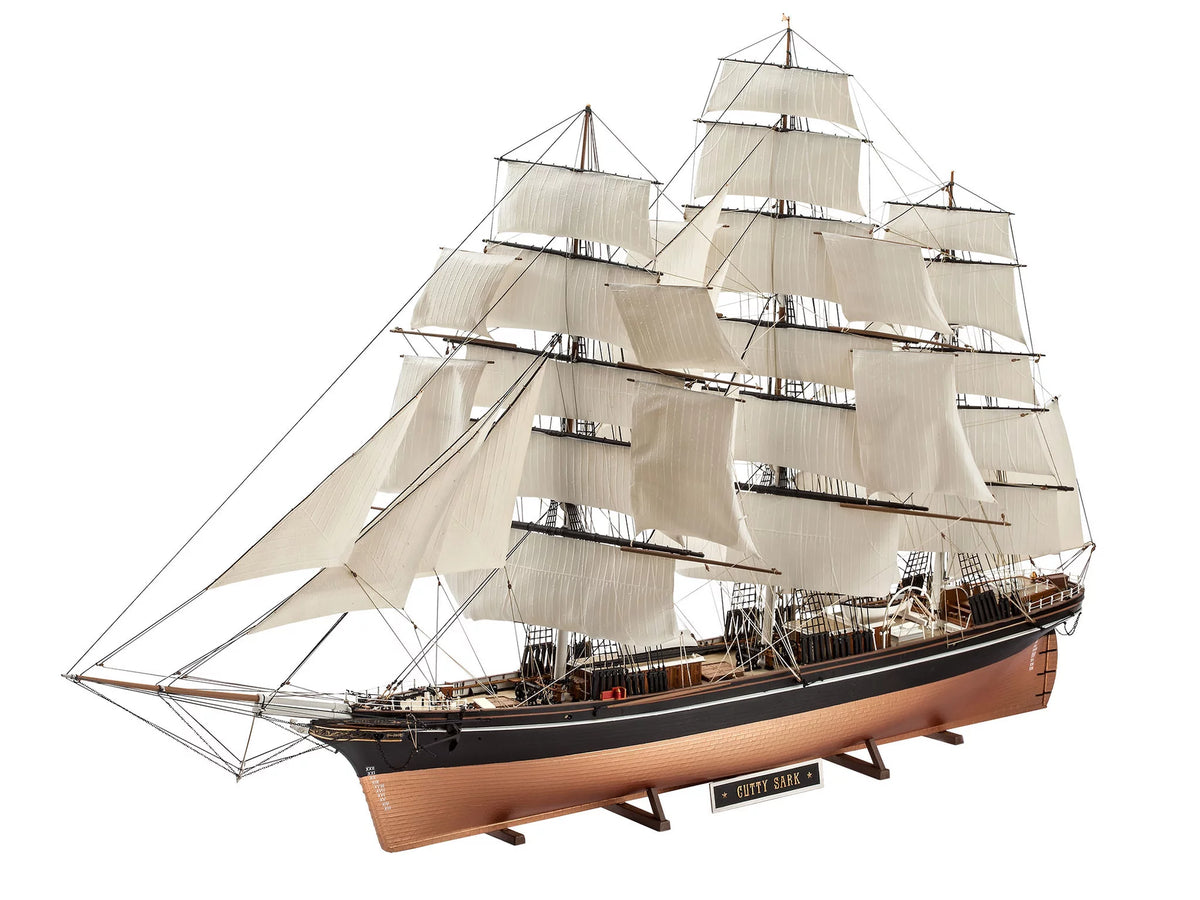
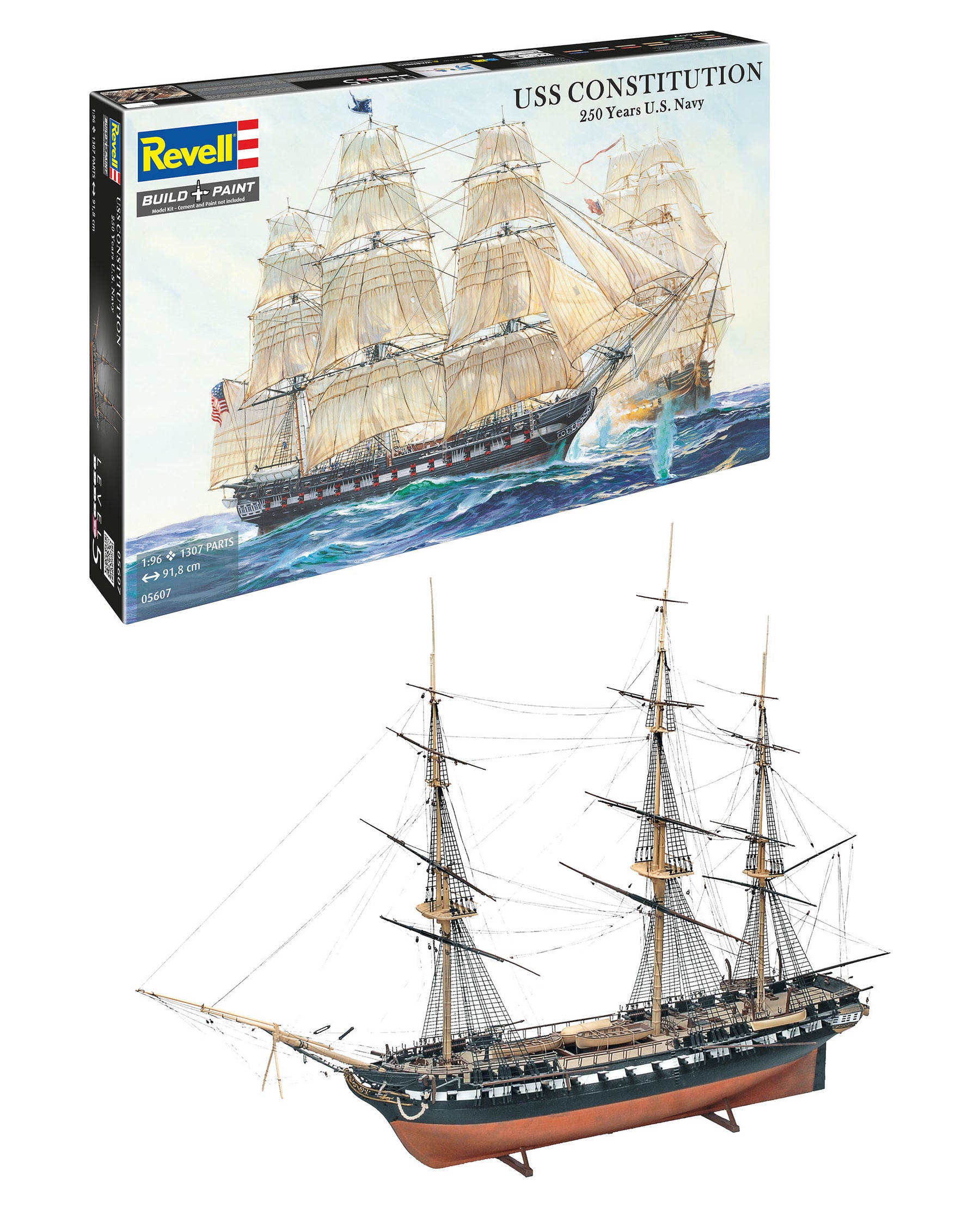
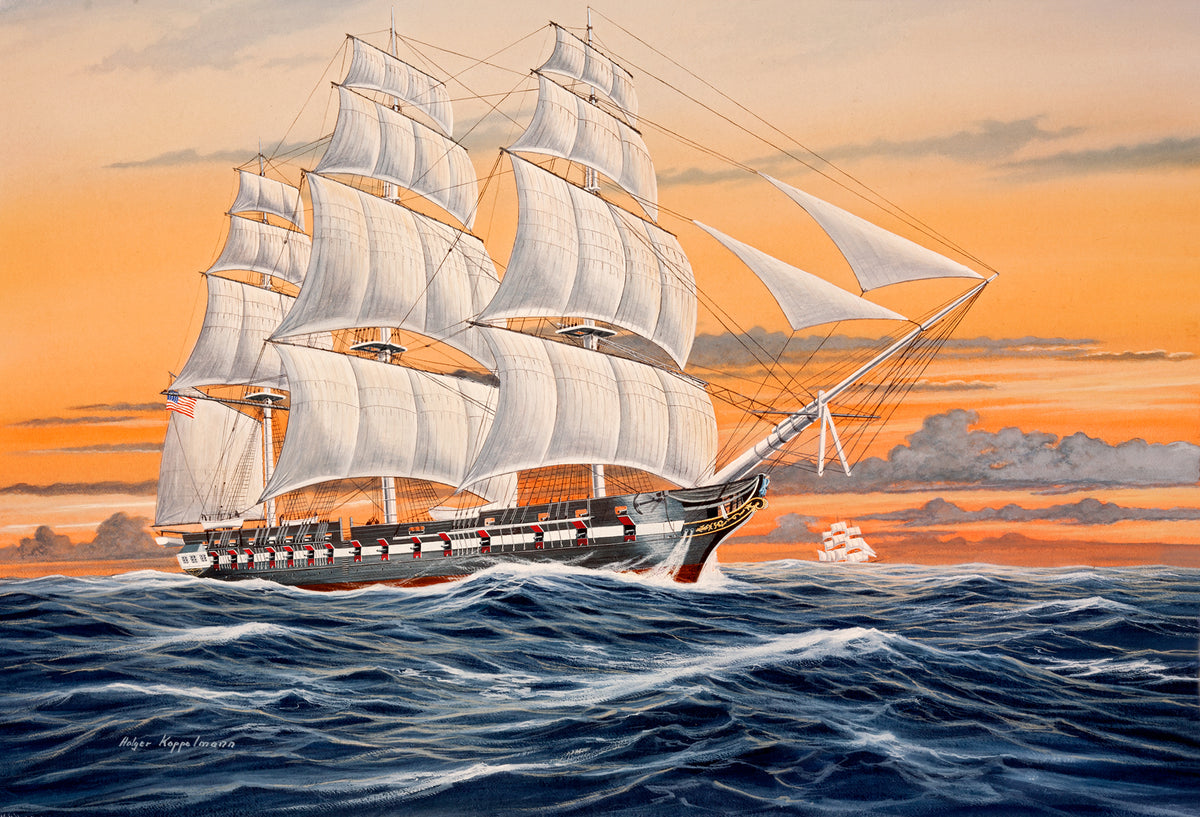
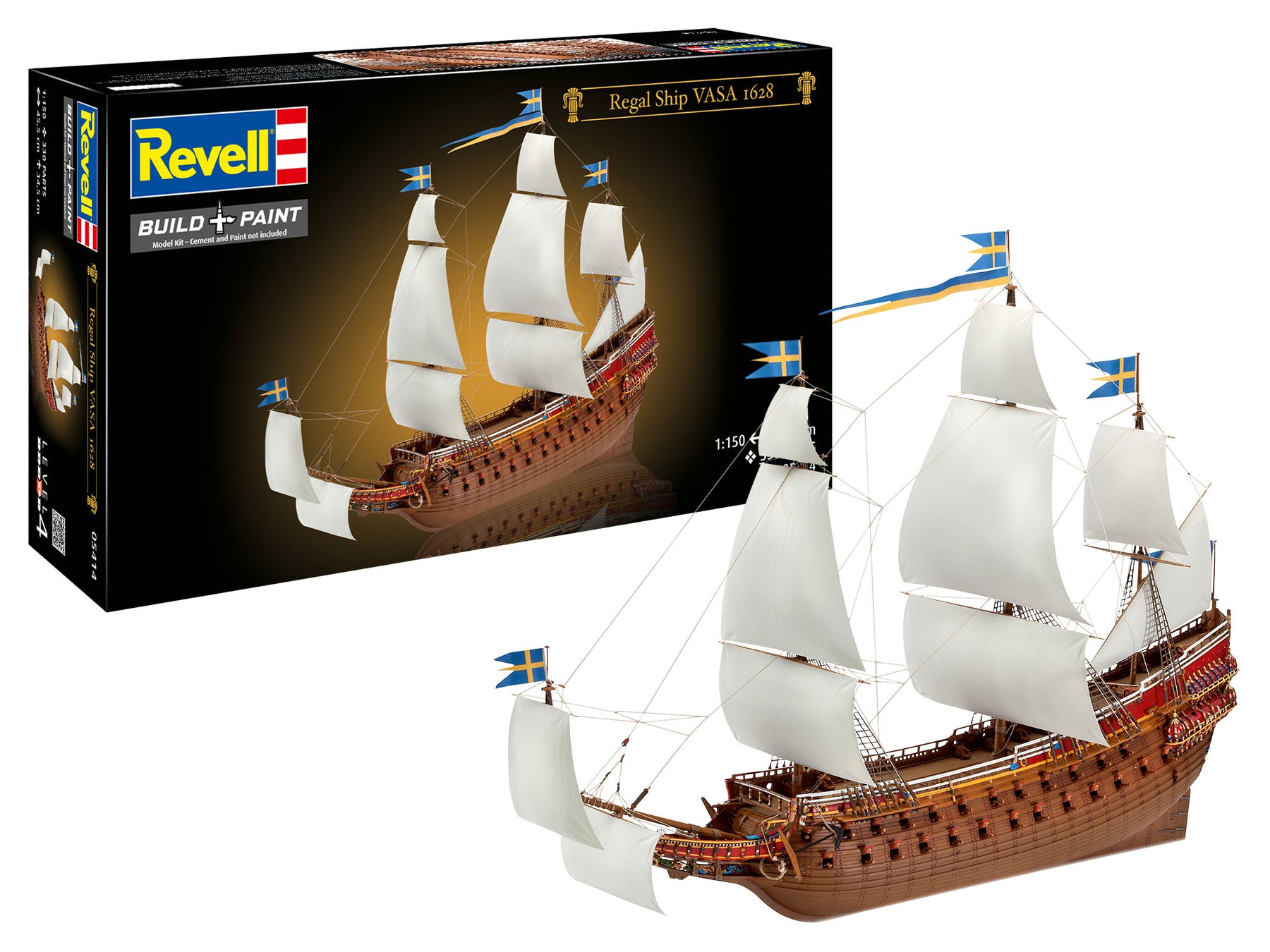
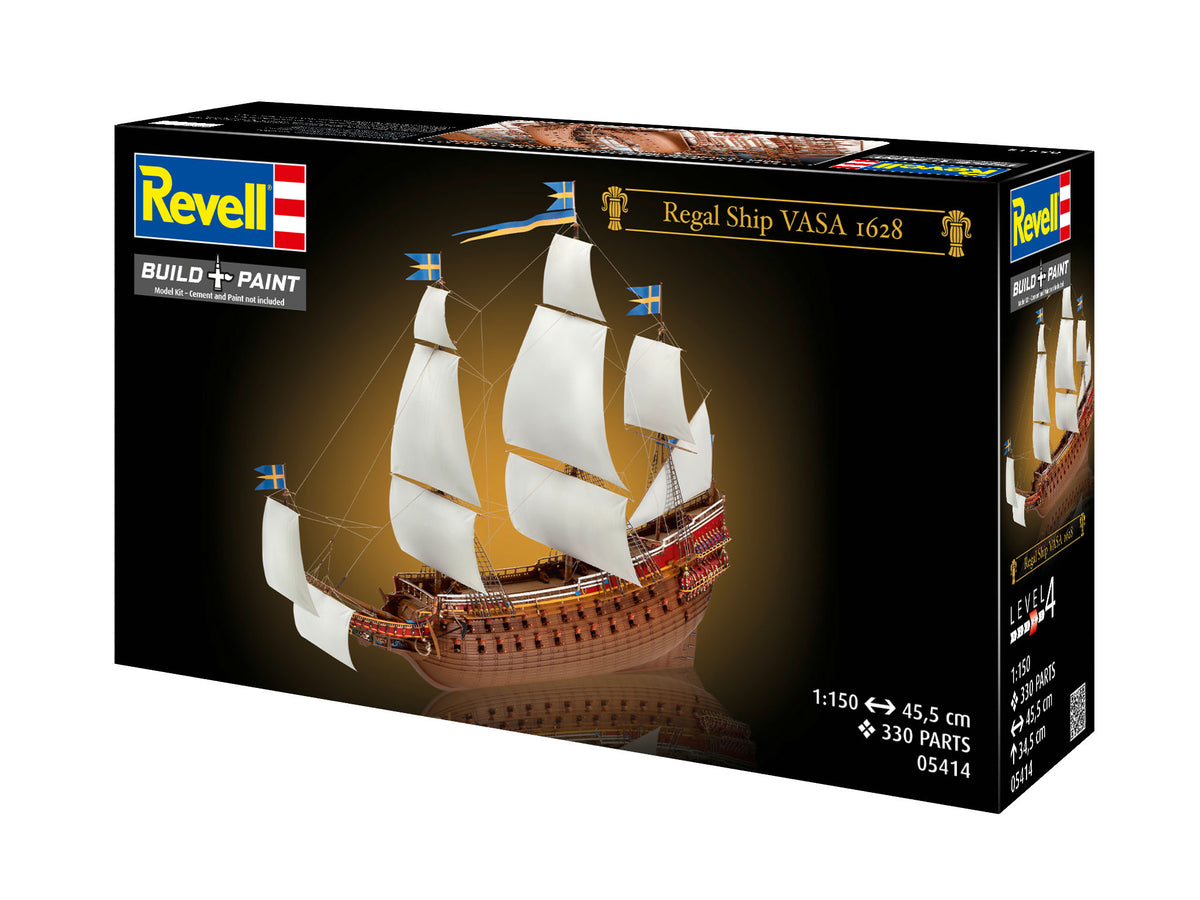
Majestic galleons, agile frigates and proud ships of the line from the age of sailing represent the pinnacle of model building for many hobbyists. Kits of legendary ships such as the HMS Victory, the Gorch Fock or historic pirate ships are characterized by curved hulls with visible wood grain, detailed transoms and elaborate galleries. The real supreme discipline with these models is the standing and running rigging: the rigging with shrouds, weaving lines, stays and yards requires a steady hand and patience. If you connect the threads with millimeter precision and at the end the sails are in the imaginary wind, you are holding a real work of art in your hands.
Warships and battleships of the 20th century
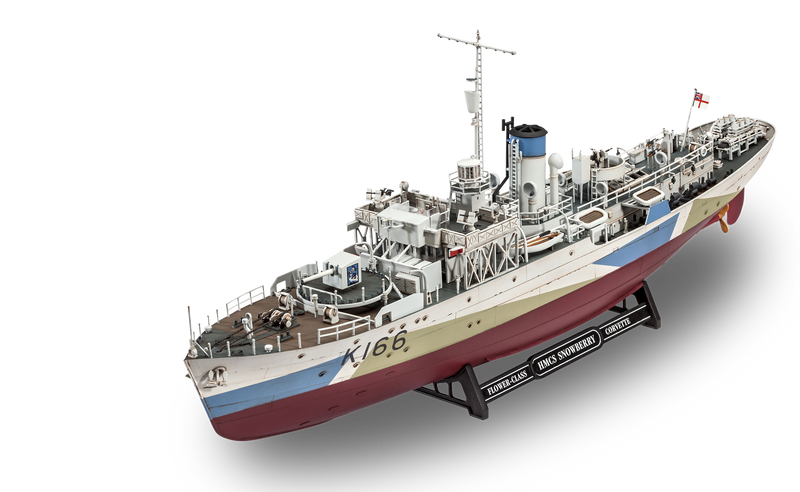
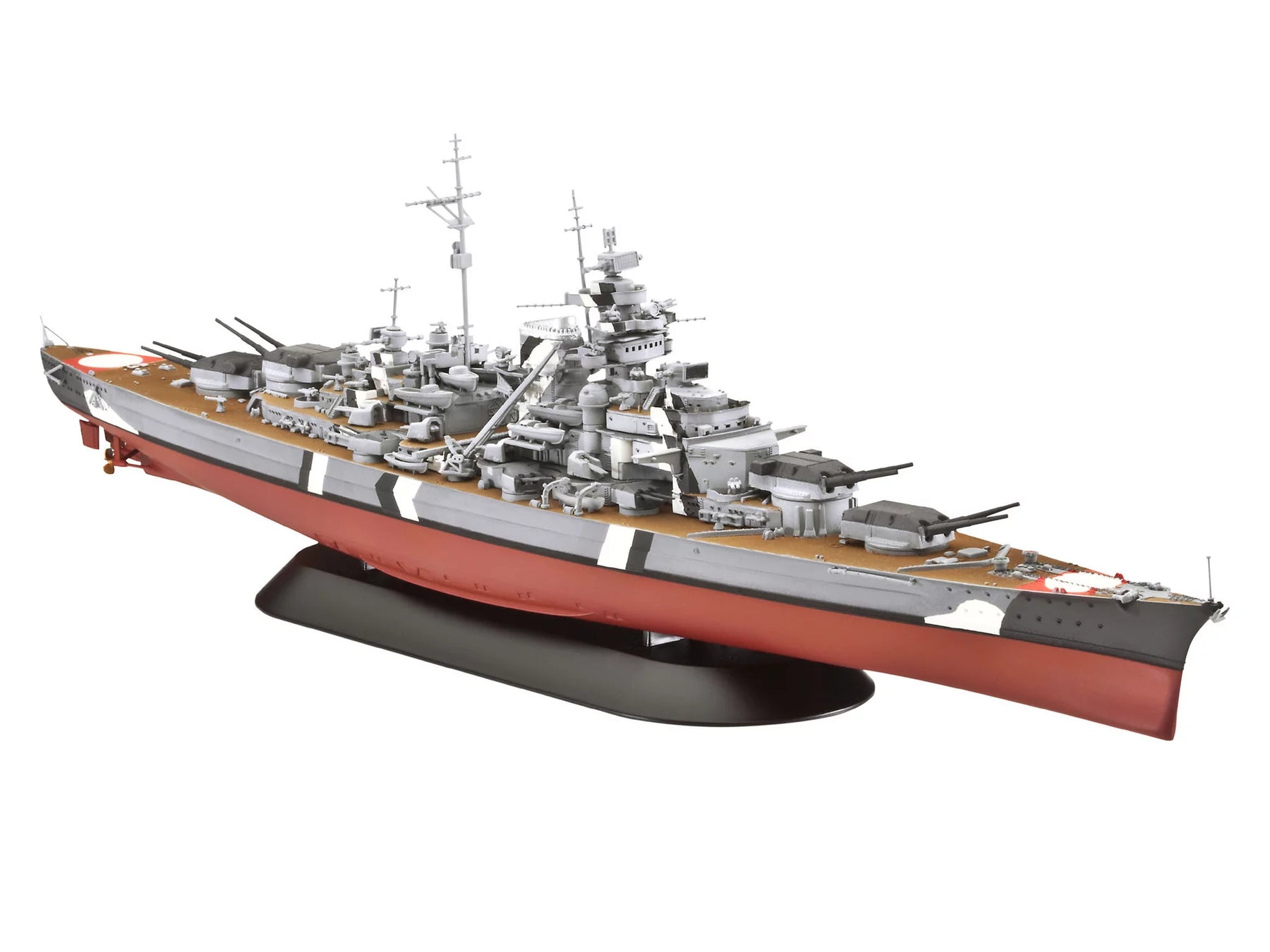
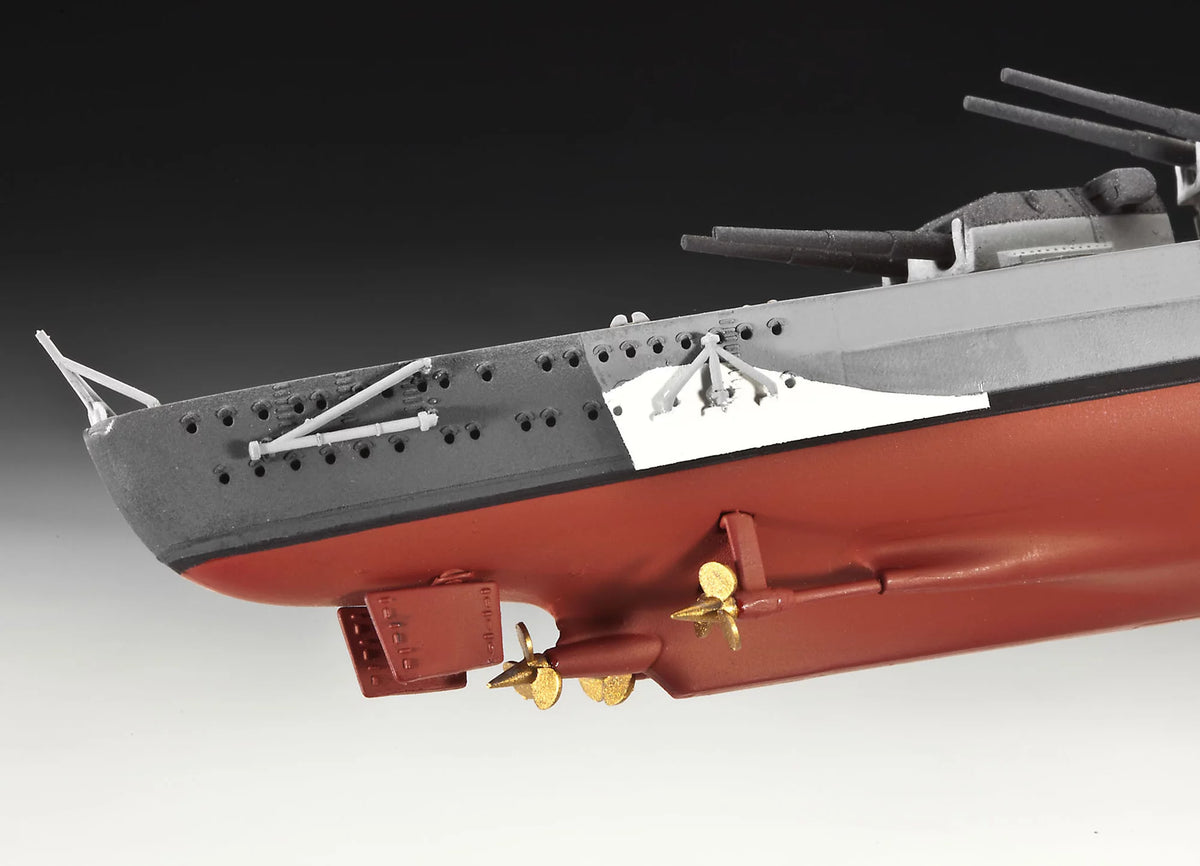
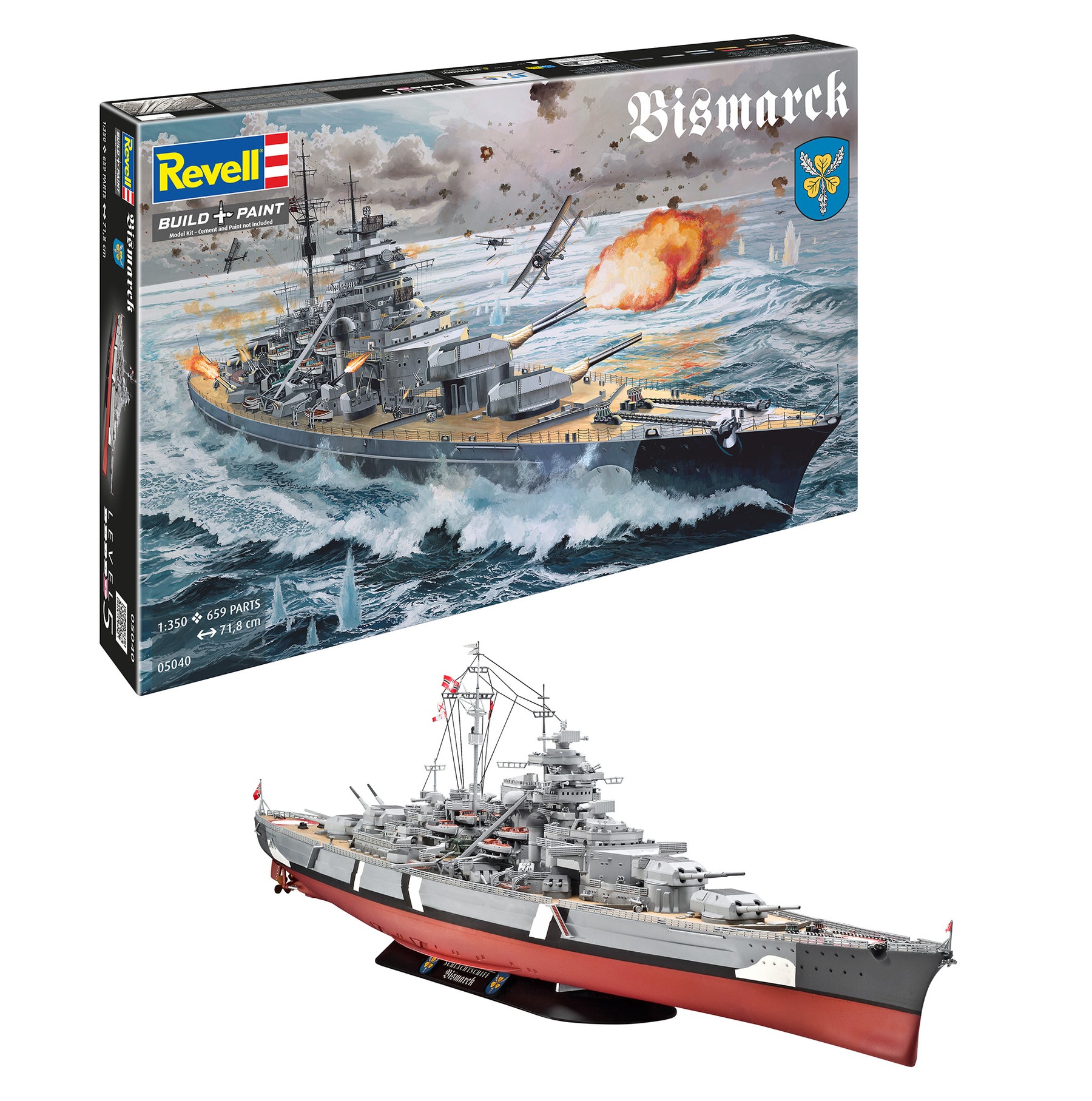
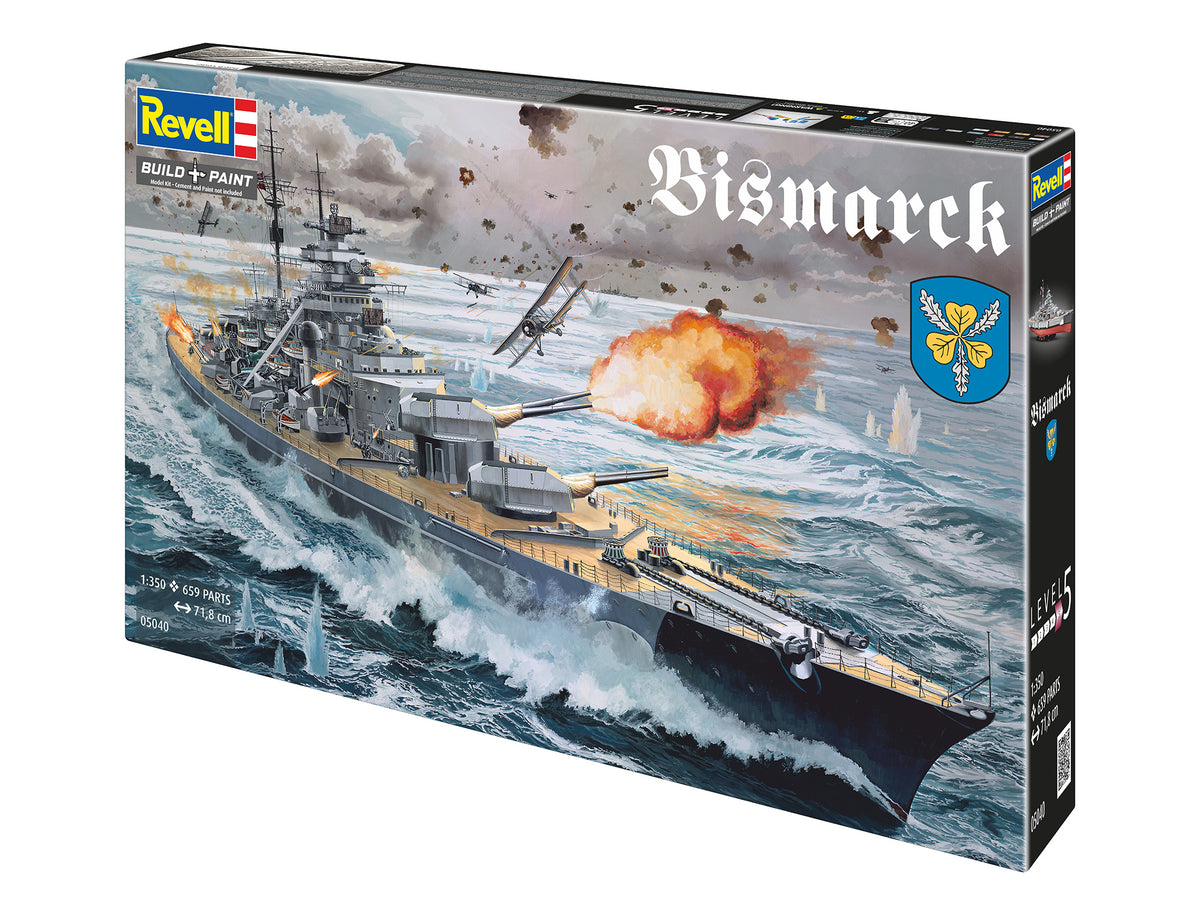
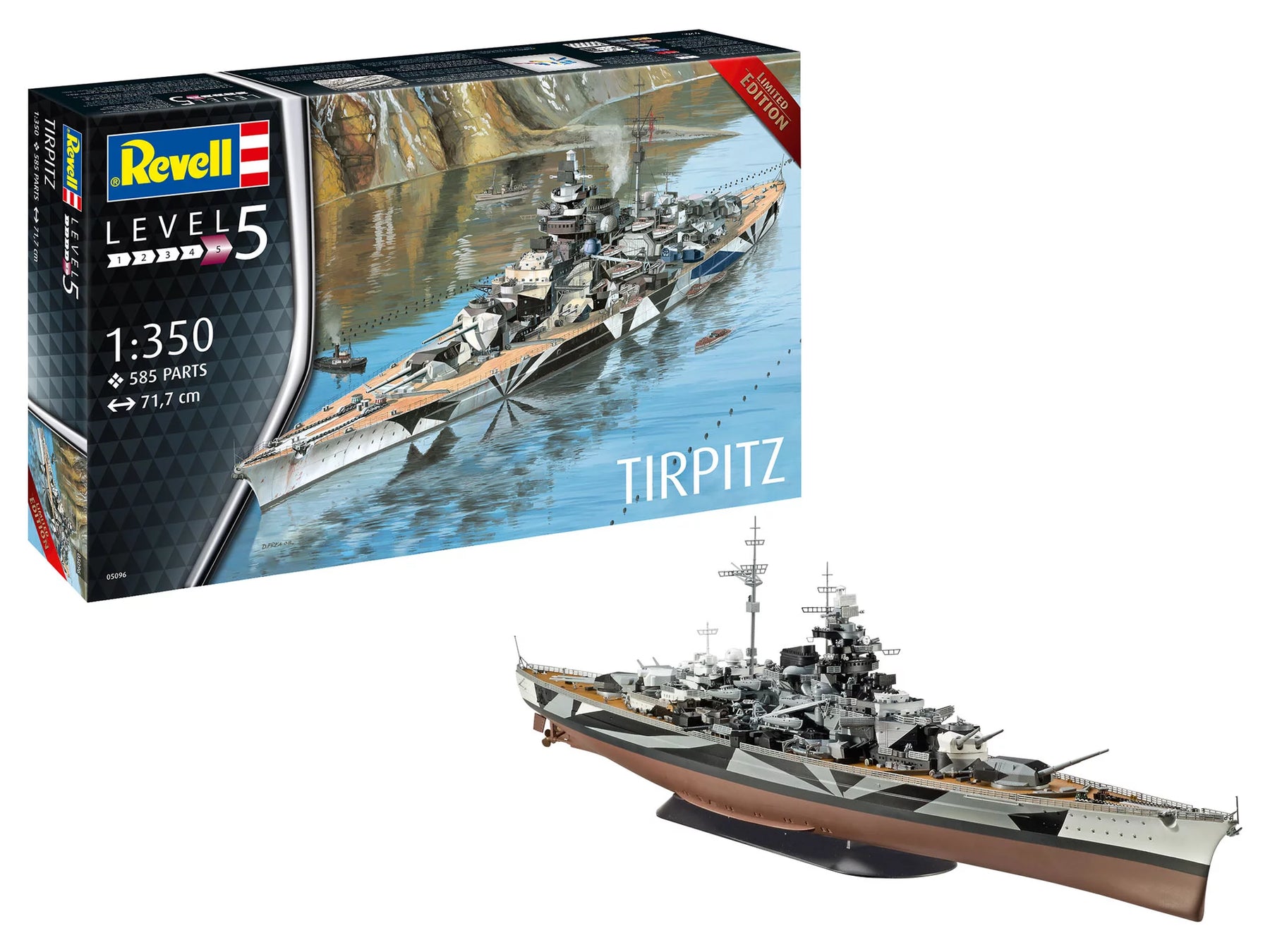
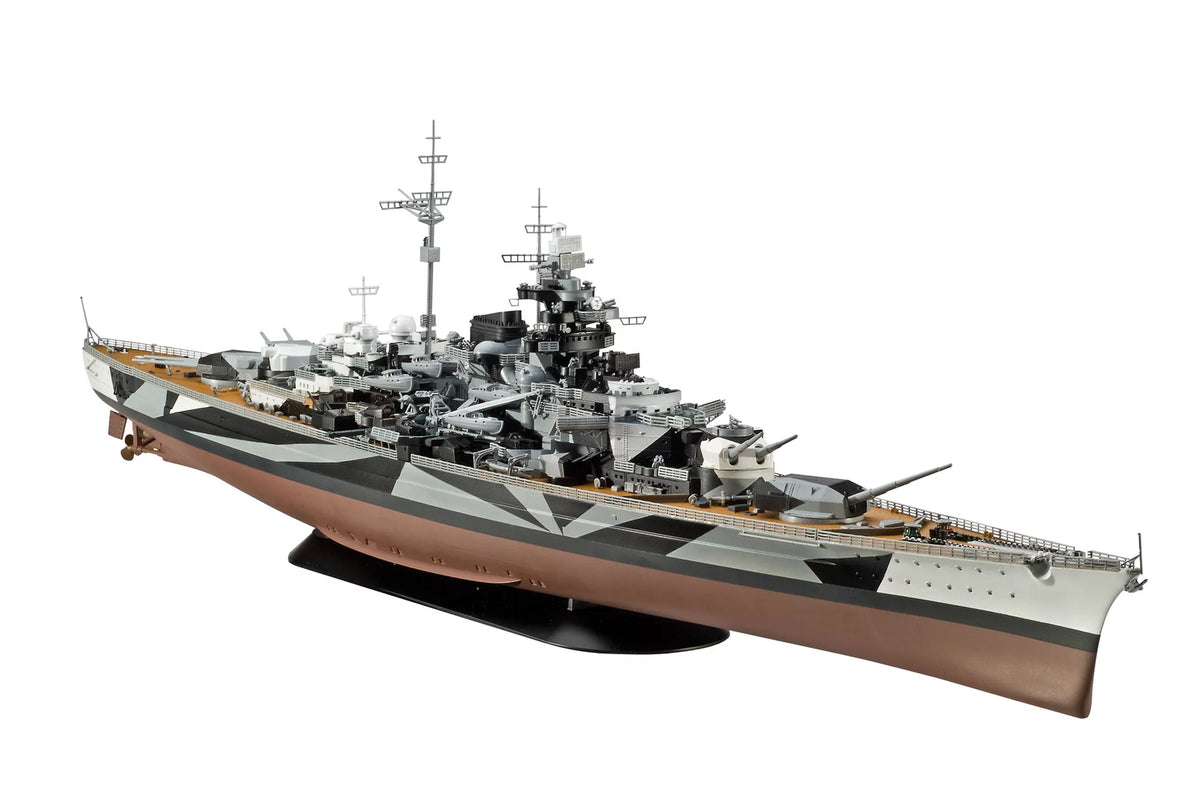
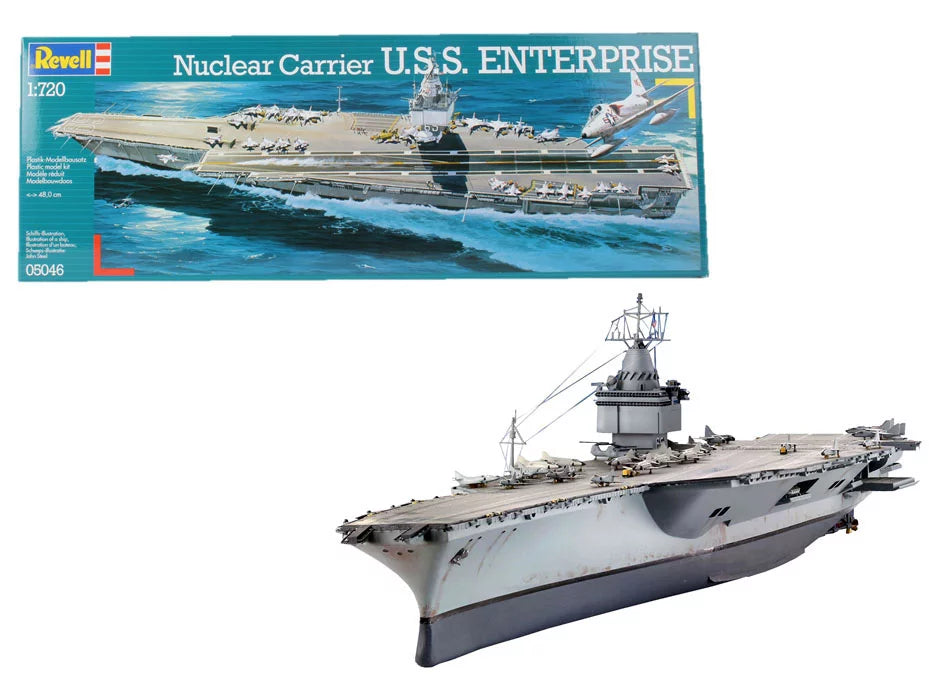
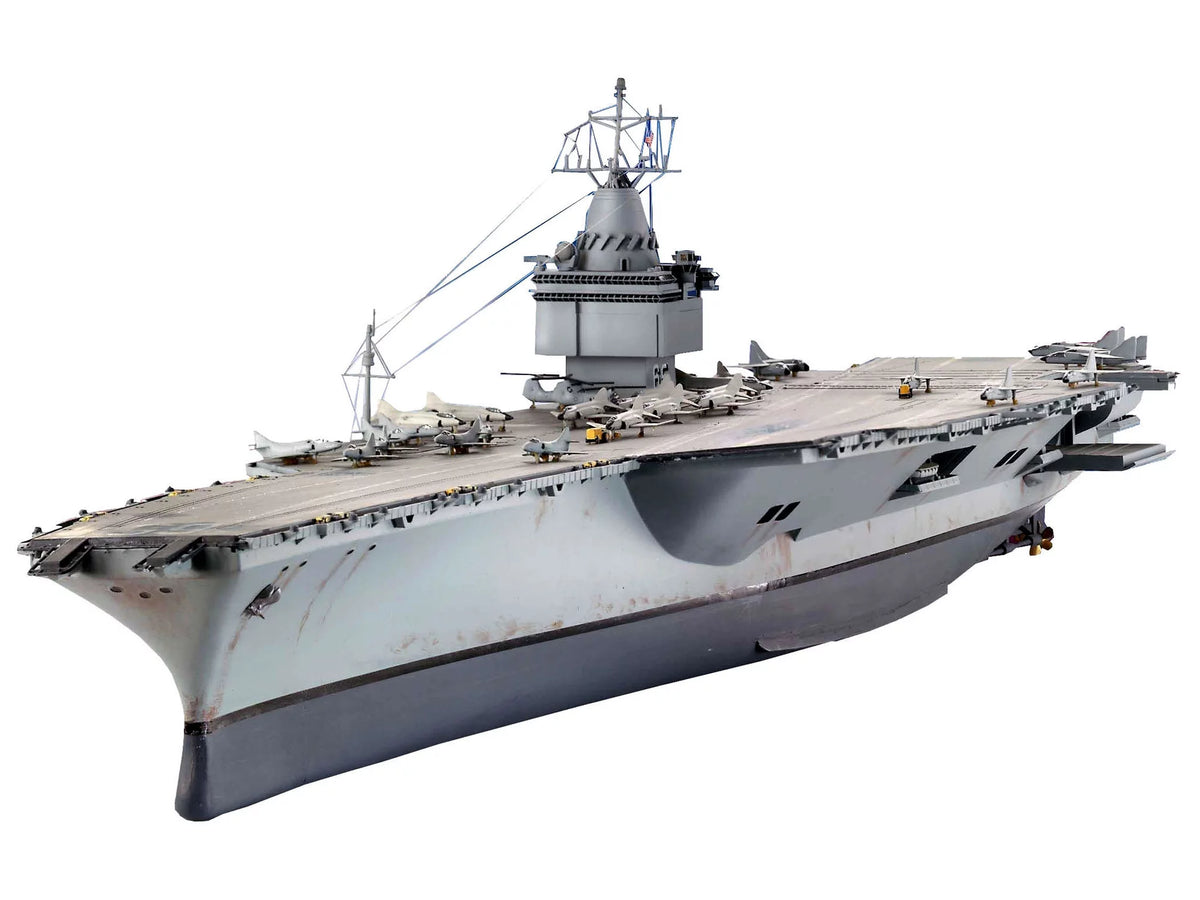
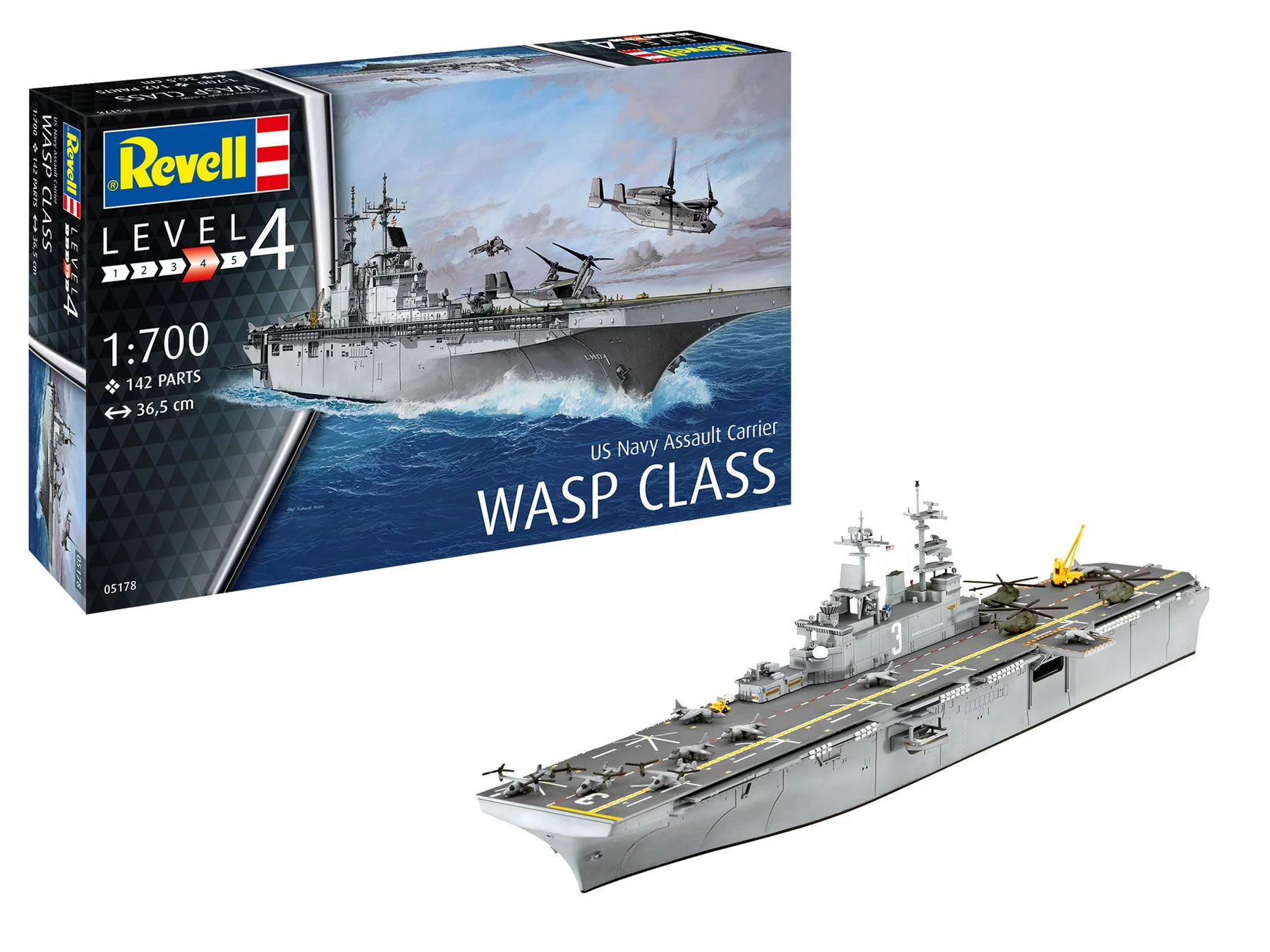
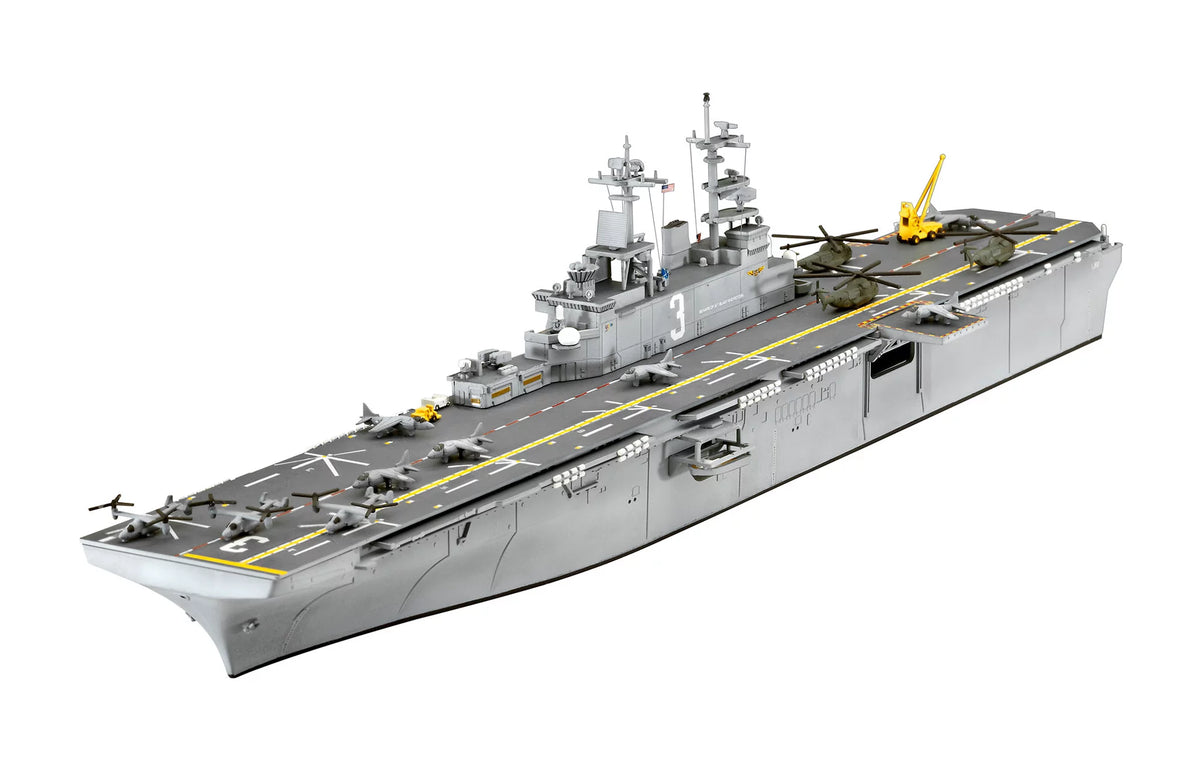
The steel giants of the two world wars as well as modern guided missile destroyers continue to fascinate many model builders. Legendary battleships, heavy cruisers and aircraft carriers challenge you primarily with their large number of individual parts. Dozens of anti-aircraft guns, complex primary artillery, rangefinders and delicate lattice masts need to be precisely cleaned and assembled. With aircraft carriers, the added appeal is that you can paint and position an entire deck full of tiny, miniature aircraft. Here you can completely go wild in historical camouflage patterns and bring the gray steel to life with realistic aging effects.
Submarines: Silent hunters under water
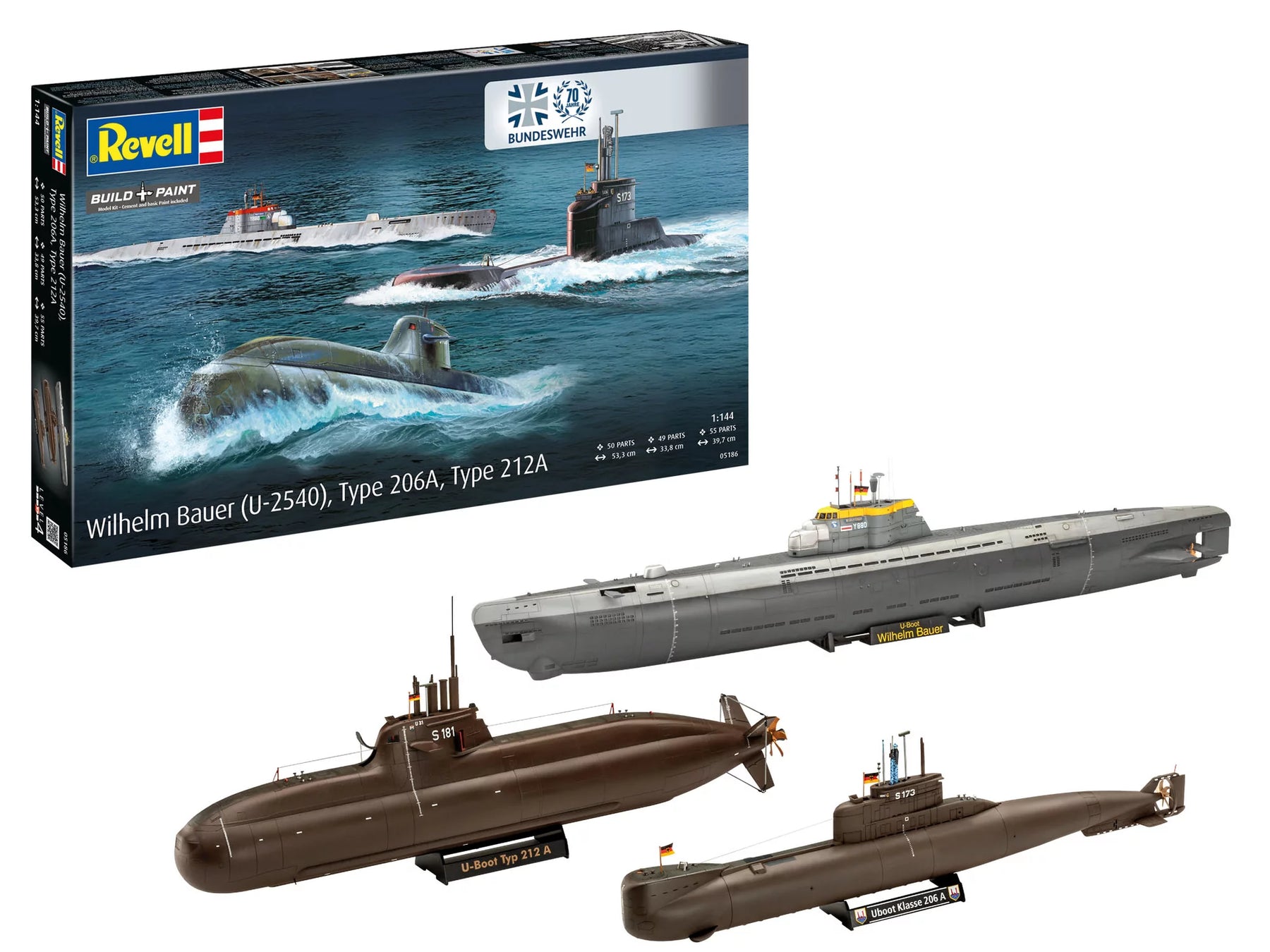
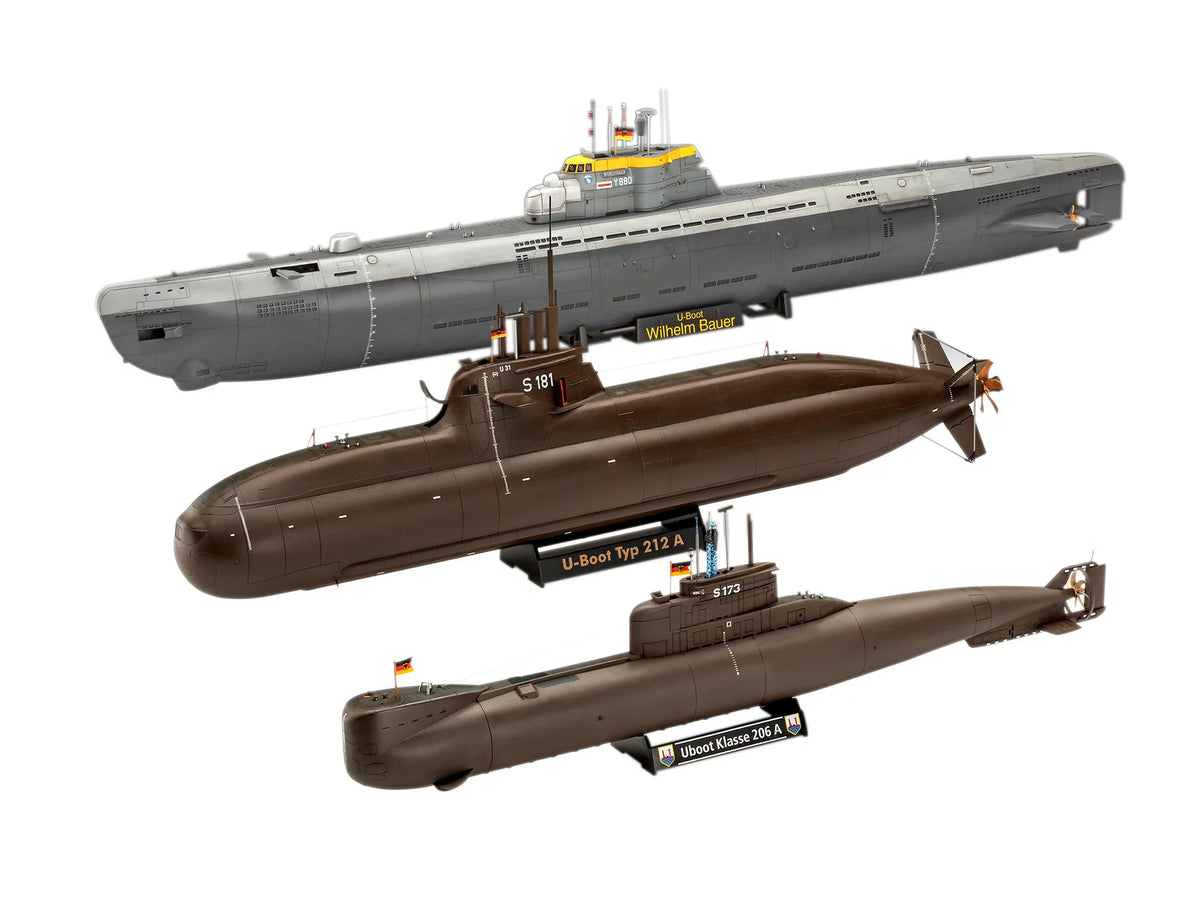
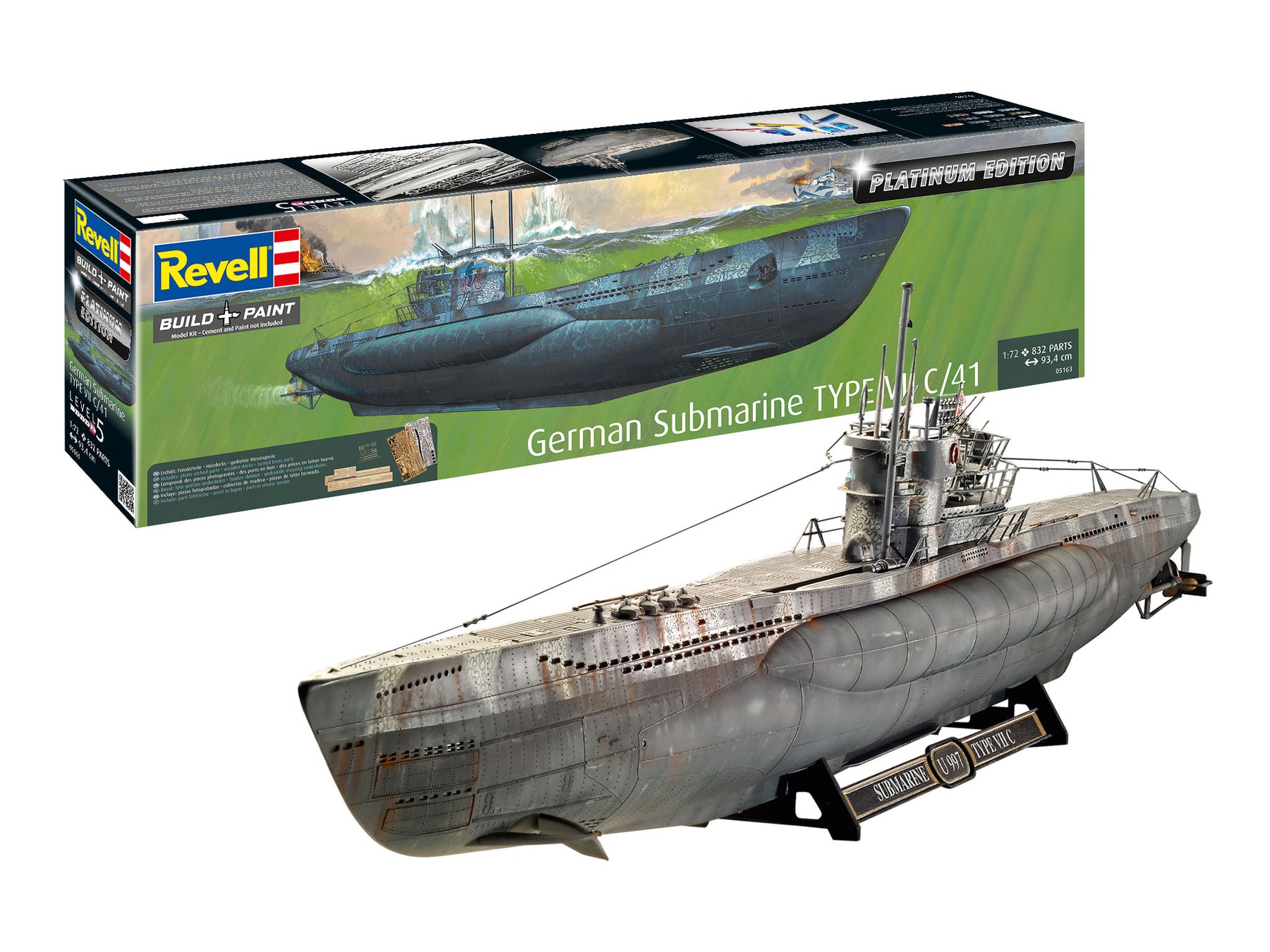
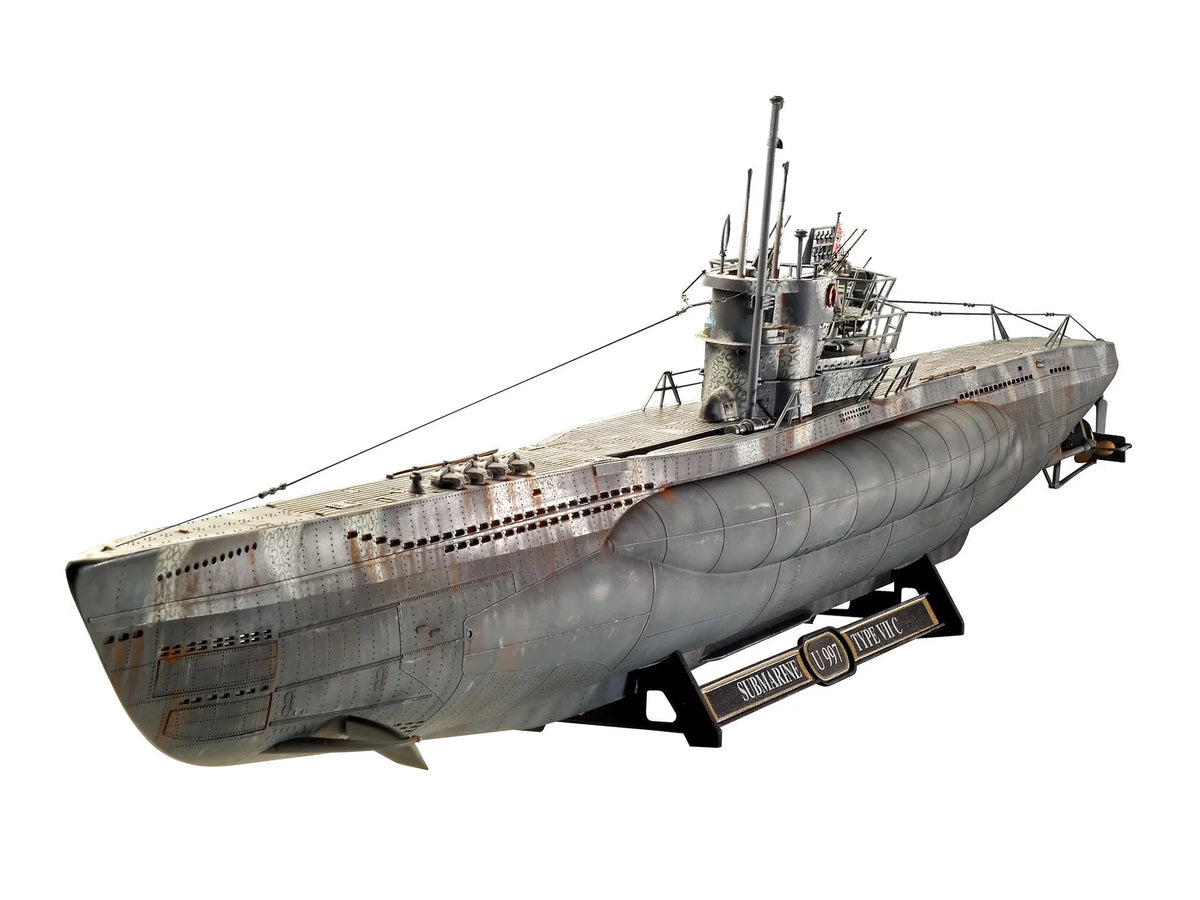
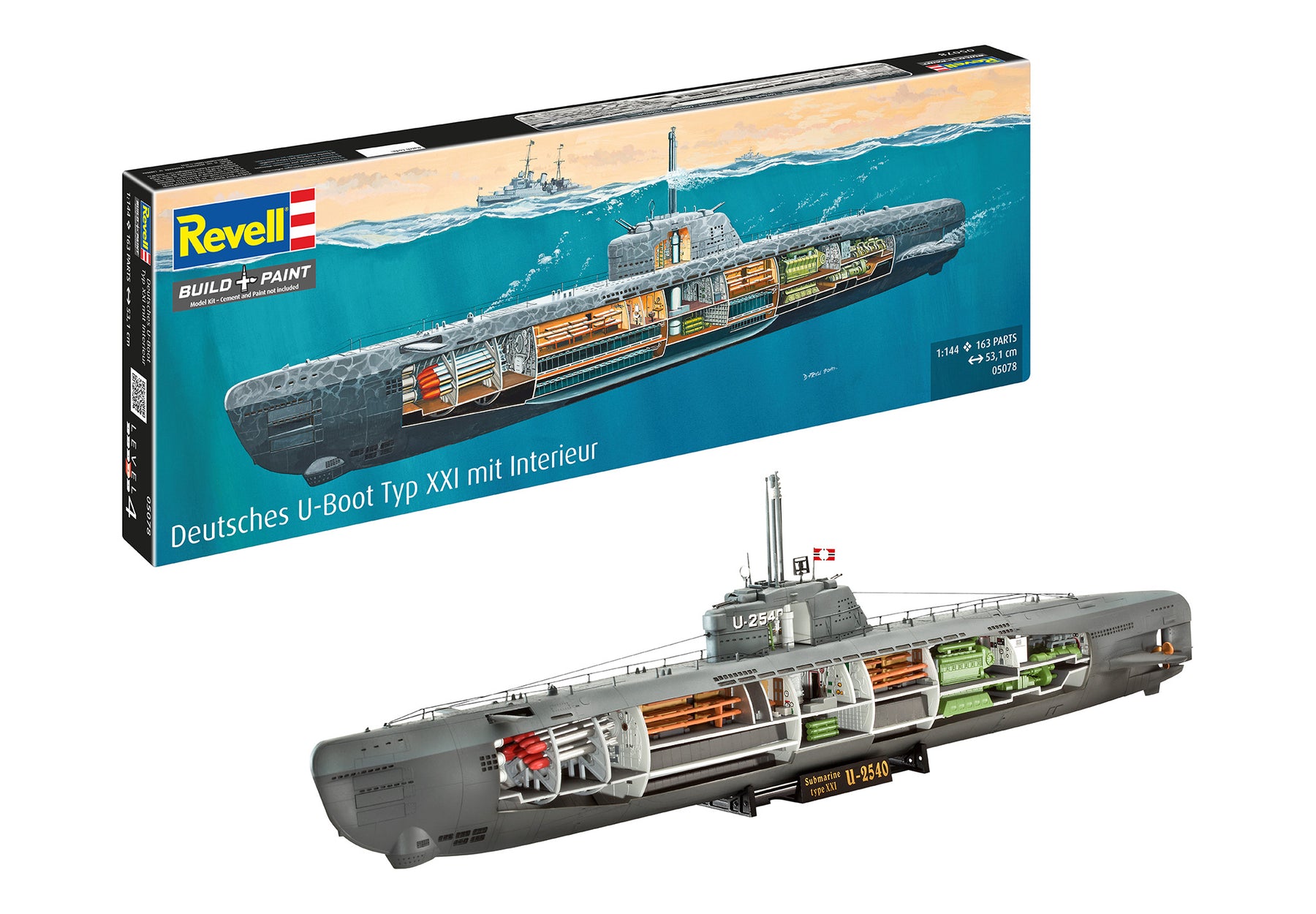
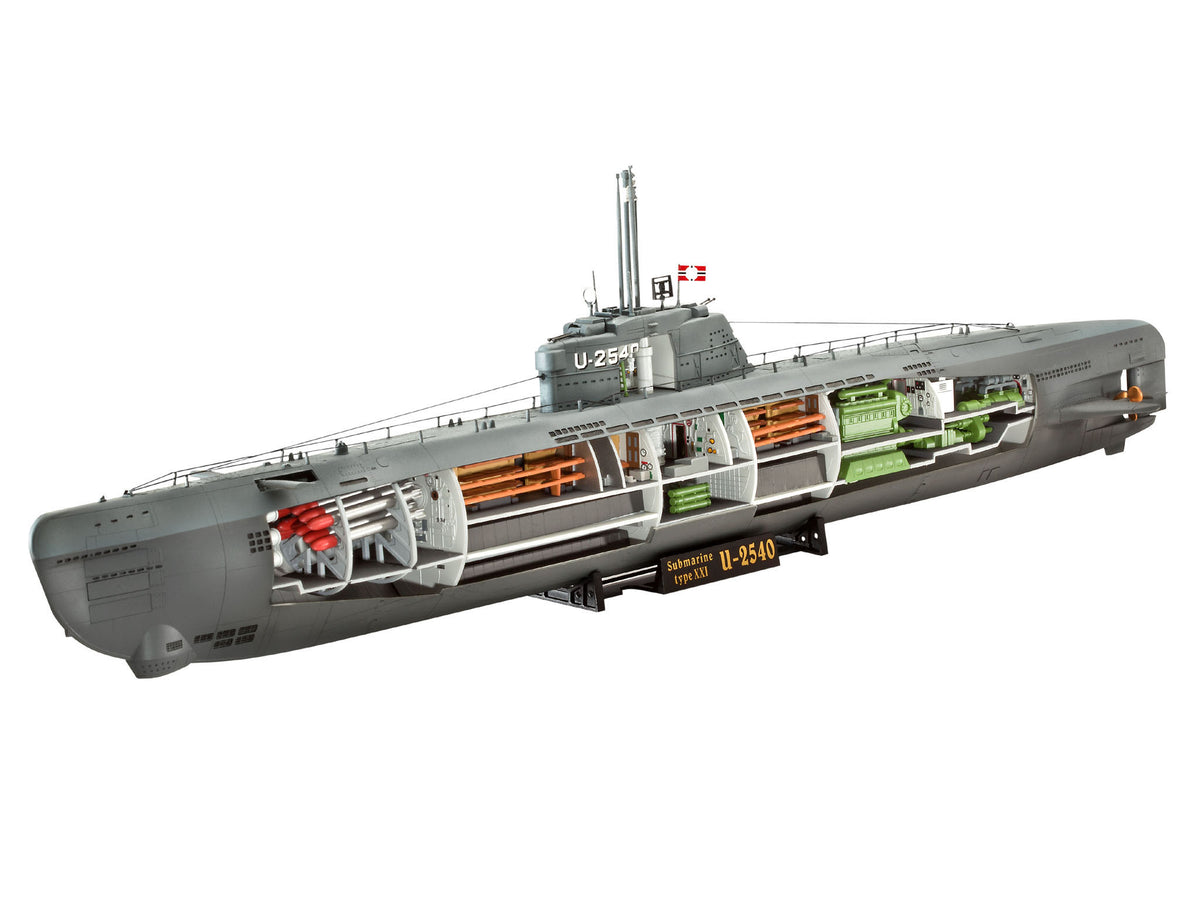
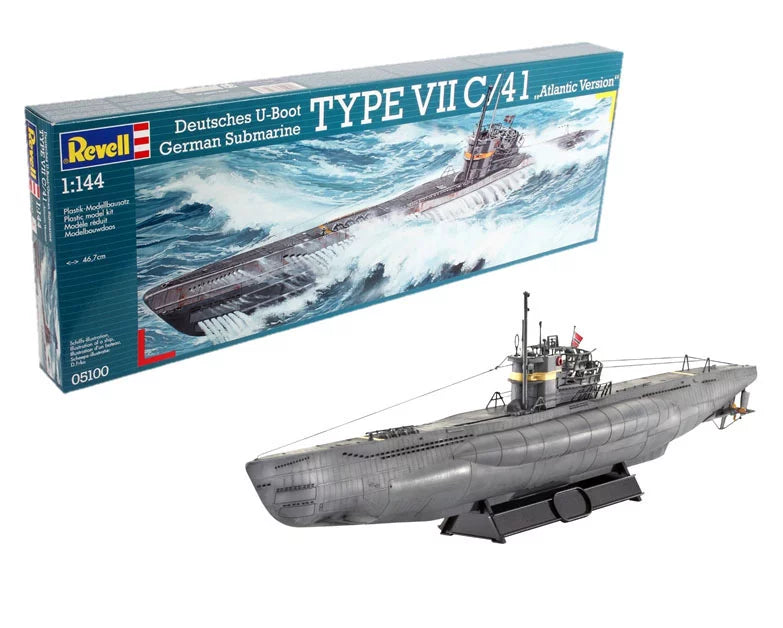
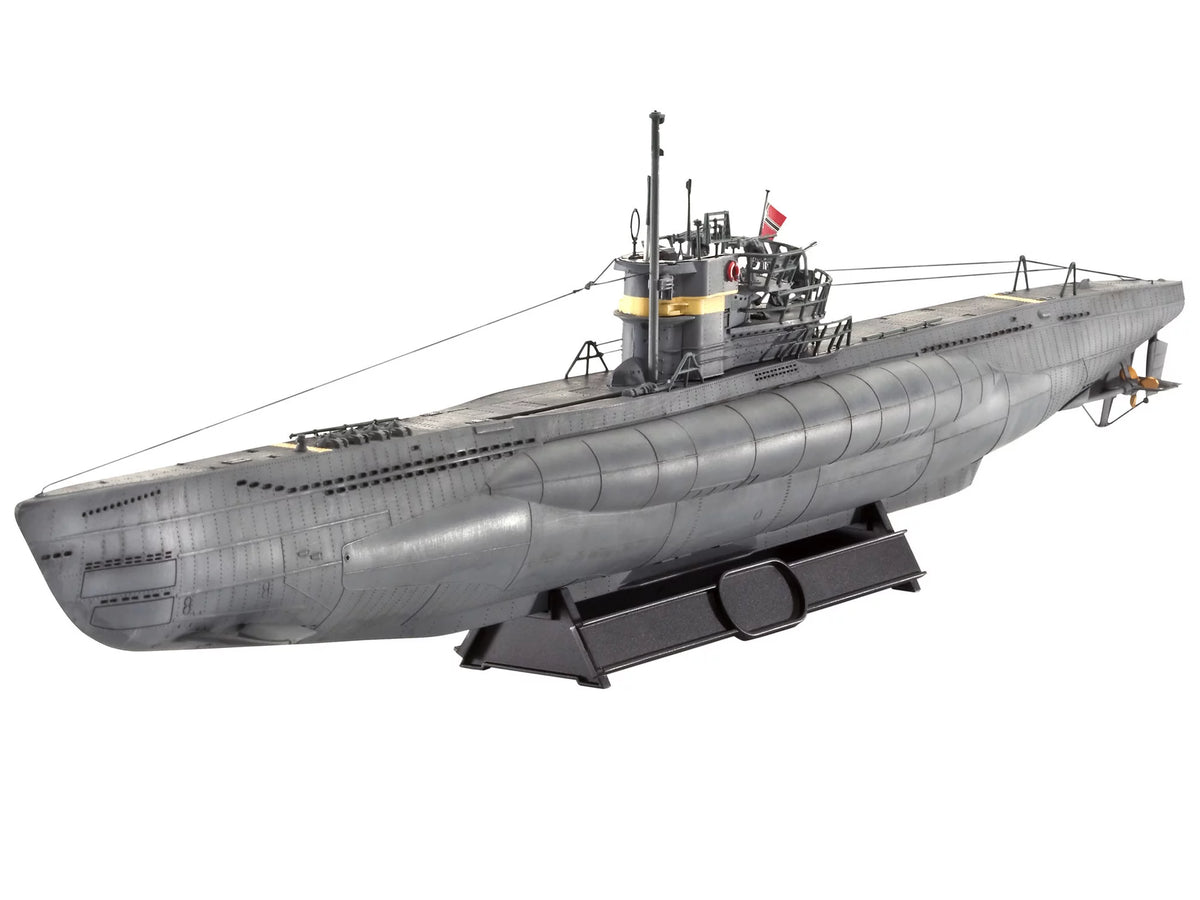
Submarine models are extremely popular because they often offer an excellent introduction to ship model building, but at the same time also leave room for extreme detail. The slim, hydrodynamic hull shape usually consists of fewer large parts than the hull of a battleship. The focus here is on perfect surface design: flood slots, rows of rivets, periscopes and deck guns must be neatly carved out. Submarine kits also offer fantastic templates for intensive weathering techniques - rust streaks, salt deposits and chipped paint layers can be masterfully depicted on the steel pressure hulls.
Civilian ships, ocean liners and work ships
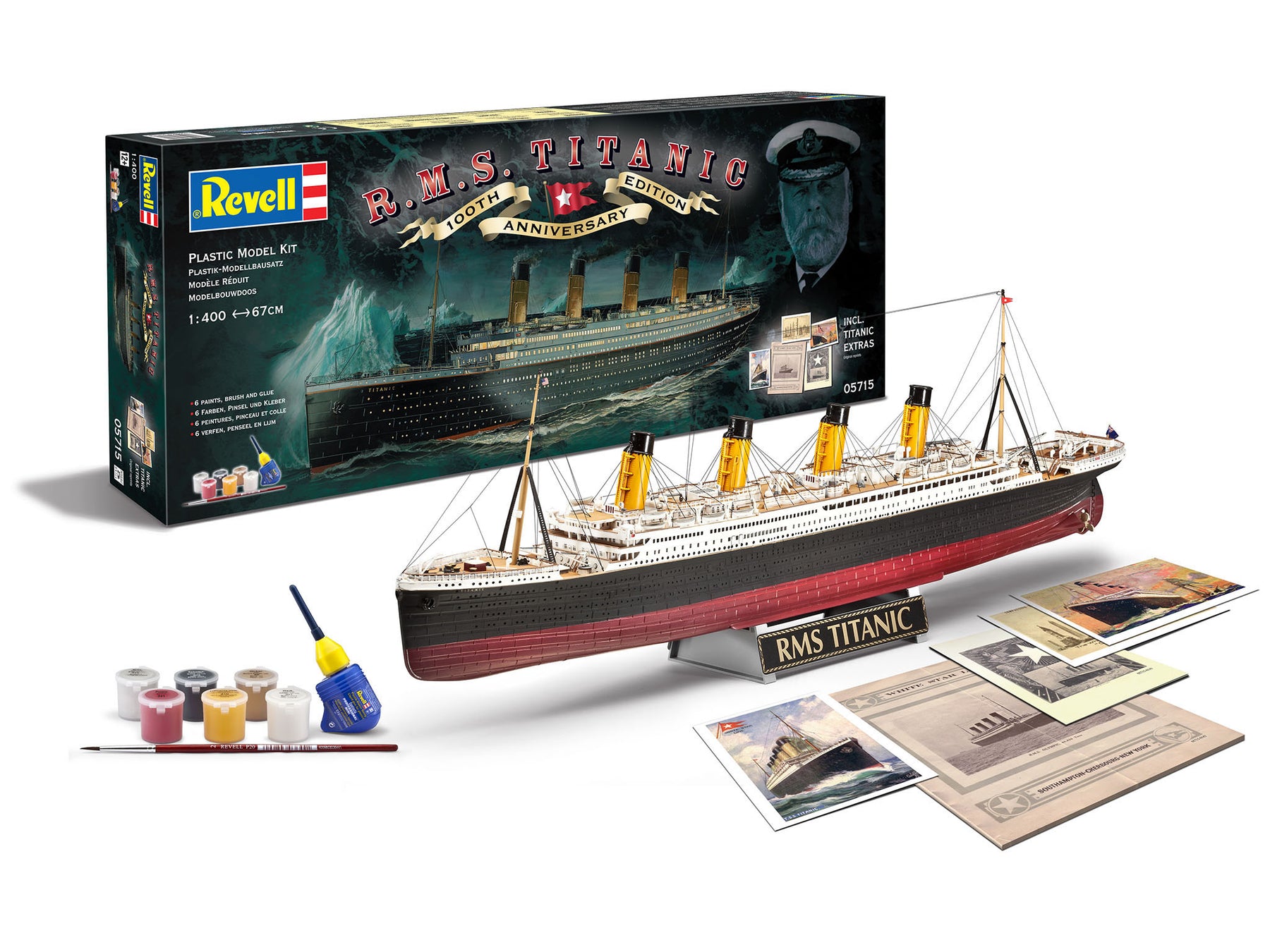
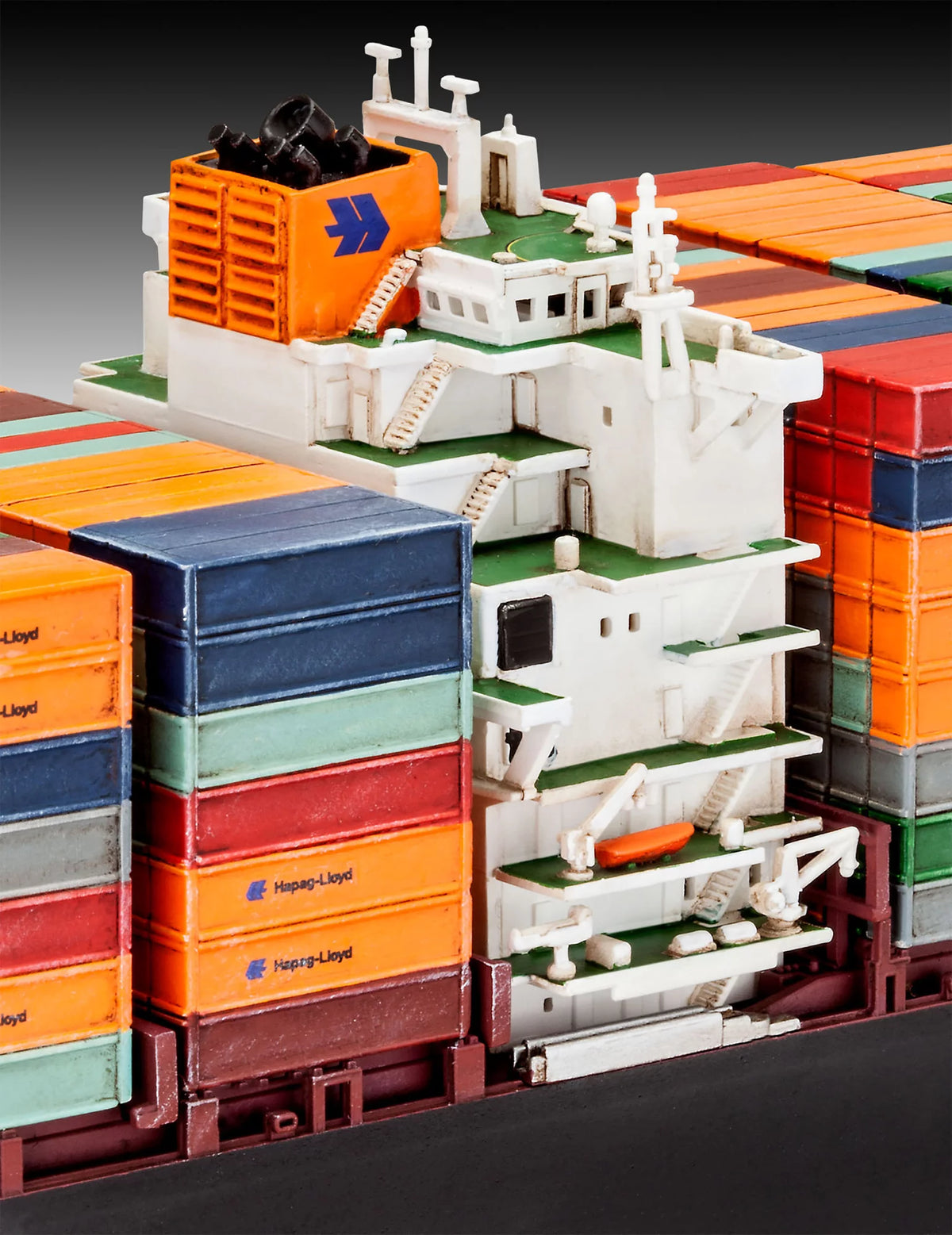
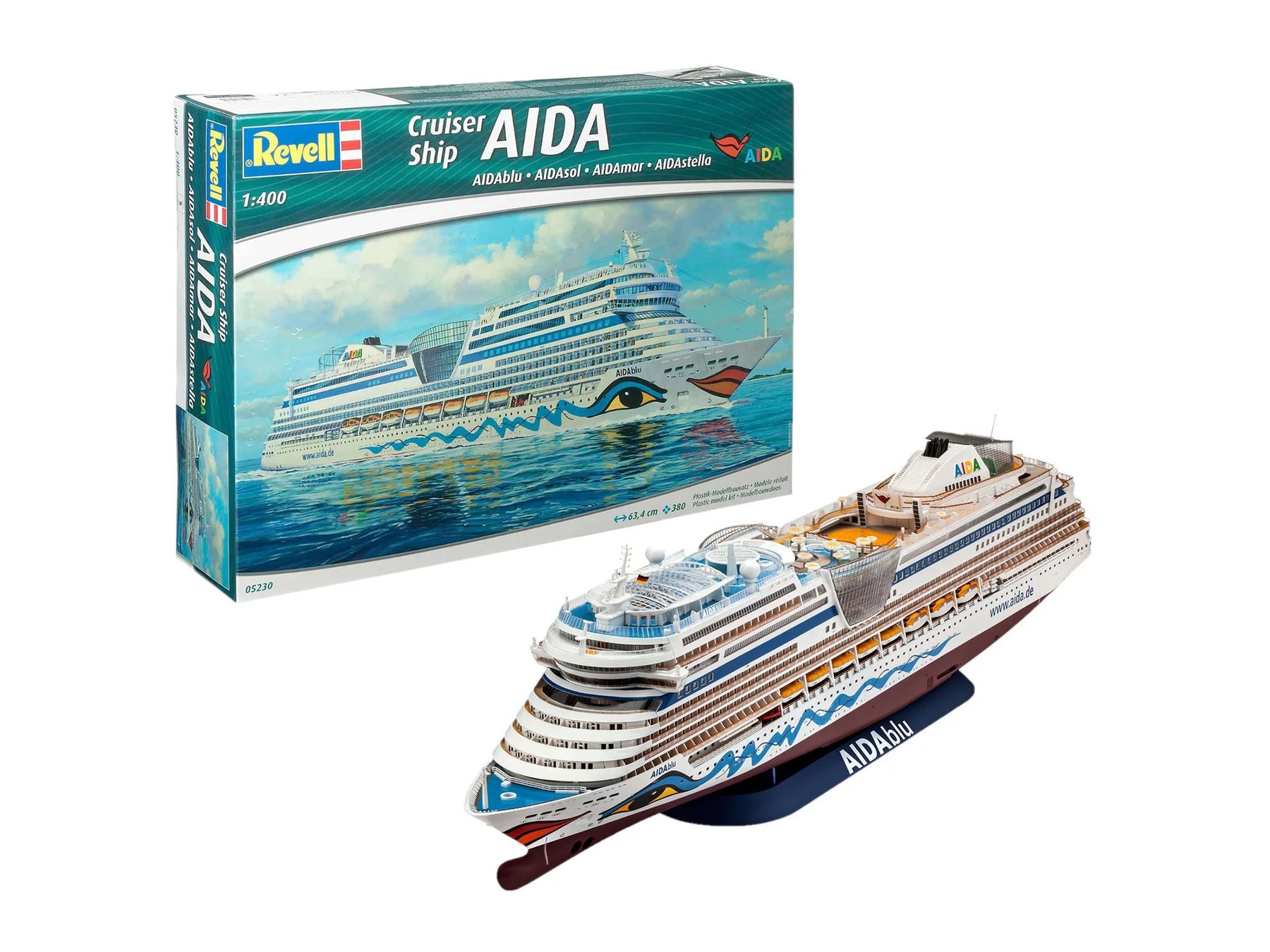
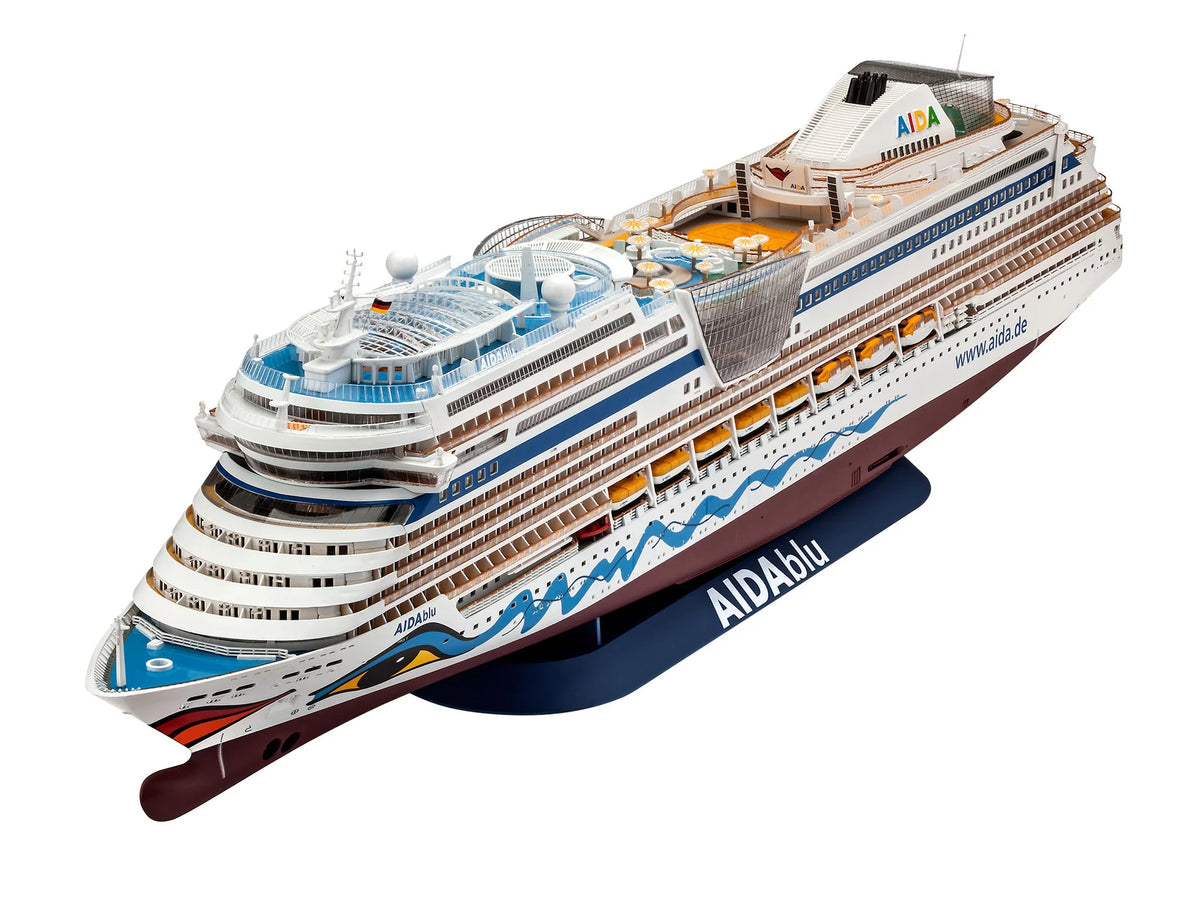
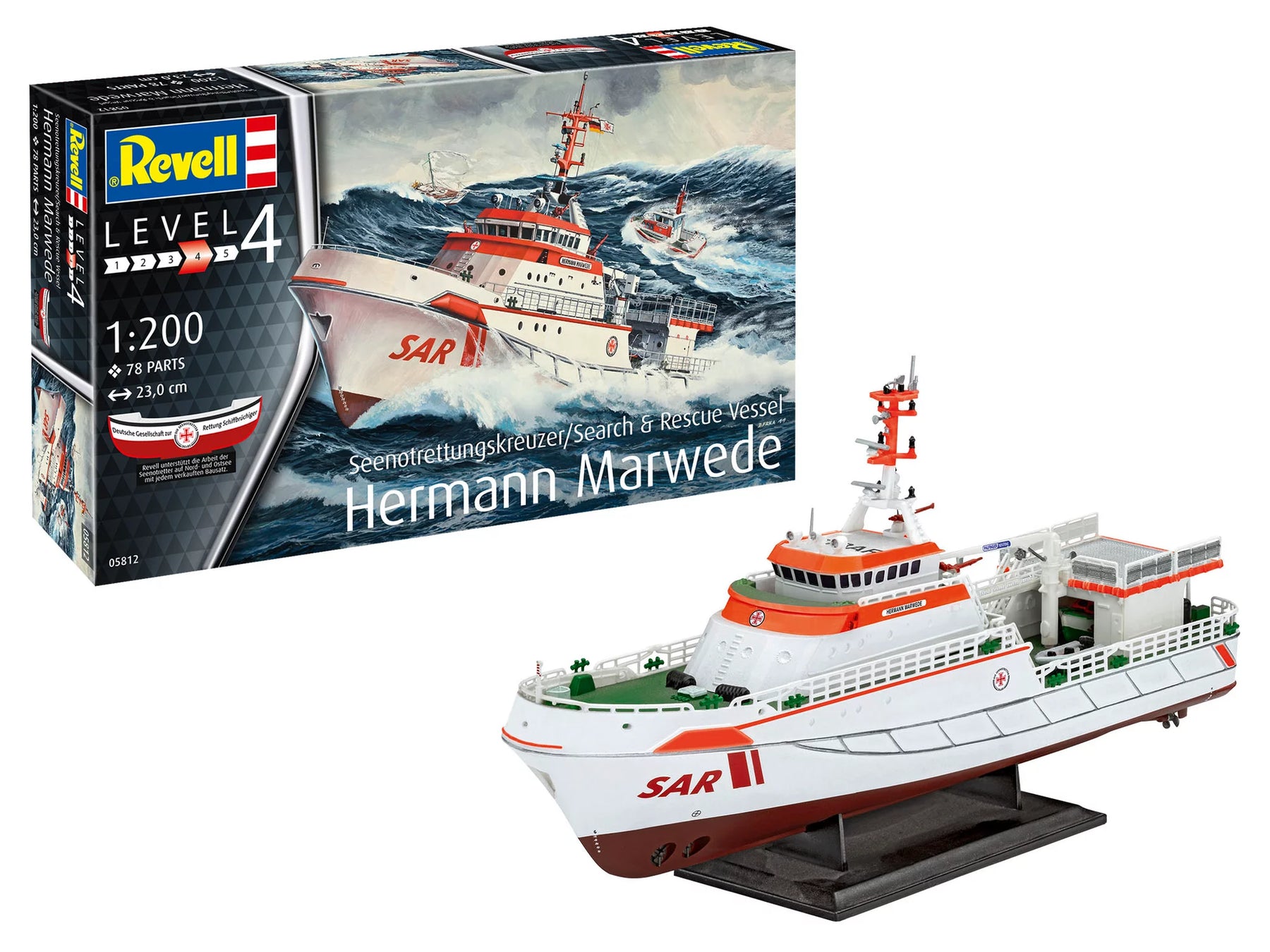
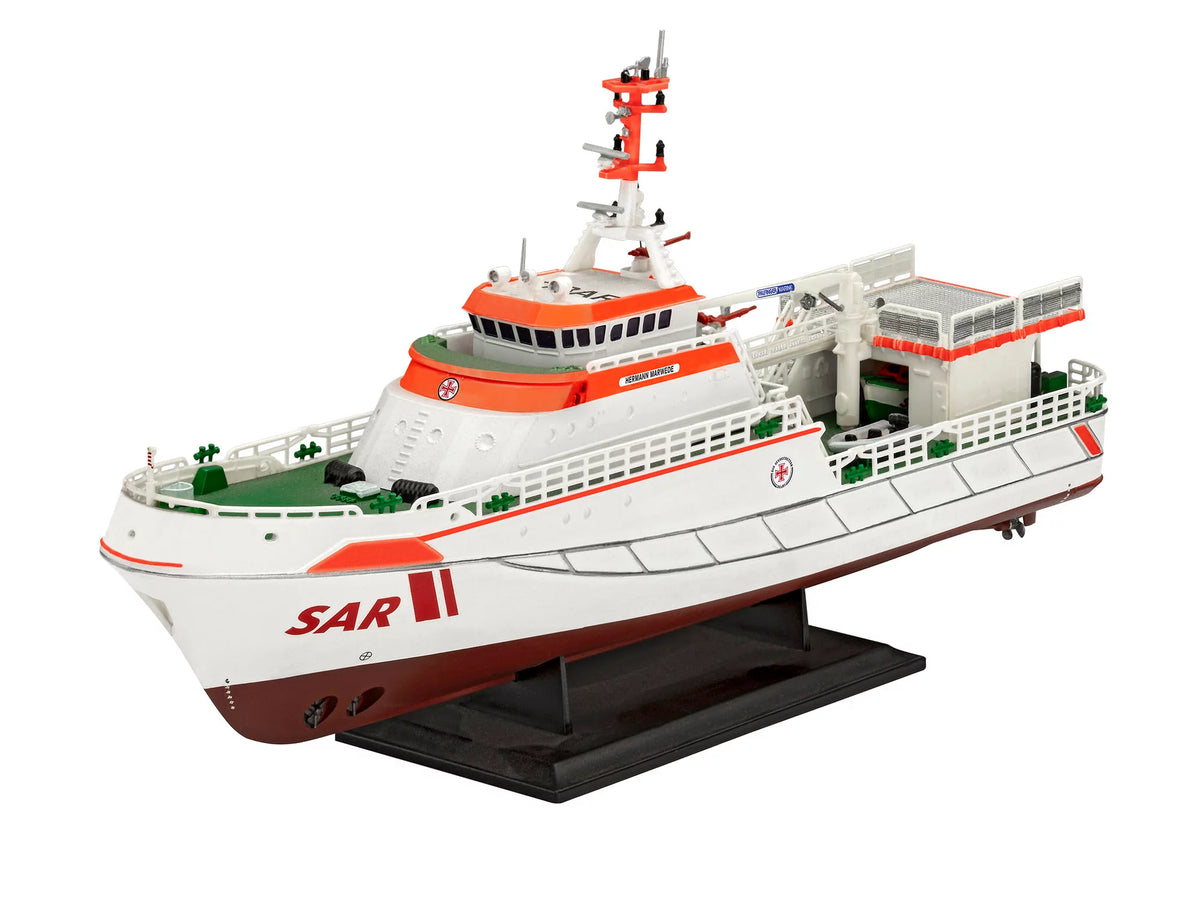
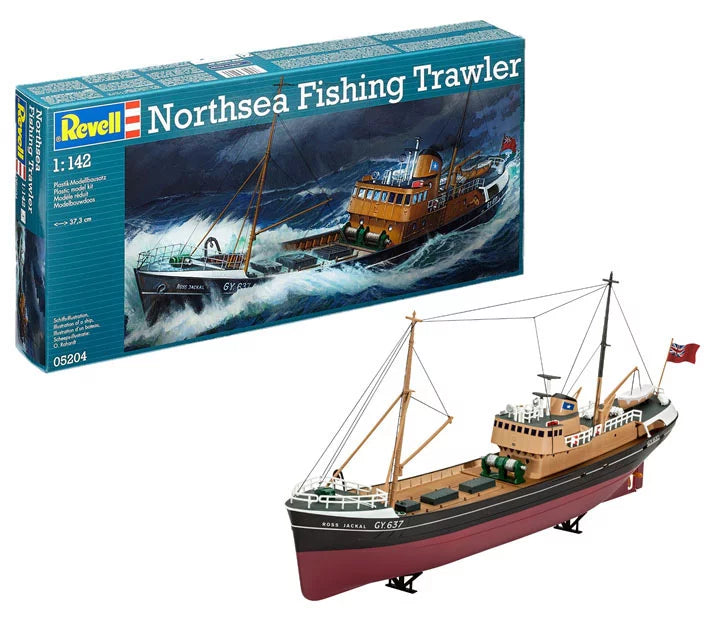
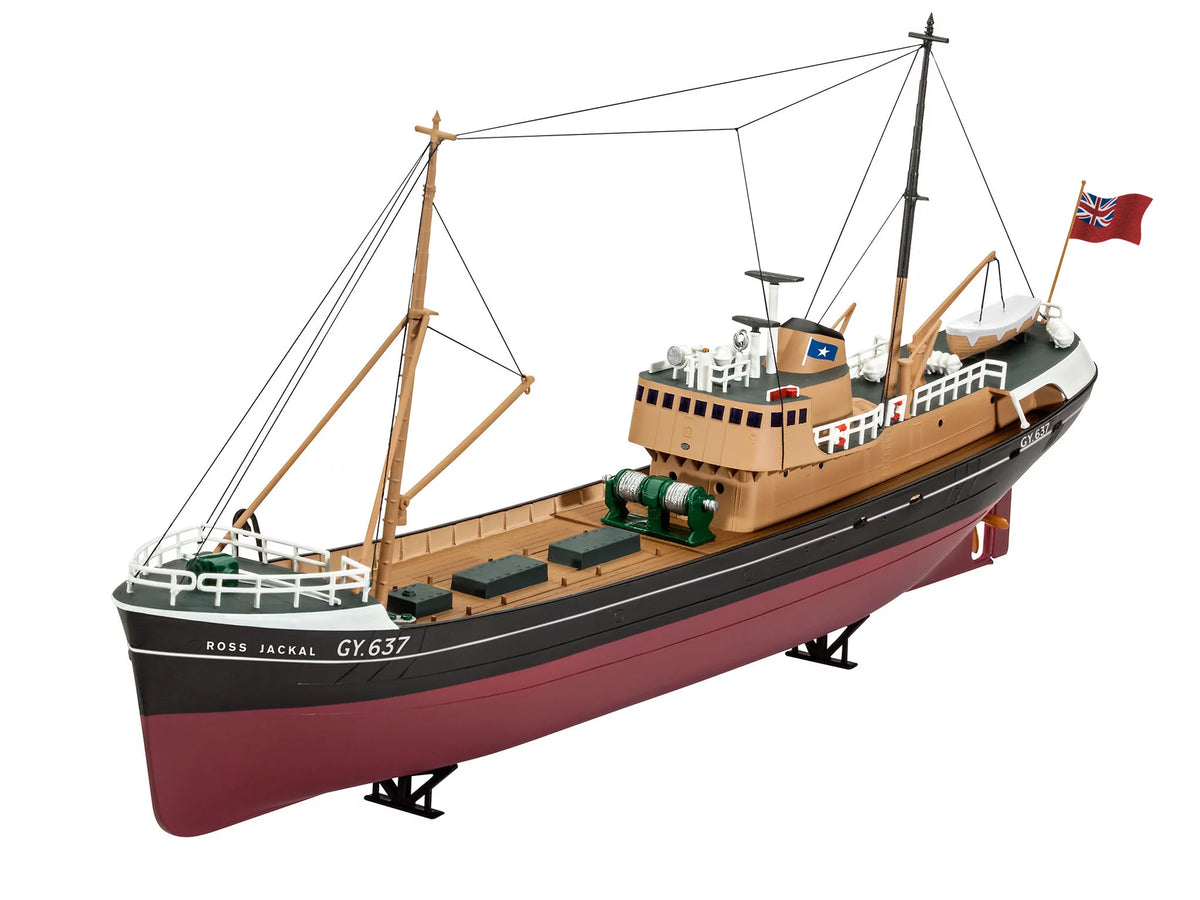
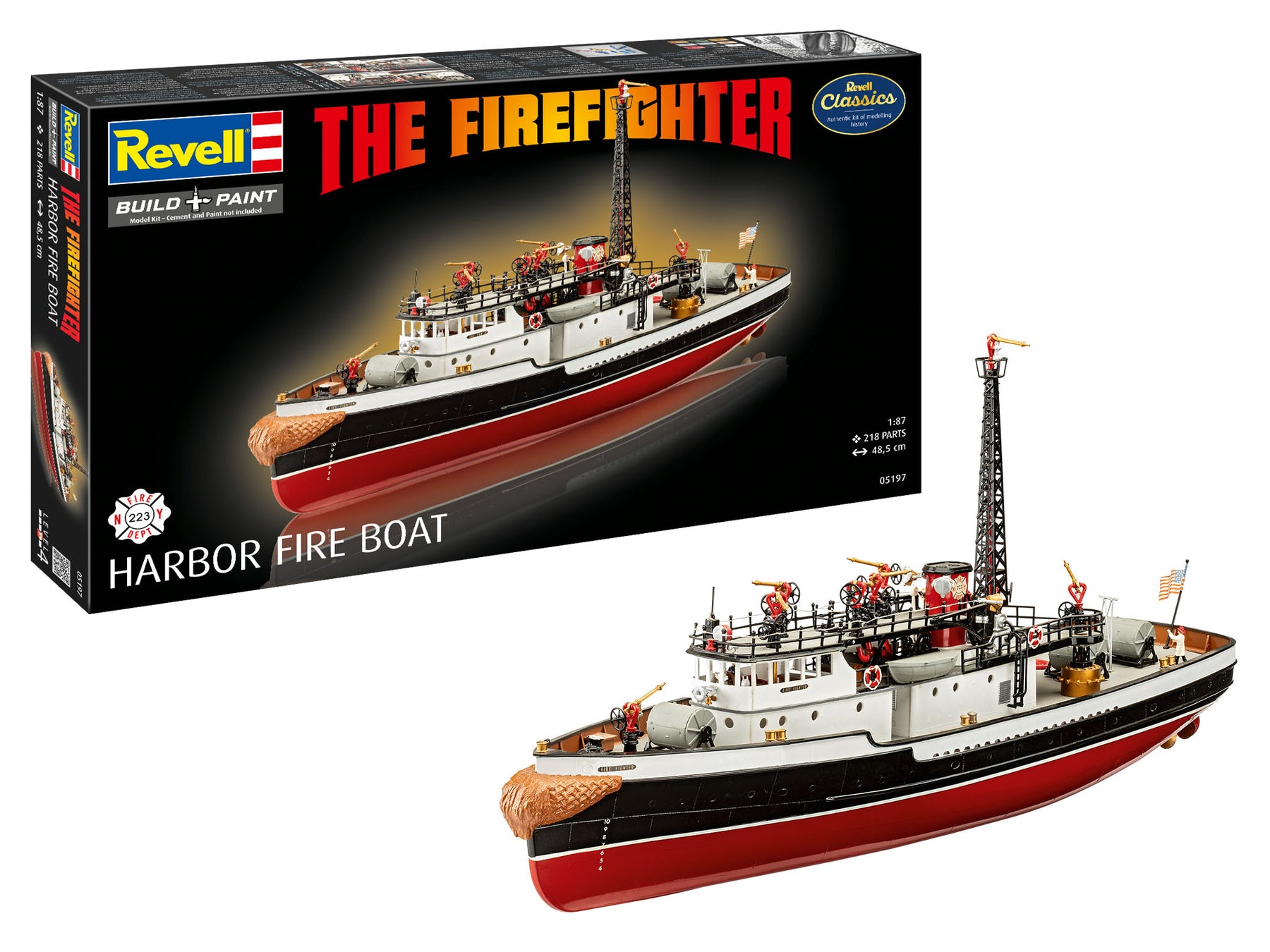
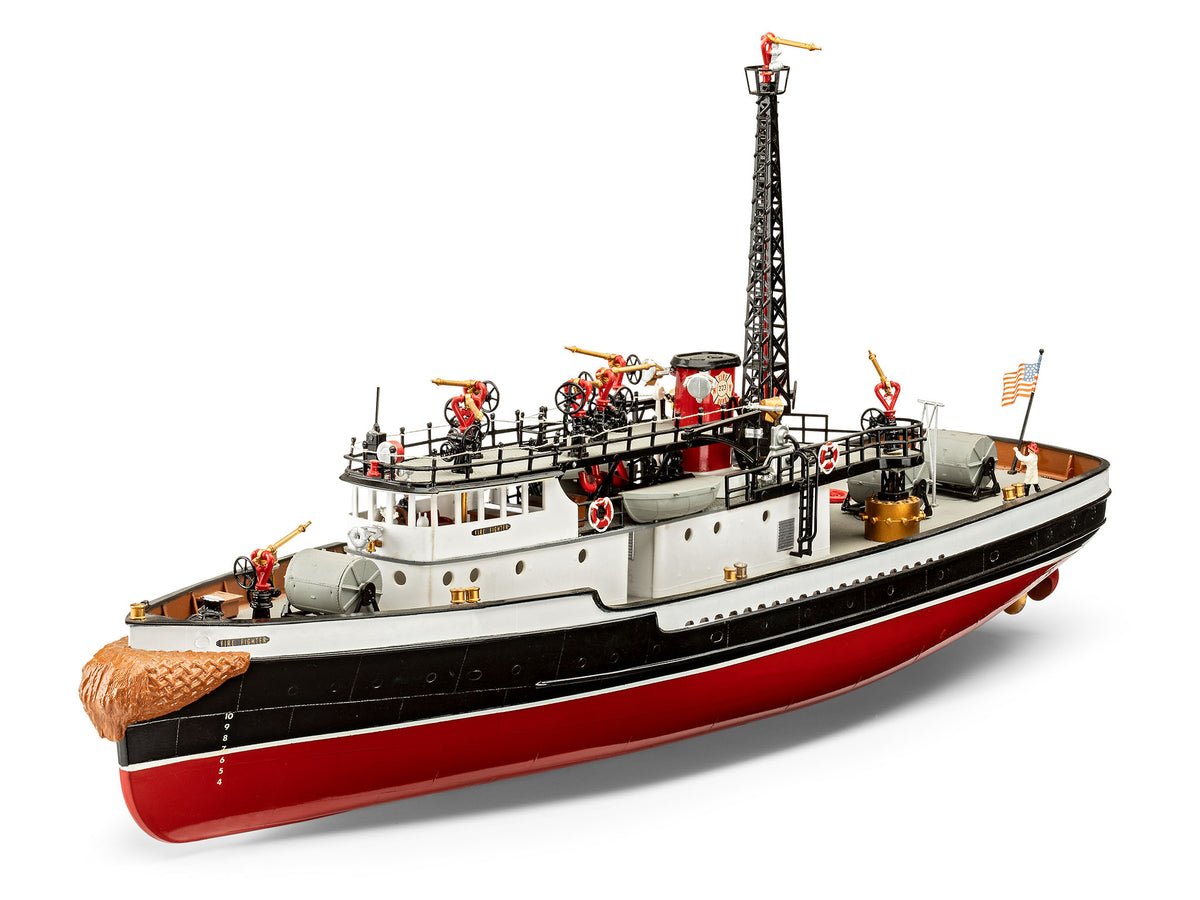
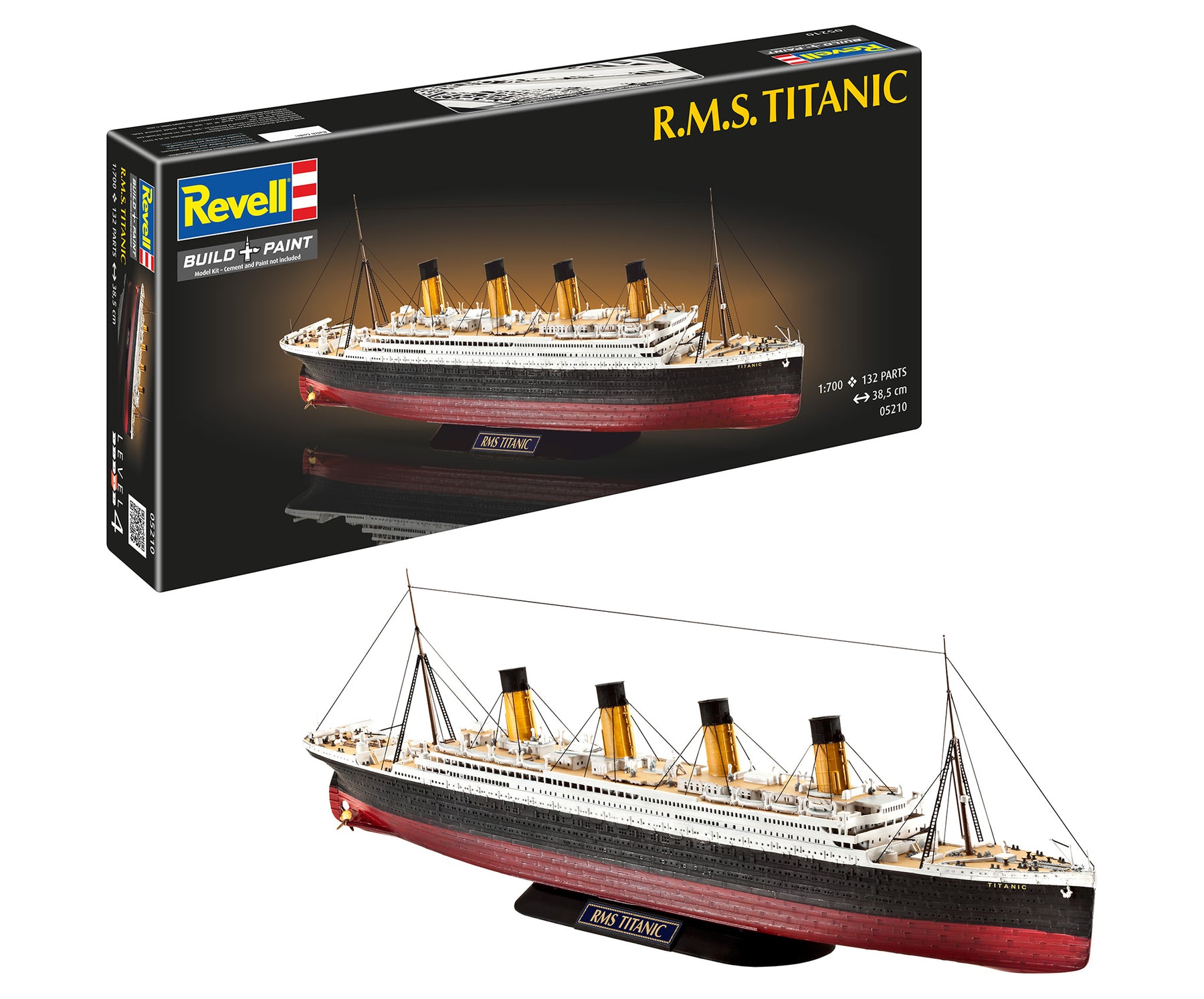
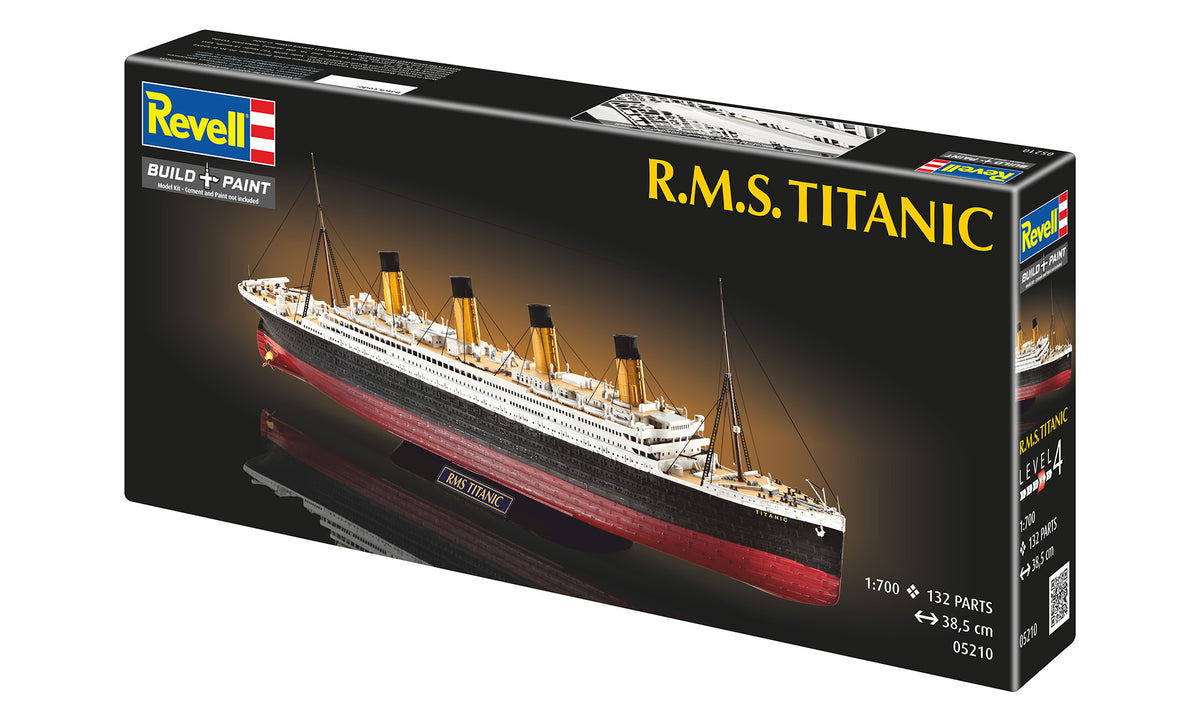
If you want to build something other than military models, you will find breathtaking motifs in the civilian ships. Famous passenger steamers such as the Titanic or modern cruise ships impress with their elegant colors, huge rows of windows and complex promenade decks. But work ships also have their own charm: deep-sea cutters, tugboats, sea rescue cruisers or research vehicles are packed with winches, cranes, life rafts and work equipment. These models tell stories of the hard everyday life at sea and offer countless opportunities to show signs of wear and tear.
The right scale: From the fleet show to the large model
Before you decide on a kit, you should consider how much space you have available for construction and later presentation. The scale largely determines the size of the finished model and the degree of visible detail.
- 1:700 and 1:1200 (waterline & smallest scales): These scales are perfect if you want to collect an entire fleet or build spectacular dioramas of harbors and naval battles. Despite the small dimensions, modern kits surprise with the astonishing sharpness of the superstructure and turrets. Handling requires extremely fine tweezers.
- 1:350 (The standard of the premier class ships): For warships and destroyers, 1:350 is probably the most popular scale among ambitious model builders. A battleship here quickly reaches a length of 60 to 80 centimeters. At this size, even the smallest details such as portholes, individual anti-aircraft guns and lifeboats can be fully modeled.
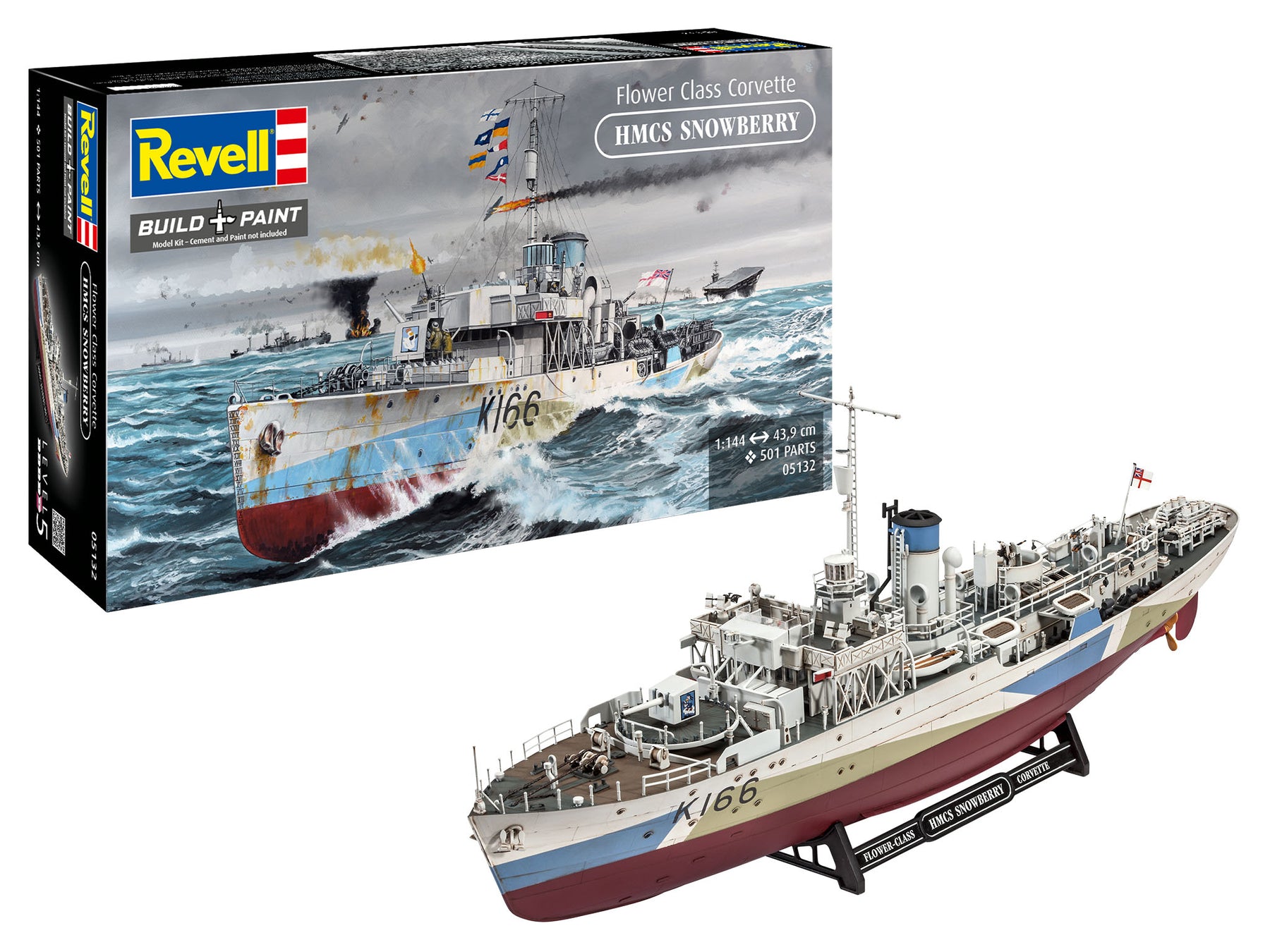
- 1:144 to 1:72 (large scale): At these scales you will mainly encounter submarines, speedboats, corvettes or sea rescue cruisers. A 1:72 scale submarine can be over a meter long! These kits offer fantastic opportunities to display interiors, include crew figures or equip the models with lighting functions.
Skill Levels: Find the kit that suits you
So that building fun is guaranteed from the first minute and there is no frustration, our kits are divided into transparent levels. This means you always know exactly what technical requirements await you.
If you're just starting your new hobby, it's best to choose uncomplicated, lower-level kits or our practical ones Model sets. In addition to the precisely fitting plastic parts, these already contain the basic paints, brushes and a suitable glue. So you can get started right at your kitchen table at home without having to search for a long time and gain your first valuable experience with gluing and coloring.
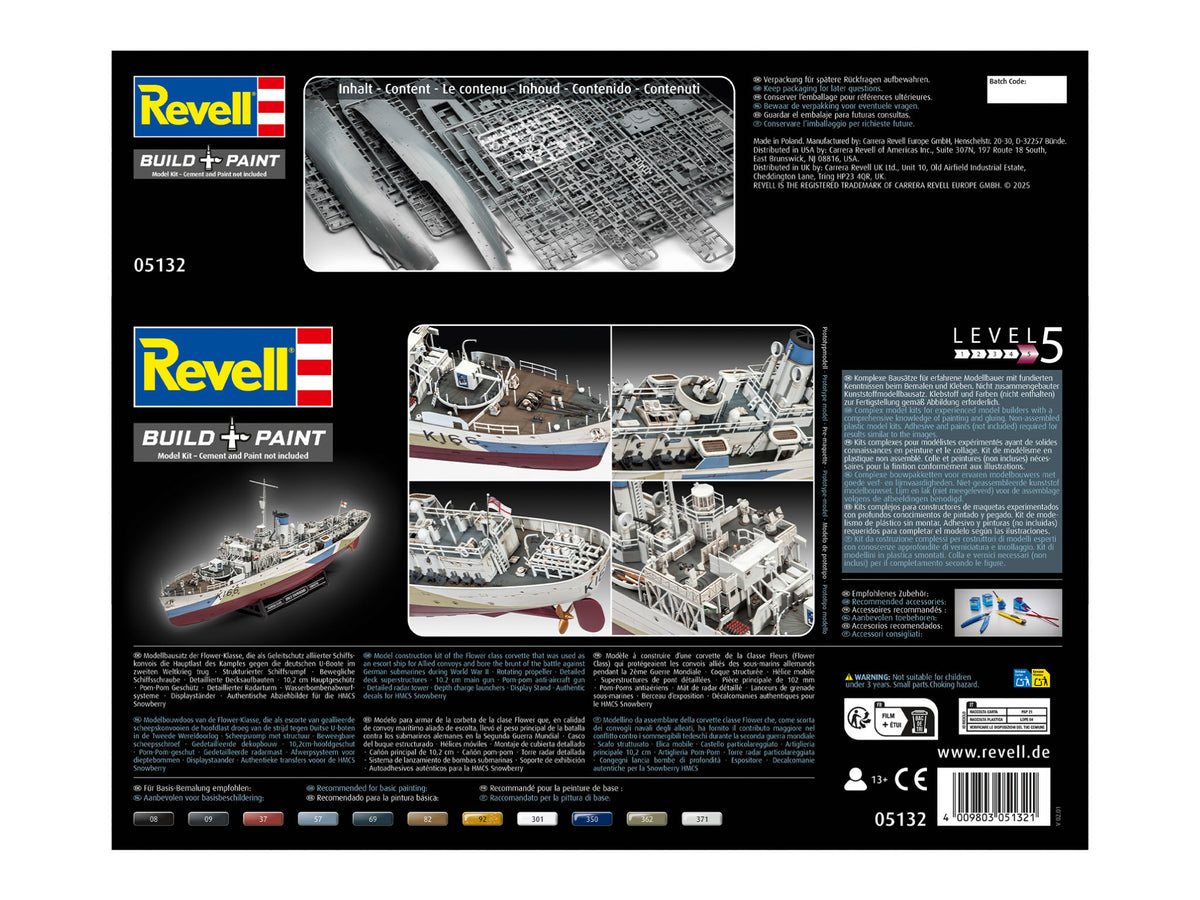
Advanced model builders and professionals choose kits from level 4 or 5. Here you can expect multi-part hulls, hundreds of delicate small parts and sometimes sophisticated rigging plans. These large projects accompany you over many weeks or even months and reward your effort with museum quality.
The right equipment: tools for precise work
An outstanding ship model depends on the quality of the tools you use. The tiny parts of maritime kits are unforgiving of rough cuts. A sharp side cutter with a flat cutting edge is essential for cleanly separating components from the molded part without crushing the material or breaking off tiny antennas.
Using a craft scalpel and fine sandpaper with a grit size of 400 to 1000, remove any molding burrs and ensure that the fuselage halves fit together seamlessly. High-quality tweezers - both pointed and curved - are your extended fingers when building model ships. They allow you to place railings or thread rigging threads through eyelets. In our category for Accessories You will find everything that completes your workplace: from special adhesives with fine cannulas to masking tapes and clamps that hold the fuselage halves securely in position during the drying phase.
Painting and coloring: brush or spray gun?
The painting gives your ship model character and authenticity. Basically, you have two options for applying paint: with the classic brush or with the spray gun. Smaller details, on-board guns, life rafts and crew members can be easily painted with fine round brushes of size 0 to 3/0. Use well-diluted acrylic paints to avoid brush strokes and to avoid adding thick layers of paint to details.
However, we recommend using modern spraying techniques for the hull, the main deck and large superstructures. With high-quality systems from the area Airbrush You can achieve an absolutely even, wafer-thin application of paint without streaking. Especially on ships, clean color separating edges between the underwater ship (often in red or green), the water pass (usually a narrow black or white stripe) and the surface ship are essential. Use fine masking tape and the spray gun to create these lines razor-sharp.
Weathering and aging: How to breathe life into steel
A brand new ship often appears artificial to the viewer. Ships are exposed to the relentless forces of salt water, wind and sun. Rust, peeling paint and salt crusts are part of the normal appearance of any marine vessel. If you want to add more depth to your model, weathering techniques are the key to success.
A dark wash emphasizes recesses, rows of rivets and hatch edges, making the structures stand out three-dimensionally. You can use dry painting techniques to subtly brighten edges and treads. It is best to apply traces of rust on anchor fairleads or weld seams selectively with heavily diluted reddish-brown paint and then remove them vertically downwards with a damp brush - just as rainwater runs down the hull. Be economical: less is often more. Subtle weathering makes your model look realistic and alive without looking rotten.
Experience versatility: ship model building for every budget
If you're not quite sure which type of ship will fascinate you the most in the long term, compilations like this offer Model building ships mix a wonderful opportunity to learn about different maritime eras and ship designs. By combining different kits, you can test your skills step by step on different hull shapes and superstructures without immediately committing to a single gigantic long-term project.
A mix like this brings variety to your craft table: After assembling a sleek submarine, you dedicate yourself to a maneuverable patrol boat or test your patience on the delicate masts of a historic schooner. So you can find out intuitively whether your heart beats more for modern marine steel or for the historic era of the great explorers.
Practical tips for your next ship project
- Study the building instructions carefully: Ships must be painted and built in a logical order. Often you can no longer access the inner decks or lower superstructures once the upper decks are glued. Plan the painting steps in advance.
- Form assemblies: Build the hull, deck superstructure, funnels, turrets and masts separately. Paint these assemblies individually before finally putting them together on the fuselage. This saves you the hassle of masking in hard-to-reach places.
- Carefully finish the torso seam: The two halves of the fuselage must close perfectly. If necessary, use some modeling putty and wet sand the seam until you can no longer feel the transition with your fingernail. An unclean hull is immediately noticeable on the finished model.
- Patience with rigging: Use fine elastic rigging thread instead of regular sewing thread. Elastic threads forgive accidental touches, do not tear and do not warp the sensitive plastic masts.
- Protection for your masterpiece: Because of their many small parts, ship models are real dust collectors. A transparent display case or an acrylic hood permanently protects your finished gem from dust, sunlight and curious hands.