




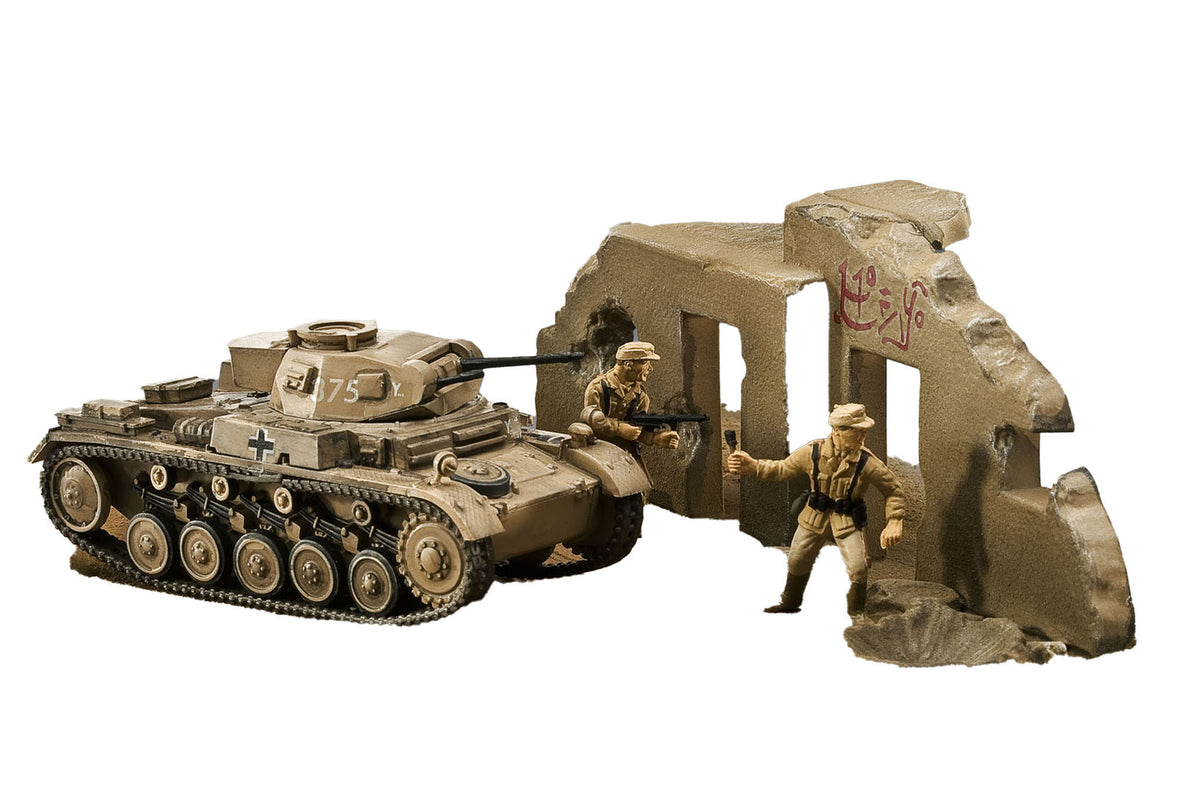


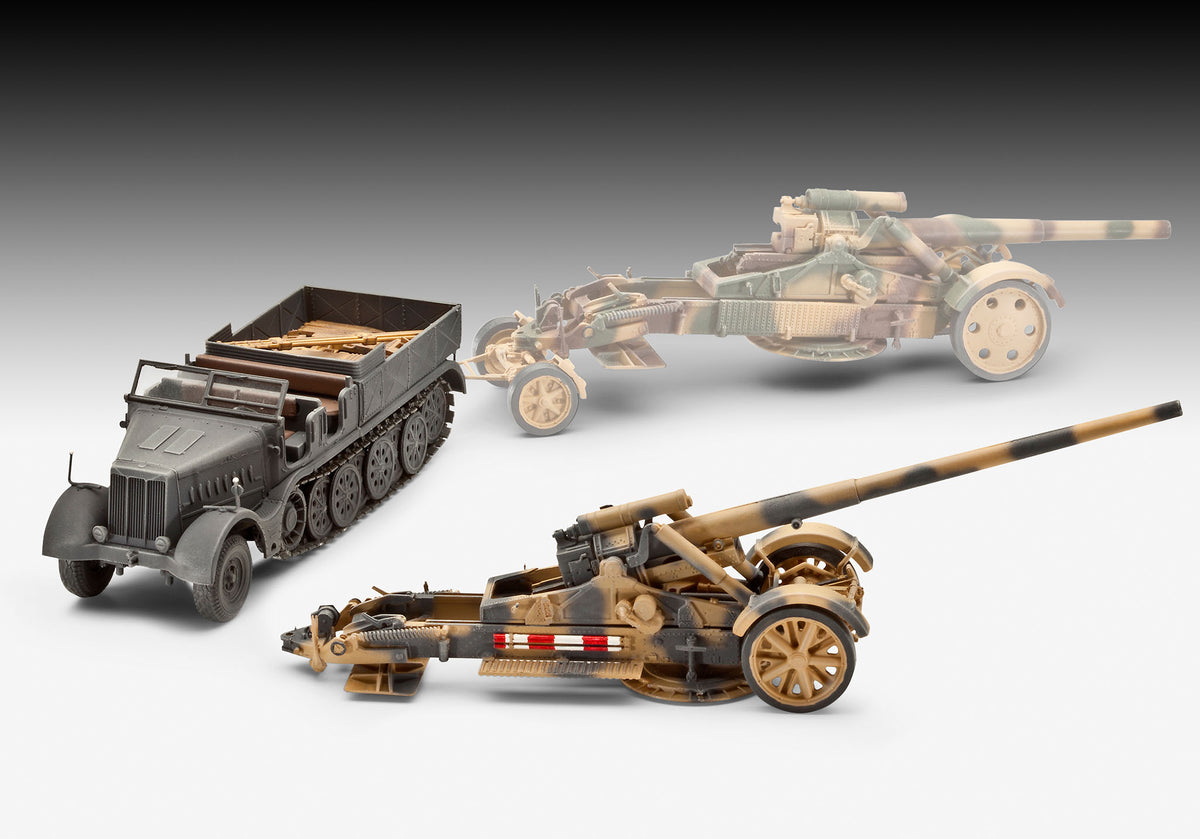
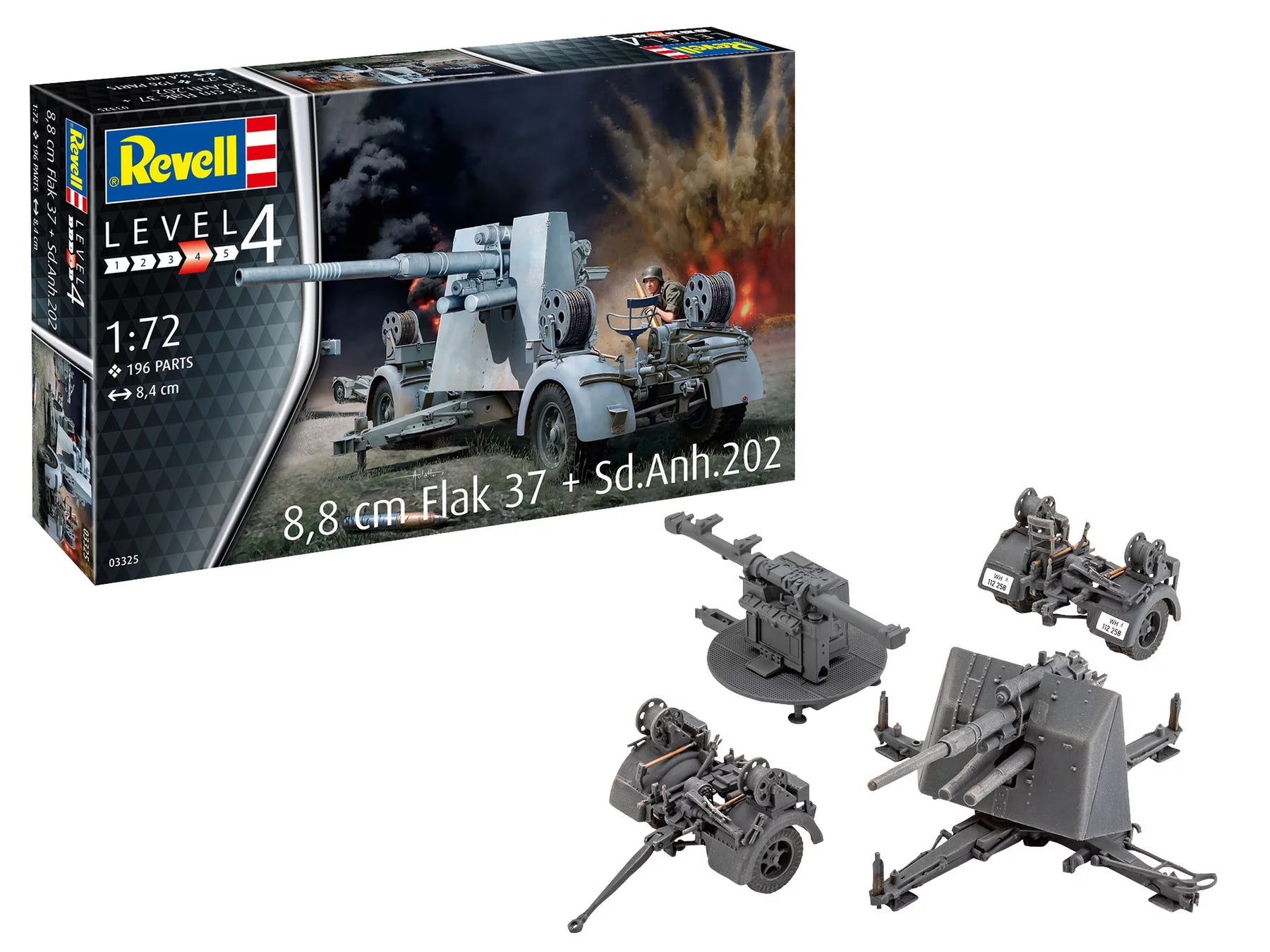
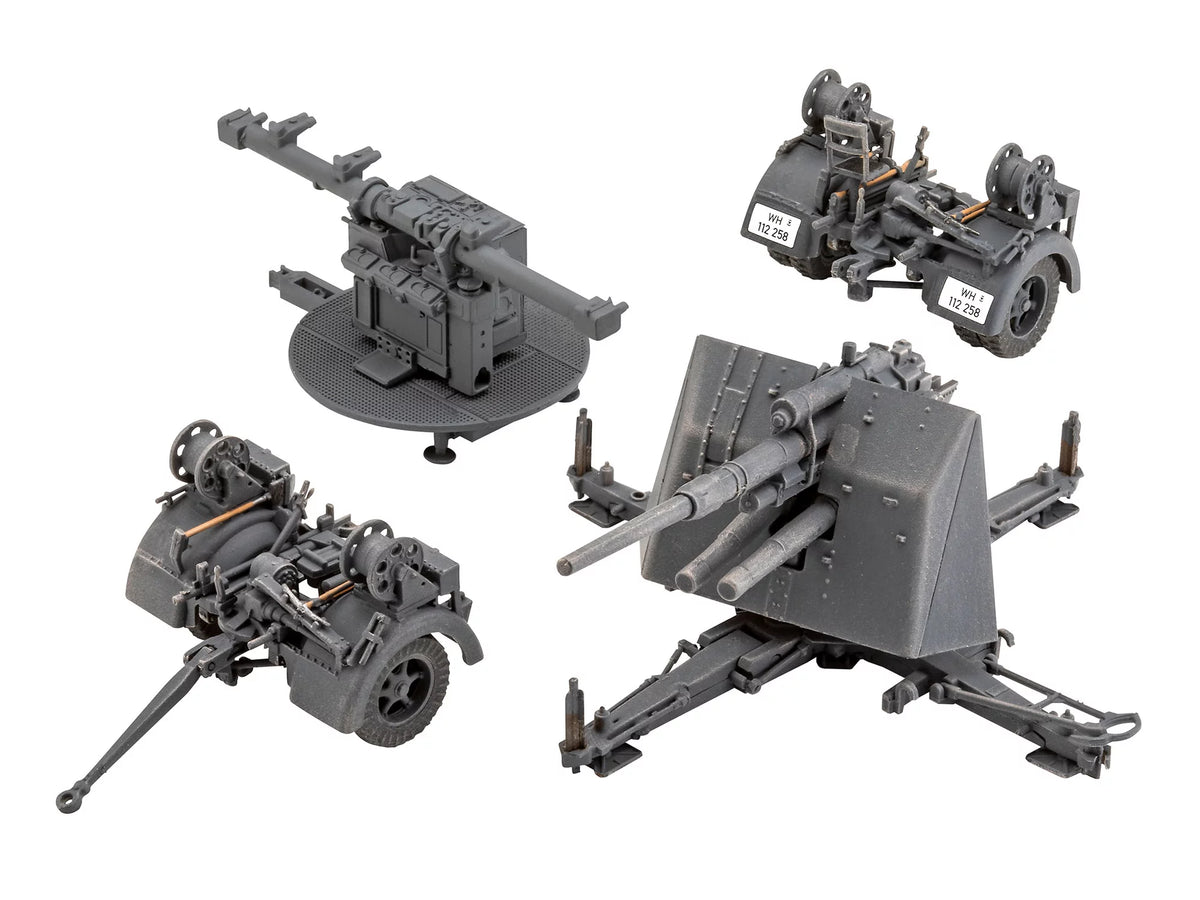
Fascination with military model making: experience vehicles from the Second World War up close
The World War II era brought about unprecedented advancements in engines, chassis, and armor technologies. For ambitious model builders, vehicles from this era have an incomparable appeal. Each model tells its own story of technical pioneering spirit, strategic challenges and the extreme conditions of the most diverse areas of operation - from the dusty deserts of North Africa to the endless expanses of the Eastern Front to the dense hedgerow landscapes of Normandy.
When you assemble a historic vehicle, you experience these milestones in military history up close. From the delicate gearbox to the suspension of the rollers to the striking tower silhouette, every component section reflects the construction method of the time. Our kits offer you the opportunity to recreate legendary constructions down to the smallest detail and use craftsmanship to create a truly unique piece.
The range of vehicles: variety for collectors and diorama builders
The range of military vehicles between 1939 and 1945 extends far beyond well-known armored fighting vehicles. A complete picture of the motorized units only emerges through the interaction of a wide variety of weapons and support units. In our range you will find the entire range of tracked, wheeled and half-tracked vehicles.
Legendary battle tanks and assault guns
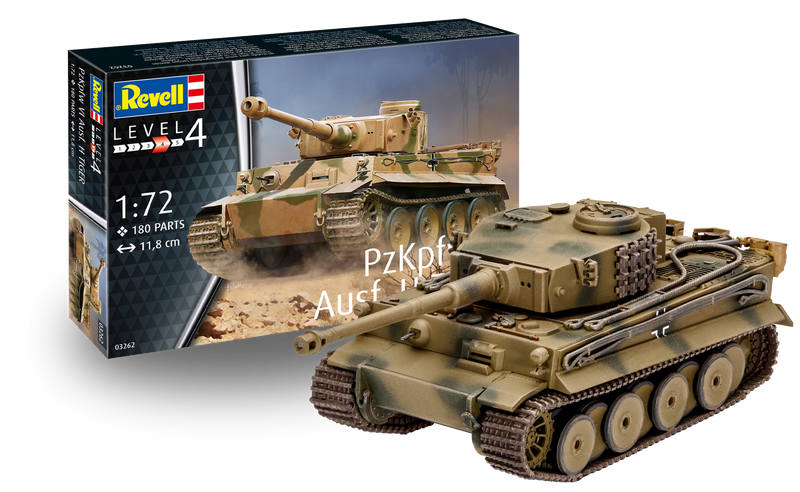
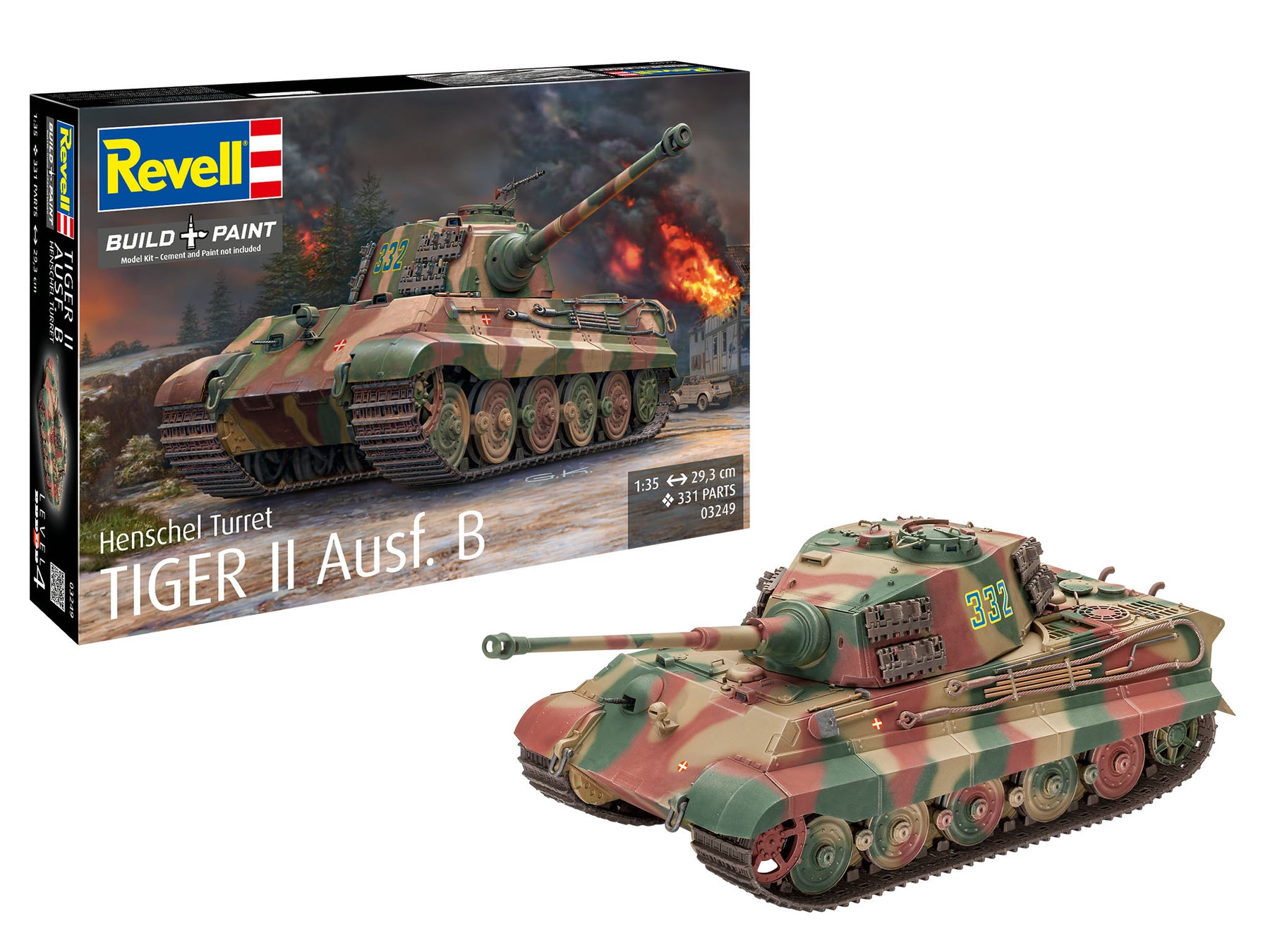
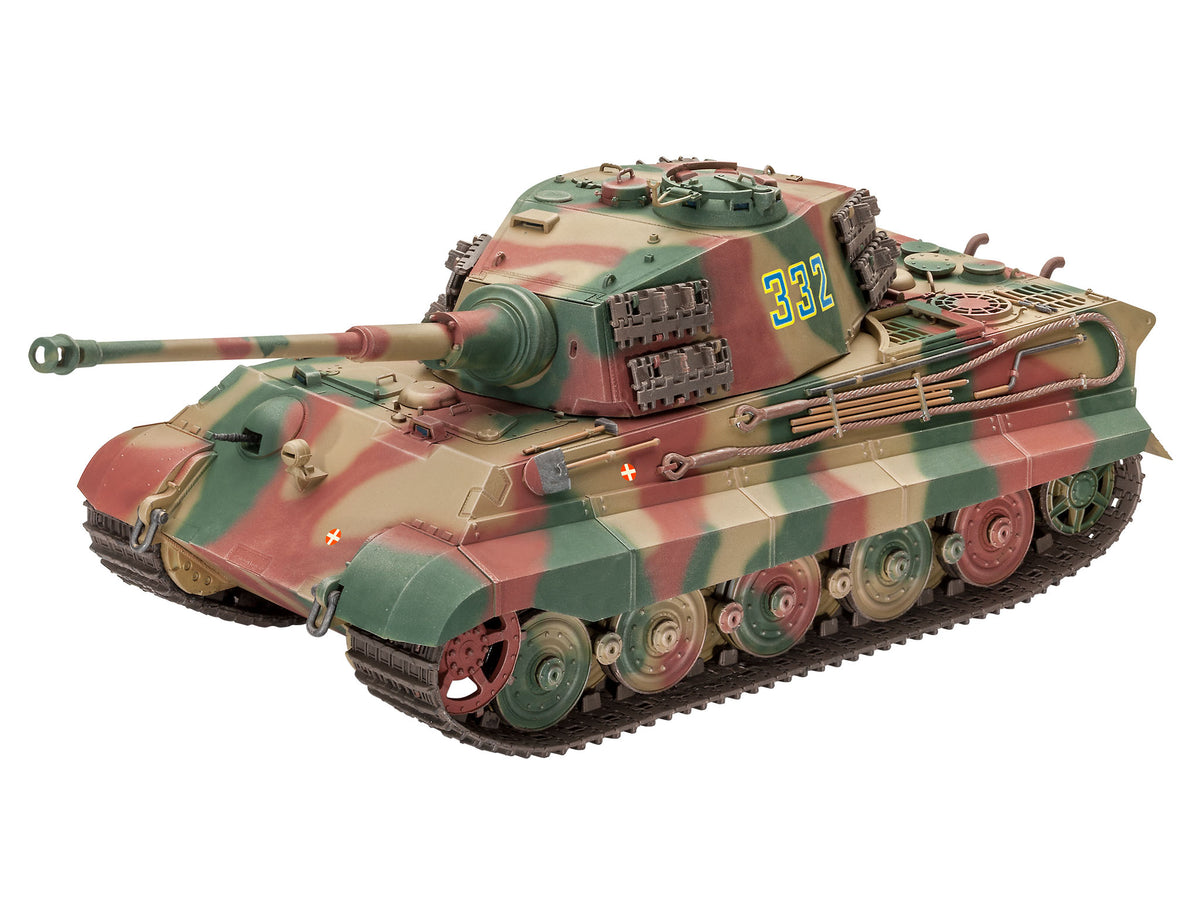
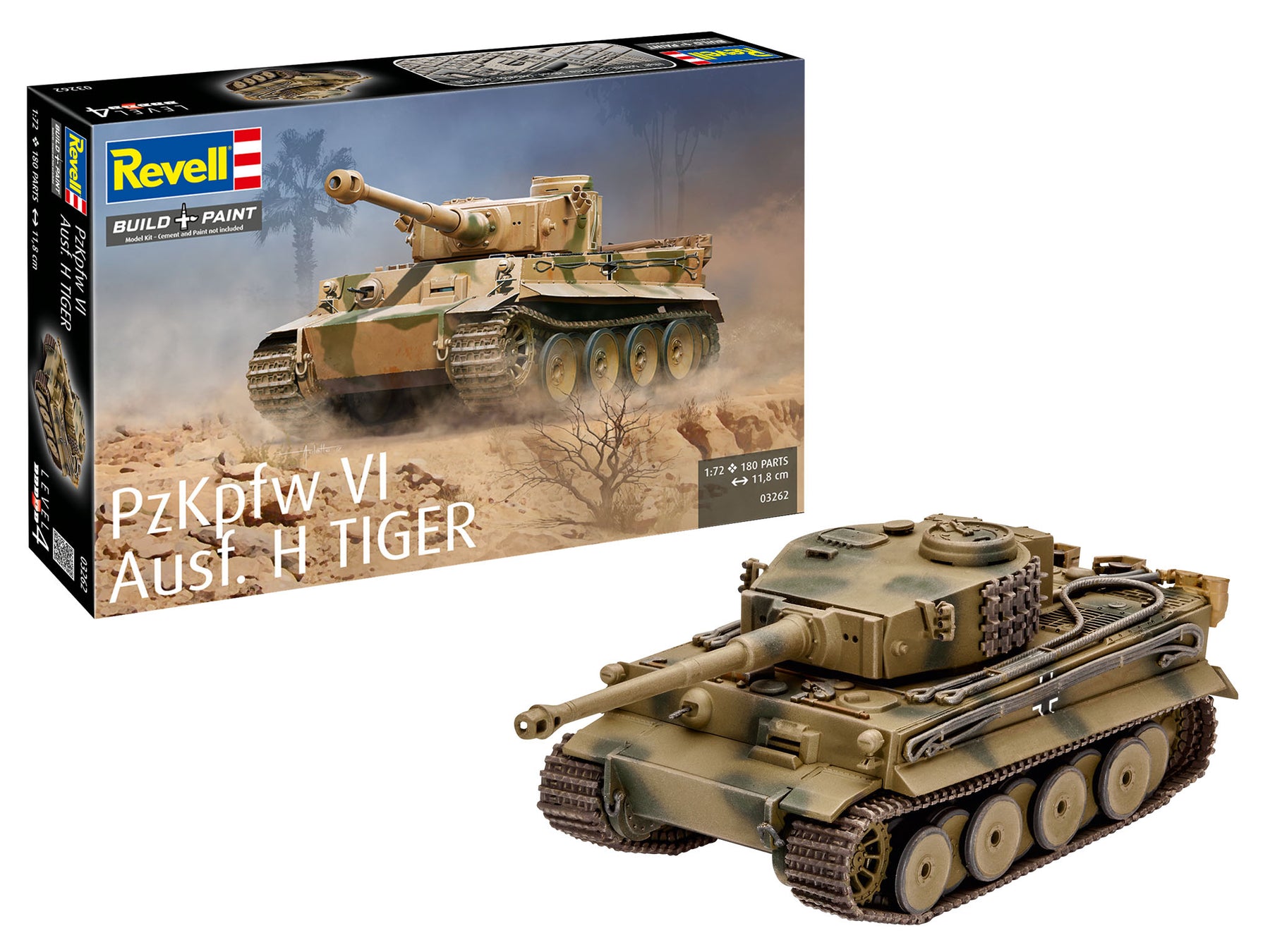
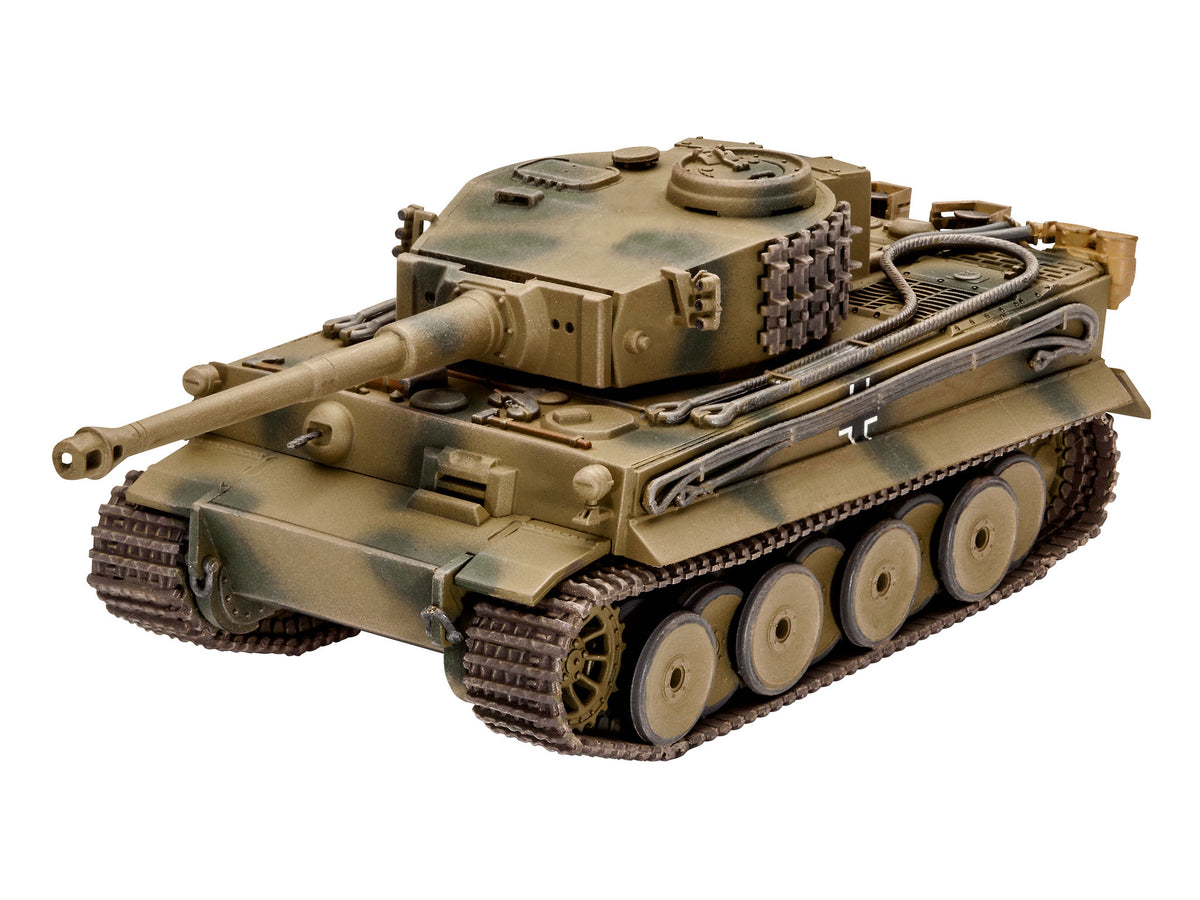
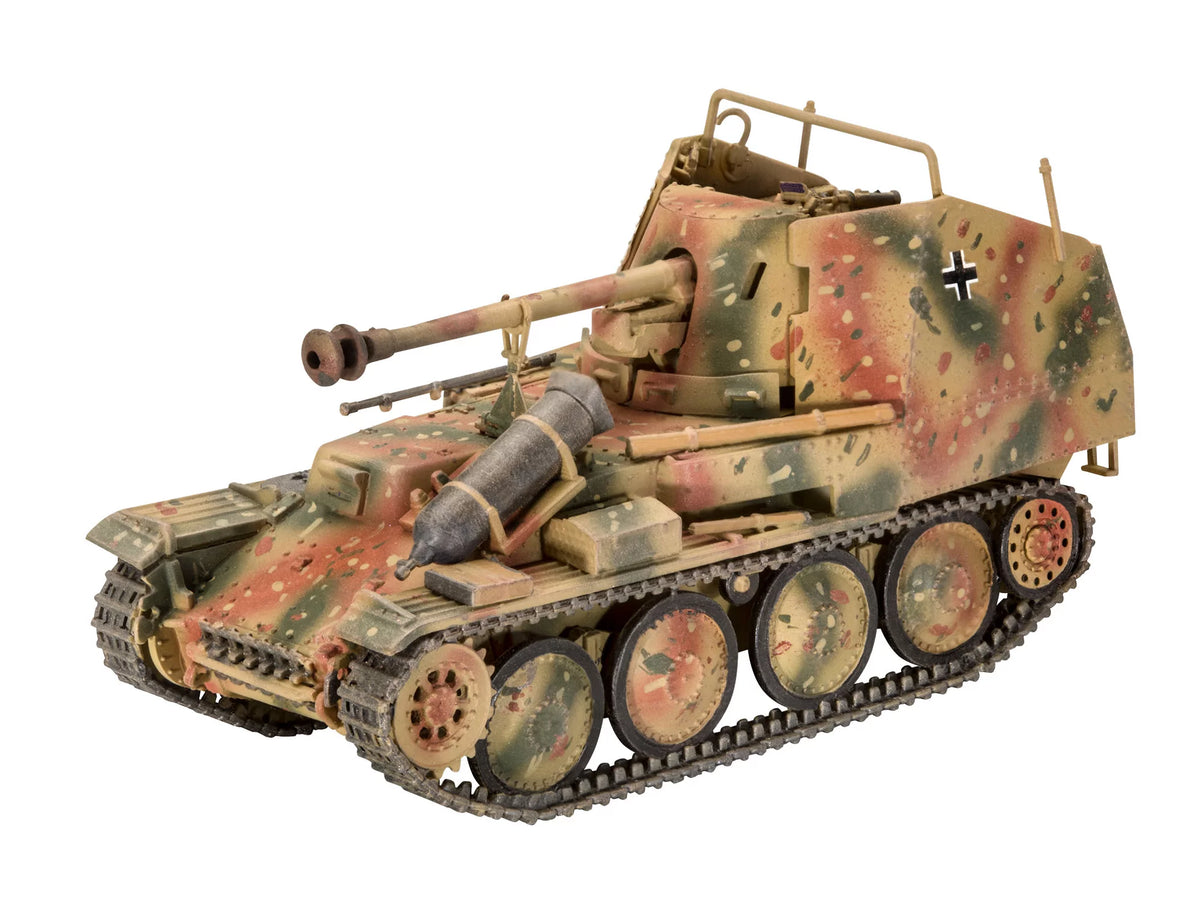
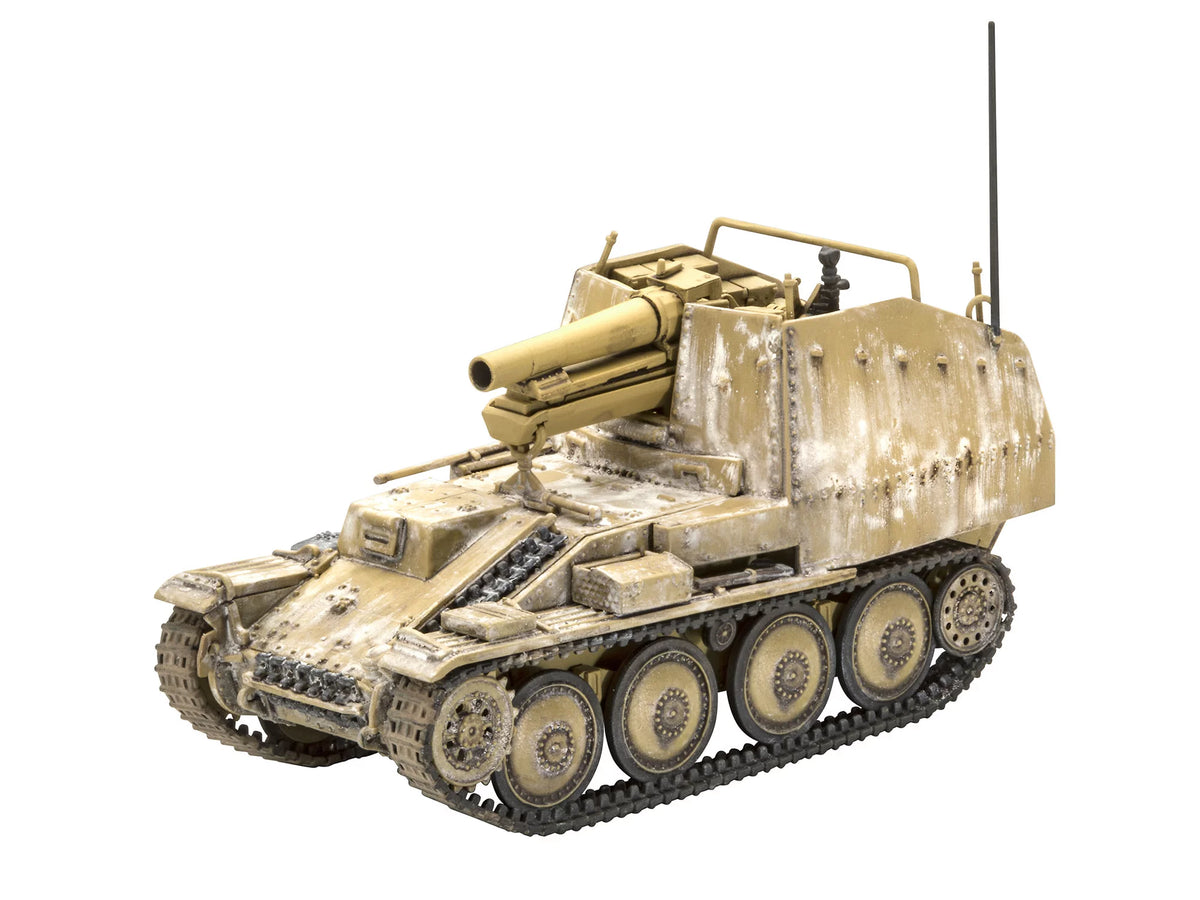
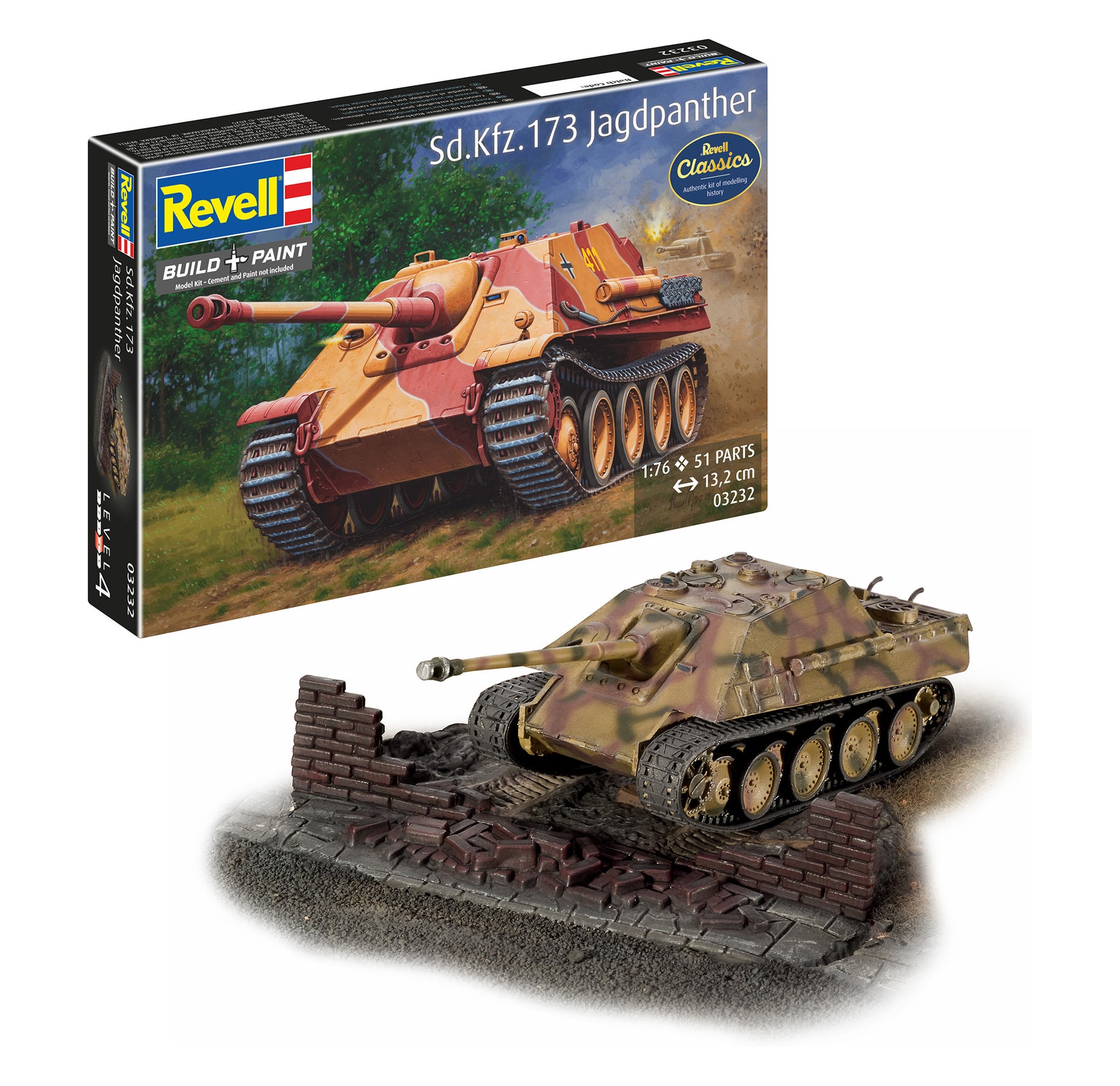
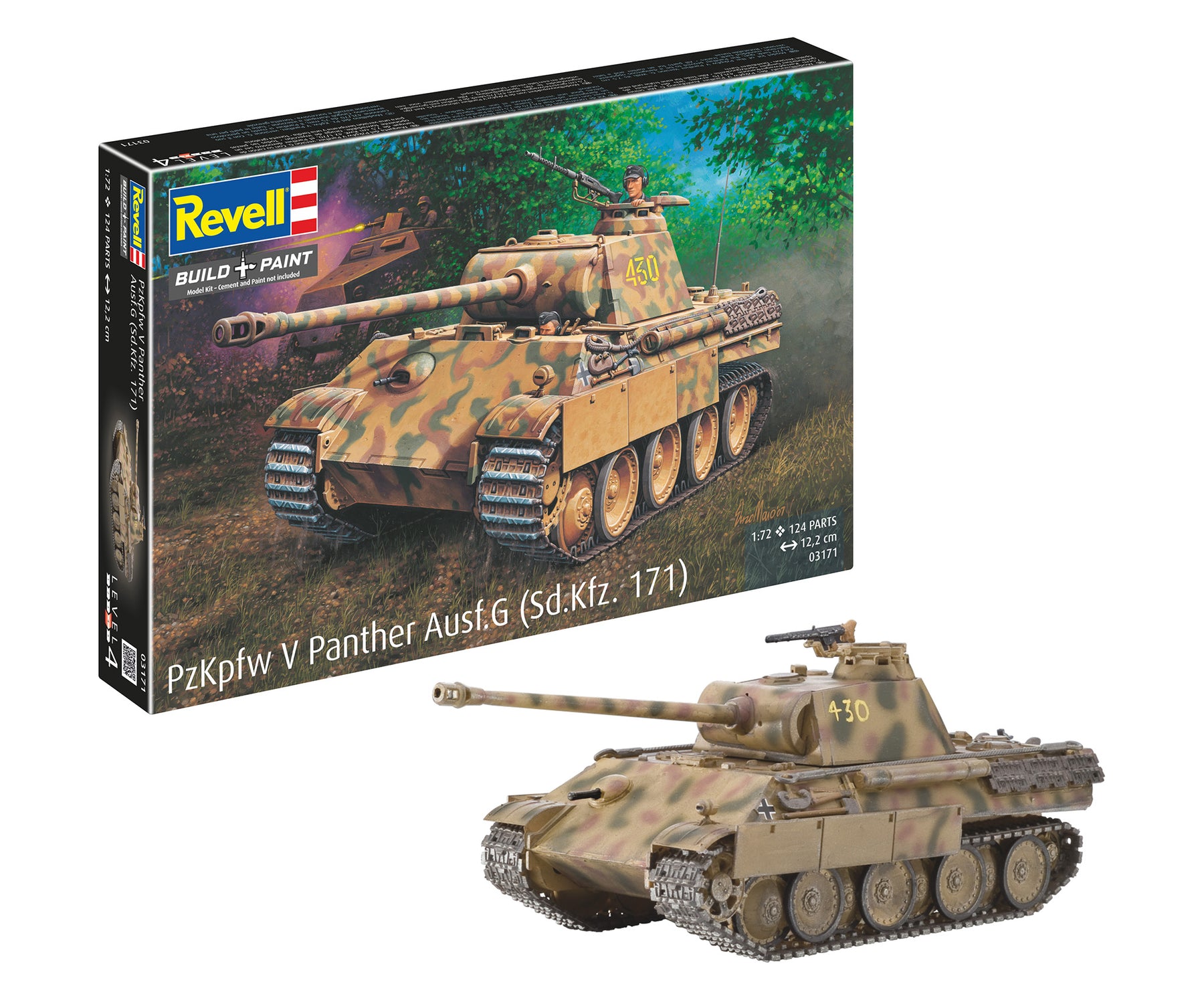
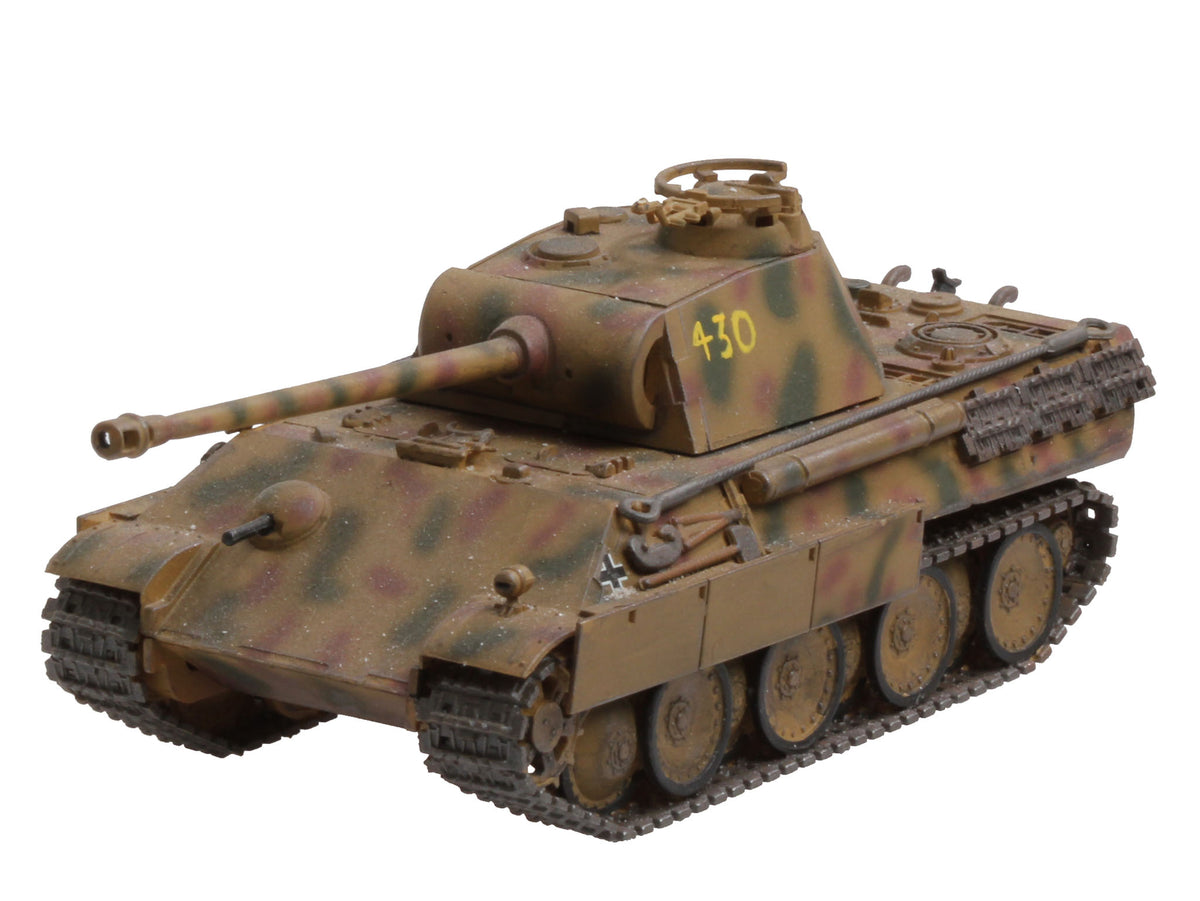
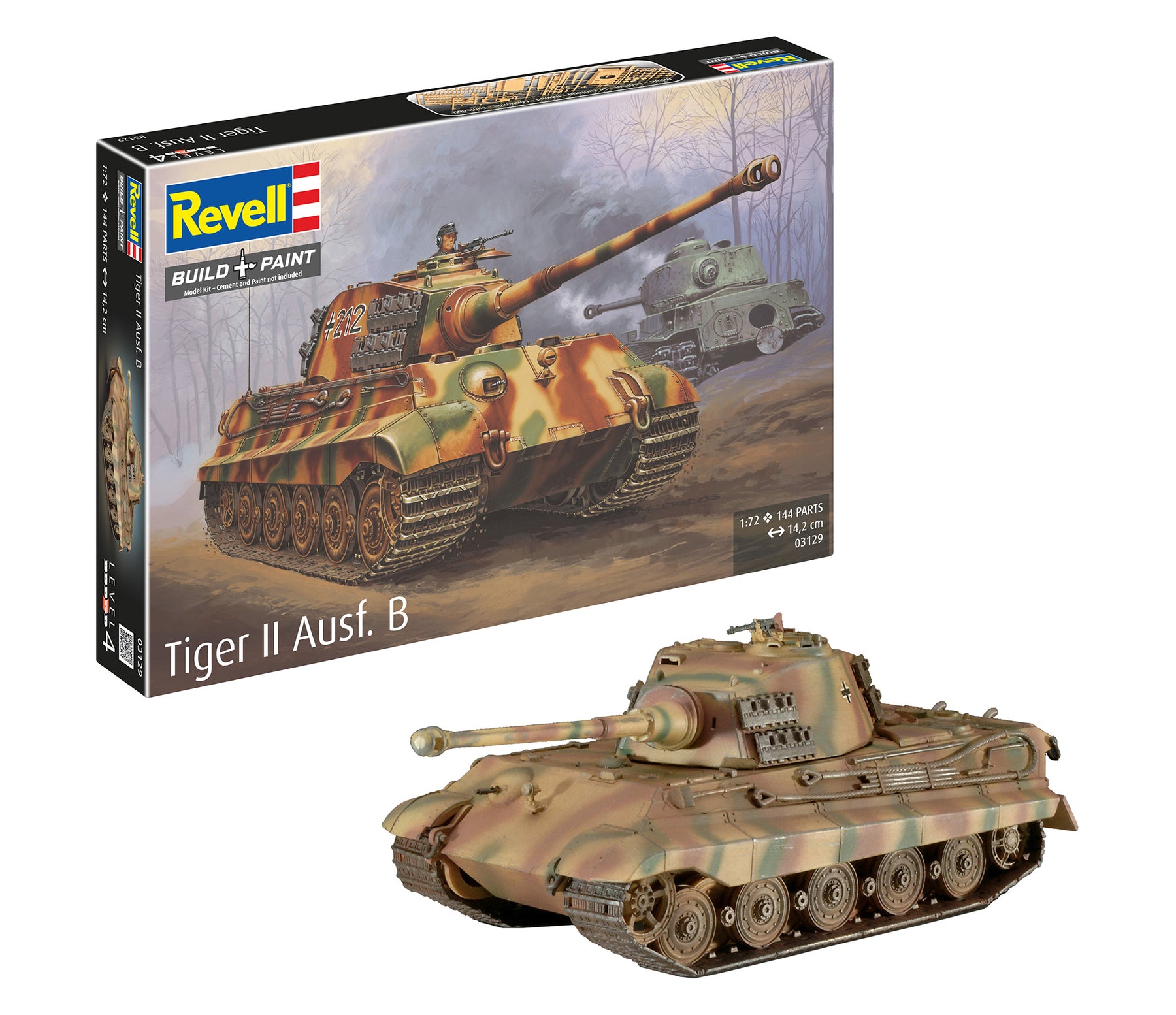
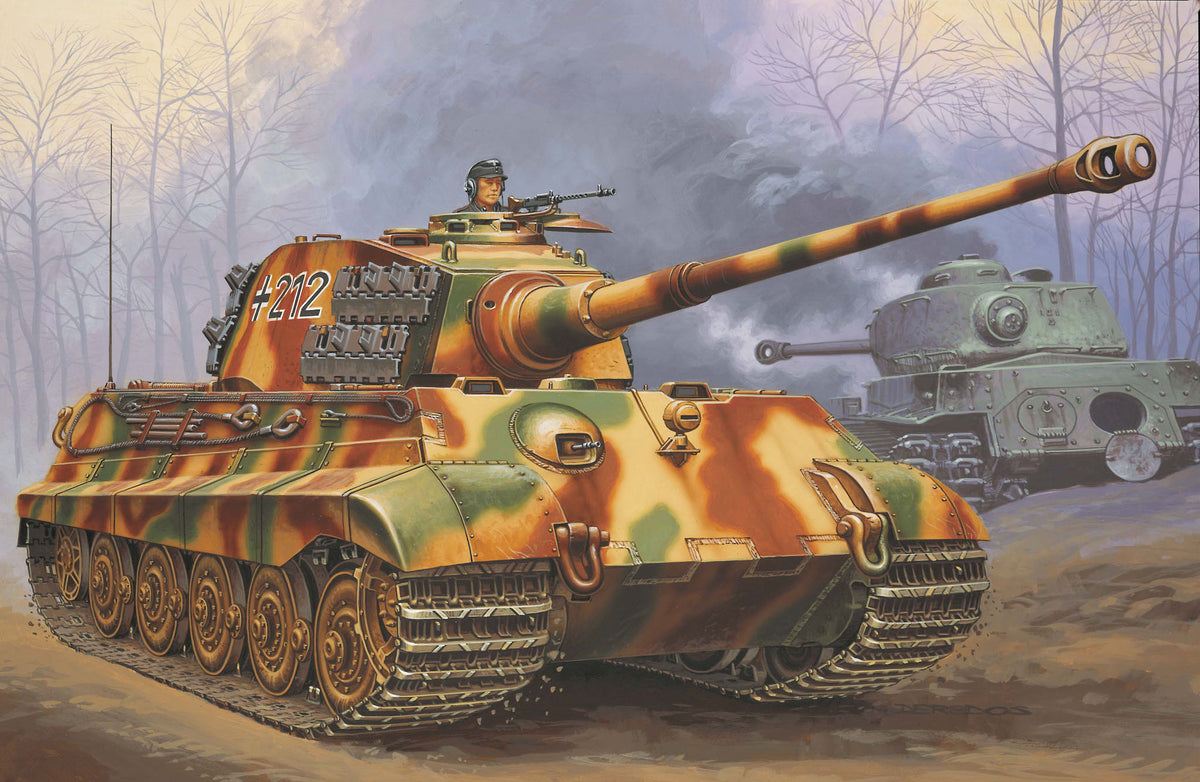
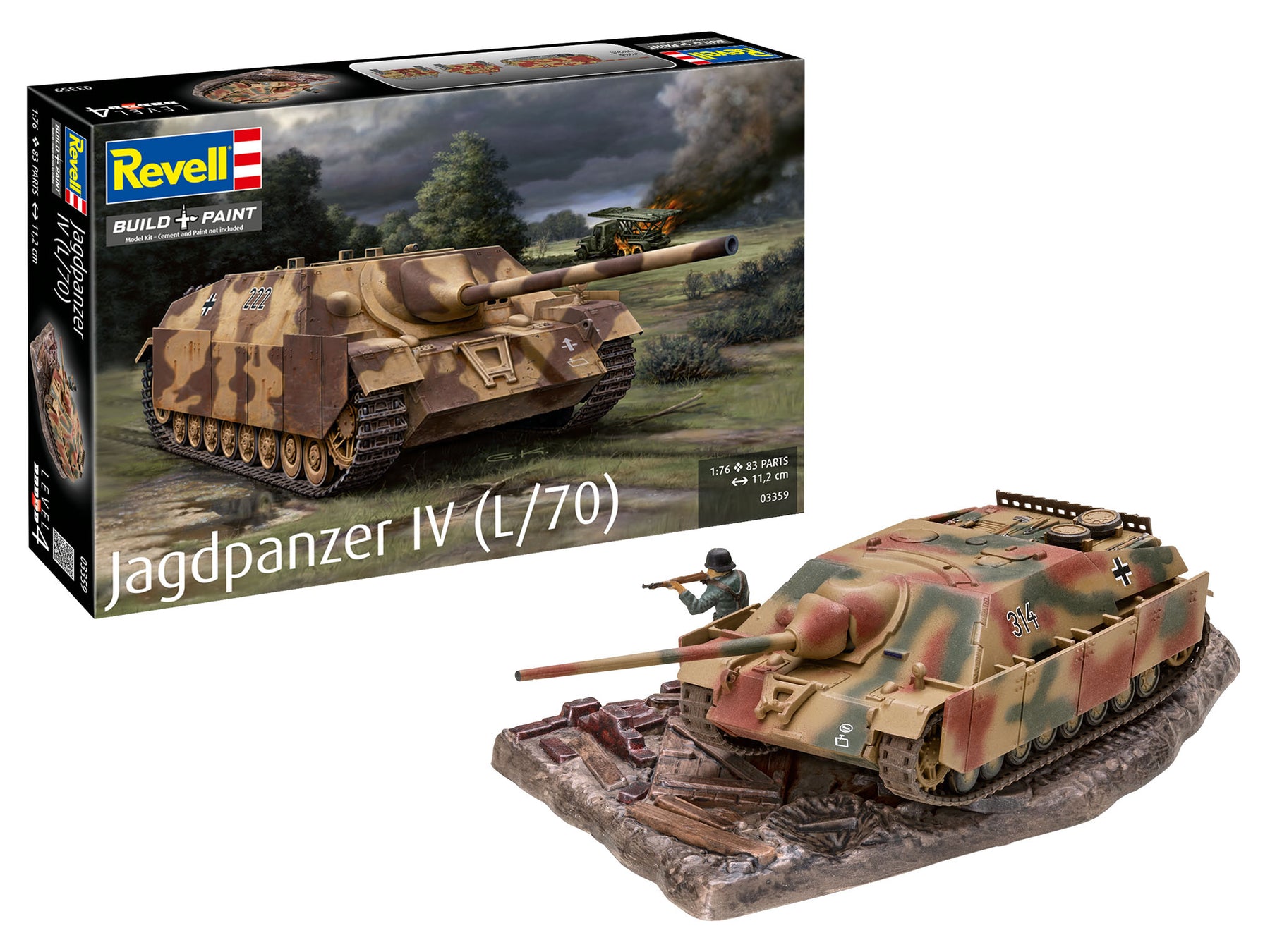
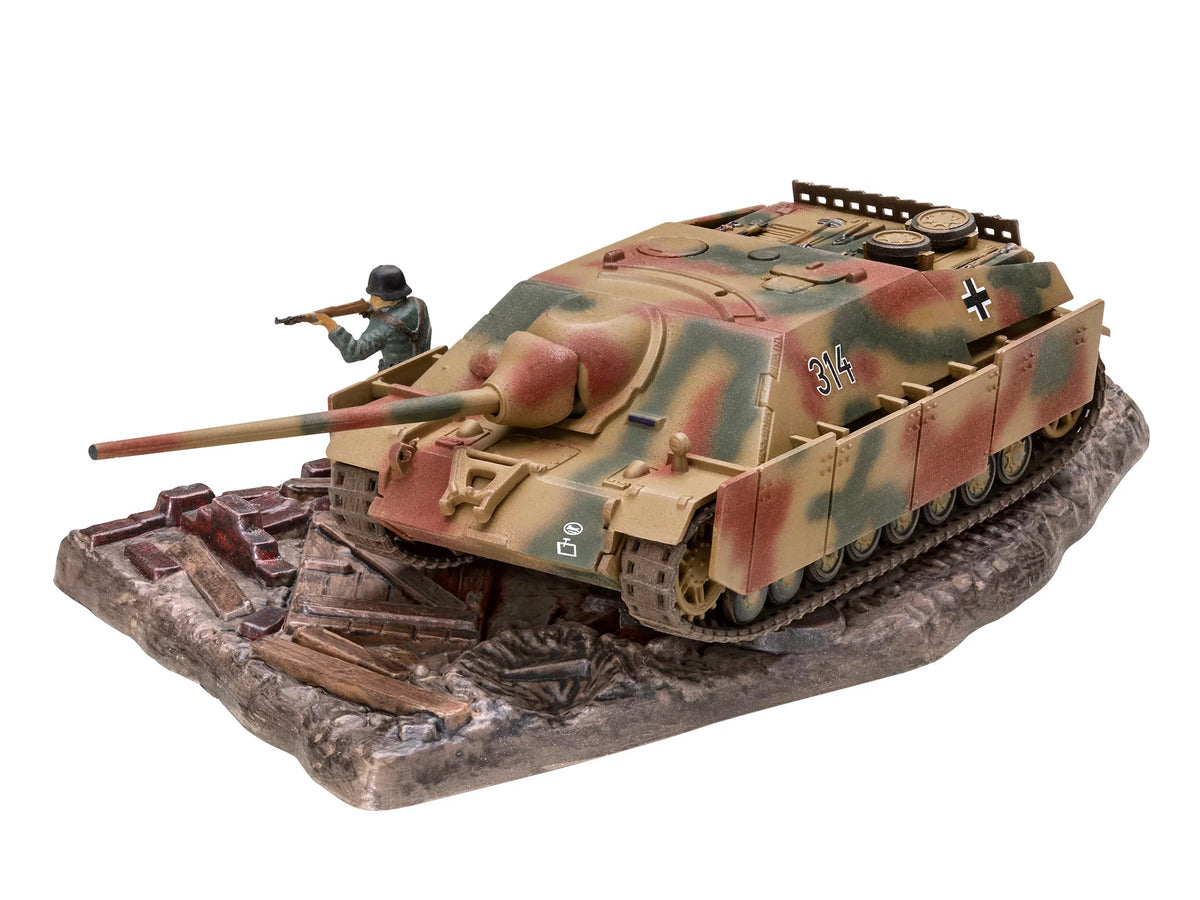
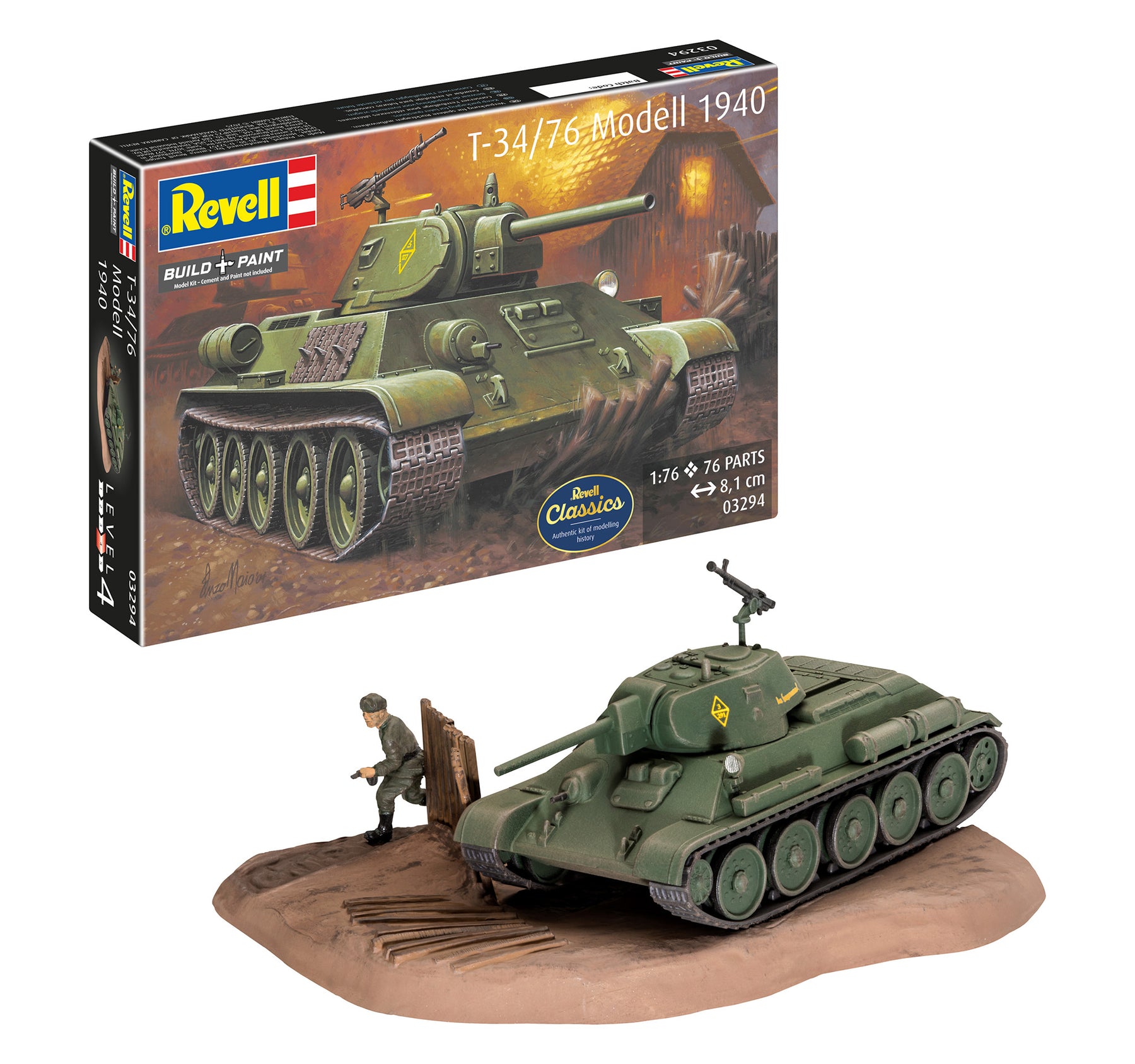
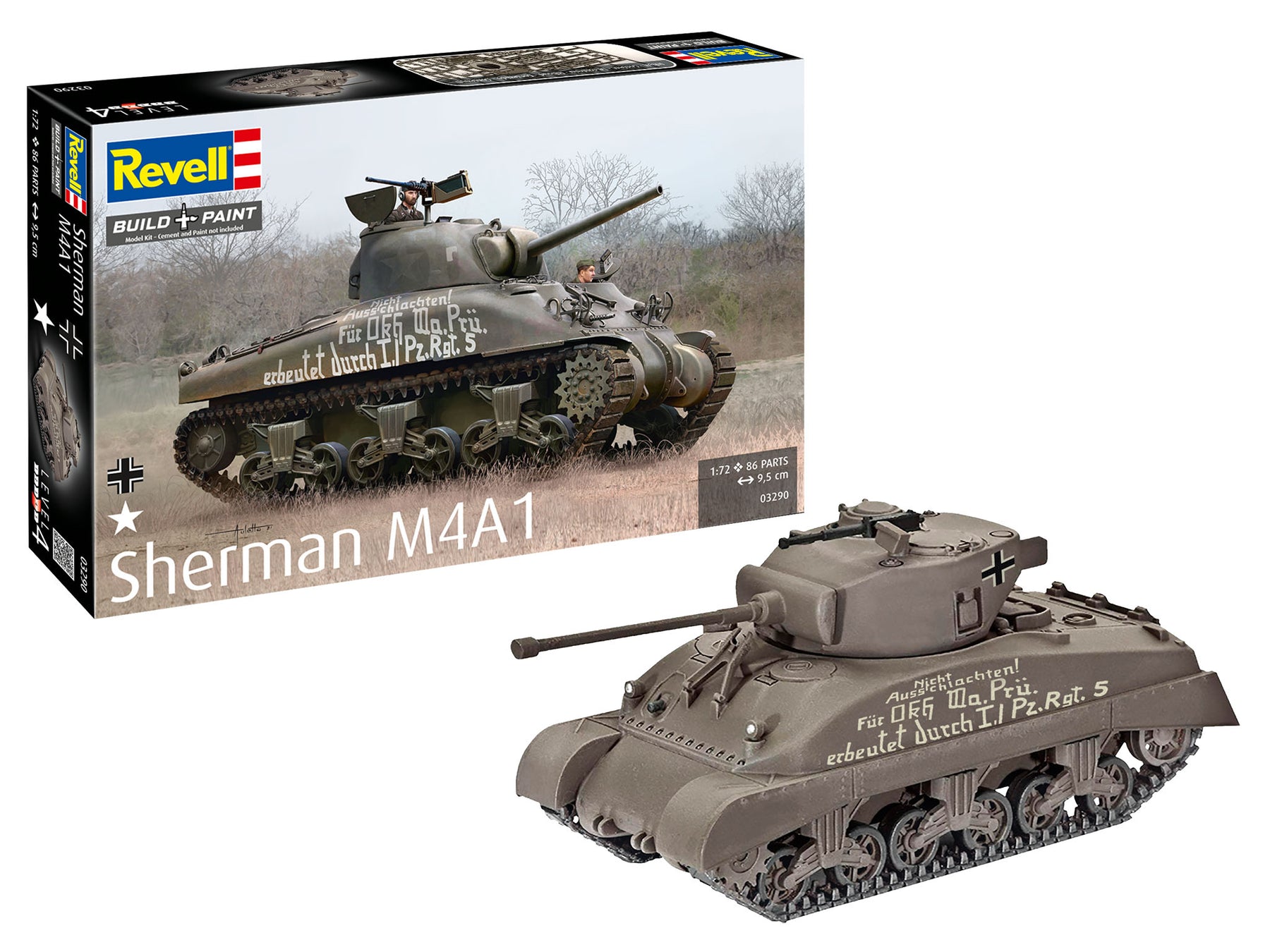
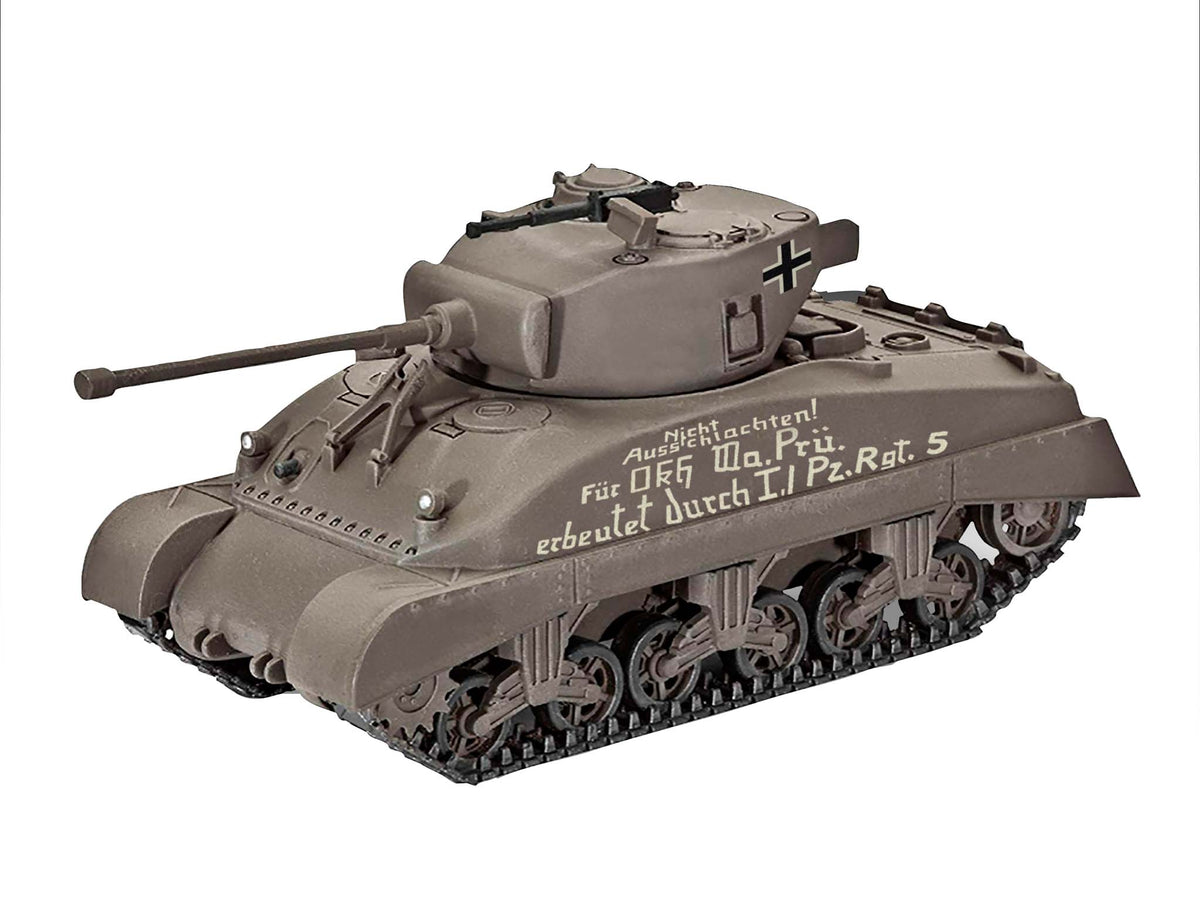
Main battle tanks formed the core of the mechanized troops of both warring parties. Models such as the German Tiger I and Panther set standards in terms of firepower and armor quality, while the US M4 Sherman impressed with its reliability and high volumes. No less famous is the Soviet T-34, whose sloping armor significantly influenced the design of subsequent generations of tanks. Assault guns like the StuG III were characterized by their low silhouette and are known among modelers for their often spectacular camouflage finishes.
Half-track and personnel carriers
In order to deploy the infantry in conjunction with the fast armored divisions, engineers developed versatile half-track vehicles. The Sd.Kfz armored personnel carrier. 251 of the Wehrmacht or the M3 Half-track of the US Army are typical representatives of this genre. In model building, these kits are particularly impressive because of their open battle space: from fittings to radios to benches and ammunition boxes, you can paint and equip the interior in high detail.
Wheeled tanks and maneuverable reconnaissance vehicles
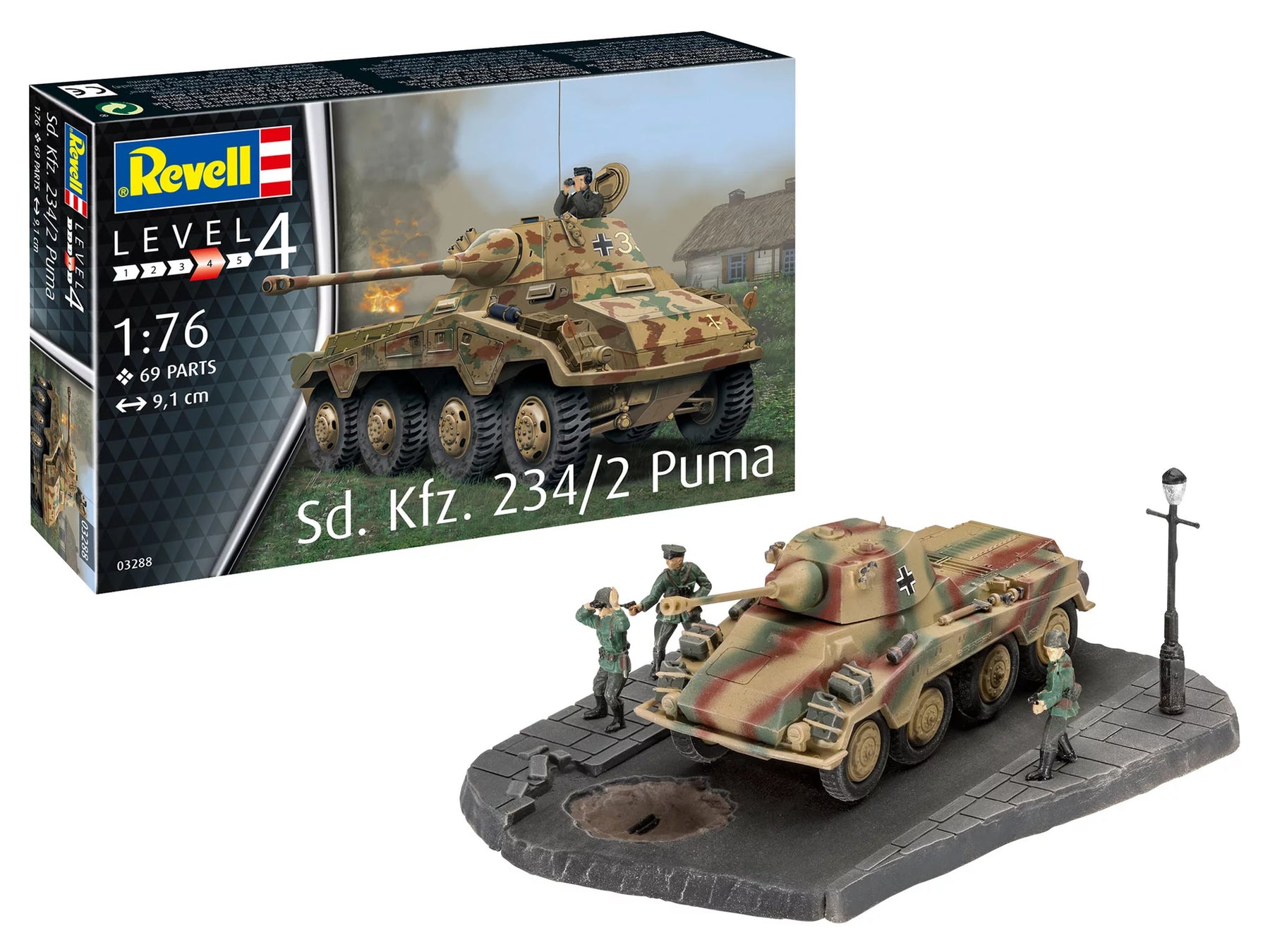
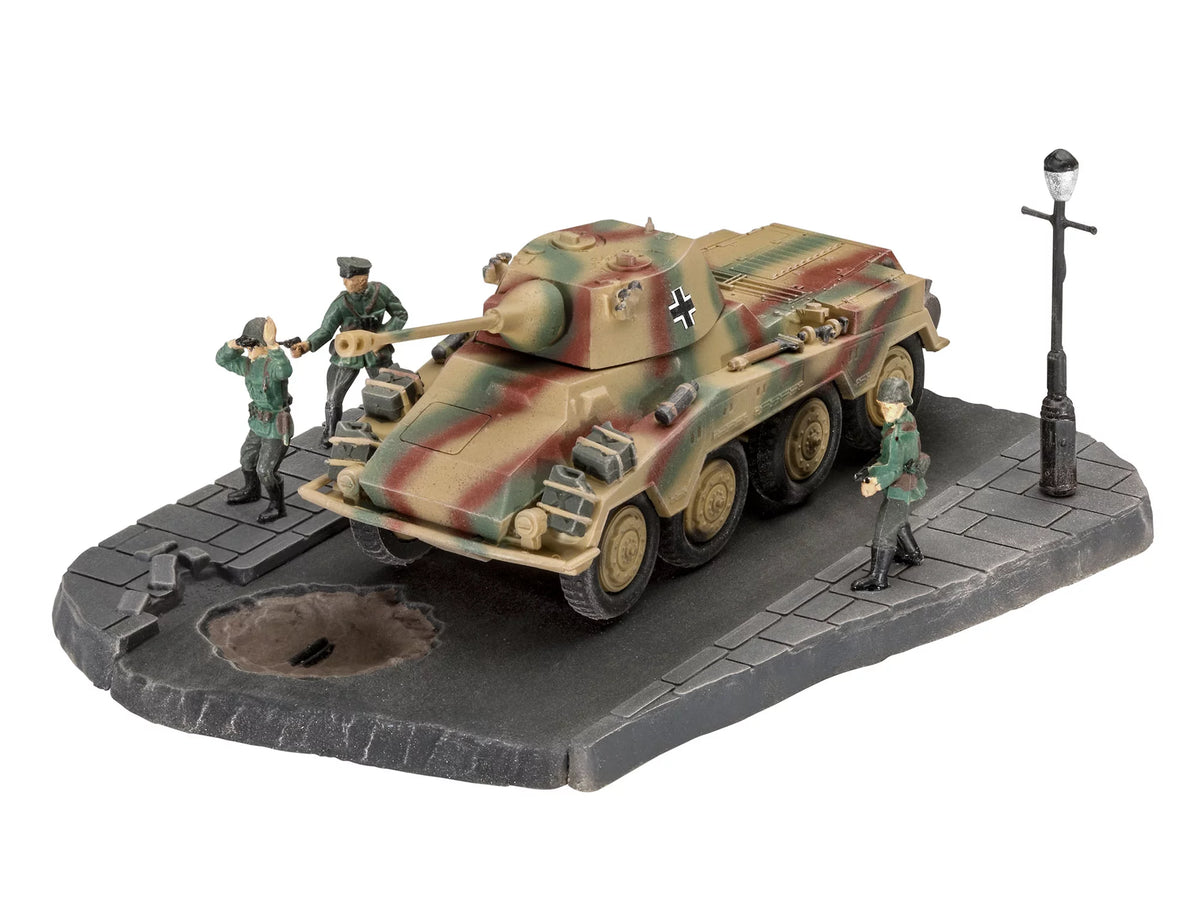
Before heavy units advanced, scout cars scouted the terrain. Multi-axle reconnaissance vehicles such as the German Sd.Kfz. 234 “Puma” or British Dingo armored reconnaissance vehicles impress with their complex axle designs and sporty-looking hull shapes. They are ideal projects if you are looking for a compact model that still has a wealth of delicate assemblies.
Trucks, staff vehicles and supply transporters
Without functioning logistics, no division could make progress. Soft-skinned vehicles like the Opel Blitz, the GMC CCKW three-ton truck or the legendary Willys MB Jeep formed the backbone of every army. These vehicles are indispensable for realistic dioramas: loaded with barrels, crates and tarpaulins, they give your scenes an authentic depth and dynamism that goes beyond pure battle depictions.
The scale decides: Find the right size for your project
Before you decide on a kit, you should consider how much space you have available and what goal you are pursuing with the build. Military vehicles are available in different scales, each offering specific advantages.
Scale 1:35 - The top class of military model building
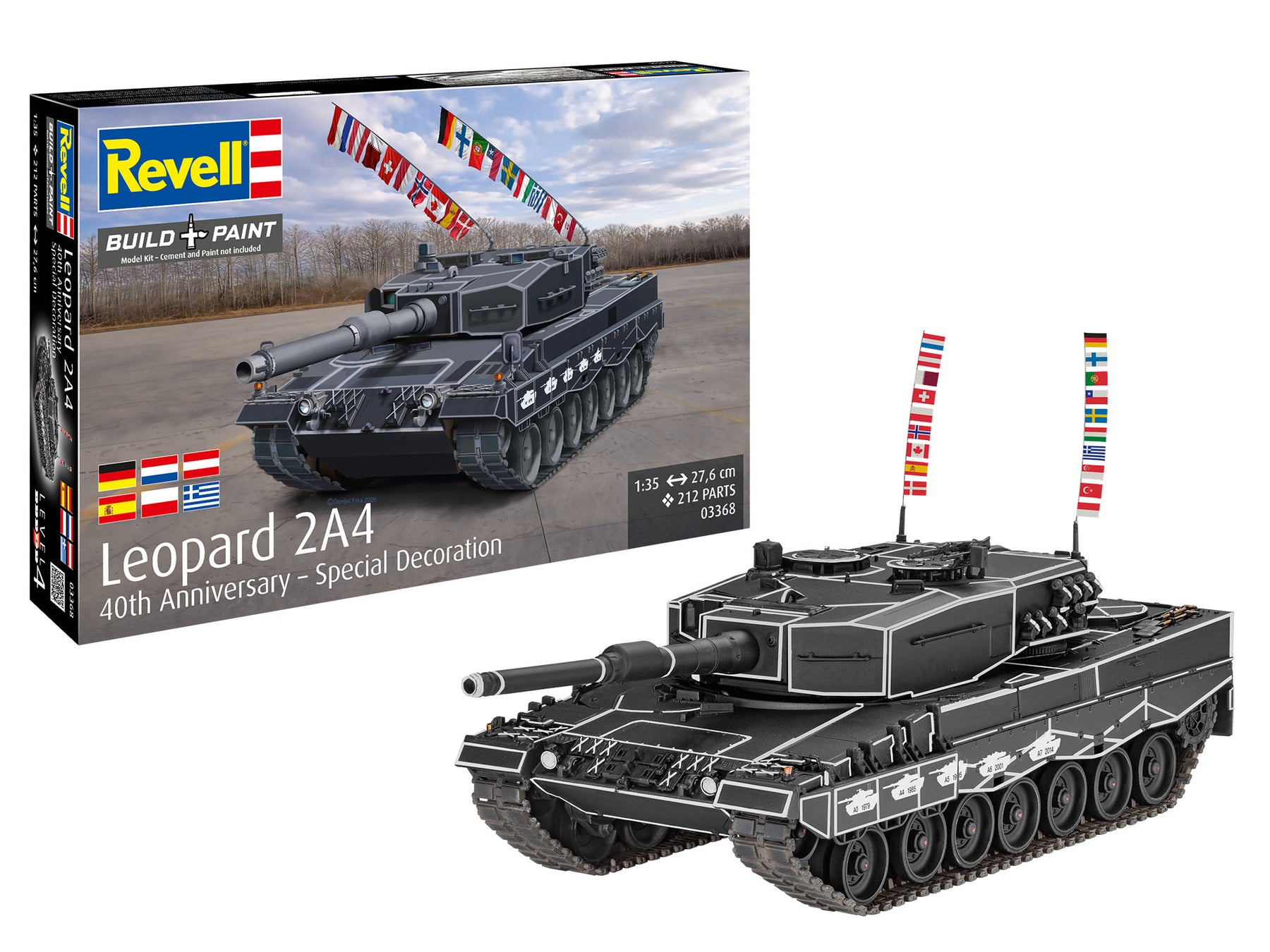
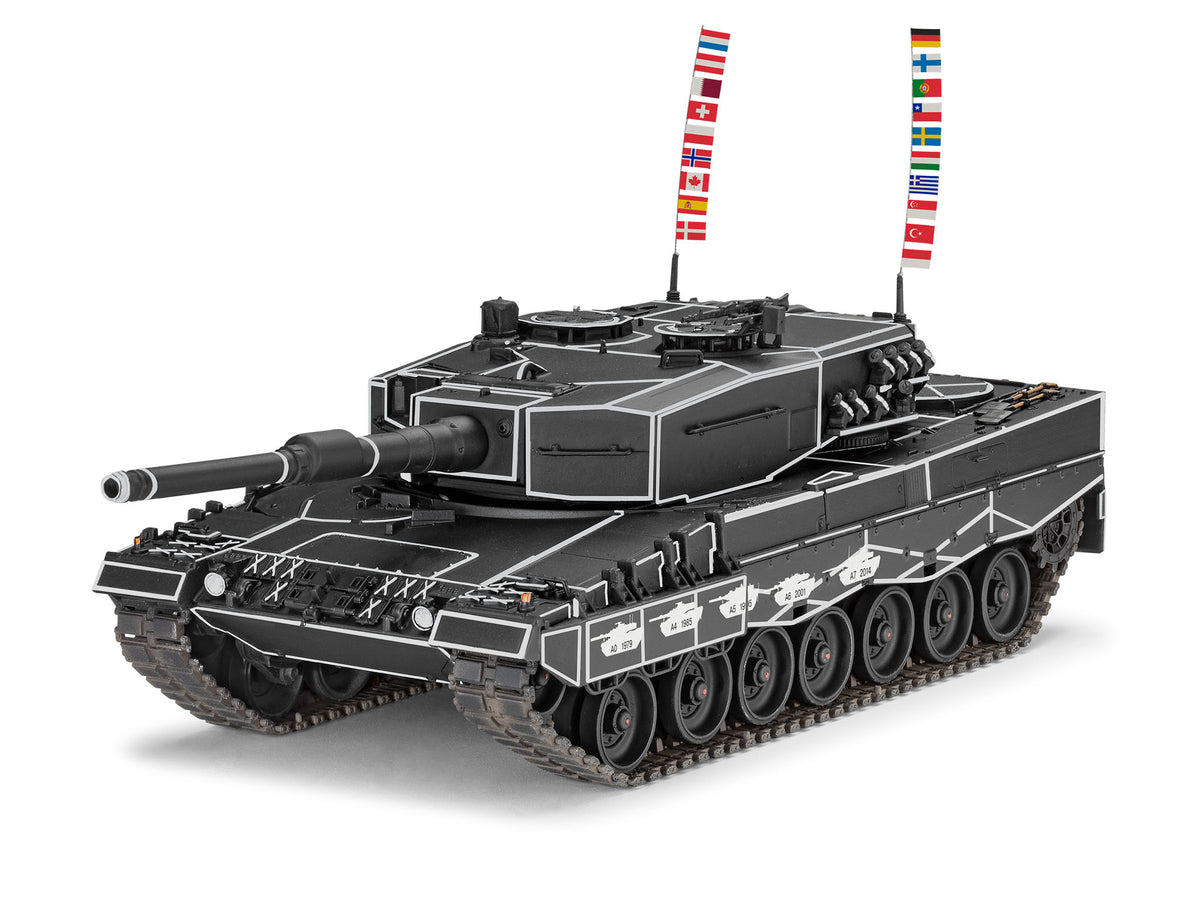
For maximum detail and sophisticated individual models, the 1:35 format is the undisputed standard. Rivets, weld seams, tool holders and cast structures can be displayed flawlessly here. Individual chain links, etched parts and finely modeled accessories elevate kits in this segment to master level. If you are looking for projects in exactly this popular size, our selection offers you Military vehicles 1 35 a first-class basis for high-precision replicas and gripping showcases.
Scale 1:72 – Compact dimensions for collectors and tabletop fans
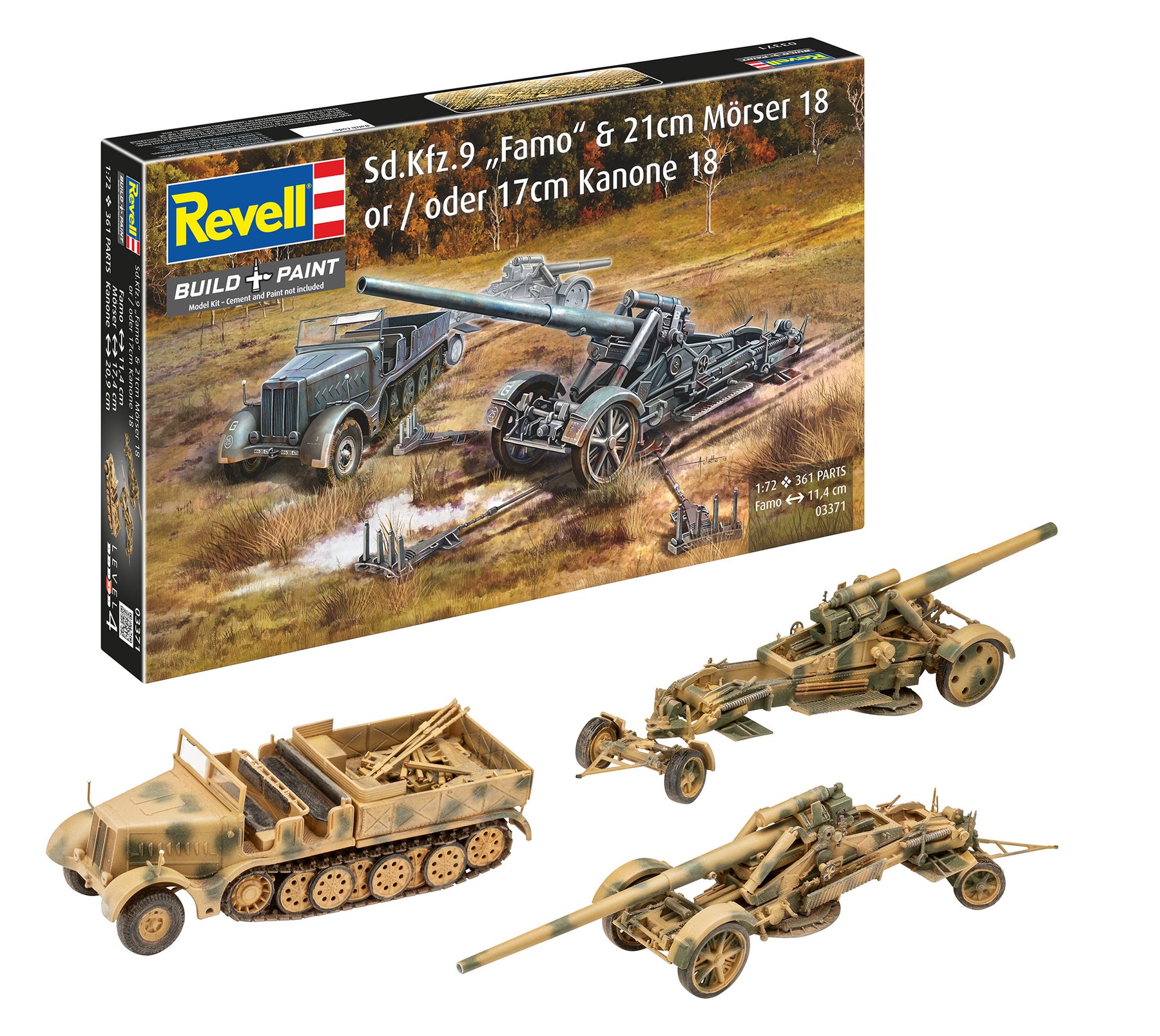
Models on a scale of 1:72 are significantly more space-saving, but are still characterized by their modern molding and considerable sharpness. If you want to build extensive collections or recreate epic battles with numerous tanks and infantry figures in a small space, 1:72 is an excellent choice. The construction time is usually shorter, which enables rapid construction progress.
Scale 1:48 – The bridge between compactness and precision
The 1:48 scale is enjoying growing popularity as it combines excellent detailing with a manageable model size. Originally from aircraft model making, this scale also allows you to create attractive combinations: you can arrange a historical fighter plane together with an airfield tug or tanker on the same base plate without the diorama taking on oversized dimensions.
Transparent construction difficulty: level systems for your success
To ensure that construction is a pleasure from the first click to the final brush stroke, we divide kits into clear requirement levels. This way you can confidently choose models that correspond to your current experiences.
- Level 1 and 2 (beginners & occasional builders): These sets consist of a manageable number of parts and often innovative plug-in systems. They are ideal if you are new to the hobby or want to experience uncomplicated crafting fun with younger family members. Glue and paint are sometimes not absolutely necessary.
- Level 3 (The Solid Standard): This is where classic plastic model building begins. You glue up to 100 parts, paint the assemblies yourself and apply wet slide decals. Perfect for hobbyists who have already gained some experience and are looking for a clean standing model.
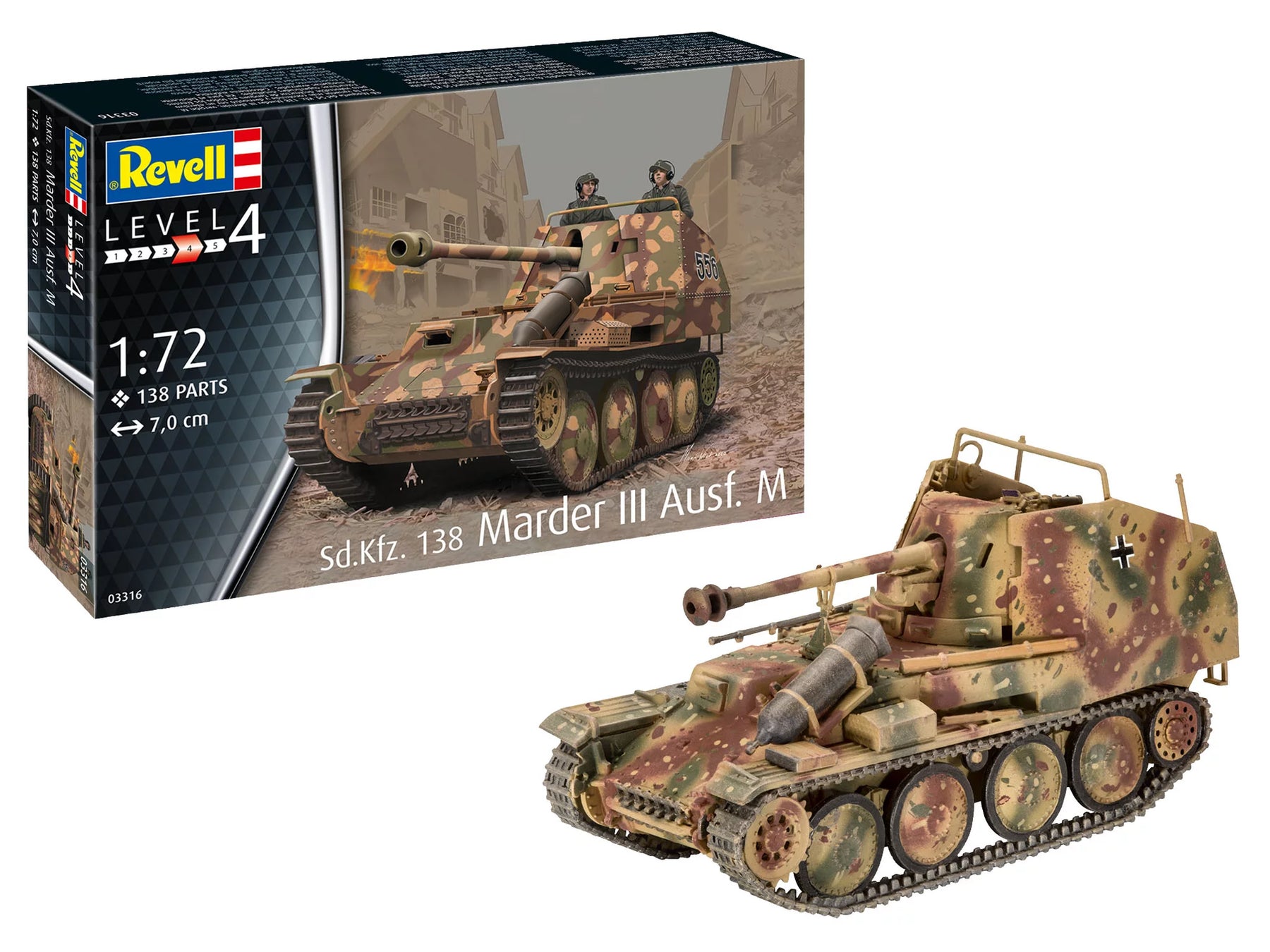
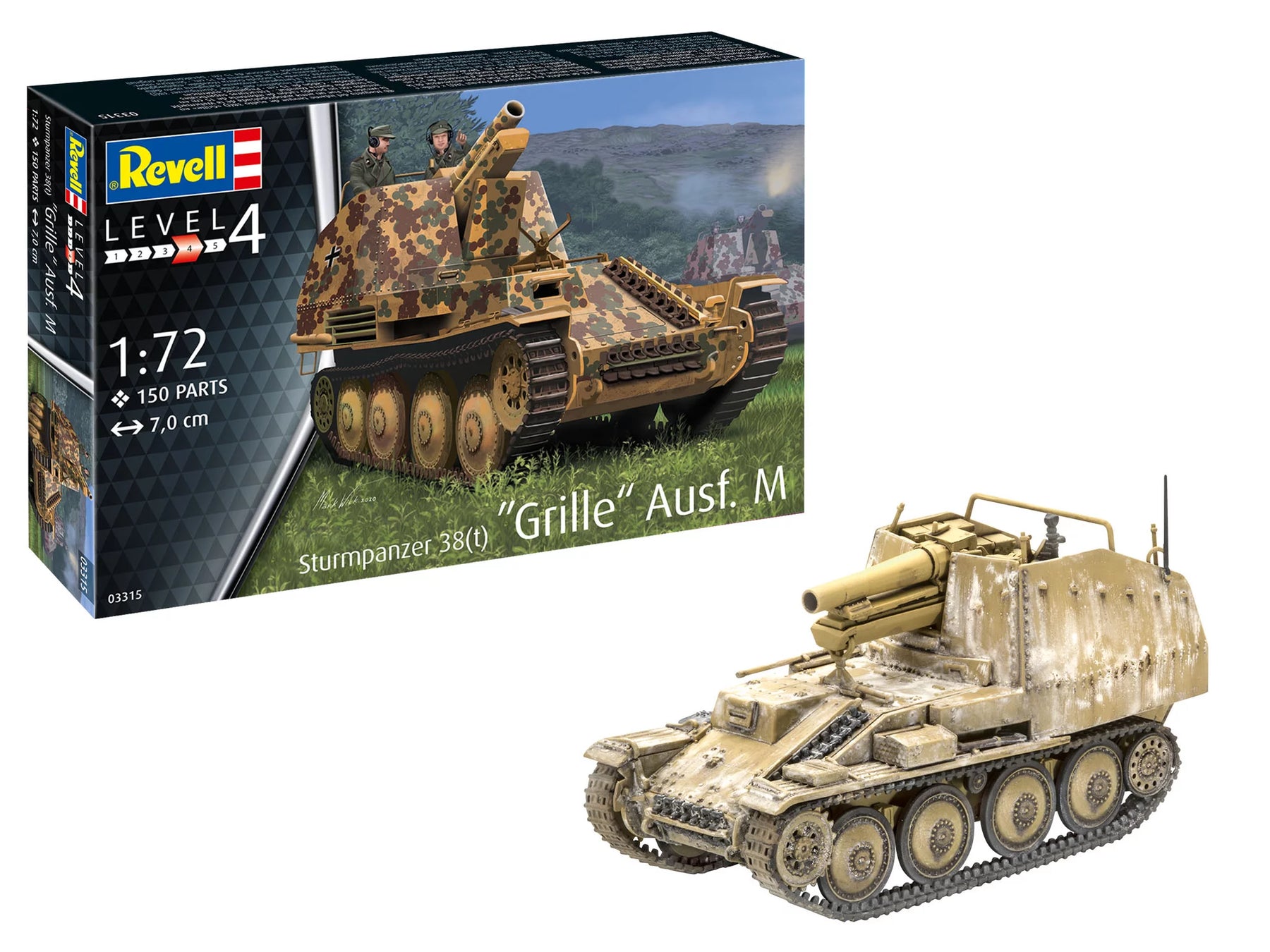
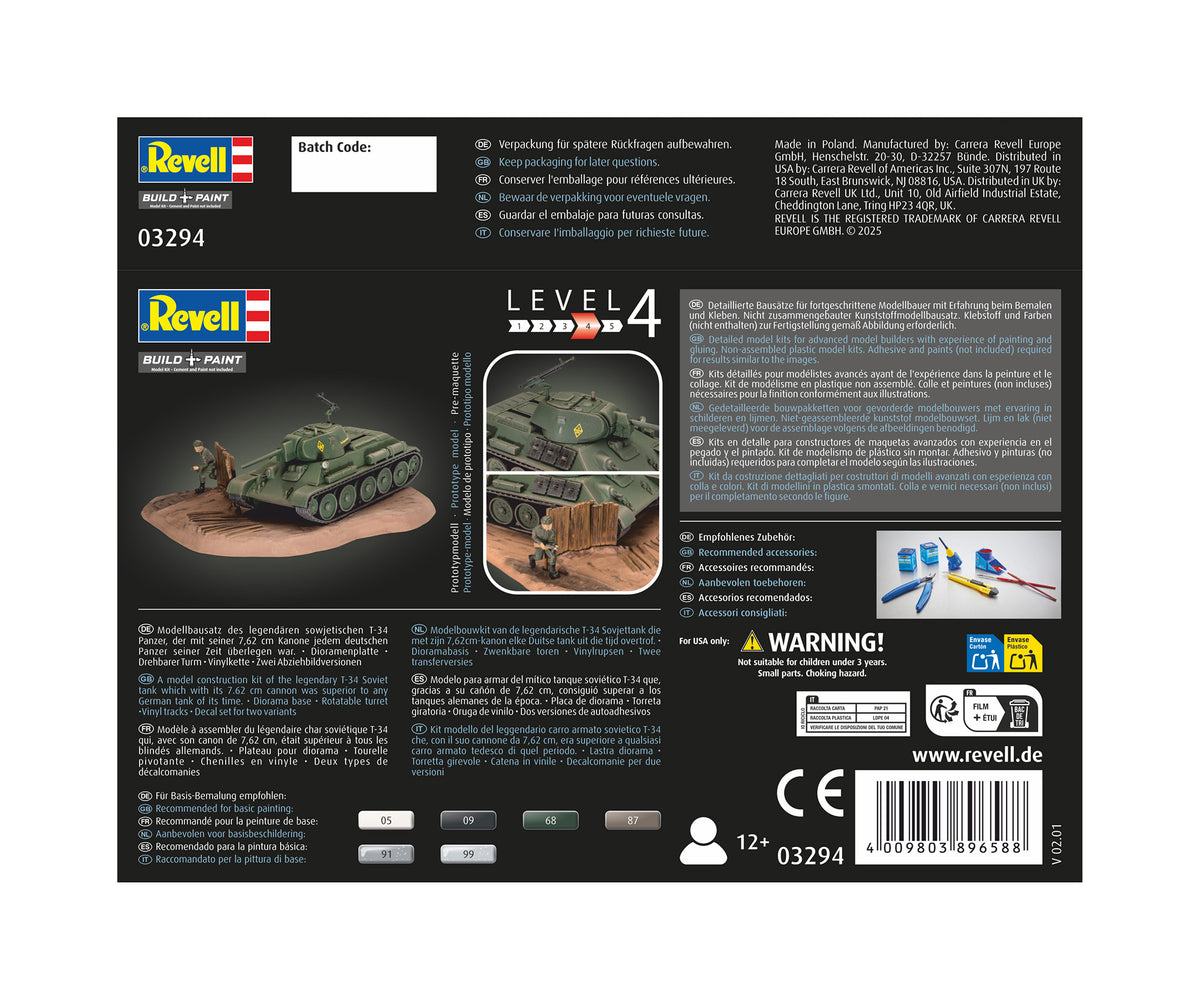
- Level 4 and 5 (For advanced users & professionals): With up to several hundred individual parts, movable drives, delicate photo-etched metal parts and multi-part segment chains, these kits challenge your patience and precision. The result is a museum model with a breathtaking level of detail that also stands up to critical historical comparisons.
Tools and techniques: step by step to a masterpiece
In addition to a good kit, the secret to a perfect model lies in the right techniques and tools. With well-thought-out basic equipment you can achieve professional results:
- Clean removal: Always separate delicate plastic parts from the casting branch with a sharp precision side cutter and smooth sprue residue with a hobby scalpel or fine sanding sticks.
- Gap-free gluing: Use liquid model building glue with a needle tip or brush applicator. It permanently welds the plastic using capillary action without leaving unsightly adhesive stains on the visible surfaces.
- Primer: An even layer of primer ensures that subsequent colors adhere reliably and unevenness or sanding marks become visible at an early stage.
- Base coat: Whether by airbrush or with high-quality brushes: Always apply acrylic or enamel paints in several thin layers. In this way you prevent fine structures such as rivets or slatted grilles from being lost under thick layers of paint.
Weathering and aging: This is how history comes to life
A vehicle from the Second World War rarely looked like it had just left the factory. Extreme weather conditions, dusty roads and continuous off-road operation left clear marks. The so-called weathering (artificial aging) makes the construction of historical military vehicles a true art form.
After basic painting, start shading the edges and recesses. Using dark washes - heavily diluted oil or enamel paints - you can emphasize rows of rivets and hatch edges, giving the model a three-dimensional depth. Using a small piece of sponge or an extremely fine brush, you can then imitate paint chips (chipping) in frequently used areas such as entrances, hatches and fenders.
Pigments ensure the perfect finish: dry color powders in earth, sand and rust tones allow exhaust systems to corrode realistically and simulate dried mud on the chassis. When bound with fixers, these effects last permanently and transform your miniature into a gripping piece of tangible contemporary history.
Diorama construction: your vehicle staged
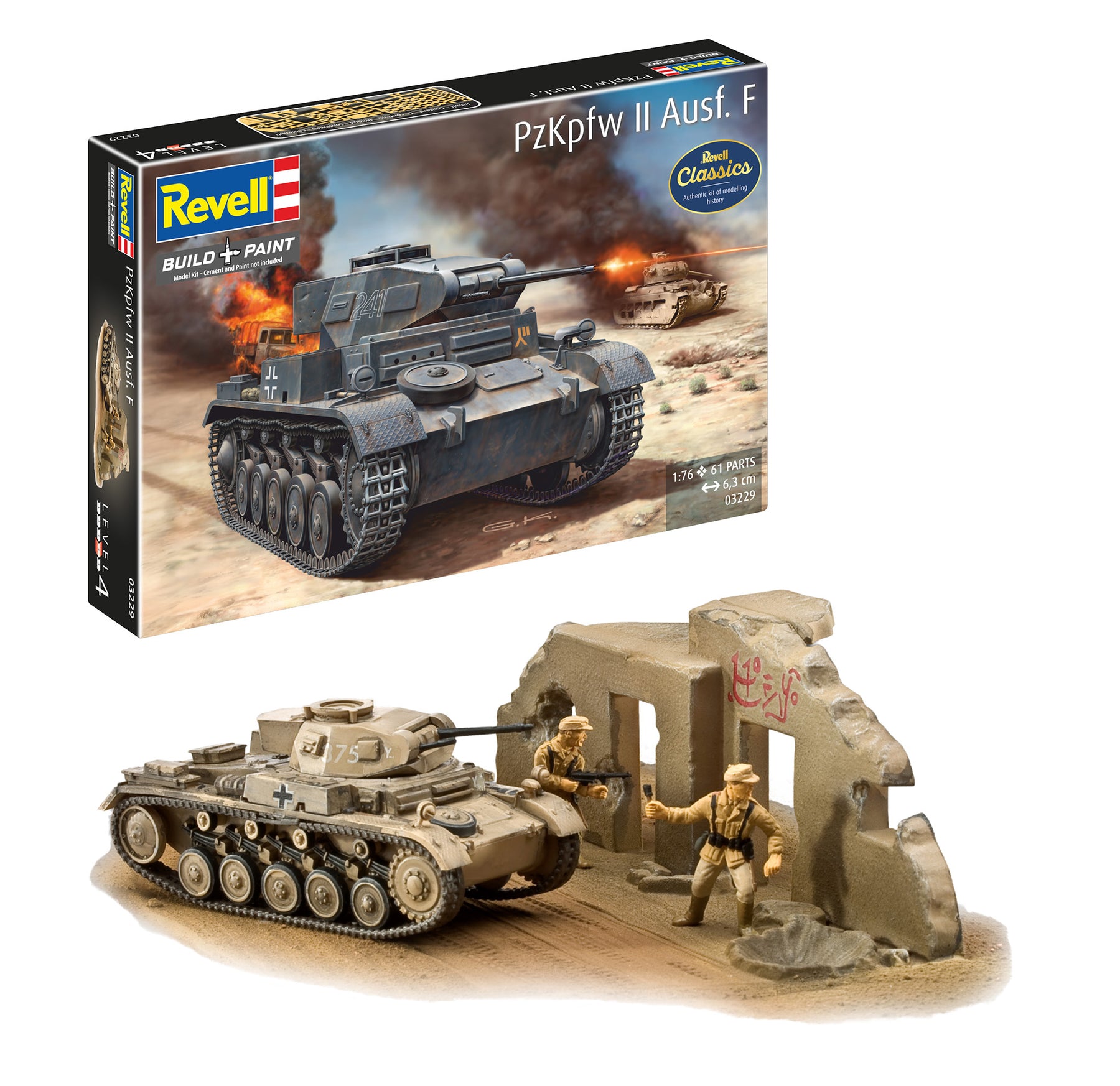
An outstandingly built vehicle develops its greatest impact in a suitable environment. Even a small wooden base with some terrain modeling clay, fine bird sand and static model grass creates a believable context. If you add suitable figures, rubble or signposts to the scene, a narrative moment is created: the viewer no longer just sees a piece of painted plastic, but a snapshot from 1944. Let your creativity run wild and create your own historical miniature world.