






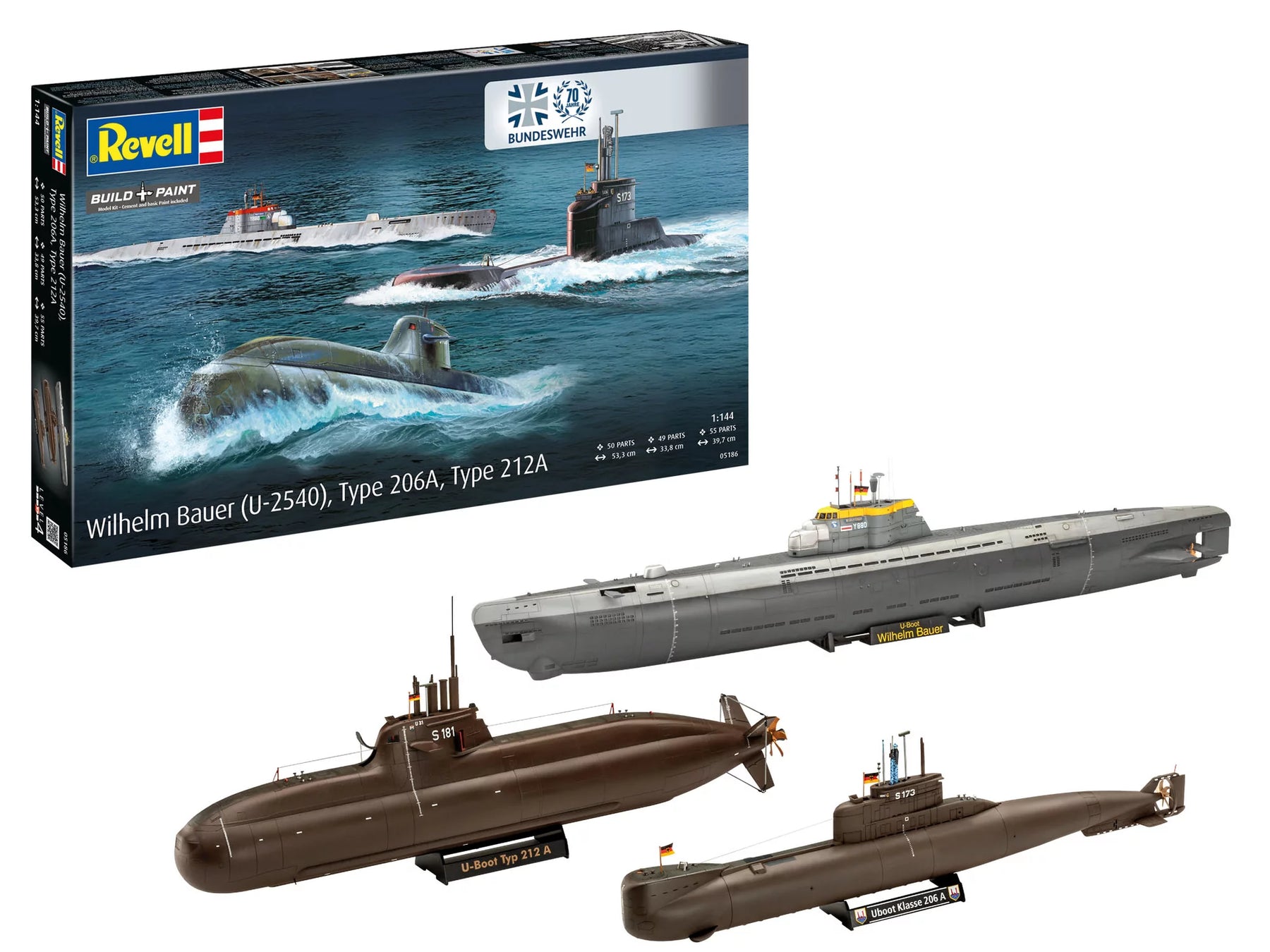
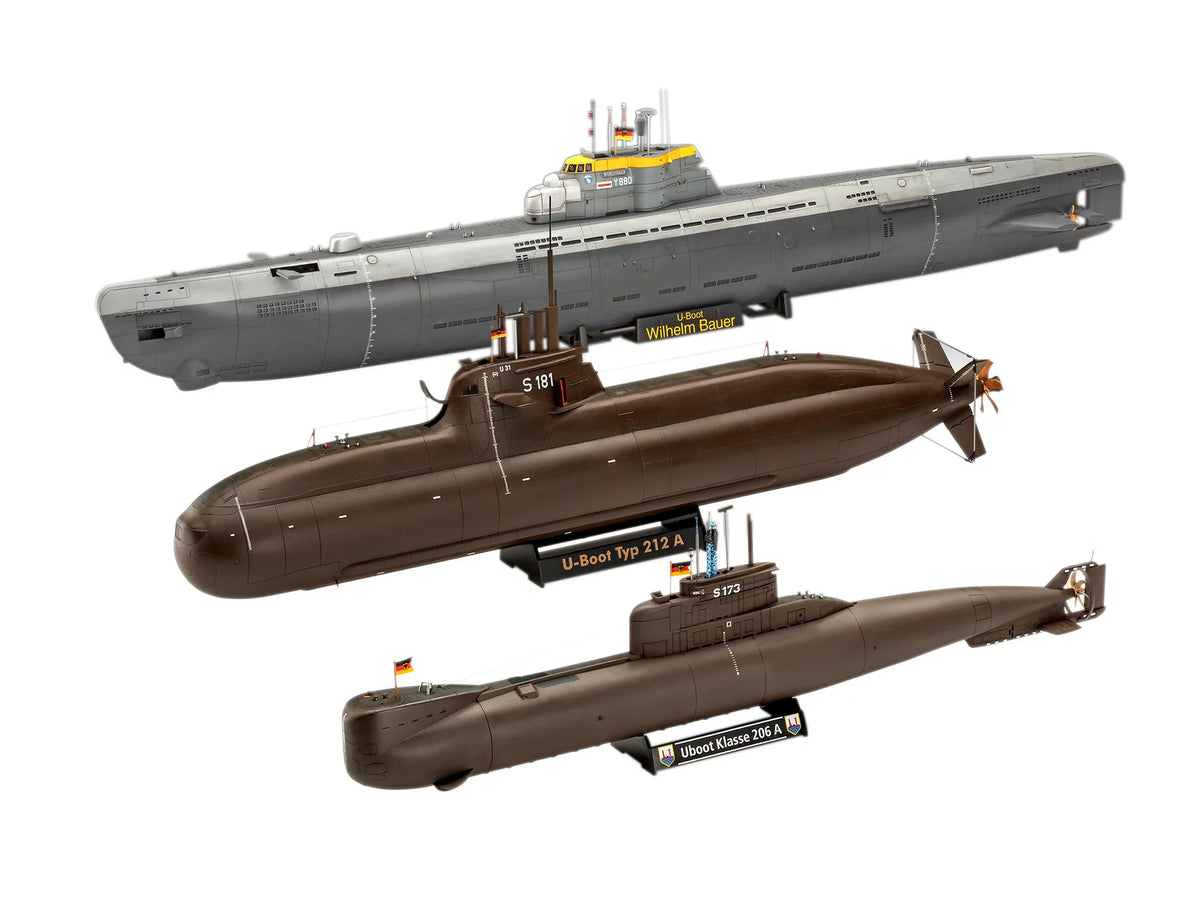

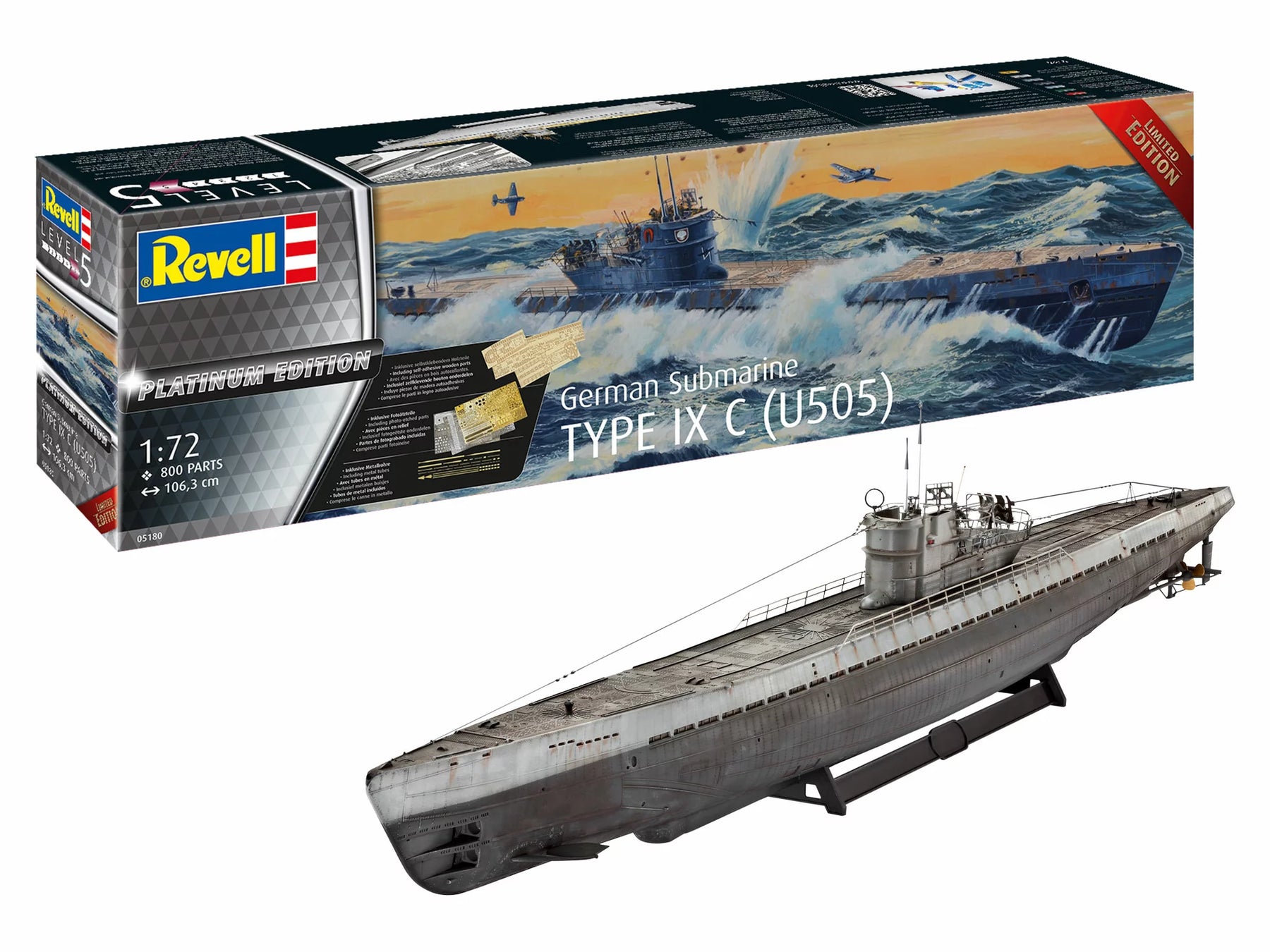
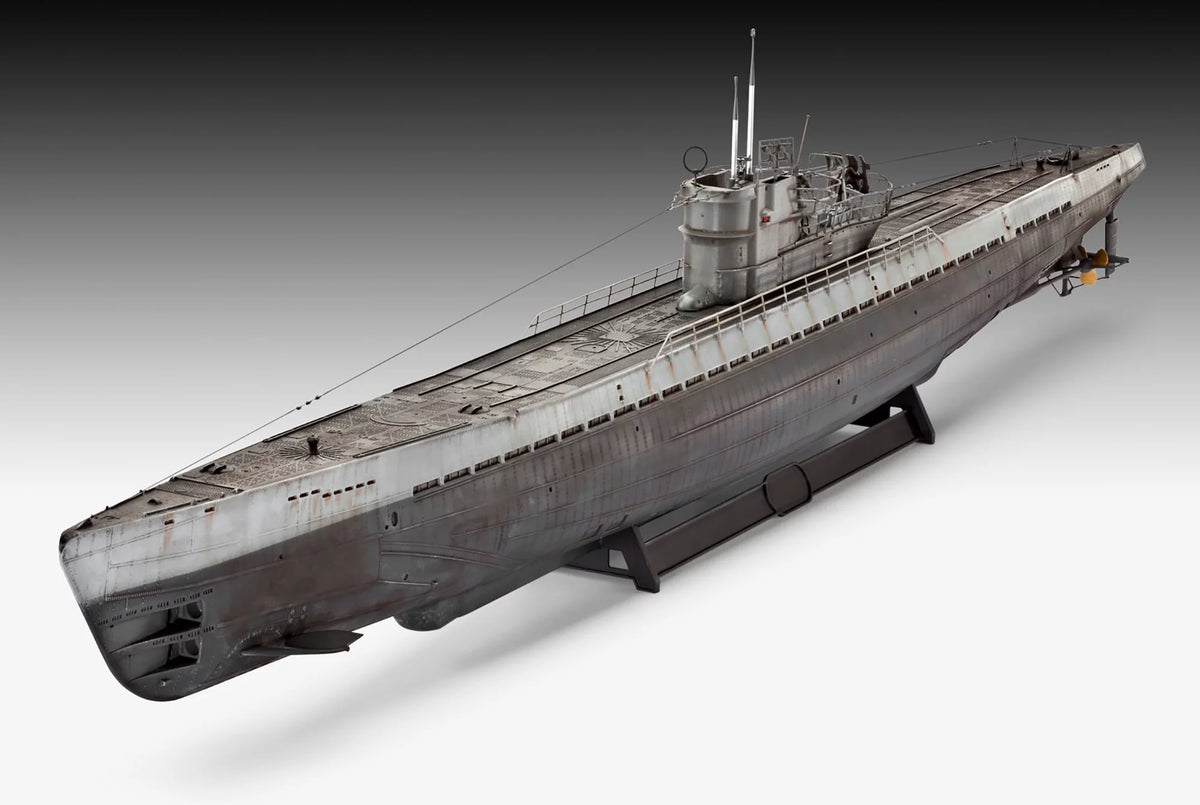
The fascination of submarine model building: Mysterious maritime technology in miniature format
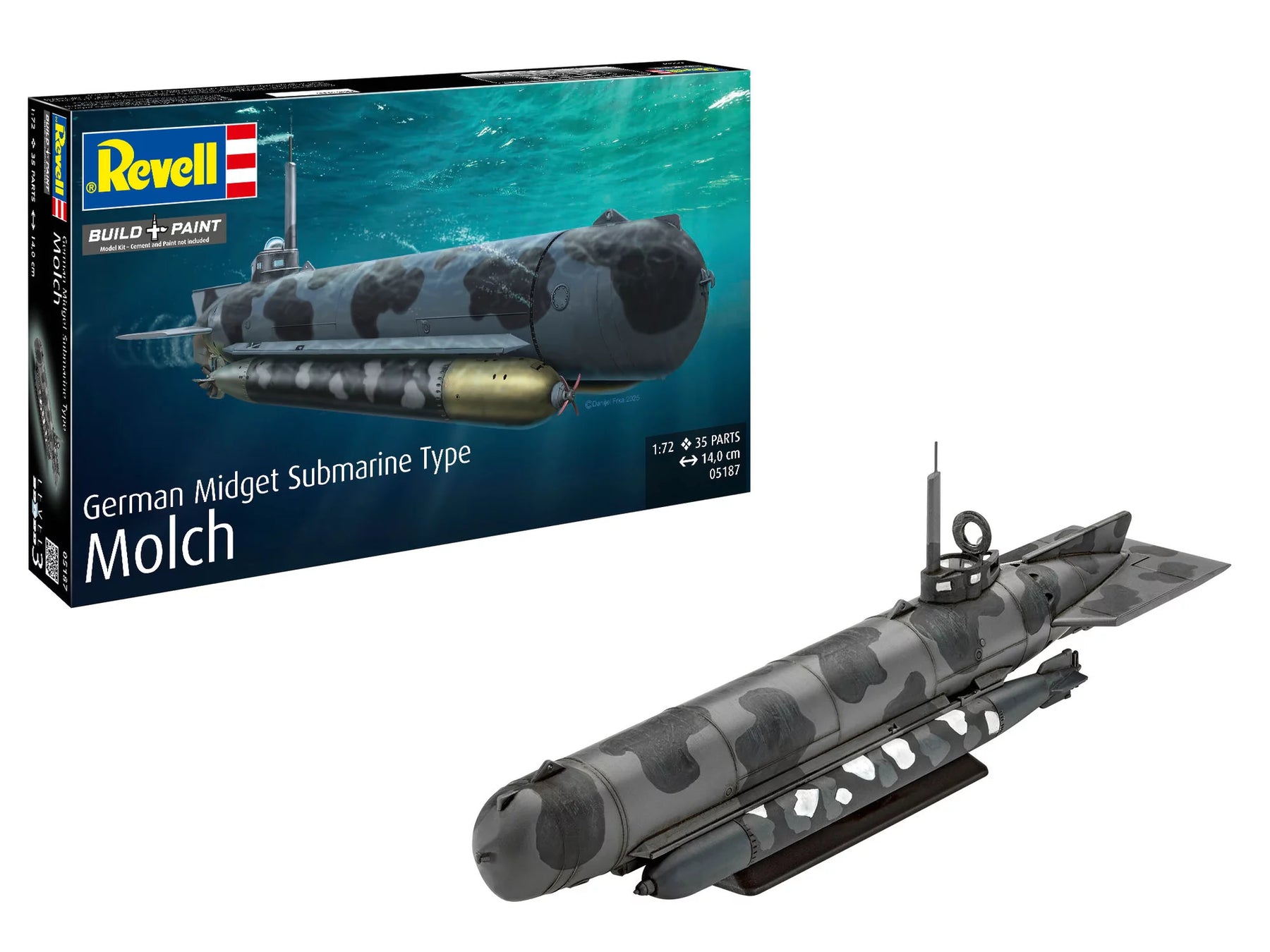
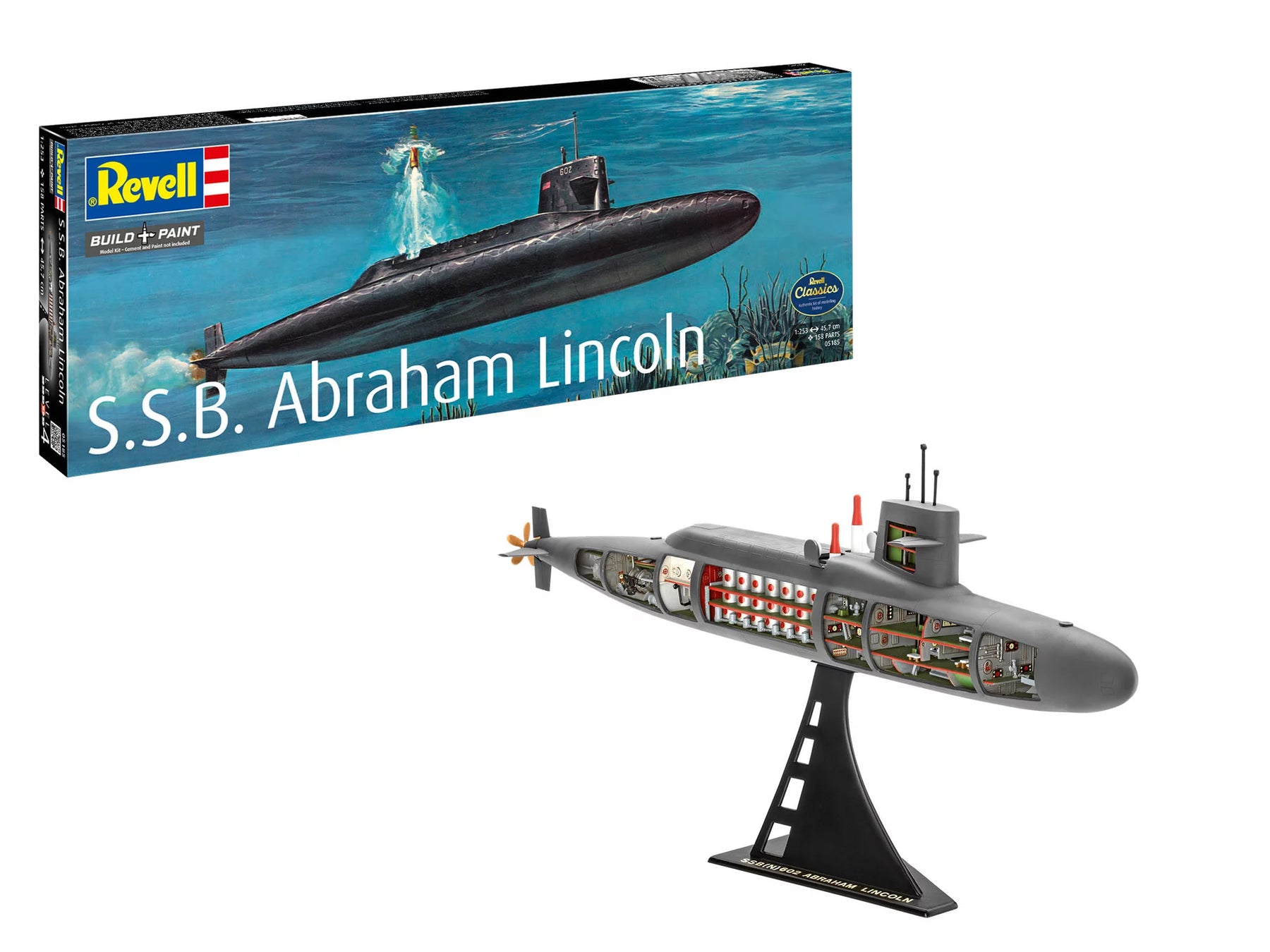
If you are enthusiastic about maritime history and sophisticated plastic model building, you can hardly avoid submarines. Submarines have always had a very special appeal. Unlike surface ships, they hide their vast technology and deadly precision beneath the surface. When building models, you have the unique opportunity to make those constructions visible down to the smallest detail that would otherwise remain hidden from the world.
In our submarine model kits section you will find a diverse selection of legendary classics and modern milestones in naval technology. From the riveted pressure hull of an Atlantic fighter to the typical flood slots to the flow-optimized hull of modern hunting submarines: Each model presents you with exciting construction challenges. If you would like to expand your maritime portfolio, it is also worth taking a look at our others Ships, which you can use to put together impressive fleet formations.
Historical legends vs. modern nuclear submarines: variety for every model builder
The spectrum in submarine model building extends from the pioneering times of the 20th century to the dramatic missions of the world wars to the silent high-tech submarines of the present day. Depending on what focus you want to set in your collection, completely different building and painting experiences await you.
Early submersibles and icons of World War II
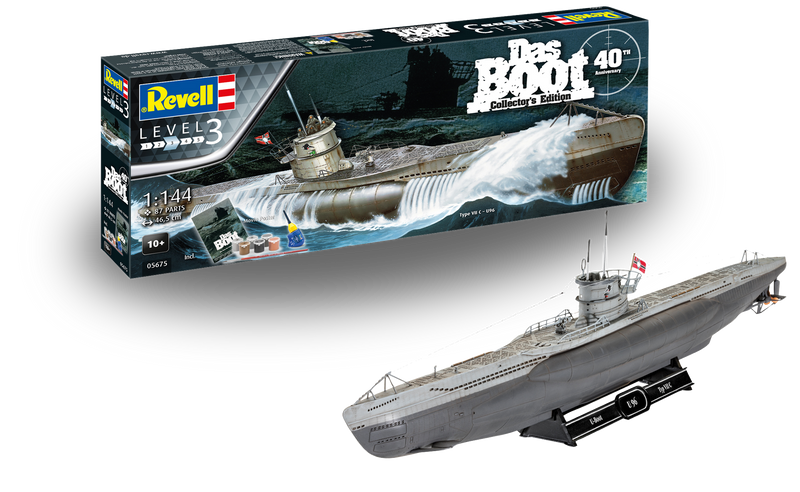
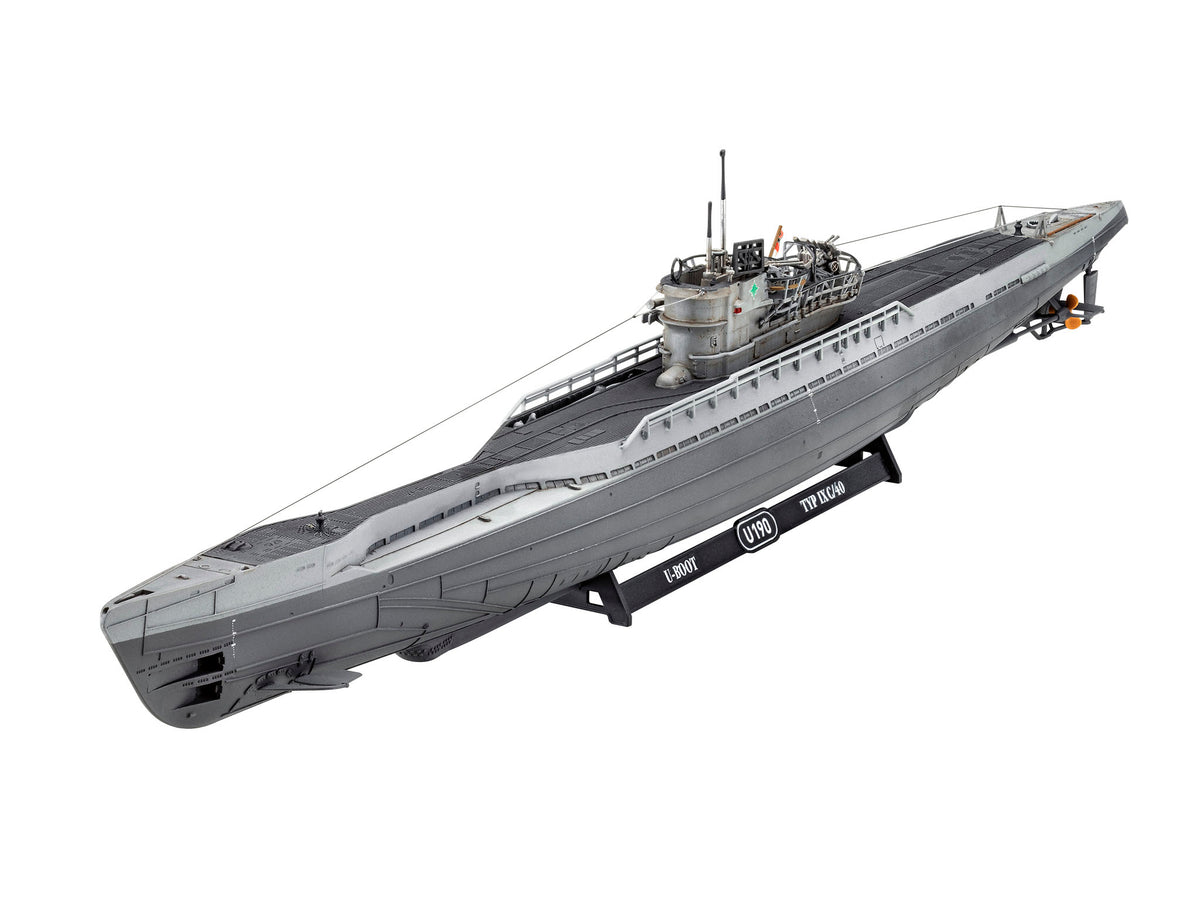
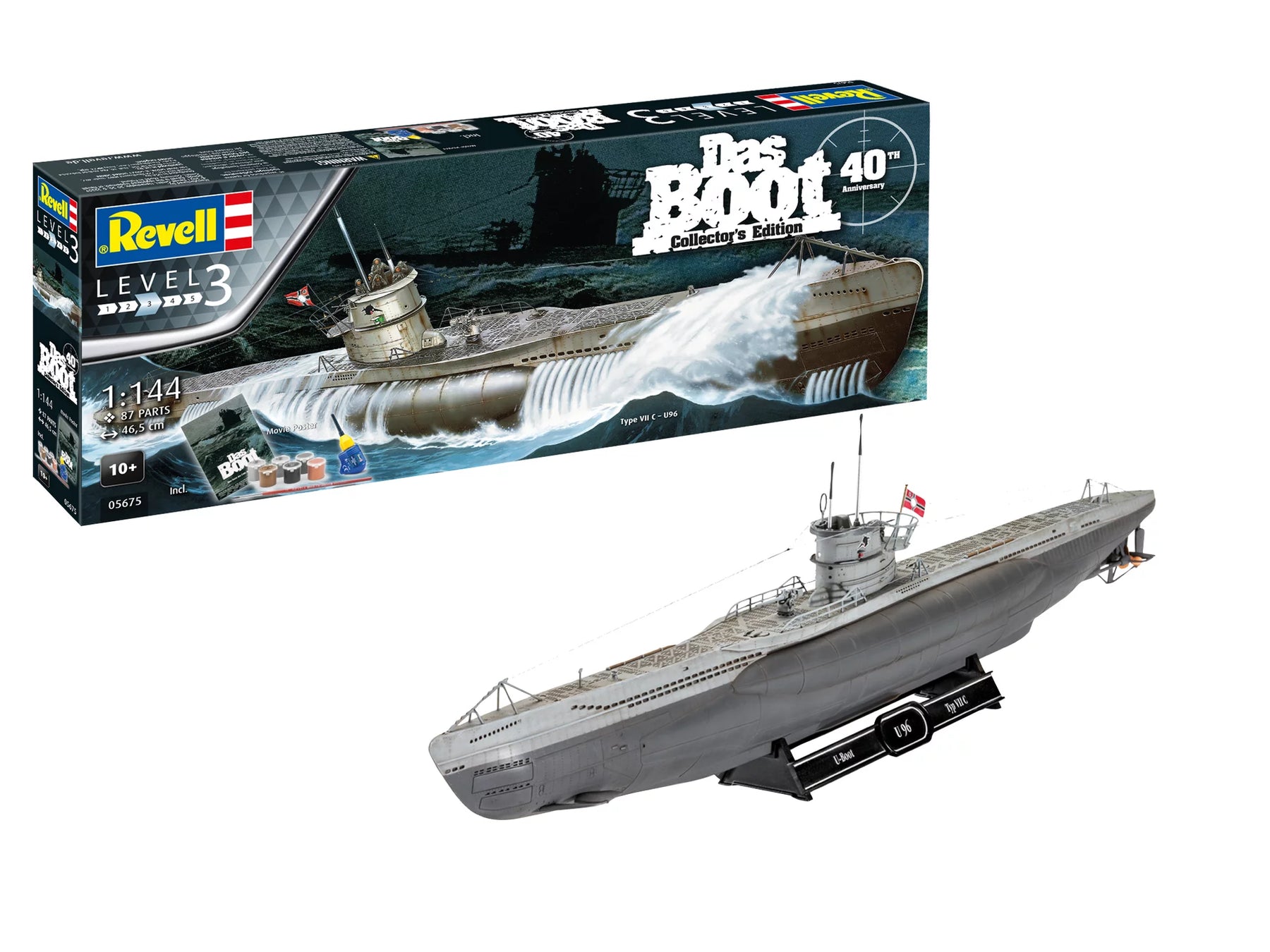
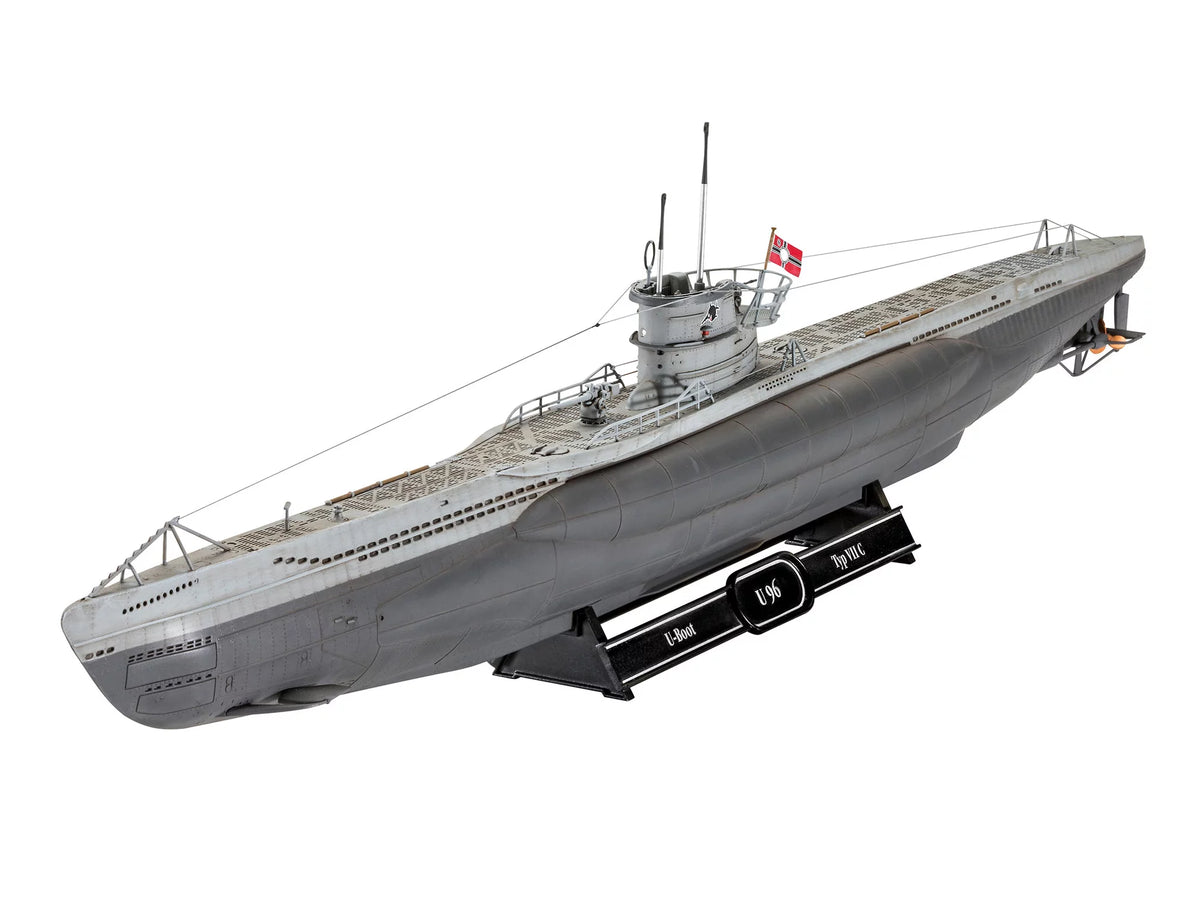
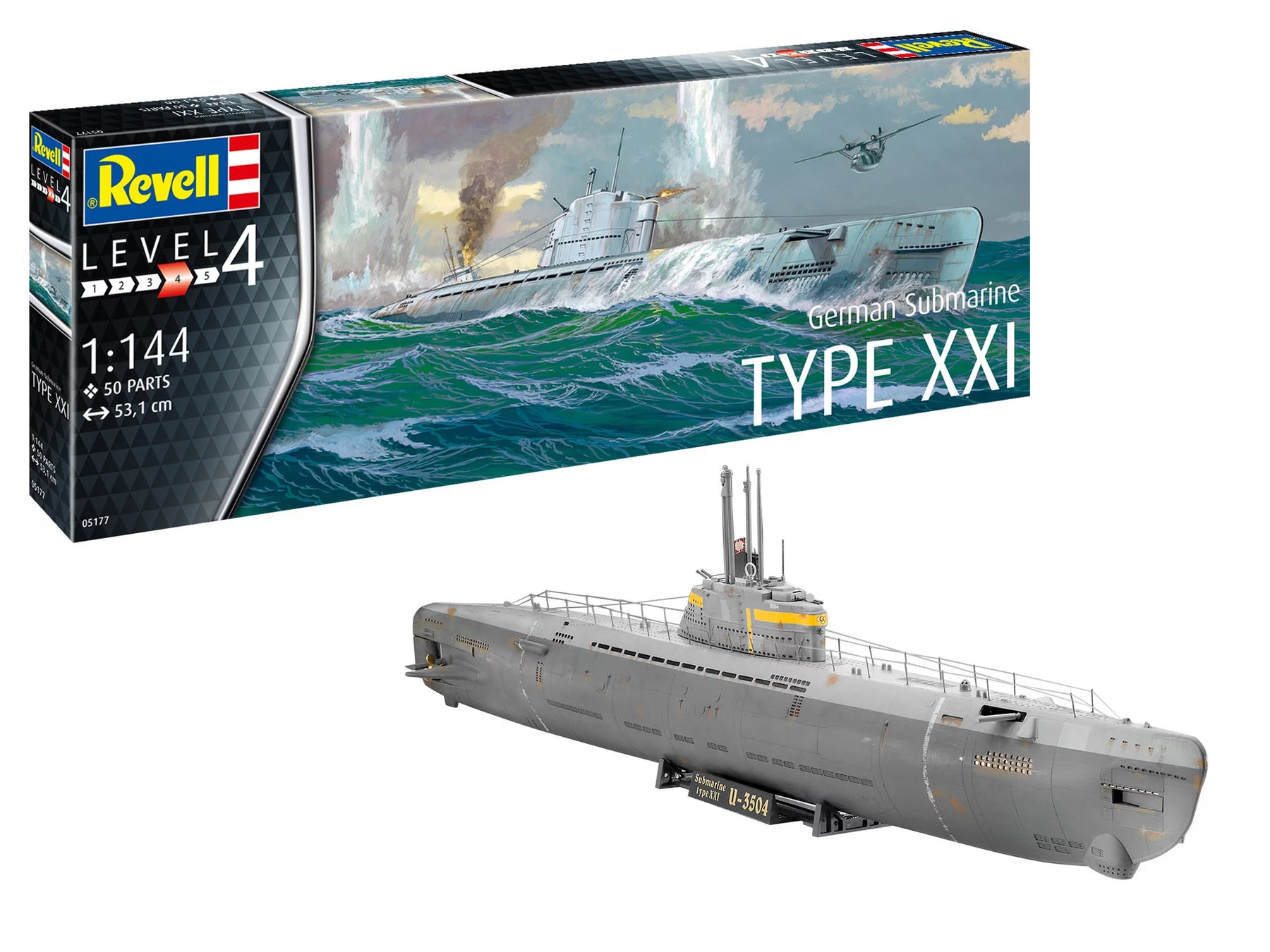
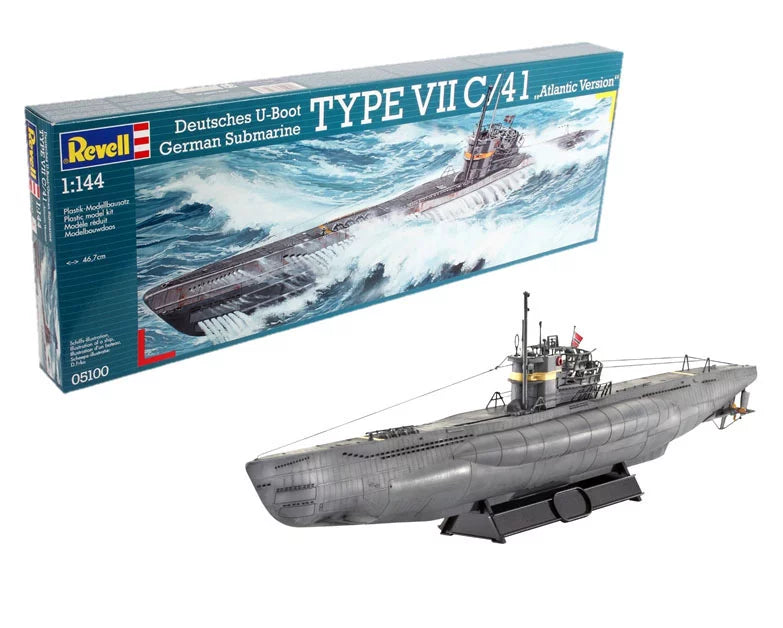
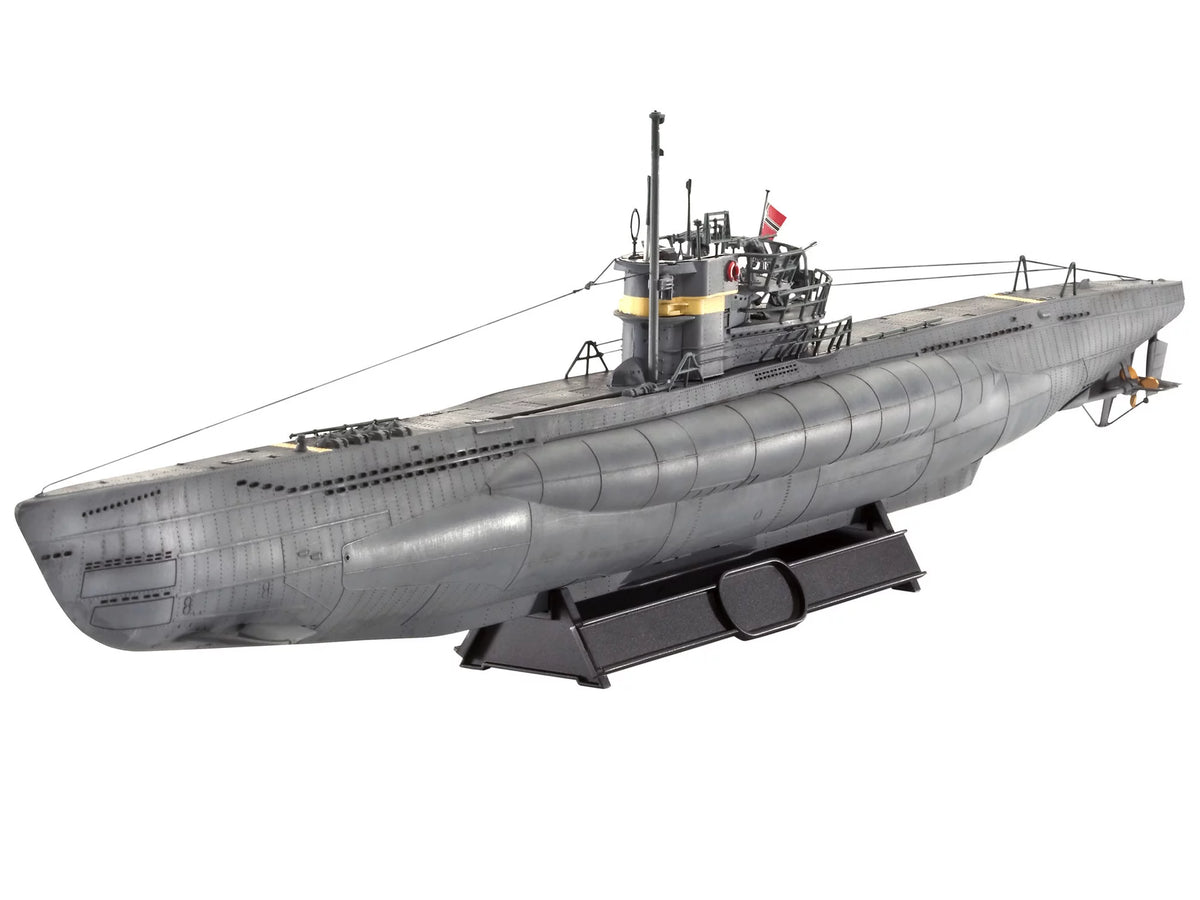
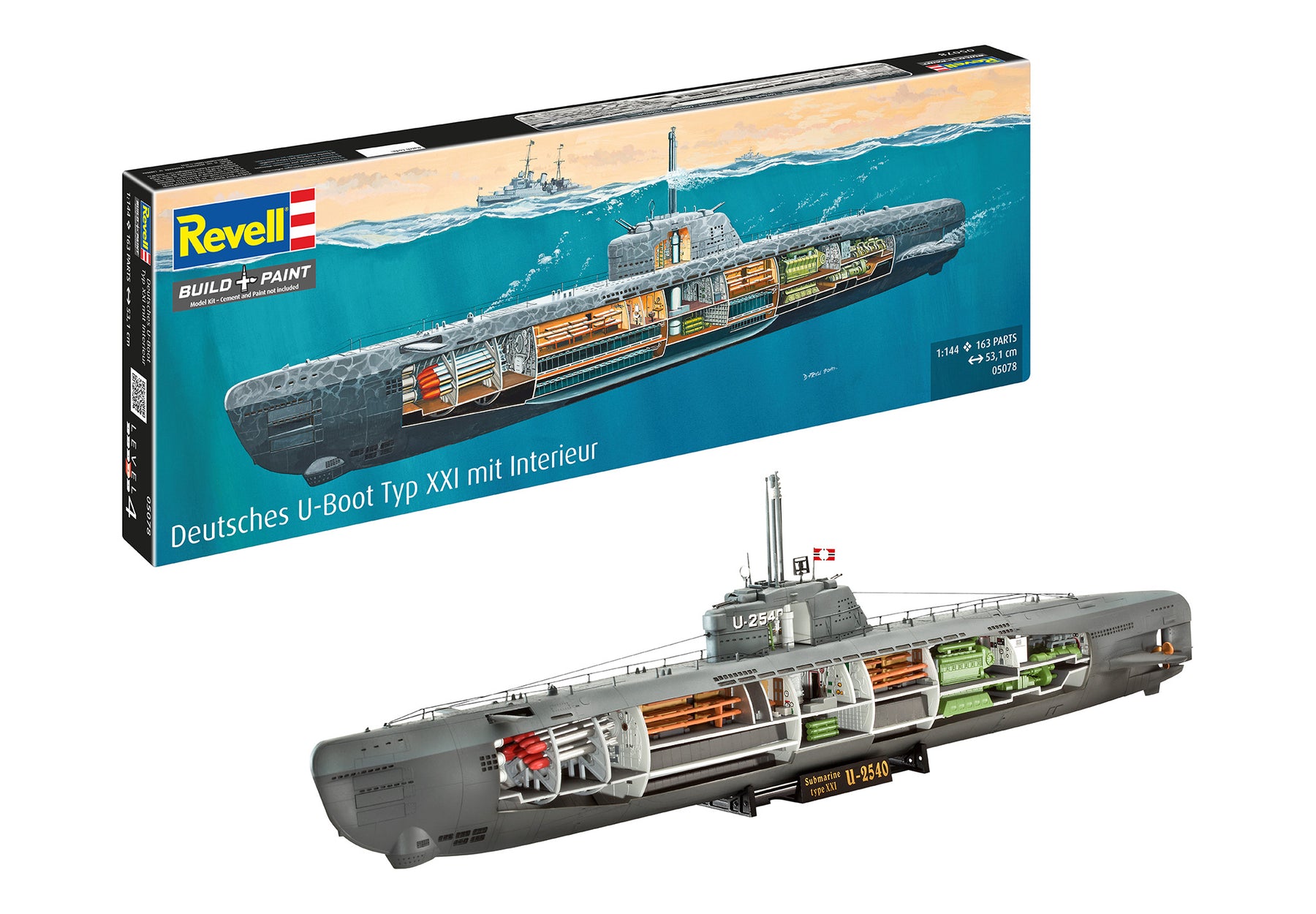
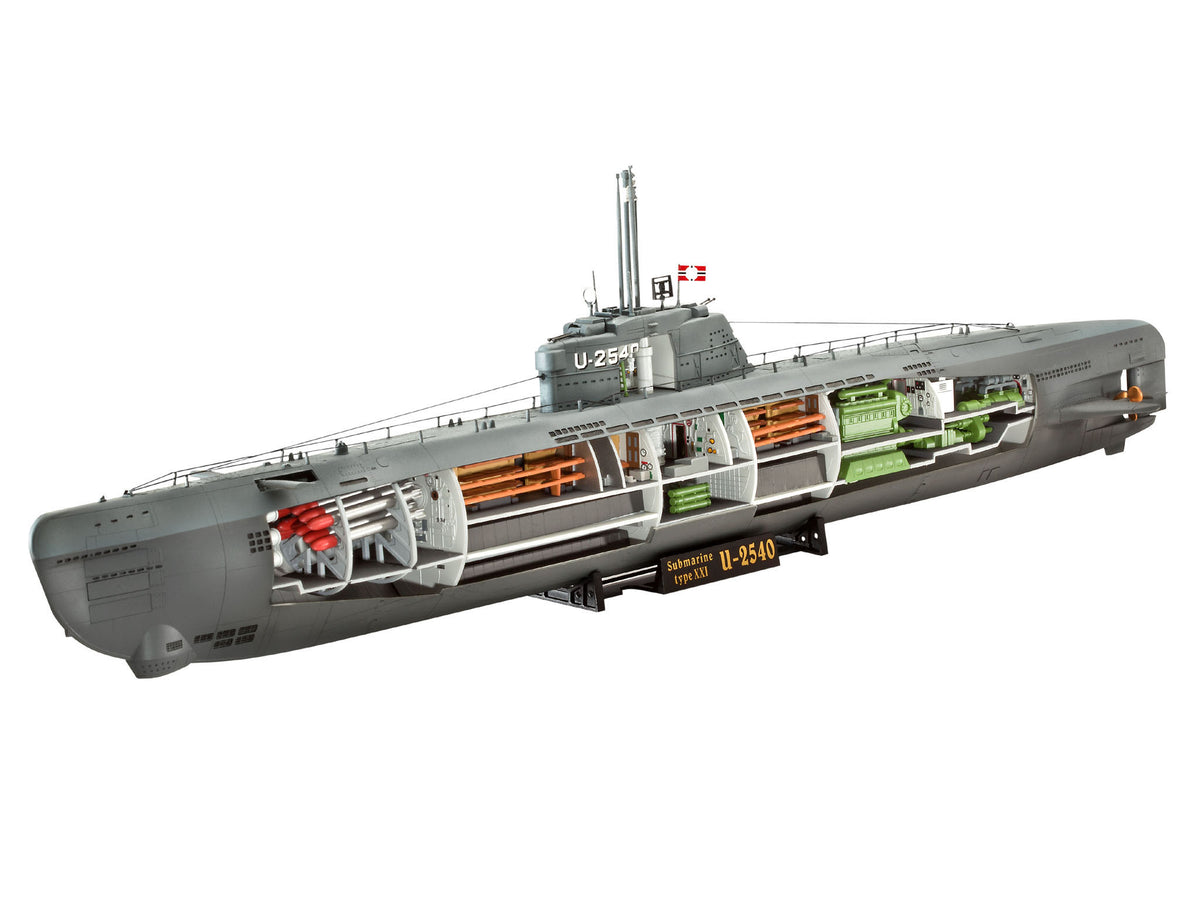
The undisputed favorites of many hobbyists include the German Types VII C and IX submarines as well as the dreaded Type XXI “Electric Boats”. These units shaped maritime warfare and are characterized by an enormous wealth of visible details in terms of model making:
- Elaborate tower buildings: With periscopes, snorkel systems, antennas and detailed anti-aircraft armament such as the 2 cm or 3.7 cm anti-aircraft gun.
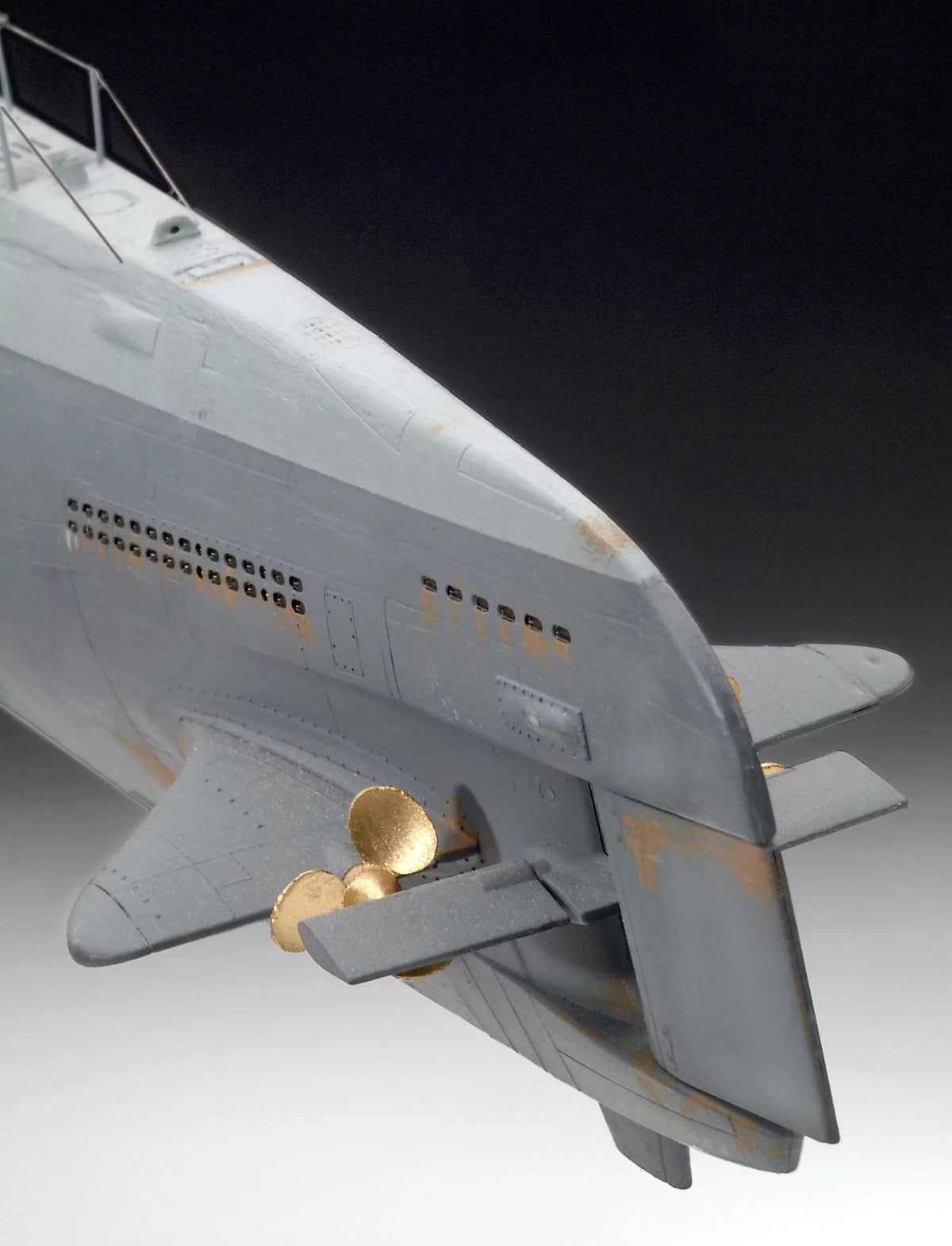
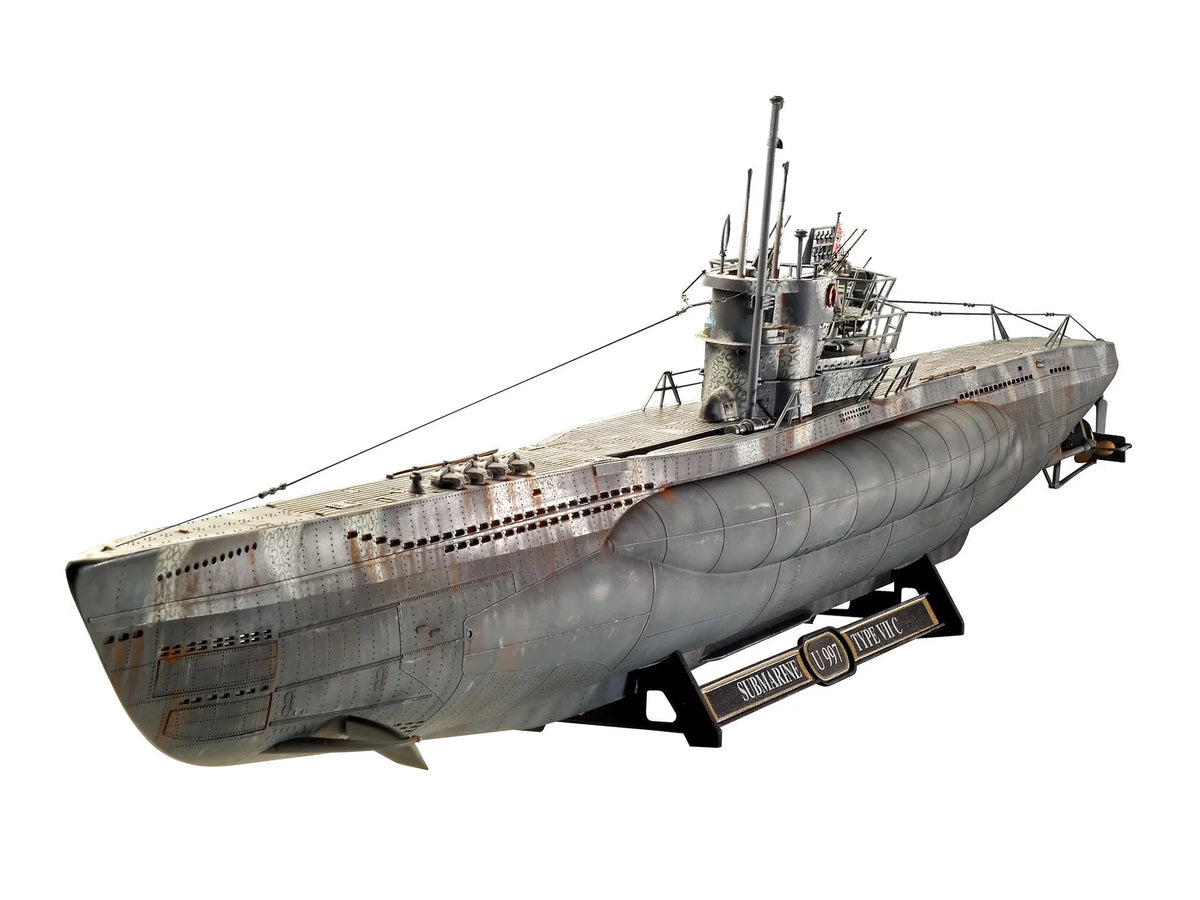
- Characteristic hull shapes: Detailed welds, rows of rivets and distinctive flood slots on the surface and underwater hull.
- Deck structures: Delicately reproduced wooden gratings, net deflectors and anchor fairleads.
The American fleet submarines of the Gato and Balao classes also offer a distinctive appearance. These kits challenge your patience, but reward you with breathtaking visuals that breathe pure history.
High-tech of the world's oceans: modern fleet and nuclear submarines
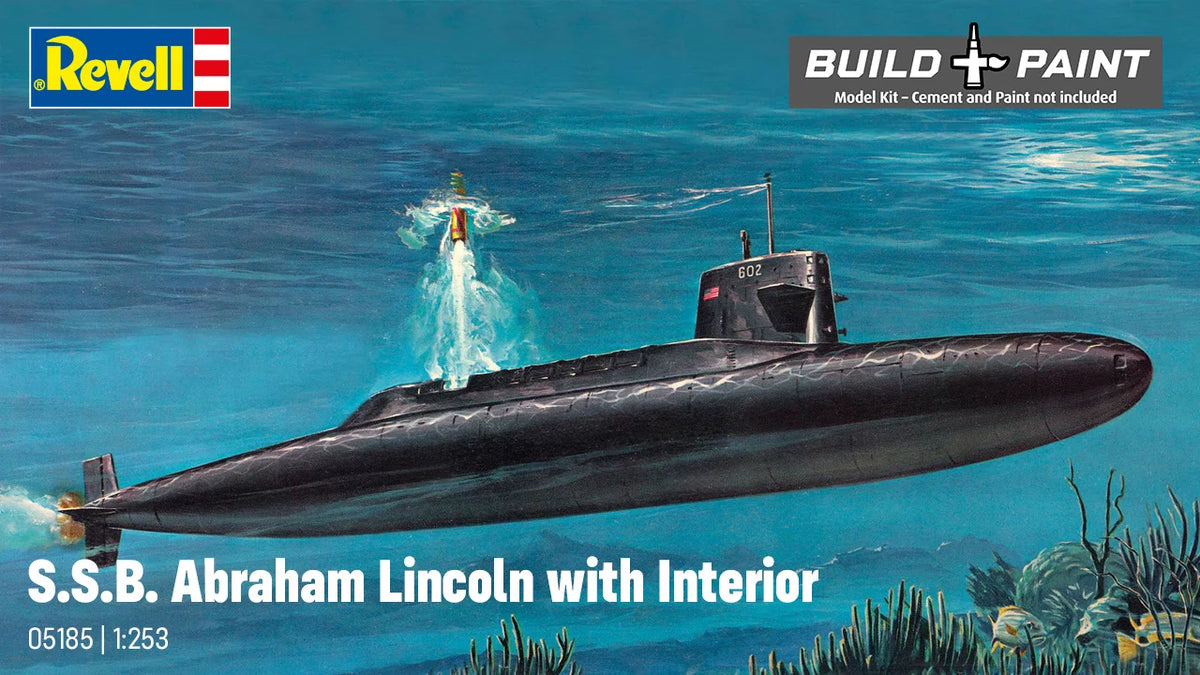
If you prefer the modern age, hydrodynamic shapes are in the foreground. Nuclear submarines such as the Soviet Typhoon class, the Kursk (Oscar II class) or the US fighter and missile submarines of the Los Angeles and Ohio classes appear simpler at first glance, but require absolute precision when smoothing hull halves, displaying sonar domes and accurately reproducing tile elements of the sound-absorbing outer skin (anechoic tiles).
Choose the right scale: from compact to monumental
The choice of scale significantly influences the space required, construction time and the level of visible detailing of your submarine:
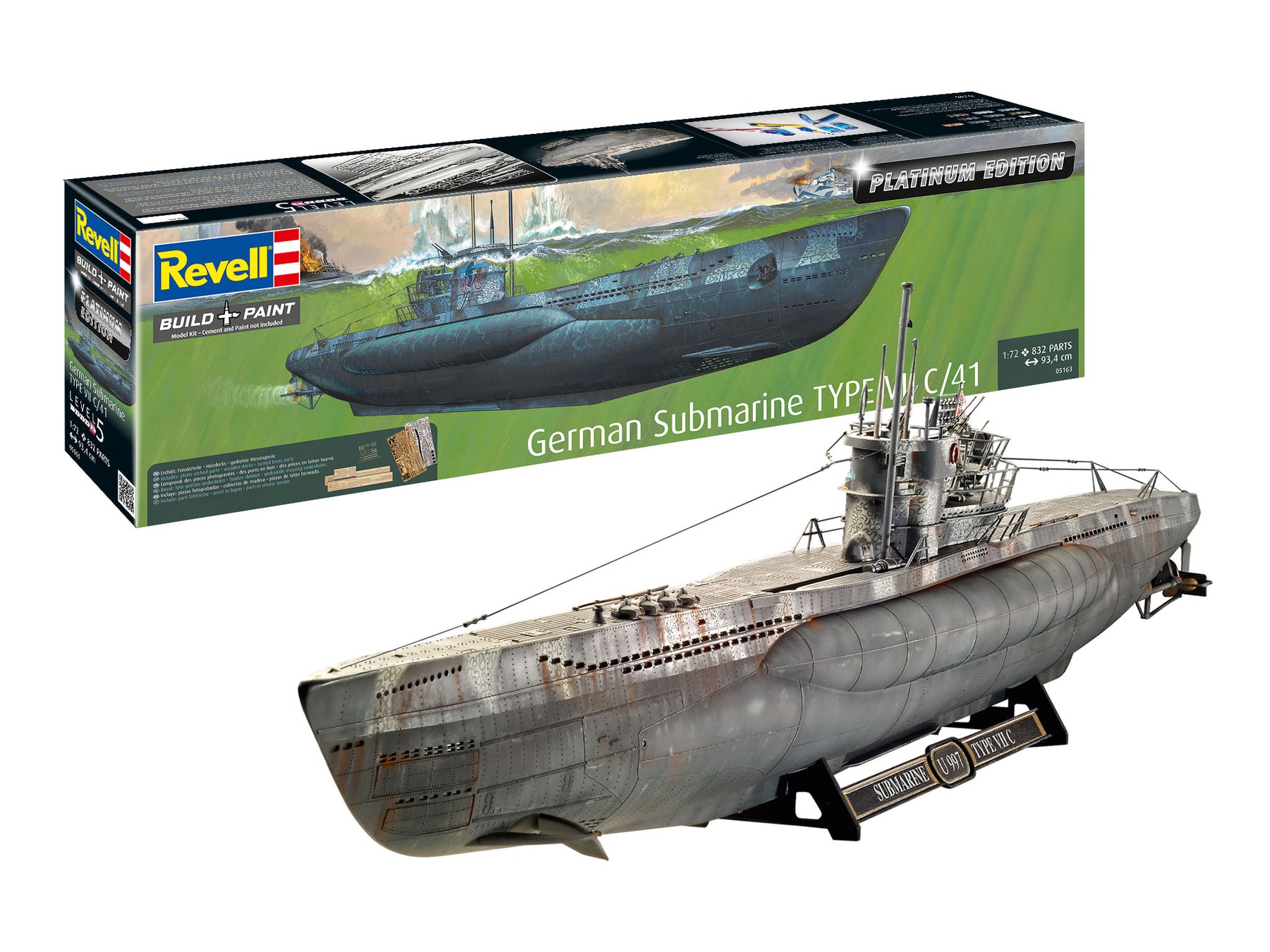
- Scale 1:72: The premier class for submarine enthusiasts. A Type VII C model of this size reaches an impressive length of almost one meter. Here you can have fun with rivets, crew figures, photo-etched railings and open torpedo tubes.
- Scale 1:144: The golden mean. Models in 1:144 offer excellent details, remain handy and fit ideally into standard display cases. Both beginners and advanced users will find the optimal ratio of construction effort and showcase effect here.
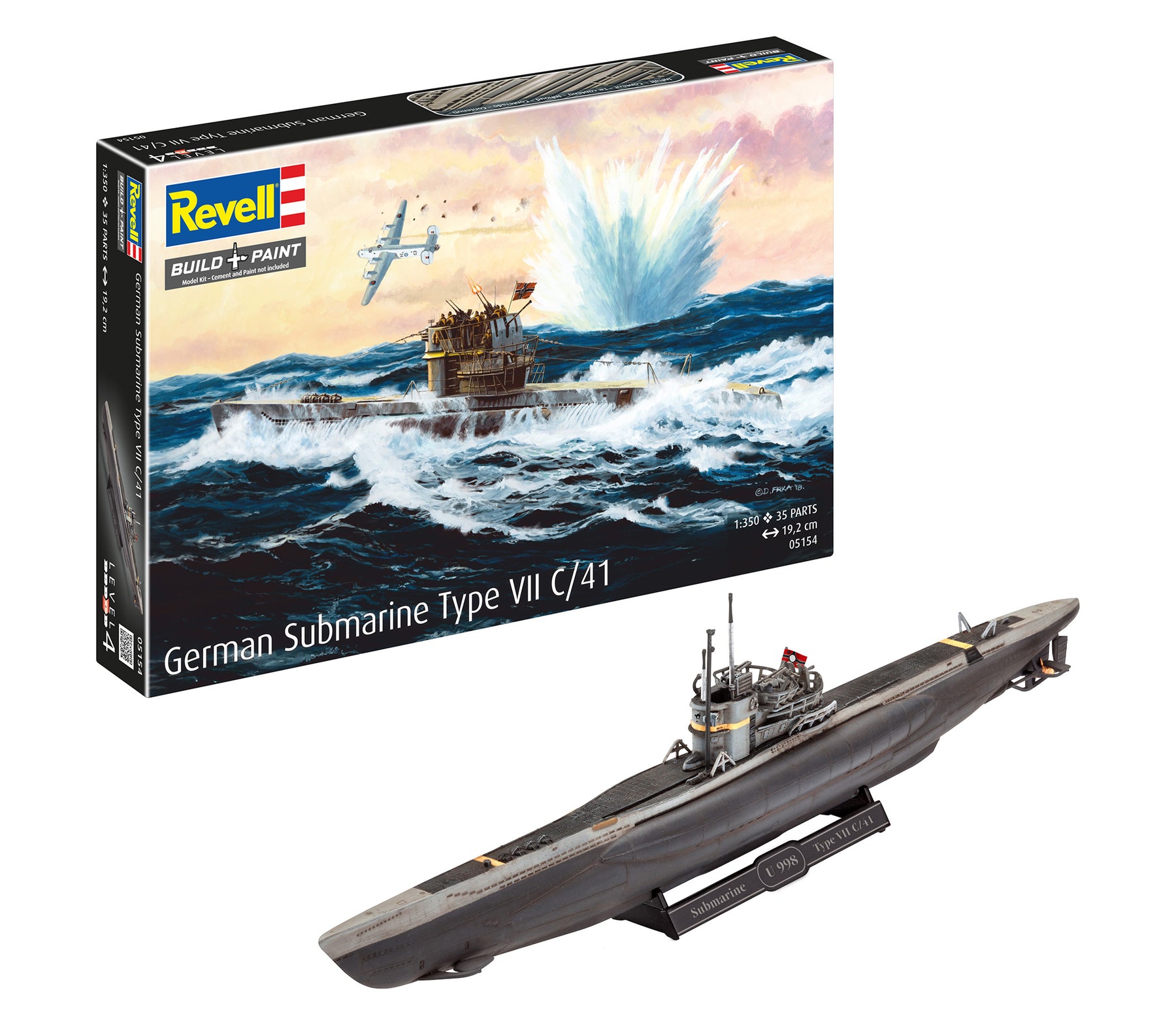
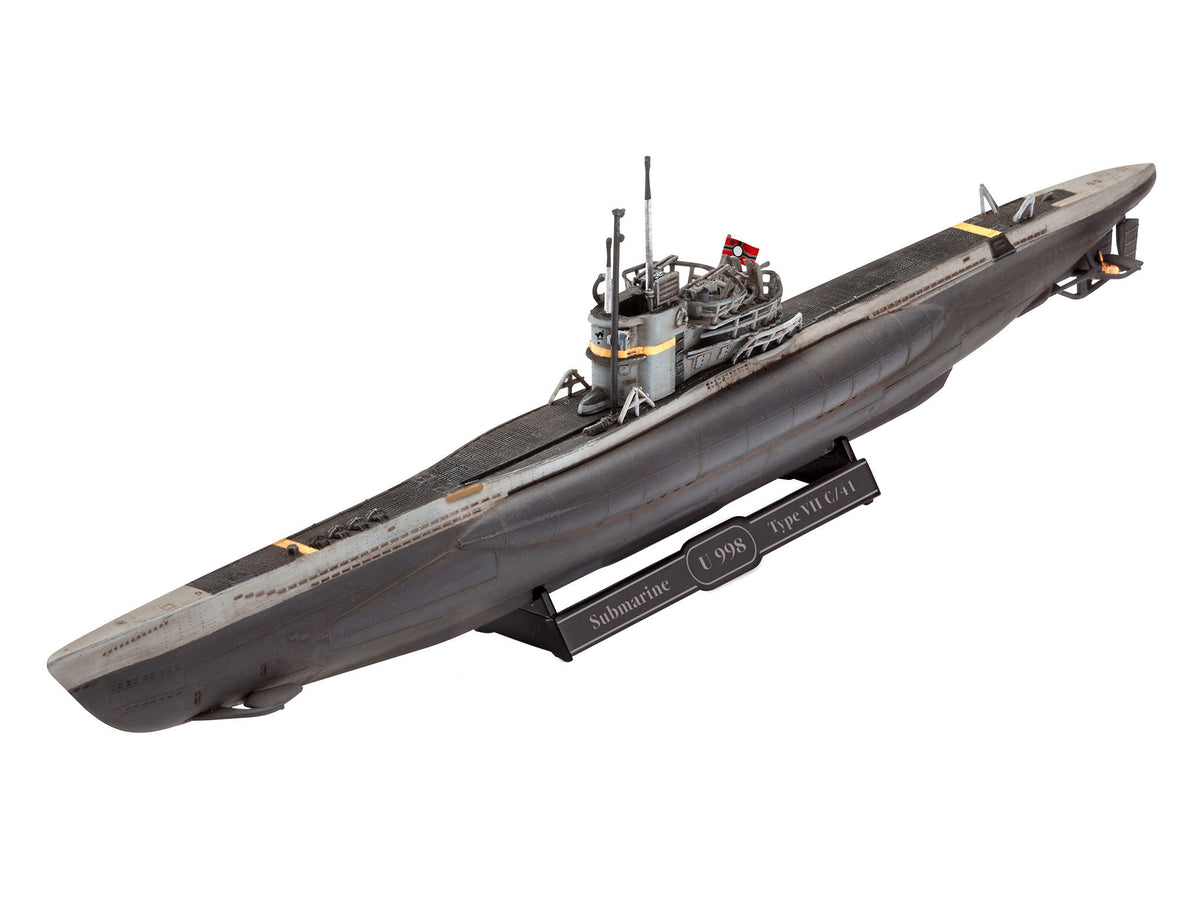
- Scale 1:350 and 1:700: Perfect if you want to present submarines in direct size comparison to destroyers, cruisers or aircraft carriers or if you want to create small sea rescue and battle dioramas.
If you want to get started easily without having to spend a long time searching for the right basic colors, we recommend ours Model sets, which already contain glue, brushes and base paints.
Expert tips for assembly, painting and weathering
Building a submarine model differs from aircraft or military vehicles in several key ways. With the following practical tips you can achieve a perfect result that looks like it has emerged straight from the depths of the ocean:
1. Seamless hull assembly
Submarine hulls usually consist of two long half-shells. To avoid annoying separating seams, you should gradually connect and fix the halves with liquid plastic glue. Allow the compound to cure thoroughly before applying fine filler. Sand the seams smooth with fine sandpaper (grit 800 to 1500) so that engravings and rows of rivets are not damaged.
2. Coloring with the spray gun
Submarines usually have large, two-tone camouflage coatings - often a darker underwater hull and a lighter gray on the turret and above-water hull. For an even application of paint without visible brush strokes, professional paint is used Airbrush-Equipment ideal. Use fine masking tape to mask the exact waterline and create razor-sharp colored edges.
3. Realistic weathering (artificial aging)
A submarine after weeks of combat missions rarely looked like it had been freshly painted. Salt water, swell and diesel soot left clear traces:
- Washes: A dark wash highlights flood slots, hatches and hull joints.
- Rust and salt gradients: Using heavily diluted oil paint or pigments, draw vertical runoff marks downward from the flood slots to simulate rust runs and washed-off salt edges.
- Chipping: On the edges of the tower and the treads, you can use a small piece of sponge to dab tiny paint chips that will allow the primer or bare steel to show through.
For all these finishing steps and precise cuts you will find high-quality products from us Accessories-Range ranging from cutting mats to special tweezers and grinding tools.