


Pure fascination: Why remote-controlled robots inspire
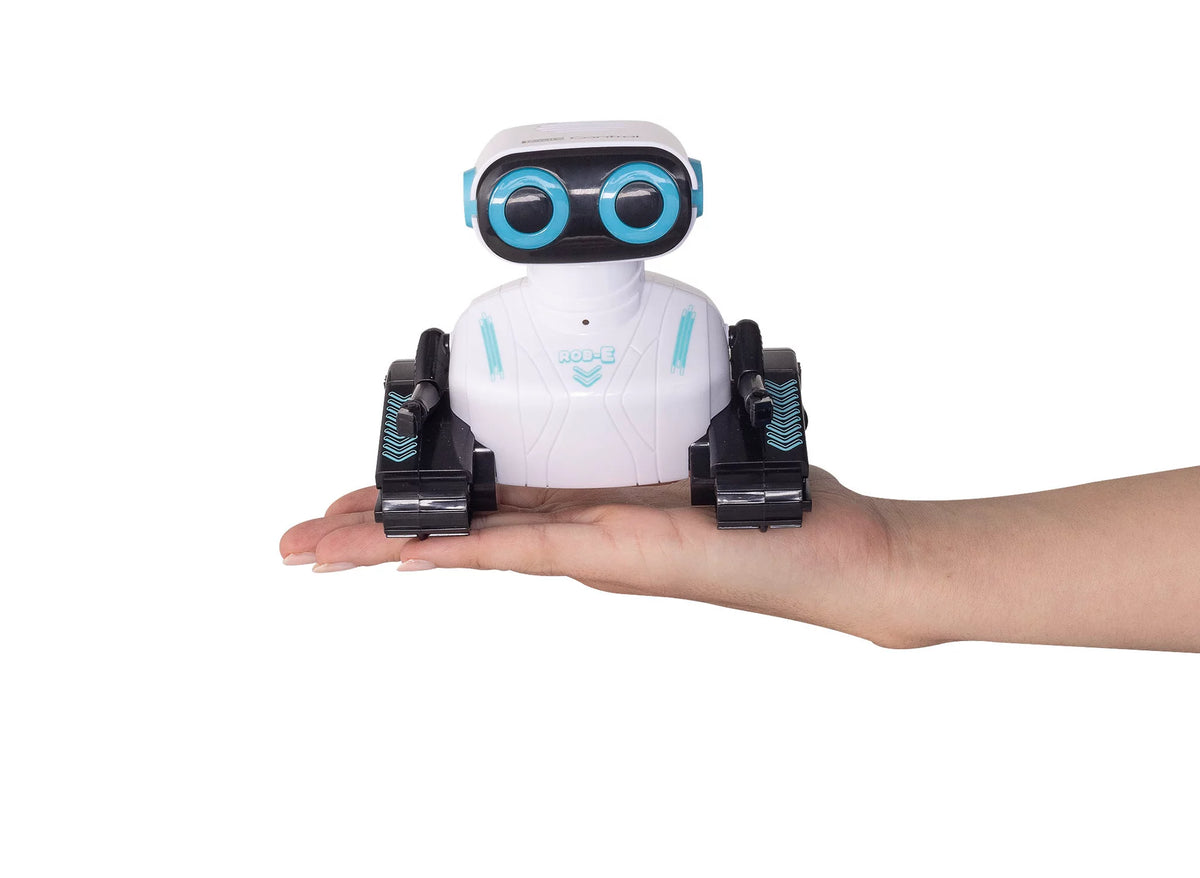
The fascination with autonomous machines and artificial intelligence continues unabated. When you look at modern RC robots, you no longer just see simple toys that roll rigidly in a straight line. Today's remote-controlled robots combine advanced microelectronics, precise servo motors and responsive sensors. You can dance, speak, avoid obstacles independently or even perform complex movement sequences at the push of a button. For technology enthusiasts of all ages, this means: You don't control an inanimate object, but rather interact with a smart companion who reacts to your commands and shows character.
At the same time, these models offer a playful introduction to the MINT world (mathematics, computer science, natural sciences and technology). Children and young people learn basic logical connections when dealing with programmable models, while adults appreciate the sophisticated mechanics and responsiveness. It is precisely this mix of intuitive entertainment and tangible future technology that makes RC robots an indispensable highlight of our modern RC range.
The different types of robots at a glance
So that you make the right choice, it's worth taking a look at the different designs and orientations. Each type of robot has its own priorities in terms of control, mobility and game functions:
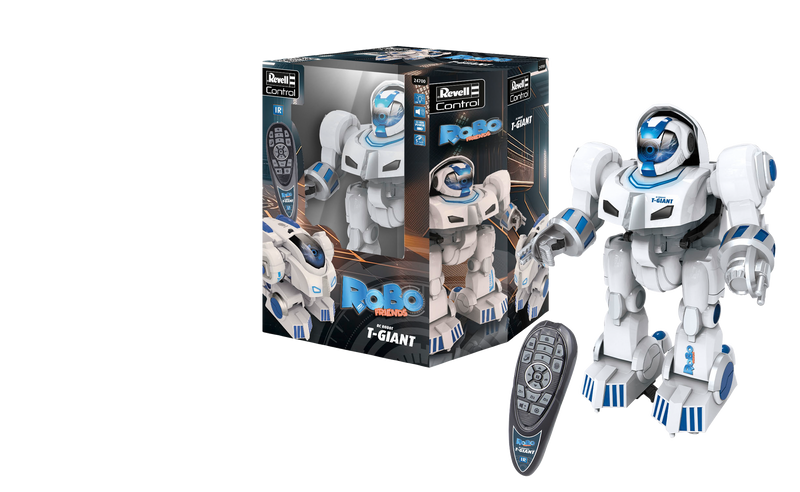
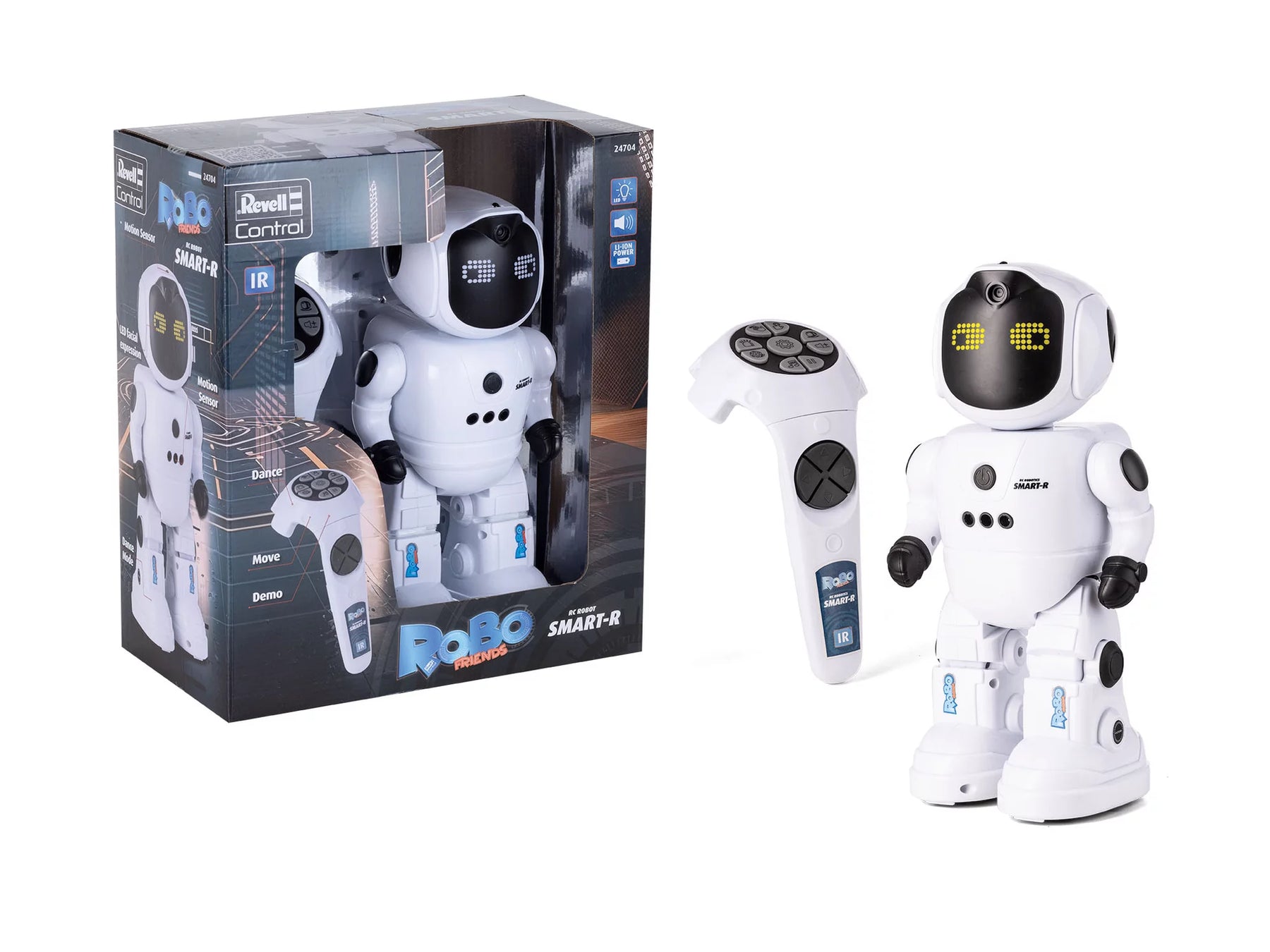
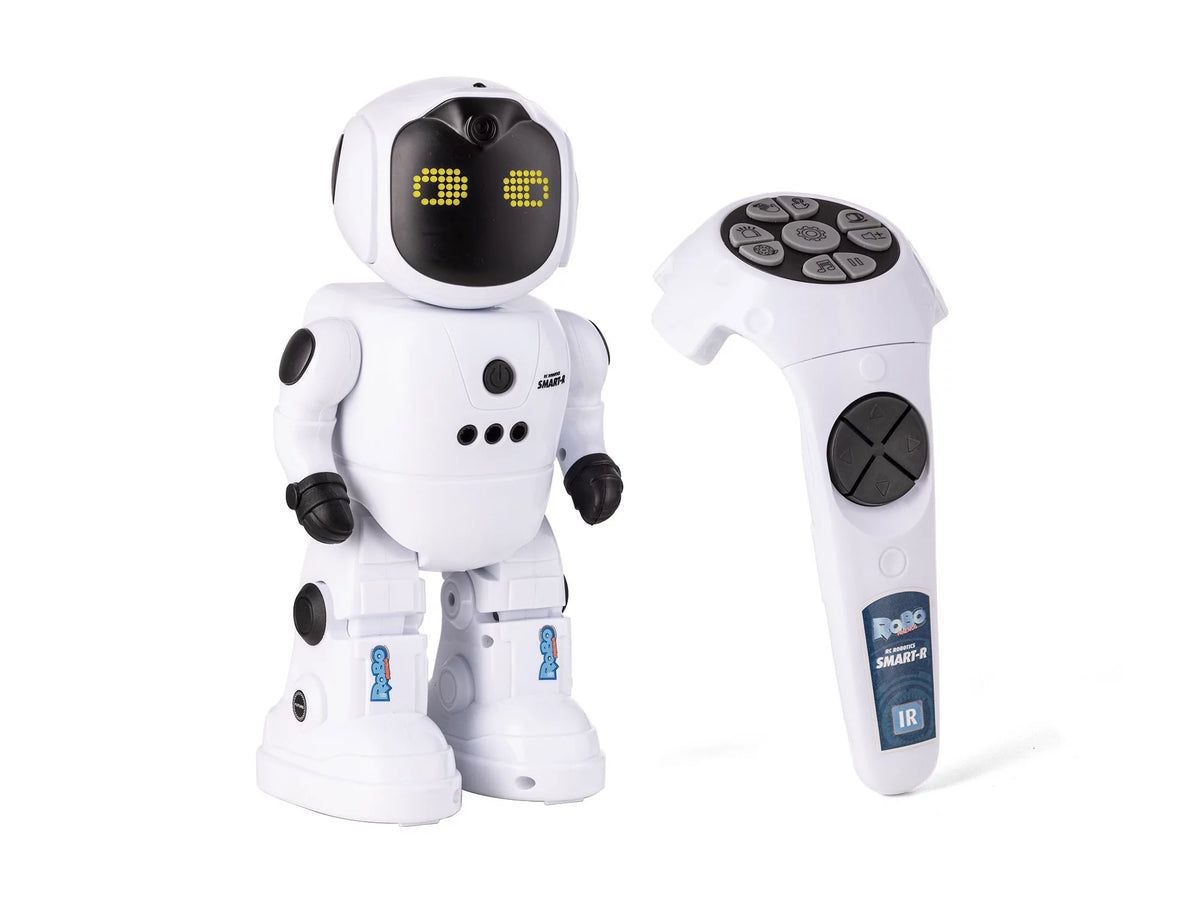
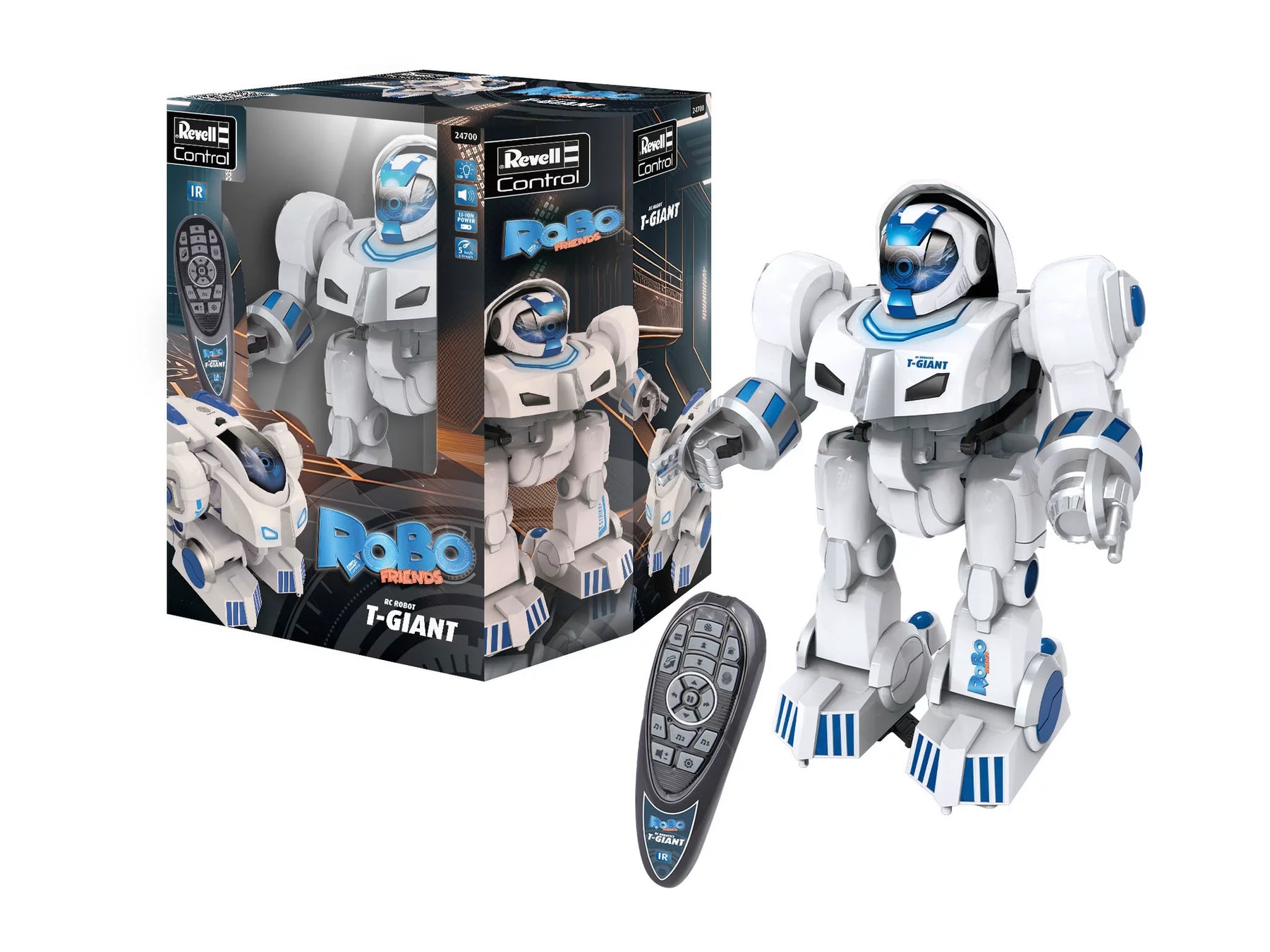
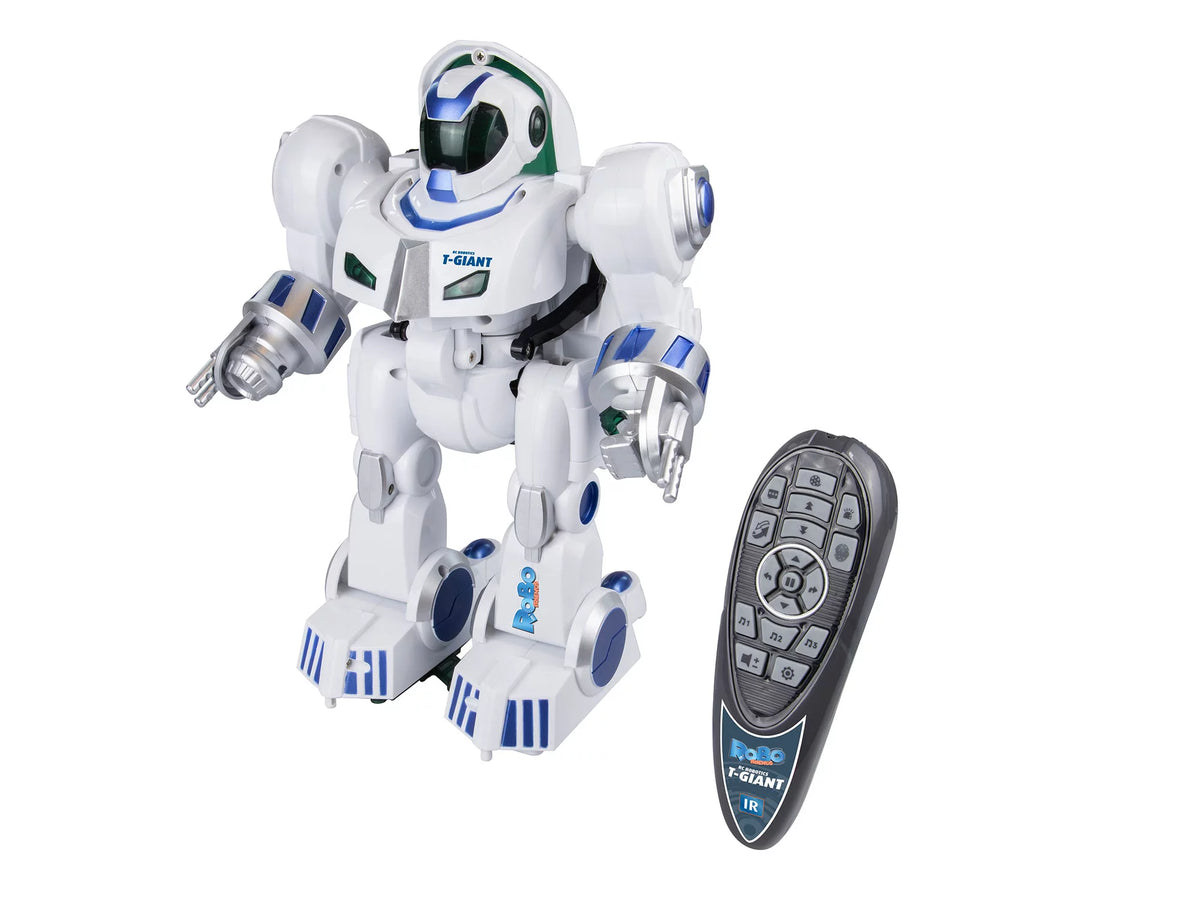
- Humanoid RC Robots: These two-legged robots are visually and motorically based on humans. They walk step by step, rotate their torso, move their arms and often have sound effects and LED lighting in the facial area. Many humanoid models can be controlled using gestures or voice commands.
- Transformable all-rounders: If you are looking for maximum variety, versatile concepts are ideal. A prime example of this is the Rc Smart Robot 3In1, which can be transformed into different modes as desired, cleverly combining robot action with driving fun.
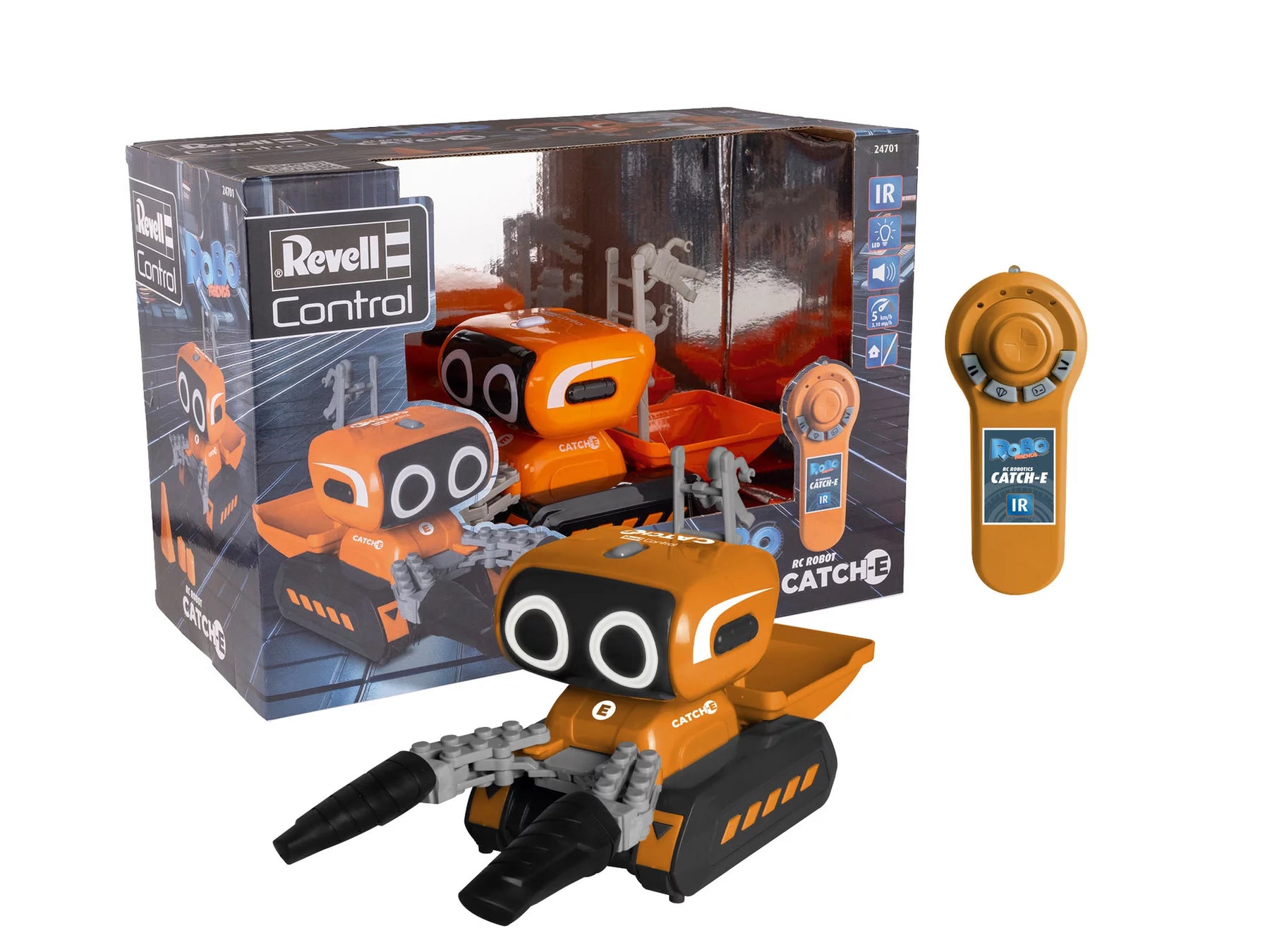
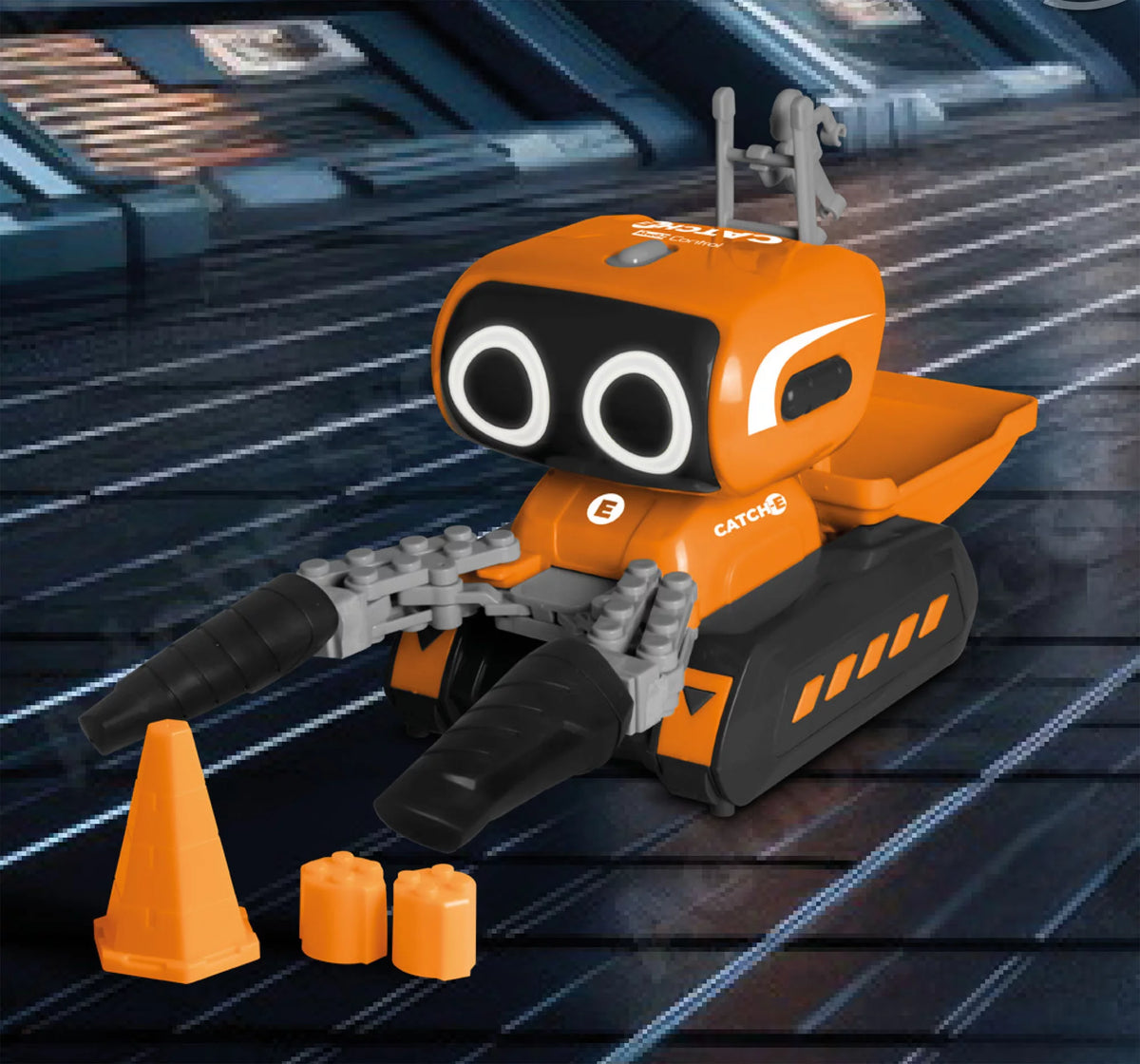
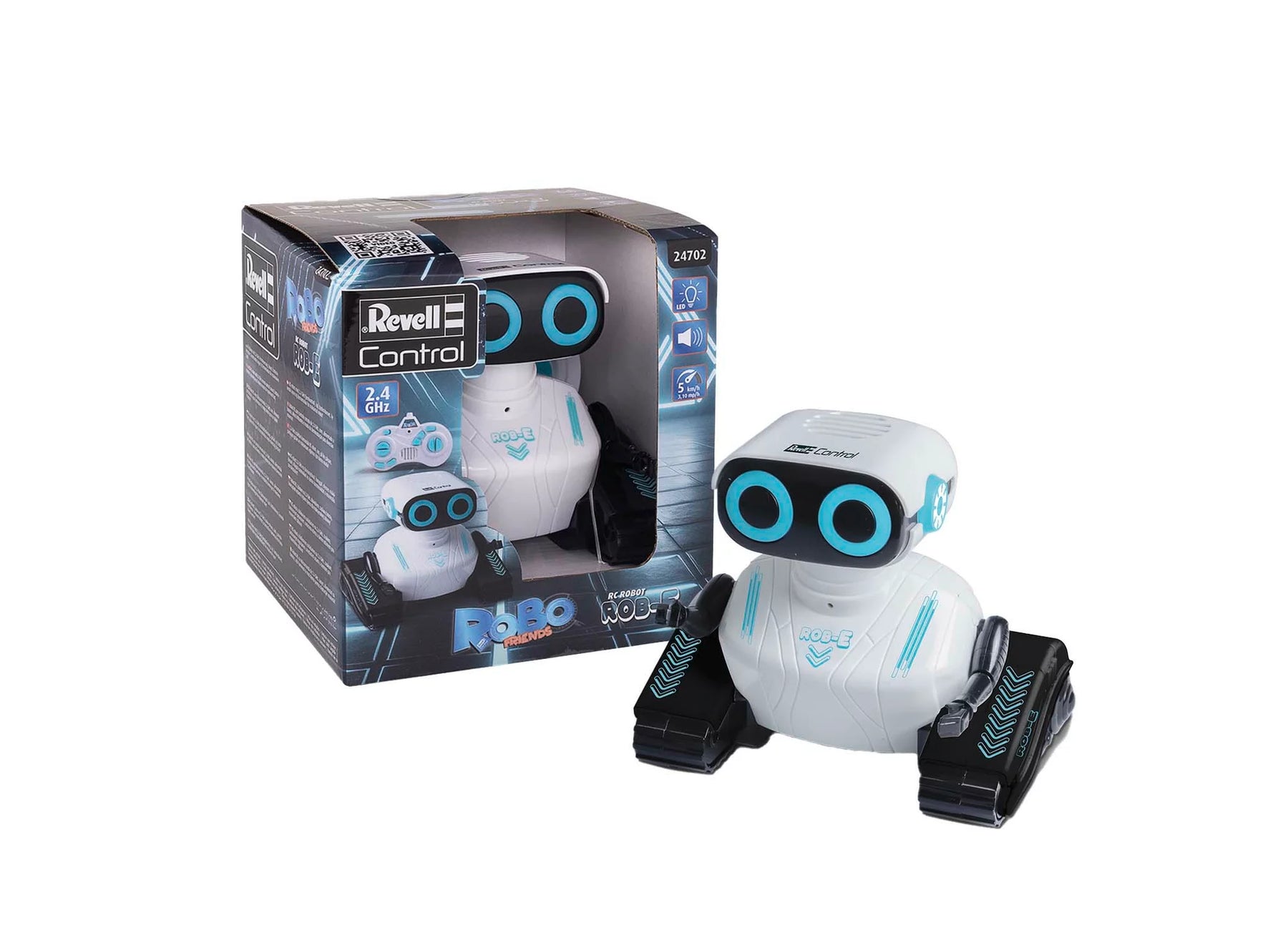
- Tracked and wheeled robots: Instead of moving on two legs, these models move on robust tires or tracks. This gives them enormous maneuverability, higher speeds and allows them to turn effortlessly around their own axis.
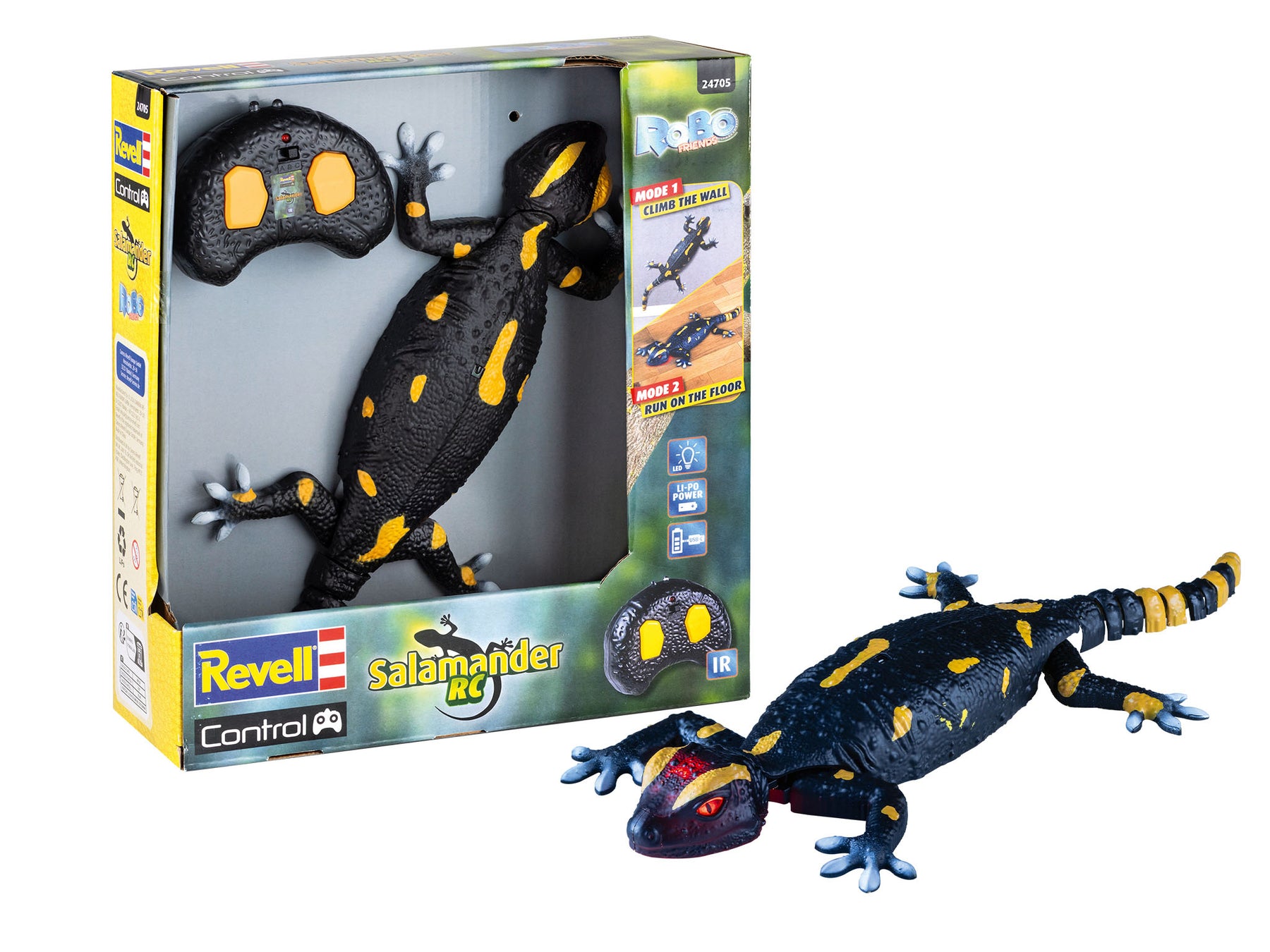
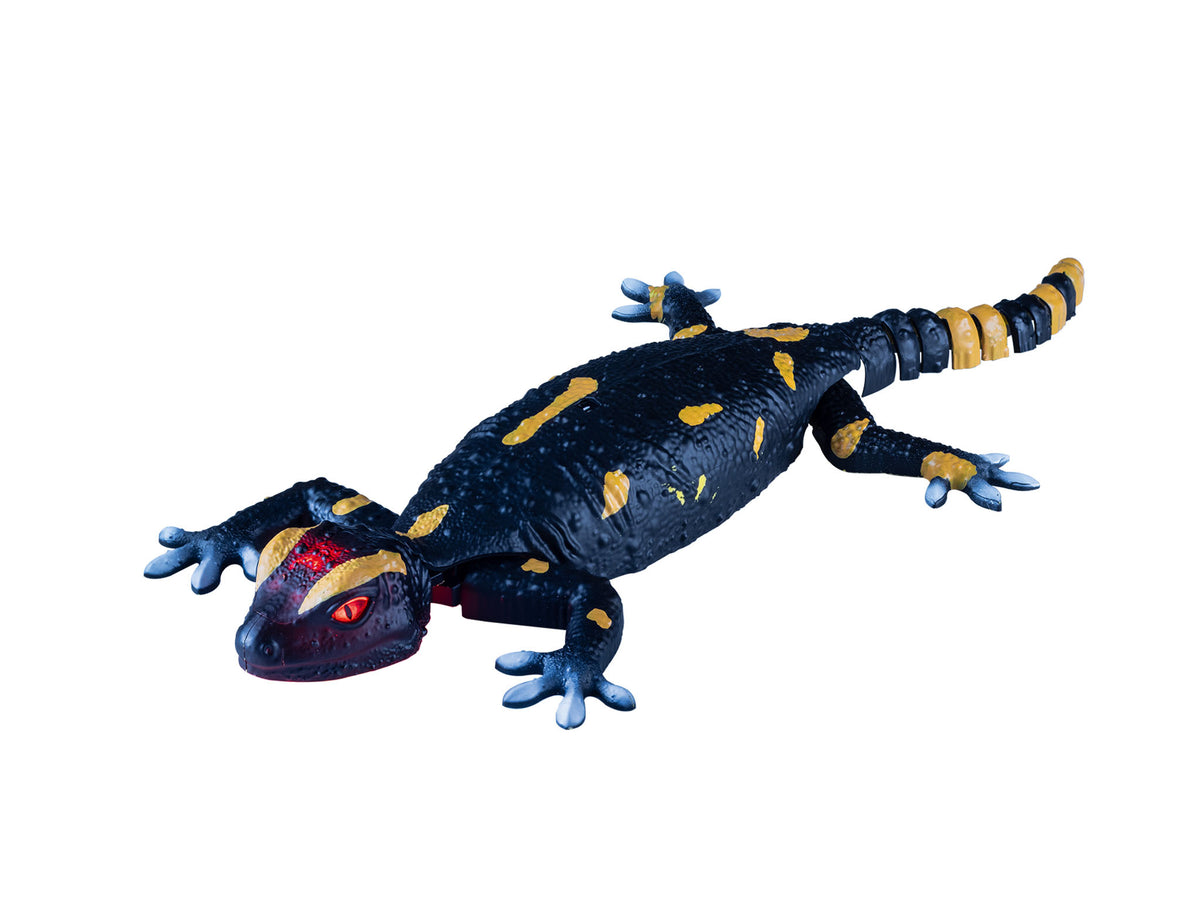
- Interactive animal robots: Robot dogs, dinosaurs or mechanical reptiles score points with lively behavior patterns. They elicit responses, bark, wag their tails, or follow a visual trail.
Important purchasing criteria: How to find the right model
Before you decide on a specific model, you should weigh up a few key aspects. Here's how to make sure the robot meets the user's abilities and desires:
Age rating and operating concept
Models with clear button remote controls, predefined demo modes and a robust body are suitable for younger explorers aged around five and over. The focus here is on fun and easy handling. Older children, teenagers and adults, on the other hand, prefer remote controls with multiple channels, programming functions or app interfaces that allow you to code your own movement sequences. For beginners, make sure that the transmission takes place in the interference-free 2.4 GHz band so that several models can be operated in parallel without frequency overlap.
Sensors and interaction options
An outstanding feature of modern robots is their sensor technology. Integrated infrared sensors on the front prevent collisions with furniture, while touch sensors respond to stroking or tapping on the head. Some high-tech models even understand fixed hand gestures: If you raise your hand, the machine stops; if you wave to the left, she turns away. The more sensors are installed, the more alive the robot appears in the room.
Power supply and battery life
Most RC robots today rely on modern lithium-polymer or lithium-ion batteries, which are conveniently charged via a USB charging cable. Typical driving and action times are between 20 and 45 minutes per charging cycle. Standard batteries are often required for the remote control. If you regularly plan longer adventures, it's worth taking a look at our section for Rc Spare Parts to have suitable charging cables or spare parts quickly at hand.
Care and maintenance for lasting enjoyment
In order for joints, gears and sensors to work reliably over the long term, remote-controlled robots need a little attention. Since it involves precision mechanics, the models should primarily be used indoors on clean, dry surfaces. Carpet lint, animal hair or dust can get stuck in the axles and ball joints over time.
After playing, we recommend cleaning the joints and wheel arches from dirt using a soft brush or gentle compressed air. Also make sure not to store the battery in a closet when it is completely discharged. If you will not be using the robot for a long time, charge the battery to about 50 percent and remove the batteries from the remote control to prevent leakage.
Expand your fleet: More than just robots
Robots fascinate with their cognitive abilities and gestures - but the world of radio-controlled hobbies offers many more facets. If you're looking for fast pace on four wheels, ours are agile Rc cars the perfect complement for thrilling races in the living room or outside on asphalt. If you are more drawn to three-dimensional space, agile options open up for you RC Quadcopter spectacular flight maneuvers and completely new perspectives from the air. Combine different sectors and build your own futuristic fleet!