







The fascination of US model making: What sets Revell USA kits apart?
If you are interested in model building, you can't ignore the legendary US classics. American vehicles and aircraft have always embodied a unique aesthetic: sweeping body lines, powerful engines, striking chrome shine and engineering that is designed for size and performance. True-to-original US kits reflect exactly this attitude to life. They stand out noticeably from typical European kits in terms of their conception, selection of models and detailing.
Historically, this model line looks back on the merger of American model making pioneers such as Revell and Monogram. You can still feel these roots with every move you make. Many shapes have real cult status and have been maintained and continuously modernized over decades with great attention to detail. When you open a US kit, you can often expect multi-part engine blocks, detailed structured underbodies, true-to-original interiors with separate pedals and instrument panels, as well as lavish chrome moldings that transport the typical shine of American highways straight to your home.
Another advantage is the variety of topics: from the automotive icons of the 1950s to the 1970s to brutal dragsters and custom cars to the giants of aviation, in this category you will find kits that make pure mechanics and design history tangible. Anyone who enjoys replicating historical vehicles in great detail or implementing their own custom ideas will find the perfect source material here.
The multifaceted theme worlds of American kits
The range of US kits serves a wide variety of model building passions. No matter whether your heart beats for asphalt, mud or the airspace - the selection covers all facets of American technical history.
Muscle cars, pickup trucks and highway legends
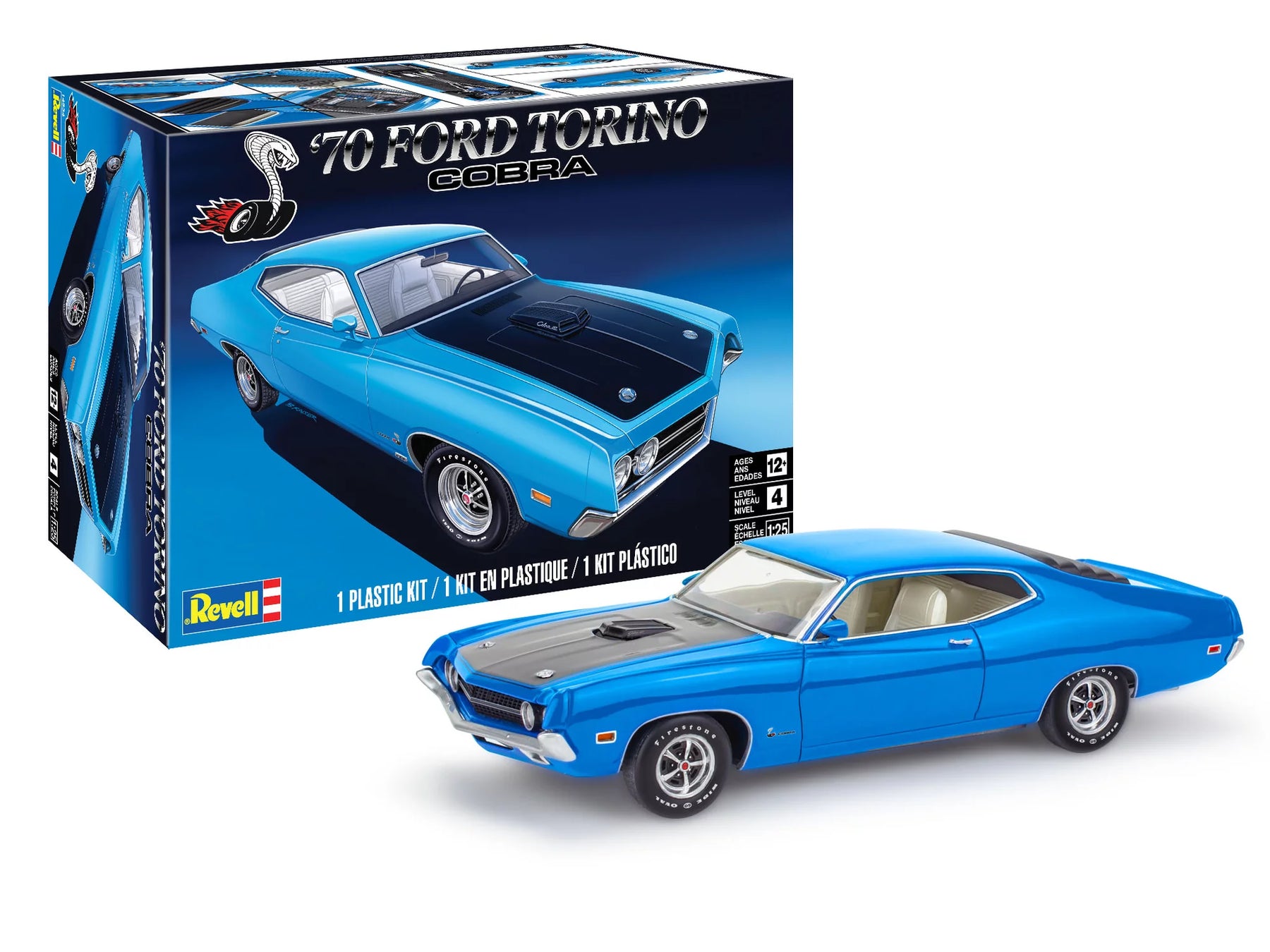
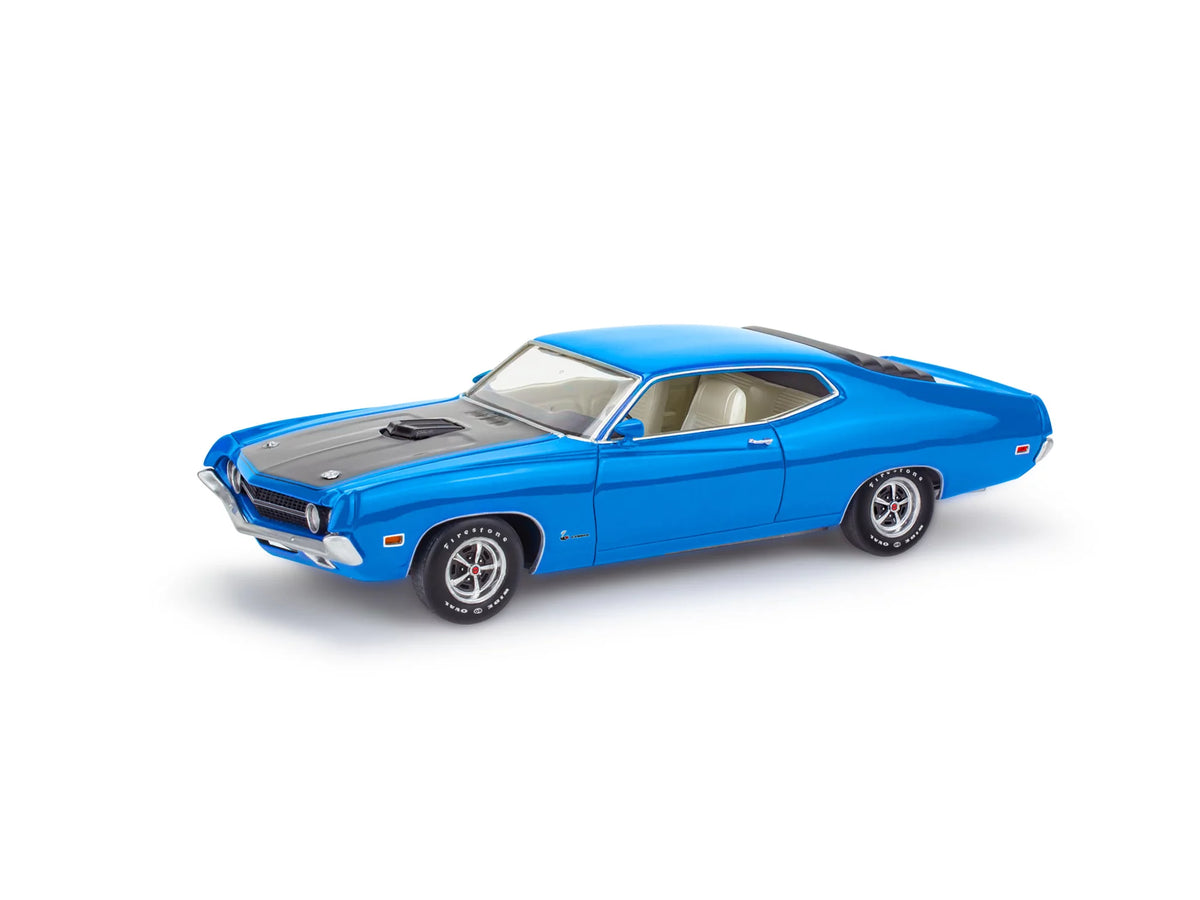
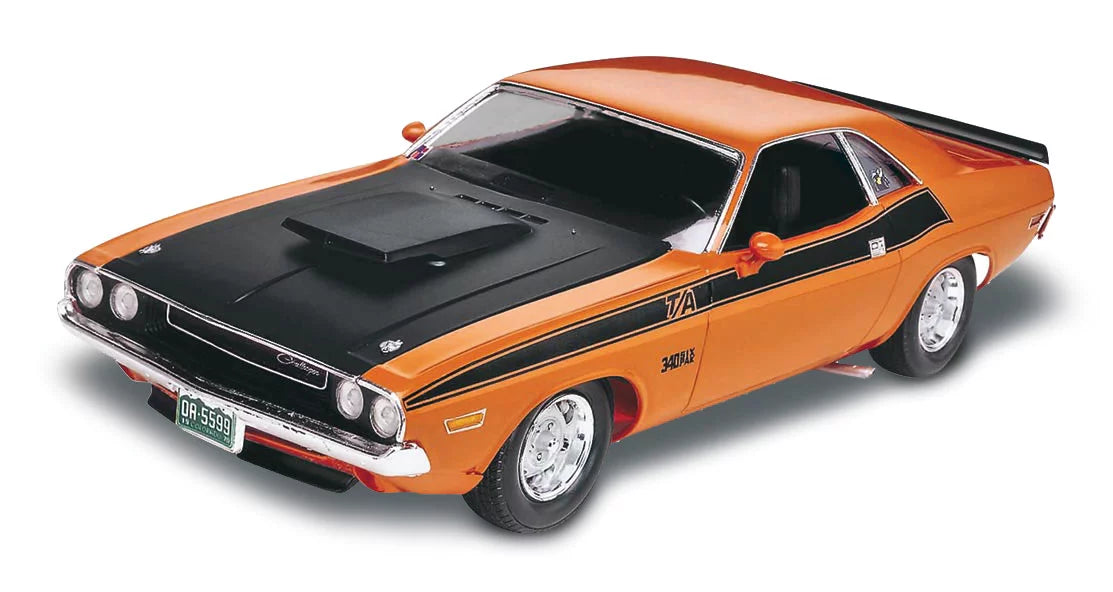
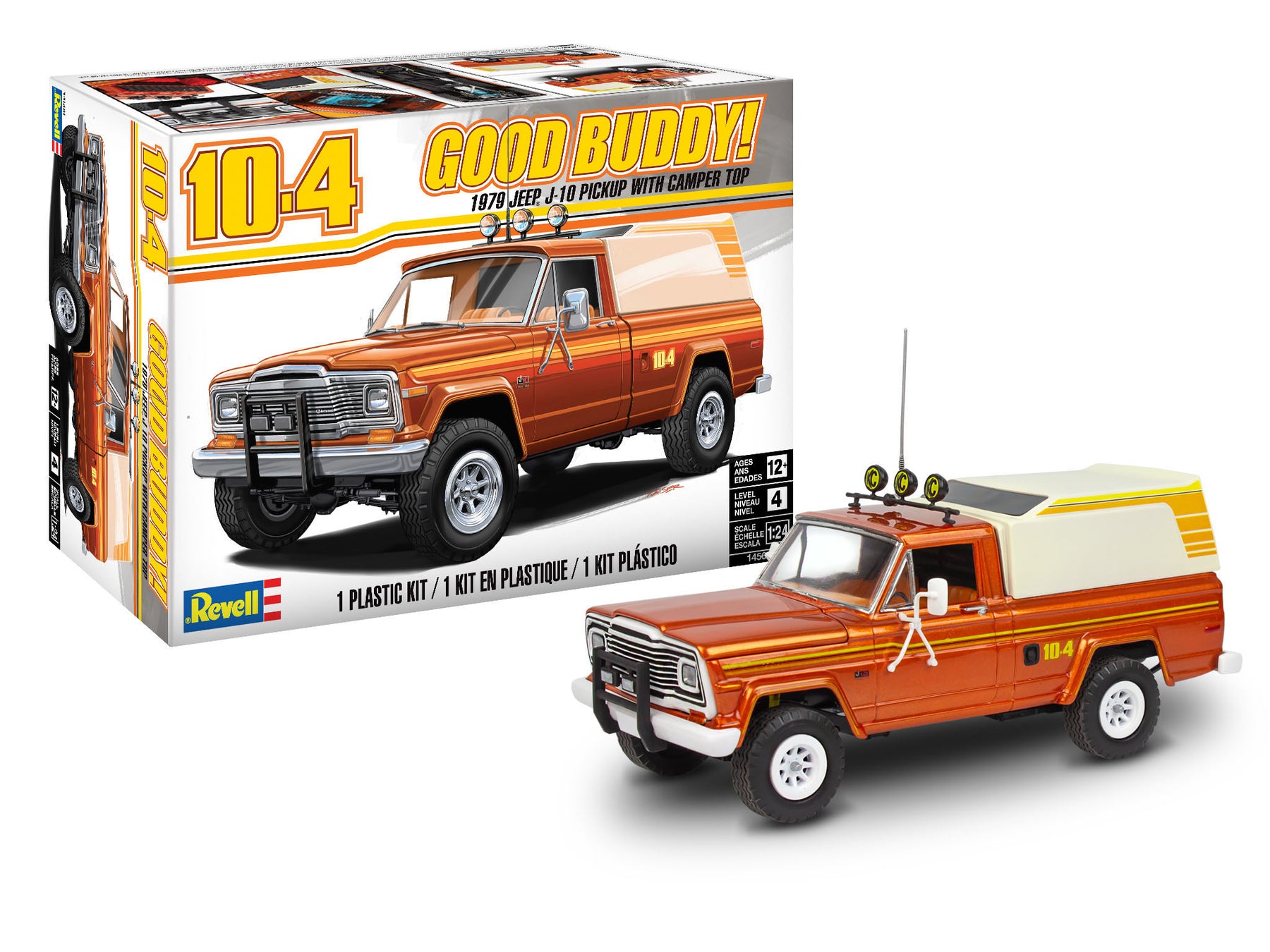
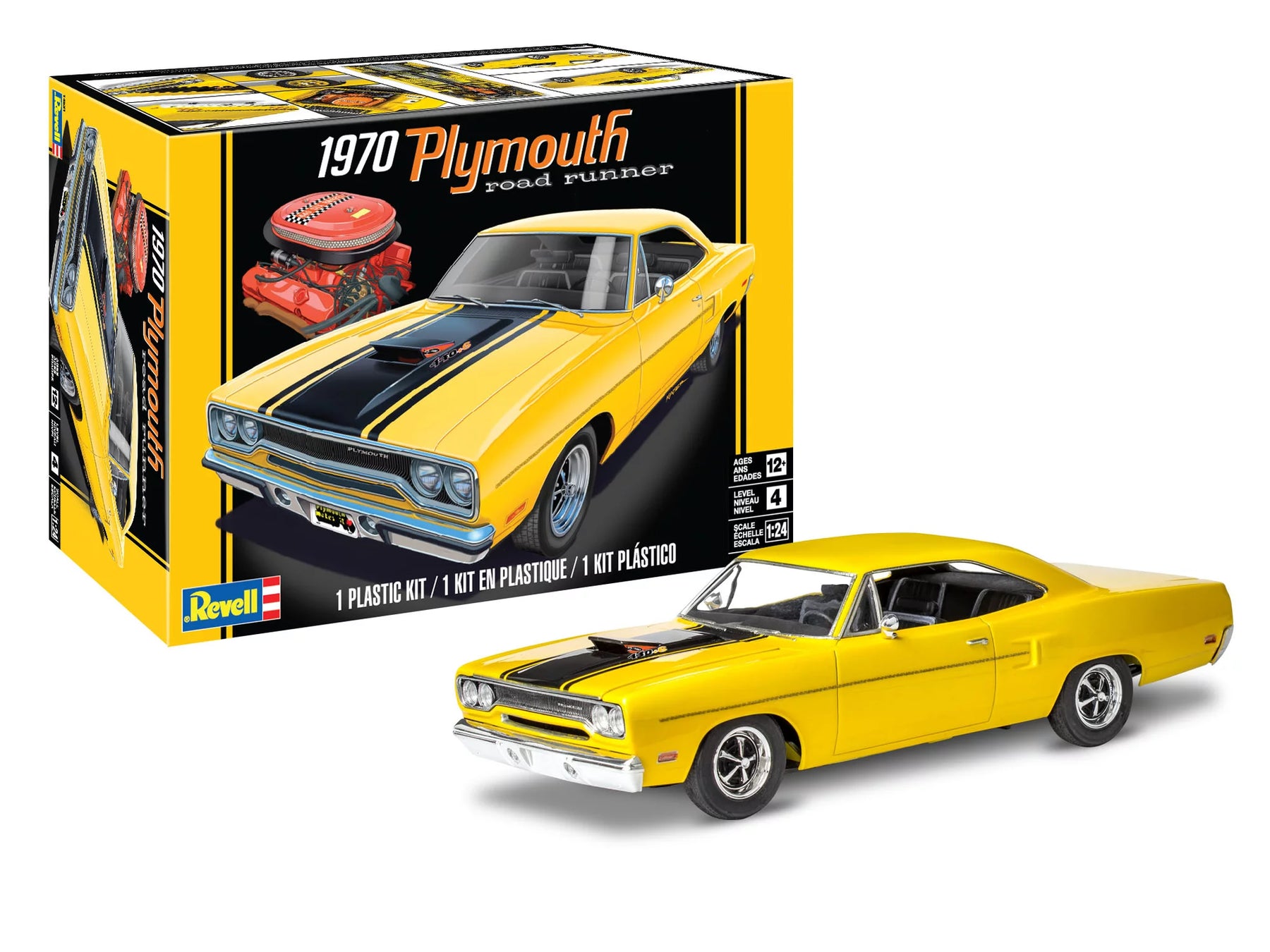
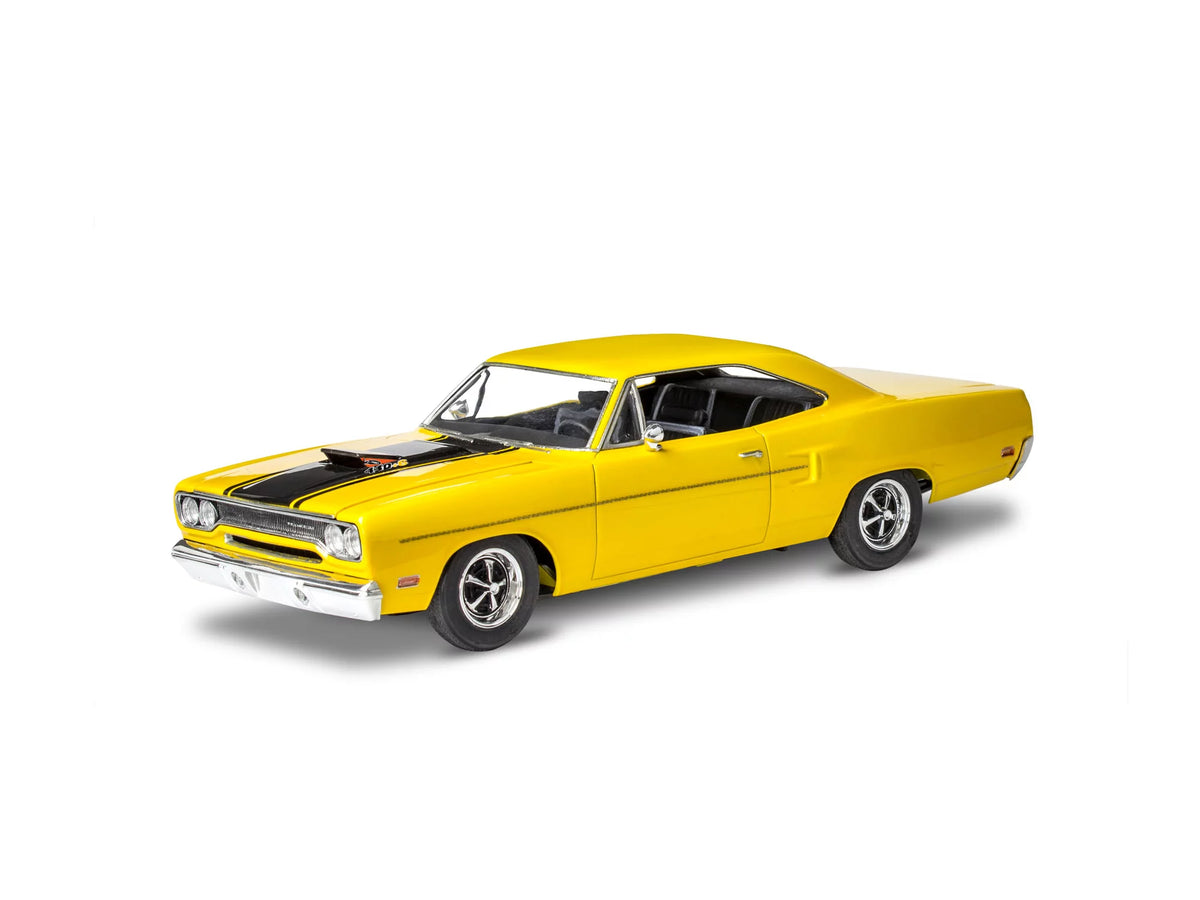
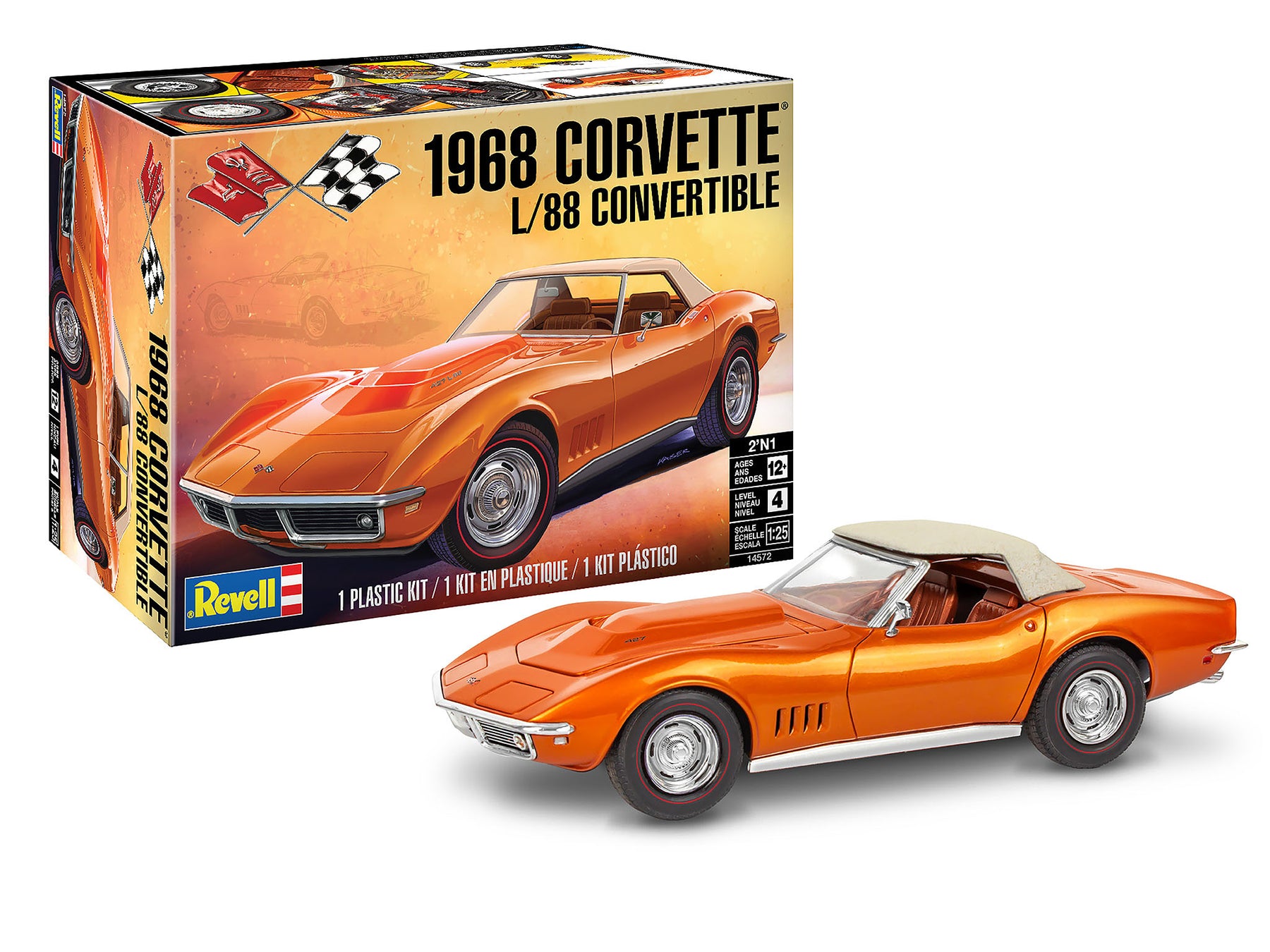
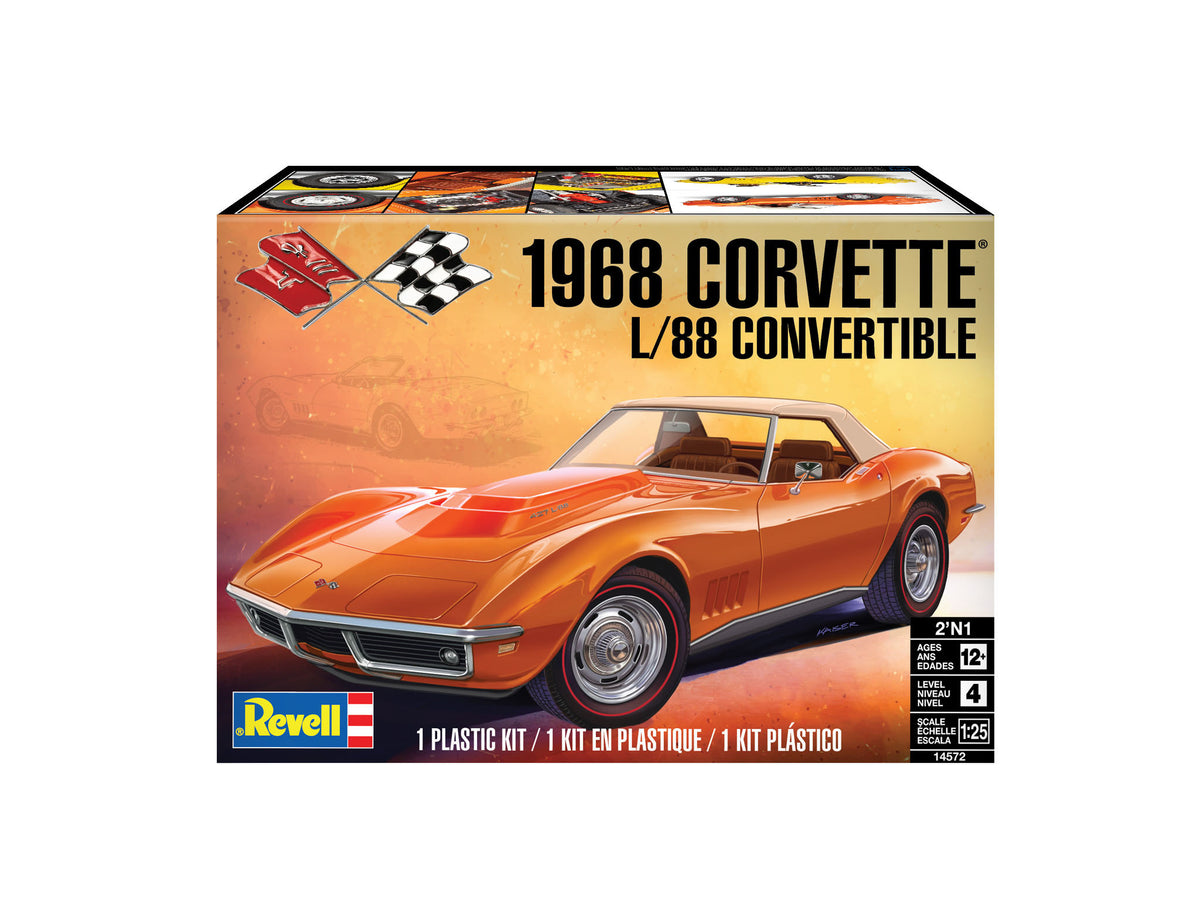
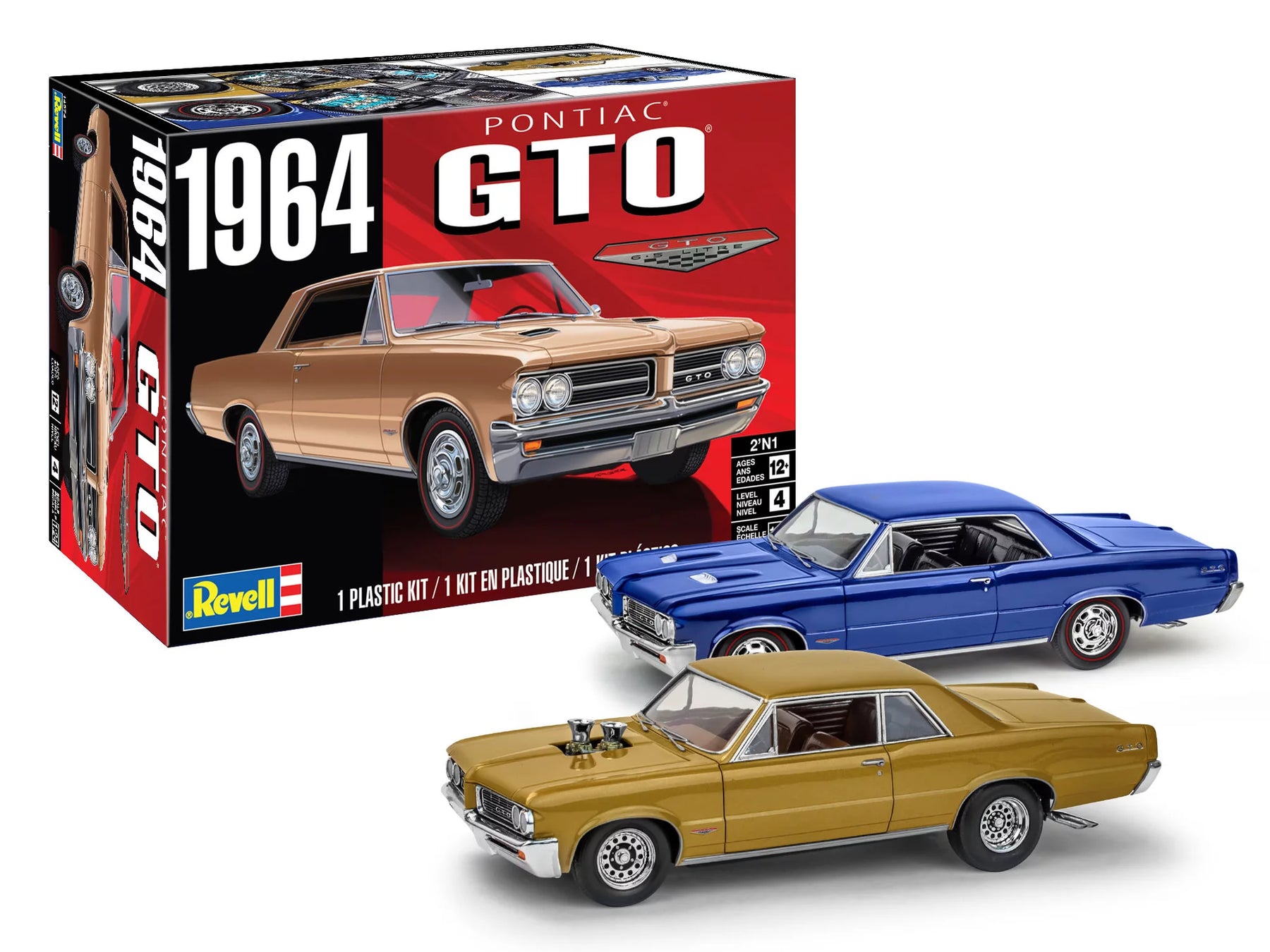
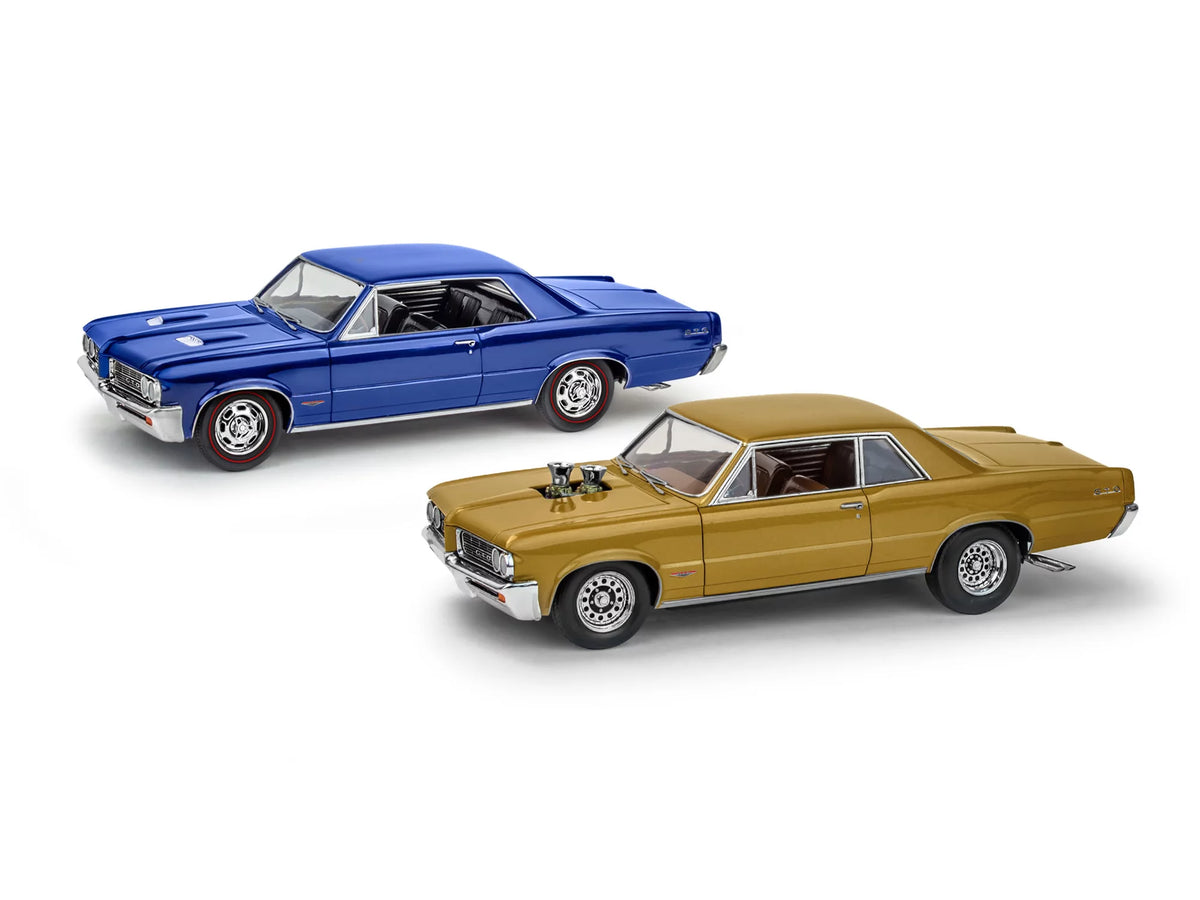
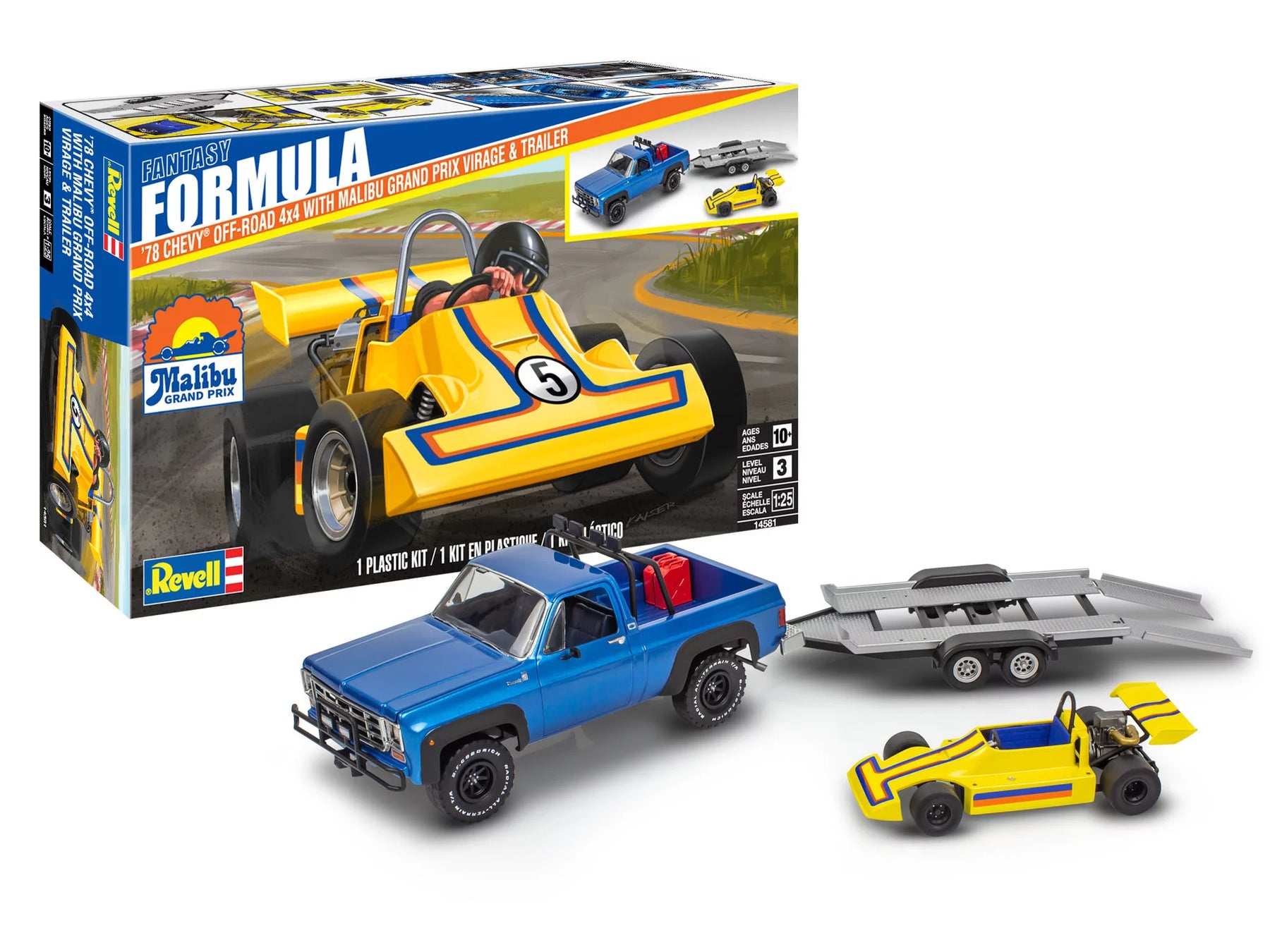
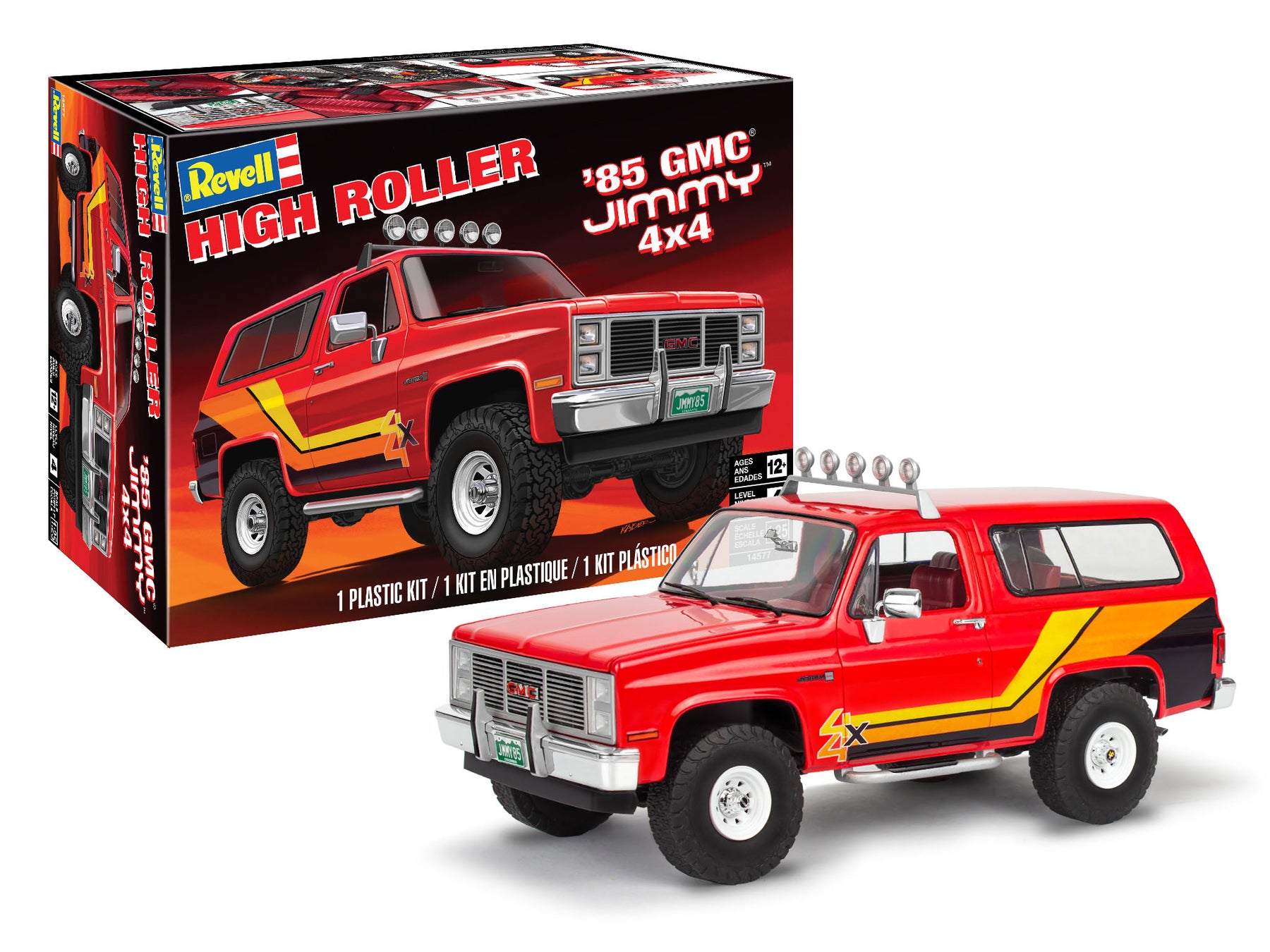
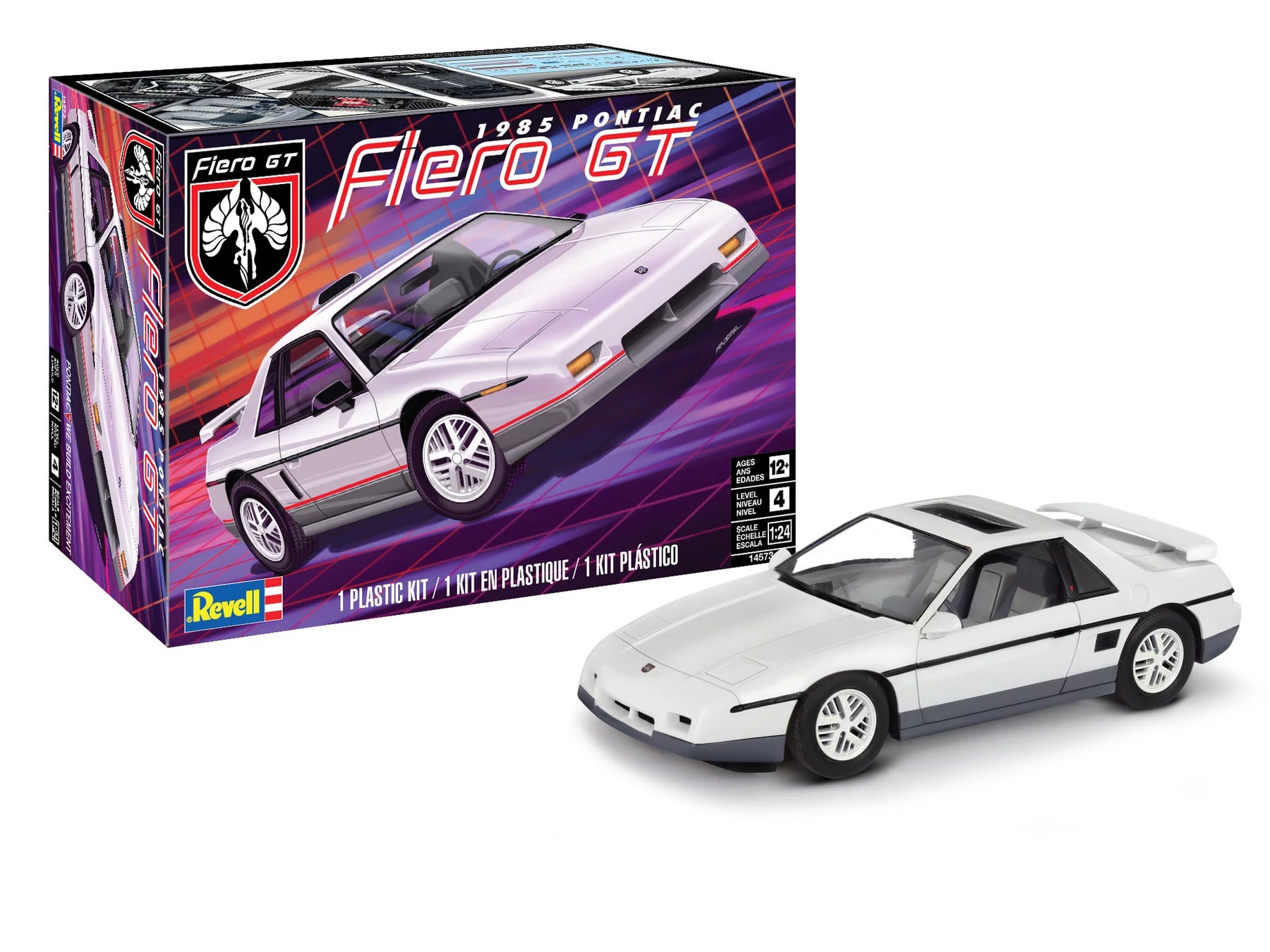
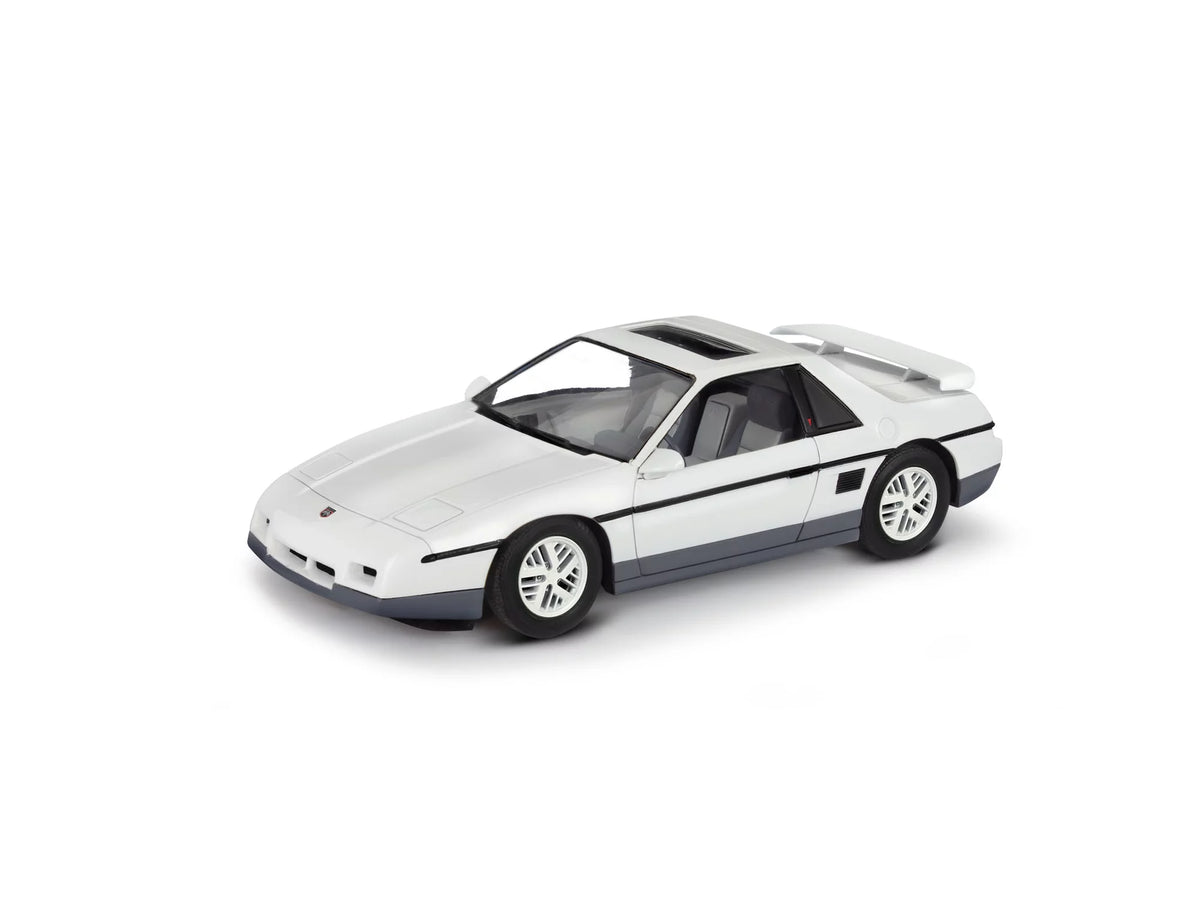
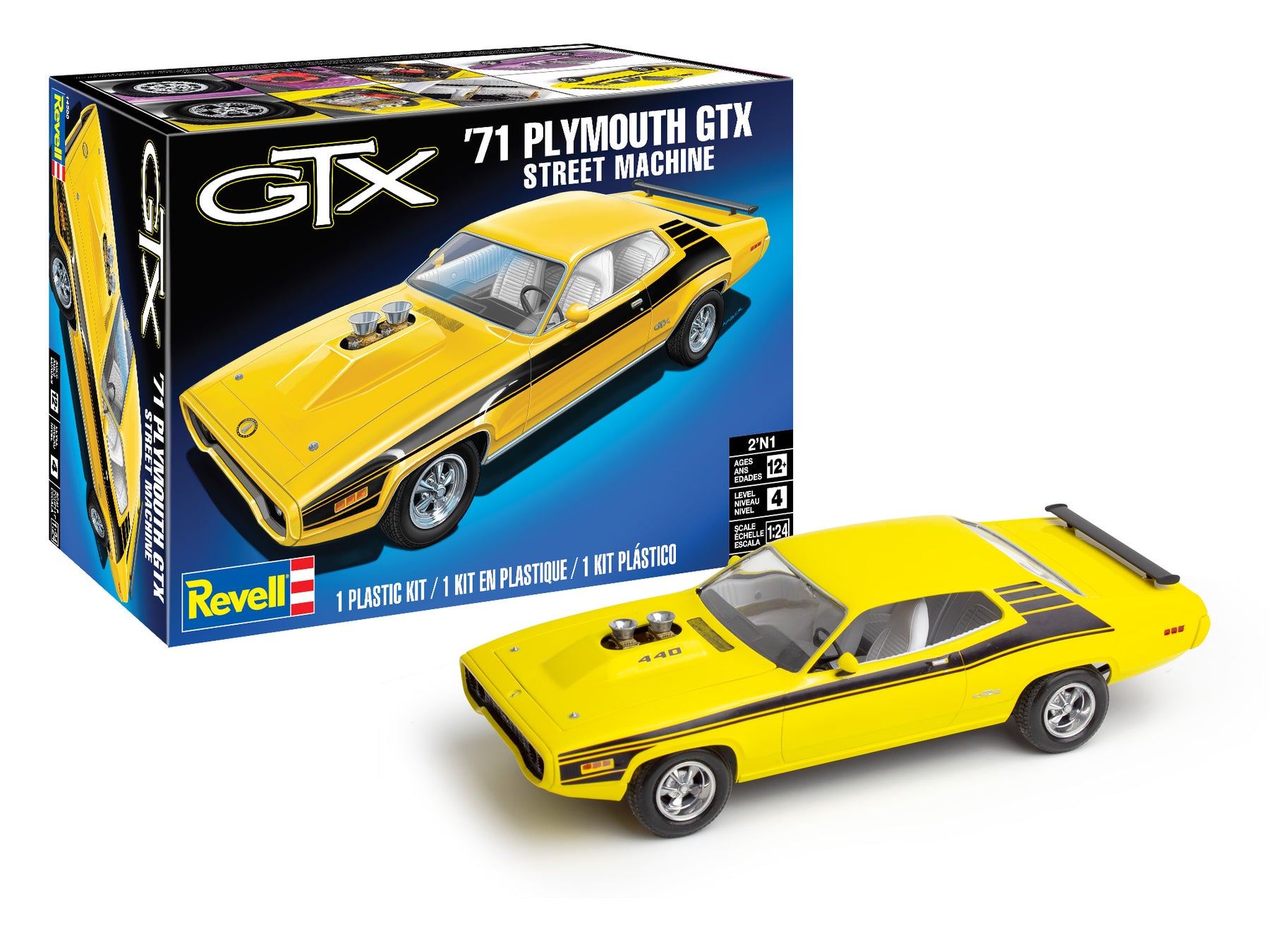
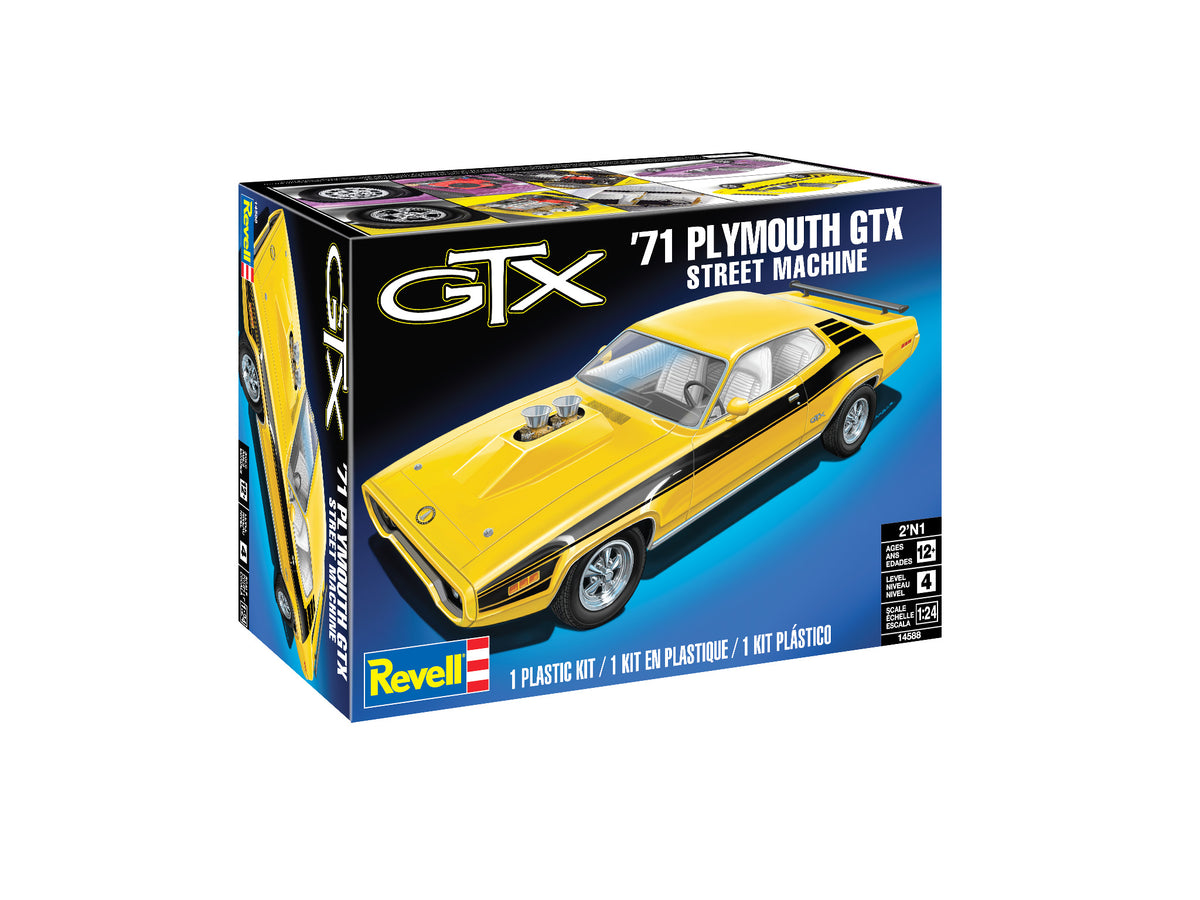
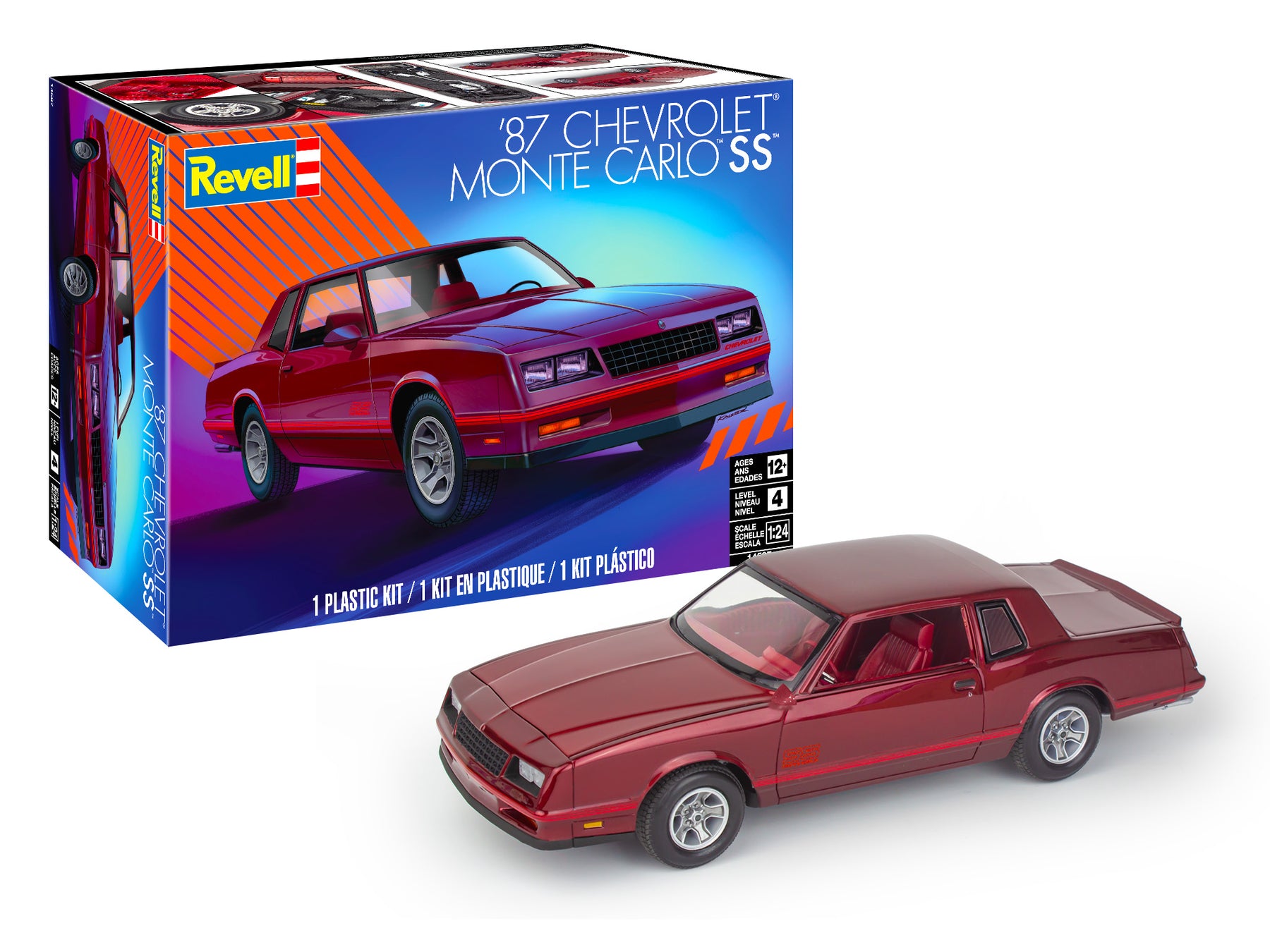
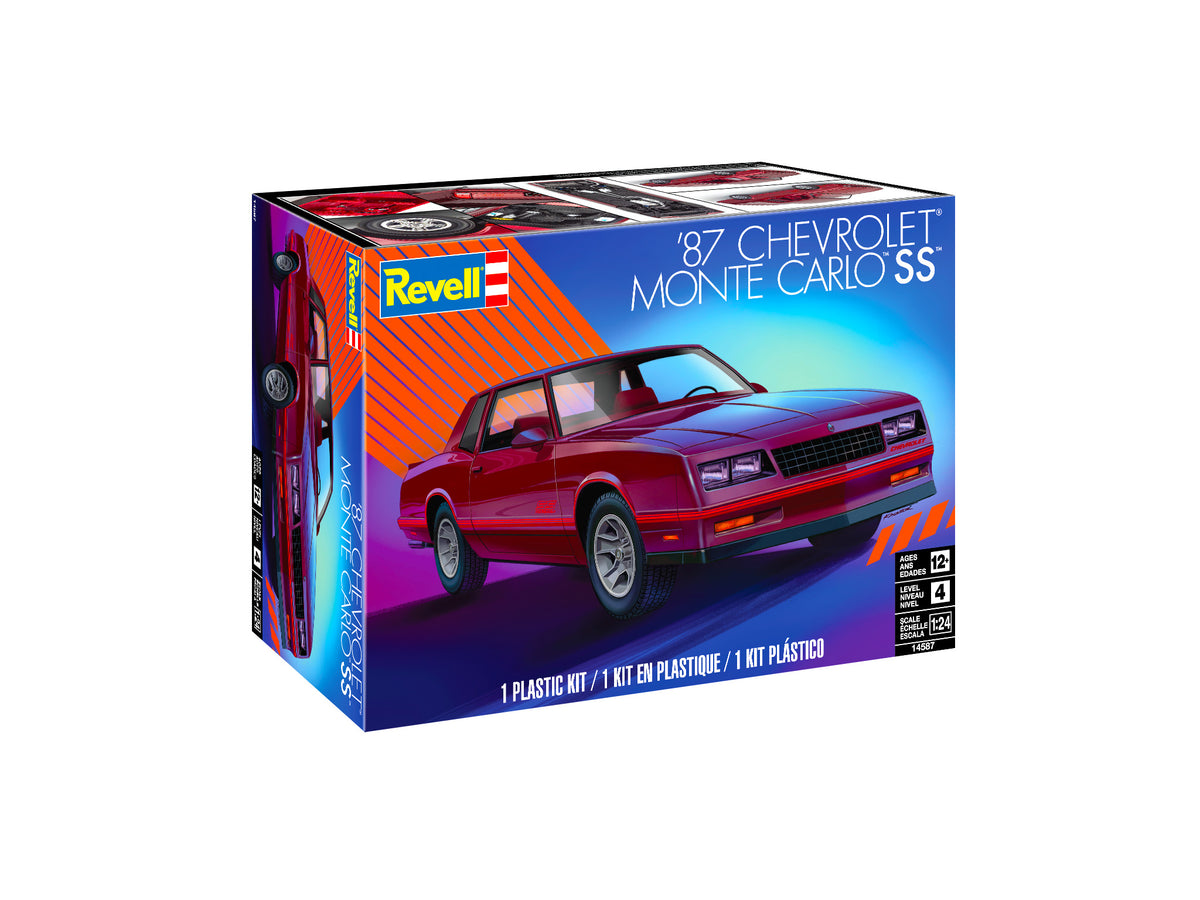
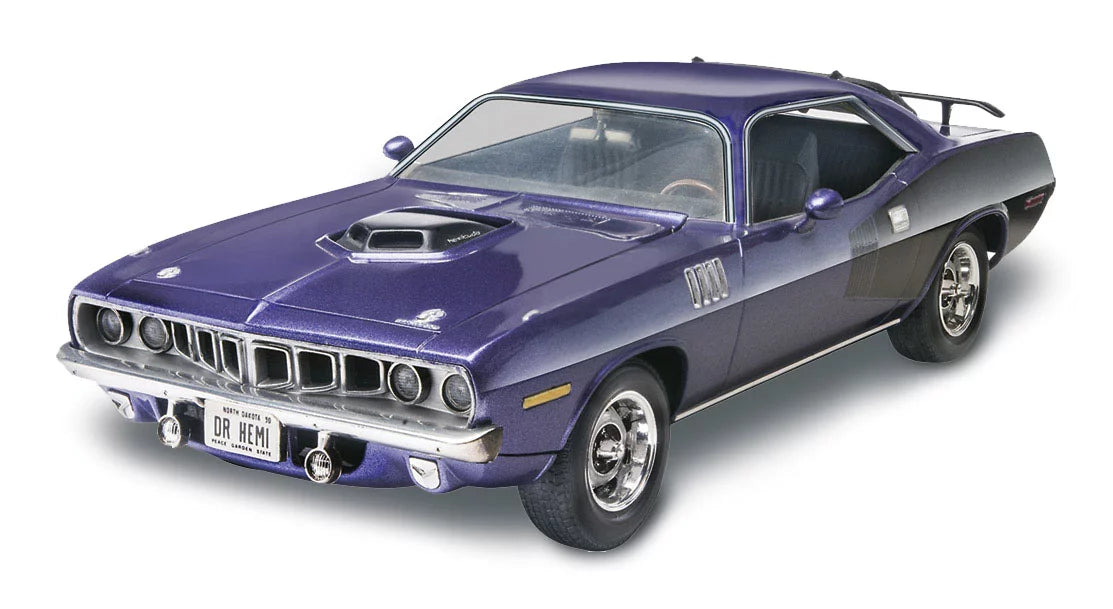
The highly detailed model cars from the USA are an absolute highlight for automobile lovers. Names like Dodge Charger, Chevrolet Camaro, Ford Mustang or Pontiac GTO make every horsepower fan's heart beat faster. The kits perfectly capture the spirit of this era. A special feature here is often the scale: While the 1:24 scale dominates in Europe, many classic US kits are based on the traditional 1:25 scale. This slight difference gives the models compact, harmonious proportions that fit perfectly into existing vehicle collections.
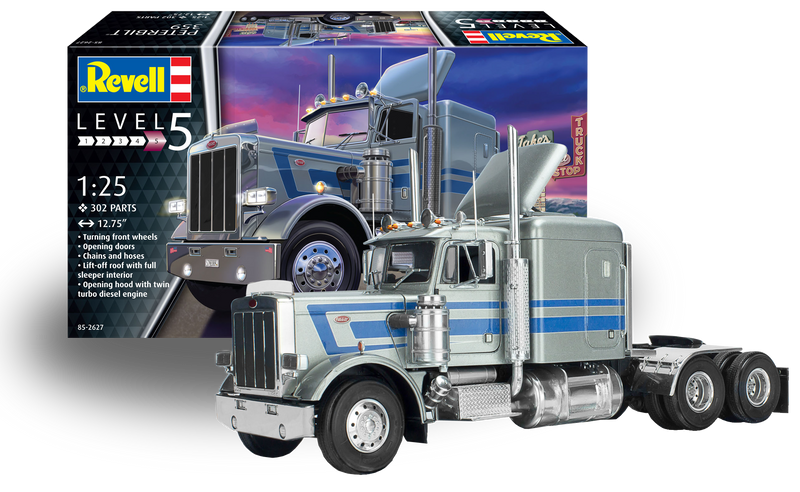
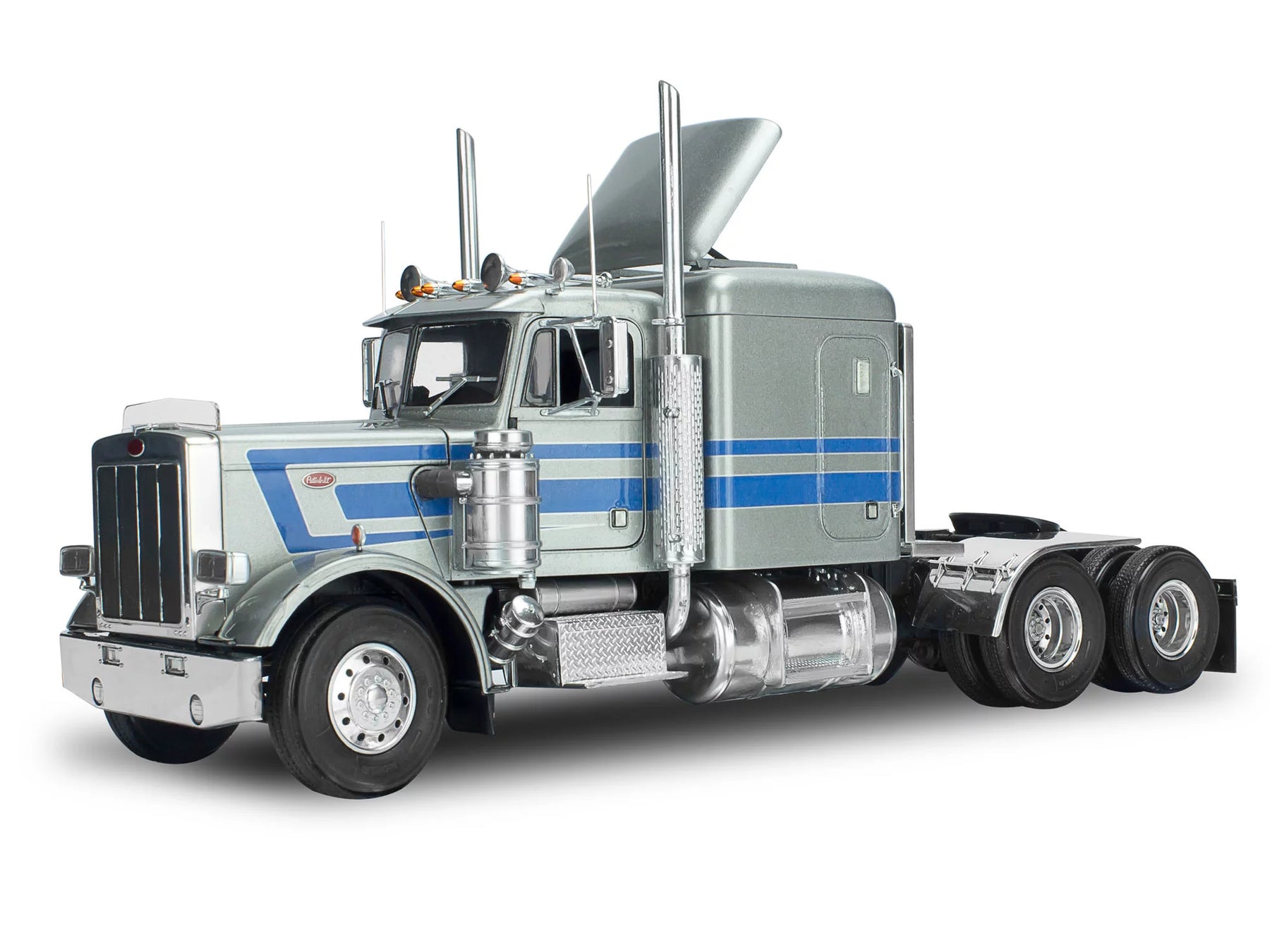
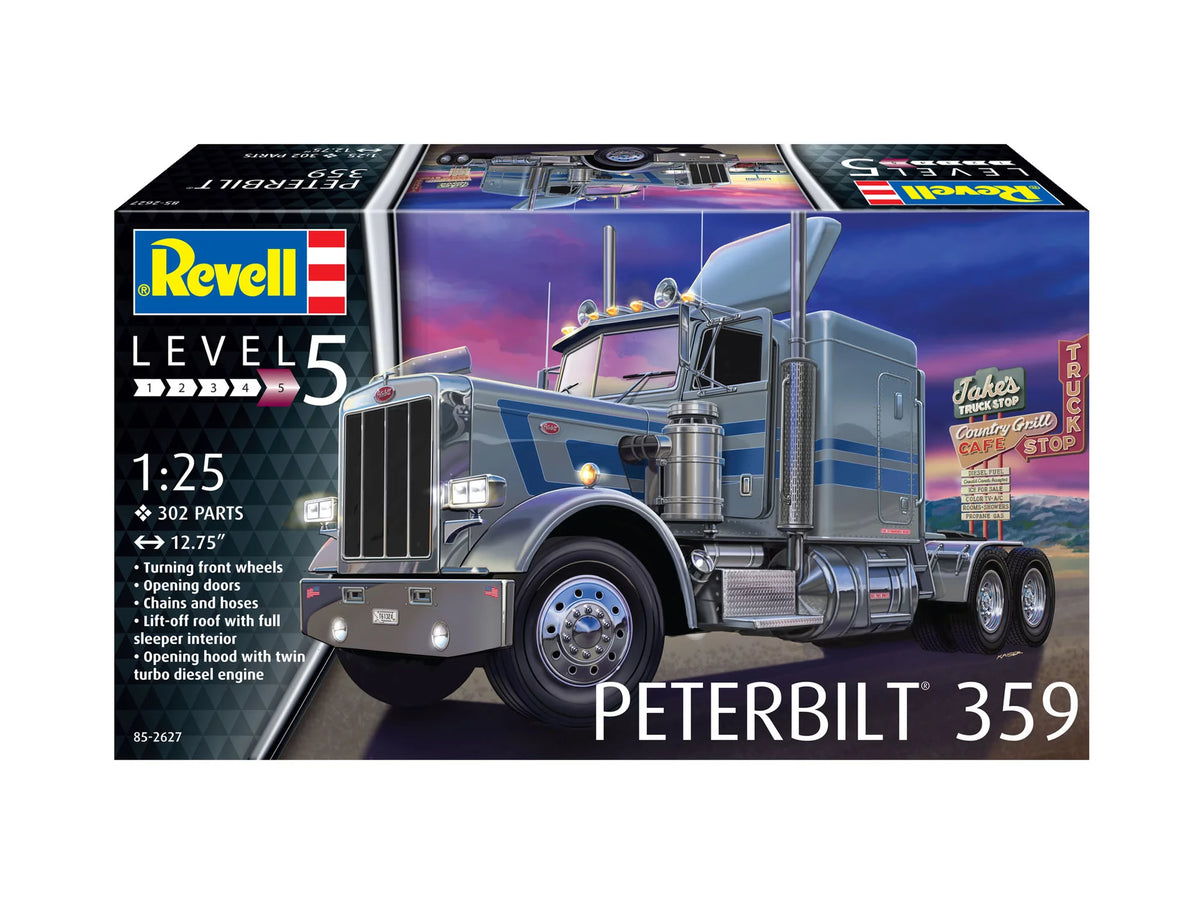
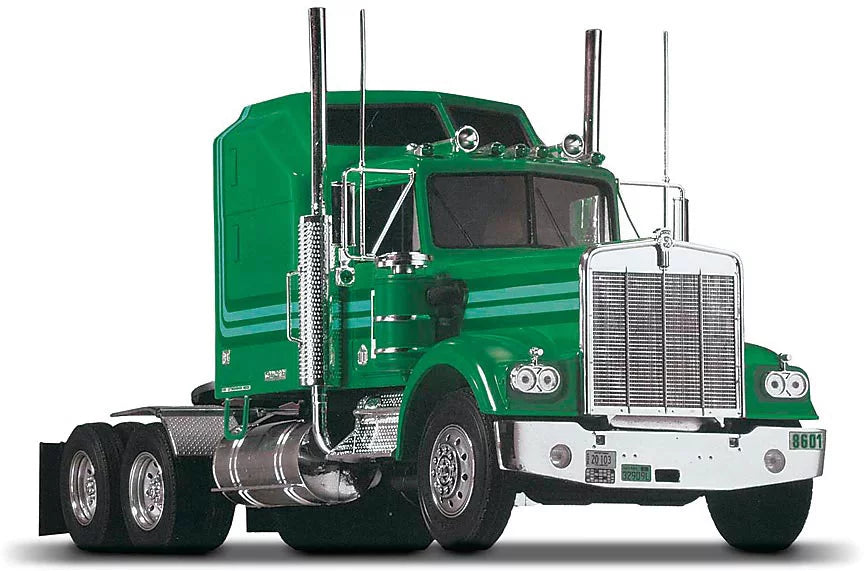
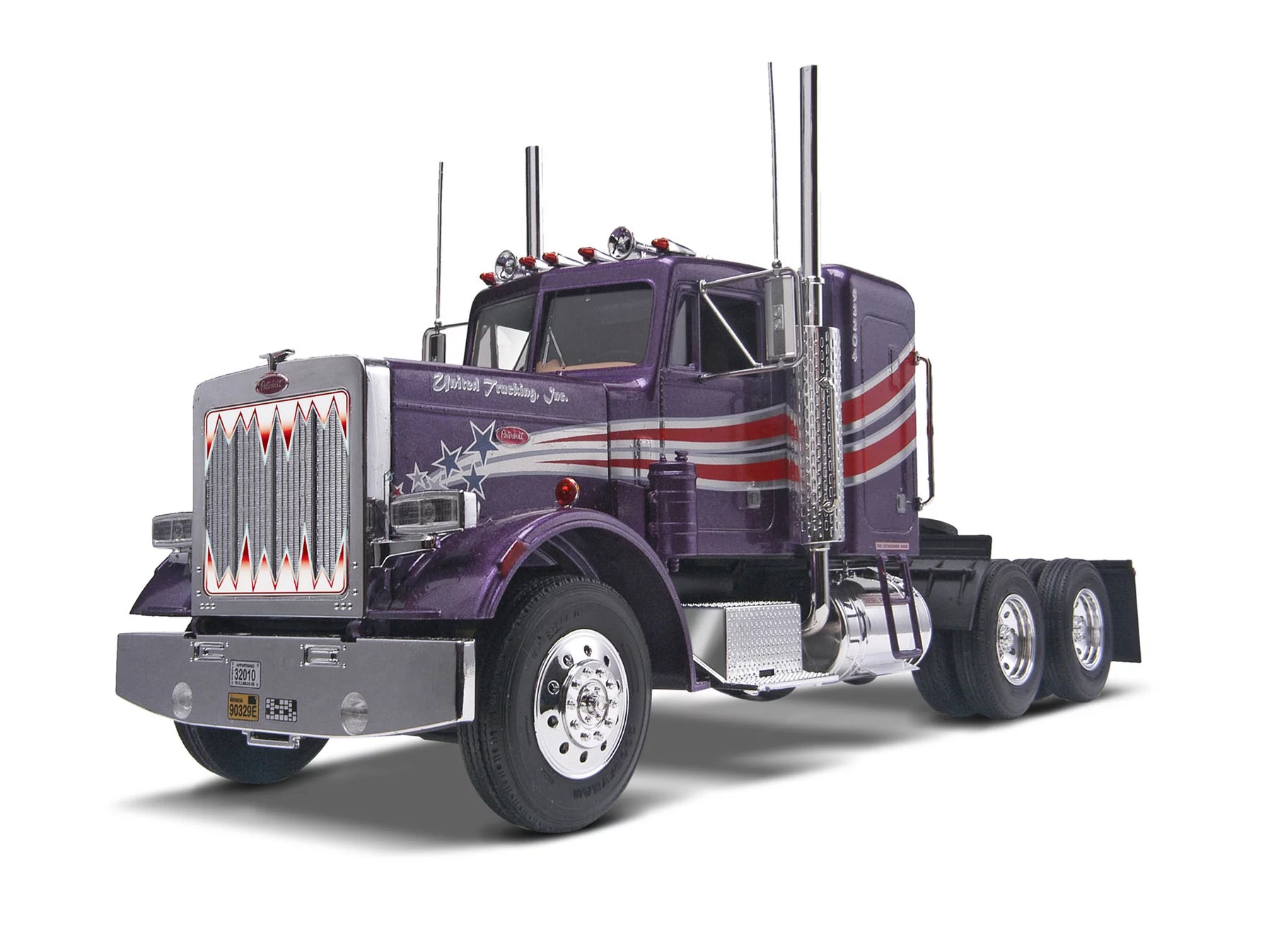
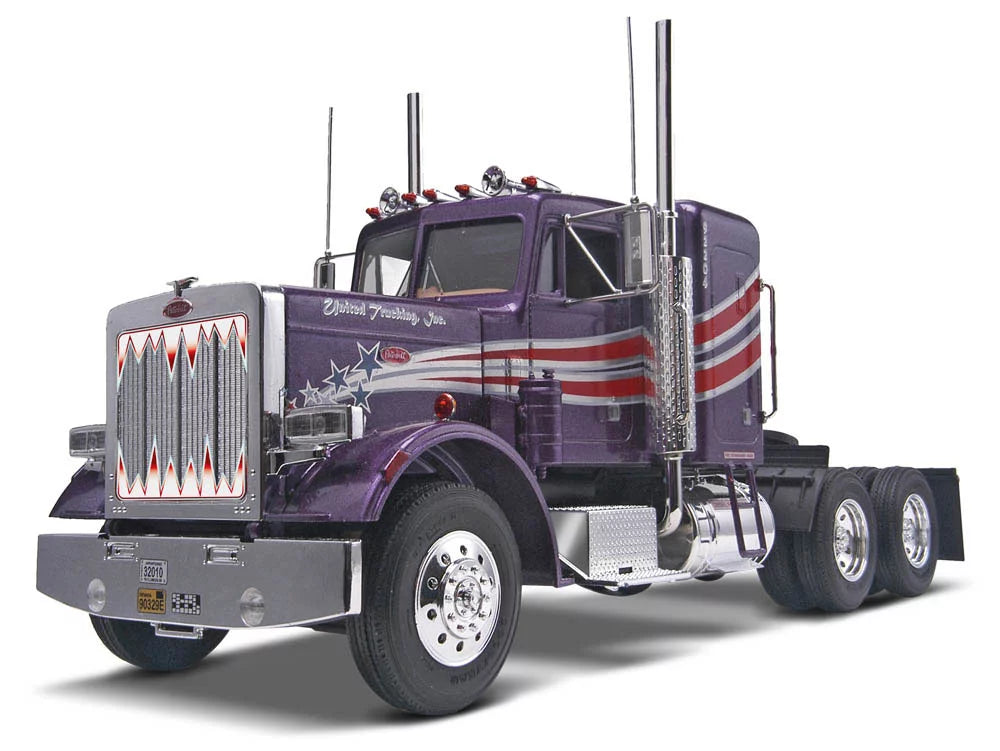
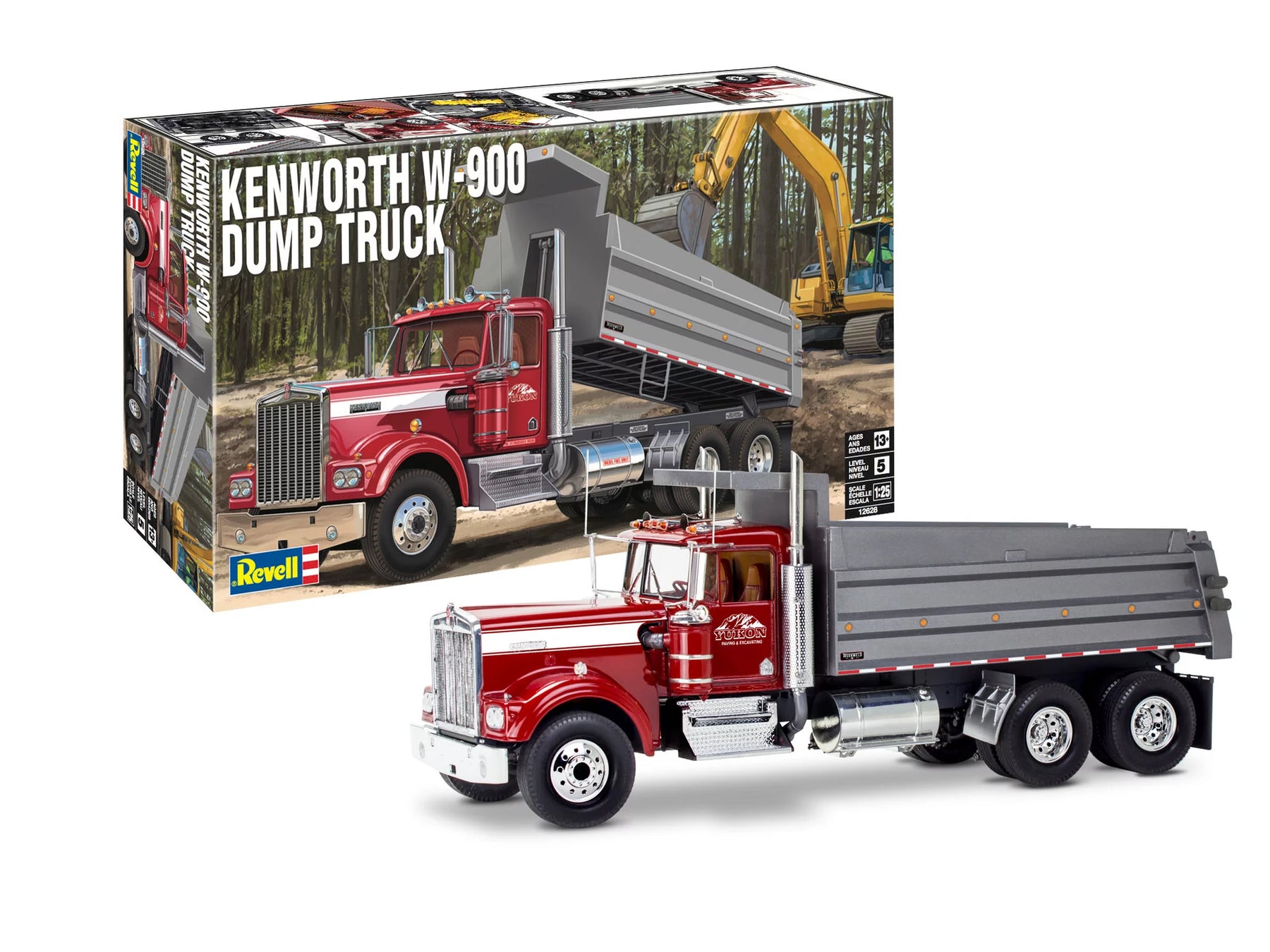
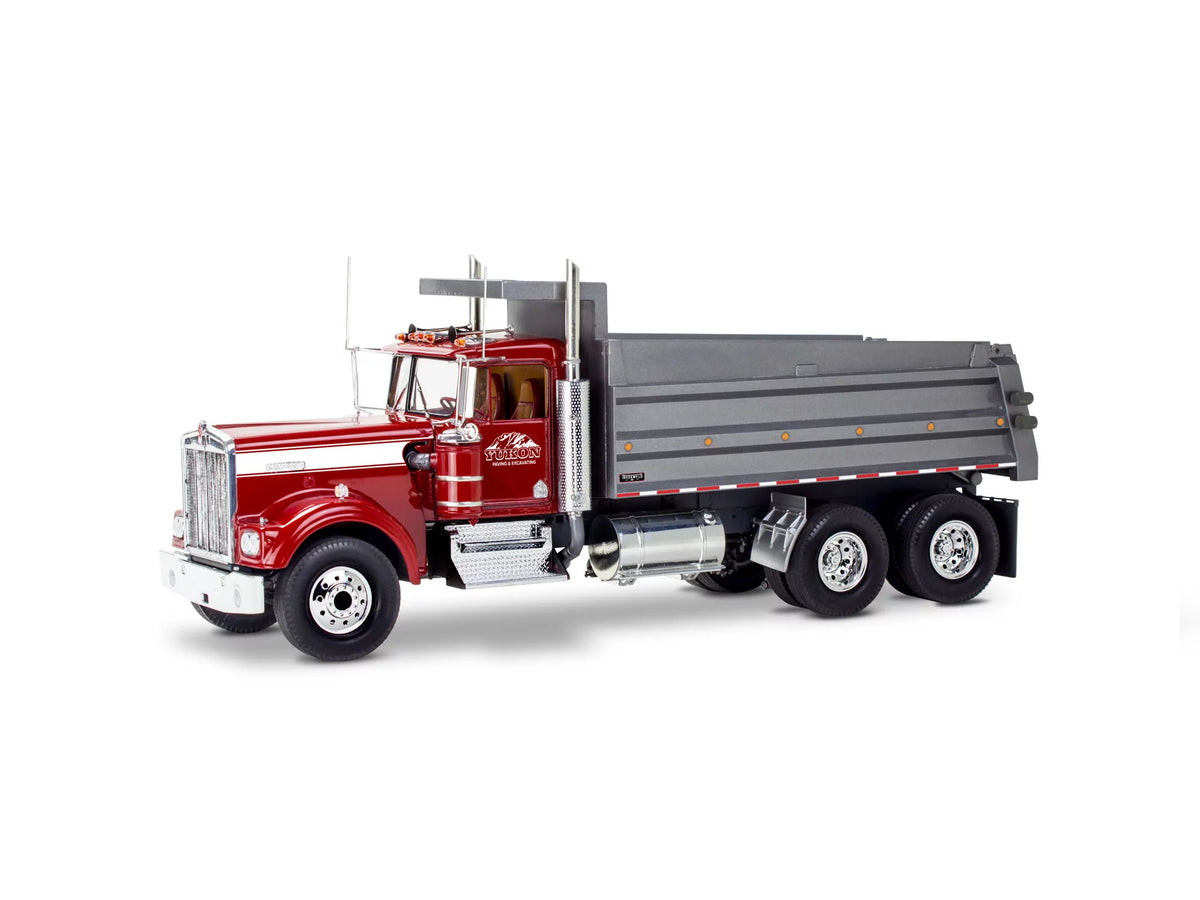
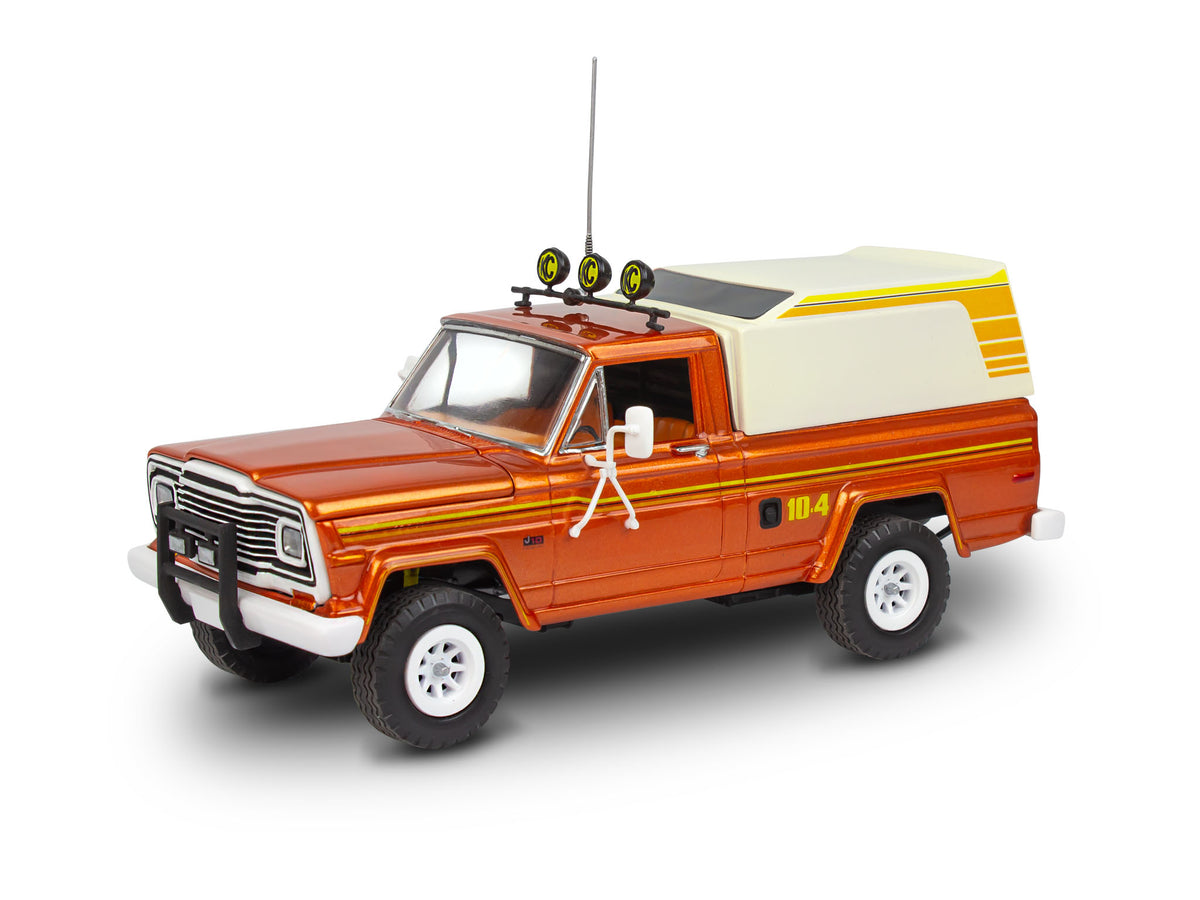
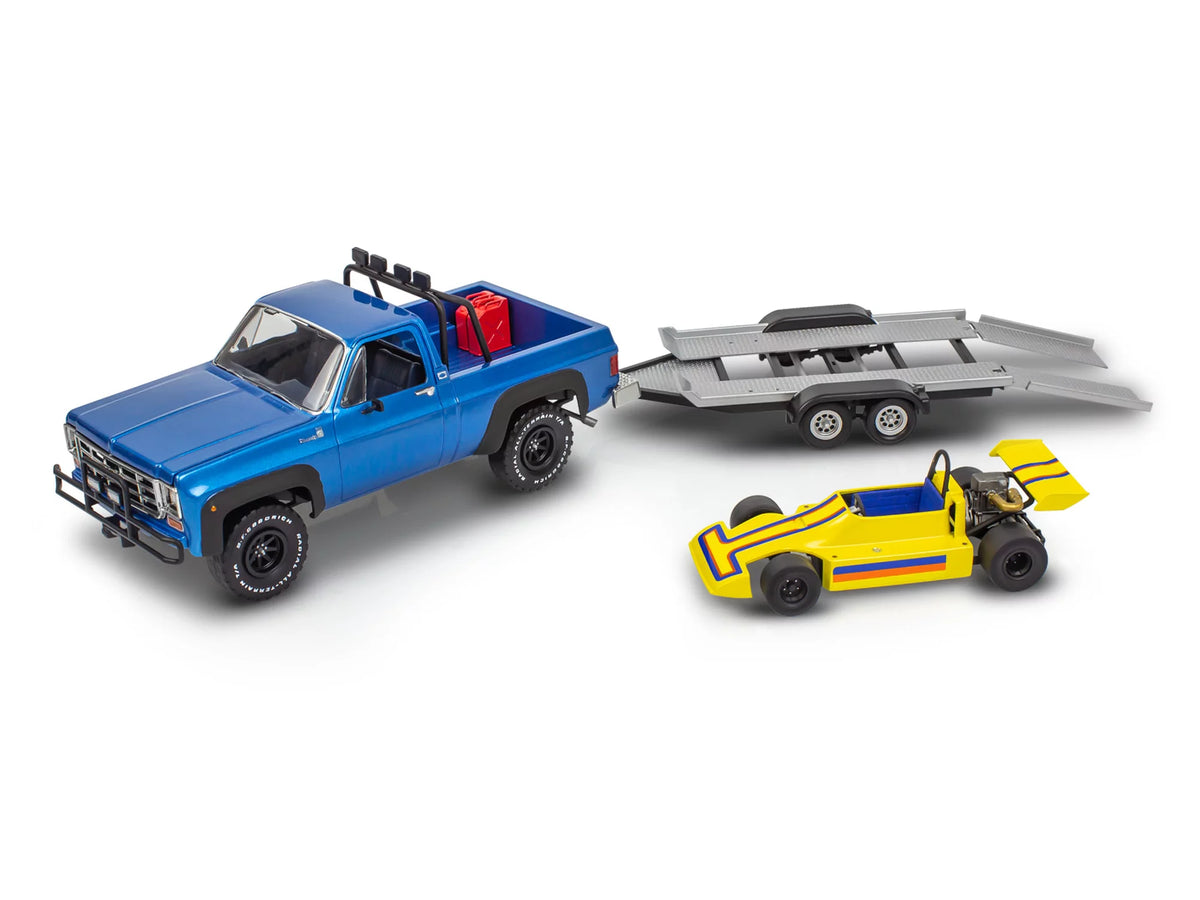
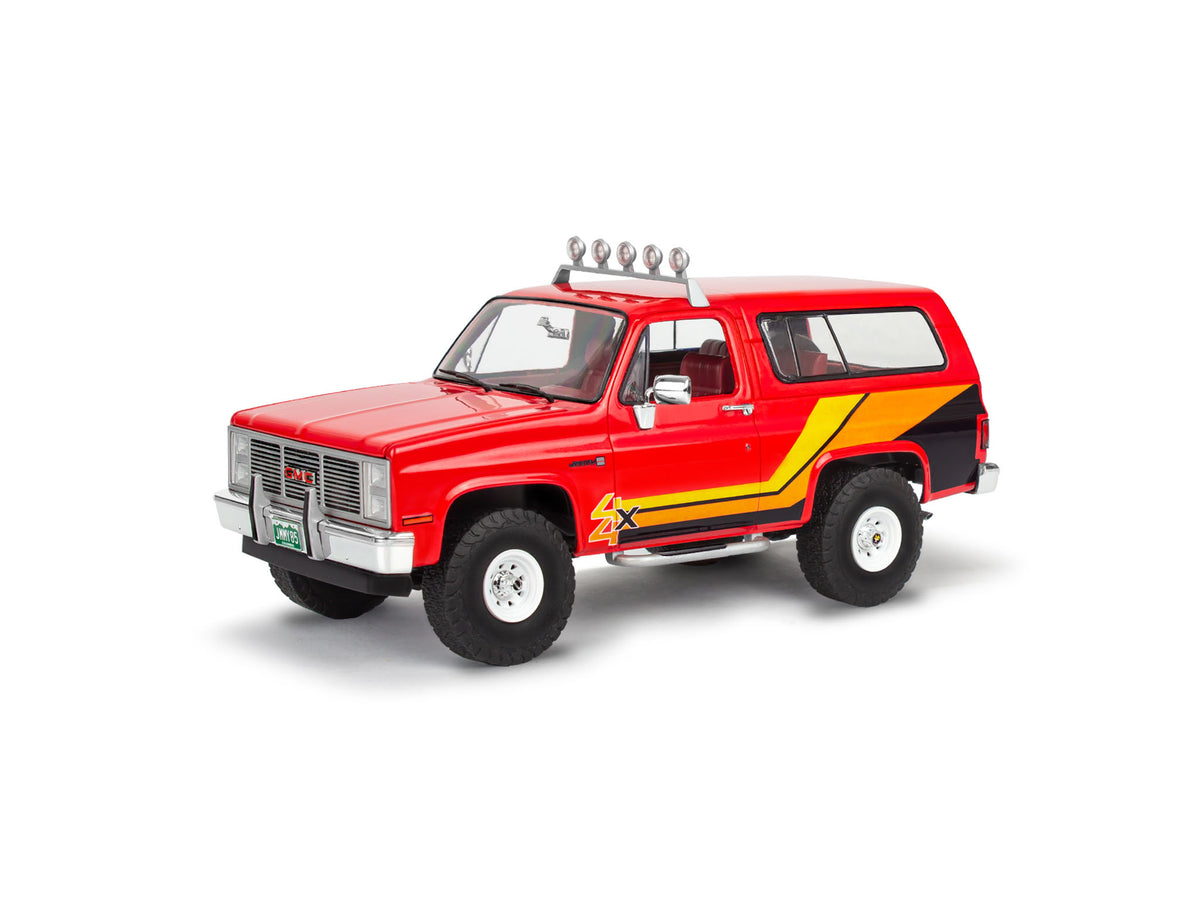
In addition to fast sports cars, pick-ups and heavy tractors play a central role. Powerful Peterbilt or Kenworth trucks with their huge sleeper cabs, eye-catching exhaust pipes and impressive radiator grilles challenge you to assemble them and reward you with impressive exhibits. Discover the fascinating range of these street monuments in the category Cars Trucks USA, where you can find everything from classic pick-ups from the 1950s to modern tractors.
United States Armed Forces aviation icons
American aviation history is marked by technical milestones, groundbreaking designs and dramatic missions. With the US aircraft kits you can bring this history into your room true to scale. The range extends from the legendary propeller fighters and bombers of the Second World War such as the P-51 Mustang, the Corsair or the B-17 Flying Fortress to modern supersonic jets such as the F-14 Tomcat, F-15 Eagle or F/A-18 Super Hornet.
These kits feature finely engraved panel lines, accurately recreated cockpits with ejection seats and control sticks, and extensive weapon loads. Many models also offer you the choice between open or closed cockpit hoods, extended landing gear or dynamic flight representation on a display stand. If you are enthusiastic about historical and modern military aviation, the range offers you below Aircraft USA a first-class selection of authentic kits for your next workbench project.
Creative screwing and construction for technology enthusiasts
Model building means much more than just gluing and painting according to plan - it trains an understanding of mechanics, construction and proportions. Younger model makers and beginners interested in technology in particular are often looking for construction experiences that link function and plug-in mechanics even more interactively. Anyone looking for innovative technical construction kits in addition to classic plastic model building will find this in the series Revell Engineers Exciting concepts that playfully focus on motor skills, gears and mechanical functions.
World-famous buildings also offer a welcome change on the craft table. In addition to the high-horsepower US classics, delicate architectural models inspire many model makers with their geometric precision and their impressive appearance in the display case. The model is an outstanding example of sophisticated construction 001119090 The Eiffel Tower Revell, which shows how versatile and architecturally sophisticated modern kit construction can be.
Typical features and special features of US kits
Anyone who deals intensively with American model kits quickly notices the typical design features that make these products so distinctive. Compared to standard European kits, US models often offer their own advantages that give you maximum freedom of design during the building process.
- Extensive 2-in-1 and 3-in-1 options: Many US kits give you the option to choose between different variants right out of the box. You can often decide whether you want to build the vehicle in its original series condition (stock), as a modified street racer (street custom) or as an uncompromising quarter-mile racing car (dragster). Various engine intakes, additional carburetors, drag slicks, individual rims and alternative bumpers are usually included.
- Detailed engine compartments: A US muscle car lives from its engine. For this reason, American kits traditionally place a lot of emphasis on the engine compartment. Block, cylinder heads, transmission, carburetor, alternator and radiator hoses are almost always separate components. This invites you to recreate ignition sequences with fine cables and lively wire the engine compartment.
- High quality chrome plating: Bumpers, rims, radiator grilles, valve covers and headlight surrounds are often flawlessly chrome-plated at the factory. This saves you time-consuming painting processes with high-gloss special colors and immediately delivers the characteristic retro look.
- Generous decal sheets: Eye-catching decorative stripes, so-called rally stripes, engine displacement information, advertising logos of historical racing series and colorful custom graphics are de rigueur in US kits. The enclosed wet slide images are printed precisely and make each model unique.
Step by step to the perfect US classic: practical tips from the experts
To ensure that your US model building project is successful right from the start and that the end result shines like a real collector's item, it is worth taking a structured approach. Here you can find out what is important in the individual construction phases.
1. Component preparation and dry fit
Before you reach for the glue, you should carefully separate each part from the sprue using a sharp craft knife or precision side cutters. Make sure to sand any tiny sprue residue clean with fine sandpaper (grit 600 to 1000). Dry fitting is always recommended for US models: put the engine, interior tub and body together in advance without glue. In this way, you can see early on whether adjustments to the dowel pins are necessary so that all assemblies slide together seamlessly later.
2. Handling chrome parts
The shiny chrome parts are a trademark of American kits, but require attention when gluing: commercially available polystyrene glue does not dissolve the chrome coating and therefore cannot form a solid welded connection. Use the tip of your hobby knife to lightly scrape off the chrome layer at the adhesive points so that the bare plastic is exposed. Alternatively, you can use transparent model building glue or superglue gel for delicate chrome parts.
3. The art of painting: gloss for road cruisers, matt for warbirds
The paintwork determines the overall effect of your model. For muscle cars and trucks, you typically aim for a flawless, high-gloss finish. A fine primer covers imperfections and ensures perfect paint adhesion. For the typical colors of the 60s and 70s - such as Candy Apple Red, Plum Crazy Purple or Hugger Orange - it is best to paint in several thin layers. A final seal with 2-component or high-quality gloss clear coat gives the body a deep shine. After drying, you can use polishing pastes to remove any remaining dust particles.
Aircraft from US collections, on the other hand, usually require matt or satin surfaces as well as subtle aging effects (weathering). With washing techniques in the panel lines, chips on heavily used edges and light traces of soot on the exhaust openings, you can masterfully bring historical fighter aircraft to life.
Scale overview: Find the right scale for your display case
The choice of scale not only influences the later model size, but also the construction effort and the sharpness of detail. Below you will find a guide for typical scales of American kits:
- 1:25 / 1:24 (vehicles): The undisputed standard for cars, muscle cars and light trucks. A finished model usually measures between 18 and 22 cm. This size offers the ideal compromise between a high level of detail and a manageable amount of space in the display case.
- 1:32 (Large Models & Airplanes): This scale is aimed at demanding model builders who value maximum cockpit detail and movable elements. A jet in 1:32 quickly becomes over 50 cm long and is the absolute eye-catcher in any collection.
- 1:48 (Airplanes): The most popular scale for fighters and bombers. It enables an excellent ratio of delicate details such as landing gear shafts and instruments with moderate dimensions.
- 1:72 (military aviation): Ideal if you want to build large fleets or create detailed dioramas. Even larger aircraft such as four-engine bombers can be presented in a space-saving manner in 1:72.
The right accessories for your project
In order to exploit the full potential of your Revell USA kit, we recommend having solid basic equipment at your workplace:
- Precision tools: A pointed side cutter with a flat cutting edge, a scalpel with interchangeable blades, fine tweezers and needle files are mandatory equipment.
- Abrasives in several grain sizes: Start with 400 grit for rough adjustments, work your way up to 800 and 1000 and use micro sanding pads up to 4000 grit for body preparation.
- Special adhesives: A liquid plastic adhesive with a fine cannula for controlled application to body seams, a more viscous adhesive for load-bearing chassis parts and glass adhesive for transparent window parts that prevents fogging.
- Decal softener (plasticizer): Indispensable for large decals on curved hoods or profiled fenders. It hugs the wet-slide images seamlessly to every contour so that the carrier film visually disappears.
Find your next construction project
Regardless of whether you are an experienced model building veteran or want to get back into it after a break: Revell USA kits offer you character, crafting fun and historical milestones to build yourself. Grab your tools, choose your US classic and start your next major project on the workbench today!