


Airbrush compressed air & accessories for precise model building painting

Airbrush compressed air & accessories for precise model building painting

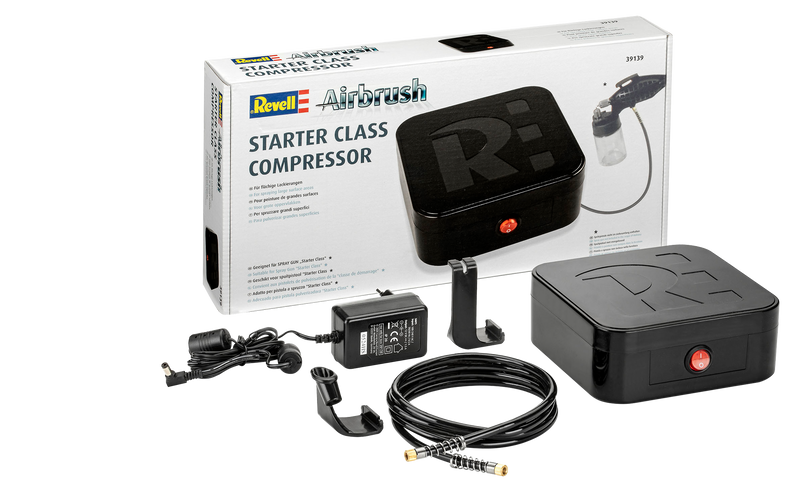
Are you looking for first class Airbrush compressed air & accessoriesto give your models a flawless finish? The right compressed air supply is the beating heart of every paint job. With precisely adjustable working pressure, pure air without moisture and long-lasting connections, you can achieve breathtaking color gradients and razor-sharp details. Discover the equipment here that will take your creative model building projects to the next level.

Sort by:
Sort by:
Sold out
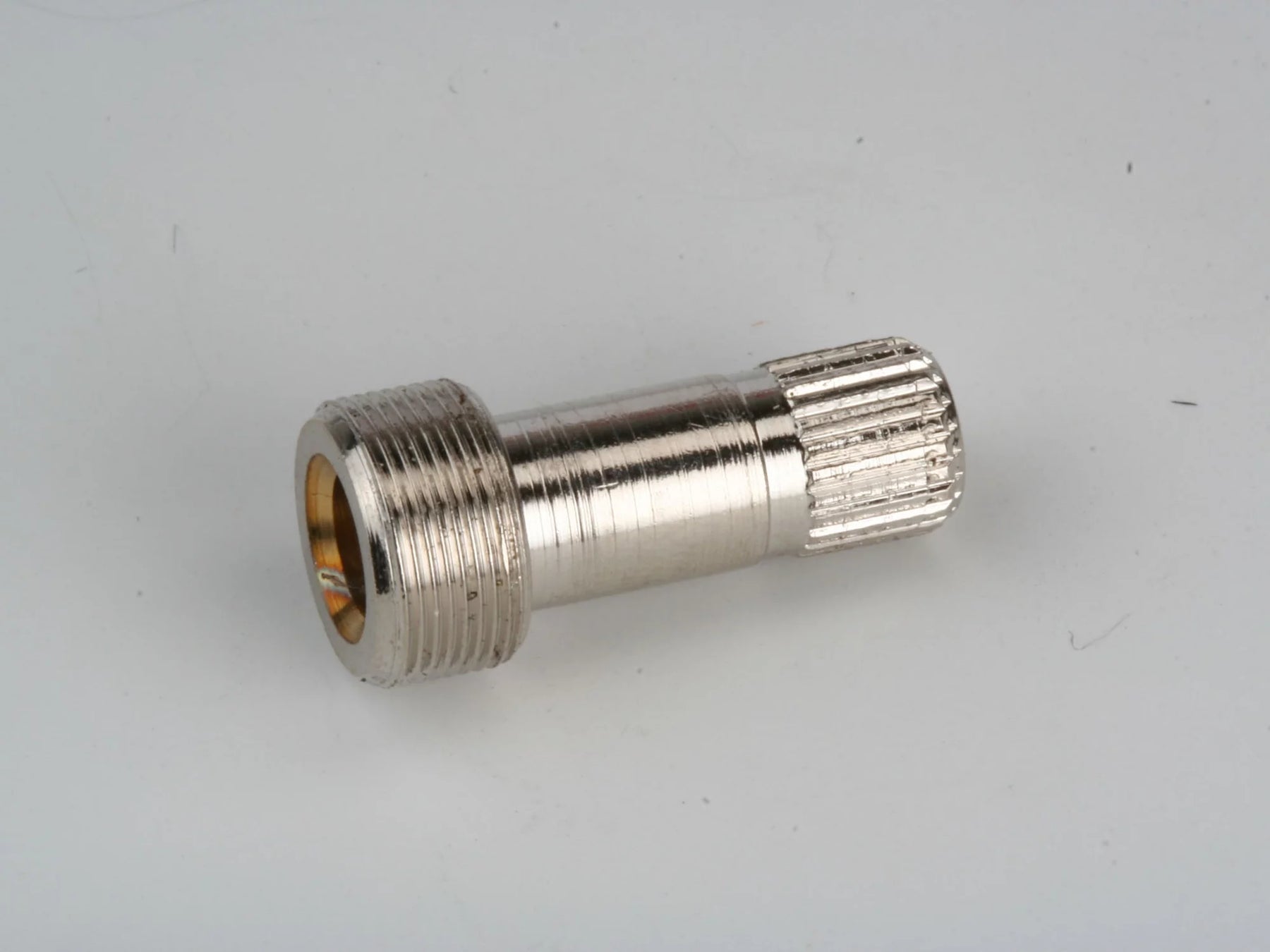
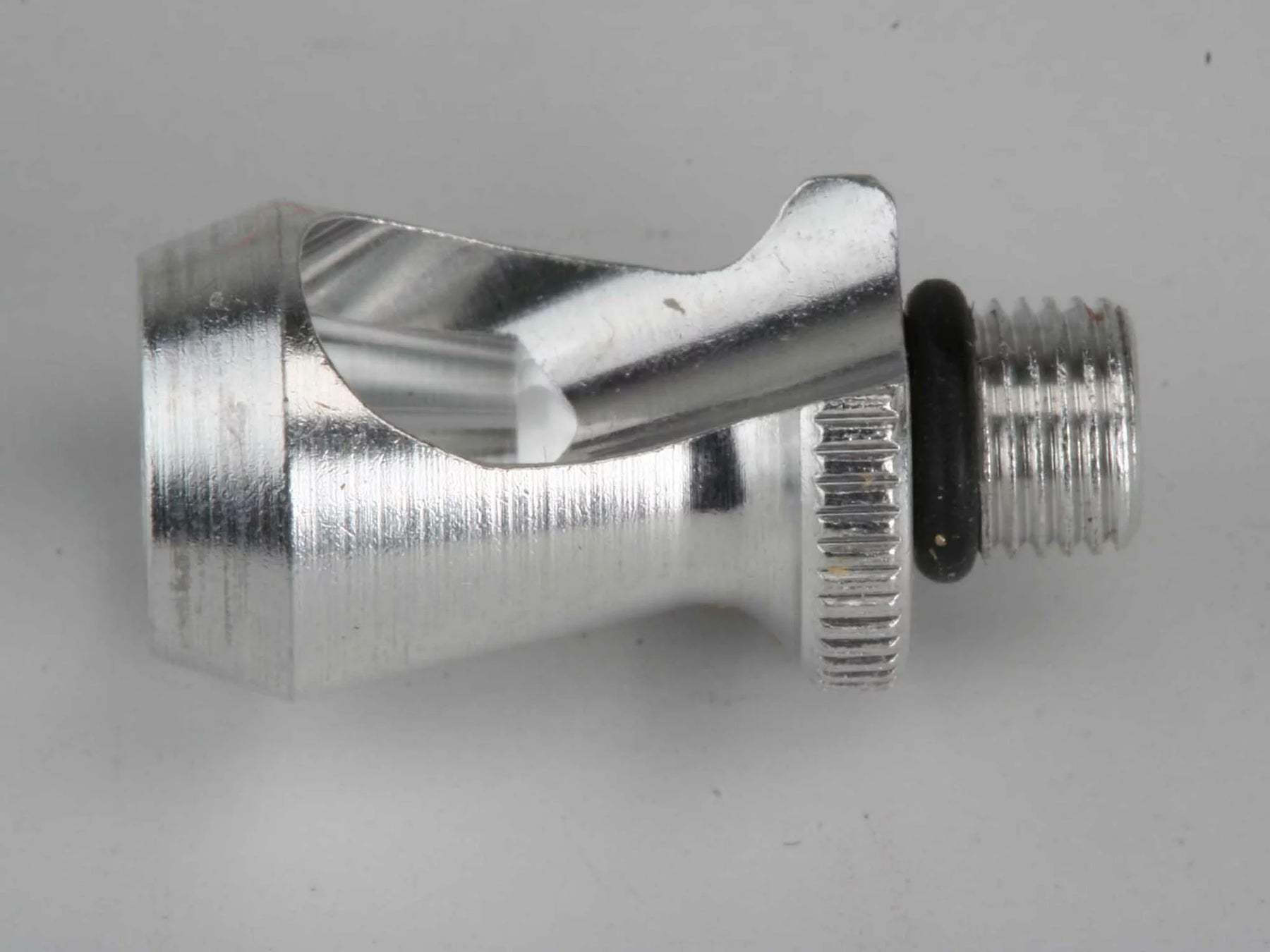
Pot adapter "Standard class" (39101)
0 0
Art. Nr 372809090 Jar Adapter "Standard Class" (39101)
Regular price€19,98
Sold out
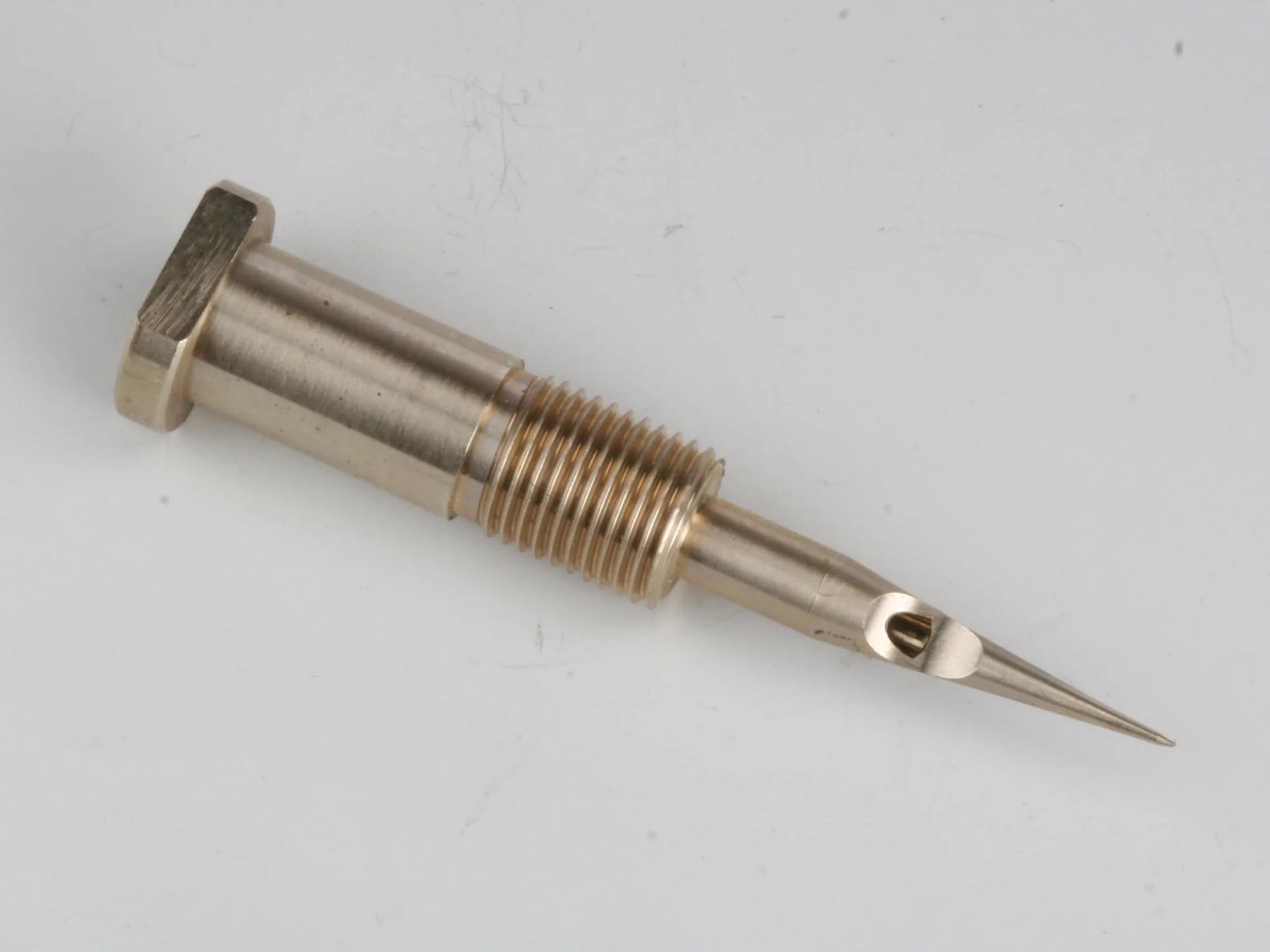
S-shaped tongueS-shaped tongue
0 0
Art. Nr 381519090 Needle Chuck S Tongue (39107-39109)
Regular price€14,99
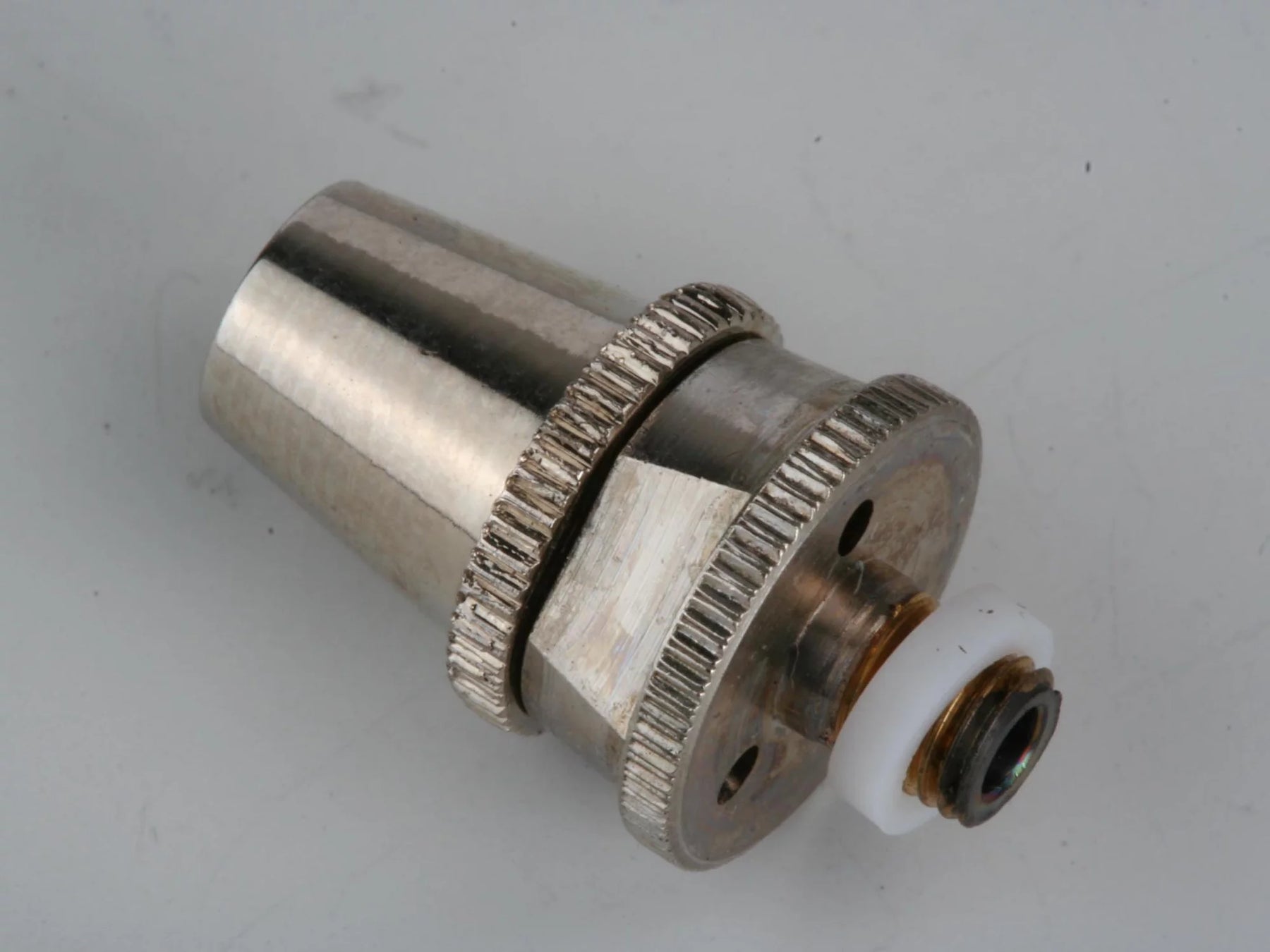
Spray jet regulator 'Fine'
0 0
Art. Nr 380319090 Spray Regulator "Fine" (Student)
Regular price€19,99
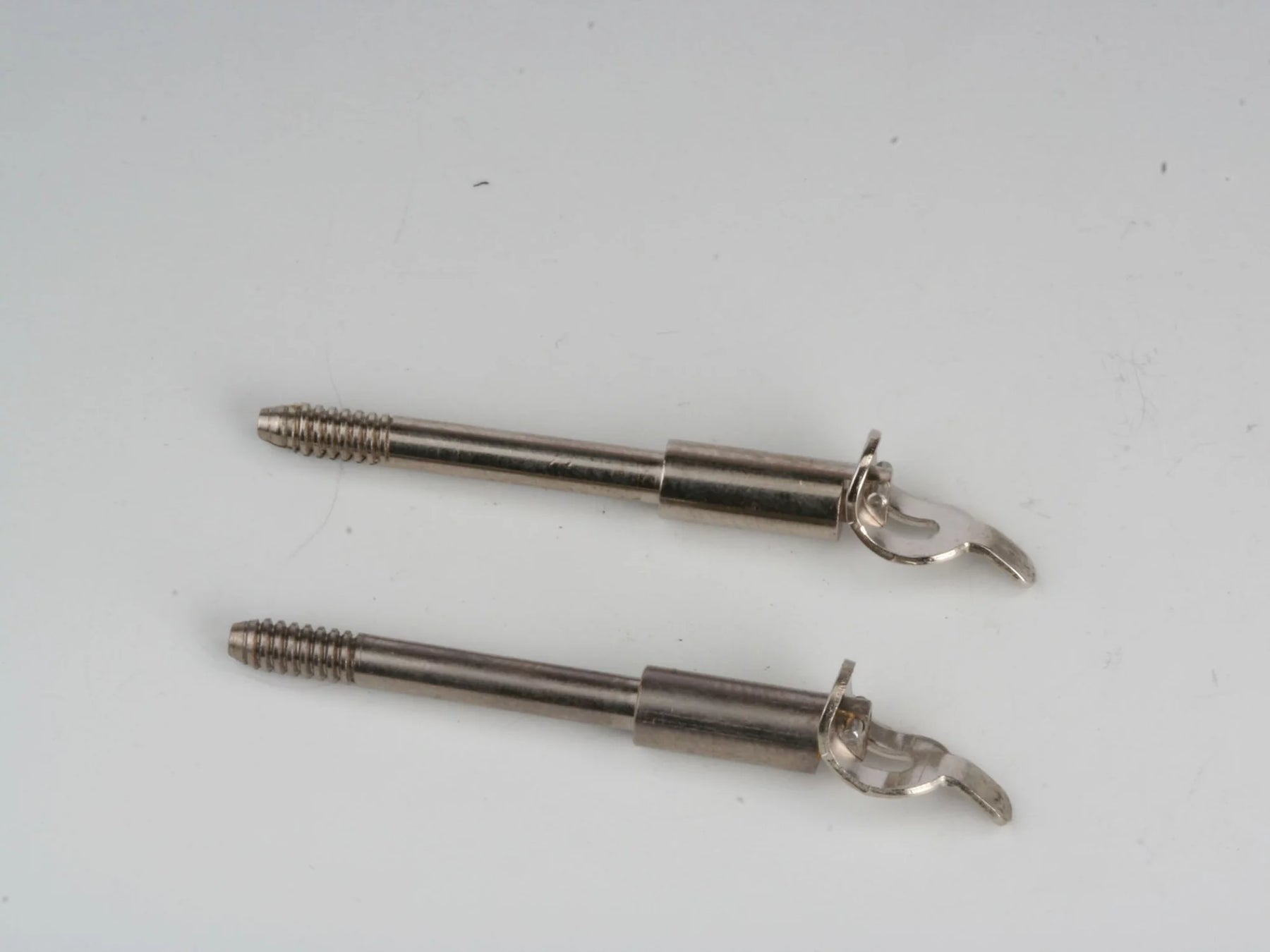
Needle tension pin (39107-39108-39109)
0 0
Art. Nr 381529090 Needle Chuck Pin (39107/39108/39109)
Regular price€6,99
Air valve screw (39107-39108-39109)
0 0
Art. Nr 382359090 Air Valve Screw (39107/39108/39109)
Regular price€9,99
Sold out
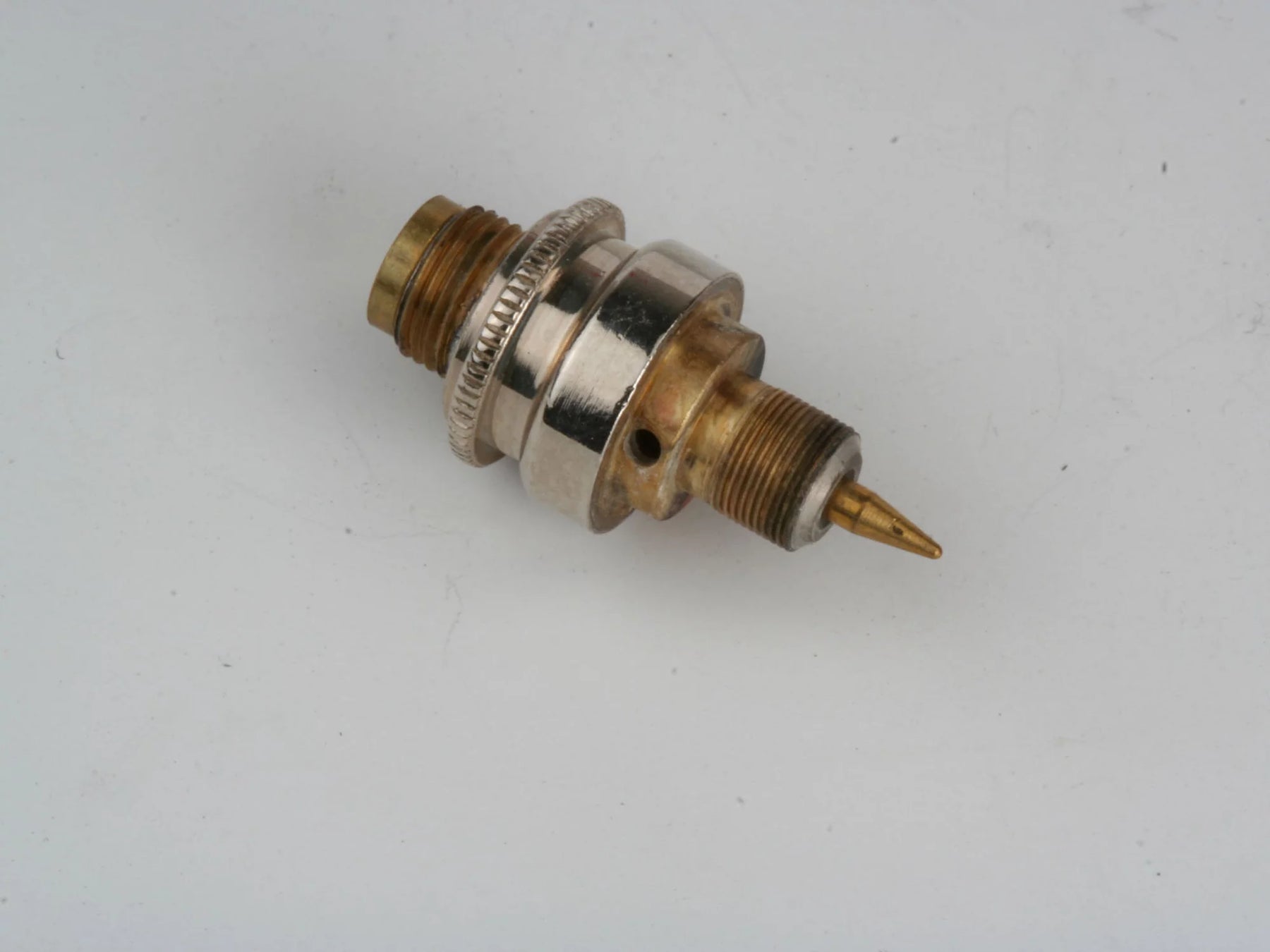
“Fine” air nozzle
0 0
Art. Nr 370419090 Air Nozzle "Fine" (39101)
Regular price€19,99
Sold out
Paint nozzle "Fine" (39101)
0 0
Art. Nr 370519090 Paint Nozzle "Fine" (39101)
Regular price€29,99
Wrench "Standard Class" (39101)
0 0
Art. Nr 373409090 Wrench "Standard Class" (39101)
Regular price€9,99
Save: 69%
Handle "Student"
0 0
Art. Nr 381219090 Handle "Student"
Offer price€7,99 Regular price€25,50
Airbrush handle "Standard class" (39101)
0 0
Art. Nr 371219090 Airbrush Handle "Standard Class" (39101)
Regular price€9,99
Sold out
Handle end piece Profi Plus
0 0
Art. Nr 381249090 Handle "Profi Plus" & "MC Vario" (39107)
Regular price€29,99
Sold out
Needle and paint nozzle set "Medium" (39101)
0 0
Art. Nr 370839090 Needle & Paint Nozzle Set "Medium" (39101)
Regular price€59,99
Air nozzle "Medium" (39101)
0 0
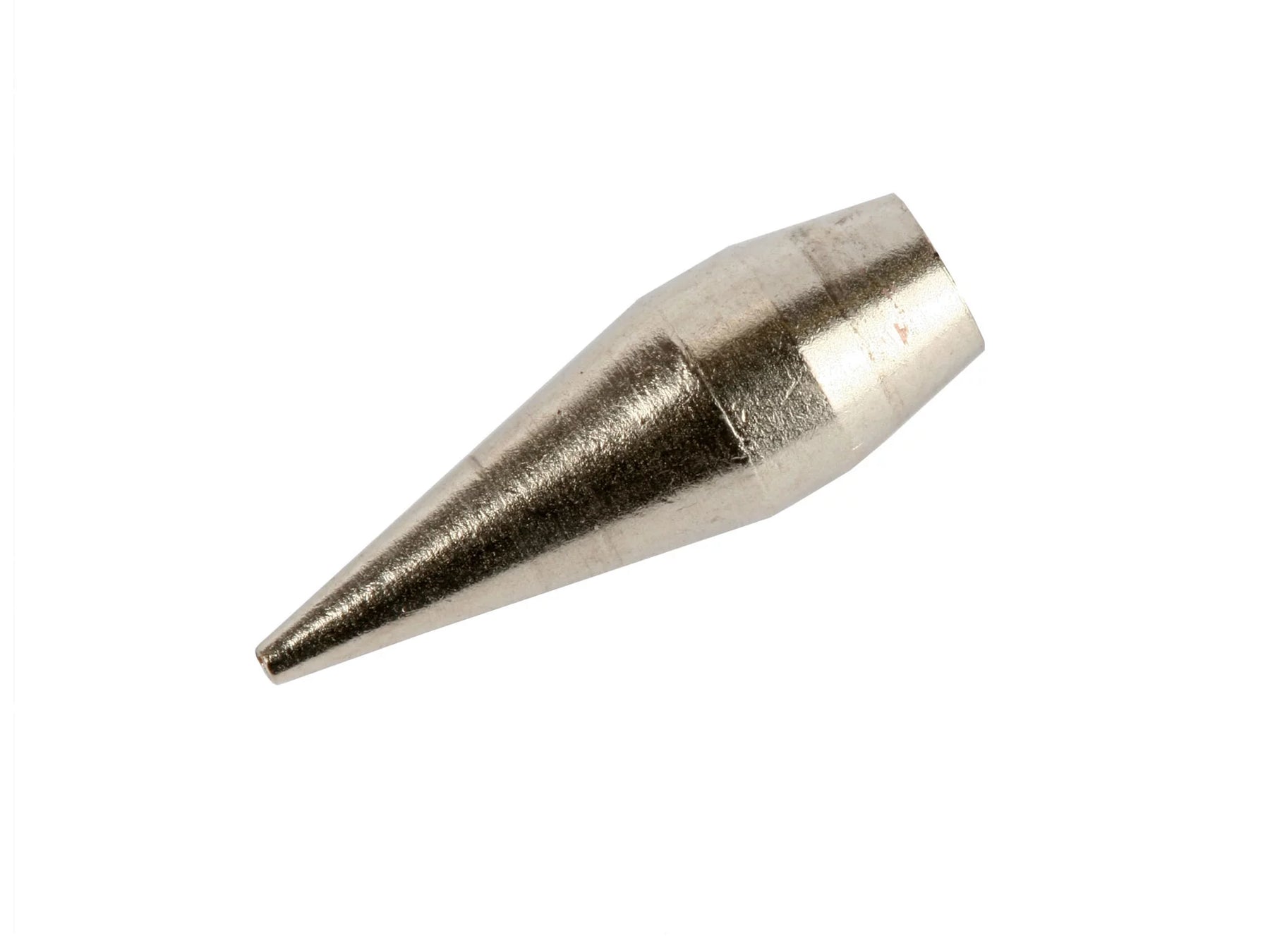
Art. Nr 370439090 Air Nozzle "Medium" (39101)
Regular price€19,98
Needle "Large" (39101)
0 0
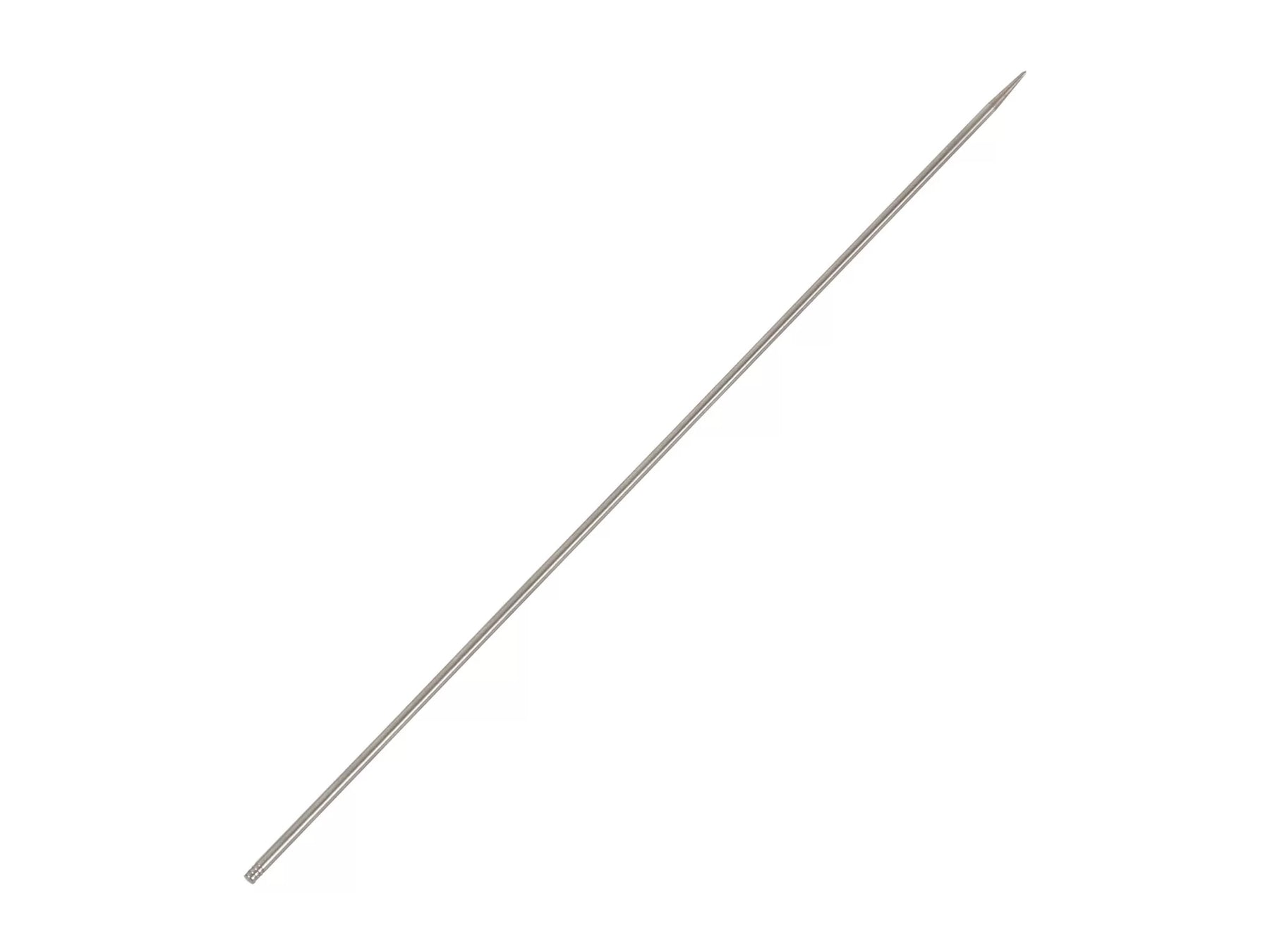
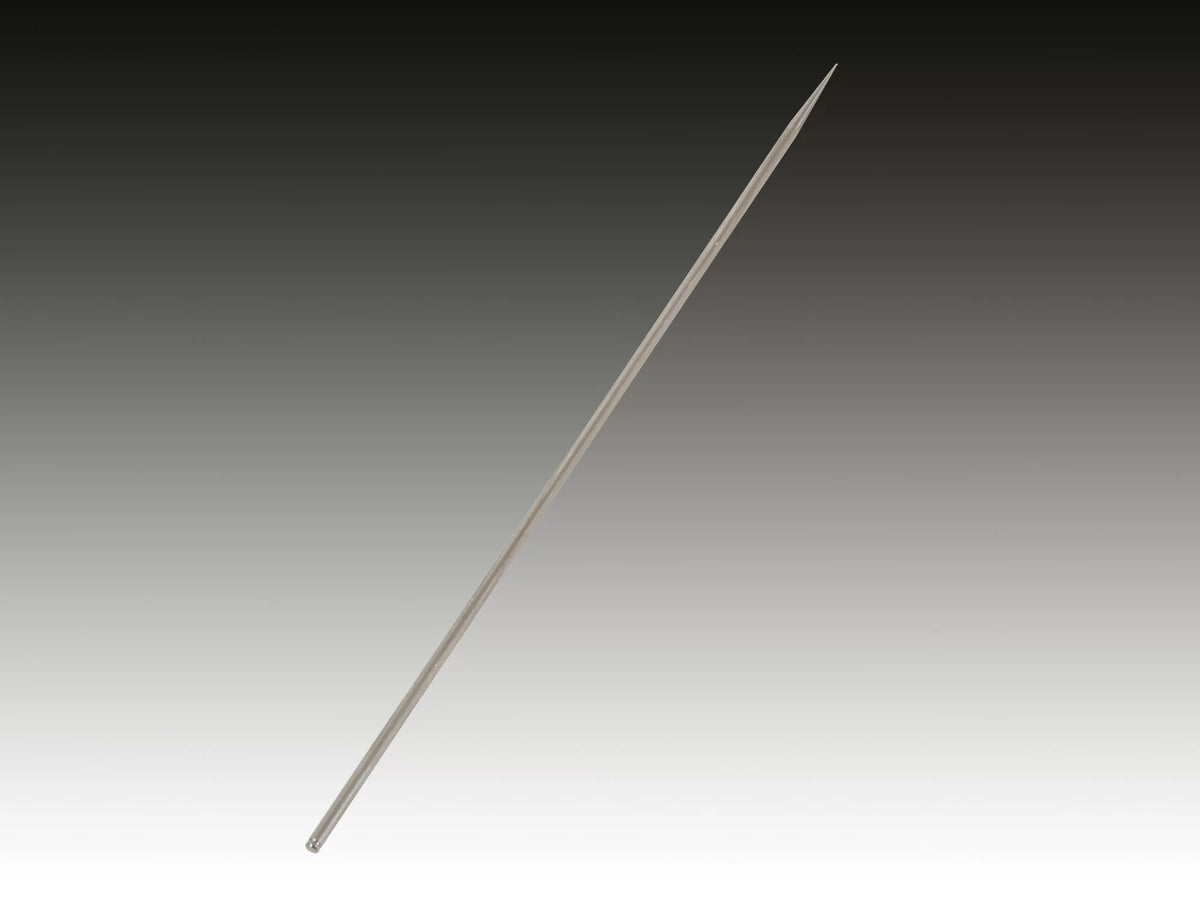
Art. Nr 372159090 Needle "Large" (39101)
Regular price€34,99
Airbrush housing “Professional”
0 0
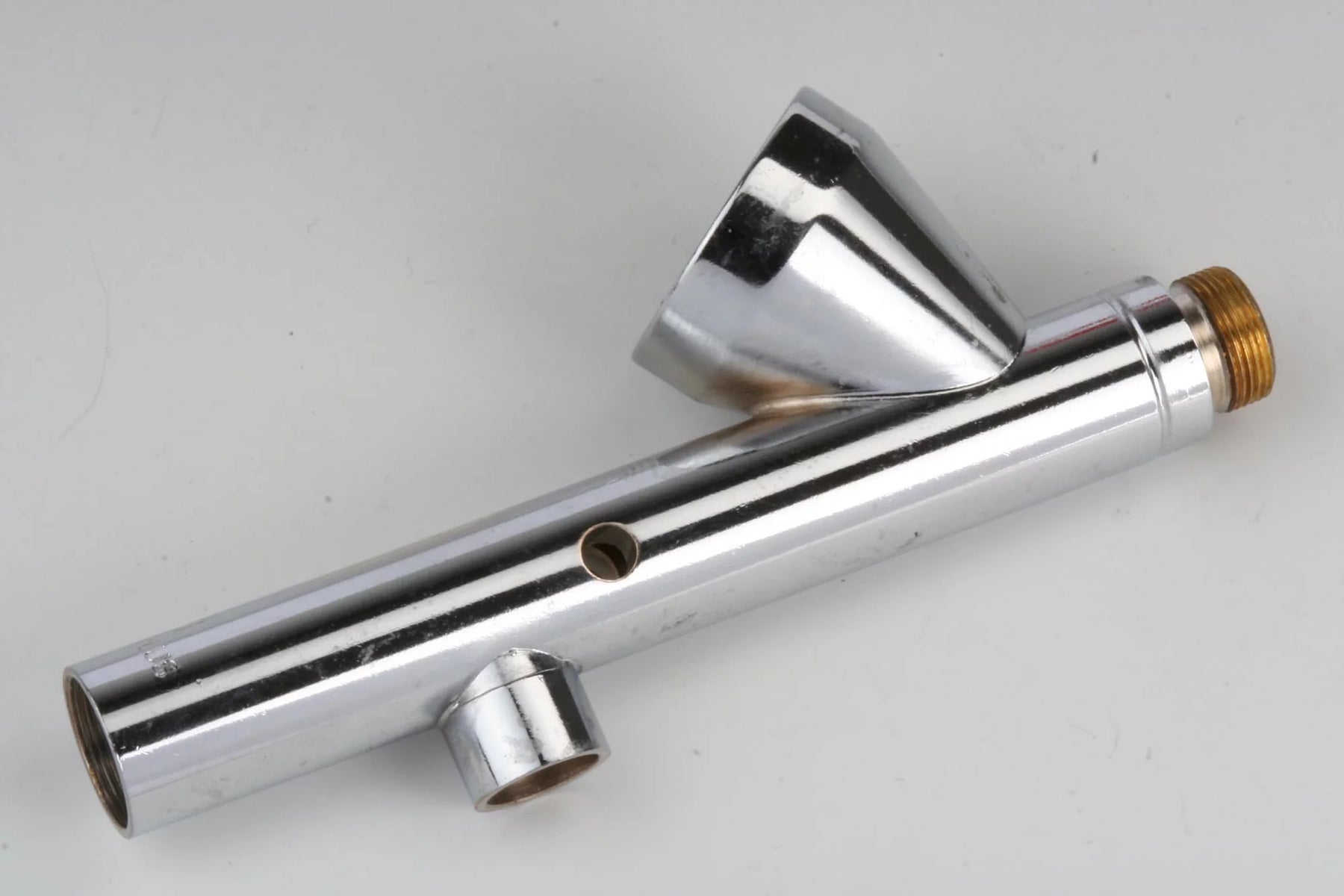
Art. Nr 381039090 Airbrush Body “Professional”
Regular price€114,99
Needle 'Large', single actionNeedle 'Large', single action
0 0
Art. Nr 381859090 Needle "L", single action
Regular price€19,99
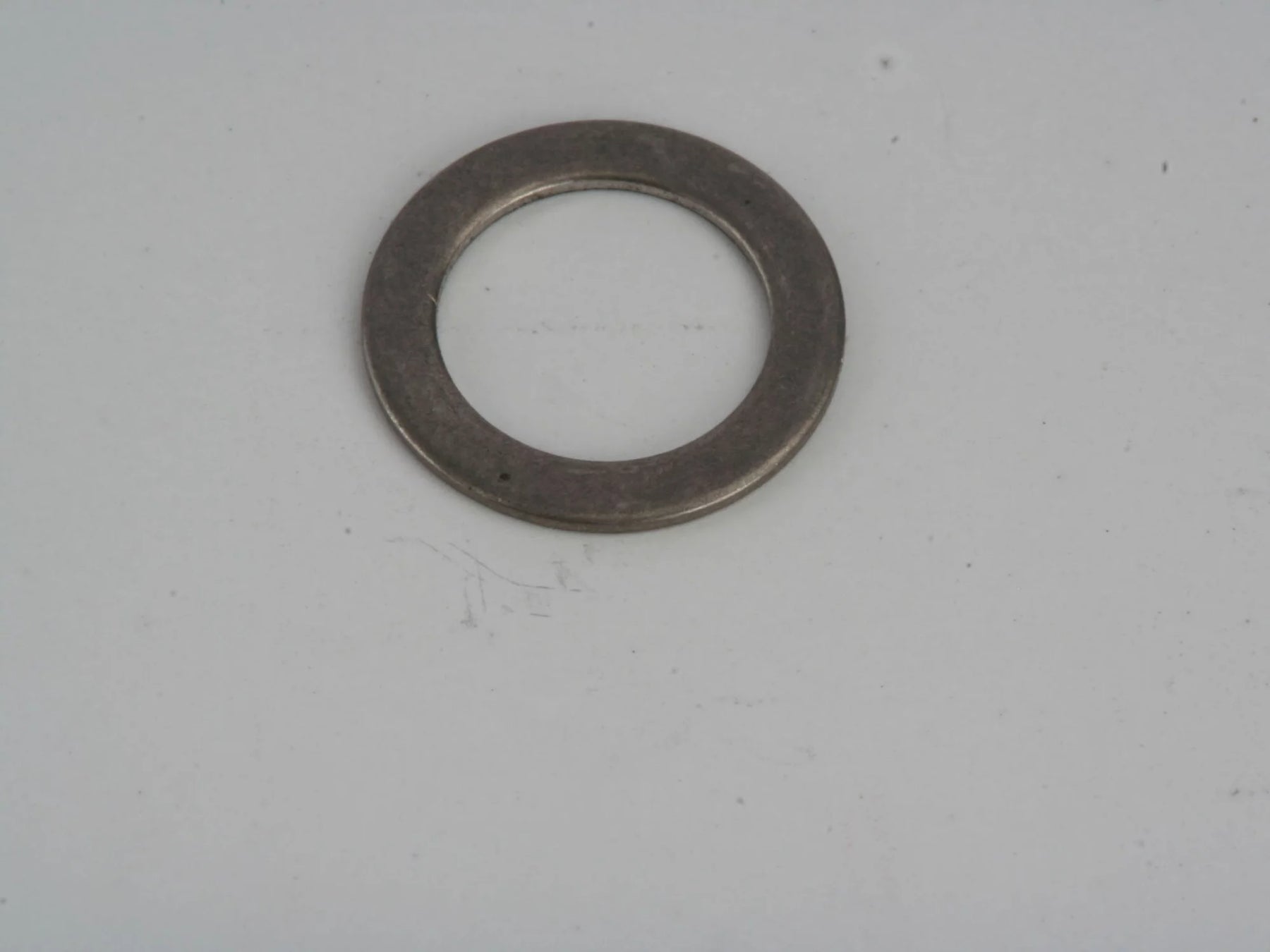
Washer (39101)
0 0
Art. Nr 370649090 Washer (39101)
Regular price€7,99
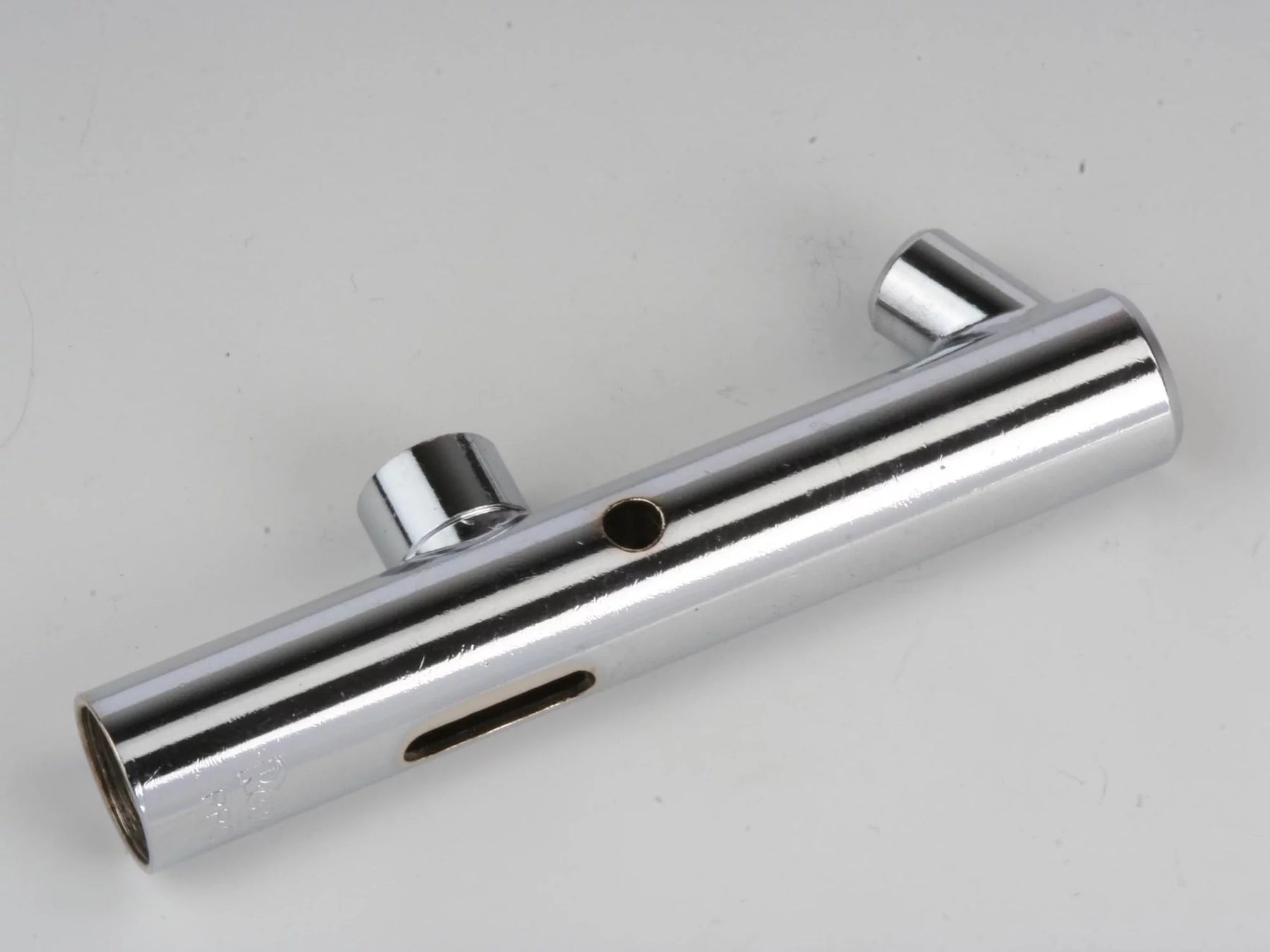
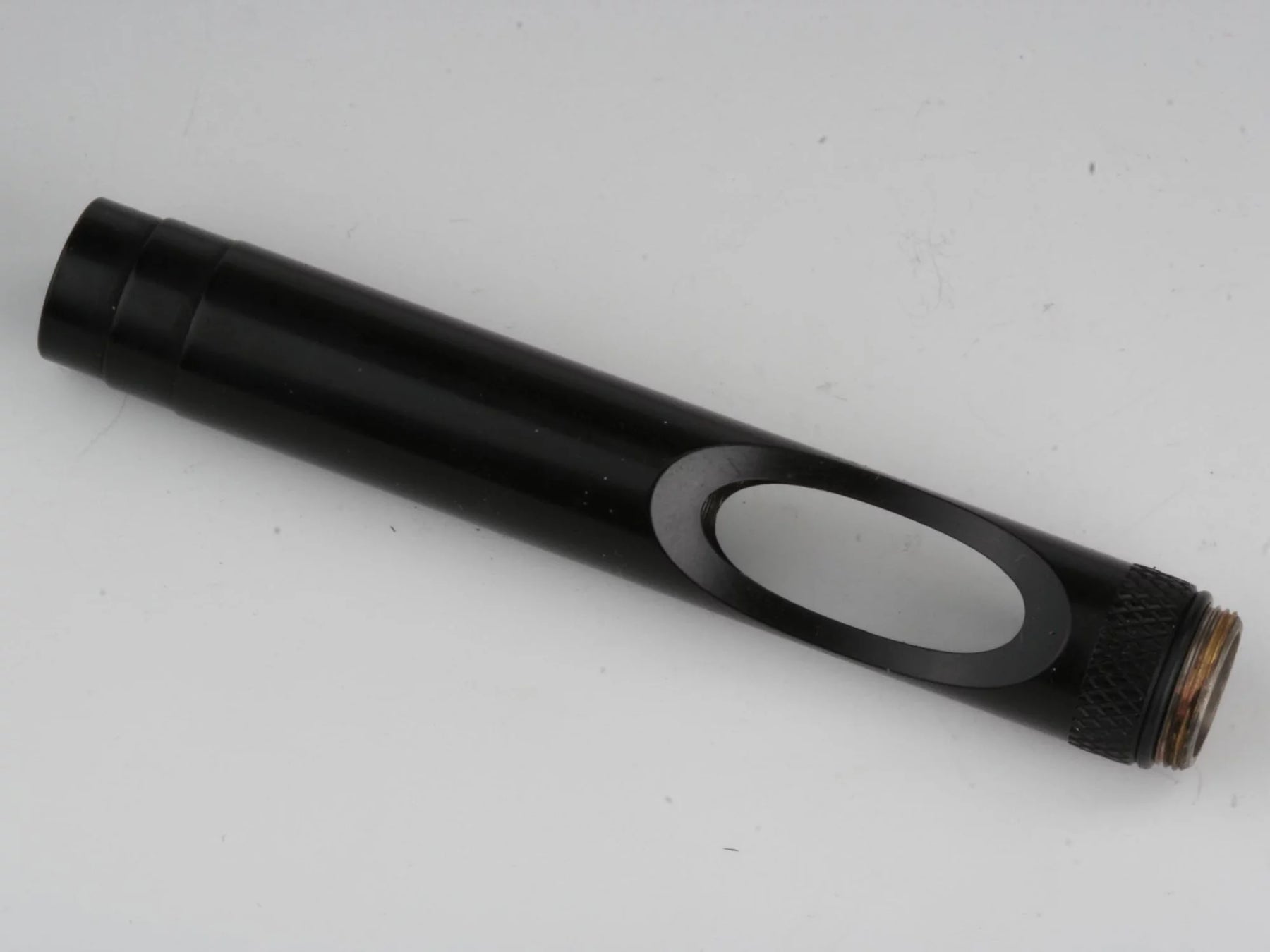
shaft tube
0 0
Art. Nr 381709090 Tube Shank (39107/39108/39109)
Regular price€29,99
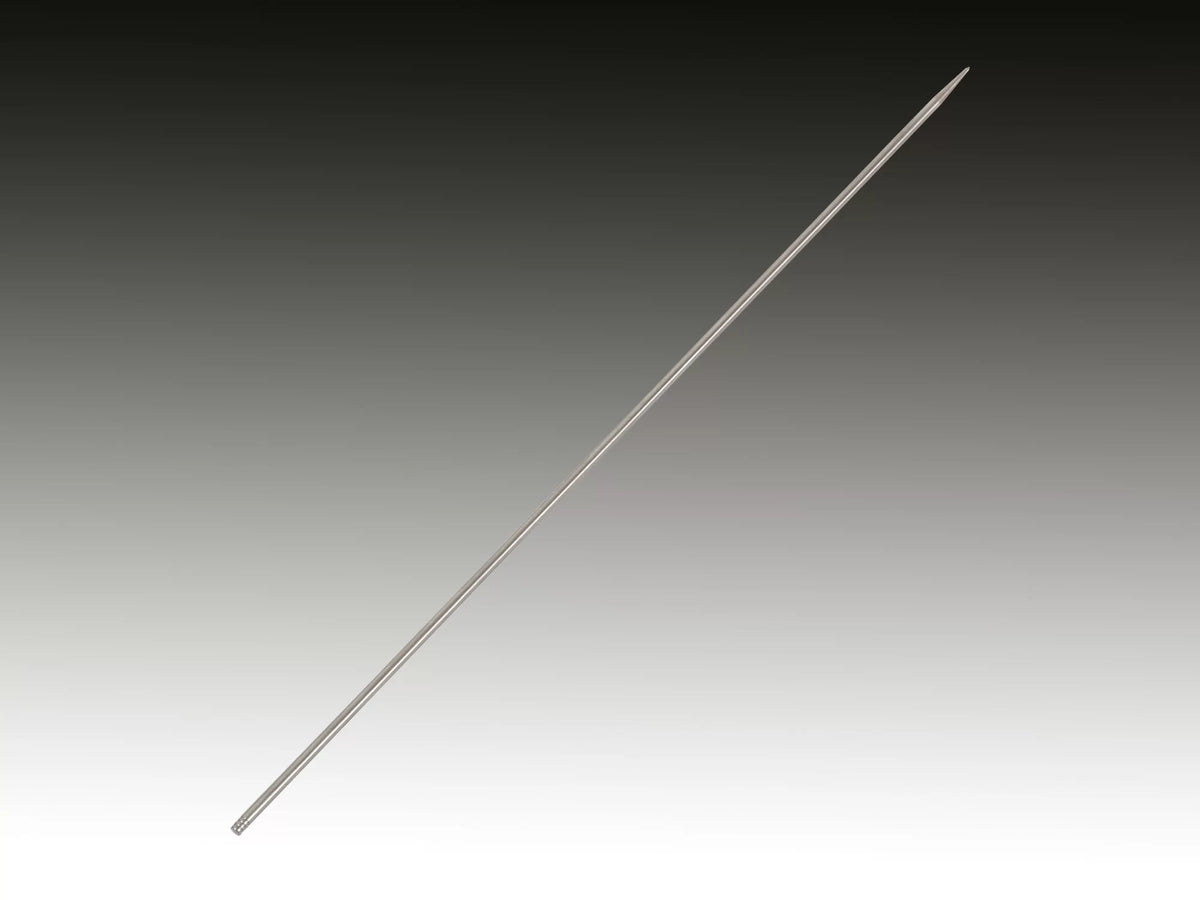
Needle "Medium" (39101)
0 0
Art. Nr 372139090 Needle "Medium" (39101)
Regular price€34,99
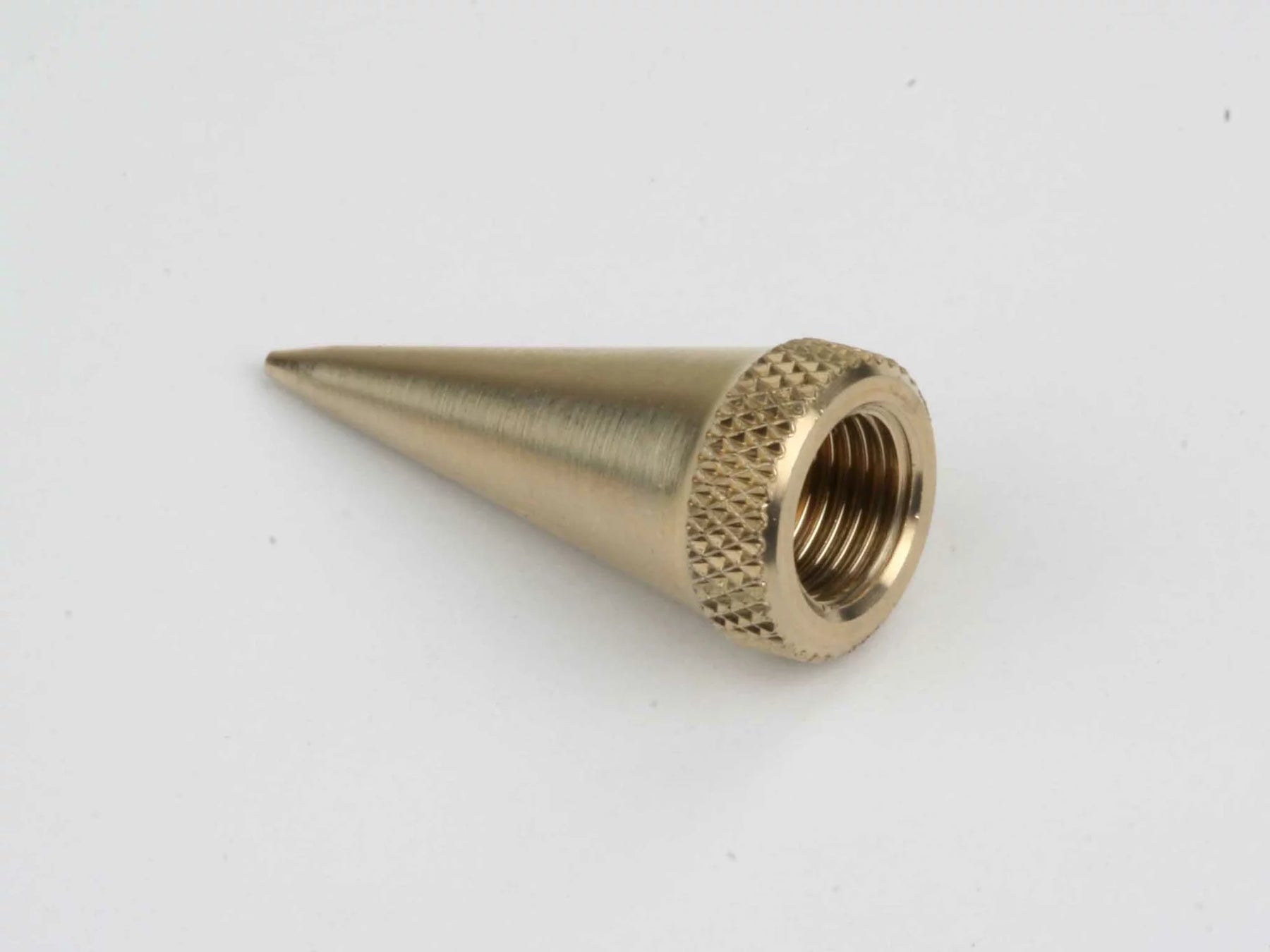
Handle end piece Master Class Flexible
0 0
Art. Nr 381269090 Handle "Master Class Flexible" (39109)
Regular price€49,99
Needle chuck guide complete (39107-39109)
0 0
Art. Nr 381509090 Needle Chuck Guide Complete (39107-39109)
Regular price€49,99
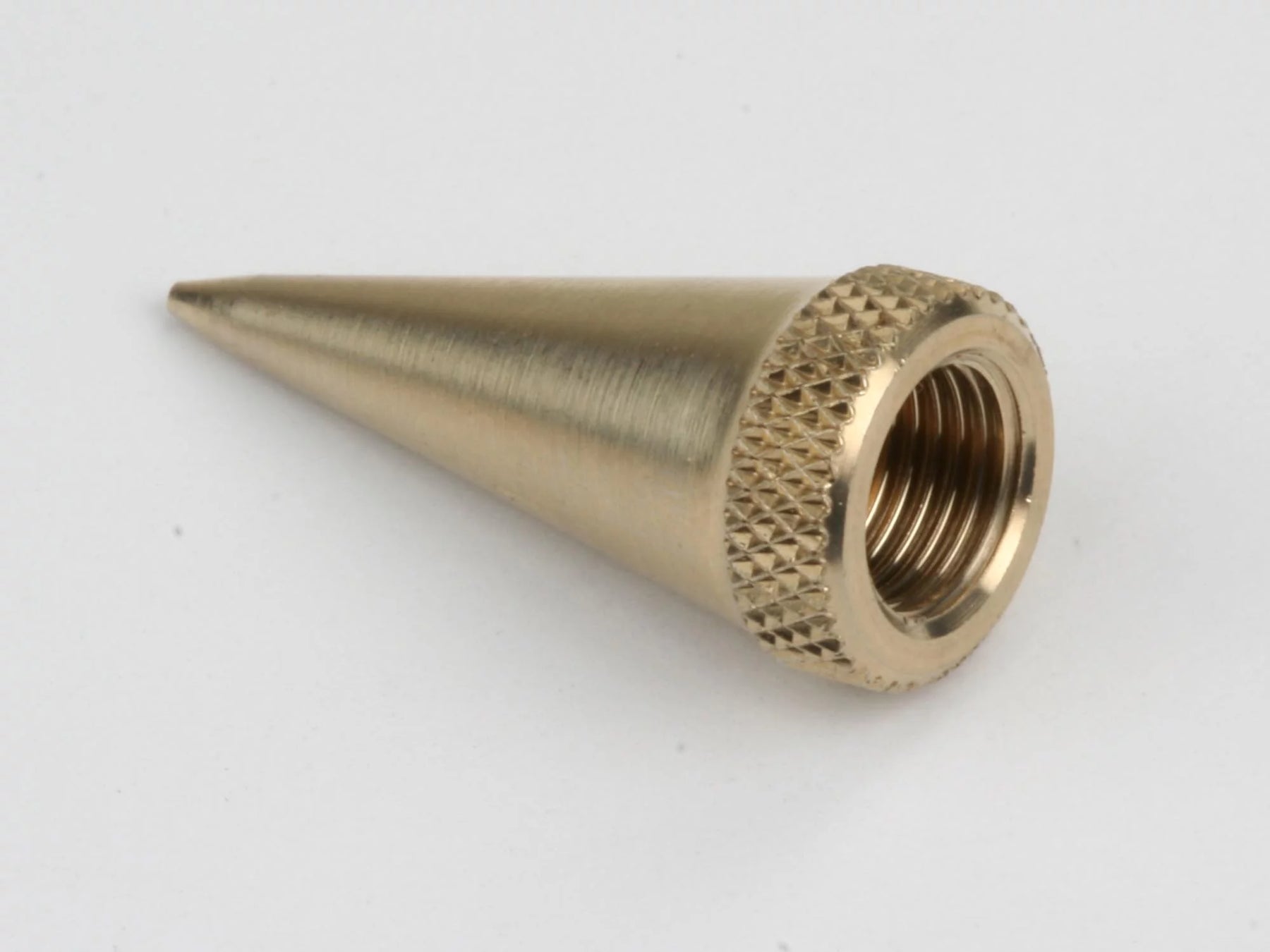
Air nozzle "Large" (39101)
0 0
Art. Nr 370459090 Air Nozzle "Large" (39101)
Regular price€19,98
Paint nozzle "Large" (39101)
0 0
Art. Nr 370559090 Paint Nozzle "Large" (39101)
Regular price€22,99
Sold out
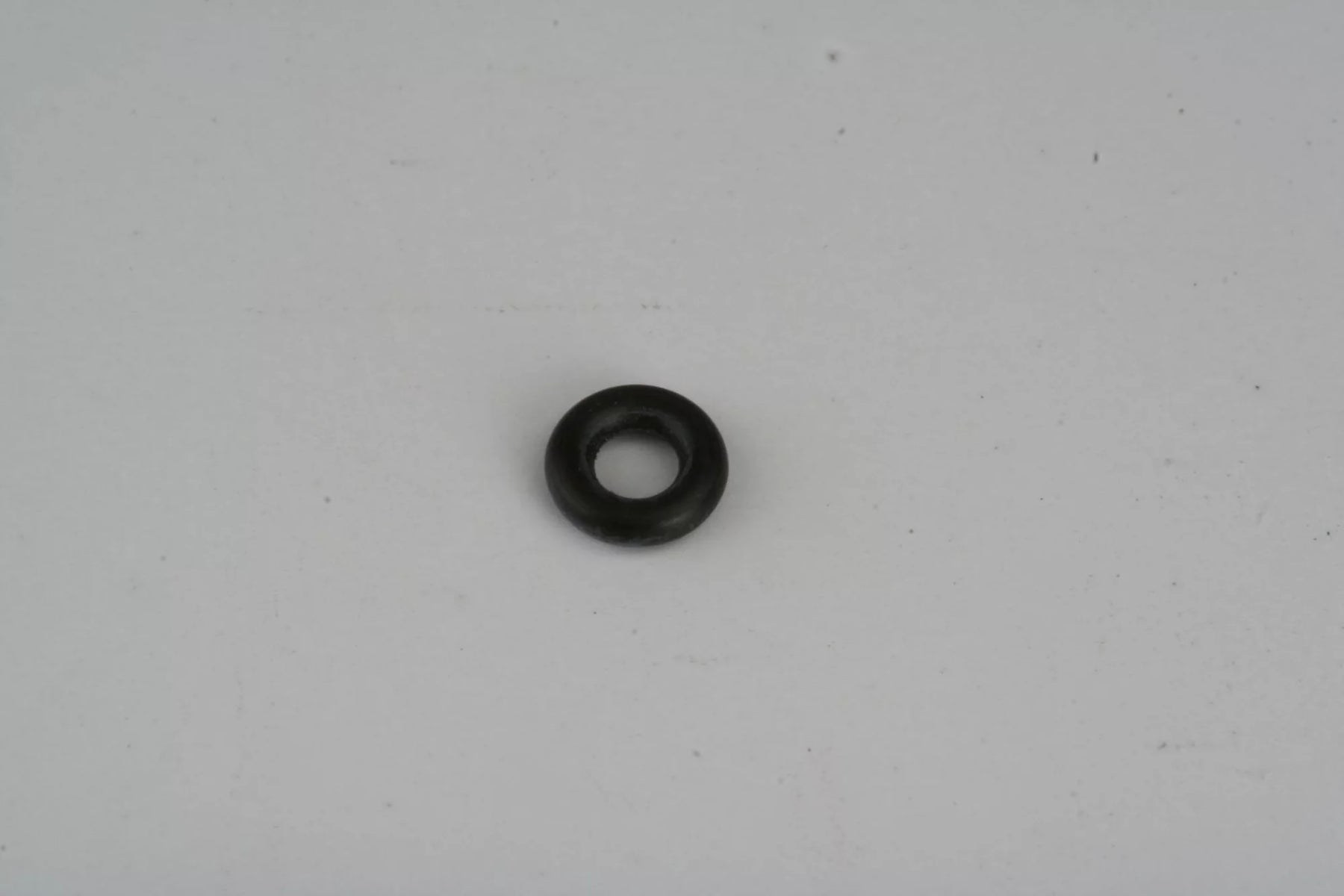
Air nozzle O-ring (39101)
0 0
Art. Nr 370609090 Air Nozzle O Ring (39101)
Regular price€9,99
Sold out
Sold out
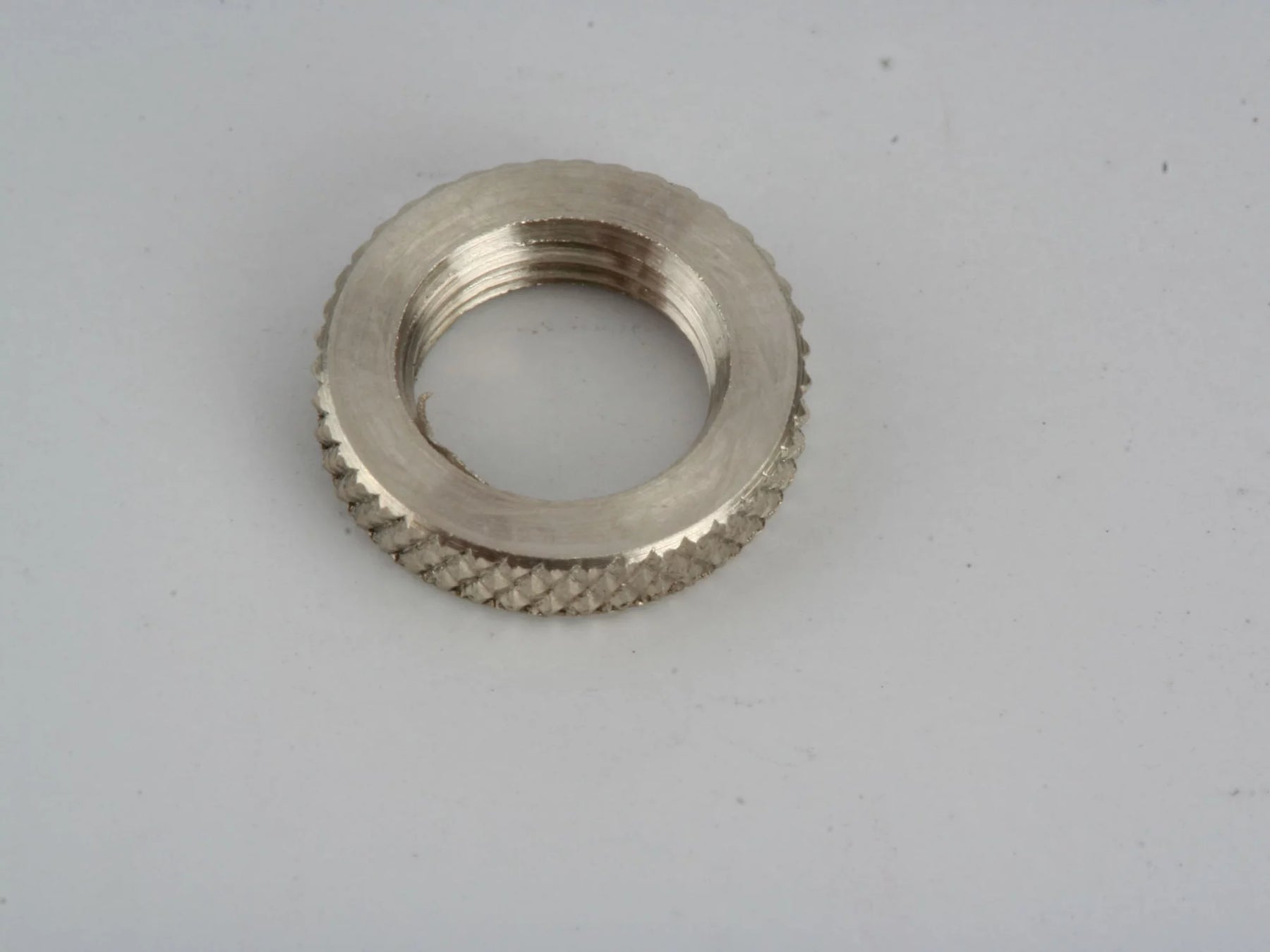
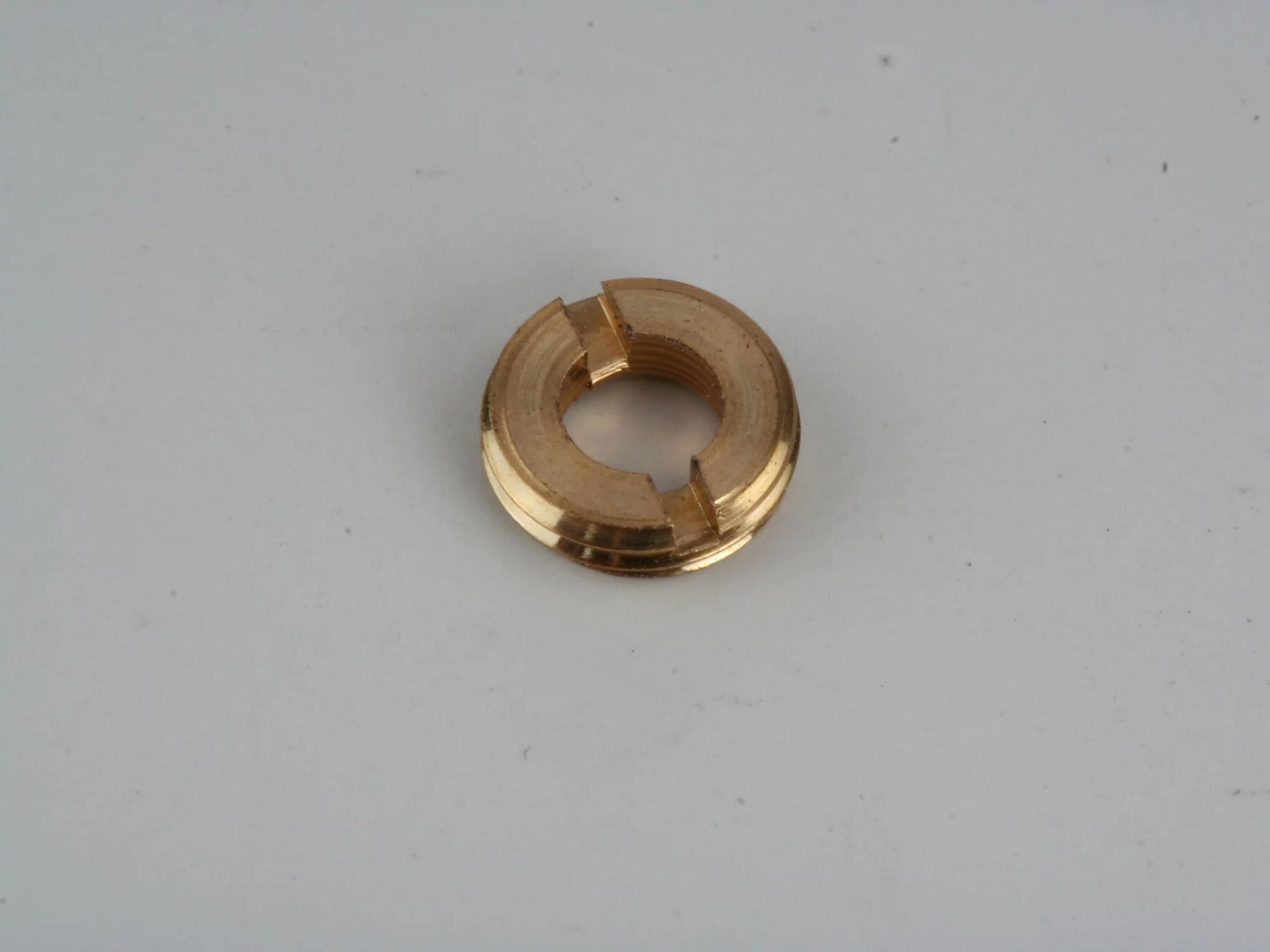
Lock nut (39101)
0 0
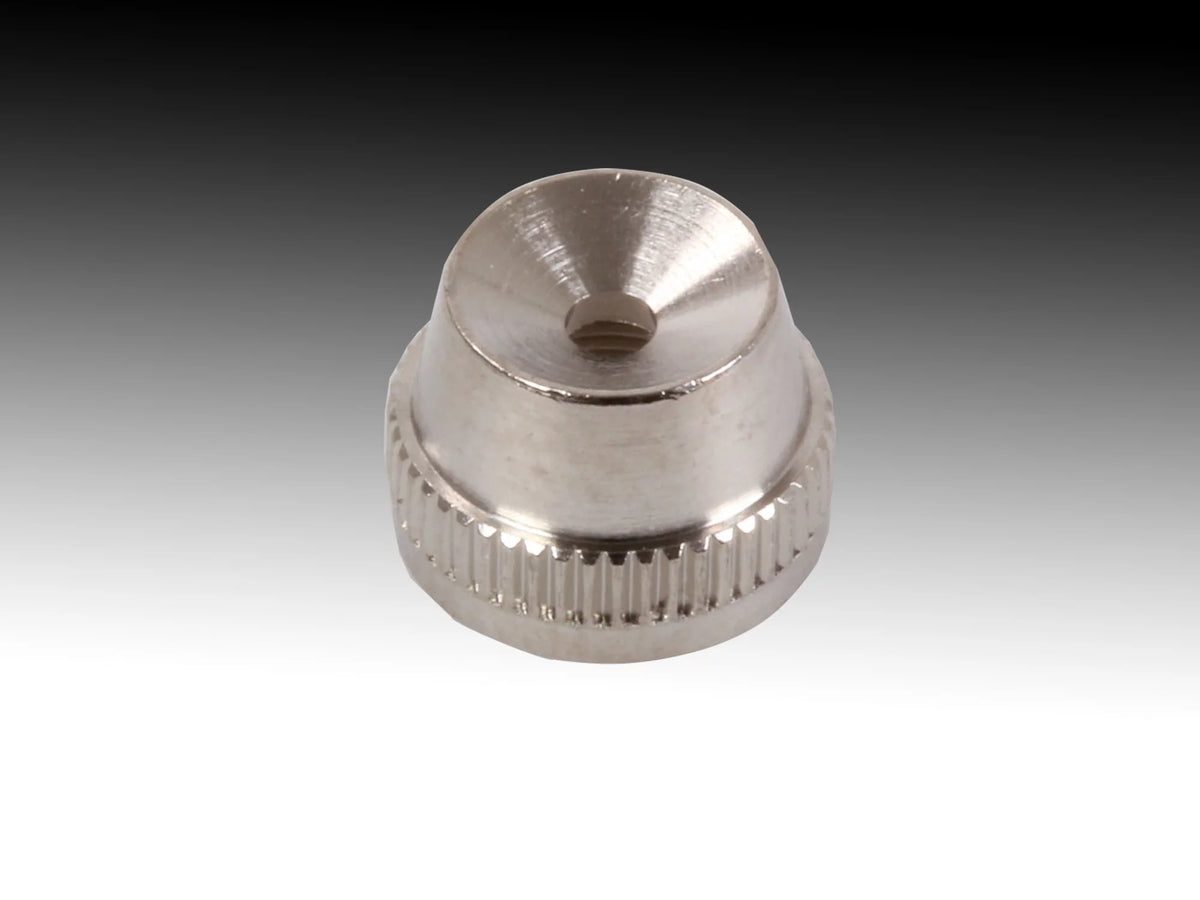
Art. Nr 370639090 Locking Nut (39101)
Regular price€9,99
Sold out

Why the right compressed air is the foundation of every perfect paint job

If you strive for absolutely flawless surfaces in plastic model making or customizing, you know: Even the finest pigmented paint and the highest quality spray gun are of little use if the air supply fluctuates. An unsteady air flow inevitably leads to unsightly paint splashes, orange peel or uneven layer thicknesses. In the airbrush sector, compressed air is much more than just transport air - it is the control element that determines the quality of atomization, spray pattern and edge sharpness.

A constant, pulsation-free airflow allows you to get the fine dosage you need for shading, weathering or tiny camouflage patterns on a scale of 1:72 and 1:35. Modern compressed air systems offer you full control over the working pressure, usually in the range between 1.0 and 2.5 bar. Our practice shows time and again: If you rely on clean compressed air regulation right from the start, you save yourself frustration when painting and the tedious reworking of botched parts.

The heart of your workplace: understanding compressed air generation

Model builders have two main options for providing compressed air: compressed gas cans for occasional use or fully equipped compressors for regular and demanding work. While propellant cans may seem practical for first steps, they cool down quickly when sprayed for a long time, leading to a rapid drop in pressure and messy color results.

There is no alternative to ours for reliable and reproducible results powerful airbrush compressors over. Piston compressors with an integrated air tank are considered the gold standard on the workbench: the tank stores the compressed air, meaning the engine does not have to run constantly. This not only protects the mechanics and reduces background noise, but also guarantees a completely vibration- and pulsation-free air flow directly at the nozzle tip.

Water separators and pressure reducers: your life insurance against splashes

When ambient air is compressed, condensation is created for physical reasons. If this moisture gets into the air hose unnoticed, it shoots drop by drop through the nozzle in the middle of the painting process and destroys your fresh paint application. An upstream water separator reliably filters out this condensate before it can cause damage.

In combination with a precise pressure gauge and pressure reducer, you always have the exact pressure in view. While large-area primers often require a pressure of around 2.0 bar, fine lines with heavily diluted paints work best at around 1.2 to 1.5 bar. By delicately turning the control valve, you can adjust your compressed air precisely to the respective project.

Hoses, adapters and couplings: Reliable connections for maximum flexibility

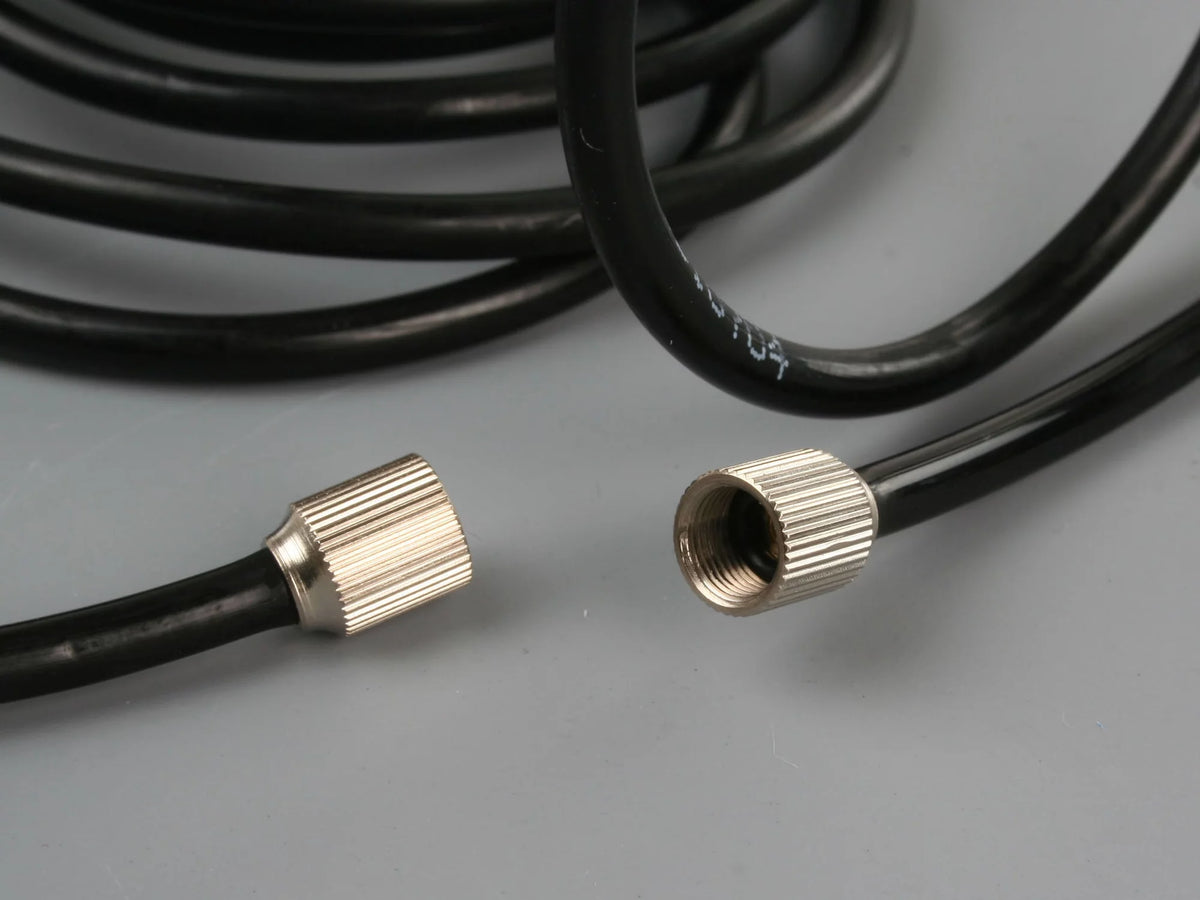
One aspect that is often underestimated when putting together equipment is the connection technology. The best compressor loses its effectiveness if porous hoses or leaky threads cause pressure losses. With our well thought out practical airbrush accessories you ensure absolute tightness and ergonomic comfort in the workplace.

  • Fabric-coated textile hoses: They offer maximum kink resistance while maintaining high flexibility. In contrast to rigid plastic spirals, they do not prevent you from making delicate hand movements.
  • Quick couplings (Quick Release): You can separate your gun from the hose in one move without having to switch off the compressor or laboriously unscrew threads. The integrated check valve prevents any air from escaping.
  • Custom-fit adapter pieces: They easily bridge different thread dimensions such as 1/8 inch, 1/4 inch or manufacturer-specific connections so that every part of your system fits together perfectly.
  • Air distributor with multiple connections: Ideal if you want to operate several spray guns for primer, base paint and clear coat in parallel without having to constantly switch them over.

Compressed air and spray technology in perfect harmony

The optimal coordination between compressed air and color consistency is a craft that quickly becomes second nature with the right tools. Our selection of precise airbrush spray guns requires a precisely balanced amount of air in order to generate the finest droplet sizes without overspray.

A proven tool for ambitious model builders, for example, is the Airbrush Body Standard Class 39101. In this system, a precisely manufactured air guide ensures that the Venturi principle in the mixing head develops its full effect. If the working pressure on the compressor is precisely balanced, the air flow sucks in the paint evenly and atomizes it into a velvety mist. Visible brush strokes are finally a thing of the past.

Typical error patterns caused by incorrect working pressure

If the spray pattern does not meet your expectations, the cause is often the relationship between viscosity and air pressure. Pay attention to the following signals:

  1. Spider legs (spidering): The color runs outwards in a star shape. The cause is usually too high a working pressure with paint that is too thin or too close a distance to the model. Reduce the pressure by 0.3 to 0.5 bar.
  2. Coarse-grained drop formation (spitting): The paint is not finely atomized, but rather splashes onto the plastic in thick dots. Here the pressure is too low to break up the pigments cleanly, or the paint is simply too thick. Increase the air pressure gradually.
  3. Dry Spray: The paint arrives on the model already dry and forms a rough, floury surface. The cause is often too high pressure in conjunction with warm air flow or too great a spray distance.

Maintenance and longevity: This means your compressed air system remains ready for use for years

Compressed air components are robust tools, but regular care rewards them with decades of reliability. The most important routine after each painting day: completely drain the condensation collected in the tank or water separator via the drain valve. Moisture inside the tank can lead to corrosion over time, while standing water in the filter reduces its separation performance.

Also check the sealing rings on couplings and hose screw connections regularly. Even minimal leaks mean that compressors have to be recharged more frequently, which leads to unnecessary heating and increased wear. A drop of silicone-free sealant or sealing tape on screw threads ensures that no millibar of pressure escapes unused. This means your workplace remains quiet, efficient and always ready for your next model building highlight.

Frequently asked questions

Didn't find the right answer in the FAQ or would you like to find out more about our products? Ours Customer service is at your side with advice and support – quickly, competently and personally. No matter whether technical details, spare parts or usage tips: We are there for you.

24/7 support

Telephone

Monday to Thursday 9:00 a.m. to 3:00 p.m., Friday 9:00 a.m. to 12:00 p.m

Email

The most frequently asked questions
Which working pressure is ideal for airbrush painting in model making?

For most model making work, the optimal working pressure is between 1.2 and 2.0 bar. Fine detailed work and shading with highly diluted paint are best achieved at a low pressure of around 1.0 to 1.4 bar, as this minimizes unwanted overspray. For flat primers, thicker acrylic paints or glossy clear varnishes, we recommend a pressure of around 1.8 to 2.2 bar to guarantee even misting without dripping.

Which compressed air accessories do I need to get started with the Airbrush Body Student?

To put the Airbrush Body Student into operation, you need a suitable air hose and a reliable pressure source. If you are starting with a compressed gas can, a special can control valve is required. However, for long-term work, we recommend connecting to a compact hobby compressor. For this you need a flexible connection hose with the appropriate thread adapter to connect the spray gun to the air outlet safely and pressure-tight.

Which compressor is the best fit for the Airbrush Body Standard Class 39101?

For the Airbrush Body Standard Class 39101, we recommend an oil-free piston compressor with an integrated air tank, pressure reducer and water separator. This model benefits enormously from a consistent, pulsation-free airflow at around 1.5 to 2.0 bar. A compressor with an air tank ensures that the pressure remains constant while you can fully concentrate on guiding the spray gun.

Why is a water separator essential for the airbrush system?

When air is compressed, heat is created for physical reasons and the humidity contained in the room air condenses in the system. Without a water separator, this water travels through the hose directly into the spray gun. If a drop of water gets into the paint jet, it leads to unsightly splashes and destroys the fresh layer of paint. The water separator filters out the moisture and reliably protects your models from painting errors.

What can I do if the air pressure fluctuates or the air flow stops?

Pressure fluctuations usually point to three causes: a leaky hose system, a clogged filter or the lack of an expansion tank. First check all screw connections and seals for leaks with a little soapy water. Empty the water separator completely and make sure there are no kinks in the hose. For tankless compressors, a longer textile hose can help to absorb slight pressure surges.

Is it worth switching from compressed gas cans to a fixed compressor?

Yes, in any case, as long as you regularly paint models. Compressed gas cans lose temperature quickly over prolonged use, leading to a steady drop in pressure and inconsistent results. They are also expensive in the long run and create waste. A compressor provides you with permanently reproducible working pressure, switches itself off as needed and, with regular use, pays for itself after just a few construction projects.