
Buses & commercial vehicles model kits

Buses & commercial vehicles model kits

Discover high quality Buses & commercial vehicles model kits, which will delight you with fascinating engineering, enormous attention to detail and exciting crafting fun. Whether it's powerful US trucks for endless highways, agile delivery vans or legendary double-decker buses from the world's cities: here you'll find the ideal project for your craft table. Immerse yourself in the world of automotive heavyweights and create your personal masterpiece.

Sort by:
Sort by:
295 Teile
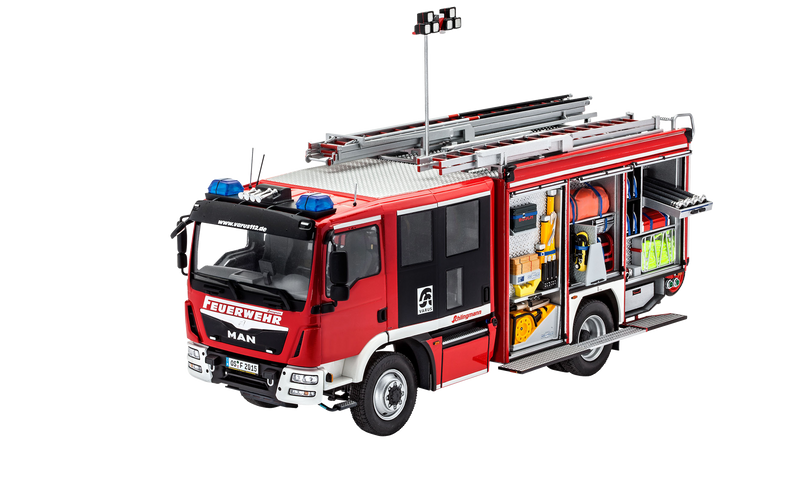
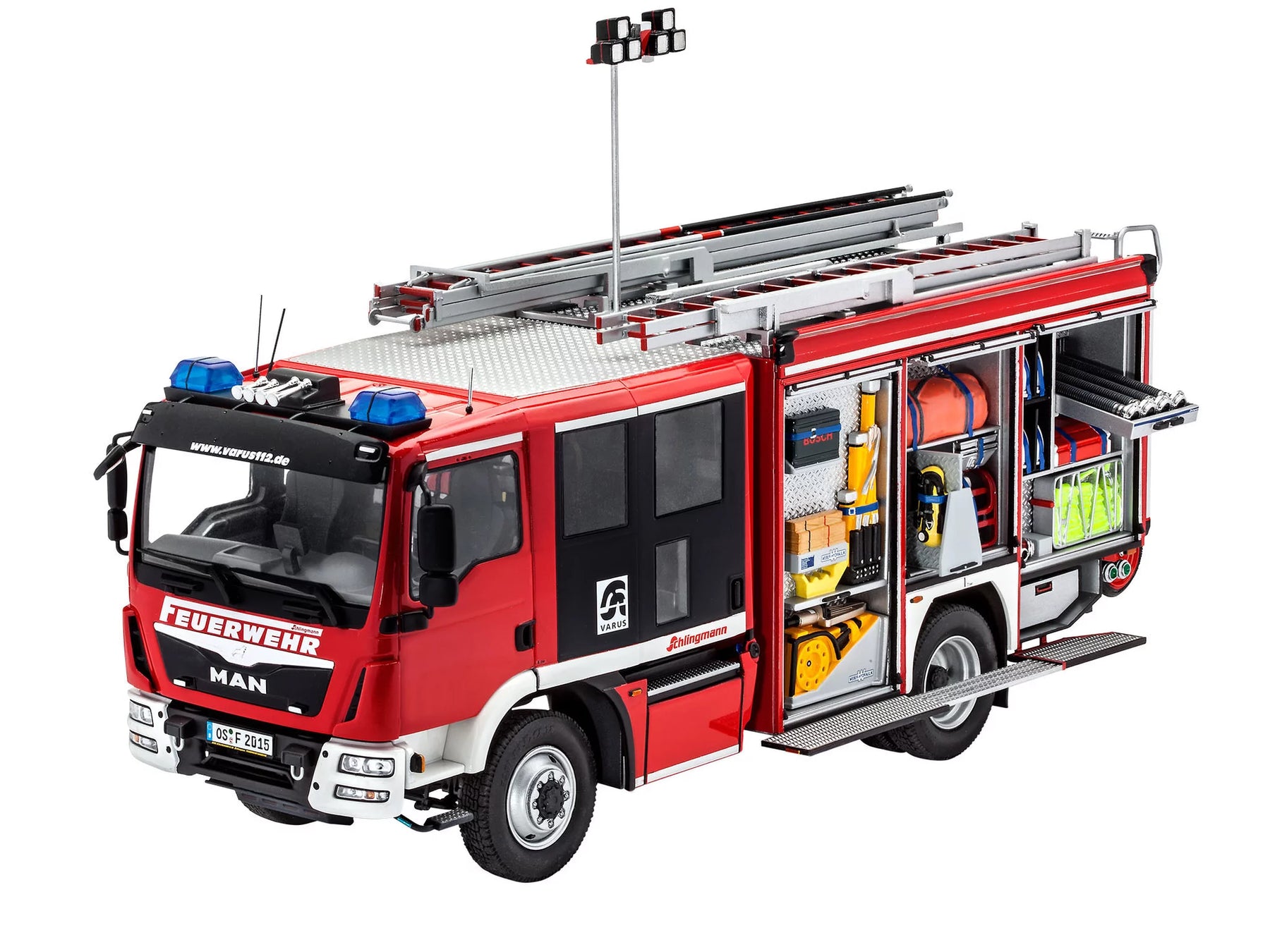
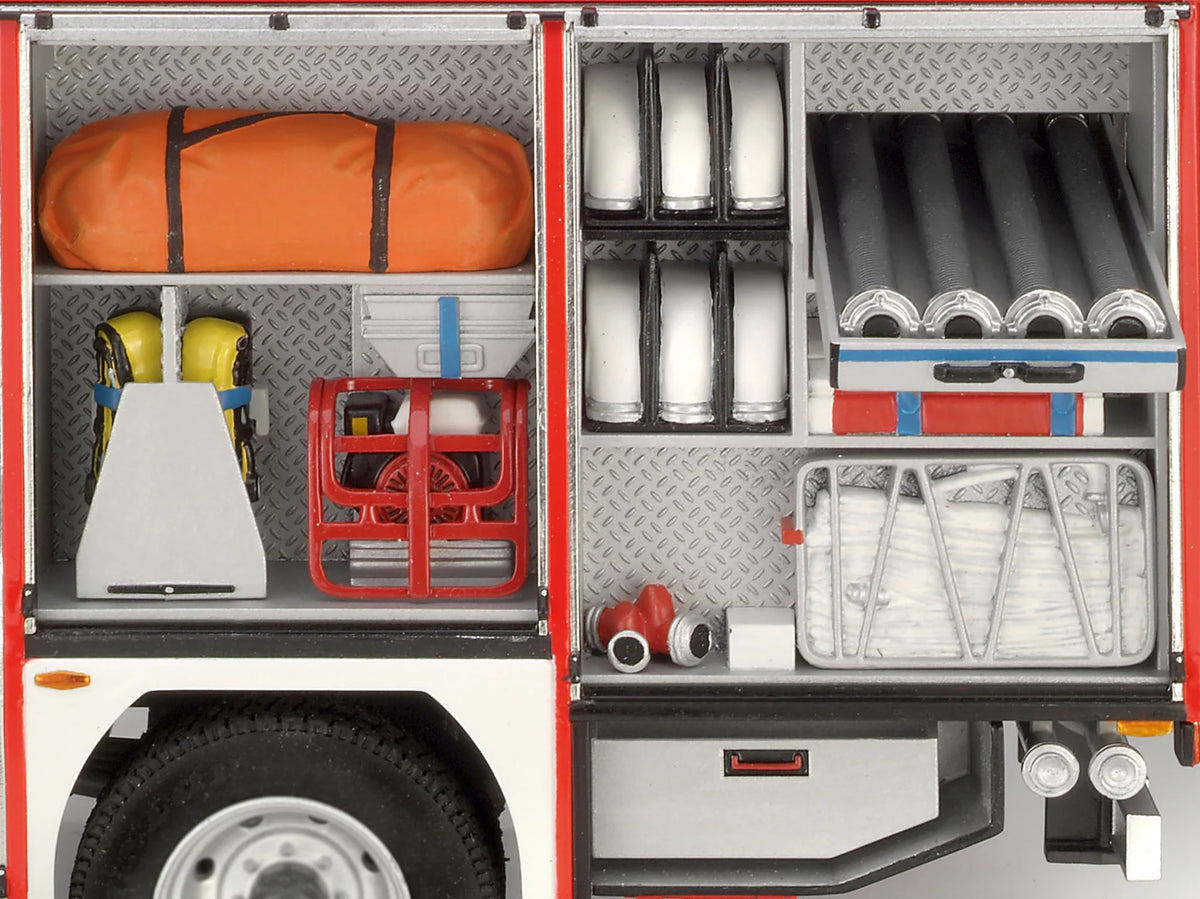
MAN TGM - Schlingmann HLF 20 VARUS 4x4MAN TGM - Schlingmann HLF 20 VARUS 4x4
1:24 1:24 12 12
level 4
Art. Nr 074529090 MAN TGM - Schlingmann HLF 20 VARUS 4x4
Regular price€89,99
476 Teile Neu
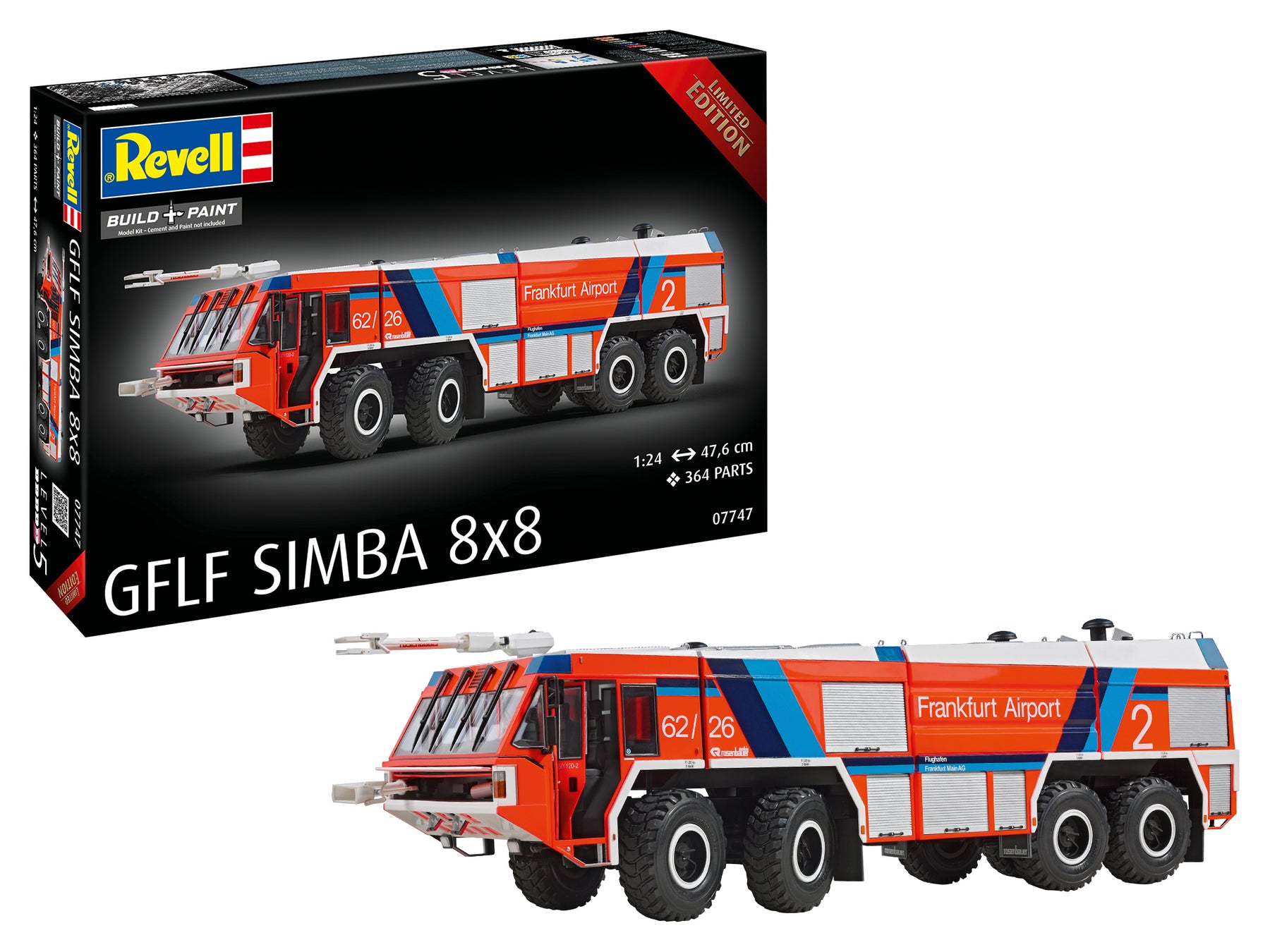
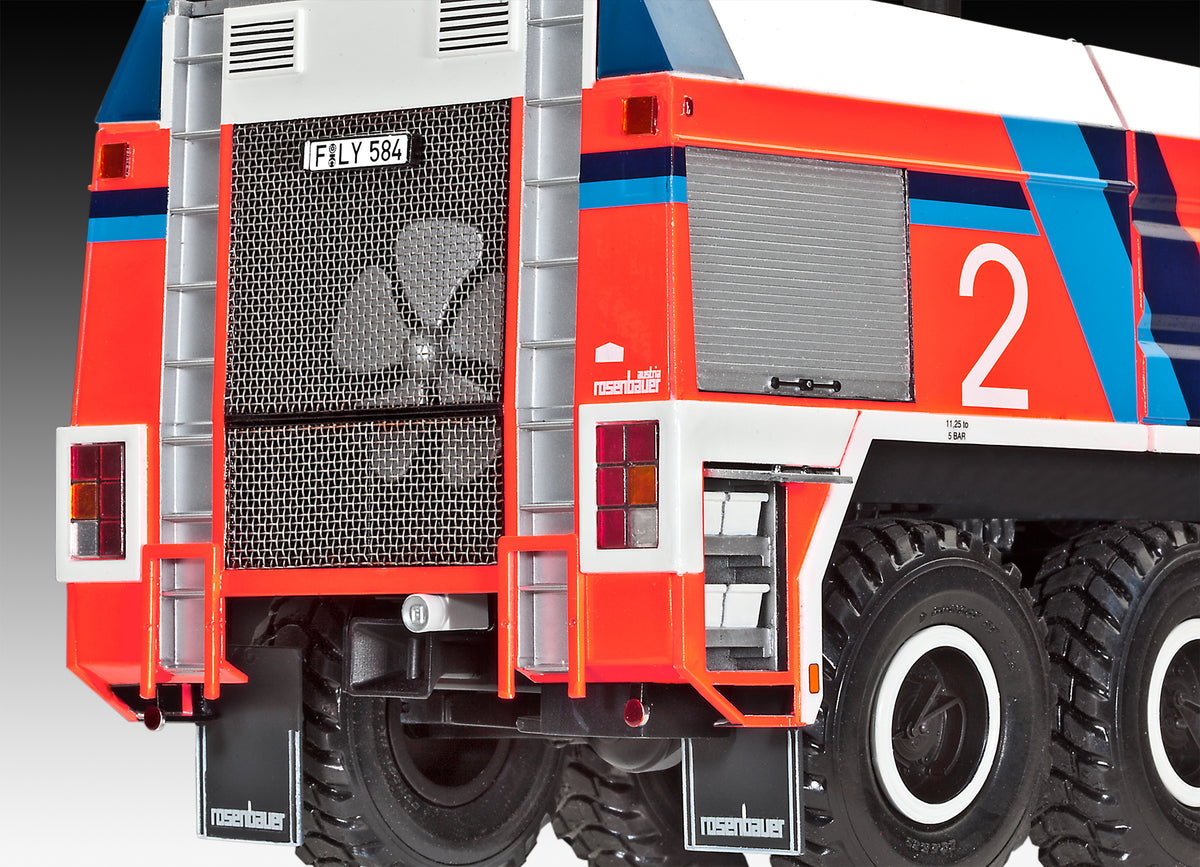
GFLF Simba 8x8GFLF Simba 8x8
1:24 1:24 13 13
level 5
Art. Nr 077479090 GFLF Simba 8x8
Regular price€153,00
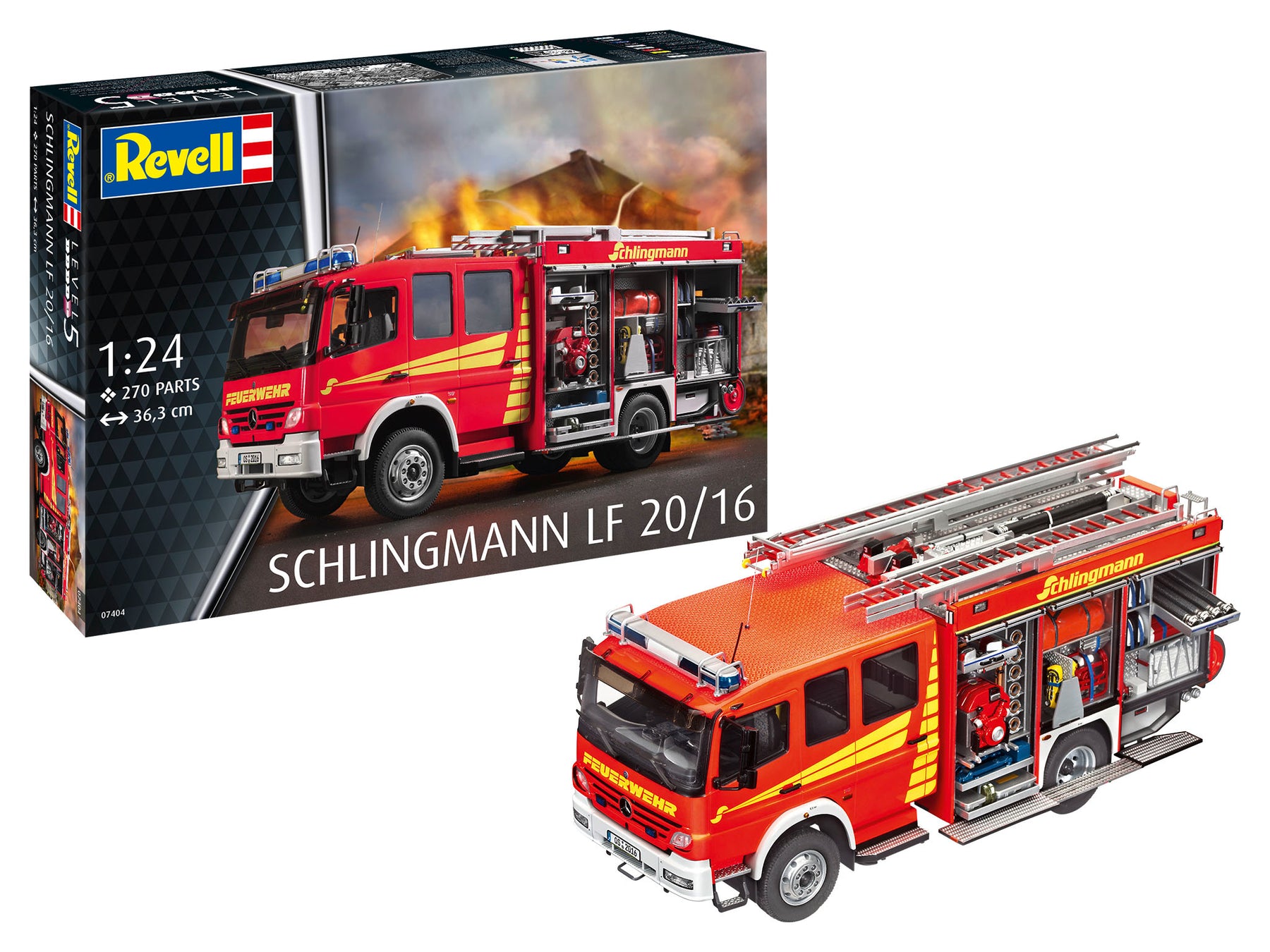
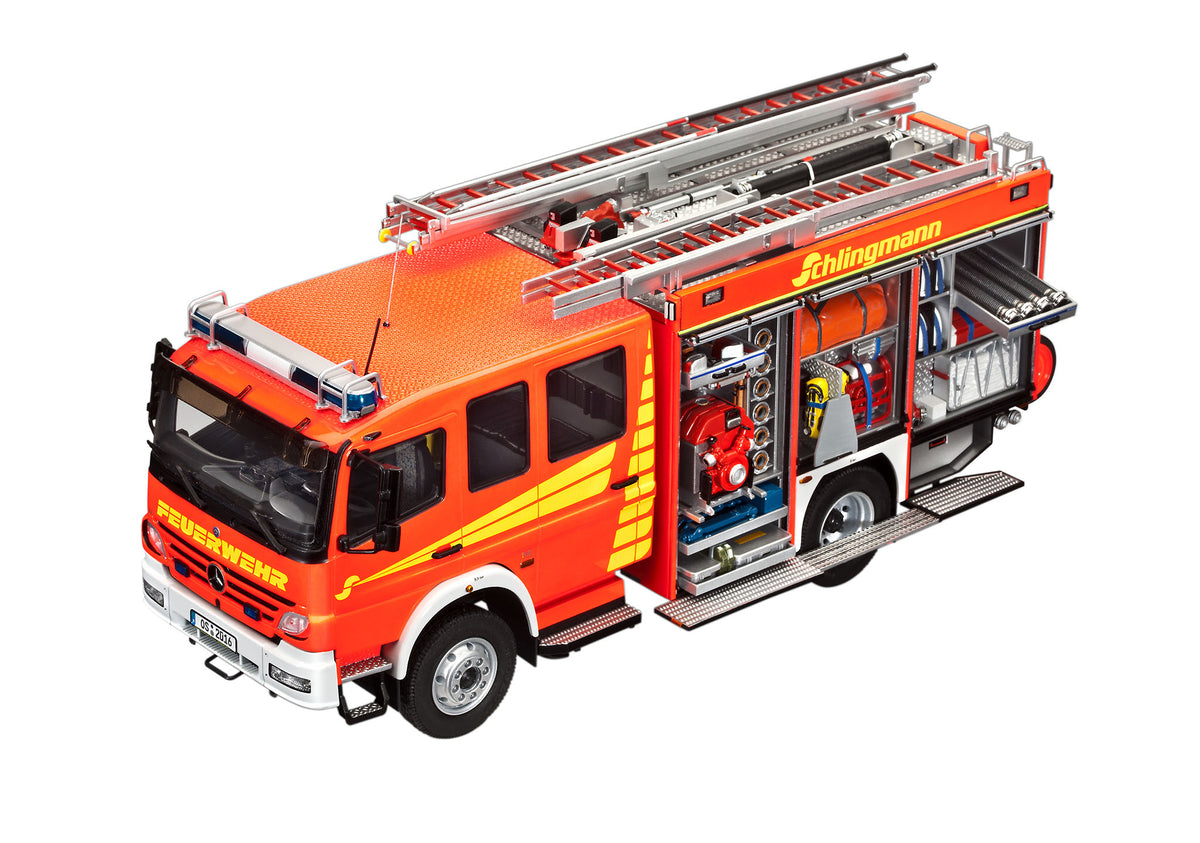
270 Teile
Schlingmann LF 20/16Schlingmann LF 20/16
1:24 1:24
level 5
Art. Nr 074049090 Schlingmann LF 20/16
Regular price€102,99
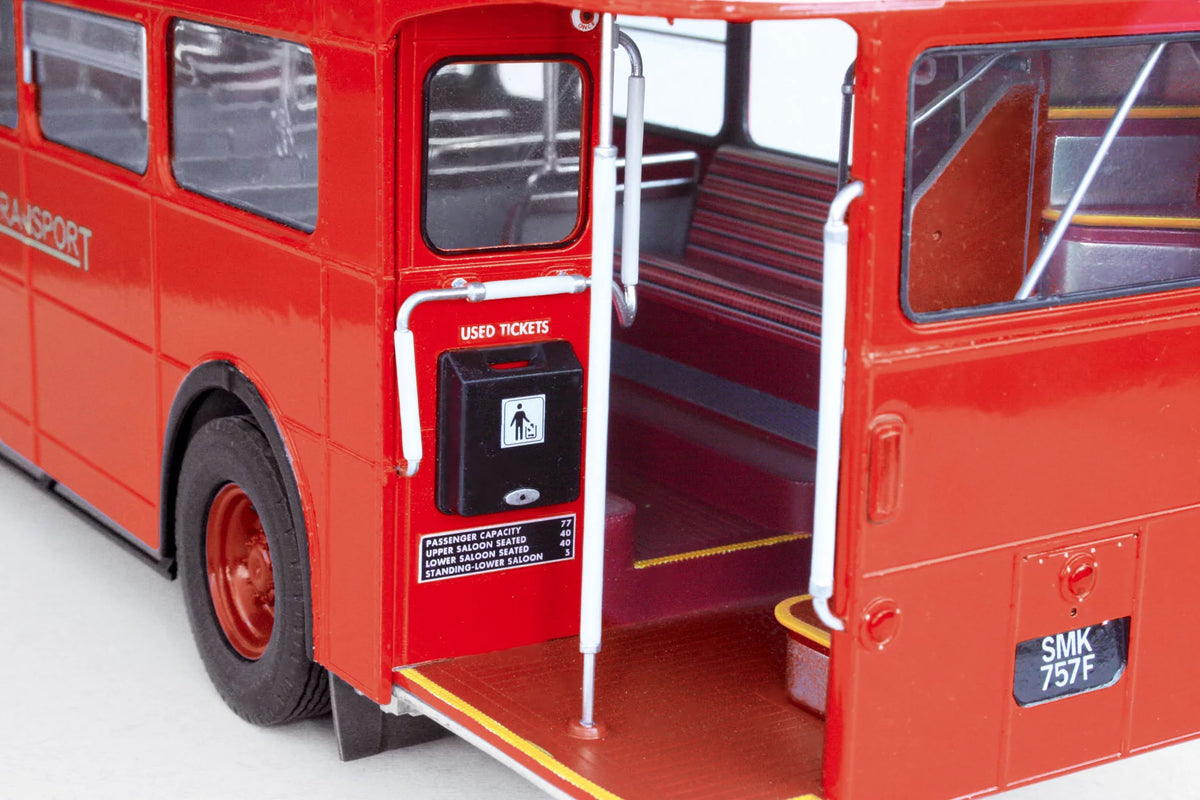
391 Teile Sold out
London busLondon bus
1:24 1:24 13 13
level 5
Art. Nr 076519090 London bus
Regular price€59,99
Sold out

The fascination of heavy machinery: buses and commercial vehicles in model construction

Commercial vehicles shape our streetscape like no other type of vehicle. They transport vital goods over thousands of kilometers every day, bringing commuters safely to their destination and defying wind, weather and extreme stress. It is precisely this raw power, coupled with highly developed vehicle technology, that makes the appeal when you decide on bus & commercial vehicle model kits. Compared to classic sports cars or regular cars, trucks, semi-trailers, vans and buses offer an incomparable design depth. It's not just about a sleek body, but also about visible mechanics: exposed cardan shafts, multi-part compressed air tanks, massive ladder frames, complex suspensions and huge turbodiesel units that you put together yourself from scratch.

If you build such a model, you will experience step by step how modern logistics and historical transport work. Every component tells of function and practicality. Joining twin tires with millimeter precision, attaching delicate hydraulic lines to tipper trucks or installing generous window fronts on coaches requires concentration, but rewards you with an incomparably impressive end result on your shelf. In our range you can expect kits that reflect this enthusiasm for automotive work heroes in every single injection molding branch.

From long-distance transport to regular buses: the great diversity of our range

The world of commercial vehicles is extremely diverse, and you will find exactly this range in our model kits. We attach great importance to delighting both lovers of modern high-tech fleets and fans of nostalgic classics. Each model has its own character and requires very specific assembly techniques.

Heavy truck giants and tractor units

The premier class in commercial vehicle model building is undoubtedly the heavy trucks. Here the model building world differs fundamentally between the typical European cab-over vehicles and the characteristic hooded vehicles of the American continent. European tractor units from traditional brands impress with their compact design, modern aerodynamic packages and highly detailed cabs, which in many kits can even be tilted forward to reveal the fully reproduced six-cylinder or V8 engine. You install wind deflectors, detailed mirror systems, roof spoilers and complex exhaust towers.

On the other hand, there are the US trucks: icons with elongated hoods, gigantic chrome bumpers, vertical exhaust pipes and spacious sleeper cabs that resemble real apartments on wheels. These highway giants are a dream for modelers who enjoy working with shiny chrome surfaces and eye-catching decals. From classic conventional trucks to modern long-distance tractors, you can realize heavy-duty dreams in a small format here.

Buses: masterpieces of passenger transport

Omnibuses represent their own wonderful challenge in plastic model making. While the focus on trucks is on the chassis and drive train, what is particularly fascinating about buses is the spacious passenger compartment. Large, crystal-clear panes give the viewer a clear view of the interior. What this means for you: Seats, handrails, dashboards, staircases on double-deckers and luggage racks need to be painted and placed precisely.

Our repertoire ranges from legendary historic city buses, such as the world-famous London Routemaster double-decker, to modern coaches that dominate European long-distance transport. Building a bus requires a clear hand when gluing transparent parts and at the same time offers you a perfect platform to experiment with individual paintwork, advertising banners or interior lighting.

Transporters, municipal vehicles and agile delivery trucks

Not every workhorse weighs 40 tons. The heroes of the last mile are maneuverable small vans, ambulances, fire engines and panel vans. These kits are extremely popular because we see them in traffic every day and have a high recognition value. Whether a detailed German small van with a high roof, a classic parcel delivery service or an emergency vehicle with blue light bars and radio antennas: van models often offer optional construction variants, such as open or closed rear doors, functional sliding doors or various seating options in the cargo area.

The 1:24 scale in focus: the perfect balance of size and detail

While aircraft are often built in 1:72 and military vehicles primarily in 1:35, the 1:24 scale (and sometimes 1:25 for US manufacturers) has established itself as the undisputed gold standard for civil and commercial vehicles worldwide. But why is that so?

  • Imposing presence: A tractor-trailer on a scale of 1:24 together with a semi-trailer can easily reach a total length of 60 to 70 centimeters. Such a model is not an inconspicuous exhibition piece, but a real eye-catcher in every showcase.
  • Amazing detailing: At this scale, components can be implemented that would simply be omitted at smaller scales. You install individual brake drums, finely chiseled windshield wipers, fully readable instrument panels, structured seat covers, seat belts and delicate radiator grilles.
  • Excellent accessibility for modifications: The 1:24 scale is ideal for so-called “super detailing”. If you feel like it, you can lay your own compressed air hoses made of wire, add tension straps to the loading area or retrofit working LED headlights.

In addition, you will occasionally find more compact scales such as 1:87, which are particularly relevant for railway landscapes, or 1:32 for agricultural vehicles. However, for demanding floor model construction with a full assembly experience, 1:24 remains the measure of all things.

From newcomers to veterans: which kit is right for your level?

Model building should be fun and neither underwhelm nor overwhelm you. That's why kits are divided into different levels of difficulty. In order to make your entry or your next major project plannable, we offer different construction systems and entry hurdles.

If you are just getting a taste of this fascinating hobby or are looking for a stress-free craft session, uncomplicated systems are ideal. Here, parts fit together neatly, and multi-colored components often make lengthy priming unnecessary. For beginners who want to get started straight away without having to spend a lot of time searching for paints and brushes, we recommend pre-assembled combinations such as practical ones Model sets, where the appropriate base colors as well as glue and brushes are already included in the kit. This means you can open the box and start the first phase of construction straight away without having to put together special accessories first.

Advanced hobbyists and professionals, on the other hand, prefer to use classic Level 4 and Level 5 kits. These consist of several hundred individual parts, require in-depth bonding and painting experience and challenge you when assembling complex assemblies. Here, engines are assembled from 40 to 60 individual parts, axles with functioning steering are installed and multi-part cabs are adjusted with millimeter precision. It is precisely this challenge that keeps passionate model makers tied to their work tables for weeks at a time.

Step by step to the perfect model: practical knowledge for your workbench

Building a heavy commercial vehicle is fundamentally different from smaller projects. The mass of the components and the interaction of the frame, drive and body require a structured approach. If you follow the following phases, you are guaranteed to achieve museum-quality results.

1. Preparation: Cleanliness is half the battle

Before the first drop of glue flows, you should wash all the cast branches in lukewarm water with a tiny drop of mild dishwashing liquid. During industrial production, microscopically fine residues of release agents remain on the plastic, which can later prevent paints and adhesives from adhering optimally. After air drying, never cut out components by hand or with dull scissors, but always with sharp side cutters for model making. A quick touch-up of the sprue points with abrasive fleece or a fine file ensures that everything fits together seamlessly later.

2. The Chassis: The backbone of your truck

The ladder frame forms the foundation of every commercial vehicle. Absolute precision is required here: Make sure that the two side members are exactly parallel to each other and that the frame dries with absolutely no distortion. Use a flat worktop and hold the pieces in place while the glue sets. Even a slight misalignment in the chassis later results in wheels hanging in the air or the driver's cab sitting crooked. Assemble the axles, spring assemblies and engine block in peace before you think about designing the outer skin.

3. Interior detailing

The interior of a truck or bus offers gigantic scope for creative design. Use semi-matt colors to realistically recreate plastic fittings. A light dry painting technique (drybrushing) can be used to highlight the edges of switches, ventilation slots and fittings. For buses, it is worth using seat upholstery in different colors or even creating your own decals for typical local transport seat patterns. Remember: once the roof is glued, you will never reach these areas again!

4. Painting and finishing large body surfaces

Driver's cabs and bus bodies have spacious, smooth surfaces. If you work with a thick bristle brush, you risk unsightly brush marks and uneven paint application. For flawless glossy paintwork, radiant solid colors or complex two-tone paintwork, there is hardly any way around spray technology. With professional accessories for the Airbrush When painting, you can achieve a wafer-thin, even application of paint that does not smear the finest body joints and rivets, but rather emphasizes them three-dimensionally.

To ensure that the spray jet comes out constantly and without annoying pulsation, reliable ones play a role Airbrush compressors a crucial role. They provide the precisely adjustable pressure you need to finely atomize colors - be it for large-scale painting of a 40 centimeter long bus side wall or for the finest shades and traces of soot on the exhaust of a heavy-duty transporter.

5. Accessories, aging and the final touch

A brand new truck straight off the assembly line looks impressive - but a commercial vehicle with visible signs of use tells a story. With so-called weathering you breathe life into your model. Use heavily diluted oil paints or ready-made washes to darken indentations and depict dirt edges around gas caps or wheel arches. Slightly sooty exhaust pipes, brake dust on the rims and subtle fading on the tarpaulin structure make your work appear amazingly real. High-quality tools, masking tapes, special files and other essentials Accessories help you masterfully implement even the most difficult work steps.

History you can touch: Legendary milestones in transportation

The construction of commercial vehicles is always a journey through automotive and social history. With each model you immerse yourself in a different era:

  • The economic miracle of the 1950s and 60s: After the war, it was robust round hoods, flatbed trucks and the first closed panel vans that drove reconstruction. Models from this era radiate pure nostalgia - with large round headlights, heavy chrome radiator grilles and two-part windshields.
  • The golden age of long-distance transport (1970s to 1990s): Engine performance exploded, cabins became more comfortable and international freight traffic grew rapidly. Angular shapes, powerful turbodiesel logos and eye-catching shipping paintwork characterized this generation.
  • The high-tech present: Today's tractors are aerodynamically optimized marvels of efficiency. Digital mirror systems (mirror cameras), aerodynamic full fairings and digitalized cockpits show how logistics in the 21st century work.

By building these models, you are preserving a small piece of industrial and cultural history. Every era has its own charm, and in your collection the giants of past decades can park peacefully next to today's flagships.

Why buses & commercial vehicles model kits should be your next project

Once you've experienced the fascination of watching a massive truck chassis grow, you won't be able to let it go. Commercial vehicle model kits offer incredible variety: you work with shiny chrome parts, matt rubber tires, highly transparent glass and the finest plastic structures. You have the choice whether you present your model in immaculate delivery condition to a shipping company or give it the authentic character of a hard-working construction site vehicle with mud splashes and rust spots.

Take your time, browse through our selection and choose the kit that makes your heart beat faster. From compact transporters to gigantic show trucks with double axles, the entire range of transport is available to you. Grab your craft knife, set up your workspace and start your next big building adventure today!

Frequently asked questions

Didn't find the right answer in the FAQ or would you like to find out more about our products? Ours Customer service is at your side with advice and support – quickly, competently and personally. No matter whether technical details, spare parts or usage tips: We are there for you.

24/7 support

Telephone

Monday to Thursday 9:00 a.m. to 3:00 p.m., Friday 9:00 a.m. to 12:00 p.m

Email

The most frequently asked questions
Which adhesive is best for buses and commercial vehicles?

For assembling the frame, engine and body parts, we recommend liquid plastic glue with a fine needle cannula. This loosens the polystyrene plastic minimally and permanently welds the components together in a stable manner, which is particularly indispensable for the load-bearing chassis parts of heavy models. However, you should never use normal model building glue for transparent parts such as headlight lenses or bus windows, as its solvent vapors will give the glass a milky appearance. To do this, use special transparent part glue or simple wood glue, which dries completely transparent.

Why are trucks and buses usually kept at a scale of 1:24?

The 1:24 scale offers the perfect compromise between impressive model size and extreme attention to detail. A typical truck tractor-trailer measures around 60 centimeters at this scale and allows engine details, steering linkages, air suspension and interior fittings to be accurately represented. In addition, 1:24 is the global standard for civil vehicle models, so that tractors, trailers, accessories and figures fit together perfectly and can be combined with each other.

How do I paint the large surfaces of a bus without streaks?

Large, flat components such as bus side walls or truck box bodies are very difficult to paint with a conventional brush without visible brush strokes. You can achieve the best result with an airbrush gun or a high-quality spray can. Always apply the paint in several thin layers and allow each layer to flash off briefly. A previous primer ensures that the paint covers evenly and does not run.

What is the best way to work on chrome parts on truck kits?

In many commercial vehicle kits, bumpers, rims and exhaust pipes are already chrome-plated at the factory. When you separate these parts from the sprue, you will create small, visible sprue spots where the white or gray plastic shows through. You can easily dab these areas with a special chrome gloss pen (Liquid Chrome). If you want to completely repaint parts, the original chrome layer can be completely and gently removed overnight in a bath of standard pipe cleaner or bleach.

Are the kits also suitable for beginners without previous experience?

Absolutely! If you have never built a model before, you should use kits with lower levels of difficulty or special beginner sets. These kits have a manageable number of parts, simple plug or adhesive connections and come with understandable, illustrated step-by-step instructions. In this way, you can quickly achieve a frustration-free sense of achievement before you dare to tackle large-scale, demanding projects with over 300 individual parts.