








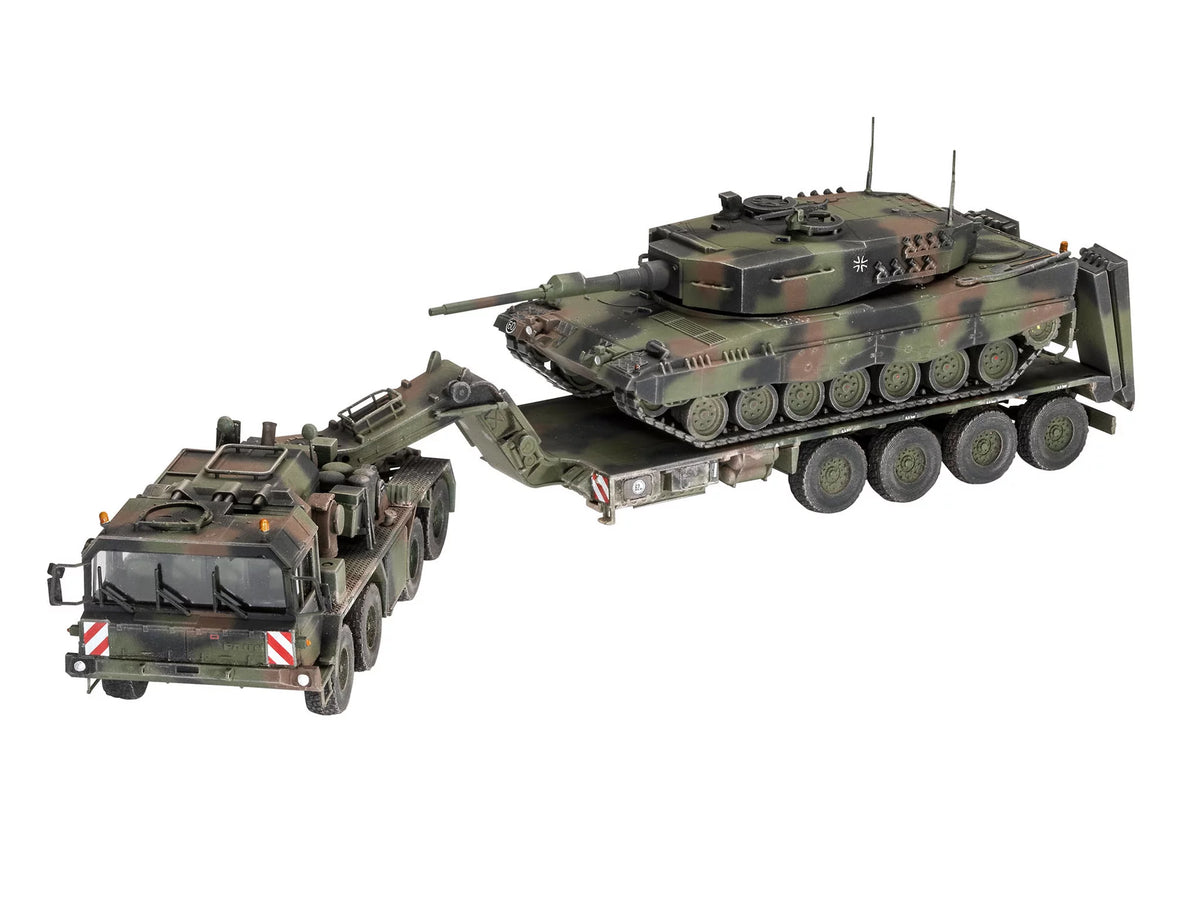
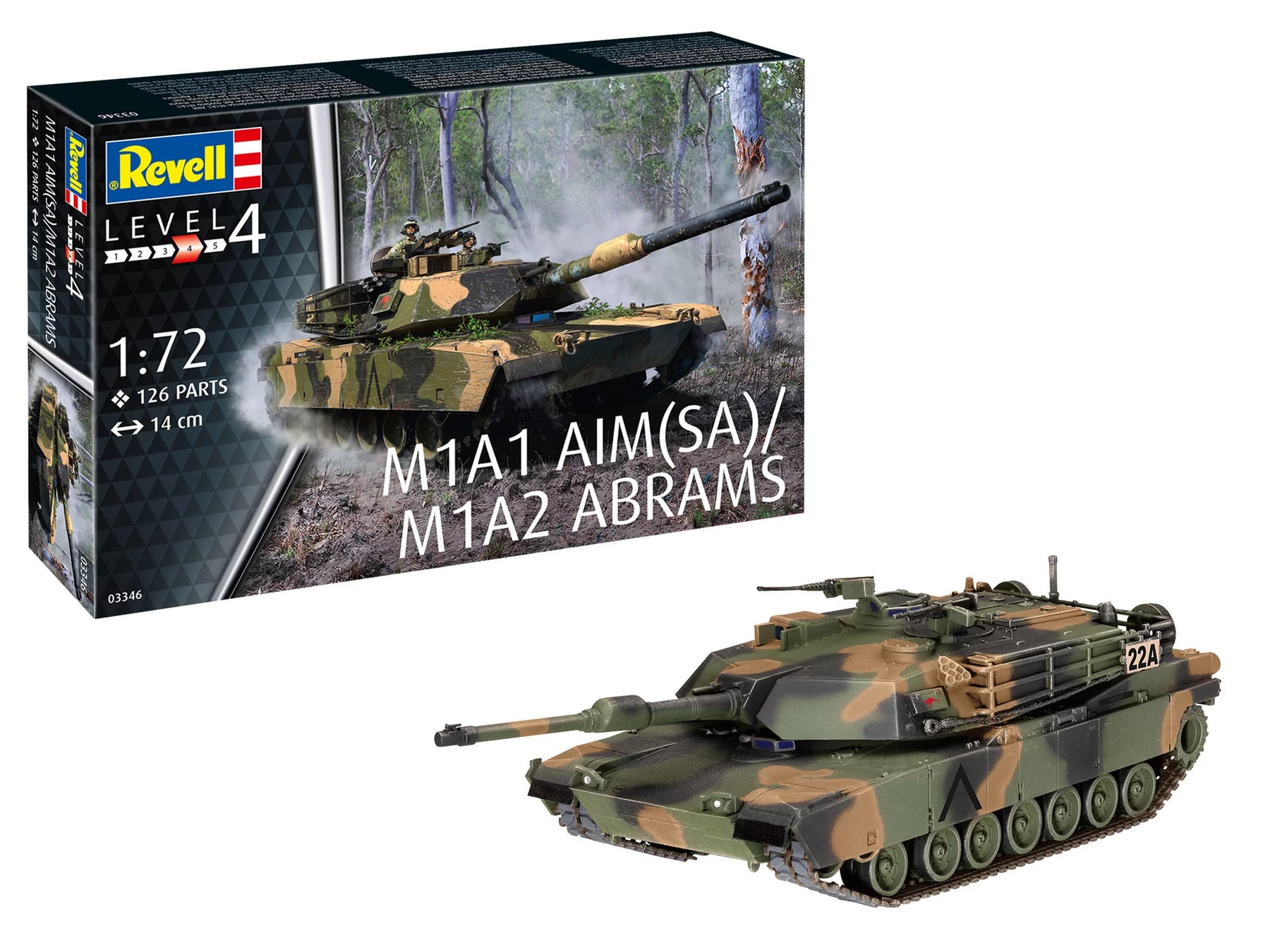
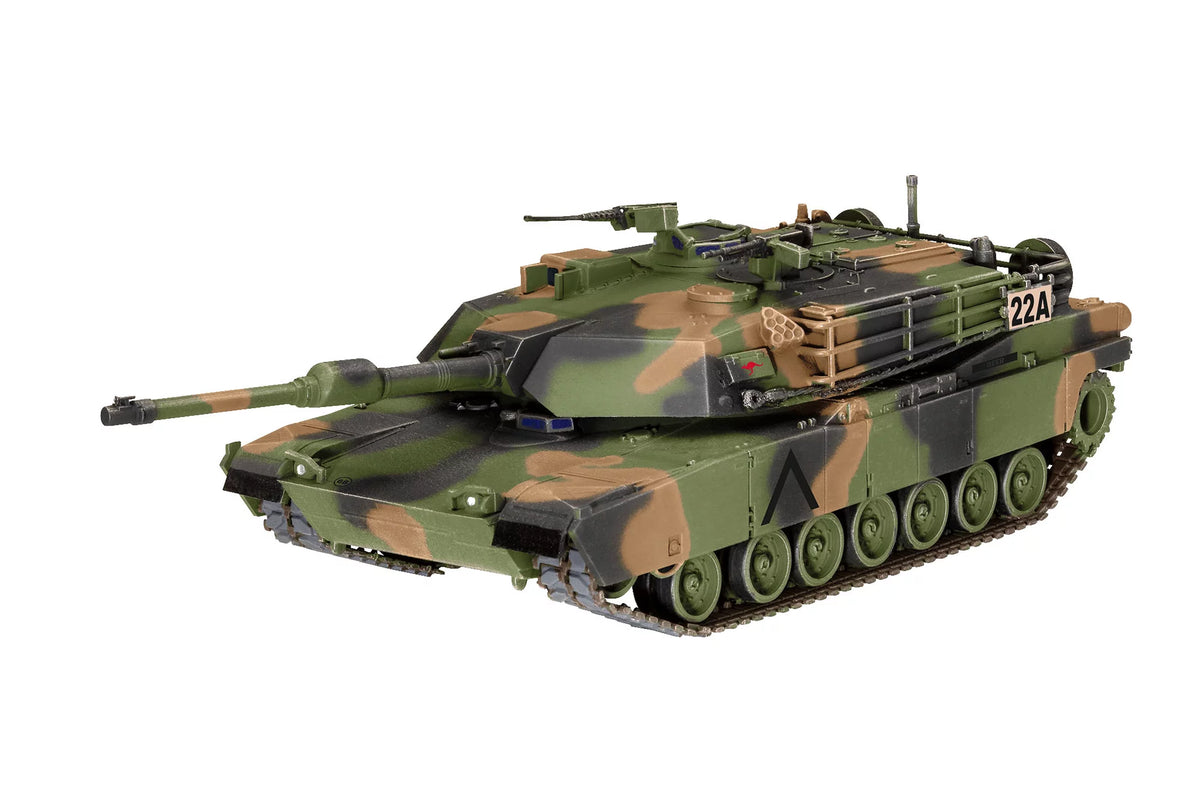

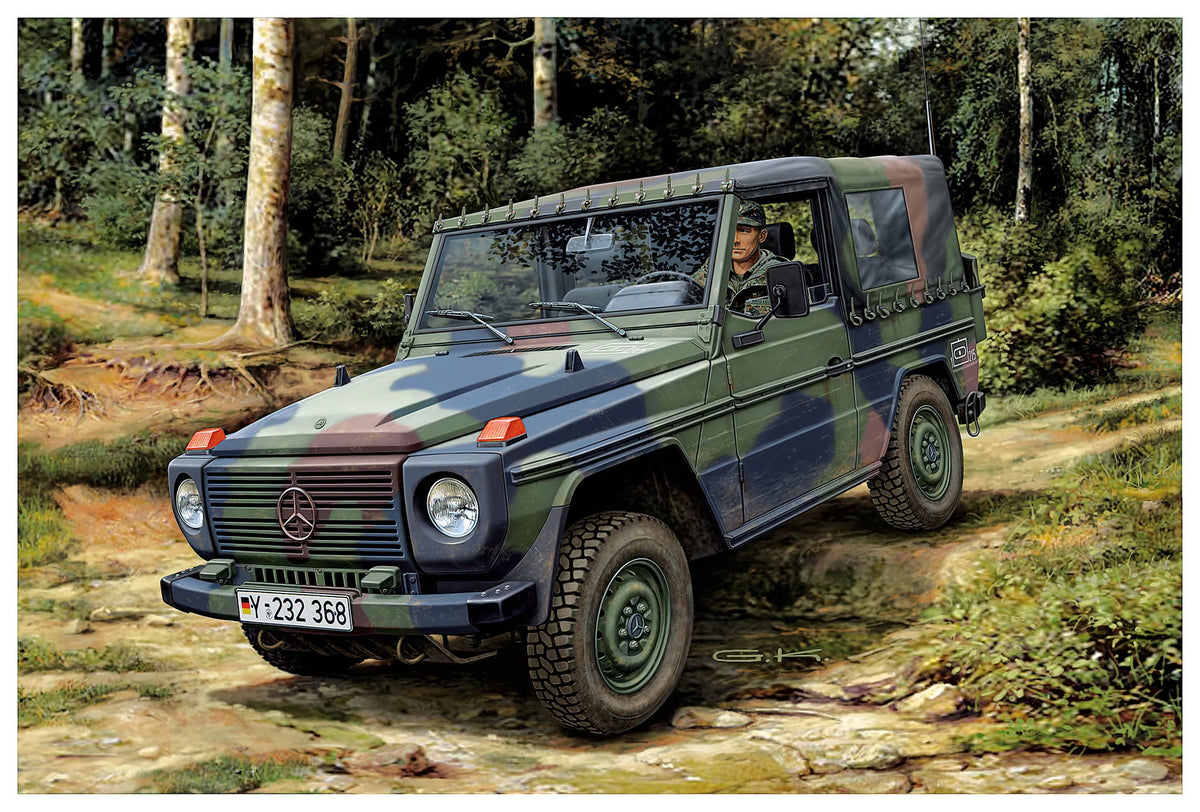


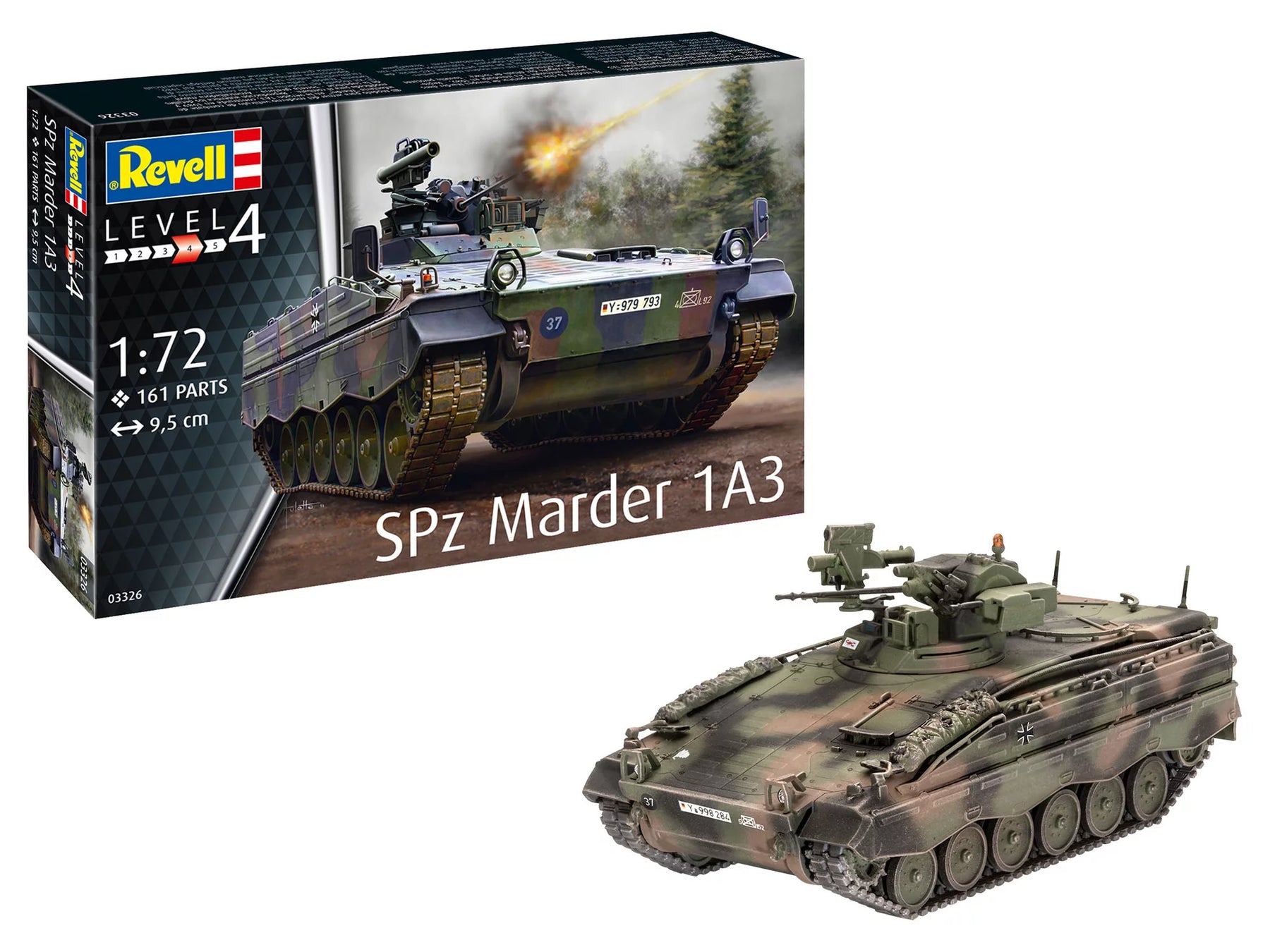
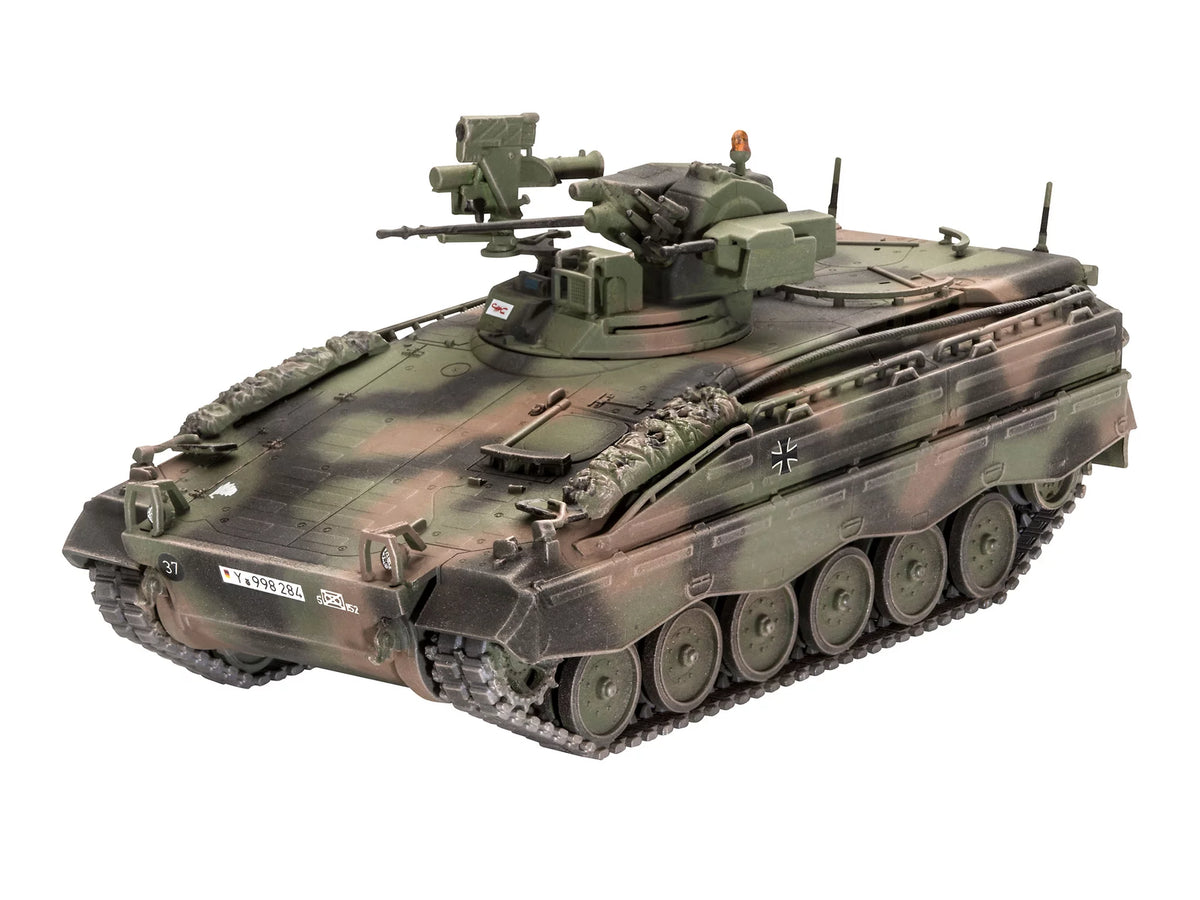

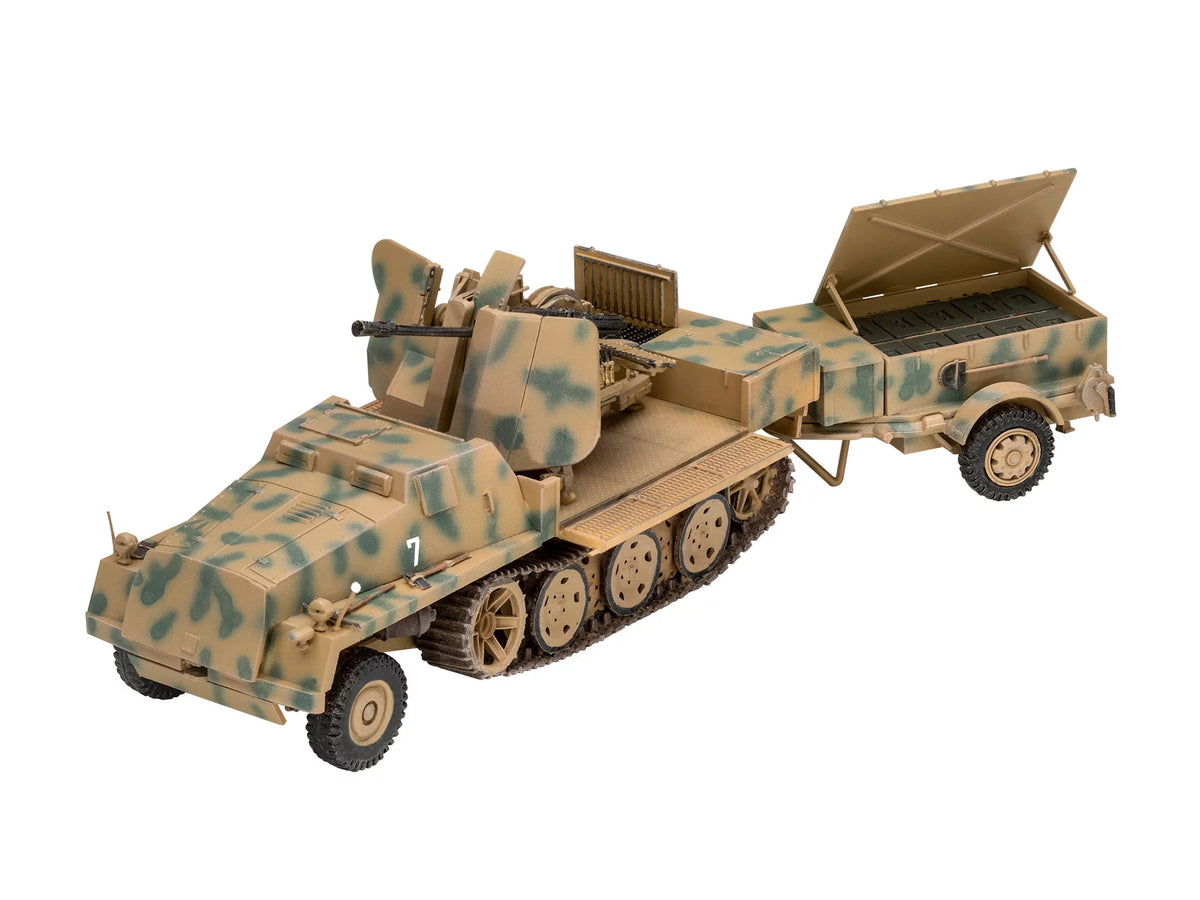
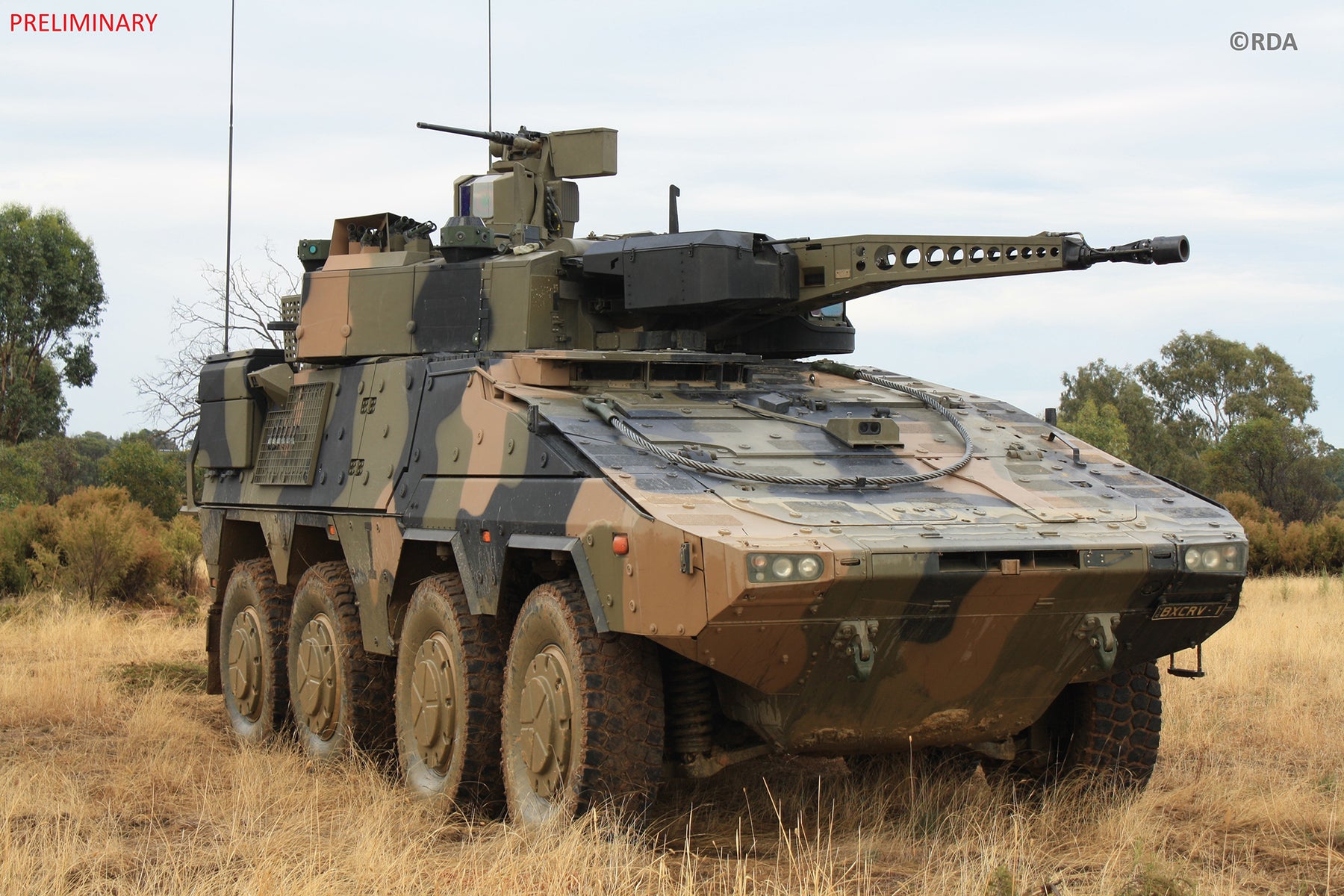

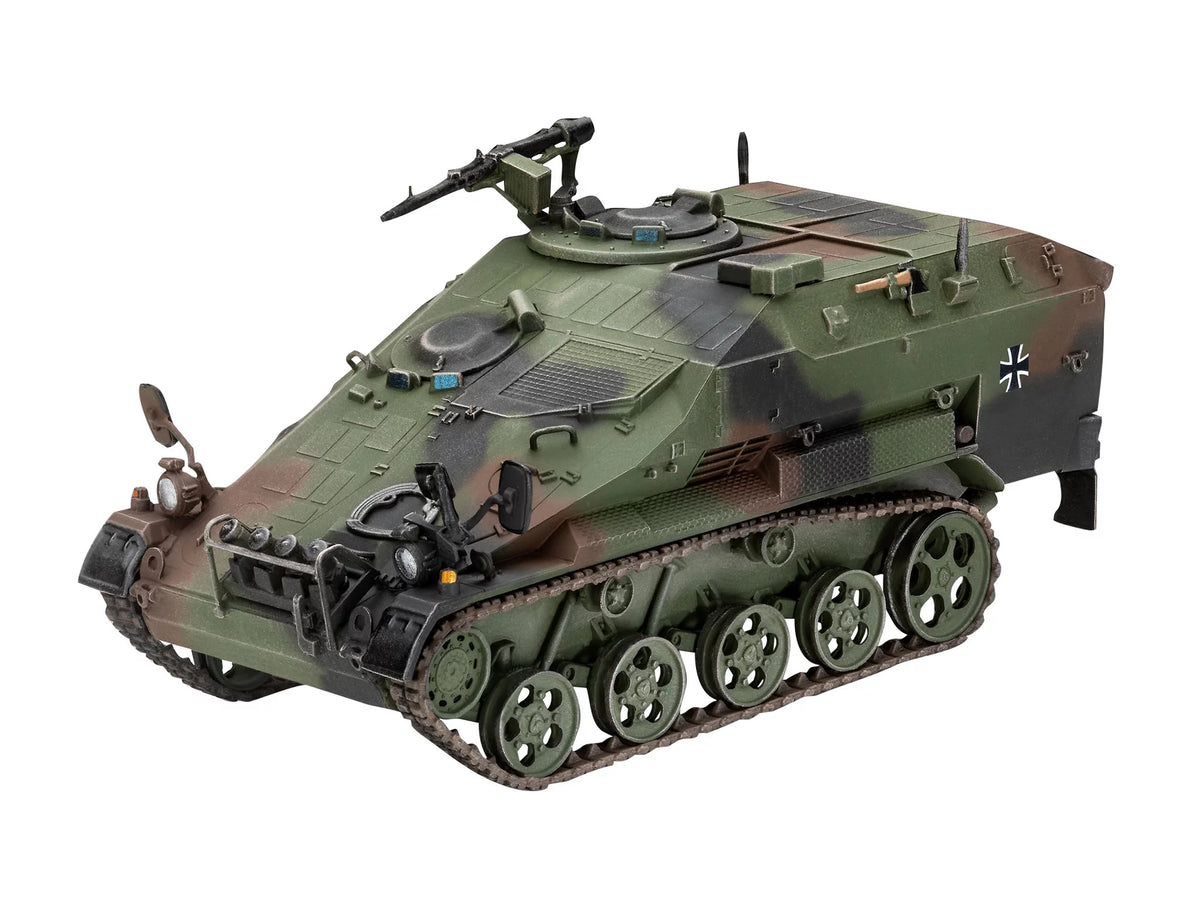

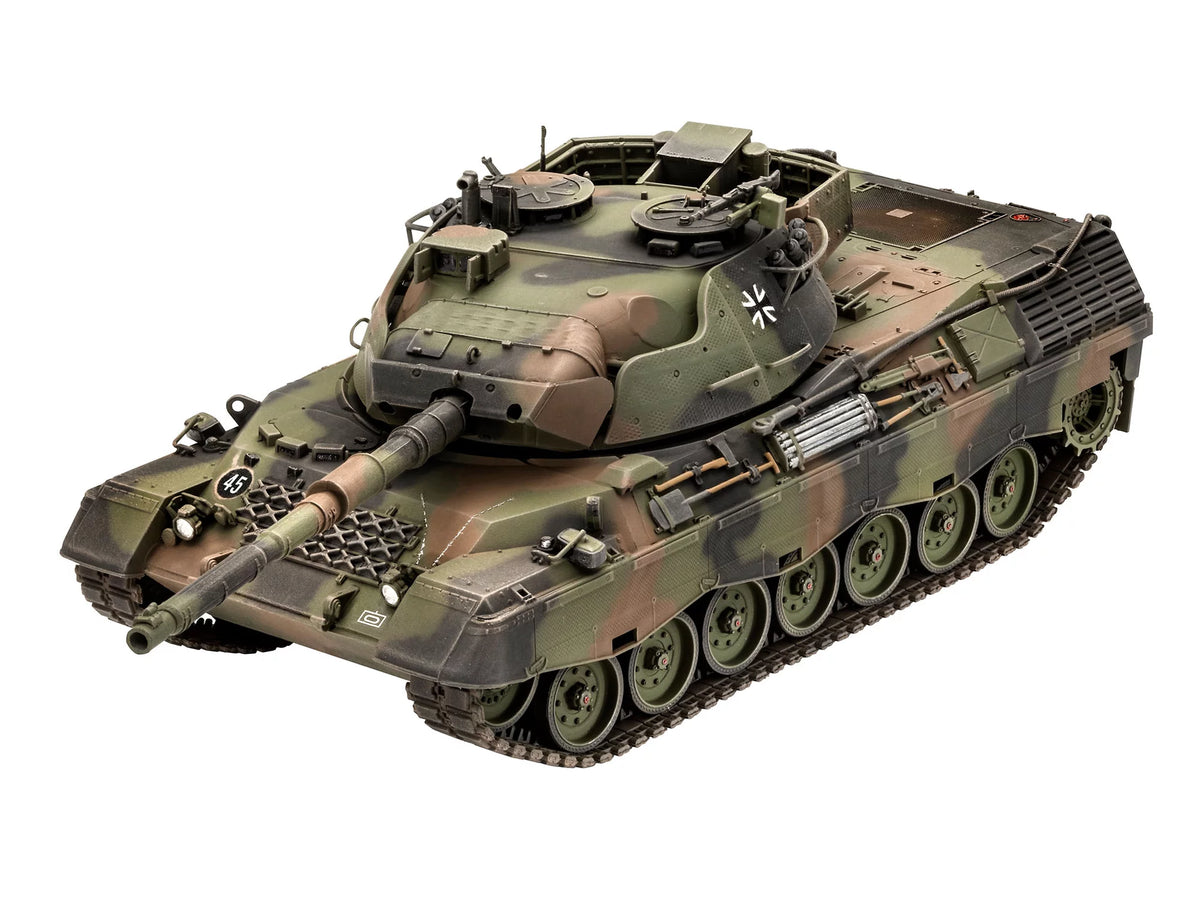

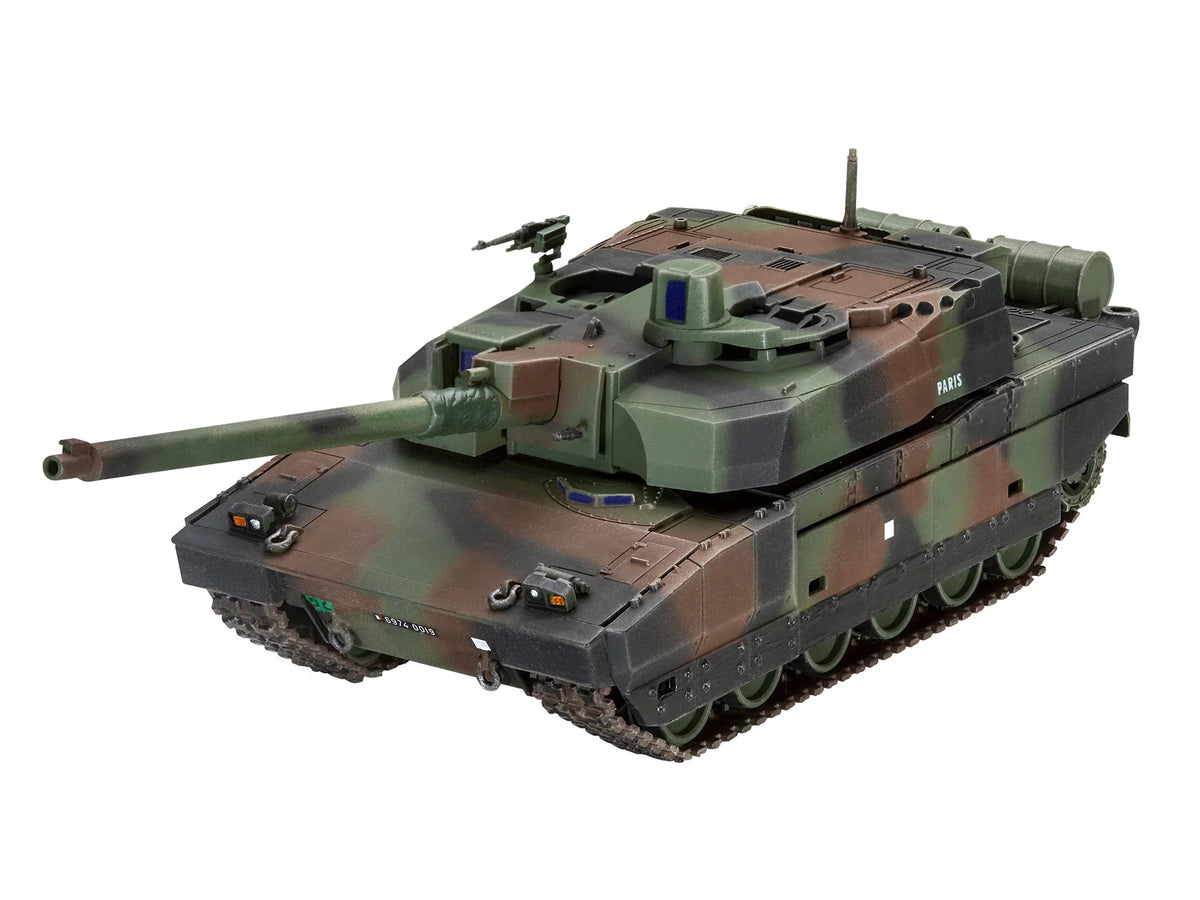

High-quality model kits for the discerning model builder
Why modern military vehicles as a model building project?
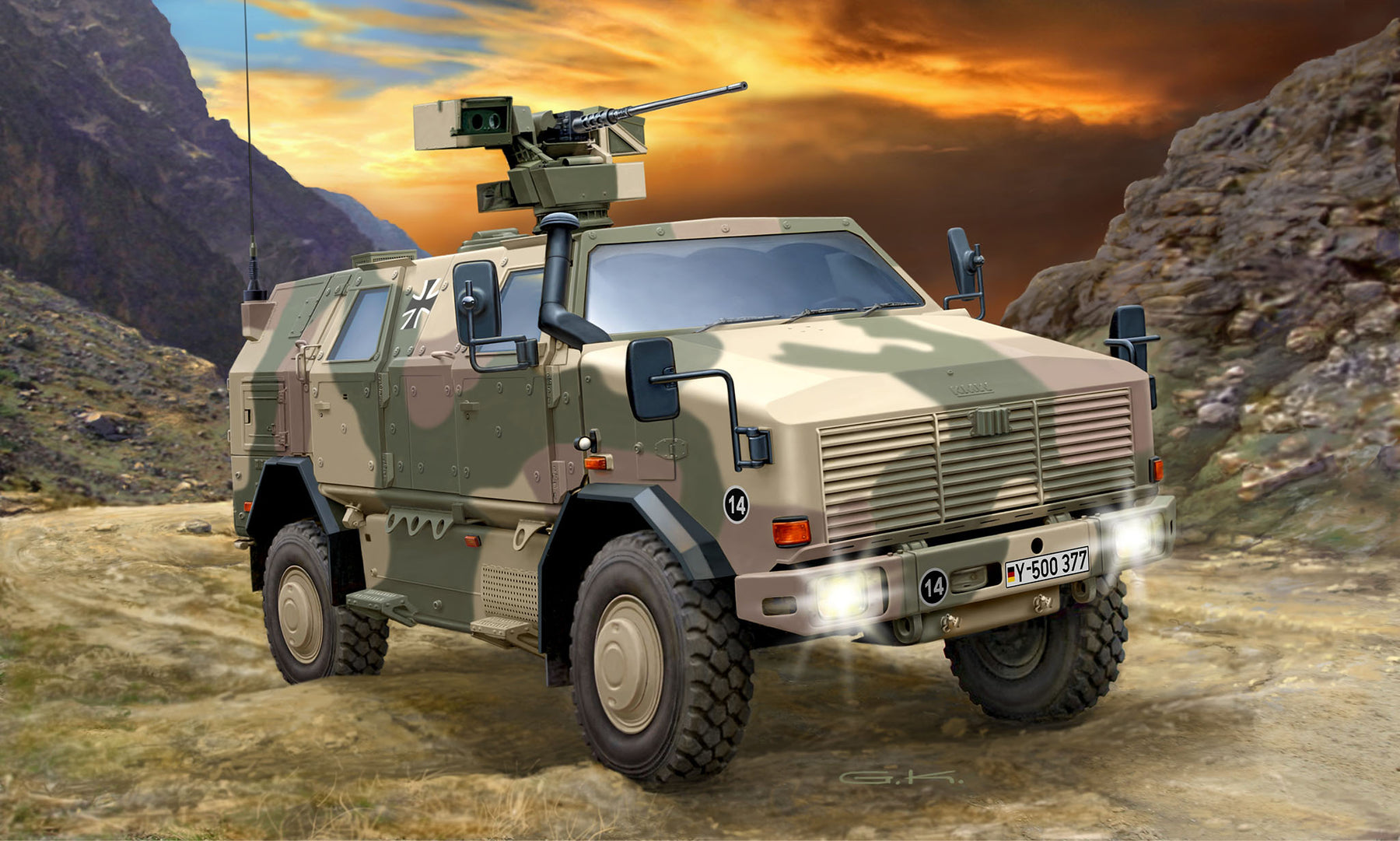
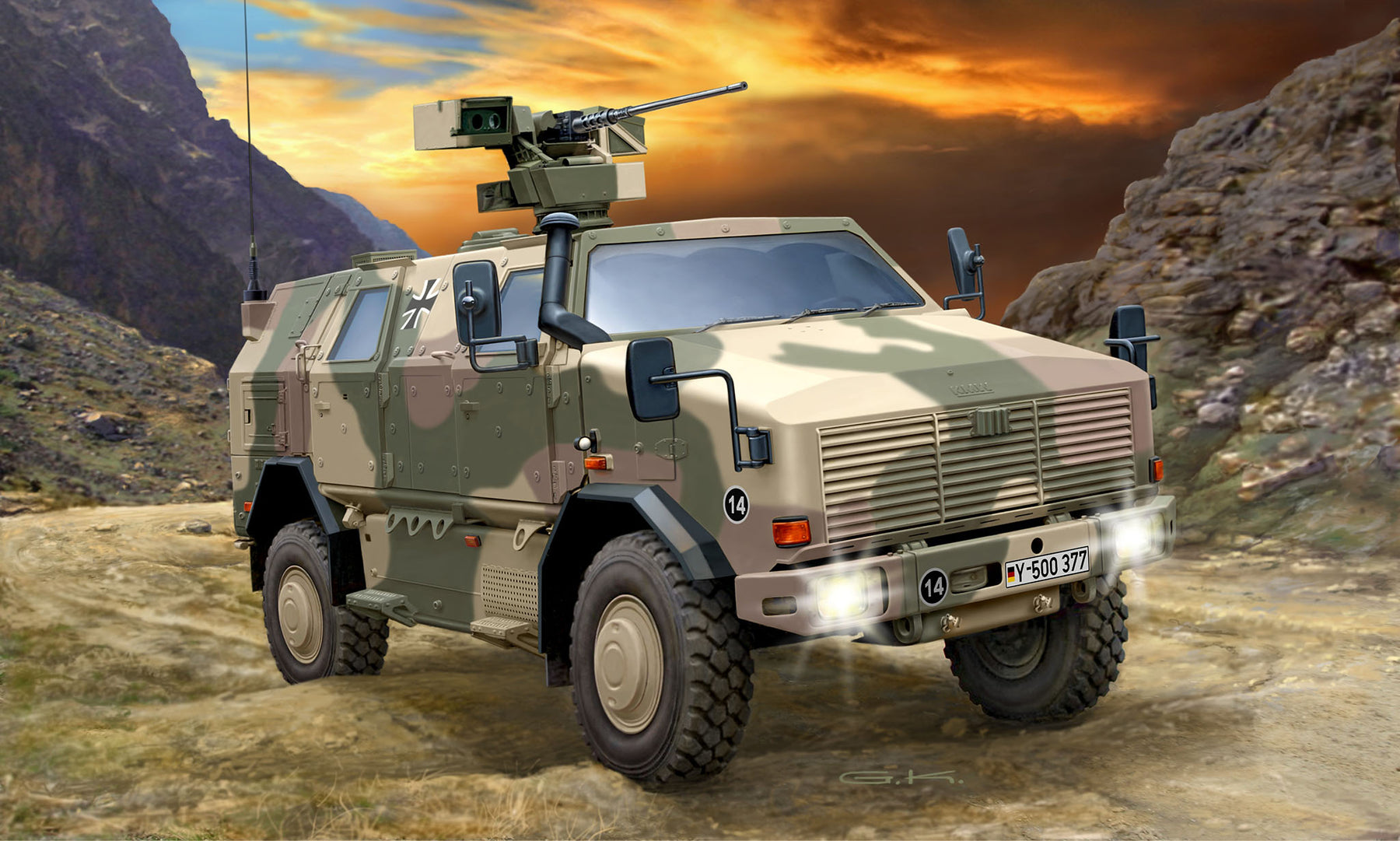
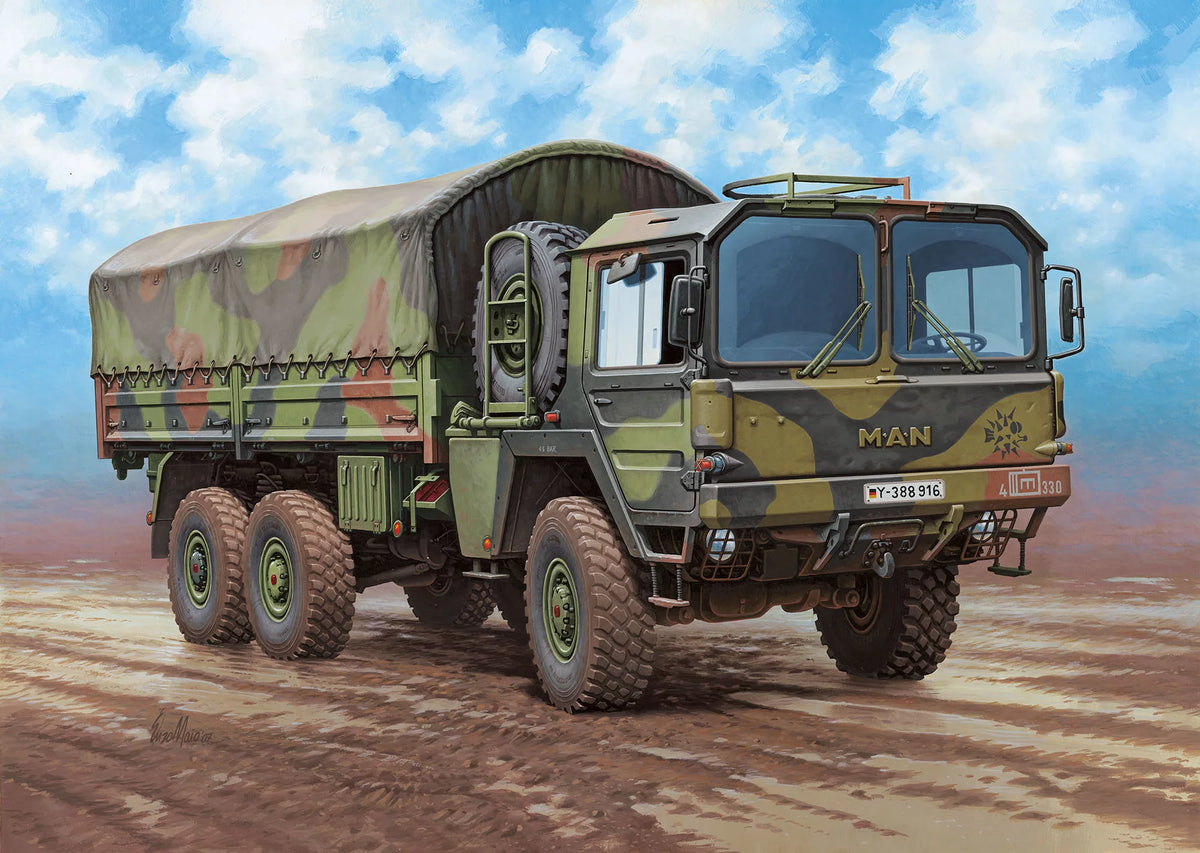
Model making has developed rapidly in recent years, and modern military vehicles in particular have an enormous fascination for hobbyists worldwide. In contrast to historical models from the world wars, current vehicles are characterized by a completely different design language, highly complex armor, state-of-the-art sensors and specialized weapon systems. If you choose this category, you will bring the cutting-edge technology of 2026 directly to your crafting table.
A model kit from this era challenges you in an exciting way. Not only will you build a vehicle, but you will also learn how reactive armor works, smoke bomb systems and modern communications antennas. The attention to detail that Revell offers here ensures that each finished model becomes a real masterpiece in your showcase. Regardless of whether you are interested in heavy battle tanks, agile wheeled tanks or versatile transport vehicles - modern military technology offers you countless opportunities to take your model building skills to the next level.
The most important purchasing criteria: How to make the right decision
Choosing the right kit is crucial to your fun and success while crafting. To ensure that you find exactly the model that suits your needs, you should pay attention to a few key criteria before purchasing.
The scale: size and level of detail
The scale not only determines the final size of your model, but also the level of detail. There are two main standards that have been established for modern military vehicles that you can choose between:
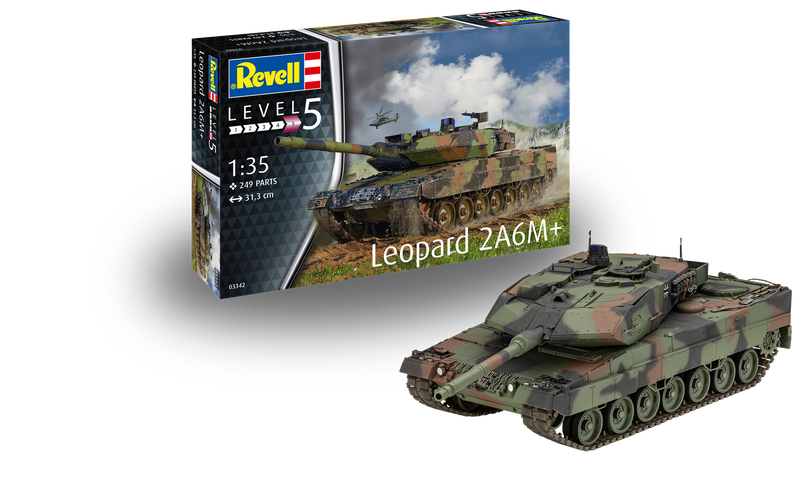
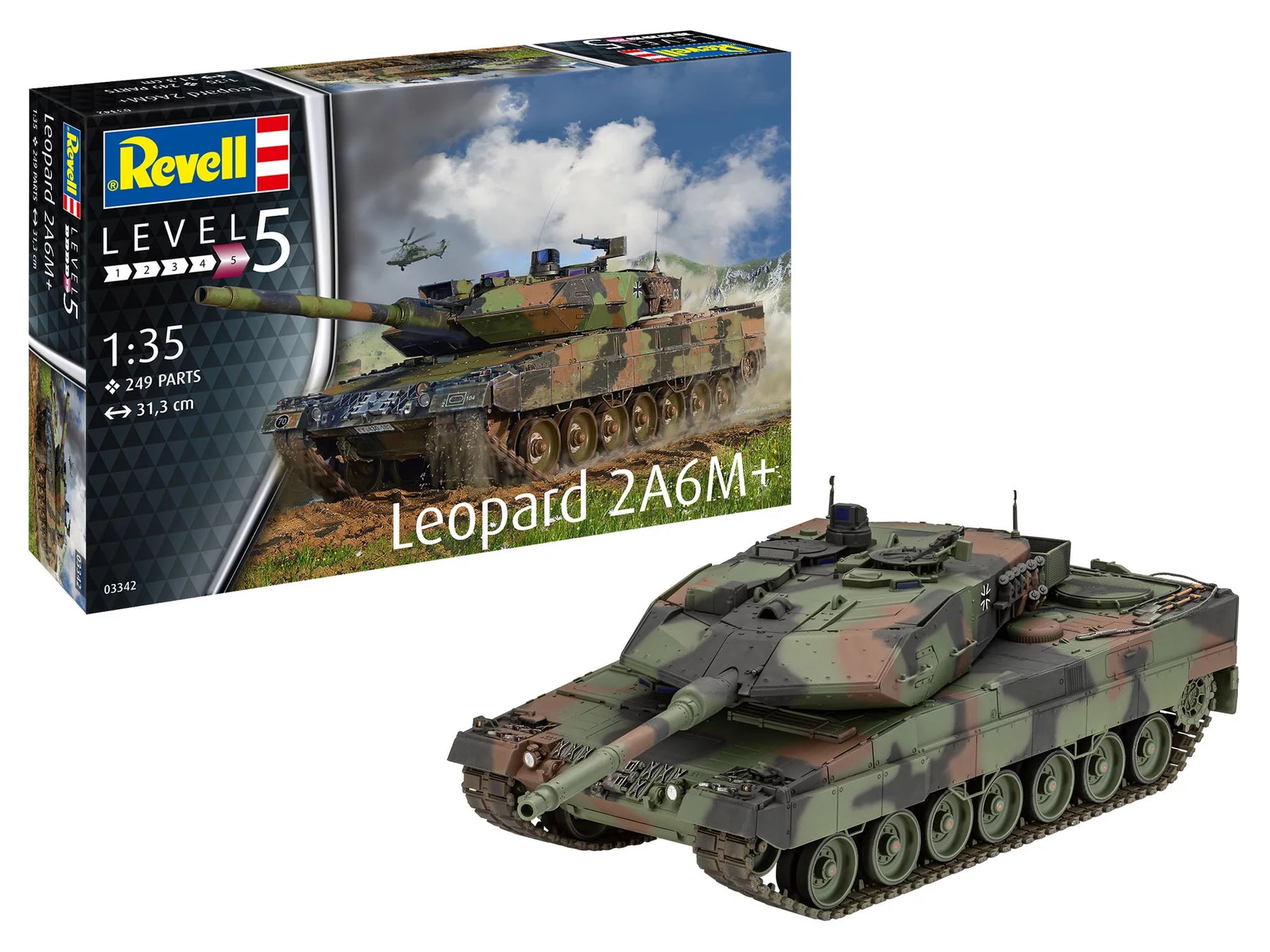
- Scale 1:35: This is the premier class for military vehicles. Models at this scale are large enough to perfectly display even tiny details such as welds, rivets, tools and fine antenna structures. They are ideal for elaborate dioramas and detailed weathering techniques (aging effects). If you are an experienced model builder and want to create a real exhibition piece, 1:35 is your first choice.
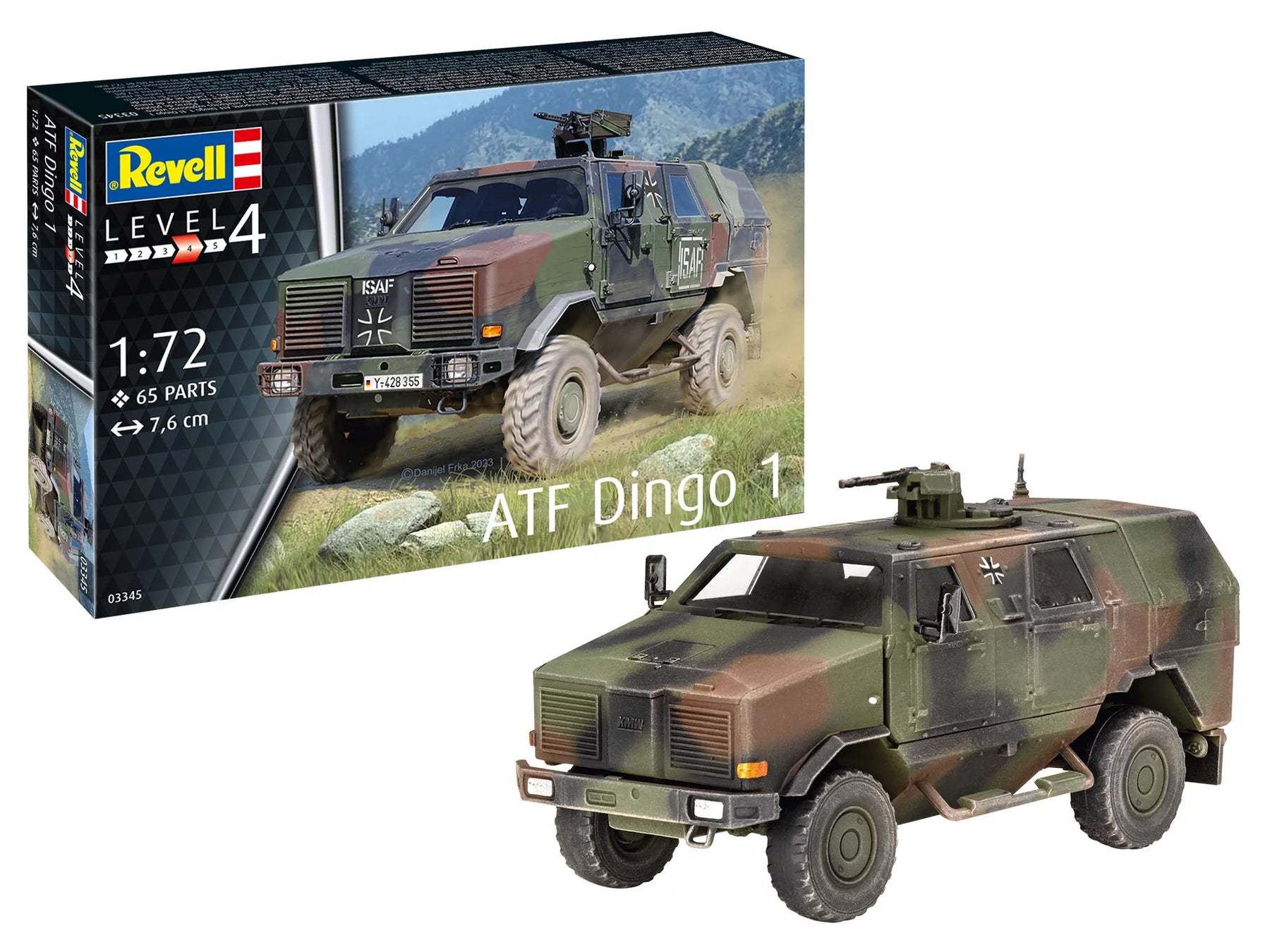
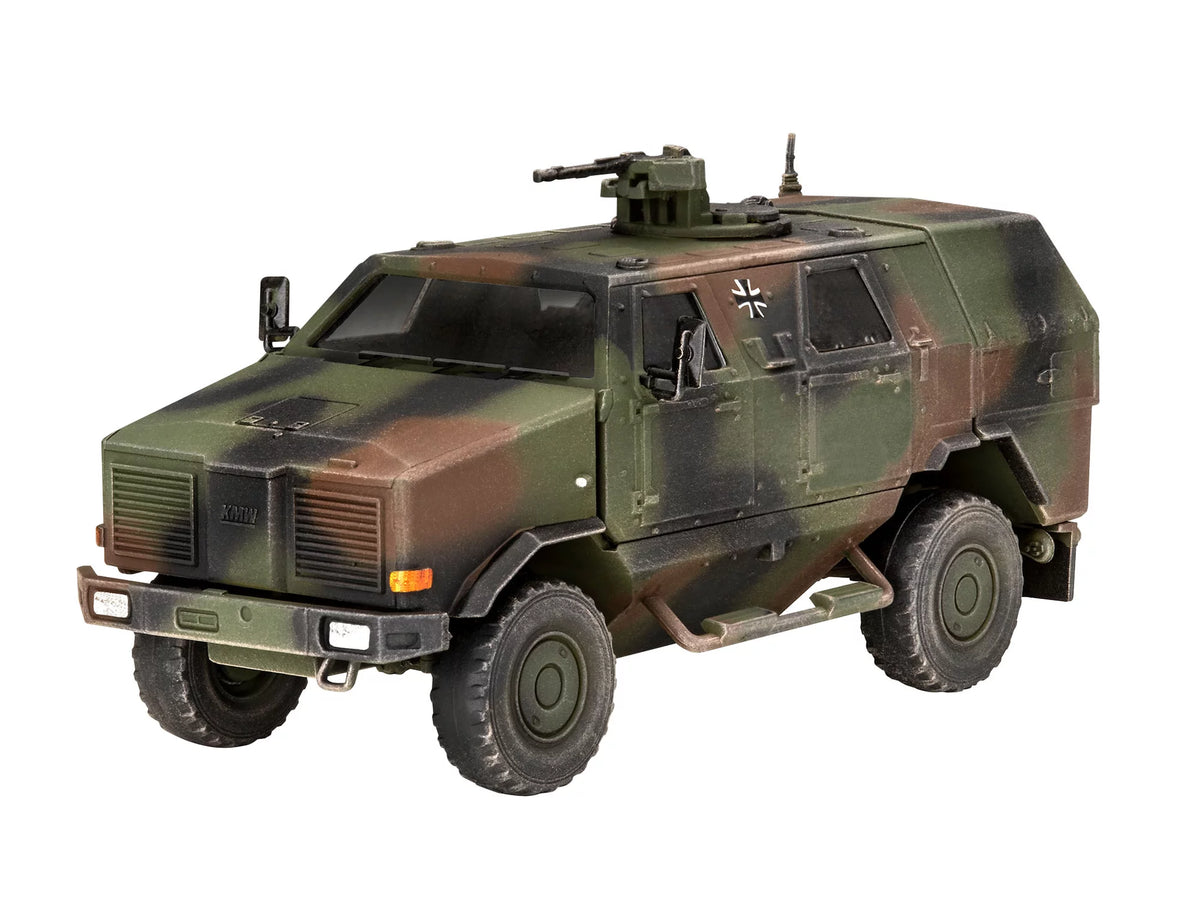
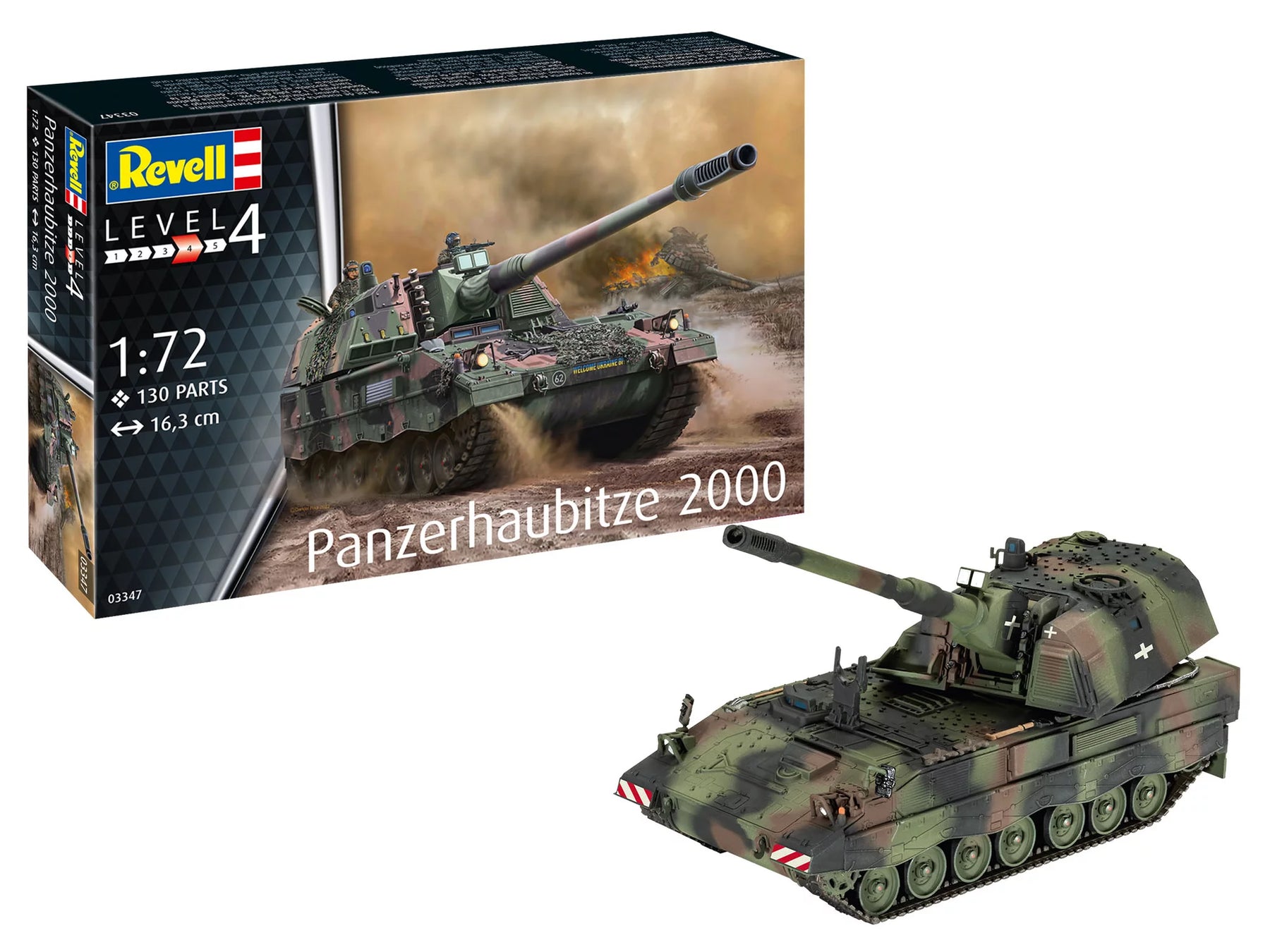
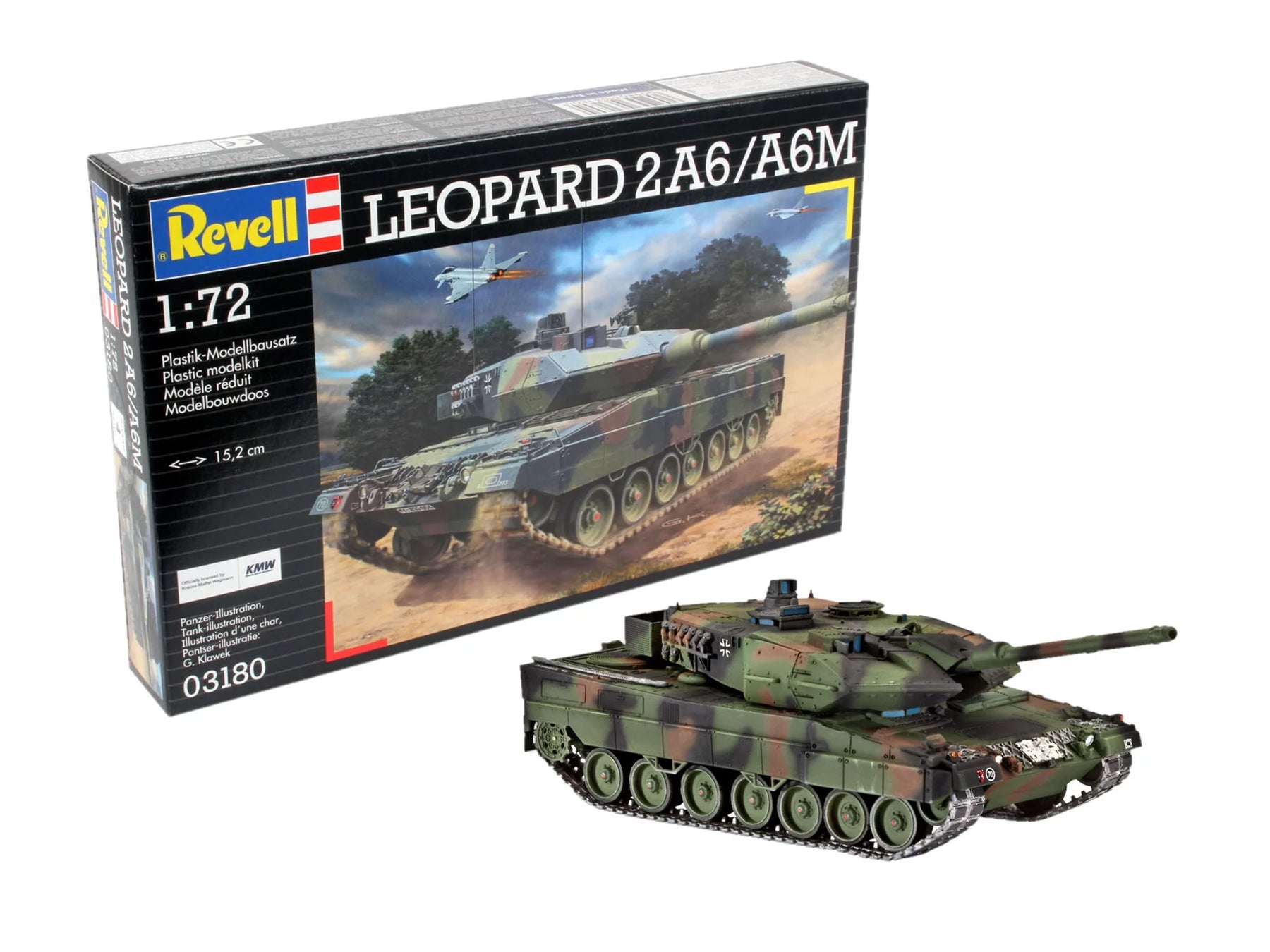
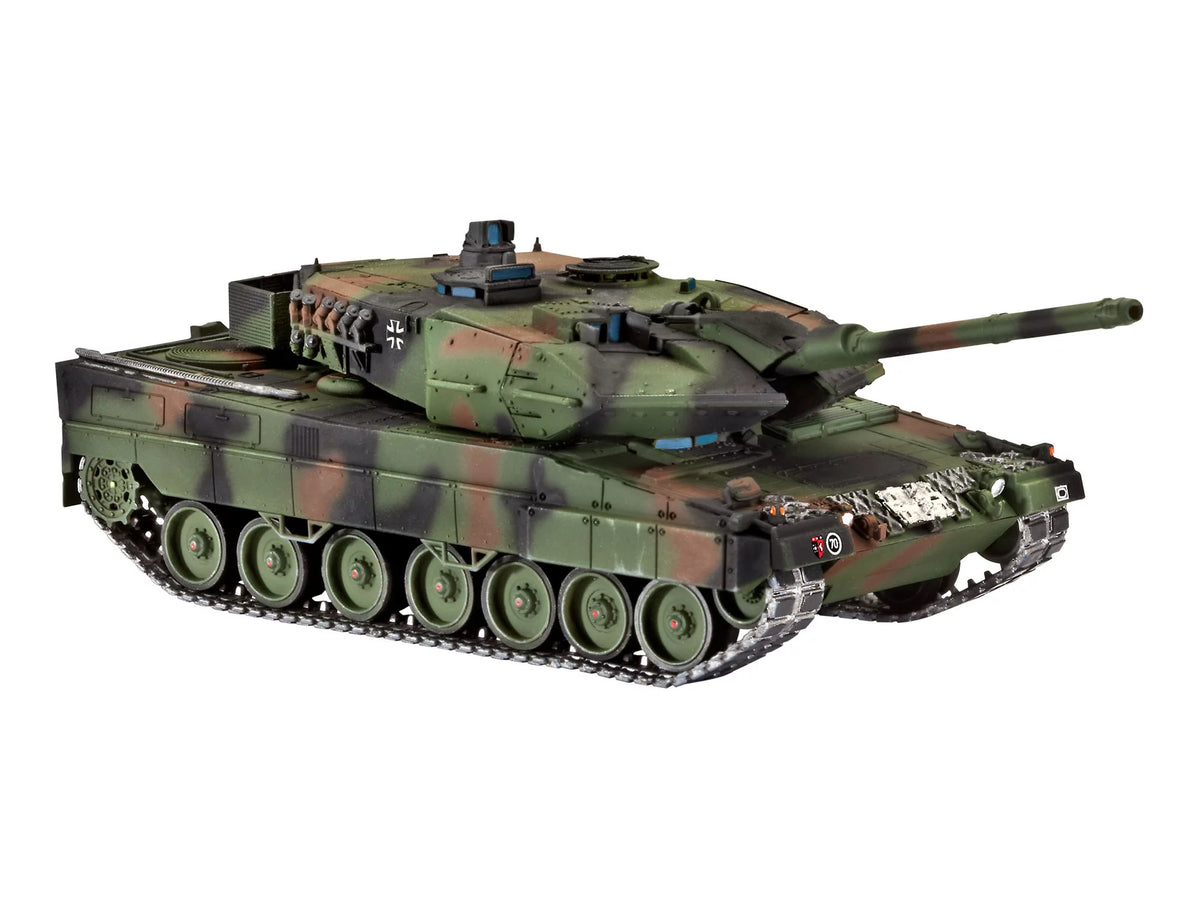
- Scale 1:72: These models are significantly more compact and space-saving. They are ideal if you want to build a larger collection or have less space in your display case. Despite their smaller size, Revell 1:72 kits offer an amazing level of detail. They are also often quicker to build and are ideal for advanced beginners.
The Revell Level System: Know your experience level
So that you are neither under- nor overwhelmed, Revell divides all model kits into clear levels of difficulty. Levels 3 to 5 are particularly relevant for modern military vehicles:
- Level 3: Perfect for you if you have already gained some experience in model building. These kits have a manageable number of parts (usually up to 100 parts) and are easy to glue and paint.
- Level 4: This is where the sophisticated model building begins. You work with up to 150 parts that are more delicate and require more precision when assembling. Complex camouflage schemes and fine details demand your patience and skill.
- Level 5: The absolute master class. With often well over 150 components, these sets are aimed at real professionals. Highly detailed individual link chains, tiny photo-etched parts and complex assemblies require in-depth experience, steady hands and professional tools.
What types of vehicles are there?
Modern warfare relies on highly specialized vehicles. In the Revell range you will find a wide selection of models that represent different tactical roles on the modern battlefield.
Main Battle Tanks
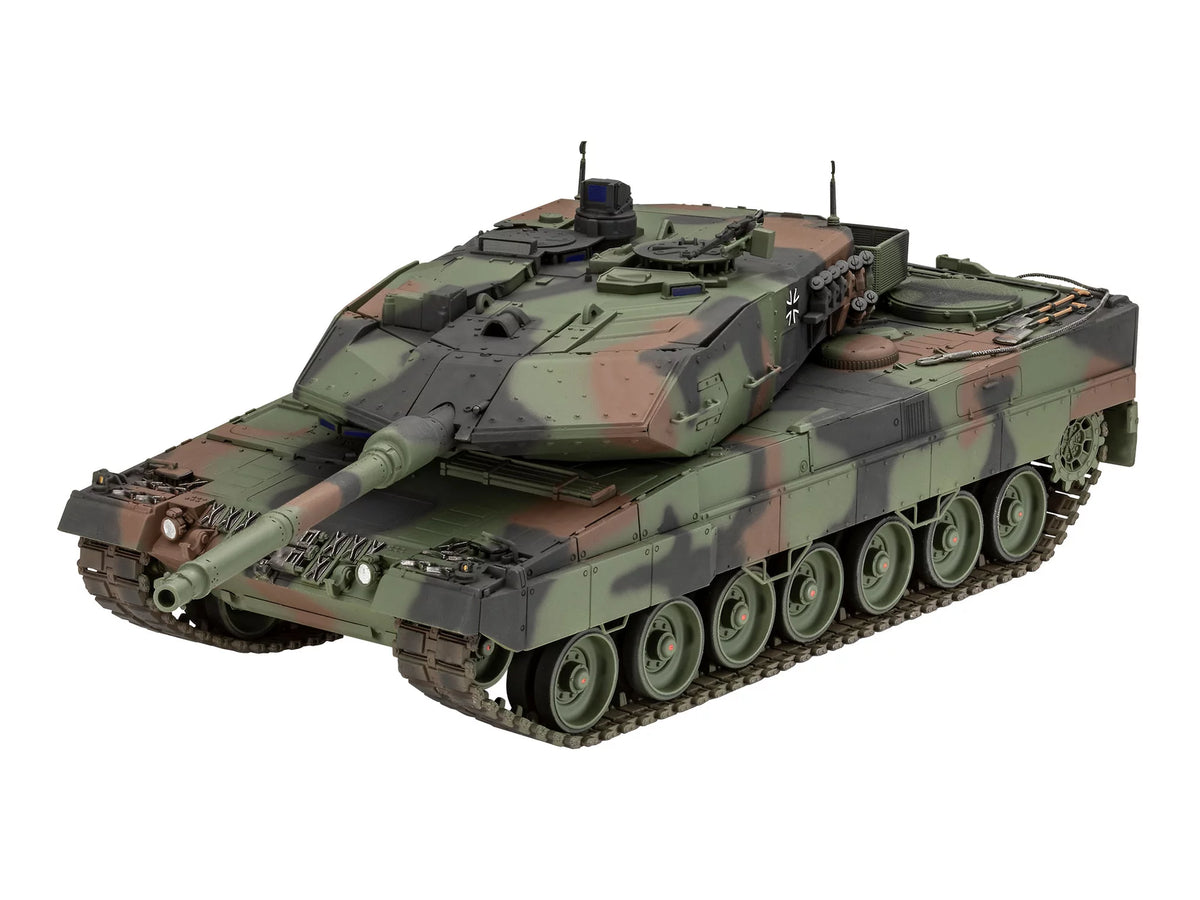
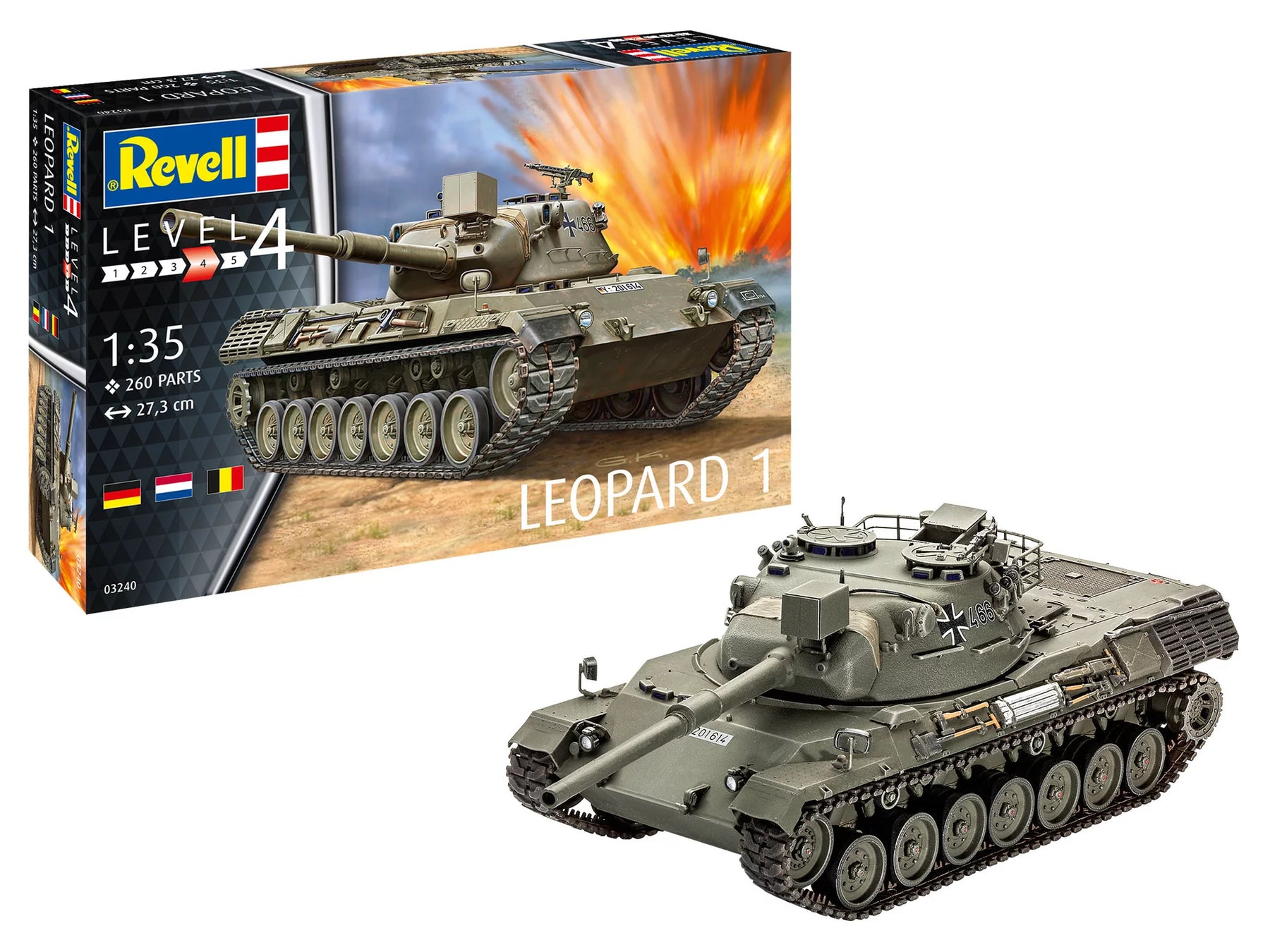
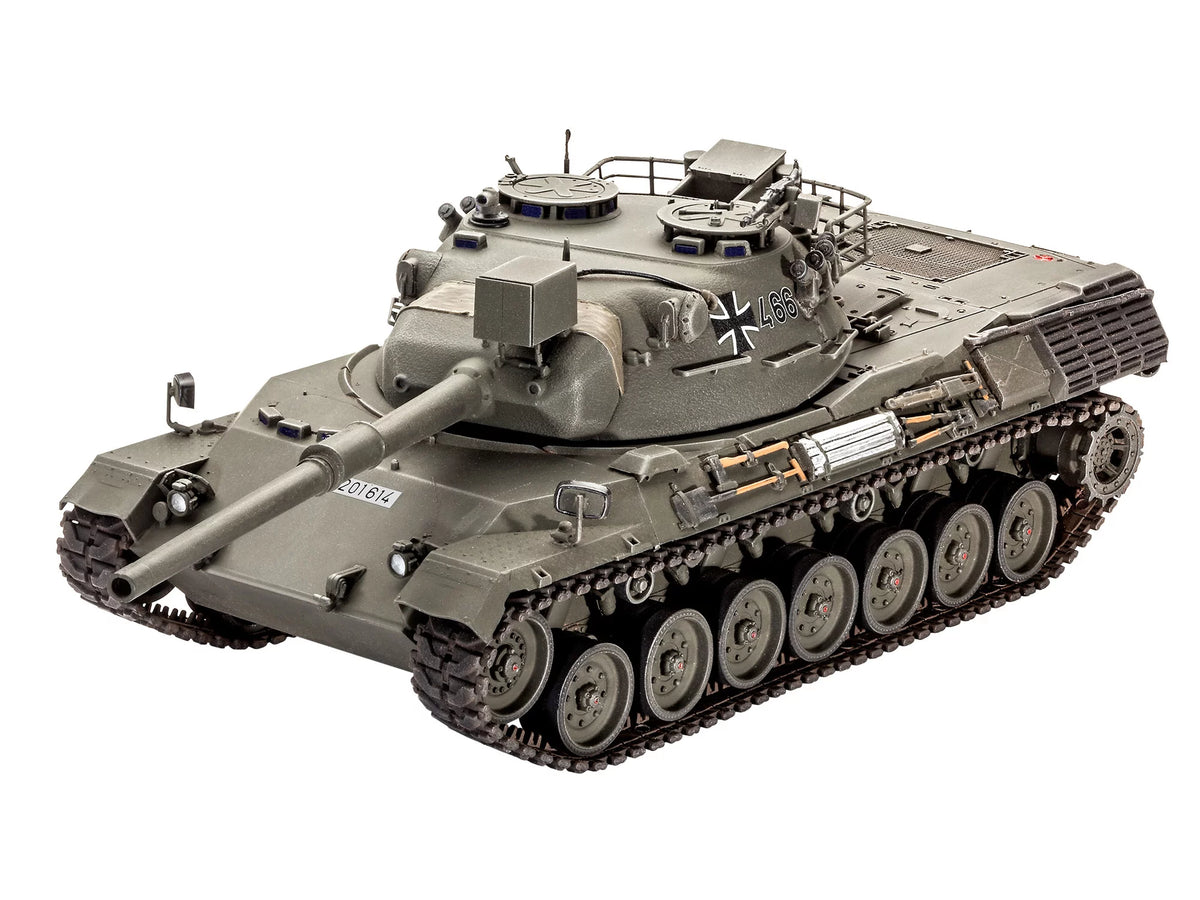
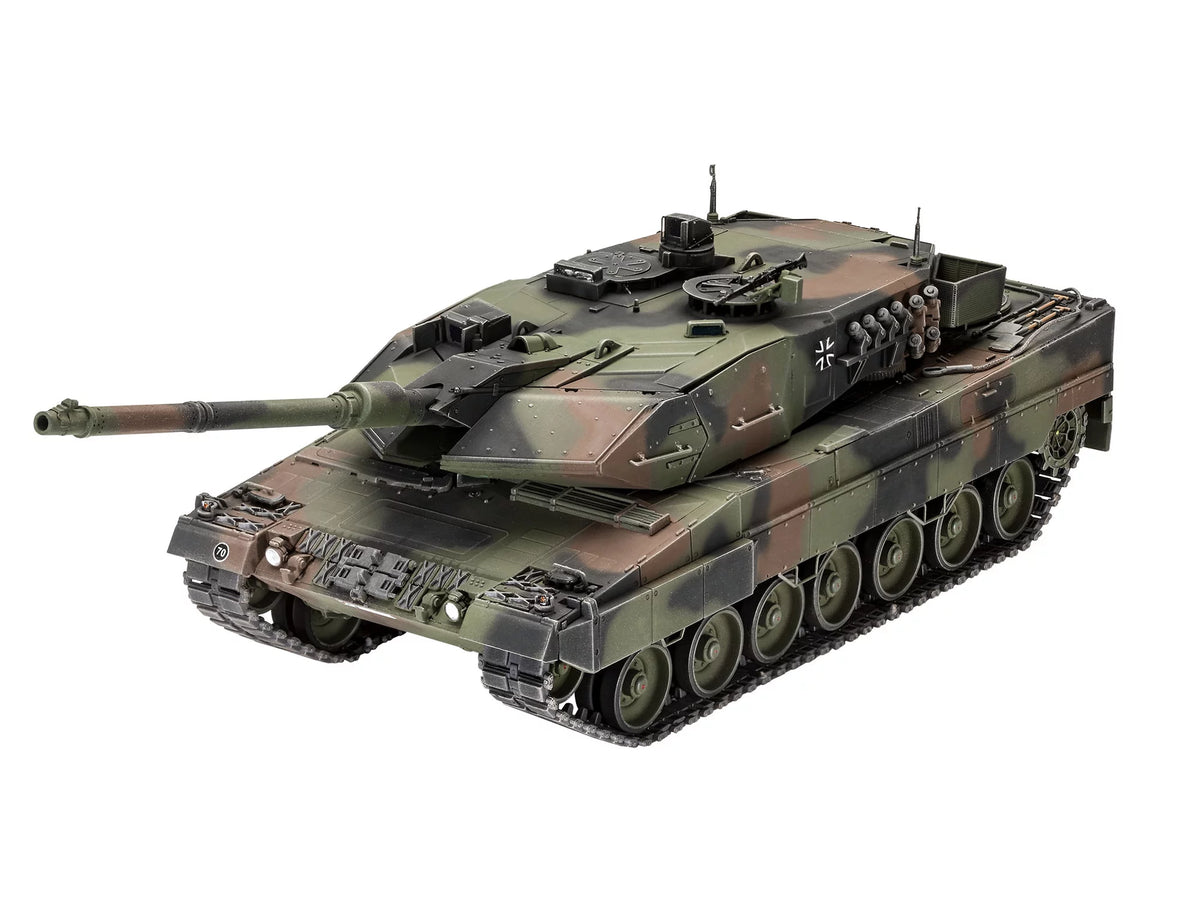
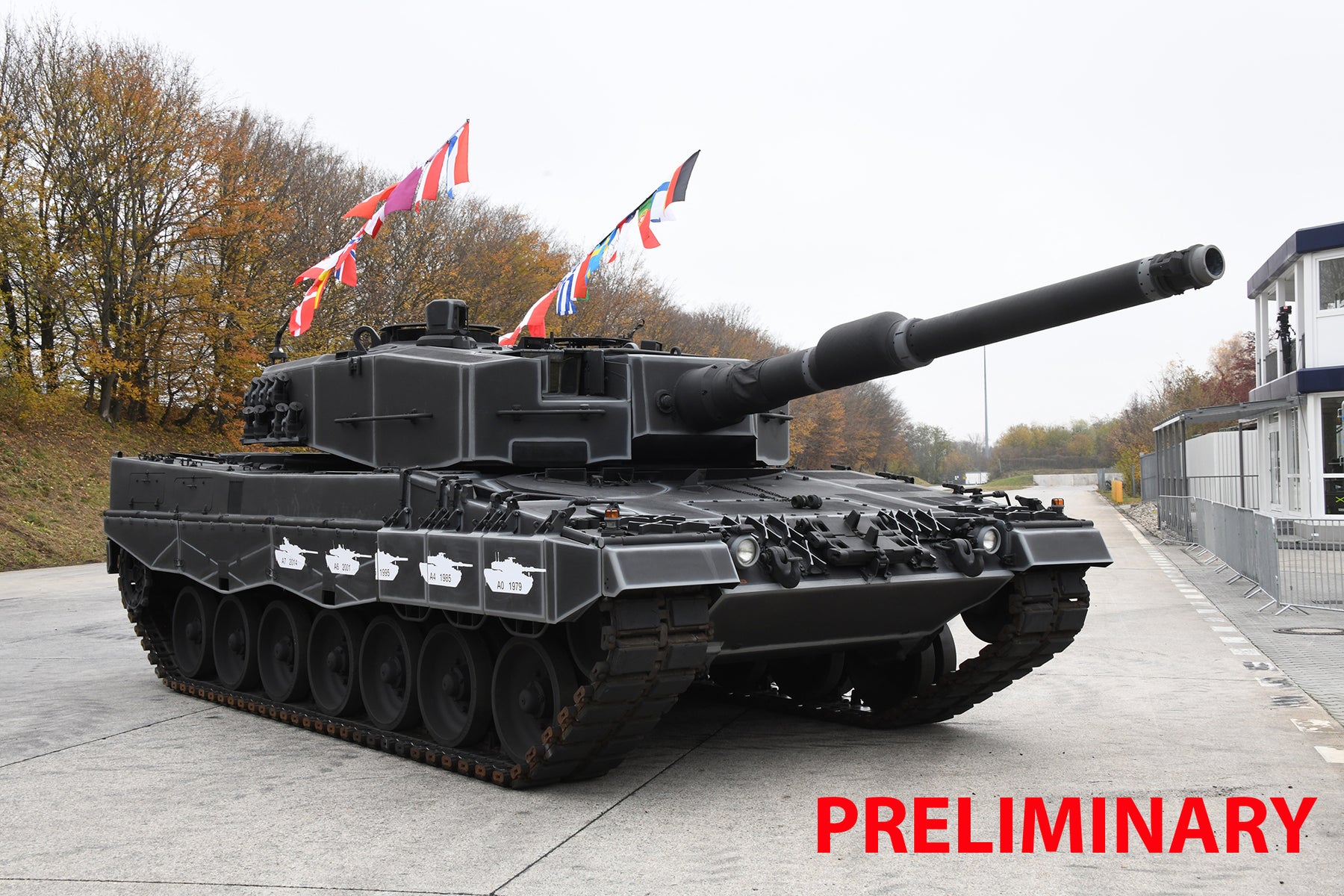
They are the giants of the battlefield. Models like the Leopard 2 or the M1 Abrams are among the most popular kits of all. When building these modern military vehicles, what is particularly fascinating is the massive turret construction, the smooth, angled armor plates and the massive tracked running gear. A 1:35 scale battle tank is an impressive project that offers you many options for custom camouflage.
Armored personnel carriers and wheeled armored vehicles
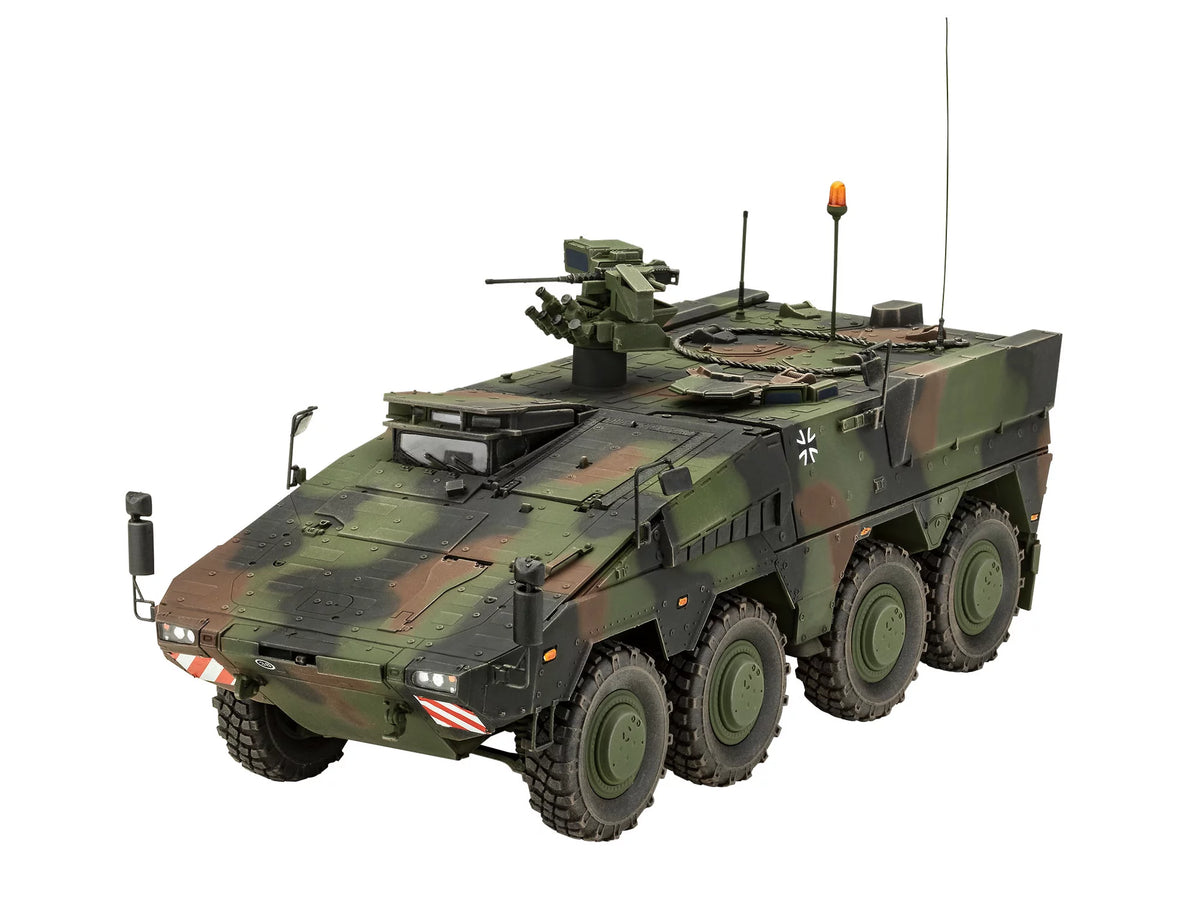
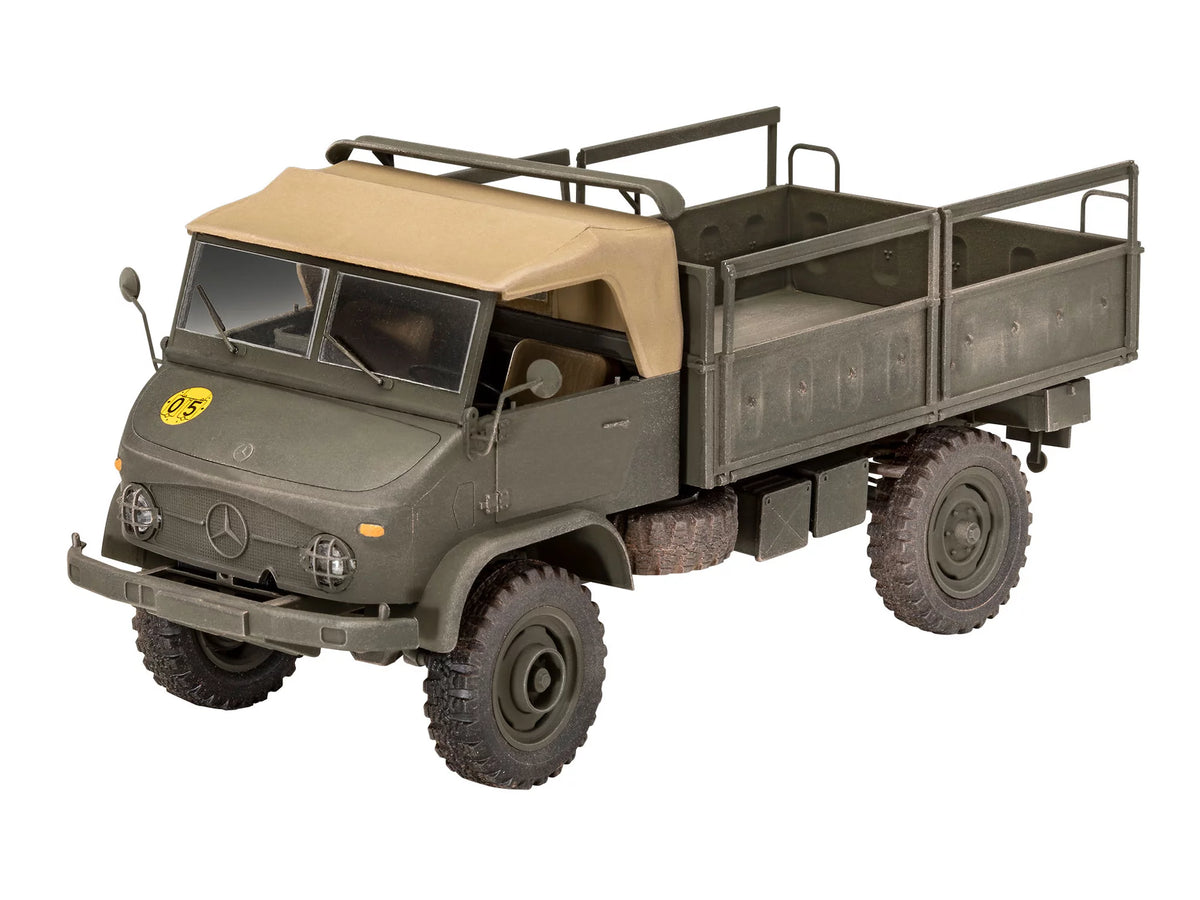
Vehicles like the Puma, the Boxer or the Stryker represent the mobility of modern armed forces. Wheeled tanks are particularly interesting in model making, as the detailed representation of the chassis, wheel suspensions and tread tires presents its own challenge. Armored personnel carriers often impress with their asymmetrical turret designs and elaborate additional armor, which make the model extremely visually exciting.
Artillery and special vehicles
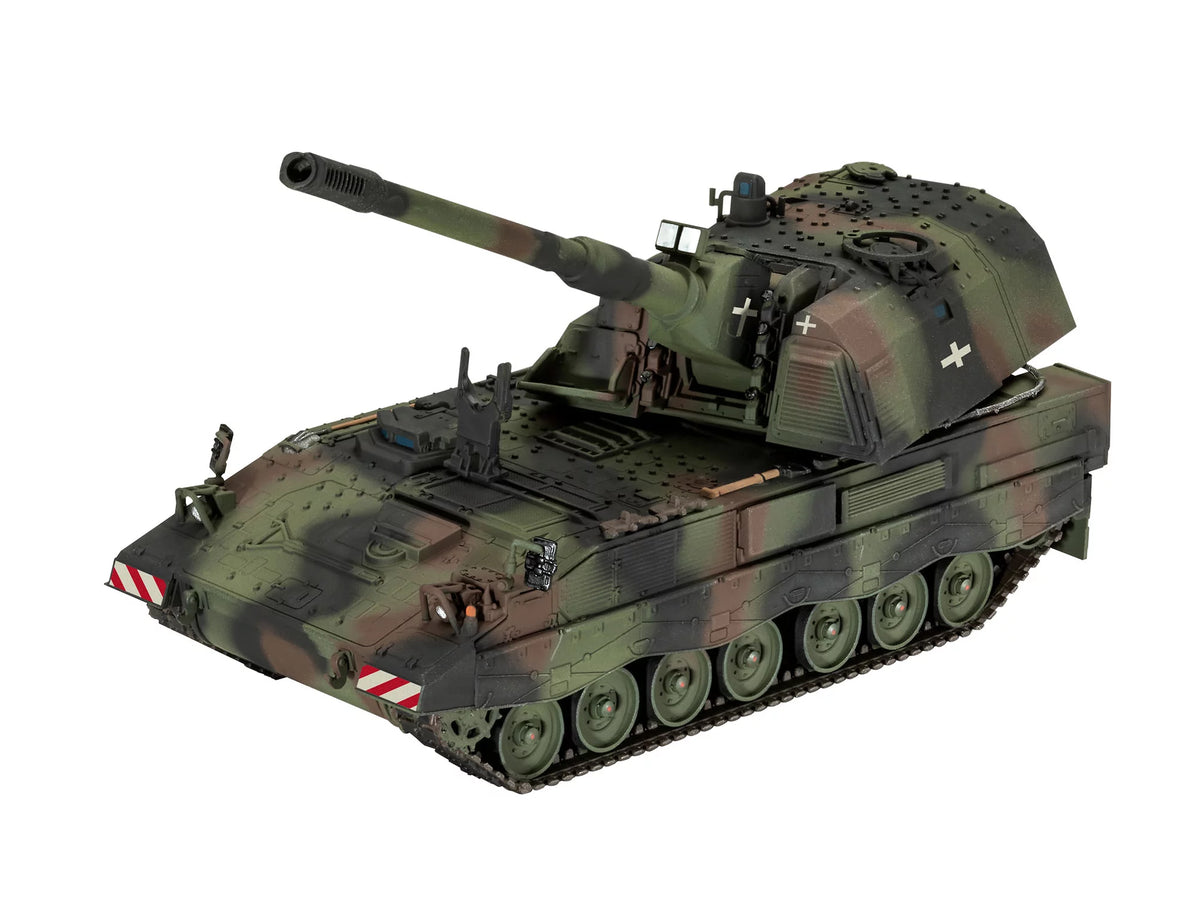
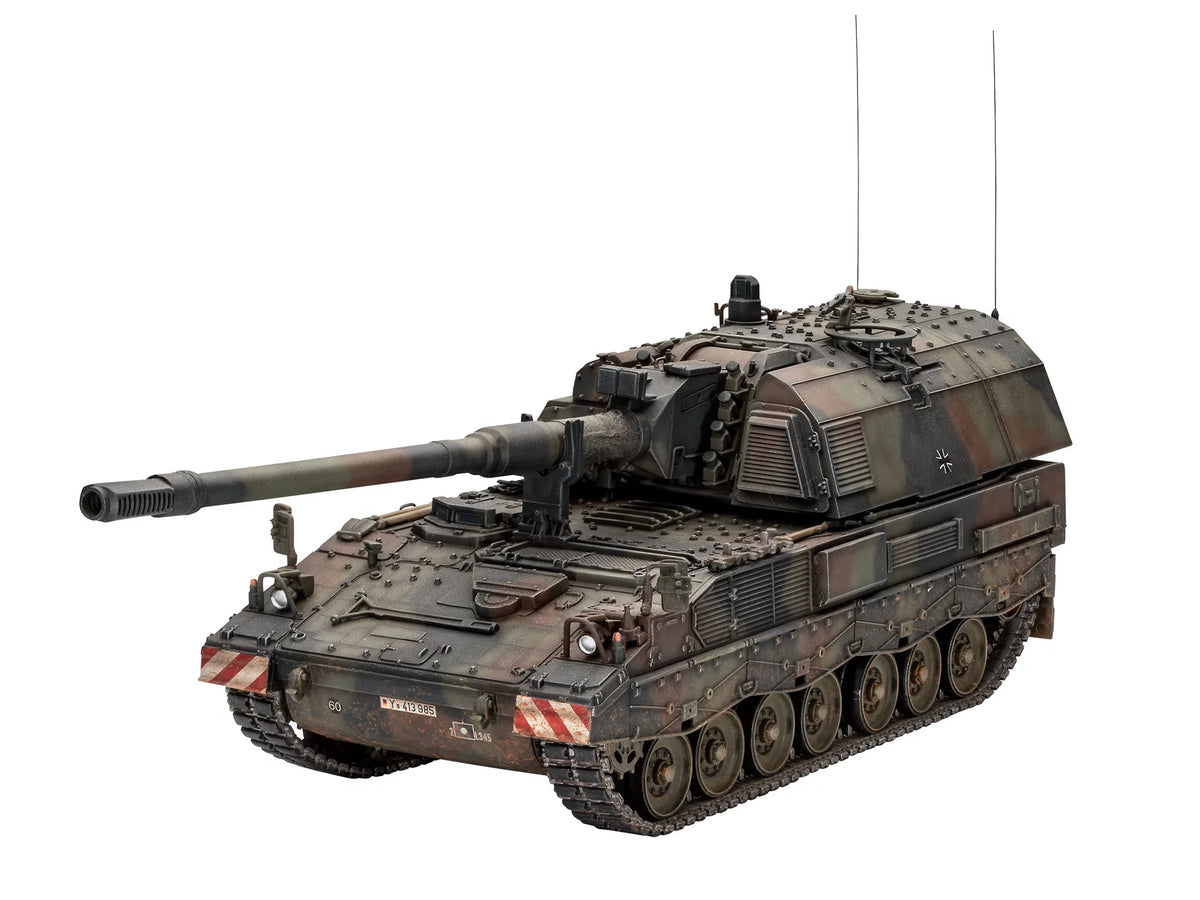
In addition to the classic tanks, self-propelled howitzers (like the PzH 2000), bridge-laying tanks and anti-aircraft systems offer a welcome change. These models are characterized by extremely long gun barrels, radar systems or complex hydraulic systems. If you're looking for a real eye-catcher that stands out from the usual battle tanks, this category is for you.
Pro tips for building modern military models
A quality kit is just the first step. To truly bring your model of a modern military vehicle to life requires the right techniques and tools.
The right tool for precise results
Always use sharp side cutters to cleanly separate the parts from the casting branch. A craft knife (scalpel) will help you remove fine burrs. Since modern tanks often have very smooth surfaces with fine joints, a liquid plastic adhesive with a cannula (such as Revell Contacta Professional) is essential. It welds the plastic cleanly without leaving unsightly adhesive marks.
Realistic painting and modern camouflage patterns
Modern military vehicles often wear complex NATO camouflage (usually bronze green, leather brown and tar black) or desert camouflage. For a perfect result you should use an airbrush gun. It allows you to achieve smooth color transitions that are almost impossible to achieve with a brush. Be sure to apply the colors in thin layers so as not to cover the model's fine engravings and rivets. Masking tape or special masking putty will help you create sharp edges in certain camouflage patterns.
Weathering: This is how you create maximum authenticity
A brand new tank often appears artificial. Modern military vehicles are exposed to dust, mud and wear and tear when in use. Using techniques like “washing” (heavily diluted, dark paint that runs into the recesses) you can highlight details vividly. Use dry brushing with lighter colors to emphasize edges. Special pigments in earth and dust tones, which you apply to the undercarriage area and on the tracks or tires, give your model the final, ultra-realistic touch.
That's why Revell is your best place to go
When it comes to detailed model kits, Revell has been an institution for decades. The modern military vehicles in the range are characterized by the highest degree of fit, excellently researched details and understandable construction instructions. The true-to-original decals allow you to exactly recreate vehicles from specific units and current operational scenarios. Revell also offers excellent support: If a part is lost or damaged during construction, the competent customer service will help you quickly. With Revell you choose quality that you can see and feel in the finished model.
Which model suits whom?
| Experience level | Recommended scale & type | Features & Focus |
|---|---|---|
| Advanced beginners (level 3) | 1:72 Light wheeled tanks & reconnaissance vehicles | Manageable number of parts, faster construction progress, ideal for practicing your first NATO camouflage coats. |
| Experienced model builders (Level 4) | 1:35 main battle tank (e.g. Leopard 2) | High level of detail, delicate attachments, requires precise gluing and the safe use of airbrush techniques. |
| Professionals & Experts (Level 5) | 1:35 Complex weapon systems & howitzers | Maximum number of parts (often >200), extremely fine details, complex chassis, perfect for complex weathering and dioramas. |