






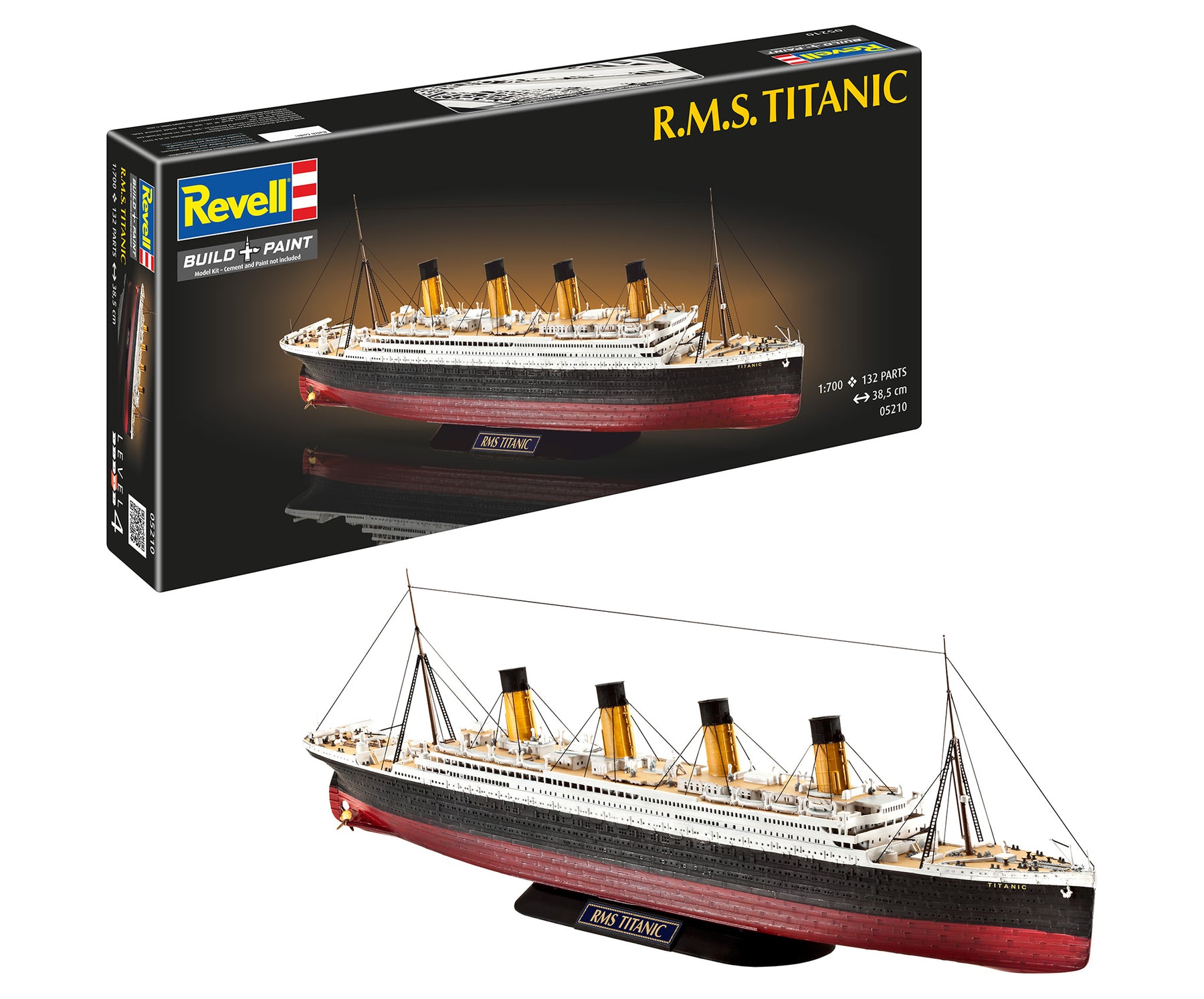
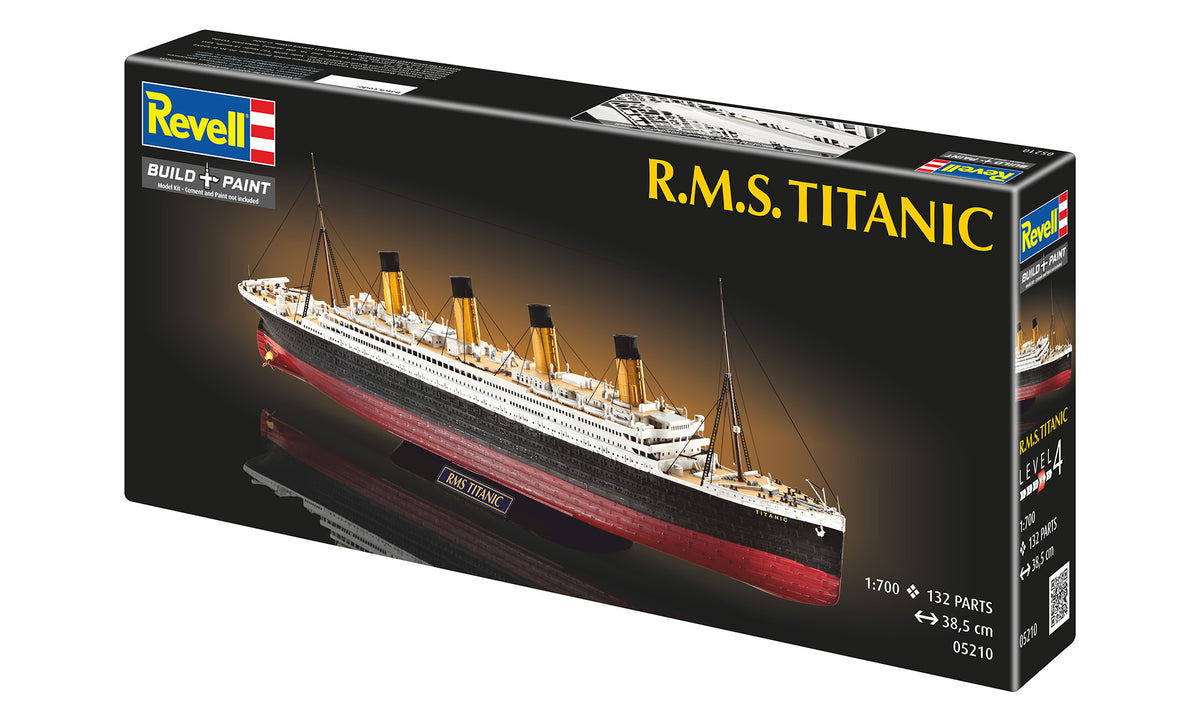
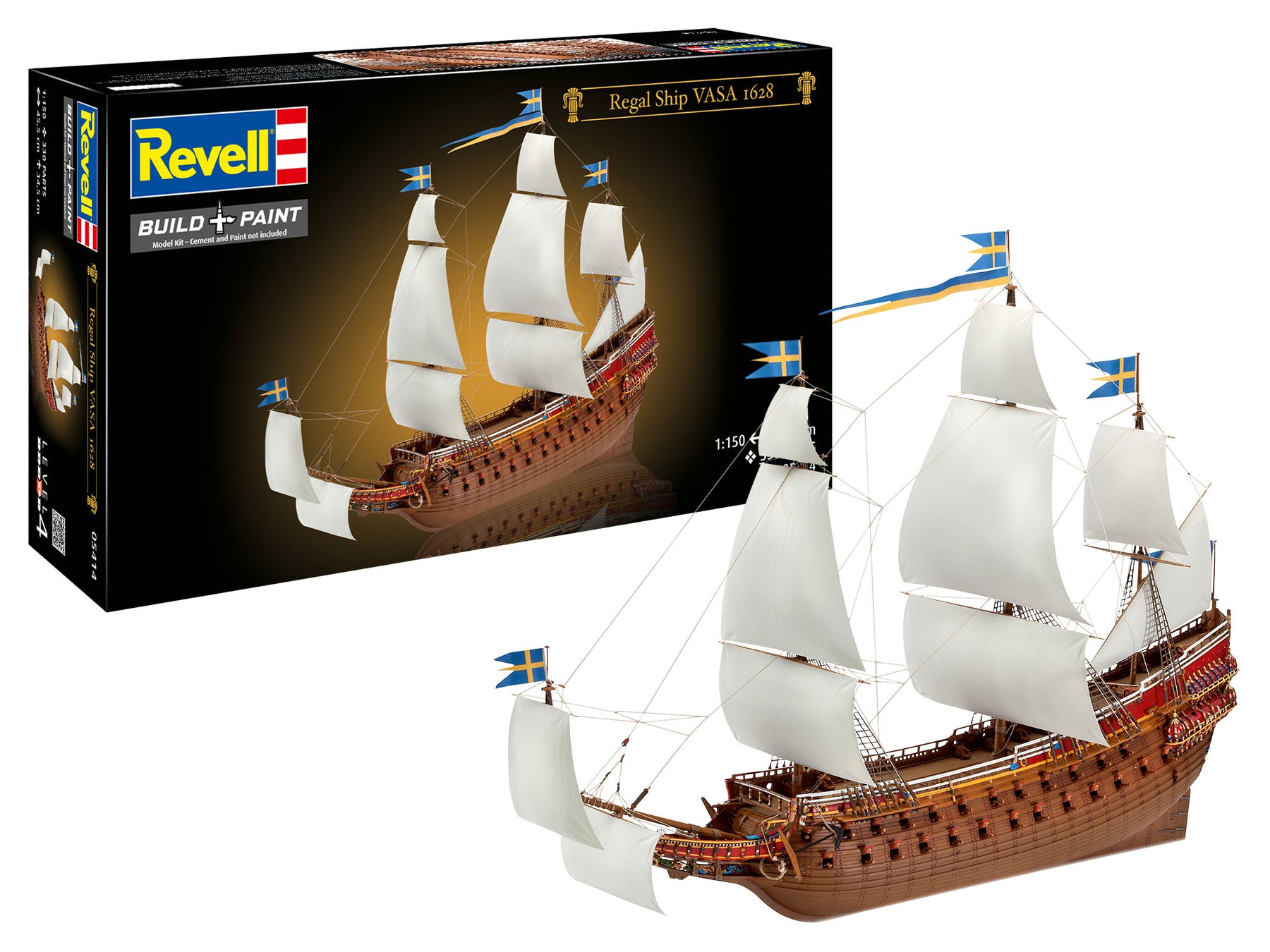
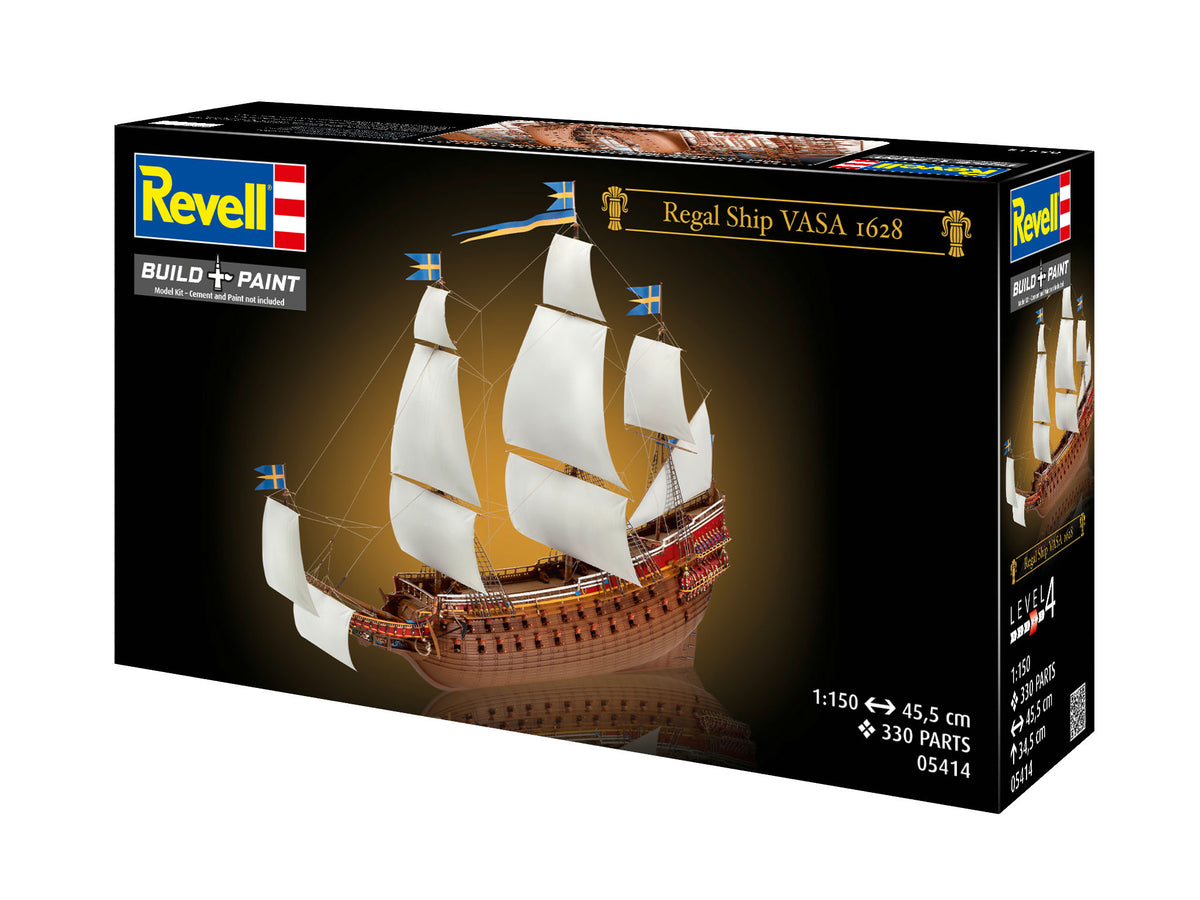
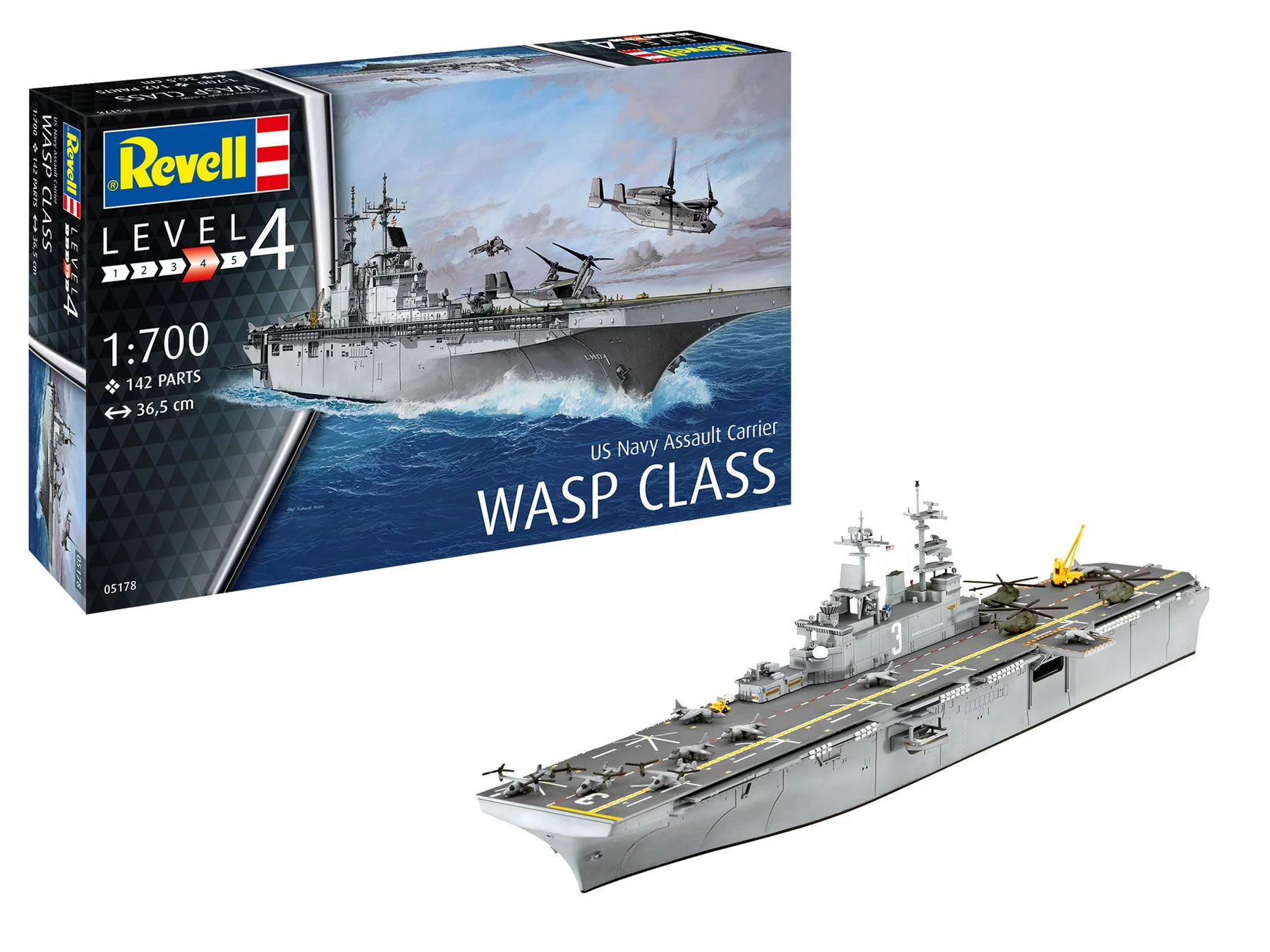
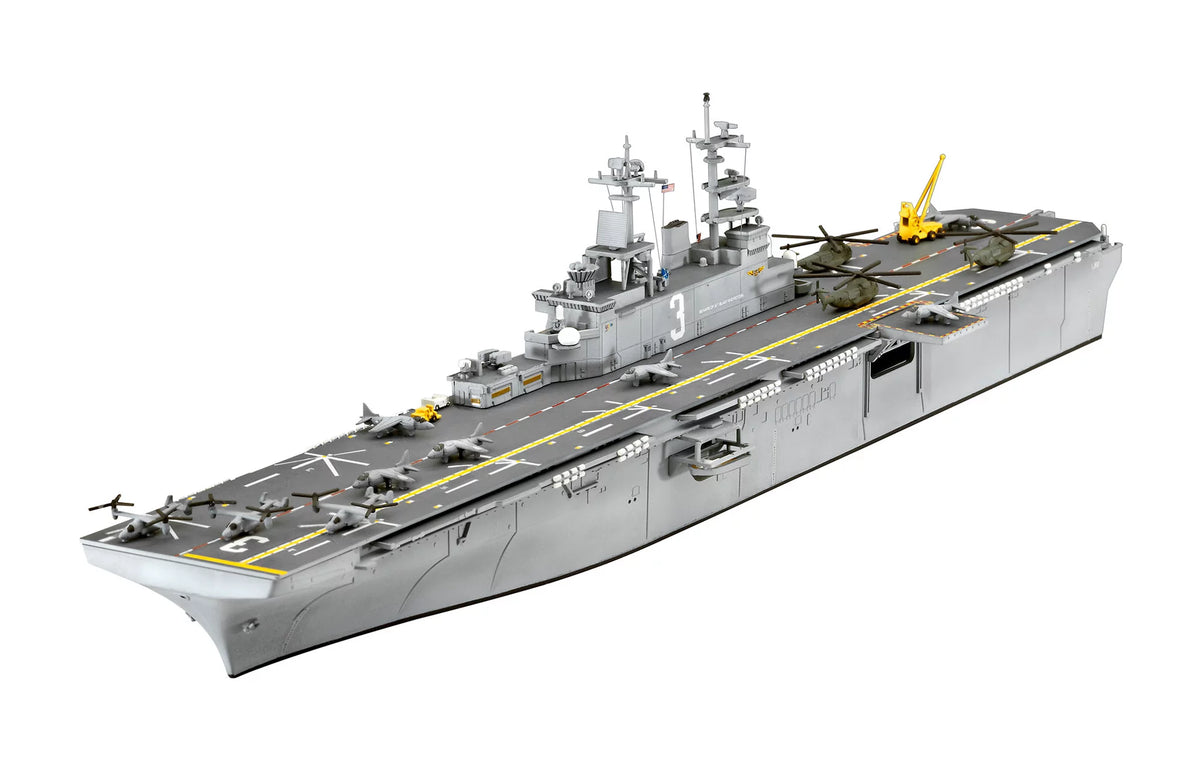
Maritime model building diversity at the highest level
Why ship models are the supreme discipline of model building
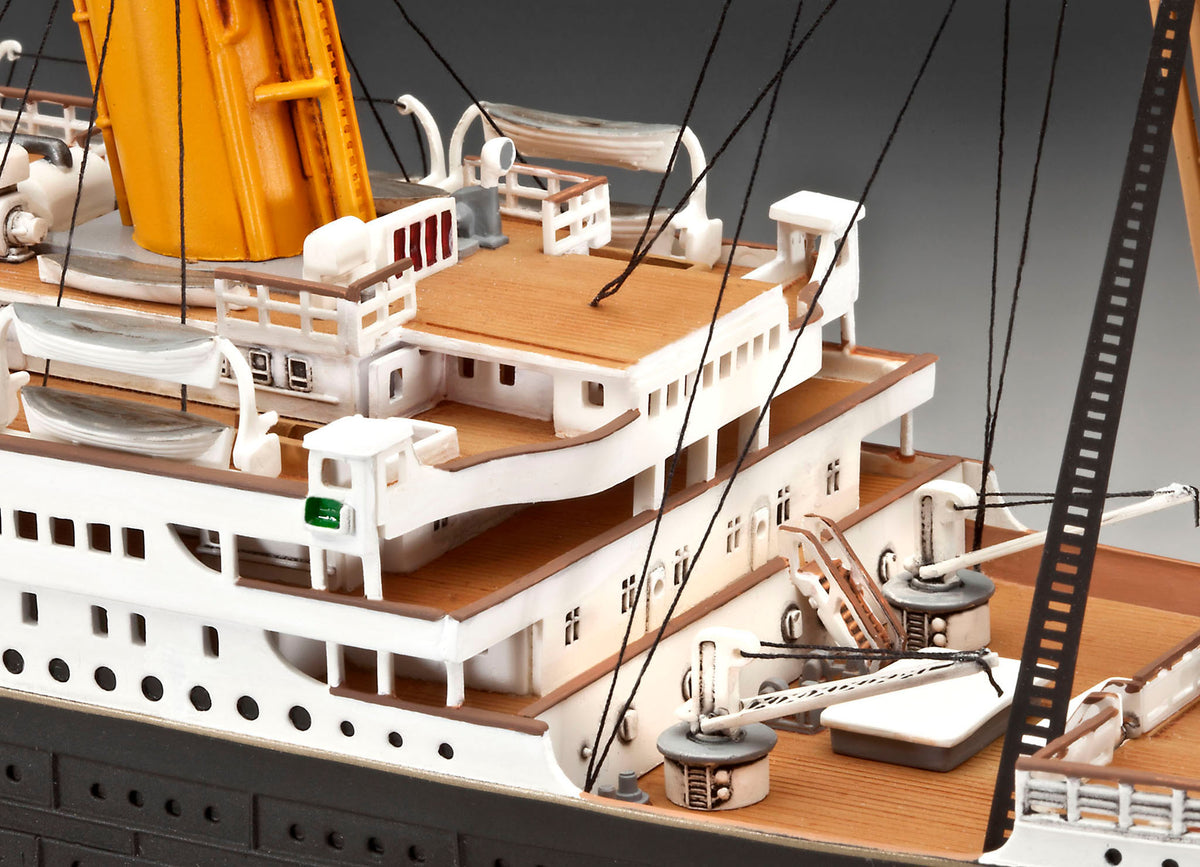
Ship models have always been considered a special challenge in model building. The complex construction of maritime vehicles requires precise manufacturing techniques and detailed reproduction of various components. From the hull shape to the superstructure to the rigging - every element must be worked out with millimeter precision.
What types of ships are available?
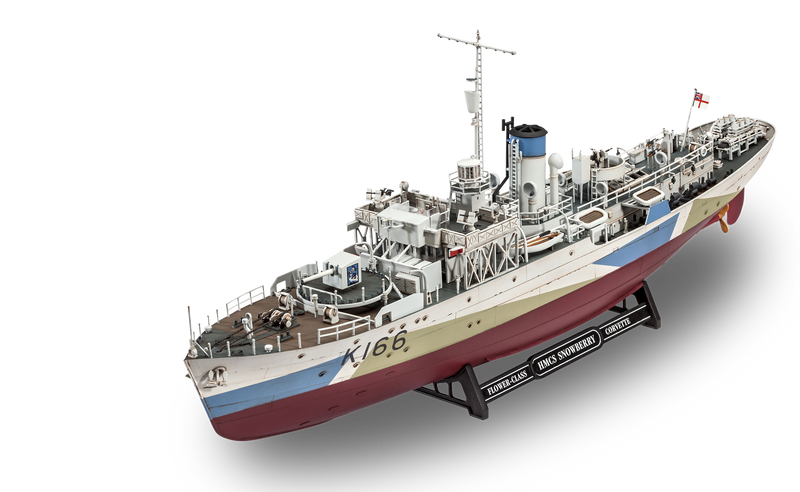
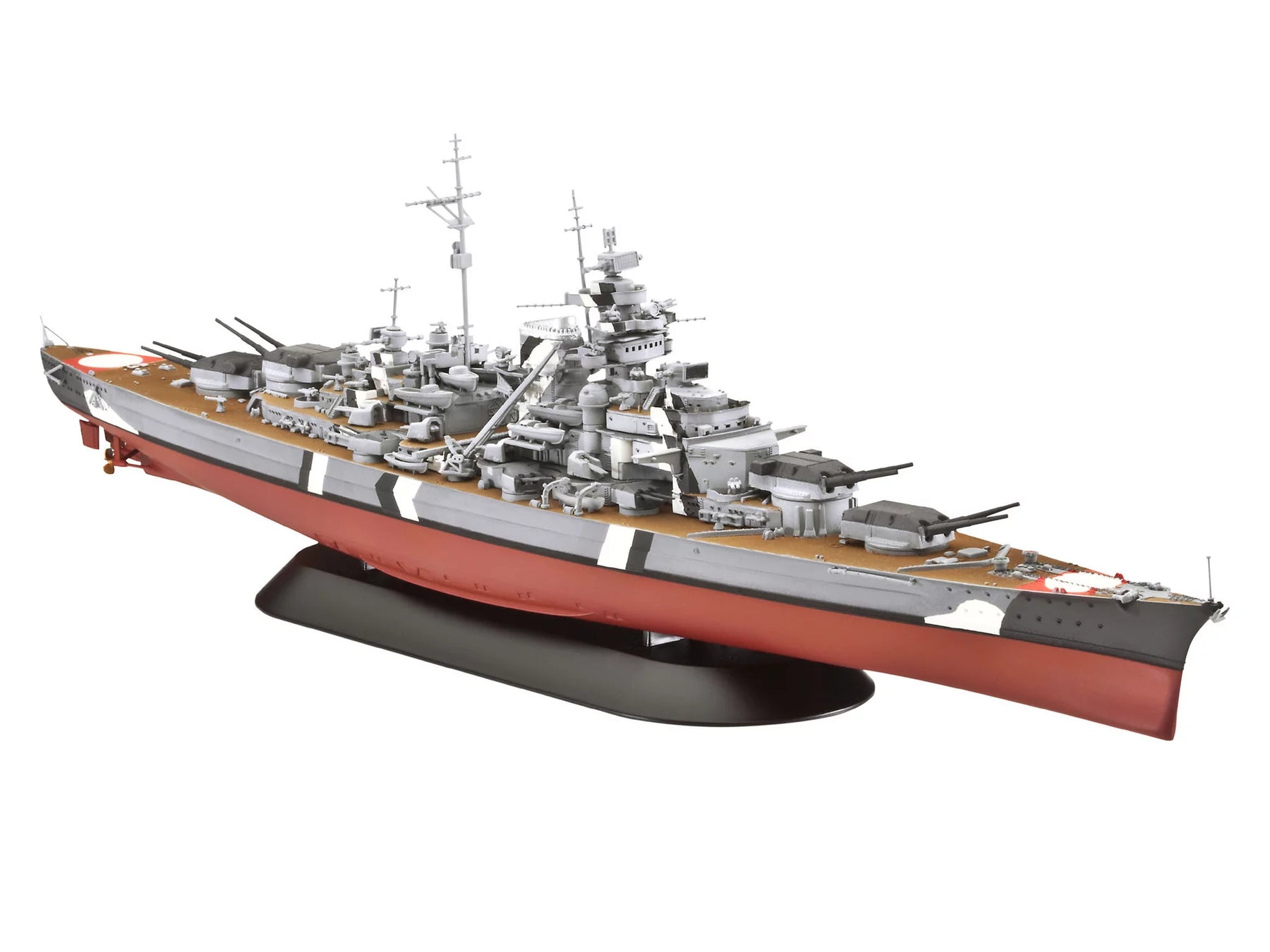
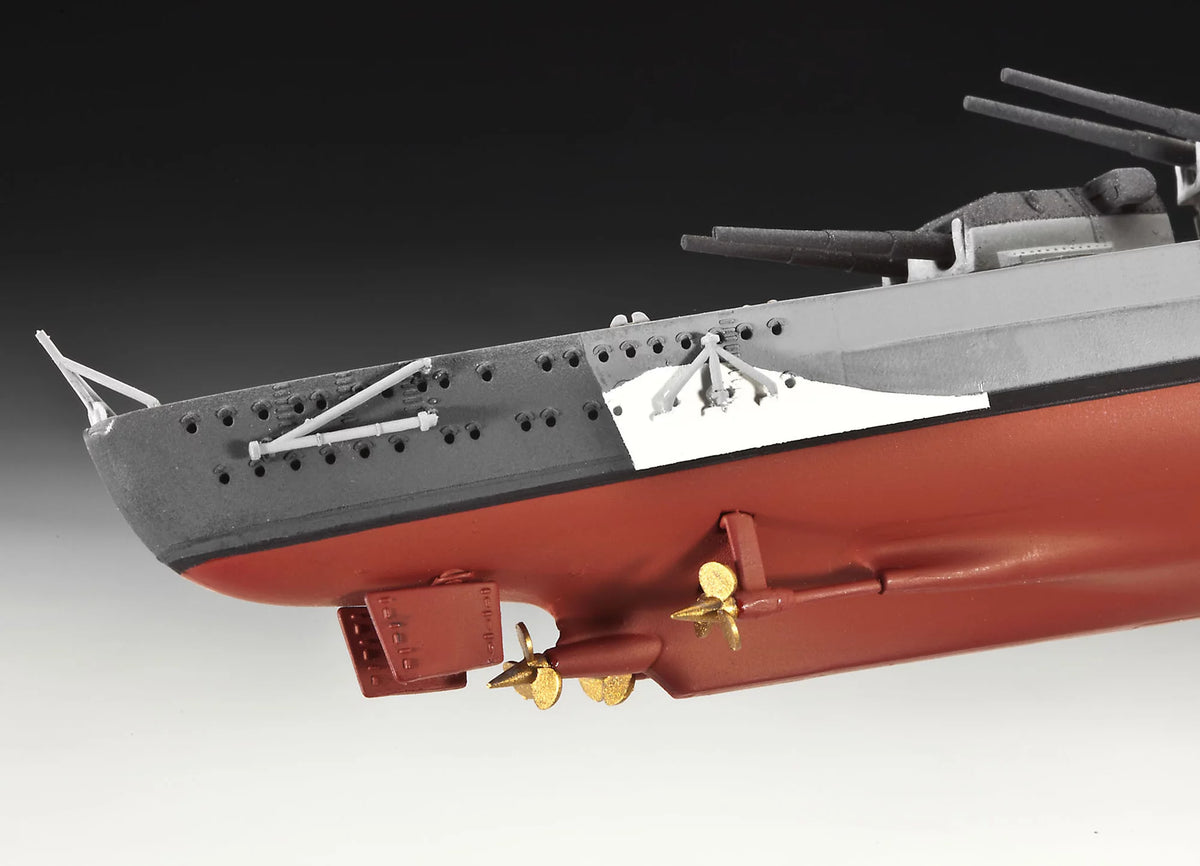
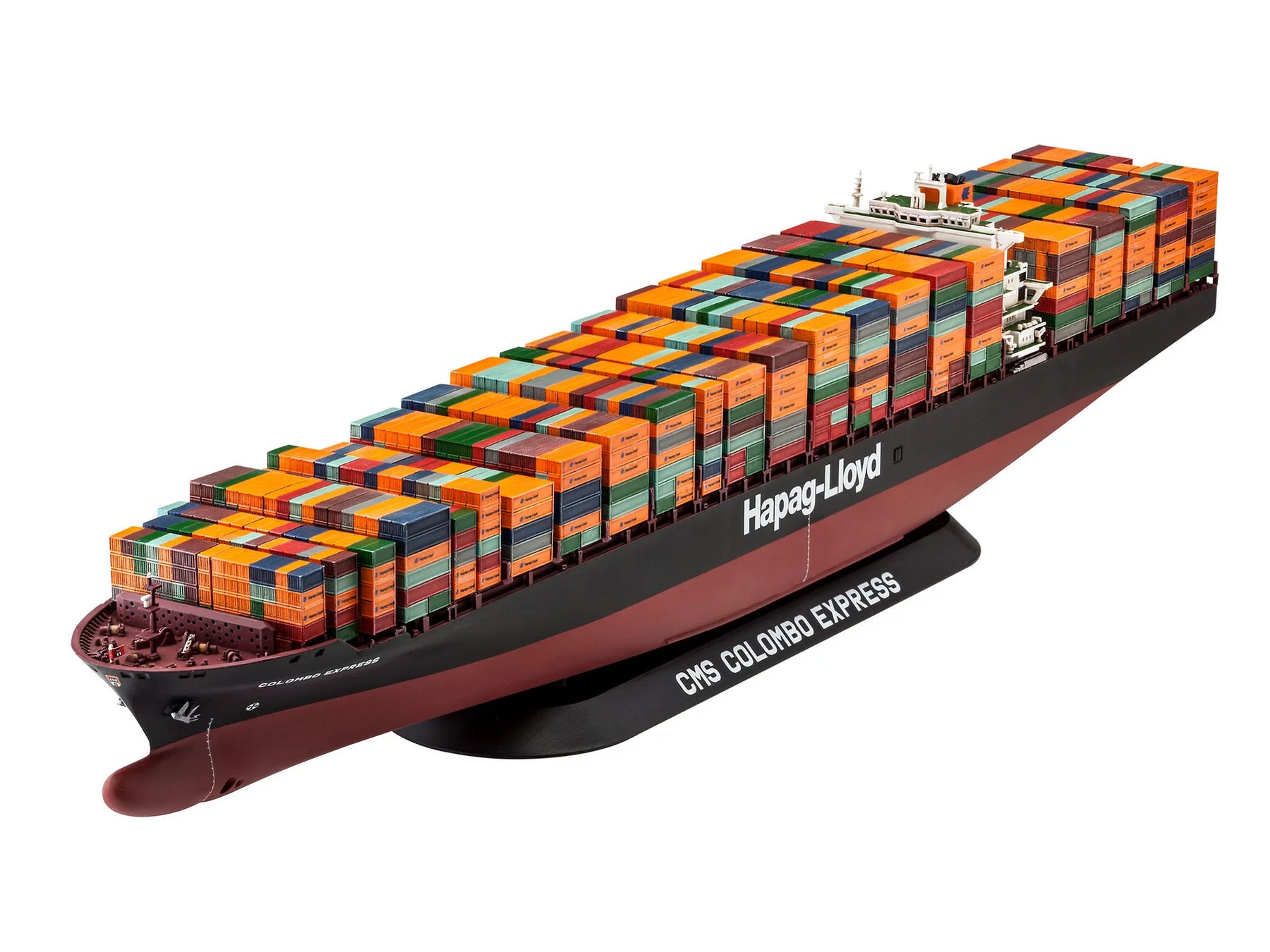
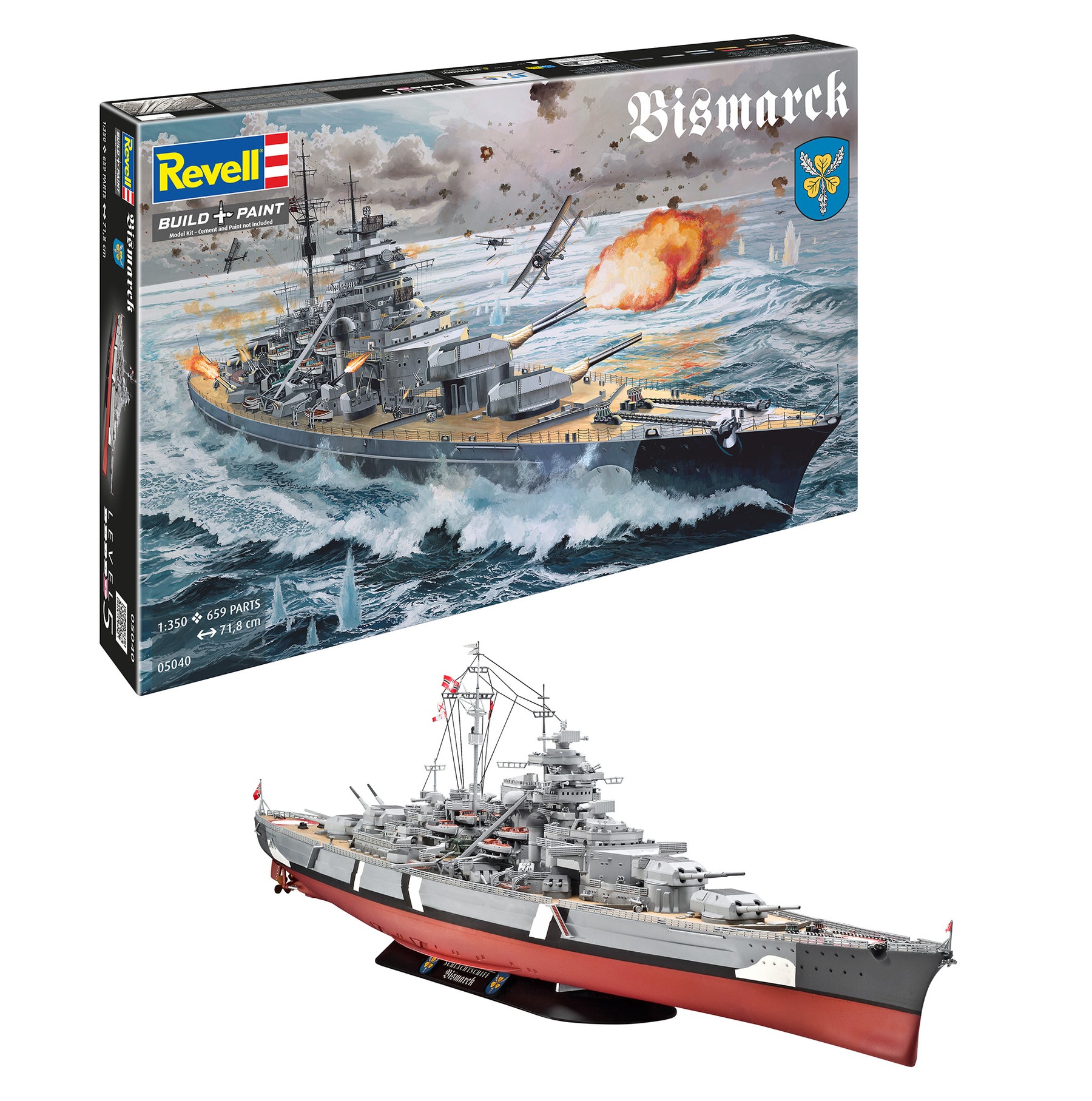
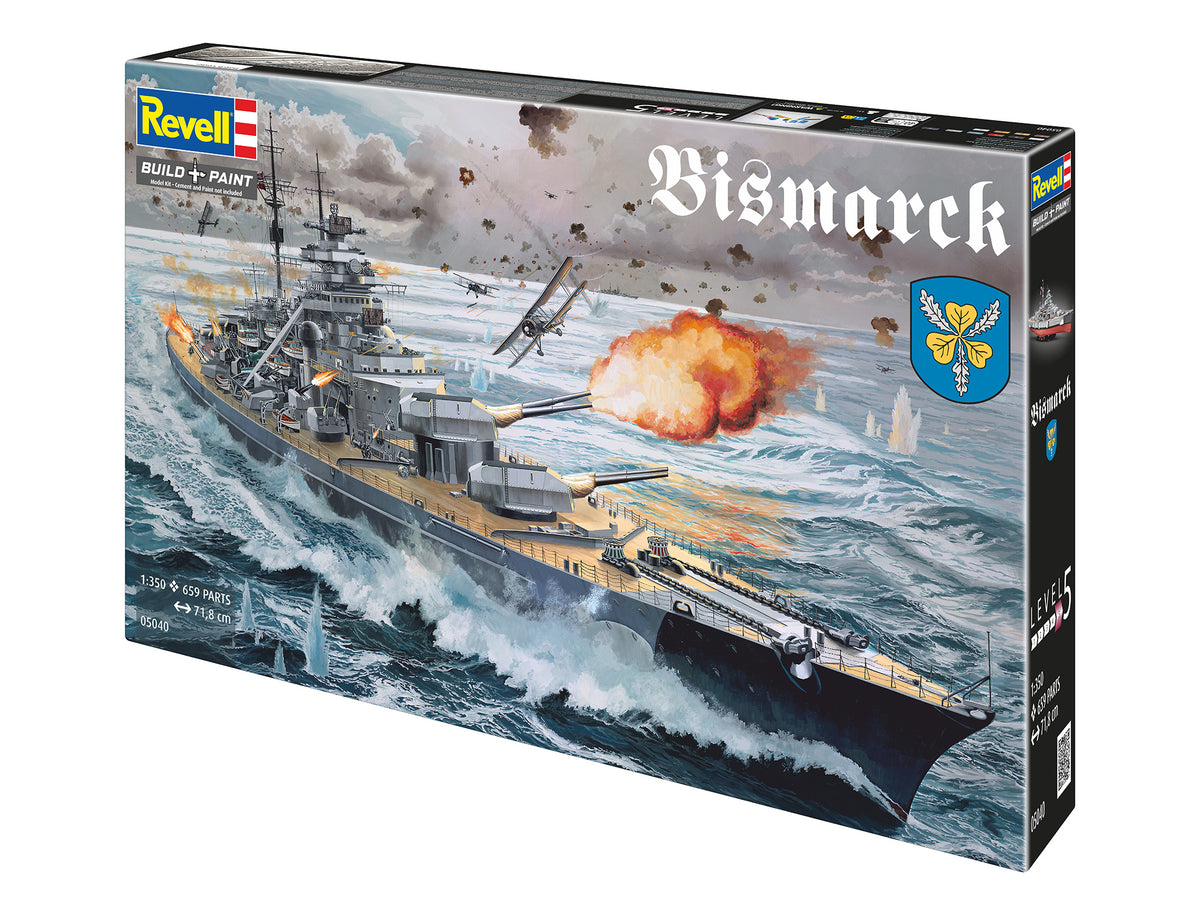
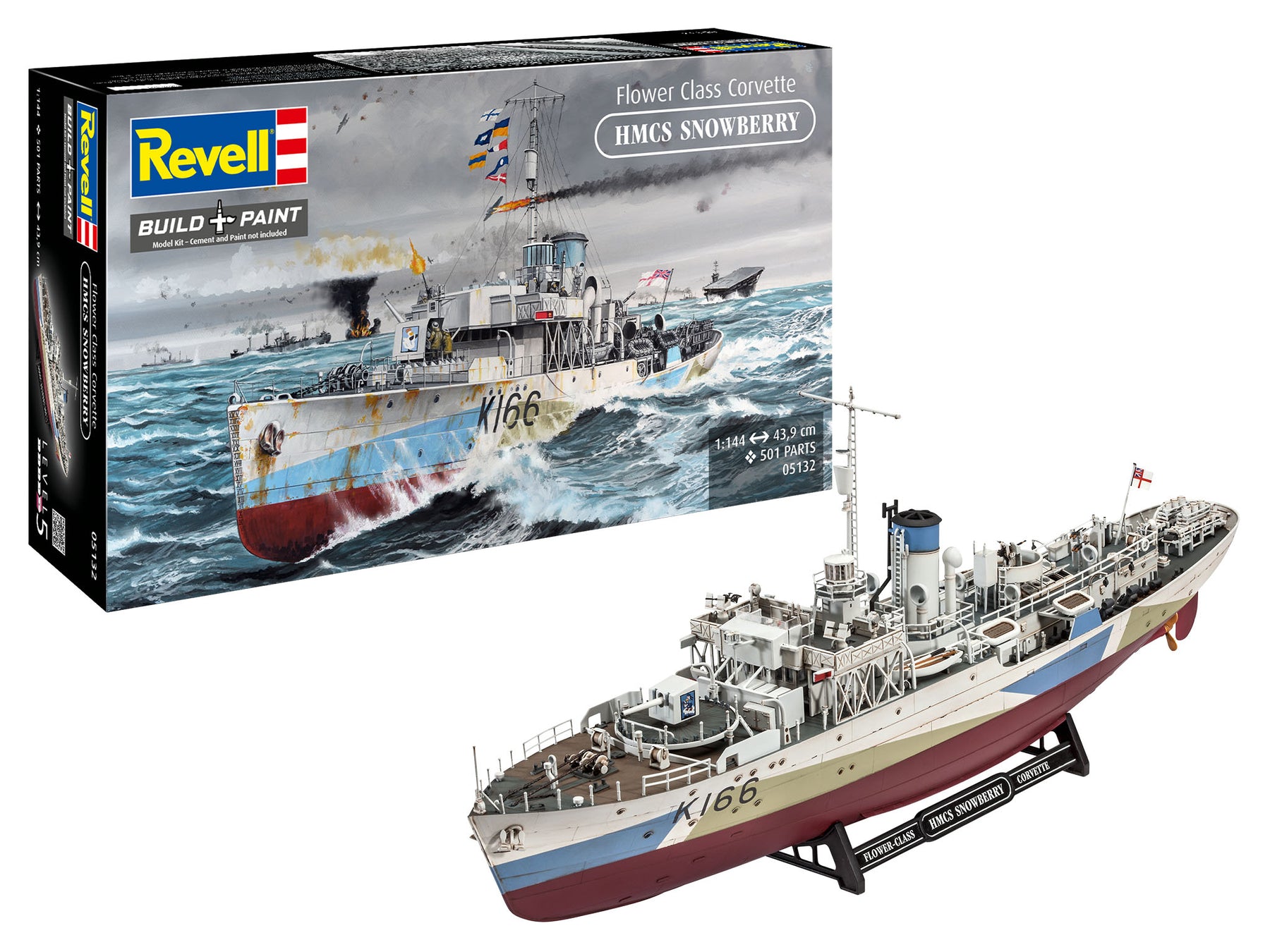
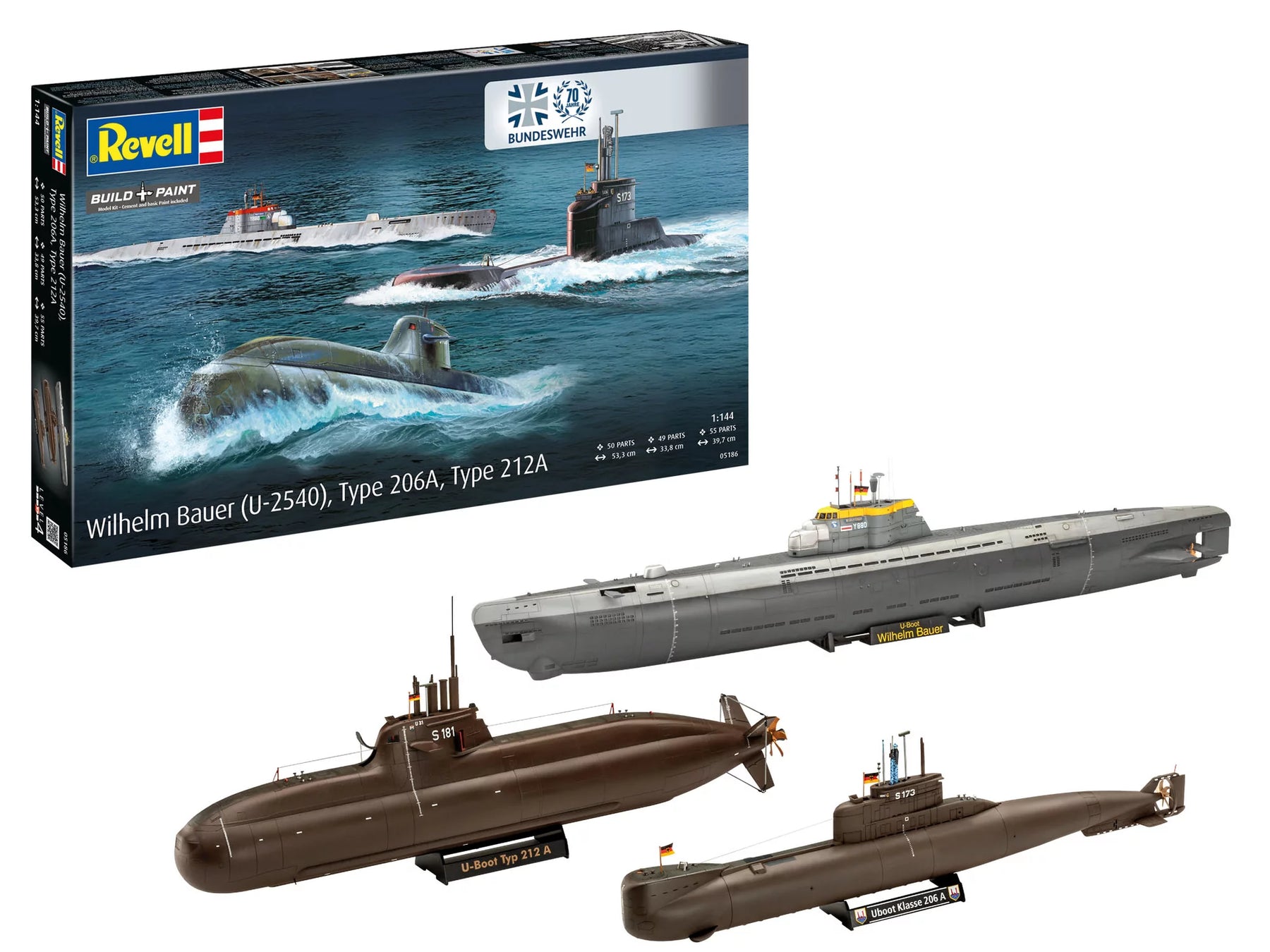
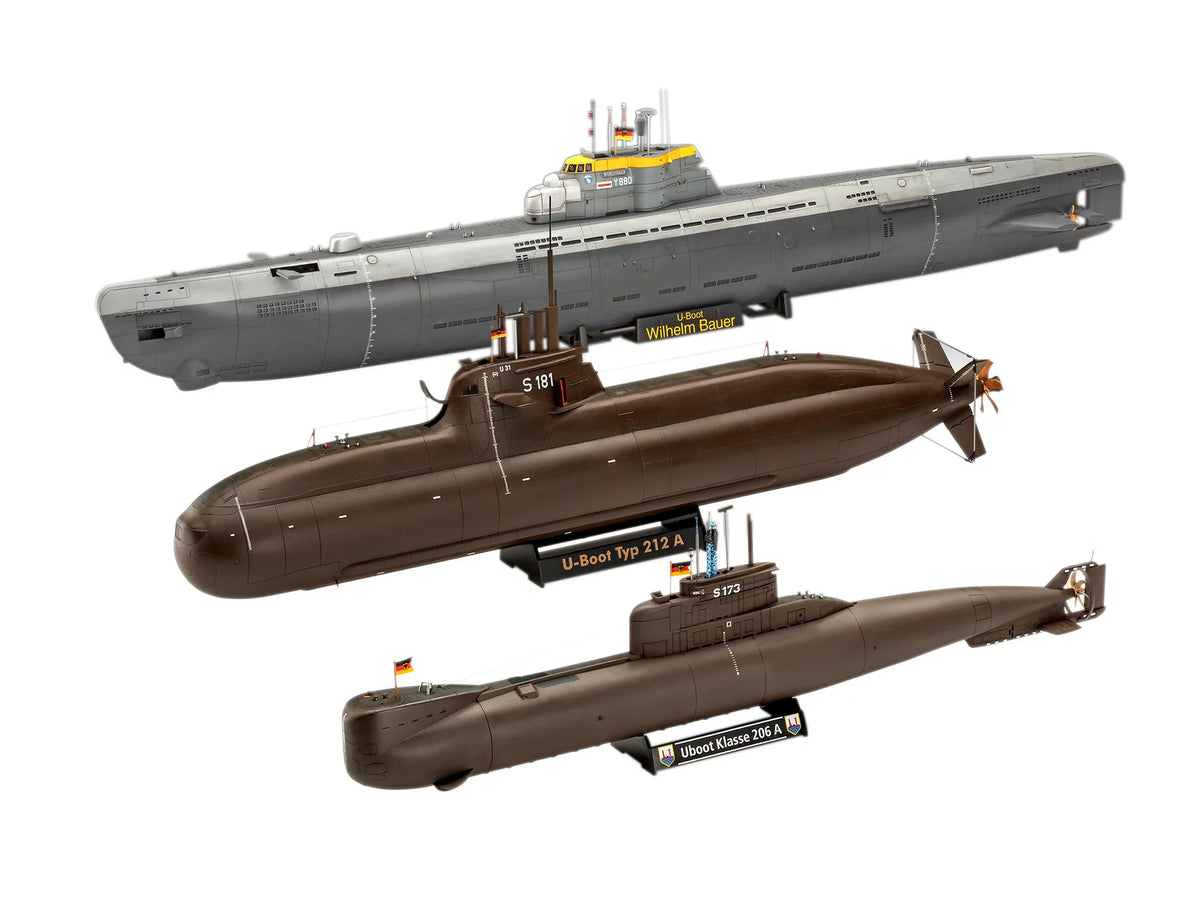
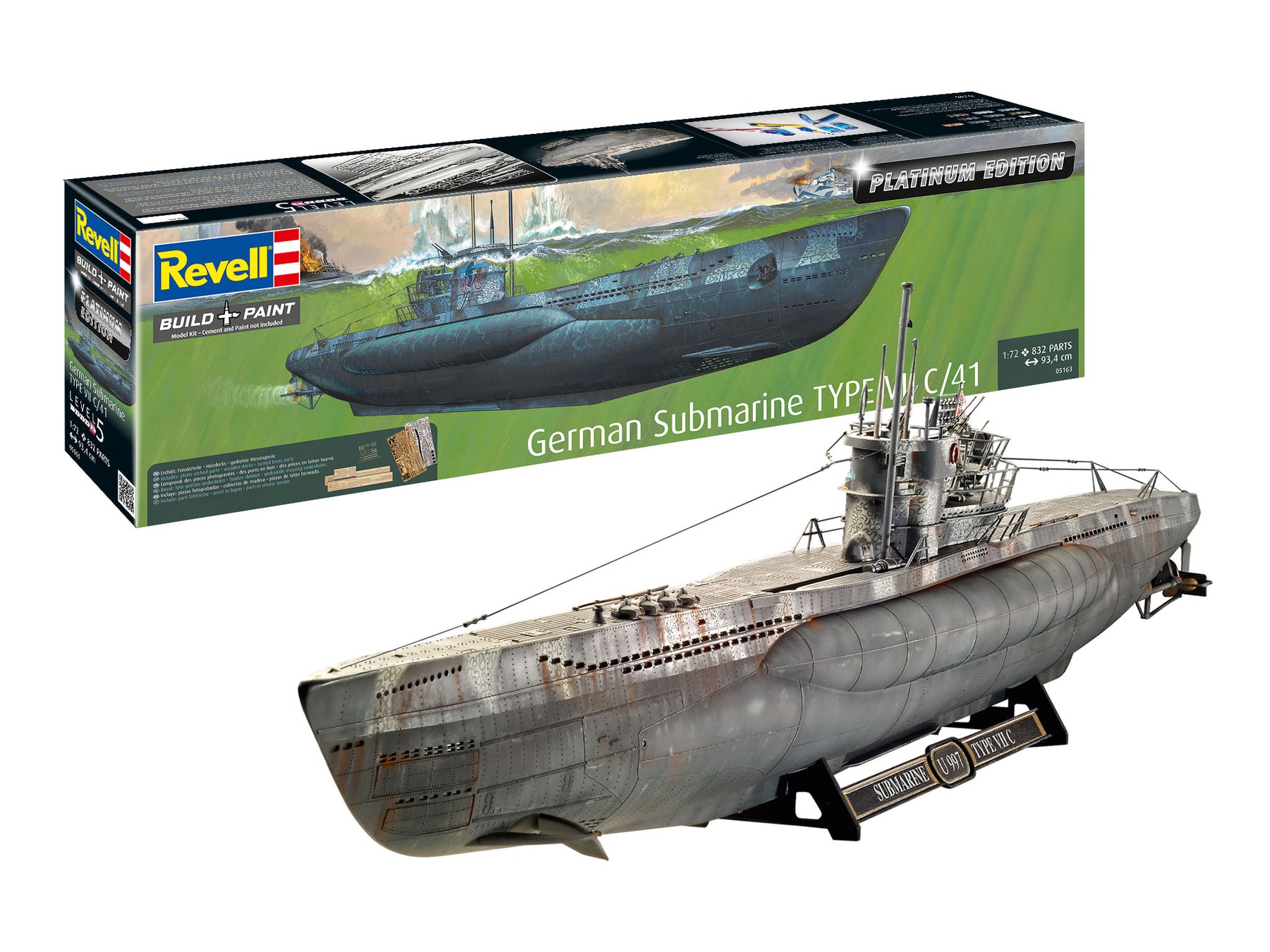
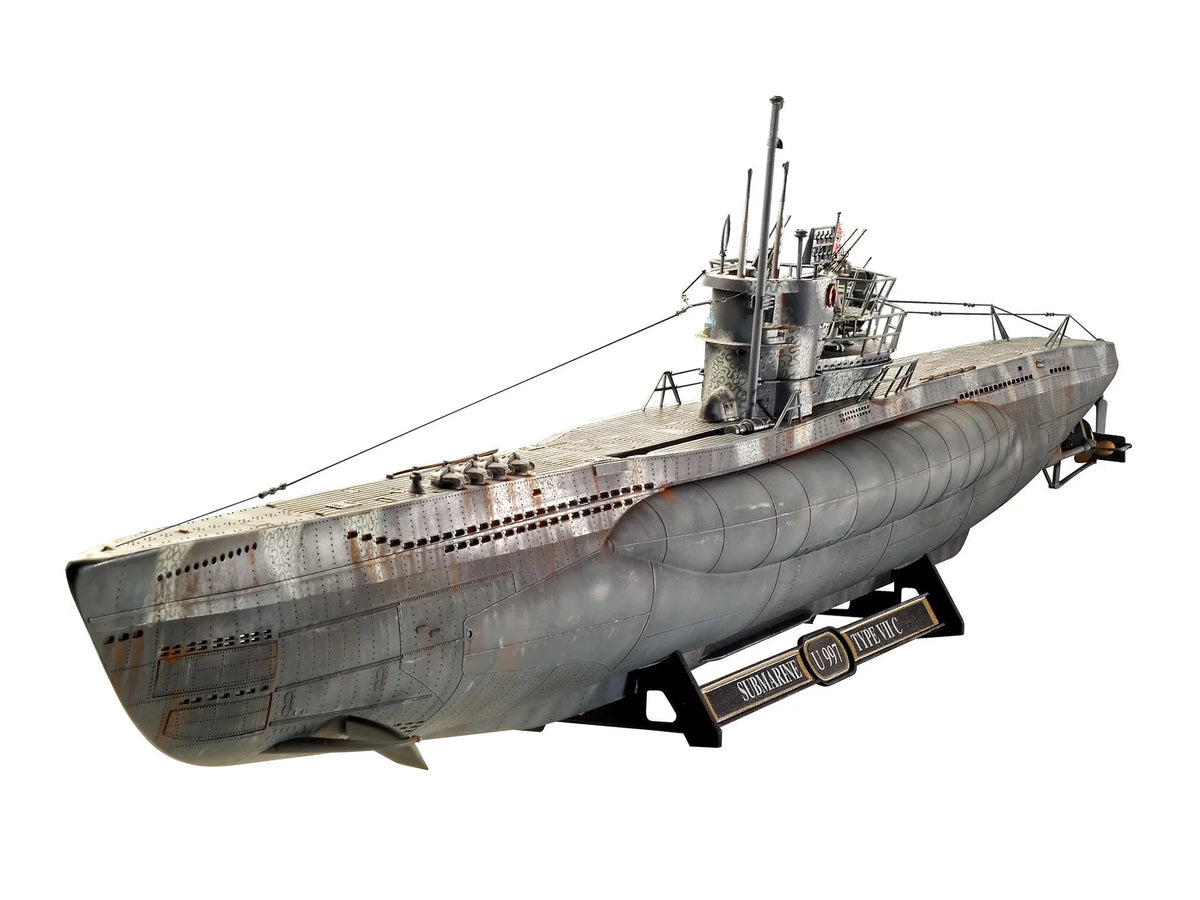
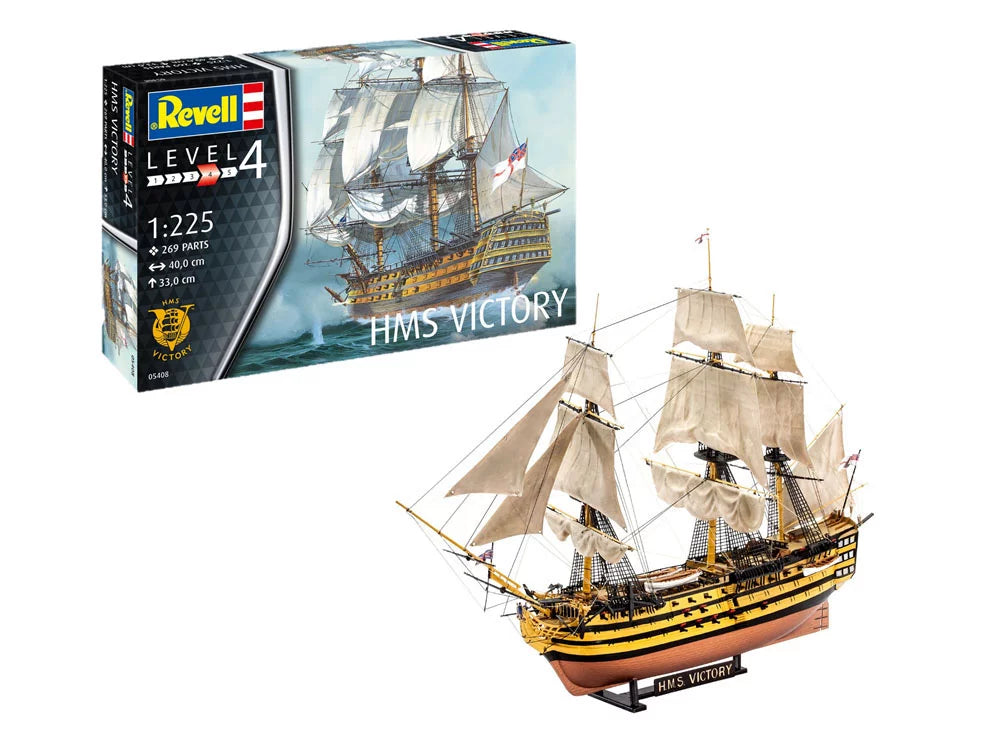
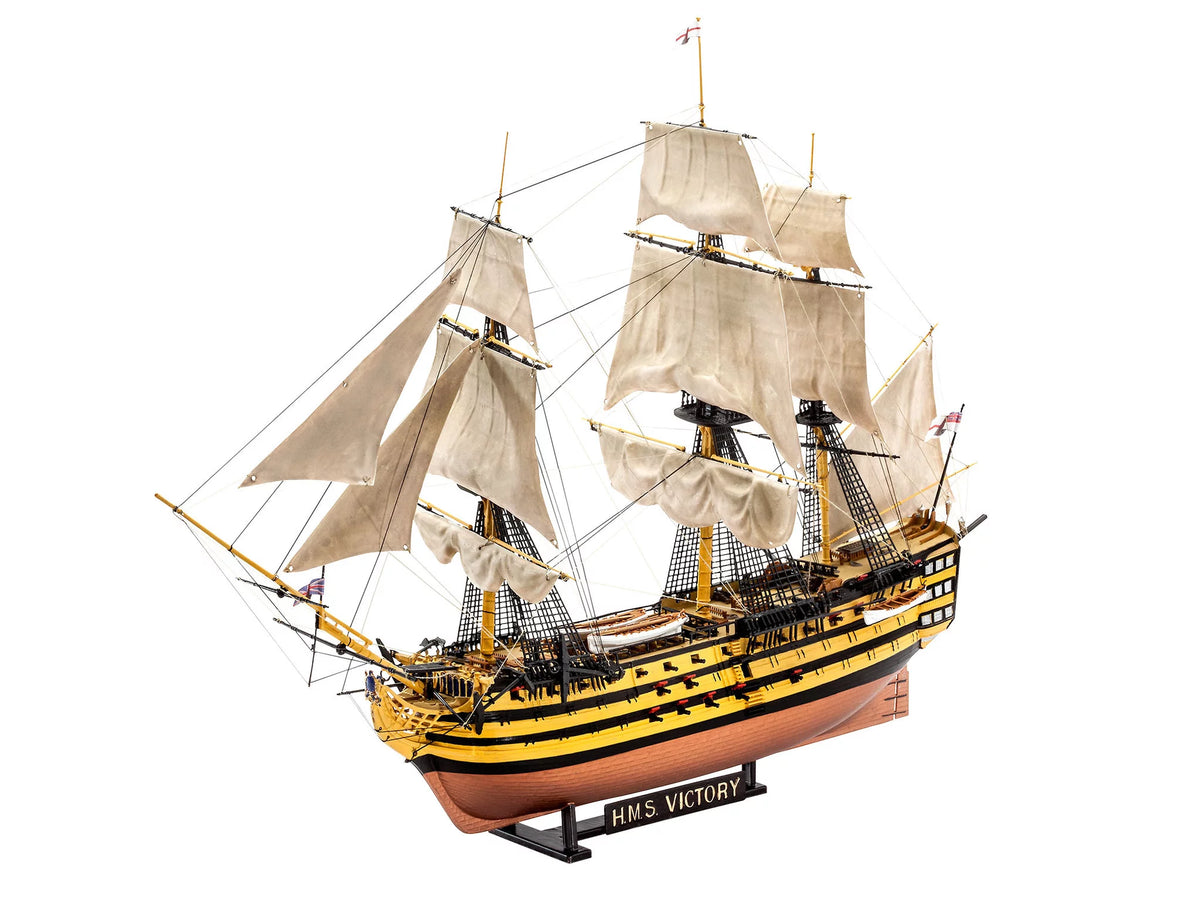
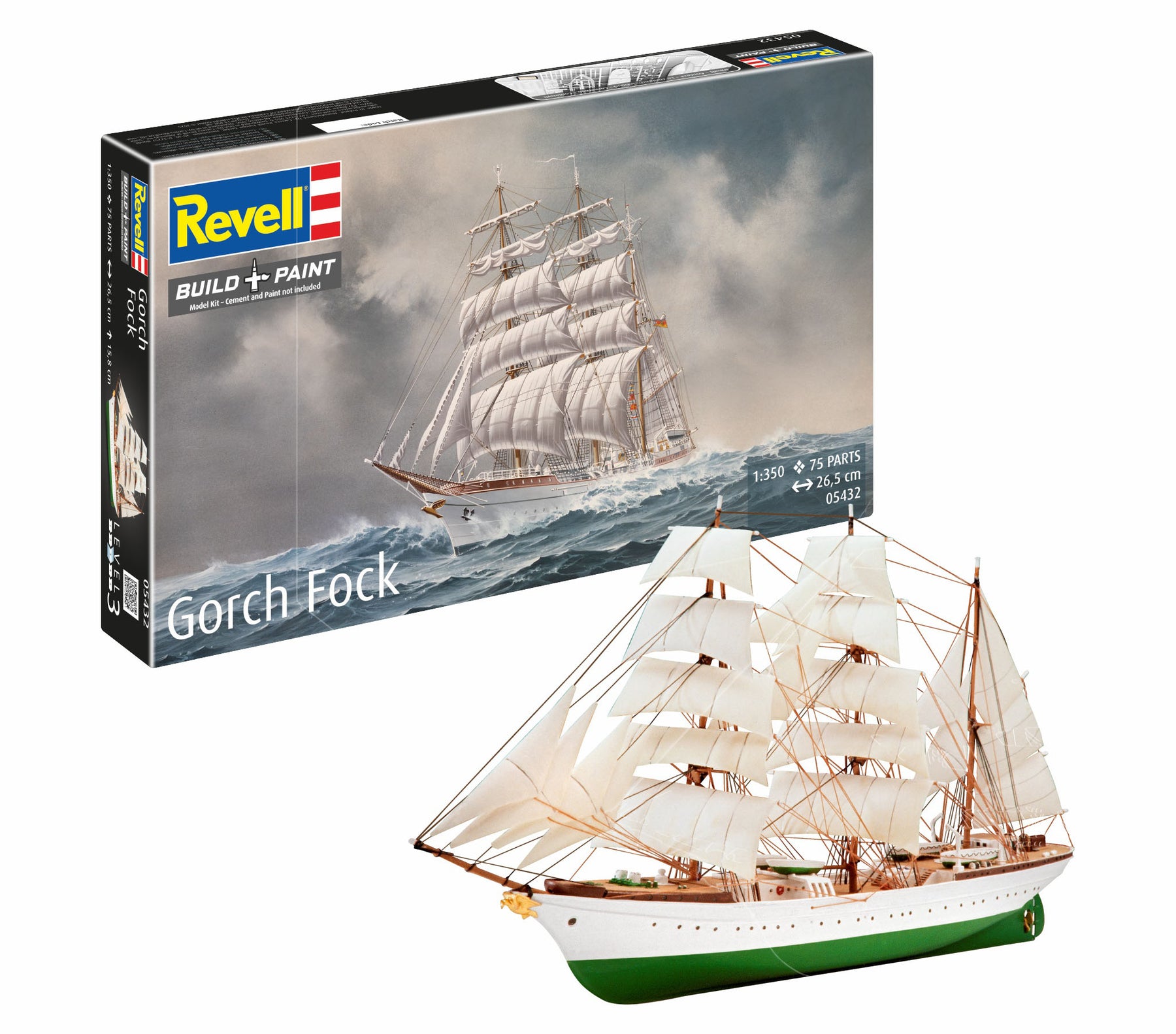
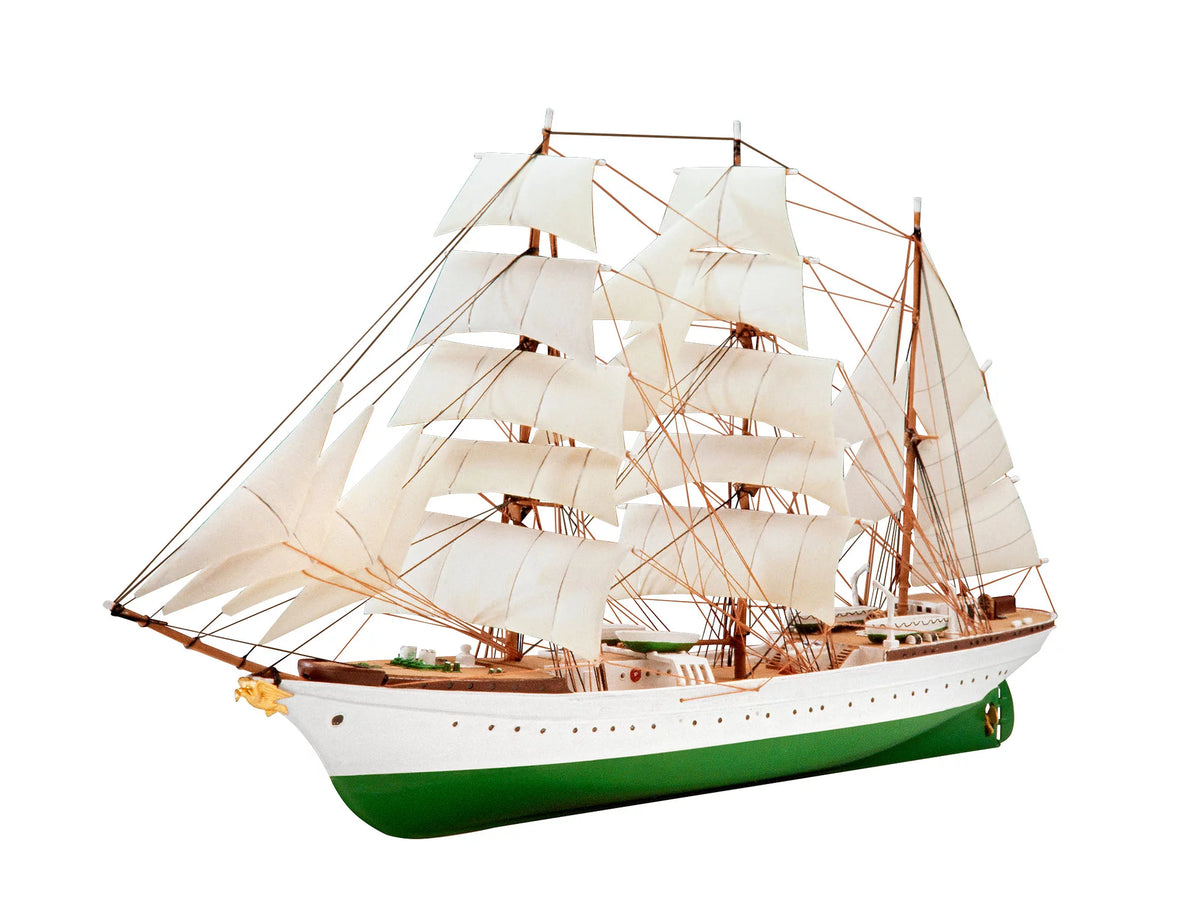
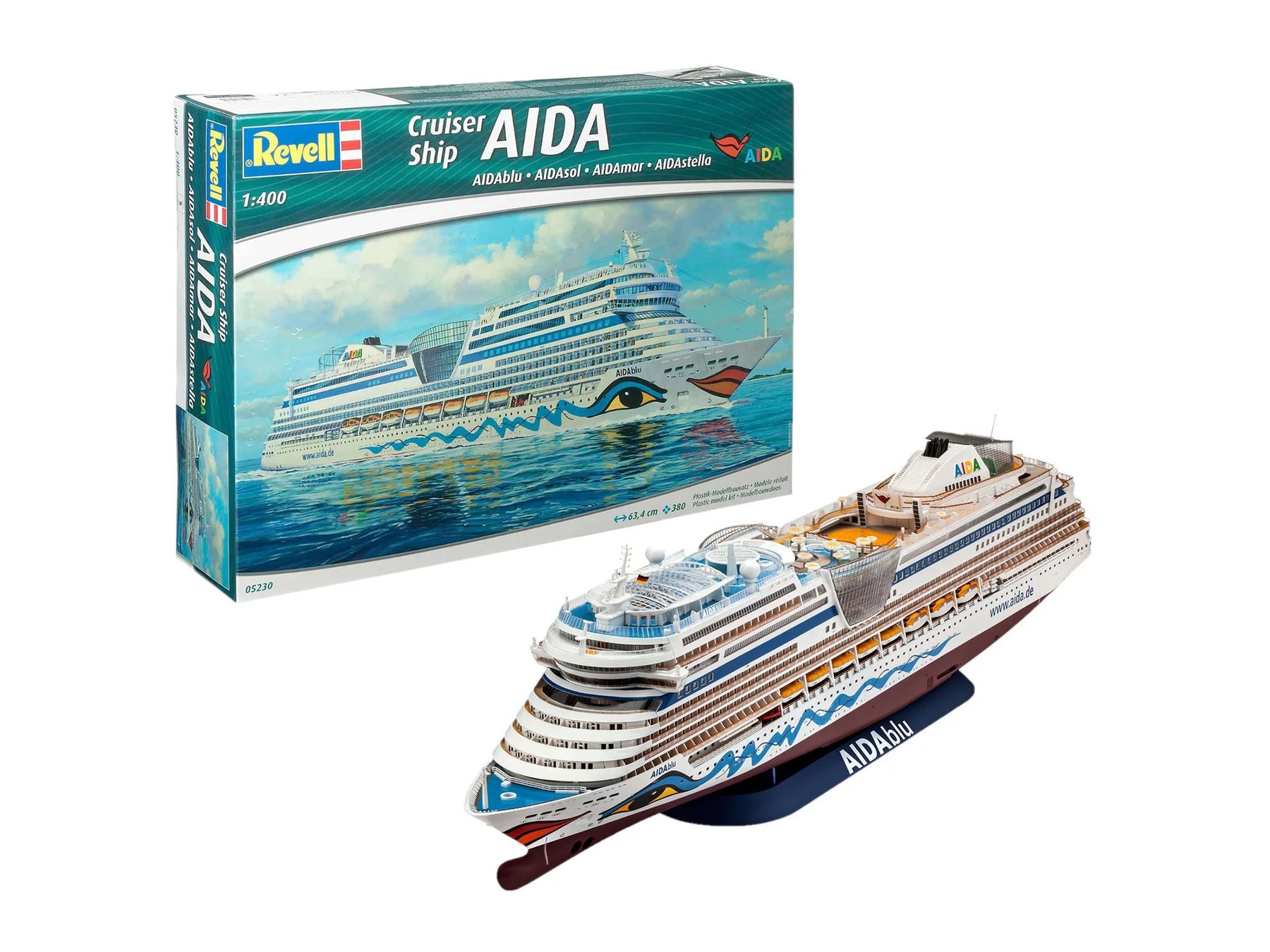
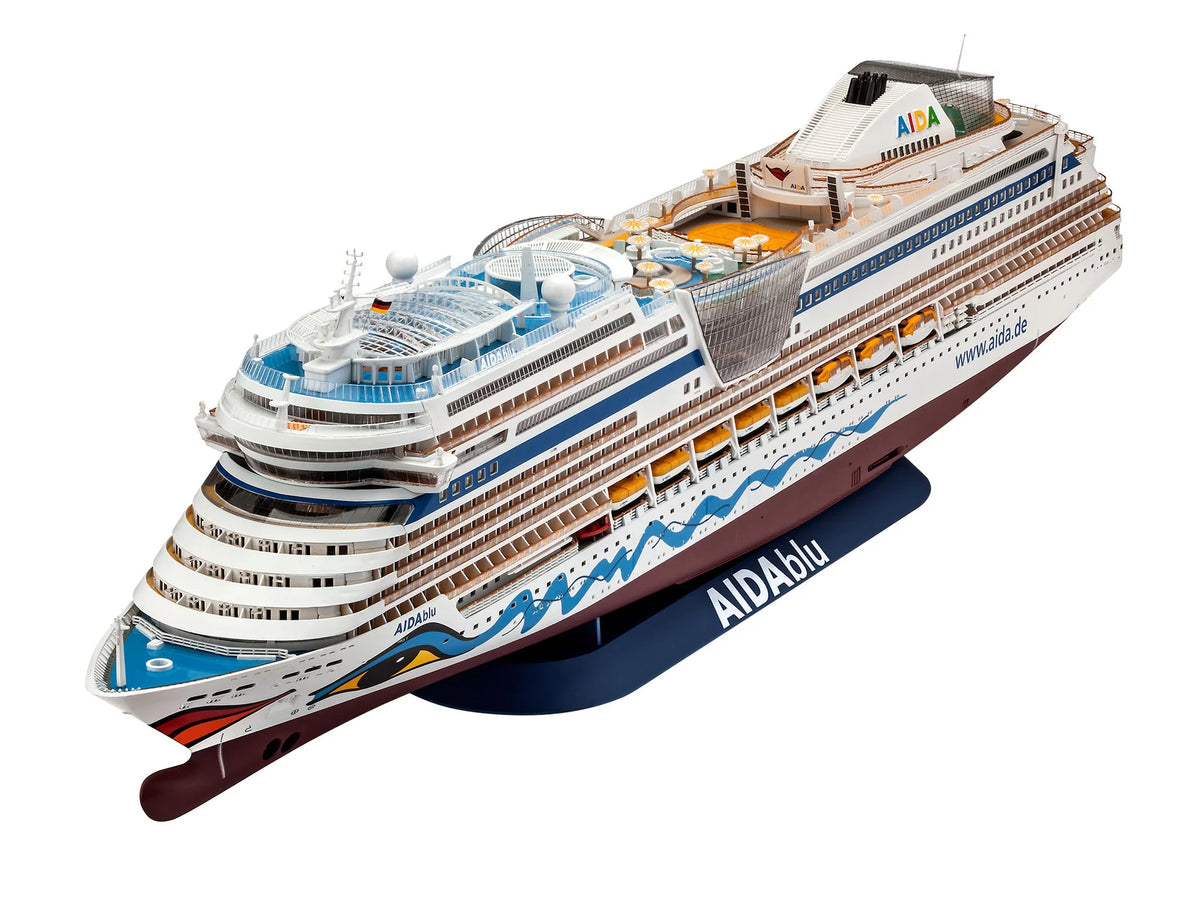
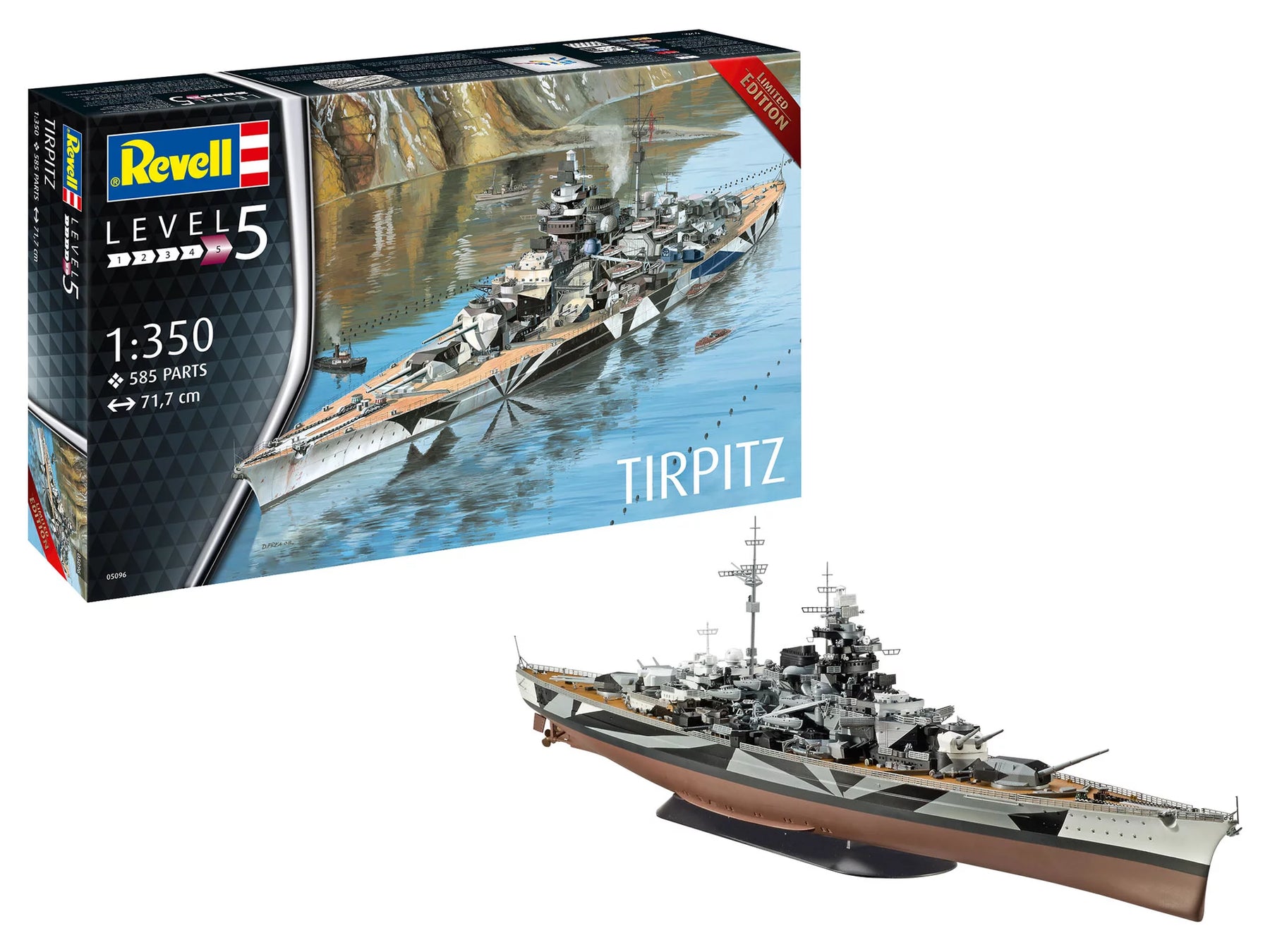
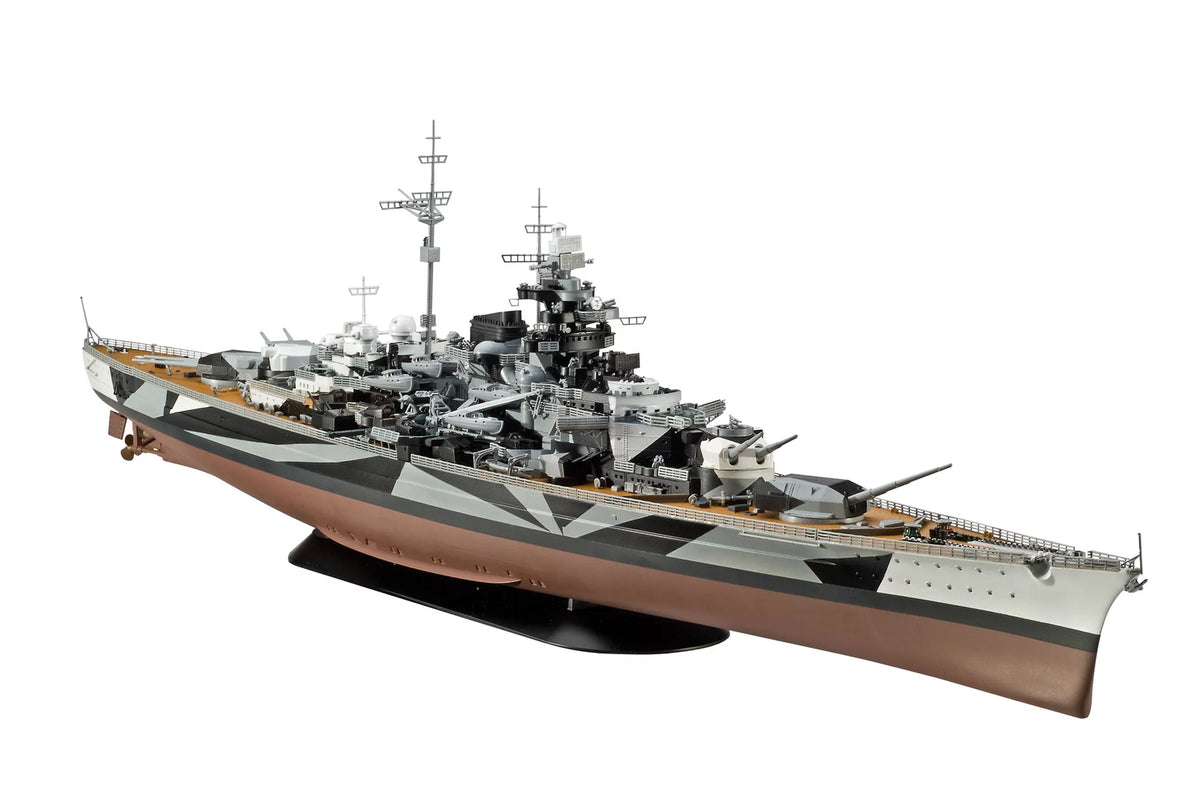
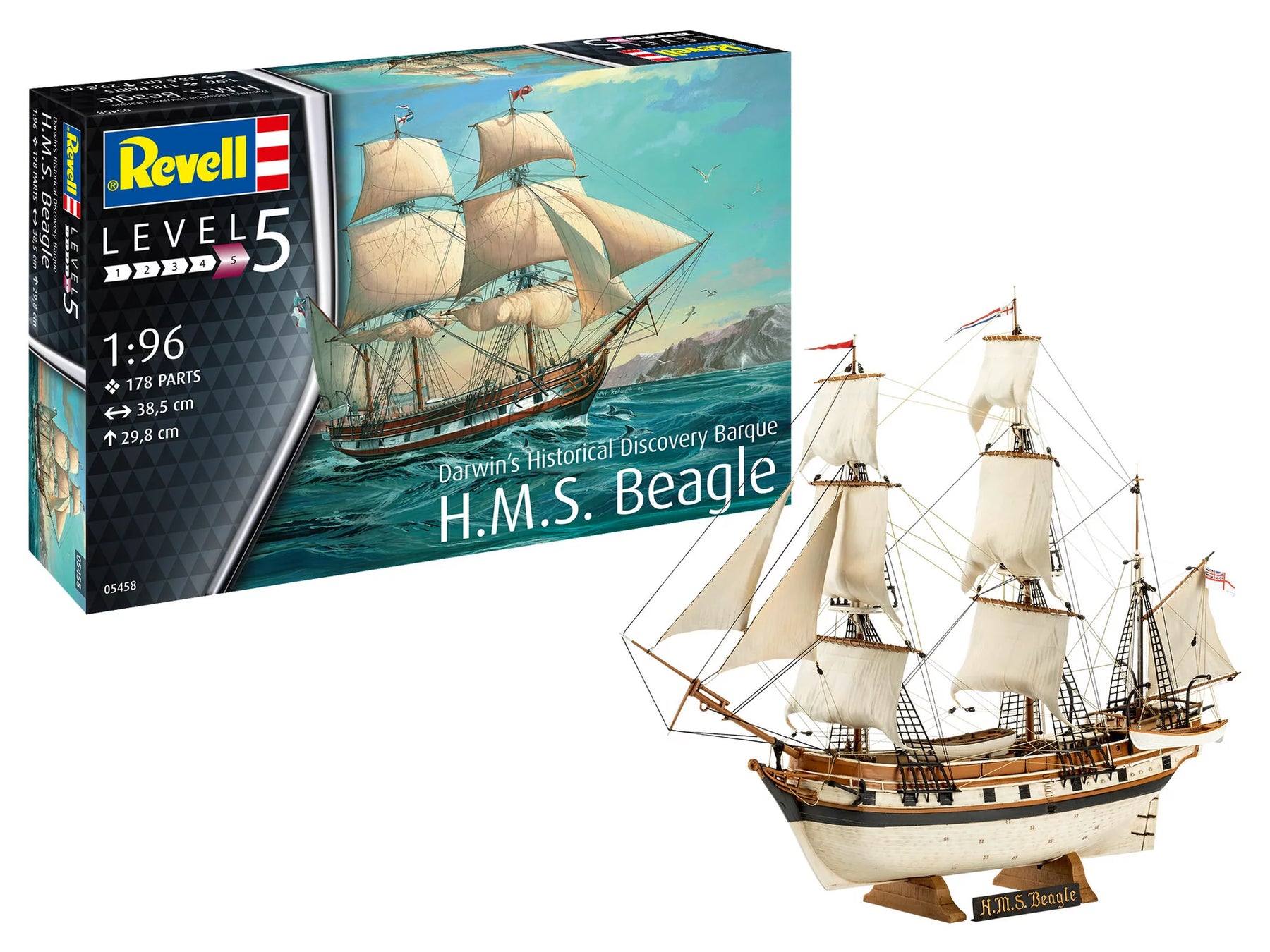
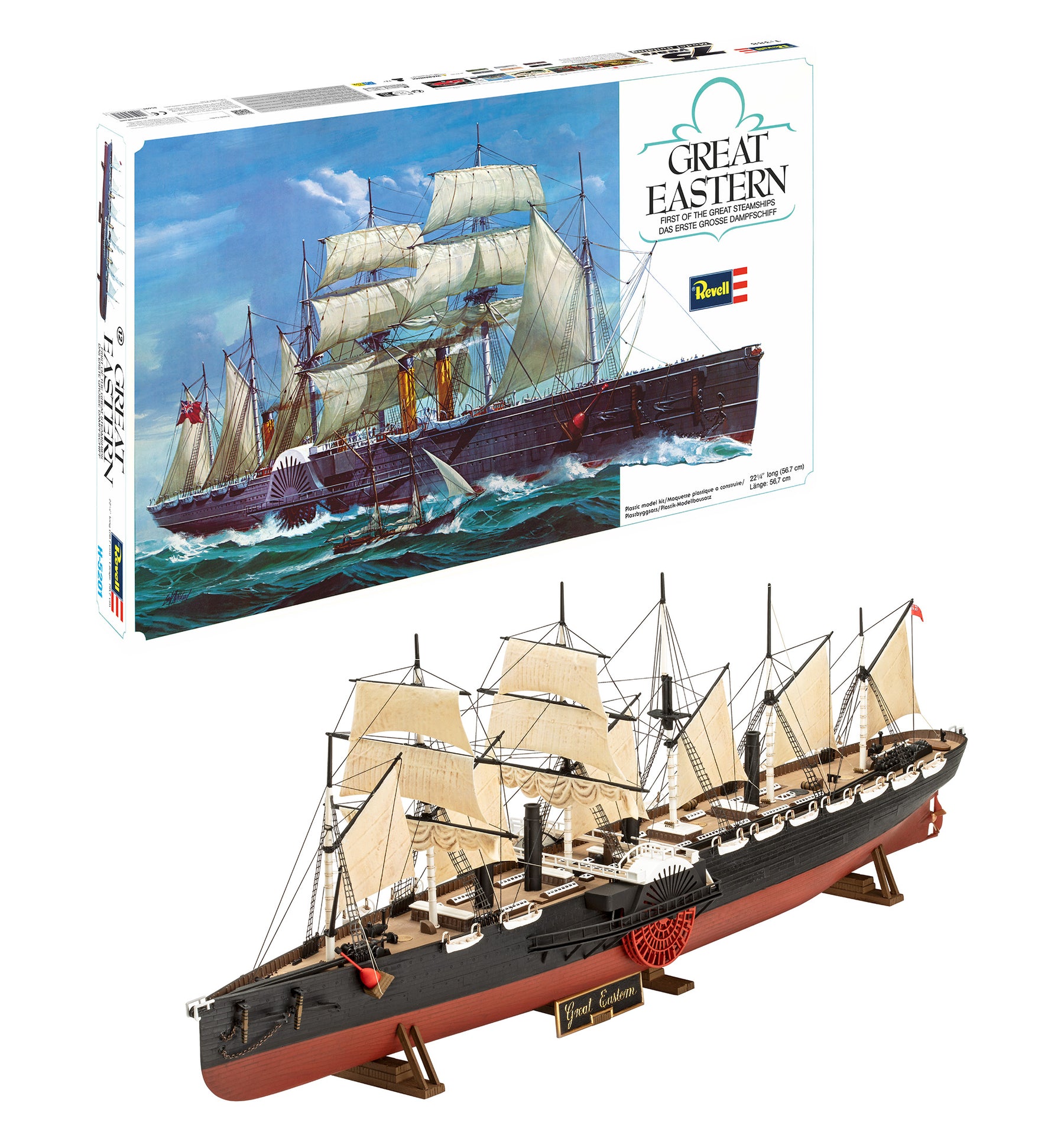
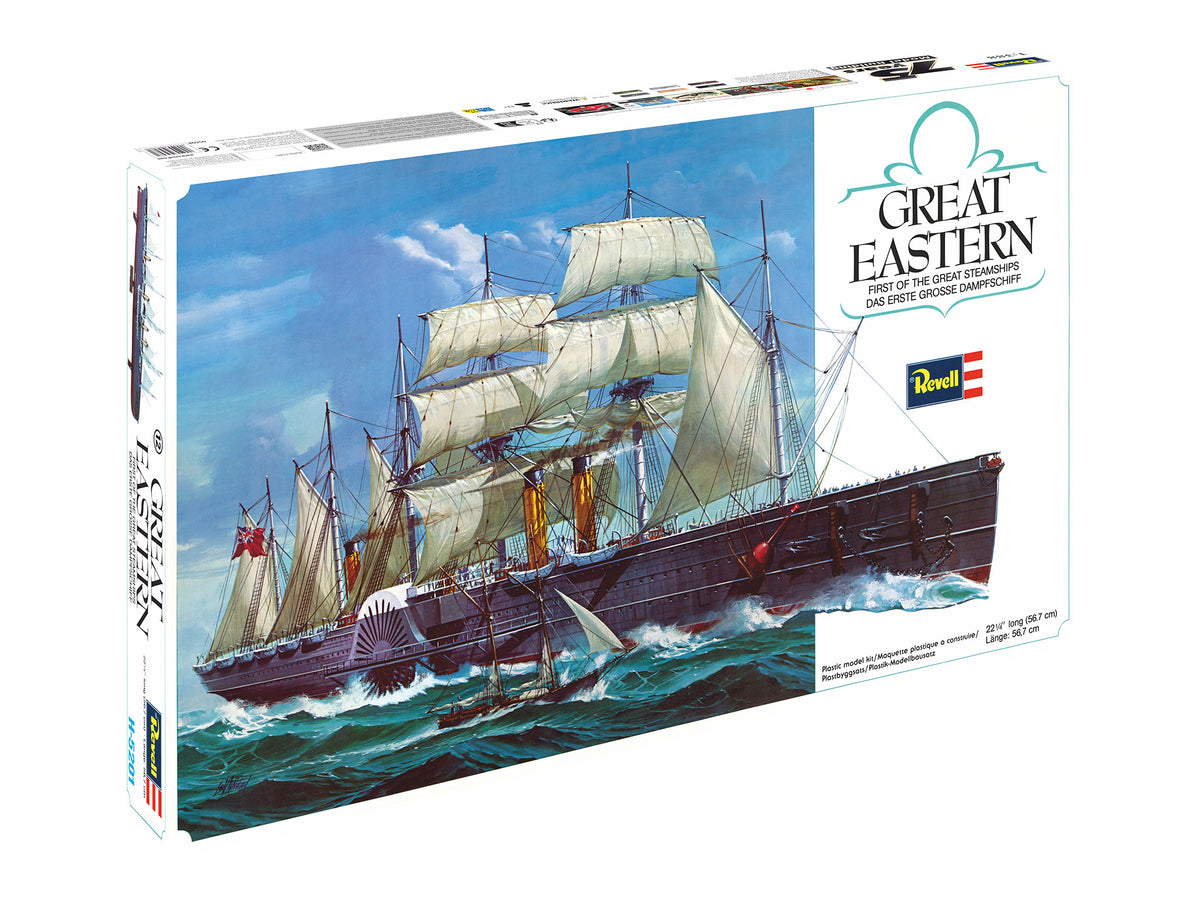
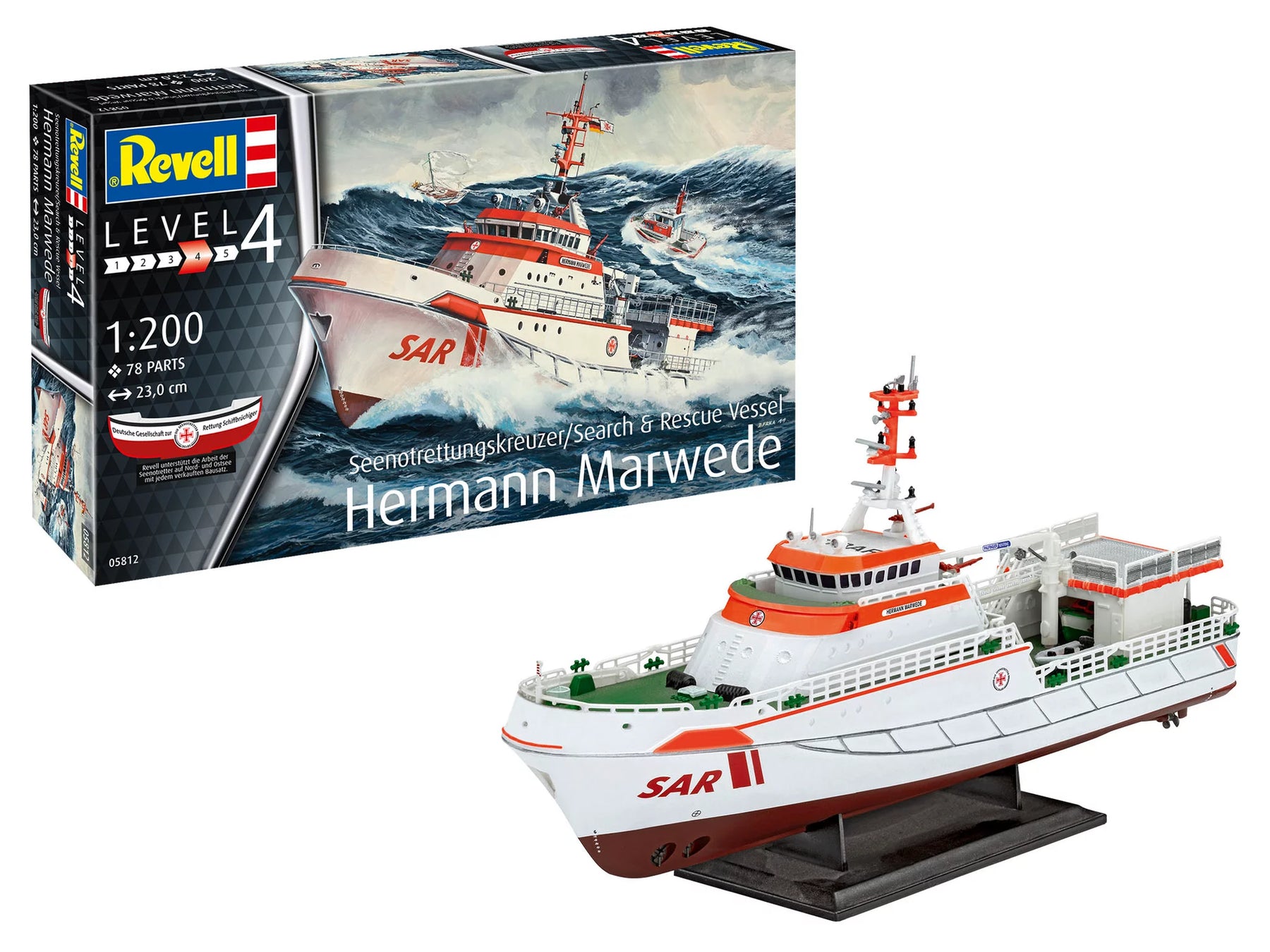
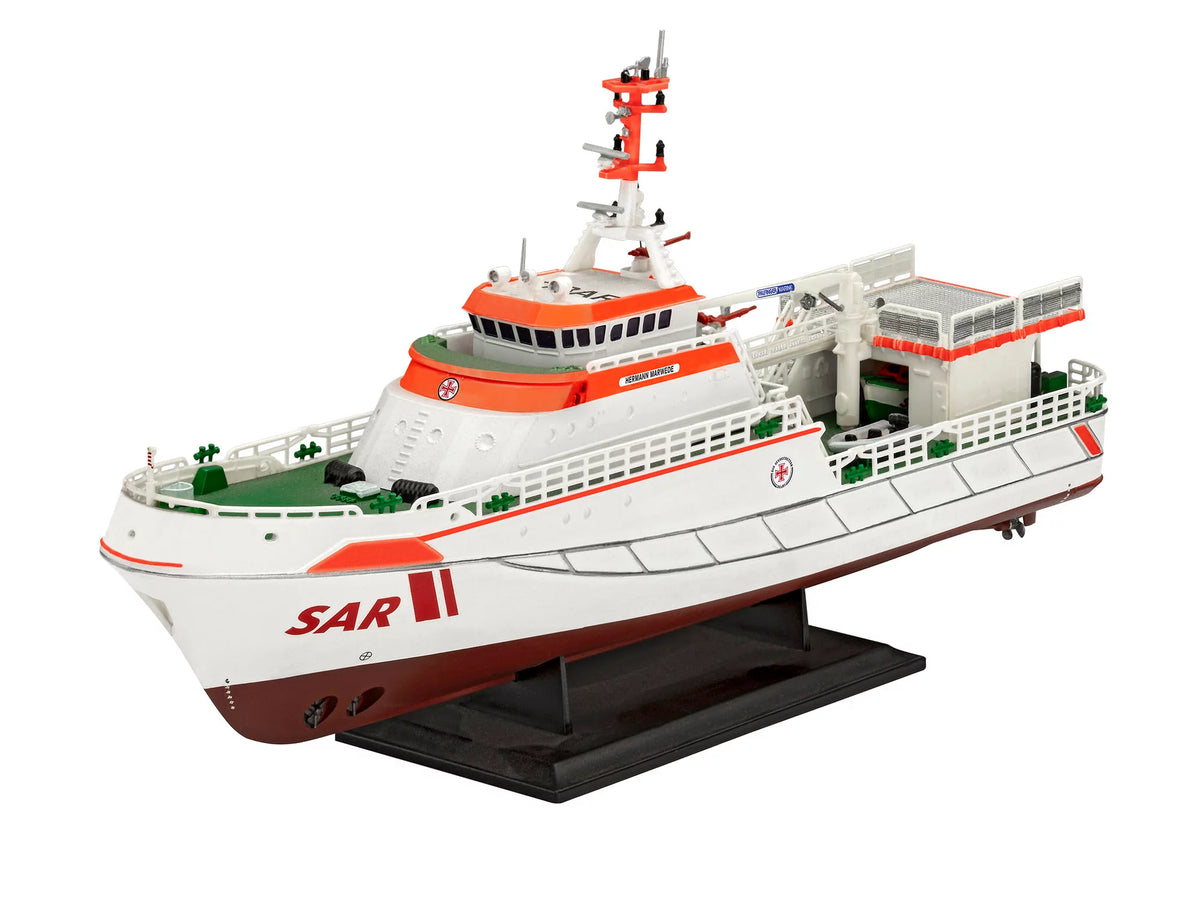
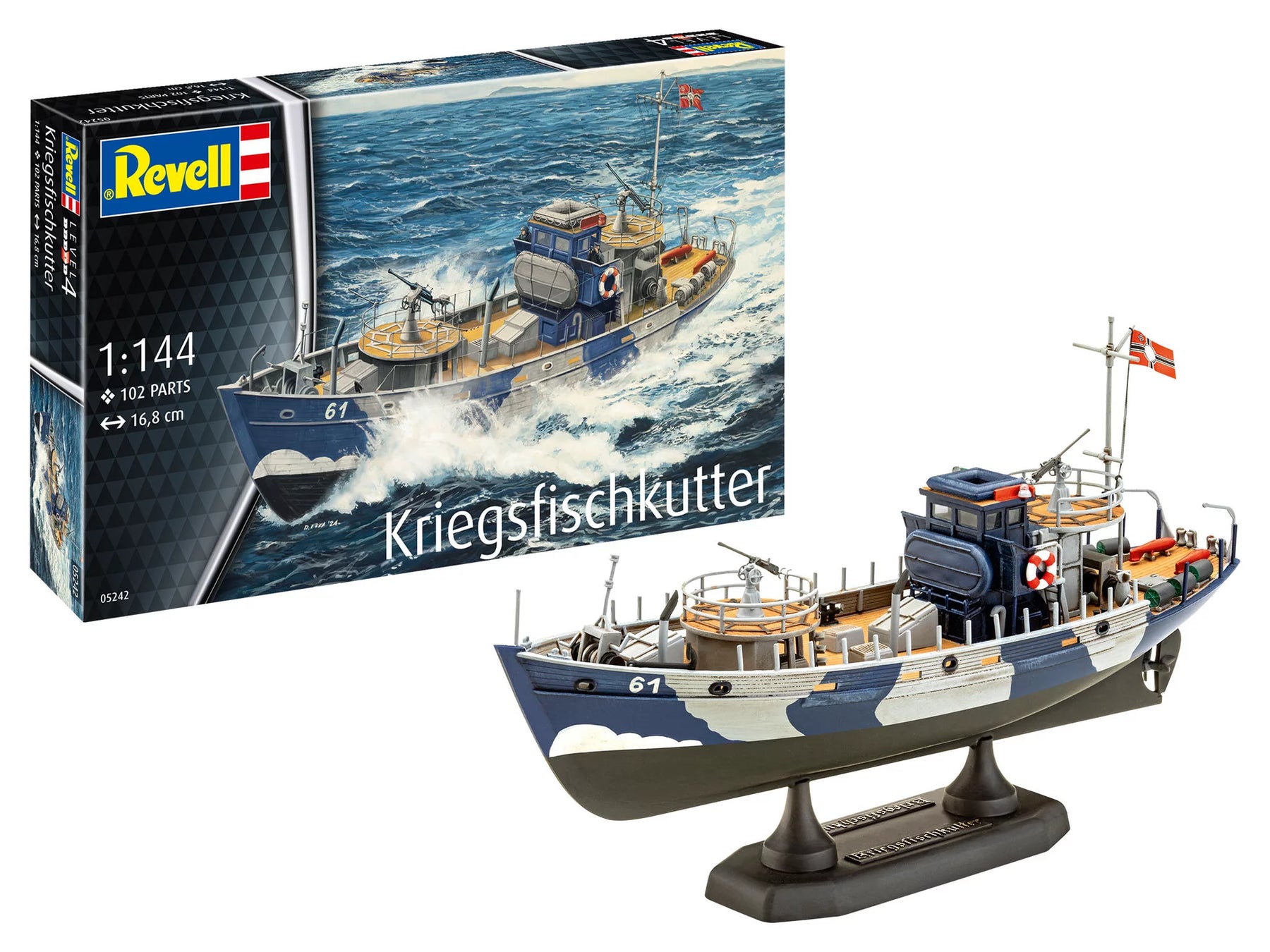
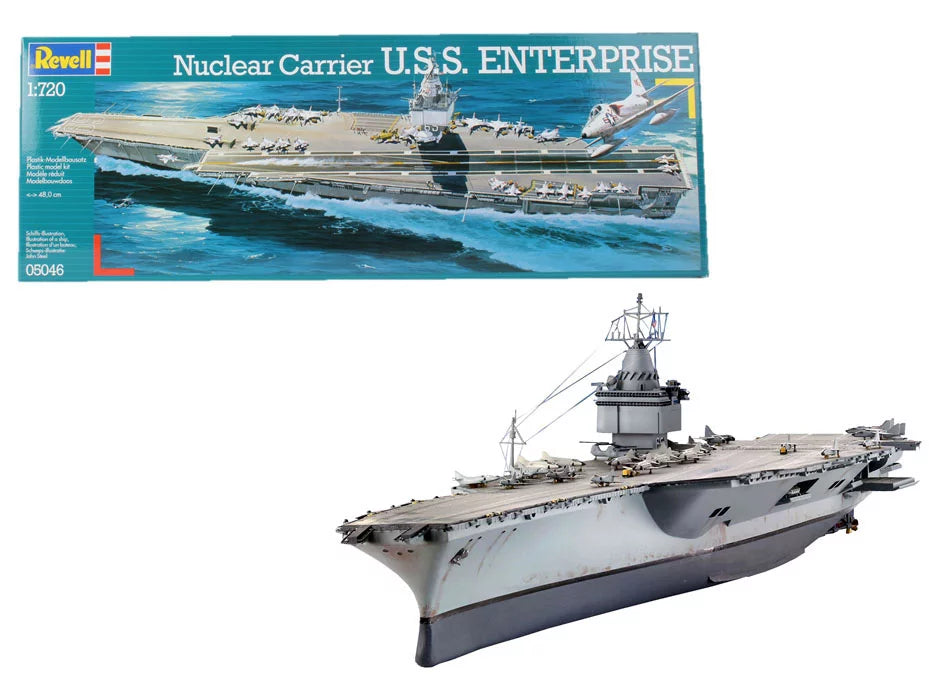
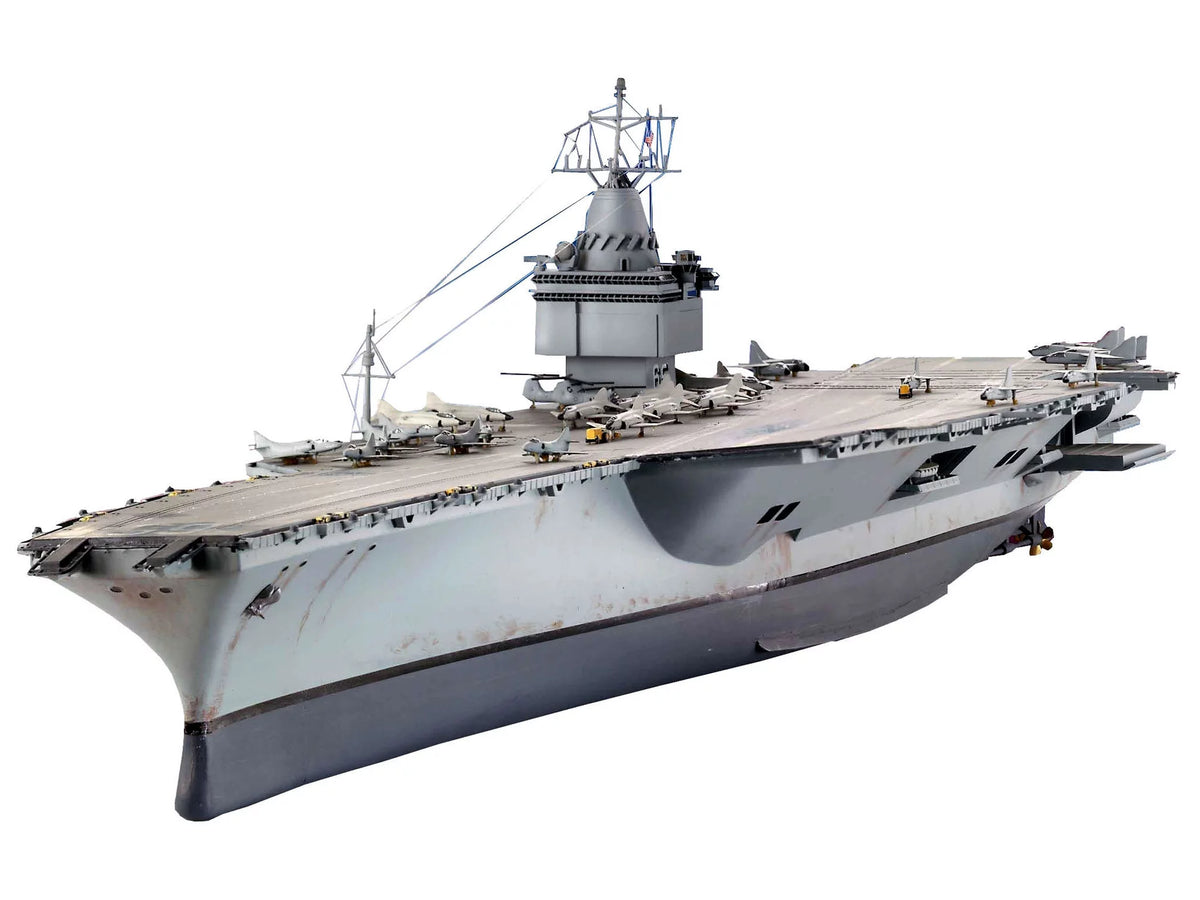
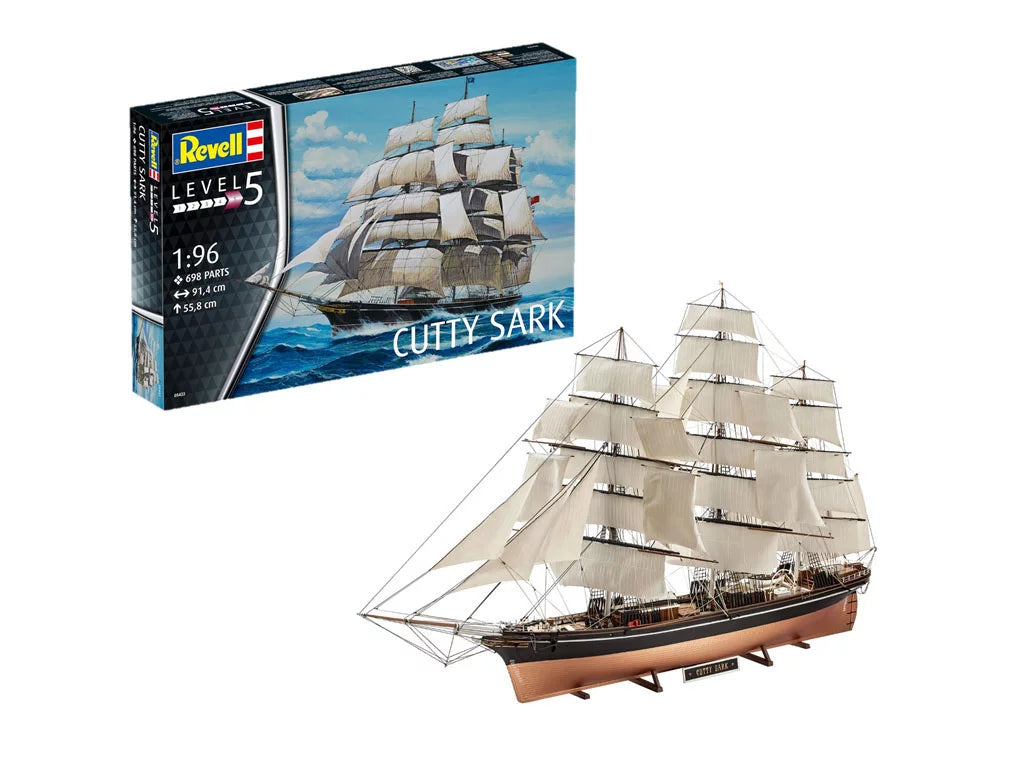
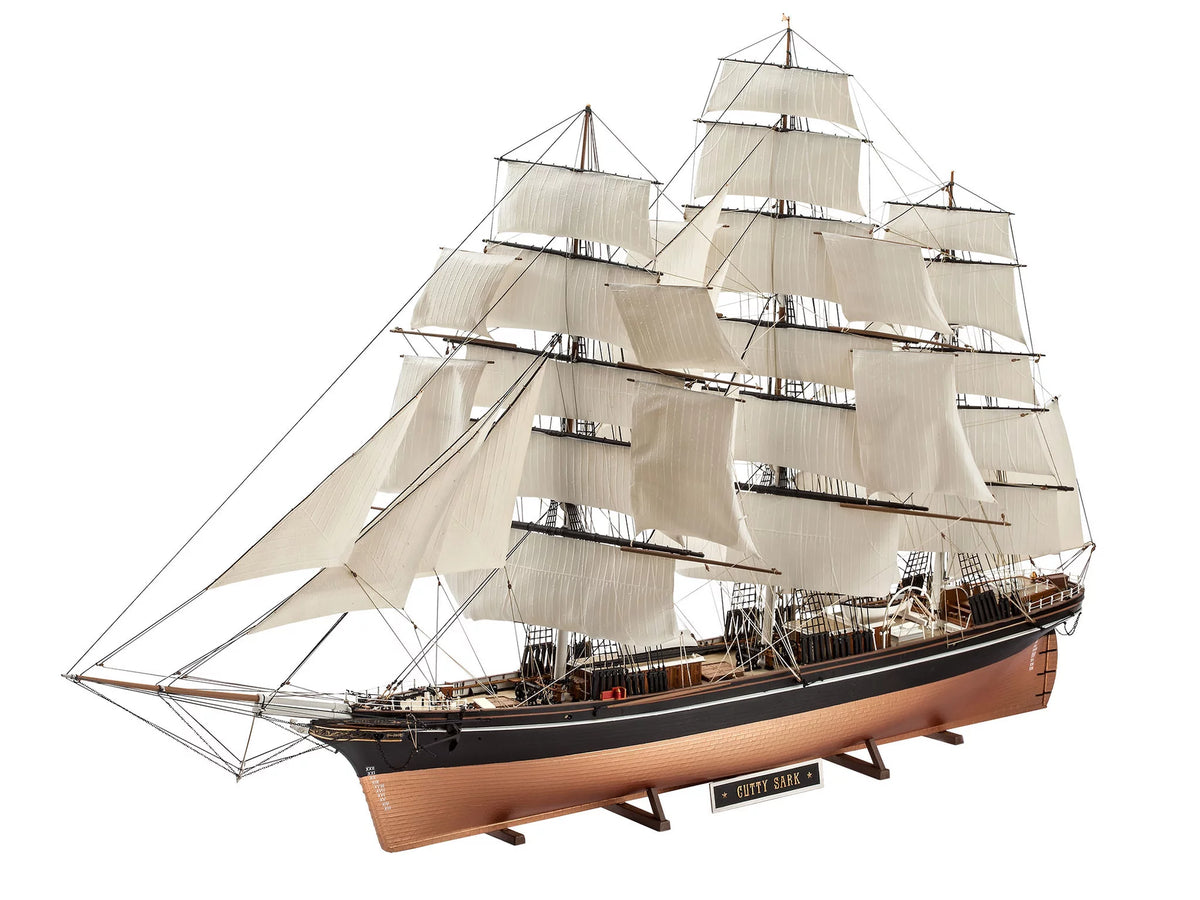
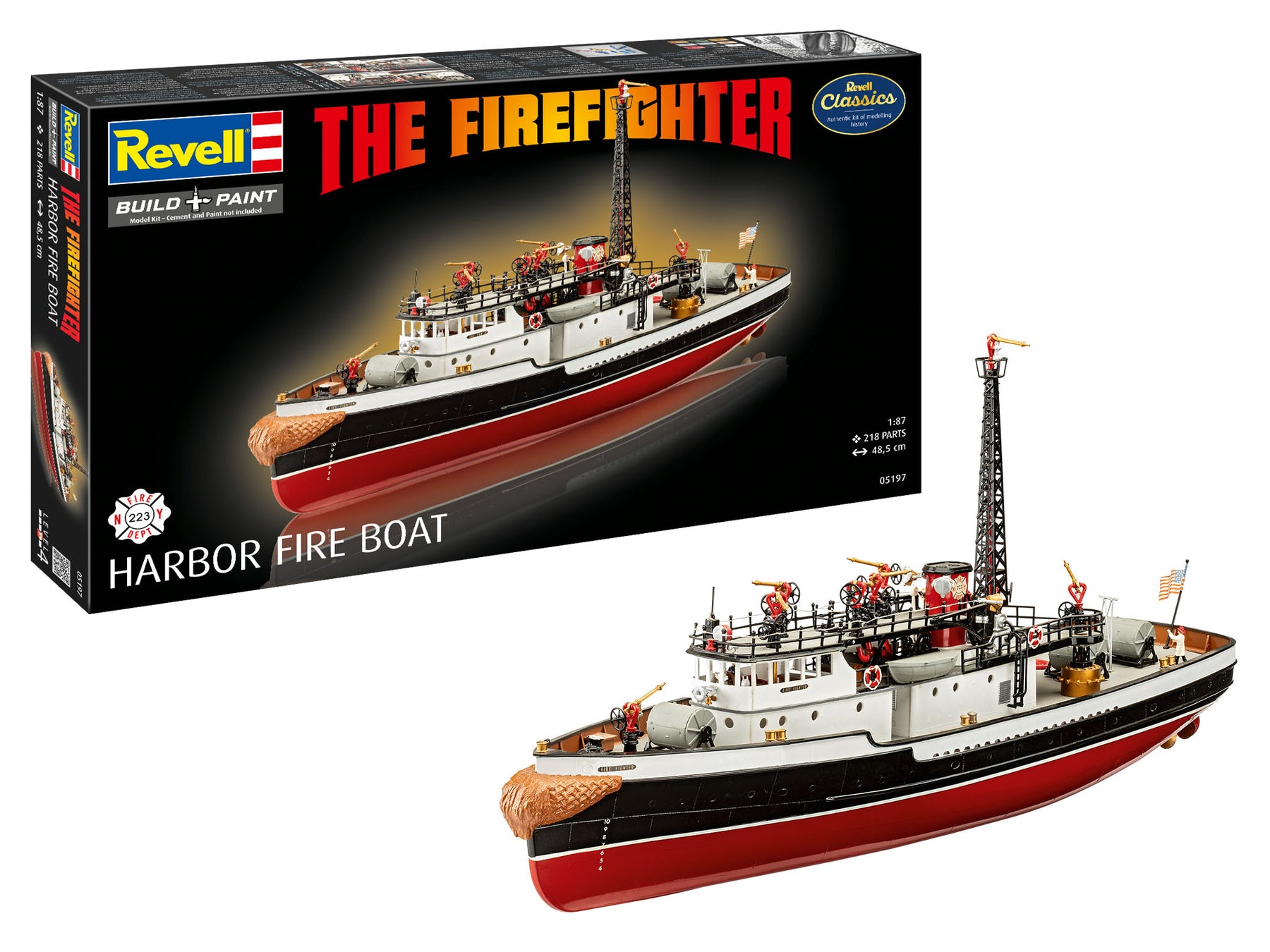
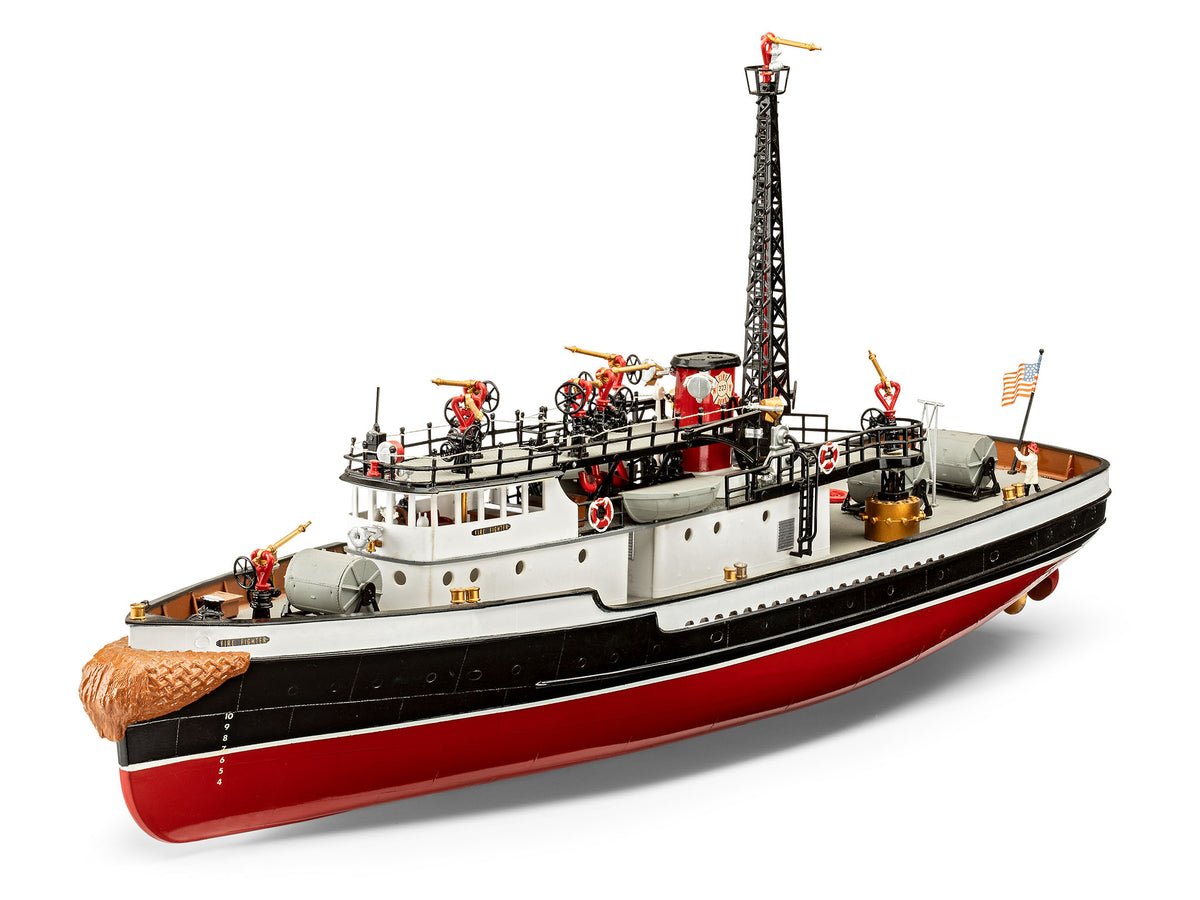
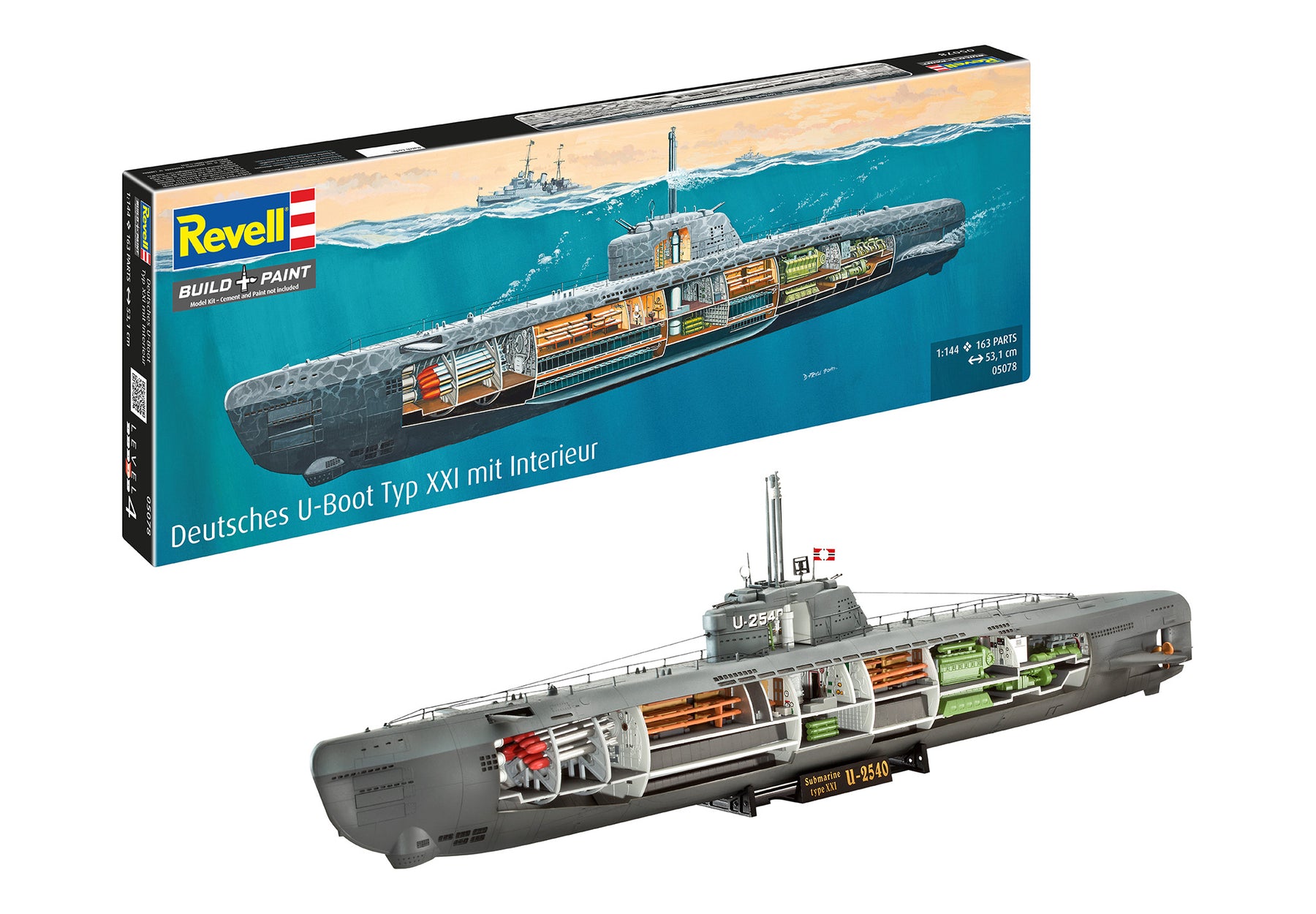
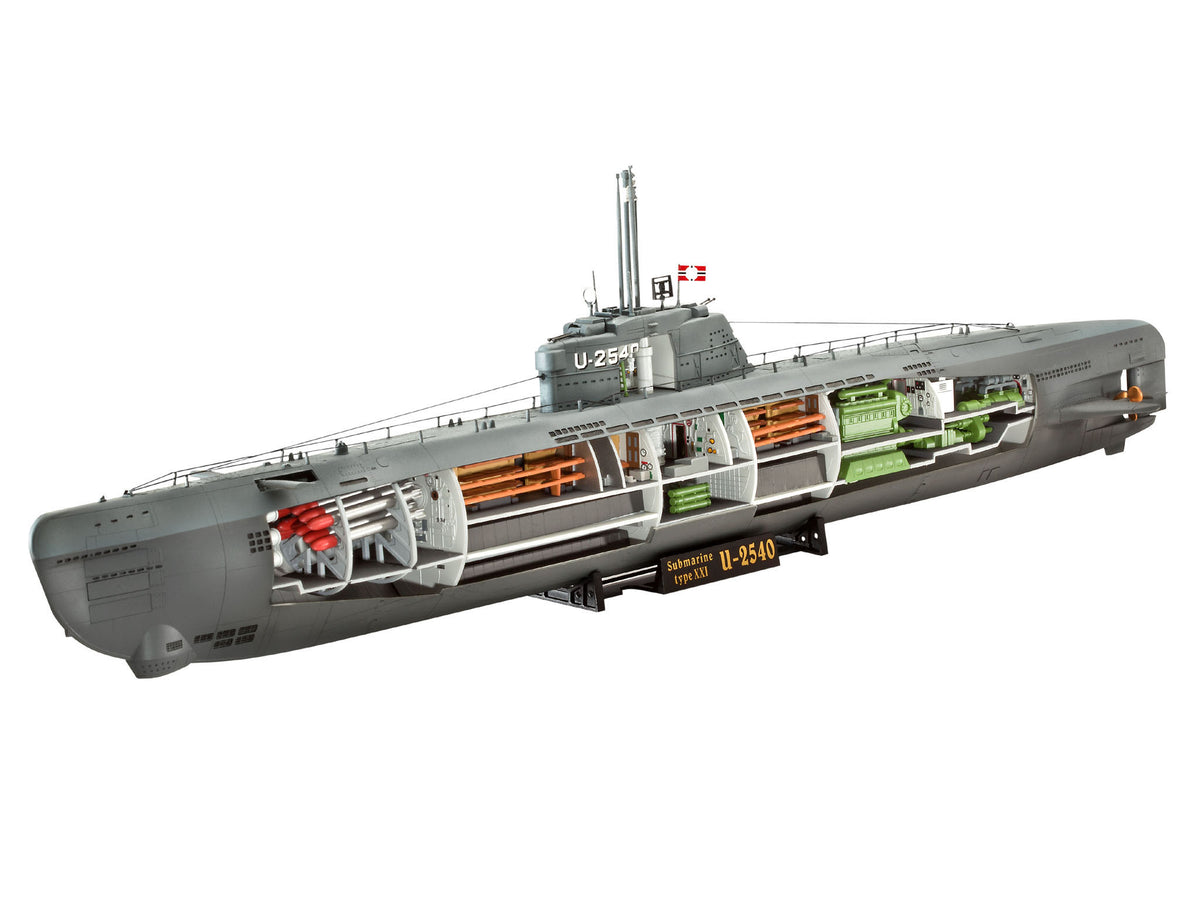
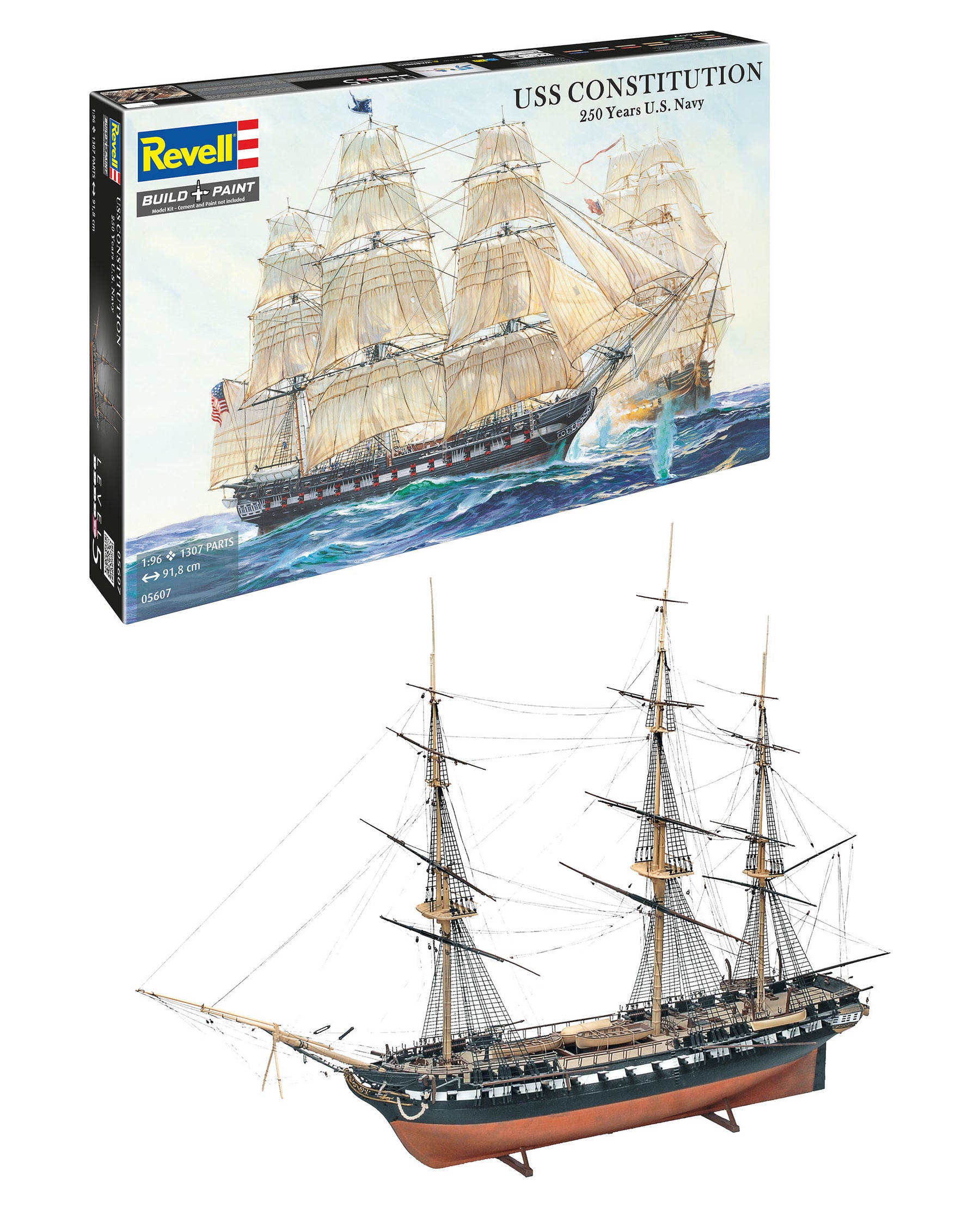
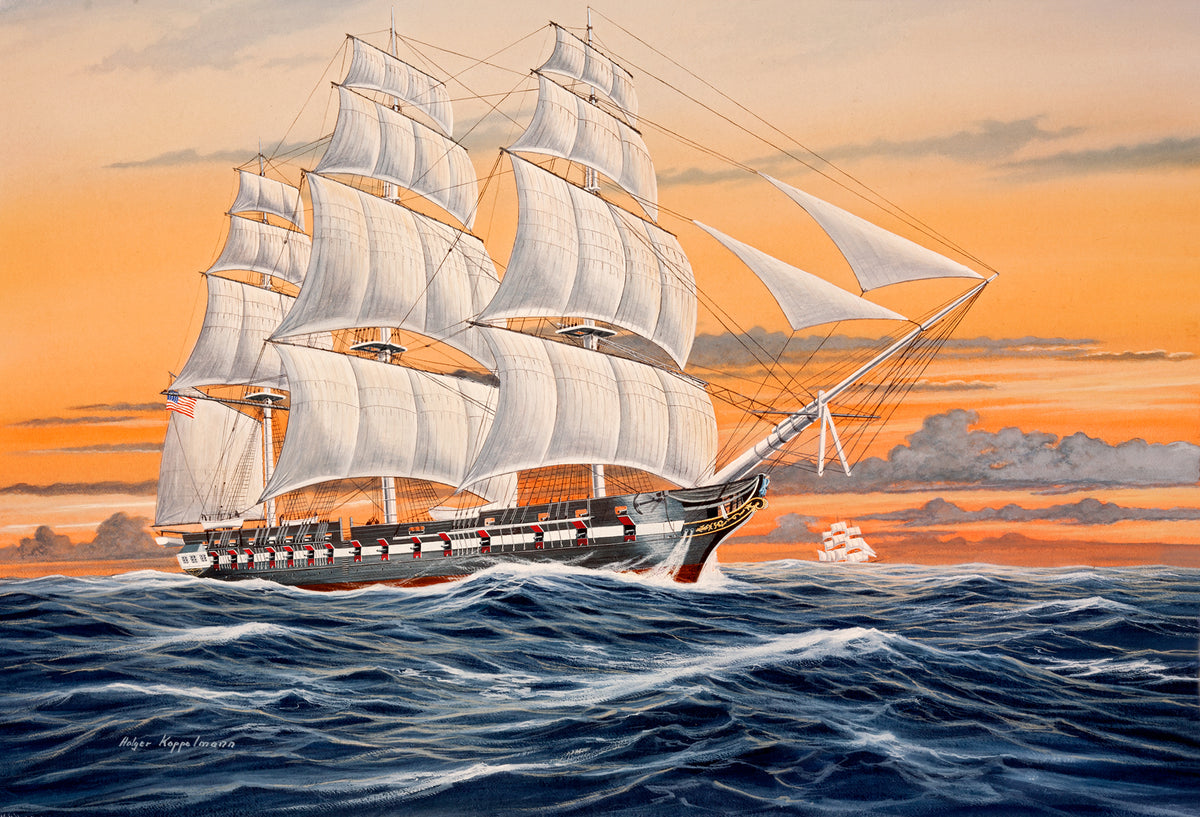
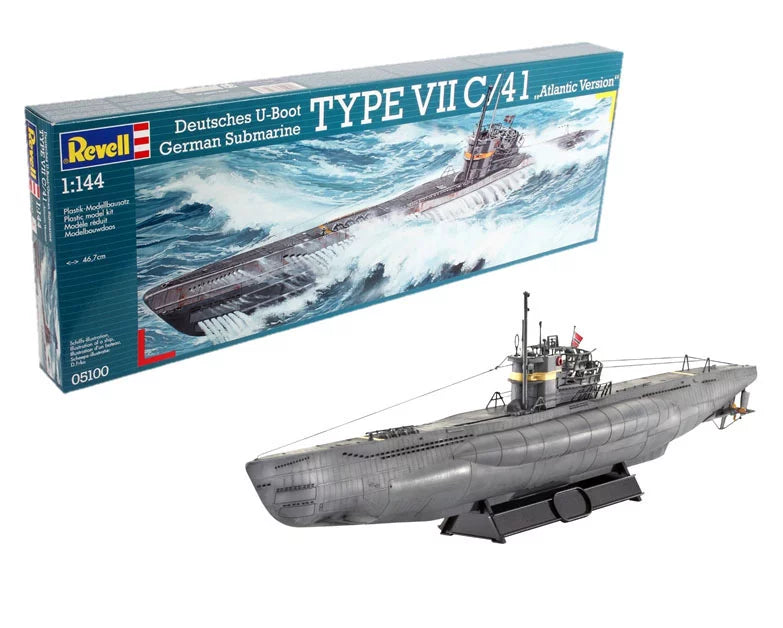
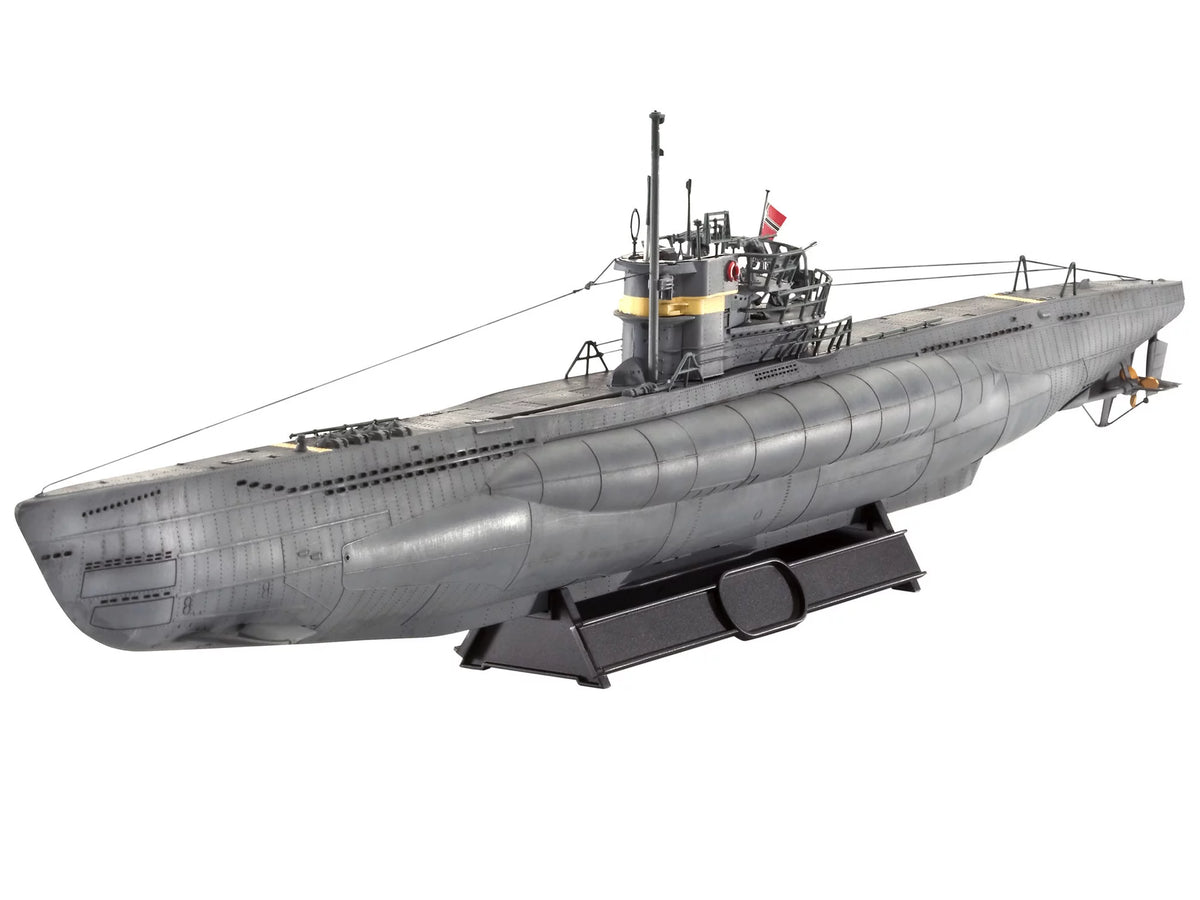
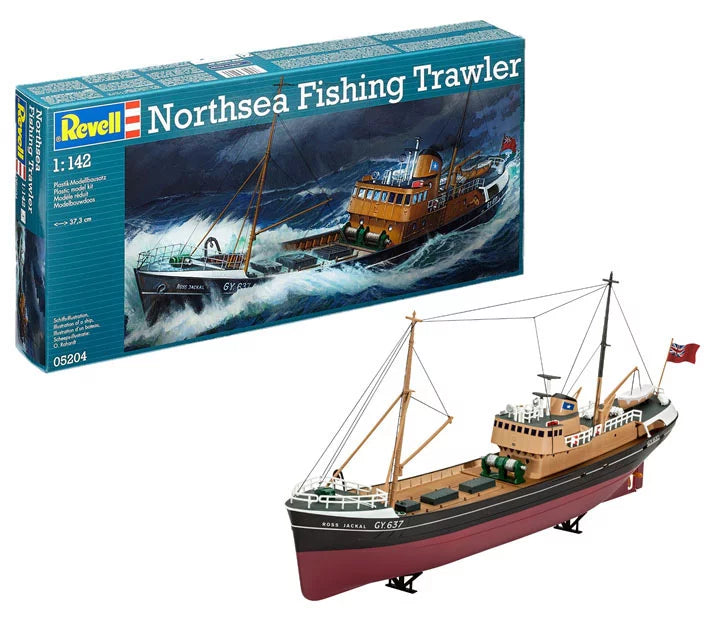
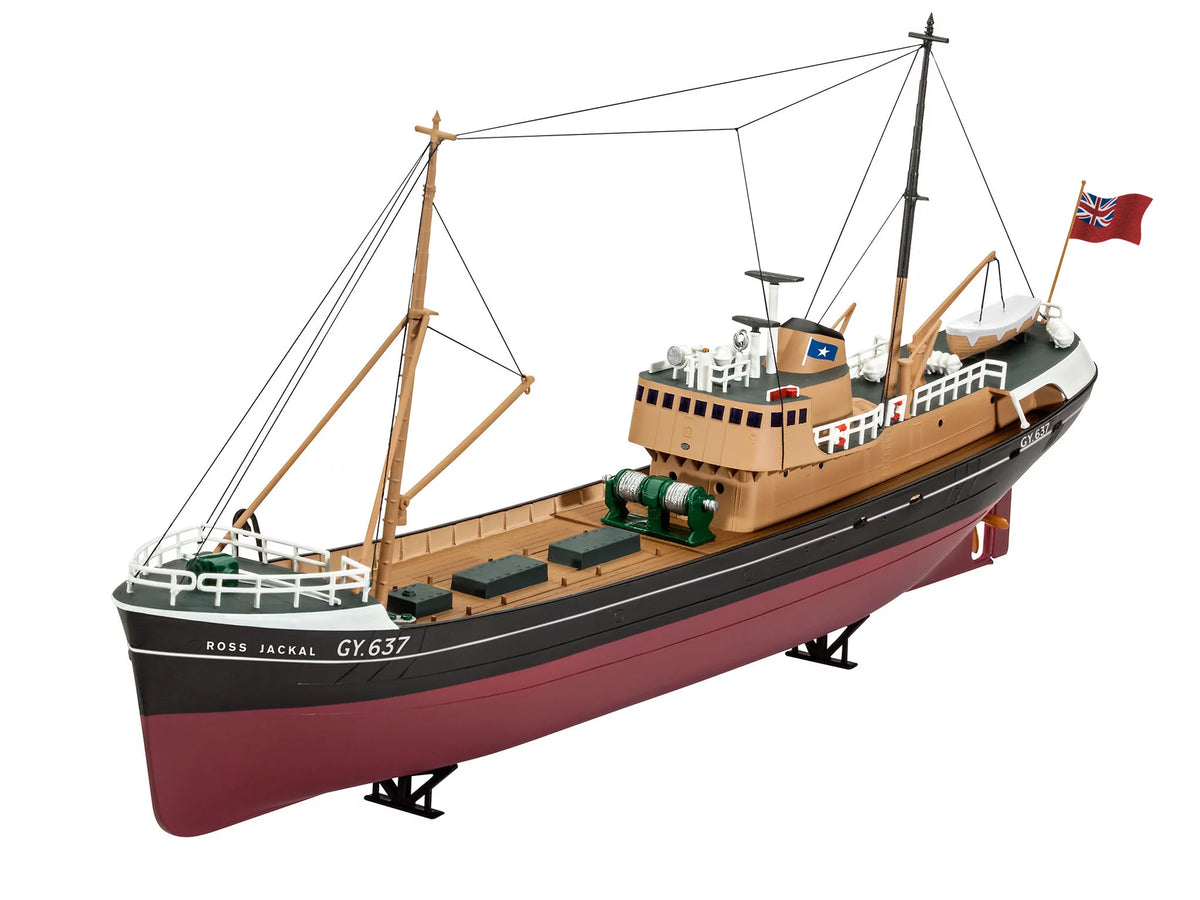
The spectrum ranges from historical sailing ships to warships and modern passenger steamers. Military vehicles such as battleships, cruisers and submarines form a focus, supplemented by civilian vessels such as freighters, ferries and cruise ships. Classic sailing ships from different eras are also represented.
What standards are offered?
The common scales range between 1:1200 and 1:72. Smaller scales such as 1:700 are suitable for collectors with limited space, while larger models at 1:350 or 1:200 allow for impressive levels of detail. The scale determines both the space required and the level of difficulty of the kit.
Levels of difficulty for every model builder
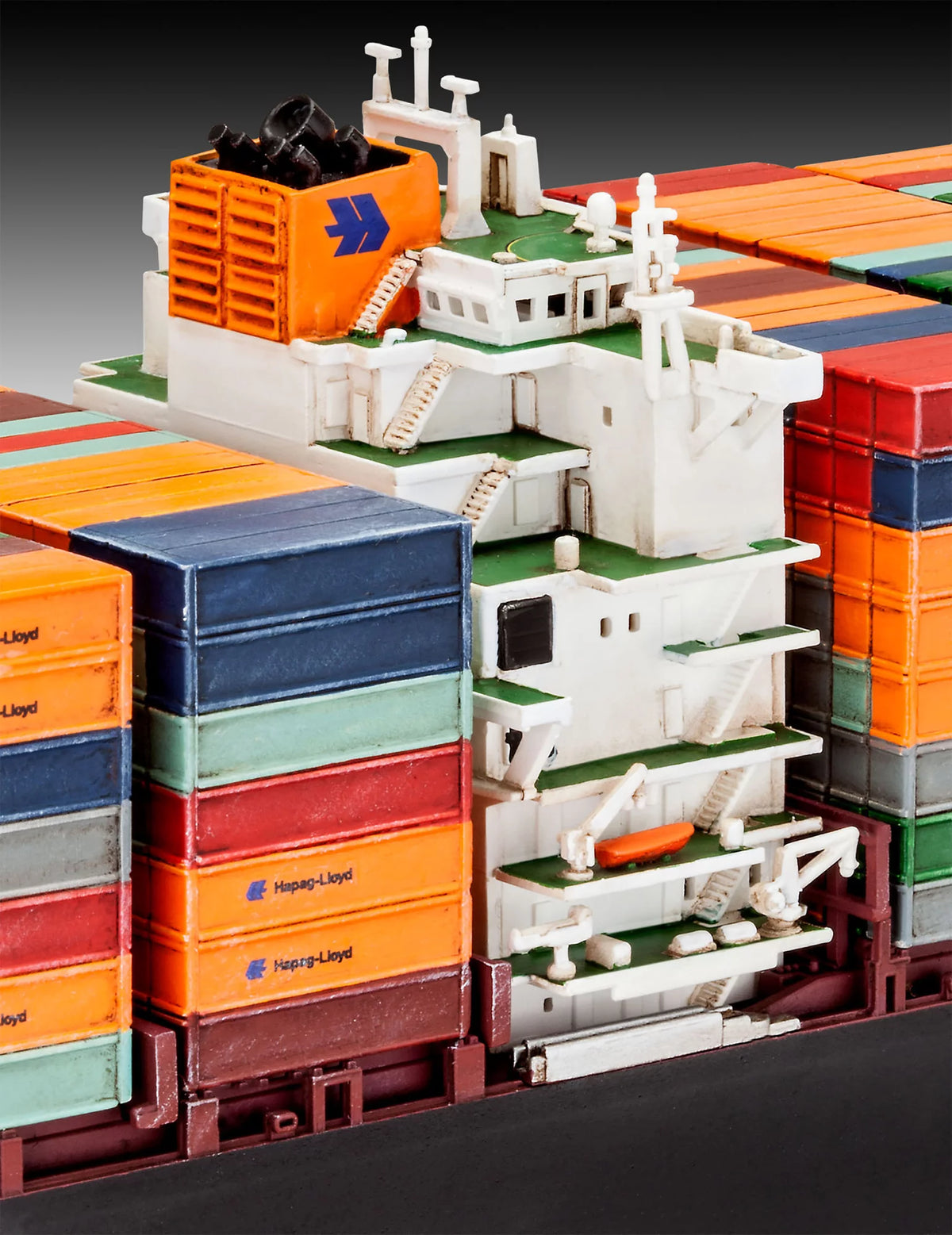
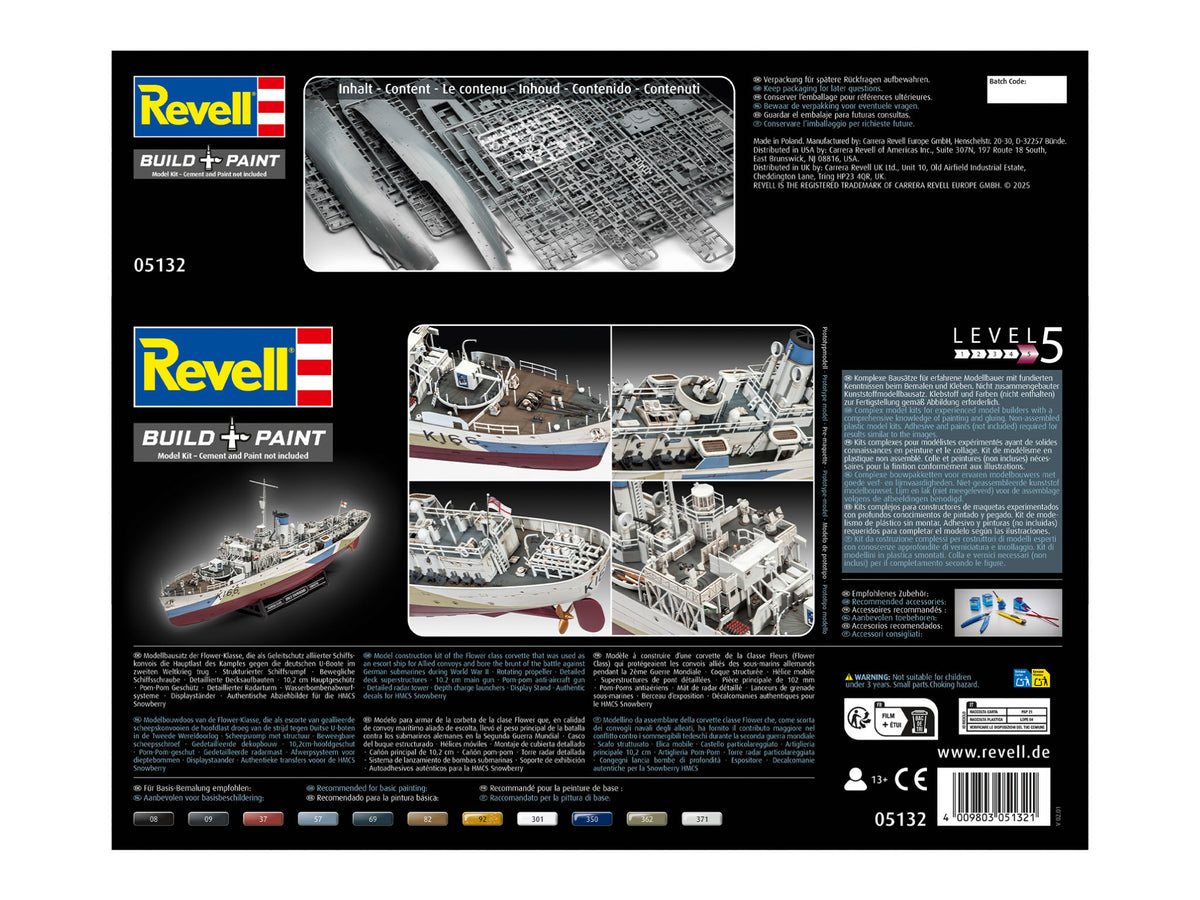
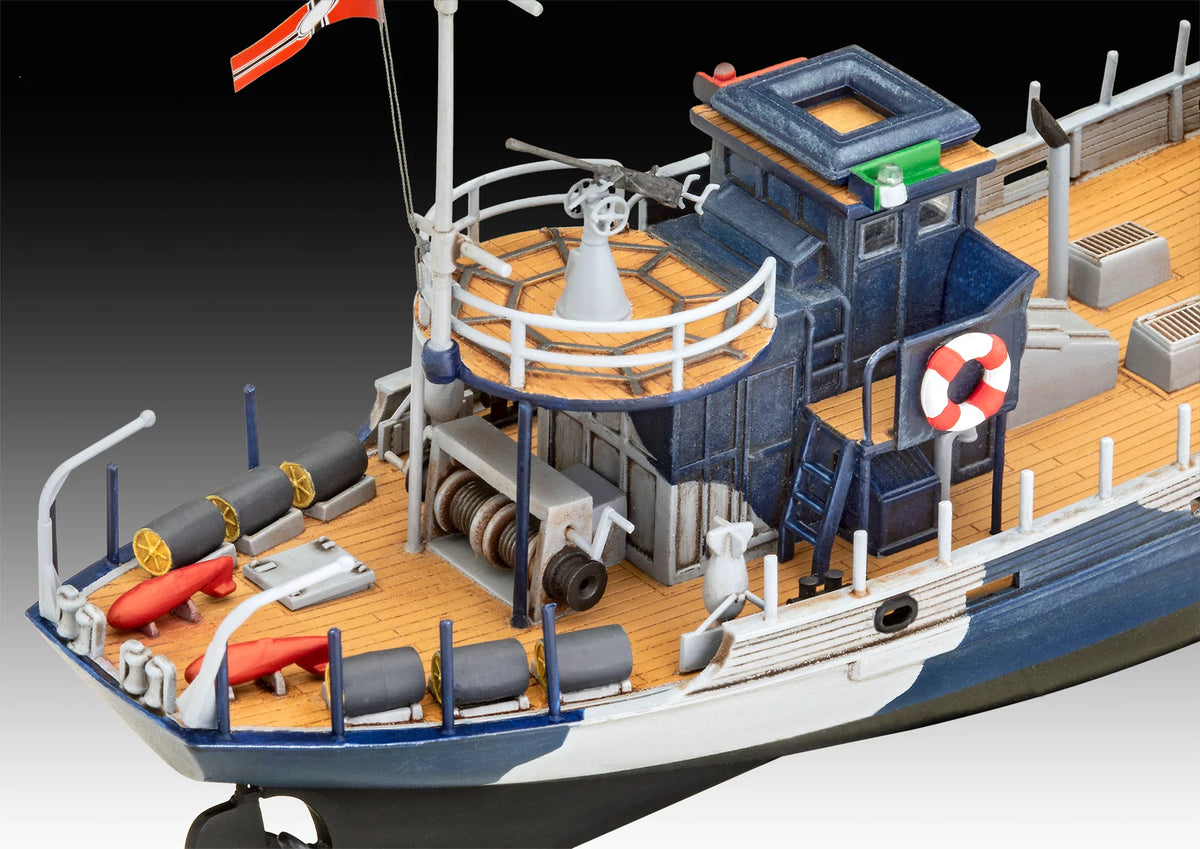
Entry-level models with few components enable quick success. Advanced kits offer movable turrets, detailed interiors and photorealistic printed components. Professional models with several hundred individual parts challenge even experienced model builders.
Required accessories and tools
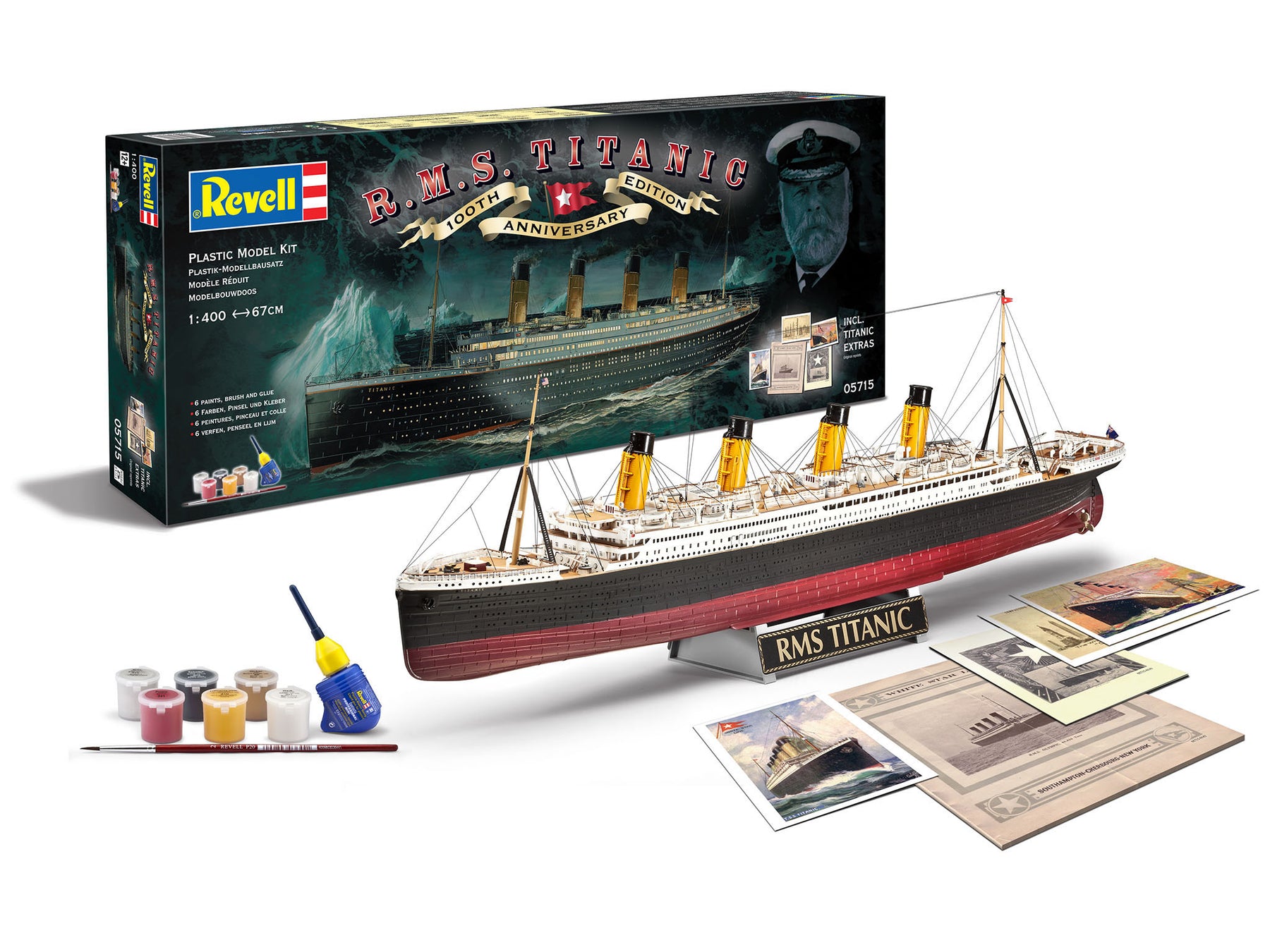
In addition to basic tools such as side cutters and files, special model making paints are required. Maritime colors such as ship gray, deck beige or rust red are standard. Decal softeners make it easier to apply lettering and national emblems. Additional rigging thread is necessary for sailing ships.
The right preparation and systematic approach guarantee optimal results in every maritime model building project.