




Model building meets aviation history
Why aircraft from the First World War are so fascinating
The First World War marked the beginning of modern air combat and fundamentally revolutionized warfare. In just four years, primitive reconnaissance aircraft developed into highly specialized fighter aircraft with sophisticated weapons and aerodynamics. This rapid technical evolution makes WWI aircraft particularly attractive model building projects.
Characteristic features of the era
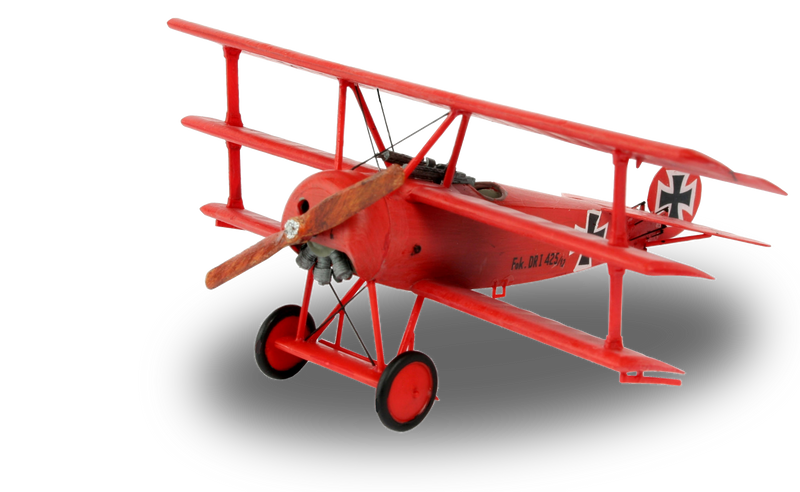
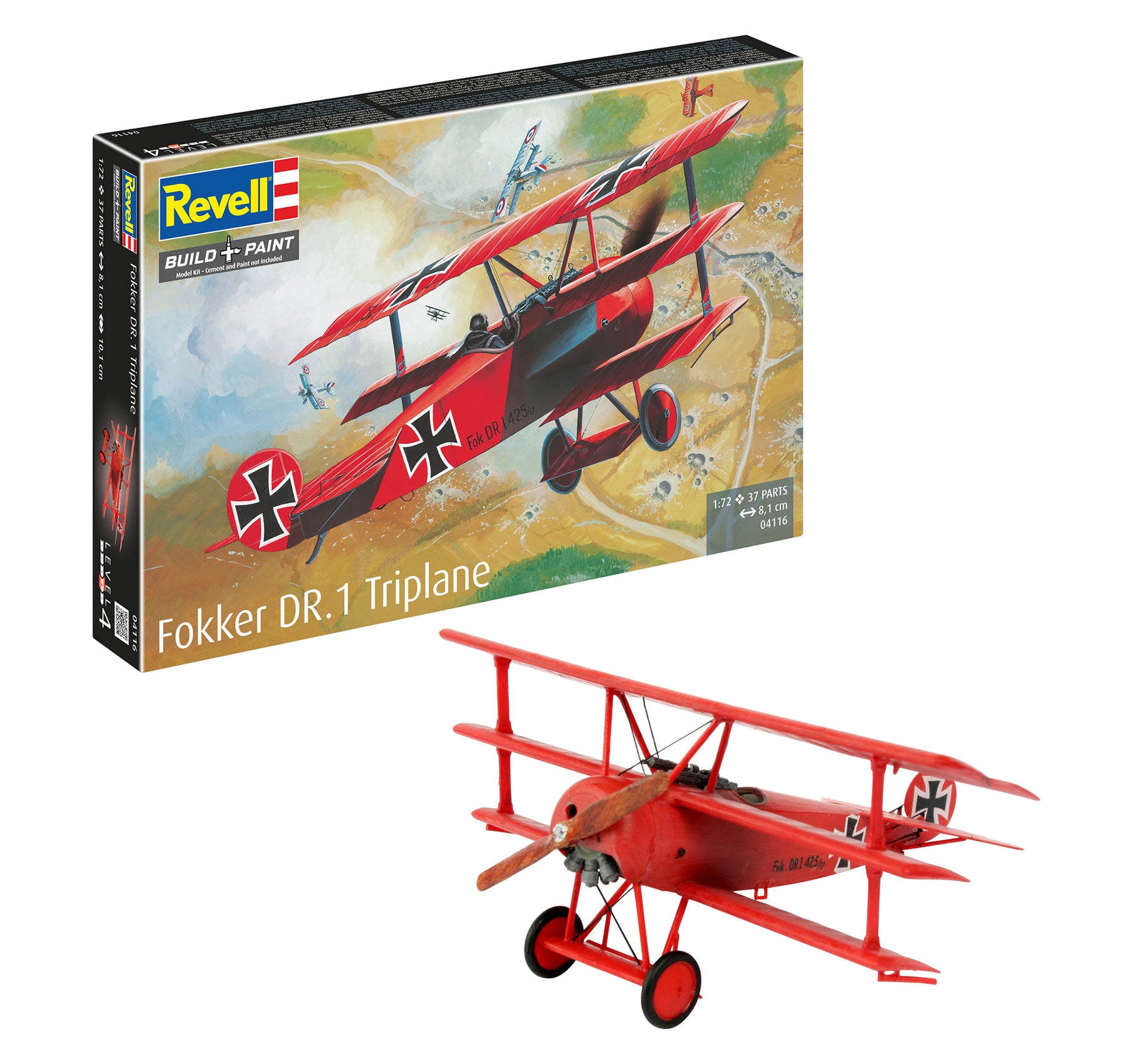
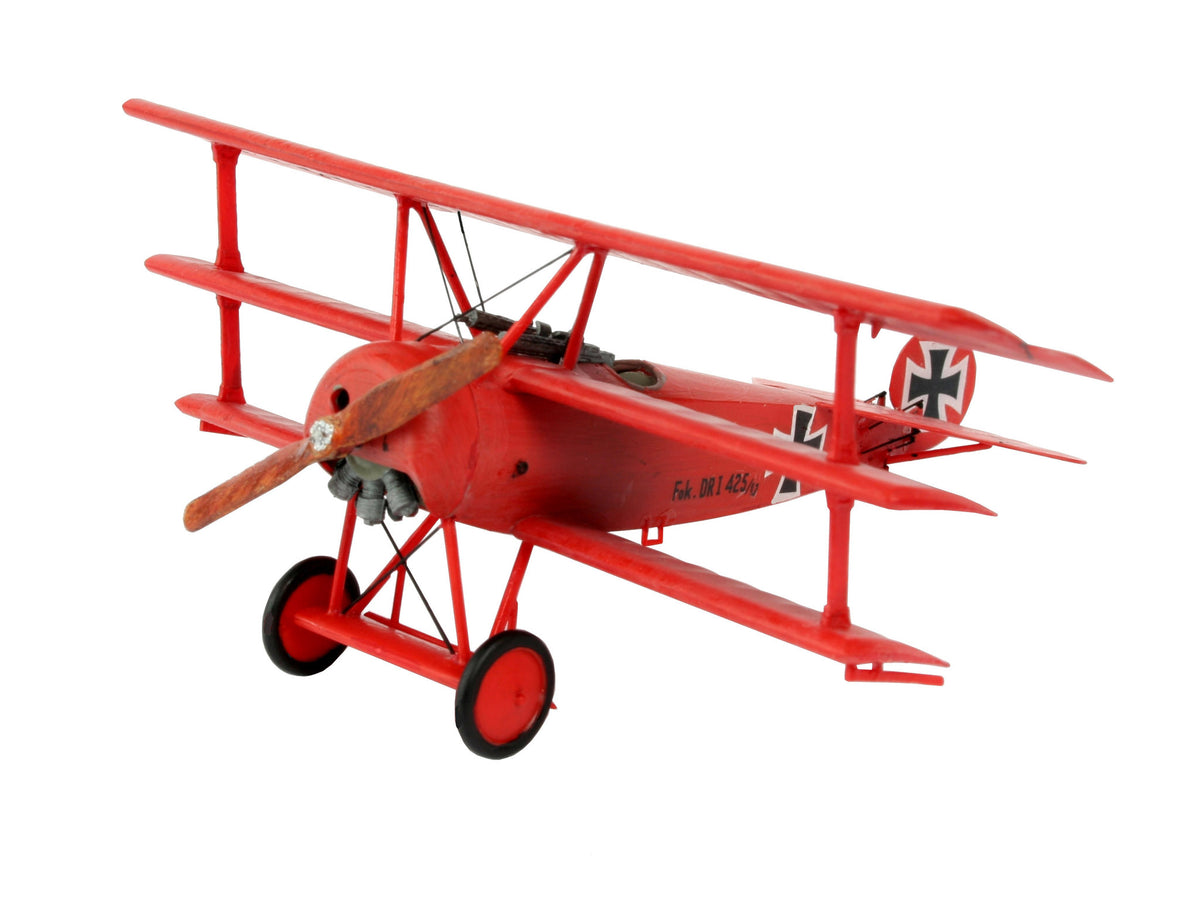
The aircraft of this time were characterized by their distinctive wood-and-canvas construction, coupled with innovative construction solutions such as biplane configurations or the revolutionary triplane design. Rotary motors, tension wire tensioning and craftsmanship details characterize the appearance of these pioneering machines.
Model building features of the WWI aircraft
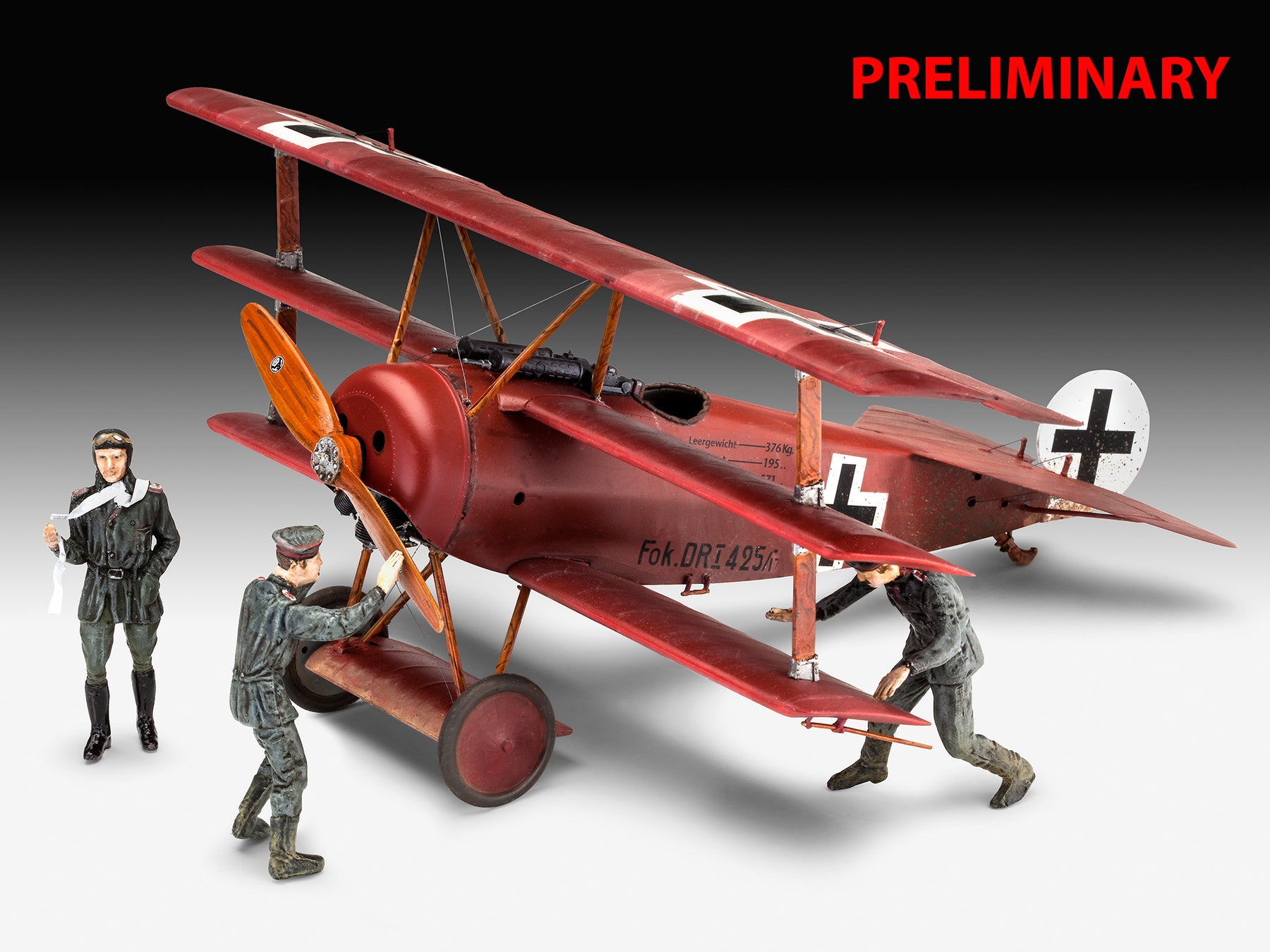
These kits offer unique challenges and rewards. The complex bracing with fine wires, the reproduction of the fabric covering using structured surfaces and the historically correct color schemes of various air forces require precision and patience. At the same time, the manageable dimensions also enable beginners to build successfully.
Historical authenticity in detail
Each kit is based on extensive historical research and original plans. From the characteristic bar crosses of the German Air Force to the colorful squadron badges of the Allied fighter squadrons - the decal sheets enable the authentic representation of famous machines and their pilots.
The combination of technical sophistication, historical significance and aesthetic elegance makes WWI aircraft models timeless classics of model building that fascinate both history buffs and technology enthusiasts alike.